The muscle car era produced some of the most memorable engines in automotive history. From big-block V8s to smaller high-performance powerplants, these engines helped define American performance during the 1960s and 1970s. Many remain admired today for their power, distinctive sound, mechanical character, and lasting influence on car enthusiasts, collectors, and builders.
Chevrolet 427 L88
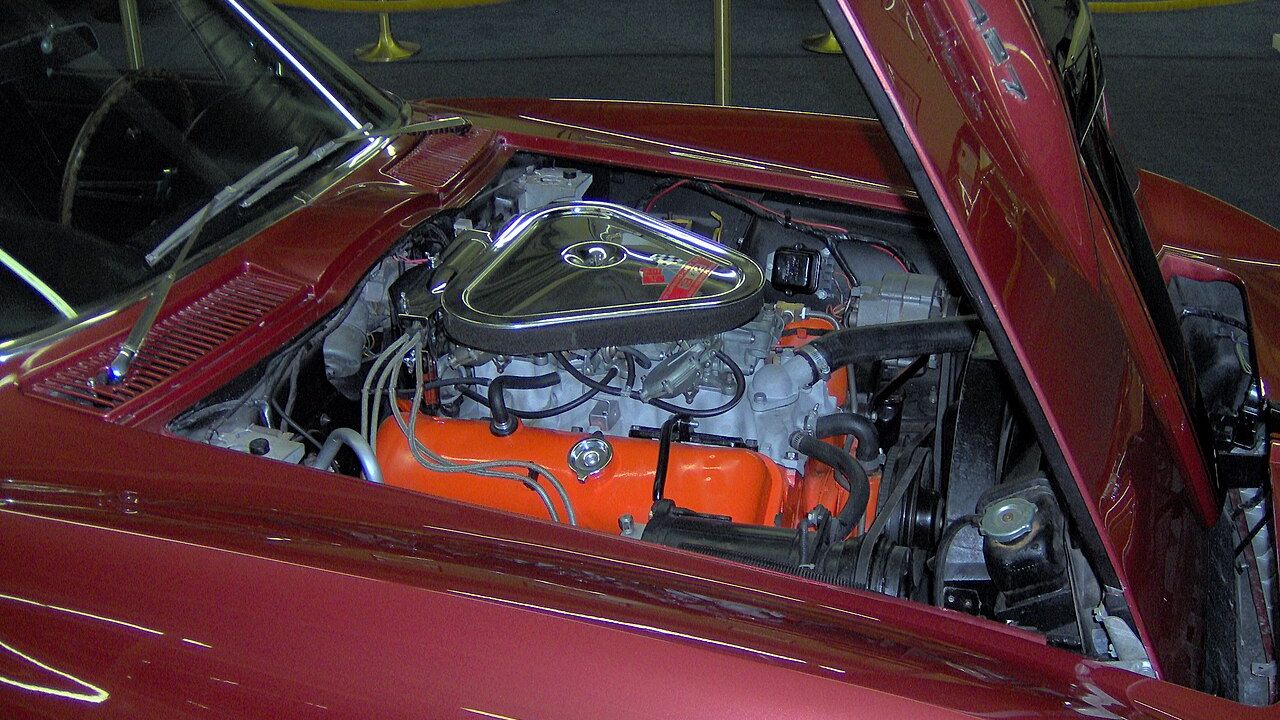
The Chevrolet 427 L88 remains one of the most respected high-performance big-block engines of the muscle era. Developed with racing in mind, it used a large-displacement design, high compression, and aggressive performance hardware. Factory output figures did not tell the whole story because Chevrolet deliberately understated its capabilities. The L88 found its way into legendary Corvettes and became especially famous for its competition potential. Its rarity, enormous performance, and racing reputation have made the 427 L88 one of the most desirable Chevrolet engines ever produced.
Chevrolet 427 ZL1
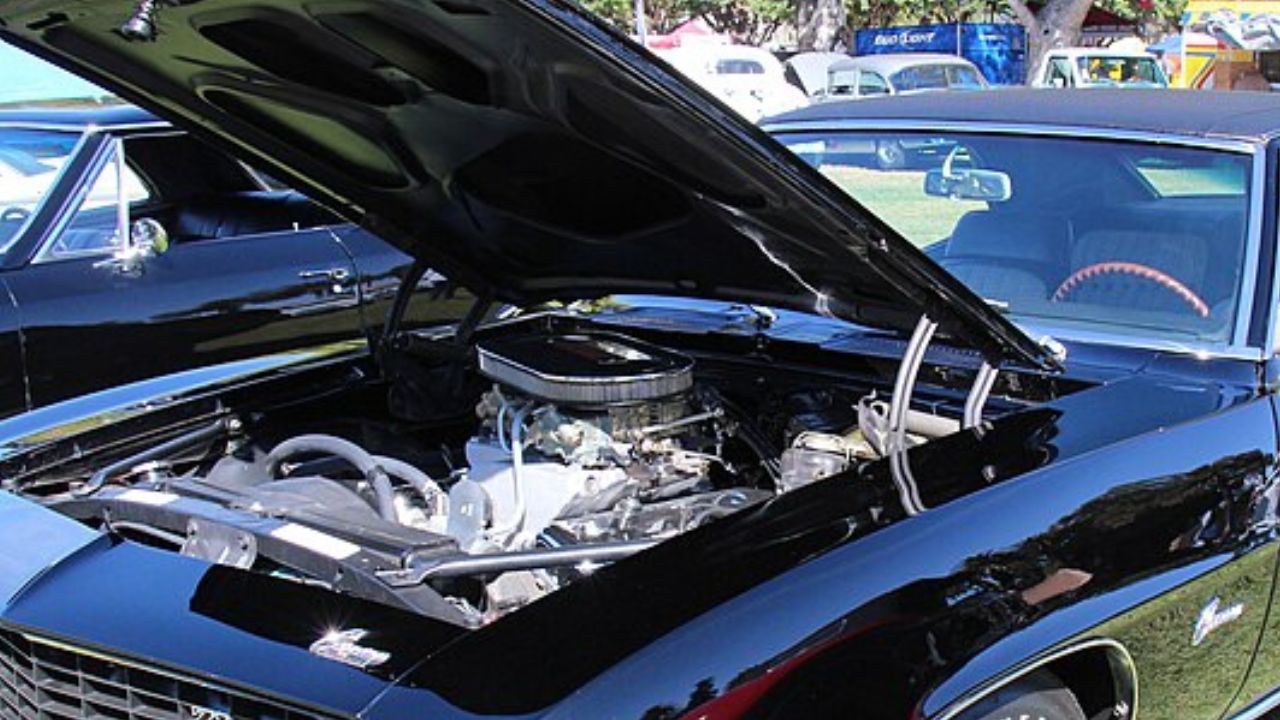
The Chevrolet 427 ZL1 was an extraordinary engine built around an all-aluminum big-block design. Its aluminum block and cylinder heads reduced weight while maintaining the enormous displacement associated with Chevrolet’s famous 427 family. Only a very small number were installed in production vehicles, making the ZL1 exceptionally rare today. Its combination of lightweight construction, high-performance components, and racing-oriented engineering gave it remarkable potential. The ZL1 demonstrated that a massive American V8 could also benefit from sophisticated weight-saving technology during the height of the muscle car era.
Chevrolet 396 Big-Block
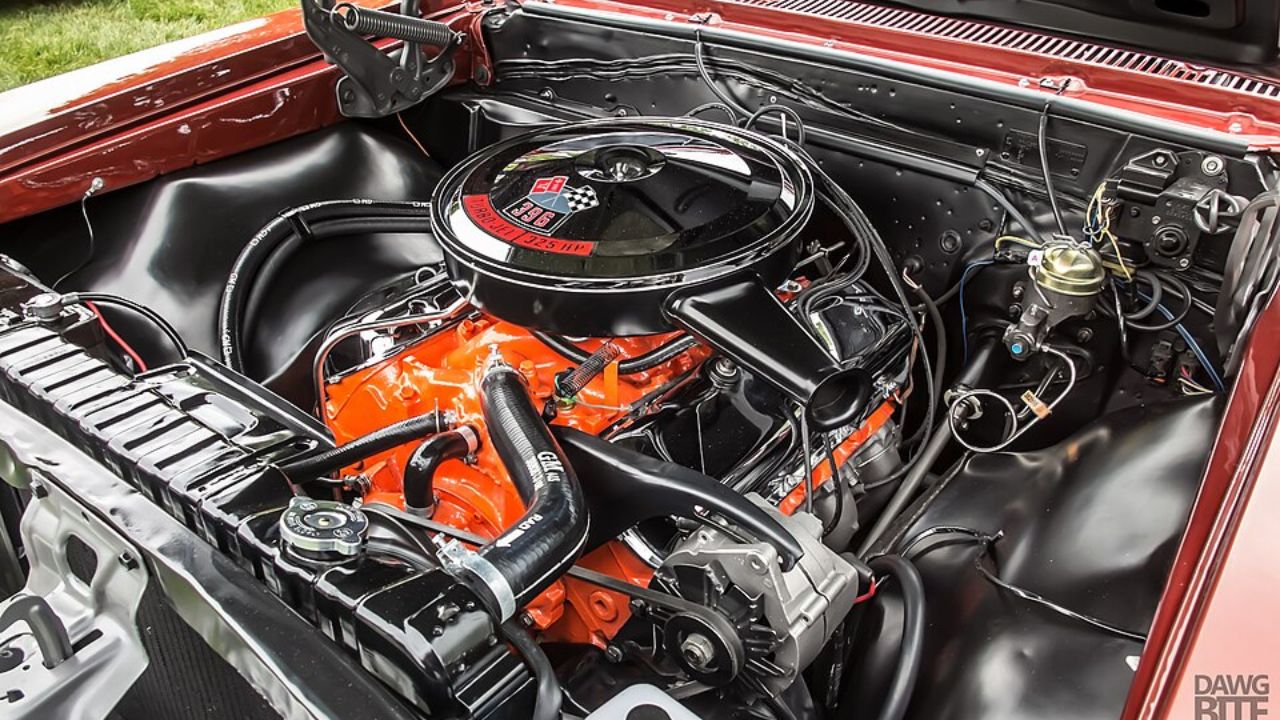
The Chevrolet 396 became one of the defining engines of the classic muscle car period. Introduced in the 1960s, it gave cars such as the Chevelle SS, Camaro, and other performance models serious V8 power without requiring an enormous displacement. Different versions offered varying levels of performance, allowing Chevrolet to serve both street drivers and enthusiasts seeking stronger acceleration. The 396 also helped establish the big-block Camaro and Chevelle as major competitors in the growing muscle car market. Its combination of torque, sound, and recognizable Chevrolet character keeps it popular.
Chevrolet 454 LS6
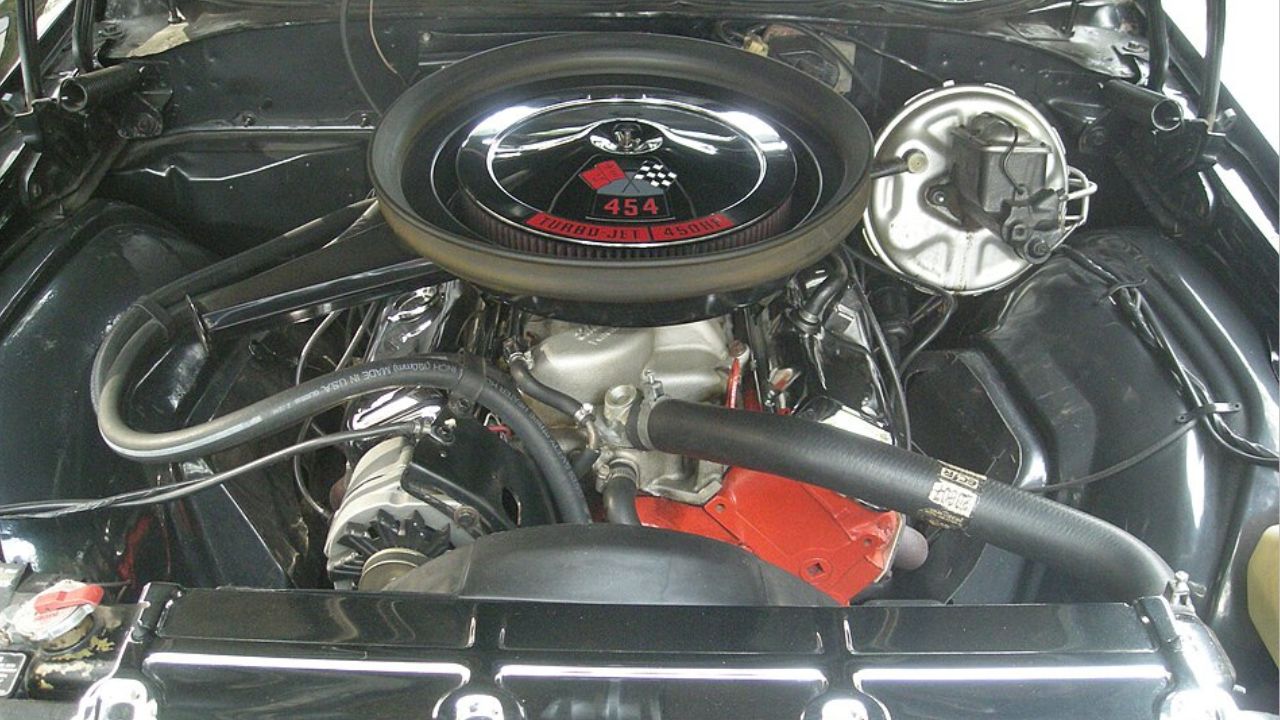
The Chevrolet 454 LS6 stands among the most famous factory muscle car engines ever produced. With 454 cubic inches of displacement, high-flow cylinder heads, a large four-barrel carburetor, and high-performance internals, it delivered enormous torque and acceleration. The engine became particularly associated with the 1970 Chevelle SS 454, creating one of the most recognizable combinations of the era. Its reputation was built on straightforward mechanical strength rather than complicated technology. Decades later, the LS6 remains a benchmark for naturally aspirated big-block muscle.
Ford 427 Side-Oiler

The Ford 427 Side-Oiler was created for serious performance and became closely connected with Ford’s racing program. Its distinctive oiling system supplied critical engine components more effectively under demanding conditions, making it particularly suitable for competition. The engine powered legendary Ford performance cars and race machines, including the Shelby Cobra and GT40. Its combination of large displacement, robust construction, and racing heritage gave the 427 an almost mythical reputation. Although expensive and relatively uncommon, the Side-Oiler demonstrated how Ford could turn a traditional V8 architecture into a formidable performance engine.
Ford 428 Cobra Jet
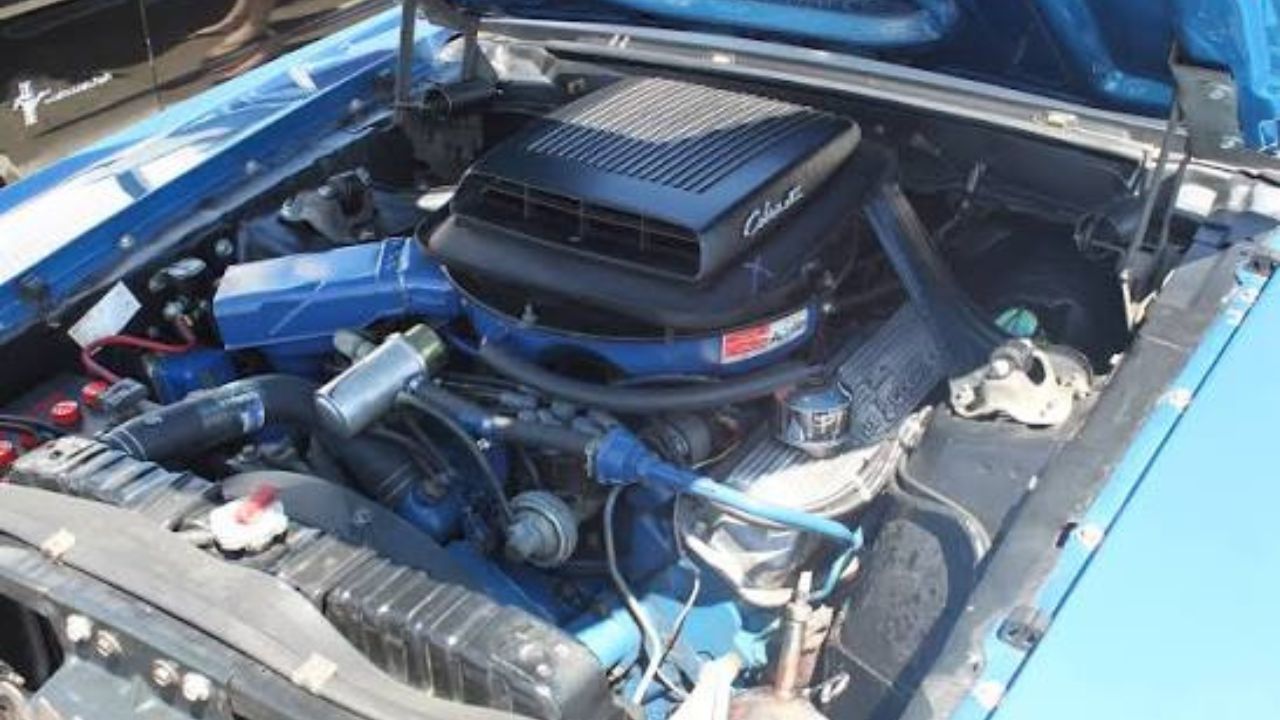
The Ford 428 Cobra Jet brought serious big-block performance to a broader group of muscle car buyers. Introduced for the 1968 model year, it became famous in cars such as the Mustang, Torino, and Fairlane. The engine combined a large displacement with performance-focused cylinder heads, induction equipment, and durable internal components. Its strong torque made it especially effective for street acceleration and drag racing. Unlike some extremely rare competition engines, the Cobra Jet was available to regular customers, helping create its lasting reputation among Ford muscle car enthusiasts.
Ford Boss 302
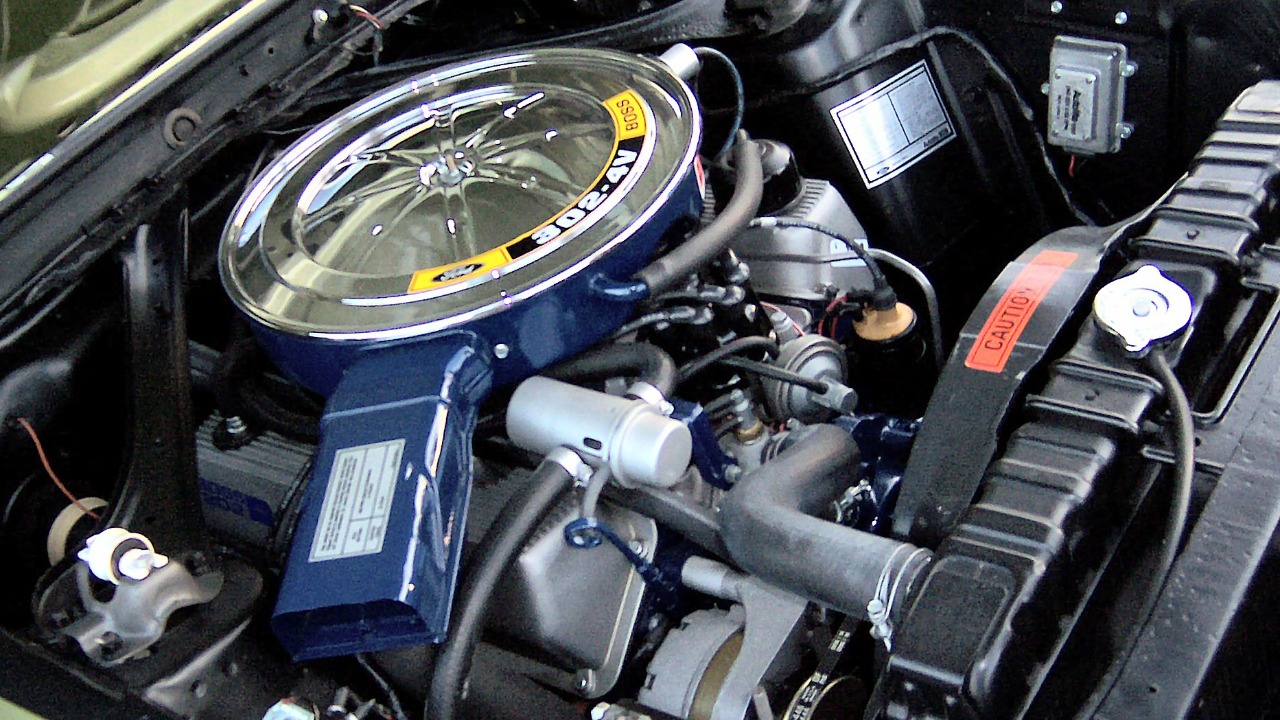
The Ford Boss 302 was different from the massive big-block engines dominating many muscle car discussions. Its 302-cubic-inch V8 was engineered with performance in mind, using specialized cylinder heads and other components designed to improve breathing and high-rpm operation. It became particularly famous in the 1969 and 1970 Mustang Boss 302, where its characteristics complemented the car’s road-racing focus. The engine proved that displacement was not everything. Strong airflow, durable construction, and a high-revving personality allowed the Boss 302 to compete against much larger engines.
Ford Boss 429
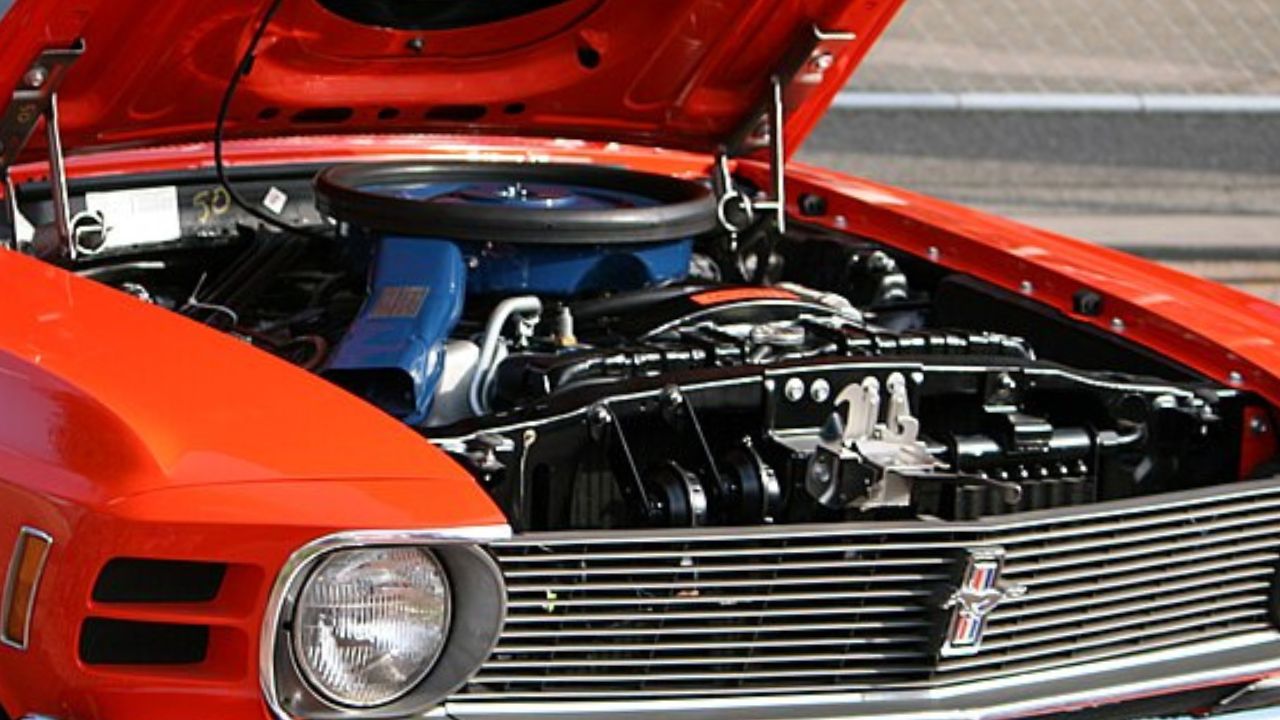
The Ford Boss 429 is one of the most recognizable engines from the muscle car era. Created partly to meet NASCAR homologation requirements, it used massive cylinder heads and a 429-cubic-inch design engineered for serious airflow. Installing it into the Mustang required significant modifications because of its enormous physical dimensions. The resulting cars were rare and expensive when new. Today, the Boss 429 remains famous for its unusual engineering, distinctive appearance, and connection to NASCAR competition. It represents Ford’s willingness to build specialized engines for performance purposes.
Chrysler 426 Hemi
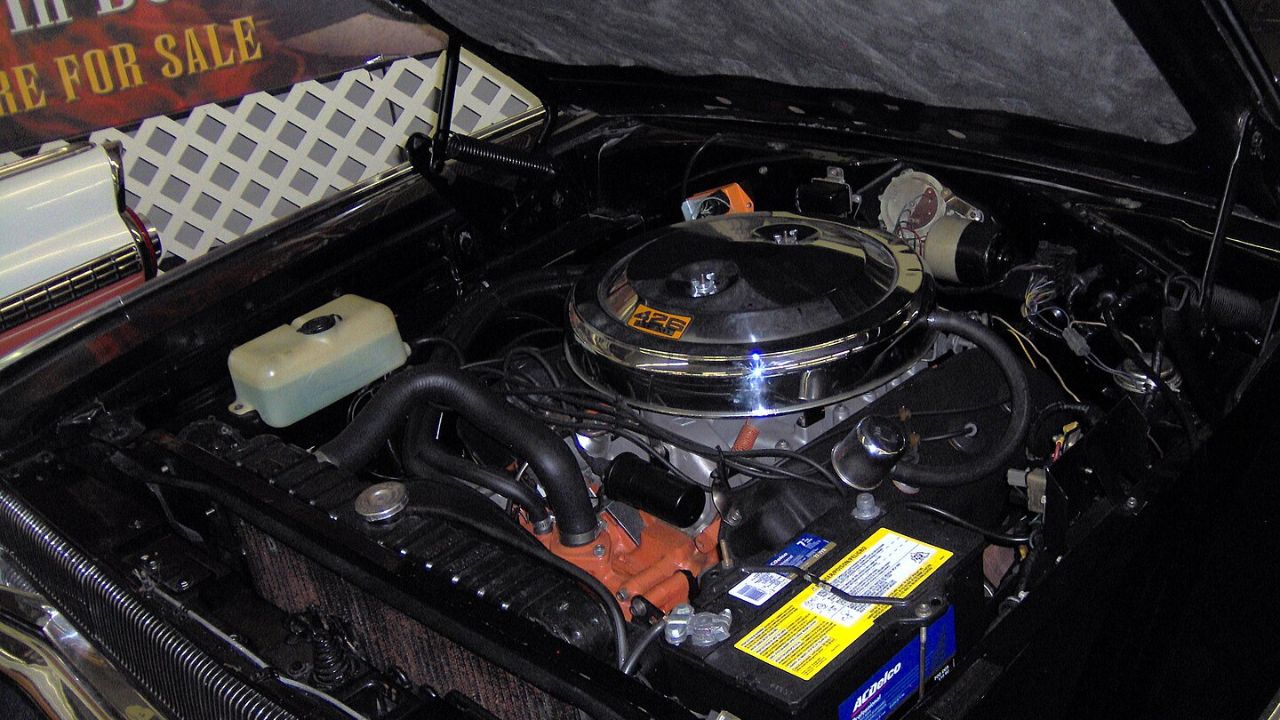
The Chrysler 426 Hemi is arguably one of the most recognizable engines of the entire muscle car period. Its hemispherical combustion chambers allowed Chrysler engineers to create excellent airflow and strong high-rpm performance. Introduced for production muscle cars in the 1960s, the engine became closely associated with models such as the Dodge Charger, Plymouth Road Runner, and Dodge Challenger. Its combination of power, sound, and racing success created an enduring reputation. The 426 Hemi remains a major reference point whenever classic American performance engines are discussed.
Chrysler 440 Magnum
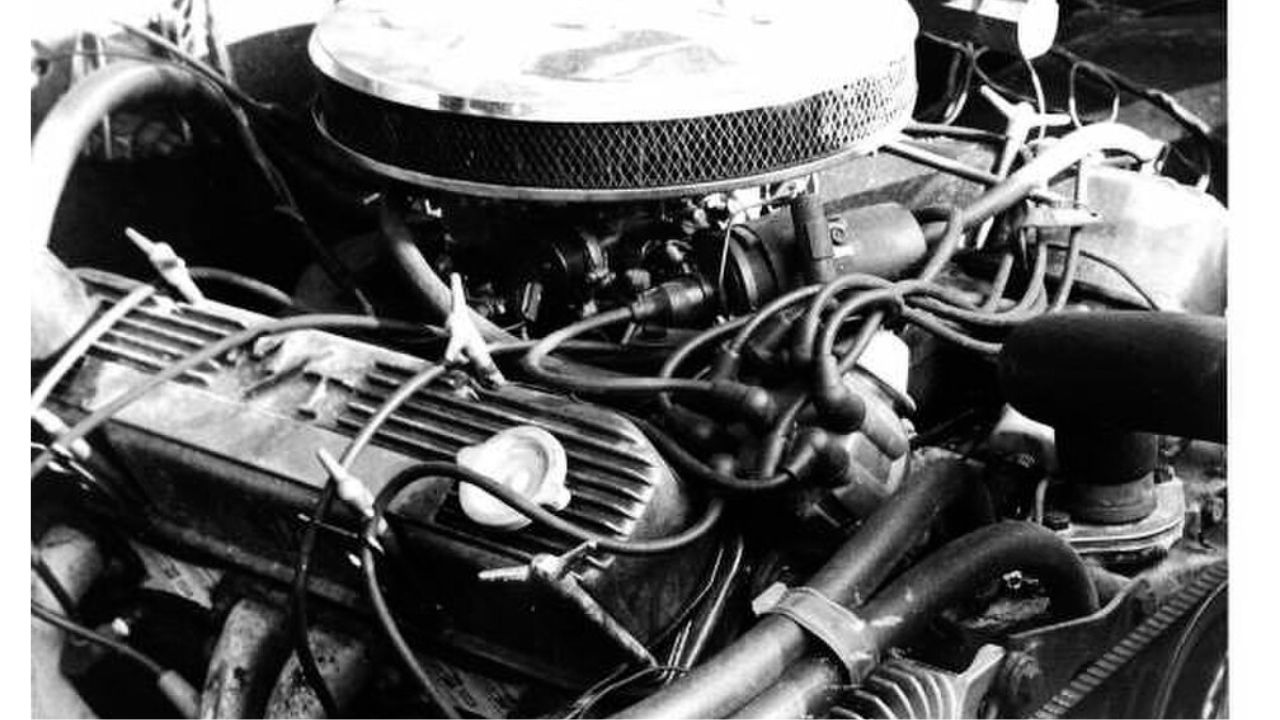
The Chrysler 440 Magnum delivered the kind of effortless torque that made large-displacement muscle cars so entertaining. Its 440 cubic inches gave it substantial low-end power, while performance versions received improved cylinder heads, induction systems, and exhaust components. The engine appeared in numerous Dodge and Plymouth performance models throughout the muscle era. Unlike the specialized 426 Hemi, the 440 was more commonly associated with powerful street cars. Its broad torque curve and unmistakable big-block sound helped make it a favorite among drivers seeking strong acceleration without relying entirely on high-rpm performance.
Chrysler 340
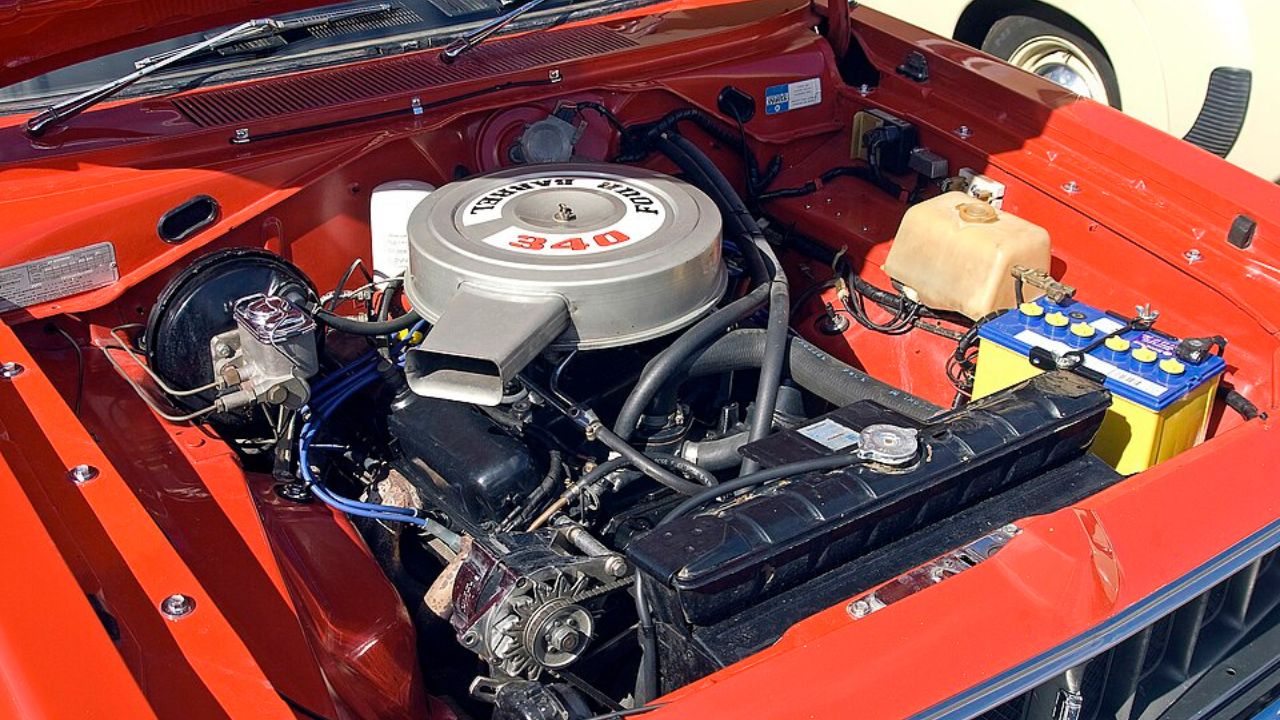
The Chrysler 340 proved that a smaller V8 could still deliver serious muscle car performance. Introduced in 1967, it was designed specifically as a performance engine and featured features such as high-flow cylinder heads and a four-barrel carburetor. It became especially popular in cars including the Plymouth Barracuda, Dodge Dart, and Plymouth Duster. The 340’s relatively compact size helped create lighter and more balanced combinations than some big-block alternatives. Its responsive character and strong high-rpm performance have kept the engine highly respected among Mopar enthusiasts.
Chrysler 383 Magnum
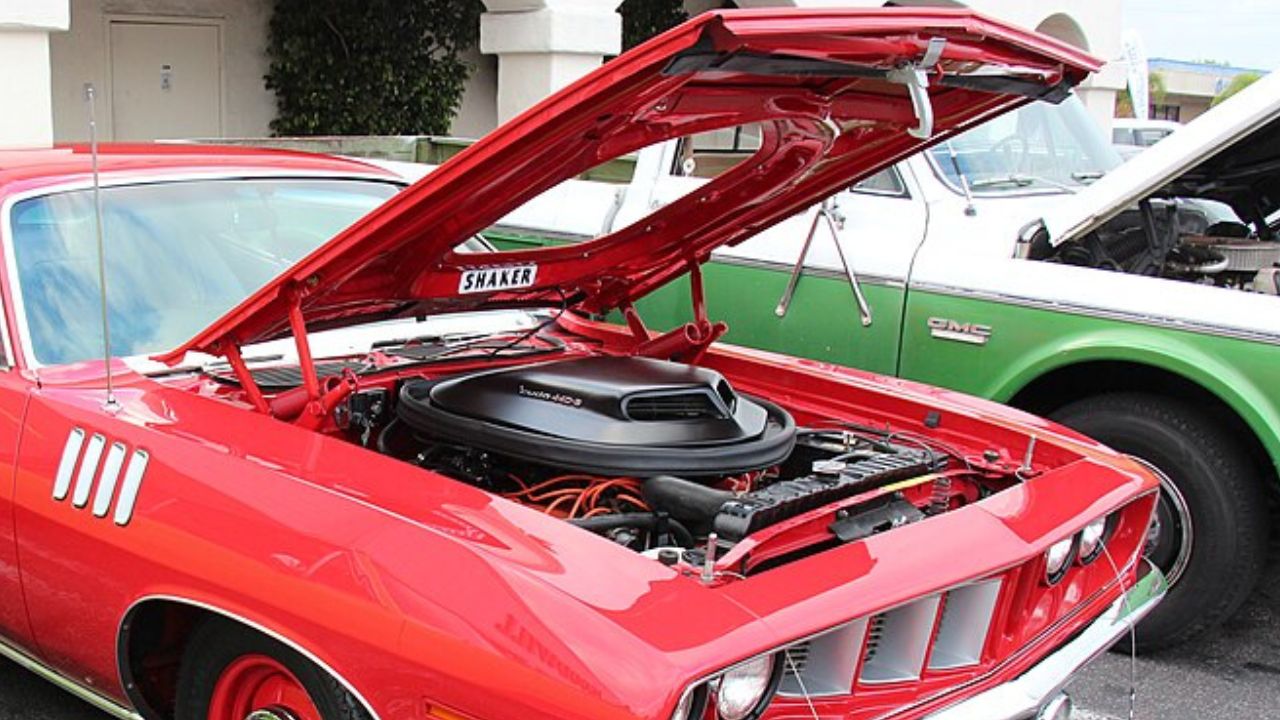
The Chrysler 383 Magnum occupied an important position between Chrysler’s smaller performance engines and its largest big-blocks. With 383 cubic inches, it provided strong torque and enough high-rpm capability to make many Dodge and Plymouth models genuinely quick. Performance versions used upgraded cylinder heads, four-barrel induction, and other components intended to increase output. The engine became a popular choice for muscle cars because it offered substantial performance without the cost and rarity associated with engines such as the 426 Hemi. Its combination of accessibility and power remains appealing.
Oldsmobile 442 W-30
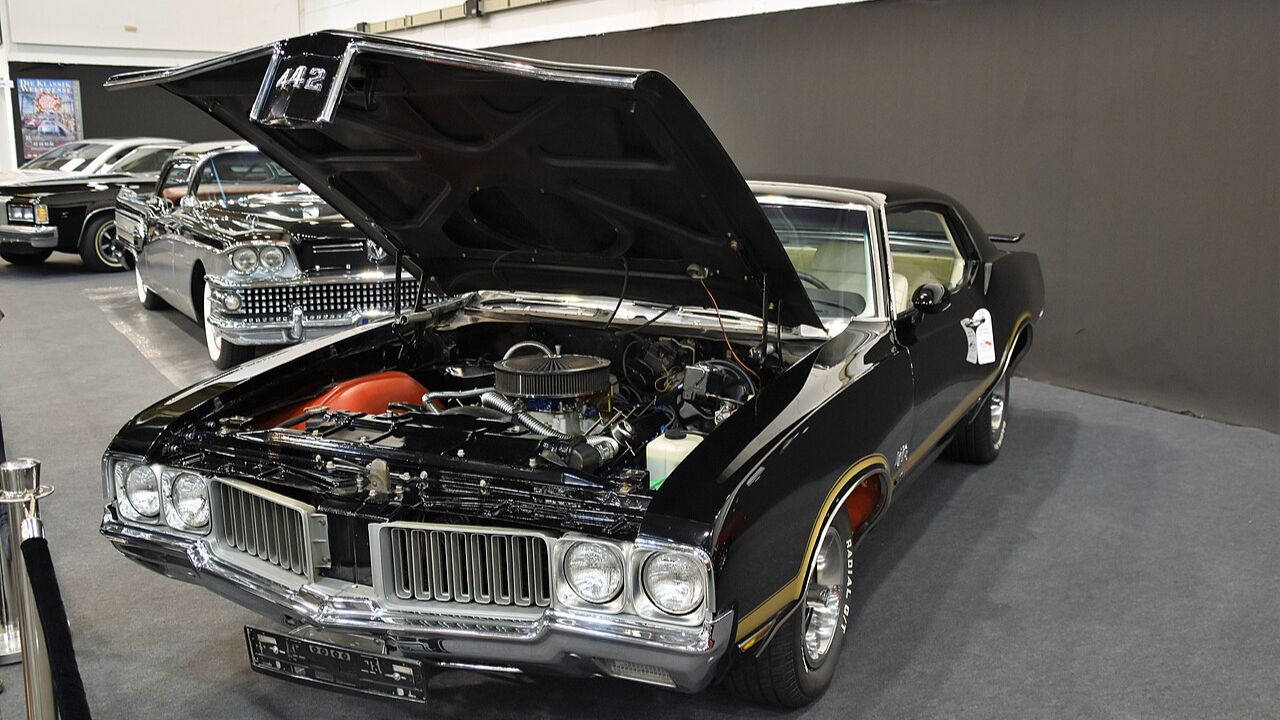
The Oldsmobile 442 W-30 became one of the most recognizable high-performance versions of the classic 442. Its 400-cubic-inch V8 received performance upgrades that improved airflow and overall power, while the W-30 package added distinctive induction and exhaust equipment. The combination gave the engine strong acceleration and a muscular exhaust note. The W-30’s reputation grew through the late 1960s and early 1970s, making it an important example of Oldsmobile’s contribution to the muscle car era.
Oldsmobile 455
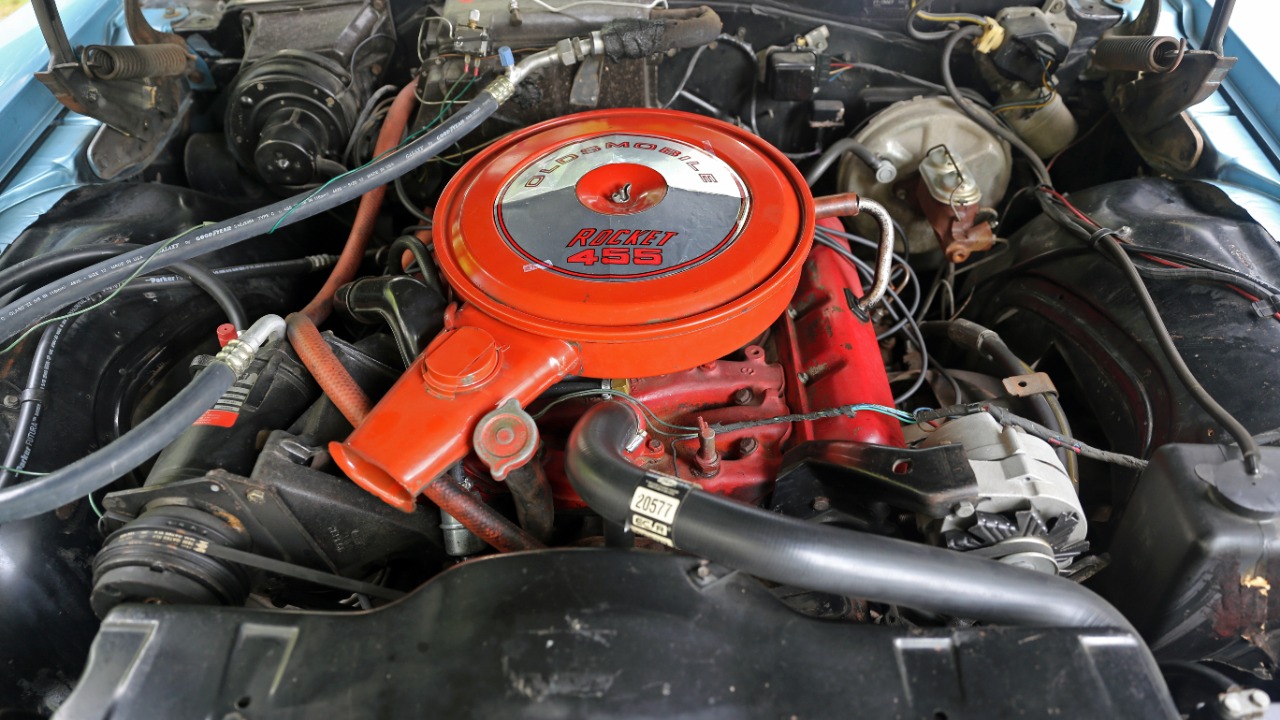
The Oldsmobile 455 was a massive-displacement V8 that delivered the kind of torque muscle car drivers expected. It appeared in several Oldsmobile performance models, including the 442, where it provided strong acceleration and effortless highway performance. Different versions varied considerably in specification, with the most desirable performance variants receiving stronger internals and improved breathing. The 455 was not simply about peak horsepower; its enormous displacement gave it a muscular character that suited heavy performance cars particularly well. Its torque-focused personality remains an important part of Oldsmobile’s performance history.
Buick 455 Stage 1
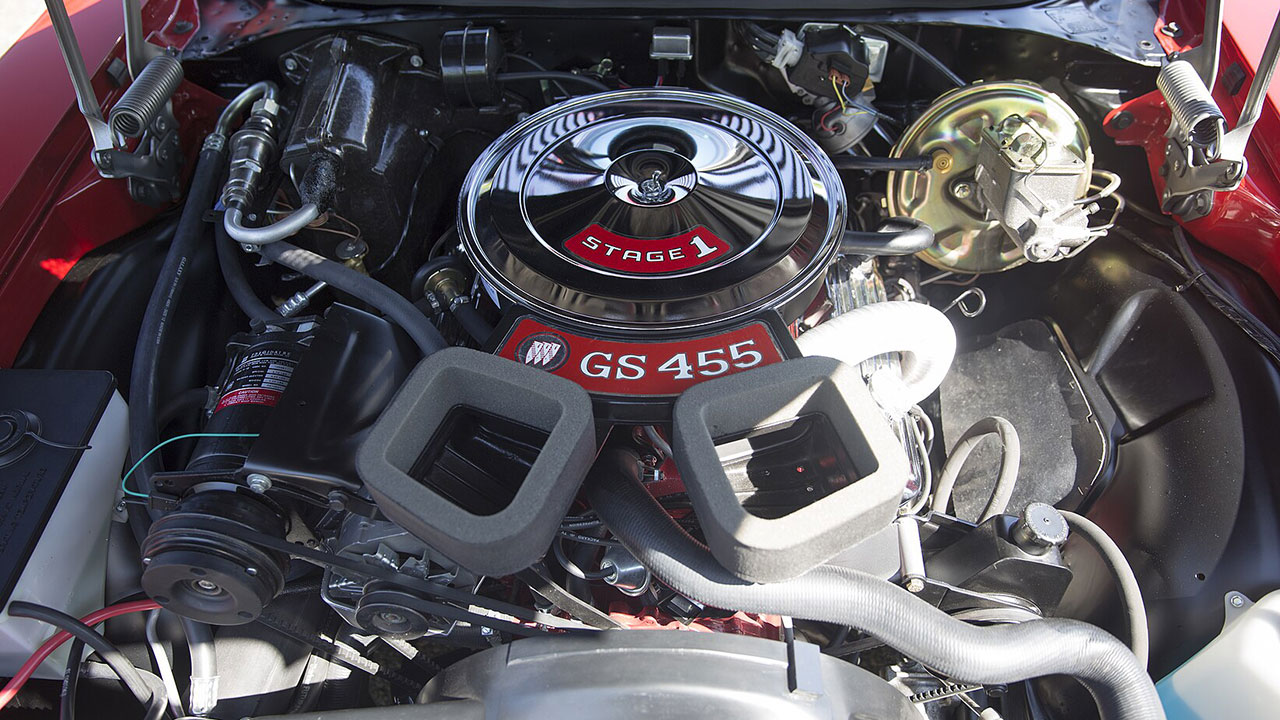
The Buick 455 Stage 1 was designed around enormous torque rather than simply chasing the highest advertised horsepower number. Introduced as a performance option for Buick models such as the GS, it combined 455 cubic inches with high-performance cylinder heads, larger valves, and other upgrades. The result was an engine capable of moving Buick’s relatively large muscle cars with surprising authority. Its understated appearance also made it interesting compared with more famous engines. The Stage 1 remains respected because of its torque, rarity, and connection to Buick’s brief muscle car dominance.
AMC 401

The AMC 401 was one of the largest and most powerful V8s produced by American Motors during the muscle car era. Introduced in the early 1970s, it became closely associated with performance models such as the Javelin, AMX, and later Jeep applications. Its 401 cubic inches provided strong torque, while performance versions featured upgraded components intended for demanding driving. AMC did not have the production scale of Ford, Chevrolet, or Chrysler, which makes the 401 particularly interesting to collectors. It remains an important part of American Motors’ performance history.
Chevrolet 302 Z/28
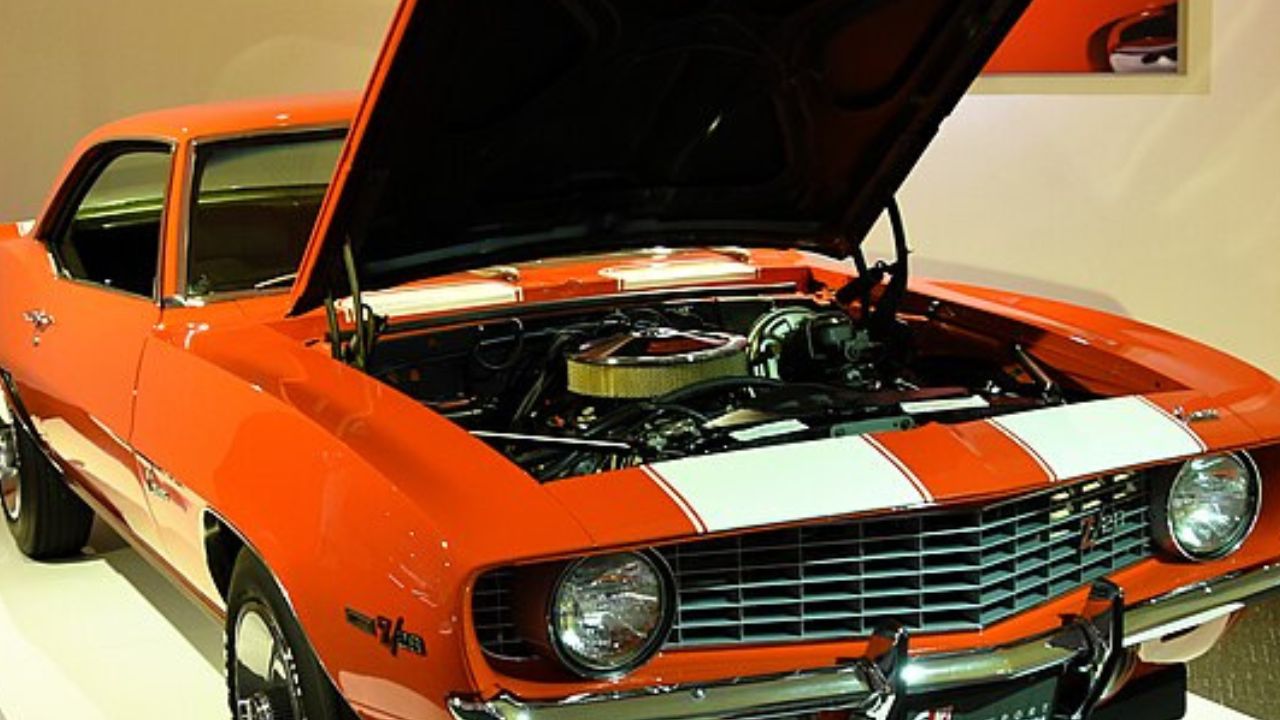
The Chevrolet 302 Z/28 was developed specifically to give the Camaro strong performance within racing displacement rules. Created by combining components from Chevrolet’s 327 and 283 engine families, the 302 developed a reputation for high-rpm performance and durability. It powered the first-generation Camaro Z/28 and became closely associated with road racing and Trans-Am competition. Compared with Chevrolet’s massive big-blocks, the 302 offered a very different personality. Its ability to rev hard while delivering strong performance made it one of the most distinctive small-block engines of the muscle car era.
Pontiac 389 Tri-Power
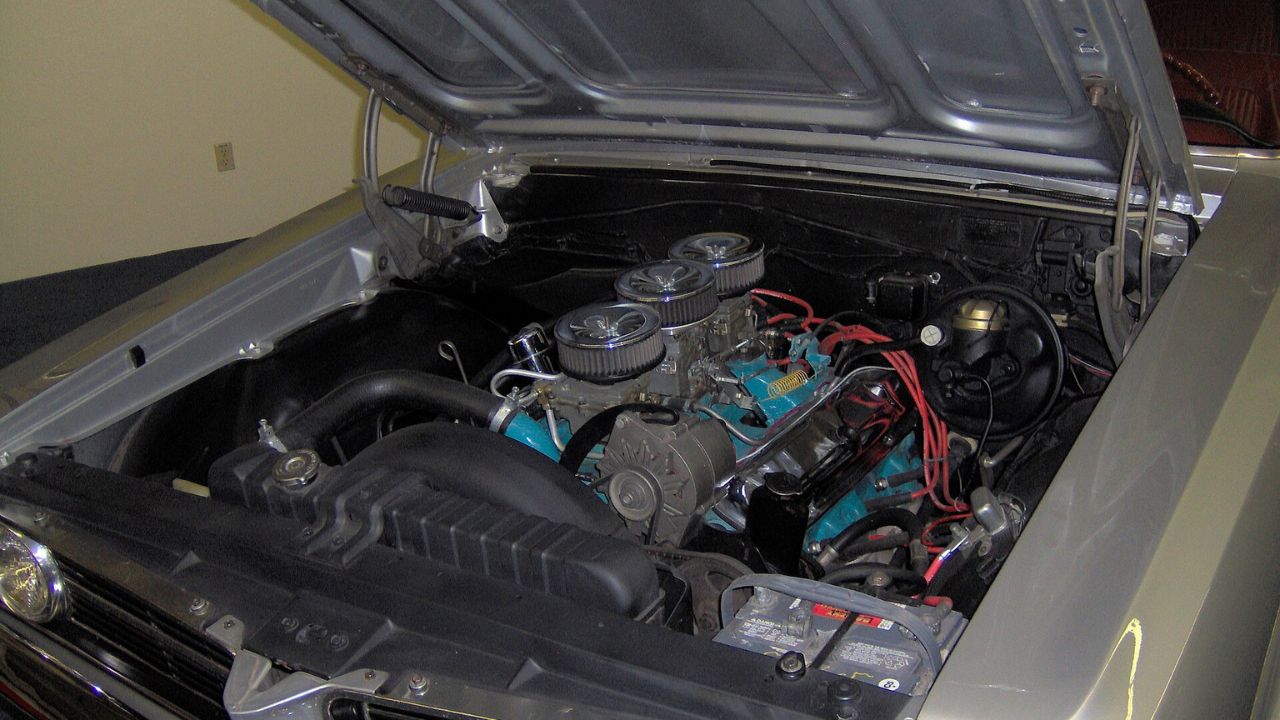
The Pontiac 389 Tri-Power helped establish Pontiac as a serious performance brand before the muscle car era reached its peak. Its defining feature was a three-carburetor setup that increased airflow and gave the engine a distinctive appearance. The system was especially associated with Pontiac’s GTO, which helped popularize the concept of combining a relatively affordable midsize car with a powerful V8. The 389’s strong torque, recognizable induction system, and role in the birth of the muscle car movement have made it an enduring piece of Pontiac performance history.
More from Fast Lane Only
- Unboxing the WWII Jeep in a Crate
- 15 rare Chevys collectors are quietly buying
- 10 underrated V8s still worth hunting down
- Police notice this before you even roll window down
*Research for this article included AI assistance, with all final content reviewed by human editors.