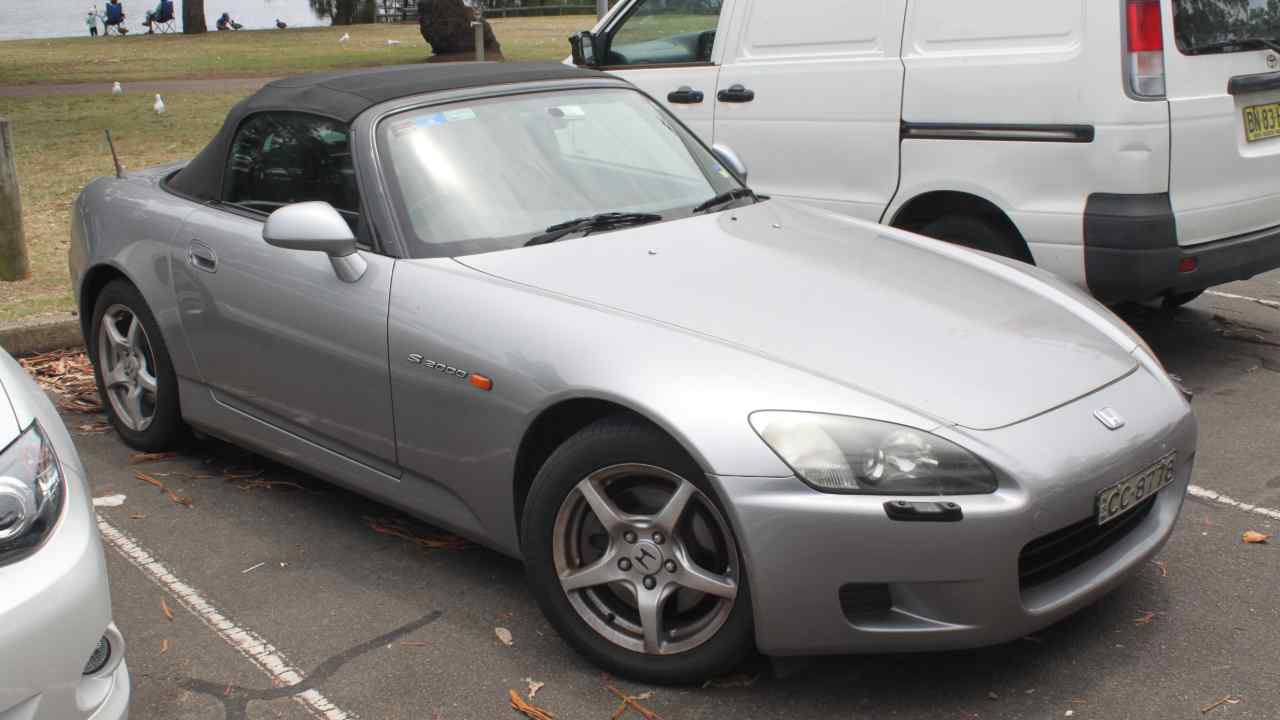
Roadsters have a special appeal that goes beyond speed or performance. Their open cockpits, compact proportions, and direct connection with the road can make ordinary drives feel memorable. From elegant European classics to lightweight British sports cars, these roadsters developed personalities strong enough to make owners surprisingly reluctant to let them go.
Mazda MX-5 Miata
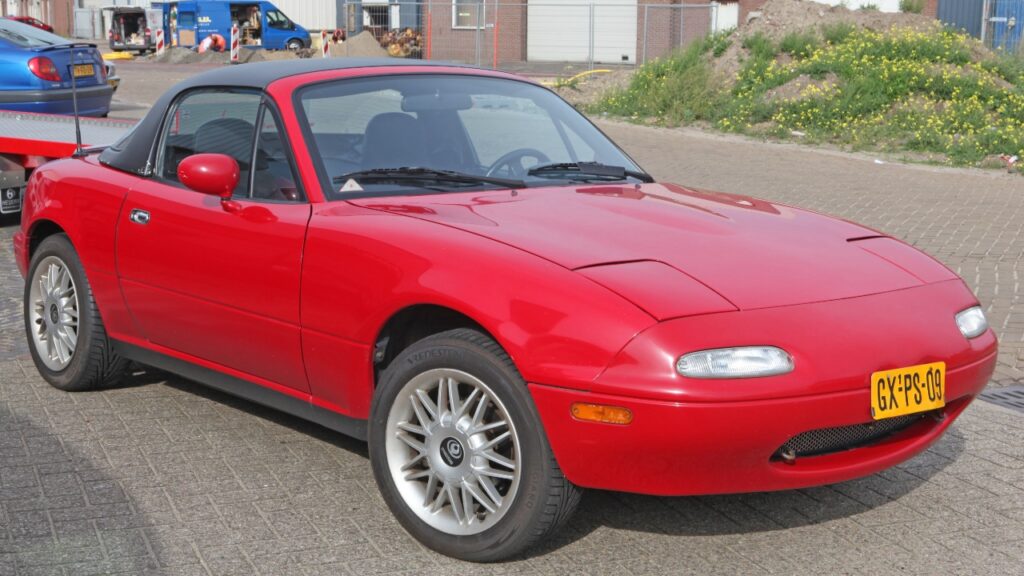
The Mazda MX-5 Miata became beloved by enthusiasts because it delivered the simple pleasure of open-top driving without excessive weight or complexity. Its compact dimensions, balanced handling, and responsive steering made even ordinary roads entertaining. The Miata also remained relatively affordable and easy to maintain compared with many classic sports cars. Owners often develop a strong attachment because the car feels approachable rather than intimidating. Its combination of reliability, simplicity, and engaging driving character has allowed generations of Miatas to remain cherished long after newer sports cars arrive.
MG MGB
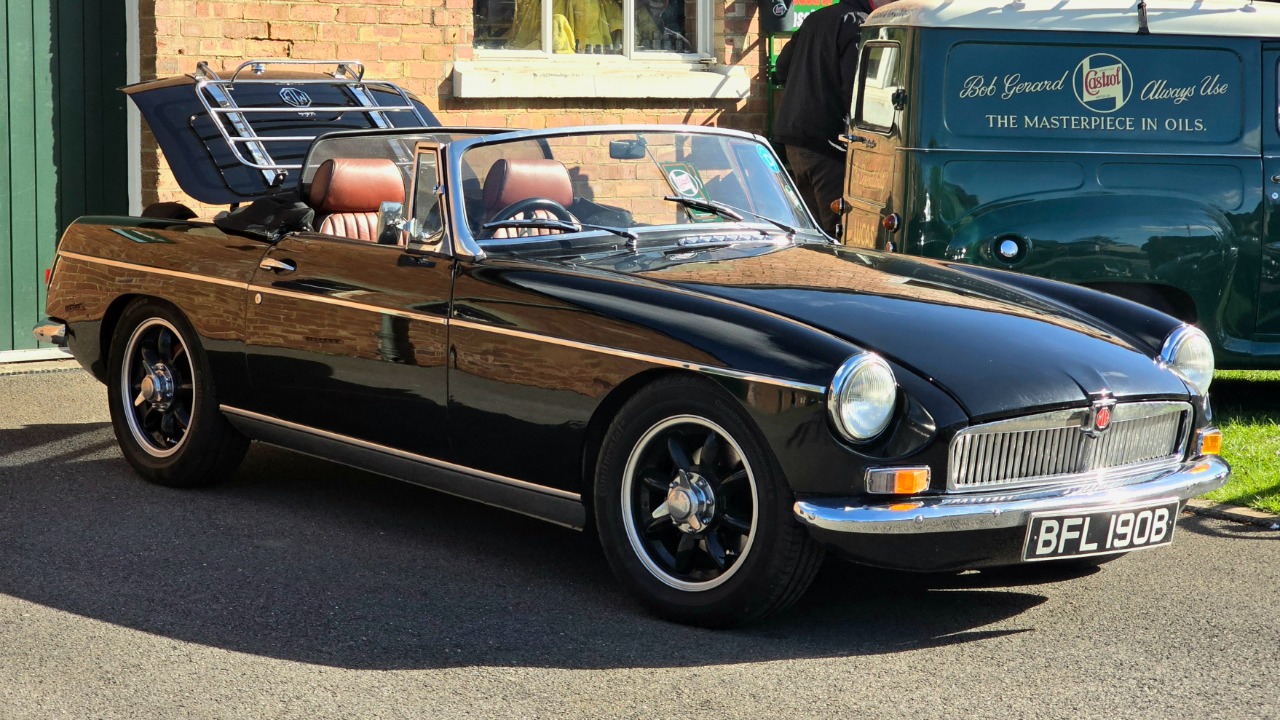
The MG MGB became one of Britain’s most recognizable lightweight roadsters by combining simple mechanicals with classic sports-car proportions. Its long hood, small cabin, and folding roof created the traditional roadster appearance that enthusiasts still associate with British motoring. The MGB was never exceptionally powerful, but its light weight and direct driving feel gave it plenty of character. Owners also appreciate its relatively simple construction and huge enthusiast community. For many, selling an MGB means giving up a car that delivers an experience newer vehicles struggle to reproduce.
Triumph TR6
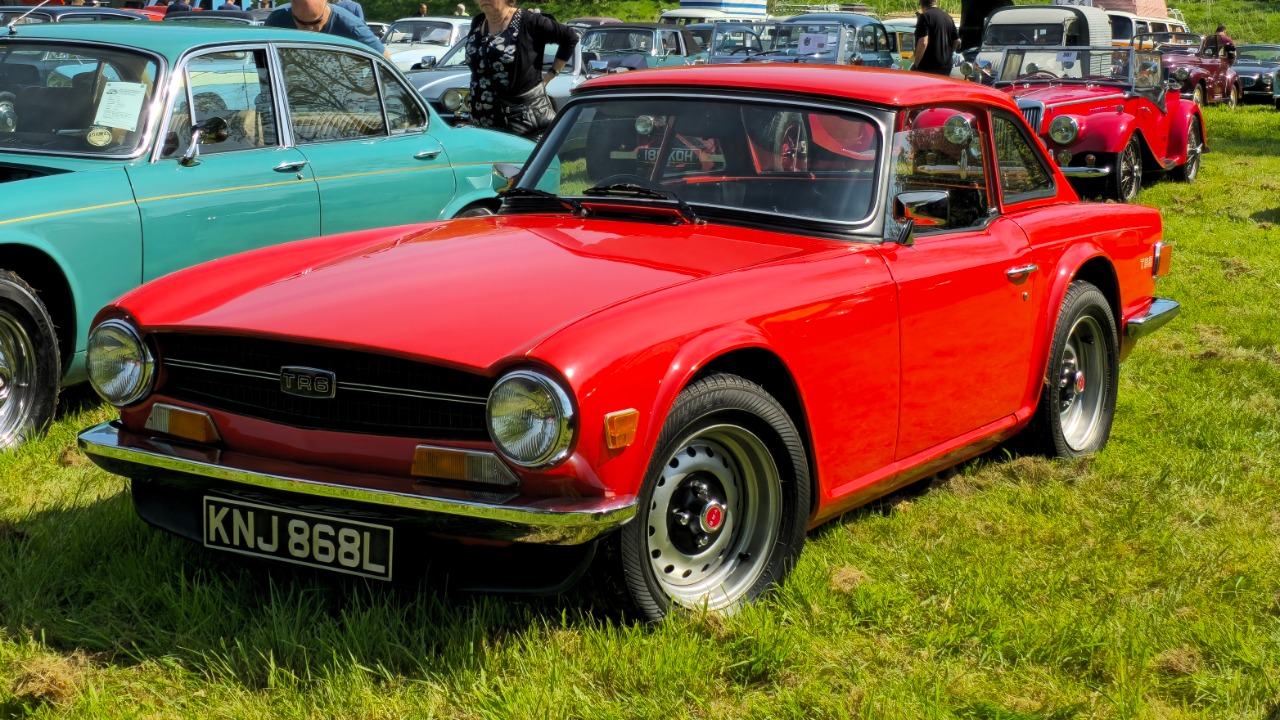
The Triumph TR6 attracted enthusiasts with its muscular styling, six-cylinder engine, and unmistakably British character. Its long hood and low seating position created the classic roadster experience, while the open cockpit made every drive feel more involved. The TR6 was not always the easiest vintage sports car to live with, but that mechanical personality became part of its charm. Owners often enjoy maintaining and improving these cars themselves. Once a well-sorted TR6 becomes part of someone’s garage, its combination of sound, style, and character can be difficult to replace.
Jaguar E-Type Roadster
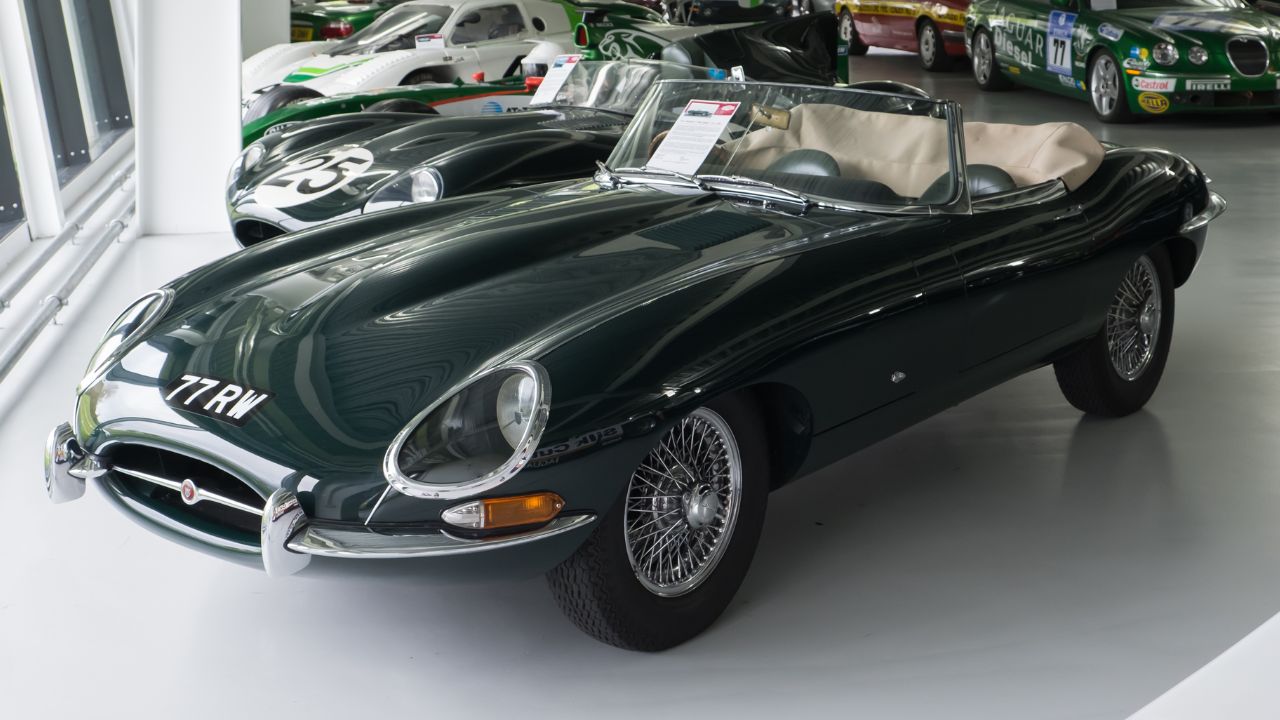
The Jaguar E-Type Roadster became an automotive design icon because of its long hood, low body, and elegant proportions. Its straight-six and V12 versions added performance to the visual appeal, giving owners a car that could feel special even when simply parked. The open-top configuration makes the E-Type particularly dramatic on scenic roads. Ownership can involve substantial maintenance, but enthusiasts often accept that responsibility because the car offers an experience unlike modern sports cars. Its design alone can make owners emotionally attached to a particular example.
Austin-Healey 3000
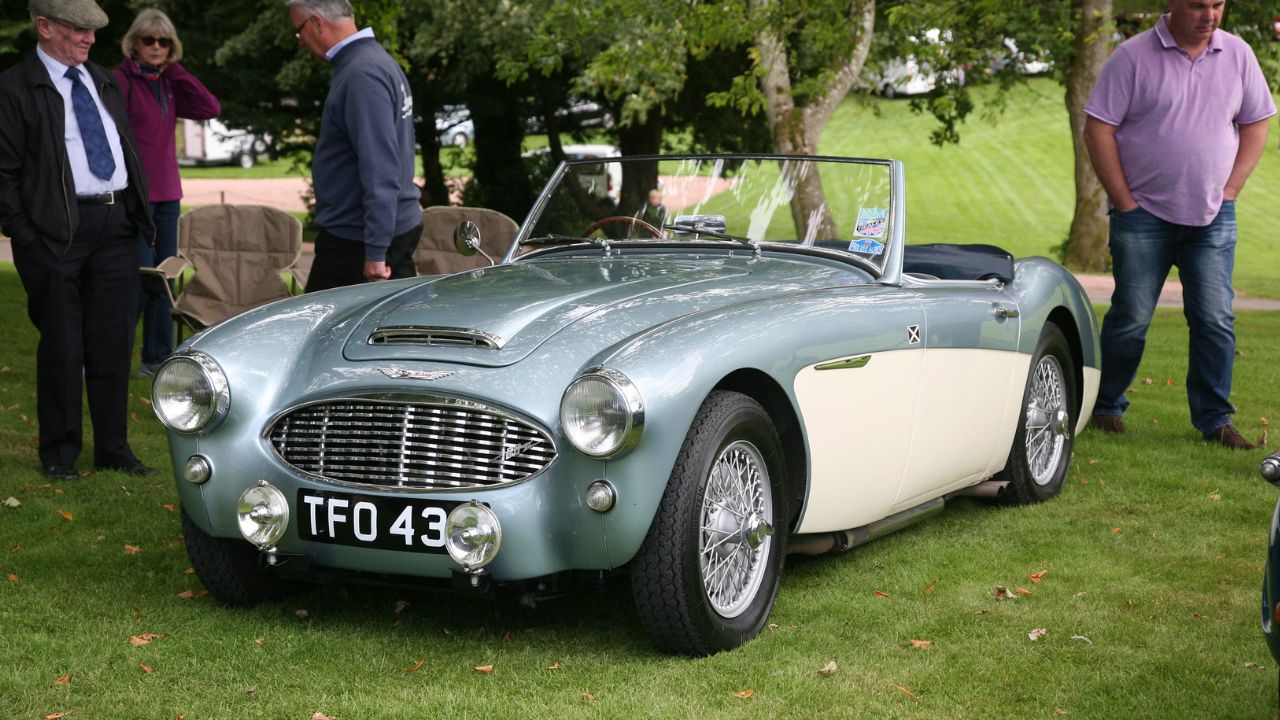
The Austin-Healey 3000 combined British roadster styling with a larger six-cylinder engine and a strong personality. Its long hood, compact cabin, wire wheels, and folding windshield gave it an unmistakable vintage appearance. The car could provide lively performance while remaining approachable enough for relaxed weekend drives. Owners often become attached to individual examples because every car develops its own history through restoration, touring, and regular use. The Austin-Healey’s combination of mechanical character, open-air driving, and classic proportions makes it difficult for enthusiasts to treat one as simply another collectible.
Porsche 356 Speedster
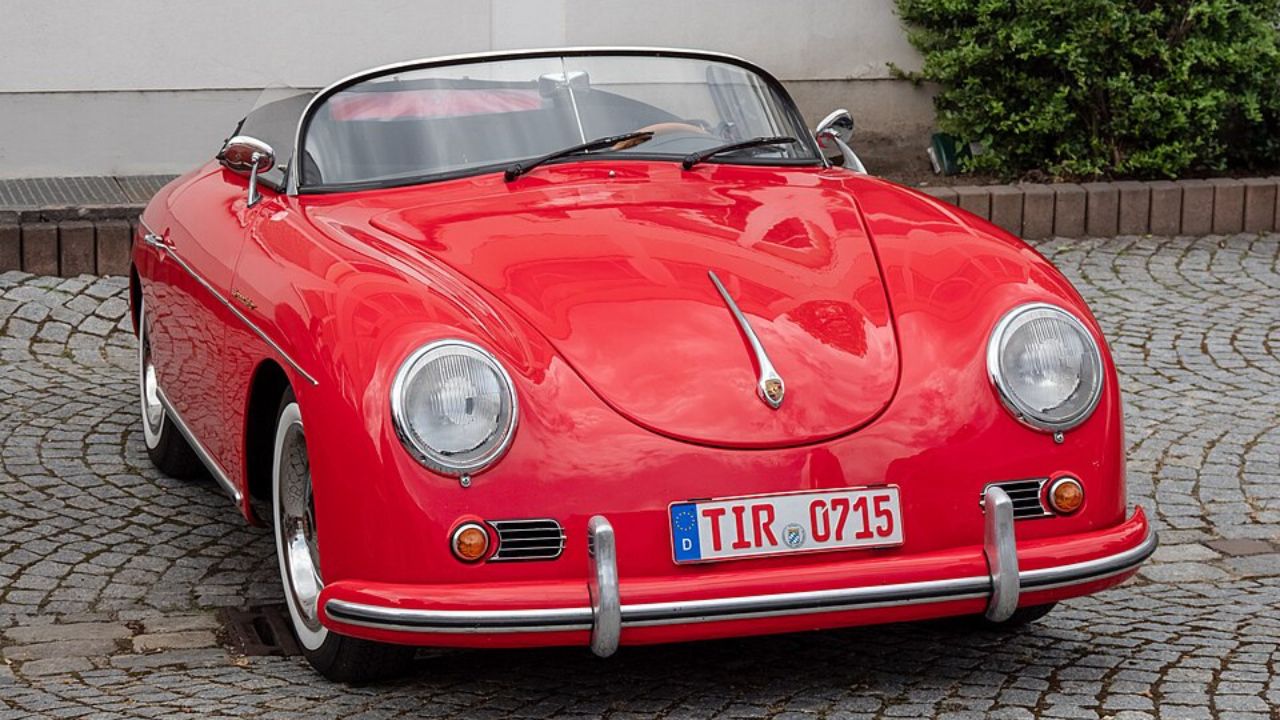
The Porsche 356 Speedster became one of the most desirable early Porsche roadsters because of its lightweight construction, low windshield, and minimalist design. Its compact proportions give it an unmistakable appearance, while the rear-mounted flat-four provides a distinctive driving character. Speedsters were created with simplicity and open-air enjoyment in mind rather than luxury. That straightforward philosophy remains part of their appeal today. Owners often develop deep connections with individual cars because each example can carry decades of history, careful restoration, and memorable drives that make selling particularly difficult.
BMW 507
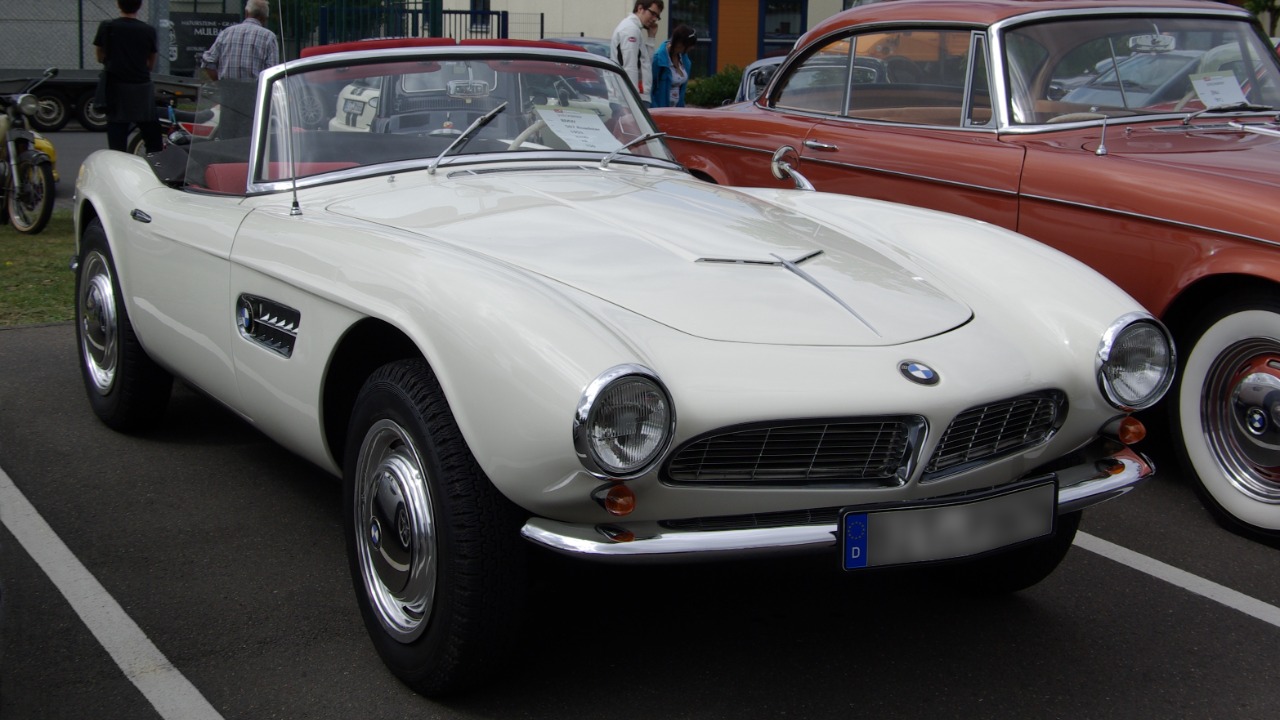
The BMW 507 combined elegant styling with a sophisticated V8 and one of the most beautiful open-top bodies of the 1950s. Its low hood, curved fenders, and two-seat cabin gave it a graceful appearance that distinguished it from more aggressive sports cars. Production numbers were extremely limited, adding to its exclusivity. Owners who acquire a 507 often treat it as a long-term possession because replacing one is difficult and expensive. Its blend of beauty, rarity, and engineering makes it a roadster that can become a treasured part of a collection.
Mercedes-Benz 190 SL
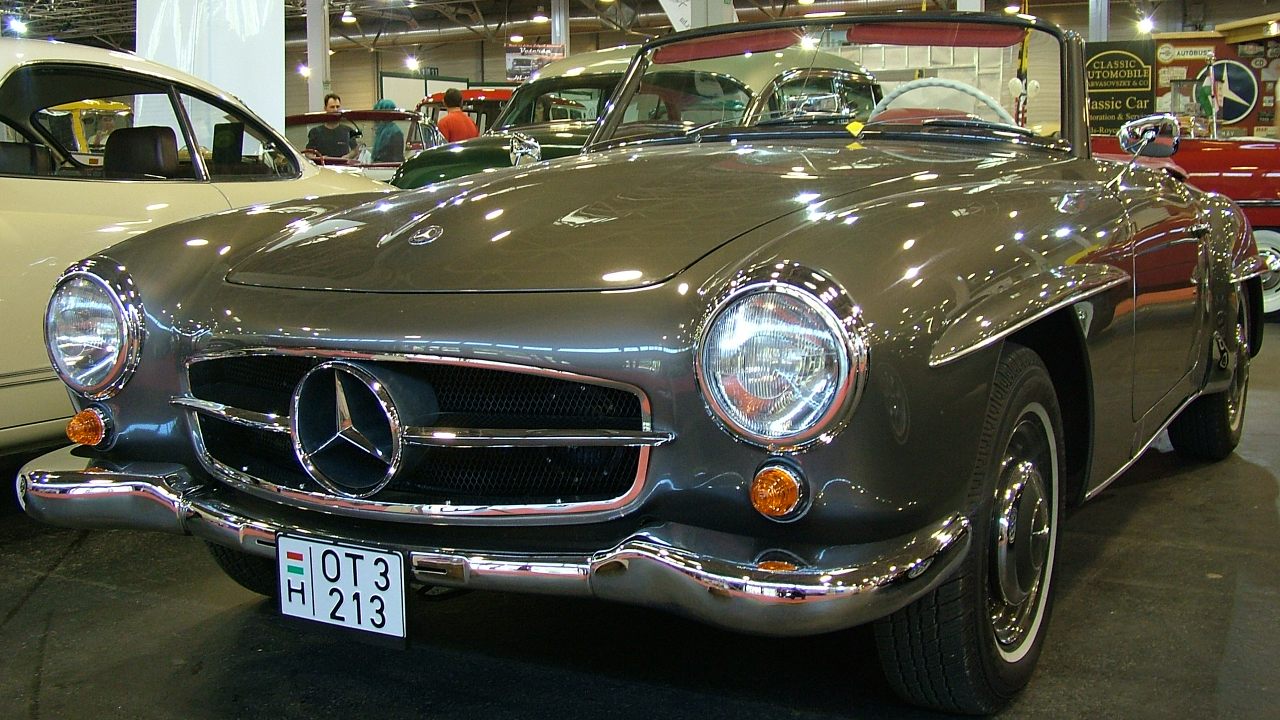
The Mercedes-Benz 190 SL offered elegant roadster styling in a more accessible package than the company’s larger and more exotic sports cars. Its smooth bodywork, chrome details, and refined interior made it equally suited to relaxed touring and special occasions. The four-cylinder engine emphasized smoothness rather than outright performance. That character is part of its charm. Owners often appreciate the 190 SL as a piece of automotive design and history rather than simply a fast car. Its graceful proportions can make it surprisingly difficult to part with after years of ownership.
Alfa Romeo Spider
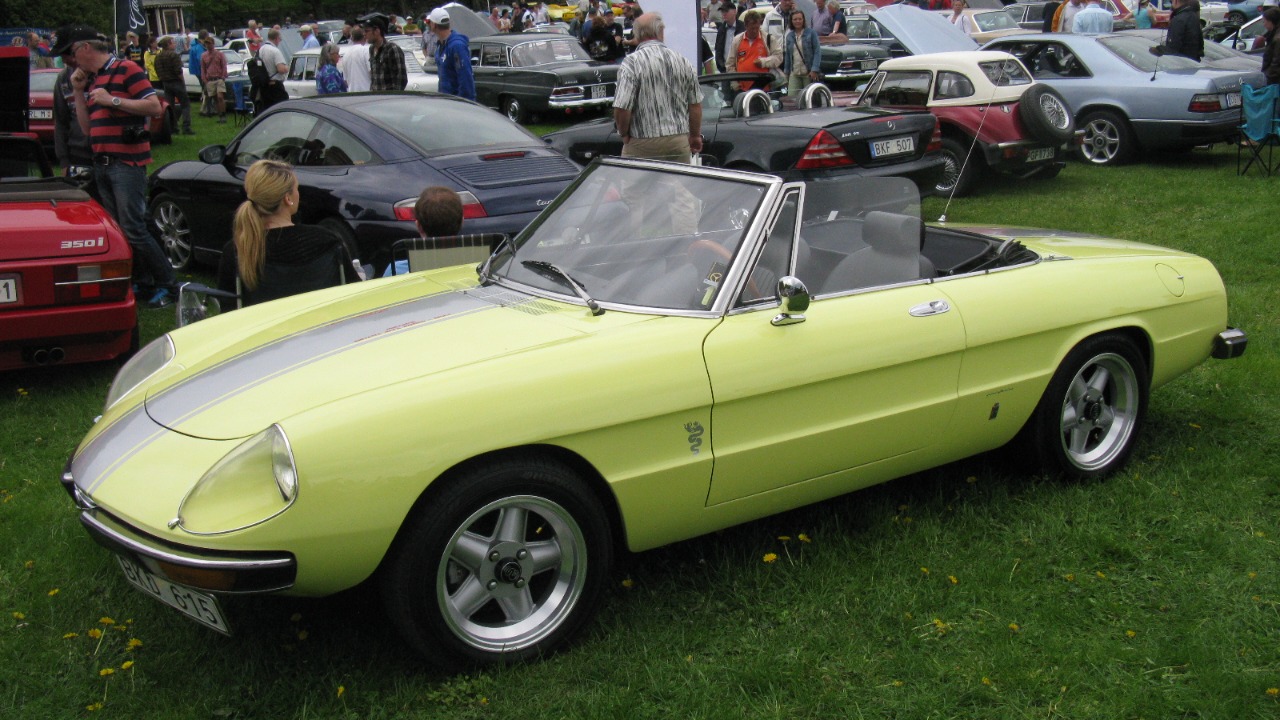
The Alfa Romeo Spider became famous for its beautiful Italian styling and lively driving character. Its low body, simple cockpit, and responsive chassis made it enjoyable on winding roads, while the convertible design added an unmistakable sense of occasion. Different generations changed the styling and mechanical details, but the basic character remained recognizable. Owners often forgive the car’s age-related quirks because the Spider provides an emotional driving experience that is difficult to duplicate. For enthusiasts, its sound, appearance, and open-air character can become more important than outright performance.
Fiat 124 Spider
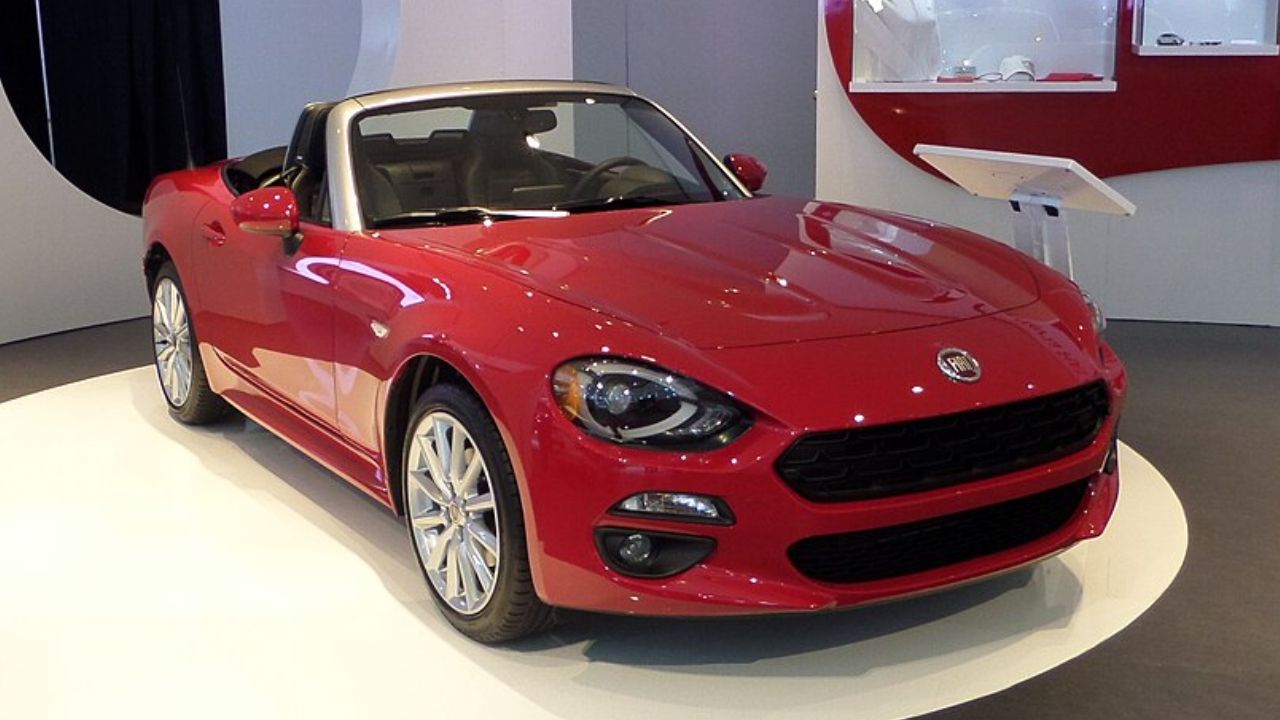
The Fiat 124 Spider offered Italian styling, compact dimensions, and enjoyable open-top motoring in a relatively practical package. Its Pininfarina-designed body gave it elegant proportions, while the four-cylinder engine provided enough performance for enjoyable back-road driving. The car’s manageable size also made it easier to use than many larger classic sports cars. Owners often become attached because the 124 feels friendly and characterful rather than demanding. A well-kept example can become a favorite weekend car, especially for drivers who value style and simplicity over raw speed.
Datsun 2000 Roadster
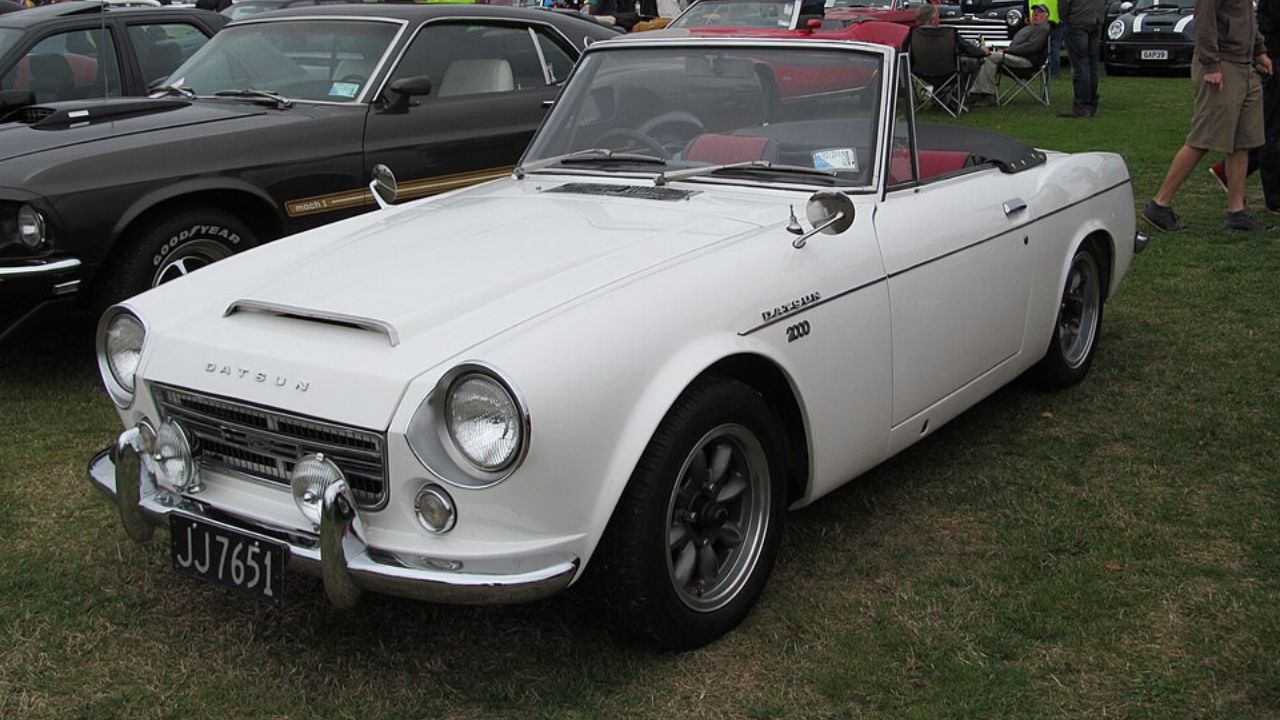
The Datsun 2000 Roadster helped establish Japanese sports cars as serious alternatives to British roadsters. Its four-cylinder engine, five-speed manual transmission, and lightweight body provided an engaging driving experience. The car combined classic open-top styling with mechanical durability that appealed to drivers who wanted something enjoyable without constant maintenance. Its relatively straightforward construction also makes restoration and upkeep manageable for dedicated owners. Many enthusiasts become attached to these cars because they offer vintage roadster character while retaining the practical engineering that helped build Datsun’s reputation.
Sunbeam Alpine
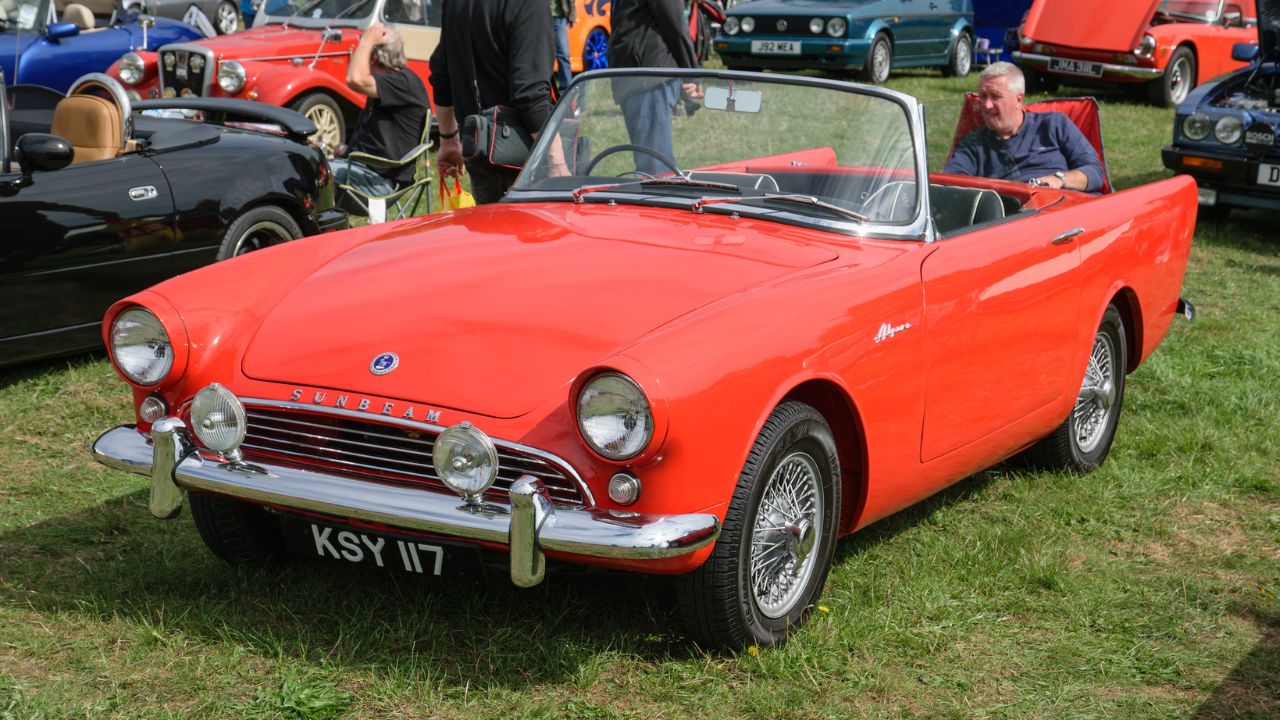
The Sunbeam Alpine became known for combining elegant British roadster styling with a more comfortable and practical approach to sports-car driving. Its compact body, folding roof, and relatively refined cabin made it suitable for relaxed touring as well as weekend enjoyment. Later versions offered stronger engines and improved equipment. The Alpine never achieved the fame of some competitors, which can make individual examples especially meaningful to owners. Its distinctive character, uncommon presence, and classic proportions often give enthusiasts little reason to sell a car they have carefully preserved.
Triumph Spitfire
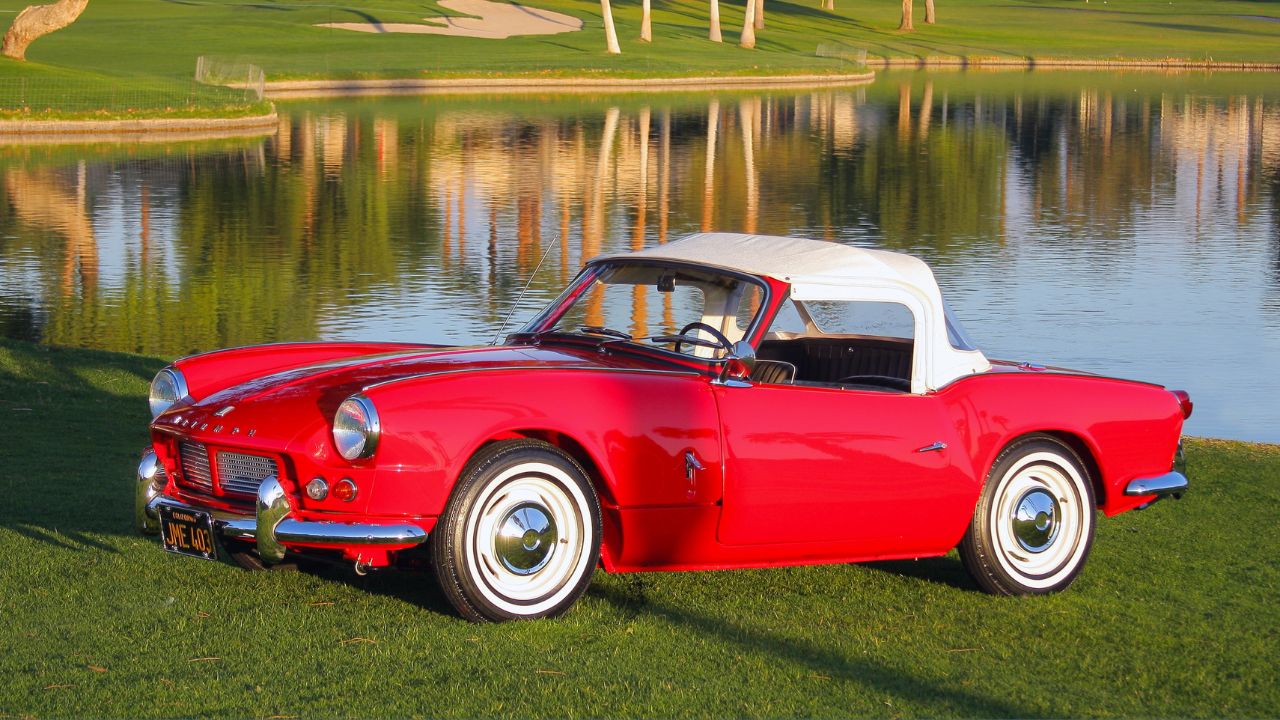
The Triumph Spitfire became a favorite among enthusiasts who wanted an inexpensive way into classic British roadster ownership. Its small dimensions, low seating position, and simple mechanical layout made it fun on winding roads without requiring huge amounts of power. The styling remained appealing across several generations, giving the car a recognizable identity. Owners often enjoy working on Spitfires themselves because of their relatively straightforward construction. That hands-on relationship can make a particular car feel more personal, turning an inexpensive roadster into something surprisingly difficult to replace.
Lotus Elan
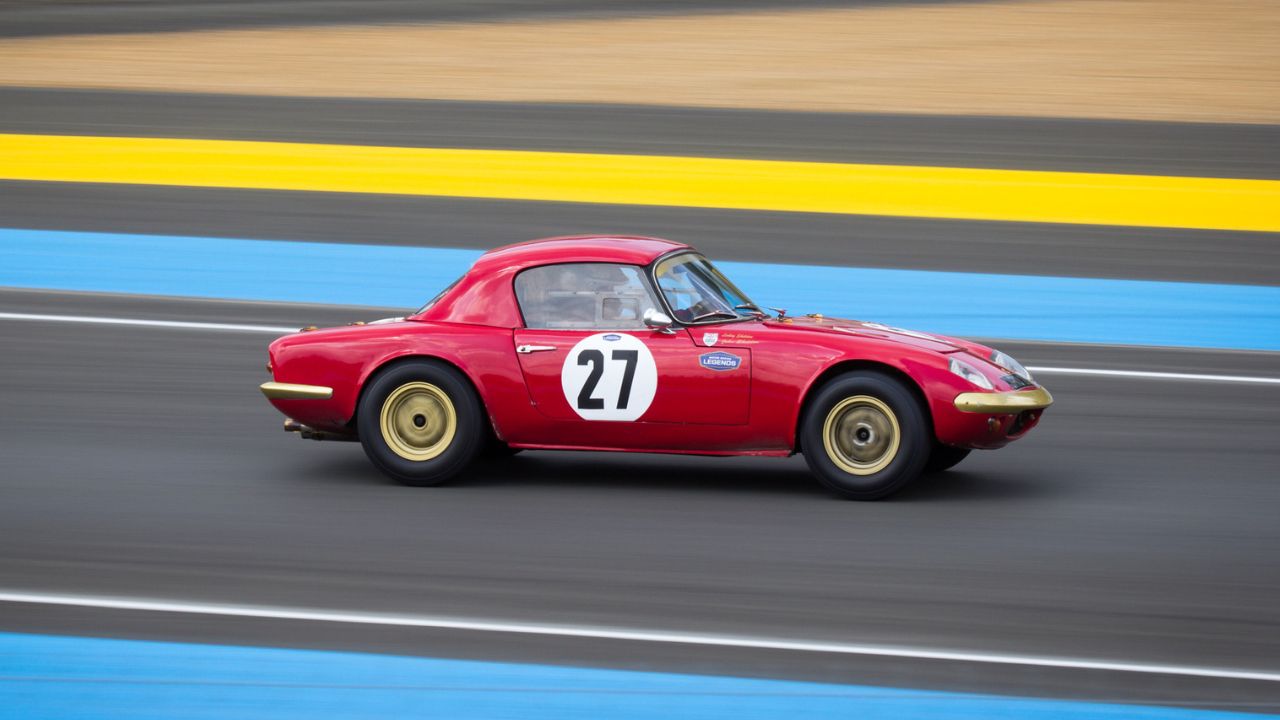
The Lotus Elan demonstrated Colin Chapman’s philosophy of achieving performance through light weight rather than massive power. Its lightweight body, independent suspension, and responsive handling made it exceptionally engaging on winding roads. The small roadster could change direction quickly and communicate road conditions directly to its driver. While ownership could demand patience with an aging British sports car, the driving experience often outweighs those challenges for enthusiasts. Once owners become accustomed to the Elan’s lightness and precise character, few modern cars provide quite the same intimate connection.
Morgan Plus 4
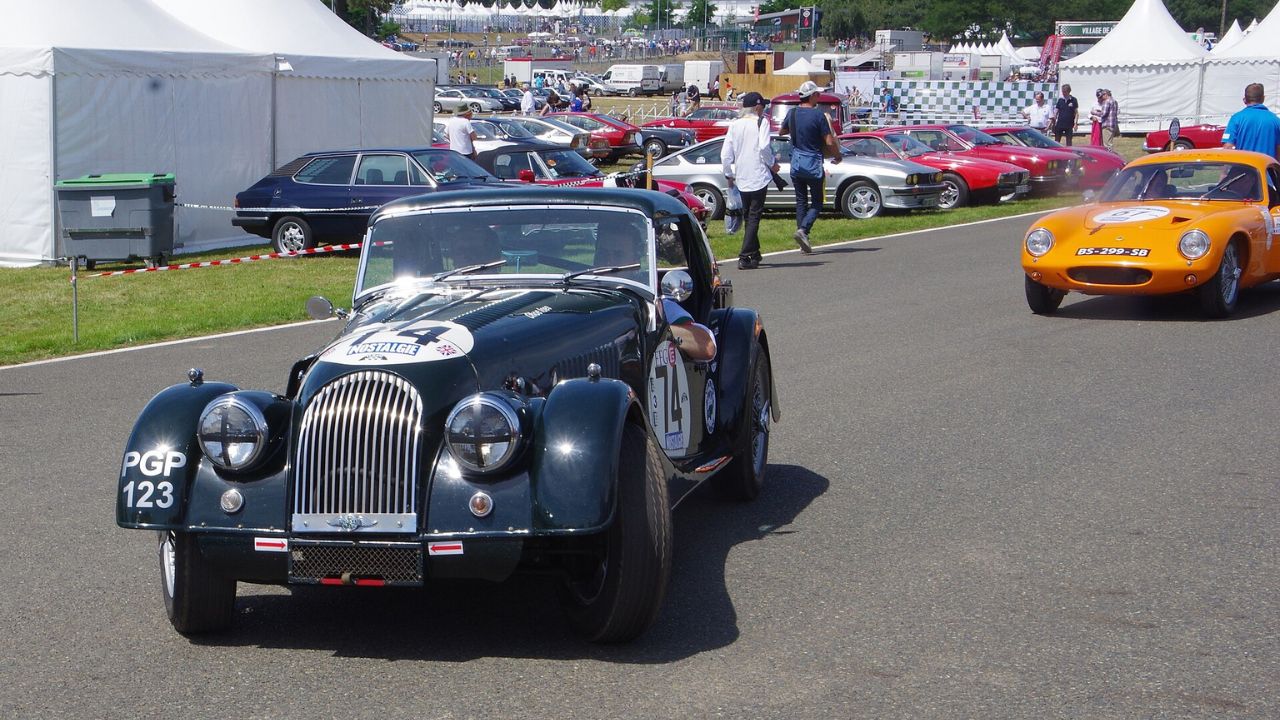
The Morgan Plus 4 has retained a traditional roadster formula for decades, combining classic styling with a lightweight construction philosophy. Its upright windshield, exposed wheels, simple cockpit, and long-running design give it an appearance that feels almost independent of automotive fashion. Modern versions have gained updated mechanical components, but the fundamental character remains recognizable. Owners often become attached because the Morgan feels like a continuation of traditional sports-car craftsmanship rather than a disposable modern product. Its unusual design and handcrafted character can make ownership feel particularly personal.
AC Ace
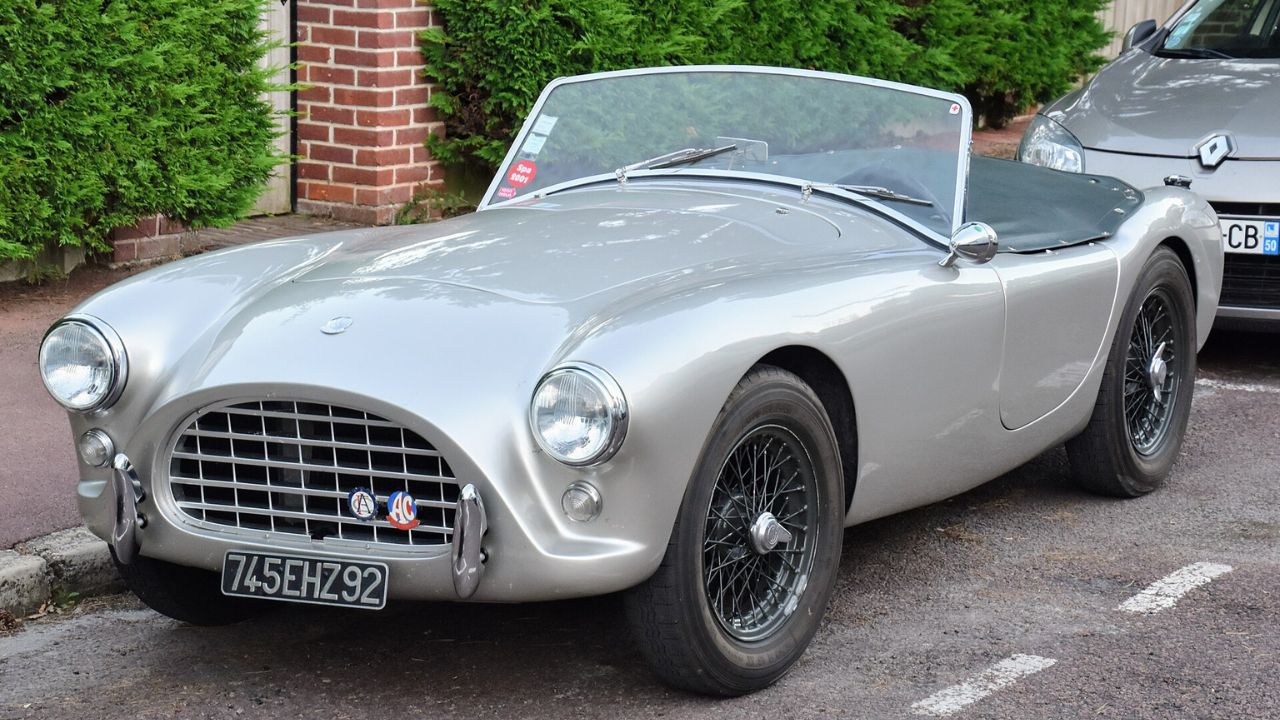
The AC Ace became famous for its elegant shape and lightweight construction before gaining even greater recognition through its connection to the Cobra story. The original roadster featured a simple open body and a tubular chassis that emphasized agility. Its compact dimensions gave it a graceful appearance while maintaining genuine sports-car character. Because relatively few were produced, surviving examples are highly distinctive. Owners who possess one often see it as an important piece of British sports-car history. The combination of rarity, design, and competition heritage makes these roadsters difficult to replace.
Honda S2000
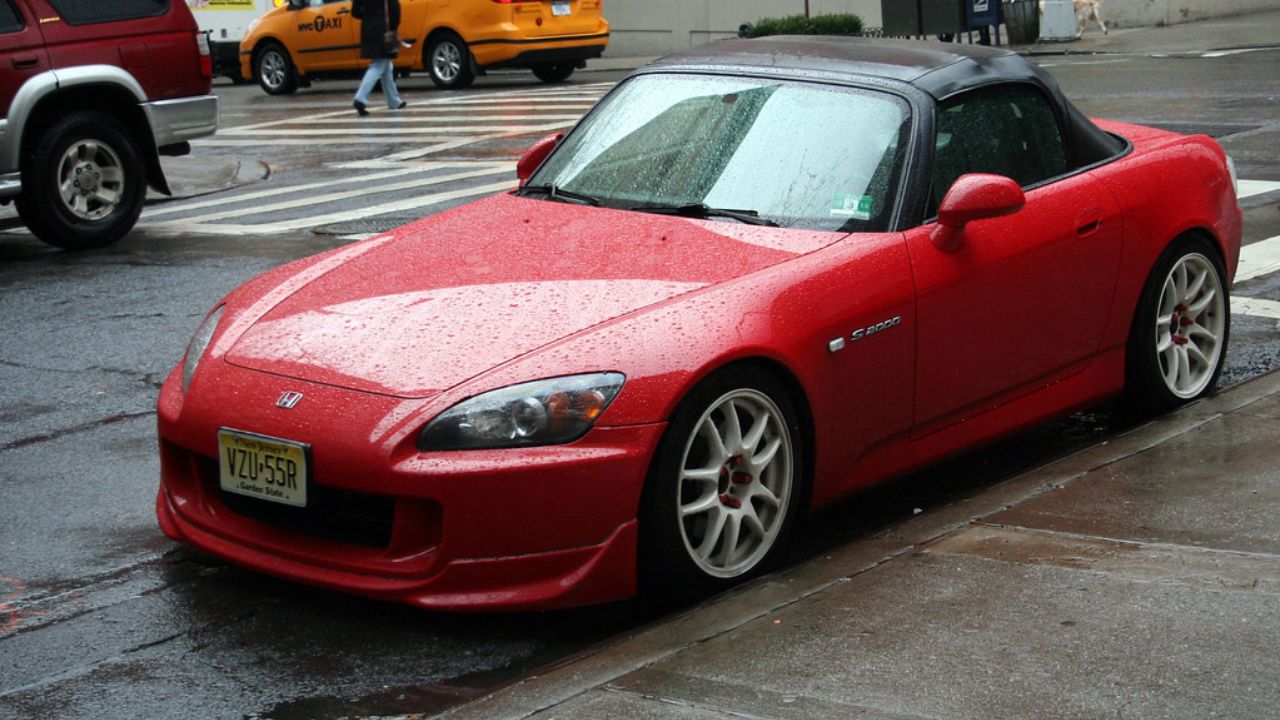
The Honda S2000 developed a devoted following through its high-revving engine, precise manual transmission, and balanced rear-wheel-drive chassis. Its naturally aspirated four-cylinder could produce impressive specific output while remaining remarkably responsive at high engine speeds. The convertible body added another layer of enjoyment, especially on winding roads. Owners often become attached because the S2000 provides a focused driving experience without excessive size or weight. Its combination of mechanical precision, reliability, and distinctive engine character has helped many examples remain treasured long after production ended.
Chevrolet Corvette C1
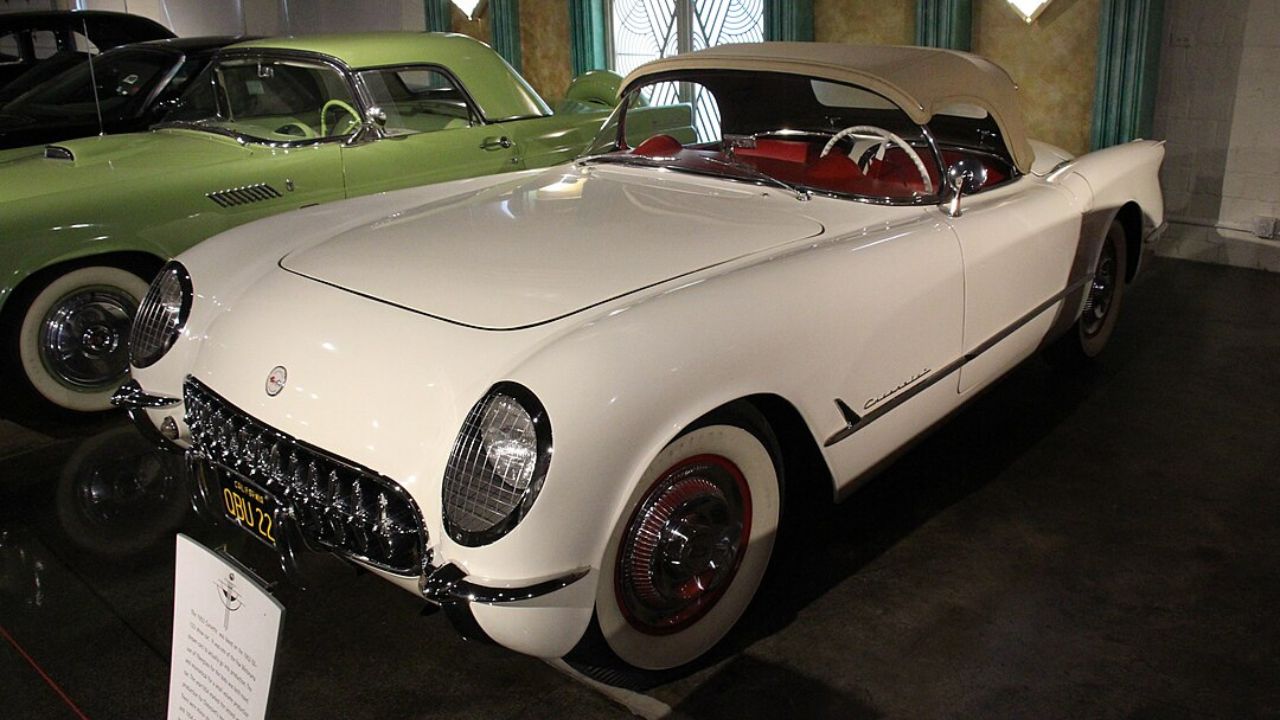
The first-generation Chevrolet Corvette brought American sports-car design into the roadster market with its fiberglass body and two-seat layout. Early versions were modest in performance, but later C1 models gained stronger V8 engines, improved transmissions, and more capable chassis components. The combination of open-air driving and unmistakable 1950s styling gives the C1 a unique personality. Owners often preserve these cars because they represent an important period in American automotive history. A well-restored C1 can become more than transportation, serving as a rolling reminder of the beginning of Corvette’s legacy.
Shelby Cobra 289
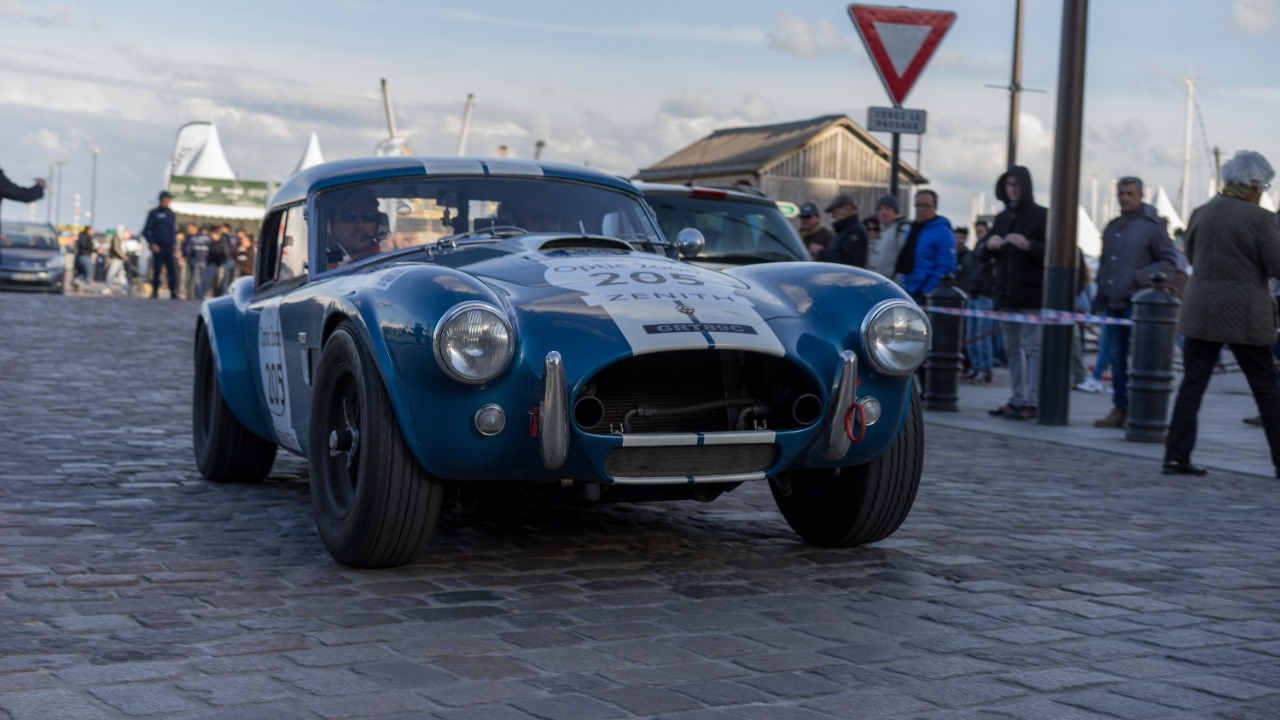
The Shelby Cobra 289 combined a lightweight British roadster chassis with a powerful Ford V8, creating one of the most recognizable performance cars of the 1960s. Its compact body, low seating position, and immediate throttle response made it dramatically different from traditional British sports cars. The Cobra’s rarity and racing heritage also contribute to its emotional appeal. Owners who possess genuine examples often regard them as historically important automobiles rather than ordinary collectibles. The combination of raw performance, simple construction, and unmistakable styling makes the Cobra exceptionally difficult to replace.
Daimler SP250
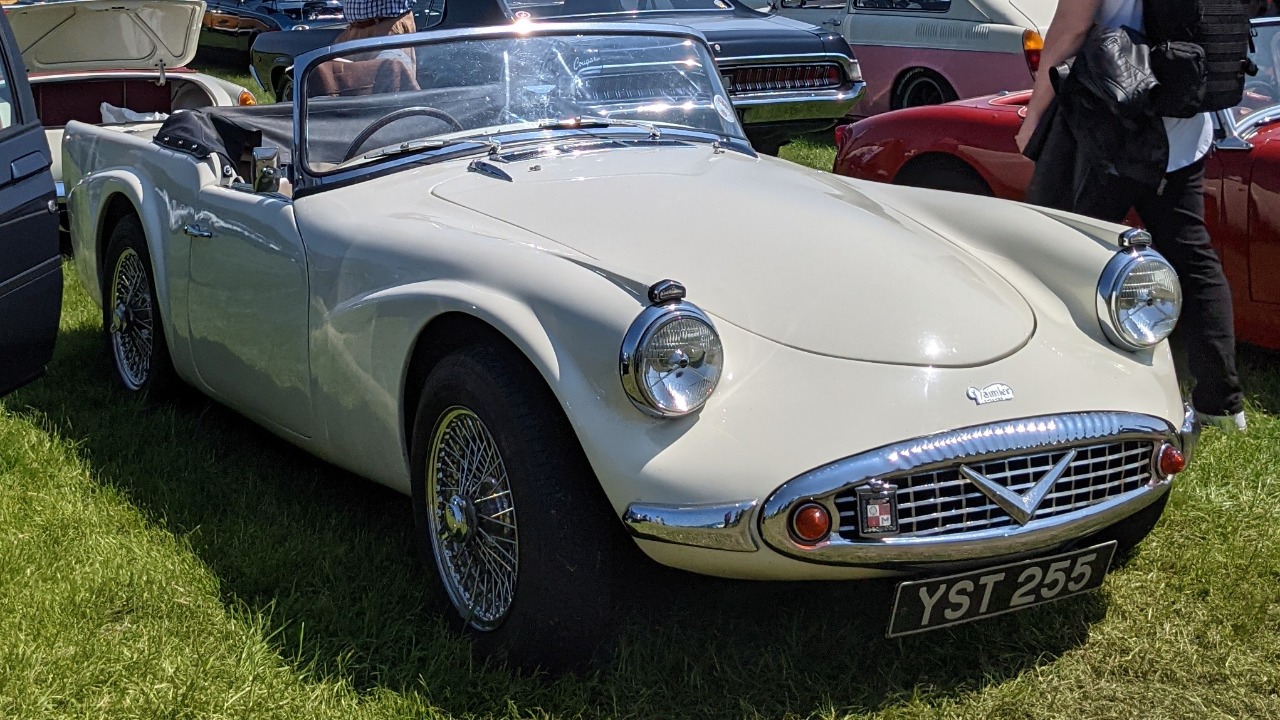
The Daimler SP250 was an unusual British roadster powered by a compact V8 engine. Its fiberglass body and distinctive styling separated it from more conventional British sports cars. The car was produced for only a relatively short period, making surviving examples uncommon. Owners often enjoy its combination of unusual engineering and unmistakable appearance. A clean SP250 is the kind of car that attracts attention precisely because it is rarely seen.
More from Fast Lane Only
- Unboxing the WWII Jeep in a Crate
- 15 rare Chevys collectors are quietly buying
- 10 underrated V8s still worth hunting down
- Police notice this before you even roll window down
*Research for this article included AI assistance, with all final content reviewed by human editors.