Chevrolet built millions of cars, yet plenty of interesting models disappeared almost completely over the decades. Some were sold for only a short time, while others were overshadowed by better-known Chevys from the same showroom. These forgotten models can be surprisingly difficult to find today, even at large car shows, making each surviving example a special sight for collectors.
Chevrolet Corvair Monza Spyder
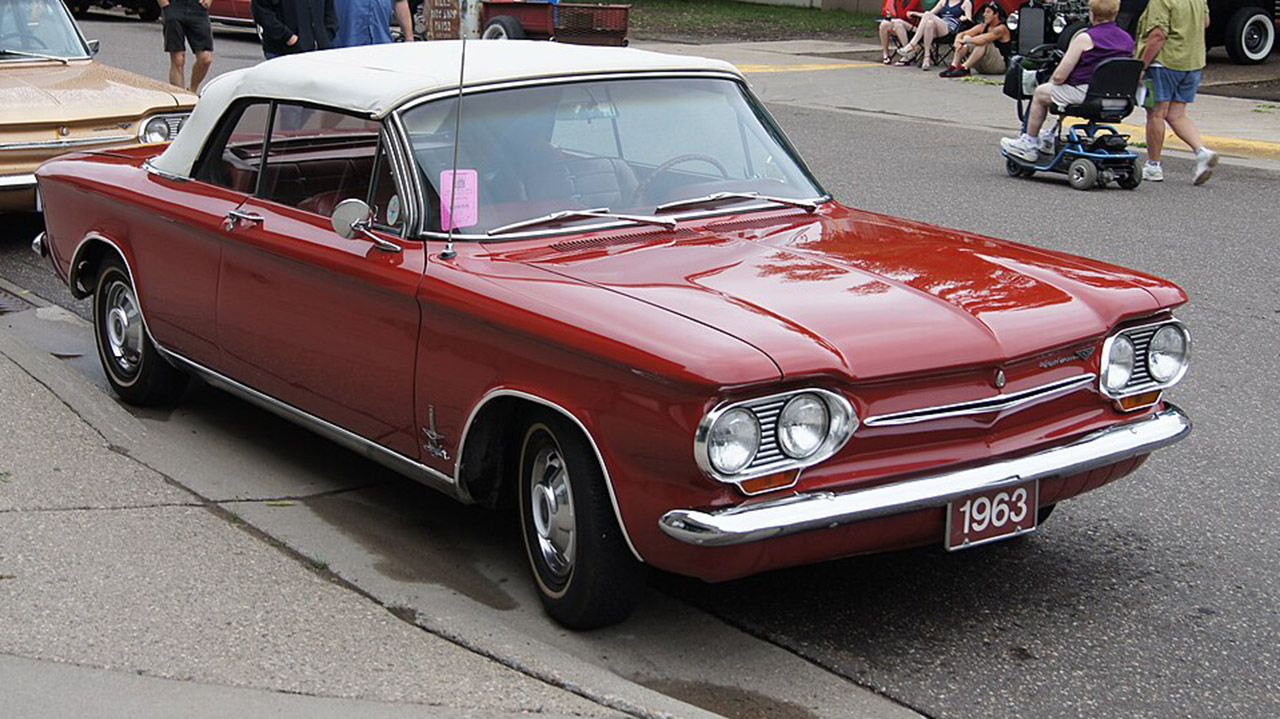
The Corvair Monza Spyder gave Chevrolet’s unusual rear-engine compact a surprisingly sporty personality. Its turbocharged flat-six provided more performance than many buyers expected from a small American car, while the Monza trim added a more upscale interior and distinctive styling details. The Spyder was never as common as ordinary Corvairs, and surviving examples have become increasingly difficult to find. Its unusual engineering makes it especially interesting to collectors looking beyond conventional front-engine Chevrolets.
Chevrolet Corvair Greenbrier
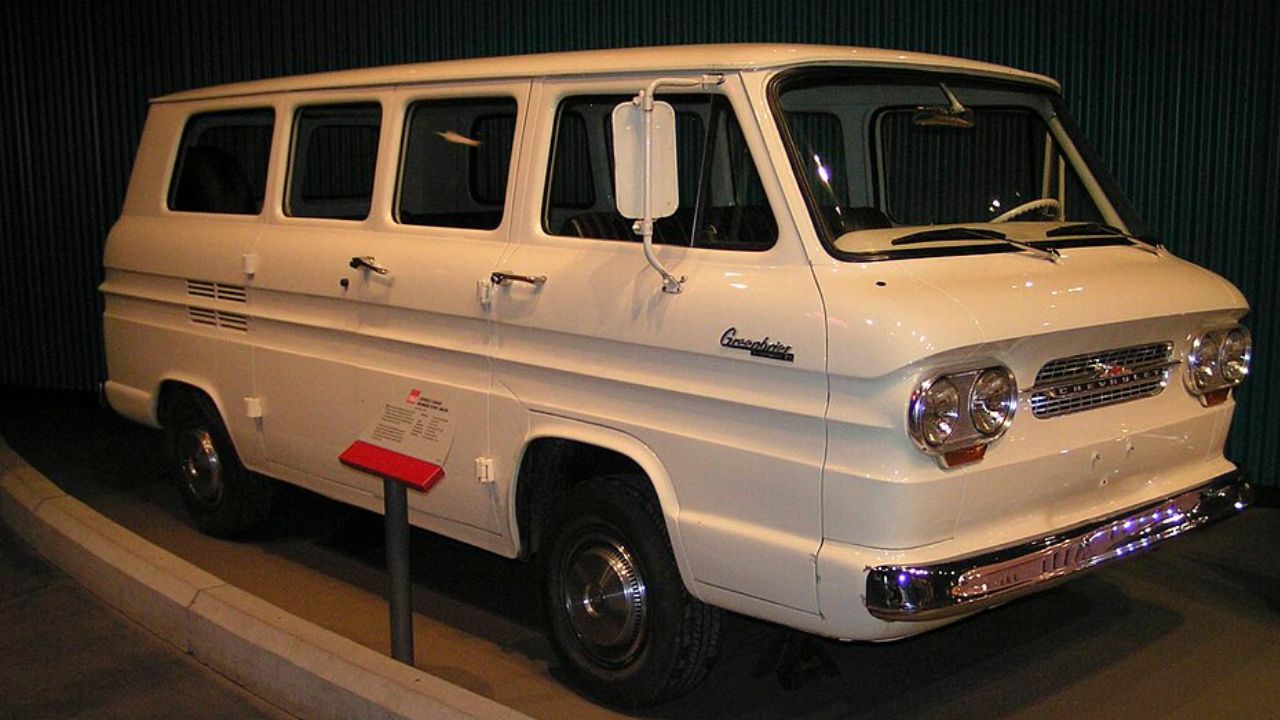
The Greenbrier was a compact Chevrolet van built around the Corvair’s rear-engine platform. Its unusual mechanical layout created a vehicle that looked and drove very differently from the larger American vans that followed. The Greenbrier offered practical passenger and cargo configurations, but production lasted only a few years. Many were used hard for decades, leaving relatively few survivors. Today, a clean Greenbrier can attract attention from both Chevrolet enthusiasts and fans of unusual vintage vans.
Chevrolet Corvair Lakewood
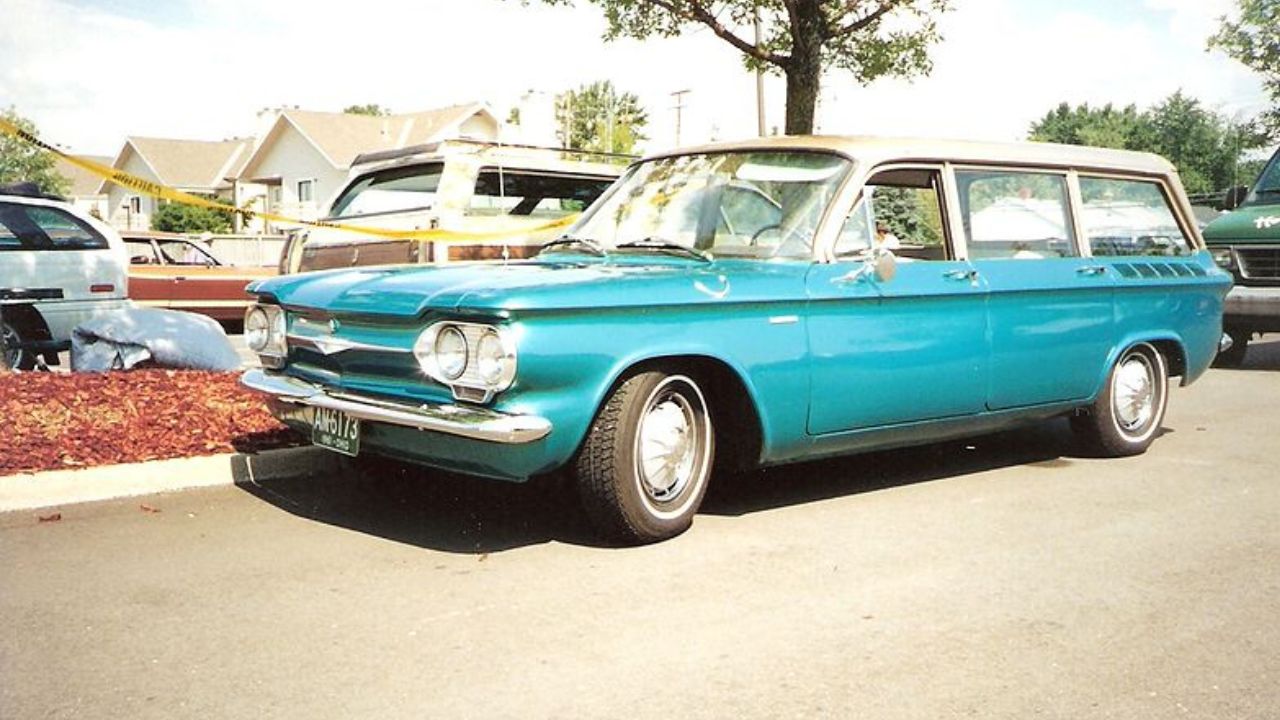
The Lakewood was Chevrolet’s attempt to turn the Corvair into a practical compact station wagon. Its rear-engine layout and distinctive proportions made it unlike the conventional wagons dominating American roads at the time. The Lakewood was produced for only a brief period, which helped make it one of the least familiar Corvair body styles today. Surviving examples are particularly interesting because they combine the practicality of a wagon with the engineering quirks that made the Corvair unique.
Chevrolet Corvair Rampside
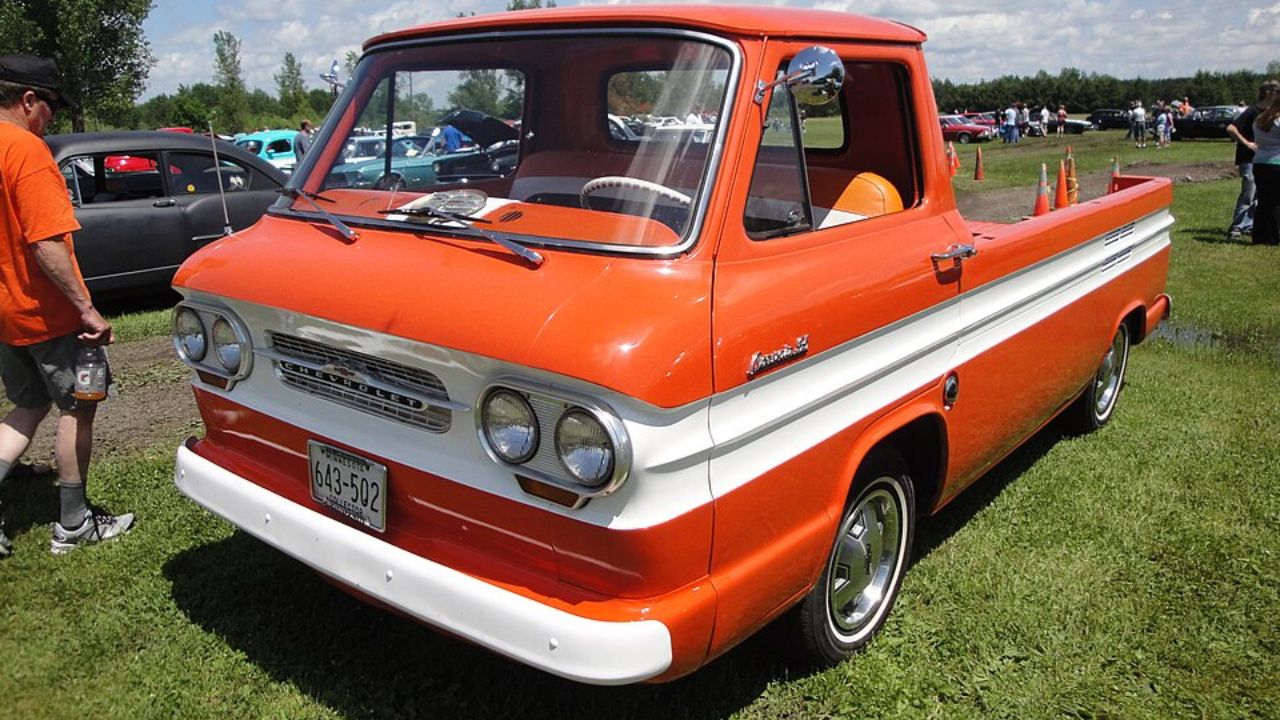
The Rampside was one of the strangest practical Chevrolets ever built. Its distinctive side-loading ramp allowed cargo to be loaded directly from the side, while the rear-mounted engine preserved the unusual Corvair mechanical layout. It was aimed primarily at commercial users, so many examples spent decades working rather than being preserved. That makes surviving Rampsides especially valuable to collectors. Its combination of pickup-truck practicality and compact rear-engine engineering is almost impossible to find in a modern vehicle.
Chevrolet Nomad

The Nomad became one of Chevrolet’s most memorable station wagons, but early examples are much harder to find than the name suggests. Its distinctive two-door body, sweeping side trim, and sporty proportions separated it from ordinary family wagons. The Nomad was expensive when new and never achieved the production volume of Chevrolet’s mainstream models. Today, original examples are highly recognizable at shows, but finding an untouched one can be surprisingly difficult.
Chevrolet El Morocco
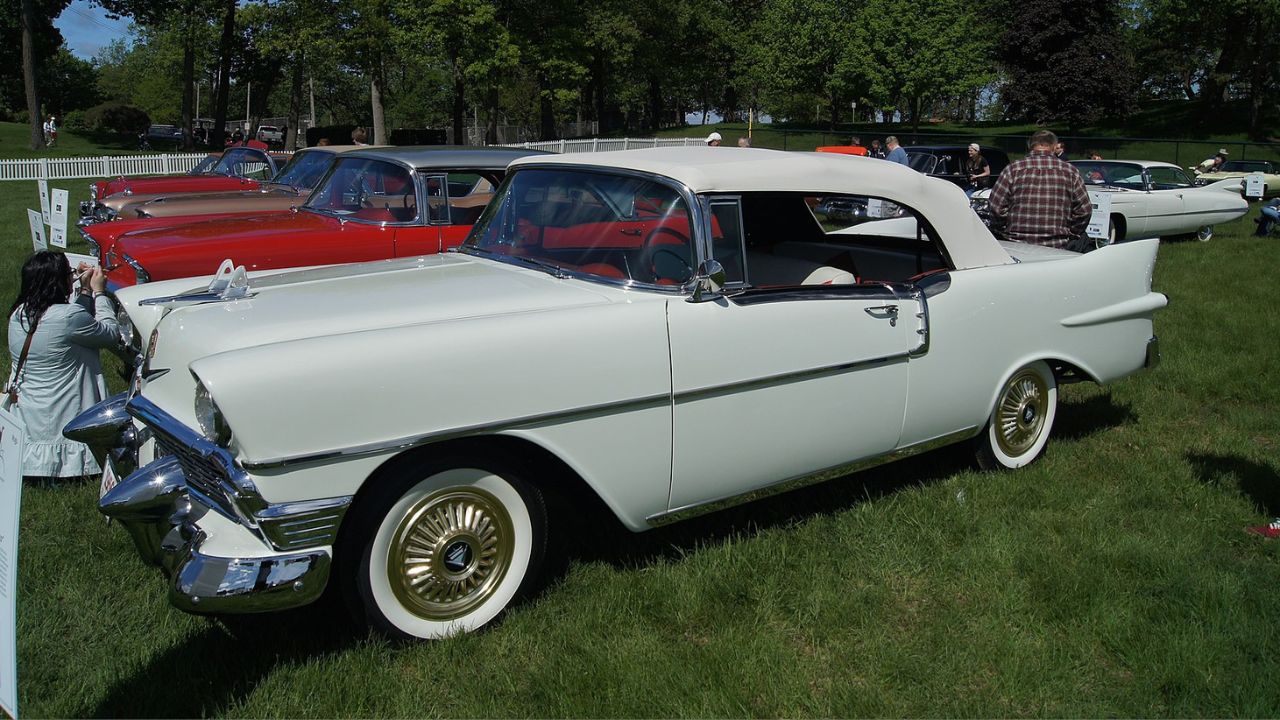
The El Morocco was not a conventional Chevrolet model but a fascinating custom creation built by entrepreneur Louis P. Cruz. It combined Chevrolet underpinnings with styling inspired by the Cadillac Eldorado, creating a more affordable alternative to Cadillac’s dramatic tail-finned luxury cars. Only a small number were produced, making surviving examples exceptionally rare. The El Morocco is now one of those obscure Chevrolet-related cars that can stop even experienced collectors because it looks familiar while being something they almost never encounter.
Chevrolet Corvair Loadside
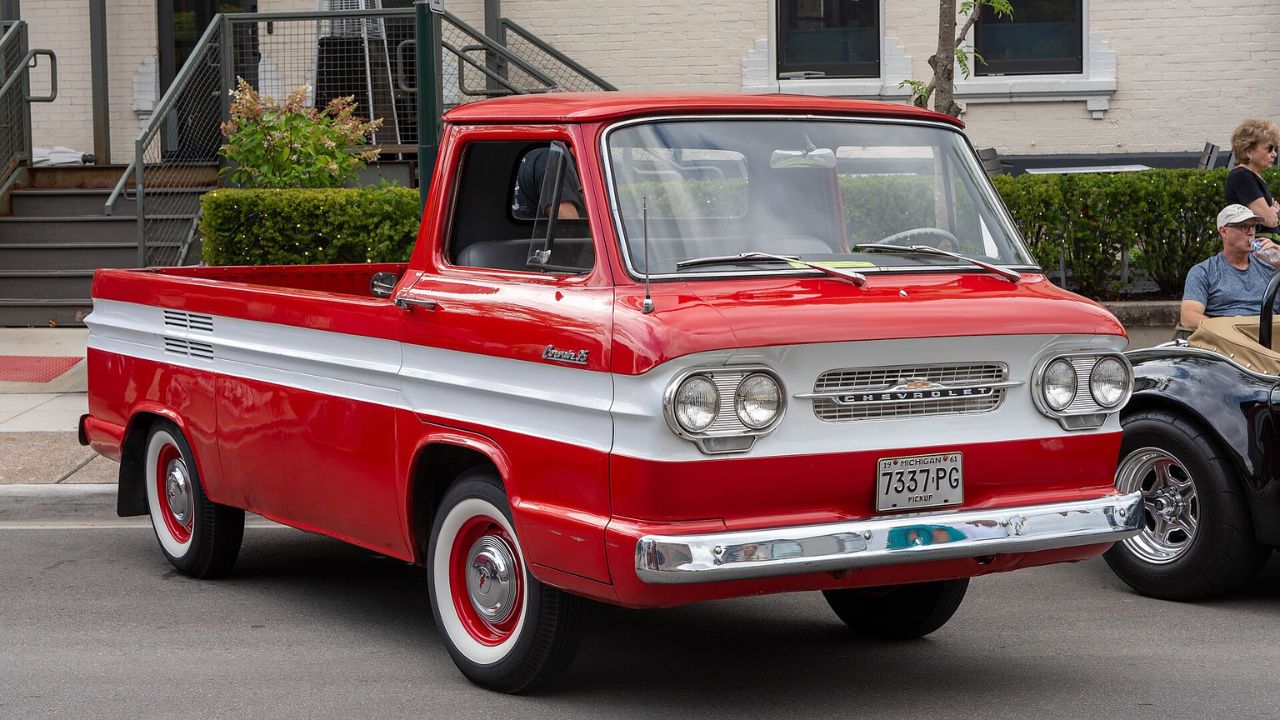
The Loadside was a pickup version of the Corvair that shared the model’s rear-engine architecture. Its compact dimensions made it useful for urban deliveries and light-duty work, while the unusual powertrain gave it a character unlike conventional Chevrolet pickups. The model was produced for only a short period and was eventually replaced by the more practical Rampside. Because so many commercial vehicles were worked hard, surviving Loadsides are now particularly scarce.
Chevrolet Brookwood
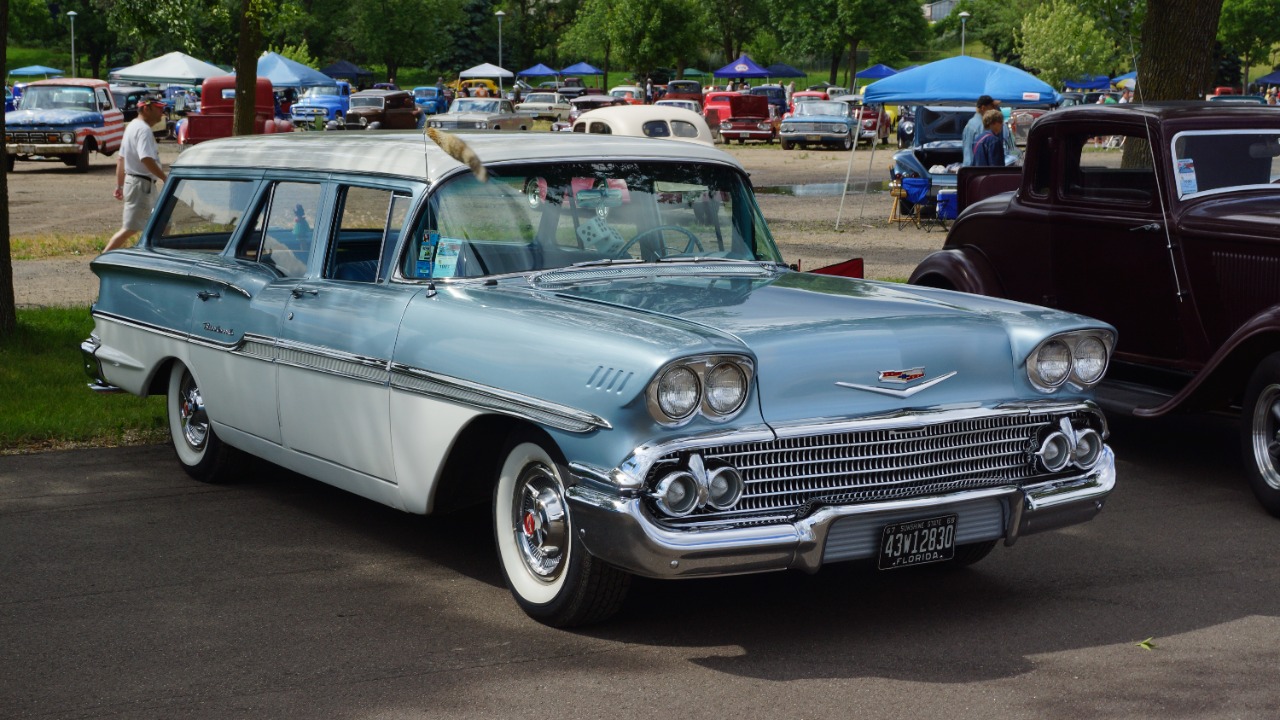
The Brookwood was Chevrolet’s practical station-wagon offering and appeared in several generations. It generally sat below the better-equipped Nomad and other upscale wagon versions, making it a sensible family choice when new. Because these cars were used as everyday transportation, relatively few survived in collectible condition. Original Brookwoods now provide an interesting look at the ordinary side of Chevrolet history, especially for enthusiasts who prefer authentic family cars over high-performance versions.
Chevrolet Delray
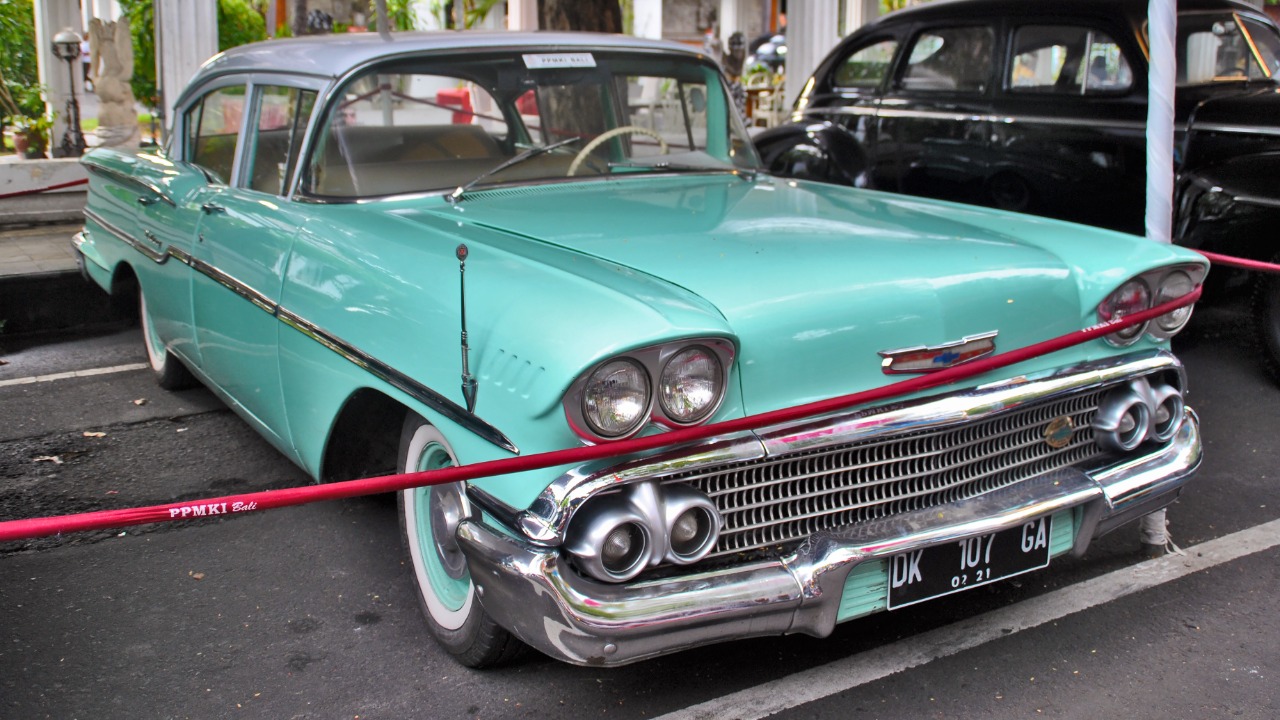
The Delray was a stripped-down Chevrolet aimed at buyers who wanted straightforward transportation without paying for unnecessary extras. Its simple equipment and fleet-friendly nature made it useful for families, businesses, and commercial operators. That practicality also meant owners rarely had a reason to preserve them. As a result, surviving Delrays are considerably less common than the better-known Bel Airs and other Chevrolet models from the same era. A clean original example can therefore be a genuine conversation starter.
Chevrolet Yeoman
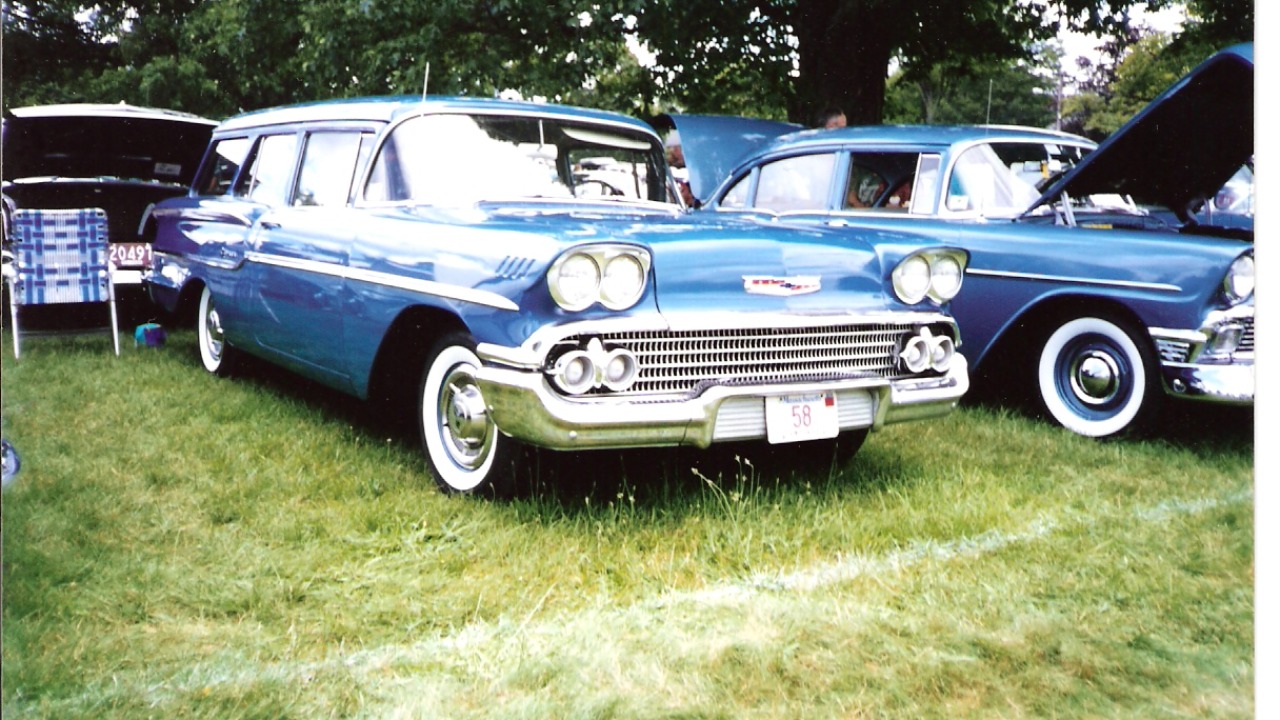
The Yeoman was a compact two-door station wagon offered during a very short period in Chevrolet’s history. It was designed as an economical alternative to larger and more expensive wagons, giving families a practical body style in a smaller package. Its brief production run and utilitarian mission meant few were preserved. Today, the Yeoman is one of the Chevrolet wagons that even knowledgeable enthusiasts may only recognize from photographs.
Chevrolet 210 Del Ray

The 210 Del Ray occupied an unusual position in Chevrolet’s lineup, combining the straightforward nature of the 210 with the more specific Del Ray name. It appealed to buyers who wanted a practical car without the added cost of Chevrolet’s flashier models. The model’s modest original status makes surviving examples especially interesting today. Collectors often seek the glamorous Chevrolets first, leaving cars like this to become unexpectedly scarce over time.
Chevrolet Styleline Deluxe Convertible
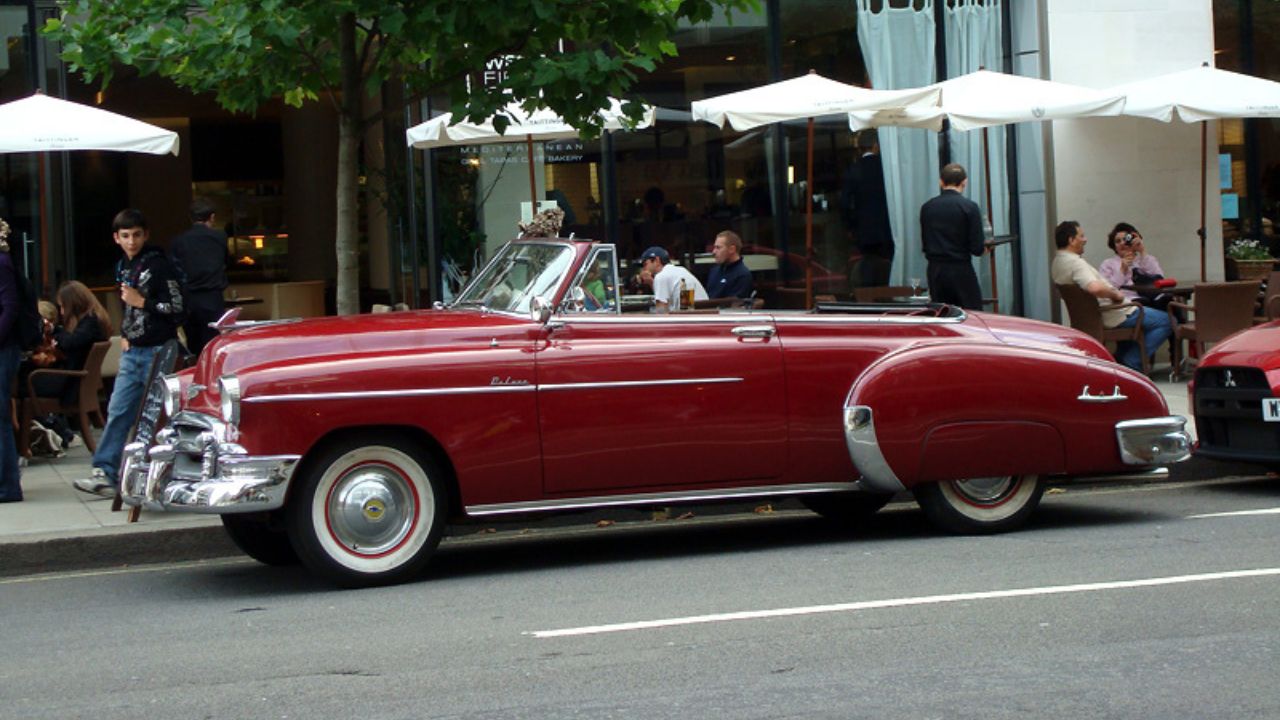
The Styleline Deluxe Convertible represented Chevrolet’s postwar return to more expressive American styling. Its rounded body, chrome details, and open cabin captured the optimism of the early 1950s. Convertibles were considerably less common than sedans, however, and many were exposed to years of weather and use. That makes surviving examples harder to find today. A restored Styleline Deluxe Convertible can look spectacular, but even an original project car is becoming an increasingly unusual discovery.
Chevrolet Fleetline Aerosedan
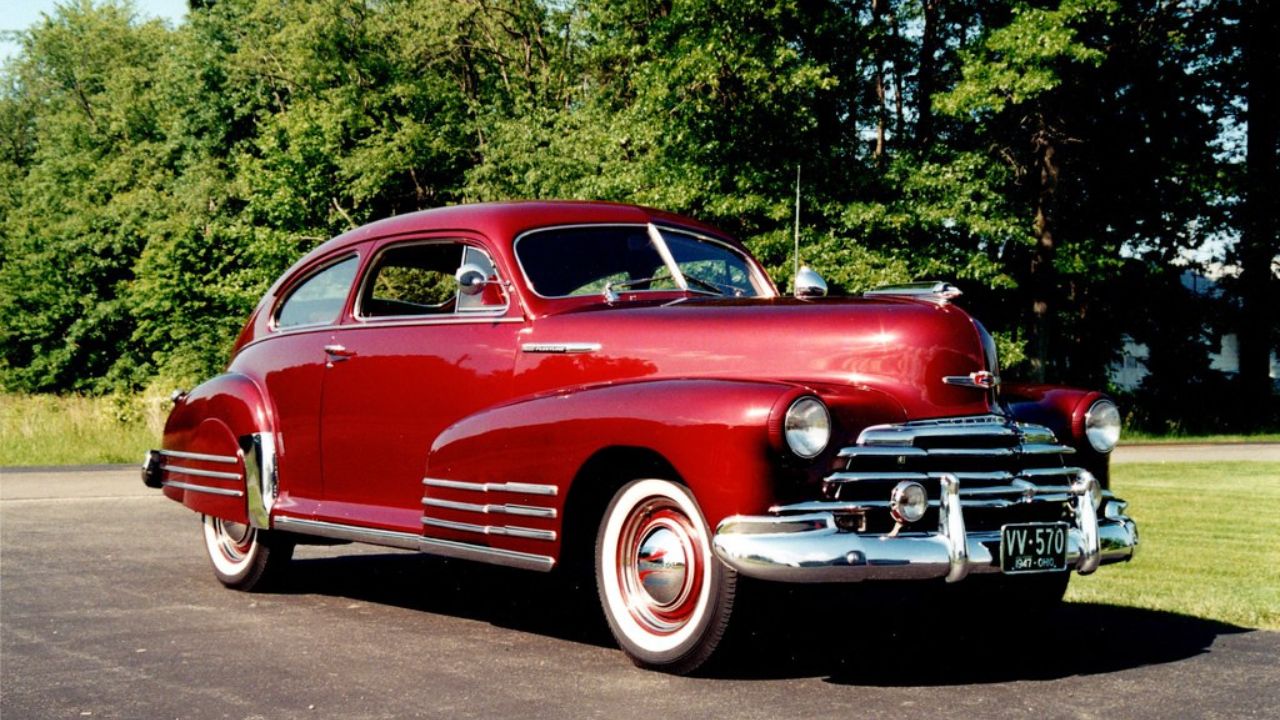
The Fleetline Aerosedan was one of Chevrolet’s most distinctive fastback designs. Its sloping roofline gave the car a much sportier appearance than the conventional sedan, while the long body and chrome trim retained the character of a traditional American automobile. The design was popular when new, but decades of use dramatically reduced the surviving population. Today, the Aerosedan’s flowing profile makes it one of the most visually memorable forgotten Chevrolets.
Chevrolet Fleetline Fastback
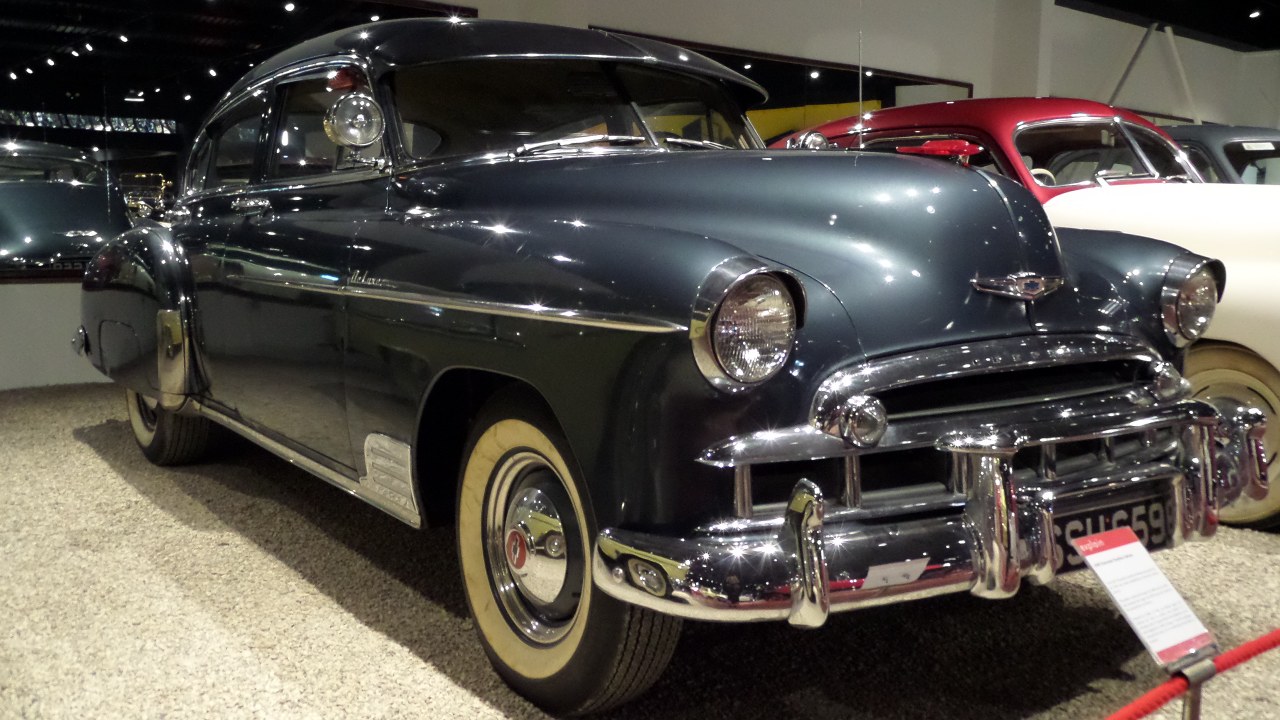
The Fleetline Fastback gave Chevrolet buyers a more streamlined alternative to the company’s conventional sedan body. Its sloping rear profile and smooth fenders reflected the design trends of the immediate postwar period. Many were driven as ordinary family cars and eventually disappeared through corrosion, accidents, and neglect. Surviving examples are now highly appreciated because they capture a transitional moment in Chevrolet styling between prewar forms and the increasingly dramatic designs that followed.
Chevrolet Styleline Deluxe Station Wagon
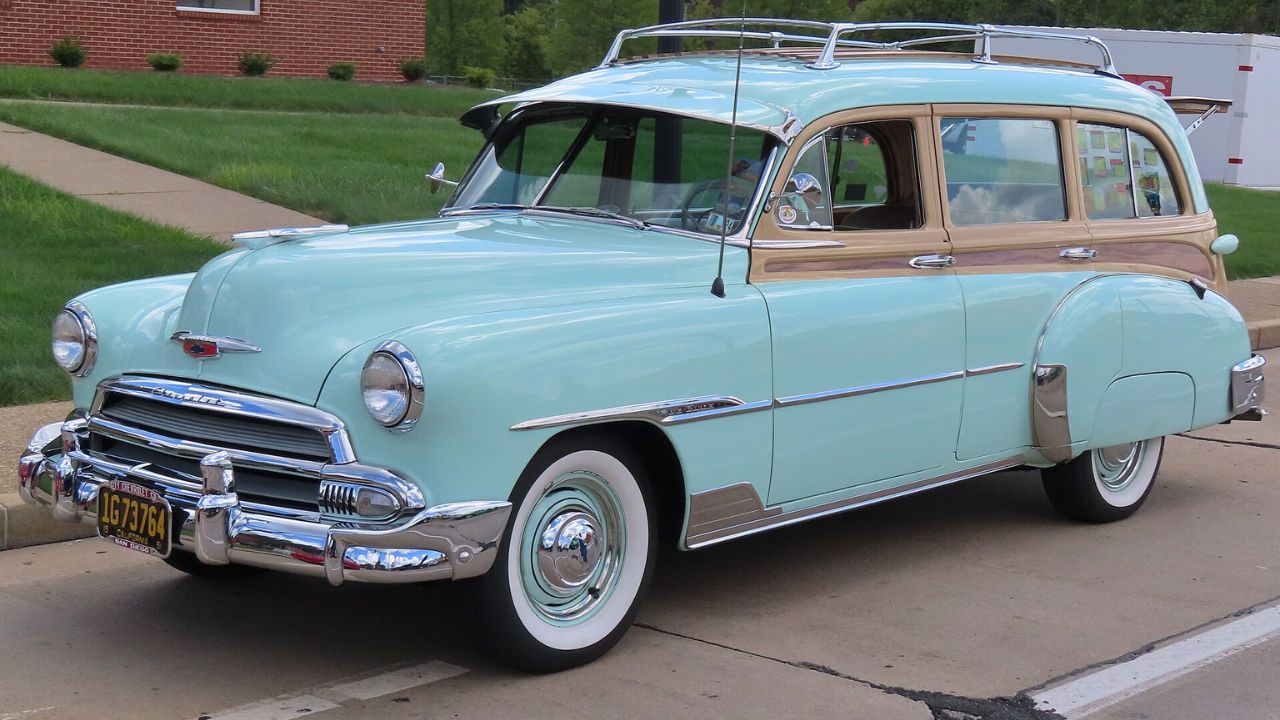
The Styleline Deluxe wagon combined Chevrolet’s early postwar styling with useful family-car practicality. Its larger body and generous interior made it well suited to American family life, but station wagons from this period were rarely treated as future collectibles. Many were simply used until they were no longer economical to repair. Finding an intact example today can therefore be surprisingly difficult. It offers collectors a chance to experience the practical side of early postwar Chevrolet design.
Chevrolet Biscayne 409
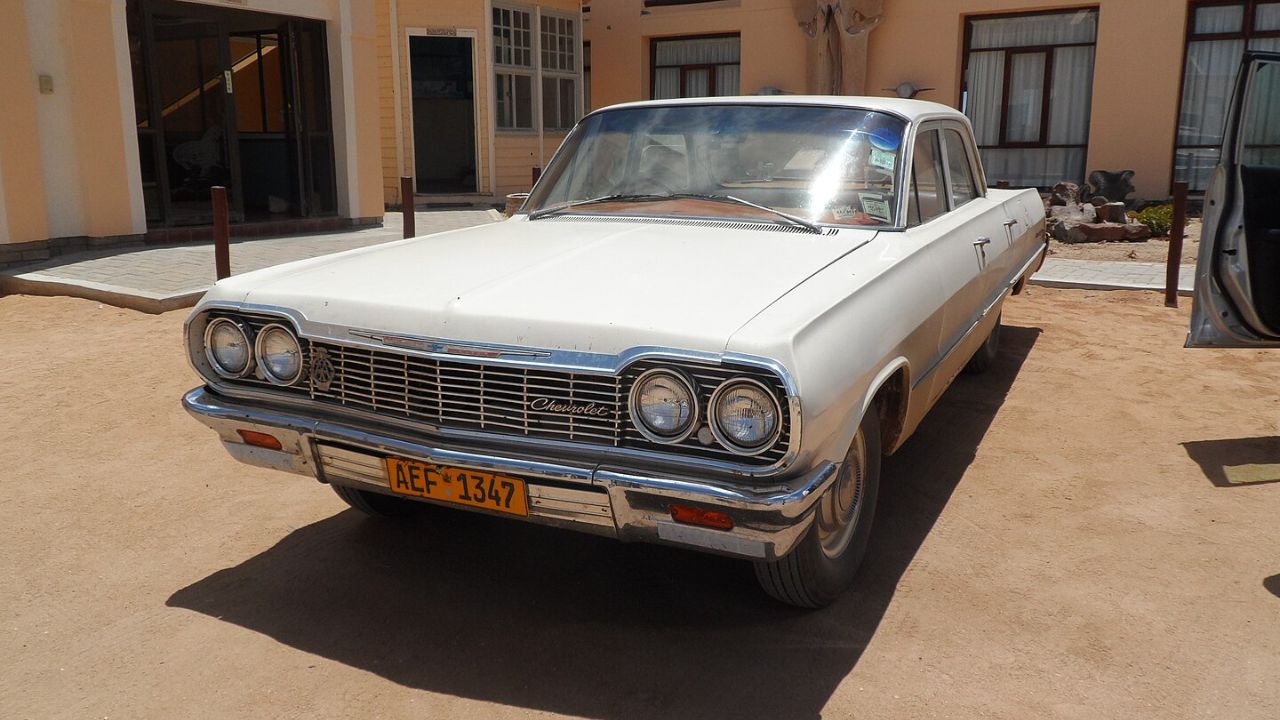
The Biscayne 409 combined a relatively basic full-size Chevrolet body with one of the brand’s most famous performance engines. Buyers could get serious V8 power without paying for all the luxury equipment found on more expensive Chevrolets. That made certain Biscayne 409s particularly interesting to performance enthusiasts. Many were driven hard, however, which contributed to their rarity today. An original example offers the unusual combination of understated styling and genuine big-block performance.
Chevrolet Corvair Corsa
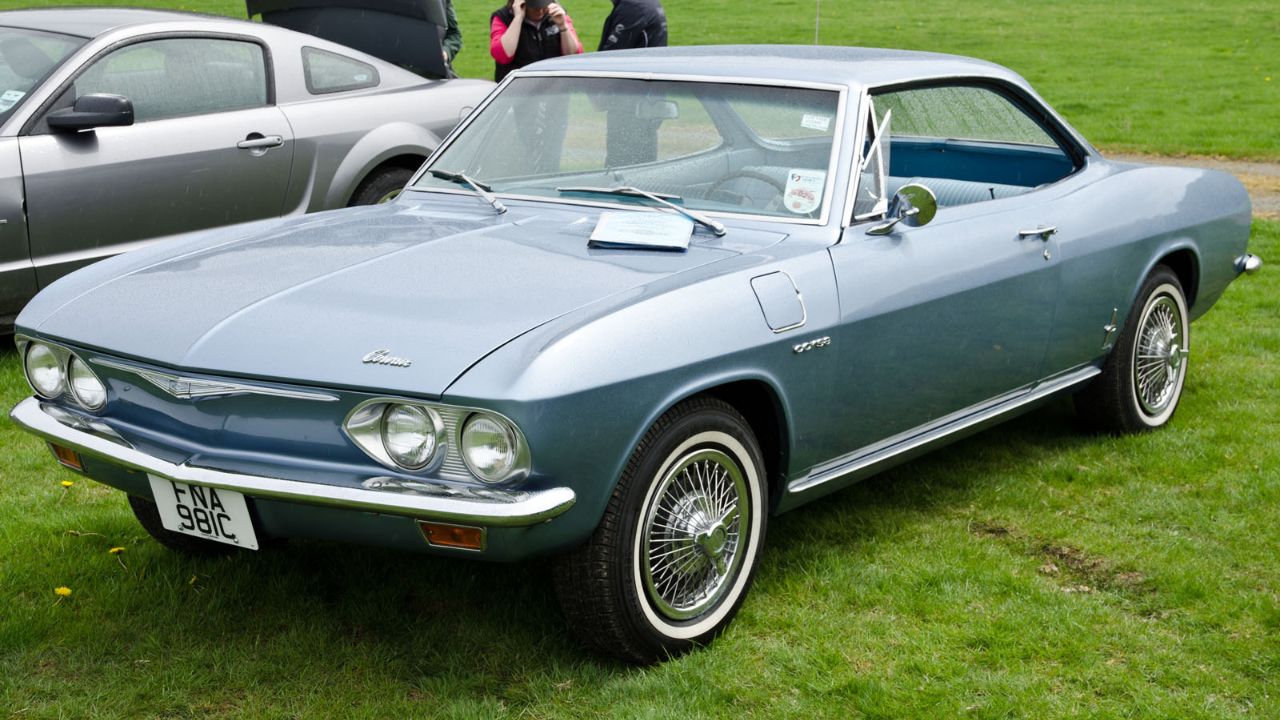
The Corsa represented the performance-oriented side of Chevrolet’s Corvair lineup. It offered stronger engine choices, additional instrumentation, and a sportier personality than ordinary Corvair models. Its rear-engine configuration already made the car unusual, while the Corsa package pushed it further toward enthusiast territory. Production was limited compared with mainstream Chevrolet models, and surviving cars are now uncommon. For collectors, the Corsa is one of the clearest examples of Chevrolet taking its unconventional compact seriously as a performance car.
Chevrolet Monte Carlo Landau

The Monte Carlo Landau represented the more formal and luxurious side of Chevrolet’s personal-coupe era. Its vinyl roof, plush interior, long hood, and comfortable ride reflected a period when American buyers wanted their two-door cars to feel substantial and upscale. Although Monte Carlos were once common, well-preserved Landau examples have become much less familiar. Their period styling now provides a strong reminder of an era when a personal luxury coupe could be one of the most distinctive cars in a Chevrolet showroom.
More from Fast Lane Only
- Unboxing the WWII Jeep in a Crate
- 15 rare Chevys collectors are quietly buying
- 10 underrated V8s still worth hunting down
- Police notice this before you even roll window down
*Research for this article included AI assistance, with all final content reviewed by human editors.