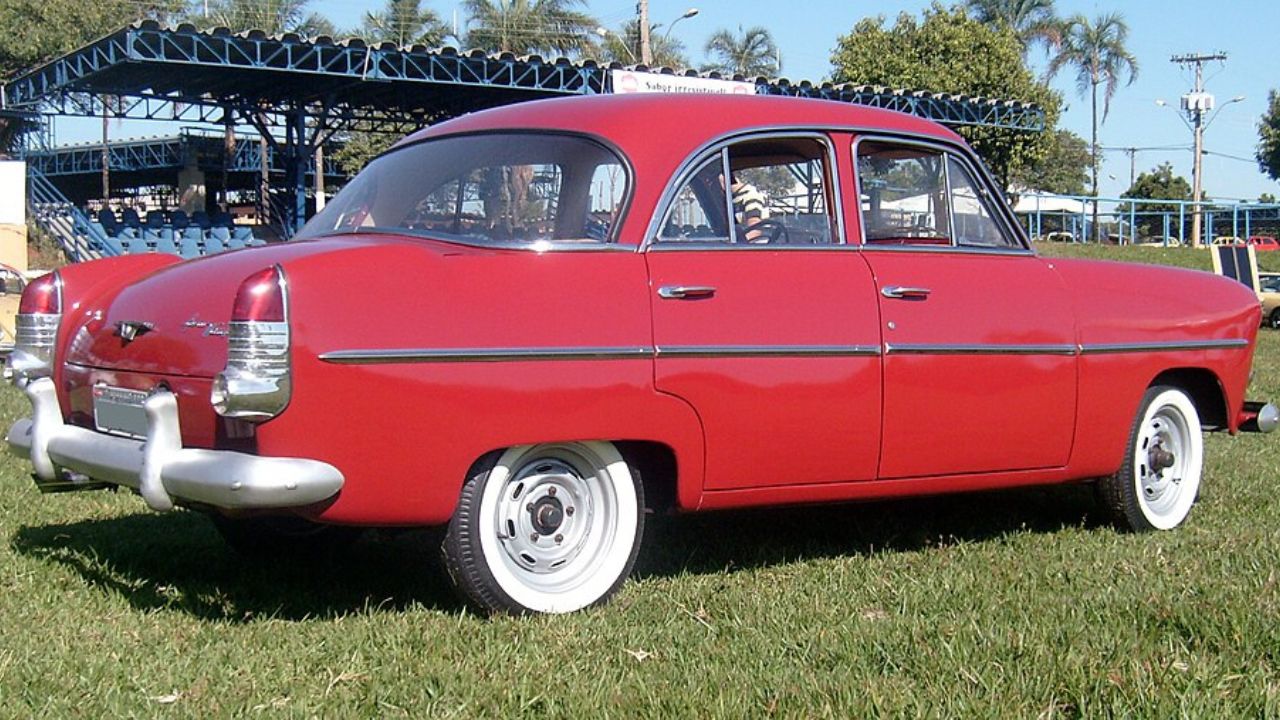
While Willys vehicles hold a special place in automotive history, not all of them are worth the investment. Some models have earned a reputation for being unreliable, underperforming, or simply not meeting the expectations of modern drivers. If you’re considering adding a Willys to your collection or using one as a daily driver, here are eight models you might want to steer clear of.
Willys MB Jeep (1941-1945)
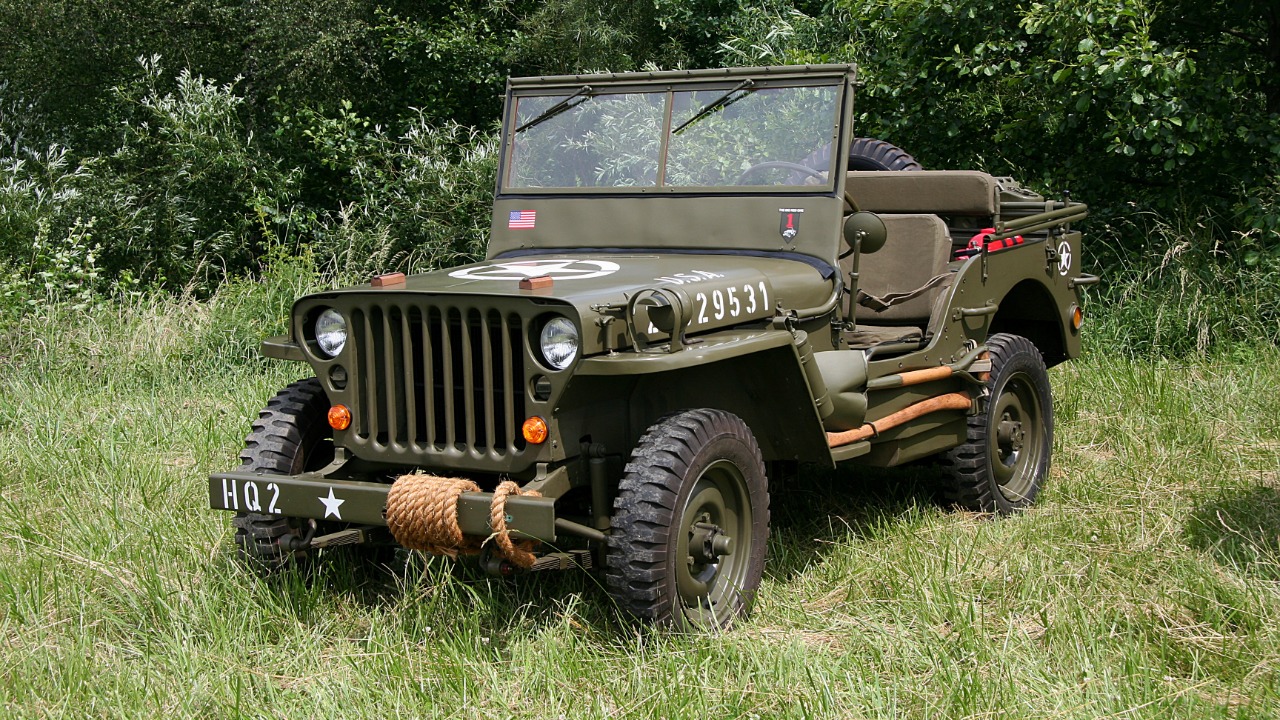
The Willys MB Jeep is iconic, serving as a military vehicle during World War II. However, its age and the wear from years of use can make it a problematic choice for collectors or enthusiasts. Many of these vehicles have undergone numerous modifications over the years, leading to inconsistencies in performance and reliability. Additionally, parts can be difficult to source, resulting in costly repairs. While the Jeep’s historic significance is undeniable, the reality of owning one can be quite different. If you’re looking for a dependable off-roader, you might want to consider more modern alternatives. For reliable off-road vehicles, check out this list of the best Jeeps of all time.
Furthermore, the Willys MB lacks many of the comforts and conveniences found in today’s vehicles. Features like power steering or air conditioning are absent, making long drives less enjoyable. The ride can be jarring, and the engine may struggle under modern driving conditions. Overall, while the Willys MB Jeep is a fascinating piece of history, it may not be the best choice for practical use.
Willys Aero (1952-1955)
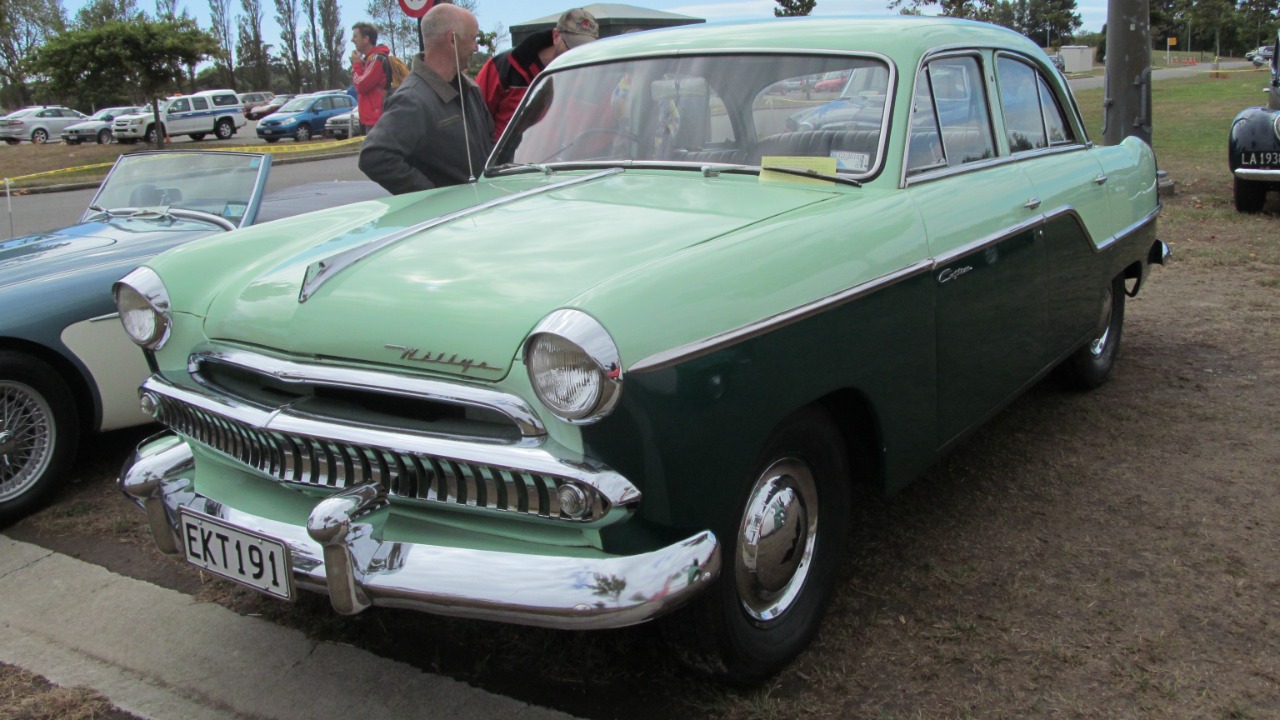
The Willys Aero, produced from 1952 to 1955, was Willys’ attempt to enter the compact car market. Unfortunately, it did not resonate with consumers, and its lack of popularity has led to many undesirable characteristics. The Aero’s design was quirky, and while it might appeal to collectors, it is often criticized for its underwhelming performance. The engine options were limited and didn’t provide the power drivers expected, making it less desirable for everyday use.
Moreover, finding parts for the Aero can be a challenge. As a model that didn’t sell in large numbers, many components are now hard to come by. This can lead to inflated repair costs, making ownership a financial burden. If you’re looking for a vintage car that can be reliably maintained, the Willys Aero is likely not the best choice.
Willys Station Wagon (1946-1965)
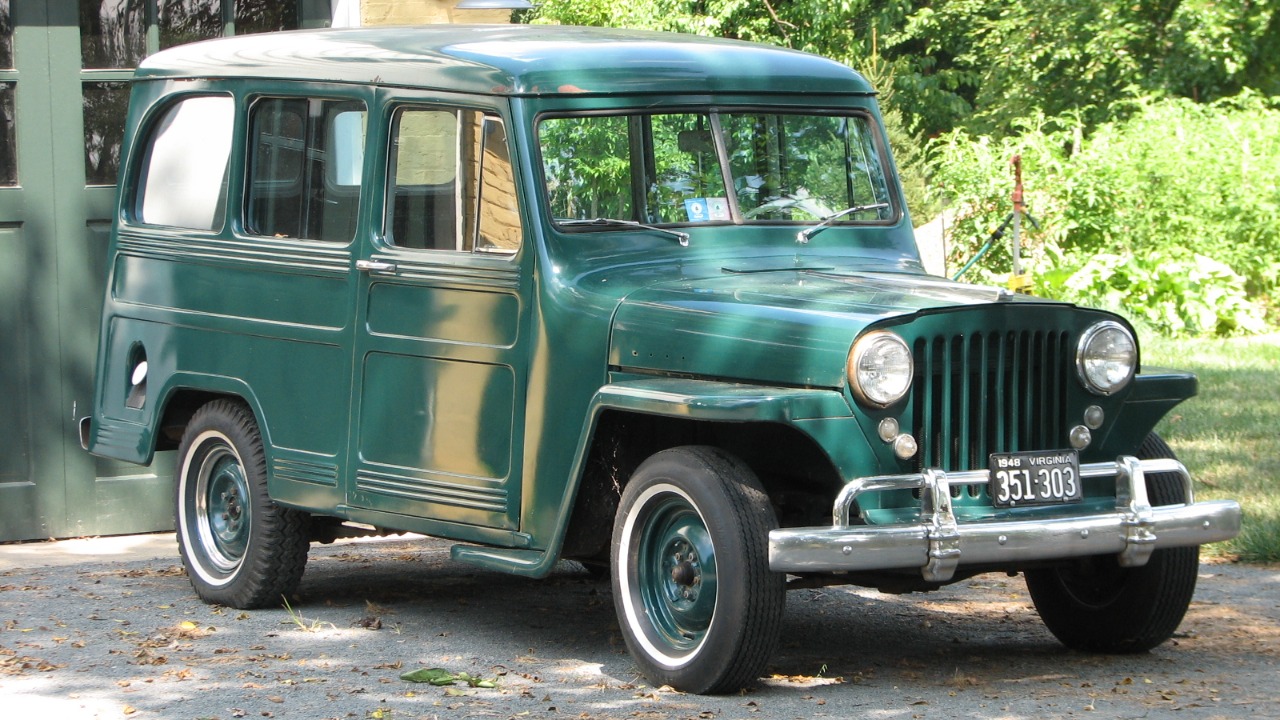
The Willys Station Wagon is often remembered for its unique design and ruggedness, but it also has its share of drawbacks. Built from 1946 to 1965, this vehicle was one of the first all-steel station wagons, but its age means that many have deteriorated significantly over the years. Rust issues are prevalent, and finding a well-maintained example can be a daunting task. Even if you find one, it may require extensive restoration work to bring it up to a reliable standard.
Additionally, the driving experience in a Willys Station Wagon is far from comfortable. The suspension is outdated, leading to a bumpy ride that can be unpleasant on longer journeys. The interior lacks modern amenities, making it less appealing for those who prioritize comfort. If you’re in the market for a classic vehicle, consider alternatives that offer better reliability and comfort.
Willys Jeepster (1948-1950)
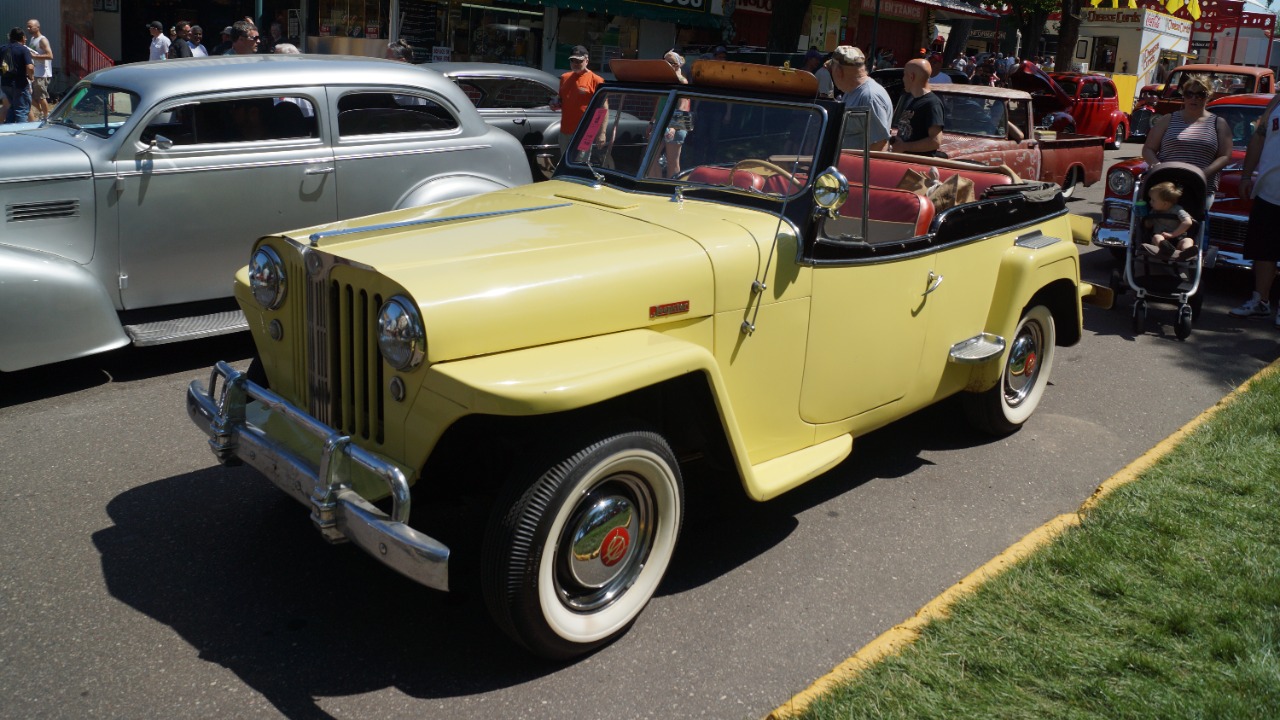
The Willys Jeepster, produced between 1948 and 1950, is often seen as a unique blend of a convertible and an SUV. However, this model suffers from several issues that make it less desirable. One major concern is its performance; the Jeepster’s engine is underpowered, which can lead to disappointing driving experiences. For a vehicle that aims to be both sporty and functional, it falls short in both categories.
Moreover, the Jeepster’s design doesn’t age well. Many owners report issues with leaks and rust, particularly around the convertible top area. This can lead to costly repairs that might outweigh the vehicle’s value. If you’re considering a Willys Jeepster, be prepared for maintenance challenges and potential reliability issues that could make ownership more trouble than it’s worth.
Willys Pickup Truck (1947-1963)
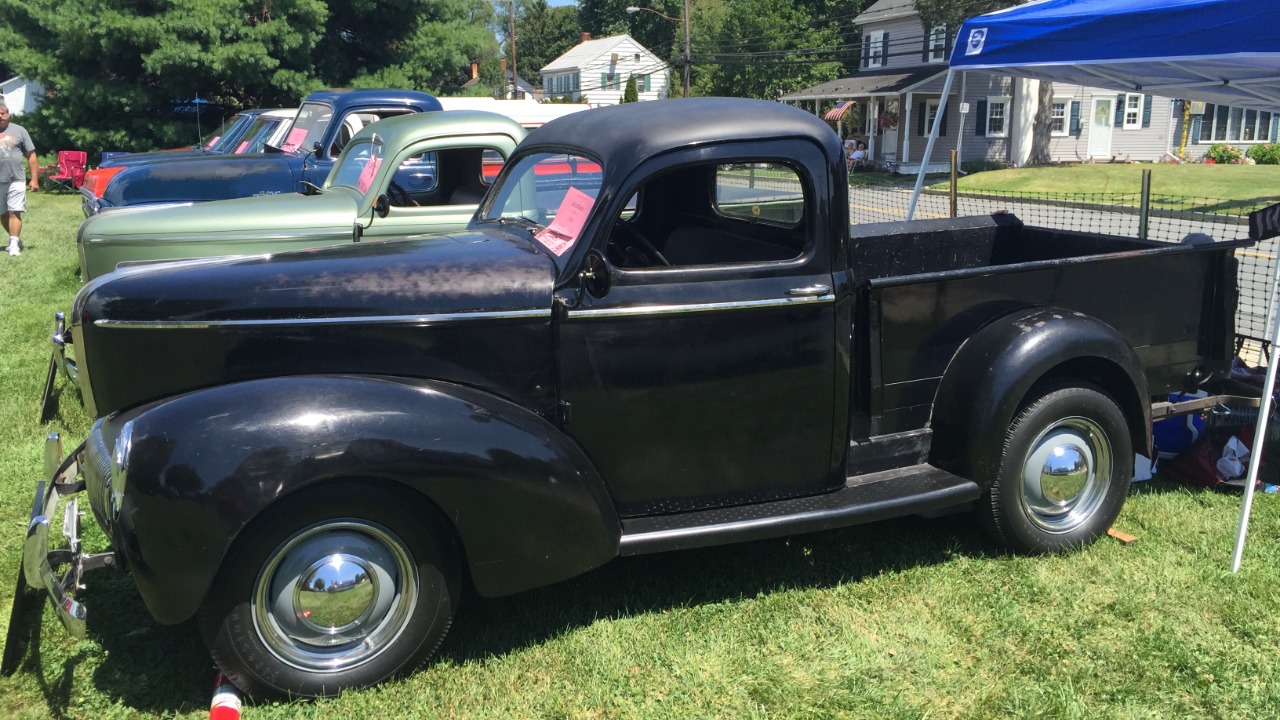
The Willys Pickup Truck, produced from 1947 to 1963, has its loyal followers, but it also has significant drawbacks. While it may have been a reliable workhorse in its day, many of these trucks have suffered from the wear and tear of decades of use. Rust is a common issue, and the availability of replacement parts can be limited, leading to expensive repairs. Many find that restoring a Willys Pickup is often more trouble than it’s worth.
Additionally, the truck’s performance is often criticized. It lacks the power and comfort of modern pickups, making it less suitable for daily driving. The suspension is outdated, leading to a rough ride that can be uncomfortable on longer trips. For those seeking a classic truck experience, it may be better to consider alternatives that offer more reliability and comfort.
Willys Overland 77 (1940-1941)

The Willys Overland 77, produced briefly from 1940 to 1941, is a model that many collectors might overlook. This vehicle had a short production run, which means that finding a well-maintained example can be a significant challenge. Many Willys Overland 77s have not survived the test of time, leading to concerns about parts availability and restoration costs.
Moreover, performance-wise, the Overland 77 does not meet the expectations of modern drivers. With limited engine options, it often feels sluggish compared to its contemporaries. Reliability is another concern; many owners report frequent mechanical issues that can turn ownership into a costly affair. If you’re considering a Willys Overland 77, be prepared for potential headaches and ongoing repairs.
Willys F Head Engine Models (1950s)
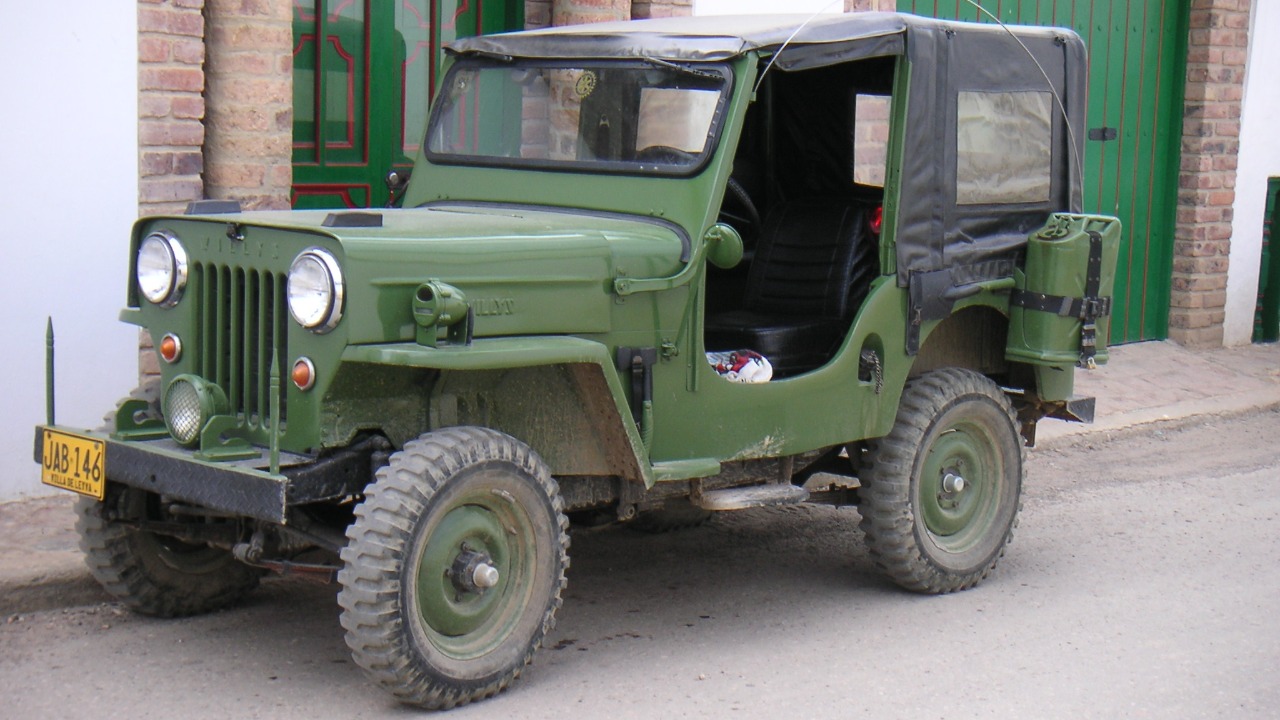
Willys’ F Head engine models from the 1950s are another area to approach with caution. While innovative for their time, these engines have been known for various reliability issues. Many enthusiasts have reported problems ranging from overheating to poor fuel efficiency. For a vehicle meant to be a reliable companion, these engine models often fall short, leading to frustration for owners.
Furthermore, sourcing parts for F Head engines can be a significant challenge. As these vehicles age, finding compatible components has become increasingly difficult, resulting in high costs for repairs and maintenance. If you’re in the market for a classic Willys, it might be wiser to look for models that offer better engine reliability and support.
Willys 4×4 Utility Wagon (1963-1965)
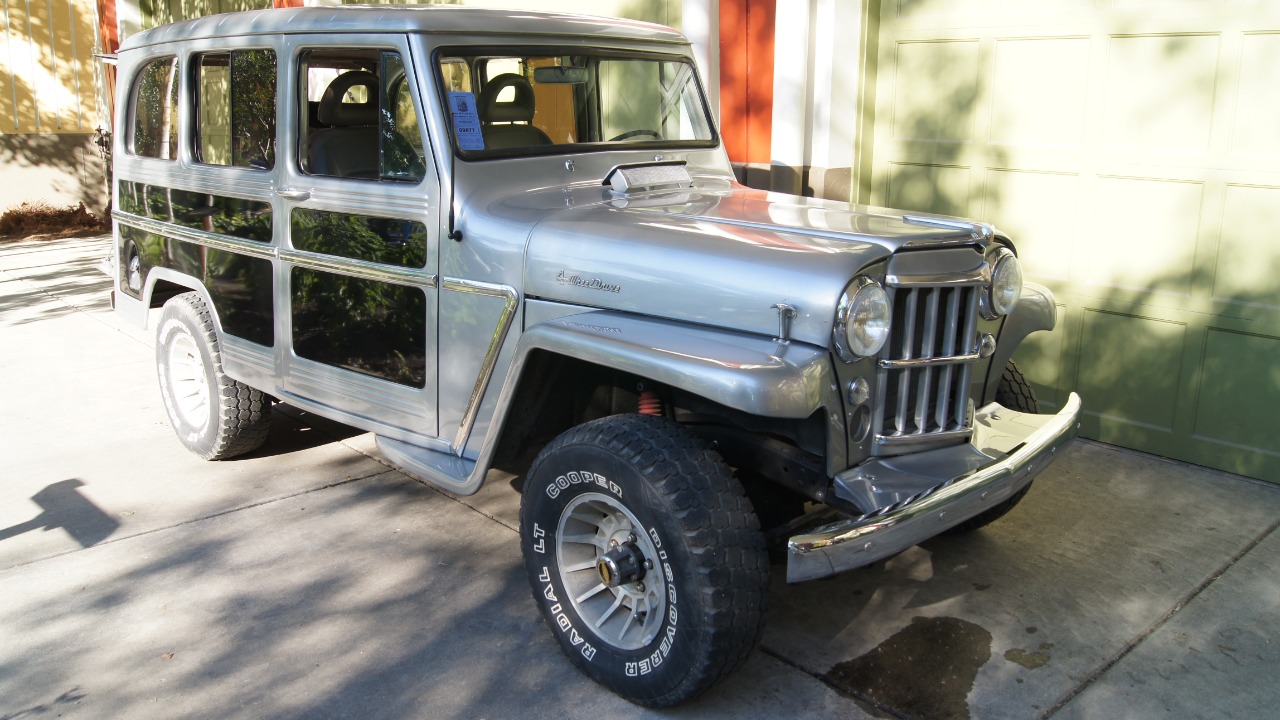
The Willys 4×4 Utility Wagon, produced from 1963 to 1965, is often viewed as a rugged option for off-road enthusiasts. However, this model is not without its flaws. Many owners have reported issues with the drivetrain and suspension, leading to a rough ride and inconsistent performance. Rust can also be a major concern, especially in older models that have seen harsh conditions.
Additionally, the Utility Wagon’s outdated technology can make it less appealing for those looking for a comfortable driving experience. Features that are standard in modern vehicles are notably absent, which can lead to dissatisfaction on longer journeys. For anyone considering a Willys 4×4 Utility Wagon, it’s essential to weigh these factors carefully against your needs and expectations in a vehicle.
More from Fast Lane Only
- Unboxing the WWII Jeep in a Crate
- 15 rare Chevys collectors are quietly buying
- 10 underrated V8s still worth hunting down
- Police notice this before you even roll window down
*Research for this article included AI assistance, with all final content reviewed by human editors.