Pontiac built plenty of famous performance cars, but some of its most interesting models never received the same attention. Mechanics often remember these cars for their durable engines, straightforward layouts, strong drivetrains, or surprisingly solid construction. While collectors tend to chase the obvious GTOs and Trans Ams, these overlooked Pontiacs can tell an equally interesting story about the brand.
Pontiac Bonneville
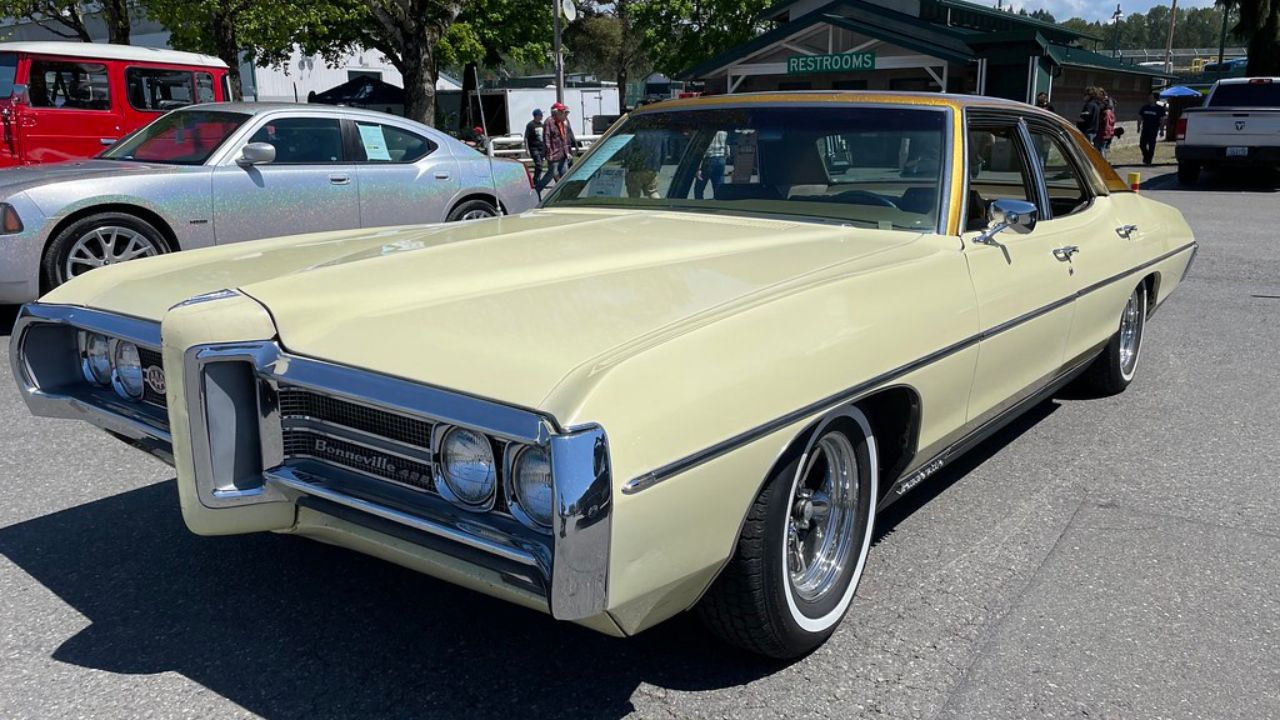
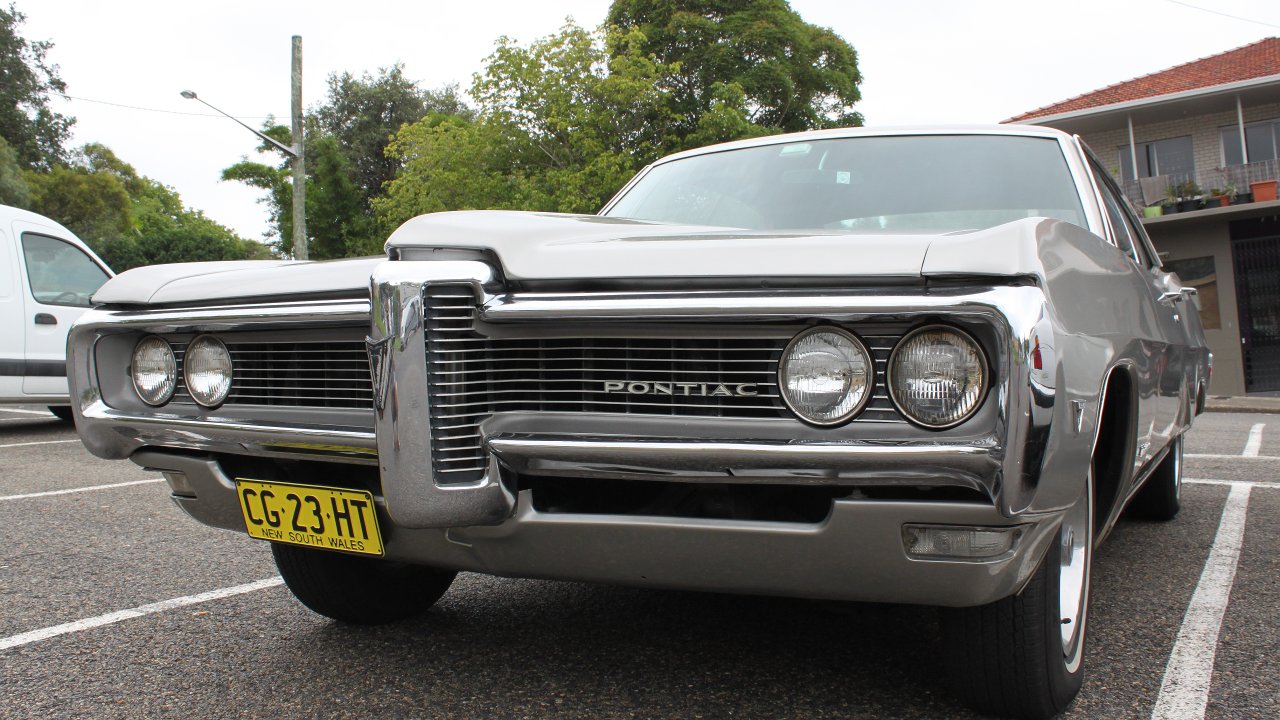
The Bonneville was one of Pontiac’s longest-running full-size nameplates and became known for combining comfort with strong V8 performance. Earlier versions were built on substantial platforms with simple mechanical layouts that could withstand years of regular use. Mechanics appreciated the accessibility of many components and the durability of the underlying hardware. Today, the Bonneville is often remembered for its size and styling, but its straightforward engineering is another reason so many examples remained on the road for decades.
Pontiac Catalina
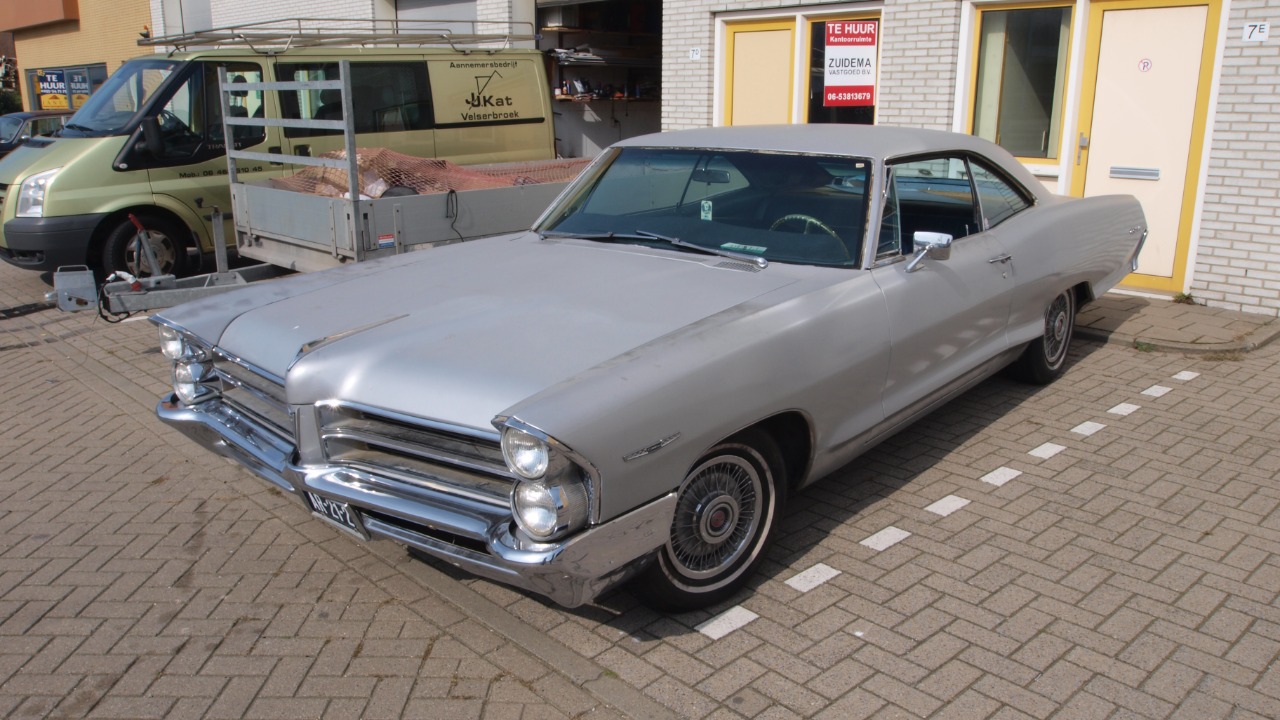
The Catalina offered a more affordable route into Pontiac’s full-size lineup without giving up the brand’s strong V8 tradition. Its conventional rear-wheel-drive layout made it relatively straightforward to service, while the engines provided plenty of torque. Many were used as family cars and daily transportation, exposing their mechanical durability over hundreds of thousands of miles. Although collectors often overlook the Catalina beside the GTO, mechanics recognize it as one of Pontiac’s dependable old-school platforms.
Pontiac LeMans
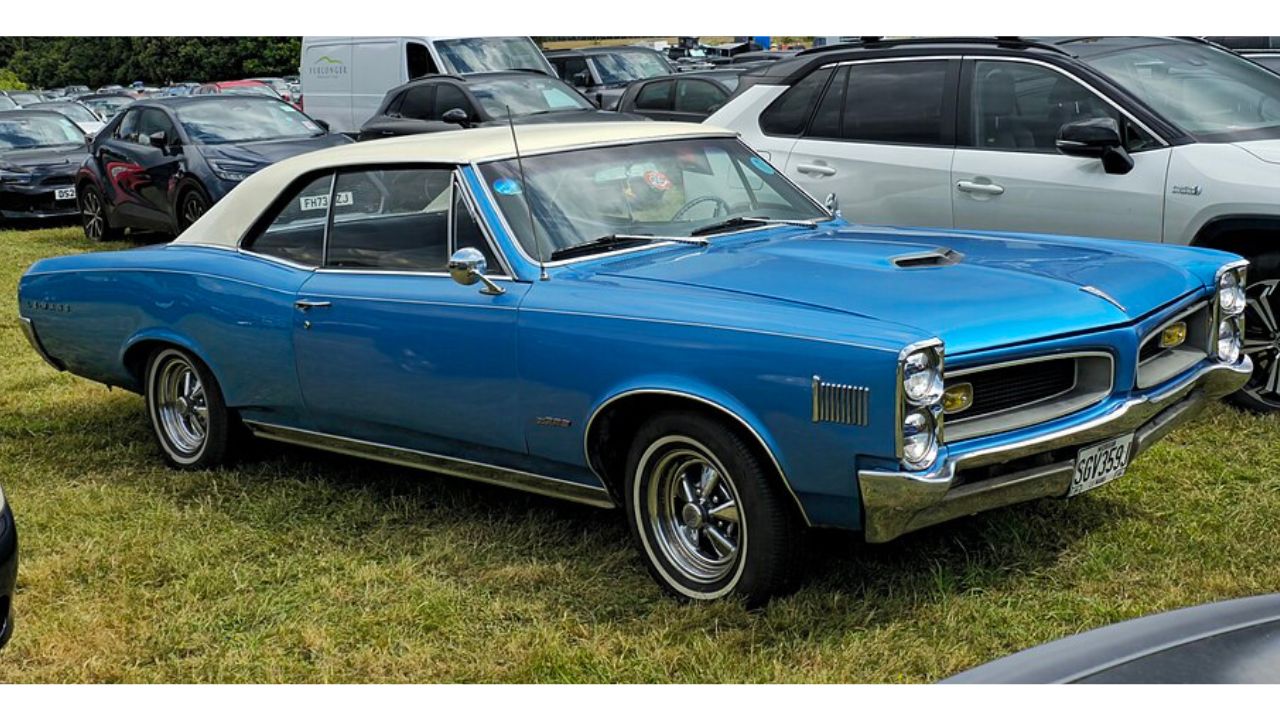
/ Wiki Commons
The LeMans became one of Pontiac’s most important midsize models and provided the foundation for several performance cars. Its conventional drivetrain, simple suspension design, and broad availability of V8 engines made it relatively familiar to mechanics. Even ordinary versions could remain useful for years with routine maintenance. The LeMans deserves more attention because it represents the practical engineering underneath Pontiac’s better-known performance machines, rather than simply being another muscle-car nameplate.
Pontiac Tempest
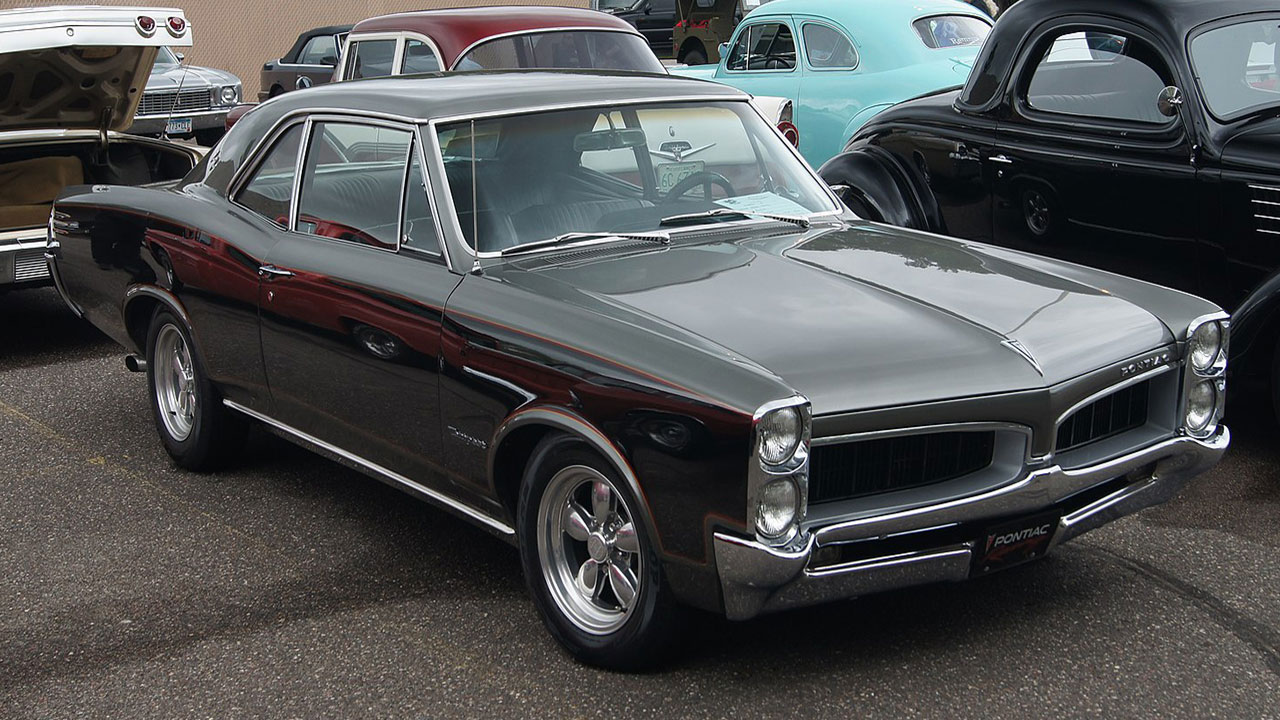
The Tempest was one of Pontiac’s most interesting compact cars, especially during its early years. Its unusual drivetrain layout made it different from many competitors, but later versions adopted more conventional mechanical arrangements. The Tempest could also be equipped with Pontiac V8 power, creating a lightweight platform with strong performance potential. Mechanics remember these cars because they combined relatively simple construction with the kind of robust engines that helped Pontiac build its performance reputation.
Pontiac Grand Prix
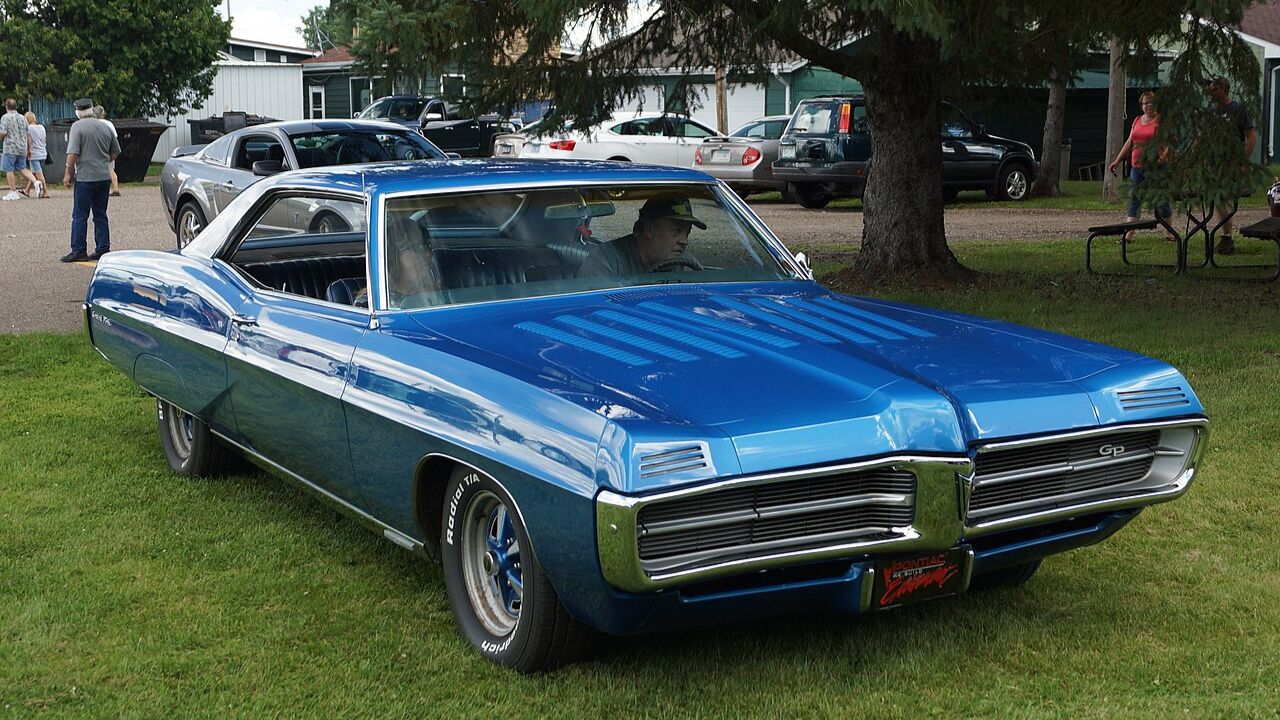
The Grand Prix became Pontiac’s signature personal-luxury coupe, but its mechanical foundations were often closely related to the brand’s other rear-wheel-drive cars. Strong V8s, conventional transmissions, and durable chassis components made many versions capable of handling years of use. Mechanics also appreciated the familiarity of Pontiac’s powertrains across different models. While the Grand Prix is usually remembered for its styling and performance image, its underlying simplicity helped keep many examples running long after newer cars became more complicated.
Pontiac Firebird
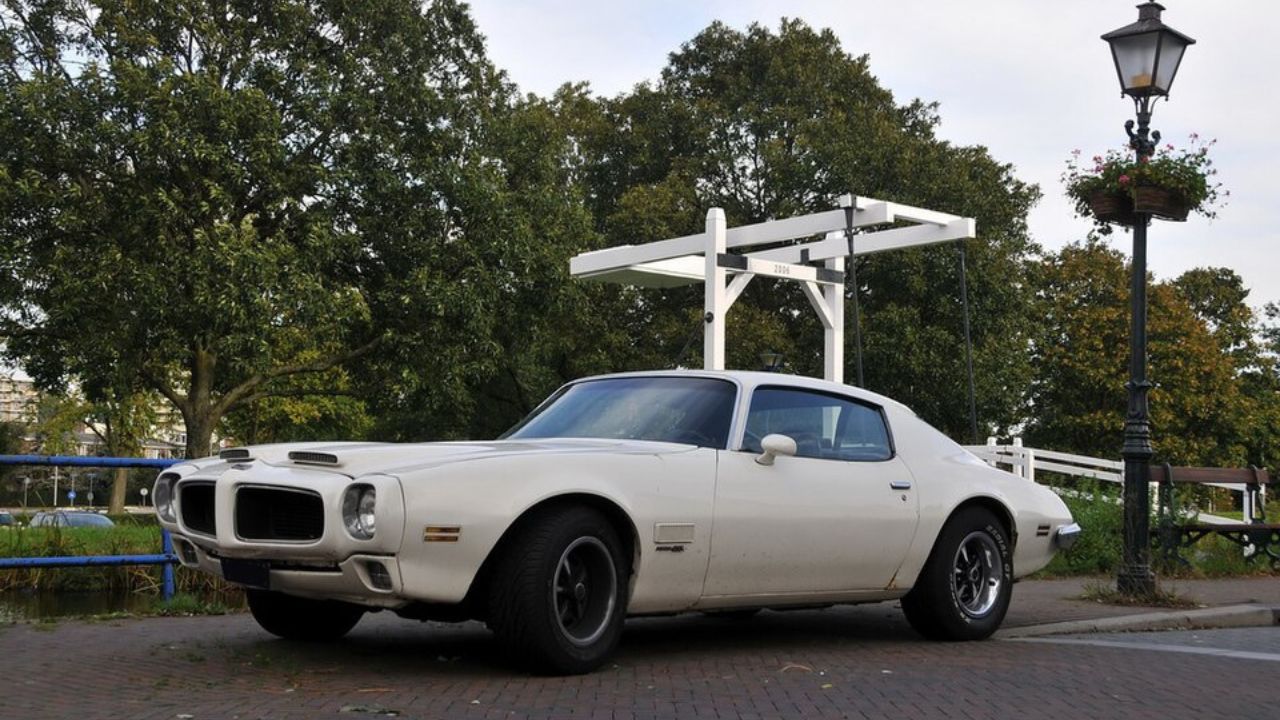
The Firebird is famous for performance, but its appeal to mechanics went beyond horsepower. Many generations shared components with other General Motors vehicles, making replacement parts and mechanical knowledge relatively accessible. V8-equipped versions also benefited from engines that were widely used across GM’s lineup. This commonality helped owners keep their cars running. The Firebird’s reputation as a performance icon sometimes overshadows the practical engineering that made it possible to maintain one for decades.
Pontiac Formula
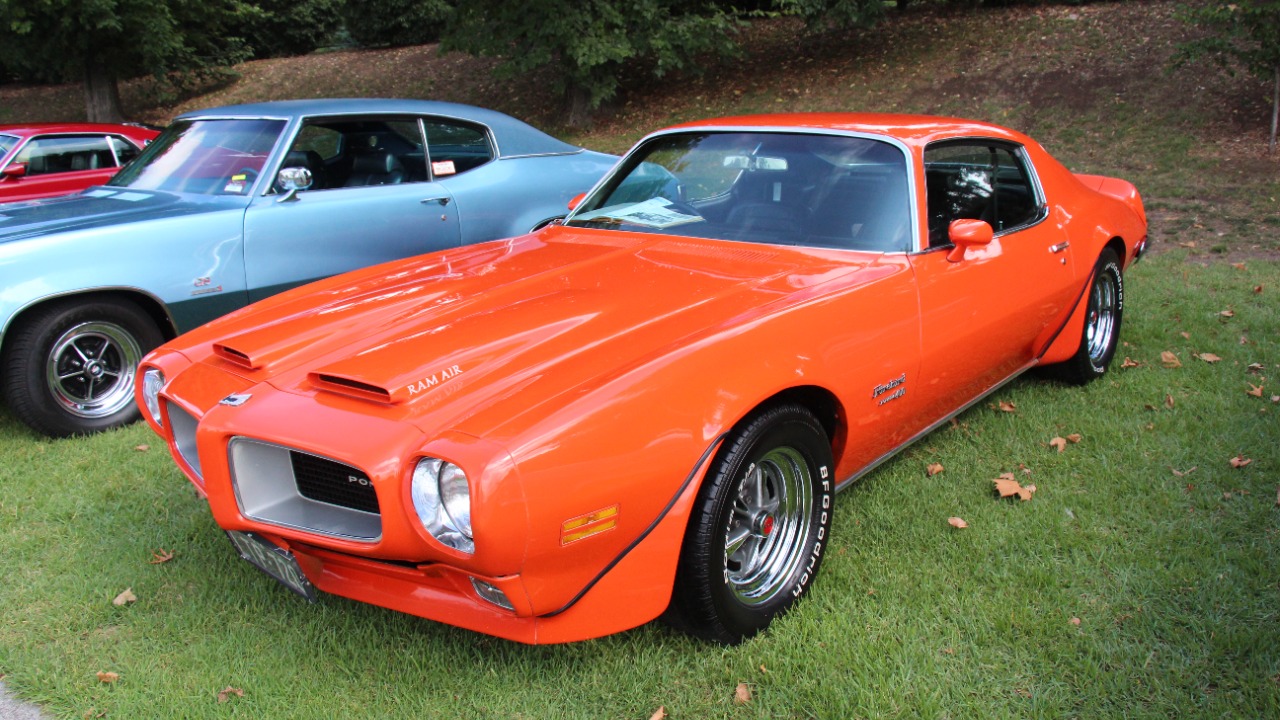
The Firebird Formula offered a more understated alternative to the Trans Am while retaining serious performance potential. Its conventional rear-wheel-drive layout and shared GM components made many mechanical repairs relatively straightforward. Depending on the generation, Formula models could carry robust V8 engines with strong aftermarket and parts support. Mechanics often appreciate cars like this because they provide genuine performance without requiring exotic engineering. That makes the Formula an especially interesting choice for someone who wants an old Pontiac that can still be worked on without unnecessary complexity.
Pontiac Ventura
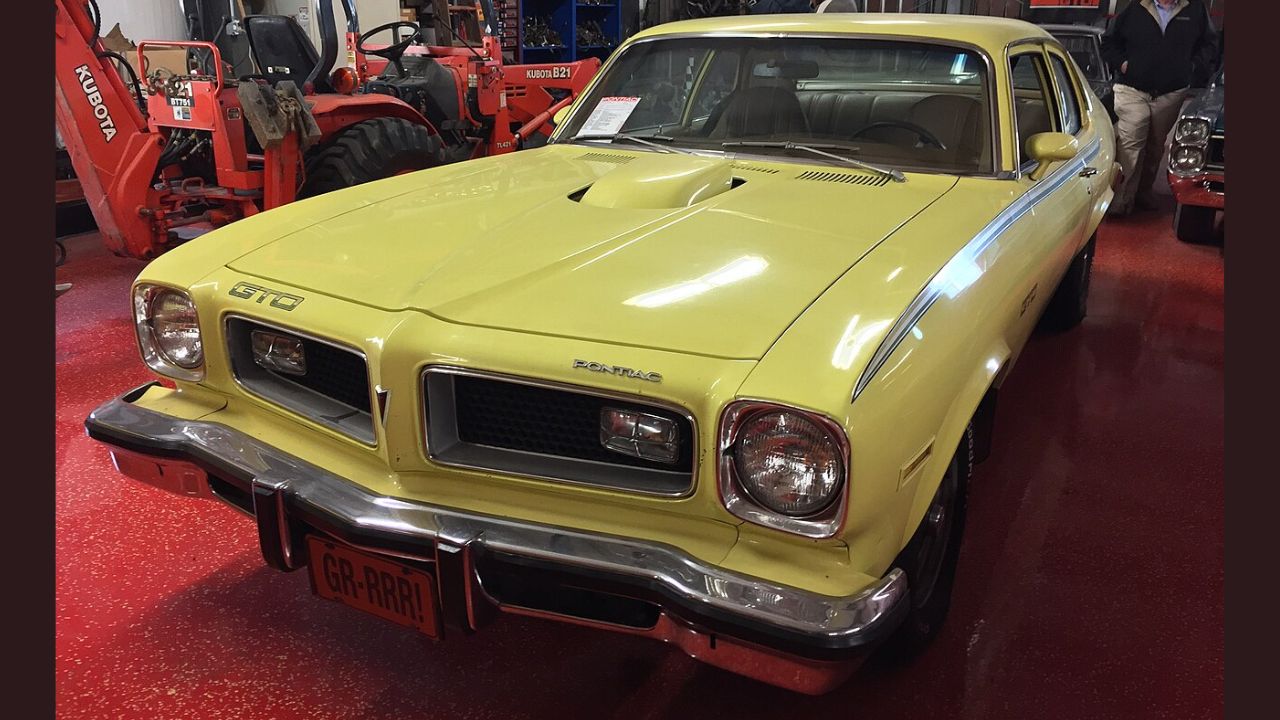
The Ventura was a smaller Pontiac that could be ordered with V8 power, making it an appealing combination of manageable dimensions and traditional American mechanical hardware. Its conventional layout was familiar to mechanics, while the simple construction made many repairs straightforward. The Ventura was not treated as a future collectible by most original owners, so many were eventually discarded. Today, surviving examples can be surprisingly interesting because they combine basic Pontiac practicality with the brand’s performance-minded character.
Pontiac Phoenix

The Phoenix became part of Pontiac’s lineup during a period of major change for American cars. Earlier versions were based on rear-wheel-drive architectures, while later versions moved toward front-wheel drive and more compact dimensions. The model therefore provides an interesting look at Pontiac’s transition. Mechanics who worked on the older cars often appreciated their conventional components and accessible layouts. Today, these Pontiacs are largely forgotten, making a well-preserved example an unusual sight.
Pontiac Sunbird
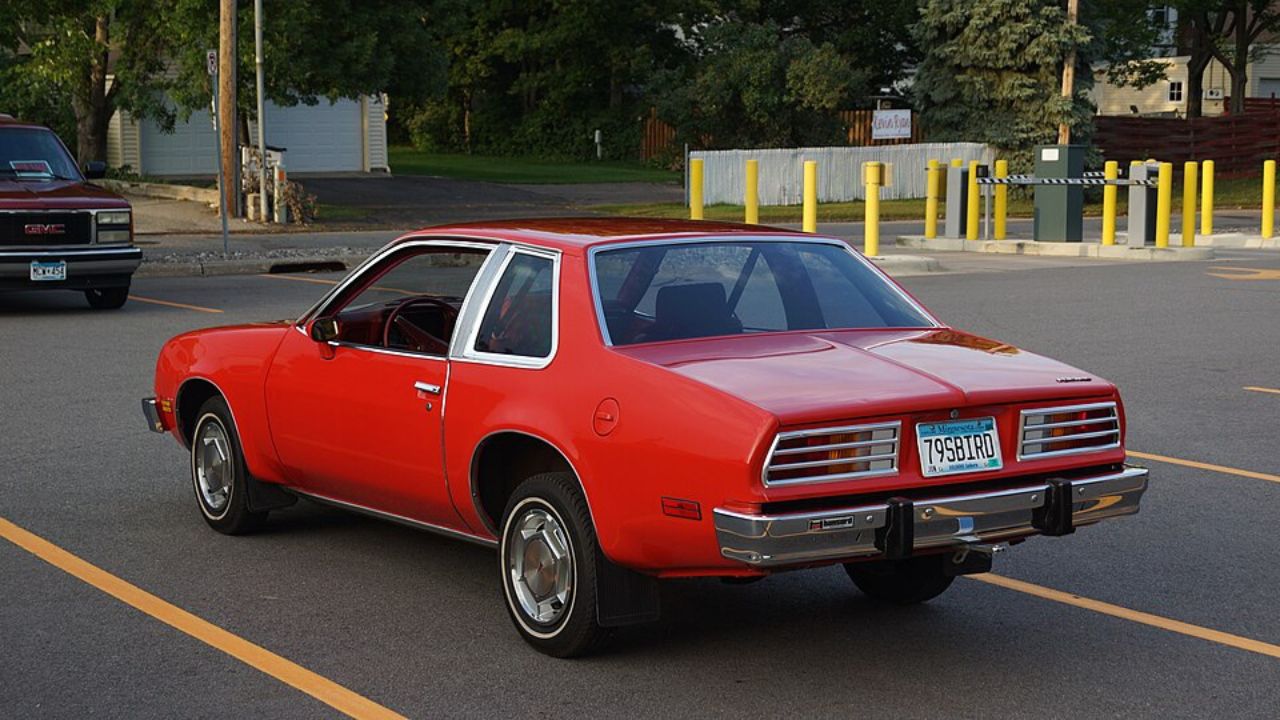
The Sunbird brought Pontiac into the compact-car market and offered a very different ownership experience from the company’s big V8 cars. Depending on the generation, it used relatively simple four-cylinder engines and straightforward mechanical systems. Turbocharged versions later added a performance angle without requiring a huge engine. Mechanics often valued the model’s basic construction and parts commonality. The Sunbird may not have the glamour of a GTO, but it represents an important and often overlooked chapter in Pontiac’s history.
Pontiac Grand Am

The Grand Am evolved considerably over the years, but earlier versions offered a compelling combination of midsize dimensions, conventional drivetrains, and available V8 power. Its sporty image helped distinguish it from more conservative Pontiac sedans. Mechanics appreciated the familiar GM components underneath, which made routine repairs less intimidating than the car’s styling might suggest. Today, the Grand Am is mostly remembered as a later front-wheel-drive model, but its earlier rear-wheel-drive generations deserve a closer look.
Pontiac 6000 STE

The 6000 STE added a more sophisticated and performance-oriented character to Pontiac’s practical midsize platform. It offered upgraded equipment and stronger powertrain options while maintaining the basic usability of the 6000. The model was an important attempt to give Pontiac a more modern performance image during a difficult period for American manufacturers. Mechanics often valued its relatively conventional components, while enthusiasts appreciated the fact that it offered something more interesting than a typical family sedan.
Pontiac Parisienne

The Parisienne was a large Pontiac that emphasized comfort and traditional American luxury. Its rear-wheel-drive architecture and available V8s gave it a familiar mechanical foundation that mechanics had seen across GM’s full-size lineup. These cars could absorb years of highway driving without feeling fragile, thanks to their substantial construction. The Parisienne is less celebrated than the Bonneville, but that makes it an interesting forgotten Pontiac for enthusiasts who want a full-size classic without following the most obvious collector trends.
Pontiac Safari
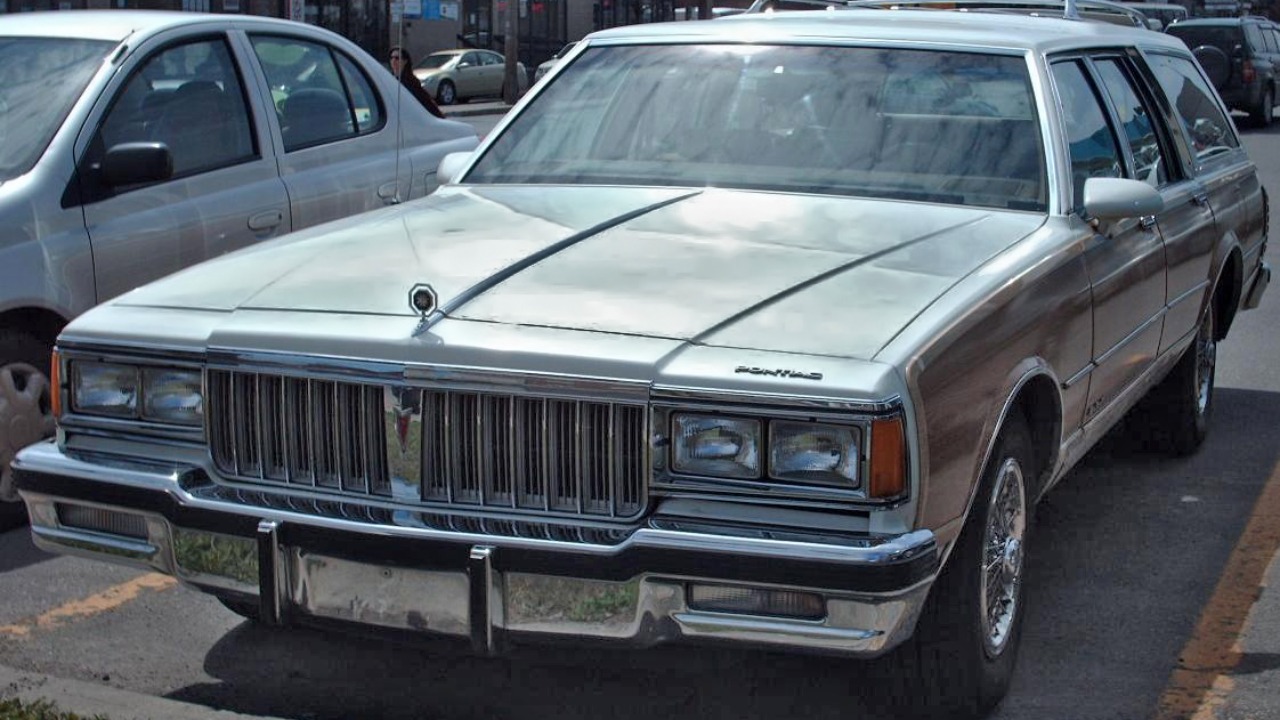
The Pontiac Safari was the brand’s answer to the classic American station wagon, offering generous passenger and cargo space along with available V8 power. Its body-on-frame construction and conventional drivetrain made it relatively straightforward to maintain. Families often depended on these wagons for years, which put their mechanical durability to a serious test. Surviving examples now have strong nostalgic appeal, especially among enthusiasts who remember when a large wagon was a normal part of American family life.
Pontiac Grand Safari

The Grand Safari took Pontiac’s full-size wagon formula and added even more space and equipment. Its large V8 engines provided plenty of torque for carrying passengers and cargo, while the traditional rear-wheel-drive layout was familiar to technicians. These wagons were often worked hard, towing, hauling, and making long family trips. That practical use makes surviving examples particularly interesting today. A clean Grand Safari is a rolling reminder of just how substantial American family vehicles once were.
Pontiac Bonneville SSE
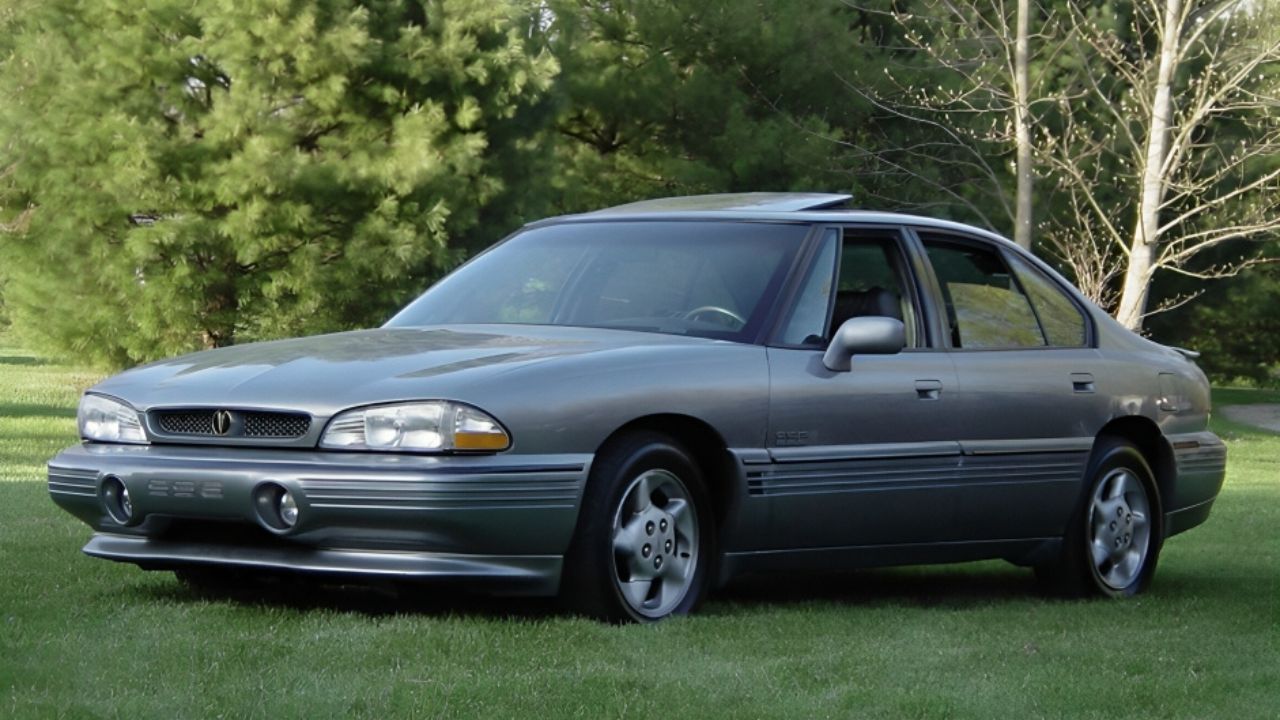
The Bonneville SSE showed how Pontiac adapted its traditional nameplate for the front-wheel-drive era. It featured a more modern platform, a strong V6, and a sportier appearance than many competing family sedans. Although far removed mechanically from the old V8 Bonnevilles, the SSE maintained Pontiac’s interest in performance-oriented everyday cars. Mechanics appreciated the widespread GM components and relatively familiar powertrains. Today, the SSE is an overlooked example of Pontiac trying to preserve its identity as the industry changed.
Pontiac Grand Prix GTP

The Grand Prix GTP became one of Pontiac’s better-known later performance sedans and coupes. Its supercharged V6 provided strong acceleration without the fuel consumption and weight associated with a large V8. The underlying GM architecture also meant mechanics were familiar with many of its components. Proper maintenance was important, but the combination of accessible parts and strong performance helped the GTP earn a loyal following. It remains one of the more interesting modern-era Pontiacs for enthusiasts who enjoy overlooked performance cars.
Pontiac Vibe
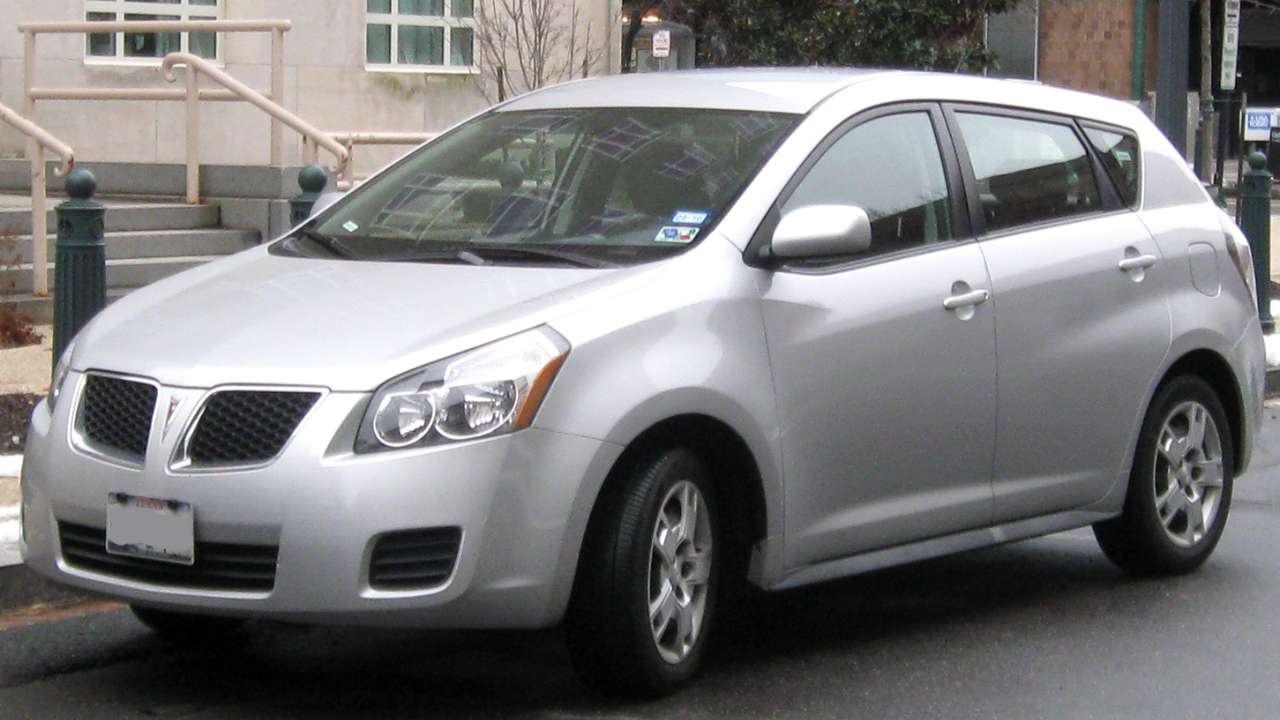
The Vibe was one of Pontiac’s most unusual later models because it was developed through a joint venture involving Toyota. Its compact dimensions, practical hatchback body, and efficient engines gave it a completely different personality from classic Pontiacs. That Toyota connection also helped give the Vibe a reputation for durability. It never received the same attention as Pontiac’s performance cars, but mechanics and owners came to appreciate its practicality. Today, it stands as one of the brand’s most interesting forgotten choices for long-term ownership.
More from Fast Lane Only
- Unboxing the WWII Jeep in a Crate
- 15 rare Chevys collectors are quietly buying
- 10 underrated V8s still worth hunting down
- Police notice this before you even roll window down
*Research for this article included AI assistance, with all final content reviewed by human editors.