Some old trucks earn a reputation that is hard to replace once modern pickups become more complicated. Mechanics tend to appreciate trucks with simple engines, sturdy frames, straightforward wiring, and parts that can still be found without a major search. These classics may lack modern conveniences, but their durability and repair-friendly designs explain why so many working trucks have stayed in garages for decades.
Chevrolet Apache
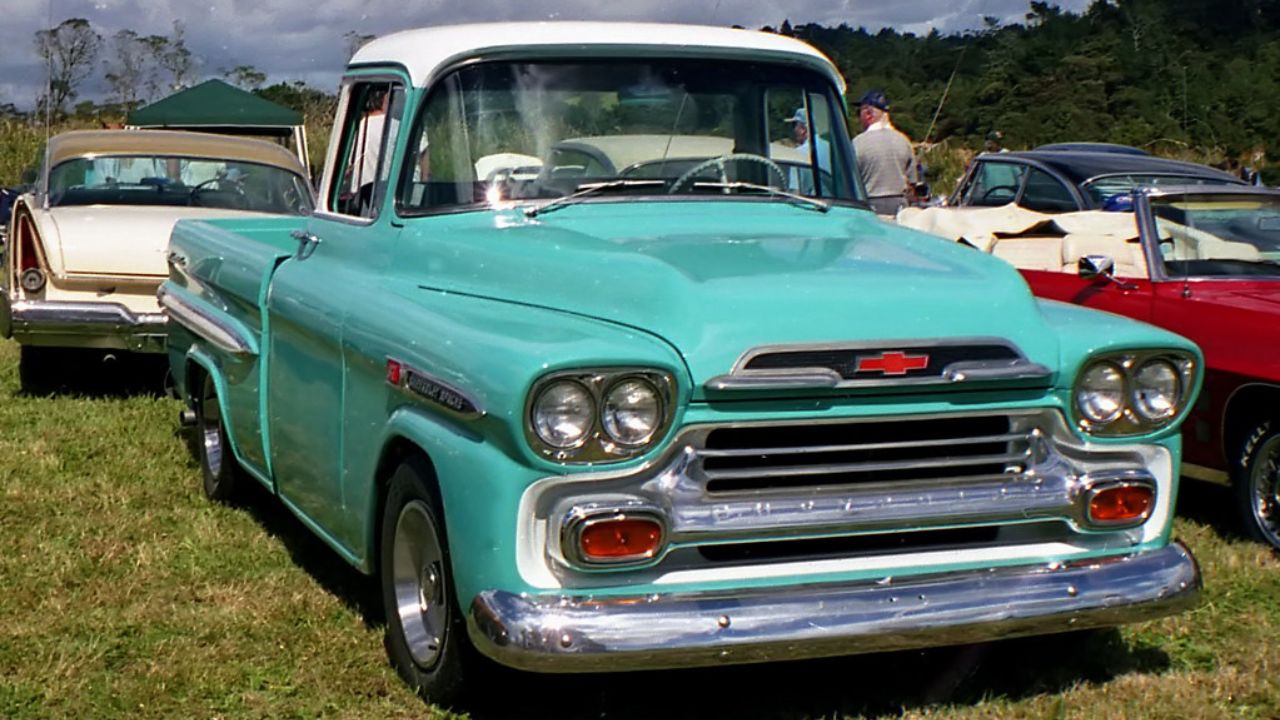
The Chevrolet Apache represents a period when pickup trucks were built primarily for work. Its simple construction, sturdy frame, and straightforward mechanical components made it easy for owners to understand and maintain. The inline-six and V8 engine choices also gave buyers plenty of flexibility. Mechanics appreciate the Apache because there is relatively little unnecessary complexity to fight with. A well-kept example can still serve as a useful reminder of when a pickup was expected to be repaired rather than replaced.
Ford F-1
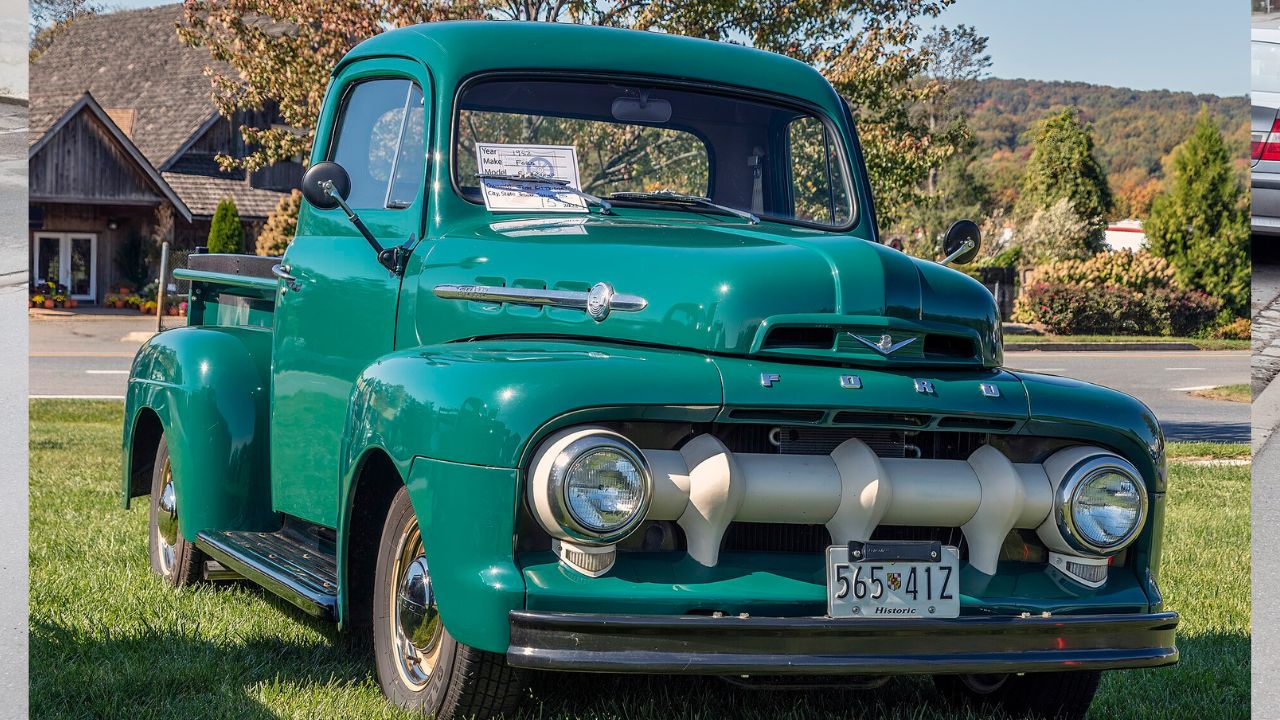
The Ford F-1 was one of the early trucks that established the basic formula behind Ford’s legendary F-Series. It combined a simple cab with a rugged chassis and straightforward mechanical components. Owners could work on many systems without needing specialized diagnostic equipment or complicated electronics. That simplicity is exactly why mechanics still appreciate these trucks. Their basic construction also makes restoration projects relatively approachable, especially compared with later pickups packed with computers and integrated systems.
Dodge Power Wagon
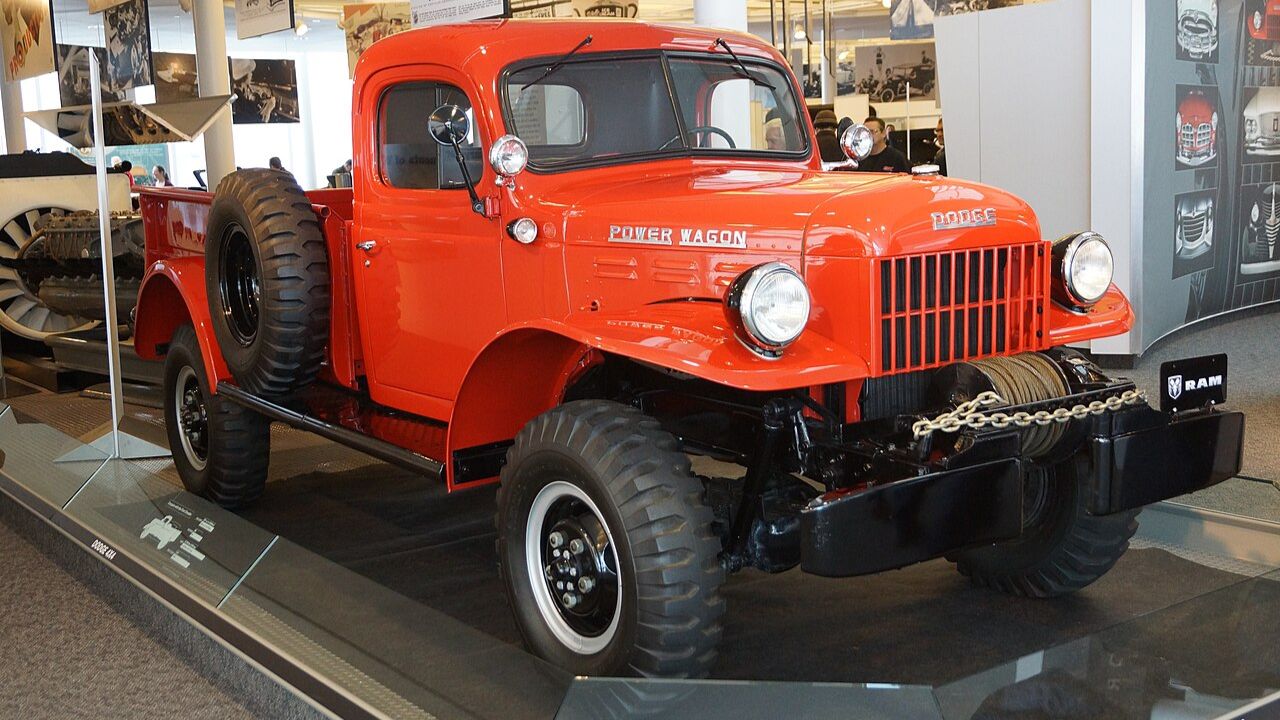
The Dodge Power Wagon was designed with serious work in mind, and its reputation was built around toughness rather than comfort. Four-wheel drive, a sturdy chassis, and durable mechanical components allowed it to tackle difficult terrain and demanding jobs. Its military roots were obvious in the engineering. Mechanics value the Power Wagon because its systems are relatively straightforward and its purpose is easy to understand. It remains one of the classic American trucks that can look just as capable sitting still as it does working.
International Harvester Travelall
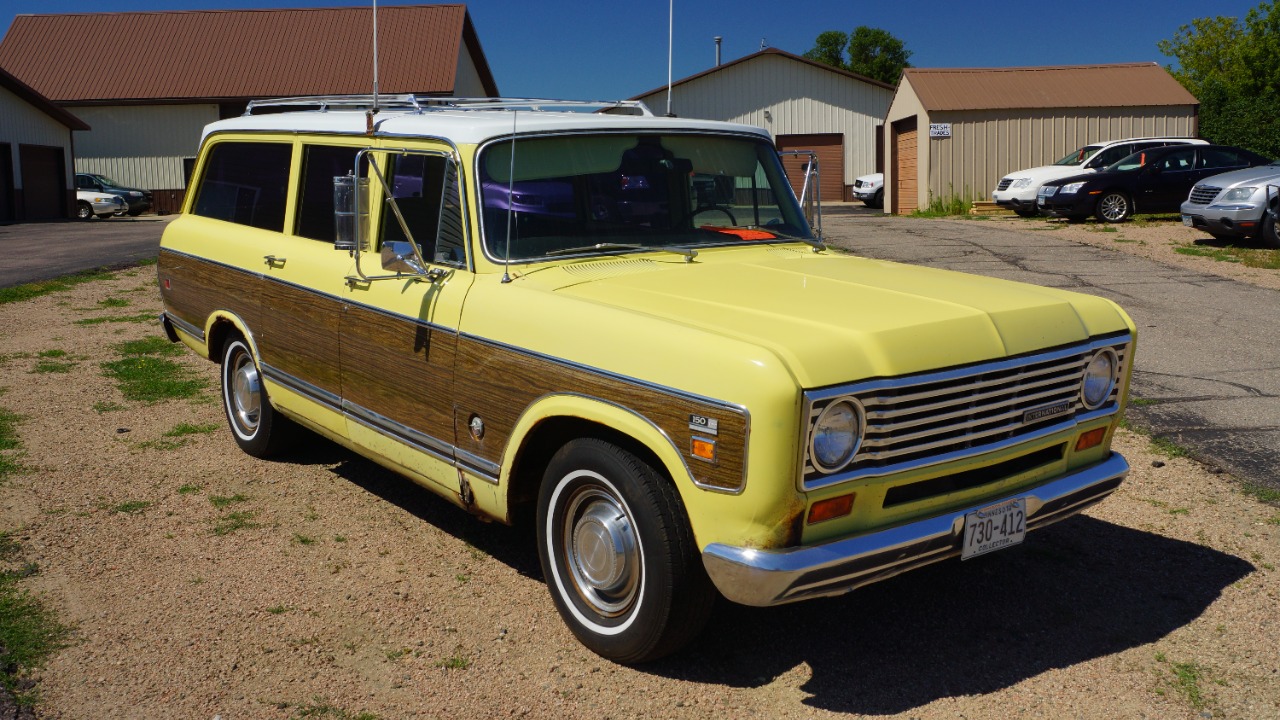
The Travelall blurred the line between a pickup and a large utility vehicle, offering substantial cargo and passenger capacity. Its body-on-frame construction and conventional drivetrain made it well suited to hard use. International Harvester built these vehicles for owners who needed practical transportation rather than luxury. Mechanics often appreciate the robust hardware and simple systems. Surviving Travelalls are now unusual, but their combination of ruggedness and versatility makes them particularly appealing to people who prefer old-fashioned utility vehicles.
GMC 100
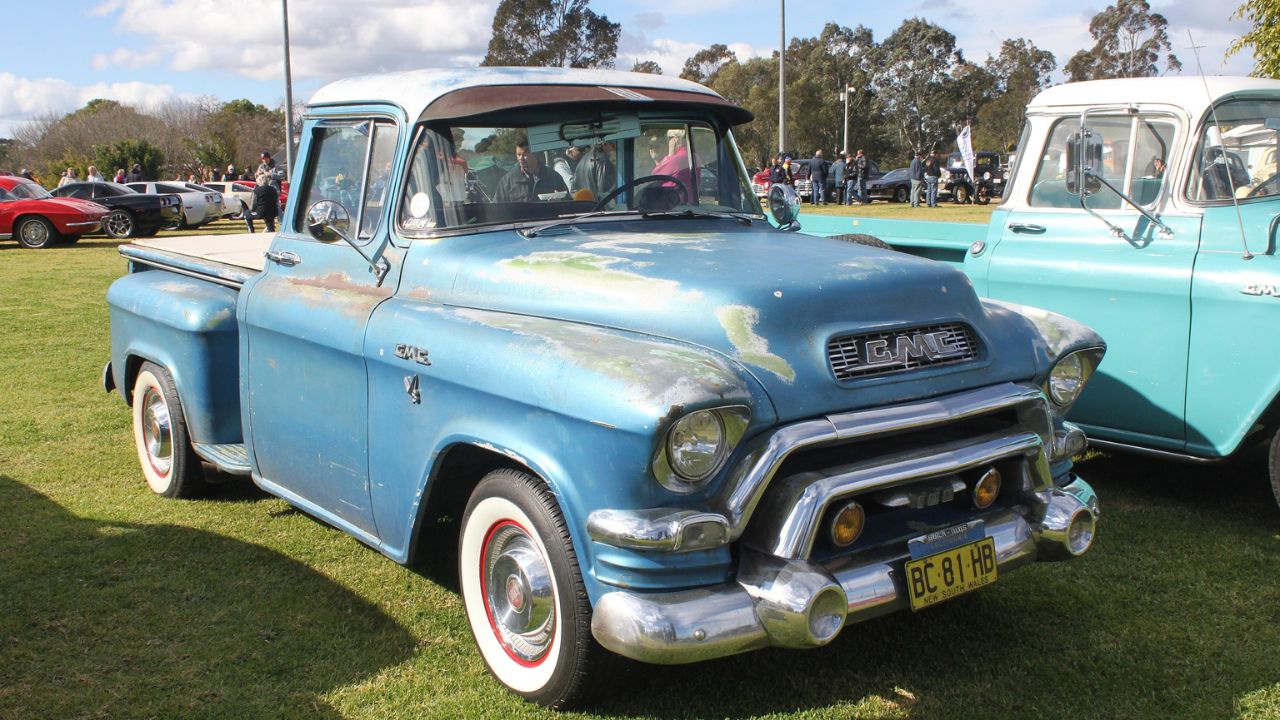
The GMC 100 gave buyers a straightforward half-ton pickup with the sturdy construction expected from GMC. Its conventional drivetrain and simple cab made it practical for farm work, deliveries, and general hauling. These trucks were not designed around complicated electronics or delicate components. That makes them particularly attractive to mechanics today. A clean GMC 100 can still be maintained with basic mechanical knowledge, while its vintage styling gives it plenty of character that modern work trucks simply cannot reproduce.
Ford F-250 Camper Special
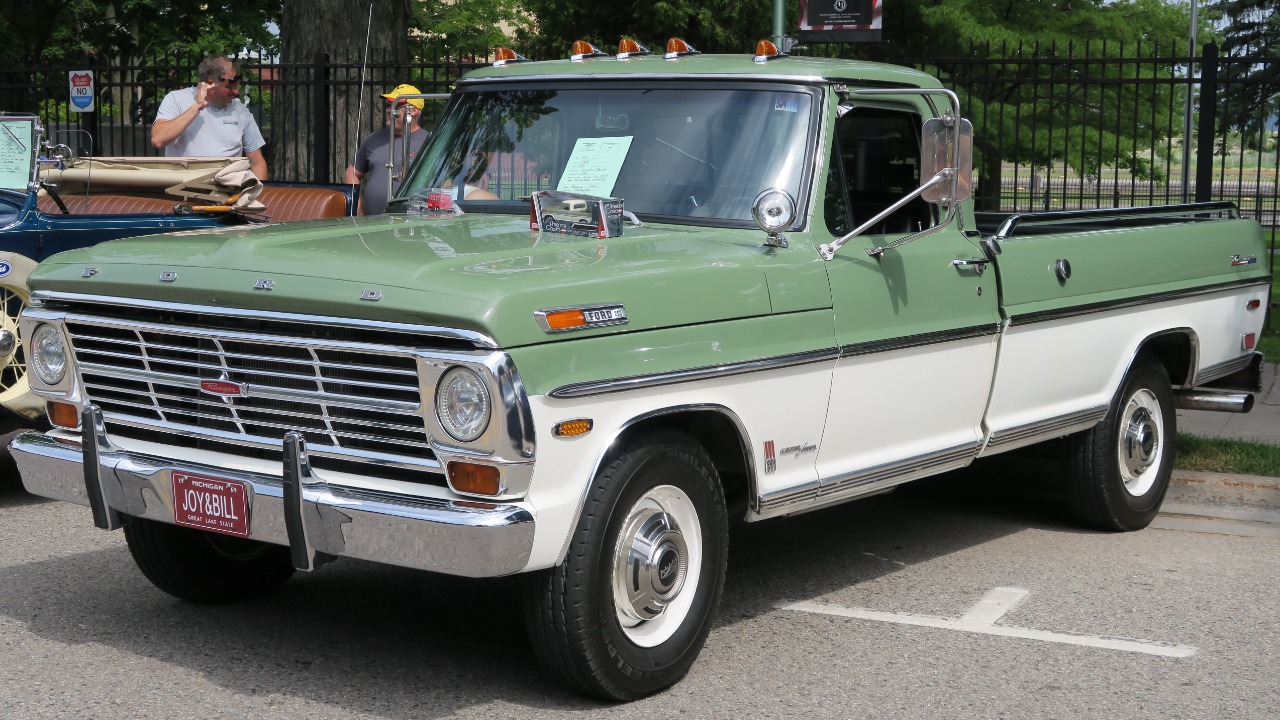
The F-250 Camper Special was designed for owners who wanted a pickup capable of carrying substantial loads while still serving as everyday transportation. Heavy-duty suspension and chassis components gave it a more serious working ability than a standard half-ton. Its conventional mechanical systems are a major reason enthusiasts continue to hold onto these trucks. Mechanics also appreciate the abundance of knowledge surrounding older Ford pickups, making repairs and restoration considerably easier than with many obscure vintage models.
Chevrolet Task Force
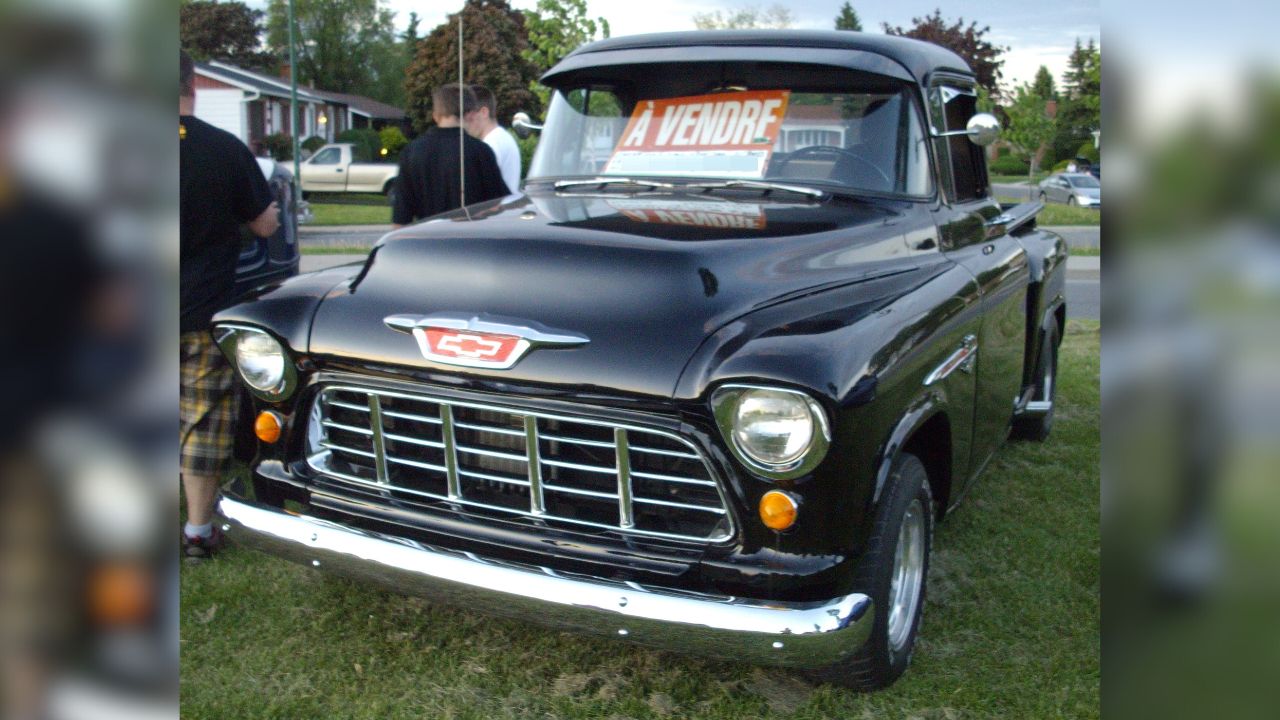
The Chevrolet Task Force series introduced a major styling change while retaining the straightforward engineering expected from a working pickup. Its rounded body, wraparound windshield, and clean grille gave it a distinctive appearance, but underneath was a conventional truck platform. Inline-six and V8 engines provided useful power without complicated technology. Mechanics often gravitate toward Task Force trucks because they combine classic styling with systems that can still be understood and repaired without specialized equipment.
GMC Suburban Carryall
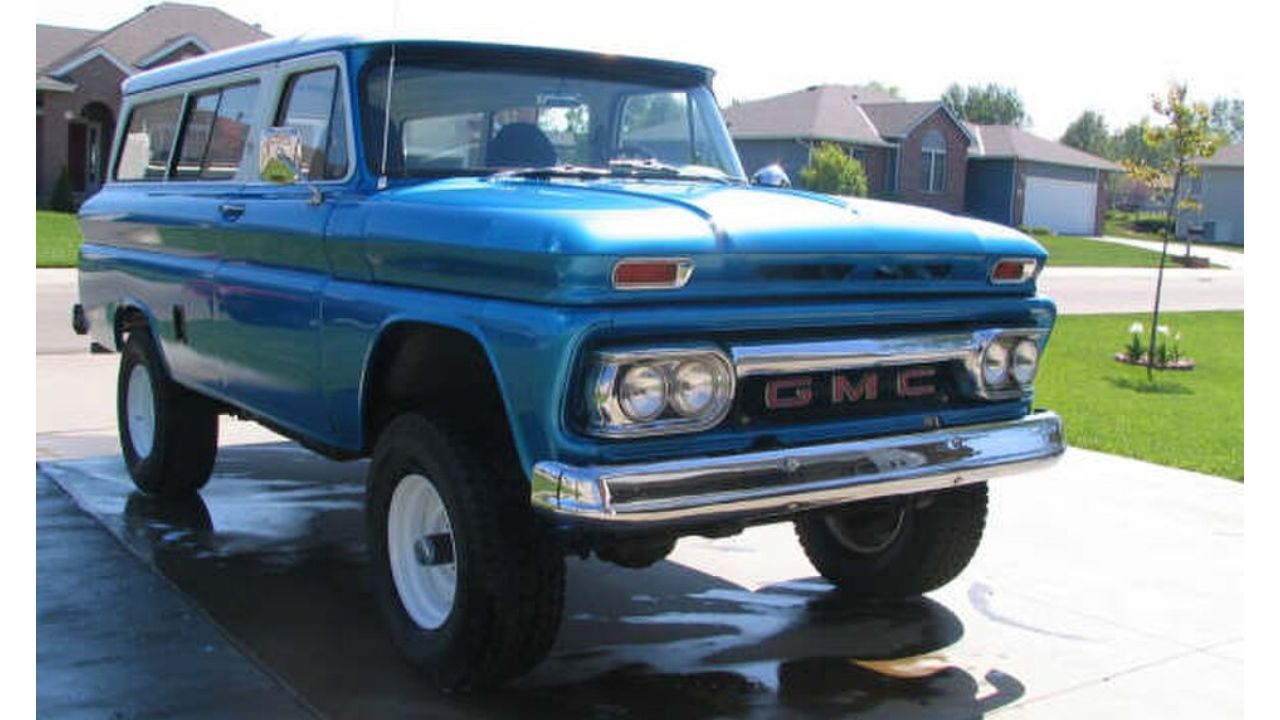
The GMC Suburban Carryall was built around the idea that a utility vehicle should be able to handle both people and cargo. Its truck-based construction, rear-wheel drive, and durable engines made it useful for demanding work. These vehicles were often subjected to years of hard service, which means surviving examples have already demonstrated considerable durability. Mechanics appreciate their straightforward construction and the fact that many components are shared with other classic GMC and Chevrolet trucks.
Ford F-350

The F-350 occupied the heavy-duty end of Ford’s pickup range and was designed for owners who needed more capacity than a typical half-ton could provide. Strong frames, heavy-duty suspension components, and durable engines made it a dependable choice for serious work. Older F-350s are particularly attractive to mechanics because their mechanical systems are comparatively simple. When properly maintained, these trucks can remain useful long after newer pickups have accumulated expensive electronic and emissions-related problems.
GMC 1500
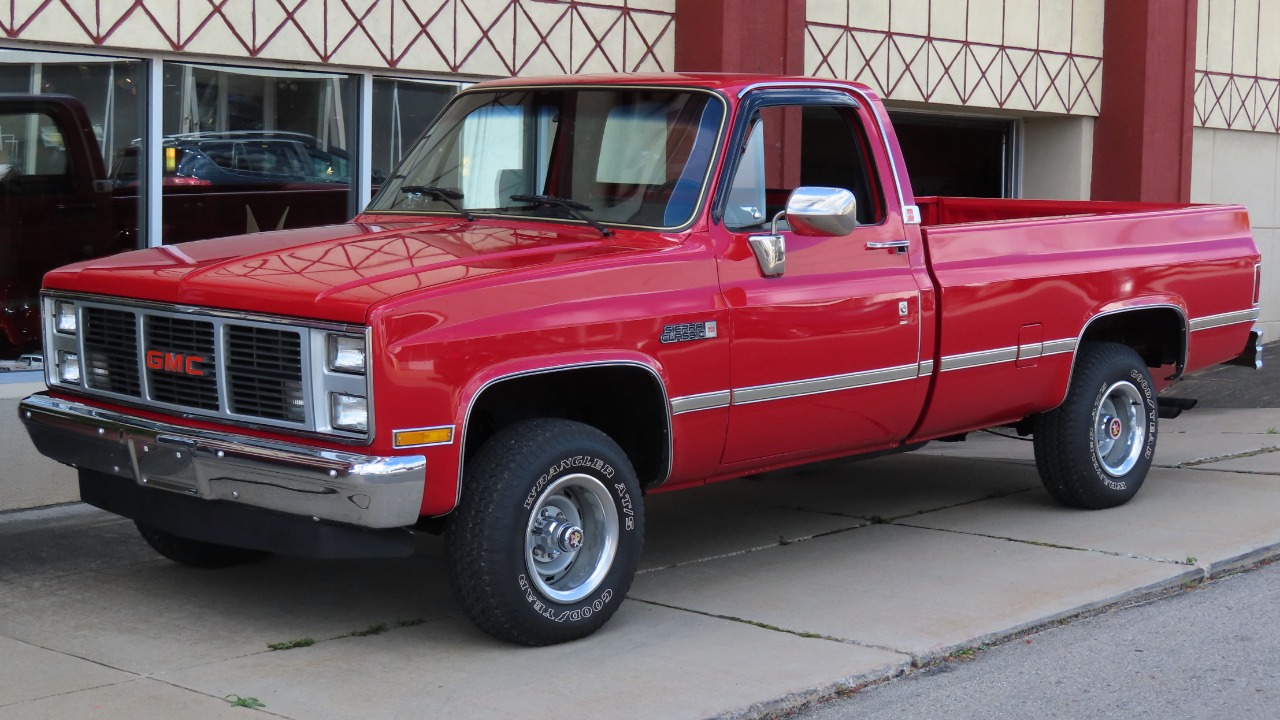
Older GMC 1500 pickups have become increasingly popular among enthusiasts who want a practical classic without jumping straight into the most valuable collector trucks. Their conventional body-on-frame construction and familiar General Motors powertrains make them approachable projects. Mechanics can generally diagnose and repair the major systems without the specialized equipment required by modern trucks. That combination of easy maintenance, strong parts support, and recognizable styling makes the GMC 1500 a truck many owners have little interest in selling.
Chevrolet LUV
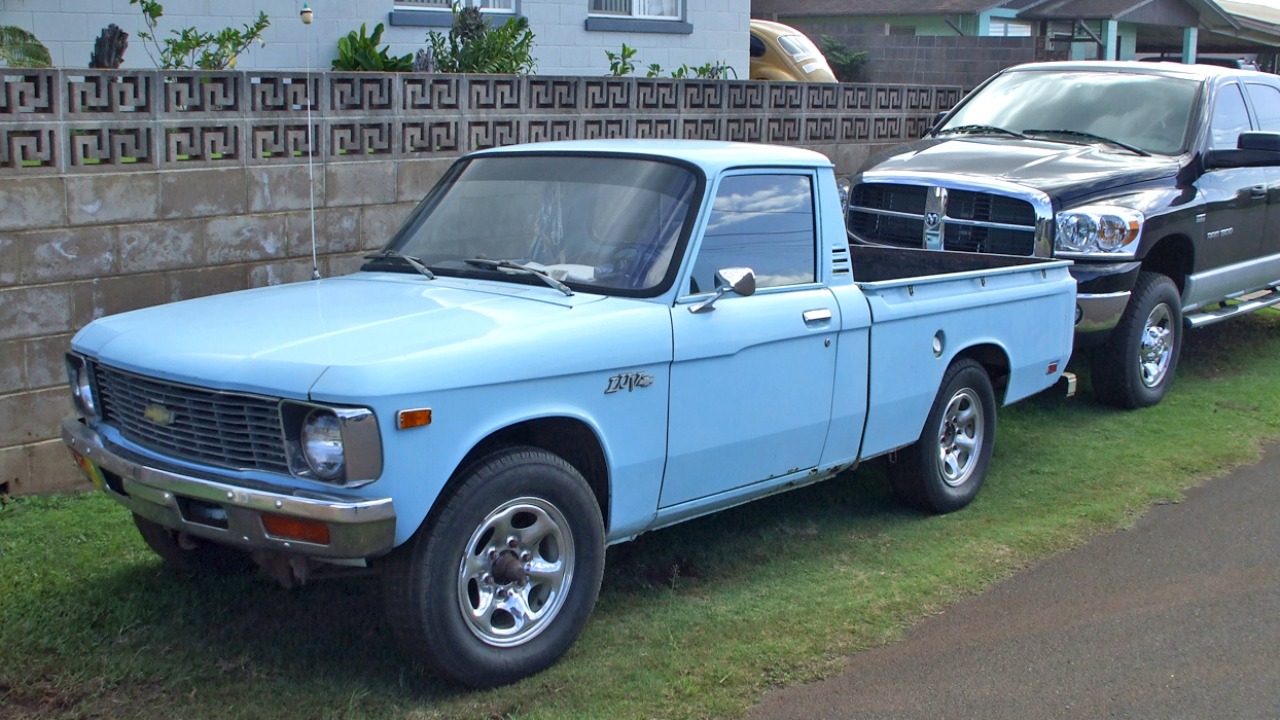
The Chevrolet LUV brought a compact Japanese-style pickup concept into Chevrolet showrooms. Its smaller dimensions made it economical and easy to maneuver, while the simple four-cylinder drivetrain kept the mechanical package relatively uncomplicated. The LUV was never as dominant as Chevrolet’s full-size pickups, which makes surviving examples more interesting today. Mechanics appreciate its accessibility and straightforward engineering, while collectors enjoy the fact that it represents a very different chapter of Chevrolet truck history.
Ford Courier
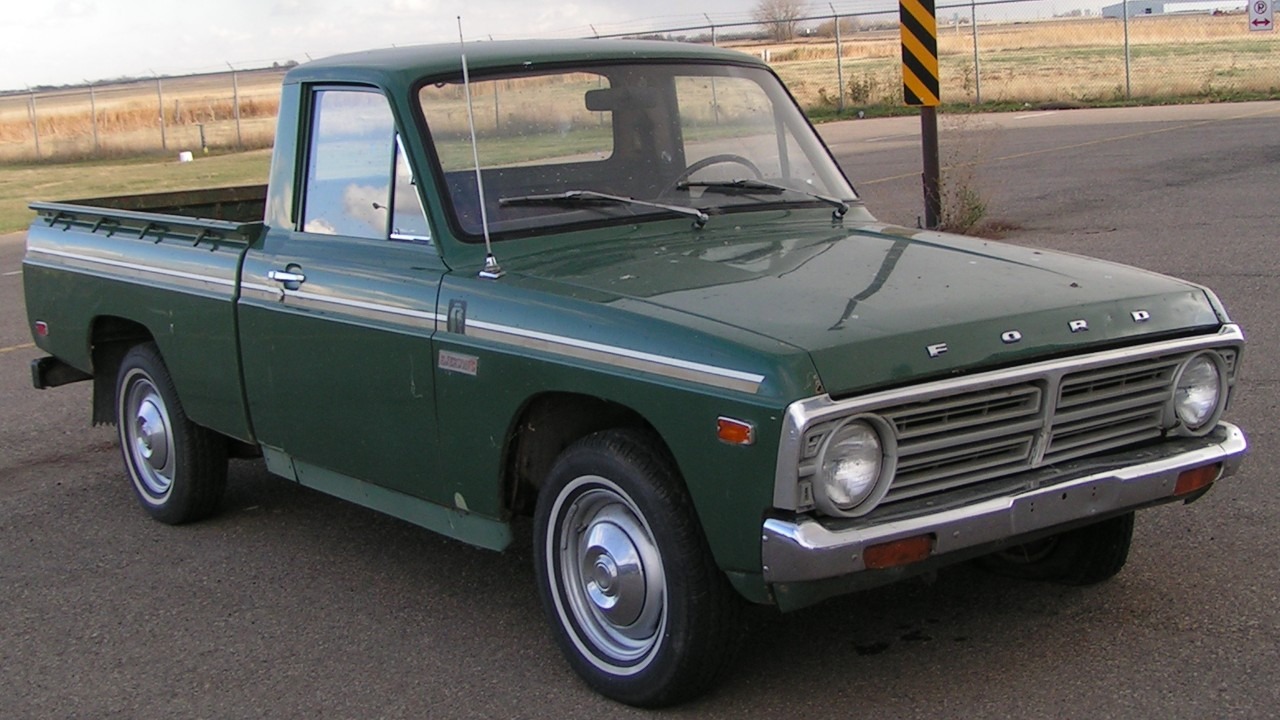
The Ford Courier gave buyers a compact pickup at a time when smaller trucks were becoming increasingly useful in North America. Built around a straightforward mechanical package, it offered an economical alternative to full-size American pickups. Its compact dimensions also made it practical for urban driving and light-duty work. Mechanics tend to appreciate vehicles like the Courier because they are relatively simple to diagnose and repair. Finding an intact example today, however, has become considerably harder.
GMC Jimmy
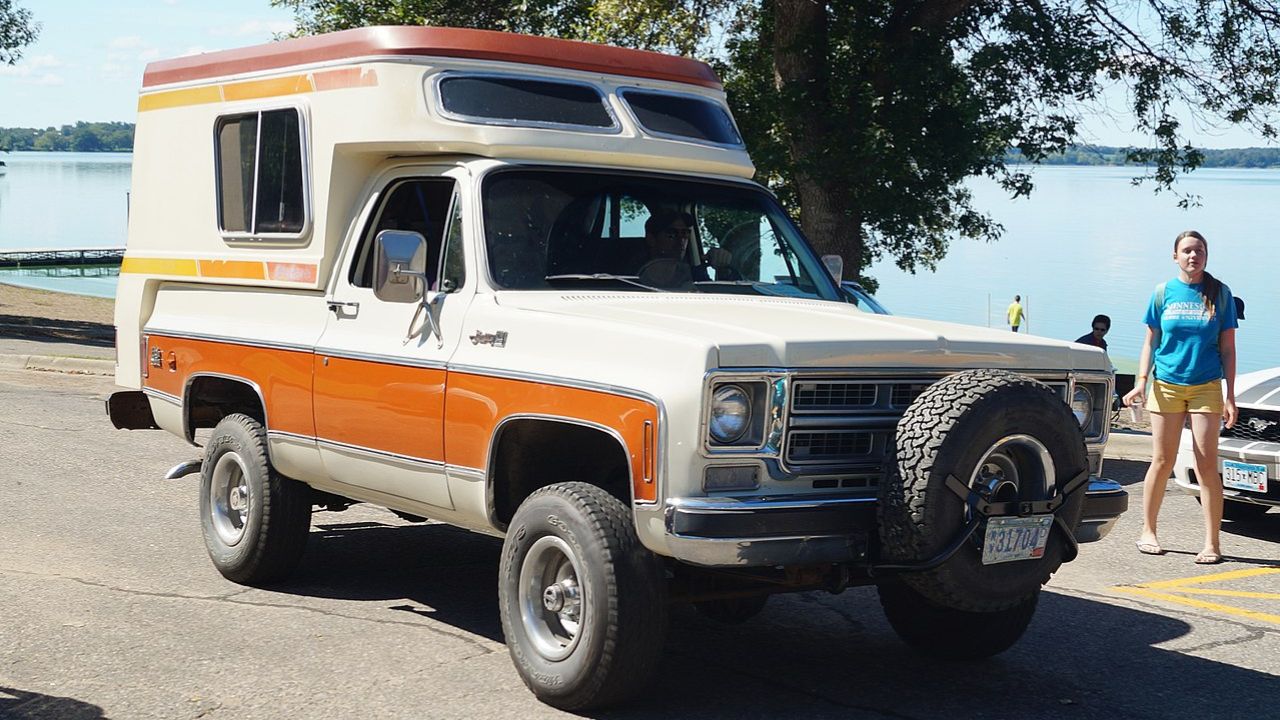
The GMC Jimmy brought truck-based toughness into a smaller sport-utility package. Its body-on-frame construction, available four-wheel drive, and conventional drivetrain made it useful for everything from off-road recreation to everyday hauling. The mechanical layout was familiar to anyone accustomed to GM trucks, which helped make repairs easier. Older Jimmys are now popular with enthusiasts because they combine vintage styling with genuine utility. Mechanics often prefer that kind of straightforward capability over modern electronic complexity.
Chevrolet K5 Blazer
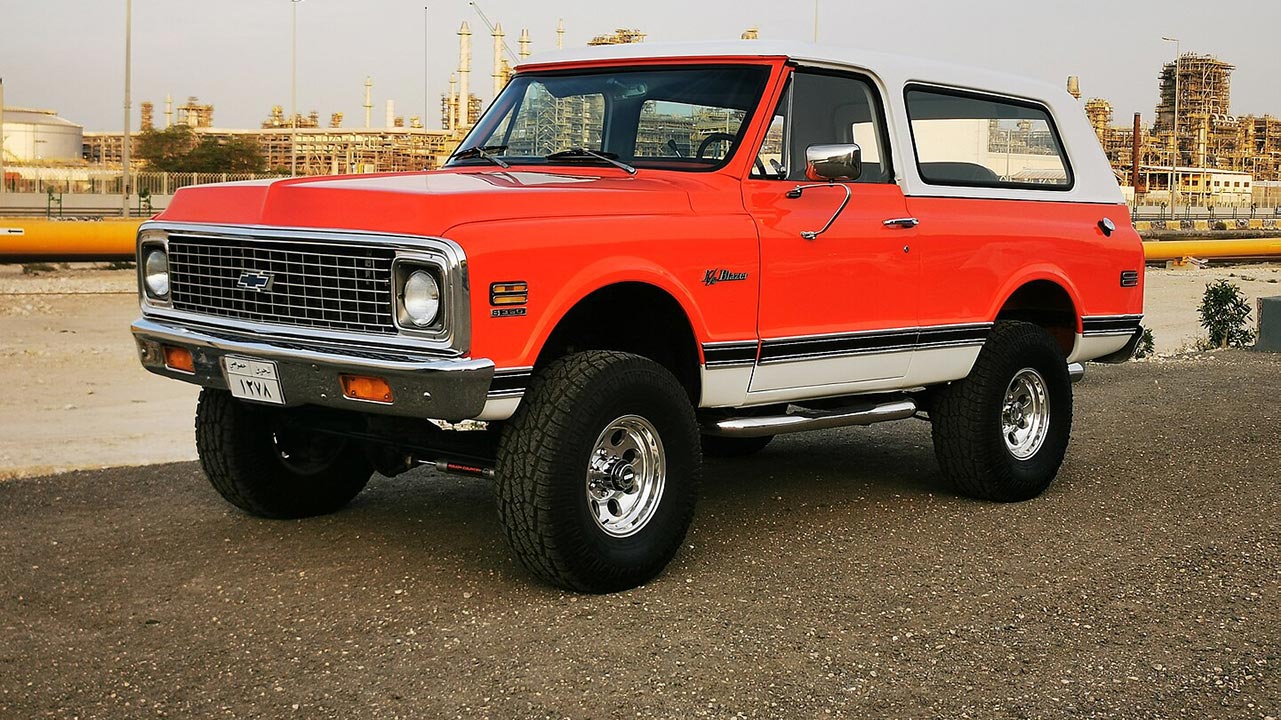
The K5 Blazer turned the pickup truck platform into a versatile two-door utility vehicle. Its body-on-frame construction and available four-wheel drive gave it genuine off-road ability, while V8 engines provided plenty of torque. The mechanical systems were familiar to anyone who worked on Chevrolet trucks, making maintenance relatively approachable. That combination has helped the K5 remain popular with restorers. A solid example can still feel like a real truck rather than a modern crossover wearing rugged styling.
Ford Bronco
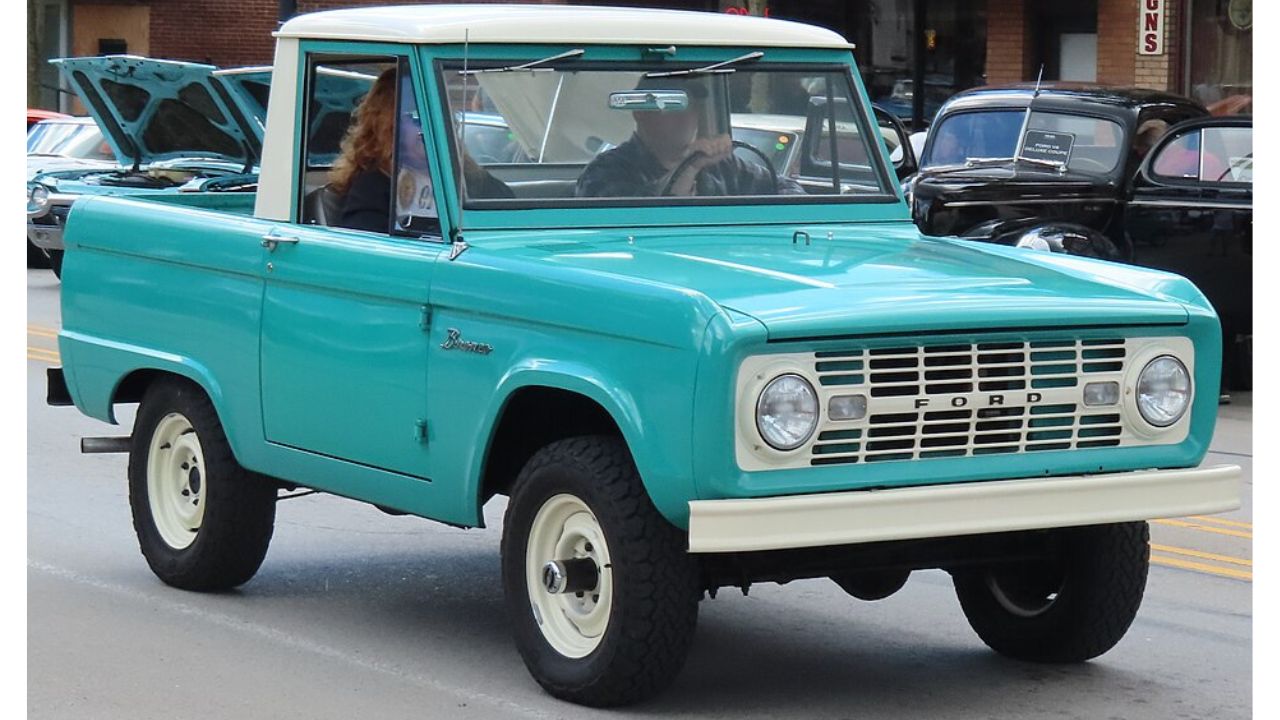
The early Ford Bronco was compact by American truck standards but built around a serious four-wheel-drive system and rugged chassis. Its simple construction made it particularly appealing to owners who wanted to repair and modify their own vehicles. The Bronco’s mechanical components were straightforward compared with modern SUVs, while its compact size made it useful both on trails and around town. Mechanics continue to value the model because its design leaves plenty of room for hands-on work.
International Harvester Scout
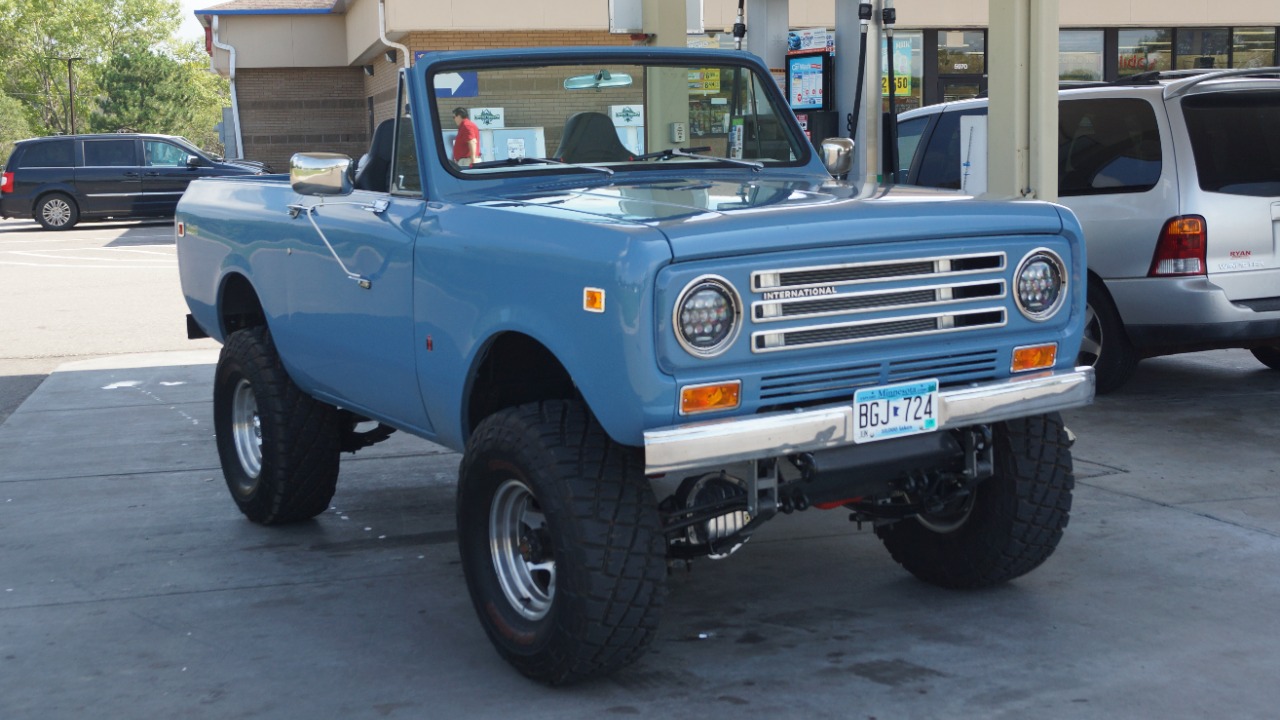
The Scout was one of International Harvester’s most important entries into the growing utility-vehicle market. Its simple body-on-frame construction, short wheelbase, and available four-wheel drive gave it genuine off-road credibility. The company built the Scout with practicality in mind rather than luxury, and that shows in the mechanical design. Mechanics appreciate the lack of unnecessary complexity. Today, surviving Scouts are sought after because they combine rugged utility with a distinctive shape that stands apart from more familiar Ford and Chevrolet offerings.
Jeep CJ-7
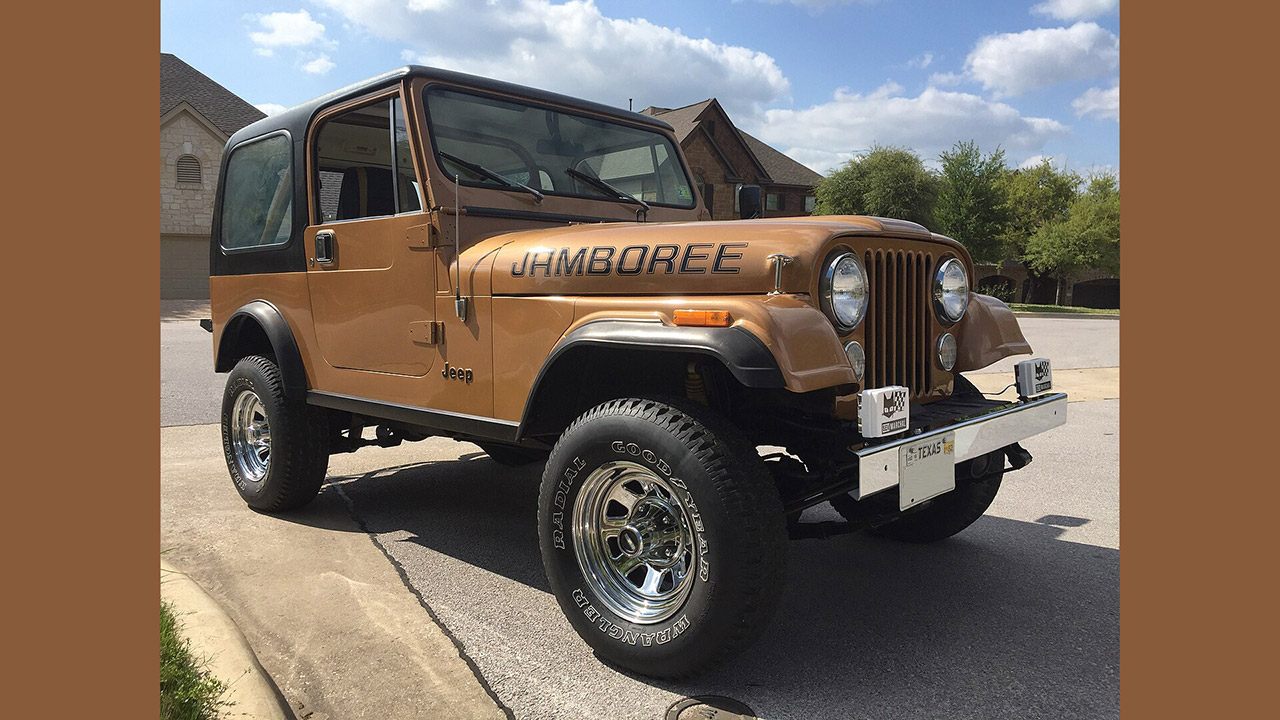
The CJ-7 became a favorite among drivers who wanted a simple, open, four-wheel-drive vehicle that could handle rough terrain. Its body-on-frame construction and relatively basic mechanical systems made it easy to modify and repair. Parts availability has also helped keep many examples alive. Mechanics often like the CJ-7 because almost everything about it is accessible and understandable. It may not offer the refinement of a modern SUV, but its simplicity is exactly what keeps enthusiasts attached to these old Jeeps.
Mazda B-Series

The Mazda B-Series developed a reputation as a compact pickup that could handle everyday work without excessive complexity. Its straightforward four-cylinder engines, compact dimensions, and conventional construction made it easy to live with. Many were used as inexpensive transportation rather than collector vehicles, which makes clean survivors increasingly interesting. Mechanics appreciate the accessible layout and relatively uncomplicated systems. For someone looking for a vintage pickup that can still be worked on without a computer, the B-Series remains an appealing choice.
Toyota Stout
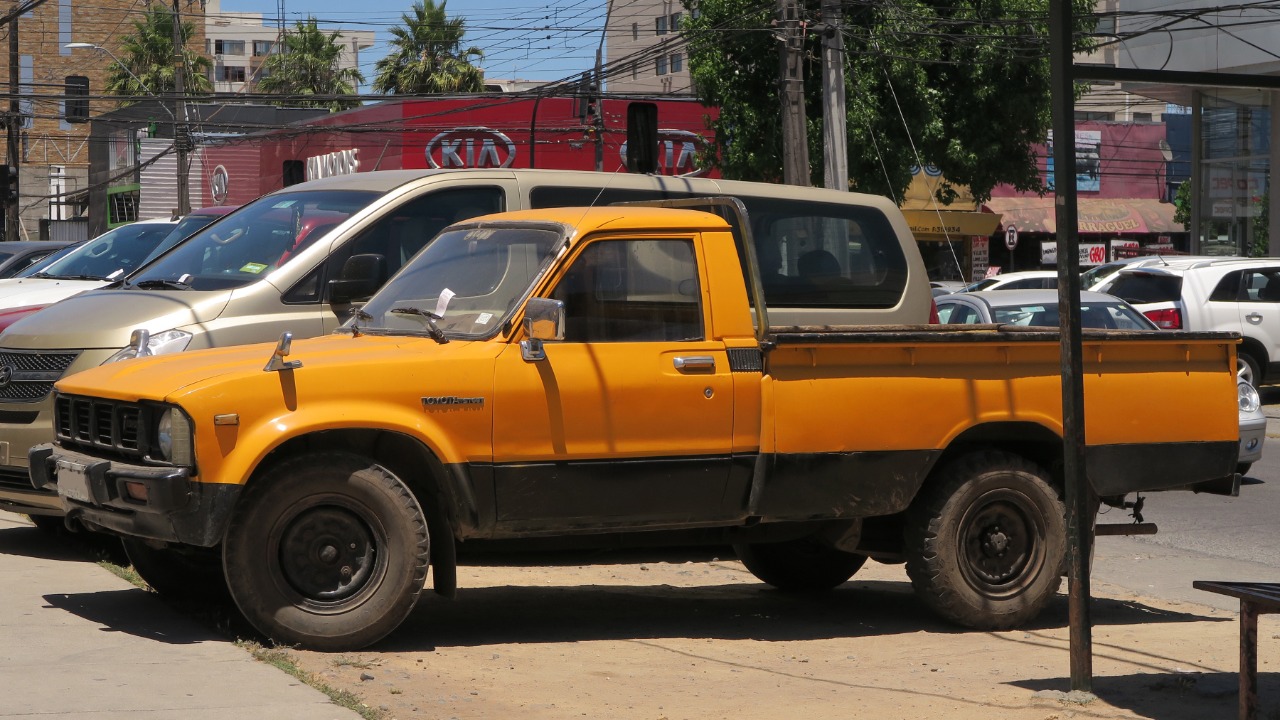
The Toyota Stout was an early example of Toyota’s approach to building compact but hardworking trucks for international markets. Its simple construction and durable mechanical components helped establish the reputation Toyota would later develop with other pickups. The Stout is considerably less familiar than the Hilux, making surviving examples a rare sight. Mechanics who encounter one tend to appreciate how little unnecessary complexity it contains. It represents an era when durability and serviceability mattered more than convenience features.
Jeep Gladiator

The original Jeep Gladiator brought Jeep’s four-wheel-drive expertise into the pickup market. Its truck-based construction, rugged drivetrain, and strong engine choices made it a capable working vehicle rather than merely a lifestyle accessory. Many were used hard in agricultural, commercial, and off-road roles, so finding a well-preserved example can be difficult. Mechanics appreciate the Gladiator’s straightforward engineering and repair-friendly design. It remains one of the classic pickups that feels purpose-built rather than designed around technology and comfort.
More from Fast Lane Only
- Unboxing the WWII Jeep in a Crate
- 15 rare Chevys collectors are quietly buying
- 10 underrated V8s still worth hunting down
- Police notice this before you even roll window down
*Research for this article included AI assistance, with all final content reviewed by human editors.