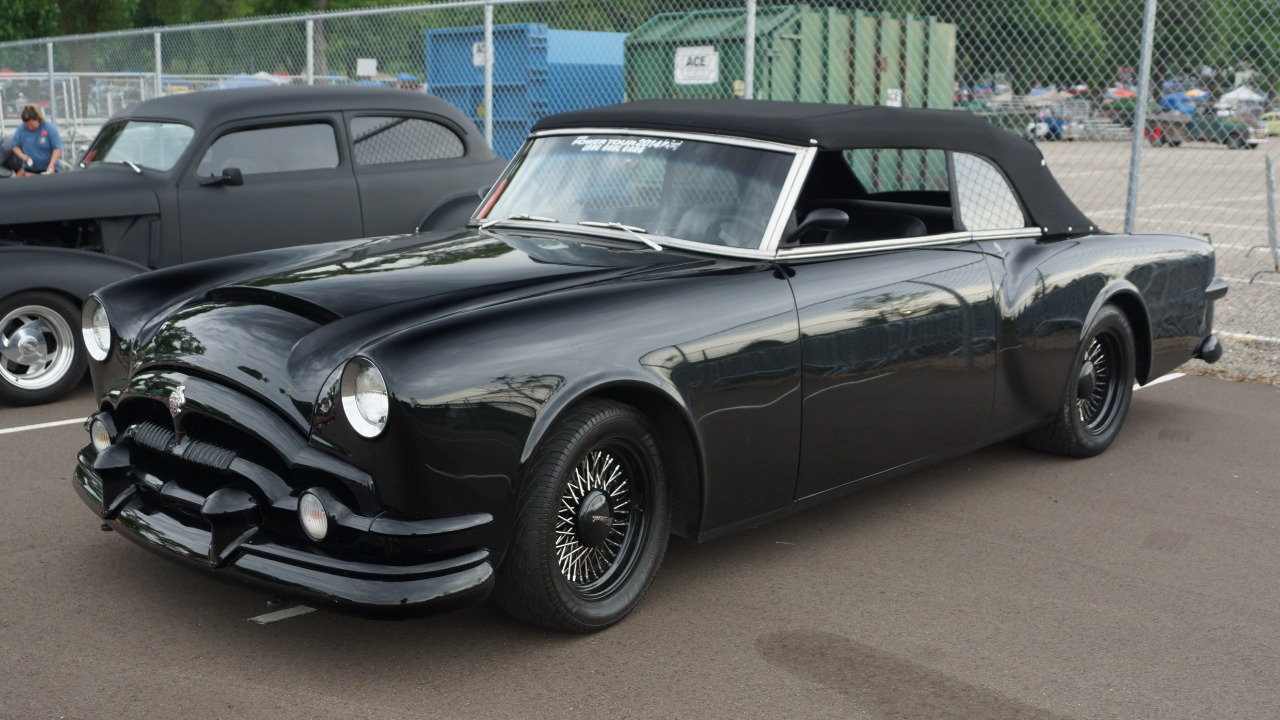
Pontiac built plenty of famous cars, but its history also includes models that rarely appear at today’s shows or on the road. Some were sold for only a short time, while others were overshadowed by better-known GTOs and Firebirds. These forgotten Pontiacs are not necessarily the rarest cars ever built, but seeing one in person is still an unusual experience.
Pontiac Strato-Chief
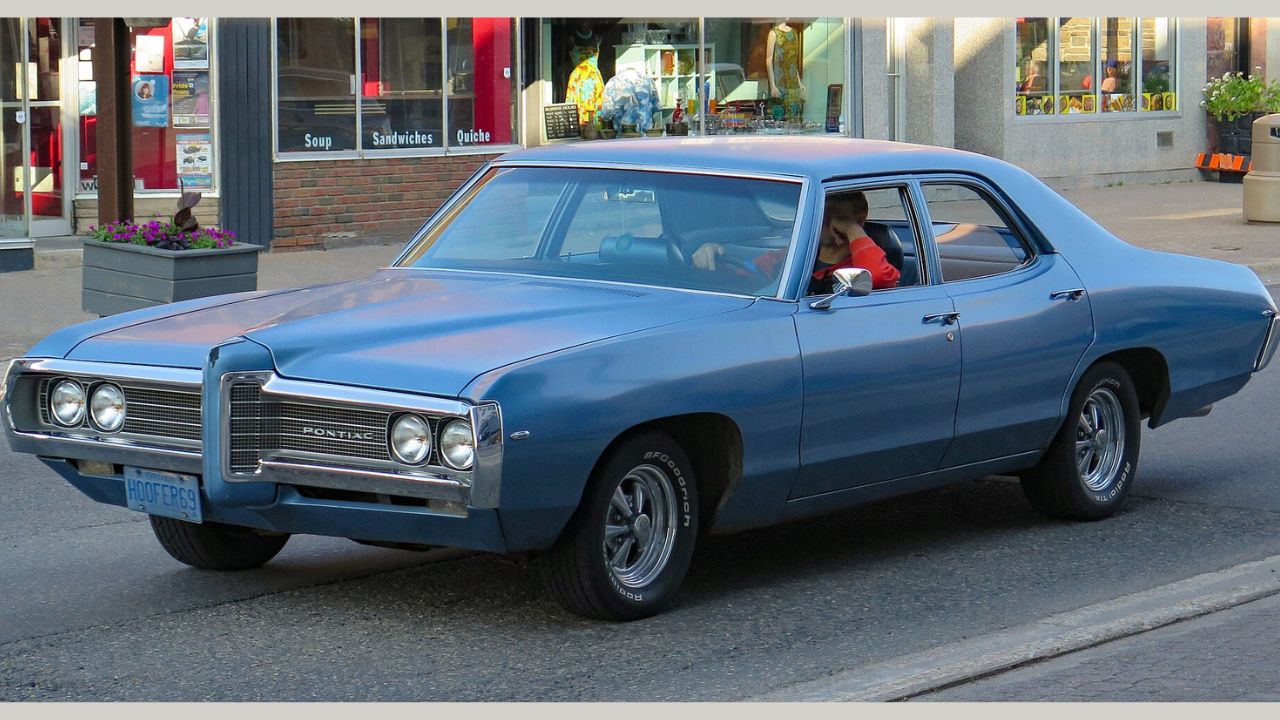
The Pontiac Strato-Chief occupied the lower end of Pontiac’s full-size lineup, which meant it was often overlooked beside the more glamorous Bonneville. It offered the traditional American combination of a large body, rear-wheel drive, and available V8 power, but without the extensive trim of Pontiac’s upscale models. Many were used as family transportation and eventually disappeared through ordinary wear. Today, the Strato-Chief is an unusual sight, particularly outside dedicated Pontiac gatherings.
Pontiac Laurentian
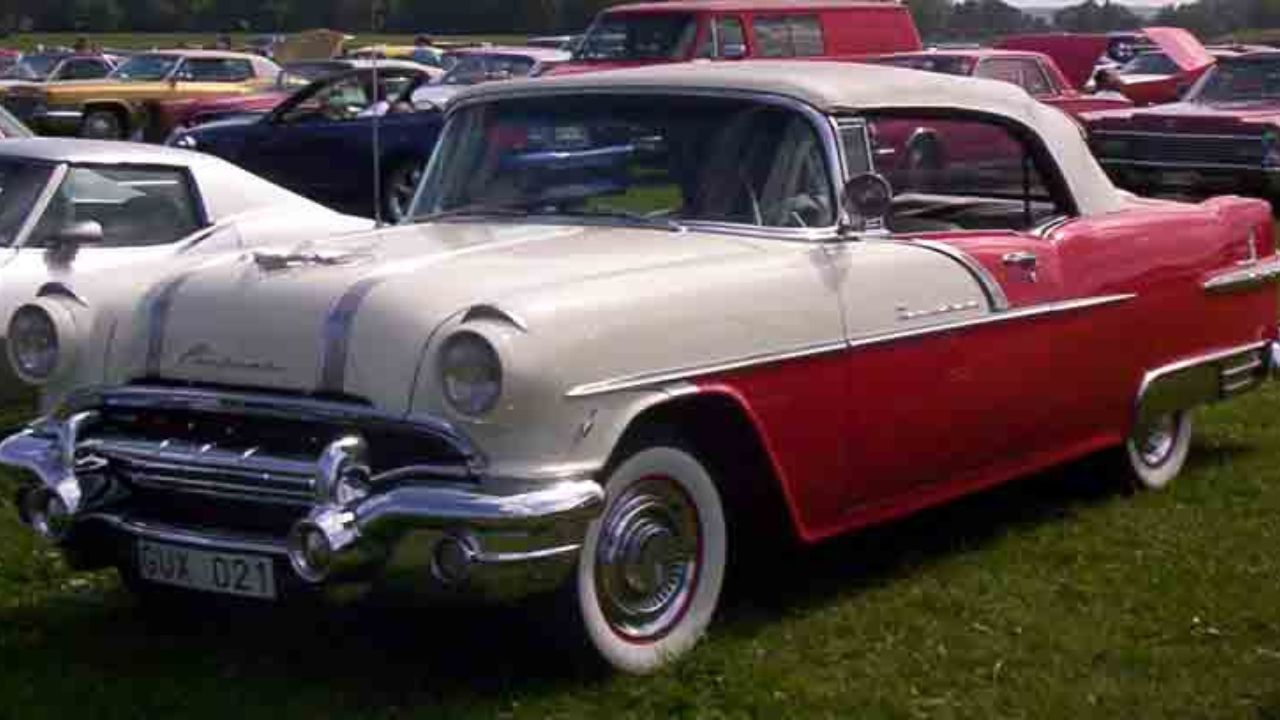
The Pontiac Laurentian was aimed primarily at the Canadian market, making it unfamiliar to many American enthusiasts. It combined Pontiac styling with mechanical components shared across the broader GM lineup, creating a practical full-size car with a distinctly Pontiac appearance. Because it was sold in a more limited market, far fewer examples remain visible today. A Laurentian can easily confuse someone who knows American Pontiacs well, making it one of the brand’s more interesting forgotten nameplates.
Pontiac Pathfinder
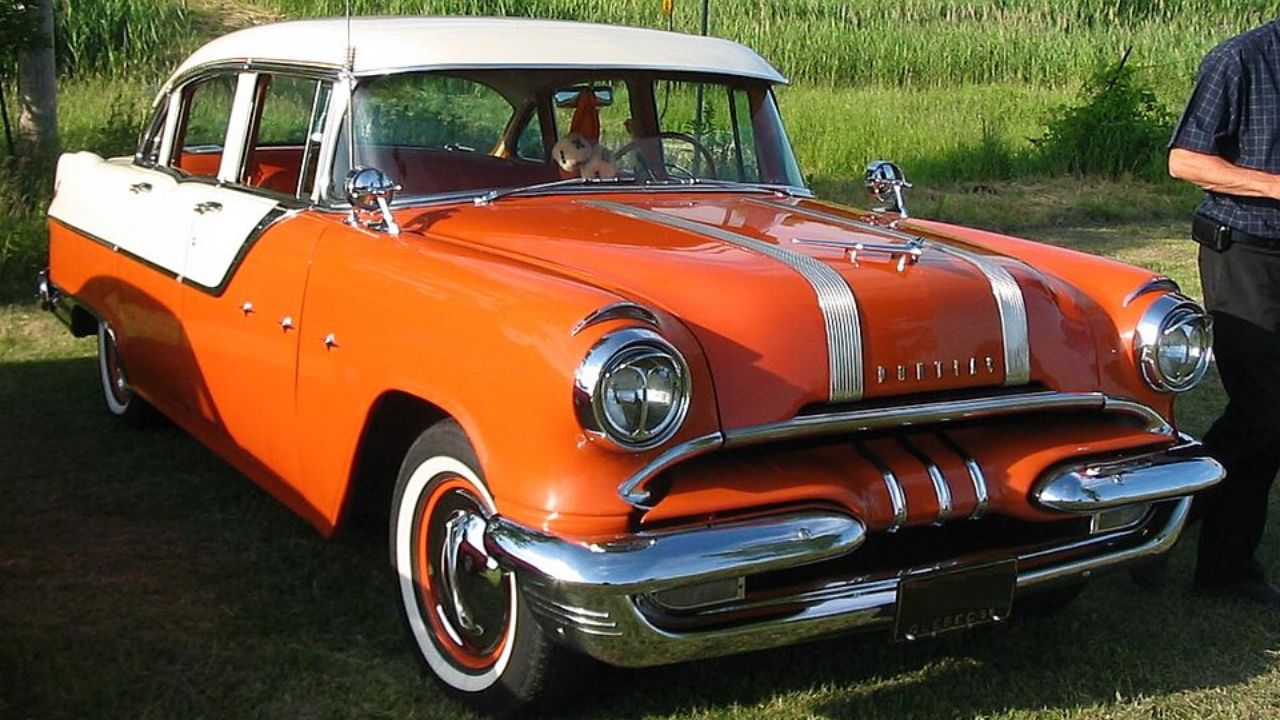
The Pontiac Pathfinder was another Canadian-market model that rarely receives attention today. It was positioned as an affordable full-size Pontiac and shared much of its underlying hardware with other GM products. Its styling changed along with the rest of Pontiac’s lineup, but it never developed the following enjoyed by the GTO or Firebird. That makes surviving examples particularly intriguing. For enthusiasts interested in Pontiac history, the Pathfinder offers a glimpse at a part of the brand’s story that many American drivers never encountered.
Pontiac Acadian
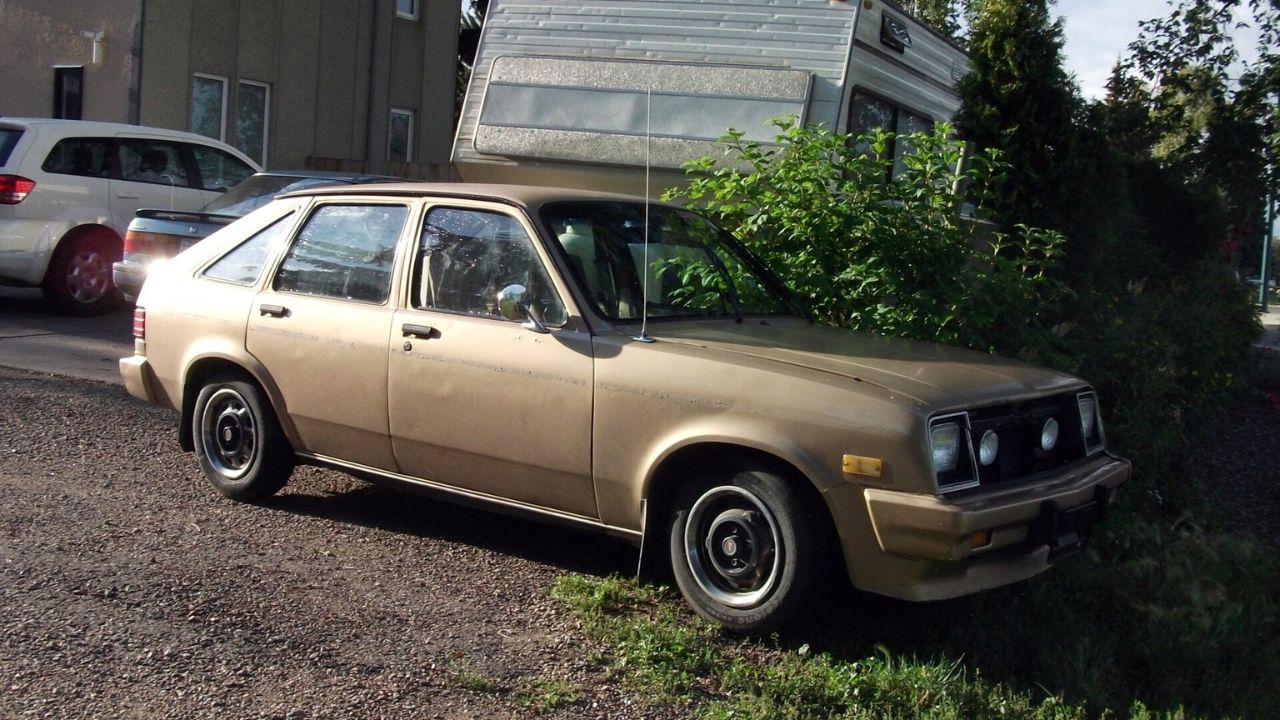
The Pontiac Acadian was created specifically for the Canadian market and was closely related to Chevrolet’s compact models. Its small size made it a practical alternative to Pontiac’s much larger cars, while distinctive badging gave it a Pontiac identity. The Acadian was produced for several years but remained largely unknown outside Canada. Today, finding one can be a challenge, even for serious Pontiac fans. Its Chevrolet-based roots also make it an interesting example of how GM adapted familiar platforms for different markets.
Pontiac Beaumont
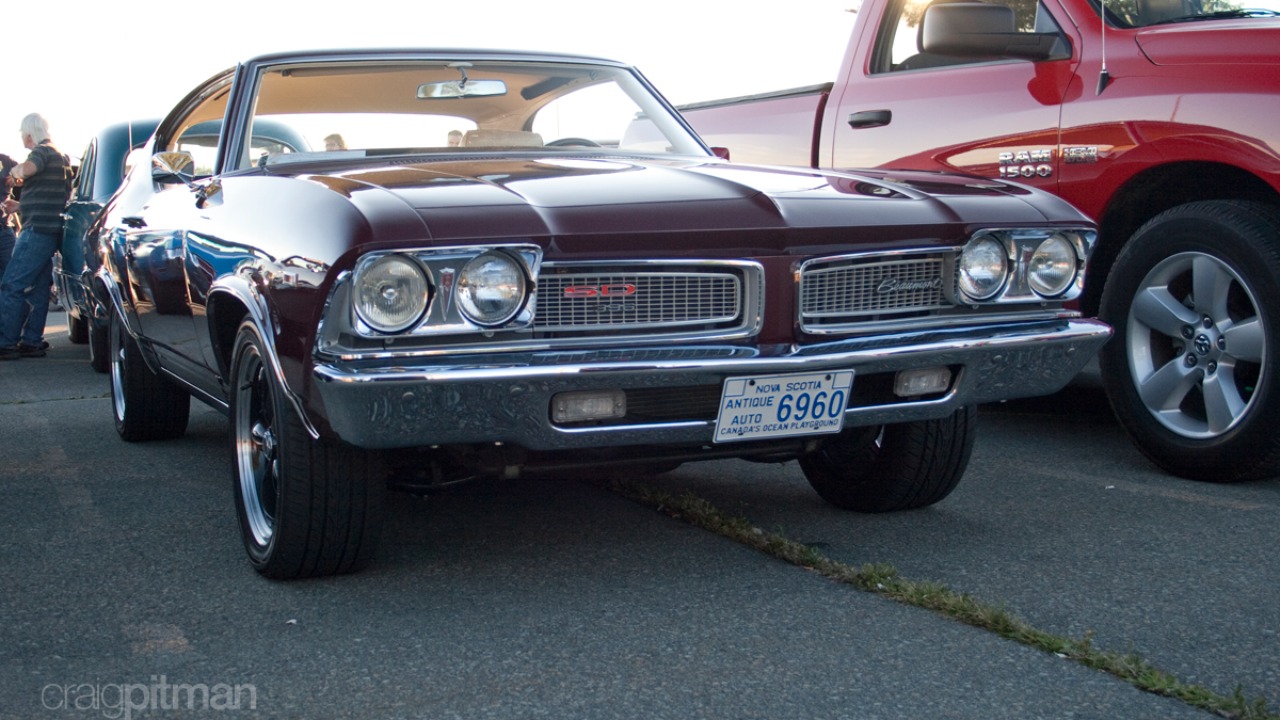
The Pontiac Beaumont was another Canadian-market model that looked familiar while remaining unusual. It combined Pontiac-inspired styling with Chevrolet-based mechanical components, creating a car that could appeal to buyers who wanted Pontiac appearance without the full-size dimensions of some American models. Beaumonts were available in several body styles and engine configurations. Because the nameplate was largely confined to Canada, surviving cars are rarely encountered elsewhere. That limited distribution makes the Beaumont one of Pontiac’s most intriguing forgotten models.
Pontiac 2+2
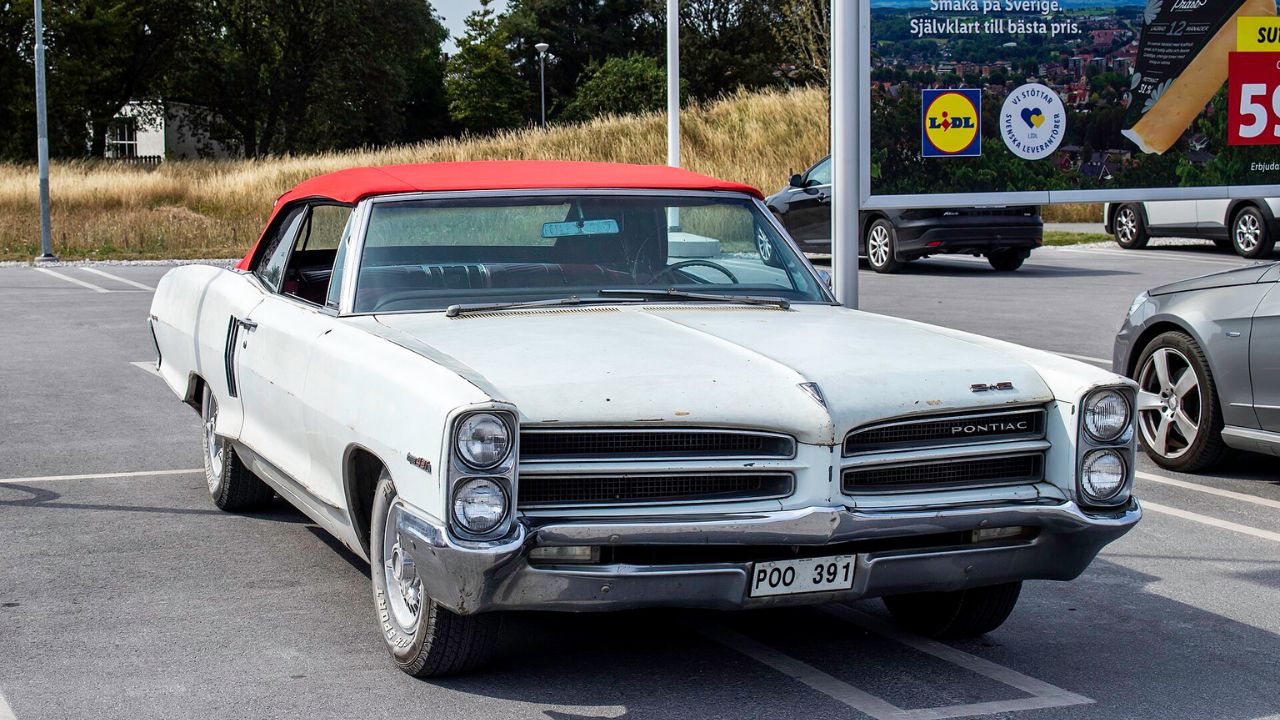
The Pontiac 2+2 was a full-size performance-oriented Pontiac that never achieved the lasting fame of the GTO. It offered powerful engine choices and sporty styling while retaining the room and presence of a large American car. Some versions were equipped with serious V8 performance, making them surprisingly capable for their size. Production numbers and collector interest never reached the levels of more famous Pontiacs, however. As a result, seeing an original 2+2 today can be an uncommon experience.
Pontiac Catalina Safari
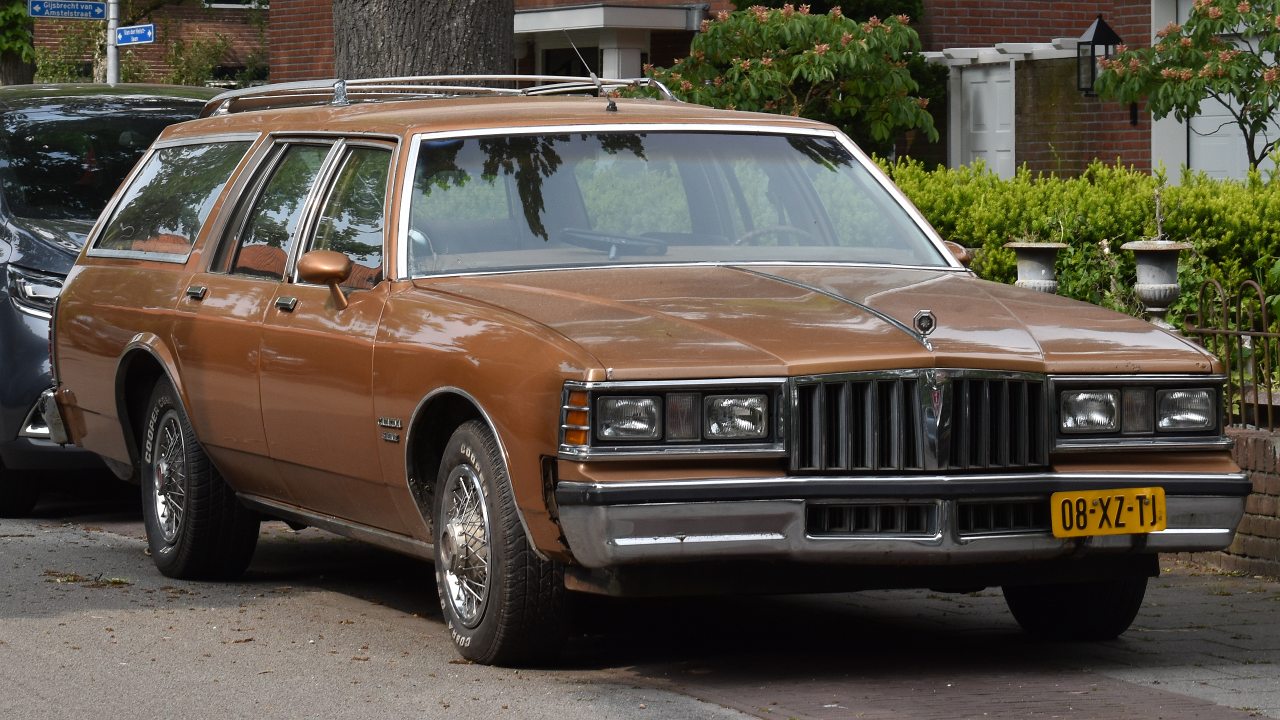
The Pontiac Catalina Safari combined full-size Pontiac styling with a practical station-wagon body. Large wagons were once common family transportation, but many were eventually scrapped because of rust, neglect, and changing consumer preferences. The Catalina Safari therefore became much less visible than Pontiac’s coupes and convertibles. Its long body, extensive chrome, and spacious interior capture an era when American families expected a wagon to carry almost anything. A well-preserved example now attracts attention precisely because it has become so unfamiliar.
Pontiac Grand Safari
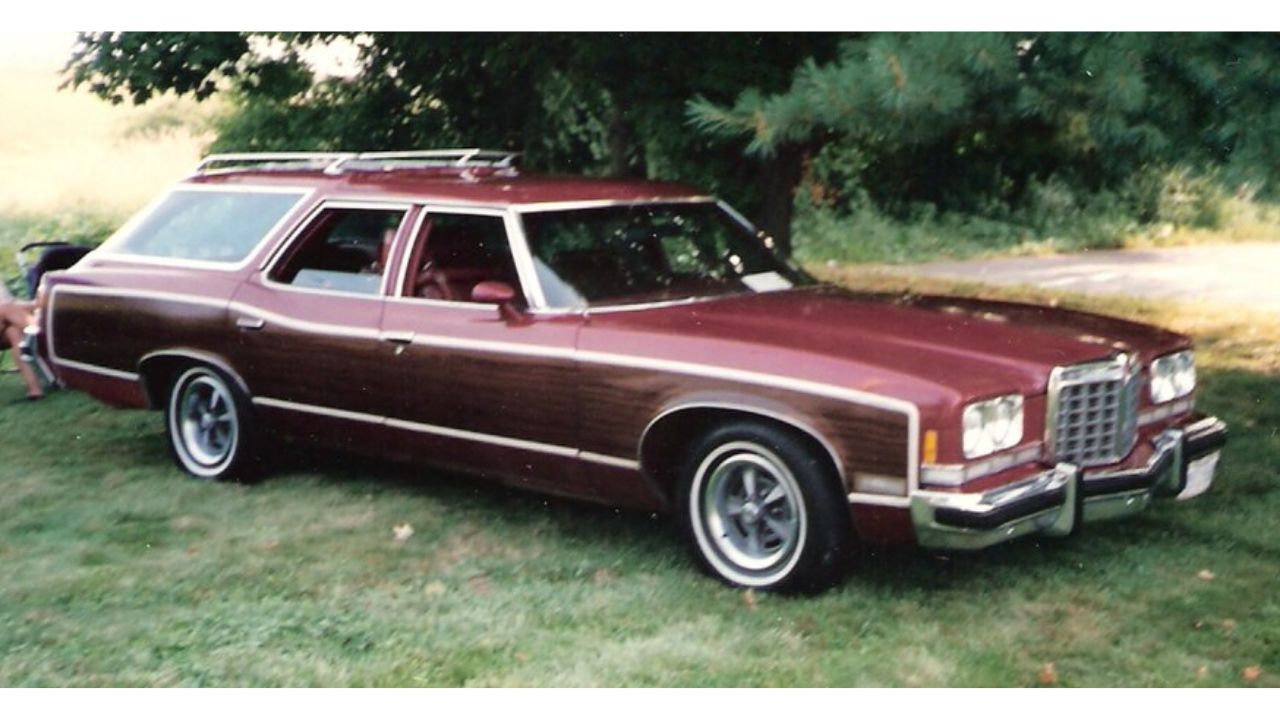
The Pontiac Grand Safari represented the full-size station wagon at its most substantial. With its large body, spacious cabin, and powerful engine choices, it was designed to carry families and cargo over long distances. These cars were practical rather than collectible when new, so many spent their later years as inexpensive used transportation. That history worked against their survival. Today, a clean Grand Safari can be far more difficult to encounter than a contemporary Pontiac muscle car, despite having once been a familiar family vehicle.
Pontiac Executive
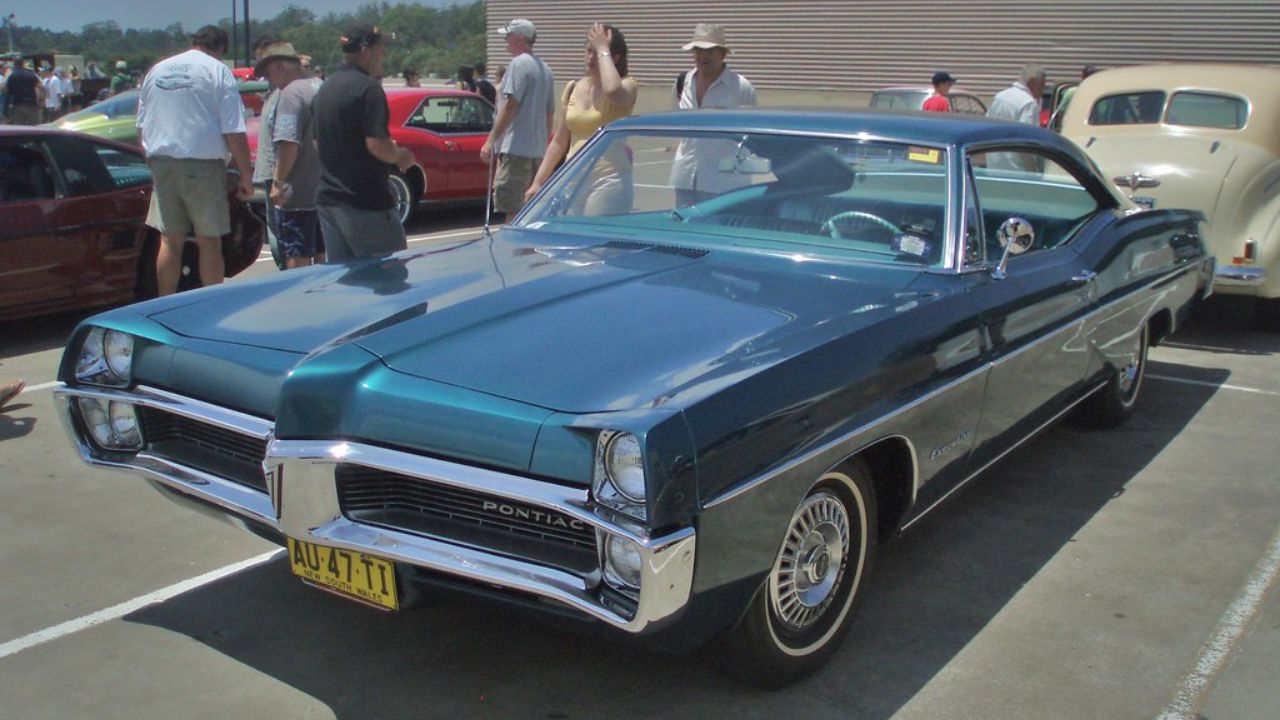
The Pontiac Executive sat between the Catalina and Bonneville in the full-size hierarchy, offering a more upscale experience without reaching the flagship’s level. It was available in several body styles and could be equipped with substantial V8 power. Despite its respectable position in Pontiac’s lineup, the Executive never developed the same recognition as the brand’s performance models. Many disappeared through ordinary use and age. Its relative obscurity makes a surviving Executive an interesting reminder of just how extensive Pontiac’s full-size range once was.
Pontiac Ventura II
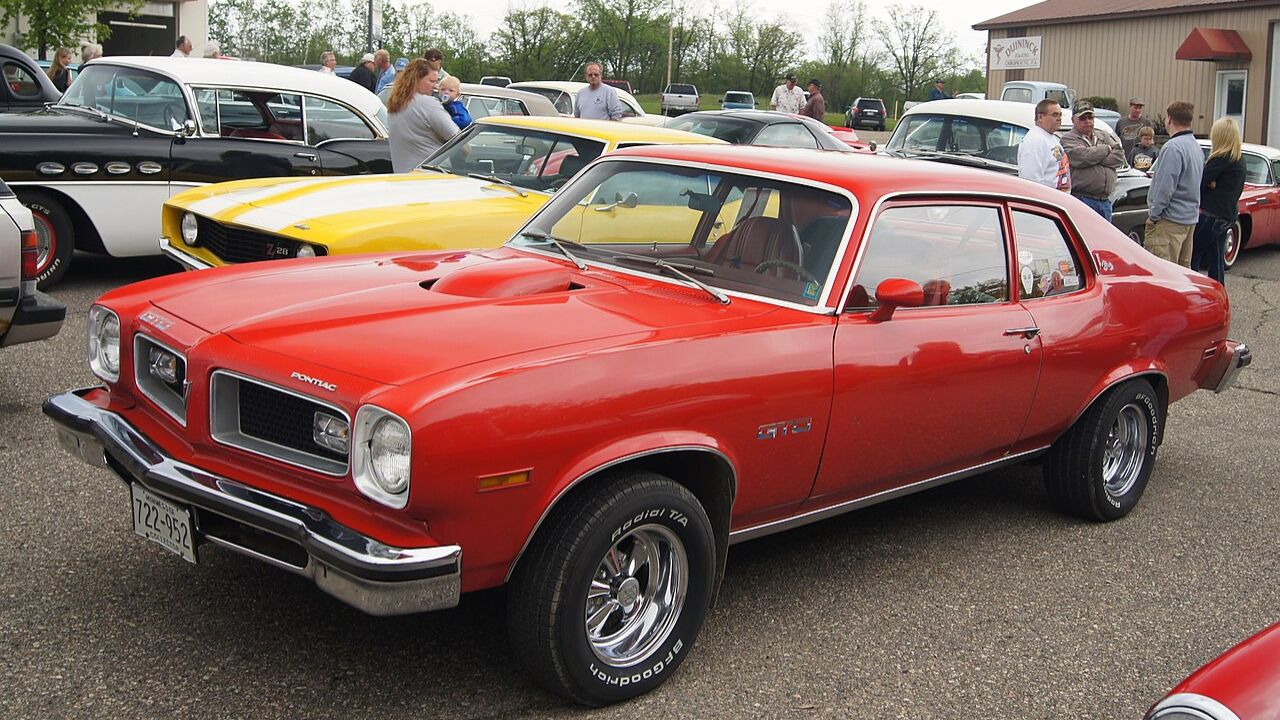
The Pontiac Ventura II was a compact Pontiac that appeared during a period when American buyers were becoming increasingly interested in smaller cars. Its Chevrolet Nova relationship made it mechanically familiar within GM, while Pontiac styling and trim gave it a distinct identity. The Ventura II was available as a practical alternative to Pontiac’s larger offerings. It never became a major collector name, however, and surviving examples are relatively uncommon. Today, it provides an interesting snapshot of Pontiac’s move into smaller vehicles.
Pontiac Astre
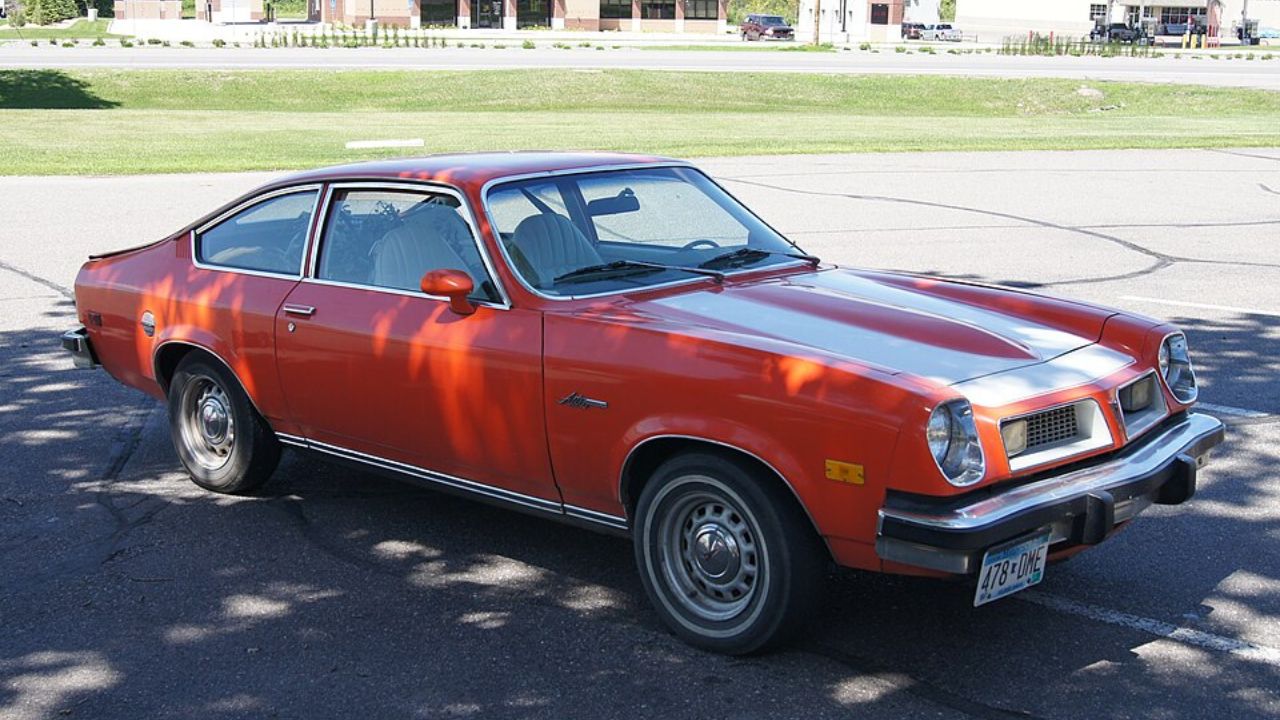
The Pontiac Astre was Pontiac’s version of GM’s subcompact platform and was aimed at buyers who wanted something considerably smaller than the traditional Pontiac. Its compact dimensions and economical engines reflected changing attitudes toward fuel consumption and vehicle size. The Astre was never glamorous, so most were treated simply as inexpensive transportation. That makes surviving examples surprisingly interesting today. Seeing one at a show can be a reminder of how dramatically Pontiac’s lineup changed during the 1970s.
Pontiac Sunburst
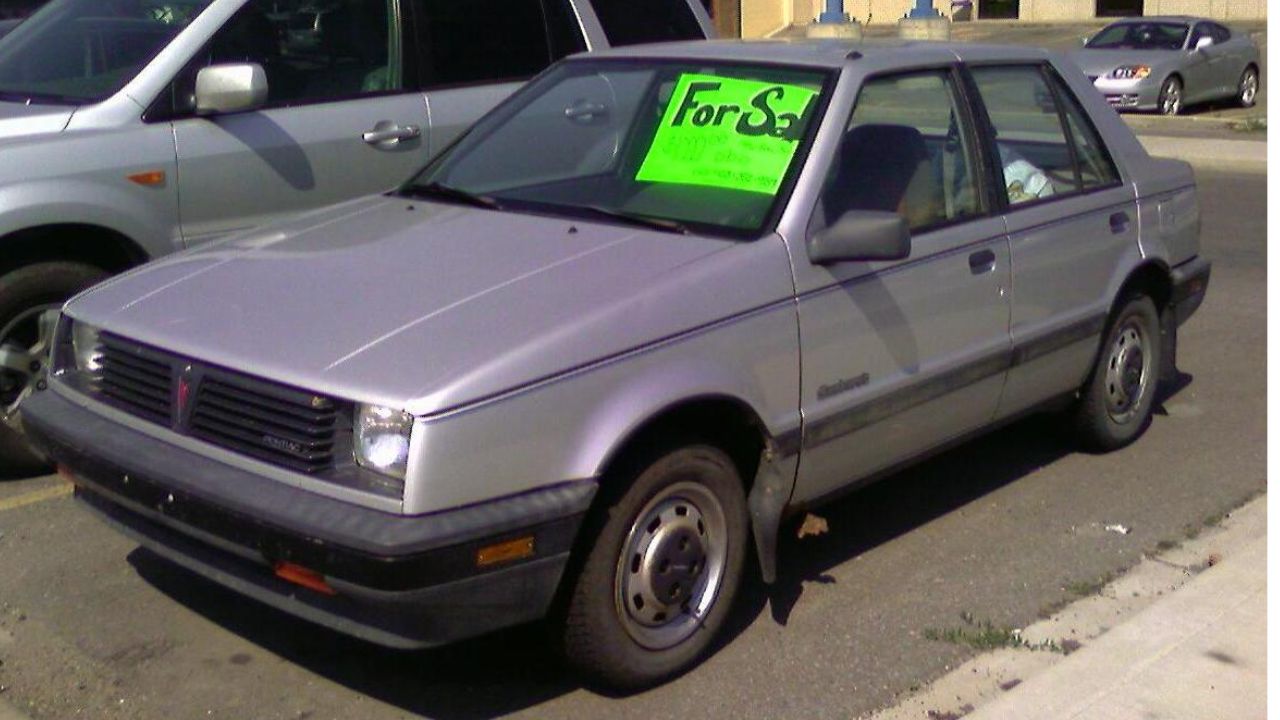
The Pontiac Sunburst was sold in Canada as a Pontiac-branded version of GM’s compact front-wheel-drive hatchback offerings. Its small dimensions and practical hatchback design made it a useful urban car, but it never gained the recognition of Pontiac’s larger American models. Limited availability also means many enthusiasts have never encountered one. Today, the Sunburst is an especially unusual Pontiac to find because it represents the brand’s Canadian-market strategy during a period when small cars were becoming increasingly important.
Pontiac T1000
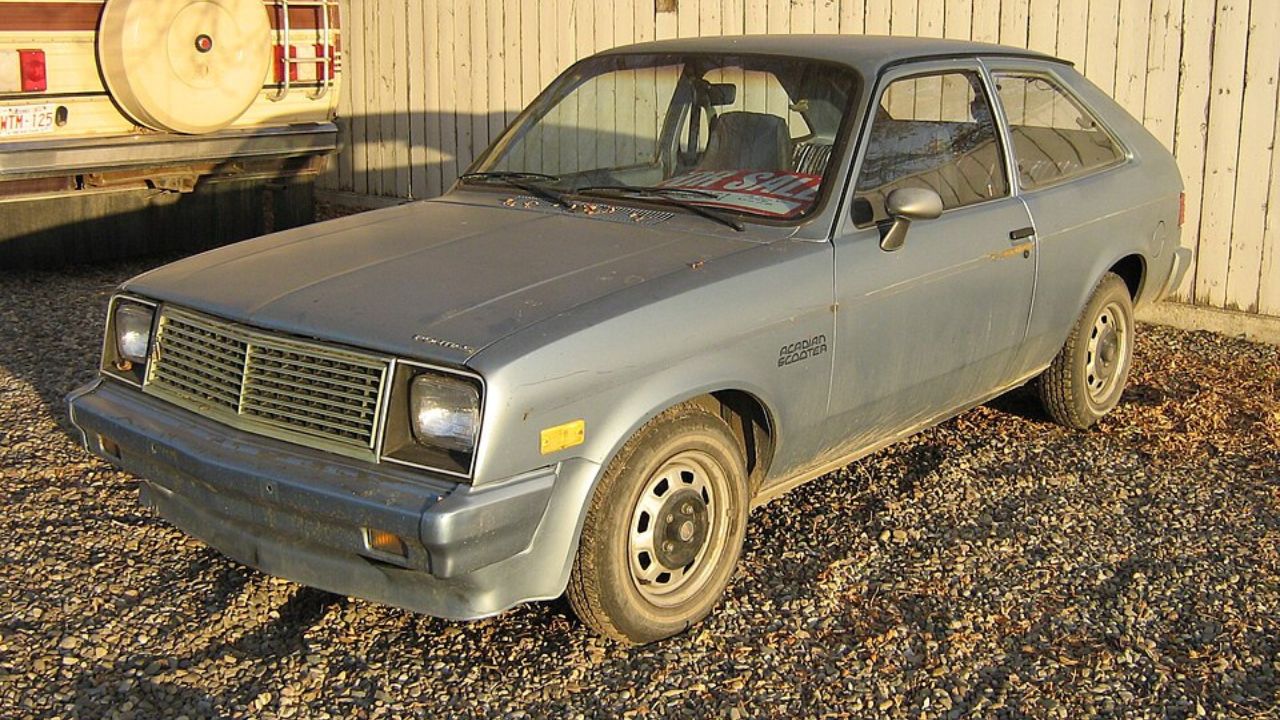
The Pontiac T1000 was one of Pontiac’s early attempts to compete in the growing subcompact market. Based on GM’s small-car architecture, it offered inexpensive transportation in a package that was much smaller than traditional American cars. It was never considered an exciting Pontiac, which is one reason surviving examples are easily overlooked. Yet its place in Pontiac history is significant. The T1000 shows how the brand adapted to an automotive market that was moving steadily toward smaller and more economical vehicles.
Pontiac 6000 Safari
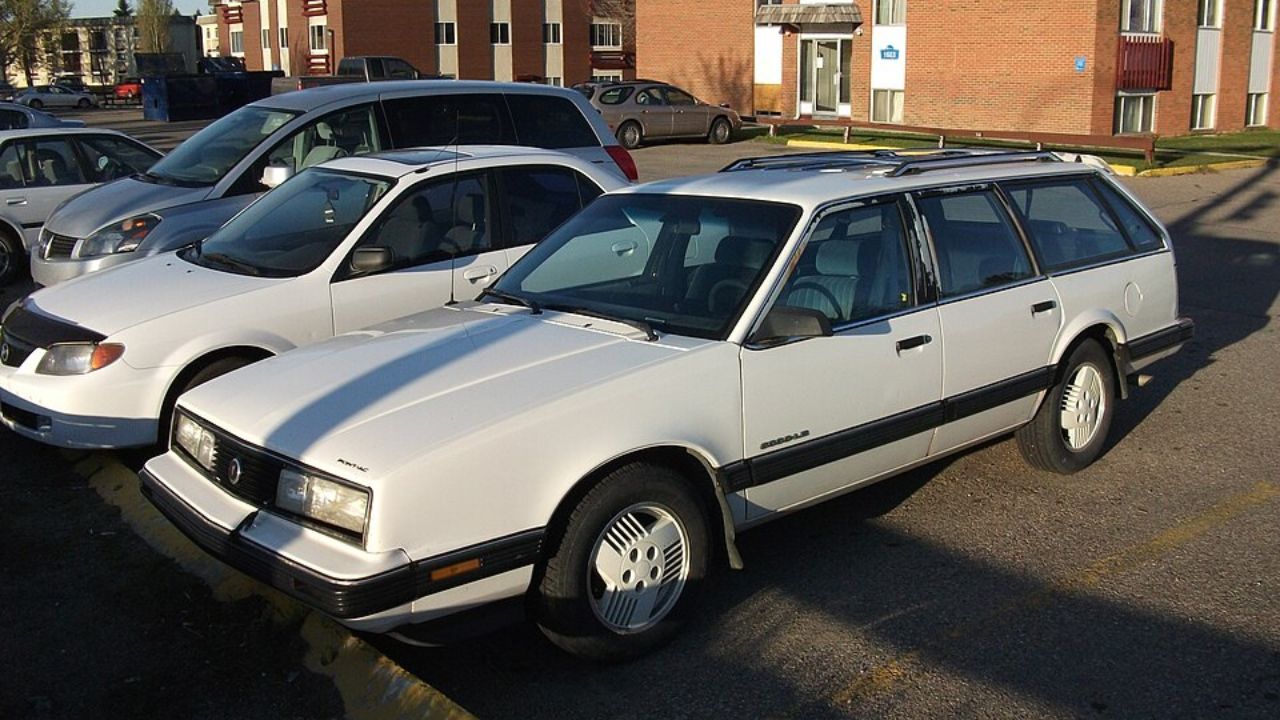
The Pontiac 6000 Safari brought the practical station-wagon body to Pontiac’s midsize front-wheel-drive lineup. It was designed for families who needed cargo room without the size and fuel consumption of older full-size wagons. The 6000 became a familiar sight during its production years, but most examples eventually disappeared as used cars. Today, a surviving Safari wagon can seem surprisingly unusual. Its boxy profile and practical design capture a period when the station wagon was still a mainstream family vehicle.
Pontiac Parisienne Safari
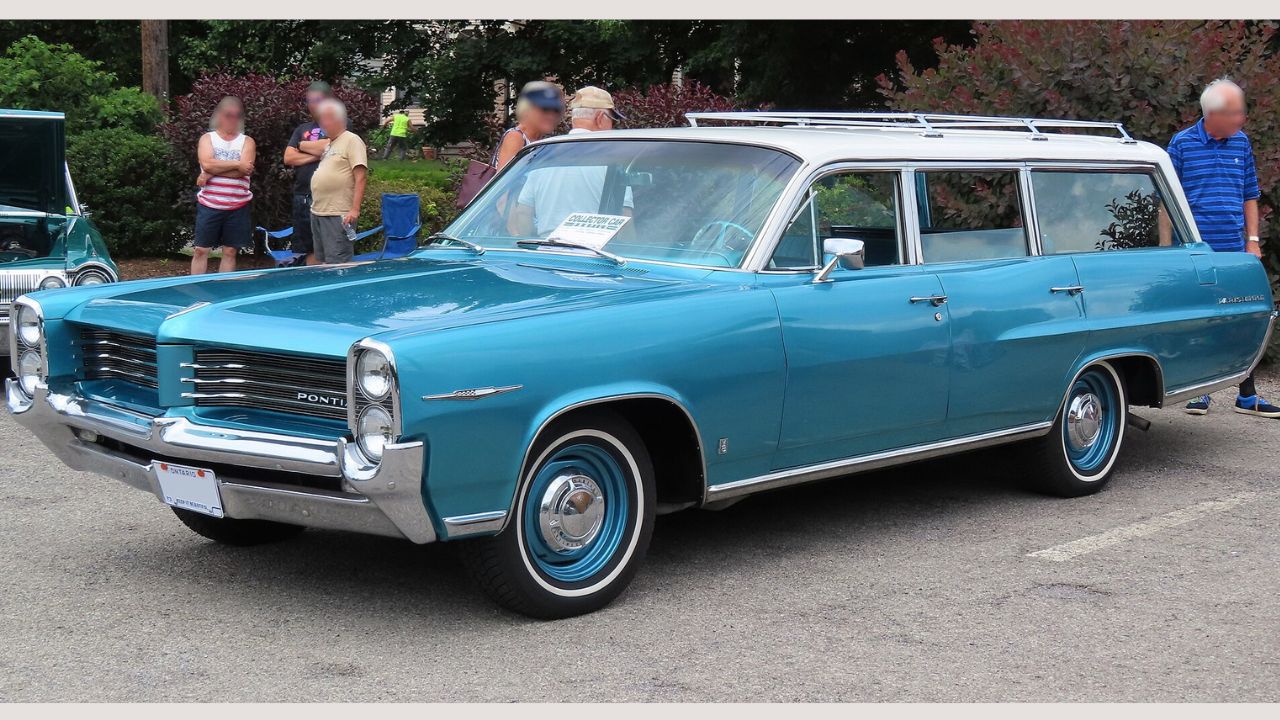
The Pontiac Parisienne Safari was a full-size Canadian-market wagon that combined Pontiac styling with a Chevrolet-based mechanical foundation. It provided plenty of passenger and cargo space and could be equipped with V8 power, making it a serious long-distance family vehicle. Despite its popularity in its home market, the model is not widely recognized today. Surviving examples are especially interesting because they show how Pontiac’s Canadian lineup could differ significantly from what buyers saw in the United States.
Pontiac Tempest Custom
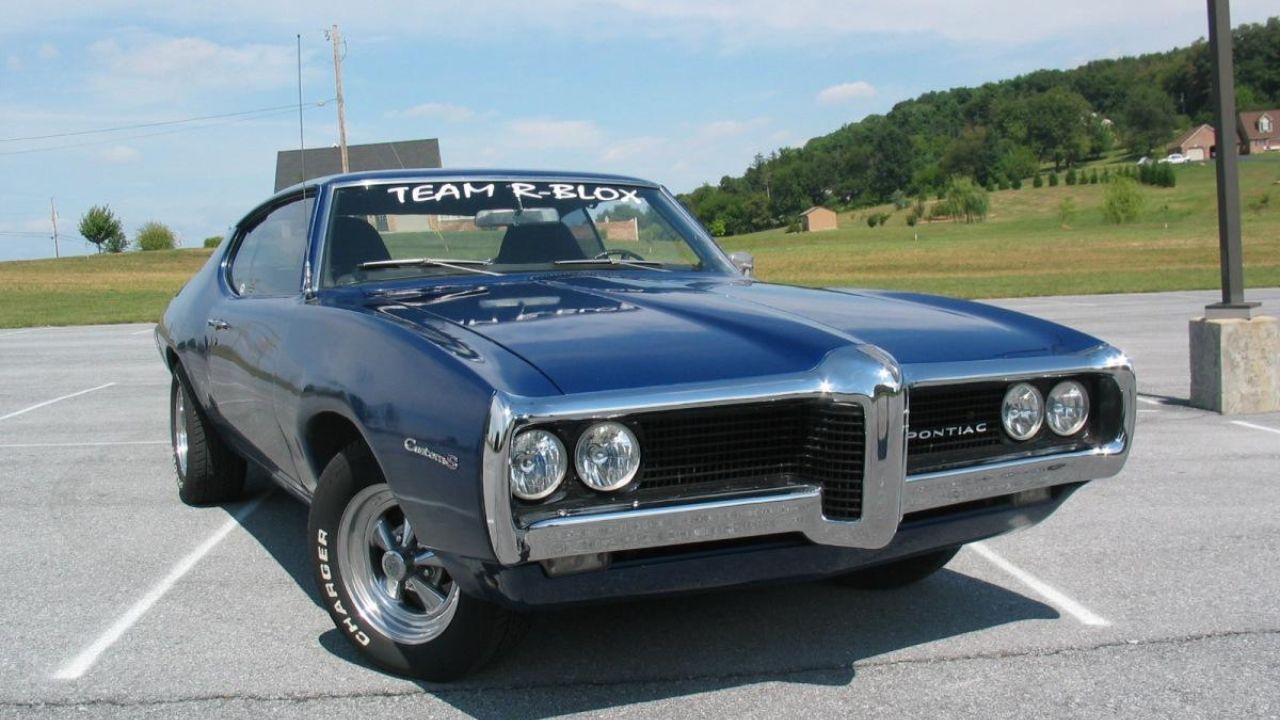
The Pontiac Tempest is better remembered as an early compact Pontiac, but the Custom versions are far less familiar to most drivers. They offered additional equipment and styling within a car that was considerably smaller than Pontiac’s full-size models. Some versions also featured unusual engineering for the period. The Tempest’s place in Pontiac history is important because it helped the brand expand beyond traditional large cars. A surviving Custom today is an uncommon piece of Pontiac’s transition into the compact market.
Pontiac Phoenix
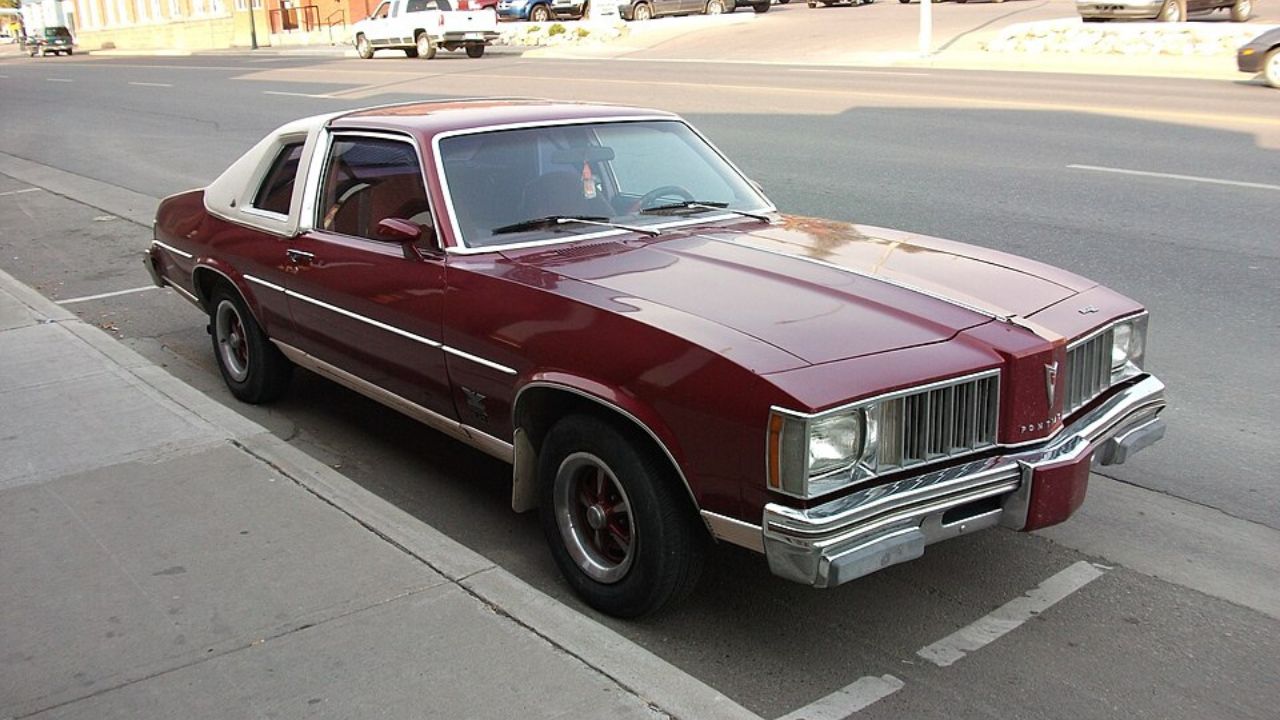
The Pontiac Phoenix represented Pontiac’s attempt to give a more upscale identity to its compact and midsize offerings. Later versions were based on front-wheel-drive GM platforms and emphasized practicality rather than traditional Pontiac performance. The name is familiar to some enthusiasts, but actual surviving cars are much less common. Most were everyday transportation and received little preservation attention when they aged. Today, the Phoenix is an interesting reminder that Pontiac spent its final decades trying to redefine itself beyond the performance image that had once made it famous.
Pontiac Parisienne Brougham
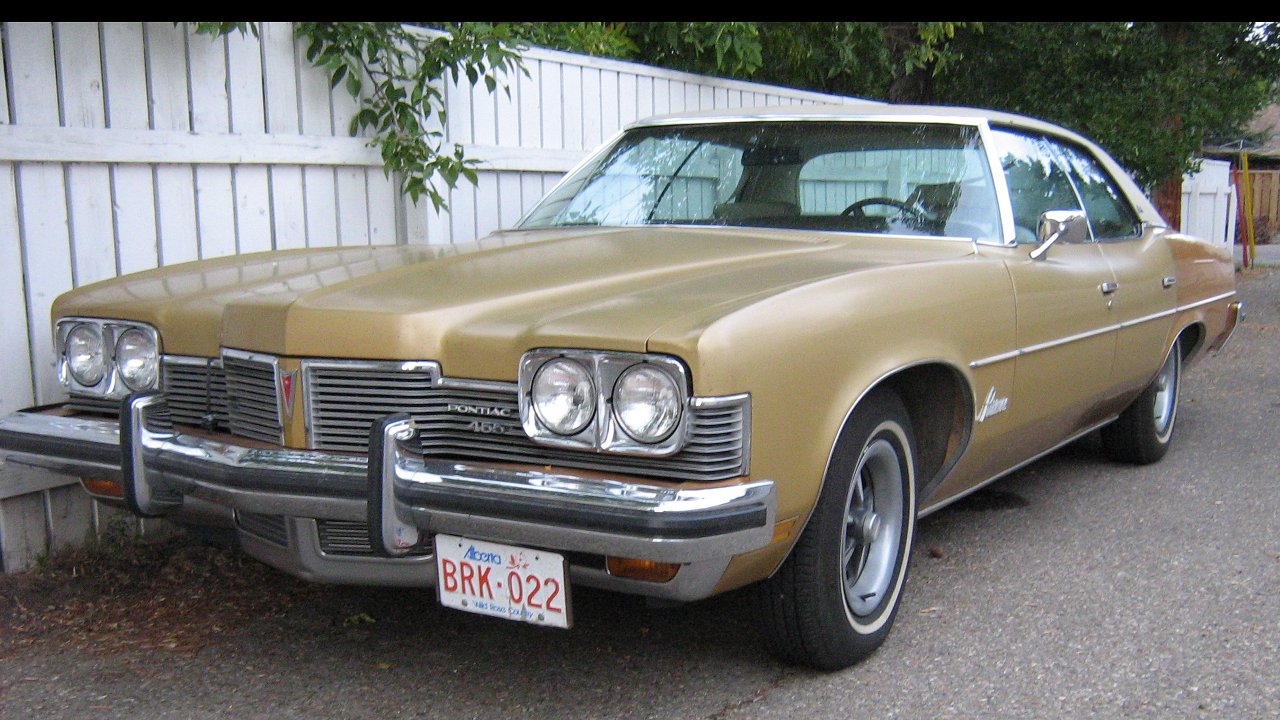
The Pontiac Parisienne Brougham combined full-size dimensions with additional luxury-oriented trim, creating a comfortable cruiser that appealed to buyers who wanted traditional American size and equipment. It was particularly associated with the Canadian market, where the Parisienne name had a long history. Most examples were used as ordinary family cars rather than preserved as classics. That makes surviving Broughams much less common than their production numbers might suggest. For Pontiac enthusiasts, one offers a fascinating look at the brand’s upscale side.
More from Fast Lane Only
- Unboxing the WWII Jeep in a Crate
- 15 rare Chevys collectors are quietly buying
- 10 underrated V8s still worth hunting down
- Police notice this before you even roll window down
*Research for this article included AI assistance, with all final content reviewed by human editors.