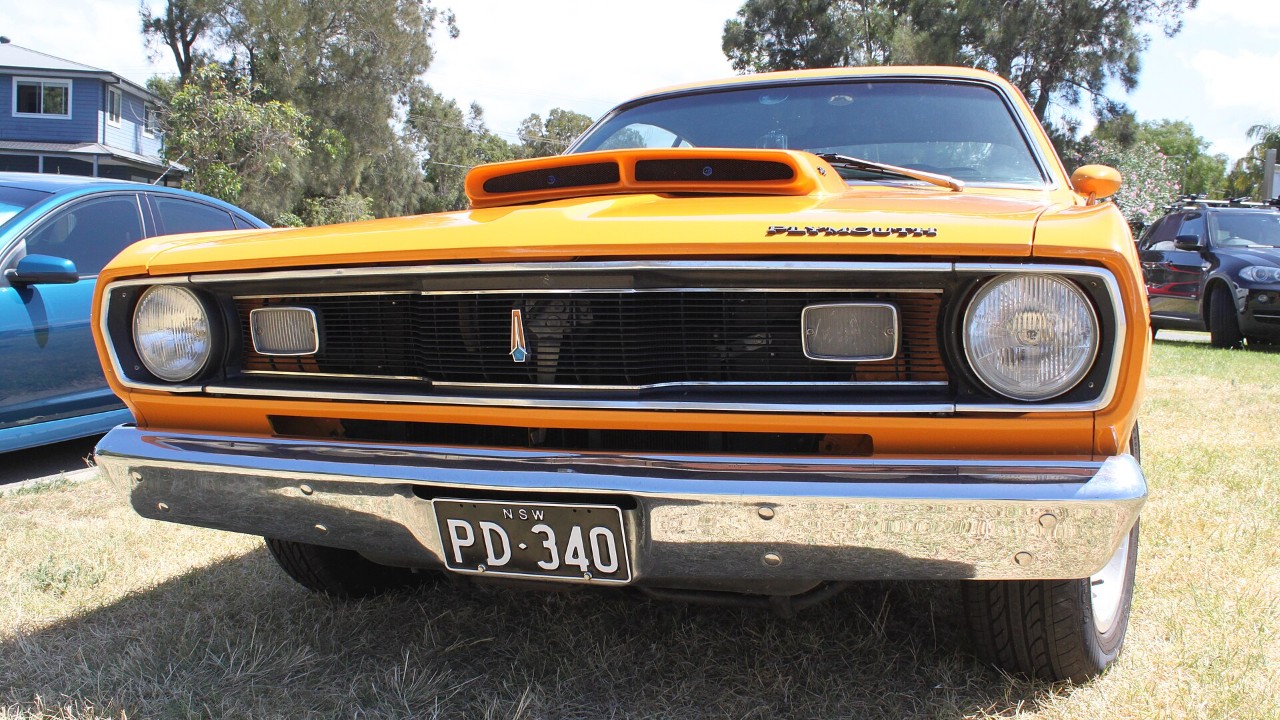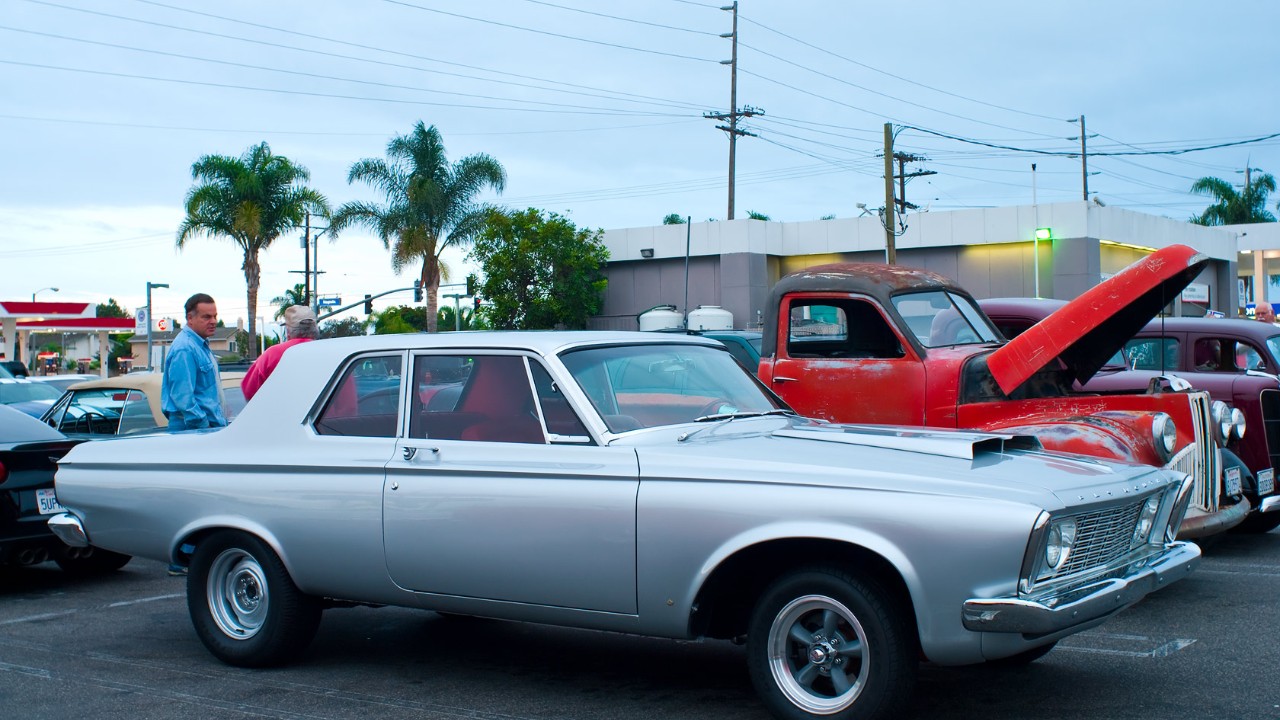
A Plymouth Savoy Max Wedge looked like the plainest full-size sedan on the lot, and that was the whole point. In the early 1960s, Detroit learned that the fastest way down a drag strip was to start with a cheap body, strip out the weight and bolt in the biggest engine the rules allowed.
The trouble is that many of these cars never got the reputation their time slips earned. Some were rated low on paper. Others looked too ordinary, came from a small maker, or vanished into weekend racing before the magazines caught up. As a result, plenty of people think of them as oddities rather than serious hardware.
These five are our picks for factory lightweights that ran harder than their image suggested. The verdicts are our opinion. However, the specs, build counts and results come from period-focused histories, engine references and auction records we checked for this story.
1. 1963 Plymouth Savoy Max Wedge
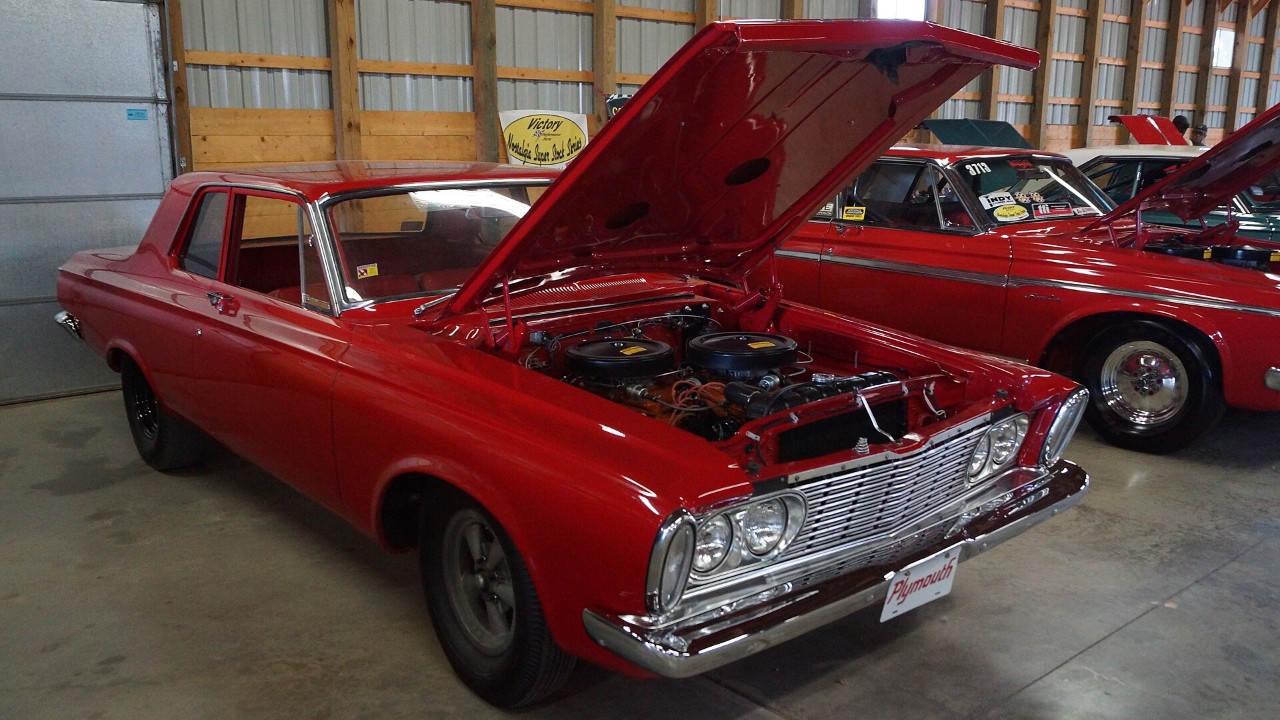
Chrysler’s 426 Max Wedge was a direct answer to the rulebook. According to Engine Labs, NHRA capped factory Super Stock engines at 427.2 cubic inches, so Chrysler built its 1963 wedge right up to that line. The 11:1 version carried a 415-hp rating, while the 13.5:1 version was rated at 425 hp with 480 lb-ft of torque.
Then came the diet. For 1963, the lightweight Dodge and Plymouth cars got a hood, front fenders and valance panels in 26-gauge aluminum. That swap saved a reported 160 pounds, although the thin panels crumpled easily. Meanwhile, the owner’s manual warned of a rough idle and poor gas mileage. A factory bulletin even limited wide-open throttle bursts to 15 seconds.
In our view, that fussy reputation hid how quick these cars were. A Savoy Max Wedge sounds like a grocery-getter with a temper, yet Engine Labs says the matching lightweight Dodge ran low 12-second quarter-miles at about 116 mph. For a car that shared its basic shell with a family sedan, that is serious speed.
2. 1965 Plymouth Belvedere A/FX
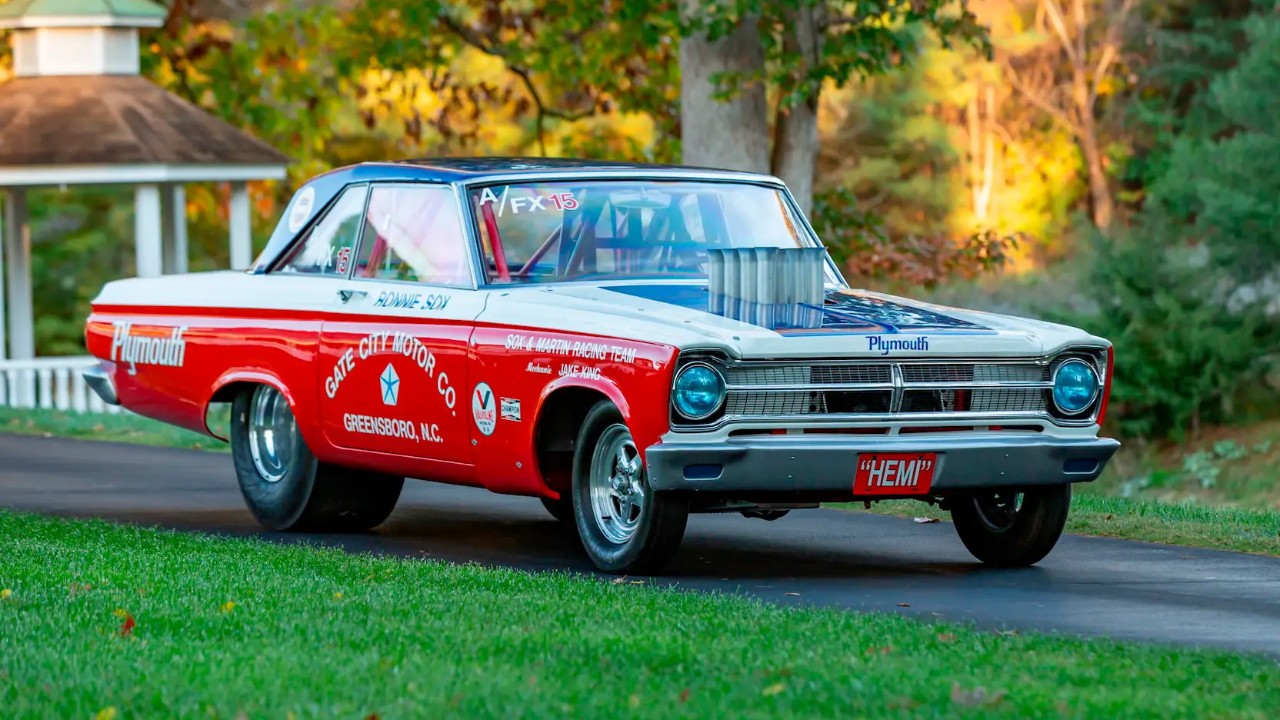
For 1965, Chrysler stopped pretending its drag cars were stock. According to Street Muscle, the company earmarked ten B-bodies for the season, five Dodge Coronets and five Plymouth Belvederes. Engineers moved the front wheels forward 10 inches and the rear axle forward 15 inches. As a result, the wheelbase shrank to 110 inches and about 56 percent of the weight sat over the rear tires.
The weight cuts went far beyond aluminum fenders. Aluminum cylinder heads dropped each head from 60 pounds to 27, and a magnesium cross-ram intake fed the 426 Hemi. Plexiglas side and rear windows replaced glass, and the interior lost its air conditioning, radio, passenger seat and rear seat. Later in 1965, Chrysler switched these engines to Hilborn fuel injection.
Our take is that the odd proportions made people treat these cars as a sideshow. In fact, they ran low 10-second passes at nearly 140 mph. NHRA then limited wheelbase changes to 2 percent in A/FX, which shut the altered-wheelbase cars out of that class. That rule change says more about their speed than any reputation could.
3. 1969 Chevrolet Camaro ZL1 COPO 9560
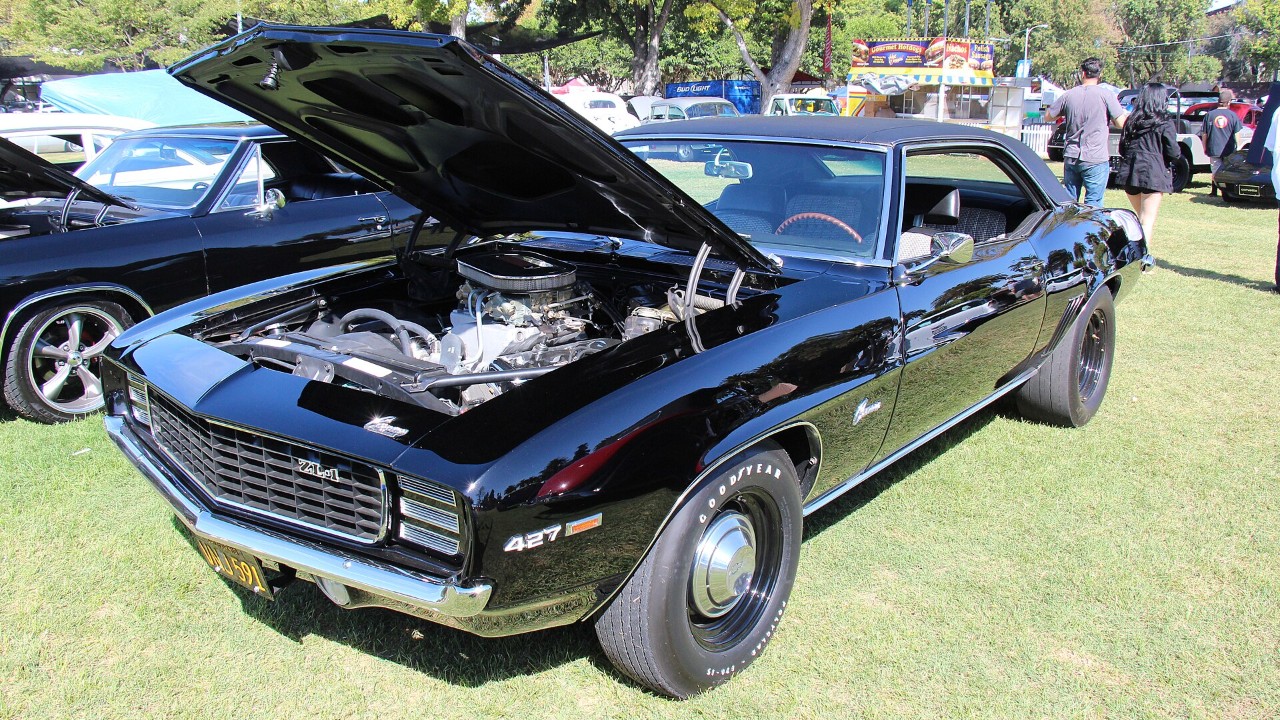
The ZL1 is famous now, but it began life as a paperwork trick. Dealers ordered it through Chevrolet’s Central Office Production Order system, and only 69 were built, according to Hagerty. Under the hood sat a 427-cubic-inch big-block cast entirely in aluminum. Hagerty calls it Chevrolet’s first production aluminum block, cast at GM’s Tonawanda plant.
That block saved about 100 pounds over the nose, which mattered a lot on a drag strip. Still, the official number made it look ordinary. Chevrolet rated the ZL1 at 430 horsepower, exactly the same as the iron-block L88, and Hagerty calls that figure an underrating. On the strip, Bill “Grumpy” Jenkins helped prove the point in NHRA Super Stock.
We think the low rating and the plain body kept the ZL1 under the radar for years. Today, the market has caught up. In January 2020, car No. 59 sold for $1,094,500 at Barrett-Jackson’s Scottsdale sale, a new auction record for a ZL1. If you want the full ordering story, our look at why the 1969 COPO Camaro wasn’t supposed to exist covers the back channels.
4. 1969 AMC SS/AMX
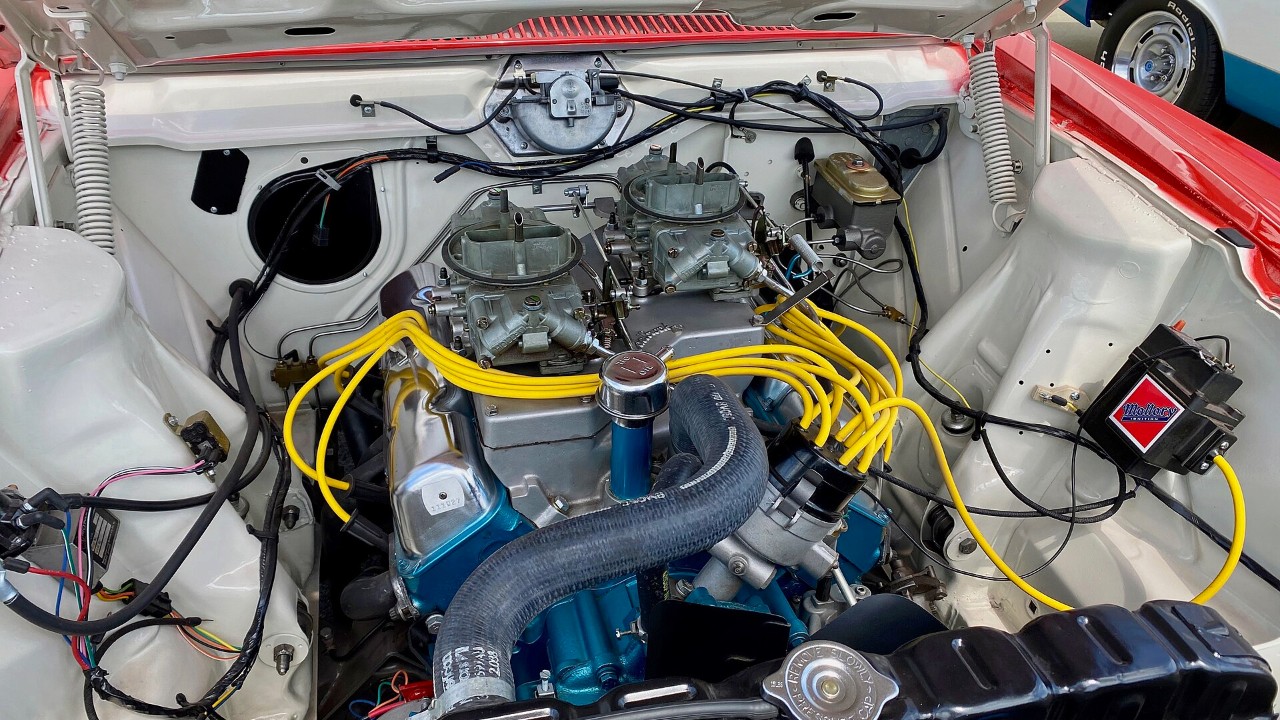
American Motors was the last company anyone expected at the front of a Super Stock field. Even so, it shipped 52 Frost White AMX coupes from Kenosha to Hurst Performance in Detroit, according to Mac’s Motor City Garage. Hurst converted them into drag cars with consecutive serial numbers. The factory price was $5,994, roughly $2,500 more than a regular 390 AMX.
The recipe started with the 390 V8 at 12.3:1 compression. Next came an Edelbrock cross-ram intake with two Holley 650-cfm carburetors and Doug’s tubular headers. Surprisingly, there were no lightweight body panels. Instead, the short 97-inch wheelbase and a 3,050-pound curb weight did the work. AMC told NHRA the engine made 340 hp, but NHRA rated it at 420. We covered that gap in our story on how the NHRA rated the Super Stock AMX.
In our opinion, the AMC badge did the most damage to its reputation. Yet the prototype mule, built by Shirley and H.L. Shahan, ran 11-second times at over 120 mph. Production cars then set and reset SS/E records, and Shirley Shahan won her class at the U.S. Nationals.
5. 1964 Ford Fairlane Thunderbolt
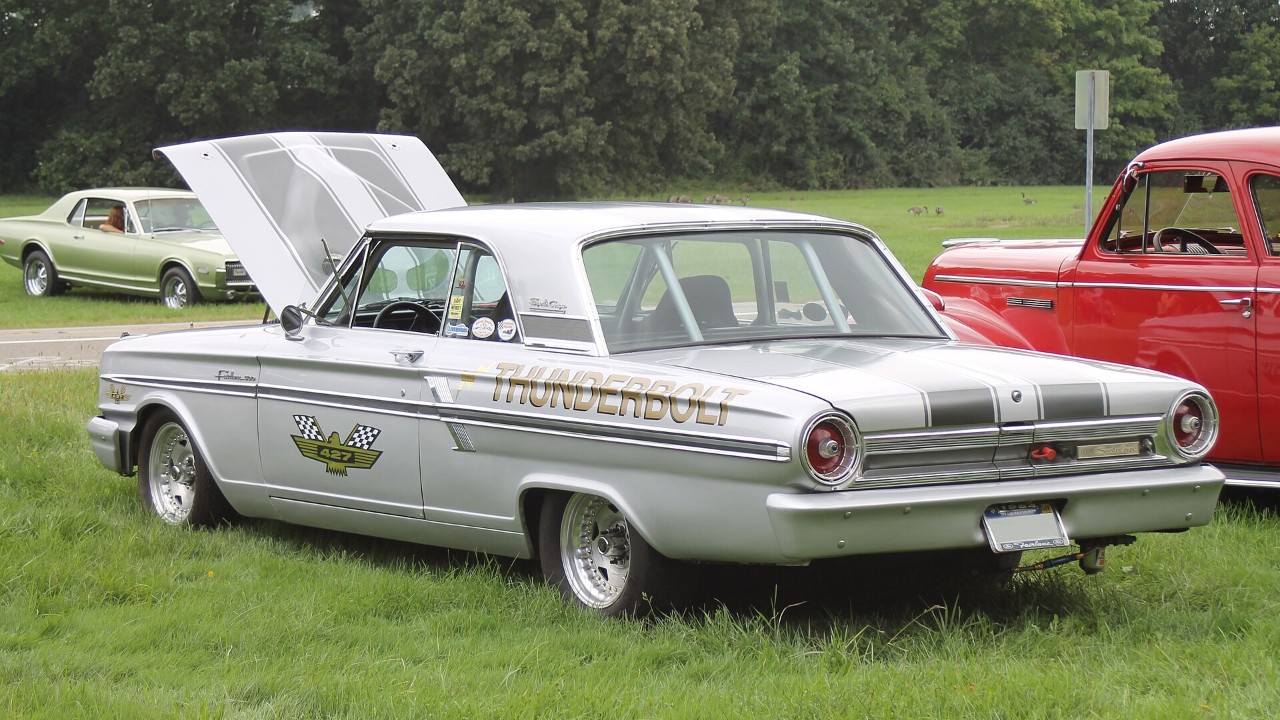
Ford didn’t build the Thunderbolt on its own line. Instead, Dearborn Steel Tubing converted Fairlane coupes, and Mac’s Motor City Garage puts the count at 100, though some claim more. Inside, the cabin was stripped and fitted with delivery-van seats. Up front, fiberglass fenders, doors and front bumpers kept the car to 3,203 pounds despite the big 427 High-Riser V8.
Ford also split the run down the middle on gearboxes. About half the cars got four-speed manuals, while the other half used modified Lincoln automatics. That detail matters, because an automatic Super Stock car sounded tame in 1964. In our view, Ford’s willingness to race both versions shows how much it trusted the package.
Our view is that the midsize family-car body fooled casual fans. Racers knew better, though. The Thunderbolt won Super Stock class honors at both the 1964 NHRA Winternationals and the NHRA Nationals, which is about as clear a verdict as drag racing offers.
More from Fast Lane Only