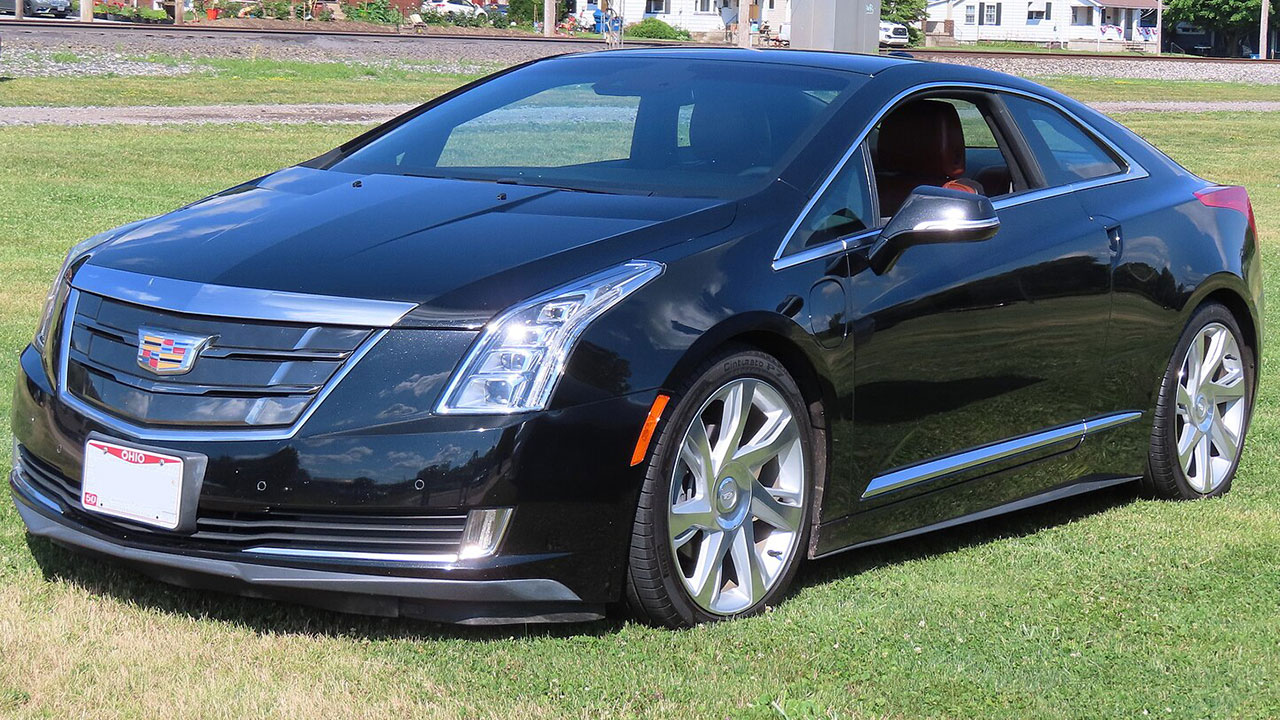
Cadillac has produced plenty of cars that became household names, but some interesting models never received the recognition they deserved. From stylish coupes to unusual luxury sedans and ambitious performance cars, these forgotten Cadillacs helped tell the story of America’s most famous luxury brand. Many are now overshadowed by better-known names.
Cadillac Series 61
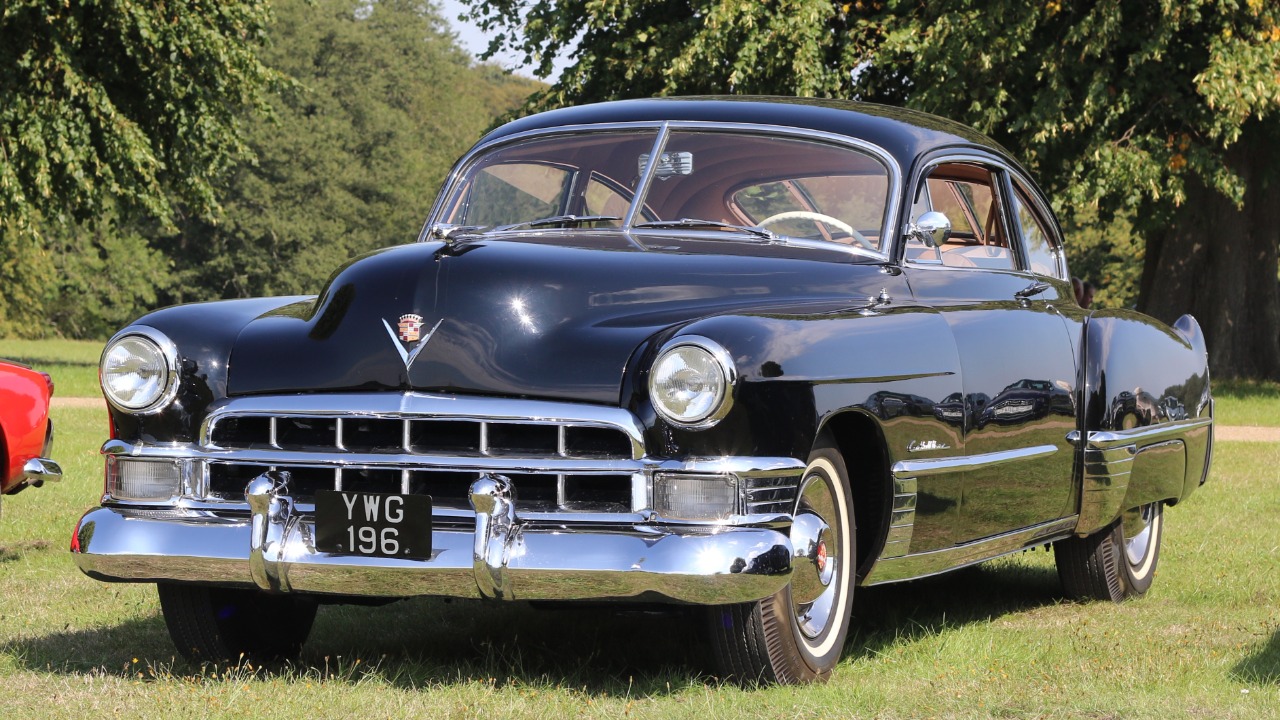
The Series 61 was one of Cadillac’s more accessible full-size models, giving buyers a way into the brand without choosing its most expensive cars. It still offered impressive styling, substantial V8 power, and the presence expected from Cadillac. Because it lived in the shadow of the more prestigious Series 62, the Series 61 is often overlooked by modern collectors.
Cadillac Series 70
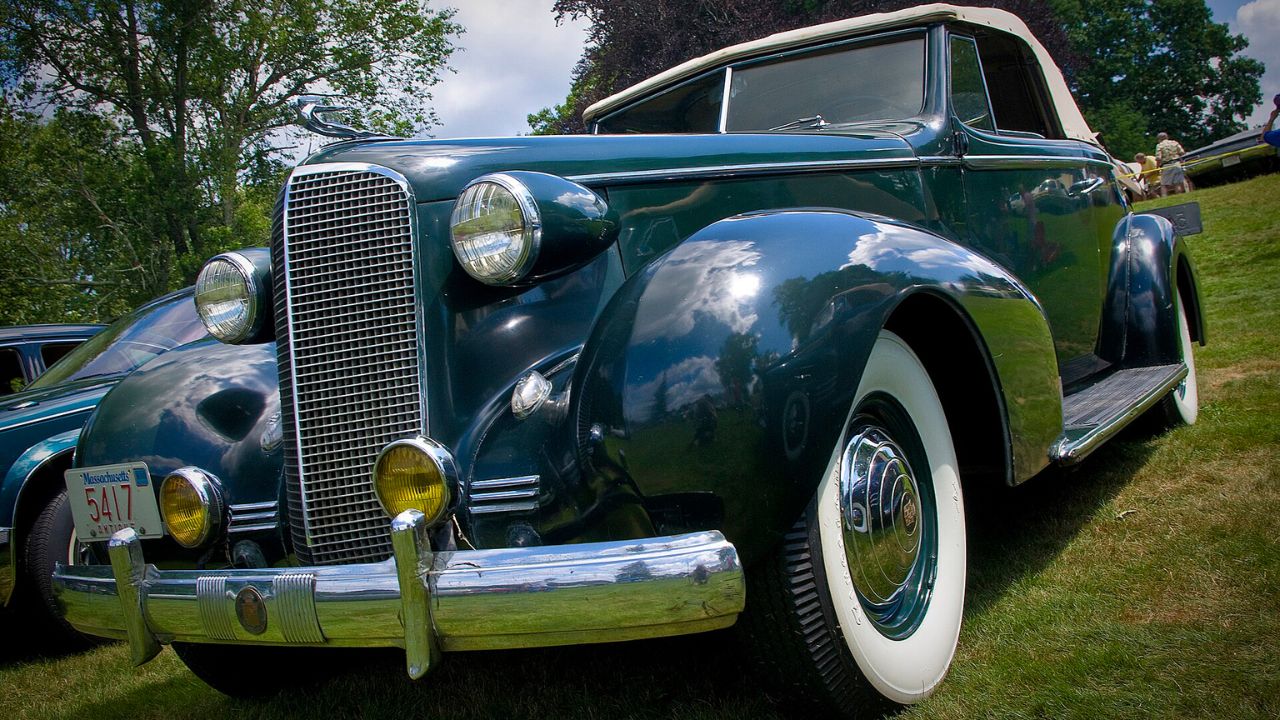
The Series 70 was a substantial Cadillac built for buyers who wanted serious size and performance. Its powerful engines and imposing proportions represented the traditional American luxury formula at its peak. Although it played an important role in Cadillac history, it receives less attention today than the company’s most famous postwar models.
Cadillac Series 75
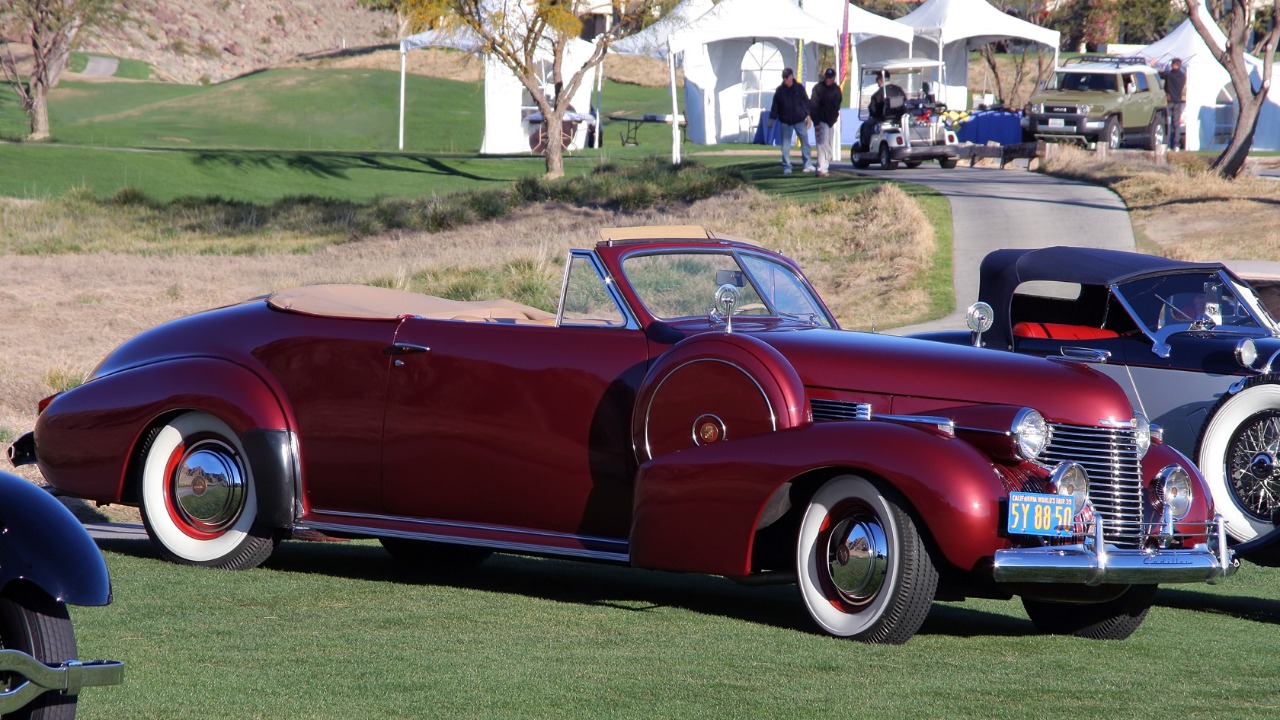
The Series 75 was Cadillac’s formal full-size limousine and sedan, often associated with executives, hotels, and professional transportation. Its huge body and spacious interior made it one of the most imposing American cars available. Surviving examples can be difficult to find, especially those retaining their original interiors and formal equipment.
Cadillac Series 90
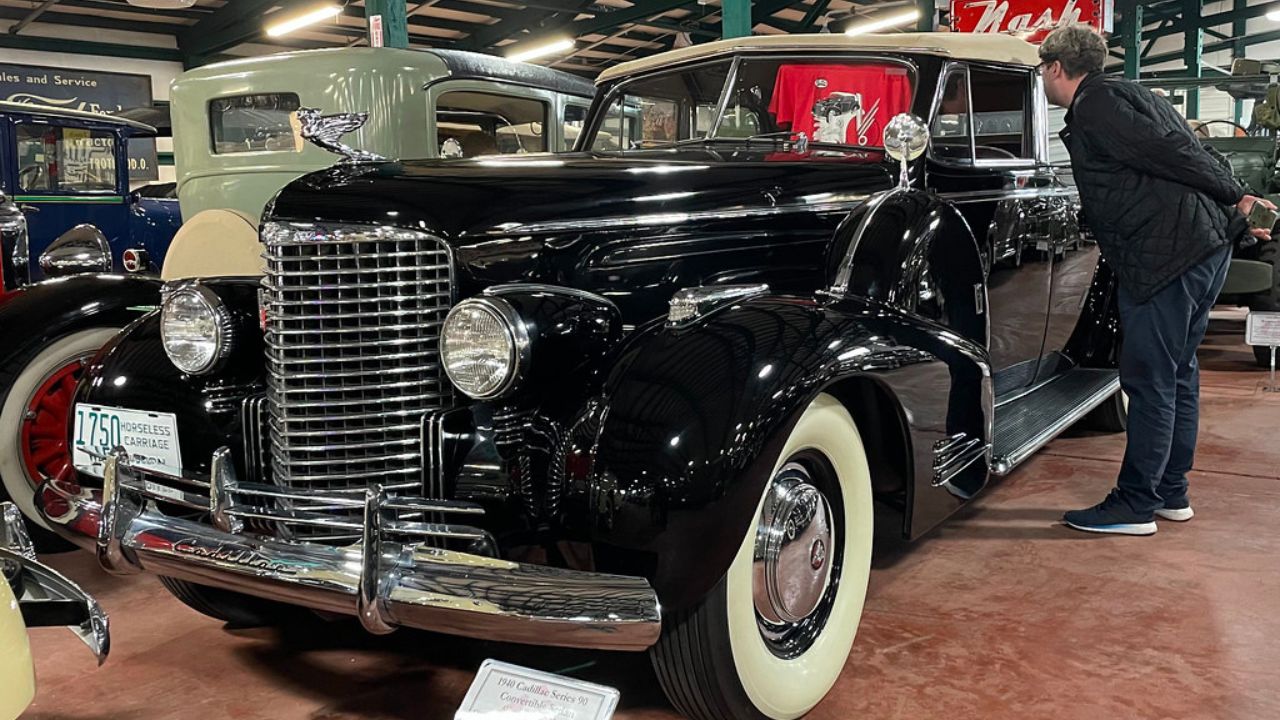
The Series 90 represented Cadillac’s flagship presence during the prewar era. It was large, powerful, and built to appeal to buyers who wanted the most prestigious American automobile available. Its enormous V16 engine made it particularly impressive. Although famous among Cadillac specialists, it remains largely unknown to casual classic-car fans.
Cadillac V-12
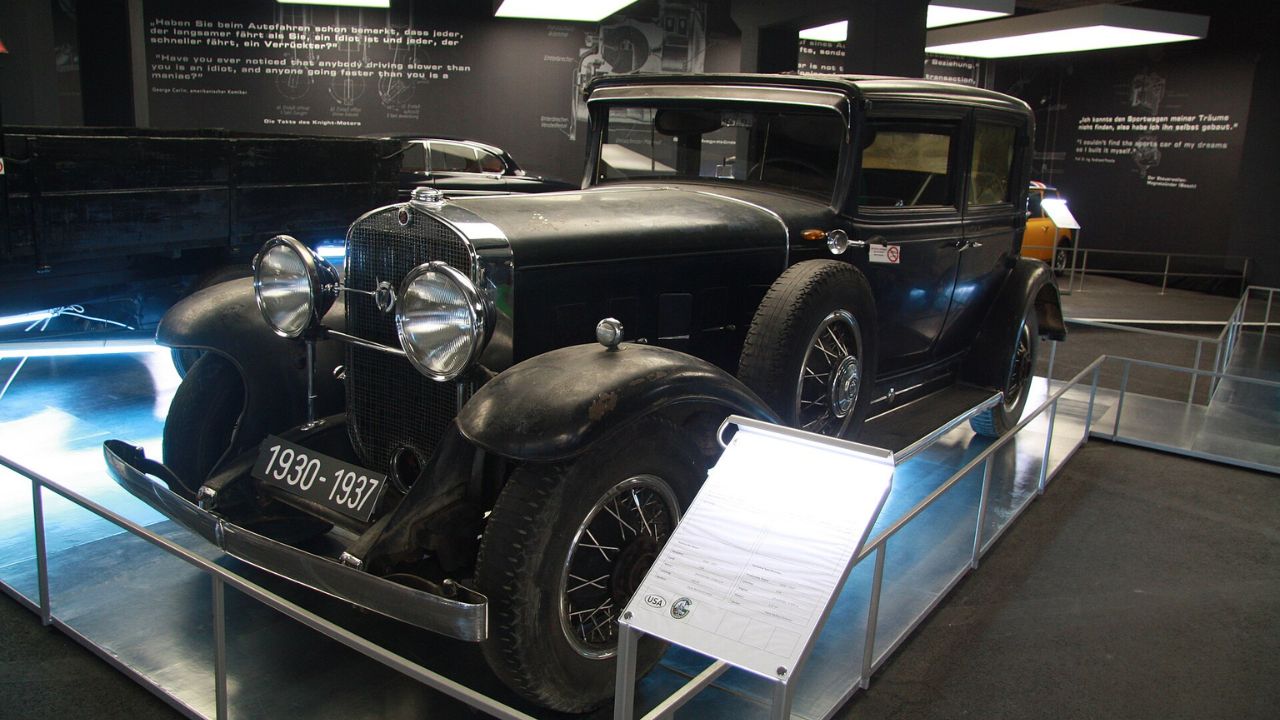
Cadillac’s V-12 occupied the space between its conventional V8 models and the extravagant V16. It delivered smooth power with the kind of effortless performance expected from a flagship luxury car. The engineering and craftsmanship were impressive for the era, yet surviving examples are relatively uncommon. They deserve more attention for showing how ambitious Cadillac once was.
Cadillac LaSalle
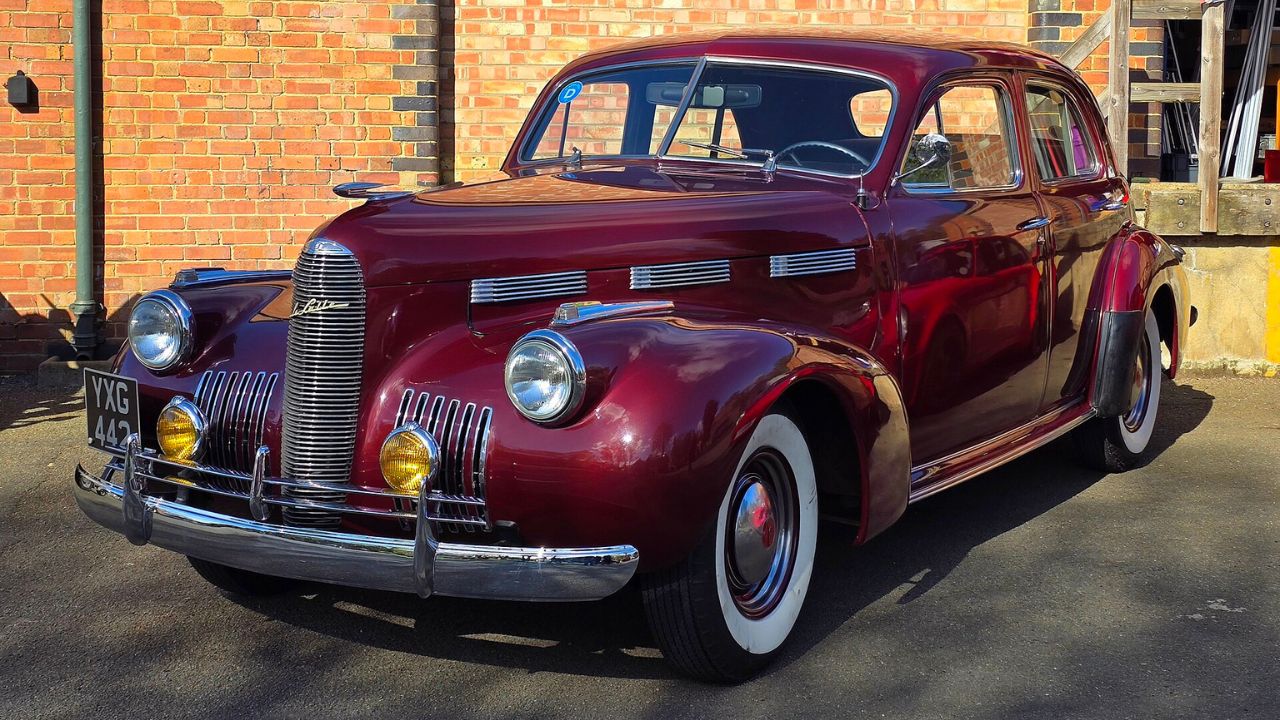
LaSalle was created as a companion marque to Cadillac, offering buyers much of the prestige and engineering of a Cadillac in a slightly smaller package. Its styling became increasingly distinctive, and several generations featured beautiful proportions. Although LaSalle was technically its own marque, its close connection to Cadillac makes these cars an important part of the company’s history.
Cadillac Sixty-Two Coupe
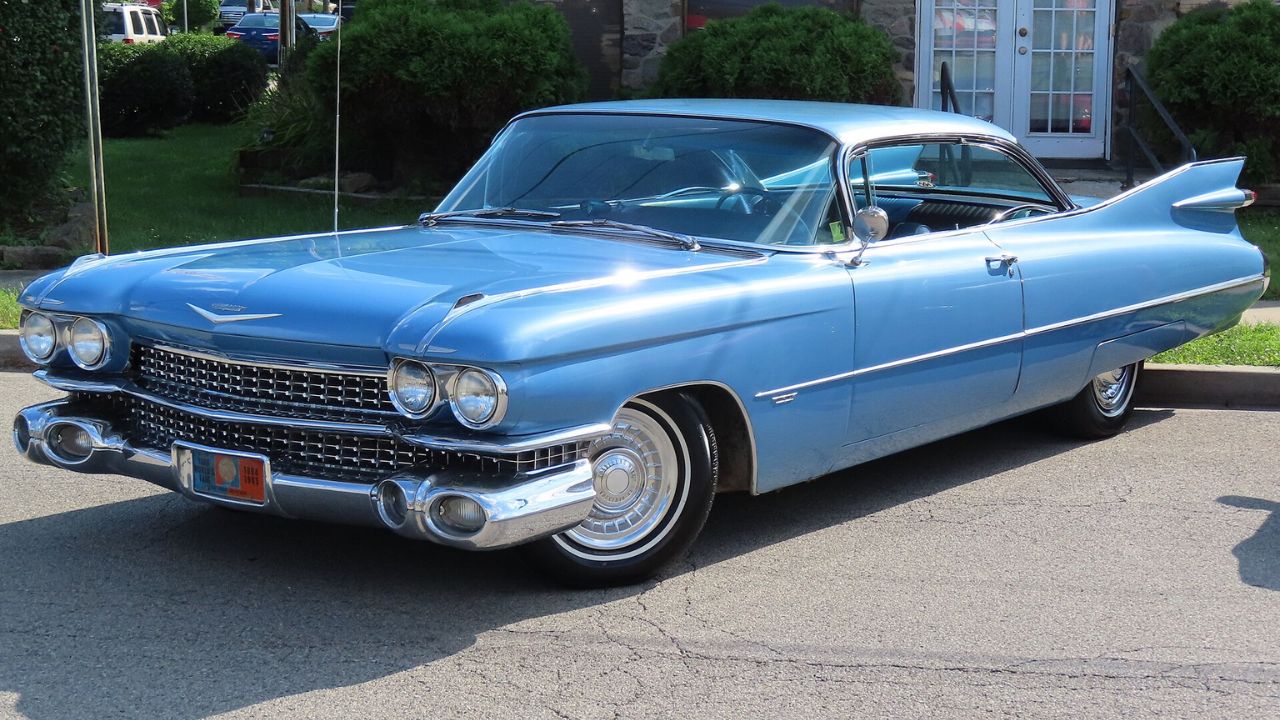
The two-door Sixty-Two brought Cadillac’s dramatic postwar styling into a sportier package. Large tail fins, extensive chrome, and a powerful V8 made it one of the most recognizable American coupes of its era. Despite the fame of the Cadillac name, specific coupe versions are not nearly as common today as their period popularity might suggest.
Cadillac Eldorado Biarritz
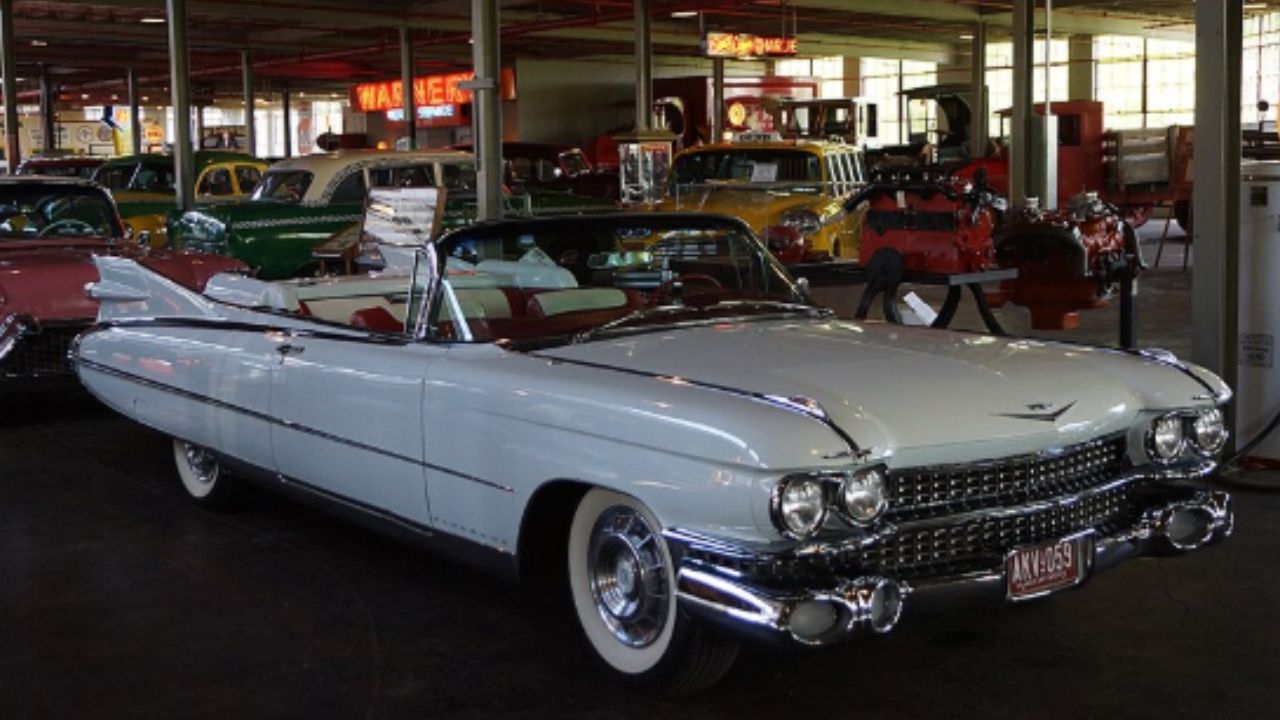
The Eldorado Biarritz was one of Cadillac’s most glamorous open-top cars, combining extravagant styling with premium equipment. Its dramatic fins, chrome trim, and luxurious interior made it an unmistakable product of the 1950s. These cars have become collectible, but their historical importance sometimes gets overshadowed by the even more extravagant Eldorado Brougham.
Cadillac Eldorado Seville
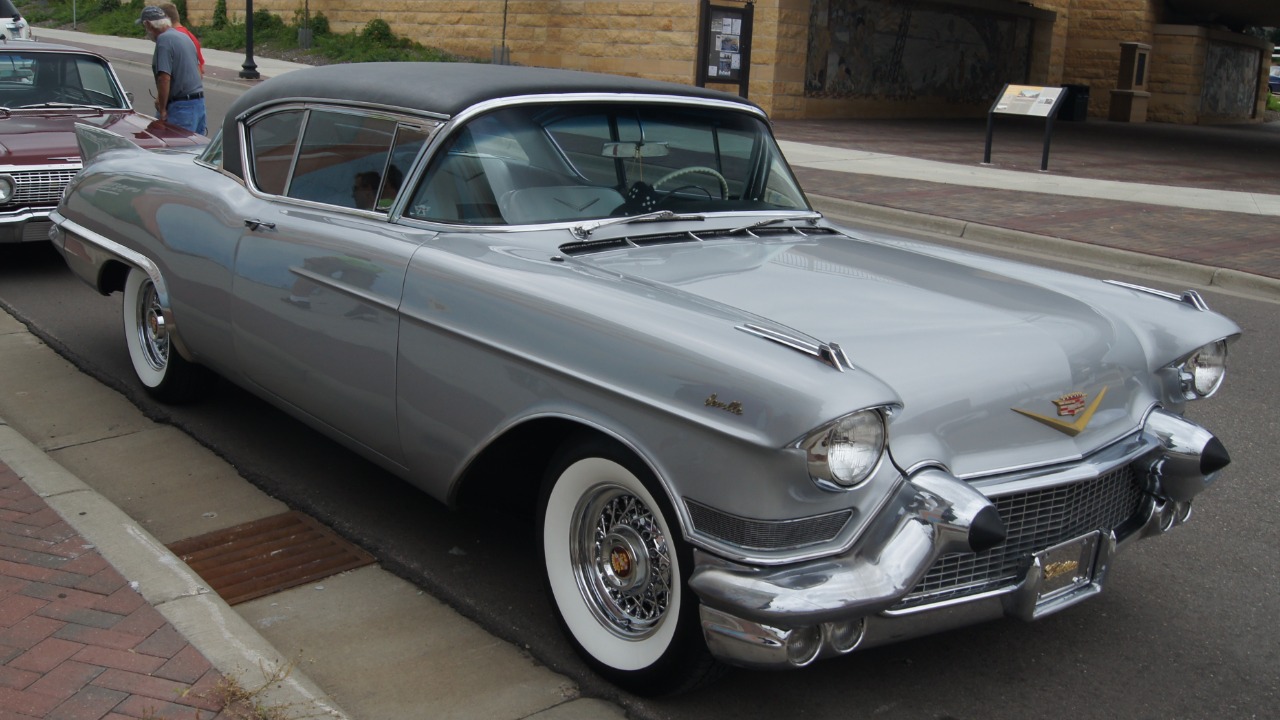
The Eldorado Seville offered a more formal interpretation of Cadillac’s personal luxury coupe. Its distinctive roofline and upscale trim separated it from other Eldorado versions. It was never as universally recognized as some of Cadillac’s more dramatic designs, making it an interesting choice for collectors looking beyond the obvious classics.
Cadillac Calais Coupe

The Calais Coupe provided Cadillac’s full-size luxury experience in a slightly less extravagant package. It shared much of the brand’s imposing styling and V8 character while sitting below the more expensive DeVille and Fleetwood models. Because many were used as ordinary personal transportation, surviving examples in excellent condition are becoming increasingly interesting.
Cadillac Fleetwood Talisman
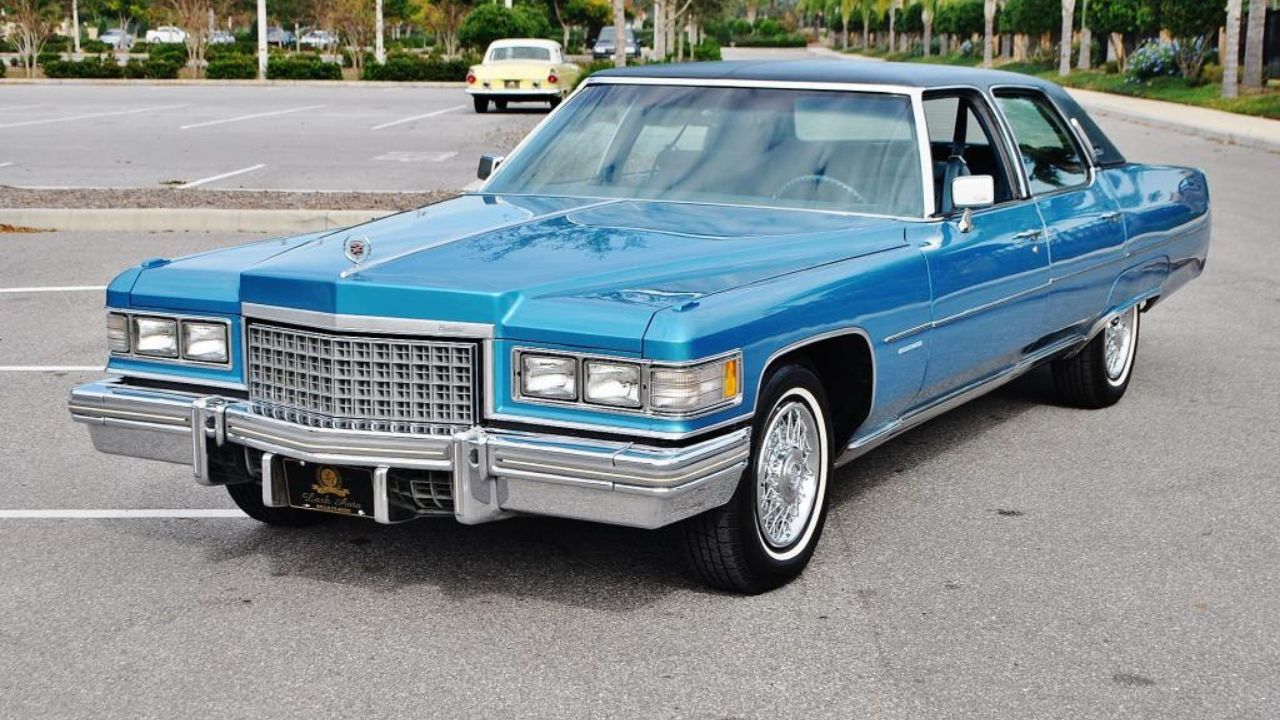
The Fleetwood Talisman represented the more luxurious side of Cadillac’s full-size sedan lineup. It offered an especially well-equipped interior and distinctive styling details intended to separate it from ordinary Fleetwood models. These cars were substantial and comfortable, but they have largely disappeared from everyday roads, leaving clean survivors as fascinating reminders of traditional American luxury.
Cadillac Seville Elegante

The Seville Elegante added upscale trim and a more distinctive appearance to Cadillac’s smaller luxury sedan. It represented Cadillac’s attempt to give buyers a compact alternative without sacrificing the brand’s premium image. The model is easy to overlook today because the Seville name eventually became associated with very different generations of Cadillac luxury cars.
Cadillac Brougham d’Elegance
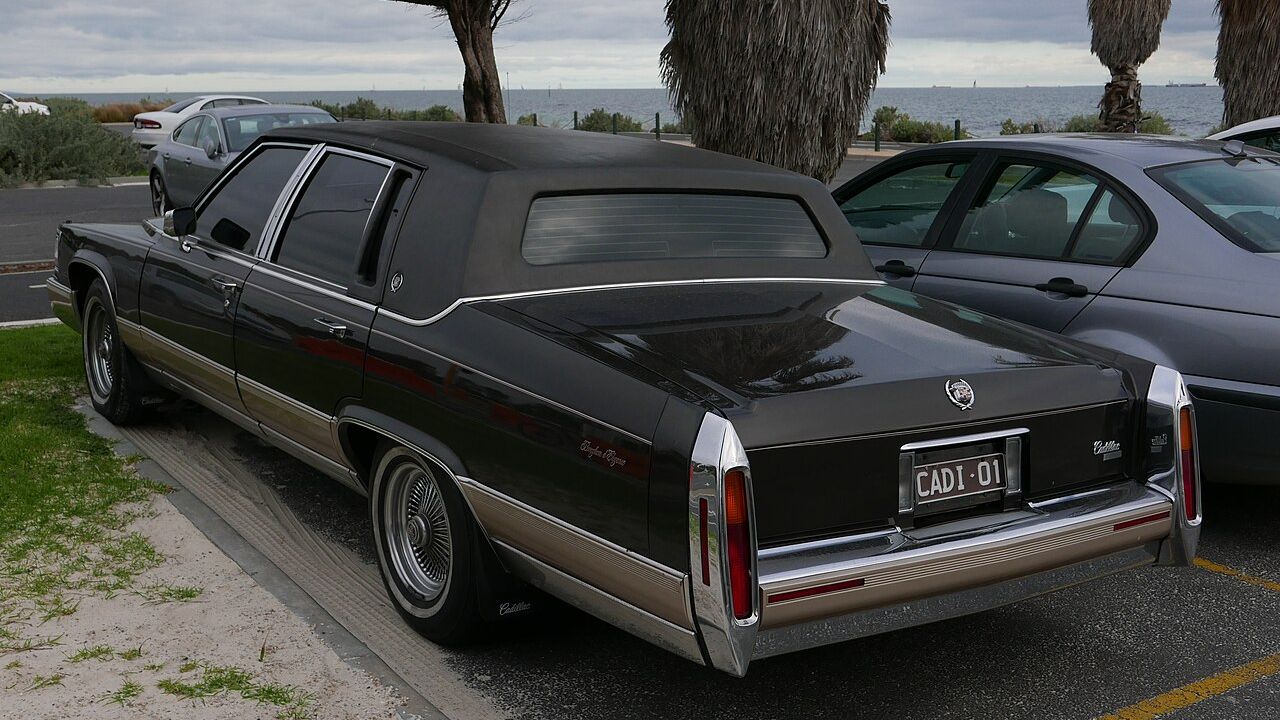
The Brougham d’Elegance took Cadillac’s traditional rear-wheel-drive luxury sedan formula and added a more lavish interior. Plush materials, formal styling, and a smooth V8 made it a favorite among buyers who wanted old-school Cadillac comfort. While the standard Brougham remains recognizable, the better-equipped d’Elegance versions receive considerably less attention.
Cadillac Cimarron

The Cimarron is often remembered for being one of Cadillac’s least successful ideas, but it deserves another look from a historical perspective. It represented the company’s attempt to respond to smaller luxury cars from European and Japanese competitors. Its compact size and front-wheel-drive layout were radically different from traditional Cadillacs, making it an important chapter in the brand’s evolution.
Cadillac Catera
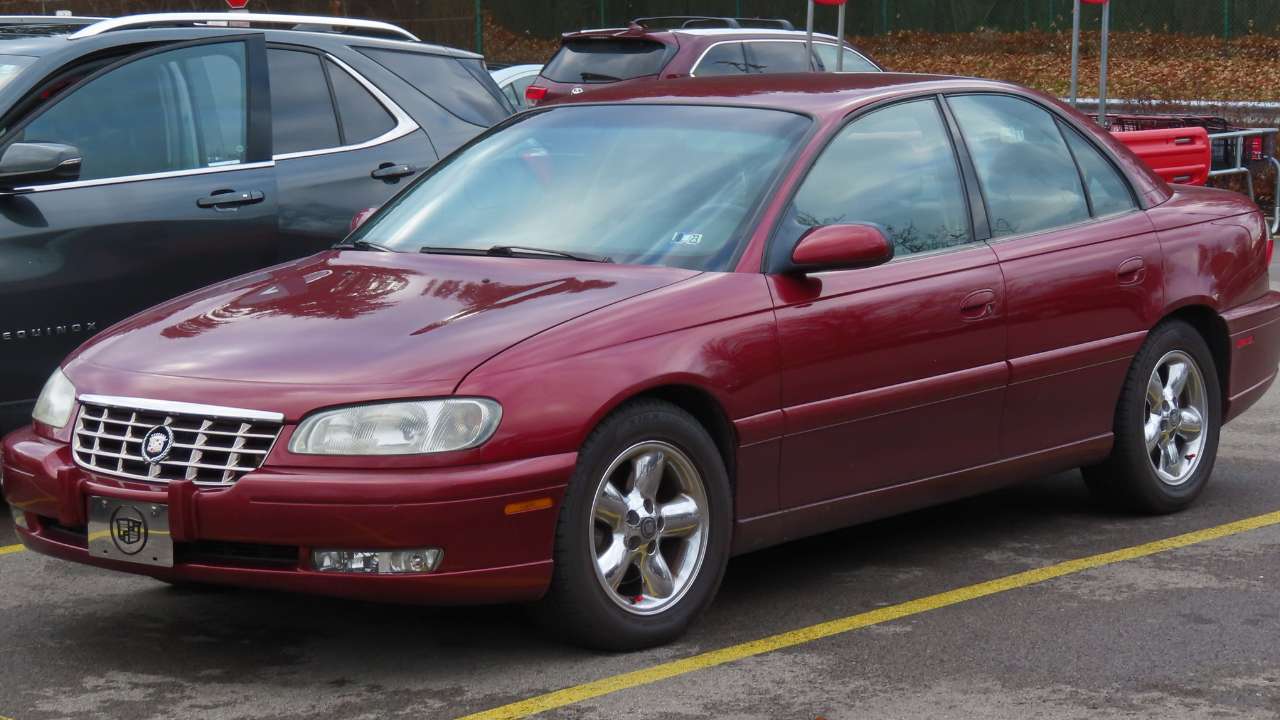
The Catera was another unusual attempt to move Cadillac toward the European luxury market. Based on the Opel Omega, it offered rear-wheel drive, a smaller footprint, and handling characteristics unlike traditional American luxury sedans. Sales were modest, and the car was quickly forgotten. Today, it provides an interesting look at Cadillac’s struggle to reinvent itself in the 1990s.
Cadillac STS
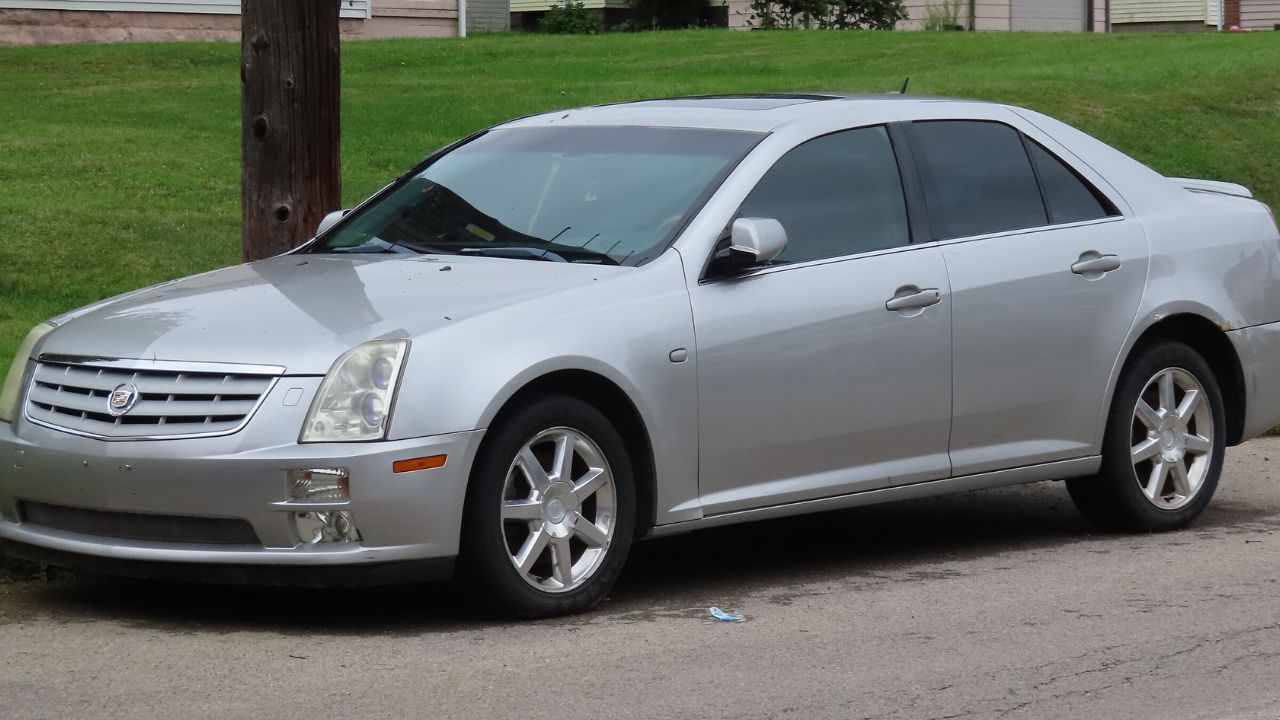
The Seville Touring Sedan brought serious performance to Cadillac’s luxury lineup while retaining a sophisticated interior and comfortable ride. Its Northstar V8 gave it strong acceleration, and its chassis was designed to compete with European sport sedans. Although the V-Series eventually became Cadillac’s performance headline, the STS helped establish the foundation for that transformation.
Cadillac XTS
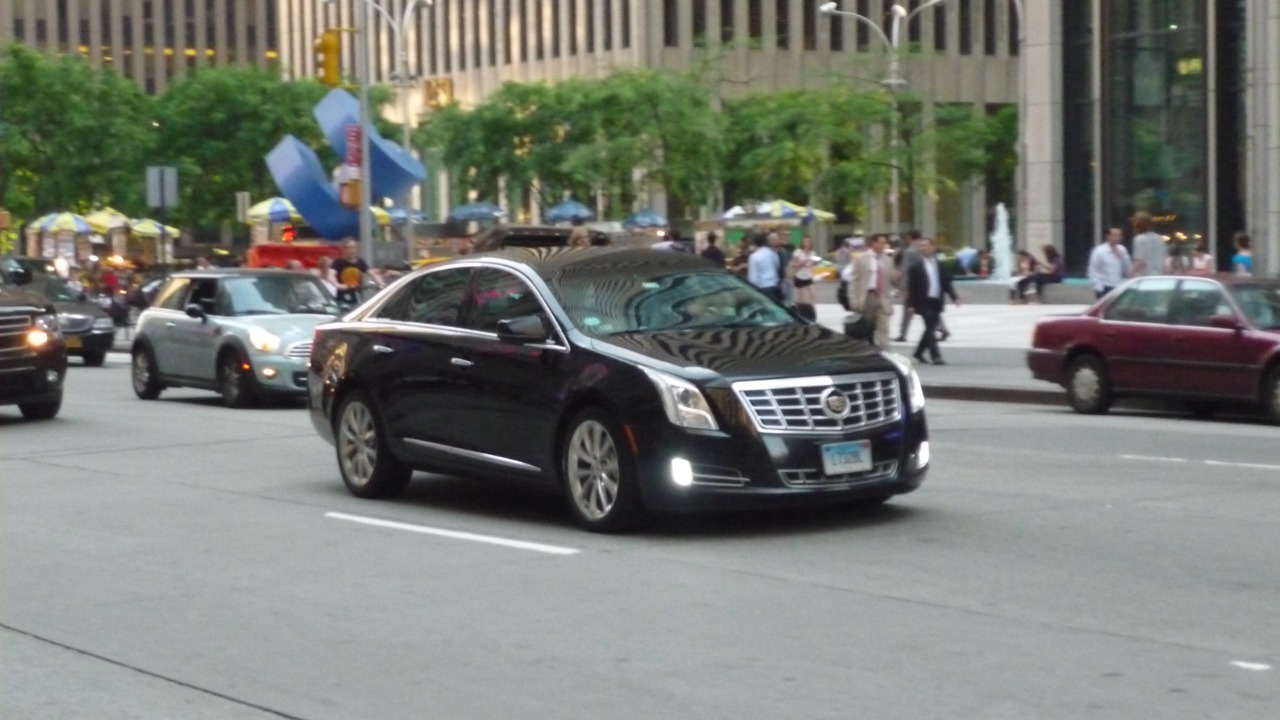
The XTS quietly served as one of Cadillac’s large luxury sedans during the brand’s transition toward newer platforms. It offered a spacious cabin, comfortable ride, and available all-wheel drive, making it a practical alternative to smaller performance-oriented Cadillacs. It never developed the cult following of the CTS-V, but well-kept examples remain appealing.
Cadillac ELR
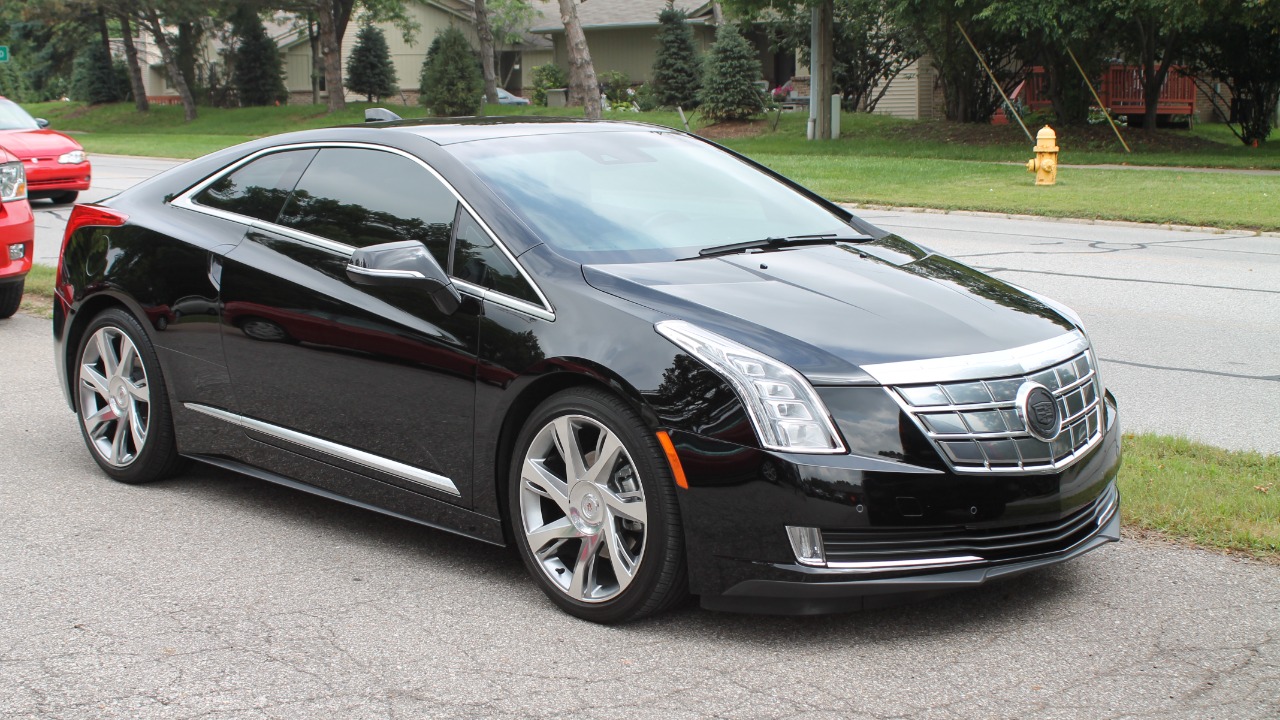
The ELR was one of Cadillac’s boldest modern experiments. It combined luxury-car styling with plug-in hybrid technology and attempted to bring an upscale personality to electrified driving. Sales were limited, but its sharp design and unusual drivetrain make it historically significant. As Cadillac moves further into electrification, the ELR looks increasingly like an early chapter in that transition.
Cadillac ATS Coupe

The ATS Coupe gave Cadillac a smaller two-door performance model aimed directly at established European rivals. Its rear-wheel-drive platform, sharp handling, and available turbocharged engines made it a serious driver’s car. Production was relatively short, and the model was quickly overshadowed by newer Cadillac performance products. That makes clean ATS Coupes worth remembering.
More from Fast Lane Only
- Unboxing the WWII Jeep in a Crate
- 15 rare Chevys collectors are quietly buying
- 10 underrated V8s still worth hunting down
- Police notice this before you even roll window down
*Research for this article included AI assistance, with all final content reviewed by human editors.