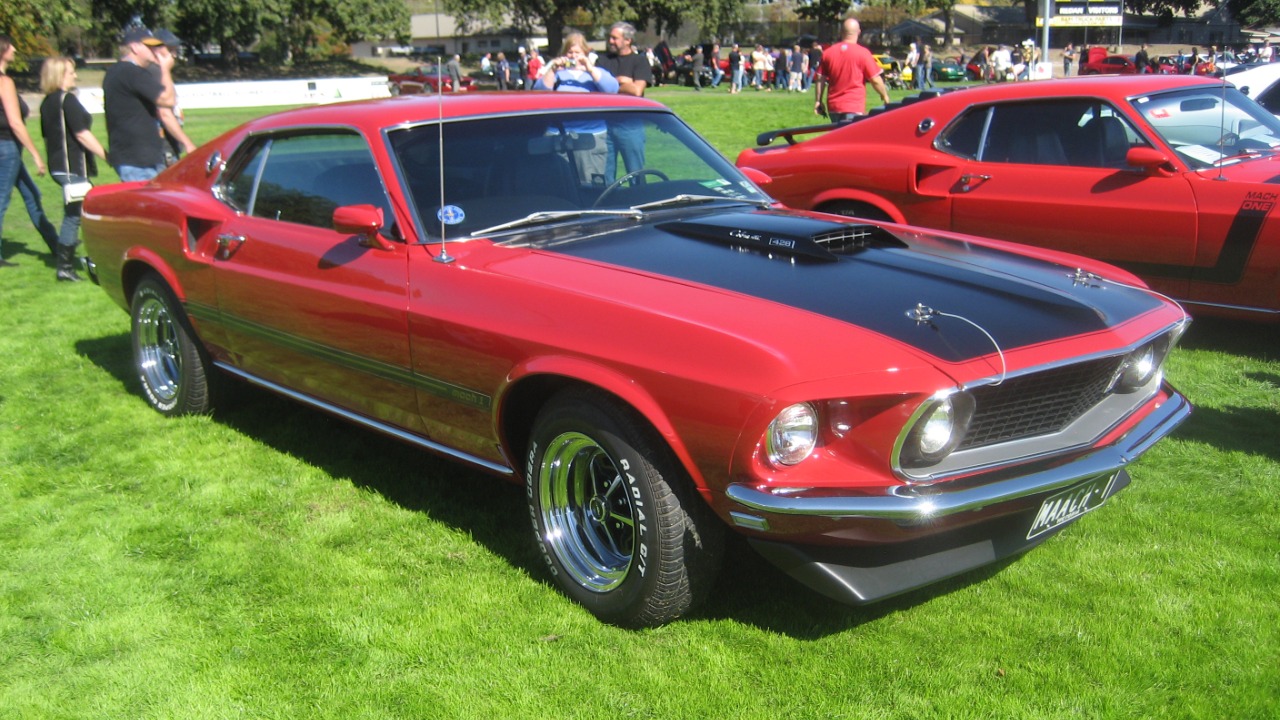
The 428 Cobra Jet is often celebrated for its raw power and performance, but what many buyers didn’t realize is that it was capable of producing even more horsepower than officially advertised. This exploration delves into the history, specifications, and legacy of this iconic engine, shedding light on the hidden potential that enthusiasts continue to uncover today.
Historical Context of the 428 Cobra Jet
The late 1960s and early 1970s marked an exhilarating time in the automotive landscape, particularly in the United States, where muscle cars were gaining popularity. As consumer demand for high-performance vehicles soared, manufacturers began to respond aggressively. The muscle car era was characterized by powerful engines, aggressive styling, and a sense of freedom on the open road. Amid this backdrop, the introduction of the 428 Cobra Jet by Ford in 1968 marked a significant milestone in the competitive muscle car arena.
Positioned as a formidable contender against rivals like the Chevrolet Camaro and Pontiac GTO, the 428 Cobra Jet quickly became an attractive option for performance enthusiasts. With a focus on delivering raw power and speed, Ford aimed to capture the hearts of American drivers. The Cobra Jet was designed to be a high-performance variant of the standard 428 cubic inch engine, leveraging advanced engineering to meet the growing consumer appetite for speed and power.
Specifications and Engineering of the 428 Cobra Jet
The 428 Cobra Jet boasted impressive specifications that contributed to its reputation as a muscle car powerhouse. With a displacement of 428 cubic inches, the engine was rated at 335 horsepower and 420 lb-ft of torque. While these numbers were significant at the time, many enthusiasts believe the true output was substantially higher. The engine featured a unique intake manifold design that enhanced airflow, coupled with a high-performance camshaft and exhaust system that further boosted its potential.
One of the standout engineering features of the 428 Cobra Jet was its “Ram Air” system, which utilized functional scoops to channel cool air directly into the engine. This design not only improved performance but also created a distinct rumble that became synonymous with the Cobra Jet experience. When compared to other engines in the Ford lineup, such as the 390 and 427, the 428 Cobra Jet offered an optimal balance of power and drivability, cementing its status as one of the most revered engines in Ford’s history.
The Power of Marketing and Horsepower Ratings
During the late 1960s, automotive manufacturers were often selective in how they presented horsepower ratings. Ford, like many of its competitors, engaged in a practice of underrating engine performance to appeal to insurance companies and consumers who were cautious about high-powered vehicles. This marketing strategy effectively positioned the 428 Cobra Jet as a formidable yet manageable option for buyers.
Many enthusiasts and historians argue that the actual horsepower figures for the 428 Cobra Jet were significantly higher than the advertised 335. Several performance tests conducted by independent reviewers revealed that the engine could produce closer to 400 horsepower under optimal conditions. This discrepancy illustrates the lengths to which manufacturers would go to maintain a favorable public image while still delivering exhilarating performance. For a deeper dive into the marketing strategies of this period, resources like “The Classic 428 Cobra Jet: Performance and Marketing” provide valuable insights.
Performance Testing and Real-World Results
The true test of the 428 Cobra Jet’s capabilities came on the racetrack and the streets. Numerous independent tests showed that vehicles equipped with the Cobra Jet engine could achieve quarter-mile times in the low 13-second range, with top speeds reaching well over 120 mph. These results not only showcased the engine’s performance but also solidified its reputation among car enthusiasts and racers. Drivers who owned cars like the 1969 Ford Mustang Mach 1 often reported exhilarating experiences, pushing the limits of their vehicles and experiencing the true thrill of American muscle.
Anecdotal evidence from owners reveals stories of modified 428 Cobra Jets producing even more power, thanks to aftermarket enhancements such as upgraded carburetors, headers, and more aggressive camshaft profiles. These modifications allowed enthusiasts to unlock the engine’s hidden potential, transforming their classic muscle cars into formidable street machines. Online forums and communities dedicated to classic Ford vehicles often feature discussions about these upgrades, with many owners sharing tips and tricks for maximizing performance. The enthusiasm for pushing the 428 Cobra Jet beyond its factory ratings has kept the spirit of this engine alive among gearheads and racers alike.
Legacy and Cultural Impact of the 428 Cobra Jet
The 428 Cobra Jet has left an indelible mark on the Ford brand and the muscle car segment as a whole. Its influence can be seen in modern Ford performance models, where the spirit of the Cobra Jet continues to inspire engineering and design. Cars like the Ford Mustang GT500 have adopted performance enhancements that echo the principles established by the 428 Cobra Jet, ensuring that its legacy endures in the automotive world.
Today, vehicles equipped with the 428 Cobra Jet are highly collectible and sought after by vintage car enthusiasts. Auction prices for well-preserved models, such as the 1969 Ford Mustang Mach 1 and the 1970 Ford Torino Cobra, often reach staggering amounts, reflecting their desirability and cultural significance. The 428 Cobra Jet has become a symbol of American automotive engineering, embodying the raw power and performance that defined the muscle car era.
Modern Appreciation and Restoration of the 428 Cobra Jet
The resurgence of interest in classic cars has led to a renewed appreciation for the 428 Cobra Jet among modern enthusiasts. Restoration projects focused on these engines are more common than ever, with dedicated communities sharing knowledge and resources. Enthusiasts are not only preserving the original specifications but are also exploring ways to enhance performance using modern technology while maintaining the engine’s authentic character.
Numerous resources are available for those looking to restore or upgrade their 428 Cobra Jet engines. Online forums, such as the Ford Muscle Car Forum, provide a platform for enthusiasts to connect, share advice, and source parts. Additionally, restoration guides, like those found in “The Complete Guide to Classic Ford Restorations,” offer detailed insights into the restoration process, helping owners navigate the complexities of bringing their classic muscle cars back to life.
The modern appreciation for the 428 Cobra Jet is not just about nostalgia; it represents a deep-seated passion for automotive performance and heritage. As more enthusiasts take on restoration projects, the stories of these engines continue to be told, ensuring that the legacy of the 428 Cobra Jet remains alive for future generations.
More from Fast Lane Only
- Unboxing the WWII Jeep in a Crate
- 15 rare Chevys collectors are quietly buying
- 10 underrated V8s still worth hunting down
- Police notice this before you even roll window down
*Research for this article included AI assistance, with all final content reviewed by human editors.