Some Chevrolets fade from the spotlight not because they were bad, but because they lived in the shadow of bigger names. Ask working mechanics what they’d actually keep around, though, and you’ll hear a different story—cars and trucks that are straightforward to diagnose, forgiving to repair, and still useful even when they’re old. Here are 19 forgotten or underappreciated Chevys that plenty of wrench-turners quietly refuse to let go.
Chevrolet Corvair
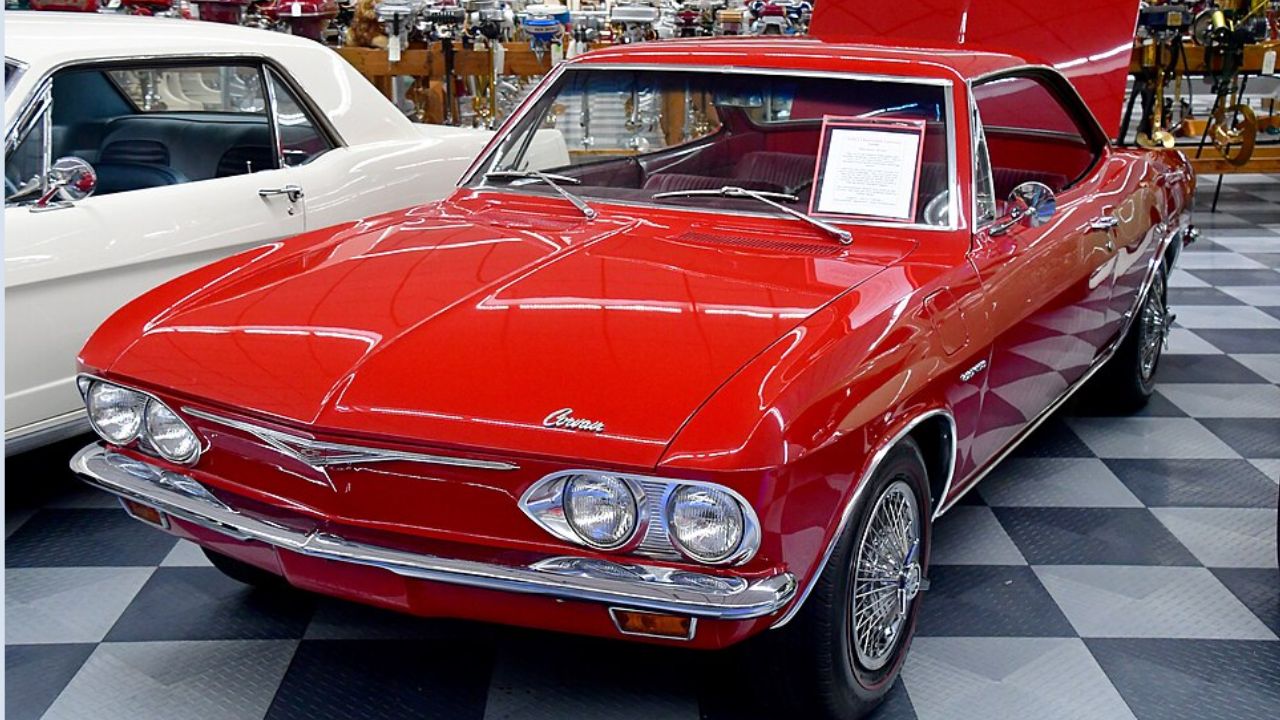
The early Corvair is remembered more for controversy than for how thoughtfully engineered it was. Its rear-mounted, air-cooled flat-six is compact and surprisingly serviceable once you learn the layout, and the car’s simple packaging leaves room to work. Mechanics who like oddball engineering appreciate that it doesn’t feel like a generic compact from the era.
In stock form it’s not a race car, but it’s a solid driver when properly sorted. Many owners also like that it introduced mainstream America to independent rear suspension in a Chevrolet, even if the execution evolved over time.
Chevrolet Chevy II Nova
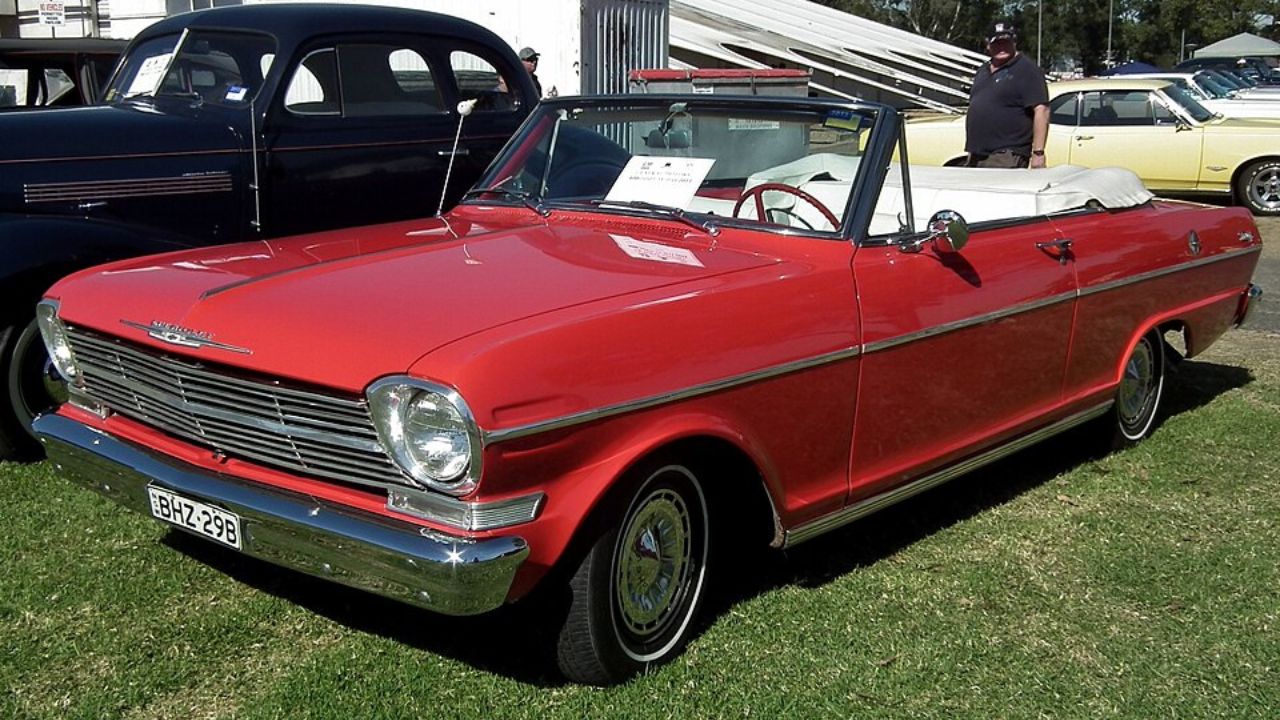
The early Chevy II is the definition of honest transportation—light, simple, and easy to understand. With straightforward suspension and plenty of engine-bay room, it’s the kind of car where common repairs don’t turn into weekend-long projects. Even in six-cylinder trim, it’s a car that’s hard to hate once you’ve kept one on the road.
It also became a popular platform for V8 swaps later, which helped keep parts support and knowledge alive. Mechanics often like them because there’s very little “mystery” in the way they’re put together.
Chevrolet Biscayne
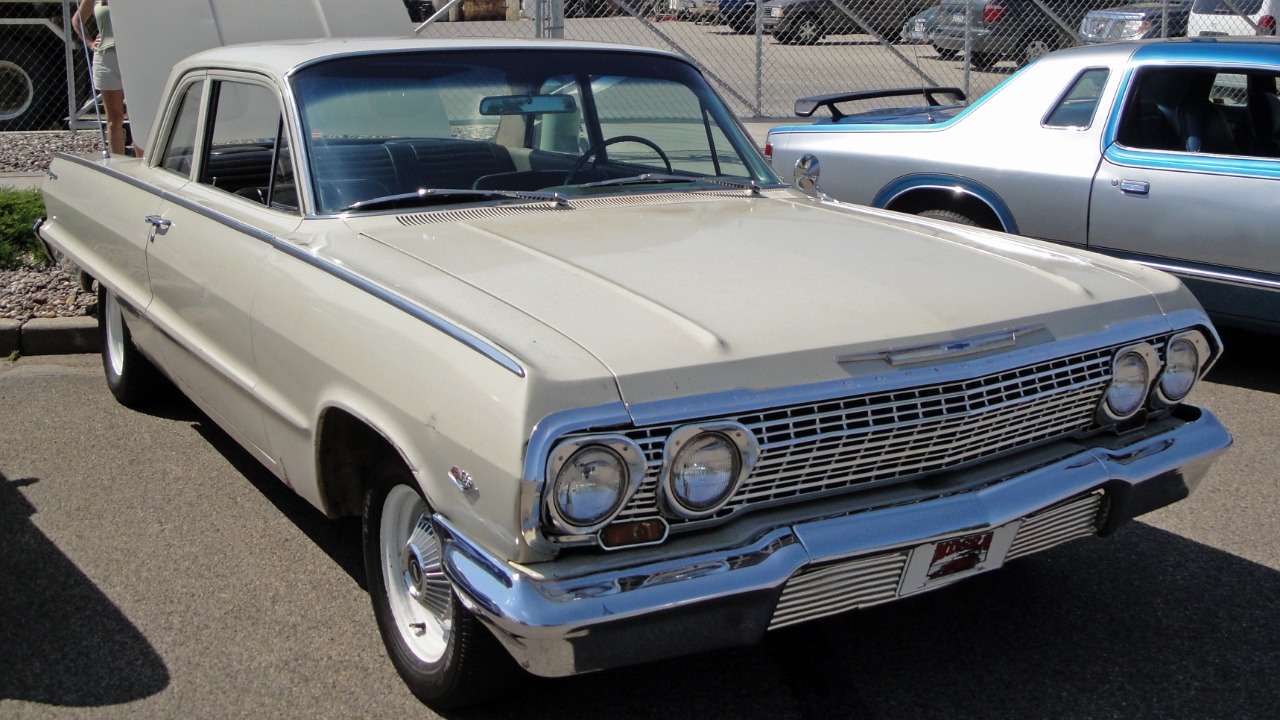
The Biscayne was Chevrolet’s no-frills full-size sedan, and that’s exactly why some mechanics love it. You get the same basic big-car architecture as the more glamorous Impala, but usually with fewer power accessories to fail. The result is a roomy, comfortable cruiser that’s typically easier to keep functioning.
These were also common fleet cars, which means many were maintained on schedules and built with durability in mind. When you want a classic full-size Chevy without the extra complication, the Biscayne fits the bill.
Chevrolet Vega
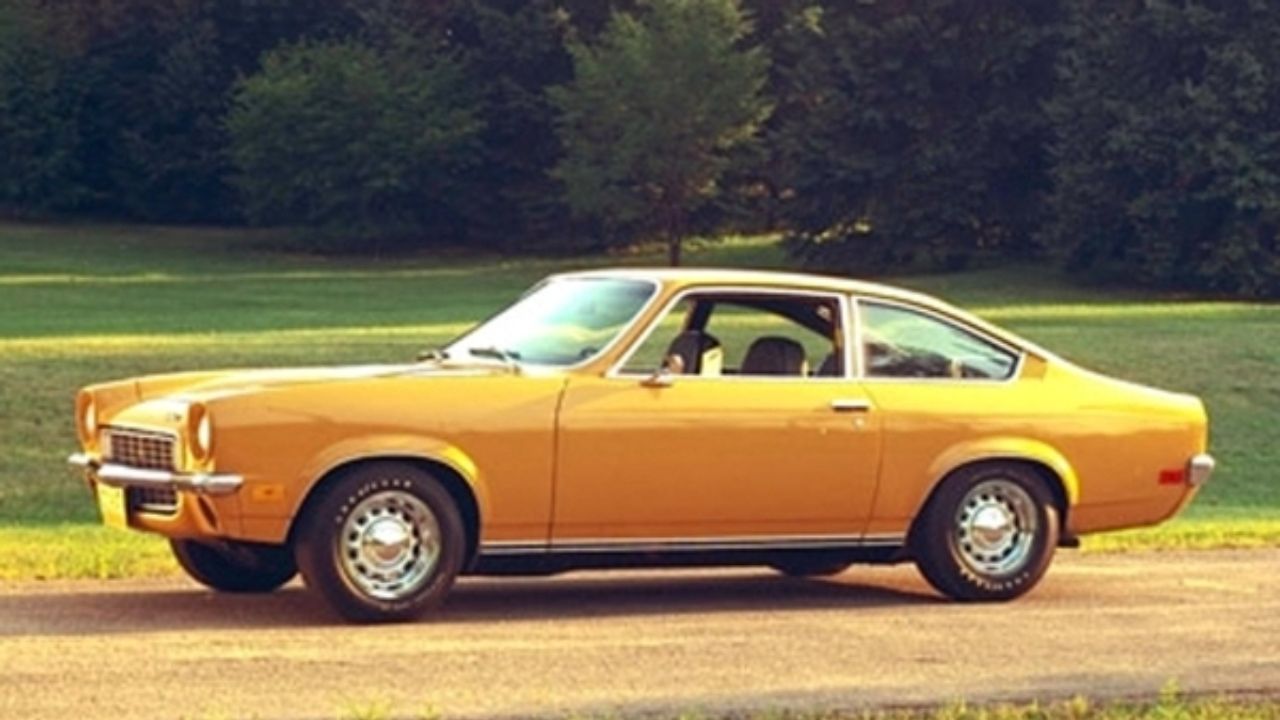
The Vega has a complicated reputation, and it’s not all undeserved—early examples had well-known durability problems, especially if neglected. But because so many have been studied, repaired, modified, and improved over the decades, a properly updated Vega can be a surprisingly enjoyable little car. Mechanics who like rescuing the misunderstood tend to keep one as a project that rewards careful work.
Its lightweight chassis and simple layout make it approachable, and period-correct fixes are well documented. It’s less about claiming it was perfect and more about appreciating what it can be when treated right.
Chevrolet Monza
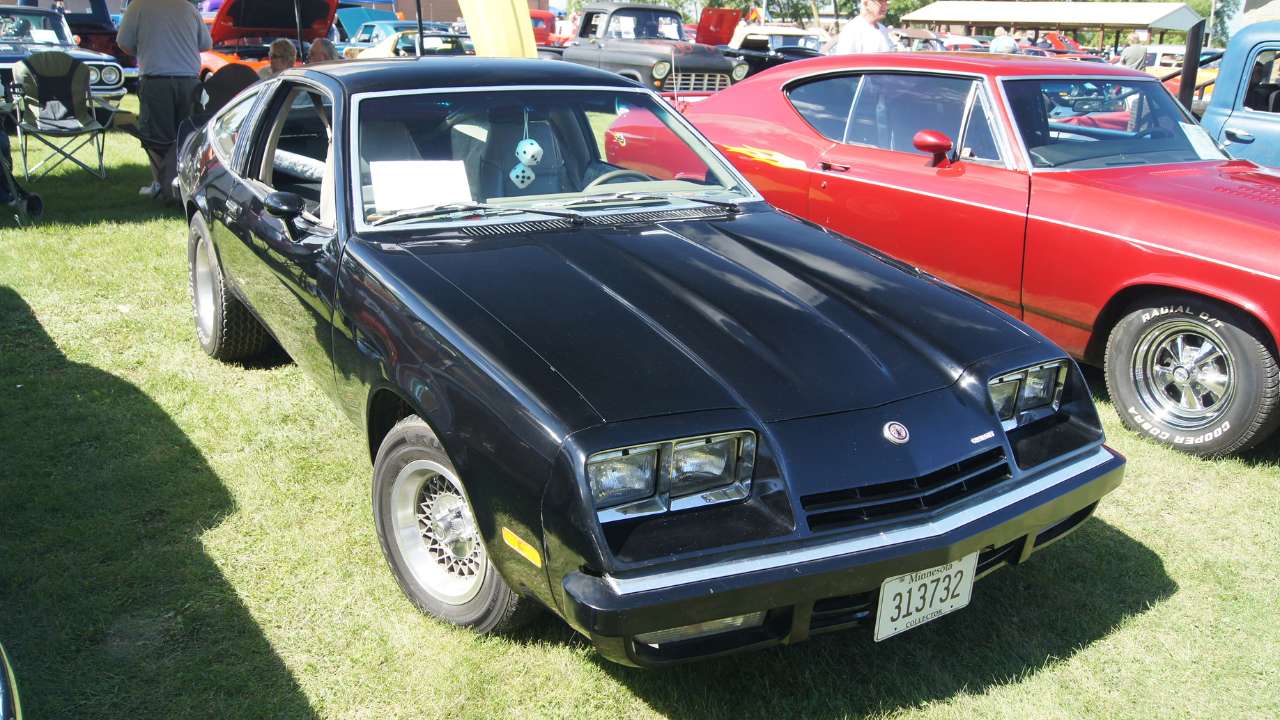
The Monza is often remembered as a styling-forward compact that arrived during a confusing era for performance. Underneath, it shares themes with other GM H-body cars, and that familiarity is helpful when you’re maintaining one today. It’s a car that rewards basic mechanical competence rather than specialized tools or software.
Because it isn’t as collectible as some contemporaries, owners often drive them instead of treating them like museum pieces. That “use it, fix it, keep it” culture is exactly what many mechanics prefer.
Chevrolet C10
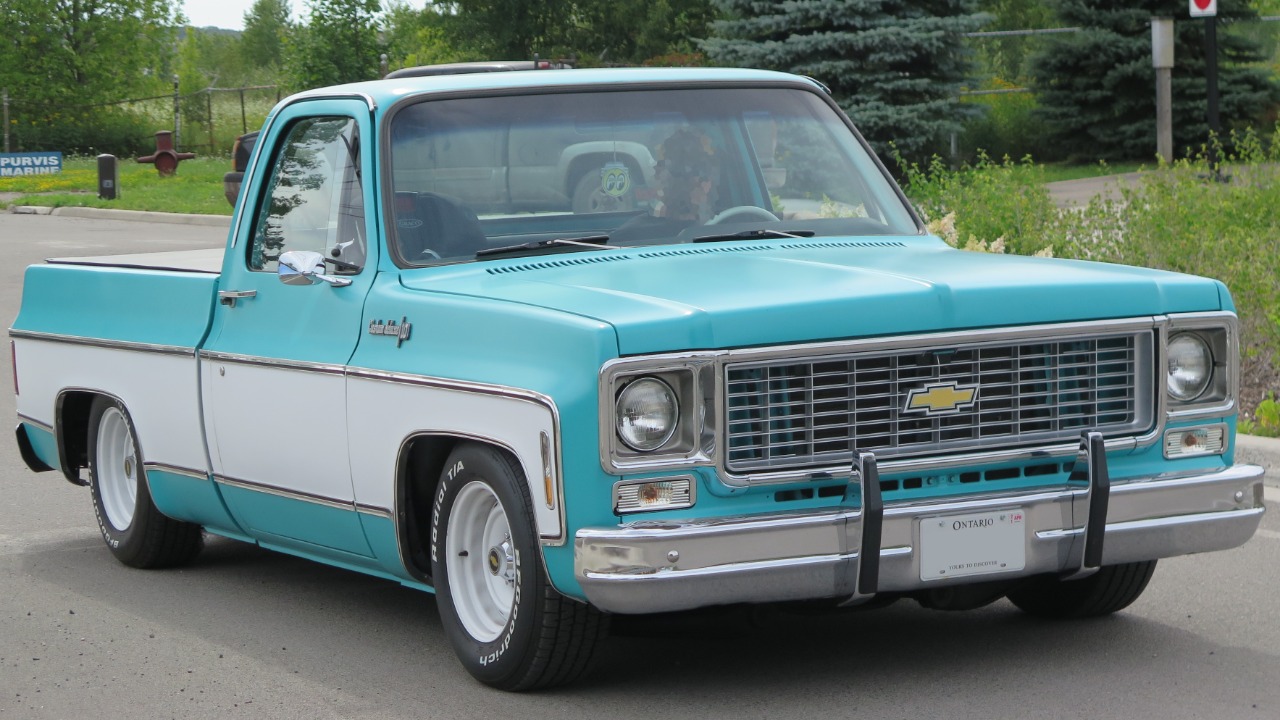
The 1973–1987 “square-body” trucks have a loyal following, but the early C10s still feel a bit overlooked compared with the later, more common survivors. The chassis is straightforward, parts availability is excellent, and the engine bays are friendly to hands and tools. For a mechanic, it’s the kind of truck that makes sense to keep because it can still do real truck work.
They’re also easy to improve subtly—brakes, steering, cooling—without changing the truck’s personality. That blend of usability and simplicity is hard to replace.
Chevrolet LUV
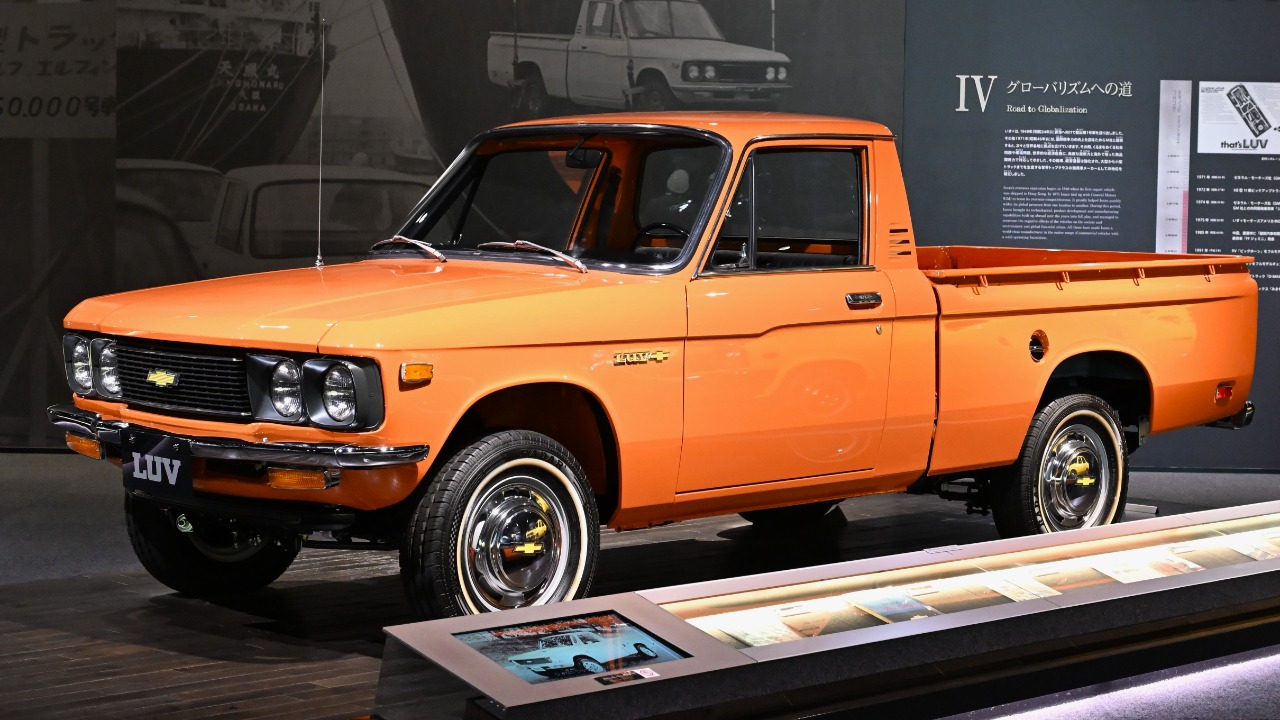
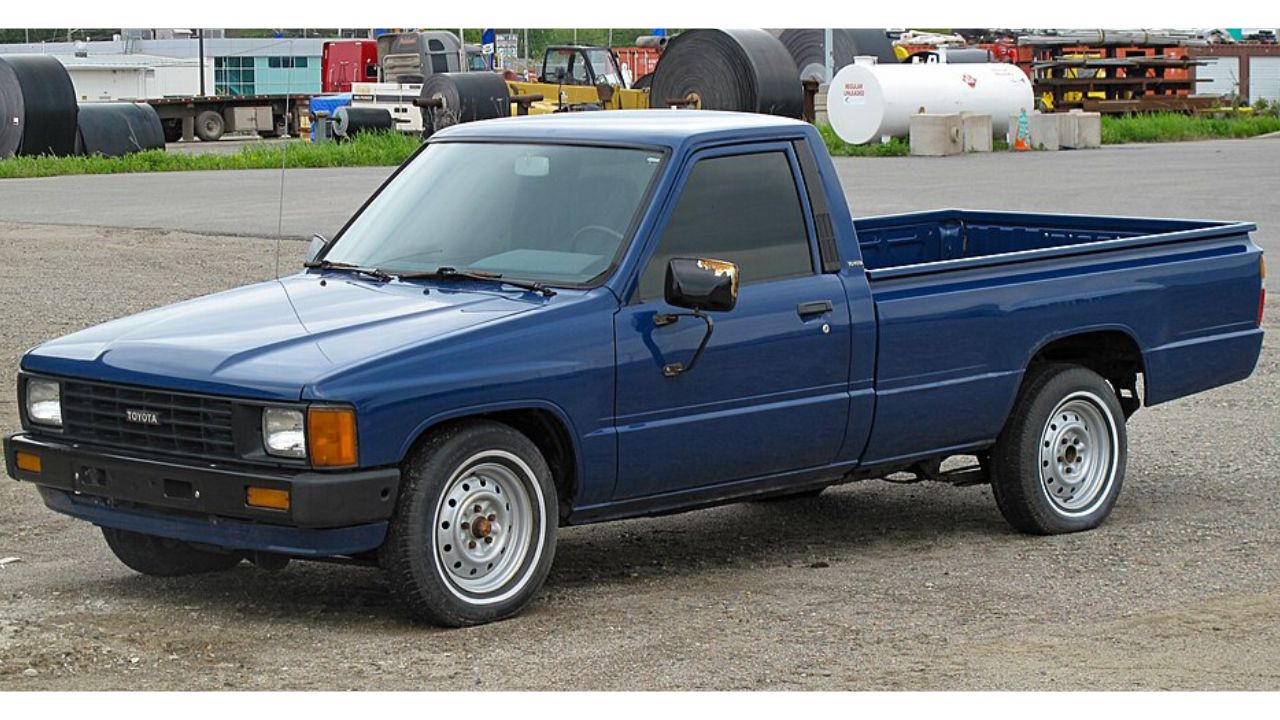
The Chevrolet LUV is a small pickup that many people forget was ever sold under the Chevy badge. Built by Isuzu and marketed through Chevrolet dealers, it’s simple, light, and surprisingly handy around a shop or property. Mechanics who like compact utility vehicles appreciate how easy it is to maneuver and how little it asks for in return.
It’s also a reminder of a transitional moment when American dealers were filling gaps with imported designs. Kept in good shape, a LUV is a practical classic that still earns its keep.
Chevrolet Citation
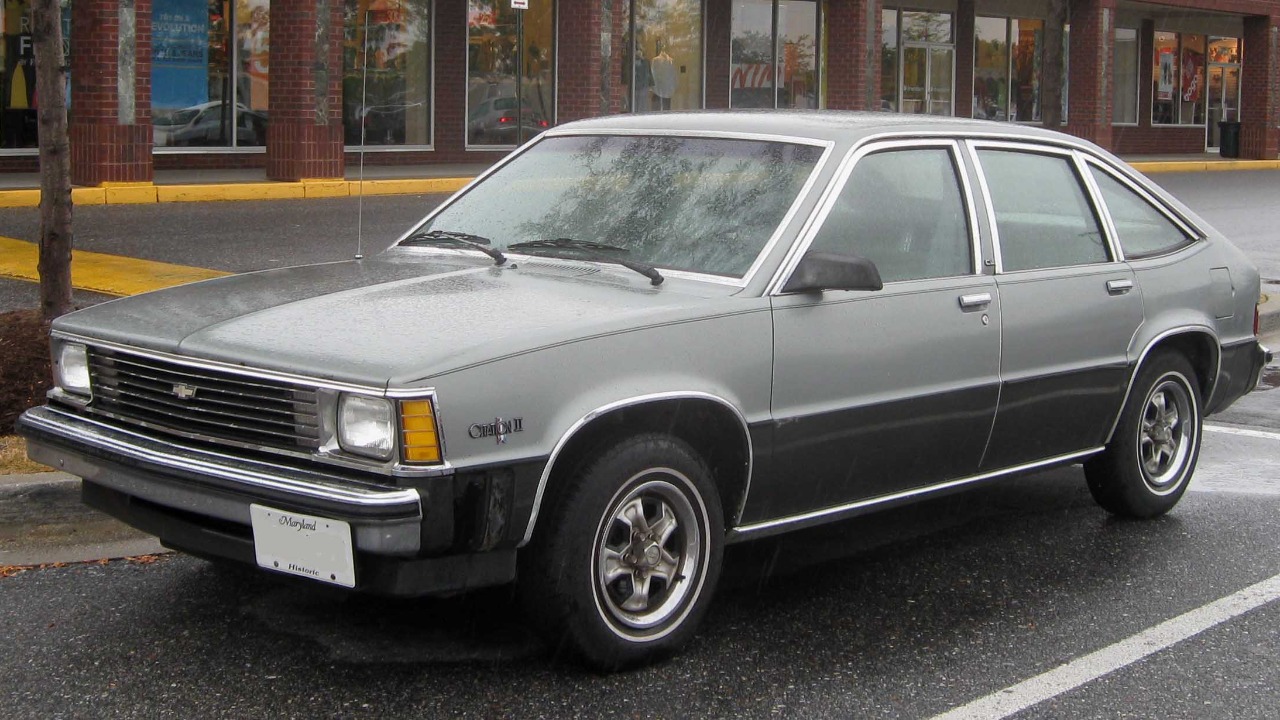
The Citation and its X-body siblings were hugely important to GM, even if they’re not commonly celebrated today. What makes them interesting to some mechanics is that they represent a bridge into modern front-wheel-drive packaging and service routines. The cars themselves can be basic transportation when maintained, and their simplicity can be appealing compared to later, more electronics-heavy compacts.
They’re not collectibles in the usual sense, which means the people who keep them do it because they genuinely want to. That alone puts them in “mechanic keeper” territory.
Chevrolet Celebrity

The Celebrity is easy to dismiss until you remember how many families relied on A-body Chevrolets for years. It’s a straightforward, comfortable commuter with conventional service needs and lots of shared GM parts DNA. For mechanics, that translates into familiarity and predictable repairs.
Because they were everywhere, the knowledge base is deep even if the cars are now scarce. A clean Celebrity feels like a time capsule of practical 1980s engineering.
Chevrolet S-10
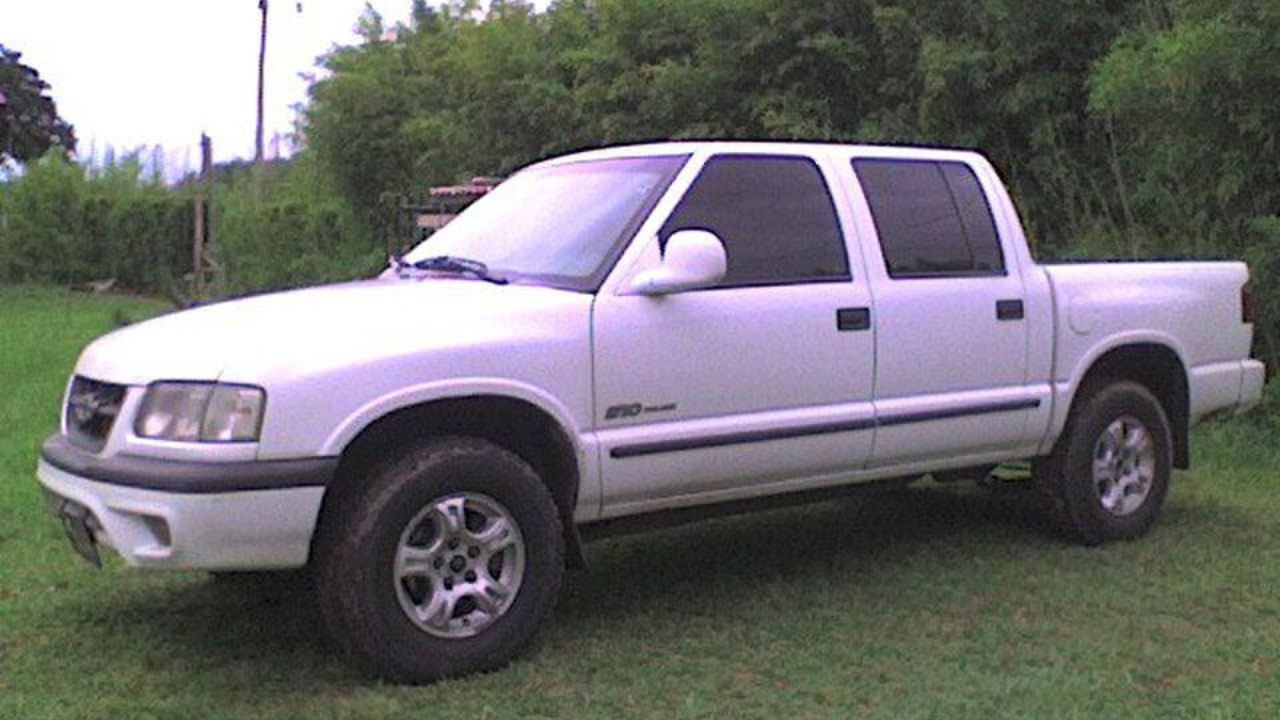
The first-generation S-10 is a compact truck that’s still loved for being the right size and the right level of simple. It’s easy to work on, easy to park, and capable enough for light hauling and shop errands. Mechanics often keep them because they can fix most things with basic tools and a little experience.
It also spawned a huge ecosystem of parts and swaps, which keeps them viable long after many small trucks disappeared. Even a tired one is usually worth saving.
Chevrolet Caprice
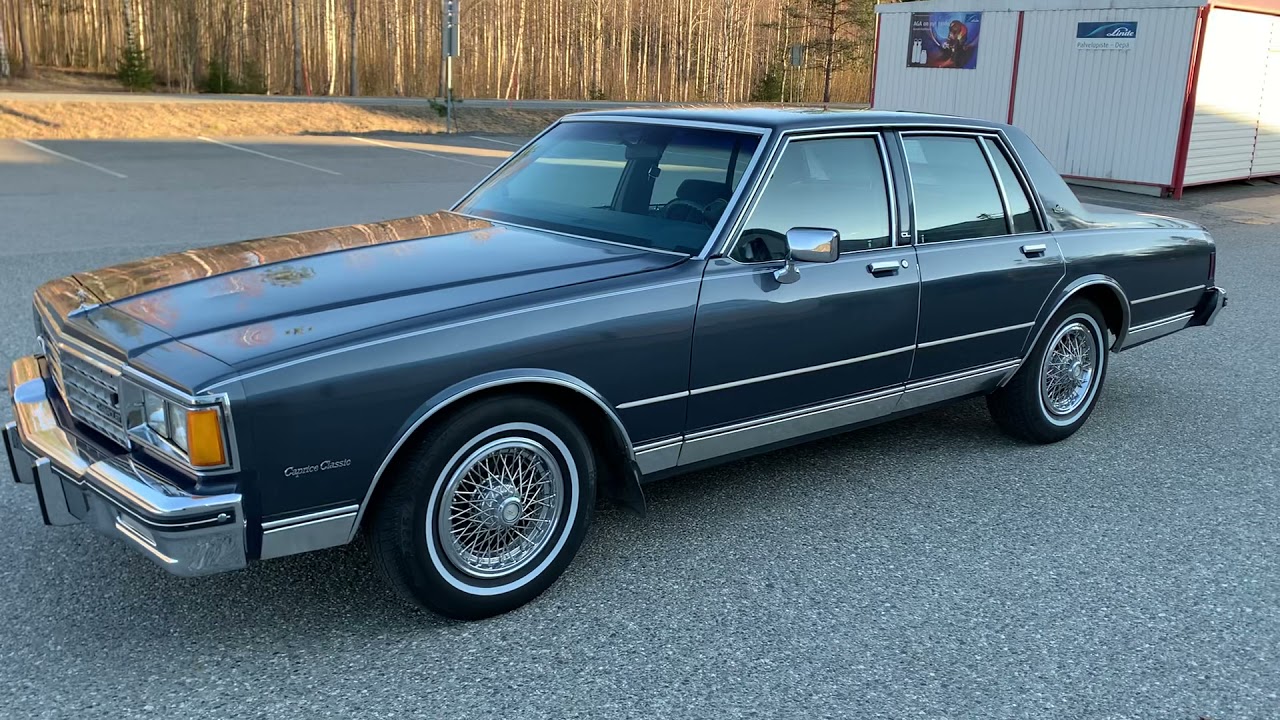
The boxy Caprice from the late 1980s is a favorite among people who value straightforward, body-on-frame durability. These were common in fleets, which means service procedures are well known and many parts have been available for decades. For a mechanic, that’s comforting—there are few surprises.
They’re also comfortable, spacious, and built for long miles. When you want a classic that’s more “daily driver” than “weekend trophy,” the Caprice makes a strong case.
Chevrolet Cavalier Z24
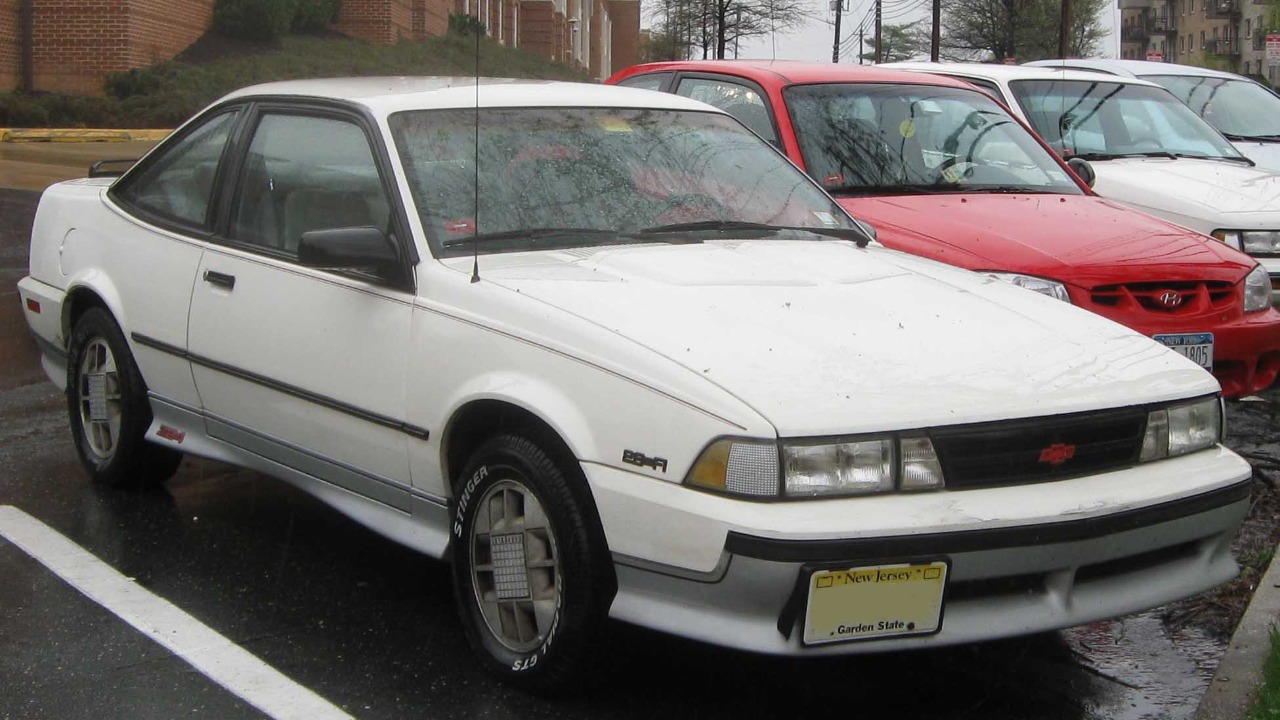
The Cavalier was everywhere, but the Z24 trim is the one enthusiasts and mechanics tend to remember. It offered sportier intent in a package that’s still relatively simple to maintain compared with later compacts. The appeal is that it’s an approachable, parts-friendly car that doesn’t require exotic knowledge to keep running.
Clean survivors are getting rarer, which makes the ones that remain feel more special than their mass-market origins suggest. It’s the kind of car a mechanic keeps because it’s familiar and honest.
Chevrolet Lumina
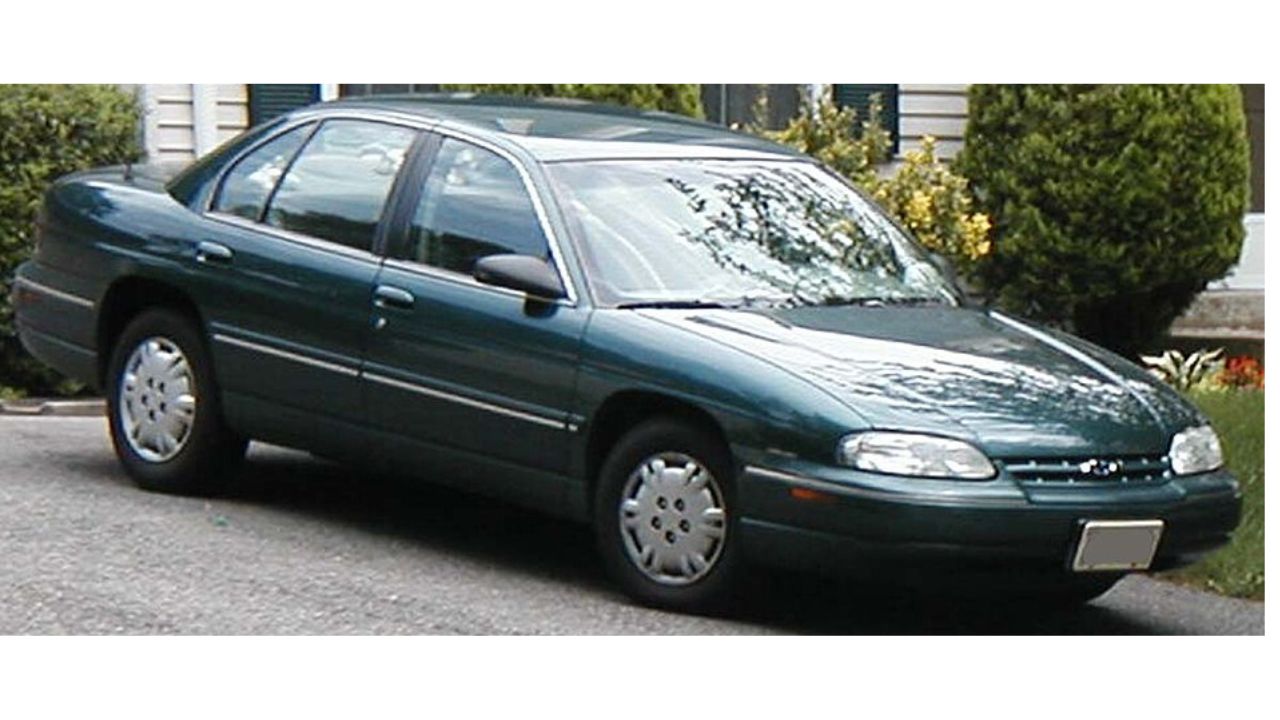
The Lumina sedan is often overlooked next to sportier 1990s nameplates, yet it served as a dependable family car for a lot of households. Its mainstream engineering and shared GM components make routine repairs uncomplicated. Mechanics who like cars that don’t fight back can appreciate that.
It’s also a snapshot of an era when comfort and practicality mattered more than screens and sensors. Kept in good condition, it’s a smooth, easygoing cruiser.
Chevrolet S-10 Blazer (two-door)
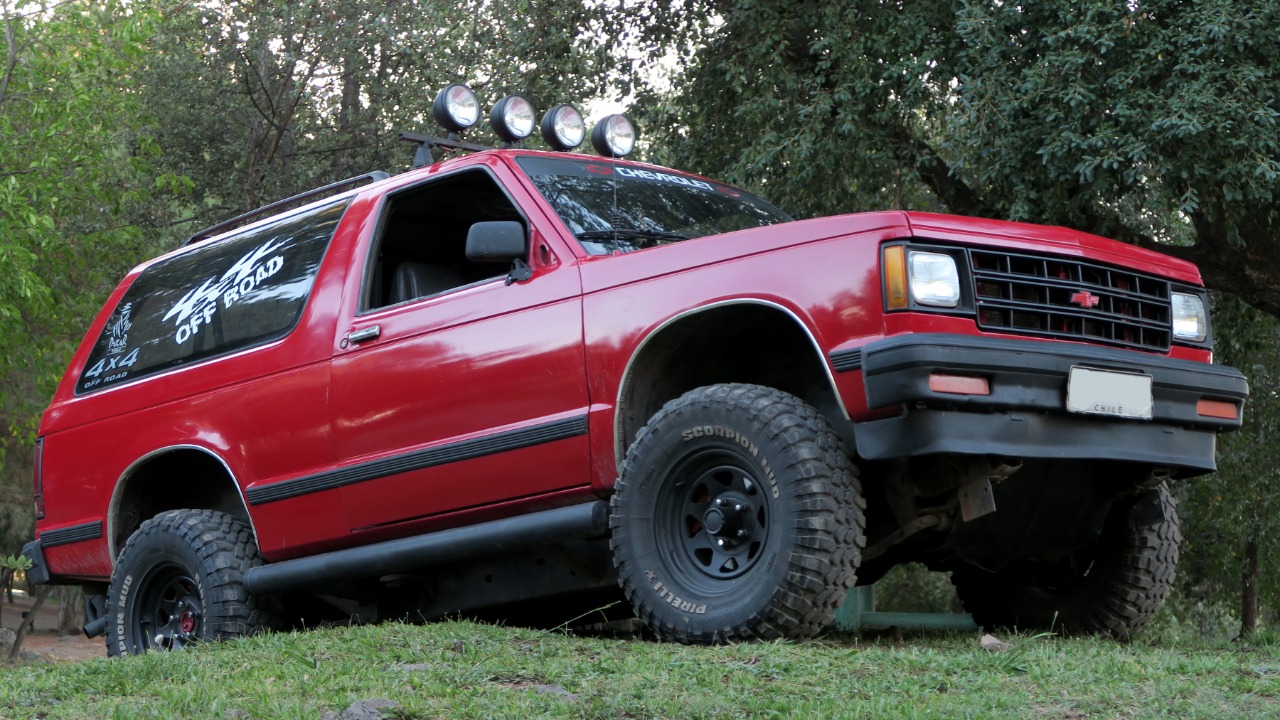
The two-door S-10 Blazer hits a sweet spot: compact outside, useful inside, and generally straightforward to service. It’s small enough to feel nimble but still offers real SUV utility. For mechanics, that combination makes it a “keep it forever” vehicle—especially when newer SUVs feel too complex for their own good.
Because it shares so much with the S-10 pickup, it benefits from broad parts availability and familiarity. It’s the kind of vehicle that’s easy to justify holding onto.
Chevrolet Camaro
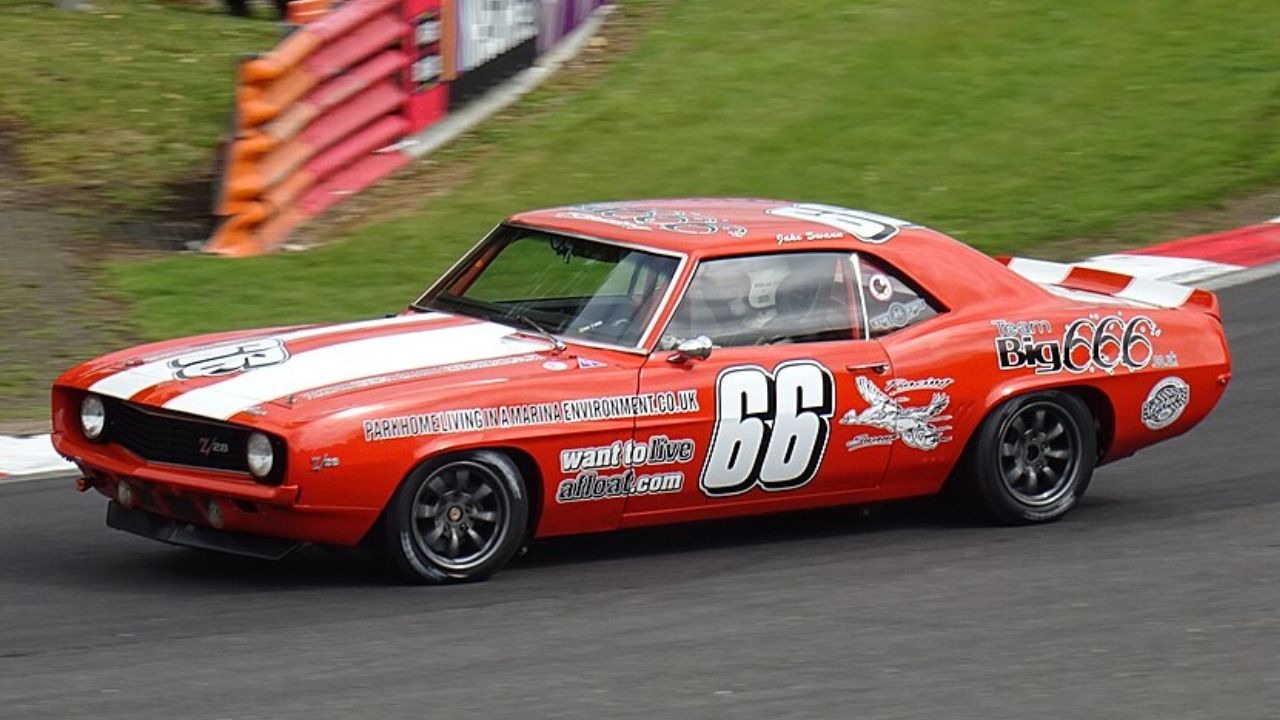
The third-gen Camaro spent years being the “in-between” F-body, sandwiched between the chrome-bumper classics and the later LS-powered wave. But it’s lighter than it looks, relatively simple, and still very much a driver’s car. Mechanics often like them because the fundamentals—brakes, suspension, drivetrain—are approachable without turning the garage into a research lab.
It’s also a car where incremental improvements can make a big difference. A well-sorted third-gen feels more modern than its reputation suggests.
Chevrolet Impala SS
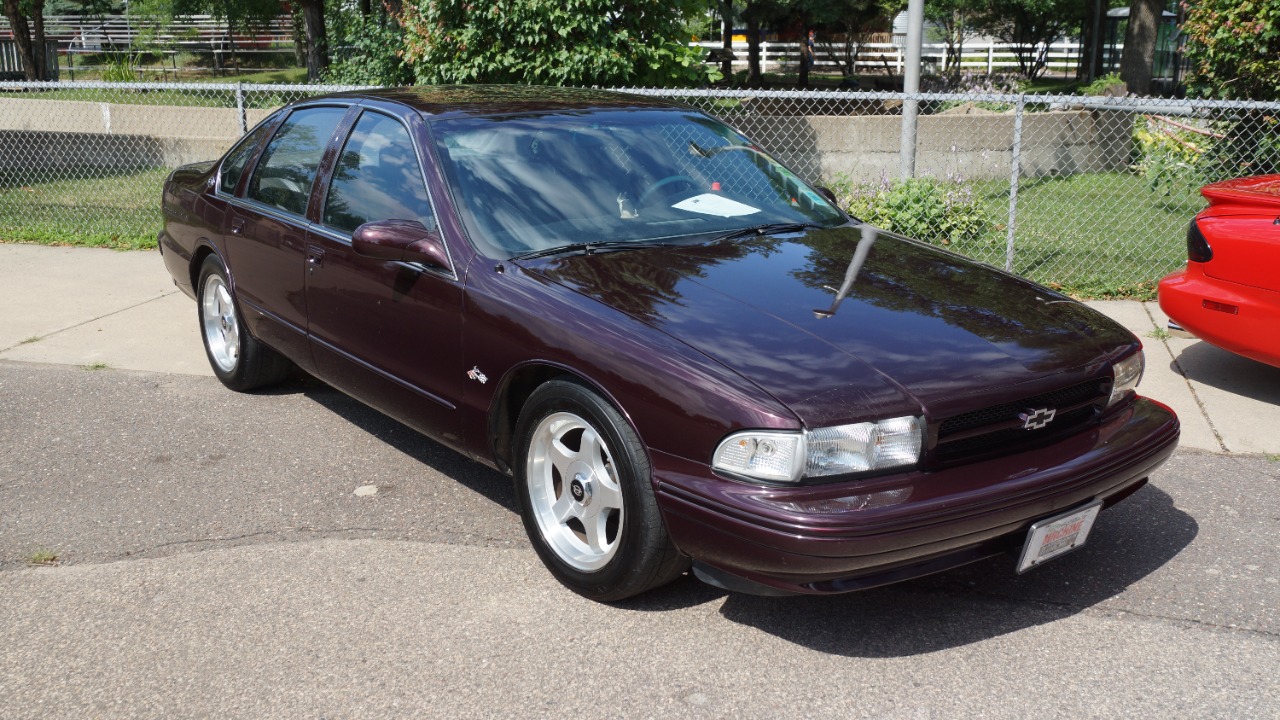
The Impala SS is remembered by enthusiasts, but it’s still “forgotten” in the broader public compared with older muscle cars. Built on the B-body platform, it combines a full-size, body-on-frame layout with a factory performance vibe. Mechanics like that it’s fundamentally a tough, serviceable sedan that happens to be special.
It’s also tied closely to the era’s police-package hardware, which helped parts and know-how remain strong. When you want a classic that’s both fun and practical, it’s hard to beat.
Chevrolet Beretta
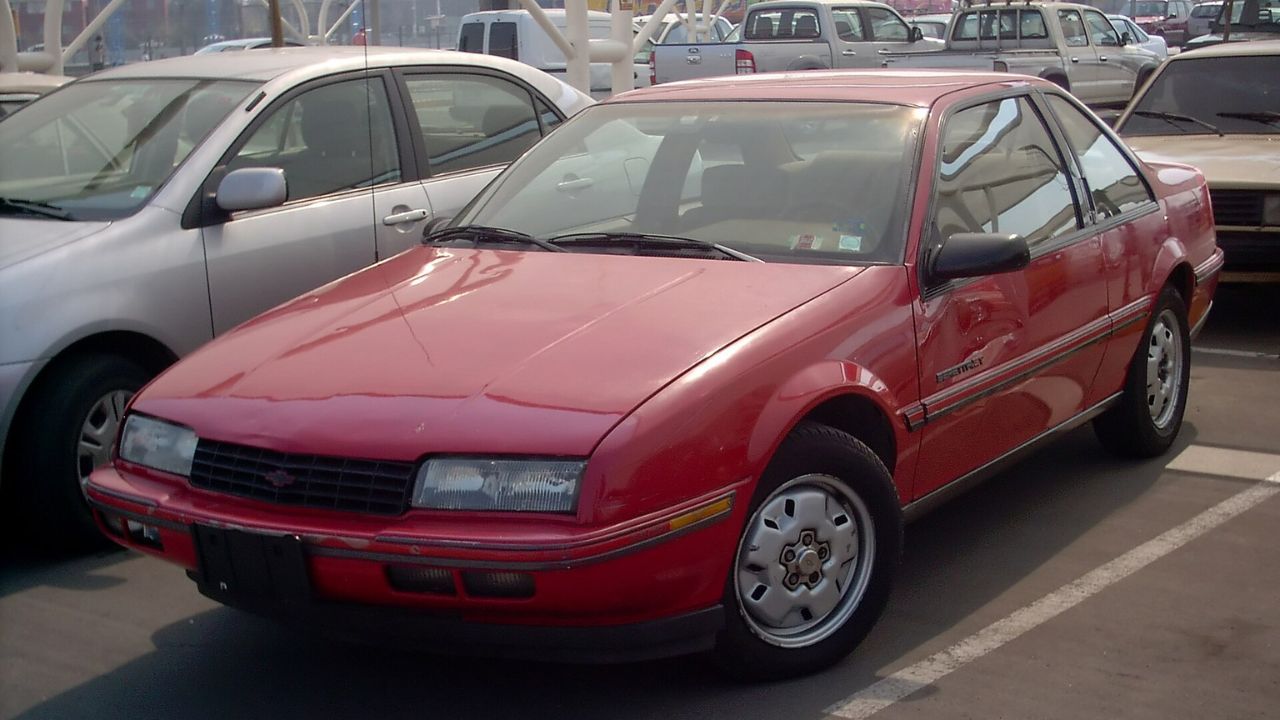
The Beretta doesn’t get much attention today, but in its time it was a common, affordable coupe with straightforward mechanicals. For a mechanic, it’s appealing precisely because it’s not precious—easy to work on, easy to drive, and usually inexpensive to keep going. That makes it a great “use it and maintain it” classic.
It also represents a distinct GM design moment that’s disappearing from roads quickly. Keeping one alive is as much about preserving everyday history as it is about nostalgia.
Chevrolet Tracker
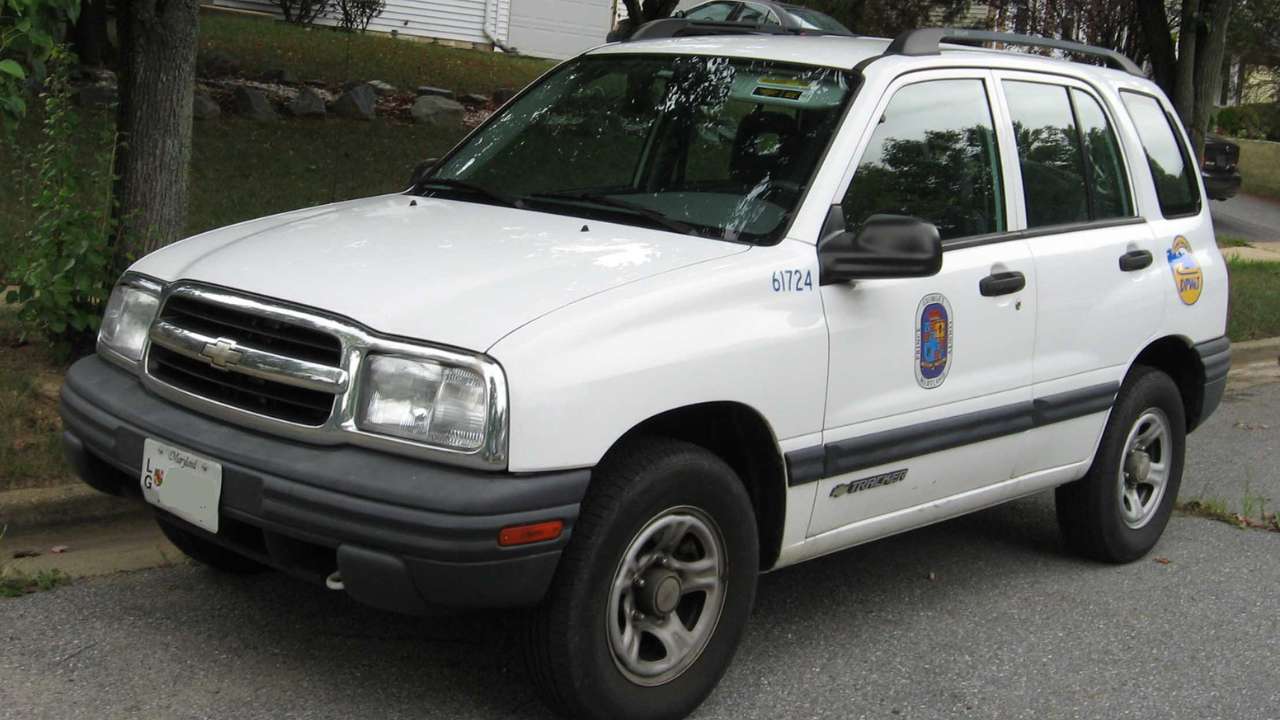
The Tracker is small, simple, and genuinely useful—traits that tend to earn loyalty in a workshop. Sold under the Chevrolet name in the U.S., it offered compact SUV practicality before crossovers took over. Mechanics who like lightweight 4x4s appreciate that it’s more about basics than bells and whistles.
Because it’s compact and relatively uncomplicated, it can be a great second vehicle or trailhead runabout. It’s the sort of rig people keep because it fills a role nothing else quite matches.
Chevrolet Astro

The Astro is one of those vehicles that owners swear they’ll replace someday—then never do. With available all-wheel drive and a layout that balances cargo space with manageable size, it’s a workhorse for families, trades, and hobbyists. Mechanics often hang onto them because they’re practical, tough
More from Fast Lane Only
- Unboxing the WWII Jeep in a Crate
- 15 rare Chevys collectors are quietly buying
- 10 underrated V8s still worth hunting down
- Police notice this before you even roll window down
*Research for this article included AI assistance, with all final content reviewed by human editors.