Hot rods have never been defined solely by horsepower or flashy modifications. Some relatively overlooked builds have developed serious collector interest because of their rarity, historical importance, and unmistakable character. These seven hot rods and hot-rod foundations can be worth considerably more than their owners expect, especially when originality, period-correct modifications, and documented history are involved.
Ford Model A
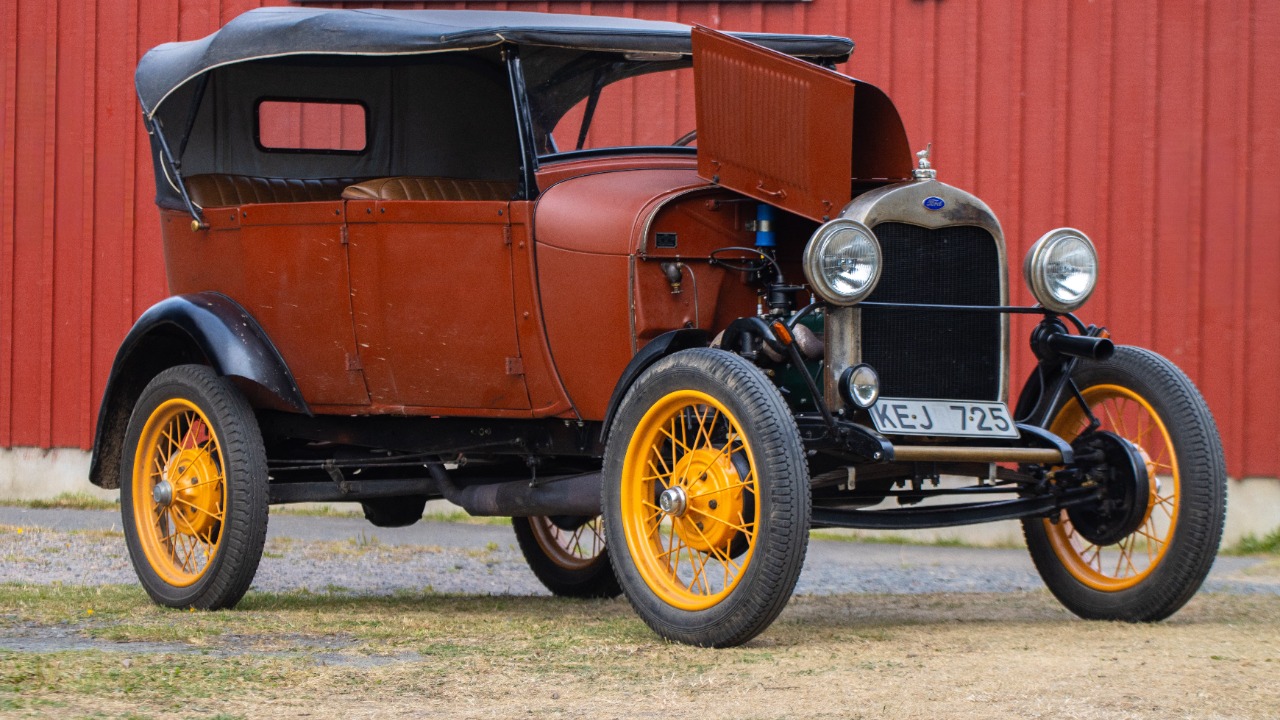
The Ford Model A remains one of the most important foundations in traditional hot rodding. While many were modified heavily over the decades, well-preserved examples with desirable period-style equipment can attract strong interest from collectors. The combination of simple mechanicals, lightweight construction, and unmistakable prewar styling gives the Model A lasting appeal. Owners sometimes underestimate its value because so many were built, but a properly documented traditional hot rod can be surprisingly desirable.
Ford Deuce Roadster
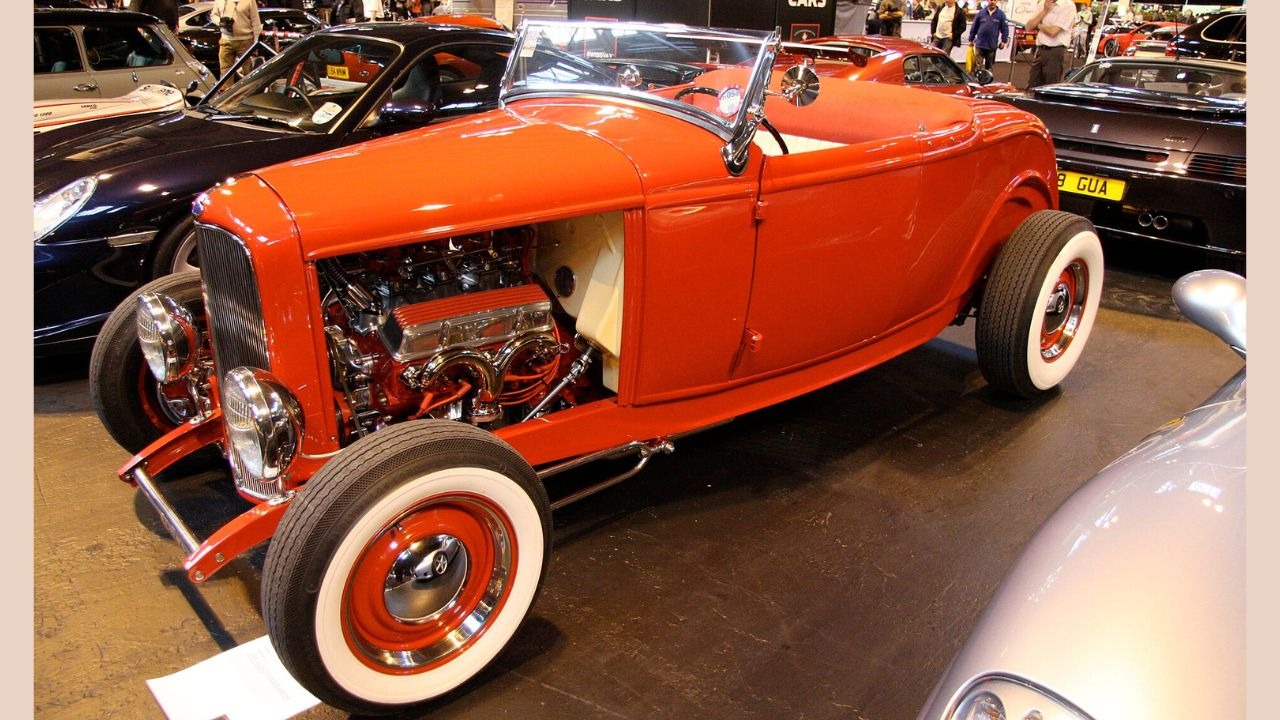
The Ford Deuce Roadster has become one of the most recognizable icons of traditional American hot rodding. Its 1932 body style, especially in roadster form, is highly sought after because it combines elegant proportions with an enormous hot-rodding legacy. Genuine steel bodies, quality period-style builds, and historically significant examples can command serious money. What may look like an ordinary old Ford can actually represent one of the most valuable foundations in the hot-rod world.
Ford 1934 Coupe
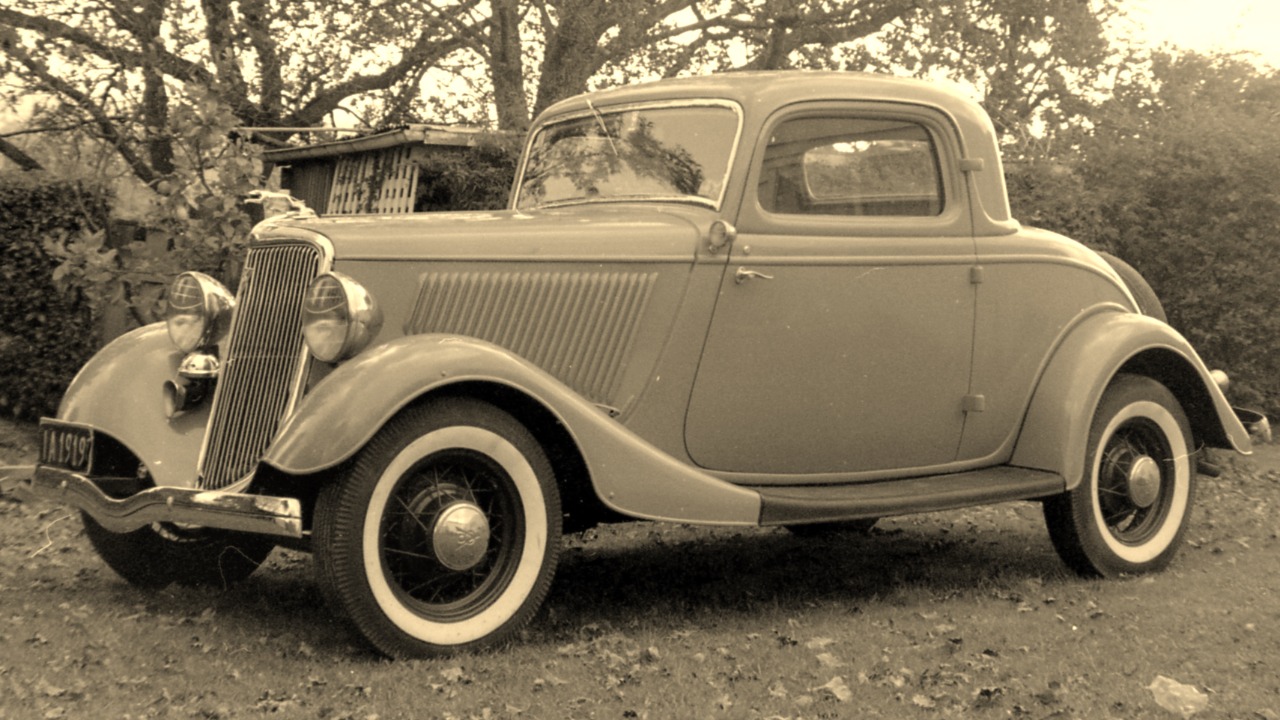
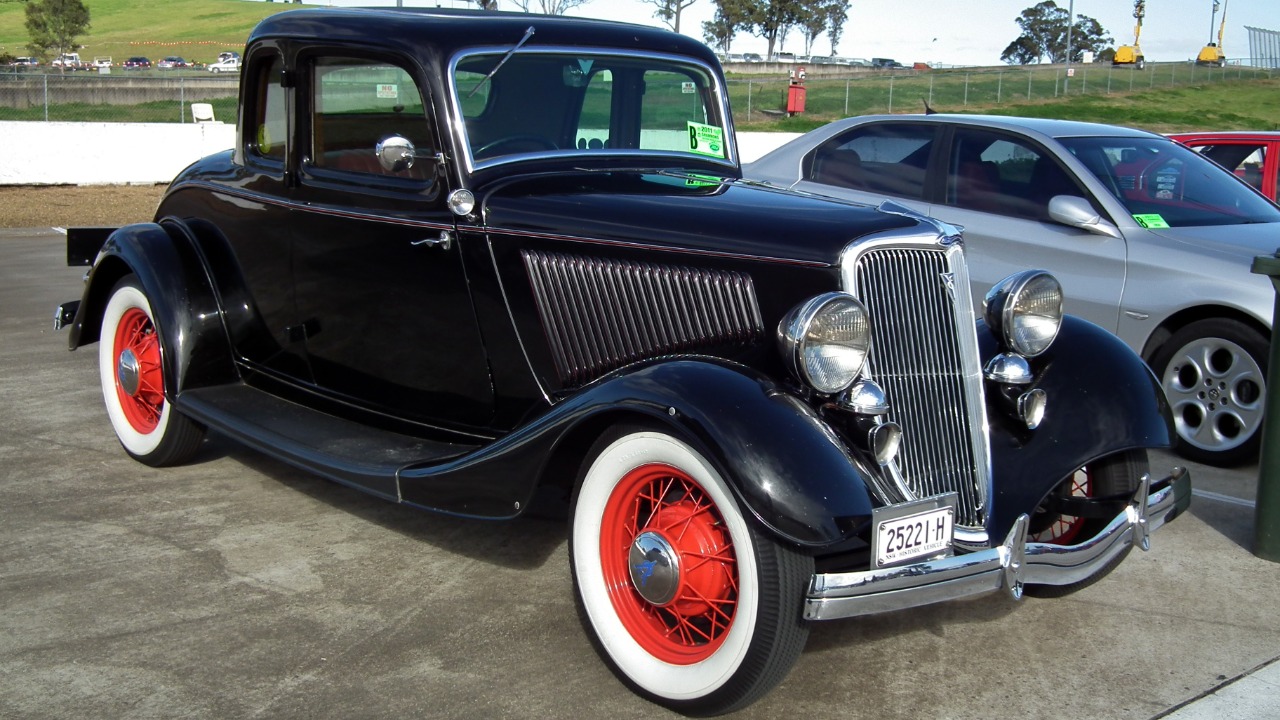
The Ford 1934 Coupe has long been admired for its distinctive grille, streamlined fenders, and strong connection to early custom-car culture. Three-window and five-window versions can both attract attention when they retain desirable bodywork and quality construction. A carefully built example with a traditional appearance can be worth far more than a casual observer might expect. Rust-free steel, authentic components, and documented history can make an especially large difference to its collector appeal.
Mercury Eight
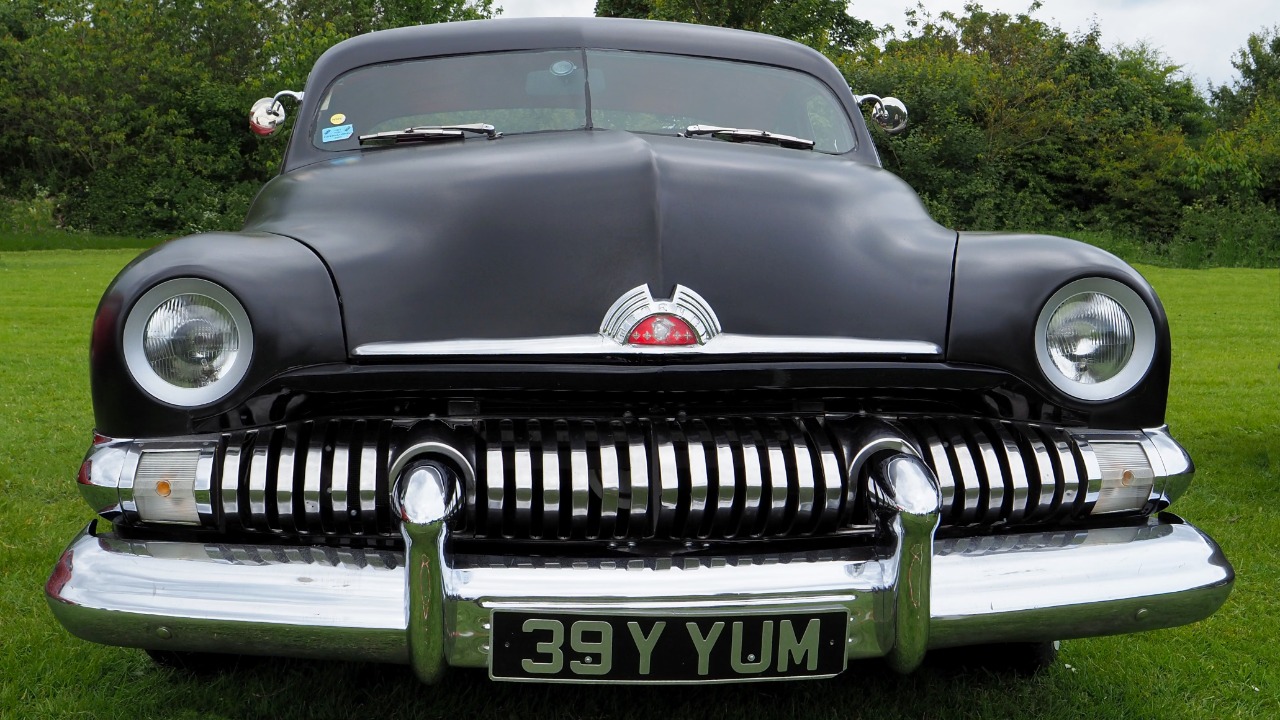
The Mercury Eight became a favorite among customizers and hot rodders because of its long, low body and naturally dramatic proportions. Early examples helped establish the chopped-and-customized Mercury as one of the defining shapes of American hot-rodding culture. Surviving steel cars with tasteful traditional modifications can be particularly desirable. Owners who see an old Mercury merely as a project may overlook how much historical importance and collector interest the model has accumulated.
Willys Coupe
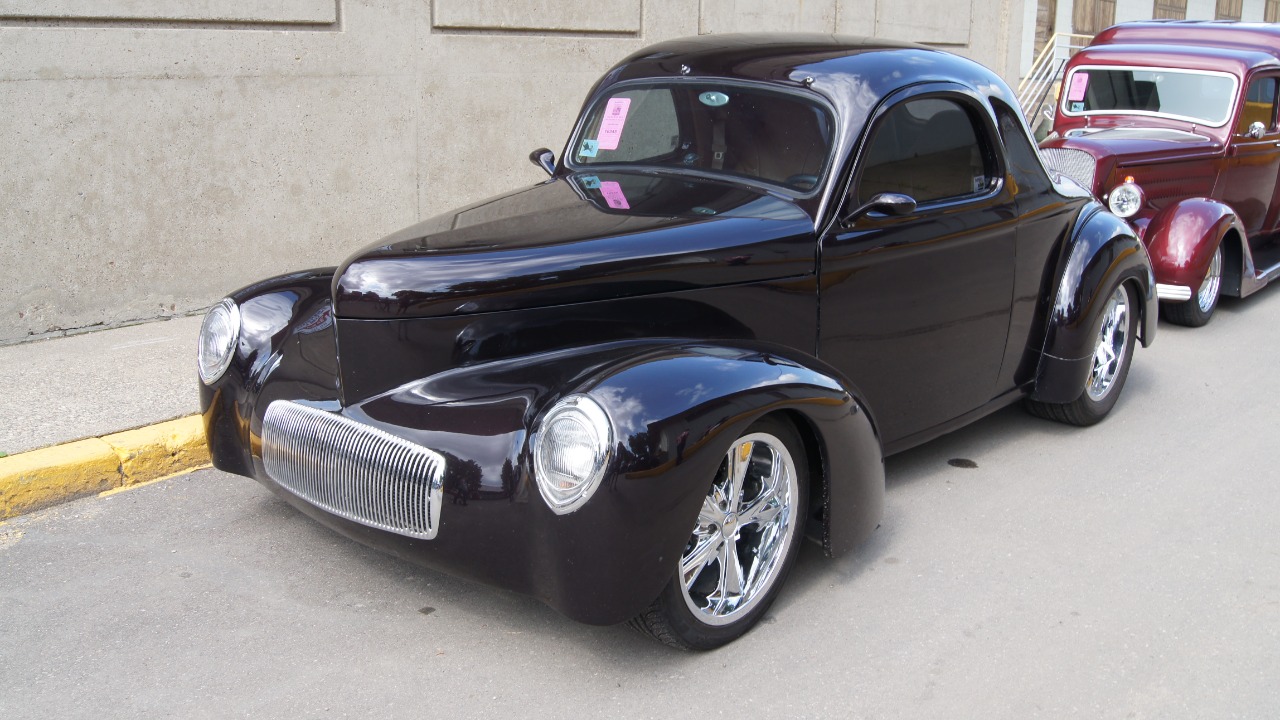
The Willys Coupe developed a special reputation among drag racers and hot rodders because its lightweight body could support serious performance builds. Its compact proportions and unusual styling made it stand out from more common Ford-based hot rods. Genuine steel-bodied examples are increasingly interesting to collectors, particularly when they retain period-correct features or documented racing history. What once looked like an inexpensive performance project can now represent a valuable piece of early drag-racing culture.
Chevrolet 1932 Confederate
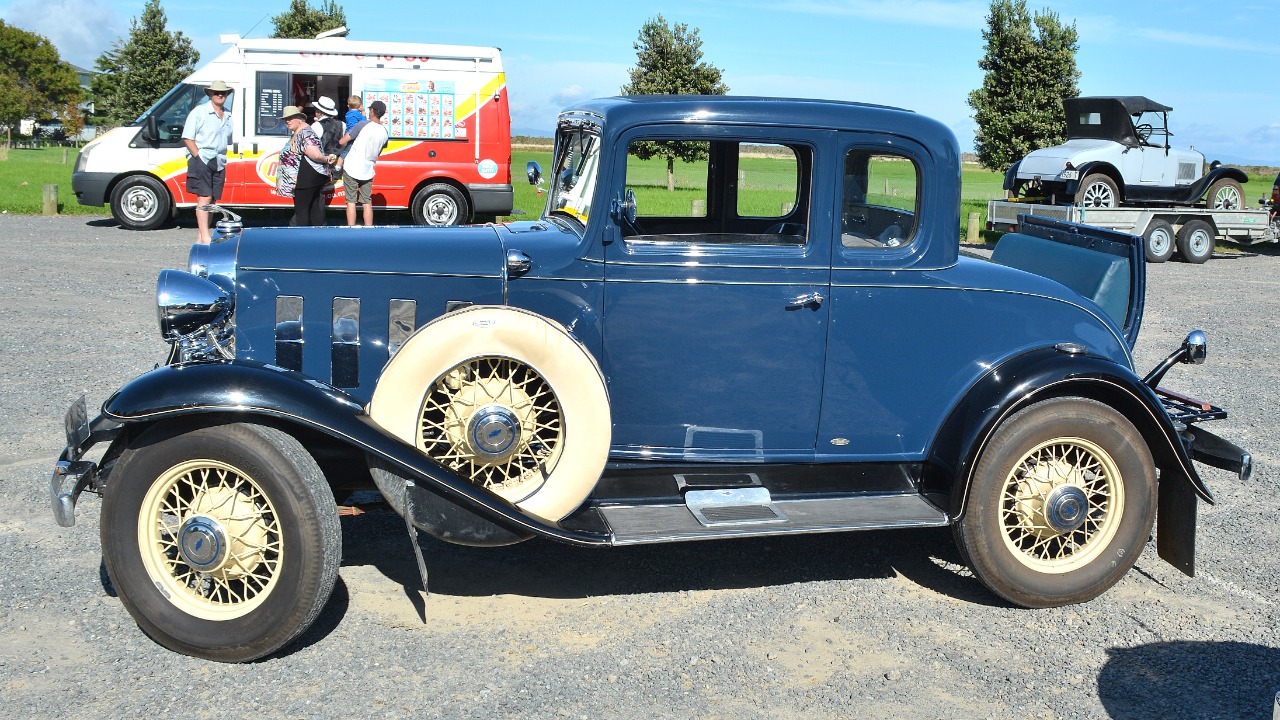
The Chevrolet 1932 Confederate is often overshadowed by contemporary Fords, but that makes surviving examples particularly interesting. Its styling provides a strong foundation for traditional hot rods while giving builders something less predictable than the familiar Ford alternatives. Well-preserved bodies and historically significant builds can attract collectors who appreciate Chevrolet’s role in early hot-rodding culture. Owners may not immediately recognize the value because the model lacks the same mainstream reputation as the Ford Deuce.
Hudson Terraplane
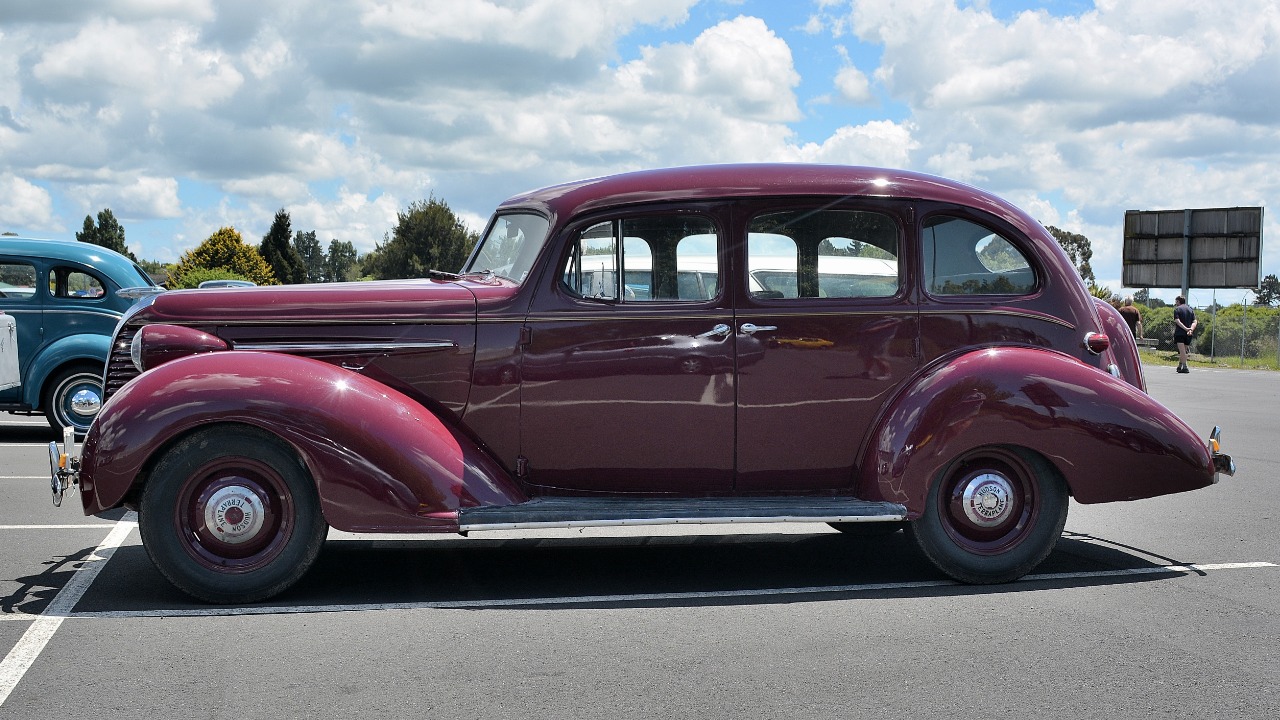
The Hudson Terraplane has become an intriguing choice for collectors interested in unusual prewar hot rods. Its distinctive body design, relatively uncommon survival rate, and connection to early American performance culture give it character that more familiar Fords cannot easily duplicate. Properly restored or traditionally modified examples can draw considerable attention at specialist events. Because Terraplanes are far less common than many classic hot-rod platforms, owners may be holding onto something considerably more interesting than they realize.
More from Fast Lane Only
- Unboxing the WWII Jeep in a Crate
- 15 rare Chevys collectors are quietly buying
- 10 underrated V8s still worth hunting down
- Police notice this before you even roll window down
*Research for this article included AI assistance, with all final content reviewed by human editors