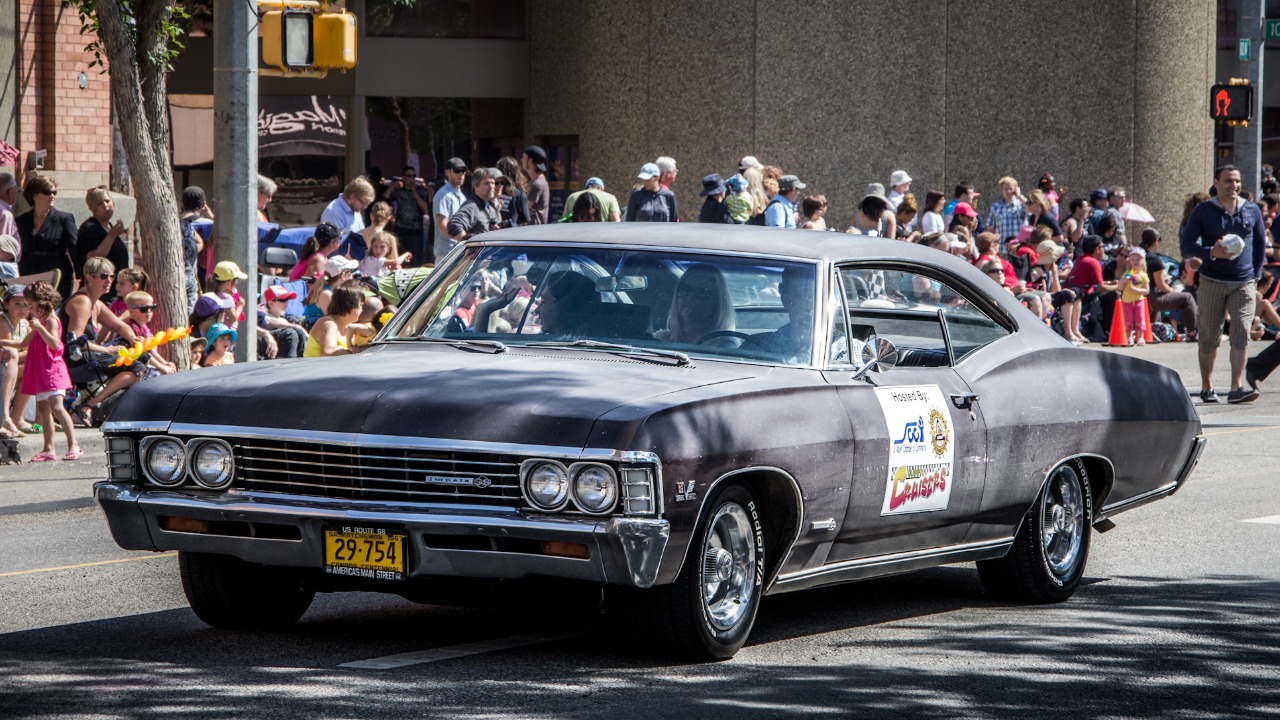
Everyone knows the biggest muscle-car names, but collectors who dig deeper often talk about cars that rarely get the same attention. Some had unusual engine combinations, limited production, or simply arrived at the wrong time. These 19 muscle cars remain fascinating precisely because they sit outside the usual conversation.
Pontiac Ventura
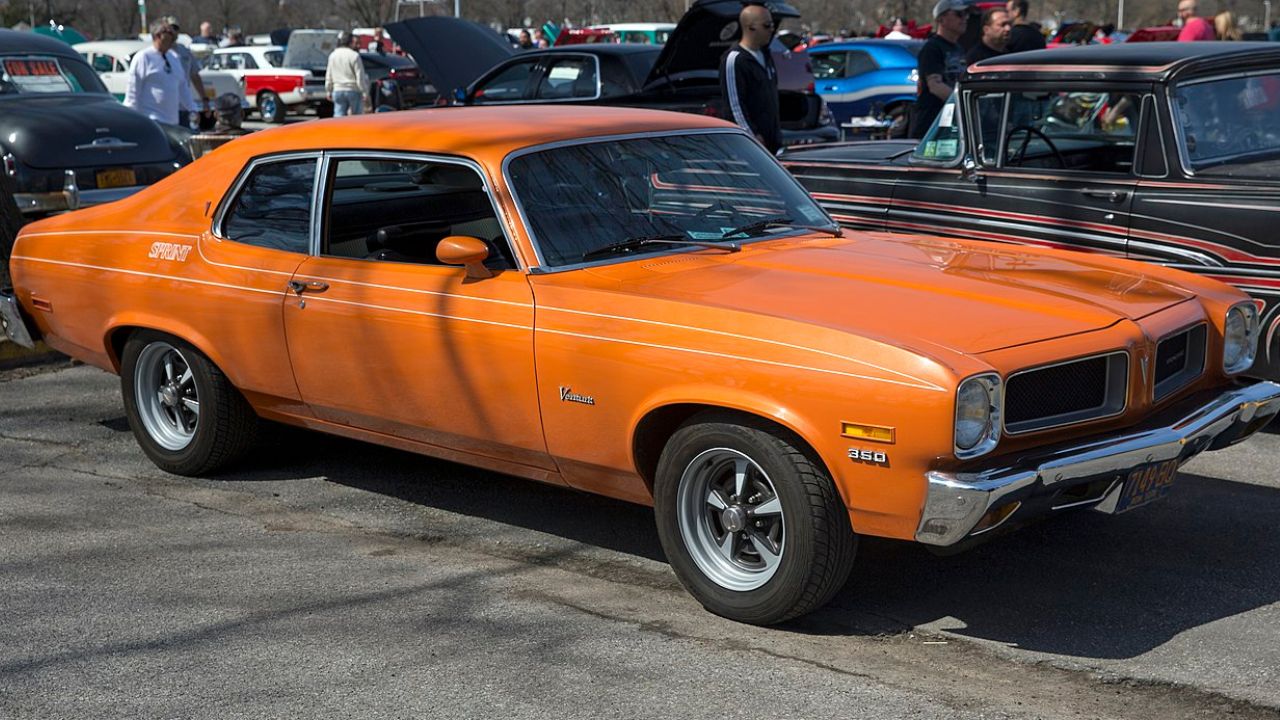
The Pontiac Ventura is often overlooked because it lived in the shadow of better-known Pontiac performance cars. Yet certain versions offered plenty of the ingredients that made the era’s compact muscle cars appealing, including V8 power and rear-wheel drive. The Ventura shared some mechanical ideas with other popular GM models but had its own identity. Its relative lack of collector attention has helped keep prices more approachable than some famous Pontiacs. For enthusiasts who enjoy finding overlooked American performance cars, the Ventura is worth remembering.
Chevrolet Nova SS
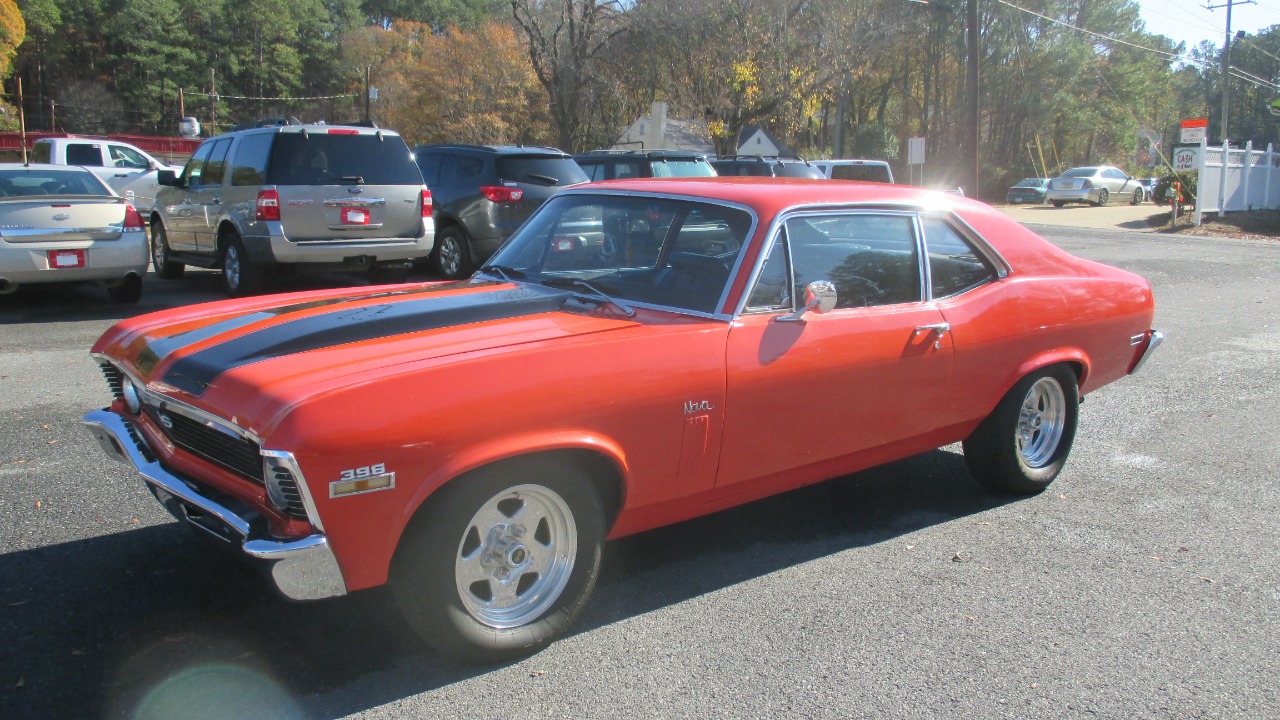
The Chevrolet Nova SS became a serious performance car by combining a compact body with increasingly powerful V8 engines. Its smaller dimensions made it particularly interesting during the peak of the muscle-car era, when buyers wanted something that could deliver strong acceleration without the size of a full-size sedan. Although the Nova SS is known among enthusiasts, it rarely receives the same attention as the Chevelle or Camaro. Original examples are now highly desirable, especially cars with documented performance equipment.
Mercury Cyclone
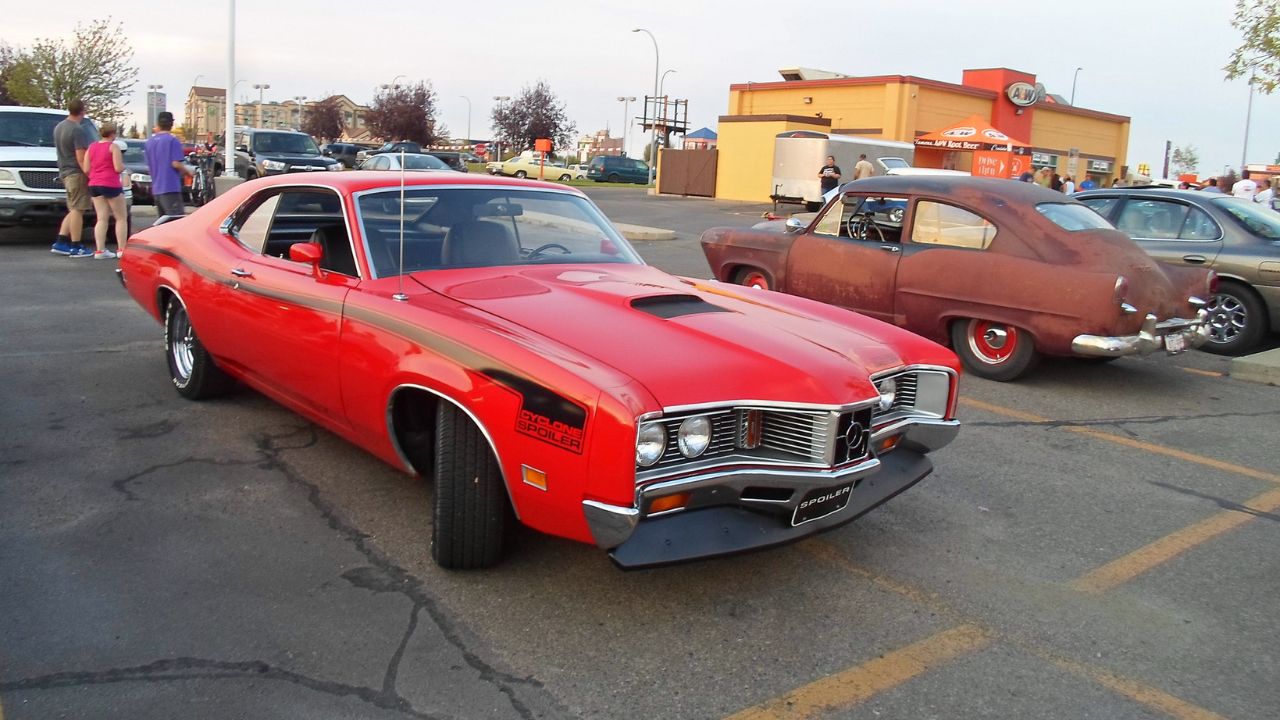
The Mercury Cyclone offered Ford performance in a package that did not receive nearly as much attention as the Mustang. Its longer body and more substantial proportions gave it a different personality, while performance versions could deliver serious V8 power. The Cyclone Spoiler and other high-performance variants are particularly interesting to collectors. Because Mercury’s performance cars were overshadowed by Ford’s better-known models, surviving examples can feel like discoveries. A clean Cyclone remains one of the more distinctive ways to experience classic Ford-era muscle.
Mercury Comet

The Mercury Comet started as a compact family car but eventually became a serious performance platform. V8-powered versions gave the lightweight body surprising acceleration, and the Comet’s compact dimensions made it an appealing alternative to larger muscle cars. Some high-performance variants are particularly collectible today. The Comet never developed the cultural status of the Mustang, which is precisely what makes it interesting. Serious collectors appreciate these cars because they represent the less obvious side of Mercury’s performance history.
Oldsmobile Cutlass
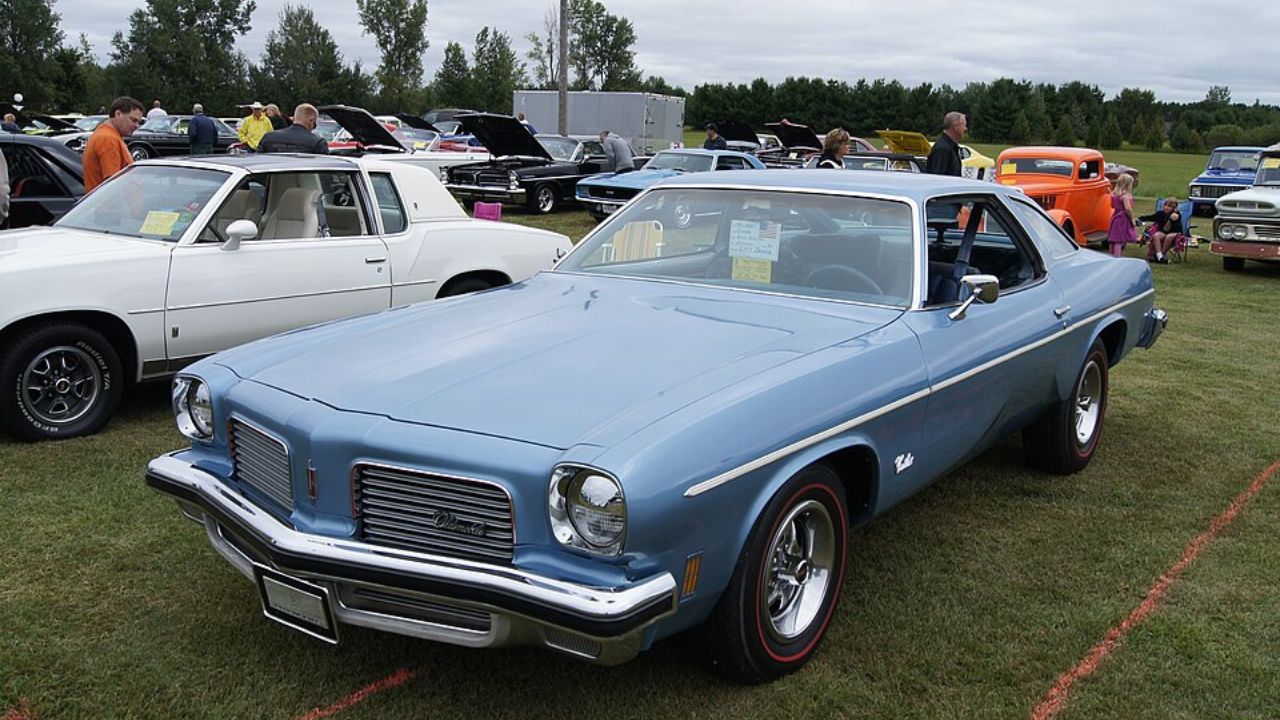
The Oldsmobile Cutlass became one of America’s best-known personal coupes, but earlier performance-oriented versions deserve more attention from collectors. Available V8 power and rear-wheel drive gave the car a strong foundation for muscle-car duty. Some versions also benefited from performance packages that made them considerably more interesting than ordinary Cutlasses. Because the nameplate remained in production for so long, individual performance models can get lost in the larger story. Finding a genuine early performance Cutlass can therefore be a rewarding experience.
Buick GS 400
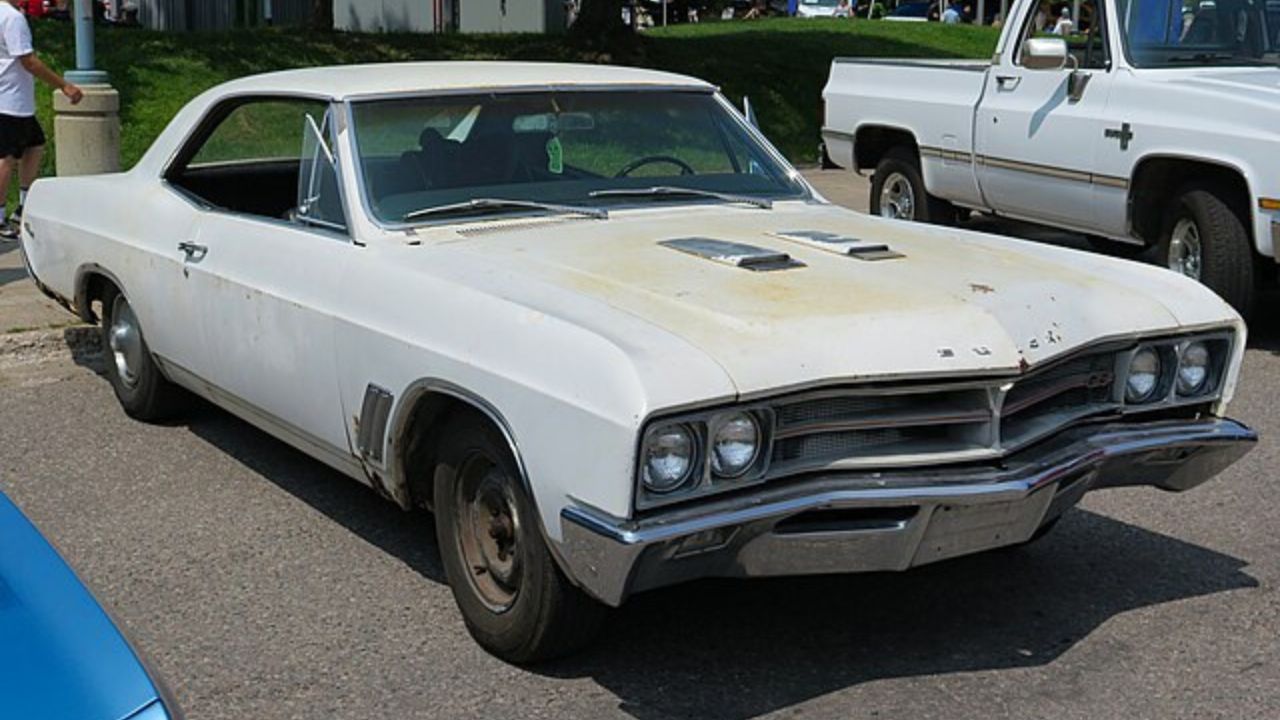
The Buick GS 400 proved that Buick could build a serious performance car without abandoning its upscale character. Its large V8 delivered the kind of torque muscle-car buyers wanted, while the interior and overall presentation remained more refined than many competitors. The GS 400 was never as heavily promoted as Pontiac’s GTO or Chevrolet’s Chevelle SS. That has helped give it a strong following among collectors who appreciate overlooked American performance. Today, an original GS 400 can command serious attention from knowledgeable enthusiasts.
Buick GS 455
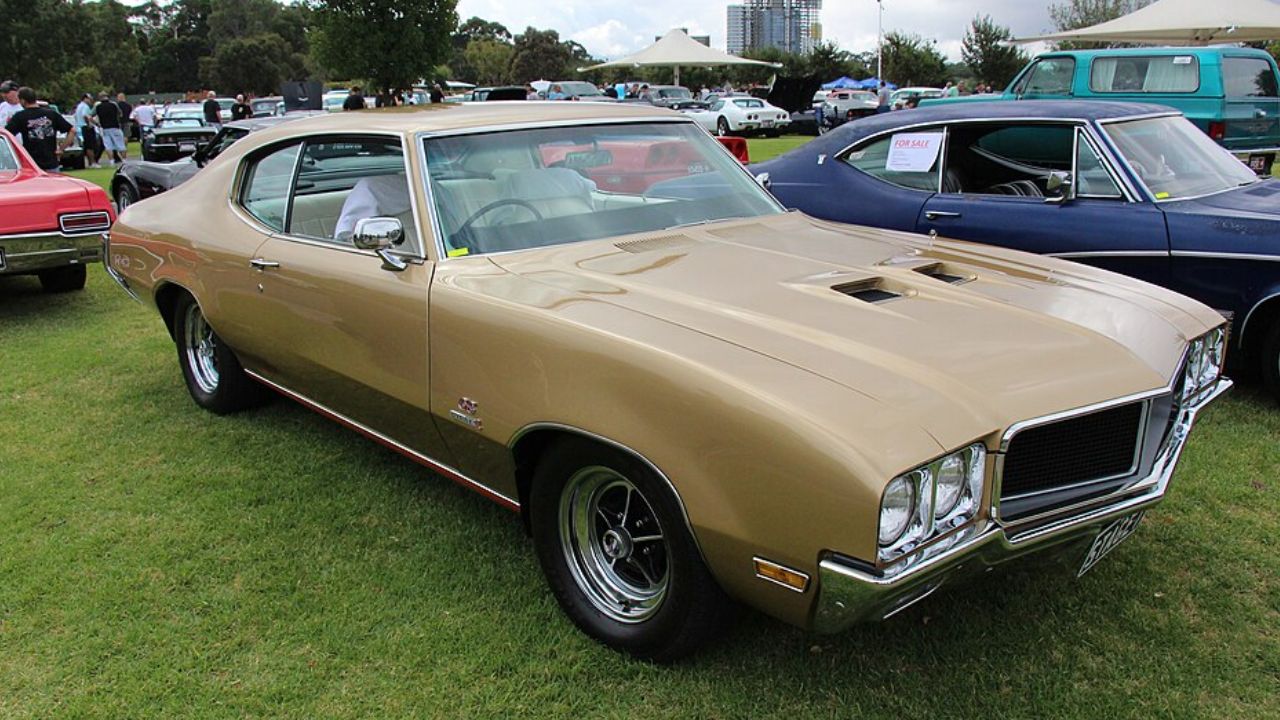
The Buick GS 455 took the company’s muscle-car formula to an even higher level with a big-block-style displacement and abundant torque. Rather than relying on high engine speeds, the car delivered the kind of low-end power that made it formidable on the street. Its combination of luxury-car comfort and serious performance gave it a distinct personality. While the GSX receives more collector attention, the GS 455 deserves recognition in its own right. It remains an excellent example of Buick’s understated approach to muscle.
Oldsmobile 442
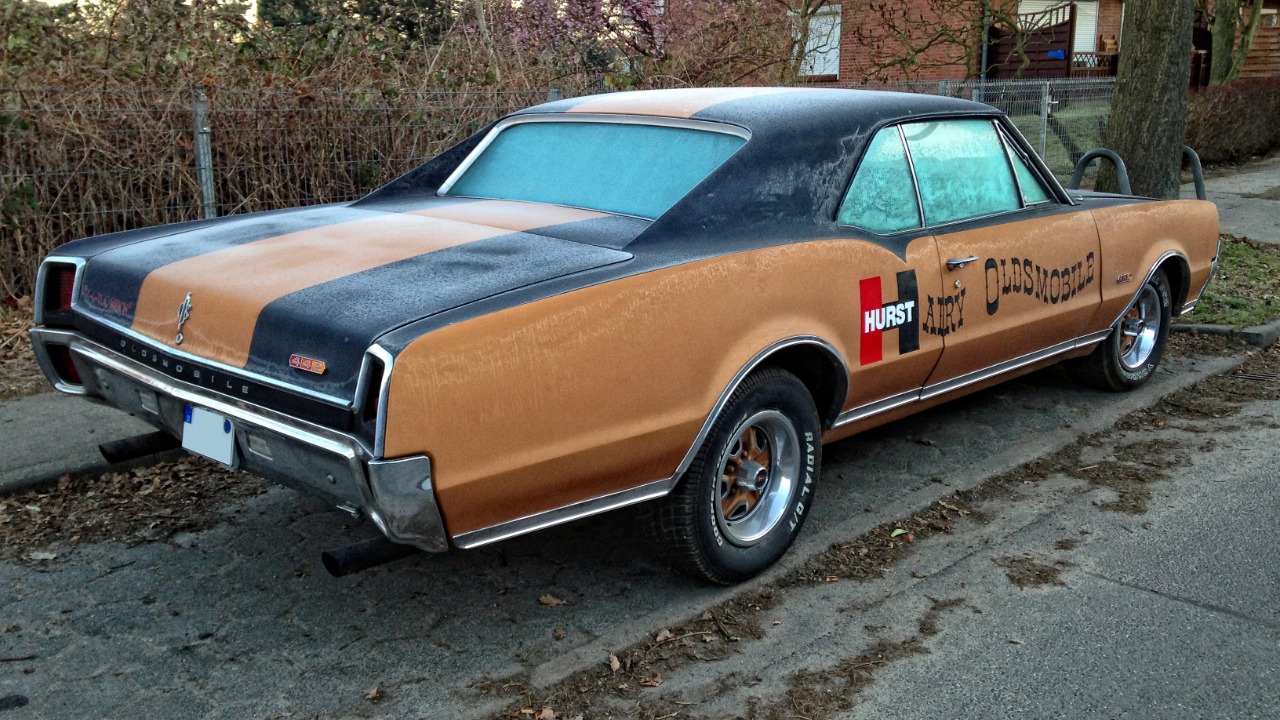
The Oldsmobile 442 became one of the defining performance names of the muscle-car era, but certain configurations are much less familiar than the badge itself suggests. Different engines, body styles, and equipment combinations were offered over the years, creating a wide range of collector possibilities. The best examples can be surprisingly valuable today. Serious collectors pay close attention to originality because the popularity of the 442 name has encouraged many replicas and modified cars. A genuine example with the right equipment can be a significant find.
Pontiac Grand Prix
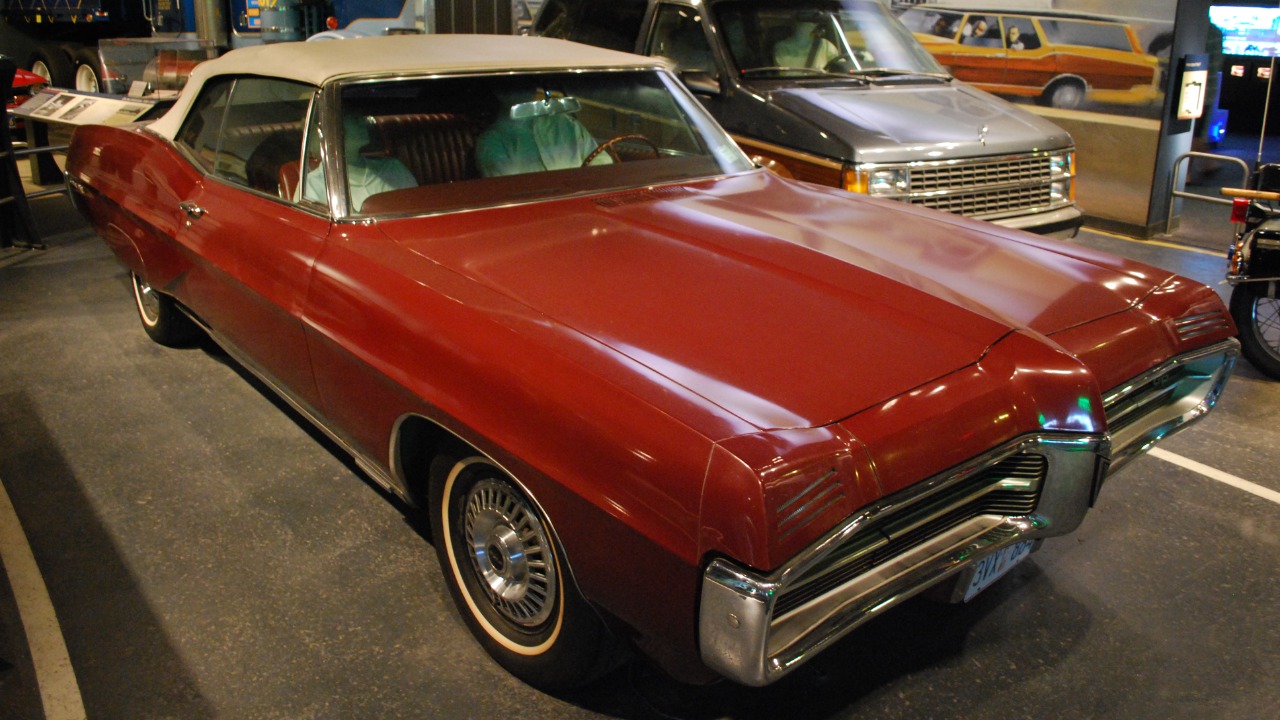
The Pontiac Grand Prix was generally marketed as a sporty personal-luxury coupe rather than a traditional muscle car, but certain versions had plenty of performance credentials. Large-displacement V8s and rear-wheel drive gave the Grand Prix considerable straight-line ability. Its longer body and upscale interior also made it different from compact performance cars. Because the Grand Prix was never defined exclusively by performance, enthusiasts sometimes overlook its more powerful versions. Collectors who know Pontiac well understand that some Grand Prix models can be surprisingly serious machines.
Chevrolet Impala SS

The Chevrolet Impala SS has become a favorite among collectors who appreciate understated performance. Its full-size body and conservative styling concealed a capable V8 drivetrain, creating a sleeper-like personality. The later version from the 1990s is particularly memorable for bringing rear-wheel-drive V8 performance back to a mainstream Chevrolet sedan. It was never produced in the same numbers as ordinary Impalas, and clean examples are becoming harder to find. For collectors who prefer subtle performance, the Impala SS remains a standout.
Ford Torino GT
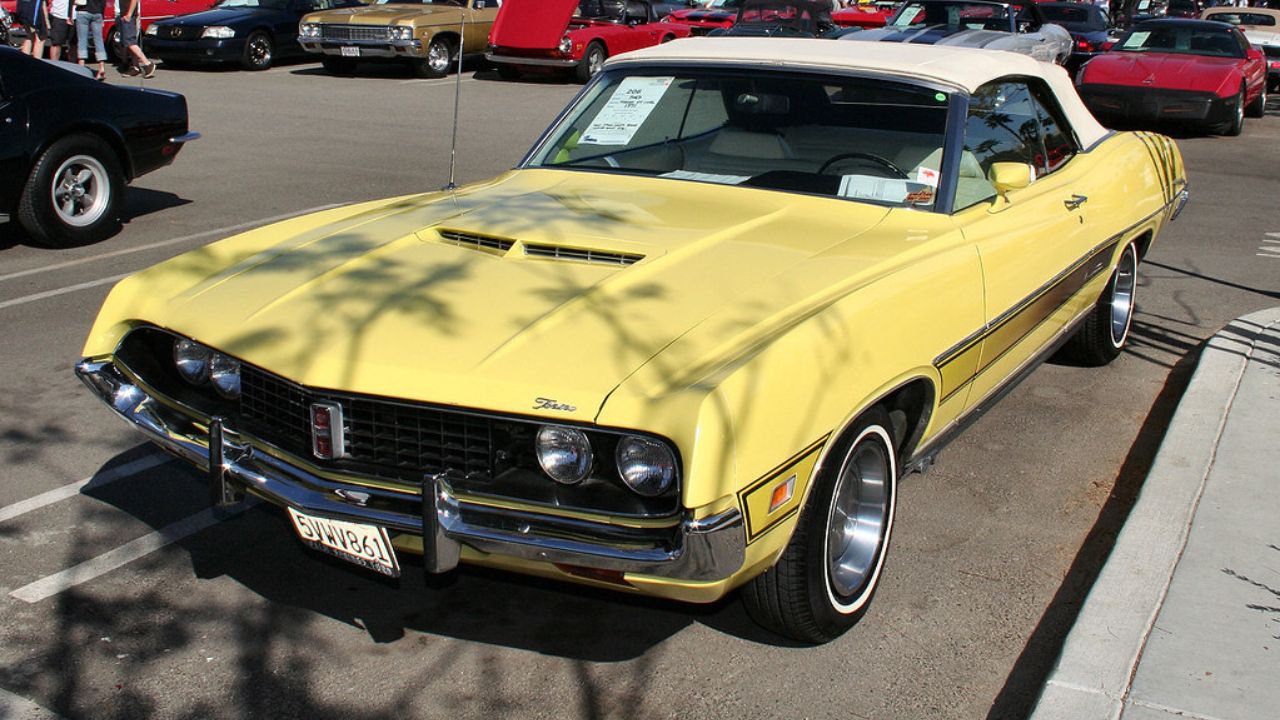
The Ford Torino GT occupied an interesting position between a stylish cruiser and a genuine performance car. It offered several V8 options and could be configured with serious muscle under its relatively refined bodywork. The Torino never received the same attention as the Mustang or other famous Ford performance cars, even though some versions were extremely capable. Its larger dimensions also gave it a distinctive presence. Today, collectors appreciate the Torino GT because it provides classic Ford muscle without being the obvious choice at every car show.
Ford Fairlane GT
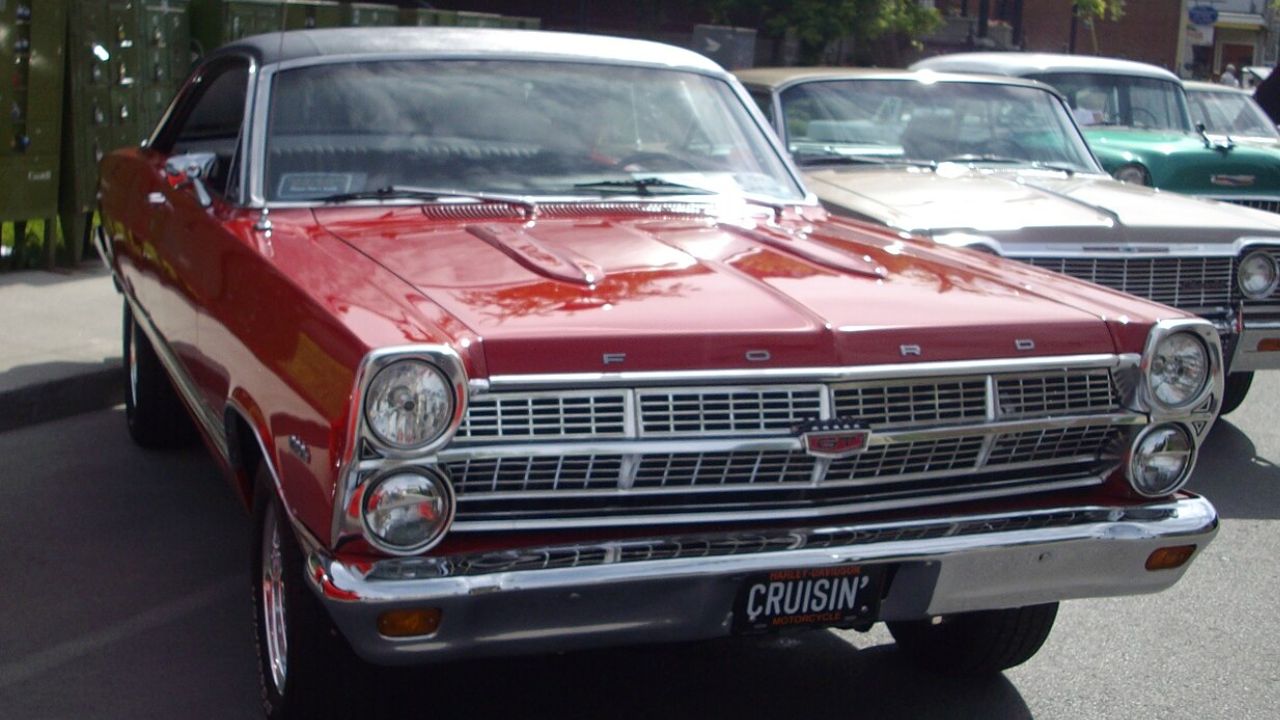
The Ford Fairlane GT combined a relatively compact body with V8 performance, making it one of Ford’s more interesting mid-1960s muscle-car offerings. Buyers could choose from several engine configurations, including versions with substantial displacement. The Fairlane was more understated than the Mustang, yet it could deliver serious performance when properly equipped. Collectors now value original examples, particularly cars with desirable engine and transmission combinations. The Fairlane GT remains a great example of a muscle car that deserved more attention than it received.
Mercury Marauder
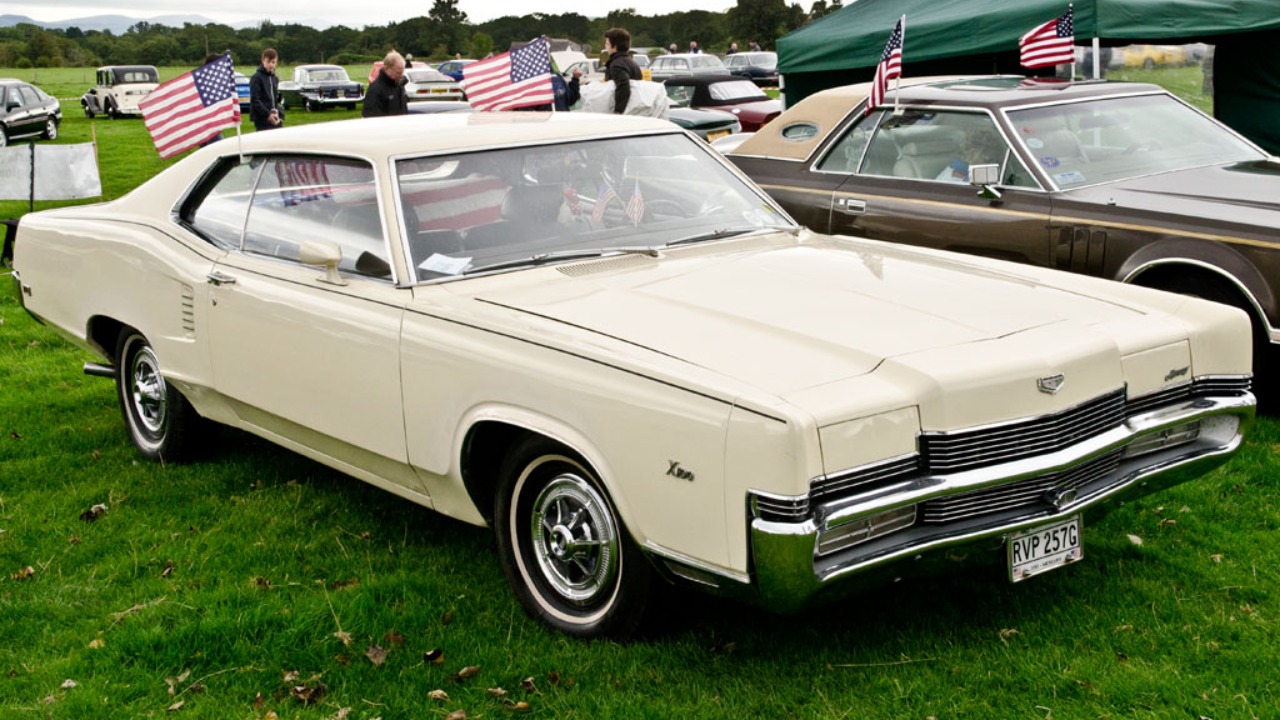
The Mercury Marauder name has appeared on several very different vehicles, but the performance-oriented versions are particularly interesting to collectors. The classic Marauder combined full-size American styling with powerful V8 engines and a more sporting image than the typical Mercury sedan. Later versions also brought the name back with modern performance hardware. Because Mercury has always lived somewhat in Ford’s shadow, its performance models are often overlooked. That makes the Marauder an appealing choice for collectors who prefer something less predictable.
Plymouth Satellite

The Plymouth Satellite was not always marketed as an outright muscle car, but its combination of a midsize body and available V8 engines made it an important part of the Mopar performance story. Buyers could choose increasingly powerful engines and performance equipment, creating cars that were much quicker than their conservative names suggested. The Satellite often gets overlooked because the Road Runner and GTX receive more attention. Serious collectors know that properly equipped Satellites can deliver much of the same classic Mopar character without the more famous badge.
Dodge Coronet 500
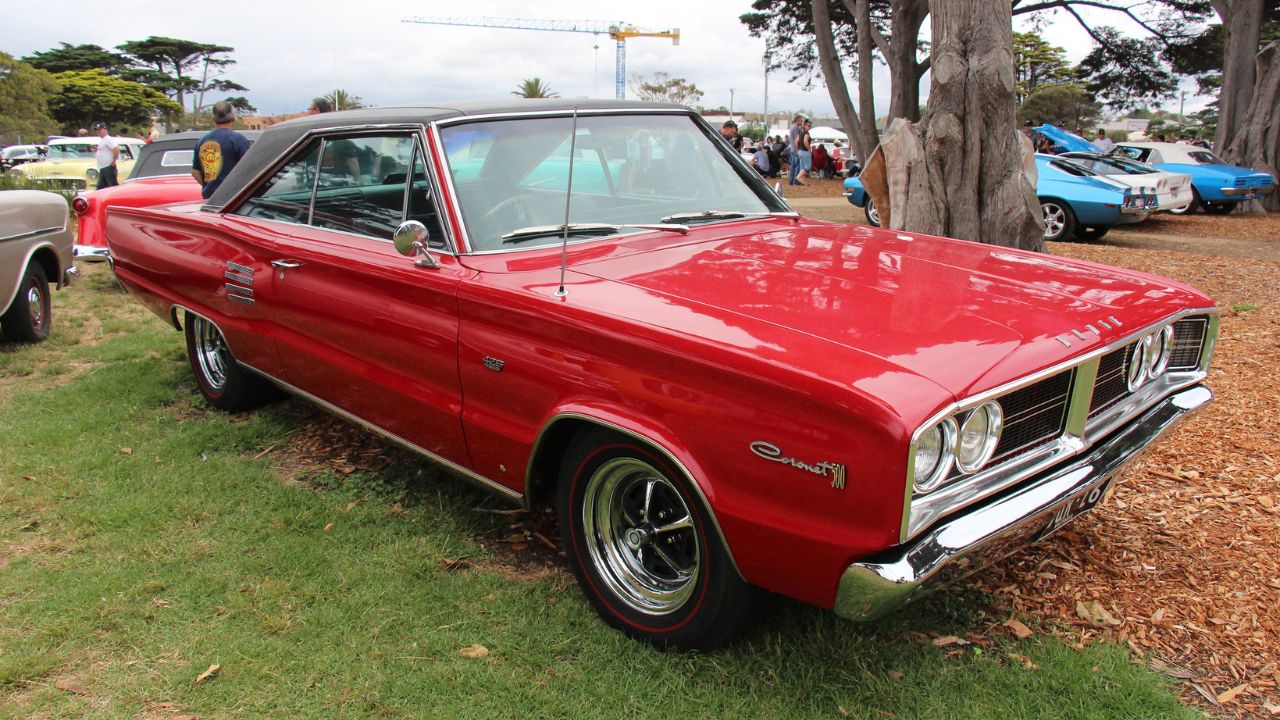
The Dodge Coronet 500 offered a more upscale interpretation of Dodge’s midsize performance formula. Its attractive styling could be paired with powerful V8 engines, creating a car that looked more refined than some of Dodge’s aggressive muscle cars. The Coronet name has a long history, so individual versions are sometimes overlooked. Certain engine and body combinations are now highly desirable among collectors. A well-preserved Coronet 500 can therefore offer the same period-correct muscle-car experience while remaining less predictable than a Charger or Challenger.
AMC Rebel
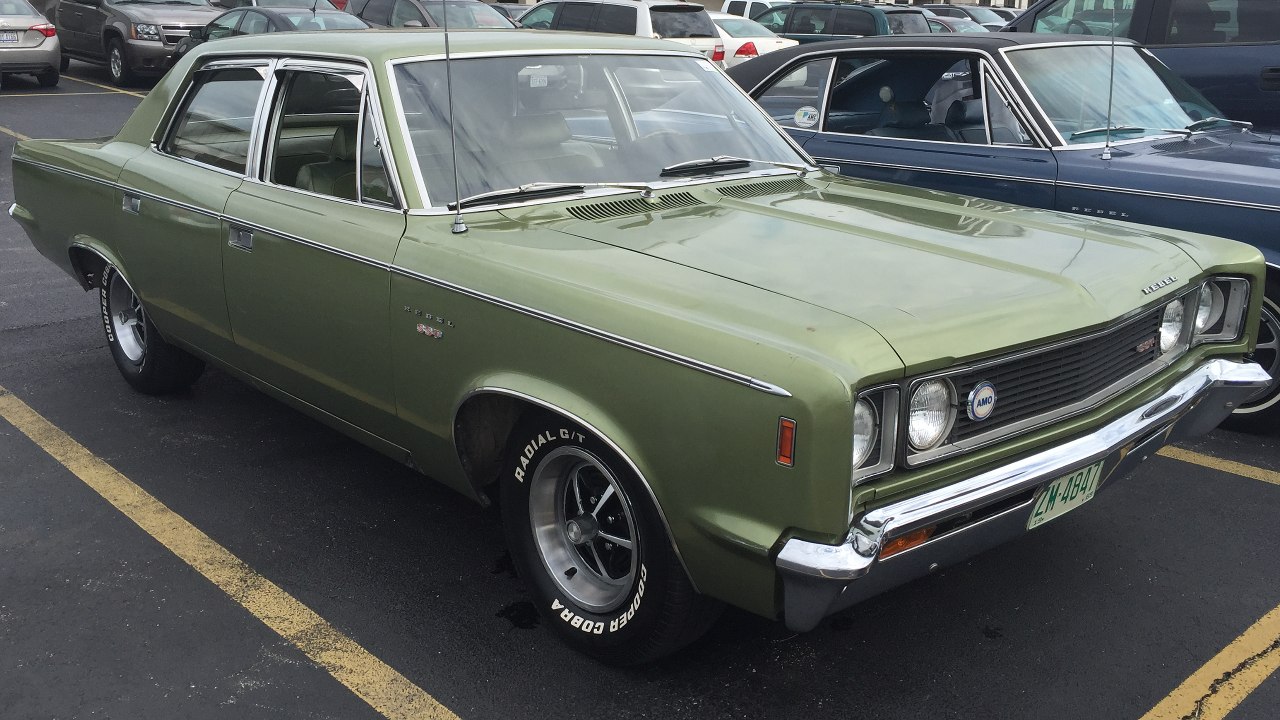
The AMC Rebel deserves more attention for the role it played in the company’s transition toward serious performance cars. It was available with powerful V8 engines and could deliver strong acceleration despite AMC’s smaller resources compared with Detroit’s largest manufacturers. The Rebel also led to some of AMC’s most interesting muscle-car experiments. Because the brand had a smaller market share, far fewer examples survived than comparable Chevrolet, Ford, or Dodge models. That makes the Rebel particularly appealing to collectors who enjoy overlooked American performance.
Pontiac Can Am
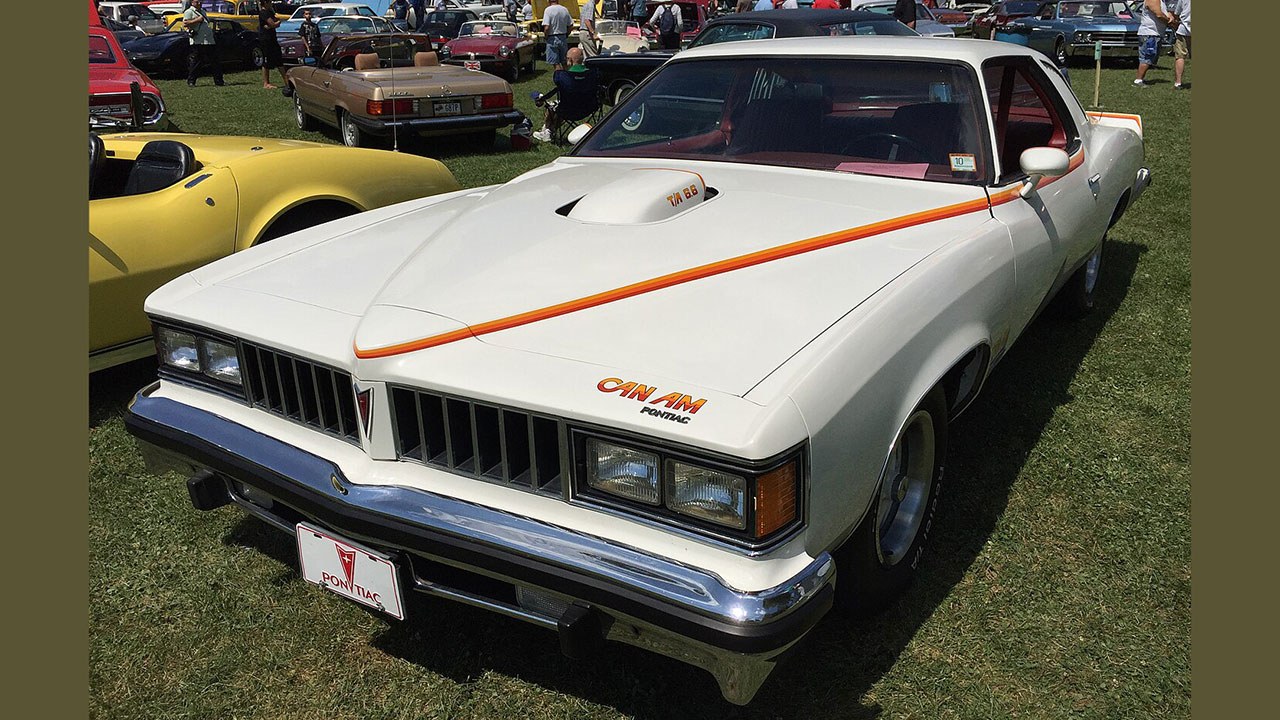
The Pontiac Can Am was a limited-production performance wagon that combined family-car practicality with Pontiac muscle. Based on the LeMans platform, it received distinctive styling and powerful V8 options that made it far more interesting than an ordinary station wagon. Production was limited, and the model’s unusual combination of performance and utility has made surviving examples especially collectible. It remains one of those Pontiac models that can surprise people who know the brand well. Seeing one today is considerably more unusual than seeing a standard Pontiac wagon.
Chevrolet Chevelle Laguna S-3
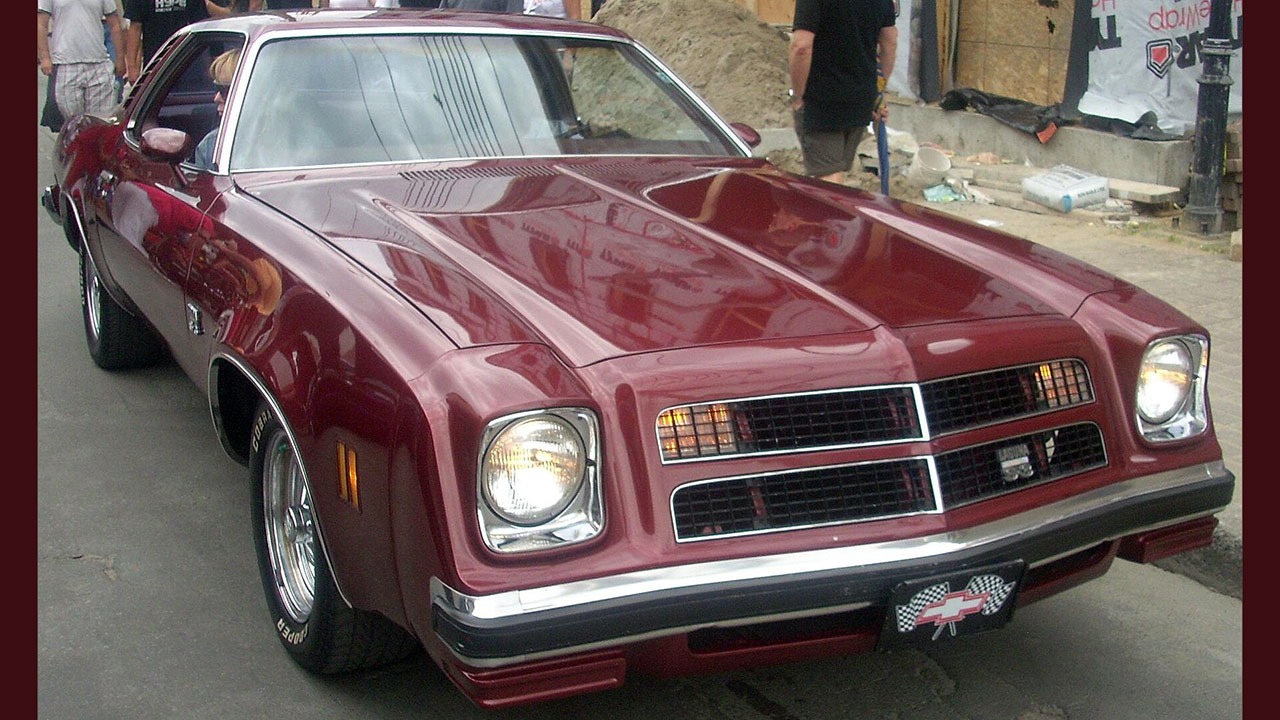
The Chevrolet Chevelle Laguna S-3 represented one of the last interesting chapters of the classic Chevelle story. Its aerodynamic nose, sportier body, and available V8 power gave it a more performance-oriented personality than its styling might initially suggest. It arrived during a difficult period for American muscle cars, when emissions regulations and changing consumer tastes were reducing engine output. As a result, it never developed the same reputation as earlier Chevelle SS models. Collectors now appreciate its rarity and unusual place in Chevrolet history.
Dodge Monaco 500
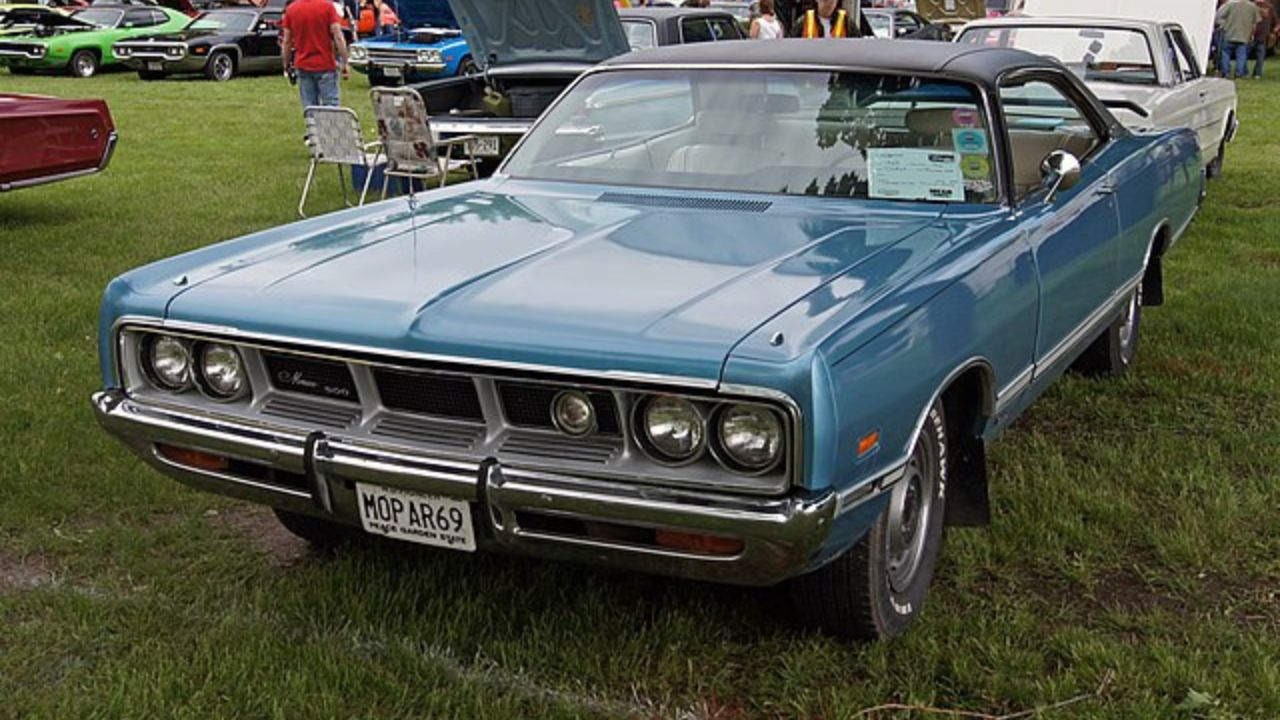
The Dodge Monaco 500 was a large American coupe that could combine substantial V8 power with the comfort expected from a full-size Dodge. It was not marketed with the same aggressive image as the Charger or Challenger, which allowed it to remain largely outside the mainstream muscle-car conversation. That understated character is part of its appeal today. Serious collectors who look beyond the obvious Mopar choices recognize the Monaco 500 as an interesting example of how performance could be hidden inside a much larger package.
More from Fast Lane Only
- Unboxing the WWII Jeep in a Crate
- 15 rare Chevys collectors are quietly buying
- 10 underrated V8s still worth hunting down
- Police notice this before you even roll window down
*Research for this article included AI assistance, with all final content reviewed by human editors.