Some vehicles seem almost untouched by changing automotive trends. They have the styling, proportions, mechanical character, and personality that remind enthusiasts why certain eras remain so popular. From classic American cruisers to rugged trucks and simple European favorites, these vehicles feel like time capsules that somehow escaped the march toward modern motoring.
Chevrolet El Camino

The Chevrolet El Camino sits in a category of its own, combining the appearance of a coupe with the usefulness of a pickup bed. Its long hood, low stance, and simple rear-wheel-drive layout capture the character of an era when automakers were willing to experiment with unusual combinations. Later versions became more refined, but the basic idea remained remarkably distinctive. An El Camino still looks instantly familiar without seeming tied to any modern design trend. It is exactly the kind of vehicle that makes a parking lot feel like another decade.
Ford Bronco
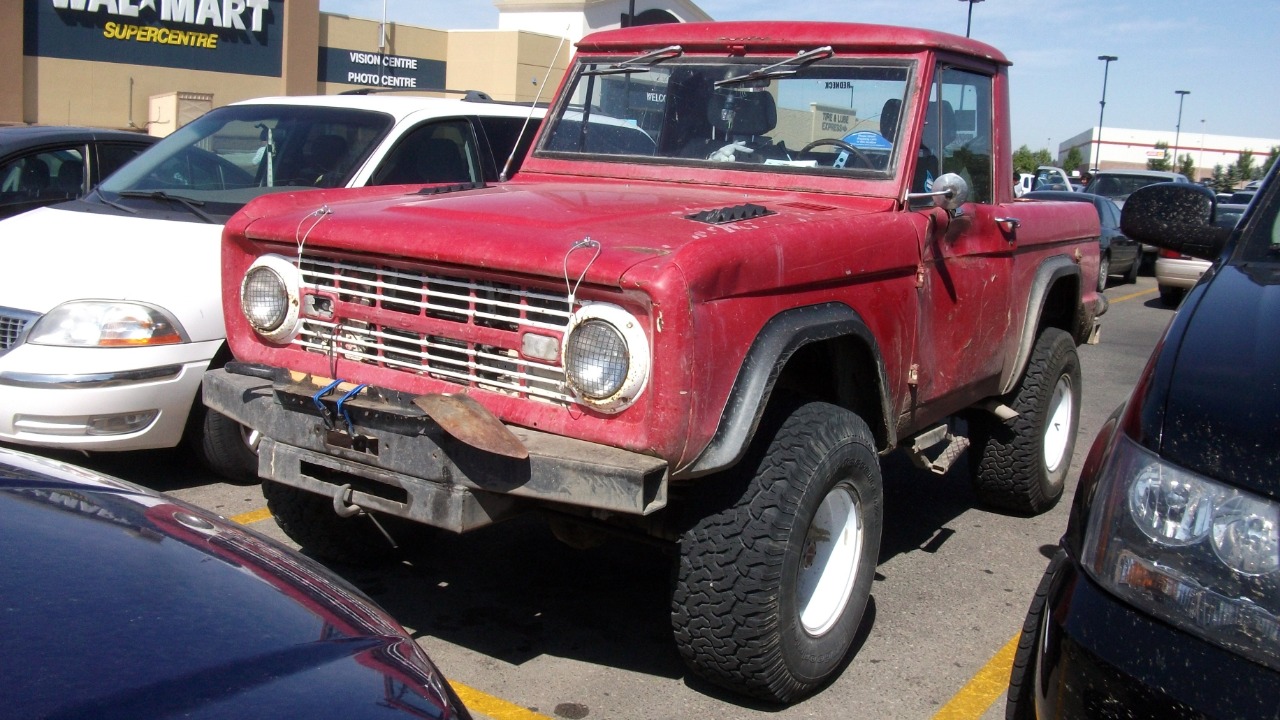
The original Ford Bronco has a shape that barely needs an introduction. Its upright windshield, short overhangs, simple grille, and boxy body give it the unmistakable appearance of a classic utility vehicle. Unlike many modern SUVs, the early Bronco looks designed primarily around function rather than styling. That simplicity has aged extremely well. Whether parked at a car show or being used on a trail, an old Bronco still feels completely natural. It represents an era when rugged vehicles could be basic, capable, and immediately recognizable.
Volkswagen Beetle
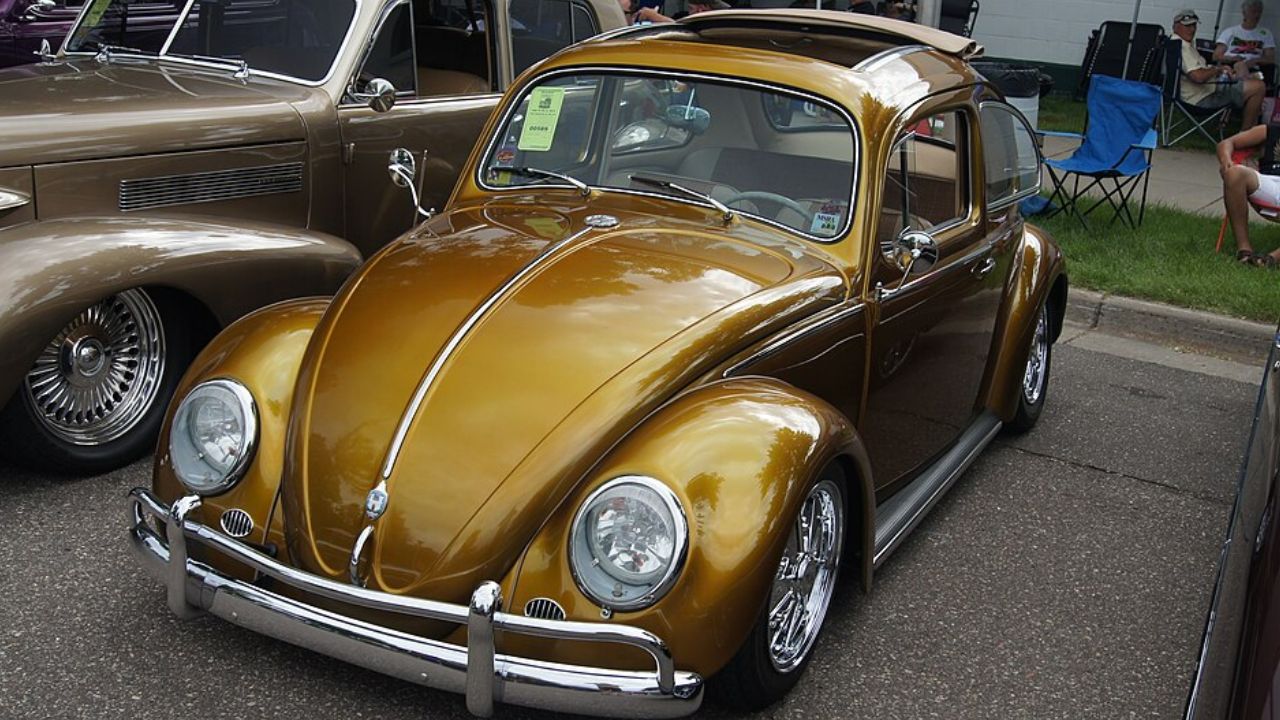
Few vehicles are as closely associated with a particular period as the Volkswagen Beetle. Its rounded roof, curved fenders, circular headlights, and compact proportions made it unlike almost everything else on American roads. More importantly, its design remained recognizable for decades while automotive styling changed around it. The Beetle feels like a rolling reminder of a simpler approach to transportation. It does not need dramatic performance or complicated technology to remain interesting. Even today, an original Beetle can instantly change the atmosphere wherever it appears.
Jeep Wagoneer
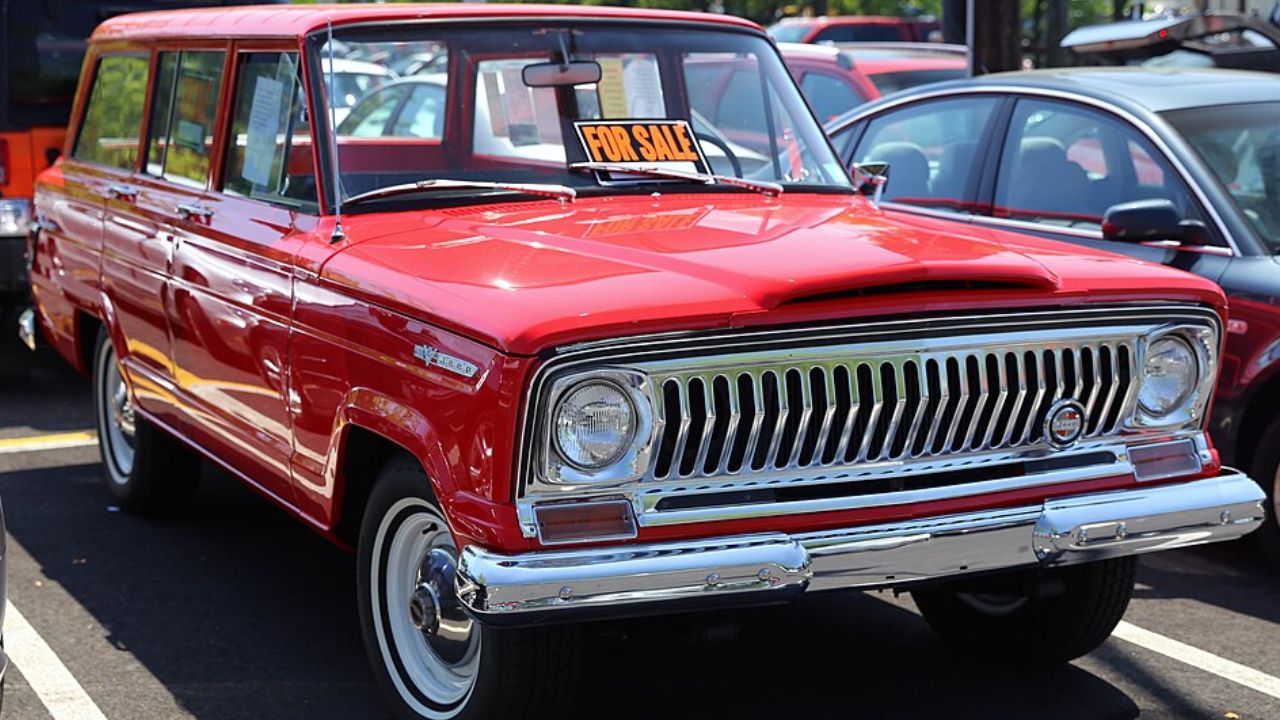
The original Jeep Wagoneer helped establish the idea of a comfortable four-wheel-drive vehicle that could serve as both family transportation and a capable utility machine. Its upright greenhouse, woodgrain-style trim, and squared-off body have become closely associated with classic American SUVs. Modern recreations often borrow heavily from its proportions because the original formula remains so appealing. Inside, the Wagoneer could provide a level of comfort that separated it from basic utility vehicles. It feels like a snapshot from the moment SUVs began becoming lifestyle vehicles.
Porsche 911
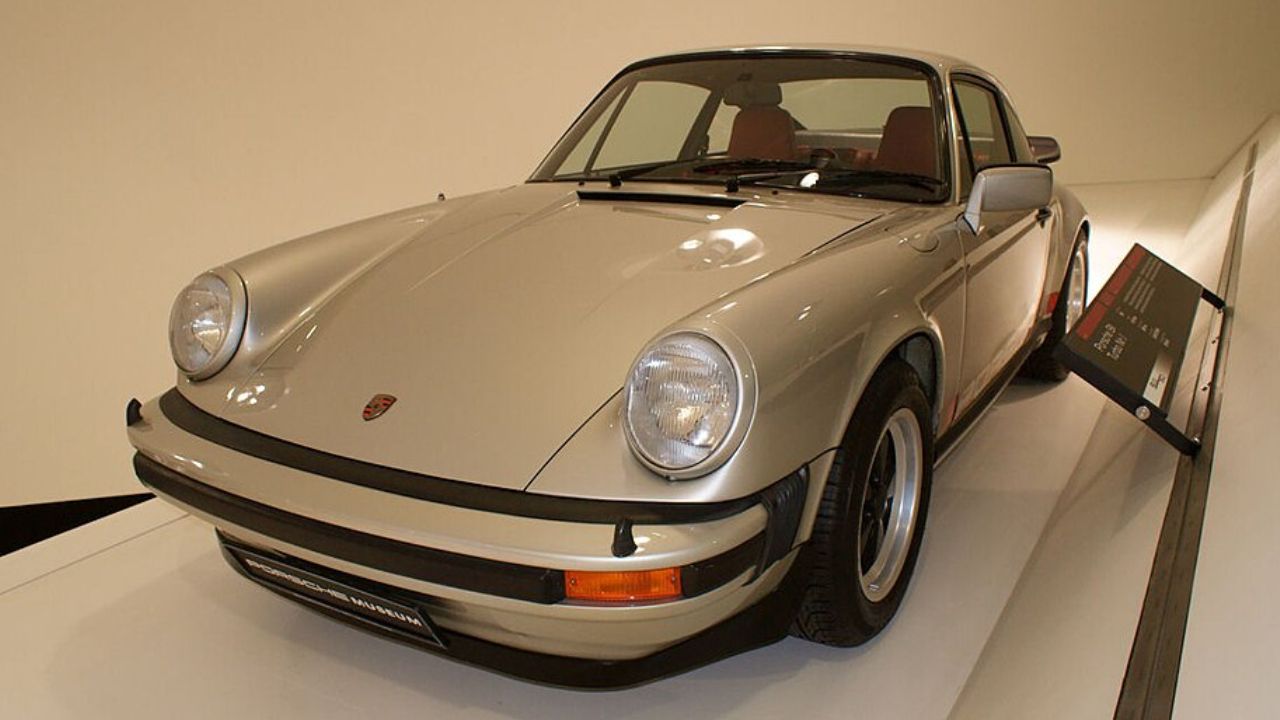
The Porsche 911 has evolved continuously, but its fundamental silhouette has remained remarkably consistent. The sloping hood, rounded roofline, compact rear section, and familiar proportions connect today’s cars to their earliest predecessors. That continuity gives older 911s a timeless quality that few performance cars can match. A classic 911 does not simply look old; it looks like an earlier interpretation of an idea that still works. For enthusiasts, that makes it one of the clearest examples of automotive design surviving without losing its identity.
Ford Mustang
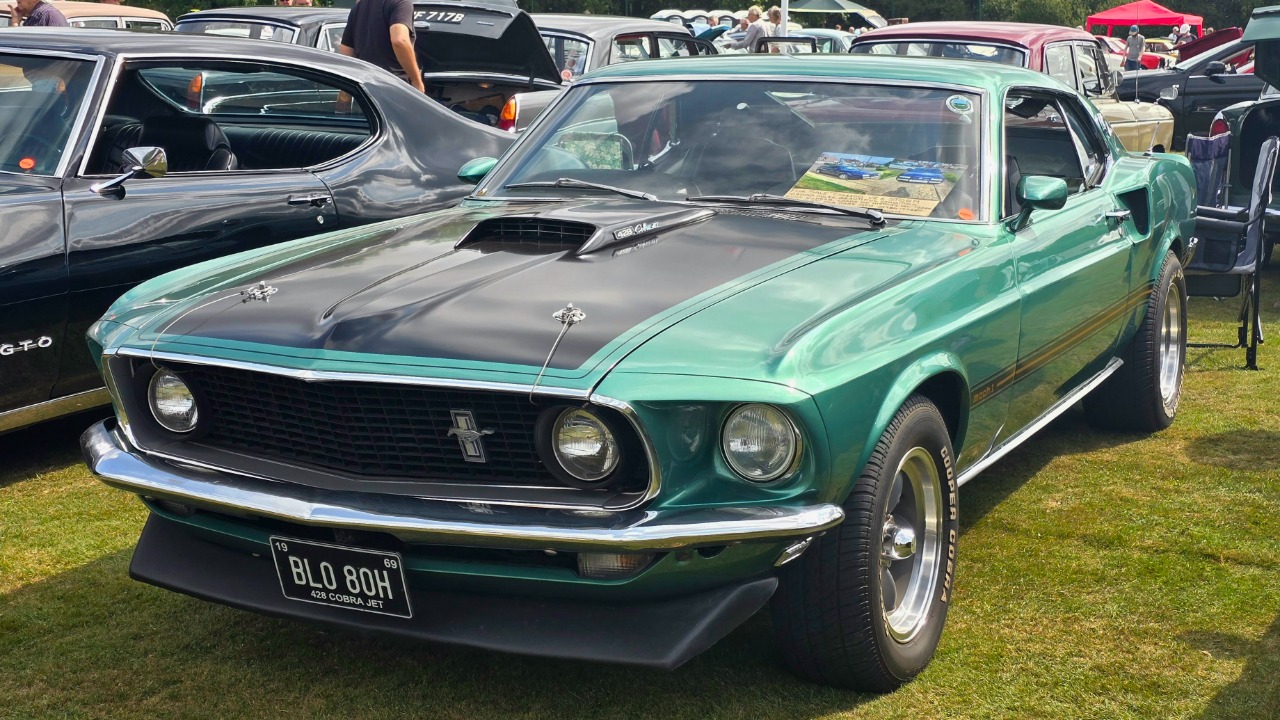
The first-generation Ford Mustang captured an era when sporty styling could be offered at a price accessible to a huge number of buyers. Its long hood, short rear deck, and compact dimensions created a formula that quickly became a defining American automotive shape. Early Mustangs remain popular because they do not require much explanation. One glance tells you what they are and what period they represent. Even surrounded by modern vehicles, an original Mustang can make the entire scene feel decades older.
Chevrolet Suburban
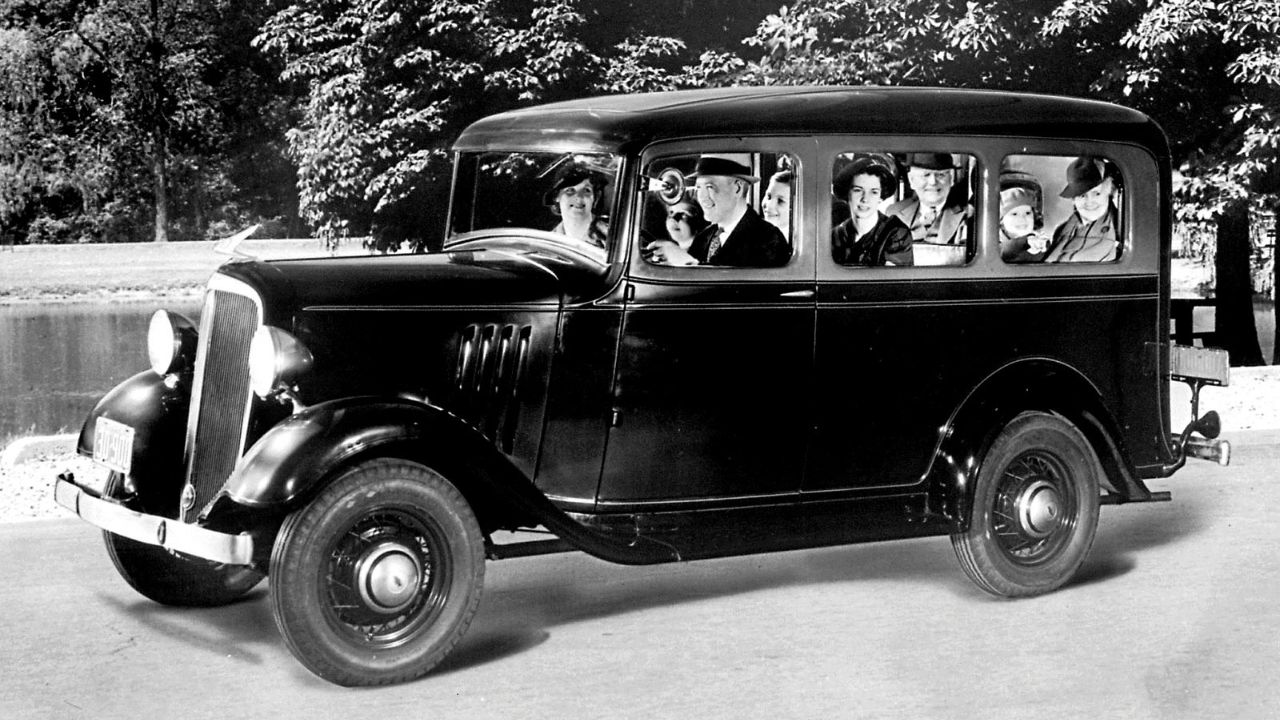
The classic Chevrolet Suburban represents an era when large family vehicles were built with remarkably straightforward engineering. Its tall body, generous glass area, rear-wheel-drive layout, and truck-based construction gave it a distinctly utilitarian character. Older Suburbans could serve as family haulers, work vehicles, tow rigs, or rural transportation without changing their basic formula. That versatility helped make the nameplate one of America’s longest-running automotive traditions. A well-preserved vintage Suburban still looks ready to spend the day carrying people and equipment rather than chasing modern luxury trends.
Toyota Land Cruiser
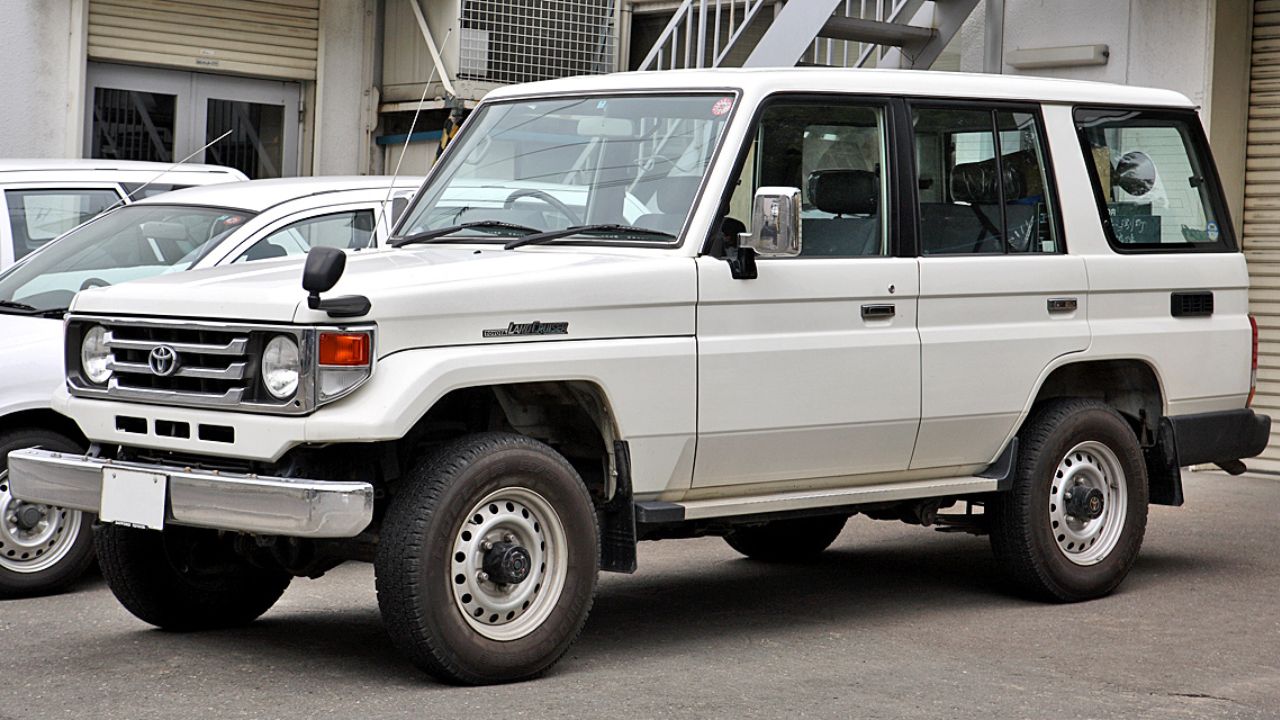
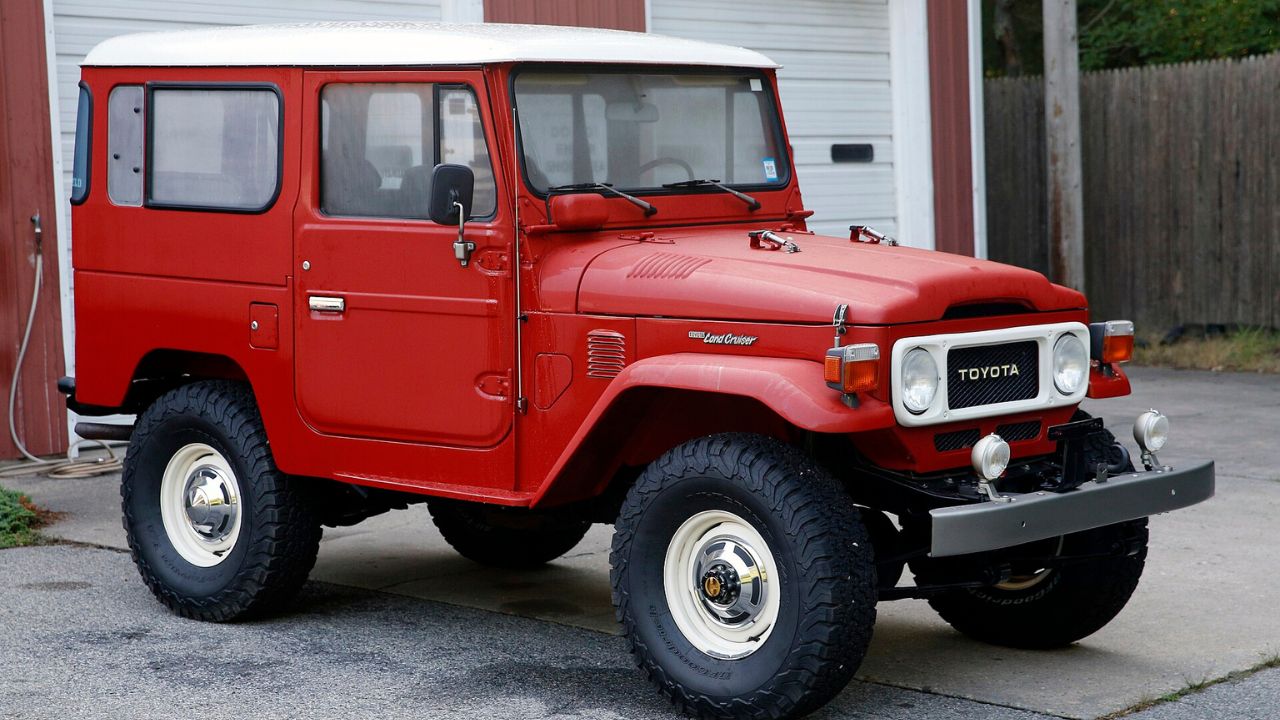
The classic Toyota Land Cruiser has a reputation for durability, but its appearance is just as memorable. Earlier versions used upright bodies, simple interiors, and rugged mechanical layouts that prioritized function. There was little attempt to disguise the vehicle’s purpose. That honesty gives older Land Cruisers a timeless quality, particularly when compared with today’s increasingly complicated SUVs. A vintage example looks equally appropriate on a mountain trail, a rural road, or at a collector event. It feels like a machine from an era when reliability mattered more than unnecessary complexity.
Mercedes-Benz 280 SL
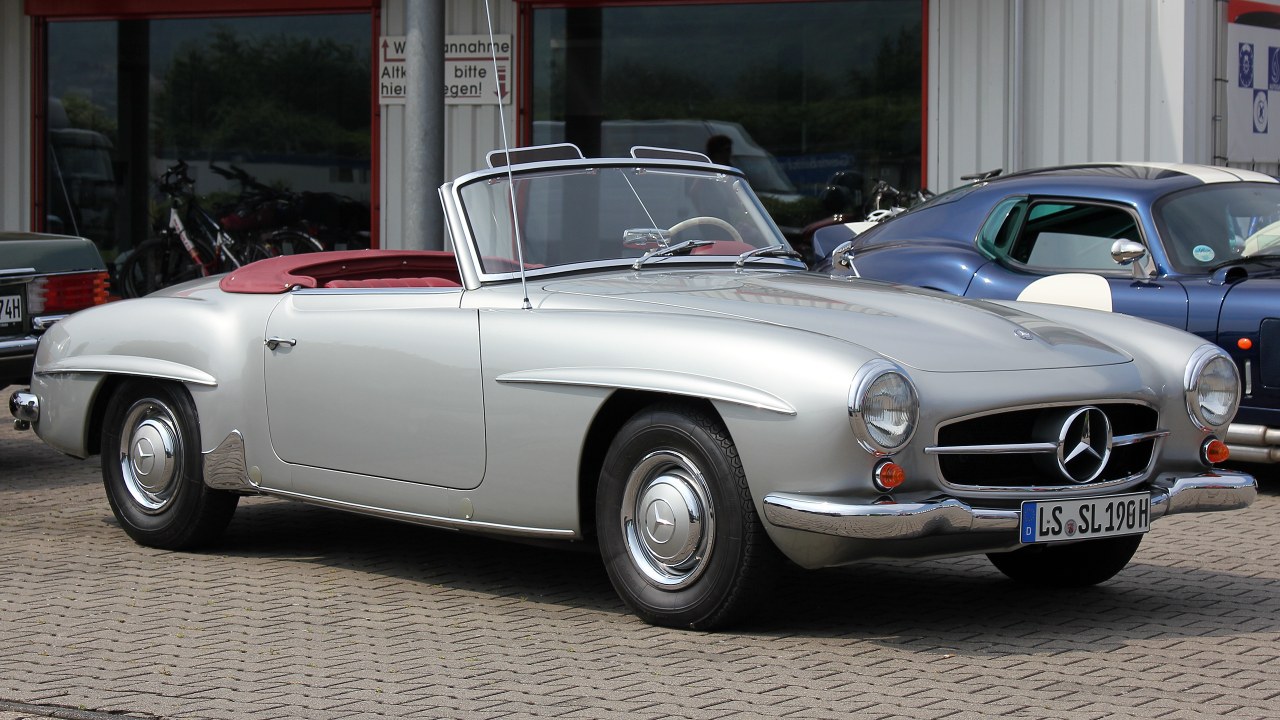
The Mercedes-Benz 280 SL represents a particularly elegant period of European automotive design. Its restrained bodywork, distinctive roof, chrome details, and clean proportions create a look that has remained desirable for generations. The car was sophisticated without being overloaded with visual decoration. Inside, the emphasis was on quality and comfort rather than screens and digital interfaces. A 280 SL can therefore feel remarkably removed from modern motoring while still looking elegant rather than outdated. It is one of those cars that makes the past seem unusually well designed.
Chevrolet Corvette
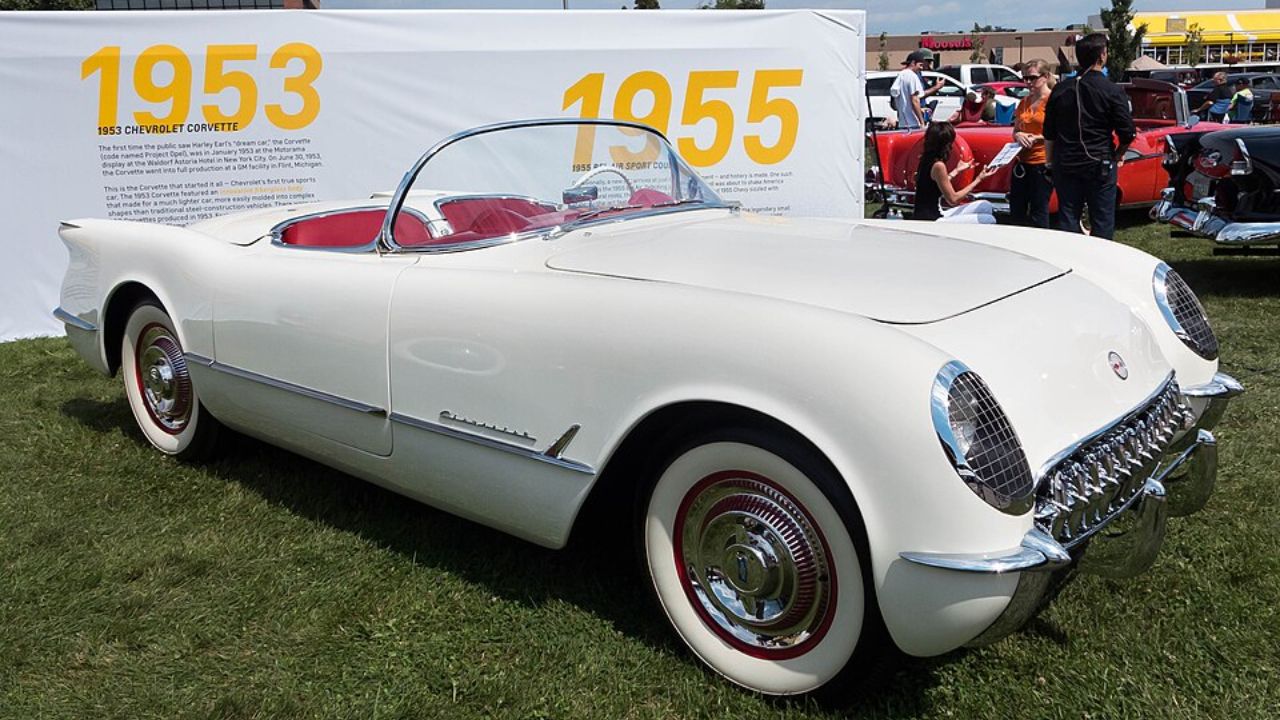
The Chevrolet Corvette has changed dramatically over the decades, but classic generations retain a personality that modern sports cars often struggle to replicate. Earlier Corvettes relied on long hoods, low bodies, chrome details, and relatively simple cabins to create their visual identity. The result was a sports car that looked special without needing elaborate aerodynamic treatment. Classic Corvettes also represent a period when American performance was increasingly becoming its own distinct style. Seeing one today can bring back the atmosphere of an era when fiberglass sports cars were still a novelty.
Datsun 240Z
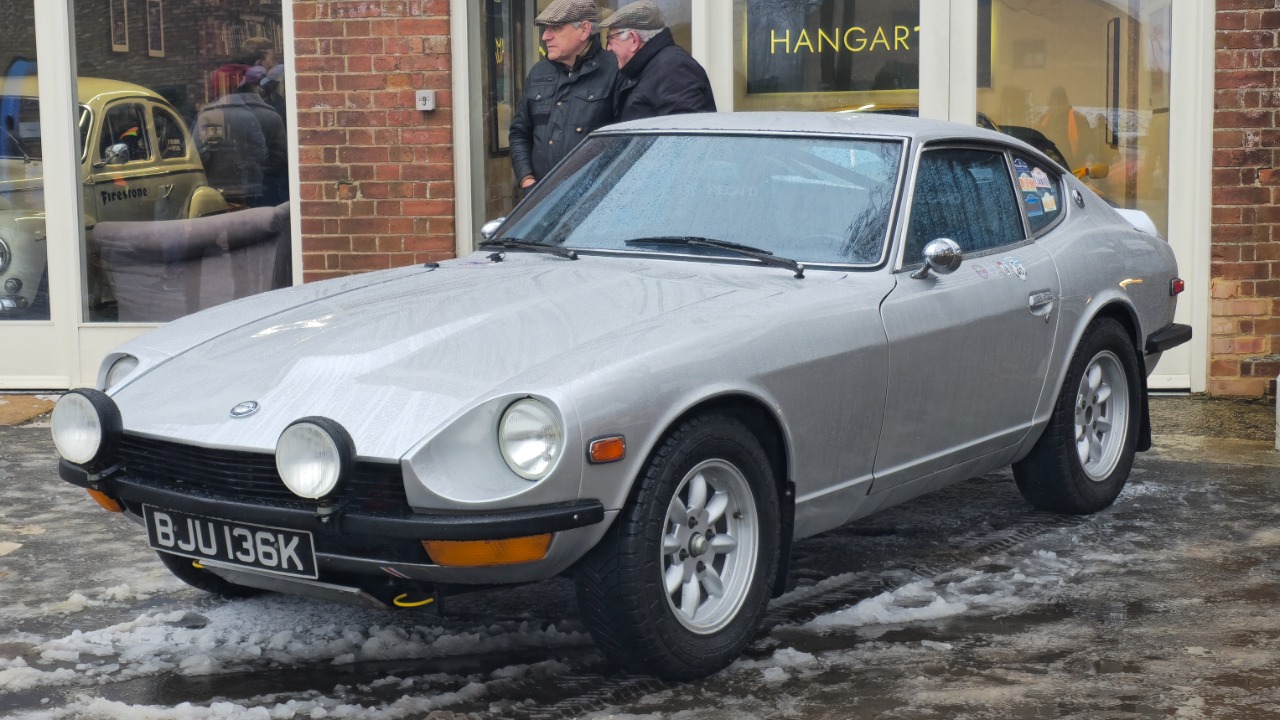
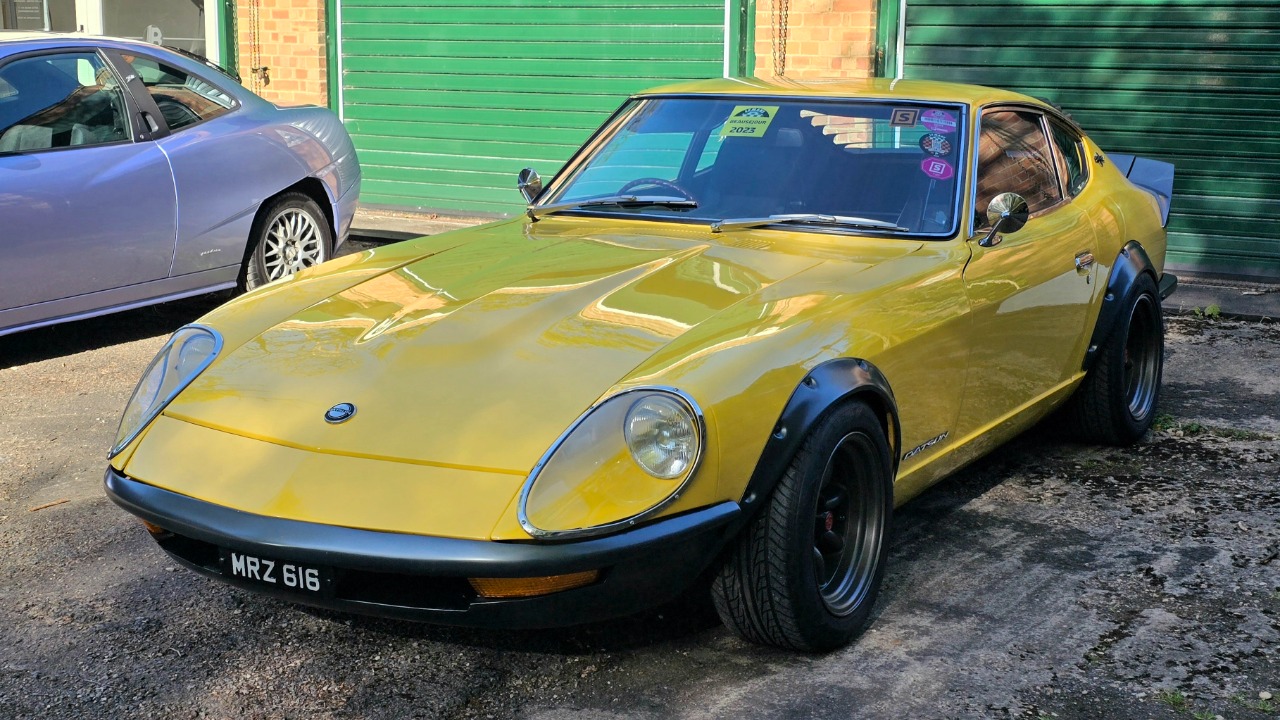
The Datsun 240Z helped redefine what an affordable sports car could offer American buyers. Its long hood, fastback roof, compact dimensions, and restrained detailing gave it a distinctly different appearance from many larger American performance cars. It also combined everyday usability with genuine sports-car character. That balance remains a major part of its appeal. A clean 240Z still looks purposeful without appearing excessively aggressive. It captures the early Japanese performance era particularly well, when simplicity and lightweight engineering were becoming major advantages.
Ford F-100
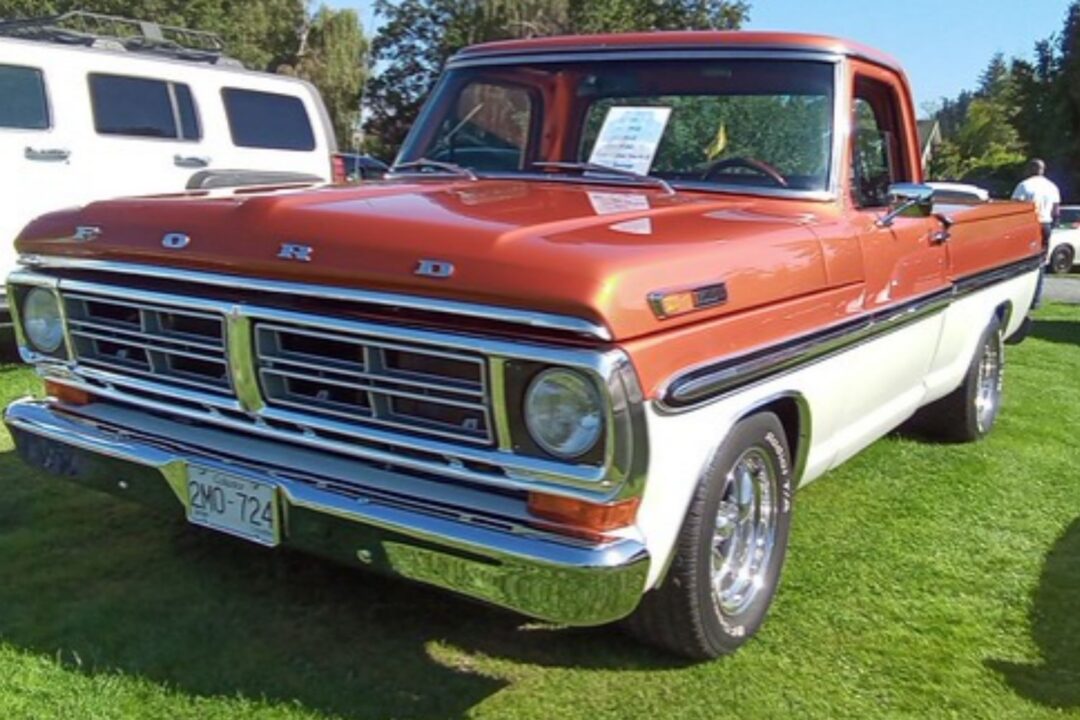
The Ford F-100 represents the pickup truck before pickups became heavily focused on luxury and technology. Its straightforward cab, upright grille, simple bed, and sturdy proportions give it an unmistakably traditional appearance. Depending on the generation, these trucks could be used for farm work, construction, hauling, or everyday transportation. Their visual simplicity is part of their lasting appeal. A vintage F-100 does not look like a scaled-down modern truck. It looks like exactly what a pickup was intended to be, which gives it an enduring sense of purpose.
Chevrolet Bel Air
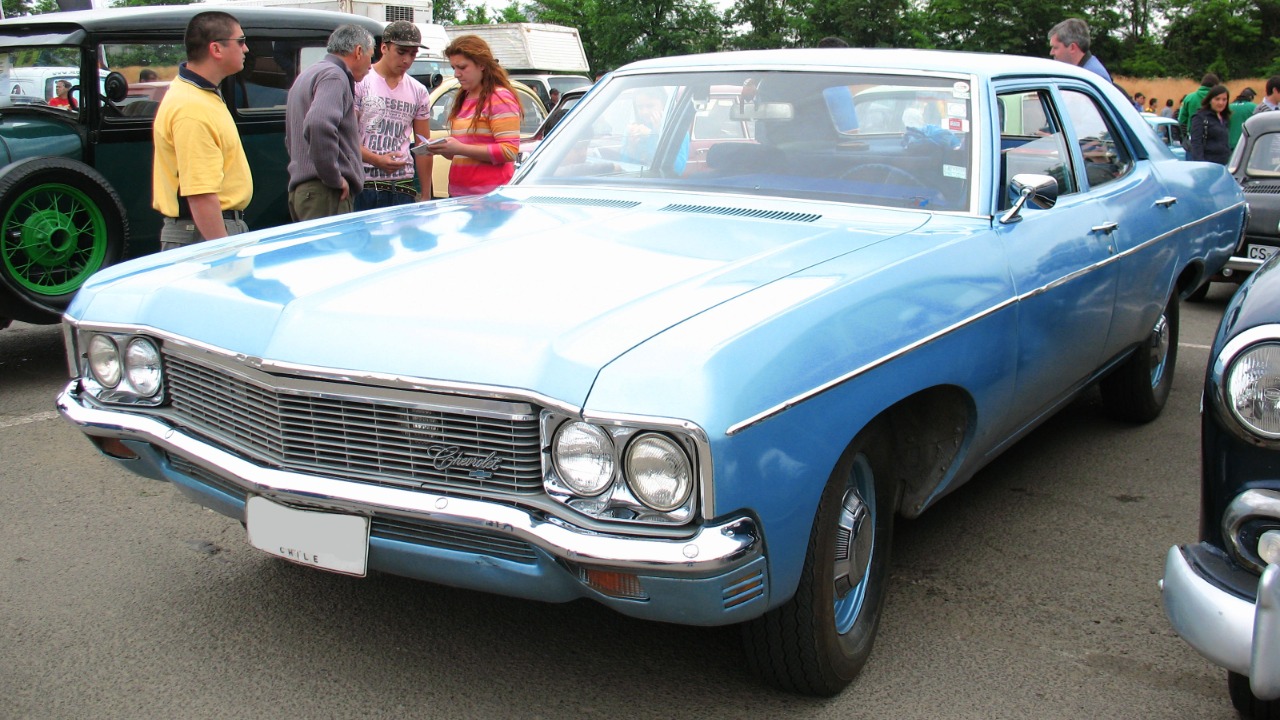
The Chevrolet Bel Air captures the optimism and excess associated with classic American automotive design. Chrome trim, sweeping body lines, generous glass, and dramatic proportions made these cars impossible to confuse with anything from another era. Yet the styling has aged into something more charming than excessive. A well-kept Bel Air still commands attention without needing modern performance equipment. It represents a time when changing the shape of a grille, tailfin, or bumper could make an ordinary family car feel like a major cultural event.
Jaguar E-Type
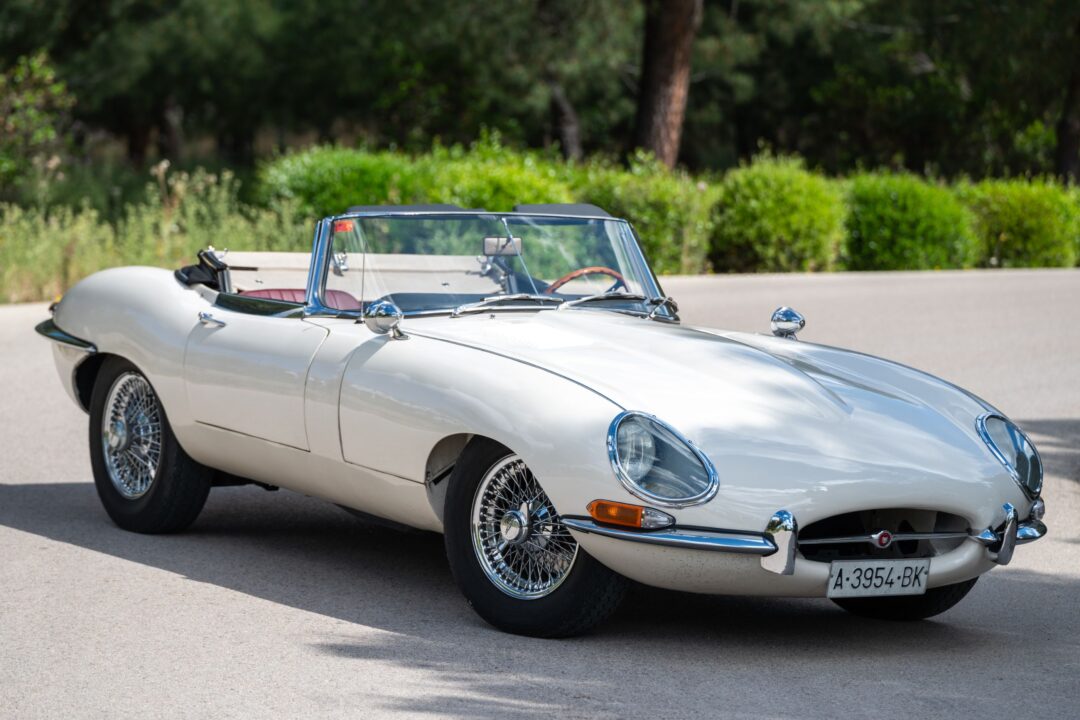
The Jaguar E-Type remains one of the clearest examples of a sports car design that still looks convincing decades later. Its long hood, low nose, curved fenders, and tucked-in cabin create proportions that are immediately recognizable. The car was also unusual because its appearance suggested something far more exotic than its original positioning might imply. Even now, an E-Type can make newer sports cars appear overly complicated. It feels firmly connected to its era while somehow avoiding the dated appearance that affects many other vehicles from the same period.
Jeep CJ-5
The Jeep CJ-5 is almost a visual definition of old-school off-road motoring. Its short wheelbase, upright body, exposed hinges, simple windshield, and basic interior communicate its purpose immediately. There is very little about the design that feels unnecessary. That simplicity has become a major reason enthusiasts continue to appreciate it. A CJ-5 can look perfectly at home sitting beside a modern SUV, yet the contrast only makes its old-fashioned character more obvious. It represents a time when an off-road vehicle could be compact, rugged, and remarkably straightforward.
BMW 2002
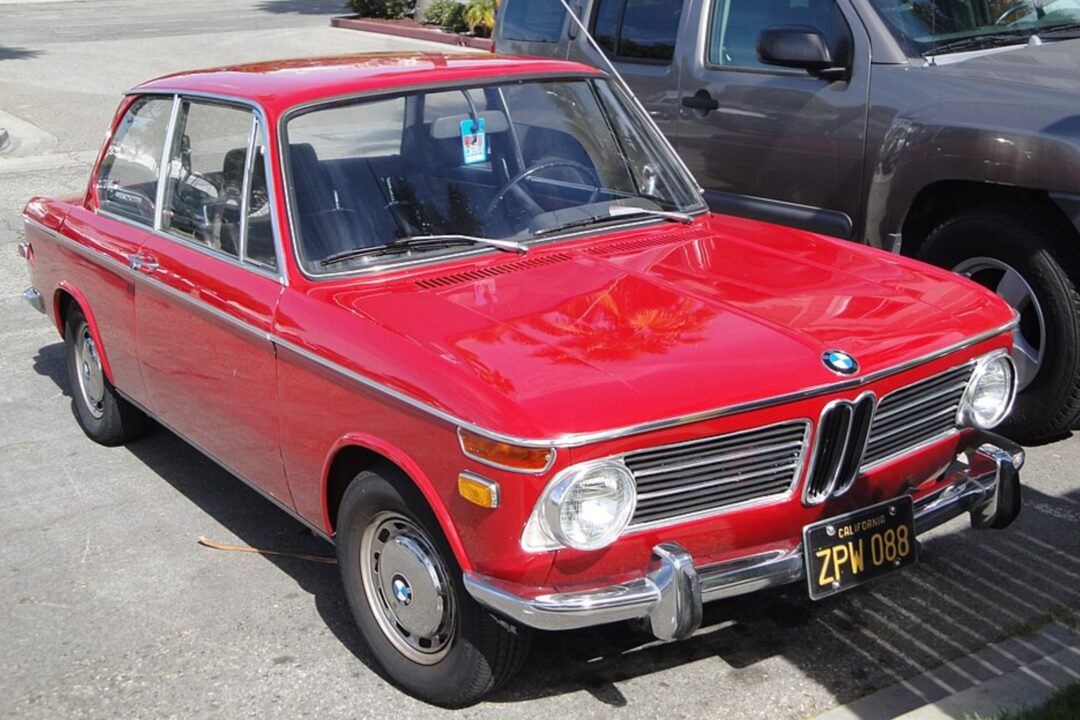
The BMW 2002 helped establish the compact sports sedan as a serious enthusiast category. Its small dimensions, clean bodywork, upright cabin, and restrained detailing give it an unmistakable late-1960s and early-1970s personality. Unlike many cars from the same period, the 2002 does not rely heavily on chrome or dramatic styling to remain interesting. Its appeal comes from proportion and simplicity. A classic 2002 still looks purposeful today, particularly because its basic shape reflects an era when compact cars could be lightweight and driver-focused without being overloaded with equipment.
Volkswagen Transporter
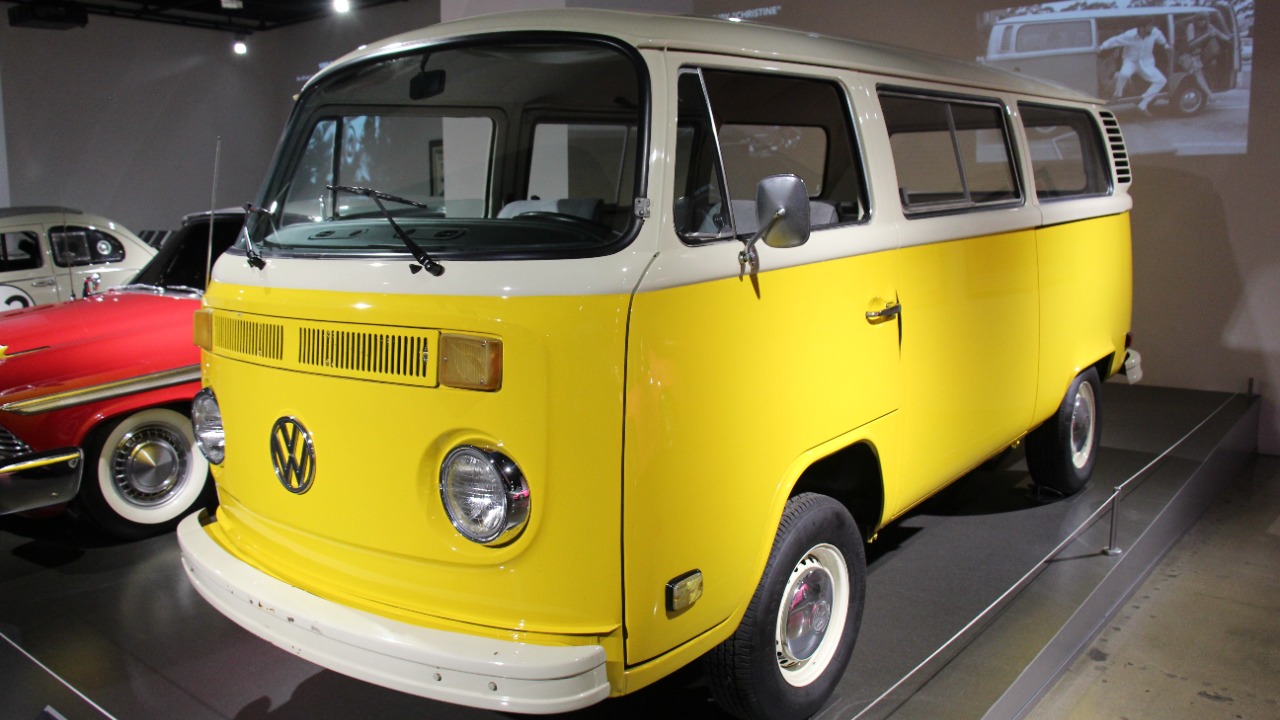
The classic Volkswagen Transporter is another vehicle whose appearance can instantly transport people to a different period. Its split or early single-piece windshield, forward-control layout, rounded body, and compact proportions made it unlike conventional American vans. The vehicle became closely associated with travel, small businesses, families, and counterculture. Today, an original Transporter remains visually distinctive even among other vintage vehicles. Its friendly shape and practical layout give it an enduring personality that modern vans rarely attempt to replicate.
International Harvester Scout
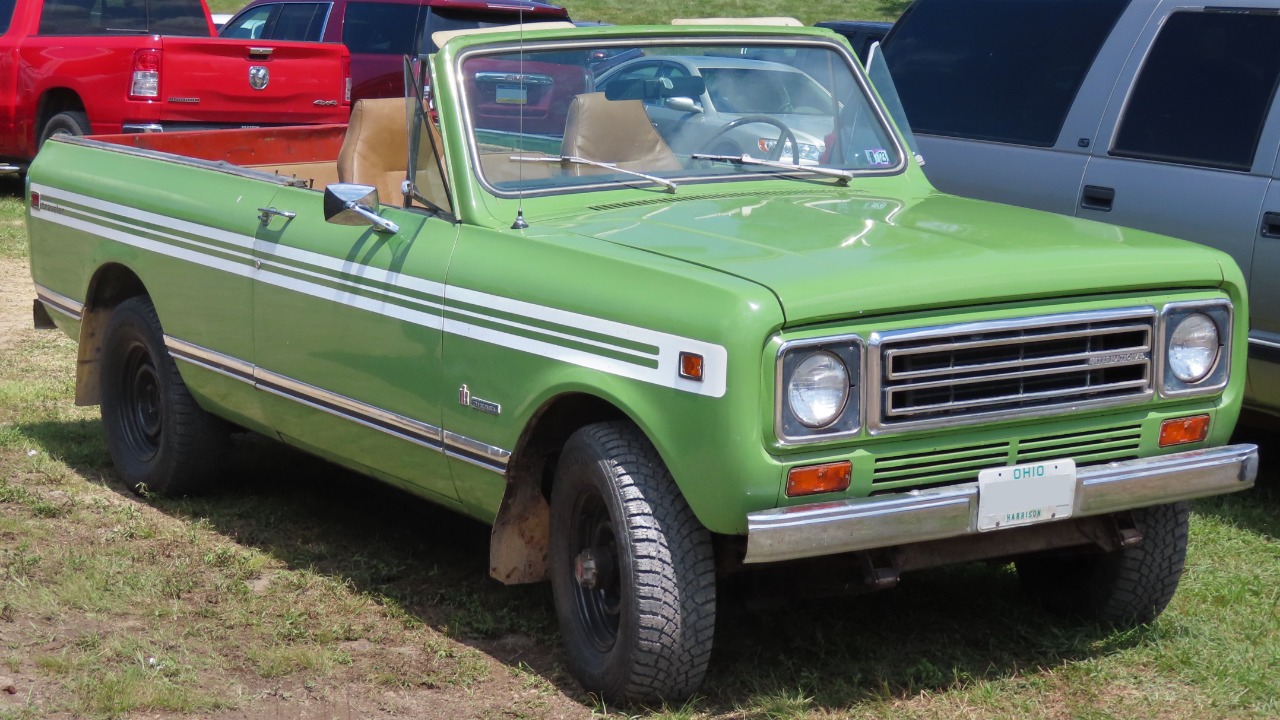
The International Harvester Scout helped establish the formula for the compact American utility vehicle before SUVs became mainstream. Its upright body, short overhangs, removable roof options on some versions, and straightforward construction gave it a rugged personality. Unlike today’s highly polished SUVs, the Scout looks like it was designed to be washed off with a hose after a hard day’s work. That is exactly what makes it appealing. It captures a period when four-wheel-drive vehicles were becoming recreational machines without losing their working-vehicle roots.
Volvo 240
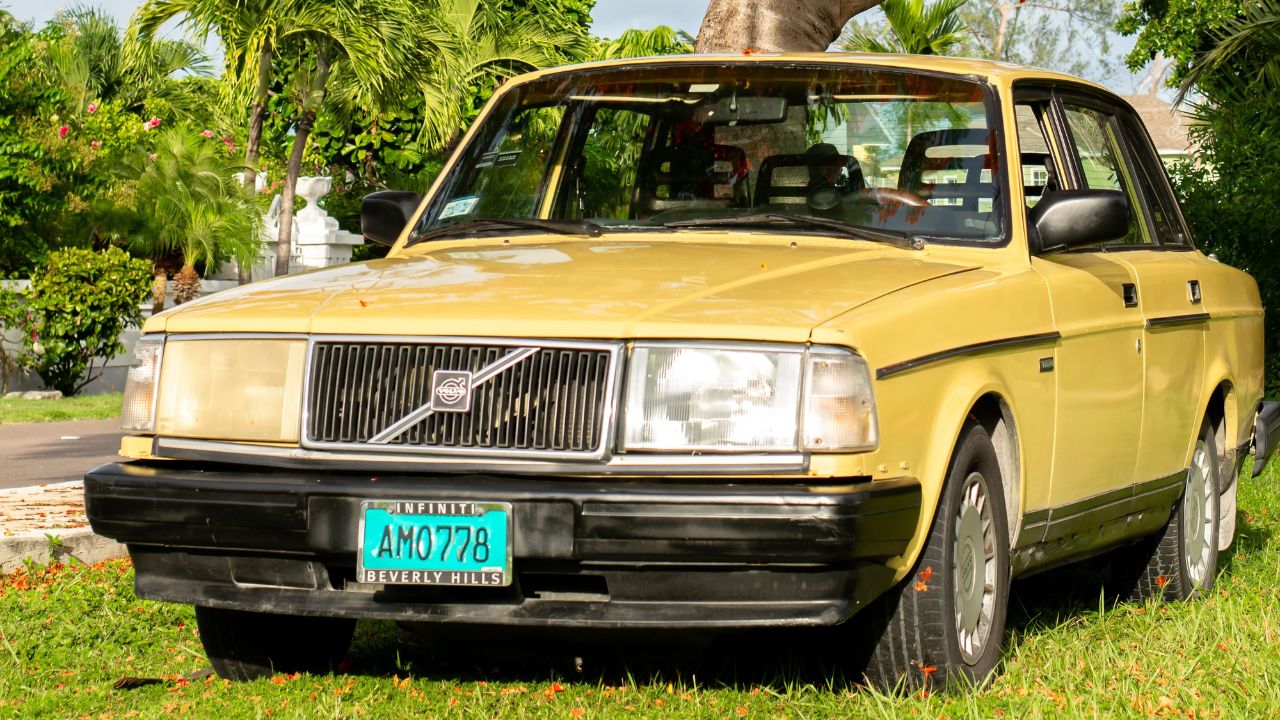
The Volvo 240 may not have the dramatic styling of a classic sports car, but its unmistakable boxy shape has become iconic. Straight lines, upright glass, simple bumpers, and a practical cabin defined the car’s visual personality. The design remained remarkably consistent for years, which makes an older 240 instantly recognizable. Its reputation for durability only adds to the nostalgia. A clean example feels like a surviving piece of everyday transportation from a time when cars were expected to be practical, repairable, and built for long-term use.
Pontiac Firebird
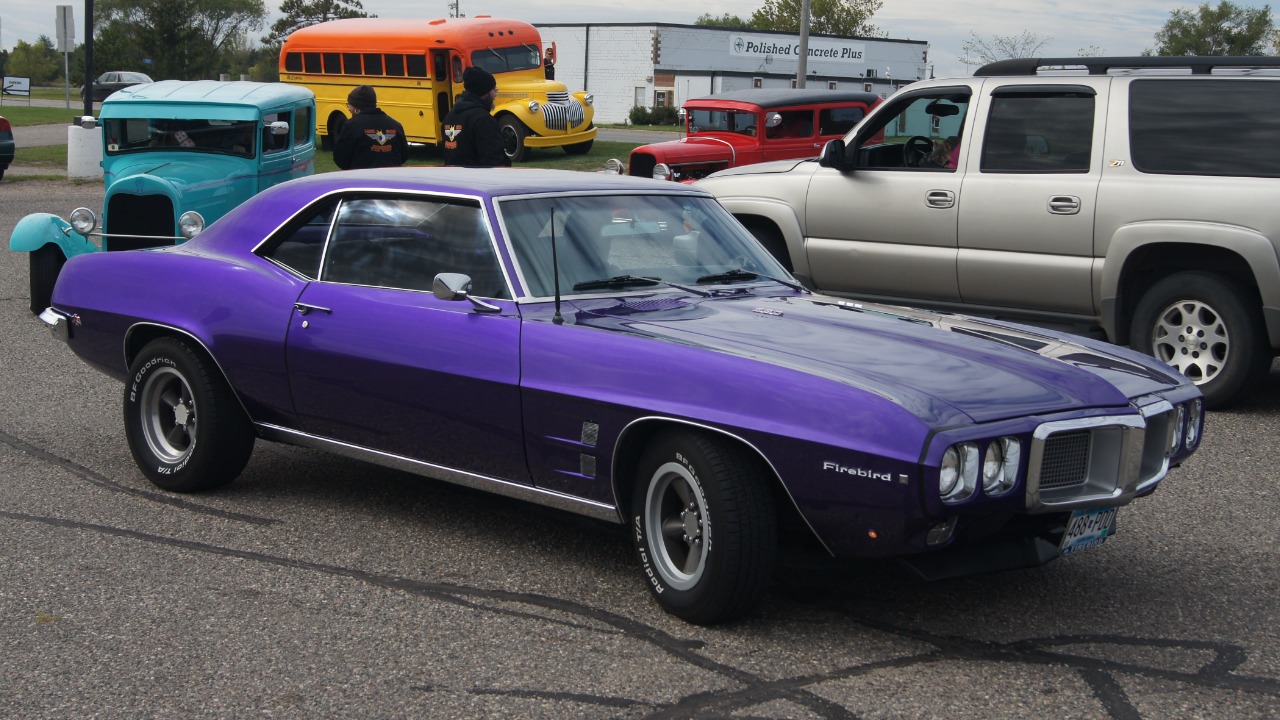
The Pontiac Firebird captured the look and attitude of American performance cars during one of the most memorable periods in automotive history. Its long hood, low roofline, sculpted body, and aggressive front end gave it plenty of visual presence without becoming difficult to recognize. Different generations changed the details, but the basic Firebird personality remained strong. Today, classic examples evoke an era when performance cars were as much about appearance and attitude as outright speed. A Firebird still looks like it belongs to a very specific, and very popular, chapter of automotive history.
More from Fast Lane Only
- Unboxing the WWII Jeep in a Crate
- 15 rare Chevys collectors are quietly buying
- 10 underrated V8s still worth hunting down
- Police notice this before you even roll window down
*Research for this article included AI assistance, with all final content reviewed by human editors.