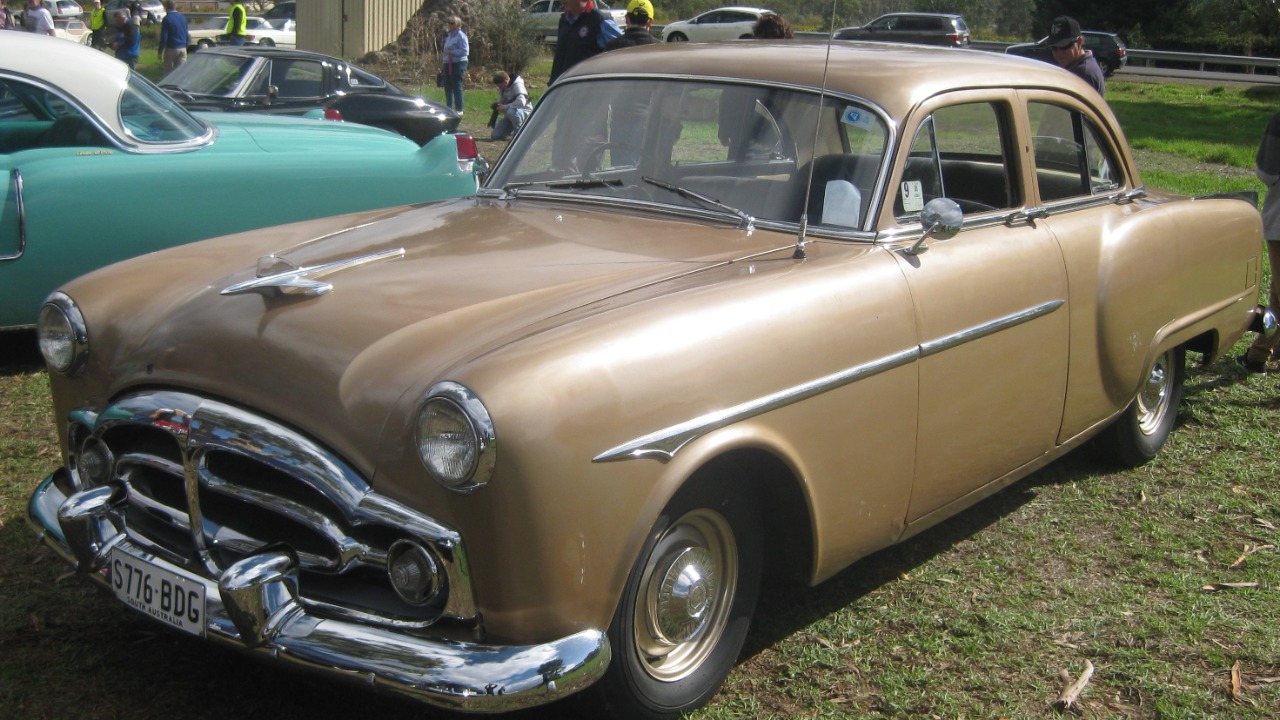
Packard built cars during an era when durability, engineering, and craftsmanship mattered as much as appearance. Some models became famous, while others were forgotten as the company disappeared from the American market. Yet many Packards earned a reputation for solid construction and thoughtful engineering. These are the models that still make old-car experts stop and take notice.
Packard 110
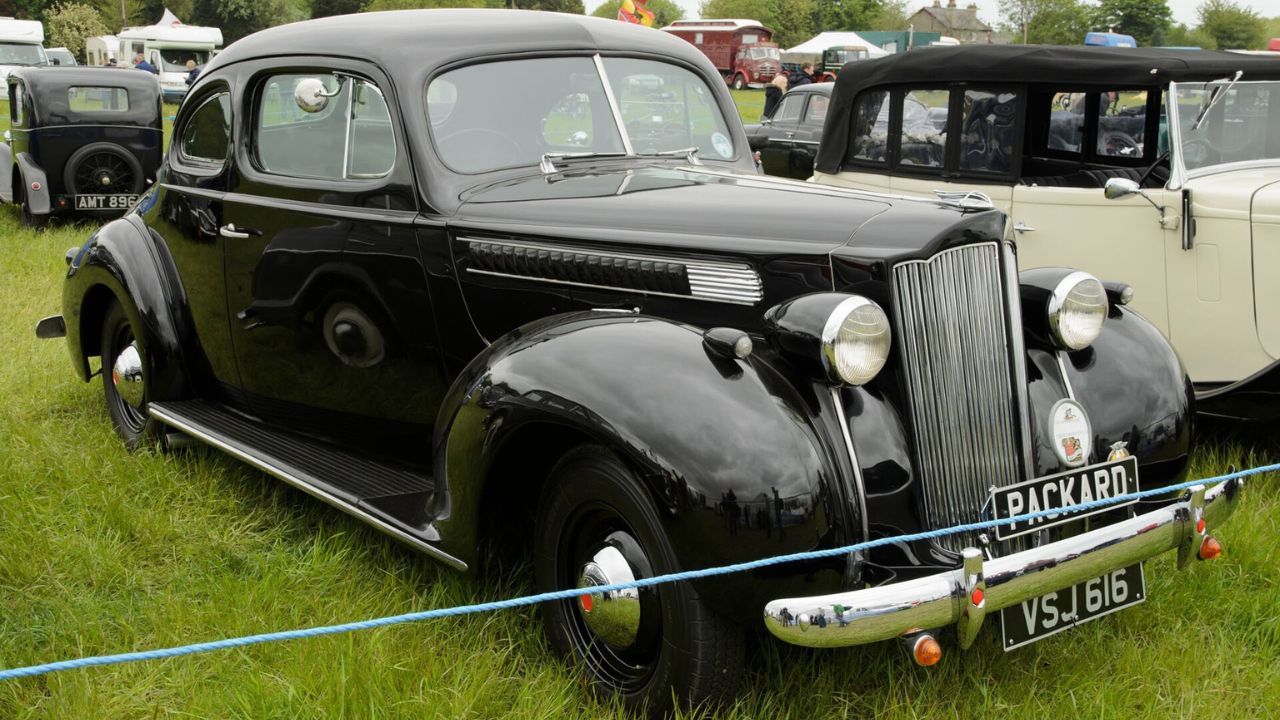
The Packard 110 brought the company’s reputation for quality to a more affordable price point. Its straight-eight engine provided smooth performance, while the sturdy chassis was designed to handle everyday driving without feeling cheaply built. It lacked the prestige of Packard’s larger models, but its combination of durability, simplicity, and reasonable size makes it an interesting choice for vintage-car enthusiasts.
Packard 120
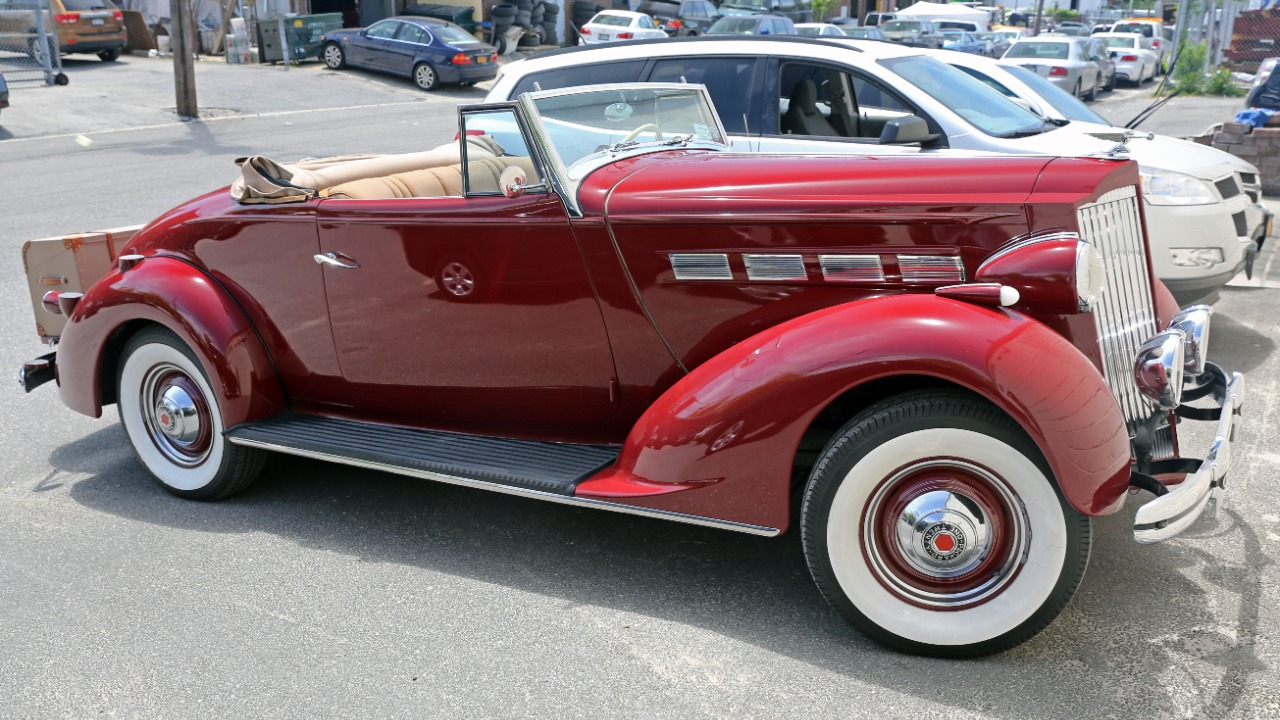
The Packard 120 helped change the company’s fortunes by offering Packard engineering in a more accessible package. Its straight-eight engine was smooth and dependable, while the chassis provided a solid driving experience. The model proved that a Packard did not have to be enormous or extravagantly expensive to feel substantial. Mechanics often appreciate how straightforward these cars can be compared with more complicated luxury models.
Packard Super Eight

The Super Eight represented Packard’s engineering at its most refined. Its large straight-eight engine delivered effortless power, while the substantial chassis gave the car a remarkably composed ride. Packard built these cars with long-distance travel in mind, and their mechanical components reflected that mission. Surviving examples are prized not simply for their appearance but for the impressive engineering underneath.
Packard Eight
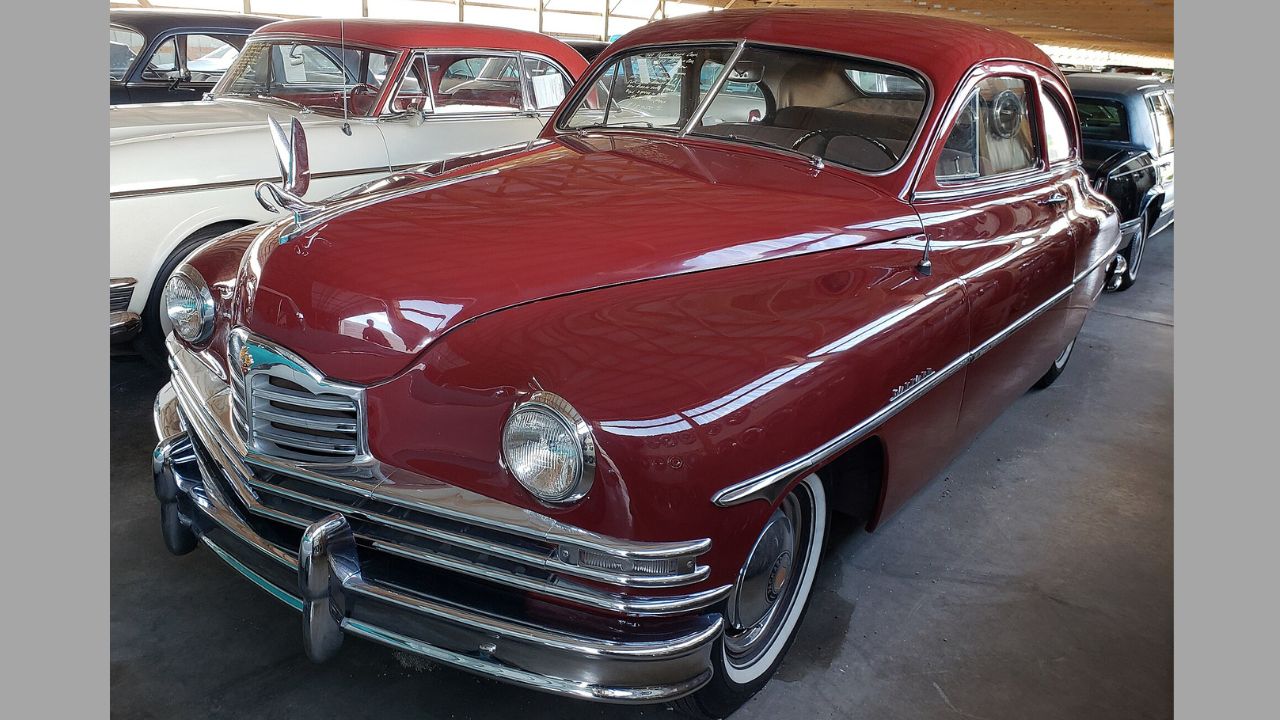
The Packard Eight became one of the company’s most important models because it combined luxury with relatively straightforward mechanical engineering. Its straight-eight engine was known for smooth operation, and the sturdy construction gave these cars a substantial feel. It was a practical expression of Packard’s philosophy, offering serious engineering without requiring buyers to step into the company’s most expensive models.
Packard Six
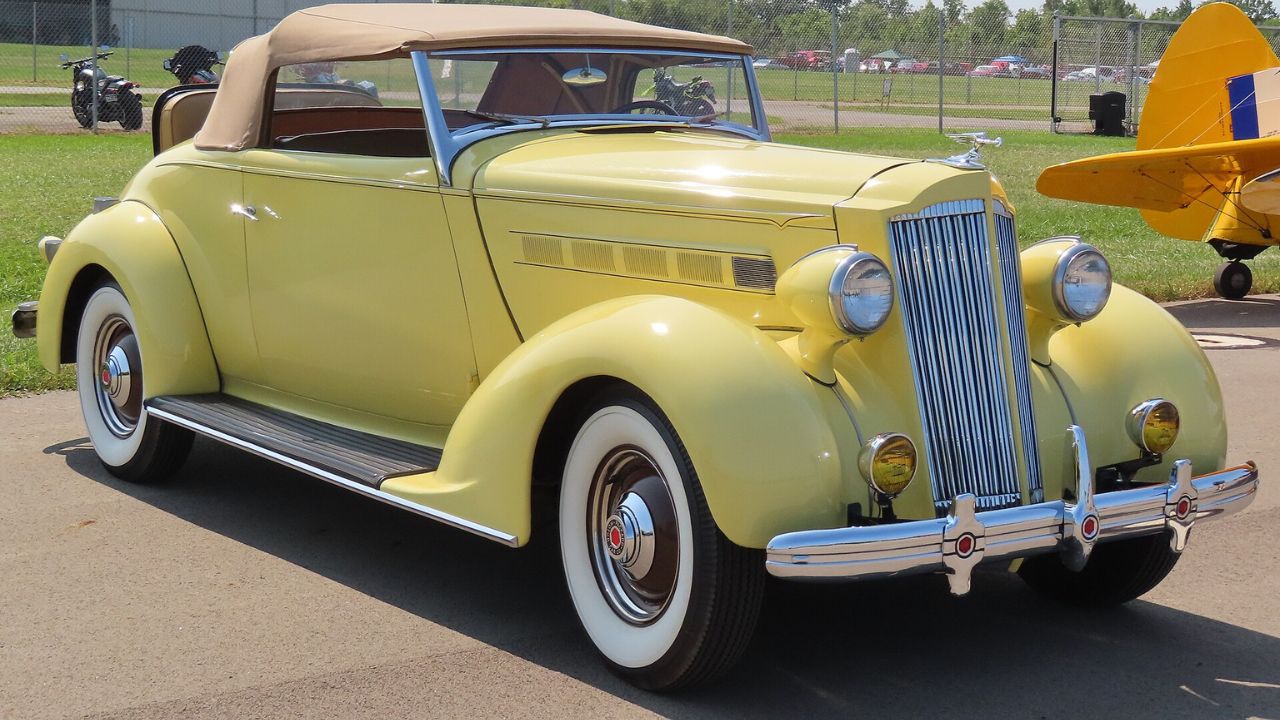
The Packard Six helped establish the company as a serious American automaker during its early years. Although smaller and less prestigious than the company’s flagship cars, it still carried the solid engineering associated with the Packard name. Its straightforward mechanical layout is part of the appeal today. For collectors interested in early American automobiles, the Six provides an important look at Packard’s foundations.
Packard Twin Six

The Twin Six demonstrated just how ambitious Packard could be with engine development. Its V12 configuration gave the car smooth, effortless power at a time when many competitors were still relying on simpler engine designs. The engineering was impressive for its period, and the model helped establish Packard as a manufacturer capable of competing at the highest level of American luxury.
Packard 200
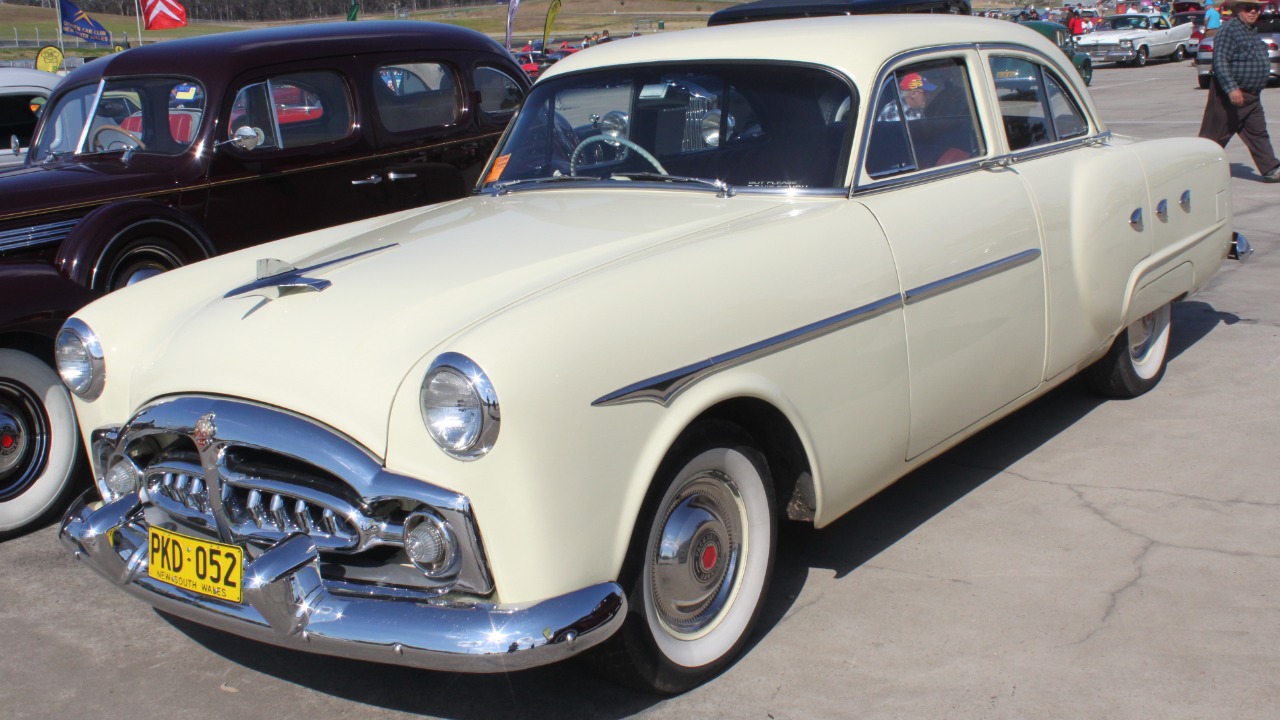
The Packard 200 brought a more affordable approach to the company’s postwar lineup. It shared important engineering with larger Packards while offering a somewhat smaller package. Its straight-eight engine provided smooth power, and the car retained the substantial construction buyers expected. Mechanics looking at these cars today can appreciate the relatively conventional mechanical layout beneath the elegant styling.
Packard 250
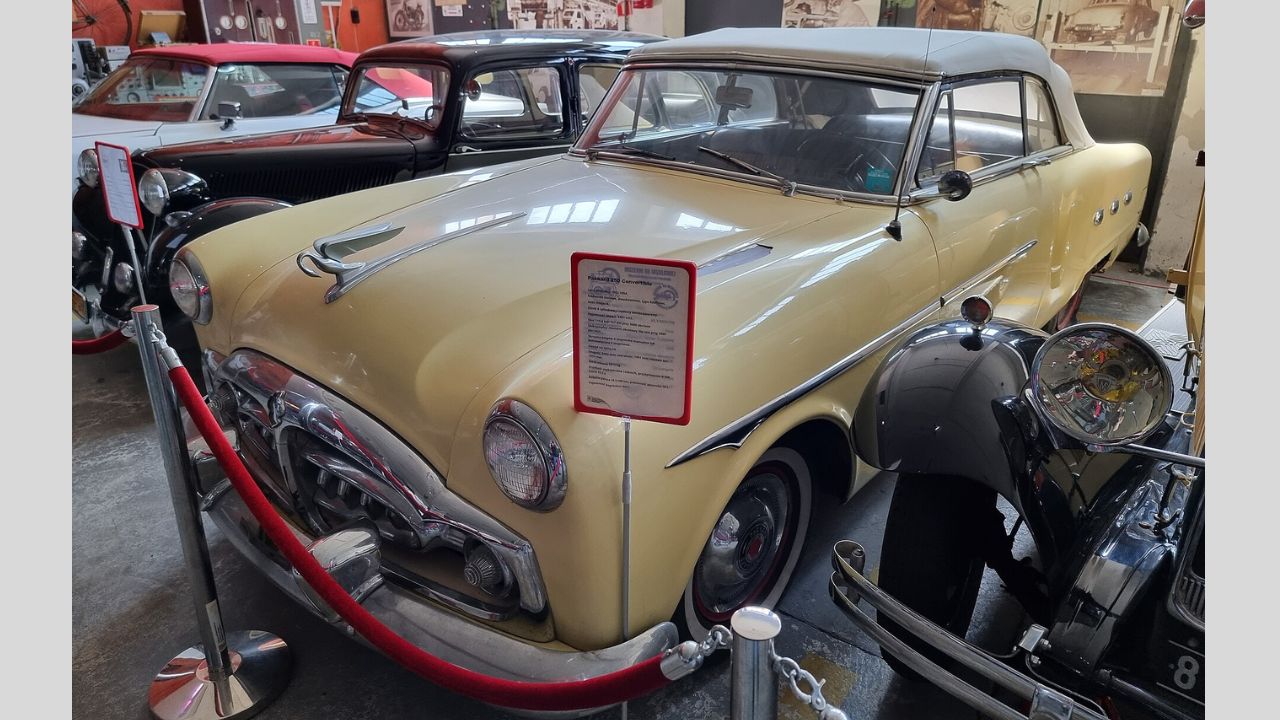
The Packard 250 occupied an appealing middle ground in the company’s lineup. It offered the smoothness and comfort associated with Packard without the enormous dimensions of some flagship models. The straight-eight engine gave it effortless road manners, while the body styles provided plenty of traditional American luxury. It remains an overlooked choice for collectors who want a genuine postwar Packard.
Packard 300
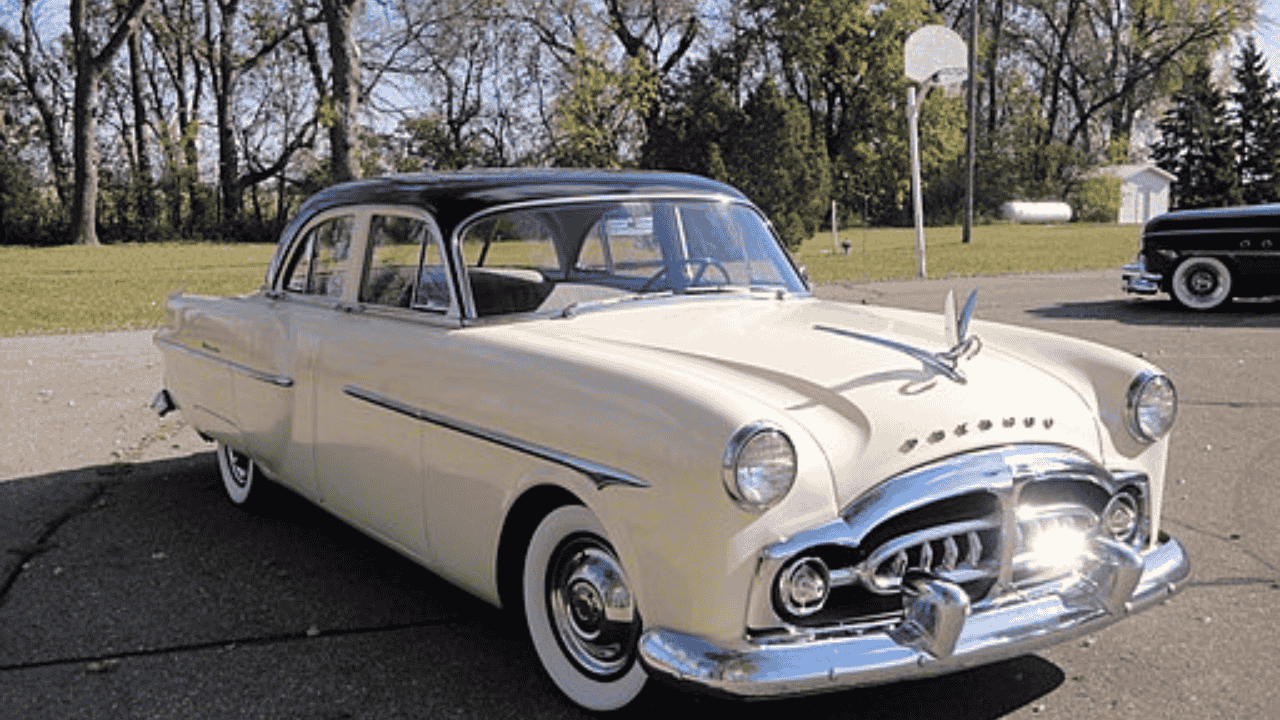
The Packard 300 was built for buyers who wanted serious luxury without necessarily stepping into the company’s most extravagant offerings. Its large straight-eight engine provided plenty of torque, while the sturdy construction contributed to its comfortable highway character. The model demonstrated Packard’s ability to combine substantial engineering with polished road manners during the company’s important postwar years.
Packard Patrician

The Patrician represented the top end of Packard’s traditional luxury lineup. Its powerful straight-eight engine, substantial construction, and carefully finished interior made it a serious competitor to Cadillac and Lincoln. Although its weight demanded plenty from the drivetrain, the mechanical engineering was impressive. Today, the Patrician is remembered as one of the last great expressions of Packard’s classic luxury philosophy.
Packard Caribbean

The Caribbean was Packard’s answer to America’s growing appetite for stylish personal luxury. Bright colors, distinctive trim, and powerful straight-eight engines made it one of the company’s most memorable postwar models. Beneath the flashy presentation was familiar Packard engineering. Collectors value the Caribbean for its appearance, but the mechanical foundation is another reason these cars remain important.
Packard Clipper
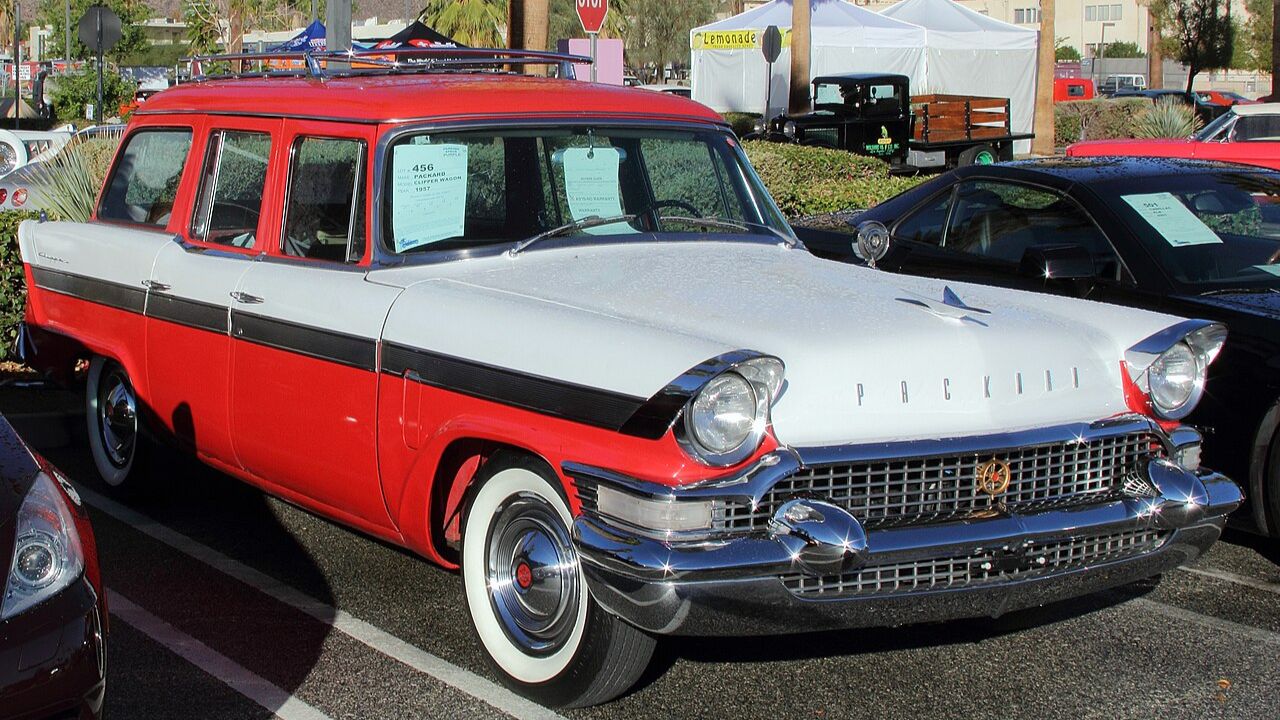
The Clipper was a major design statement for Packard, combining streamlined styling with the company’s reputation for solid engineering. Its aerodynamic body looked remarkably modern when introduced, while the chassis retained the robust construction expected from the brand. The Clipper showed that Packard could build a car that was both technically respectable and visually ahead of its time.
Packard Clipper Super
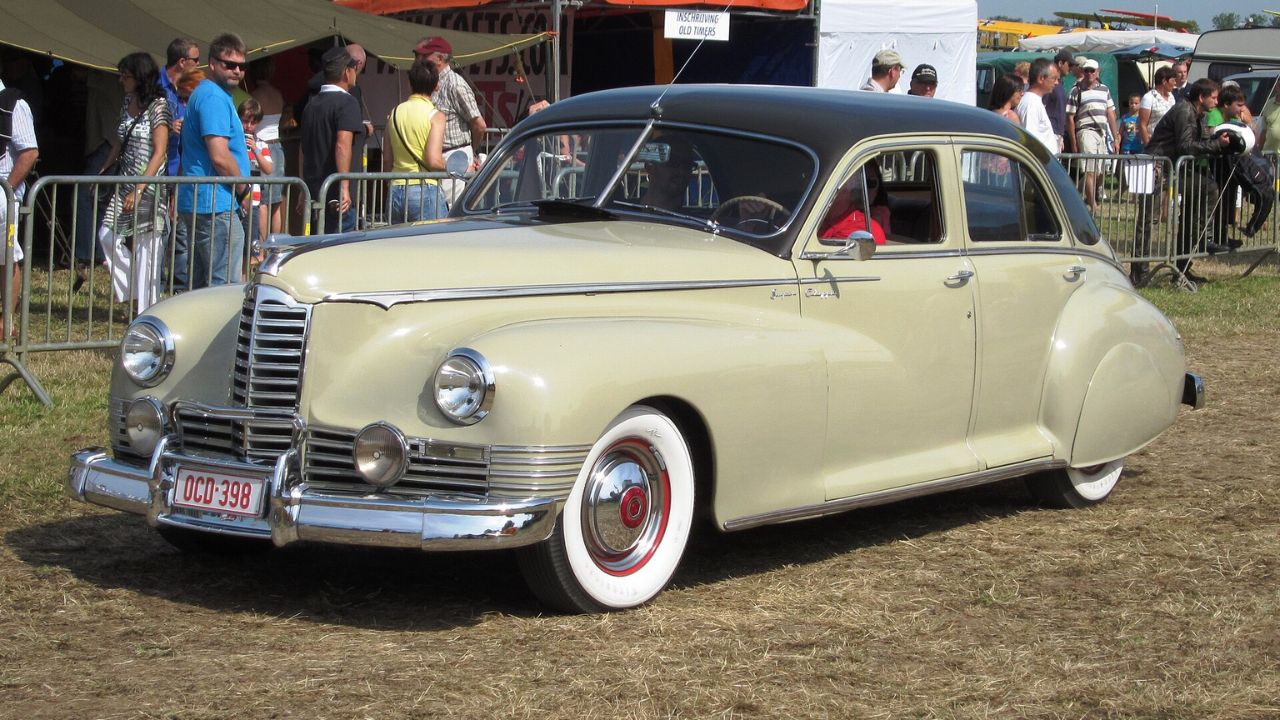
The Clipper Super added more power and equipment to an already capable package. Its straight-eight engine provided smooth acceleration, while the solid chassis gave the car a planted feel on the road. It was positioned below Packard’s flagship models, but that did not mean it was cheaply engineered. For enthusiasts, the Clipper Super remains one of the more balanced Packards of its period.
Packard Cavalier
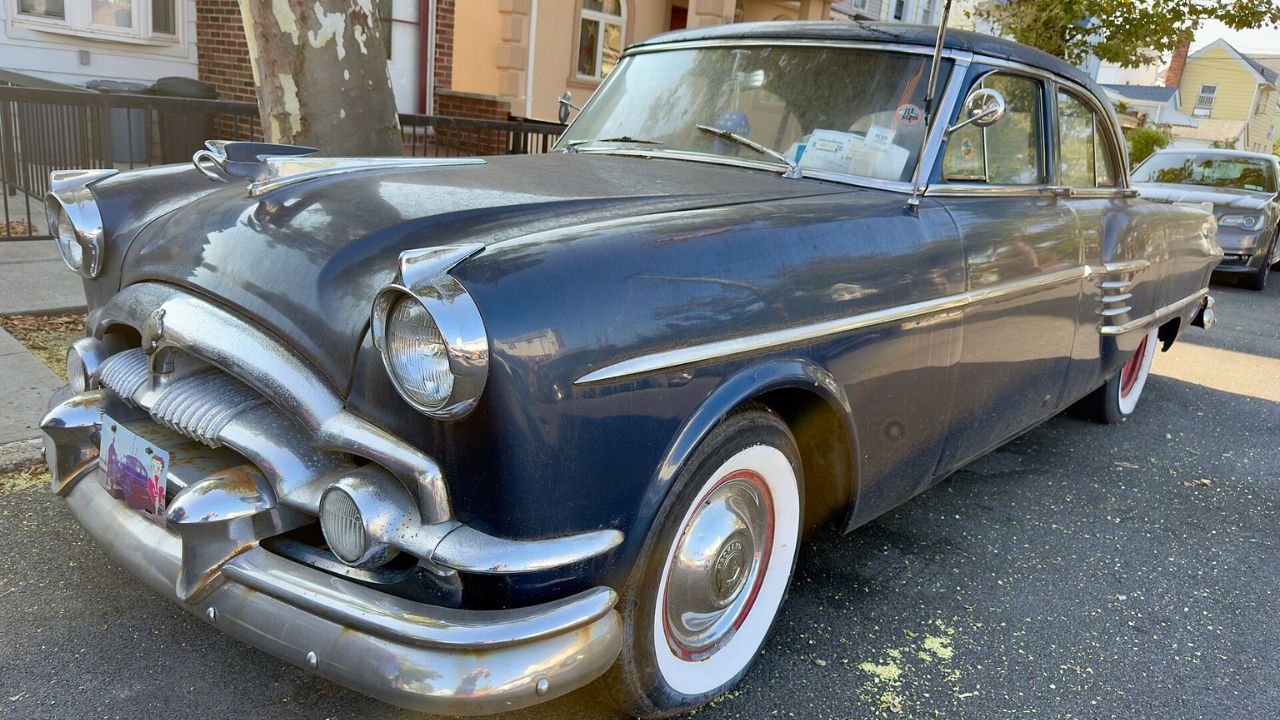
The Cavalier gave Packard buyers a stylish four-door option with a strong straight-eight engine and plenty of traditional American comfort. It was not as extravagant as the company’s most expensive models, but it retained the substantial construction that made Packard respected. Its relatively conventional engineering also makes it appealing to enthusiasts who prefer cars that can still be understood mechanically.
Packard Mayfair
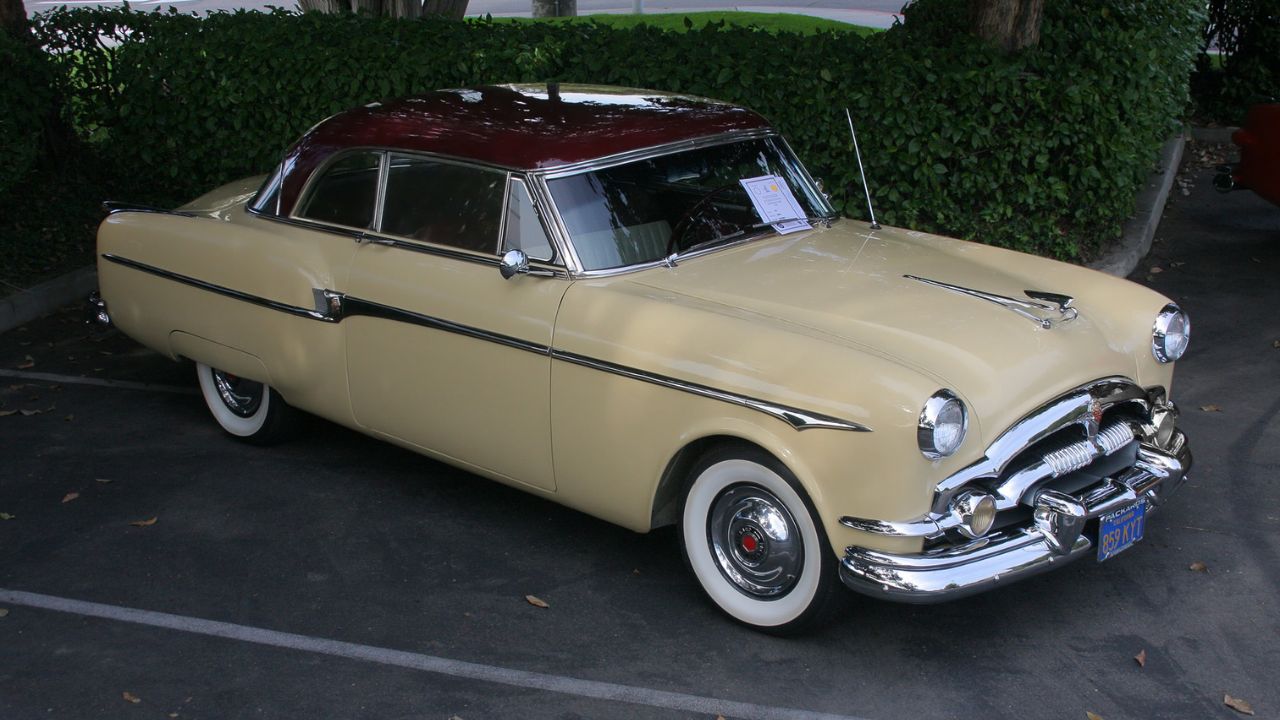
The Mayfair was one of Packard’s more stylish offerings during the company’s final years. Its two-door body gave it a sportier appearance, while the straight-eight engine provided the smooth power expected from the brand. It arrived during a difficult period for Packard, which means its engineering achievements are often overlooked. Collectors who know the marque recognize the Mayfair as a capable grand-touring car.
Packard Hawk
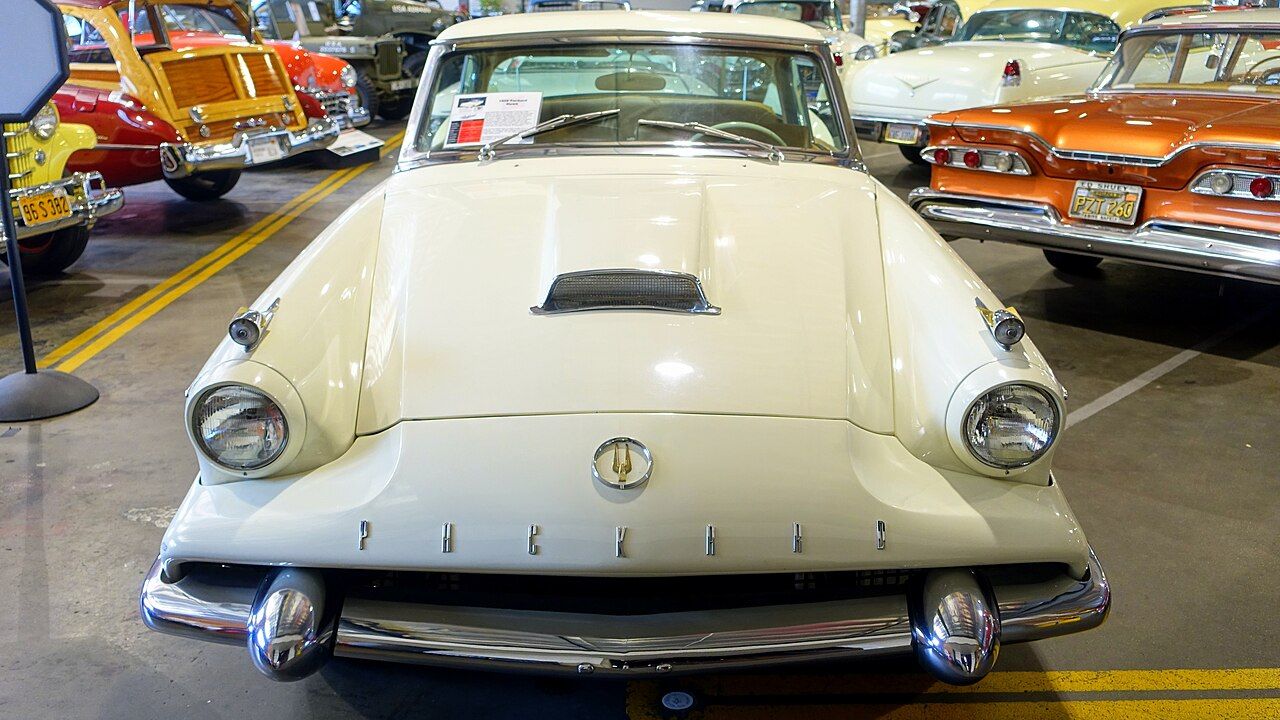
The Packard Hawk was an unusual final chapter for the company. Based on the Studebaker Hawk, it received Packard-specific styling details and a supercharged V8 that gave it serious performance. Its production numbers were limited, and Packard’s corporate struggles overshadowed the car. Mechanically, however, the Hawk was one of the most interesting performance-oriented vehicles to wear the Packard name.
Packard 400
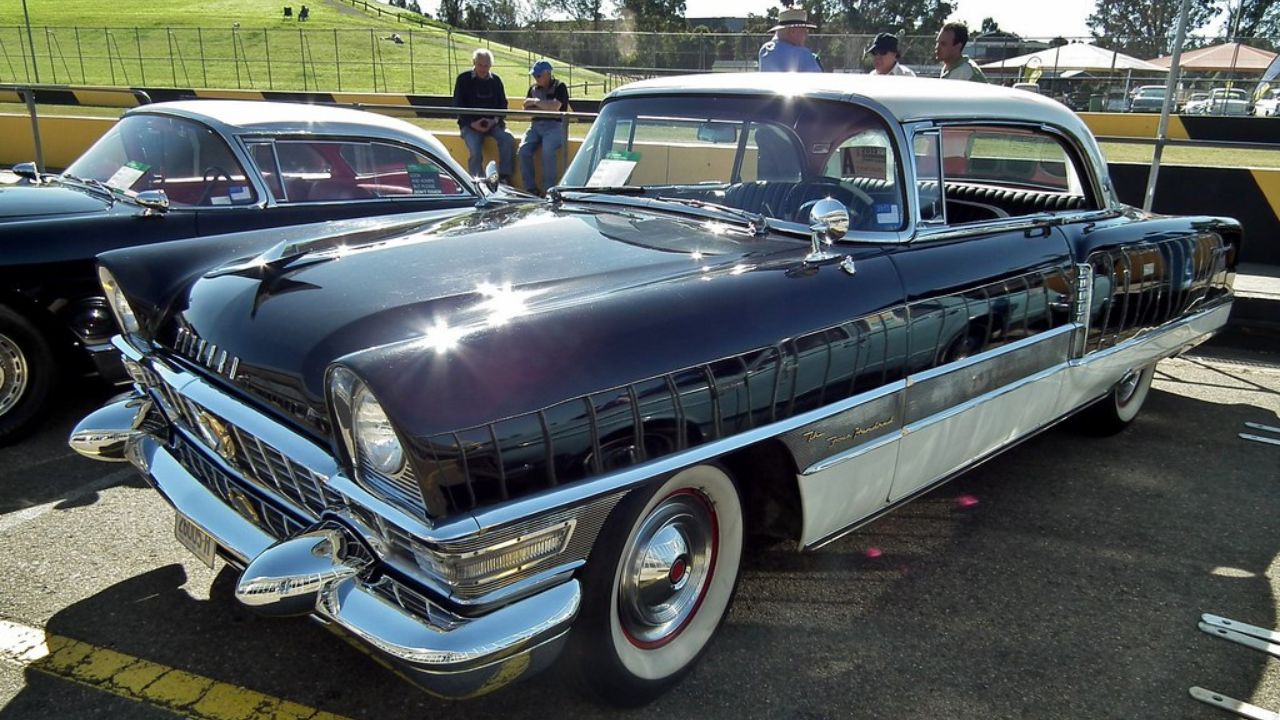
The Packard 400 was a substantial luxury car built around a powerful straight-eight engine and a strong chassis. Its name reflected Packard’s attempt to compete directly with America’s established luxury leaders. The car offered a smooth ride, generous equipment, and impressive road presence. While collectors often focus on the Caribbean and Patrician, the 400 deserves attention for its solid mechanical package.
Packard Super Deluxe
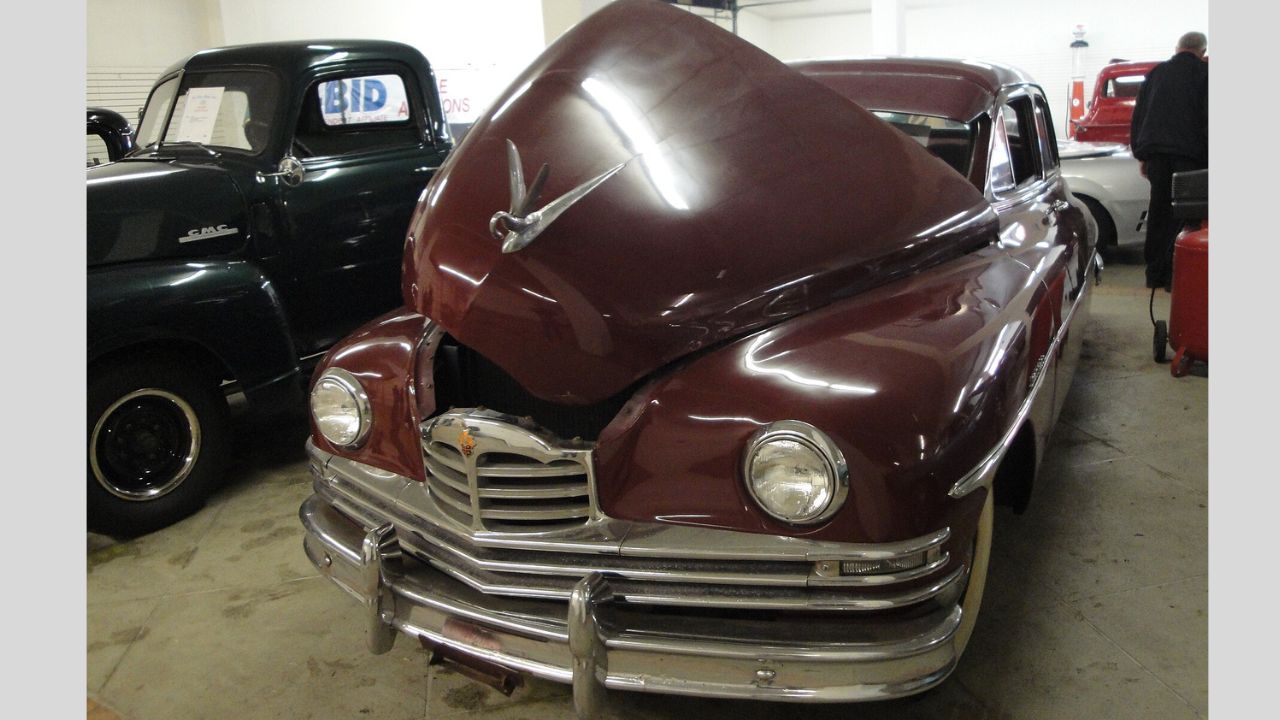
The Super Deluxe name appeared on Packard models that emphasized extra equipment and refinement without abandoning the company’s sturdy mechanical foundation. These cars combined smooth straight-eight power with comfortable interiors and substantial chassis construction. They may not attract the same attention as Packard’s famous flagship models, but their balance of usability and traditional engineering makes them appealing to knowledgeable enthusiasts.
Packard 180
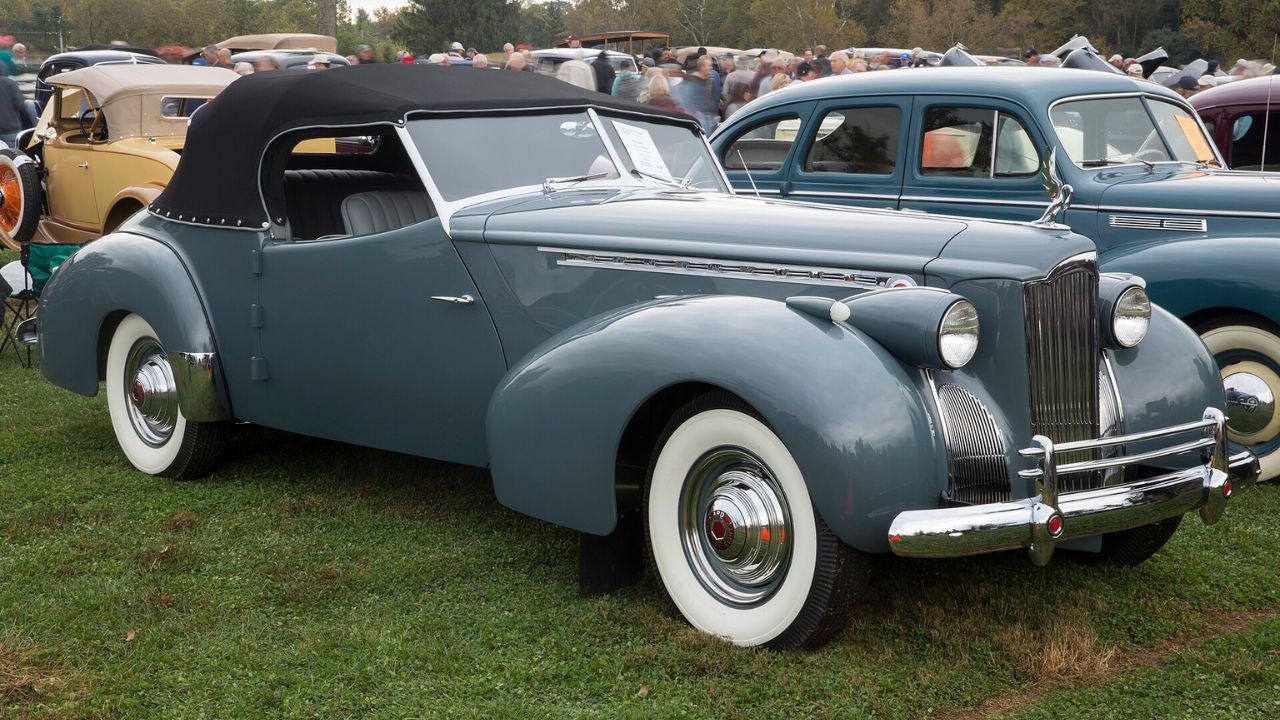
The Packard 180 was among the company’s most prestigious models before World War II. Its large straight-eight engine delivered impressive smoothness, while the substantial chassis was built for demanding luxury-car use. Packard invested heavily in engineering during this period, and the 180 demonstrated the results. It remains one of the strongest examples of the company’s reputation for overbuilt American luxury cars.
More from Fast Lane Only
- Unboxing the WWII Jeep in a Crate
- 15 rare Chevys collectors are quietly buying
- 10 underrated V8s still worth hunting down
- Police notice this before you even roll window down
*Research for this article included AI assistance, with all final content reviewed by human editors.