The best postwar cars were built during a period when simplicity and durability mattered. Many had sturdy engines, straightforward mechanical systems, and bodies designed to handle years of ordinary use. Some have now survived astonishing mileage, proving that a well-maintained classic can remain useful long after newer cars have disappeared.
Ford Custom
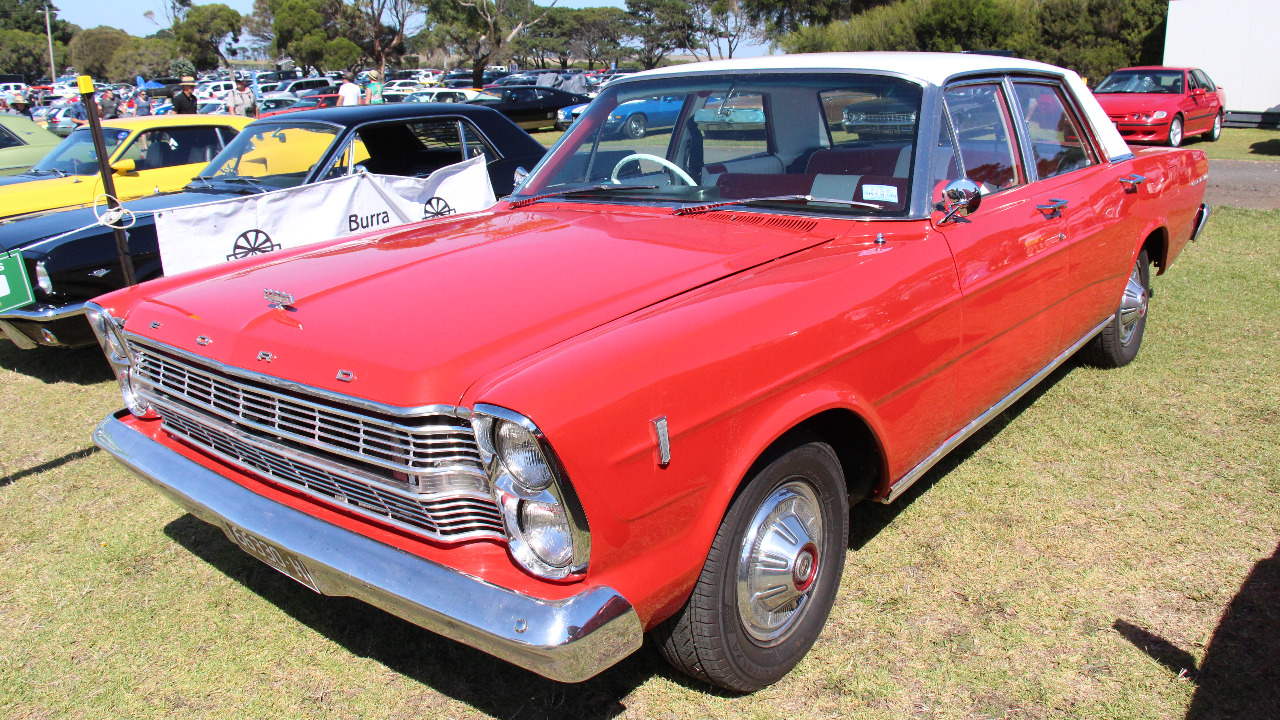
The Ford Custom was a straightforward full-size car that reflected the practical engineering of the postwar era. Its conventional layout made maintenance familiar to mechanics, while its sturdy engines could tolerate years of regular driving. Many were used as family transportation, work vehicles, and everyday commuters rather than pampered collectibles. That history helped prove their durability. Surviving examples may show plenty of age, but a mechanically sound Custom can still demonstrate why these cars lasted so long.
Chevrolet Styleline
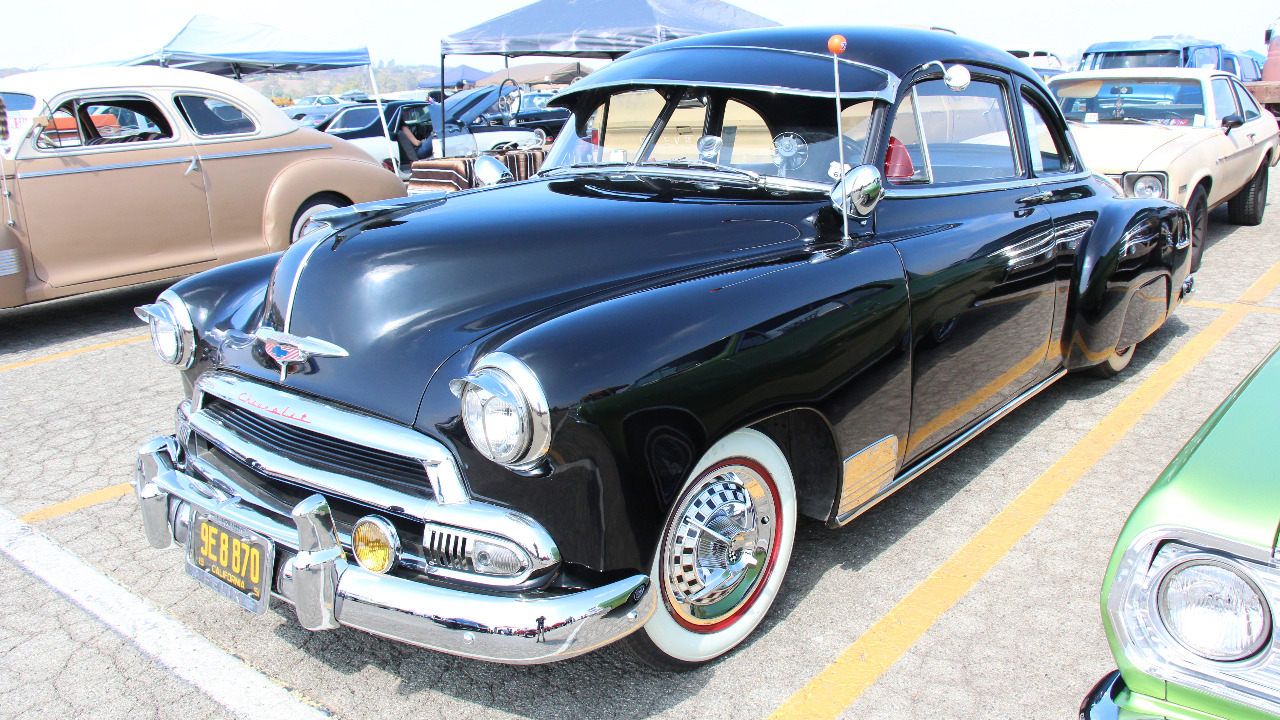
The Chevrolet Styleline combined conservative engineering with the kind of straightforward construction that made postwar American cars relatively easy to maintain. Its inline-six and V8-era mechanical components were familiar to generations of mechanics, and replacement parts have remained accessible. Many Stylelines spent their lives being driven rather than stored, which makes surviving examples particularly interesting today. Their ability to remain usable decades later shows just how much longevity could come from relatively uncomplicated automotive design.
Buick Special
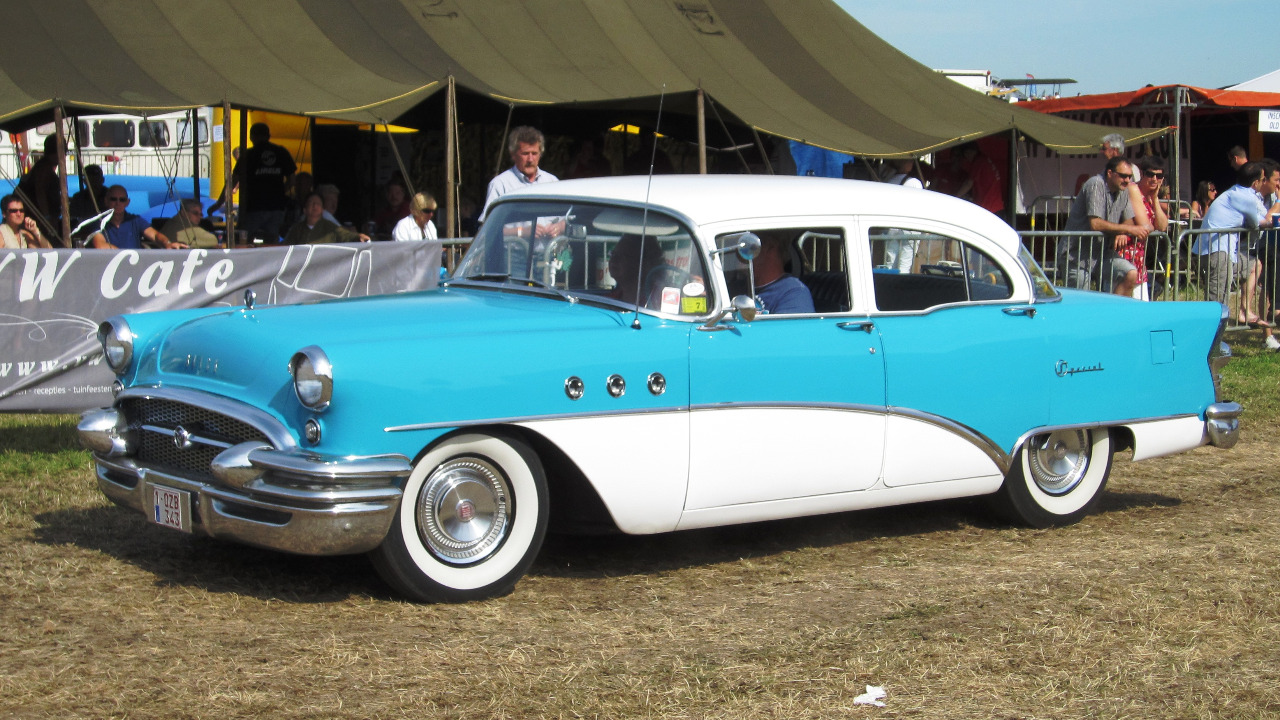
The Buick Special offered a more substantial driving experience without becoming excessively complicated. Its sturdy chassis and durable engines gave it the ability to handle everyday use for years, while Buick’s reputation for solid construction helped attract buyers who expected longevity. Many examples served as family cars long before collectors became interested in them. A Special that has survived decades of use demonstrates how well these older cars could cope with regular mileage when owners kept up with basic maintenance.
Oldsmobile 88
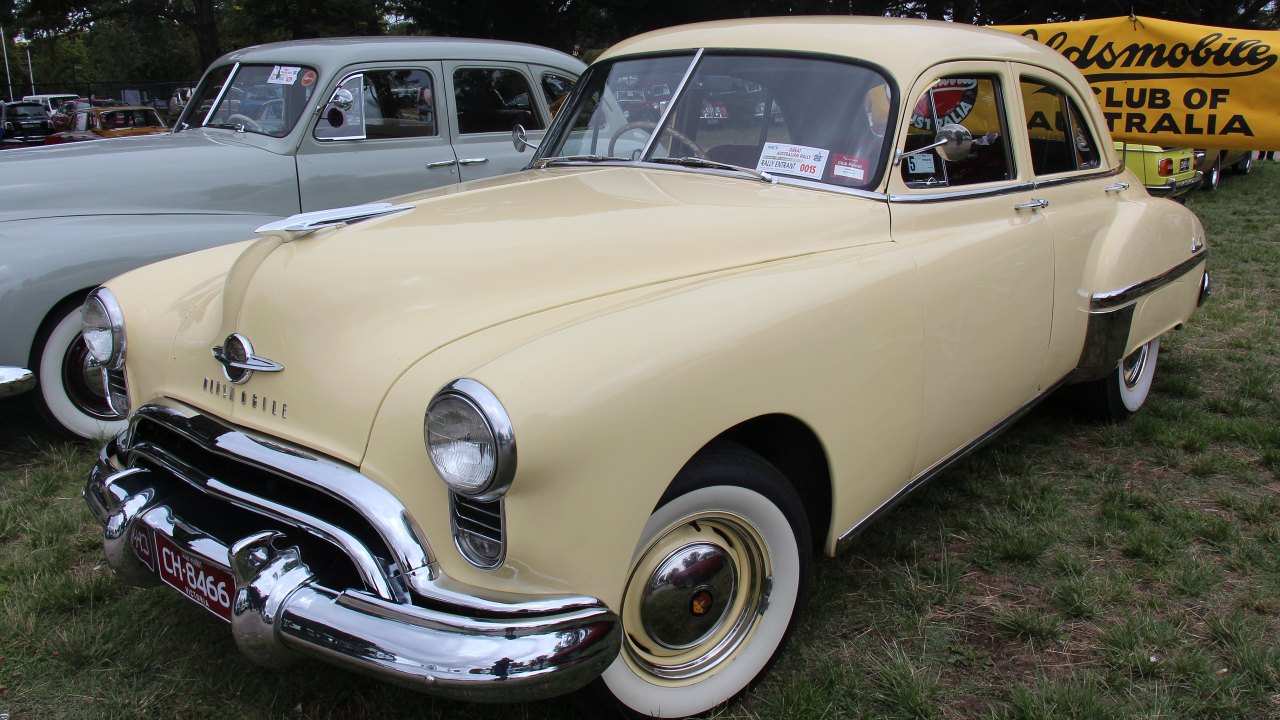
The Oldsmobile 88 earned a strong reputation for combining performance with dependable everyday transportation. Its V8 engine provided plenty of power, while the car’s conventional mechanical layout kept servicing relatively straightforward. The 88 was often used as a daily driver, which meant many accumulated substantial mileage during their original lives. Surviving examples therefore represent more than preserved history. They demonstrate that a full-size postwar car could be both enjoyable and remarkably durable.
Pontiac Chieftain

The Pontiac Chieftain was built during an era when full-size American cars were expected to handle long trips, family duties, and years of ordinary use. Its sturdy frame and traditional mechanical components made it relatively easy to keep running. Pontiac also gave the Chieftain plenty of engine choices, including durable inline-six and V8 power. Owners who maintained these cars could keep them on the road for decades, making surviving Chieftains a testament to old-fashioned mechanical simplicity.
Plymouth Cranbrook
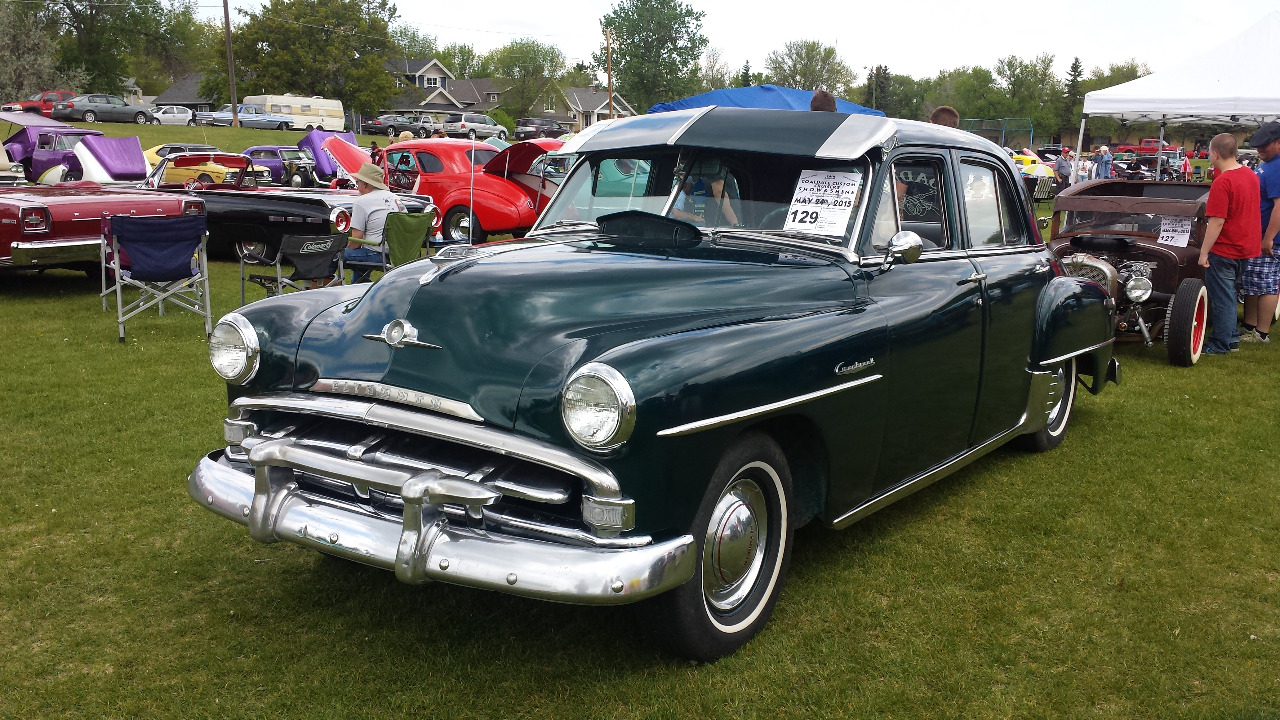
The Plymouth Cranbrook represented the practical side of postwar American motoring. It was not designed to be exotic or technically complicated, and that simplicity became one of its greatest strengths. Its conventional suspension, drivetrain, and body construction made repairs familiar to local mechanics. Many Cranbrooks served as everyday family transportation, accumulating years of mileage before eventually disappearing. The examples that remain today show how a basic car could survive far longer than its original owners expected.
Studebaker Champion
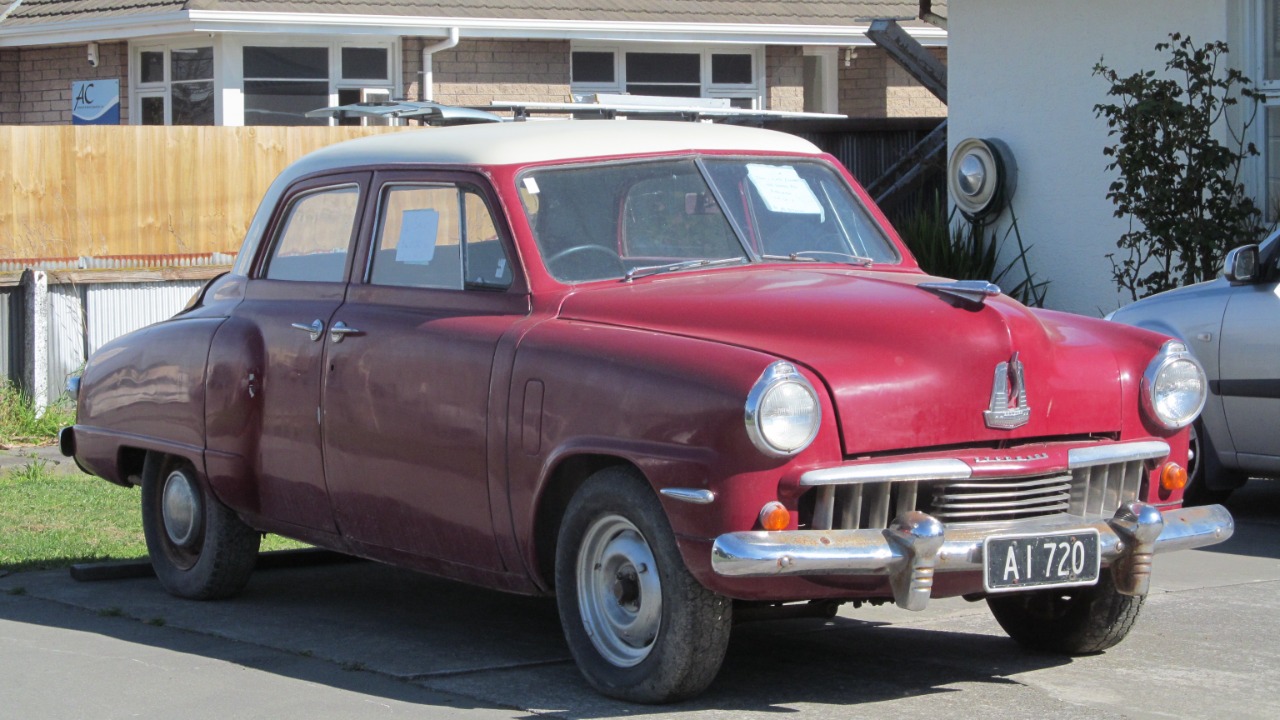
The Studebaker Champion was designed with economy and practicality in mind, but it also developed a reputation for being surprisingly durable. Its compact proportions made it easier to operate than some larger American cars, while its straightforward mechanical design helped keep maintenance manageable. Studebaker’s independent engineering also gave the Champion a distinctive character. Owners who kept up with routine servicing could depend on these cars for years, and surviving examples remain reminders of how durable smaller postwar cars could be.
Hudson Hornet
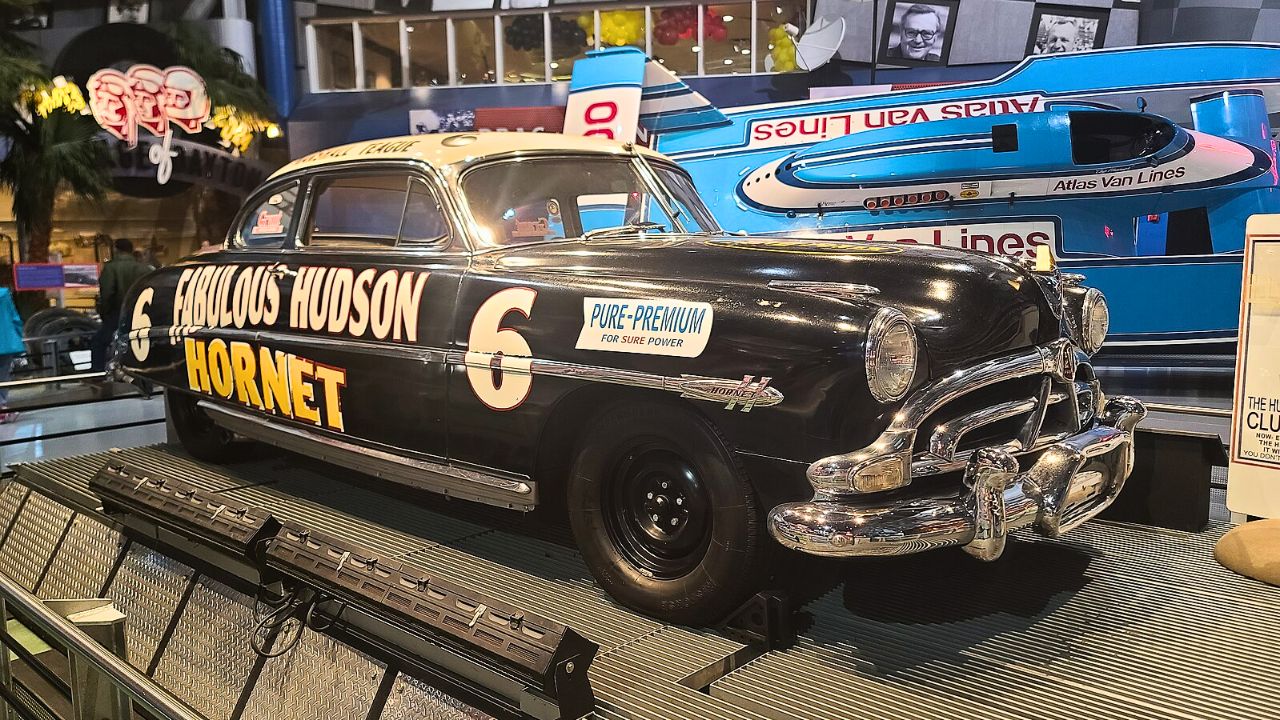
The Hudson Hornet became famous for its racing success, but its road-going durability deserves just as much attention. Its innovative “step-down” construction placed the passenger compartment lower within the body, creating a strong and stable platform. The large inline-six engine was capable of delivering substantial performance while handling everyday use. Hornets were often driven hard, both on the street and in competition, yet many survived. That combination of performance and durability made the Hornet one of Hudson’s most memorable cars.
Nash Ambassador
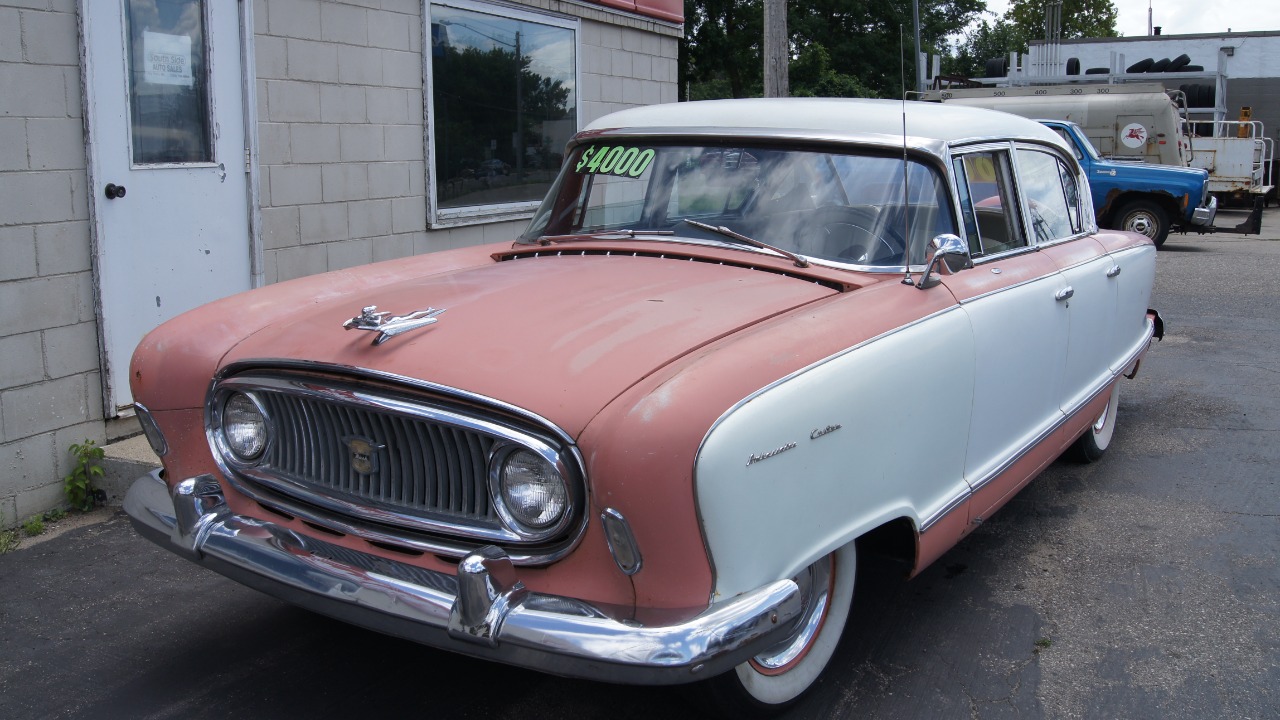
The Nash Ambassador offered a distinctive alternative to the conventional postwar American sedan. Its aerodynamic styling and unusual packaging attracted attention, but the car was also engineered for long-distance comfort and dependable service. Nash used robust drivetrains and practical mechanical systems that could be maintained for years. The Ambassador’s unusual design sometimes overshadows its durability, yet surviving cars demonstrate how well these large Nash models could handle substantial mileage.
Mercury Eight
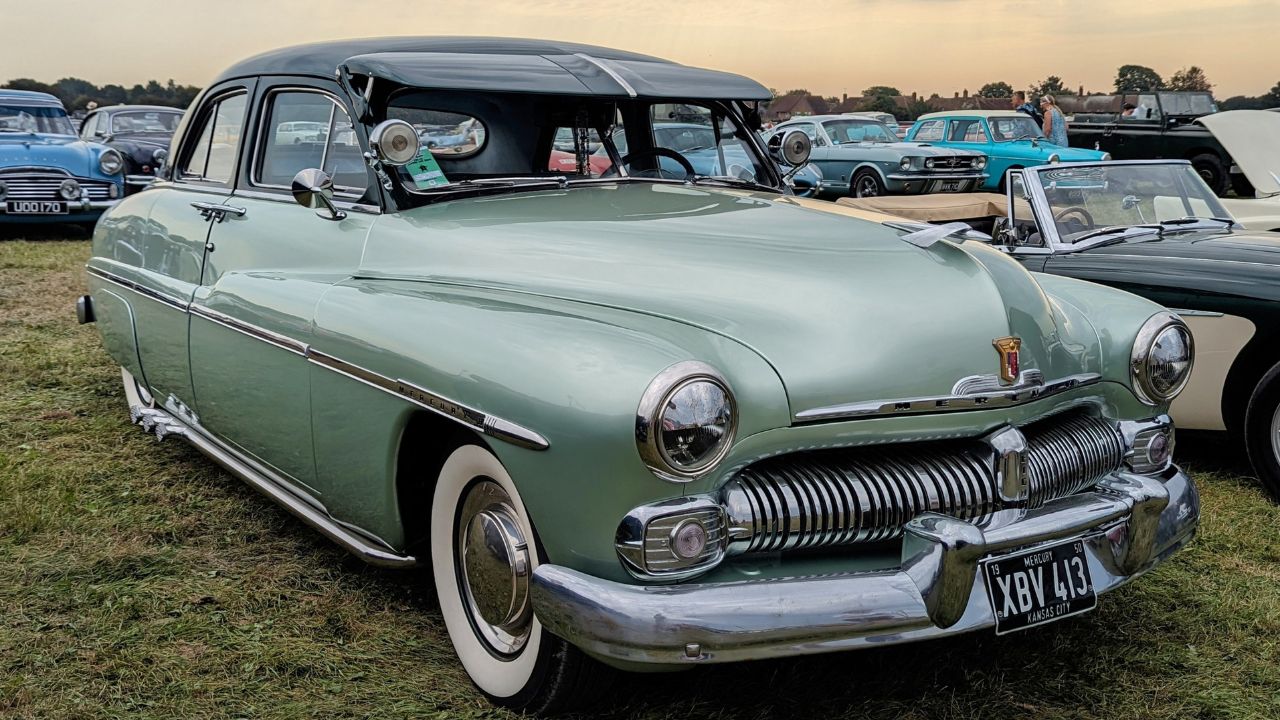
The Mercury Eight occupied an appealing middle ground between Ford’s practical models and Lincoln’s luxury offerings. It featured a larger body and more powerful engines than the typical Ford, while retaining relatively straightforward mechanical construction. Many were used extensively for commuting and family transportation after the war. The combination of sturdy components and familiar Ford-related engineering helped the Mercury remain serviceable for decades. Surviving examples are a reminder that attractive styling did not have to come at the expense of durability.
Chrysler Windsor
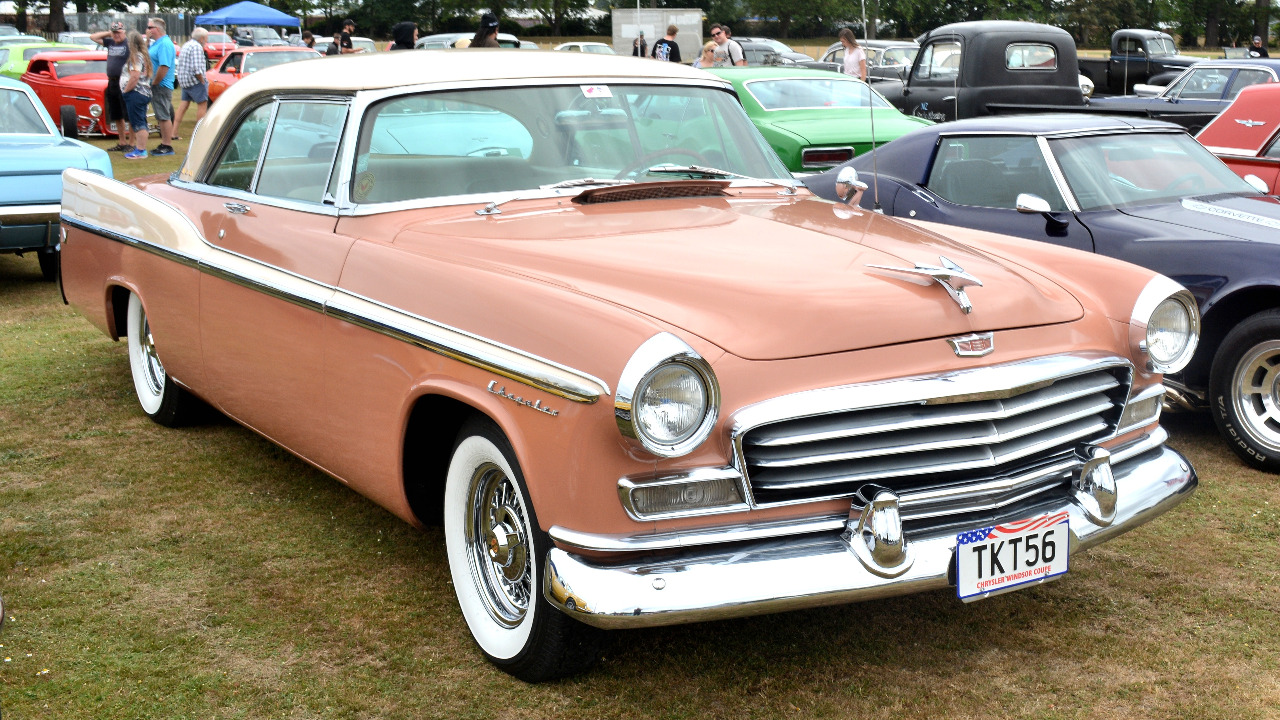
The Chrysler Windsor was built as a substantial family car with the kind of robust construction expected from a postwar full-size automobile. Its engines were designed to provide smooth power over long distances, while the conventional chassis made routine repairs relatively straightforward. The Windsor was often used for serious road travel, exposing it to plenty of mileage during its useful life. The cars that survived those years demonstrate how much punishment a well-maintained American sedan could absorb.
DeSoto Firedome

The DeSoto Firedome brought V8 power and substantial construction to Chrysler’s midrange brand. Its large engine provided relaxed performance, while its traditional mechanical systems were accessible to mechanics familiar with American cars. Many Firedomes were driven for years as dependable family transportation. Their survival today is partly due to their sturdy construction and partly because enthusiasts eventually recognized their distinctive styling. A well-preserved Firedome still feels like a solid piece of postwar American engineering.
Kaiser Manhattan
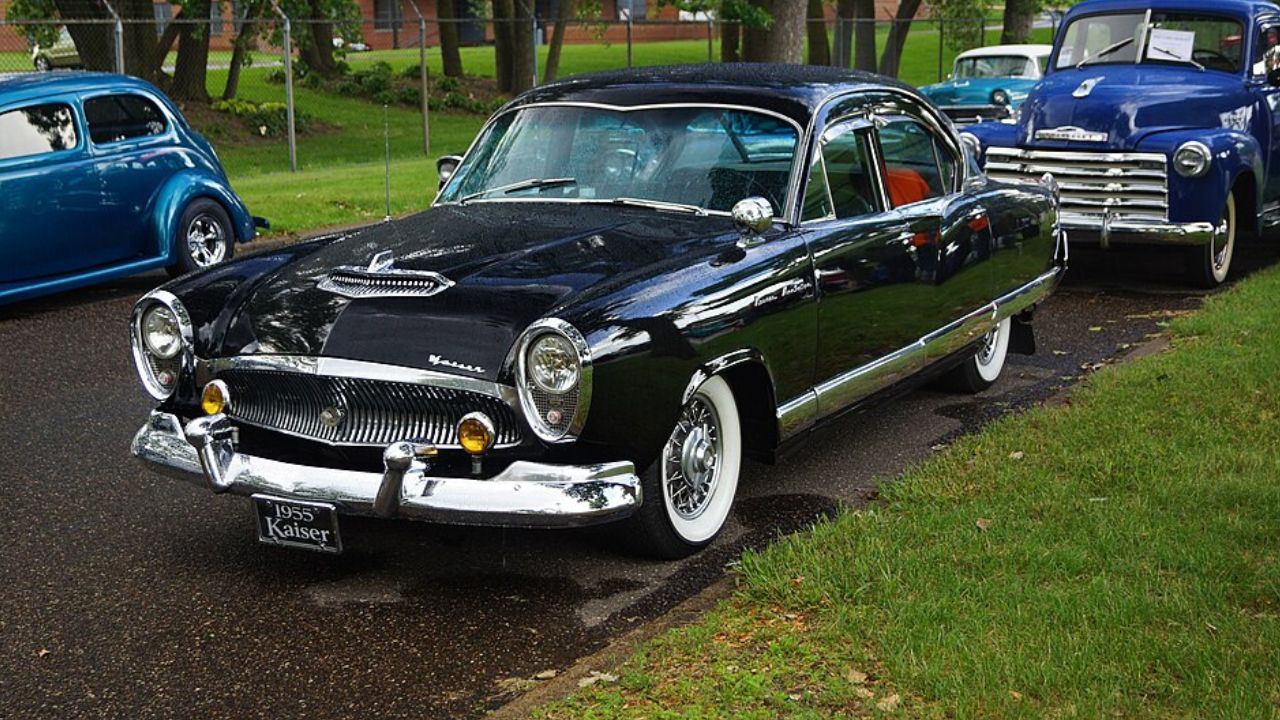
The Kaiser Manhattan stood apart from many rivals with its distinctive styling and unusual details. Beneath the dramatic appearance was a relatively straightforward drivetrain that could be maintained without the complexity found in later generations of cars. Kaiser’s postwar vehicles were built during a competitive period when durability mattered to buyers who expected their cars to serve as daily transportation. Surviving Manhattans are uncommon, and their continued existence demonstrates that some of these forgotten American cars were tougher than their short production histories suggest.
Ford Fairlane
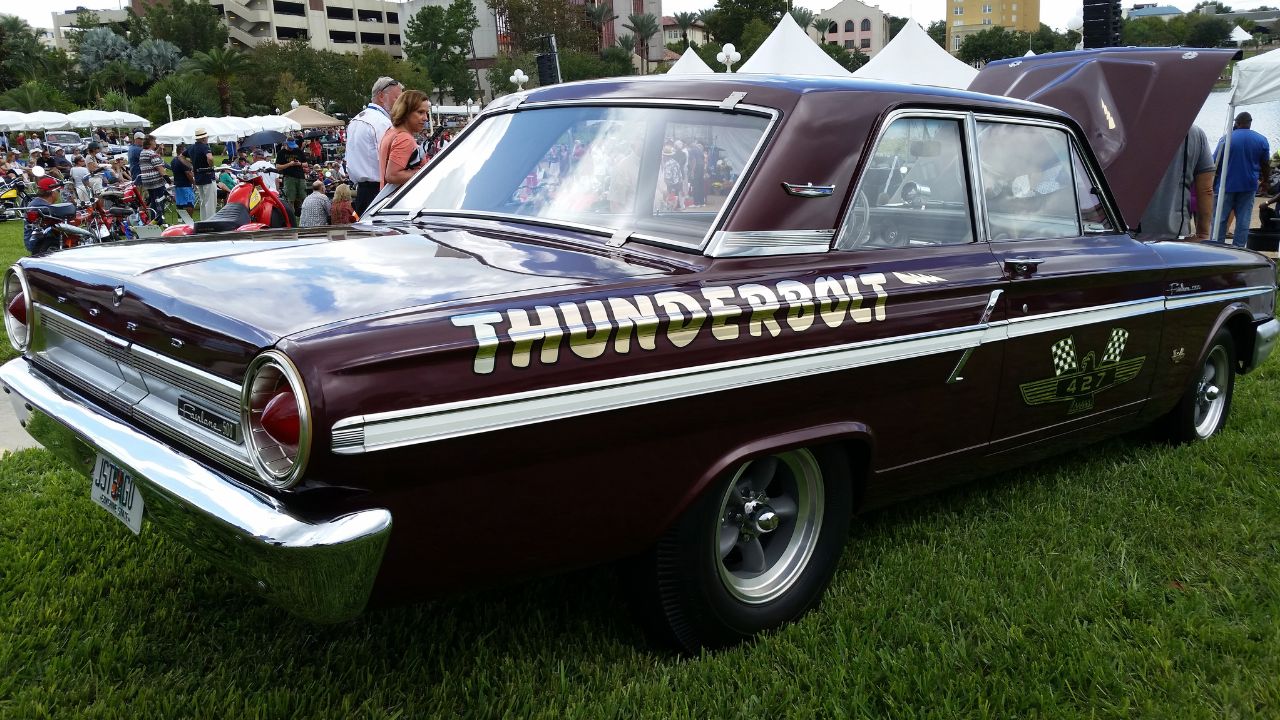
The Ford Fairlane became one of Ford’s most recognizable full-size names during the postwar period. It offered conventional rear-wheel-drive construction, durable engines, and a wide selection of body styles. Many were purchased as family cars and used extensively, giving them plenty of opportunity to accumulate mileage. The Fairlane’s mechanical simplicity made long-term ownership easier than it might appear today. Surviving examples remain popular because they combine familiar Ford engineering with distinctive period styling.
Chevrolet Bel Air
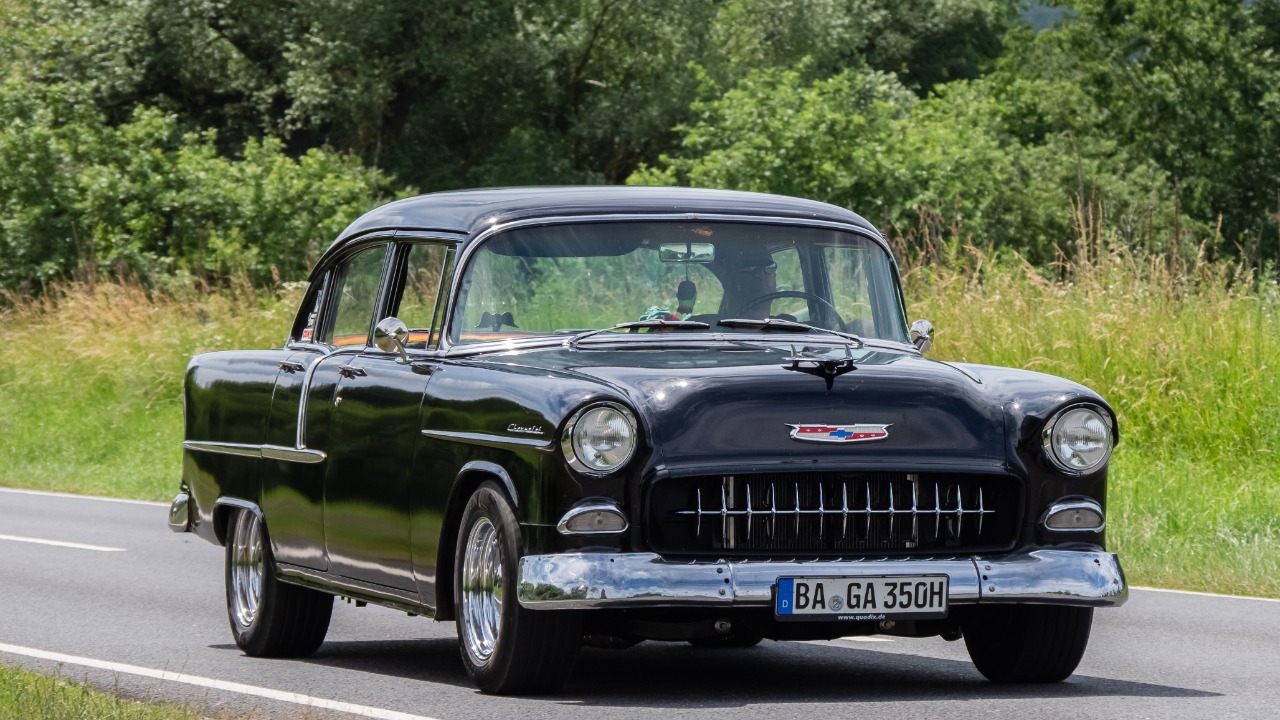
The Chevrolet Bel Air became famous for its styling, but its underlying mechanical simplicity helped many examples survive decades of use. Small-block V8s and familiar Chevrolet drivetrains could be serviced by mechanics almost anywhere, while the car’s sturdy construction tolerated regular driving. Not every Bel Air became a carefully preserved collector car. Many were simply dependable transportation for years. That makes the high-mileage survivors especially impressive and helps explain why the model remains one of America’s best-known classics.
Ford Victoria
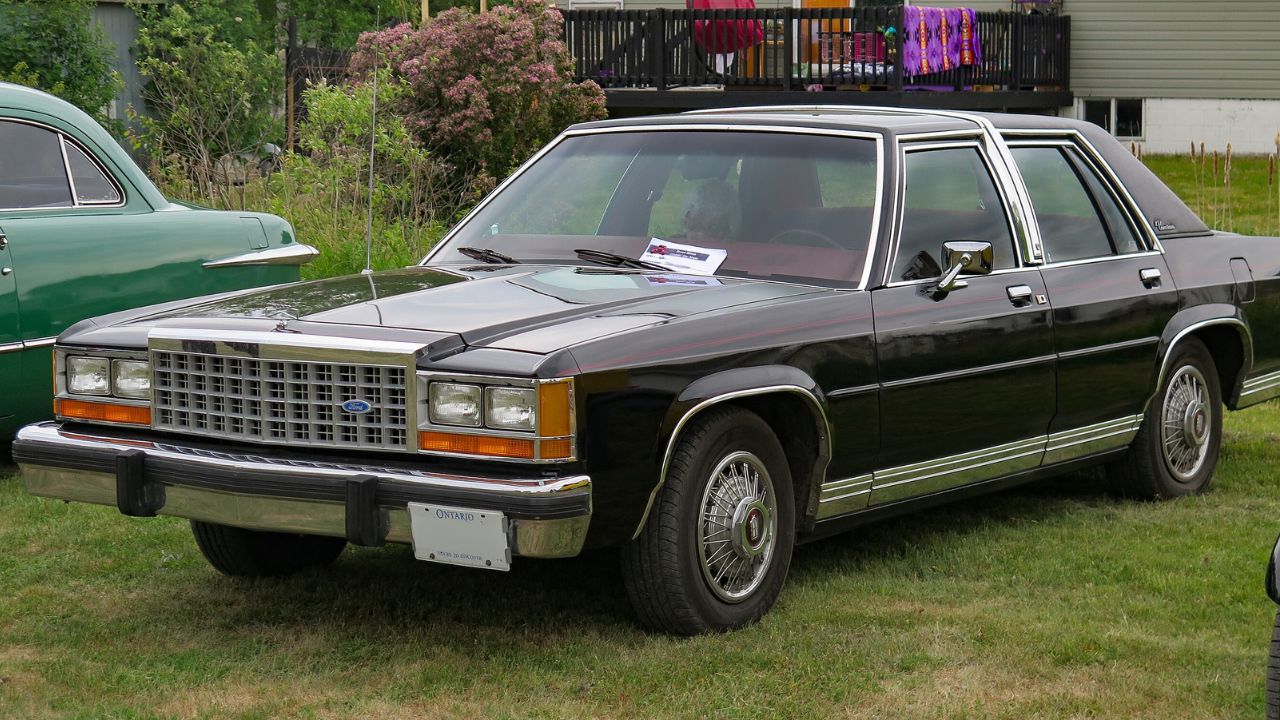
The Ford Victoria combined the practical engineering of Ford’s postwar cars with a more stylish hardtop body. Its V8 power, conventional chassis, and familiar mechanical components made it suitable for everyday use. Owners could keep these cars running without the specialized knowledge required by more exotic machinery. Many disappeared through ordinary wear and neglect, making survivors increasingly interesting today. A Victoria with a long service history demonstrates just how durable a simple Ford could be.
Pontiac Catalina
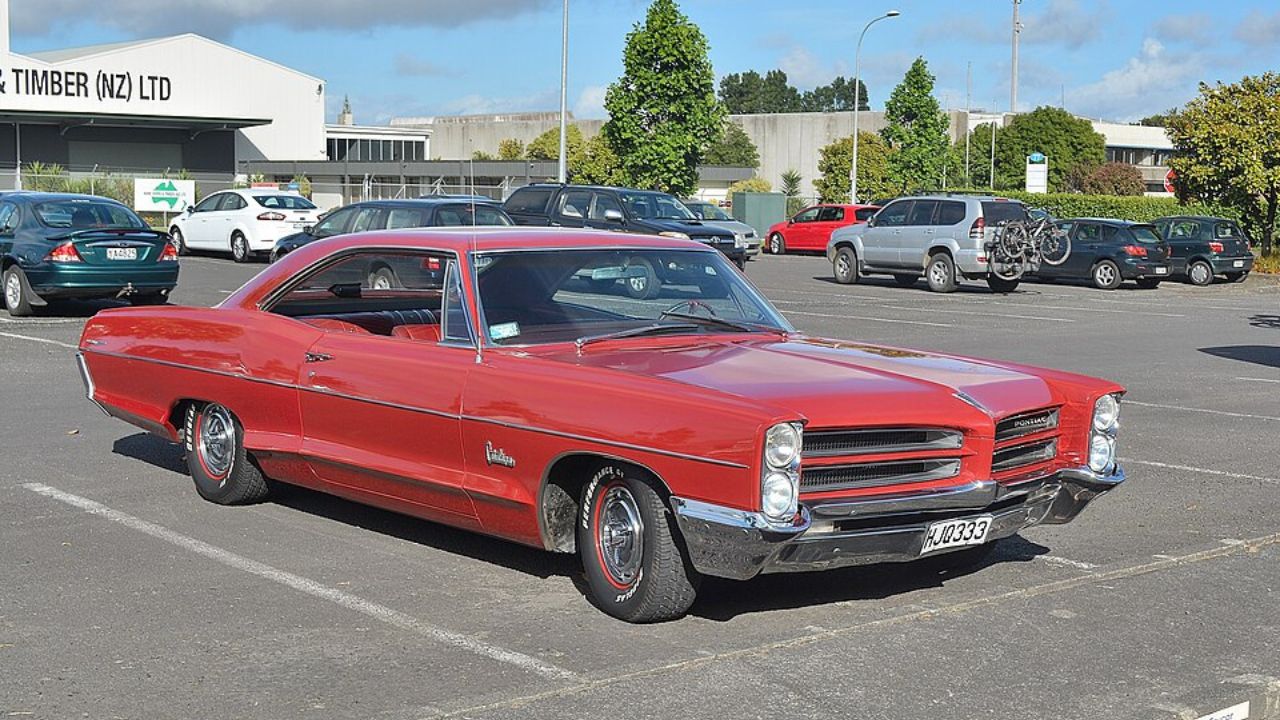
The Pontiac Catalina was a full-size American car built to cover serious distances in comfort. Its sturdy chassis and durable engines made it suitable for families, highway travel, and regular daily use. Pontiac also gave the Catalina enough performance to keep driving interesting. With proper maintenance, these cars could accumulate substantial mileage without becoming mechanically fragile. Today, surviving Catalinas offer a useful glimpse into an era when large cars were expected to remain dependable for years.
Mercury Monterey
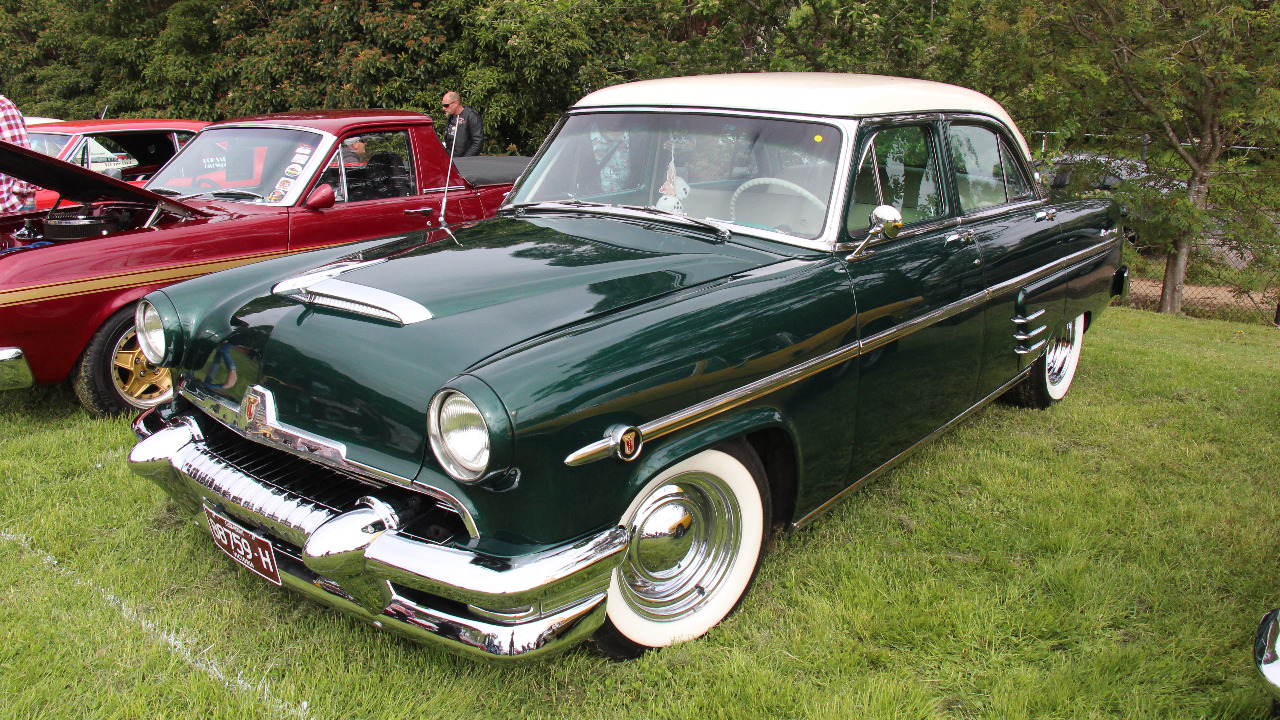
The Mercury Monterey delivered a larger, more upscale alternative to Ford’s mainstream cars while retaining relatively conventional engineering. Its V8 engines and sturdy drivetrain were designed for comfortable long-distance driving rather than delicate operation. Many Montere ys served as family cars and accumulated significant mileage before eventually being retired. The surviving examples show why Mercury had such a strong reputation for substantial construction. They remain appealing to enthusiasts who want classic styling without an overly complicated mechanical package.
Cadillac Series 62
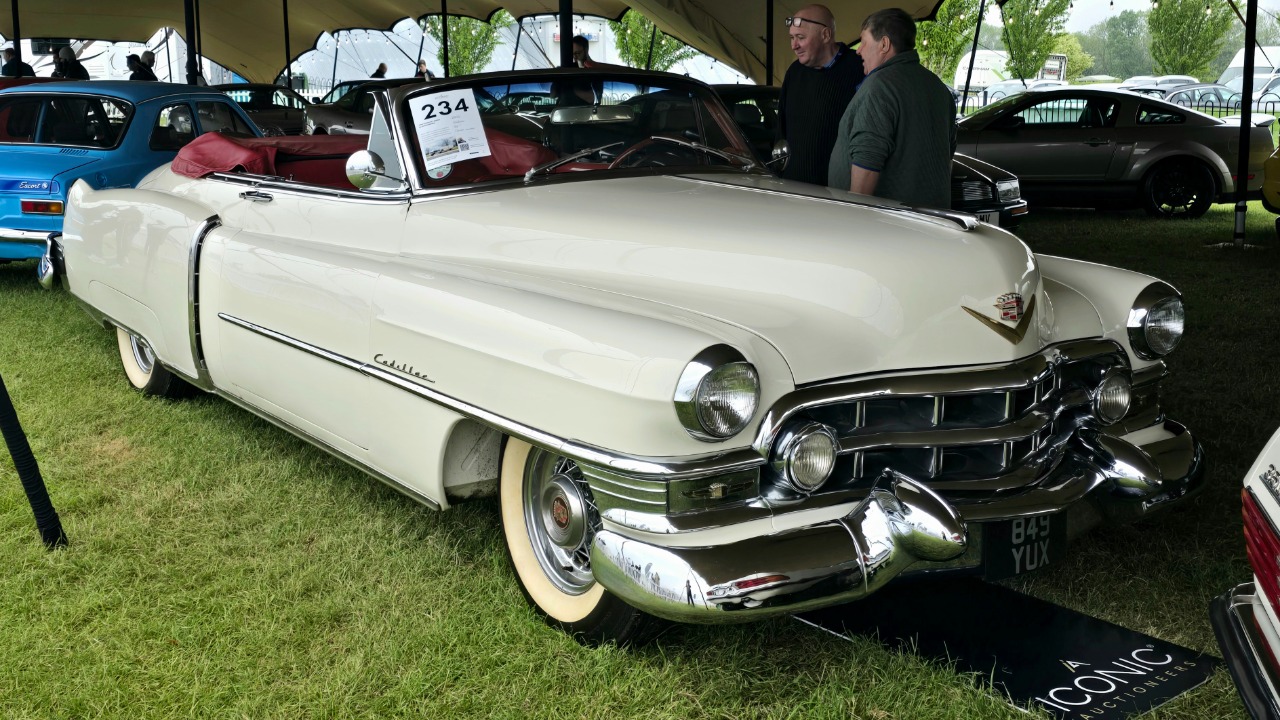
The Cadillac Series 62 was a luxury car, but it was also built for owners who expected dependable transportation. Its large V8 engines provided effortless power, while the sturdy chassis and traditional drivetrain were designed to cope with long-distance use. Many examples accumulated substantial mileage before becoming collector cars. The Series 62’s combination of durability, comfort, and unmistakable styling explains why so many enthusiasts continue to preserve them. It was built to feel special, but it was still engineered to be used.
More from Fast Lane Only
- Unboxing the WWII Jeep in a Crate
- 15 rare Chevys collectors are quietly buying
- 10 underrated V8s still worth hunting down
- Police notice this before you even roll window down
*Research for this article included AI assistance, with all final content reviewed by human editors.