Racing rules once forced carmakers to sell road versions of their race cars, and the Toyota Celica Twin-Cam Turbo shows how that worked. Group B asked for 200 road cars before a rally car could compete. Other series set the bar at 500 or even 5,000 cars. As a result, showrooms filled with winged, turbocharged specials that most buyers never fully understood.
Many of those cars sat unloved for years. They were too stiff, too loud or too strange for daily life, and plenty were driven hard and thrown away. In our view, time has been kind to the ones that survived, because each of them tells a racing story in a road-legal body.
These seven are our picks for homologation specials that turned into surprise collectibles. The build counts, engines and race results come from maker archives, auction records and period references. However, the verdicts are our own.
1. 1984 Toyota Celica Twin-Cam Turbo (TA64) rally car
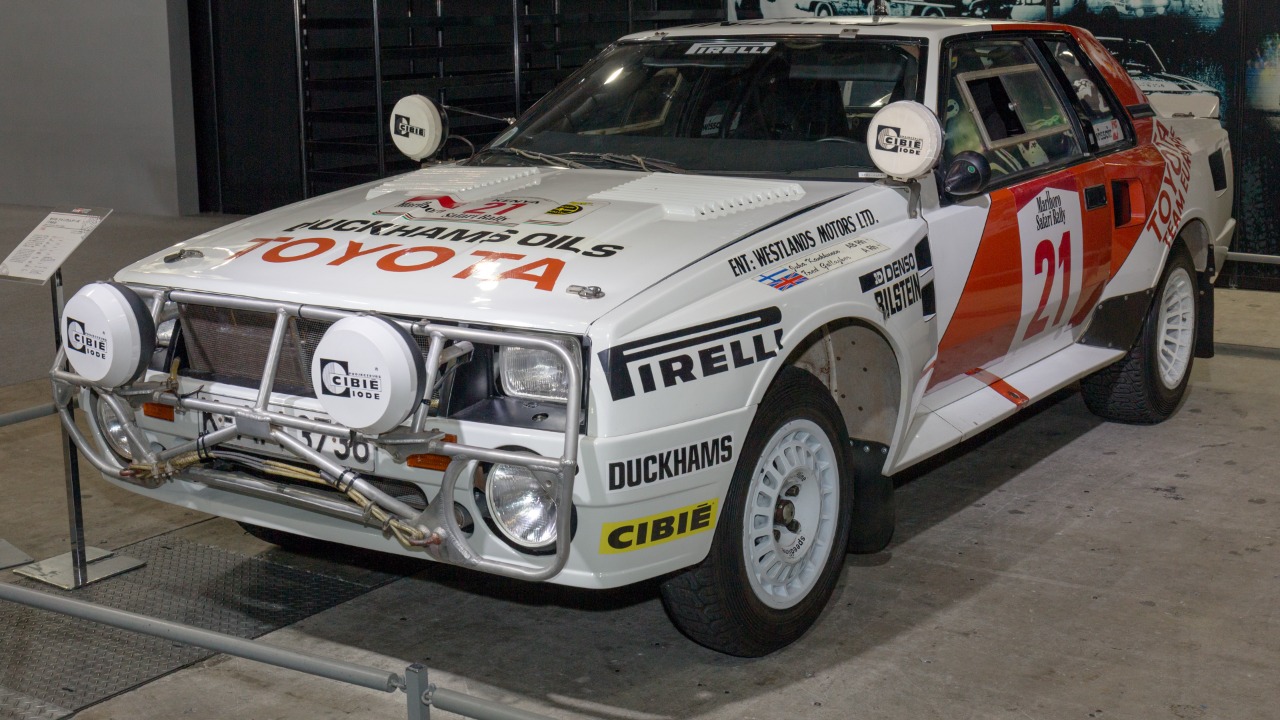
Toyota needed a road car before it could go rallying in Group B. The rules called for 200 units, according to Toyota UK’s history of the Group B Celica. So Toyota Team Europe planned 200 road cars, 20 rally evolution versions and a new engine. The road cars wore Celica GT-TS badges, and they gave the TA64 rally car its legal footing.
The works car used a 2,090 cc 4T-GTE four with a KKK turbocharger. Unlike several rivals, it drove only the rear wheels. Even so, it earned the nickname “King of Africa.” Between 1984 and 1986, it won the Safari Rally three times and the Ivory Coast Rally three times.
Toyota’s own release from April 1985 describes one of those Safari wins. Juha Kankkunen led a one-two finish in Kenya, while Björn Waldegård recovered from a battery failure to take second. Heavy rain wrecked the roads, and only 20 of the 71 starters reached the finish. Our take: the Toyota Celica Twin-Cam Turbo is the rear-drive underdog of Group B, and a genuine GT-TS road car is the piece to chase.
2. 1987 Nissan Skyline GTS-R
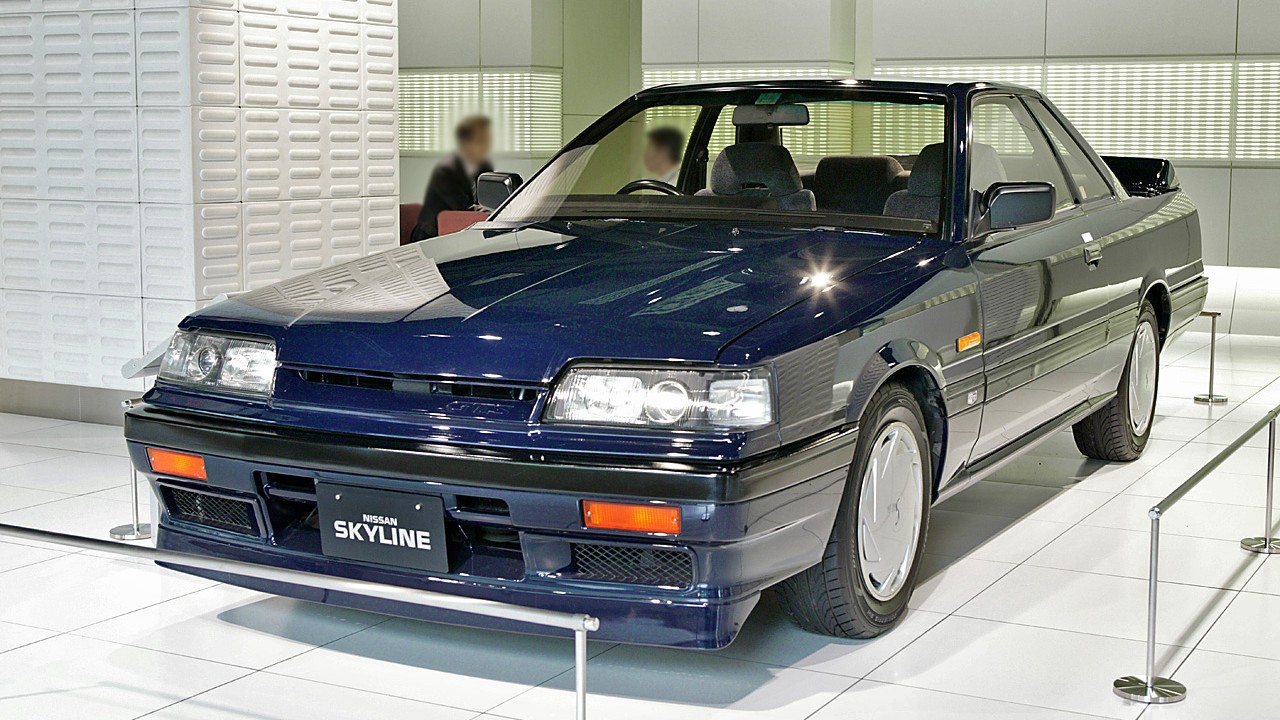
The R31 Skyline often gets overlooked, sitting between the boxy R30 and the famous R32 GT-R. The GTS-R arrived in October 1987 to change that. Nissan built 823 of them, enough to unlock an “evolution” version for Group A touring car racing. That small run is the whole point of the car, since Nissan needed only enough to satisfy the rulebook.
Under the hood sat the RB20DET-R, a 2.0-liter turbocharged straight-six. It used a much larger turbo on a tubular steel exhaust manifold, plus a bigger front-mounted intercooler. Nissan claimed 210 PS and 245 Nm of torque for the road car. By comparison, Group A race versions reportedly made more than 430 PS.
The results came in Australia. Jim Richards and Mark Skaife won the 1989 Sandown 500 in a GTS-R prepared by Gibson Motorsport. Then Richards used the car in six of the eight rounds on his way to the 1990 Australian Touring Car Championship. That was the first title in the series for a Nissan driver. In our view, the GTS-R is the R31 worth hunting, because it is the one that went racing and won.
3. 1986 Ford Sierra RS Cosworth
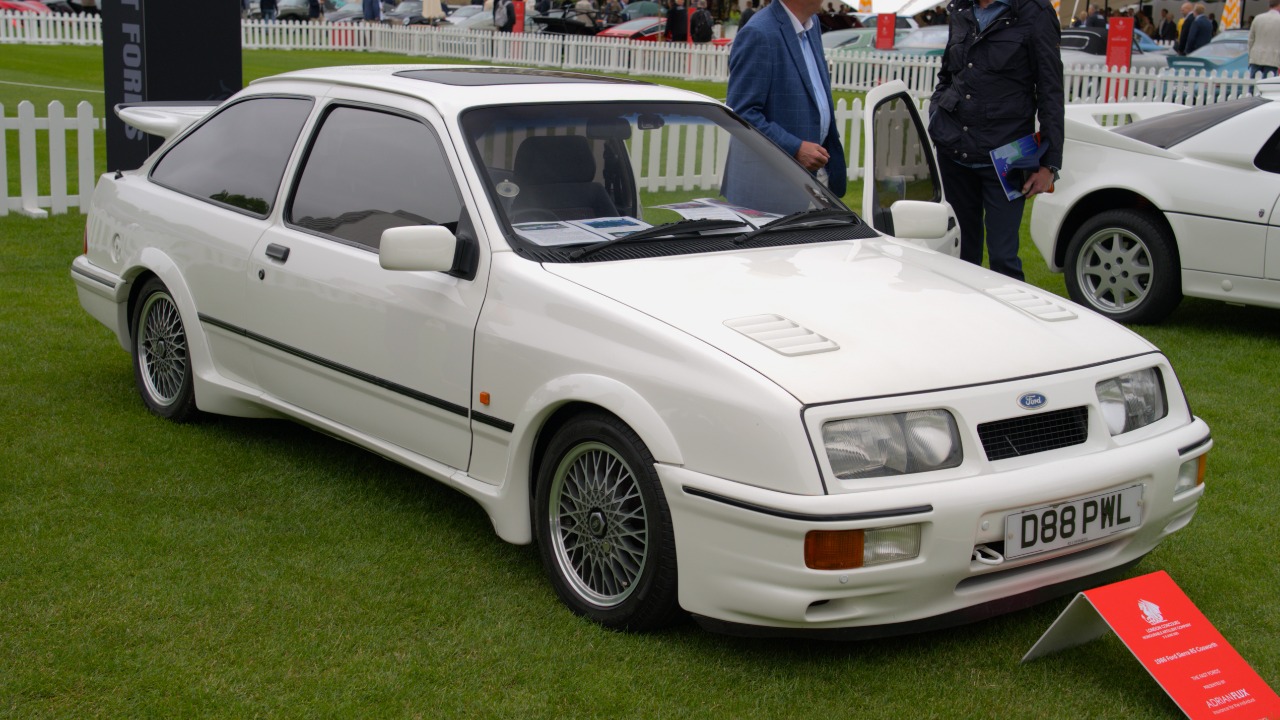
Ford’s own dealers doubted this car. Group A required 5,000 cars to be built and sold, yet a dealer survey predicted only about 1,500 sales. Ford pressed on anyway. Its plant in Genk, Belgium, eventually turned out 5,545 RS Cosworths in left- and right-hand drive.
The styling came from a stability problem rather than a marketing brief. Designer Lothar Pinske pushed for big changes, so the car got a tall rear wing to keep it planted at 300 km/h. Meanwhile, the gap between the headlights fed air to the intercooler, and wider arches covered 10-inch racing wheels. In fact, few road cars of 1986 looked so openly like racers.
Then came the twist. Ford sent 500 cars to Aston Martin Tickford, which turned them into the RS500. As Carscoops explains, those road cars even carried a second fuel rail that did nothing until a race team connected it. Like the cars in our list of homologation cars built only to satisfy racing rules, the Sierra existed because of a rulebook. Our take: the standard RS Cosworth is the one to drive, while the RS500 is the trophy.
4. 1992 Toyota Celica GT-Four Carlos Sainz

Toyota launched the Celica GT-Four RC in Japan in September 1991 as a special rally edition of 5,000 cars. It existed for Group A homologation. Europe got 3,000 of them, badged as the Carlos Sainz Limited Edition. Meanwhile, Australia took 150 as the Group A Rallye. That spread made the RC scarce in every market it reached.
The changes look small, but they mattered to the rally team. Toyota Team Europe wanted a water-to-air intercooler in place of the standard air-to-air unit, because it made the engine easier to tune. The RC also got a hood designed to shed heat, a lighter front bumper with more openings and a sharper ECU. In addition, second and third gears gained triple-cone synchros. None of it was there for show.
The payoff came fast. Sainz won the 1992 world drivers’ title in the ST185, Juha Kankkunen took the 1993 crown and Didier Auriol followed in 1994. If you enjoyed our look at rally-bred imports that changed enthusiast culture, this is the Celica that belongs beside them. In our view, the CS badge makes it the GT-Four to find, since it ties a road car to a champion.
5. 1969 Ford Torino Talladega

Ford built the Talladega in a hurry. Production ran through January and February 1969 at the Atlanta Assembly plant, because NASCAR wanted at least 500 road cars. Ford finished with an estimated 754, while the Talladega/Spoiler Registry accounts for 750.
The paint chart shows how thin each slice is. Buyers had three choices: Wimbledon White (286 cars), Royal Maroon (258) and Presidential Blue (199). Every production car used the 428 Cobra Jet. Power steering, power brakes, racing mirrors, an AM radio and styled steel wheels came standard. That is a tiny pool for a car that won so often.
The real tricks were in the sheet metal. The nose sat about six inches longer with a flush grille, and a narrowed rear bumper served as a crude air dam. Ford even reshaped the rockers so race cars could run about an inch lower. It worked, since the Talladega won 29 Grand National races across 1969 and 1970. We covered the forgotten story behind the Talladega before. This time, our take is simple: a documented car in one of those three colors is the one to own.
6. 1990 Lancia Delta HF Integrale 16v
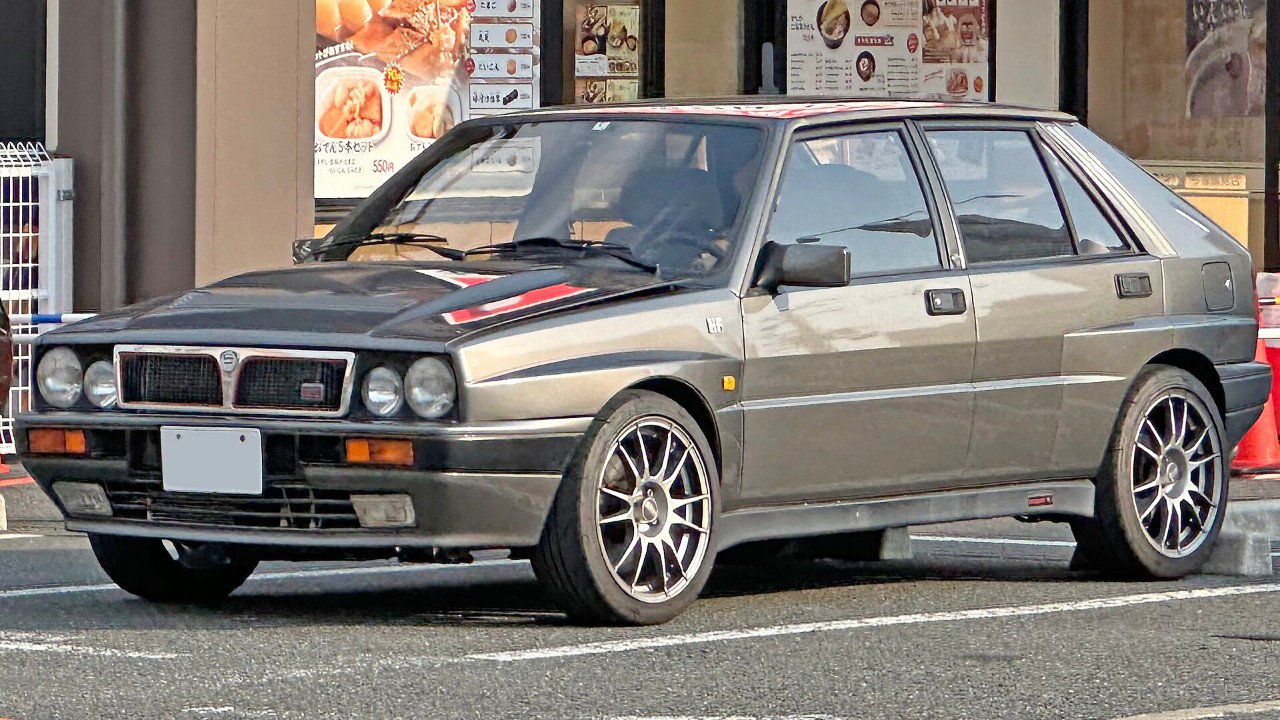
Lancia unveiled the Delta HF Integrale 16v at the 1989 Geneva Motor Show. Its bonnet center rose to clear the new 16-valve head, which gave the car its signature bulge. The turbocharged 2.0-liter made 200 PS at 5,500 rpm. Lancia also added new badges front and rear. For a buyer, though, the bulge is the quickest way to tell a 16v from the earlier eight-valve Integrale.
Lancia also moved the torque split rearward, to 47% front and 53% rear, and fitted wider wheels and tires. As a result, the road car could reach 100 km/h in 5.7 seconds and top out at 220 km/h. Then the rally version won first time out, at the 1989 Sanremo Rally.
The 16v carried the works team through a golden stretch. In 1991, it won both world titles, with Kankkunen as drivers’ champion. That season formed part of a record run of six straight manufacturers’ crowns for Lancia, from 1987 to 1992. Our take: the 16v is the sweet spot of the Integrale story, because it won with the same bulge it wore in showrooms.
7. 1989 Mercedes-Benz 190 E 2.5-16 Evolution I
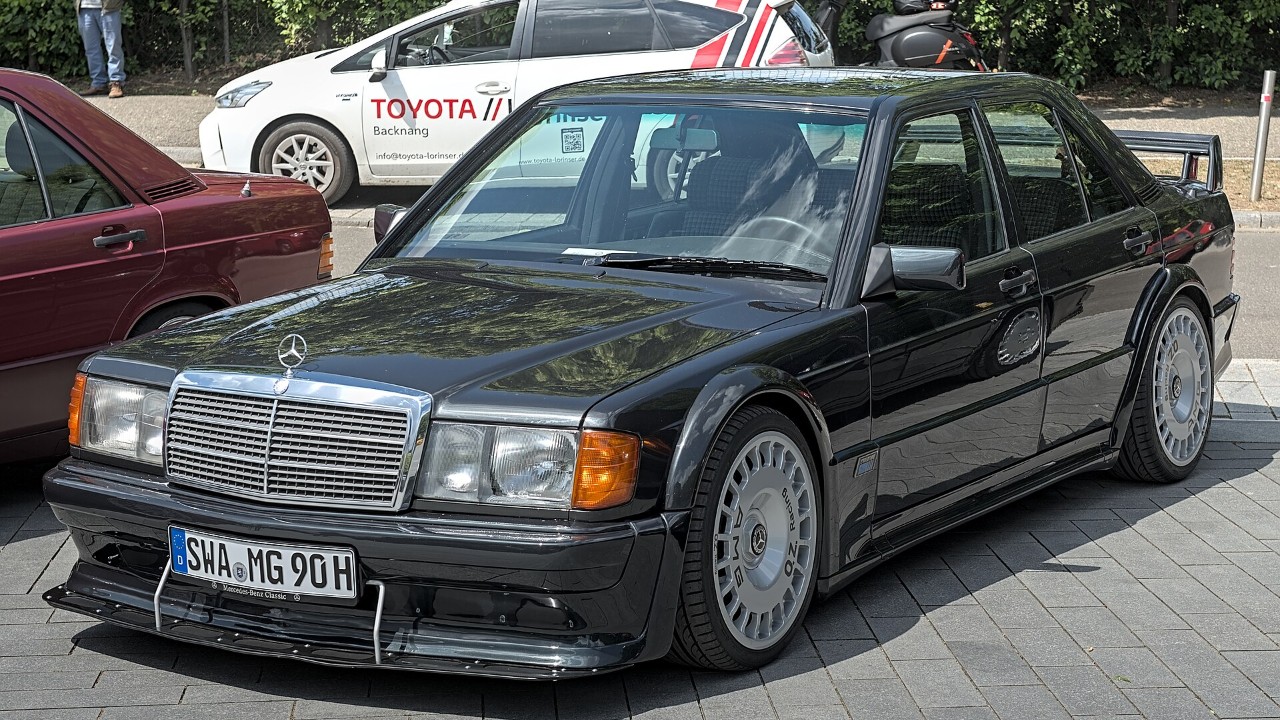
Mercedes-Benz showed the 190 E 2.5-16 Evolution at the Geneva Motor Show in March 1989. According to Supercar Nostalgia’s guide to the Evolution I, the company built 502 between March and May, all with left-hand drive. The goal was simple: approve parts for its 1989 DTM race cars. That made the road car scarce from day one.
The engine got a bigger bore and a shorter stroke, 97.3 mm by 82.8 mm, for 2,463 cc. Officially, output stayed at 204 bhp for the non-catalyst car. About 60 cars got AMG’s optional Power Pack, rated at 225 bhp. Every car came in Blue-Black Metallic, with a deep front spoiler, an adjustable rear wing and electronically adjustable ride height. On a compact sedan, those wings looked wild in 1989.
The race car did its job, too. Klaus Ludwig won five DTM races for AMG in 1989, while Kurt Thiim and Roland Asch added more. In our view, the Evo I is the purer collectible, because it came first and in such small numbers. Each one weighed 1,320 kg, 80 kg less than a standard 2.5-16.
More from Fast Lane Only