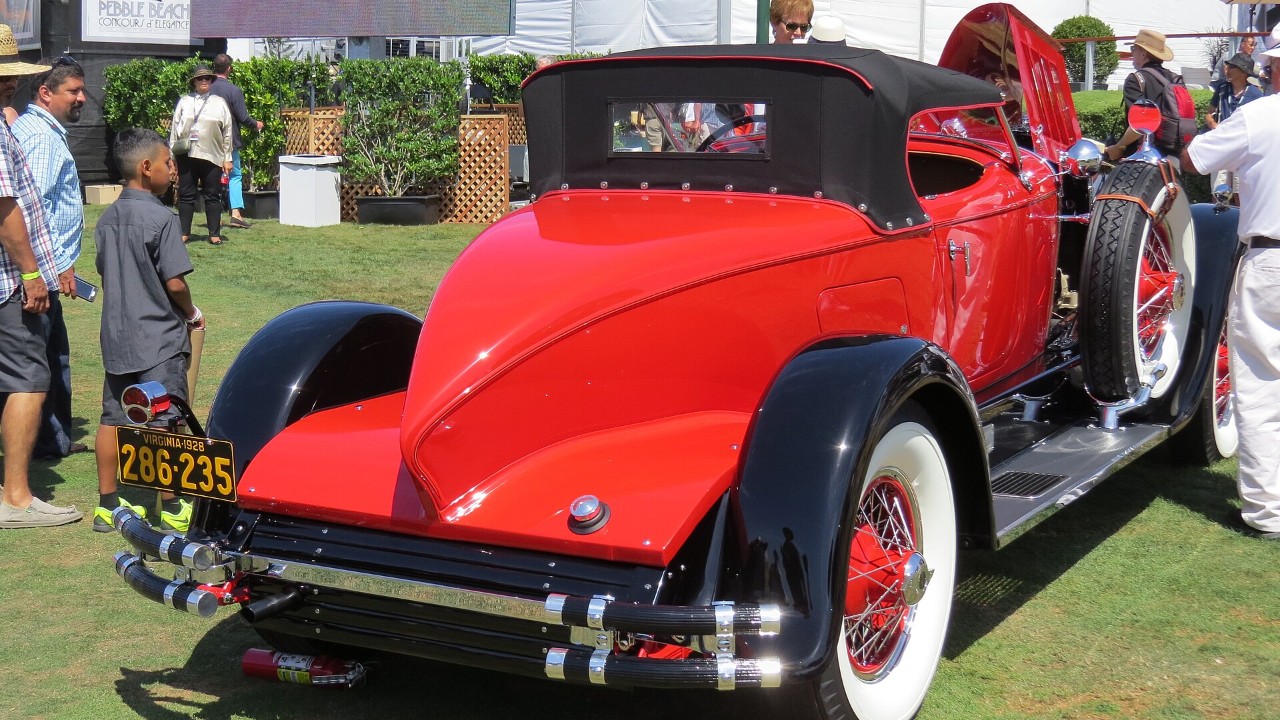
Packard built just 150 examples of its 1930 Packard 734 Speedster, and America’s Packard Museum says the car could top 100 mph. That was a rare feat for the time. It also says a lot about a brand most people now remember for stately sedans and chauffeurs.
Packard made plenty of those. However, the company also built roadsters, light mid-priced eights, glamorous coachbuilt convertibles and, near the end, a fast V8 hardtop for younger buyers. Many of those cars have slipped out of the spotlight, partly because the Packard name itself disappeared.
These seven are our picks: the forgotten Packards we think were pure blasts to drive. The specifications, prices and production numbers come from the Packard museum, auction records and model histories. However, the verdicts on how they drive are our opinion.
1. 1930 Packard 734 Speedster
The 734 Speedster came out of Packard’s new custom body shop at its East Grand Boulevard plant. It followed the earlier 626 Speedster, and it sat low and lean. Power came from a 384.8-cubic-inch straight eight, and a four-speed manual sent it to the rear wheels.
According to America’s Packard Museum, the car cost $5,200 when new and weighed 4,250 pounds on a 134-inch wheelbase. Packard offered it as a boattail, phaeton, sedan and Victoria coupe, then added a roadster later in production. In all, the factory built 150 Speedsters across those bodies in 1930, and the series ended in 1931.
As a result, the survivors now trade at a level few Packards reach. Gooding & Company sold a 734 Speedster Runabout from the Stan Lucas Collection in 2025 for $2,040,000. Moreover, the listing described it as one of perhaps six pure, unquestioned examples left.
In our view, the Packard 734 Speedster is the most exciting car the company ever built. A long straight eight, a four-speed and a low body make it the closest thing to a Packard sports car. It’s also proof that the brand once chased speed as hard as it chased luxury.
2. 1935 Packard One-Twenty convertible coupe
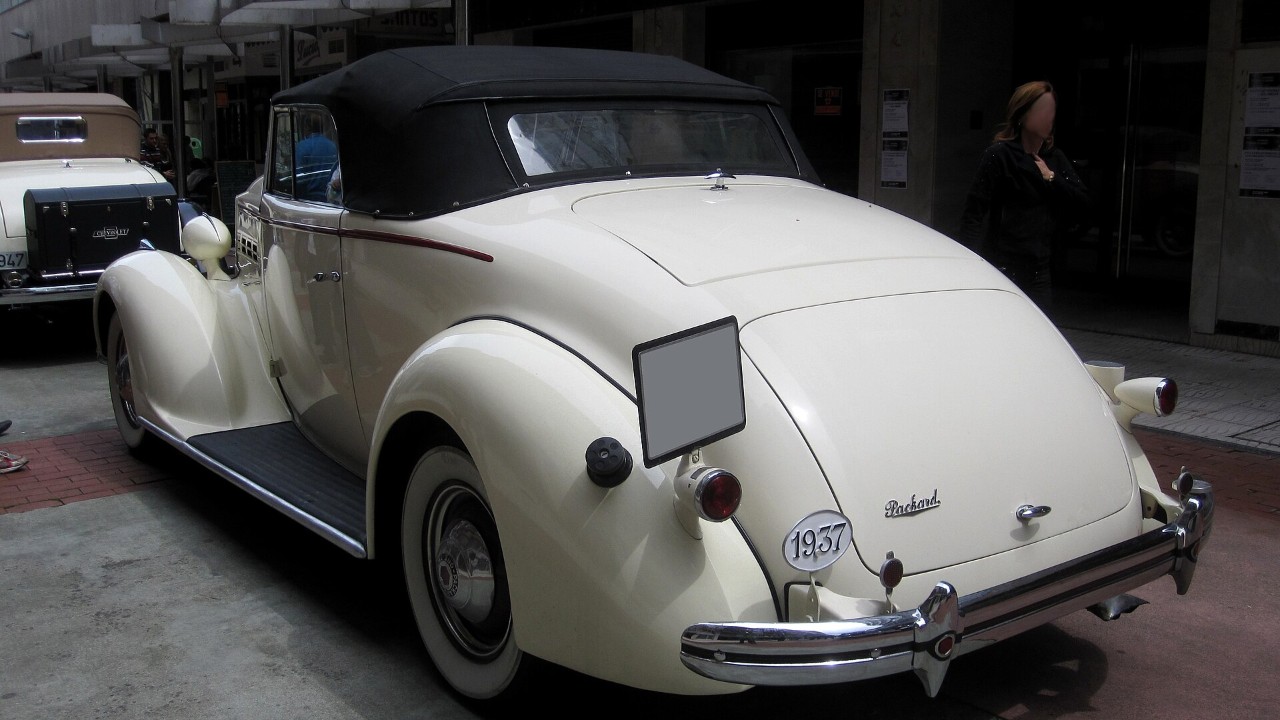
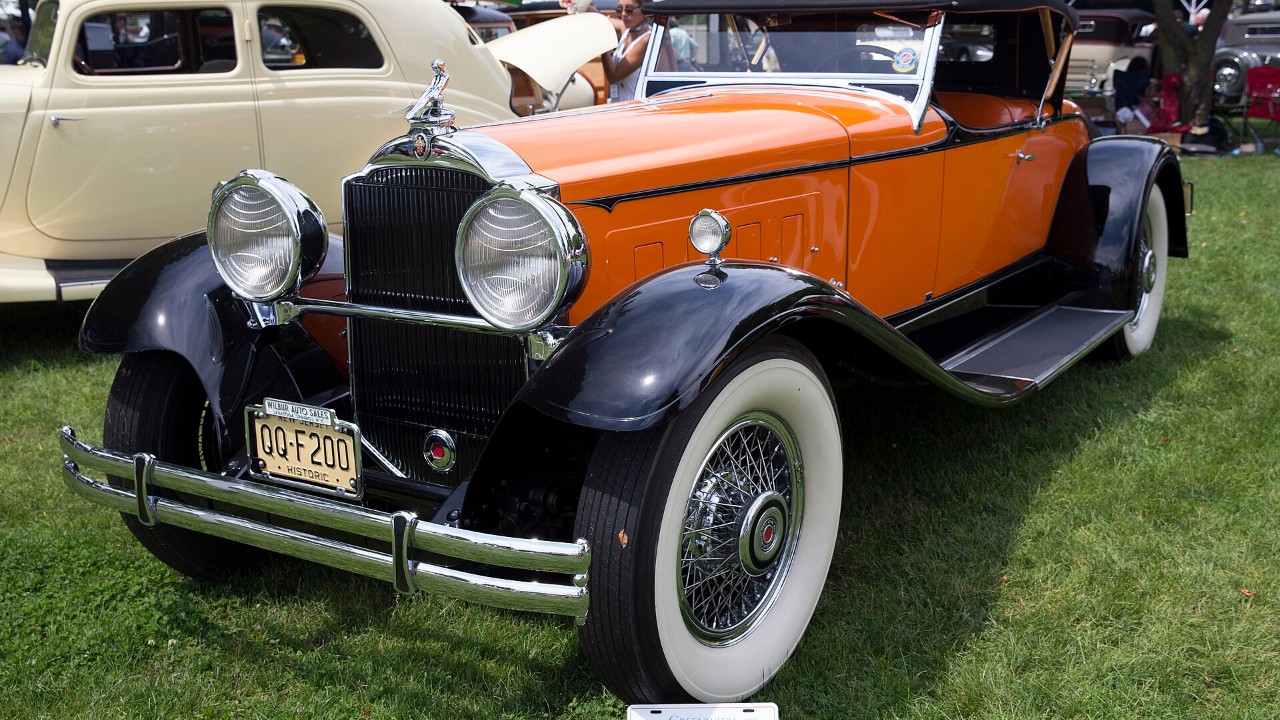
The One-Twenty was the car that kept Packard alive through the end of the Depression. It also marked the company’s first move into the busy mid-priced eight-cylinder market. Better yet, prices ranged from $980 for a three-passenger business coupe to $1,095 for the Touring Sedan.
The engine was an all-new L-head straight eight with an aluminum head, rated at 110 horsepower at 3,850 rpm. Just as important, the One-Twenty brought independent front suspension to the Packard line, a system the company called Safe-T-Flex. In our view, that combination made it feel nimble for a Packard.
Buyers responded in a big way. Packard built 24,995 One-Twentys in 1935, compared with about 7,000 of all its other models combined. In other words, the new model outsold the rest of the range by more than three to one. It’s a story that fits well alongside our look at forgotten Packards that outclassed everything in their price range.
Our take: the convertible coupe is the version to drive. It pairs the One-Twenty’s eager eight and modern front end with an open cockpit. As a result, it feels far more playful than the “luxury car” label suggests, and it’s the Packard we’d choose for a summer back road.
3. 1942 Packard Darrin convertible
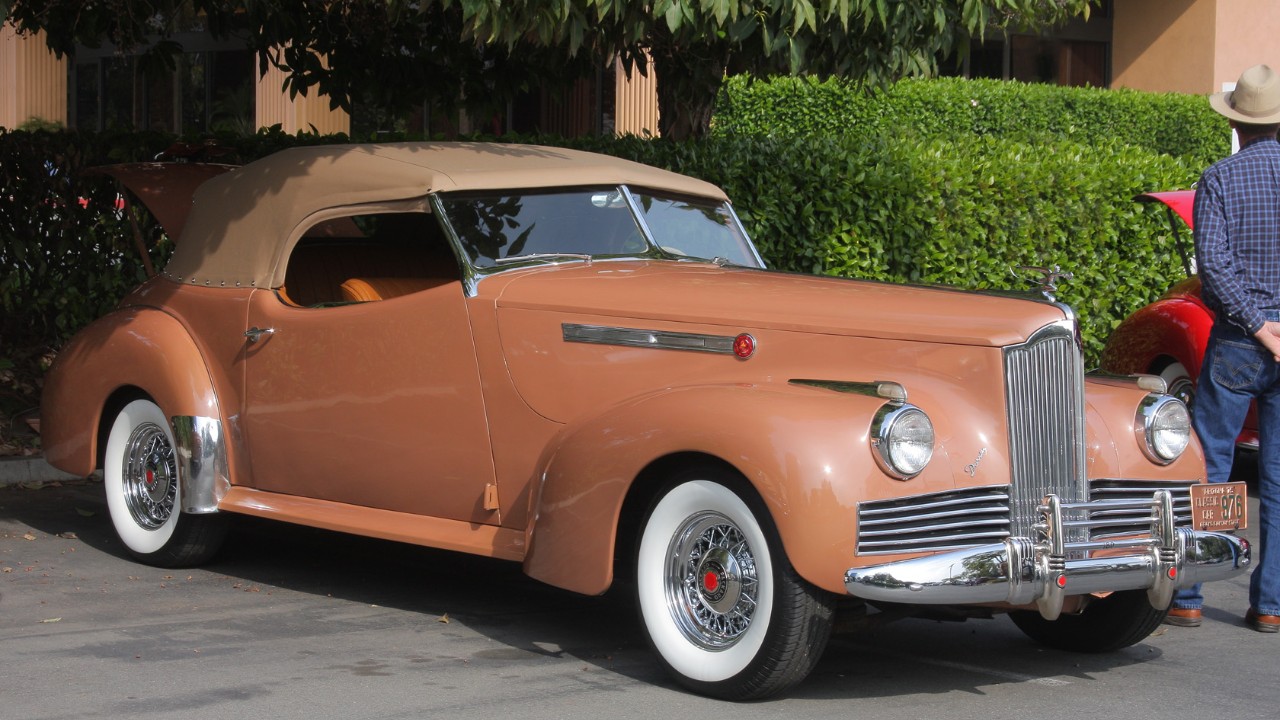
Howard “Dutch” Darrin had a gift for long, low, rakish bodies, and Packard brought him in to build limited-production cars with his design touch. His convertible Victoria became one of the most glamorous American cars of its time. By 1942, however, the run was nearly over.
According to RM Sotheby’s catalog for a 1942 Darrin, only 15 Packard Darrins were made in that last season of production. The car on offer was the 13th of the run. It sold for $209,000 at RM’s Hershey sale in 2024 as part of the Terence E. Adderley Collection.
The St. Louis Car Museum shows another 1942 Darrin with a 356-cubic-inch L-head straight eight. That car also carries a three-speed transmission with factory Aero-Drive overdrive. So the Darrin paired its dramatic body with a big straight eight, then added an extra gear for relaxed cruising.
In our view, the Darrin is the Packard that best mixes style and driving fun. It sits low, it looks fast standing still, and the big eight pulls hard. With so few built in its final year, though, you’ll admire most of them at a concours rather than from behind the wheel.
4. 1948 Packard Station Sedan
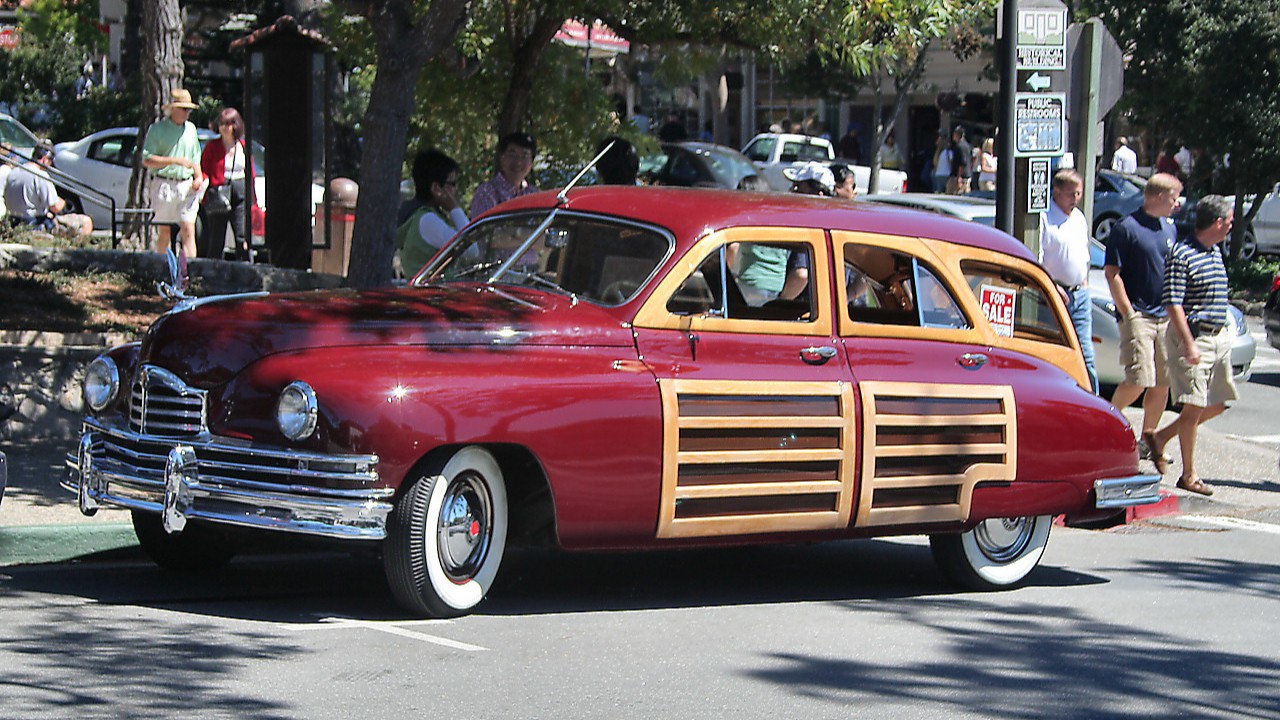
Packard’s postwar Station Sedan looked like a woodie, but its wood did real structural work. Its body used structural panels of northern birch over a steel subframe, while the passenger doors were steel. In fact, the only wooden door on the car was the rear gate.
According to RM Sotheby’s catalog for a 1948 Station Sedan, Briggs Manufacturing handled the conversion with ash and maple. The car cost $3,424 new, which made it the most expensive short-wheelbase Packard. Power came from a 288-cubic-inch straight eight with a three-speed column shift.
Production stayed small. Packard built only 3,885 Station Sedans from 1948 through 1950, and most of them came in 1948. The model left the lineup when the 1951 Packards arrived.
Our take: the Station Sedan is a blast because it’s so unexpected. A smooth straight eight, a column shift and a wood-trimmed body make every errand feel like an event. It’s practical too, which is rare for a car this charming. For a sense of the market, the RM Sotheby’s car sold for $57,750 at Hershey in 2024.
5. 1950 Packard Super Deluxe Eight Convertible Victoria
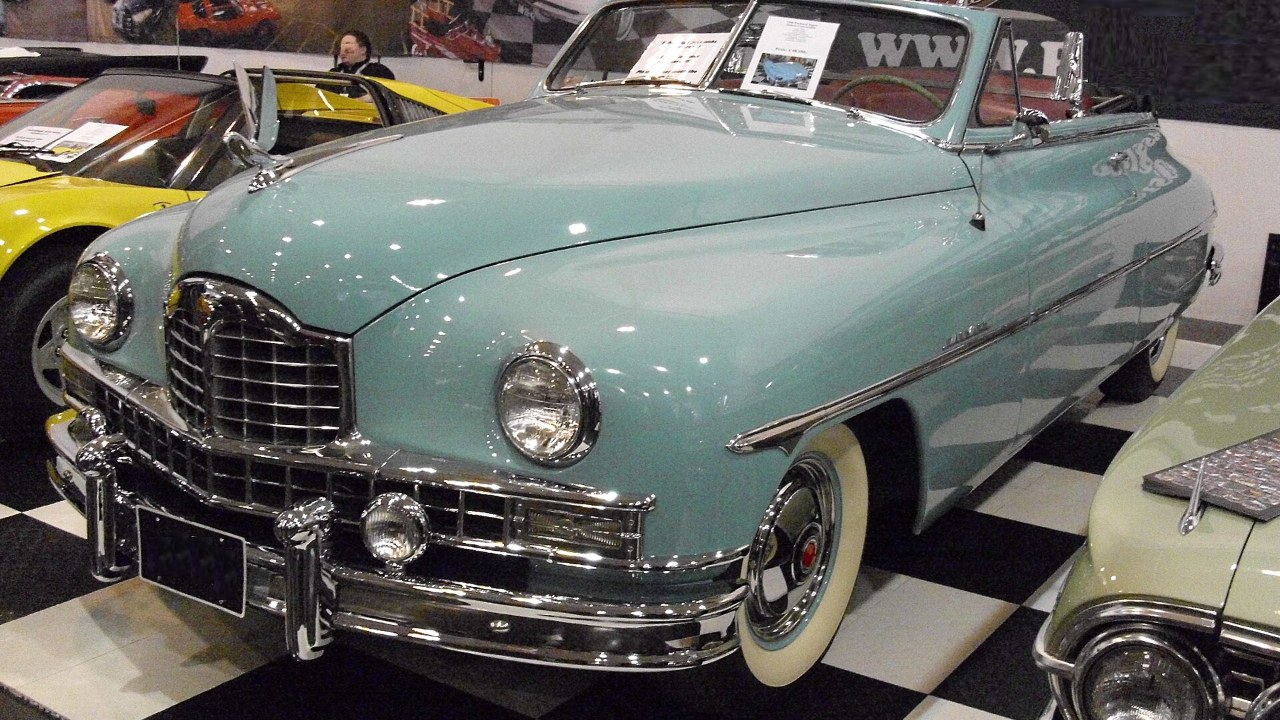
Packard’s Super Deluxe Convertible Victoria wrapped a long hood around a big engine. Under that hood sat a 327-cubic-inch L-head straight eight. RM Sotheby’s credits that engine with 145 horsepower in the 1949 version of the car, the year before this one.
The convertible was never common. RM’s catalog for a 1949 Super Deluxe Eight Convertible Victoria notes that Packard built 671 that year, and that car sold for $44,800 at Amelia Island in 2023. For 1950, a Washington State auction listing reported by Paul Fraser Collectibles describes its car as one of only 614 Super Deluxe convertibles built.
That 1950 car also came with Packard’s Ultramatic automatic and power windows, along with fender skirts and wide whitewall tires. In other words, it offered real comfort without giving up the big eight’s smooth pull.
In our view, this is the Packard to choose for a long, easy cruise with the top down. The torque arrives early, the ride stays calm, and the styling turns every gas stop into a conversation. It’s a relaxed kind of fun, but it’s fun all the same.
6. 1954 Packard Pacific
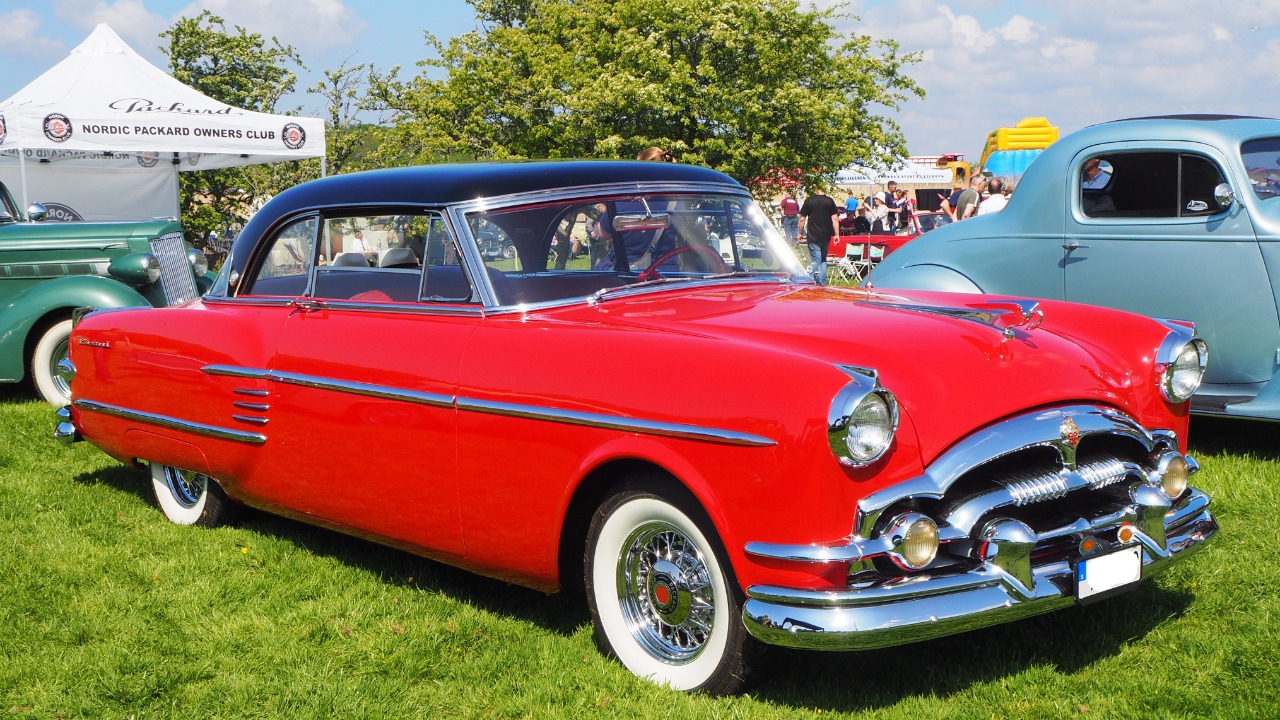
Packard sold the 1954 Pacific only as a two-door hardtop. It replaced the Mayfair and borrowed its name from the same family as the Caribbean, Packard’s senior personal-luxury convertible. Readers who know the drop-top may enjoy our look at rare Packard Caribbeans.
The Pacific’s real appeal sat under the hood. Packard gave it a 359-cubic-inch L-head straight eight with a four-barrel carburetor, rated at 212 horsepower.
The car cost $3,827 when new, which works out to about $44,810 in 2024 dollars. Production stayed small, with 1,189 Pacific hardtops built before the 1954 model year ended. Then, for 1955, Packard renamed its senior hardtop the Four Hundred, so the Pacific name lasted a single season.
Our take: the Pacific is a forgotten driver’s Packard. You get a 212-horsepower straight eight in a pillarless hardtop body. As a result, it feels quick and smooth on the highway, and the open side windows make every drive feel like a summer one. In addition, that one-year run makes it a great conversation starter, because even many Packard fans have forgotten the name.
7. 1956 Packard Executive hardtop
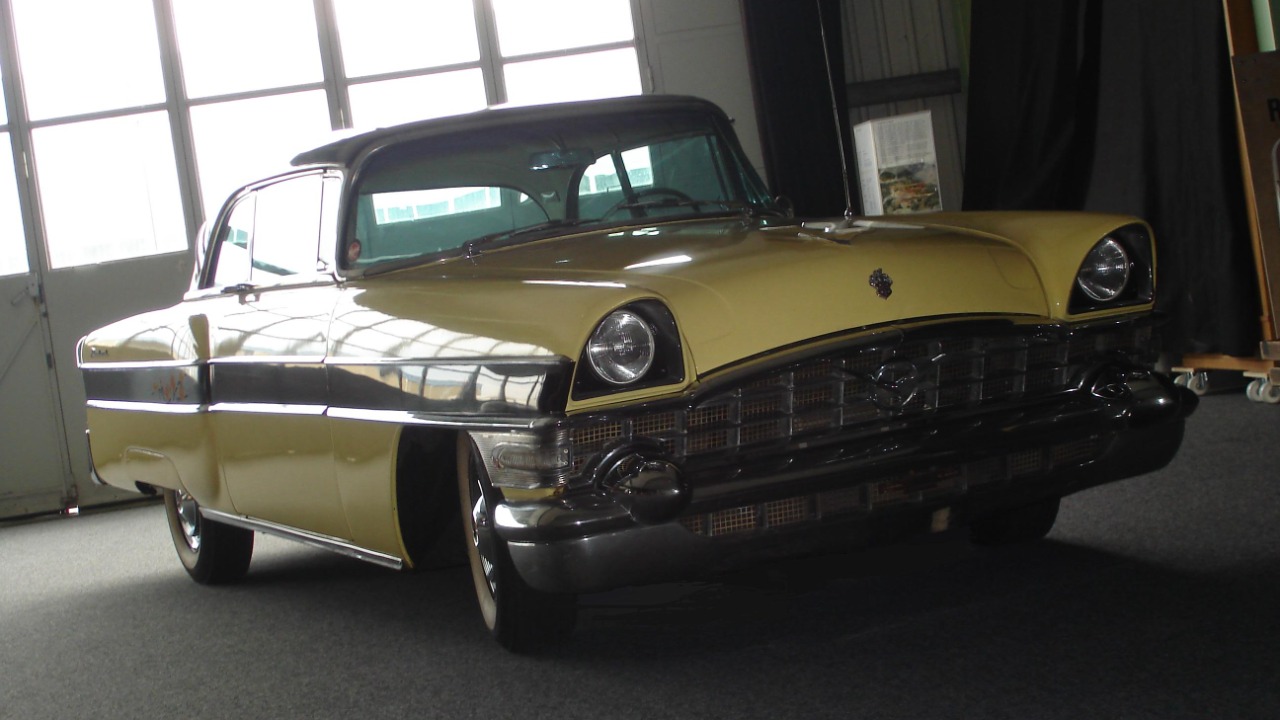
Packard launched the Executive on March 5, 1956, in the middle of a shortened model year. It filled a price gap between the luxury Patrician and the Clipper, which had become a separate make that year. To build it, Packard paired the Clipper Custom’s body with the senior Packard front end.
Power came from an all-new, Packard-designed overhead-valve V8 of 352 cubic inches, rated at 275 horsepower. The company aimed the car at “the young man on the way up,” and the price helped. The Executive sedan listed at $3,465, while the two-door hardtop cost $3,560.
It didn’t get much time to prove itself. Packard built 2,779 Executives in that short season, and 1,031 were two-door hardtops. If you like the Clipper side of the story, see our piece on what a 1956 Packard Clipper asks of its owner.
In our view, the Executive hardtop is the most fun of the late Detroit-built Packards. It has the big V8, a sporty two-door roofline and a clean, modern face. Better still, it’s a rare sight today, because Packard built just 1,031 hardtops.
More from Fast Lane Only