The postwar years produced thousands of memorable cars, but many have quietly disappeared from today’s roads. Everyday family sedans, stylish coupes, and early performance cars were once common sights, yet age, rust, accidents, and years of neglect have steadily reduced their numbers. These 20 classics are becoming much harder to spot in the wild.
Chevrolet Bel Air
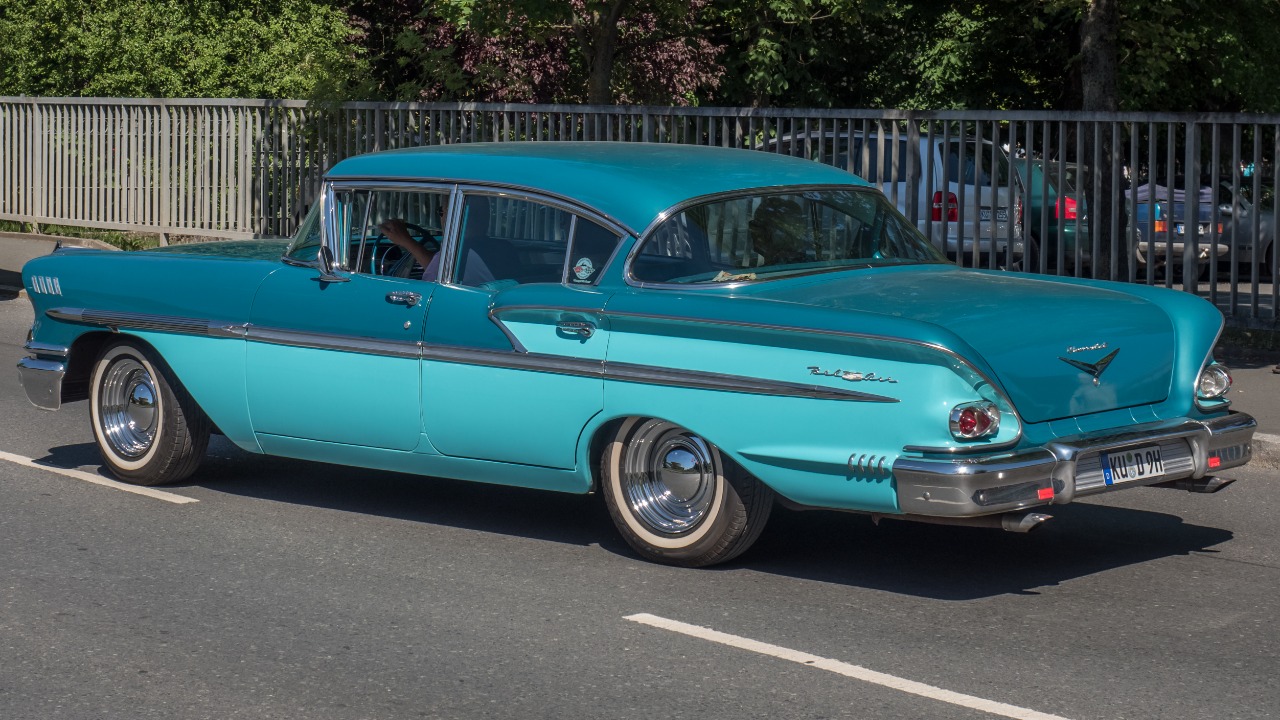
The Chevrolet Bel Air became one of the defining American cars of the 1950s, especially in its most recognizable forms. Its combination of chrome, bright colors, and distinctive styling made it a fixture of postwar American life. Plenty survived as restored show cars, but ordinary examples are much less common today. Many were used hard and discarded when they became inexpensive used cars, making unrestored Bel Airs increasingly difficult to locate.
Ford Fairlane
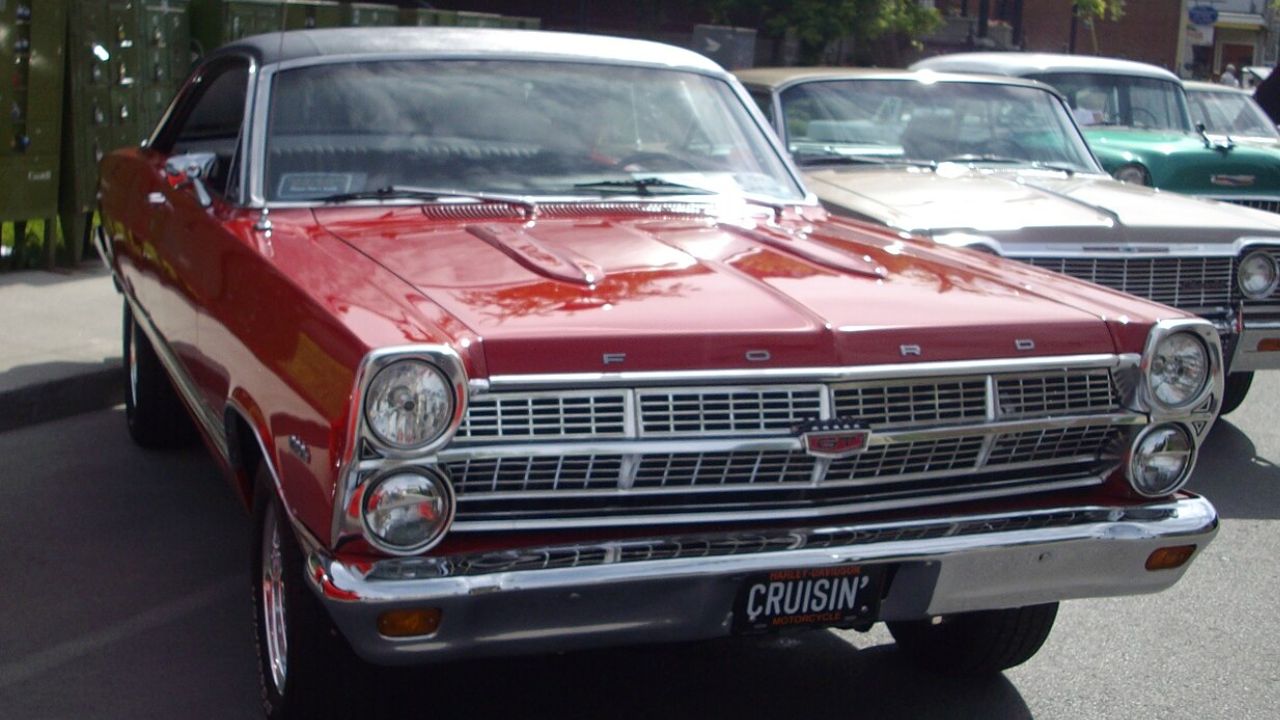
Ford’s Fairlane was a major player in the growing postwar American car market. It offered large-car comfort while wearing the dramatic styling that became associated with the late 1950s and early 1960s. Although high-performance Fairlanes receive plenty of attention from collectors, ordinary sedans and hardtops are less frequently seen. Many disappeared through decades of daily use, leaving surviving examples increasingly concentrated in collections and enthusiast garages.
Pontiac Chieftain

The Pontiac Chieftain represented Pontiac during an important period of growth for the brand. Its substantial body, wide grille, and colorful postwar styling captured the optimism of the era. These cars were once common family transportation, but that same everyday role worked against their survival. Large numbers were driven until they were worn out and replaced, making original Chieftains considerably harder to encounter today than their famous styling might suggest.
Oldsmobile 88

The Oldsmobile 88 helped establish the brand as a serious performance player while remaining a practical full-size car. Its V8 power and comfortable interior made it attractive to families and buyers who wanted something more lively than an ordinary sedan. Later examples became inexpensive used transportation, and many eventually disappeared. Early postwar 88s are now much more likely to be found at shows or in private collections than parked on ordinary streets.
Buick Special

The Buick Special was smaller than Buick’s larger models but still carried much of the brand’s upscale character. Postwar versions offered distinctive styling and plenty of chrome without requiring buyers to step up to a larger Roadmaster or Super. Because these cars were once relatively ordinary transportation, many were driven for years and then scrapped. Surviving examples are now valued for their period styling and their connection to Buick’s postwar history.
Mercury Monterey
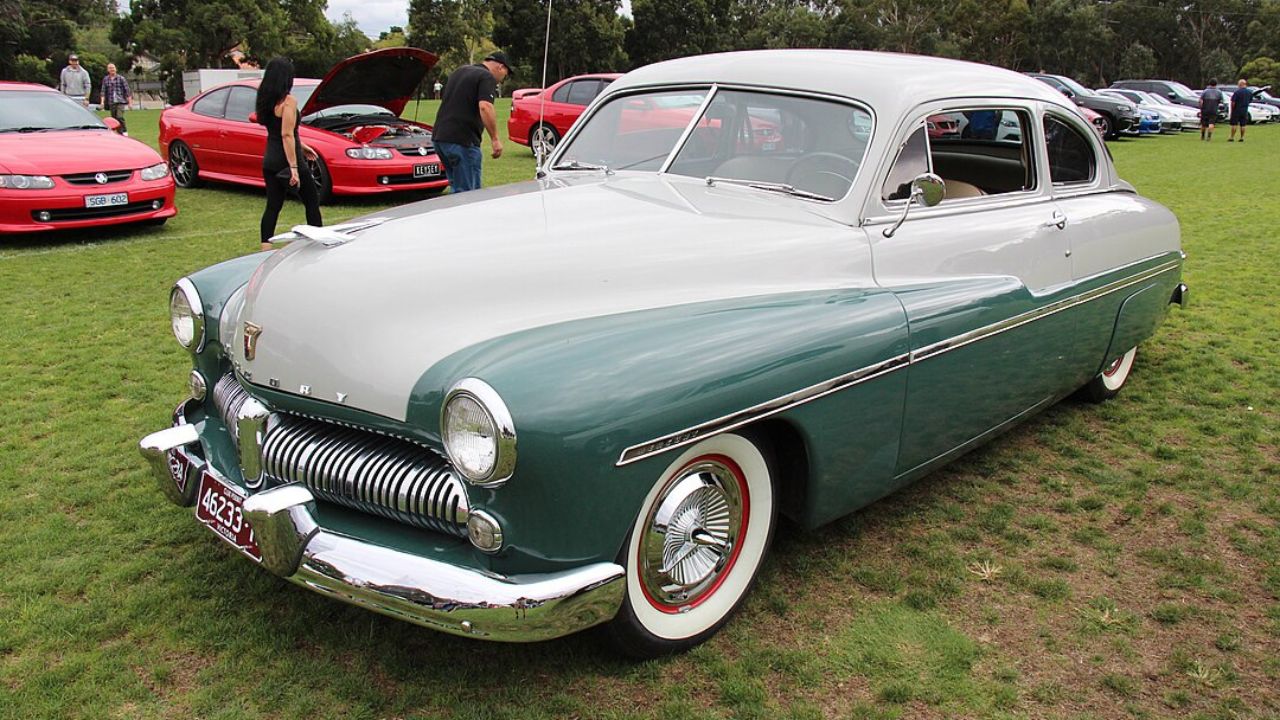
The Mercury Monterey occupied an interesting position between Ford and Lincoln, giving buyers more size and style without moving into the luxury market. Its dramatic 1950s appearance makes surviving examples instantly recognizable today. Unfortunately, many Montereys were treated as used-up transportation once newer cars arrived. Rust, neglect, and low resale values took their toll, leaving restored examples much more common than untouched survivors.
Plymouth Belvedere

The Plymouth Belvedere was one of Chrysler’s most important family cars during the 1950s and early 1960s. It appeared in several body styles and became closely associated with the era’s changing automotive design. While certain V8-powered versions attract collectors, ordinary Belvedere sedans have become much less common. Many were simply used until they were no longer economical to repair, which makes surviving examples increasingly interesting today.
Dodge Coronet
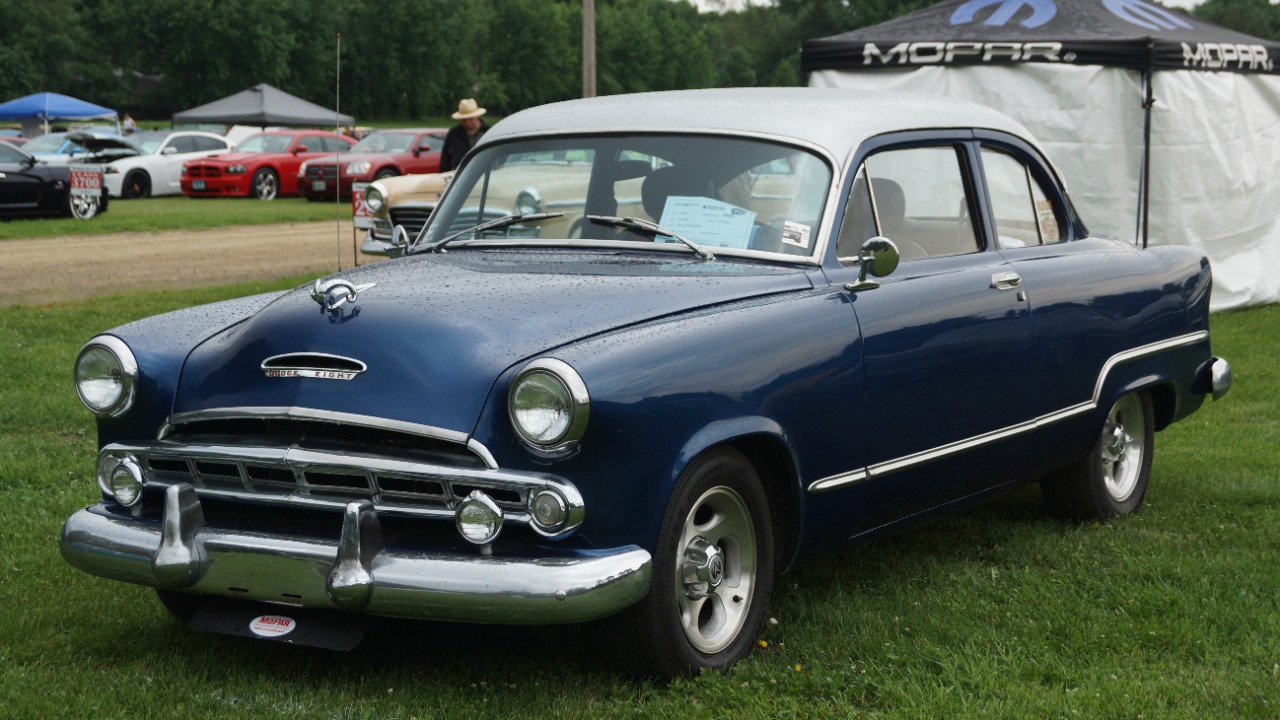
The Dodge Coronet covered a wide range of postwar models, from sensible family cars to surprisingly powerful V8 machines. Its broad production numbers once made it an easy car to encounter, but that abundance did not guarantee survival. Many ordinary Coronets were eventually discarded because they lacked the collector appeal of more famous performance versions. Finding a clean, original example today can be surprisingly difficult.
DeSoto Firedome
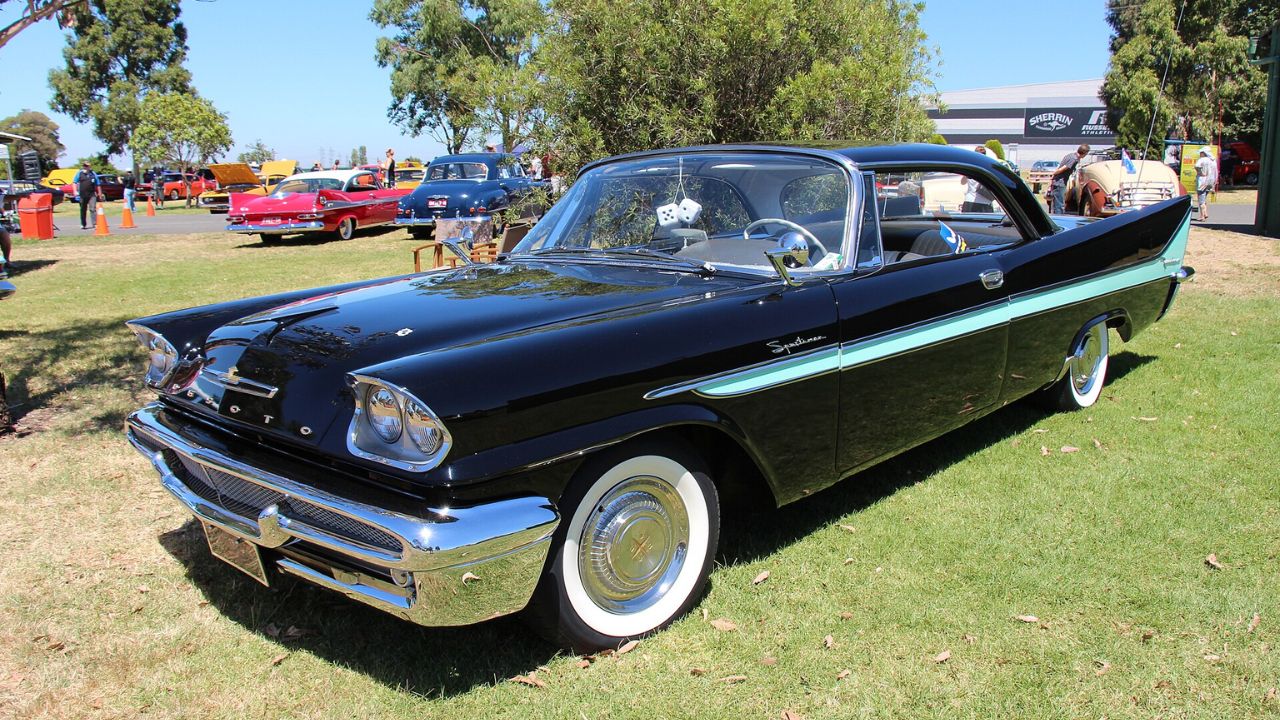
The DeSoto Firedome arrived during a period when Chrysler’s DeSoto brand was building a reputation for stylish cars with strong V8 performance. Its distinctive grille and substantial body gave it a character all its own. DeSoto disappeared from the American market decades ago, and surviving Firedomes have become increasingly scarce. The cars are particularly interesting because they represent a major American brand that no longer exists.
Hudson Hornet
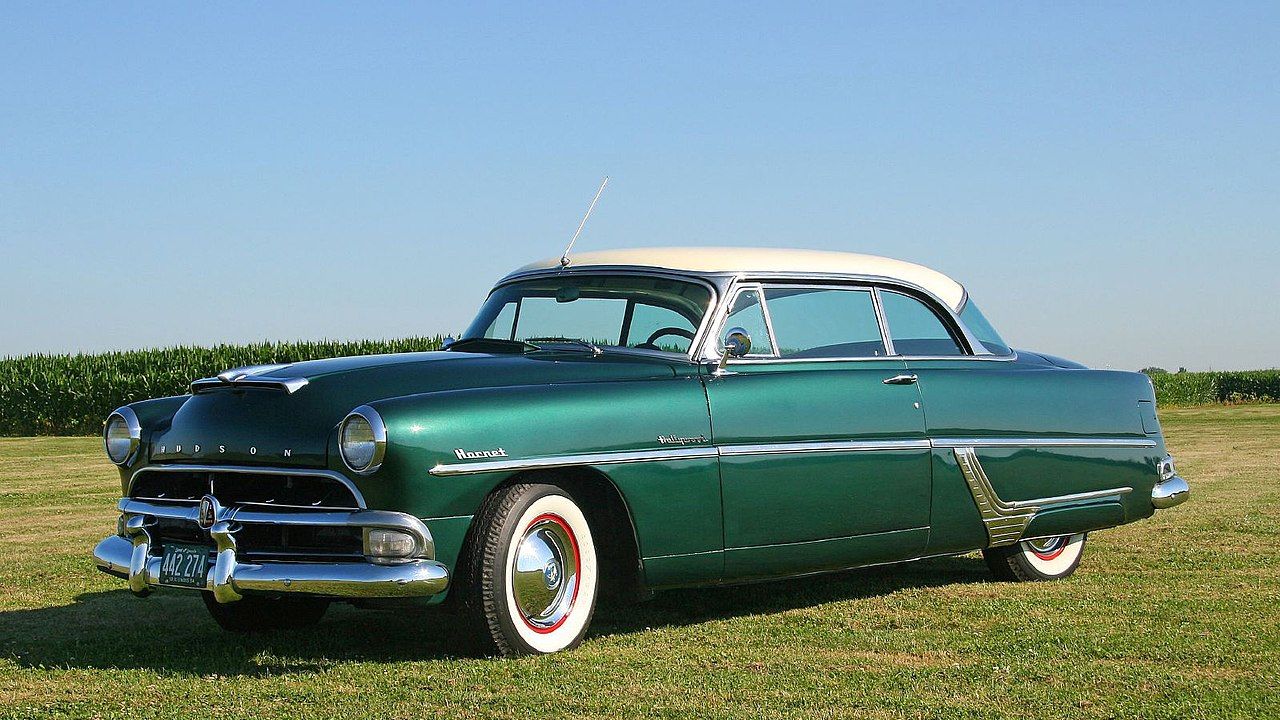
The Hudson Hornet is remembered for its racing success, but ordinary examples were also important postwar family cars. Its low-slung design was unusual for the period and helped give Hudson a distinct identity. Many Hornets disappeared long ago as the Hudson brand faded and replacement parts became harder to find. Today, surviving examples are often restored or preserved by enthusiasts who appreciate the company’s unusual engineering and styling.
Nash Rambler
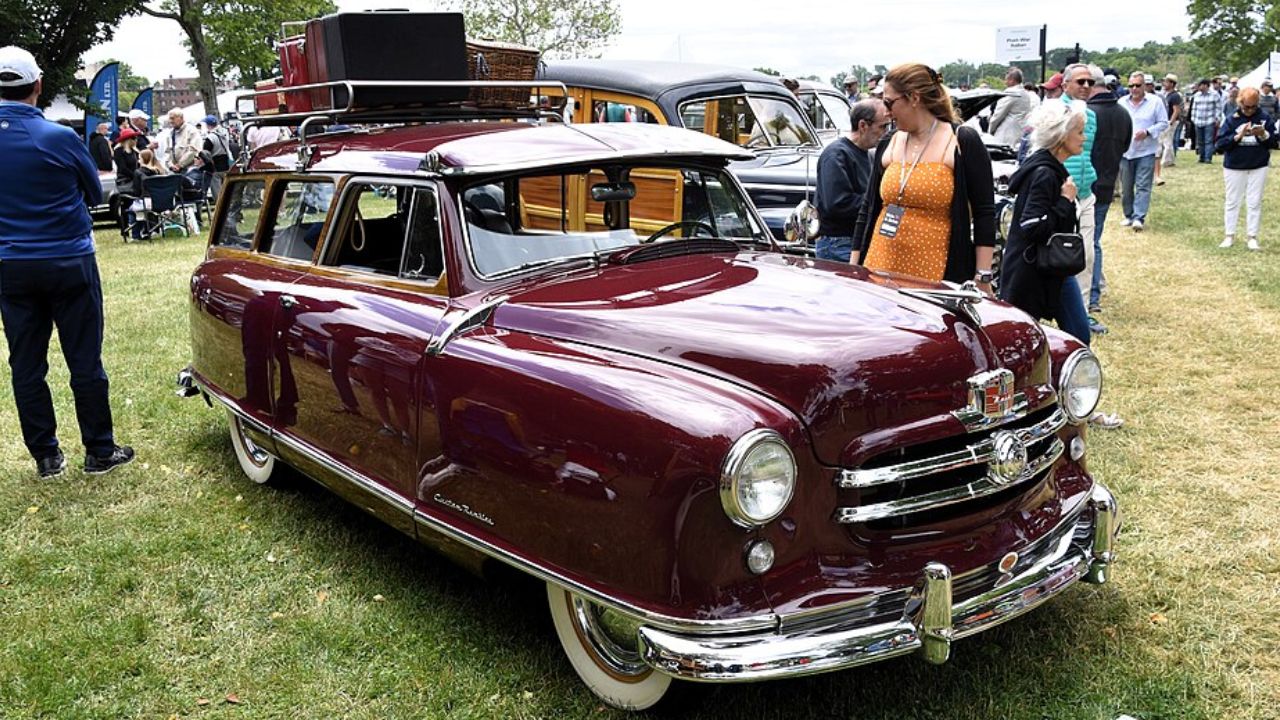
The Nash Rambler helped introduce American buyers to a smaller approach to personal transportation. It was compact by American standards and arrived as consumers were beginning to show interest in more economical cars. The Rambler name would later become closely associated with American Motors, but early Nash examples are much less frequently seen. Their survival is especially notable because many were simply practical transportation rather than cherished collectibles.
Studebaker Commander
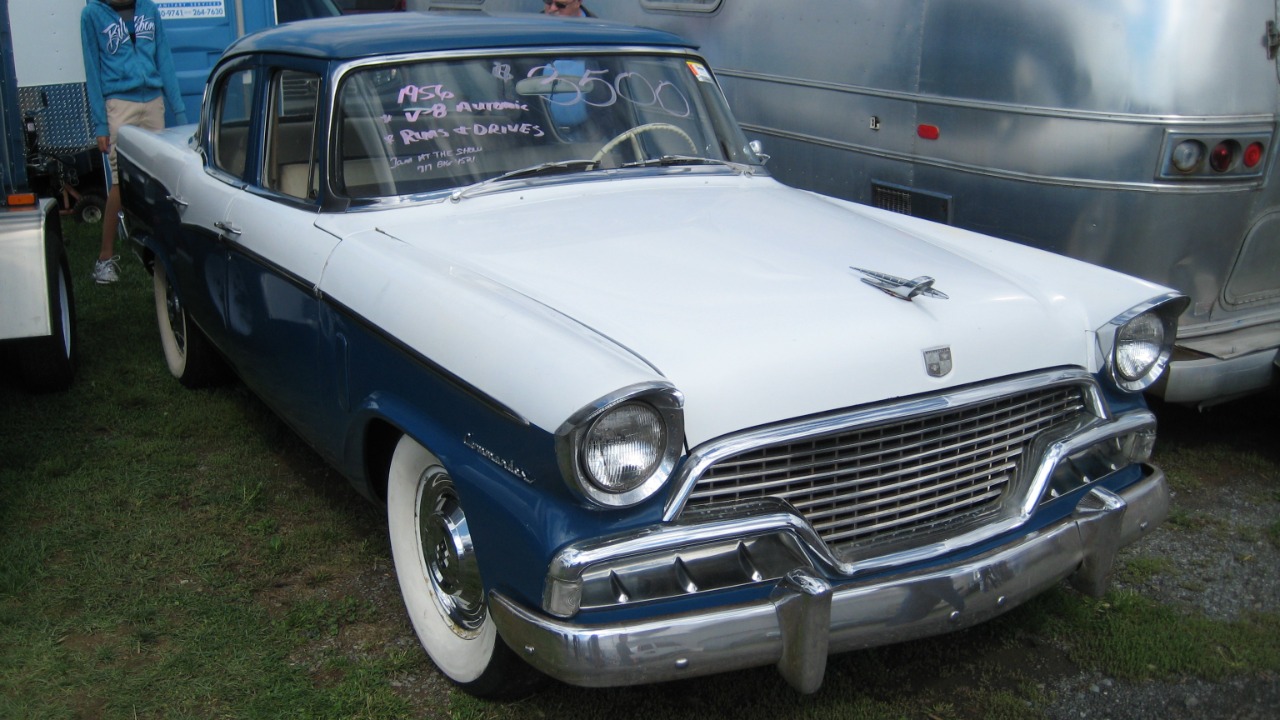
The Studebaker Commander was part of a long line of distinctive cars from a company known for taking styling risks. Postwar Commanders combined modern-looking bodywork with Studebaker’s own engineering approach. Unfortunately, the company’s eventual decline meant that many cars disappeared as parts and specialist support became harder to obtain. Surviving Commanders are now valuable reminders of an independent American automaker that once competed directly with the industry’s biggest names.
Packard Clipper
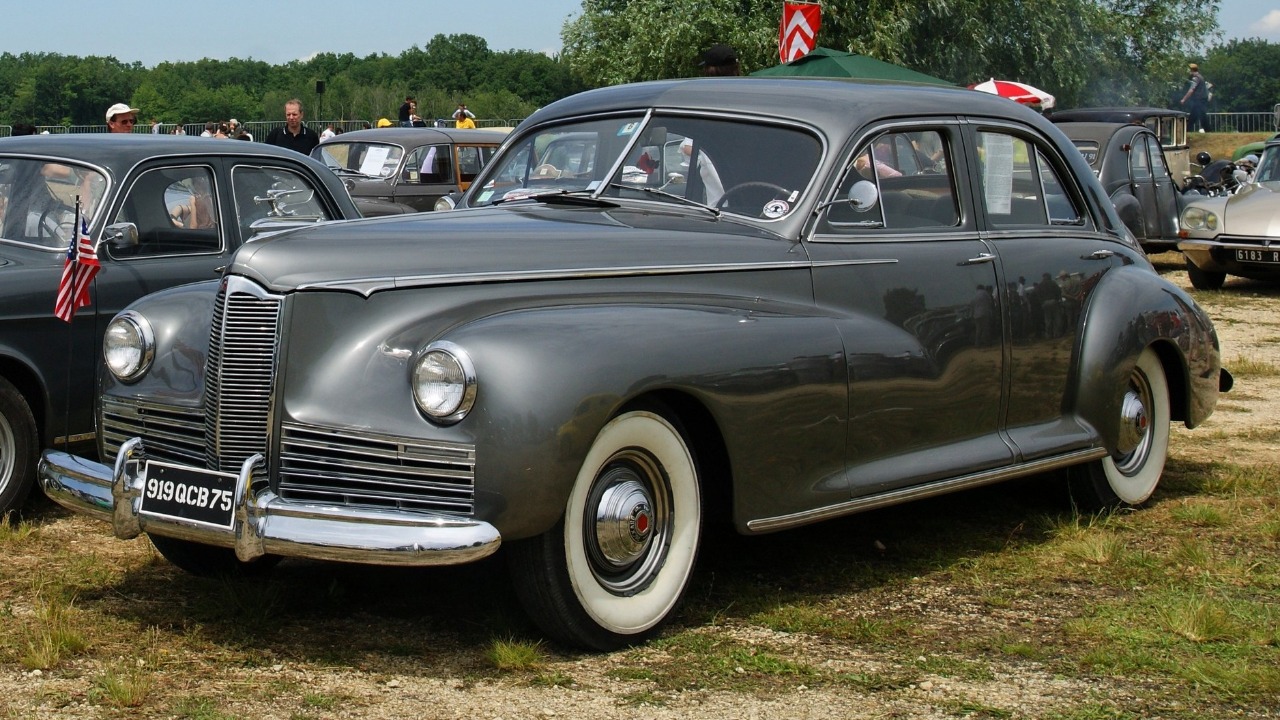
The Packard Clipper was introduced as a more modern and accessible alternative within the Packard range. Its streamlined bodywork helped the company keep pace with rapidly changing postwar styling. Packard’s eventual decline and disappearance from the market meant that many Clippers were simply forgotten. Today, finding a well-preserved example can take considerable effort, particularly when looking for an original car rather than a fully restored collector piece.
Kaiser Manhattan
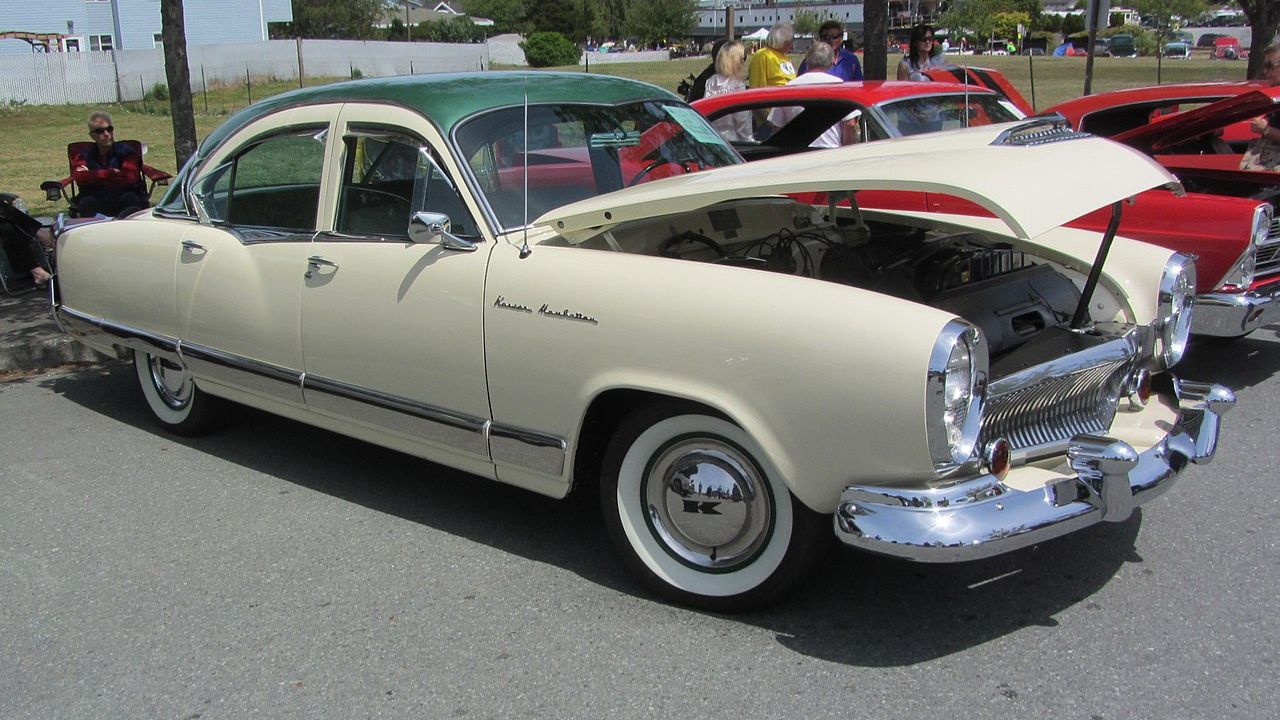
The Kaiser Manhattan was one of the more ambitious American cars of the early postwar period. Kaiser-Frazer tried to challenge established manufacturers with modern styling and unusual design ideas. The company struggled to remain competitive, however, and Kaiser passenger cars eventually disappeared from the market. That short production history has made surviving Manhattans uncommon. Even among classic-car enthusiasts, they remain far less familiar than comparable Chevrolet, Ford, or Chrysler products.
Nash Ambassador
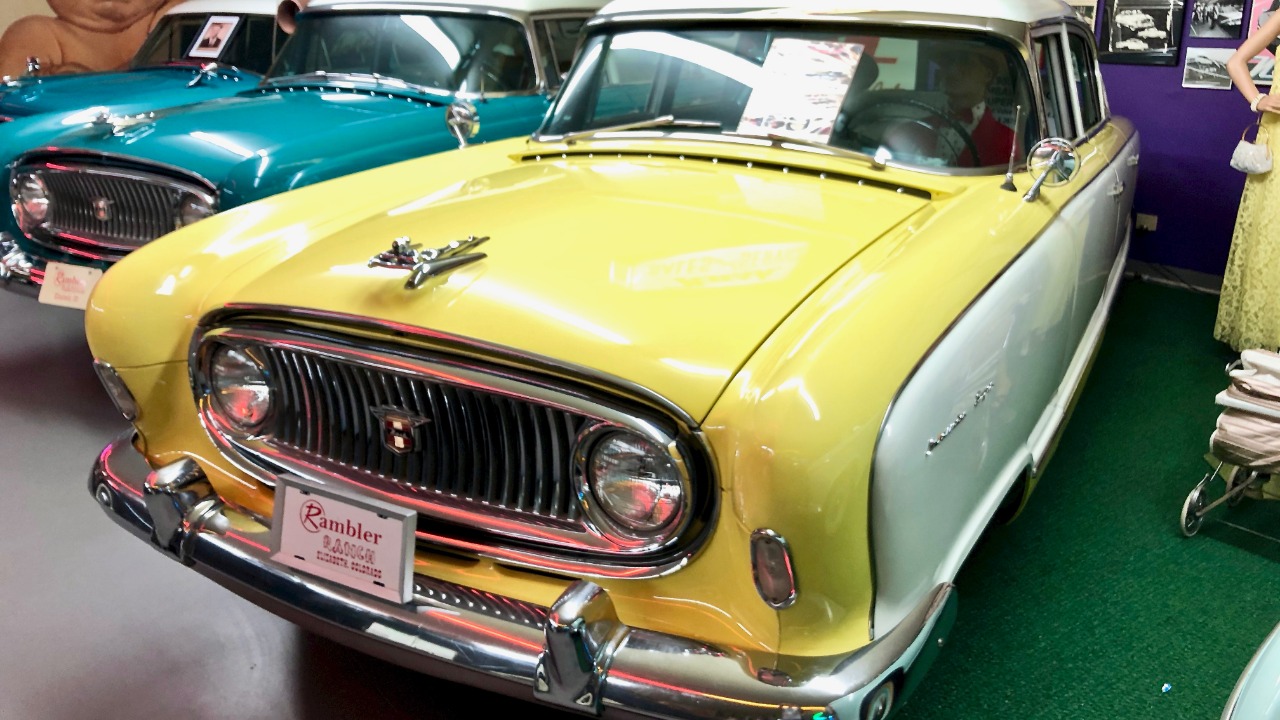
The Nash Ambassador was positioned as a premium automobile and became known for its unusual styling and spacious interior. Nash experimented with design in ways that separated its cars from Detroit’s mainstream offerings. As the brand disappeared and replacement parts became less readily available, many Ambassadors vanished with it. Surviving cars now offer a fascinating look at an American manufacturer that was willing to take a different approach to postwar automotive design.
Lincoln Cosmopolitan
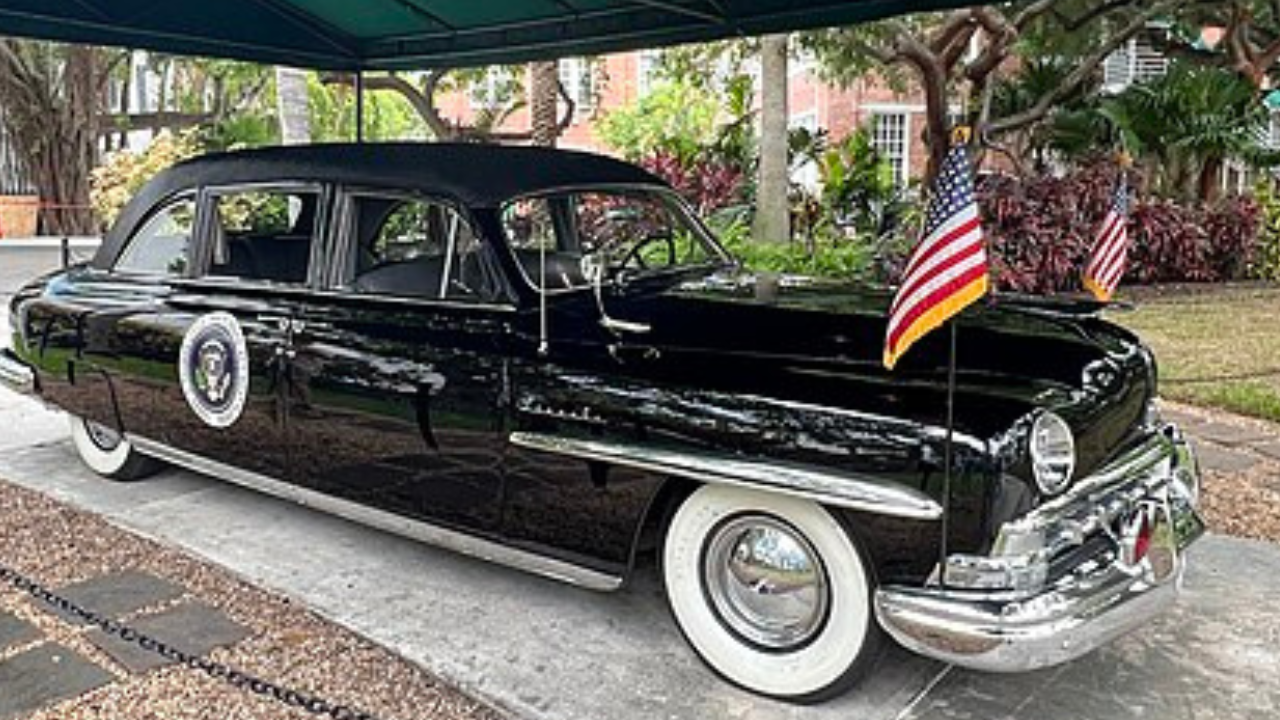
The Lincoln Cosmopolitan represented Lincoln’s postwar return to modern mass production after the immediate demands of the war years. Its long body and formal styling reflected the American preference for large automobiles during the early 1950s. Many Cosmopolitans were eventually scrapped because of their size, age, and maintenance demands. Today, an intact example can be an impressive sight, particularly when its original details have been preserved.
Mercury Eight
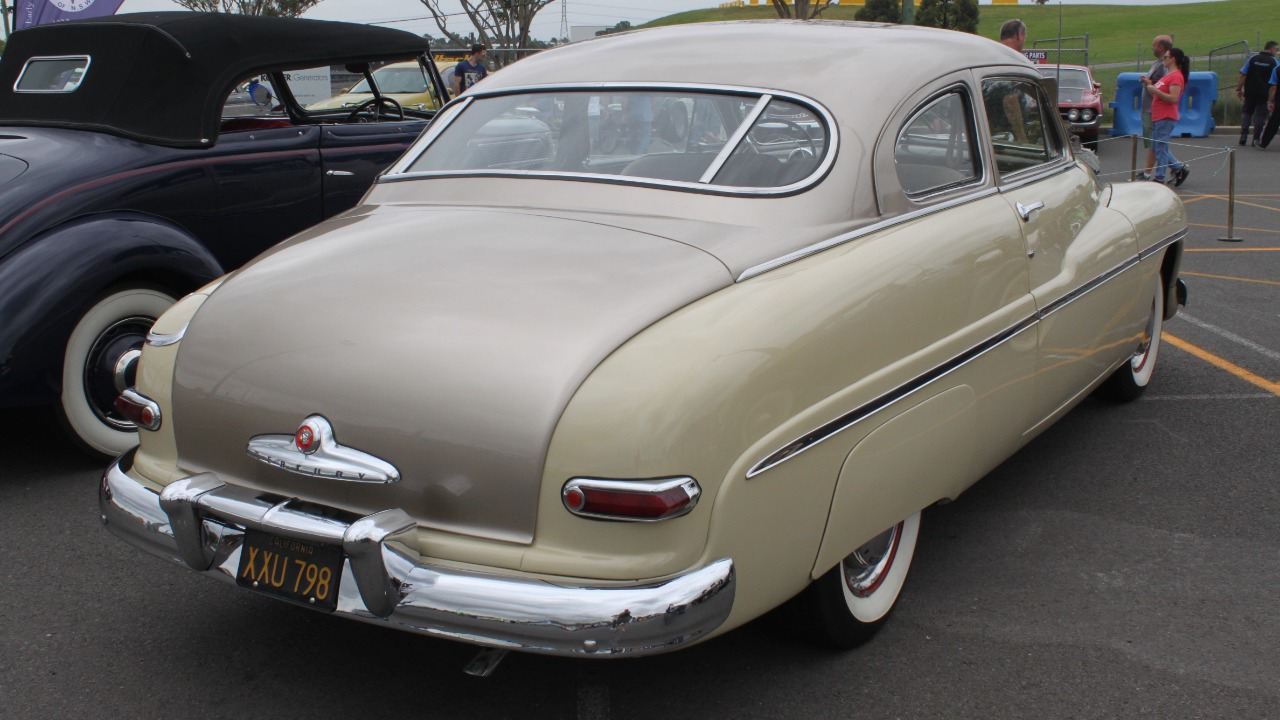
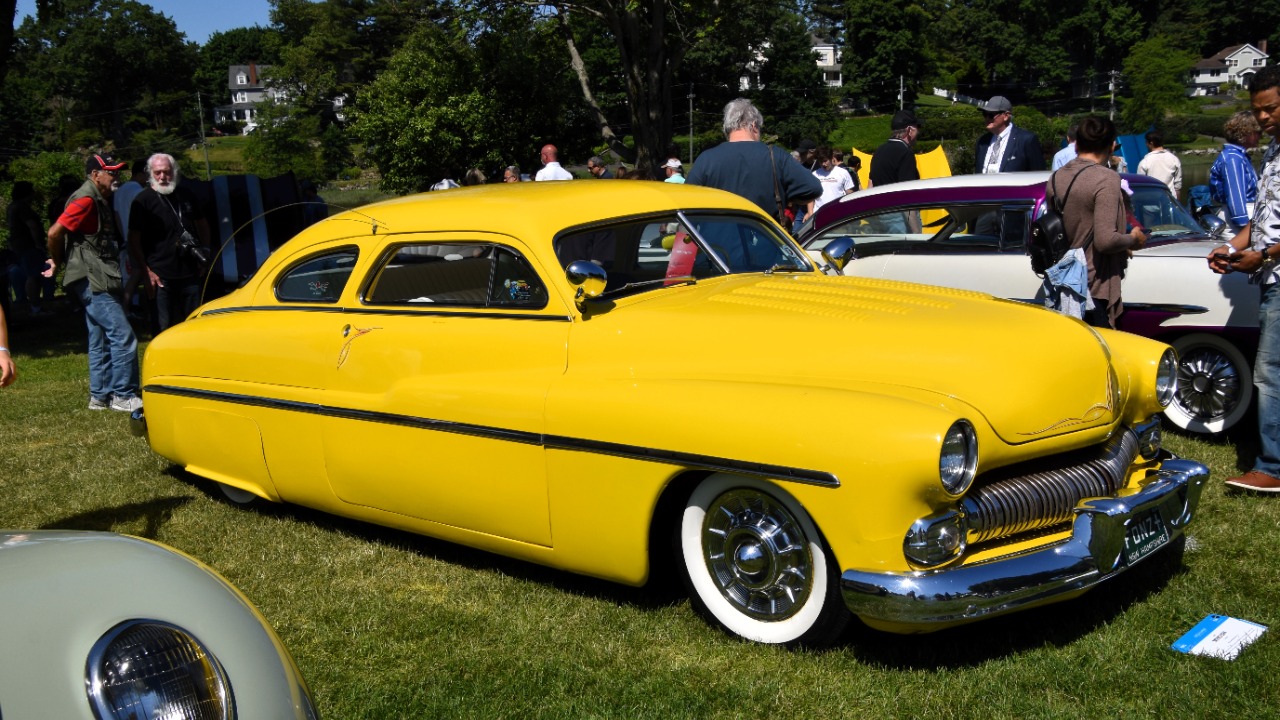
The Mercury Eight helped establish Mercury as a distinct brand positioned between Ford and Lincoln. Postwar versions combined Ford-based engineering with more upscale styling and stronger engines. Many were used as ordinary family cars, which meant they rarely received the preservation given to more prestigious models. As a result, clean Mercury Eights have become increasingly difficult to find, especially outside dedicated collections and traditional hot-rodding circles.
Chevrolet Styleline Deluxe
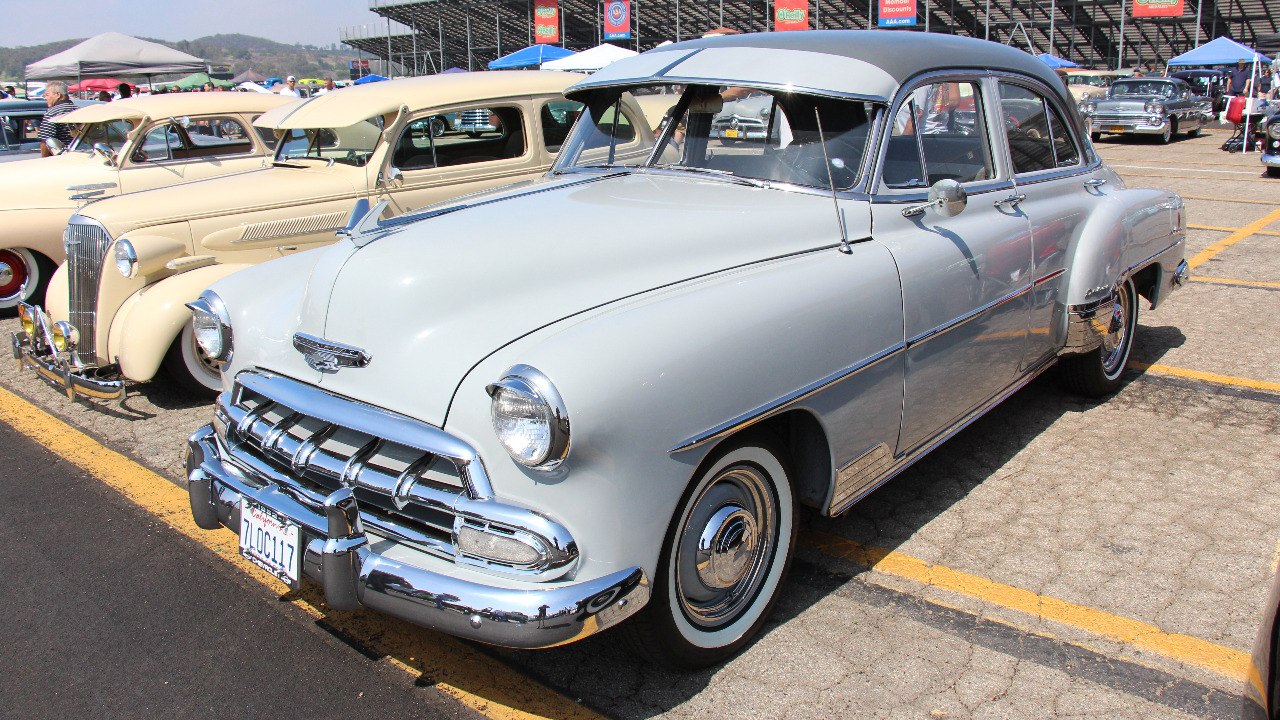
The Chevrolet Styleline Deluxe was one of Chevrolet’s key postwar offerings and was produced in large numbers. Its rounded body and restrained chrome represented the transition from prewar design to the new look of the early 1950s. Despite its popularity, surviving examples have become much less common. Most were everyday transportation and were eventually retired, leaving enthusiasts today with a much smaller pool of original cars to choose from.
Ford Custom Deluxe
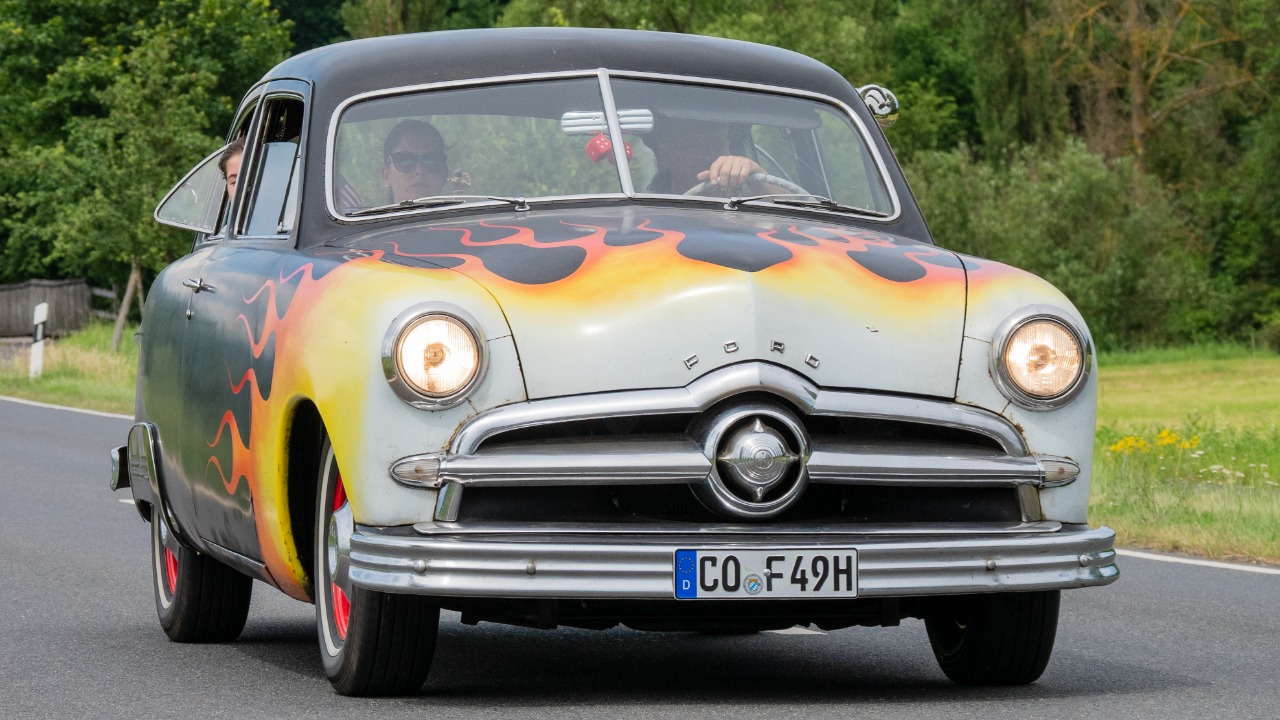
The Ford Custom Deluxe was one of the company’s important early postwar models, offering buyers familiar Ford engineering wrapped in updated styling. It was produced for ordinary customers rather than collectors, which explains why so few were preserved when new. Years of exposure, hard use, and inexpensive replacement cars gradually reduced their numbers. Today, a clean Custom Deluxe provides a direct look at how quickly American cars changed after World War II.
Plymouth Cranbrook

The Plymouth Cranbrook was a mainstream postwar sedan that helped Chrysler compete in the rapidly expanding American automobile market. Its styling was conservative compared with some of the more extravagant cars of the period, but that made it a practical choice for families. Like many ordinary Plymouths, most Cranbrooks were driven until they were worn out. Surviving examples have therefore become increasingly valuable to enthusiasts interested in authentic early-1950s American cars.
More from Fast Lane Only
- Unboxing the WWII Jeep in a Crate
- 15 rare Chevys collectors are quietly buying
- 10 underrated V8s still worth hunting down
- Police notice this before you even roll window down
*Research for this article included AI assistance, with all final content reviewed by human editors.