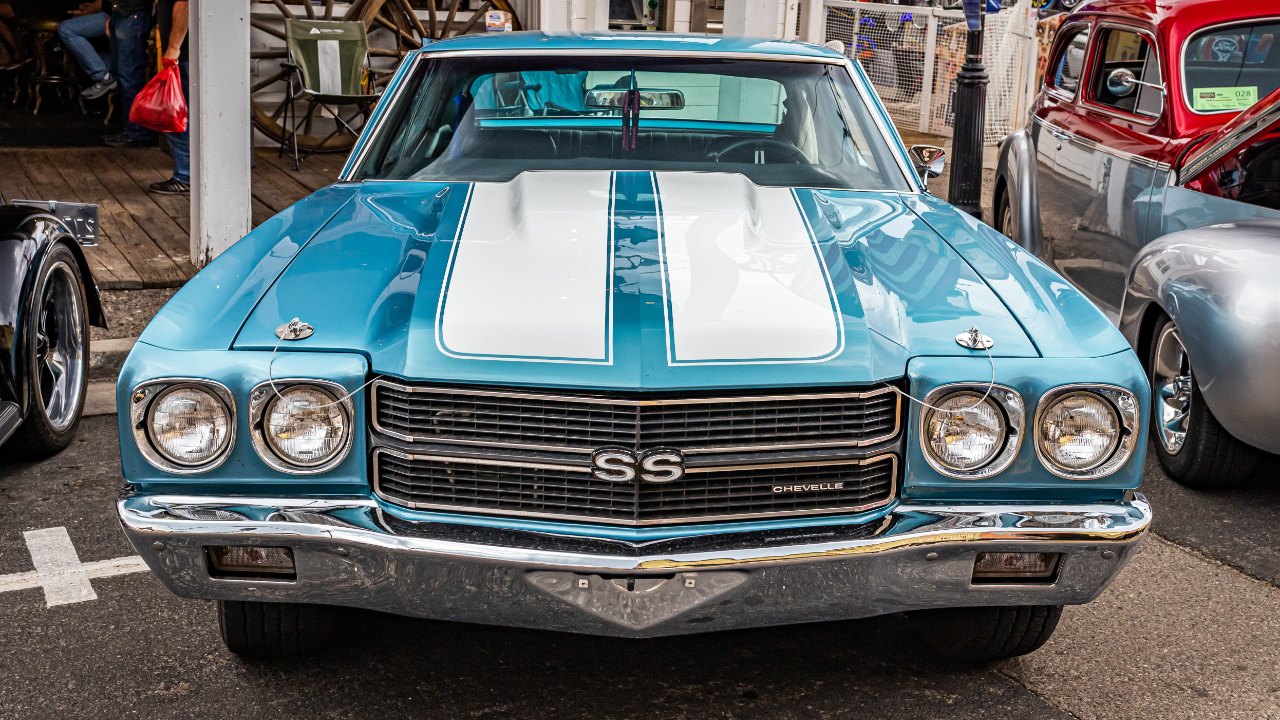
The 1967 Chevelle SS 396 arrived at a moment when Detroit was still figuring out how much power and attitude to pack into a mid-size body, and it answered with a mix of brute force and surprising refinement. Instead of simply stuffing a big engine into a family car, Chevrolet used the SS 396 to reset expectations for what a mid-size performance model could look, feel, and sound like on American streets.
By tightening the chassis, sharpening the styling, and pairing the 396 cubic inch V8 with a more livable interior and broader option sheet, Chevrolet turned the Chevelle SS into a template that rivals would chase for years. I see that balance of raw performance and everyday usability as the key reason the 1967 version still reads as a turning point rather than just another high-horsepower variant.
From stoplight brawler to well-rounded performance car
When I look at the 1967 Chevelle SS 396 in context, what stands out is how deliberately Chevrolet moved it away from being a stripped, single-purpose drag machine and toward a more complete performance package. The car still centered on the 396 cubic inch big-block V8, but the way it was integrated into the Chevelle’s mid-size platform, with upgraded suspension, stronger driveline components, and available comfort features, signaled a shift from raw experimentation to a more mature formula for muscle. That evolution helped define what buyers would come to expect from mid-size performance cars through the late 1960s and early 1970s, where straight-line speed had to coexist with daily drivability and a degree of polish.
Chevrolet’s decision to anchor the SS identity to the 396 engine while still offering multiple power levels within that displacement gave the car a clear performance image without forcing every buyer into the most extreme tune. The availability of different 396 outputs, paired with manual or automatic transmissions and a range of axle ratios, meant the same basic package could be tailored for boulevard cruising, highway use, or quarter-mile work. That flexibility, layered onto a mid-size footprint that fit suburban garages and family needs better than full-size platforms, is what pushed the Chevelle SS 396 into the center of the muscle-car conversation rather than leaving it as a niche hot rod.
Styling that made mid-size muscle look grown up
The 1967 Chevelle SS 396 also reset expectations visually, and I think that matters as much as the powertrain. Instead of leaning on wild graphics or gimmicky add-ons, Chevrolet refined the Chevelle’s lines with subtle but purposeful cues that signaled performance without shouting. The SS 396 package brought a more aggressive front end, unique badging, and specific trim that differentiated it from standard Chevelles while still looking cohesive and mature. That approach helped establish the idea that a mid-size muscle car could project authority and speed through proportion and stance rather than just stripes and scoops.
Inside, the Chevelle SS 396 moved the conversation forward by pairing its performance hardware with a cabin that felt more substantial than earlier, bare-bones efforts. Bucket seats, a center console, and performance-oriented instrumentation turned the interior into a place where the driver could actually live with the car on longer trips instead of tolerating it only for short blasts. The way Chevrolet blended those features into a mid-size shell, rather than reserving them solely for top-tier full-size models or specialty coupes, helped normalize the idea that muscle cars could be both stylish and usable, a standard that would shape later Chevelle SS variants and competing mid-size offerings.
The 396 big-block as the heart of a new formula
At the core of the 1967 Chevelle SS was the 396 cubic inch big-block V8, and I see that engine as the mechanical statement that set the car apart. The 396 delivered the kind of torque-rich, low-end punch that defined American muscle, yet in SS trim it was tuned to work within the Chevelle’s mid-size chassis without overwhelming it. That balance between displacement and platform size gave the car a responsiveness that smaller engines could not match and a level of control that heavier full-size models struggled to achieve. The result was a powertrain that felt purpose-built for the segment rather than a transplant from a larger car.
Chevrolet’s strategy of offering the 396 in multiple states of tune within the SS 396 line also helped broaden its appeal. Buyers could opt for a more street-friendly configuration or step up to higher-output versions that pushed the limits of what a factory mid-size car could deliver. That tiered approach allowed the Chevelle SS 396 to serve as both an attainable performance car and a serious threat at the drag strip, all while maintaining a consistent identity around the 396 badge. In practice, it meant the engine was not just a number on the fender but a flexible foundation that let the SS 396 speak to different kinds of enthusiasts without losing its core character.
Chassis, brakes, and driveline that kept pace with the power
What really convinces me that the 1967 Chevelle SS 396 set a new tone is how Chevrolet backed up the big-block with supporting hardware. The SS package brought heavier-duty suspension components, stronger rear axles, and upgraded brakes that were designed to cope with the torque and speed the 396 could generate. Instead of treating the chassis as an afterthought, Chevrolet treated the mid-size platform as a system, reinforcing it so the car could corner, stop, and survive repeated hard launches. That approach helped move mid-size muscle away from being one-dimensional straight-line specialists and toward more rounded performance machines.
The transmission choices available with the SS 396 further underscored that shift. Buyers could pair the 396 with manual gearboxes that rewarded engaged driving or with automatic transmissions that made the car easier to live with in traffic while still delivering strong acceleration. Combined with optional performance rear axle ratios, those driveline combinations let owners tailor how aggressively the Chevelle behaved without sacrificing the underlying structure. In effect, Chevrolet was acknowledging that muscle-car buyers wanted more than just peak horsepower numbers; they wanted a package that felt engineered, not improvised, and the 1967 SS 396 delivered that in a way earlier mid-size efforts rarely did.
How the 1967 SS 396 reshaped the mid-size muscle playbook
Looking back, I see the 1967 Chevelle SS 396 as a pivot point where mid-size muscle cars stopped being experiments and started becoming fully realized products. By combining a clearly branded big-block engine, a refined yet assertive design, and a chassis that could handle the power, Chevrolet created a car that felt cohesive rather than cobbled together. That coherence helped set expectations for what a mid-size performance model should offer, from engine options and interior appointments to suspension tuning and braking capability. Rivals would respond with their own big-engine mid-sizers, but the Chevelle SS 396 had already shown how to integrate those pieces into a package that worked in the real world.
The legacy of that approach is visible in how enthusiasts and collectors still talk about the 1967 SS 396 today, often treating it as a benchmark for balanced muscle rather than just raw output. Its mix of size, power, and usability anticipated the way performance cars would evolve as insurance pressures, safety regulations, and changing buyer expectations reshaped the market in the years that followed. By proving that a mid-size car could deliver serious performance without giving up comfort or composure, the 1967 Chevelle SS 396 did more than win stoplight races; it rewrote the rules for an entire segment and set a standard that continues to define what many people think of when they hear the phrase “mid-size muscle car.”
More from Fast Lane Only