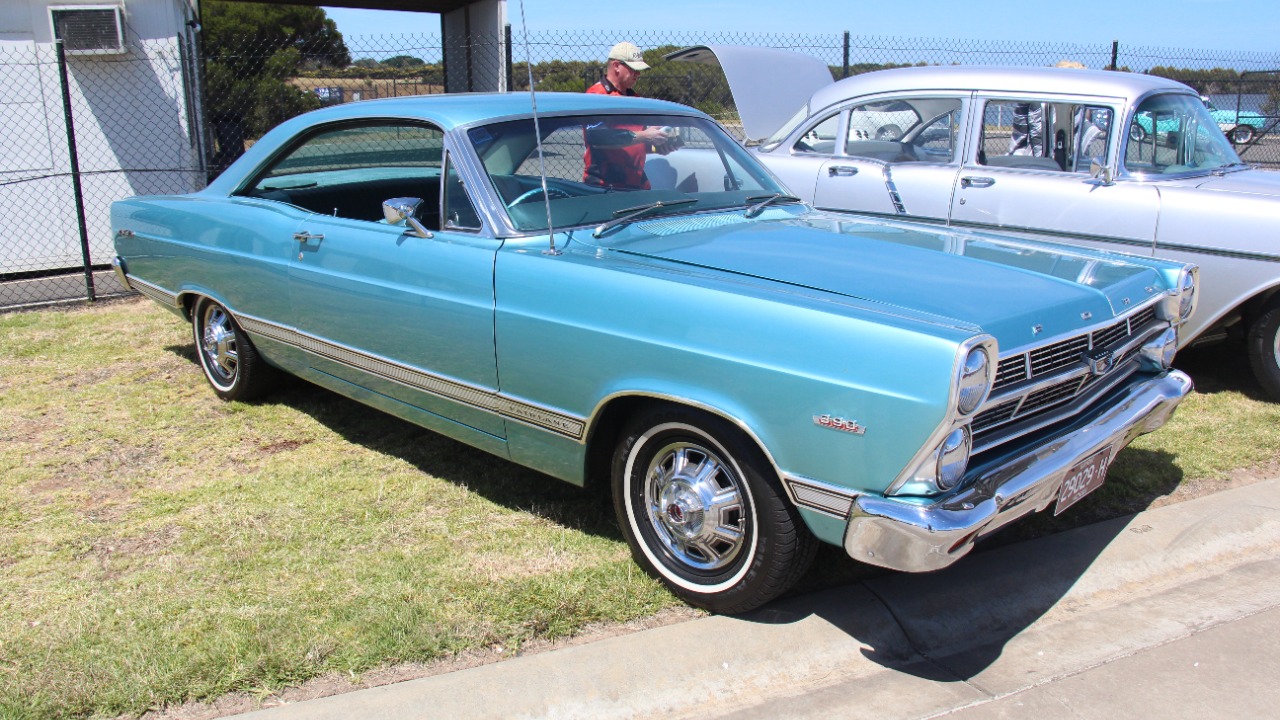
The 1966 Ford Fairlane GT spent years in the shadow of flashier nameplates, yet its mix of big-block power, tidy dimensions, and understated style is starting to look very smart to blue-oval loyalists. As collectors chase more usable muscle that still feels raw and mechanical, this mid-size Ford is being reconsidered as a pivotal car that bridged full-size bruisers and compact pony cars.
From its 390 cubic-inch V8 to its close relationship with rarer Fairlane variants, the 1966 GT now sits at the crossroads of performance history and attainable nostalgia. I see more owners and shoppers treating it not as a footnote to Mustangs and Galaxies, but as the car that quietly defined what a Ford muscle coupe could be in the real world.
From family sedan to Ford’s first midsize muscle
What makes the 1966 Ford Fairlane GT so compelling today is how deliberately it stepped away from its sensible-sedan roots. Ford took the familiar Fairlane shell and turned it into what many enthusiasts now regard as the company’s first proper midsize muscle car, a role that gives it fresh historical weight among blue-oval fans. The GT package centered on a 390 cubic-inch V8, and period descriptions of the Ford Fairlane GT emphasize how it carried Ford performance into the mid-size segment with both style and serious power.
That repositioning matters now because collectors are re-evaluating cars that defined new niches rather than simply chasing the most famous badges. The 1966 Fairlane GT 390 is repeatedly described as Ford’s first proper midsize muscle entry, with a 390 cubic-inch V8 making 335 horsepower that blended big-block thrust with what owners describe as pony car-like handling. Accounts of the Ford Fairlane GT highlight that 390 and 335 figures as the heart of the car’s identity, and that balance is exactly what modern drivers hunting for usable vintage performance are starting to prize.
Why the GT and GTA drivetrains feel so modern
Under the hood, the 1966 Fairlane GT and its automatic sibling, the GTA, deliver a level of engineering detail that helps explain their renewed appeal. The 390 cubic-inch V8 in the Fairlane GTA was rated at 335 horsepower, giving the mid-size coupe the kind of punch that could run with contemporary big-block rivals while still feeling manageable on the street. Enthusiast breakdowns of What Made It point to that 390 and 335 rating as the core of the Fairlane GTA’s character, describing it as Big Block Power At the heart of a car that could comfortably serve as both commuter and quarter-mile toy.
Dig a little deeper into the engine specs and the GT’s newfound respect makes even more sense. Working through 1.73:1 shaft-mounted rockers, valve lift measured 0.481 inches on the intakes and 0.490 inches on the exhausts, figures that show how seriously Ford treated airflow and high-rpm stability in this package. Technical write-ups of the Fairlane’s FE-series V8 note those 1.73, 0.481, and 0.490 numbers alongside a free-breathing dual exhaust, and that level of factory hardware is a big part of why these cars still feel eager and mechanically sophisticated compared with some of their more agricultural muscle-era peers.
Chassis, proportions, and the way it drives
Power alone does not explain why the 1966 Fairlane GT is being re-evaluated; the way the car sits on the road is just as important. The 66 Fairlane was shorter than the previous model, but it had a wider track front and rear, a change that gave the car a more planted stance and better cornering stability without sacrificing ride comfort. Period analysis of the 66 Fairlane credits that shorter overall length and wider track with transforming the driving experience from family-car float to something closer to a big-engined sports coupe.
Owners today often talk about how the GT feels smaller and more agile than its big-block specs suggest, and that is not just nostalgia talking. The 1966 Ford Fairlane GT 5-Speed, for example, is celebrated in enthusiast circles as a classic American muscle car that combines a powerful V8 with a sporty, driver-focused setup, especially when paired with a floor-shifted manual. Descriptions of the Ford Fairlane GT 5-Speed emphasize how that combination of gearing and chassis balance makes the car feel surprisingly modern on back roads, which is exactly the kind of real-world drivability that is pushing more collectors to look beyond headline-grabbing quarter-mile times.
GT, GTA, and the halo of the 500 R-Code
Another reason the 1966 Fairlane GT is gaining status is the halo effect from rarer siblings that share its basic bones. The 1966 Fairlane GTA is described as a high-performance variant of the Fairlane, a mid-size American sedan, Powered by a 390 cubic-inch V8 that delivered big-block torque through an automatic transmission. Enthusiast discussions of the Ford Fairlane GTA underline how it broadened the car’s appeal to buyers who wanted serious performance without a clutch pedal, and that versatility is part of what modern collectors now appreciate across the GT and GTA lineup.
At the very top of the pyramid sits the 1966 Fairlane 500 R-Code, a car so scarce that it has reshaped how people look at the entire Fairlane family. Reports on 1966 Fairlane 500 R-Code Details list Production Years as 1966, with Units Produced limited to just 57 cars, an Original Price of $4,500 and an Adjusted for Inflation figure of $43,54 that underscores how exclusive it was even when new. Analyses of the Fairlane 500 R-Code argue that with only 57 units produced, it stands as the rarest Ford muscle car and a showcase of Ford’s engineering prowess, and that kind of halo inevitably pulls attention back to the more attainable GT and GTA models that share its silhouette and much of its hardware.
Values, community buzz, and why interest is rising now
Market data is starting to catch up with the Fairlane’s growing reputation. Valuation guides for the 1966 Ford Fairlane GT track how prices have firmed as more buyers recognize the car’s blend of rarity, performance, and everyday usability, especially for solid driver-quality examples. Tools that follow the 1966 Ford Fairlane GT show that while it still trails the very top-tier muscle names, it is no longer the bargain-bin alternative it once was, a shift that usually signals a deeper reappraisal among enthusiasts.
Beyond the numbers, the conversation around these cars has changed in enthusiast communities, and that social momentum matters. Owners now talk about the 1966 Fairlane GT 390 as Ford’s first proper midsize muscle car, pairing a 390 cubic-inch V8 with 335 horsepower and a chassis that delivers both power and pony car handling, language that reflects a new pride in the model’s place in Ford history. In those discussions of the Ford Fairlane GT and its GTA counterpart, I see fewer comparisons that treat the car as a consolation prize and more that frame it as the sweet spot between brute-force big-blocks and lighter pony cars, which is exactly why blue-oval fans are taking a fresh, more appreciative look at the 1966 GT today.
More from Fast Lane Only: