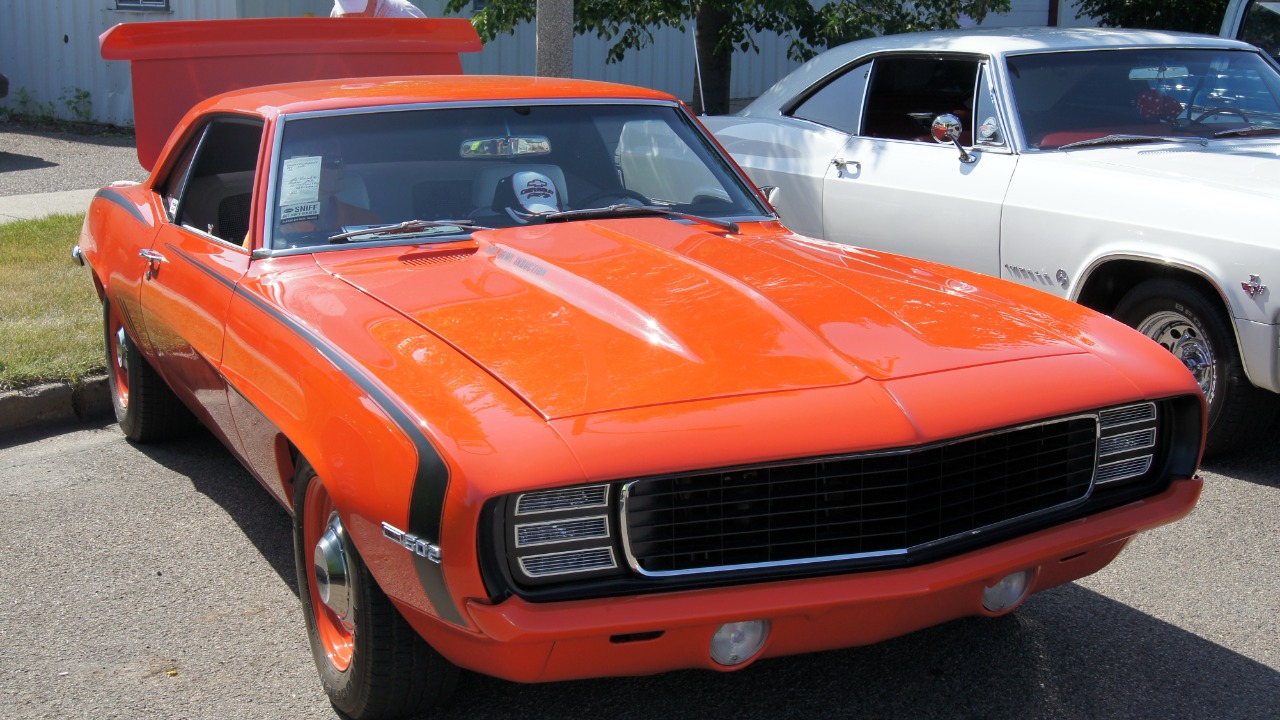
The 1969 Camaro COPO 9560 and 9561 packages sit at the sharp end of Chevrolet muscle car history, yet even seasoned collectors sometimes blur the line between these two factory outliers. Understanding how they differ in hardware, rarity, and documentation is essential if I want to judge value, spot red flags, and decide which car best fits a collection strategy. The stakes are high, because a small change in COPO code can mean a massive swing in performance character and long-term investment potential.
How the COPO program created two very different big-block Camaros
Both the 9560 and 9561 cars exist only because Chevrolet’s Central Office Production Order system allowed dealers and insiders to bypass normal option limits and build combinations that were never meant for the retail order sheet. In practice, that meant a handful of performance-focused dealers could specify heavy-duty drivetrains, special engines, and supporting hardware that turned the Camaro into a factory-built drag car. The 9560 and 9561 codes were two distinct recipes inside that same loophole, each centered on a 427 cubic inch big-block but aimed at slightly different buyers and racing classes, which is why collectors now treat them as separate sub-species of the 1969 Camaro rather than simple trim variations.
Under the COPO umbrella, the 9560 package was the more radical of the pair, built around an all-aluminum 427 that dramatically cut nose weight and pushed the car closer to purpose-built competition machinery. The 9561 package, by contrast, used an iron-block 427 that was closer in spirit to Chevrolet’s mainstream big-blocks, even if it was never officially advertised in the Camaro. Both relied on the same central-office mechanism, but the engineering choices behind each code created very different ownership experiences, from how they drive on the street to how they are judged on the show field, a distinction that is now central to how I evaluate them as a collector.
9560: the ZL1 aluminum 427 that rewrote the Camaro rulebook
The COPO 9560 option is synonymous with the ZL1, an all-aluminum 427 cubic inch V8 originally developed for racing that Chevrolet quietly slipped into a tiny run of Camaros. The engine combined an aluminum block with high-flow cylinder heads, a radical camshaft, and heavy-duty internals, creating a powerplant that was both lighter and more potent than the iron big-blocks that surrounded it in the lineup. Contemporary documentation shows that Chevrolet rated the ZL1 at 430 horsepower, but period testing and later analysis have long suggested that the real output was significantly higher, a reality that helps explain why these cars were so dominant in straight-line performance.
Because the ZL1 was conceived as a competition engine, the 9560 package bundled supporting hardware that made the Camaro far more than a simple engine swap. Cars were typically equipped with heavy-duty cooling, upgraded driveline components, and suspension pieces intended to survive repeated drag strip launches. The aluminum construction also trimmed substantial weight off the nose compared with an iron 427, improving weight distribution and sharpening the car’s responses in a way that collectors still notice when they drive or judge these cars today. That combination of exotic materials, understated factory horsepower ratings, and race-bred intent is why the 9560 ZL1 has become one of the most scrutinized and carefully documented Camaros in existence, with every casting number and date code now treated as critical evidence of authenticity.
9561: the iron-block L72 that delivered big-block muscle in stealth mode
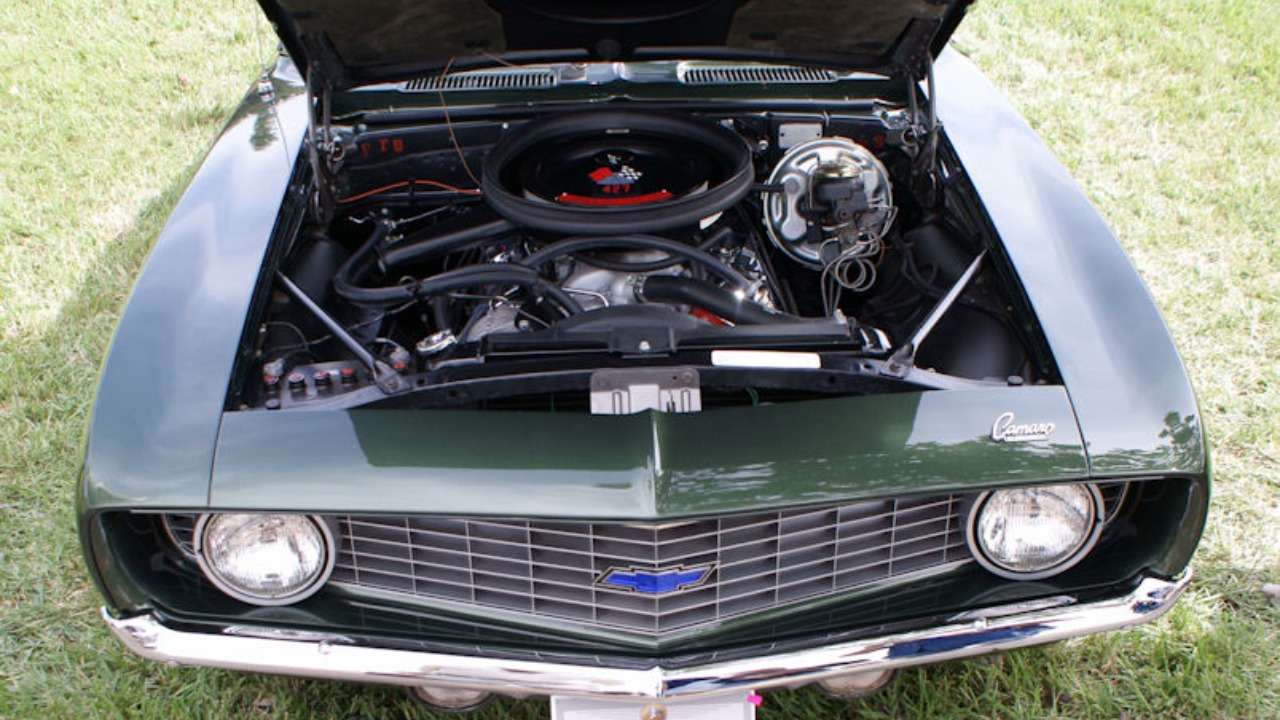
Where the 9560 chased racing glory with aluminum exotica, the COPO 9561 package centered on the L72, an iron-block 427 that had already proven itself in other Chevrolet models. The L72 used a solid-lifter camshaft, high-compression pistons, and large-port cylinder heads to deliver a factory rating of 425 horsepower, again widely regarded as conservative given the engine’s specification. In a Camaro body, that meant a car that looked relatively ordinary on the outside but carried full-size big-block punch under the hood, a combination that appealed to buyers who wanted maximum performance without the experimental nature or cost of the ZL1.
Mechanically, the 9561 cars shared much of their supporting hardware with the 9560, including heavy-duty driveline components and performance-oriented suspension and cooling upgrades. The key difference was mass and materials: the iron L72 added weight over the front axle compared with the aluminum ZL1, which subtly changed the car’s balance and character. For collectors, that makes the 9561 a slightly more traditional big-block muscle car experience, with the deep-front weight bias and brutal straight-line surge that defined the era. It also means that while the 9561 lacks the engineering mystique of the ZL1, it offers a more approachable ownership proposition, with parts and service knowledge that align closely with other Chevrolet big-block applications.
Production numbers, rarity, and how scarcity shapes value
Production volume is one of the sharpest dividing lines between the 9560 and 9561, and it is a primary driver of the price gap that has opened between them. The ZL1-powered 9560 cars were built in extremely limited numbers, with total production widely documented as a tiny fraction of overall 1969 Camaro output. That scarcity was baked in from the start, because the aluminum engine was expensive to produce and difficult to sell to retail customers, which left some dealers struggling to move cars that were effectively race engines in street bodies. As a result, each surviving 9560 Camaro now represents a significant slice of Chevrolet’s factory racing experiment, and the market prices them accordingly.
The 9561 L72 cars, while still rare by normal production standards, were built in larger quantities than the ZL1s, reflecting their more practical positioning and lower cost. That relative abundance gives collectors more choice in terms of color, options, and condition, but it also means that values tend to stratify more sharply based on originality and documentation. A highly original, numbers-matching 9561 with verified paperwork can command a strong premium over a similar car with replacement components, yet it still typically trades below a comparable 9560 because the aluminum-engine cars occupy such a narrow and coveted niche. For anyone weighing a purchase, understanding where a specific car sits within these production and survival numbers is essential to judging whether the asking price aligns with its true rarity.
Documentation, authenticity, and what I look for before buying
Because both COPO codes were created through a central-office workaround rather than the standard option list, paperwork is the backbone of any serious valuation. I start by looking for original sales documentation, build sheets, and any surviving factory records that explicitly reference the COPO code or the associated engine and drivetrain. On a 9560, that means verifying that the car was born with the ZL1 package rather than converted later with an aluminum 427, a distinction that hinges on matching engine casting numbers, date codes, and any surviving dealer or central-office paperwork. On a 9561, the same logic applies, but the higher production numbers and greater interchangeability of iron big-block parts make it even more important to confirm that the engine and major components are original to the car.
Beyond the core paperwork, I pay close attention to secondary details that often separate genuine COPO cars from clones. That includes checking for the correct heavy-duty cooling components, suspension pieces, and driveline hardware that were bundled with each package, as well as verifying that the car’s trim and option mix aligns with known factory patterns. Any inconsistencies, such as options that were not typically available with COPO builds or date codes that fall outside accepted ranges, prompt deeper scrutiny and, in some cases, a decision to walk away. In a market where both 9560 and 9561 cars command significant premiums over standard 1969 Camaros, the cost of a thorough authentication process is small compared with the financial and reputational risk of owning a car that cannot stand up to expert inspection.
Driving character, use cases, and long-term collectability
From behind the wheel, the 9560 and 9561 packages deliver distinct experiences that matter just as much as their spec sheets. The ZL1’s aluminum construction reduces front-end weight, which makes the car feel more responsive and less nose-heavy than a typical big-block Camaro, even as it delivers ferocious acceleration. That combination of agility and raw power suits occasional track use and spirited driving, but it also means that many original ZL1s have led hard lives, with racing history that can complicate restoration and originality. When I evaluate a 9560, I weigh the appeal of documented competition use against the potential cost and complexity of preserving or restoring a car that was used as intended rather than stored as a collectible from day one.
The 9561, with its iron L72, leans into the classic big-block muscle car feel, with a heavier nose and a more traditional surge of torque that arrives with a bit more drama. That character makes it a compelling choice for collectors who want to drive their cars regularly, because the mechanical package is robust and shares much with other Chevrolet big-block applications, which simplifies maintenance and parts sourcing. Over the long term, I see both packages retaining strong collectability, but for different reasons: the 9560 as a blue-chip, low-production halo car that rewards meticulous preservation, and the 9561 as a slightly more accessible entry into the COPO world that still offers serious performance and historical significance. For any buyer, the decision between them comes down to balancing rarity, drivability, and budget, then finding a car whose documentation and condition support its place at the top tier of the 1969 Camaro hierarchy.
More from Fast Lane Only