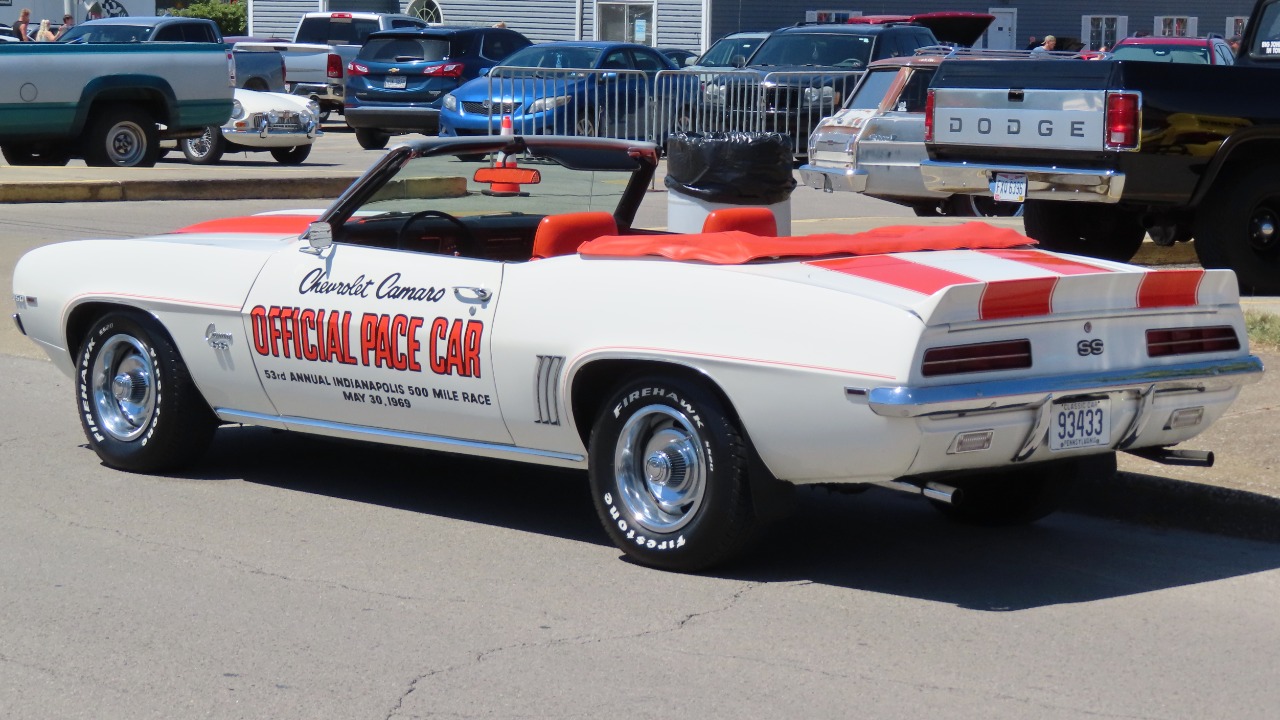
The 1967 Camaro pace car program produced one of the most dissected and debated subsets of first generation Camaros, with collectors chasing tiny production runs and obscure internal builds. Ranking these cars by rarity means separating the handful of true track machines from the larger pool of festival and replica convertibles that carried the same white and blue livery.
I will walk through the main 1967 Camaro pace car editions from the rarest documented builds to the more attainable replicas, using production figures and specific drivetrain combinations to explain why some examples trade as blue chip collectibles while others remain entry points into the Indy 500 story.
The ultra scarce 396/375 pace cars
At the very top of the rarity ladder sit the 1967 Camaro SS pace cars equipped with the 396 cubic inch big block rated at 375 horsepower and paired with TH400 automatic transmissions. According to records cited in enthusiast research, only two such Camaro SS Pace cars were produced with this 375 HP, 396 cid and Auto combination, a figure that places them in a different universe from the more familiar small block pace car replicas. That same documentation notes that these cars were tied directly to the event, including one that reportedly handled a “pace lap,” which further elevates their status beyond showroom tie-ins.
Because the available sources do not list any additional examples with this exact 375 and 396 pairing, I have to treat that pair of cars as the rarest clearly defined 1967 pace car specification. The broader production context reinforces how extreme that scarcity is. One detailed breakdown of the model year notes that In 1967, 220,906 Camaros were built and that Dan was able to identify 25,141 convertibles, so a run of two big block pace cars inside that pool is statistically microscopic. Unverified based on available sources is whether any additional 396/375 pace cars were built with manual transmissions, so I am ranking only the documented automatic pair here.
The four track duty Camaros
Just below the 396/375 pair in rarity are the specially prepared track duty cars that Chevrolet built specifically for the Indianapolis 500. Reporting on a high profile sale notes that Chevrolet specially prepared four Camaros for track duties, a figure that has become a cornerstone of how collectors frame the 1967 pace car hierarchy. These four cars handled the visible on track work, from leading the field to supporting official functions, and their direct association with the race gives them a provenance that even many festival cars cannot match.
In terms of pure numbers, four is obviously greater than two, which is why I place these track duty cars just behind the 396/375 TH400 pair in a strict rarity ranking. However, the market often treats them as peers because of their role at the event and the way they anchor the Camaro’s Indy 500 narrative. Coverage of one of these cars heading to a major auction describes it as a 1967 Chevy Camaro RS/SS Pace Car Headed To Mecum Indy Sale and notes that the story was picked up on Mar 24, 2022, with an update on March 25, 2022 at 1:44 pm. That kind of attention underscores how these four cars, while not the rarest by VIN count, sit at the center of the 1967 pace car story.
Official pace and festival cars at the 1967 race
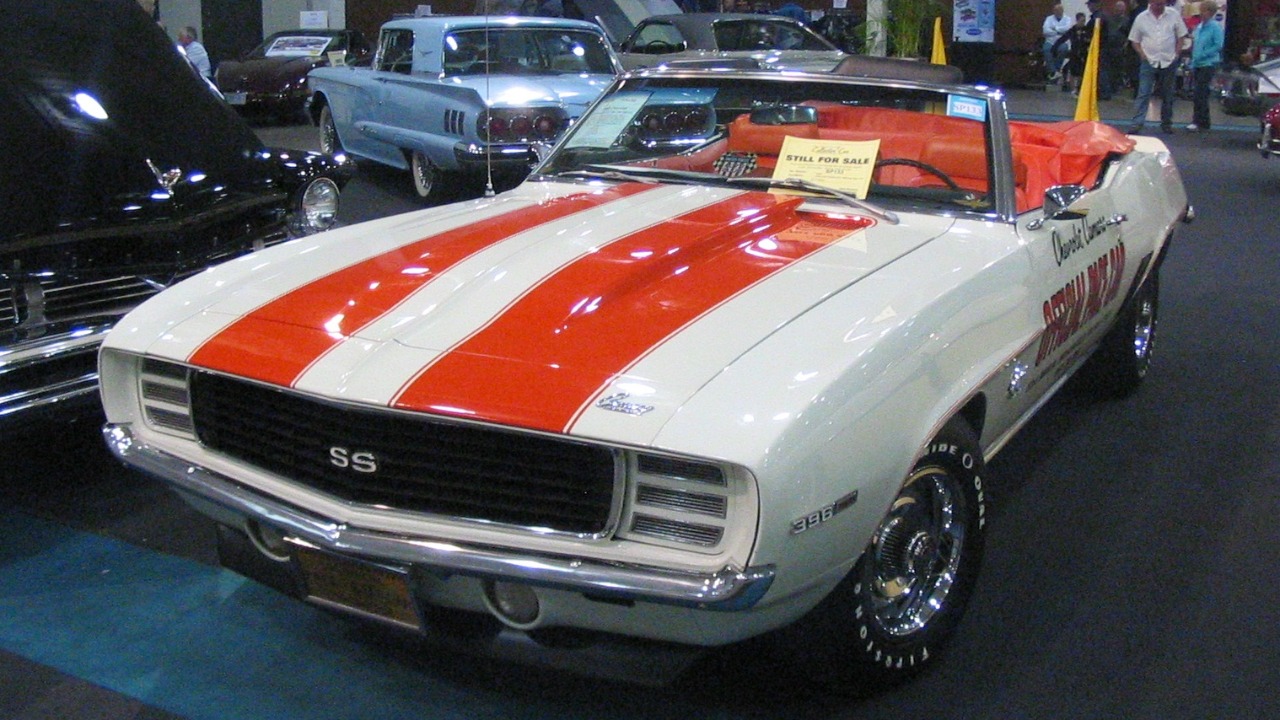
Once I move beyond the handful of track duty and special big block builds, the next tier of rarity is the group of official pace and festival cars commissioned for the race itself. One detailed account of the program reports that in total, 81 official Pace Cars and Festival Cars were commissioned for the 1967 race. That figure, cited in reporting from Jun 22, 2014, captures the core fleet that actually served at the Indianapolis Motor Speedway, from the primary pace car to the convertibles used by officials and dignitaries around the track.
Within that group of 81, there were multiple engine and transmission combinations, and some of those sub variants are rarer than others, but the sources provided do not break down each configuration. What they do show is how these cars fit into a longer tradition of Chevrolet pacing the race, which stretches back to when the year was 1948 and the car chosen to pace the 42nd Annual Indianapolis 500 mile race was the Chevrolet Fleetmaster convertible. By 1967, the Camaro had taken over that role, and the 81 official cars formed the backbone of the brand’s presence at the event. Unverified based on available sources is the exact split between pure pace cars and festival support cars inside that total, so I am treating the 81 as a single rarity tier.
Festival big block convertibles
Another layer of scarcity appears when I focus specifically on festival cars that combined the Indy 500 livery with big block power but were not part of the tiny 396/375 TH400 group. A representative example surfaced in a pace car owners’ community earlier this year, described as a 1967 Camaro “Festival” Pace Car with a 396/ 325 HP big block, manual 4 speed, factory power top, Factory power steering, and Tilt steering column, with only 2,127 mile reportedly showing on the odometer. That post, dated Mar 24, 2025, illustrates how a single car can combine low production, desirable options, and exceptional preservation.
The sources provided do not give a hard production number for 396/325 festival cars, so I cannot rank them by an exact count. However, when I compare them to the broader pace car universe, it is clear they sit above the small block replicas in scarcity. They are part of the 81 official Pace Cars and Festival Cars, but they represent only a subset of that fleet, and the combination of big block power, manual transmission, and documented festival use makes them especially sought after. Unverified based on available sources is whether Chevrolet tracked these 396/325 festival cars as a distinct internal batch, so I am relying on individual documented examples rather than a confirmed total.
Dealer pace car replicas
The most numerous pace car related 1967 Camaros are the dealer ordered replicas that brought the Indy 500 look to showrooms across the country. Enthusiast research into factory paperwork notes that dealers were informed of the Pace Car Replicas and given a chance to order them during the winter of 67. That same research discusses how additional documentation has surfaced over time, adjusting the estimated total of dealer replicas upward as more cars are verified. Unverified based on available sources is the final, universally accepted production figure, but the key point for a rarity ranking is that these replicas were built in significantly larger numbers than the 81 official race cars.
Another piece of reporting on the 1967 program mentions that Chevrolet built 100 replica pace cars for race officials and VIPs to use, which adds another layer to the replica story. Those 100 cars, combined with the dealer ordered Pace Car Replicas and the 81 official Pace Cars and Festival Cars, show how the Indy 500 livery spread far beyond the four track duty Camaros. When I line up the numbers, the dealer replicas clearly sit at the bottom of the rarity ranking, even though they remain highly desirable to collectors who want the look and feel of a 1967 pace car without chasing one of the handful of ultra scarce builds.
Why rarity still matters for 1967 pace cars
Rarity alone does not determine value, but in the 1967 Camaro pace car world it shapes almost every conversation about authenticity and significance. The fact that only TWO Camaro SS Pace cars with 375 HP, 396 cid and Auto transmissions are documented, that Chevrolet prepared four Camaros for track duties, and that 81 official Pace Cars and Festival Cars were commissioned for the race gives collectors a clear hierarchy to work with. When I add in the 100 replica pace cars for officials and VIPs and the dealer ordered Pace Car Replicas, it becomes easier to see which cars were central to the event and which were built to capitalize on the excitement.
The broader Camaro and Indy 500 context reinforces why these distinctions matter. One enthusiast list of key facts points out that the Here are 25 Camaro facts every enthusiast should know and highlights the First Camaro Indy Pace Car, noting that Although the Corvette had often filled that role before. That context, shared in a post dated Aug 26, 2025, underscores how the 1967 pace cars marked a turning point for Chevrolet’s pony car at the Speedway. For collectors today, understanding which edition they are looking at, from the ultra rare 396/375 TH400 cars to the more common dealer replicas, is essential to judging both historical importance and long term desirability.
More from Fast Lane Only