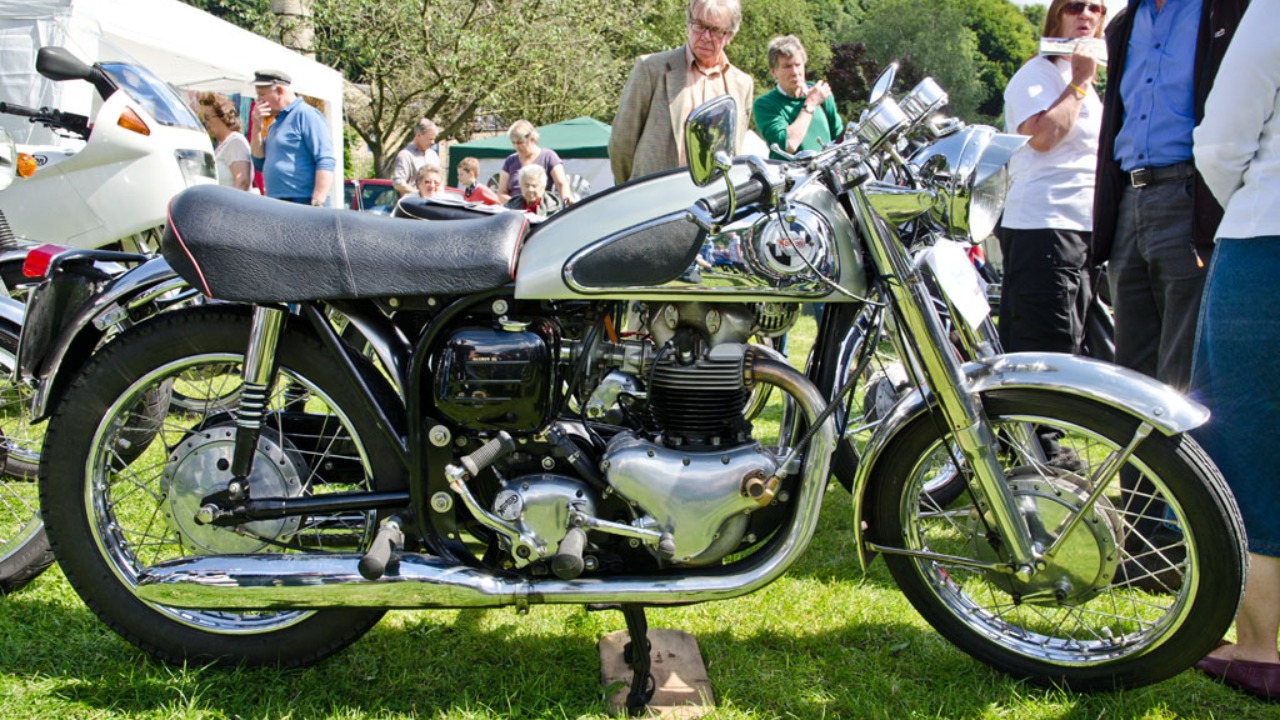
British motorcycles have always had a particular way of making a ride feel like an event. They were rarely built around overwhelming horsepower or layers of technology. Instead, the appeal came from character, mechanical simplicity, distinctive styling, and engines that made ordinary roads feel worth exploring. From thumping singles to famous parallel twins and sophisticated V-twins, British manufacturers produced some of the most memorable motorcycles ever to turn a wheel.
Some of these machines became legends through racing, while others earned their reputation simply by being enjoyable companions on a long stretch of pavement. They may come from very different periods, but they share the same basic quality: they encourage the rider to slow down, take the scenic route, and enjoy the motorcycle itself. These 20 British motorcycles still capture that open-road spirit remarkably well.
Triumph Bonneville T120
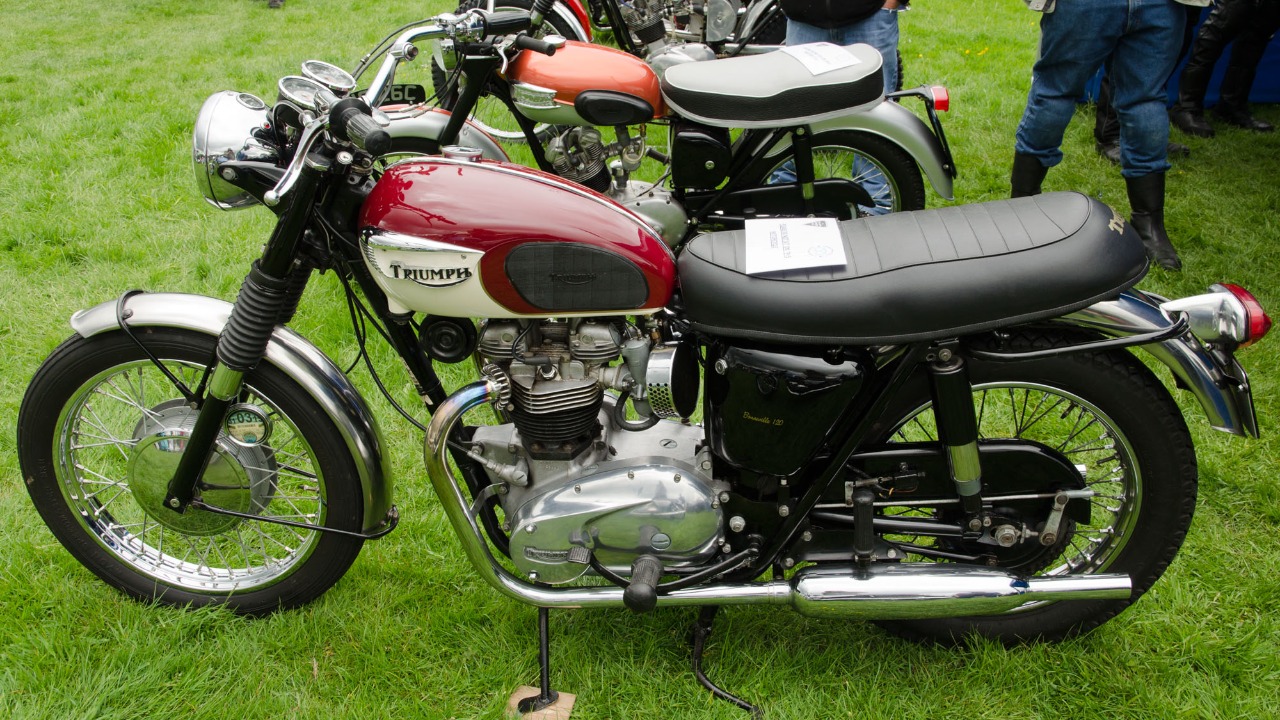
Few motorcycles represent British open-road riding more clearly than the Triumph Bonneville T120. Introduced in 1958, the Bonneville combined Triumph’s 650cc parallel-twin with a relatively light chassis and clean styling that immediately separated it from more ordinary motorcycles. The name itself came from Triumph’s record-setting exploits at the Bonneville Salt Flats, giving the bike a performance image from the beginning. The T120 also became closely associated with the café-racer culture of the 1960s, when young riders turned standard Bonnevilles into lightweight street racers.
What makes the classic Bonneville so appealing today is not simply its historical importance. The proportions are right, the engine has plenty of character, and the riding position encourages the sort of relaxed pace that suits country roads. A good T120 feels mechanical in the best possible way. There is enough performance to make a ride interesting, but the motorcycle never overwhelms the road beneath it.
Norton Commando
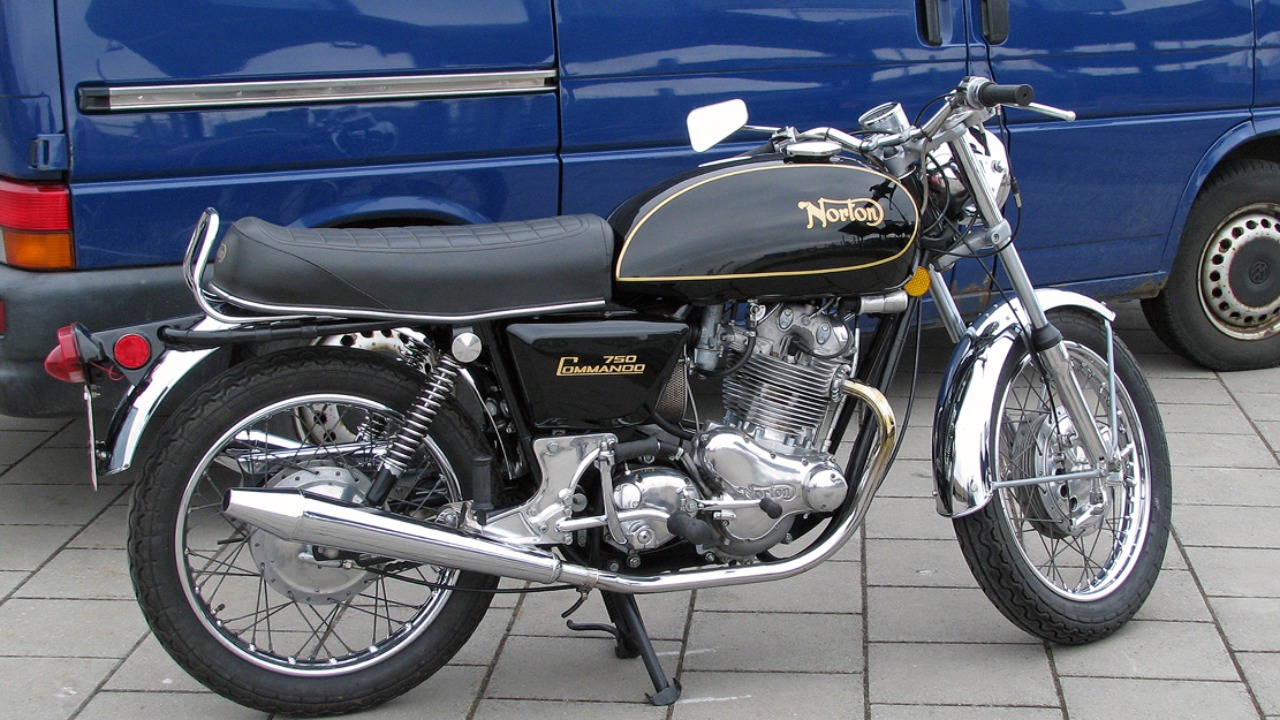
The Norton Commando arrived at a fascinating point in British motorcycle history, when traditional twins were being pushed harder while Japanese manufacturers were rapidly changing expectations. Its 750cc parallel-twin provided strong performance, but the Commando’s famous isolastic mounting system was arguably just as important. By isolating the engine from the frame, Norton could reduce the vibration reaching the rider without abandoning the character of its big twin. Norton itself describes the Commando as its groundbreaking late-1960s superbike, and the model won Britain’s Machine of the Year award for five consecutive years.
On an open road, the Commando has a personality that is difficult to confuse with anything else. The engine feels substantial, the riding position is purposeful without being extreme, and the narrow bodywork gives the rider a direct connection to the machine. It is not the most polished classic motorcycle, and that is part of the attraction. Riding one makes the journey feel like something you are participating in rather than simply traveling through.
BSA Gold Star DBD34
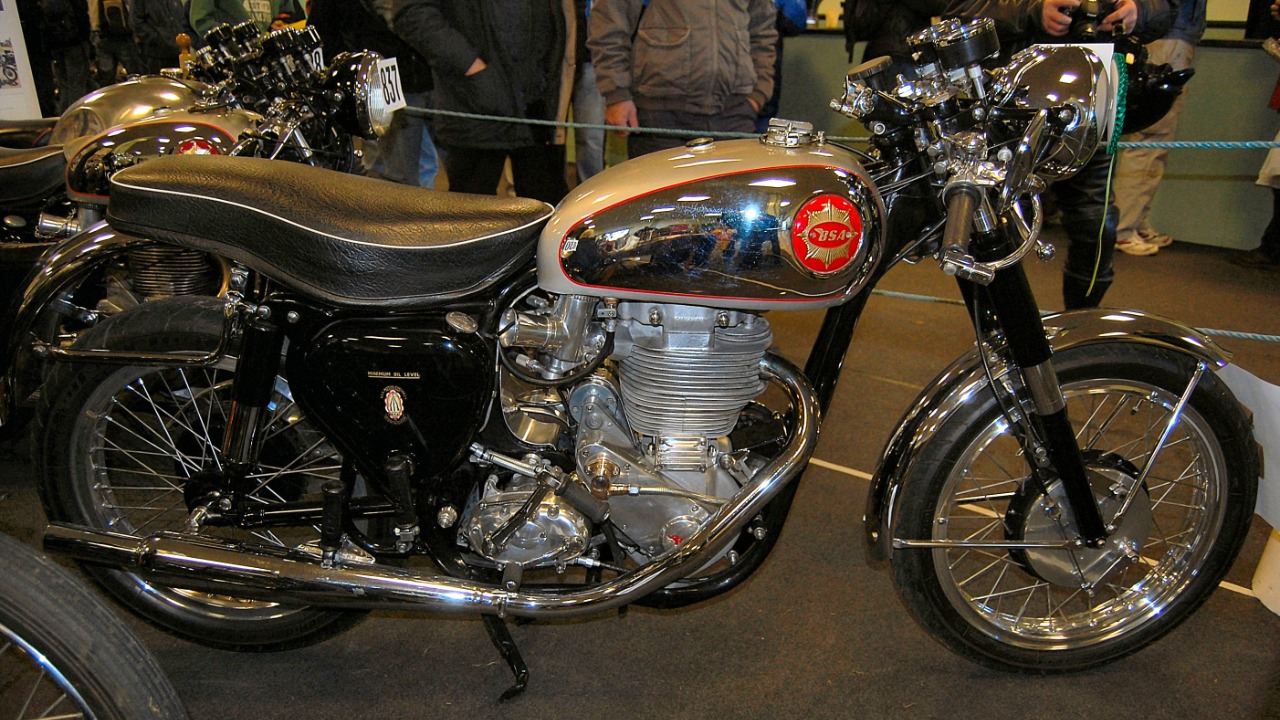
The BSA Gold Star DBD34 earned its reputation through performance rather than sheer engine size. Its 500cc single-cylinder engine became one of the most respected British powerplants of the postwar period, combining strong output with the distinctive feel that only a large single can provide. The Gold Star was influenced heavily by competition, and its sporting reputation made it much more than a basic road motorcycle. For riders who wanted something fast and exciting without stepping into a large twin, the Gold Star offered a remarkably focused package.
That sporting character still gives the DBD34 plenty of appeal on a winding road. The engine delivers its power with a pulse and personality that modern multis rarely reproduce, while the relatively narrow chassis makes the motorcycle feel light and purposeful. It is not about effortless speed. Instead, the Gold Star rewards an involved rider who enjoys working with the engine, gearbox, and road. That sense of participation is a major part of why surviving examples remain so special.
Vincent Black Shadow

The Vincent Black Shadow occupies a different level of British motorcycle mythology. Introduced in 1948, it was based on the Vincent Rapide but developed with higher performance in mind. Its 998cc V-twin and advanced chassis construction made it an extraordinary machine for its era. The Black Shadow was capable of speeds that put it among the fastest production motorcycles of its time, and its combination of performance and engineering sophistication helped create the legend that surrounds the name today.
There is something particularly fitting about taking a Black Shadow onto an open road. It was never simply a stripped-down commuter or a basic transportation machine. The motorcycle was built around the idea that a rider should have serious performance available whenever the road opened up. Its engine has a deep, substantial character, while the distinctive chassis and exposed mechanical details give the bike an almost architectural appearance. Few British motorcycles make a long ride feel quite as significant as a Vincent.
Triumph Speed Twin

The original Triumph Speed Twin helped establish the parallel-twin configuration as one of the defining formulas of British motorcycling. Introduced in 1938, it combined a relatively compact 500cc twin-cylinder engine with a chassis that was lighter and more manageable than many larger motorcycles of the period. Edward Turner’s design became enormously influential, and Triumph’s later success with larger twins can be traced back to the basic philosophy established by the Speed Twin.
For open-road riding, the appeal comes from its balance. The Speed Twin does not need a giant engine to feel interesting, and its relatively simple layout gives the rider plenty of mechanical feedback. There is a sense of rhythm to riding an older Triumph twin, especially when the road begins to twist and climb. The motorcycle encourages a flowing riding style rather than constant acceleration and braking. That makes it an excellent reminder of why British motorcycles became so closely associated with enjoyable country-road riding.
Norton Dominator
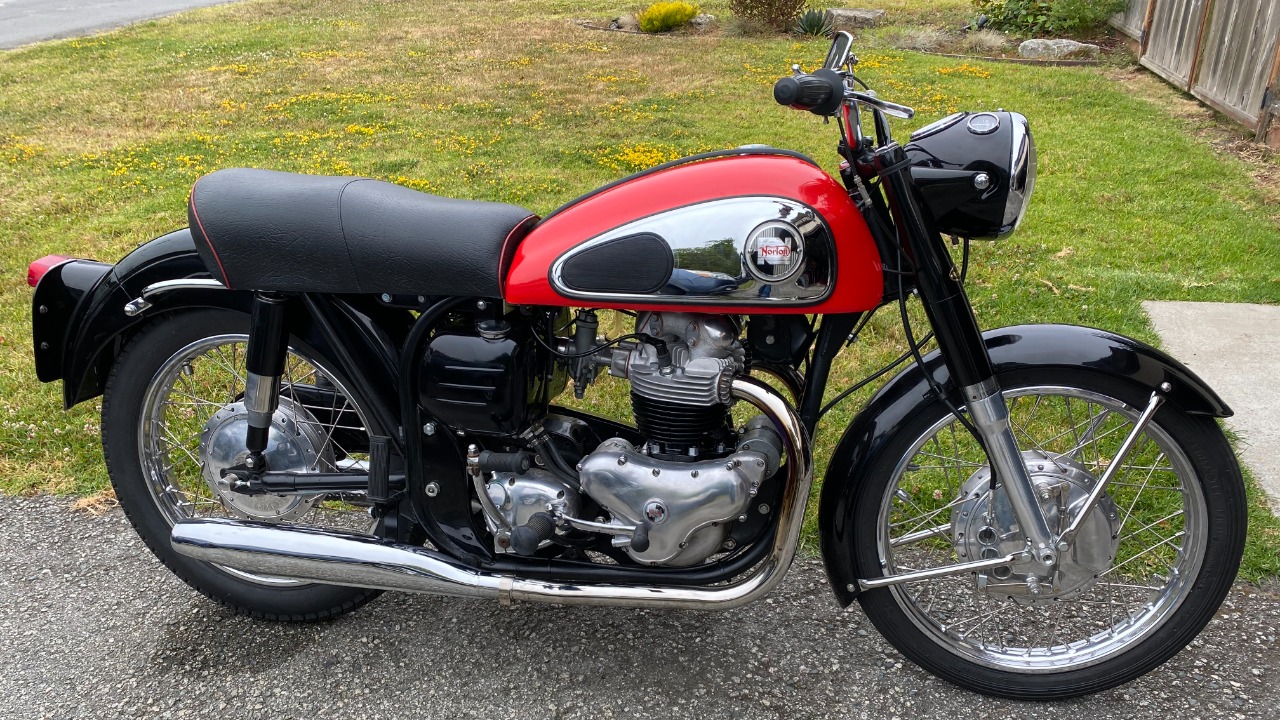
The Norton Dominator was one of the motorcycles that helped establish Norton as a serious manufacturer of sporting road bikes after World War II. Its parallel-twin engine gave riders more performance than the company’s earlier singles while maintaining the traditional Norton character. Over its production life, the Dominator evolved through several versions and engine sizes, eventually becoming an important stepping stone toward the larger Atlas and later Commando.
The Dominator’s appeal today lies partly in its proportions. It has the narrow, purposeful appearance associated with classic British motorcycles without looking excessively fragile or ornate. On a long road, its twin-cylinder engine provides a satisfying rhythm, while the chassis encourages the rider to carry speed smoothly rather than constantly chase outright acceleration. The motorcycle feels especially appropriate on roads where scenery matters as much as speed. For enthusiasts, a Dominator offers a direct connection to the period when Norton was refining the formula that would eventually produce the legendary Commando.
Triumph TR6 Trophy

The Triumph TR6 Trophy brought a slightly tougher personality to the company’s range. Although it remained fundamentally a road motorcycle, the Trophy name and its competition connections gave it a rugged image that appealed strongly to riders who wanted versatility. The single-carburetor Triumph twin provided straightforward performance, and the model became particularly popular in the United States. Its simple mechanical layout also made it a natural choice for riders who enjoyed customizing and adapting their motorcycles.
A TR6 feels particularly at home away from busy city streets. The engine has enough torque for relaxed cruising, while the upright riding position suits long stretches of pavement and secondary roads. It does not require a rider to chase high speeds to be entertaining. Instead, the motorcycle’s character comes through at ordinary road speeds, where the sound of the twin, the feel of the controls, and the scenery all become part of the experience. That combination is exactly what makes the old Trophy such a charming British road machine.
BSA Rocket Gold Star

The BSA Rocket Gold Star combined two of the company’s most recognizable names into one of its most desirable performance motorcycles. It paired the company’s 650cc twin-cylinder engine with the sporting reputation established by the Gold Star, producing a machine that had considerably more performance than many traditional British road bikes. The result was a motorcycle that could comfortably serve as a fast road machine while retaining the distinctive mechanical personality enthusiasts expected from BSA.
Today, the Rocket Gold Star has the sort of presence that makes even a stationary motorcycle interesting. The chrome, narrow bodywork, large twin-cylinder engine, and period instrumentation all contribute to an unmistakably British appearance. Once moving, the motorcycle’s torque and strong midrange make it particularly enjoyable on open roads. It does not need to be ridden aggressively to feel special. The combination of sound, vibration, mechanical response, and classic proportions gives every ride an unmistakable sense of occasion.
Ariel Square Four
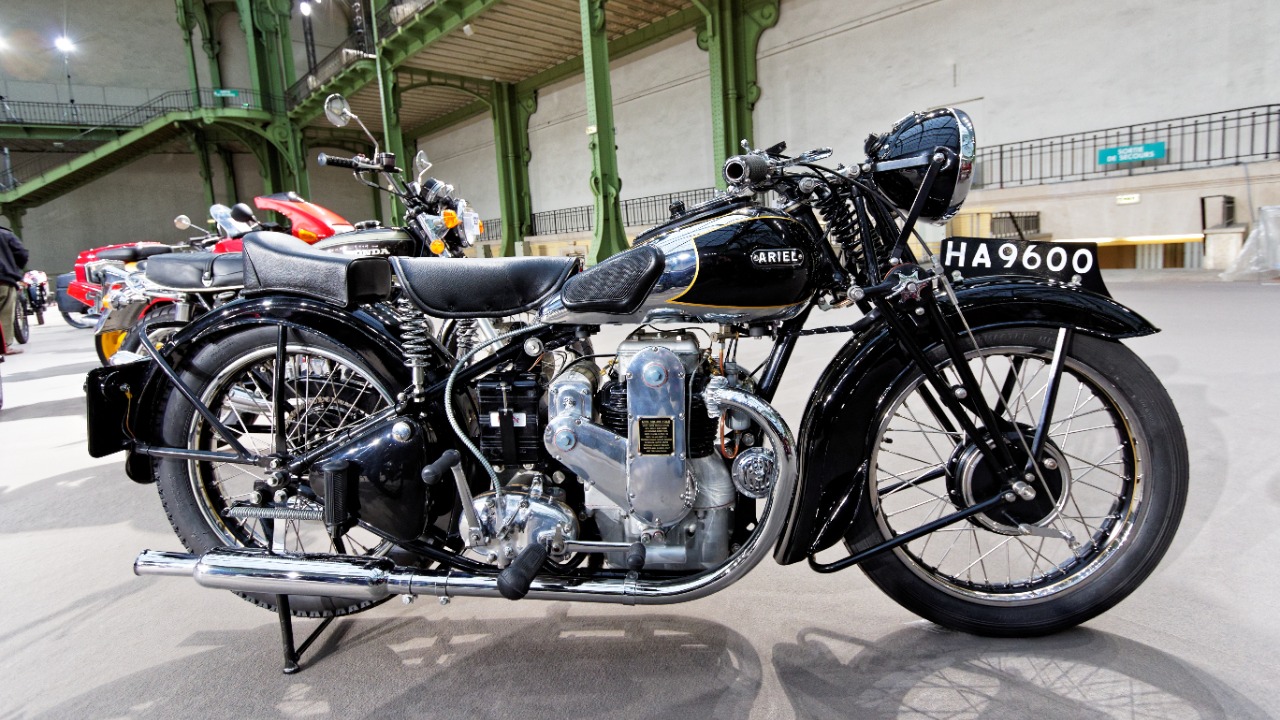
The Ariel Square Four is one of the strangest and most technically interesting motorcycles ever to come from Britain. Its four-cylinder engine used a compact square arrangement that was very different from the singles and parallel twins dominating British motorcycle production. The design was created by Edward Turner before his Triumph career, and Ariel developed it into a distinctive road motorcycle that offered smoothness and performance unusual for the period.
The Square Four is not simply interesting because of its unusual engine. It also has a wonderfully substantial feel on the road. The four-cylinder layout gives it a smoother character than many contemporary British machines, making it well suited to covering distance. At the same time, the motorcycle retains the visual charm of a traditional British classic. For riders who enjoy mechanical individuality, few bikes offer a more unusual experience. A Square Four turns a simple ride into an opportunity to experience an engineering solution that disappeared from mainstream motorcycling decades ago.
Vincent Rapide
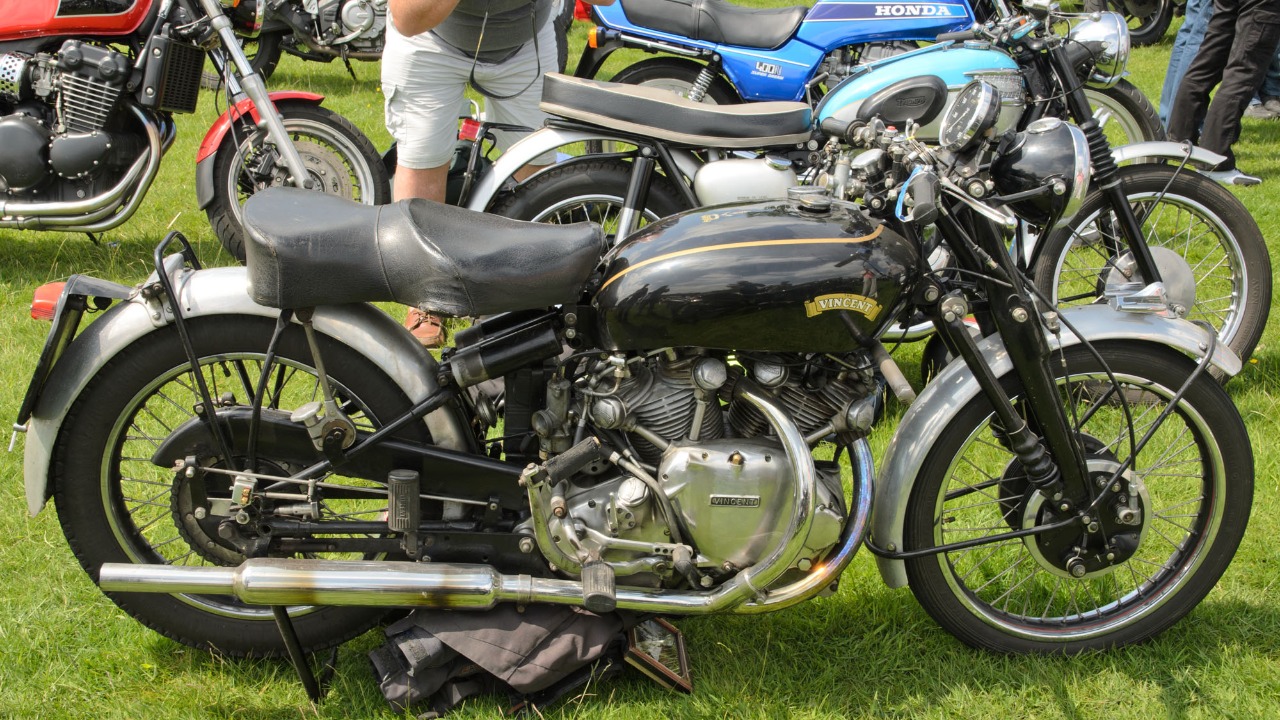
The Vincent Rapide deserves attention even when the more famous Black Shadow tends to steal the spotlight. Its 998cc V-twin used much of the same sophisticated engineering philosophy that made Vincent famous, while its performance and long-distance capability made it a serious road motorcycle. Vincent’s distinctive chassis design also eliminated the conventional separate frame in favor of a structure that incorporated the engine into the overall architecture of the machine.
That unusual construction contributes to the Rapide’s appeal today. It looks different from almost every other British motorcycle, yet it still has the long, low proportions enthusiasts associate with classic road-going V-twins. On the open road, the large engine provides the sort of effortless thrust that suits long-distance riding, while the motorcycle’s engineering encourages the rider to appreciate how much thought went into every component. A Rapide is not merely transportation from one destination to another. It is an experience built around the machine itself.
BSA Lightning

The BSA Lightning was developed as a sportier member of BSA’s twin-cylinder lineup and became one of the company’s better-known motorcycles during the 1960s. Its 650cc parallel-twin offered useful performance without making the bike excessively large or intimidating. Compared with some of BSA’s more relaxed models, the Lightning had a livelier personality and a look that suited riders interested in spirited road riding.
That makes it particularly well matched to the idea of open-road fun. The Lightning has enough engine to make passing and climbing hills enjoyable, but it still retains the narrow proportions and relatively simple controls of a traditional British motorcycle. The sound of the twin is a major part of the experience, especially when the throttle is opened on a clear stretch of road. Today, the Lightning may not have the instant recognition of a Bonneville, but that slightly less obvious status is part of its charm.
BSA Thunderbolt
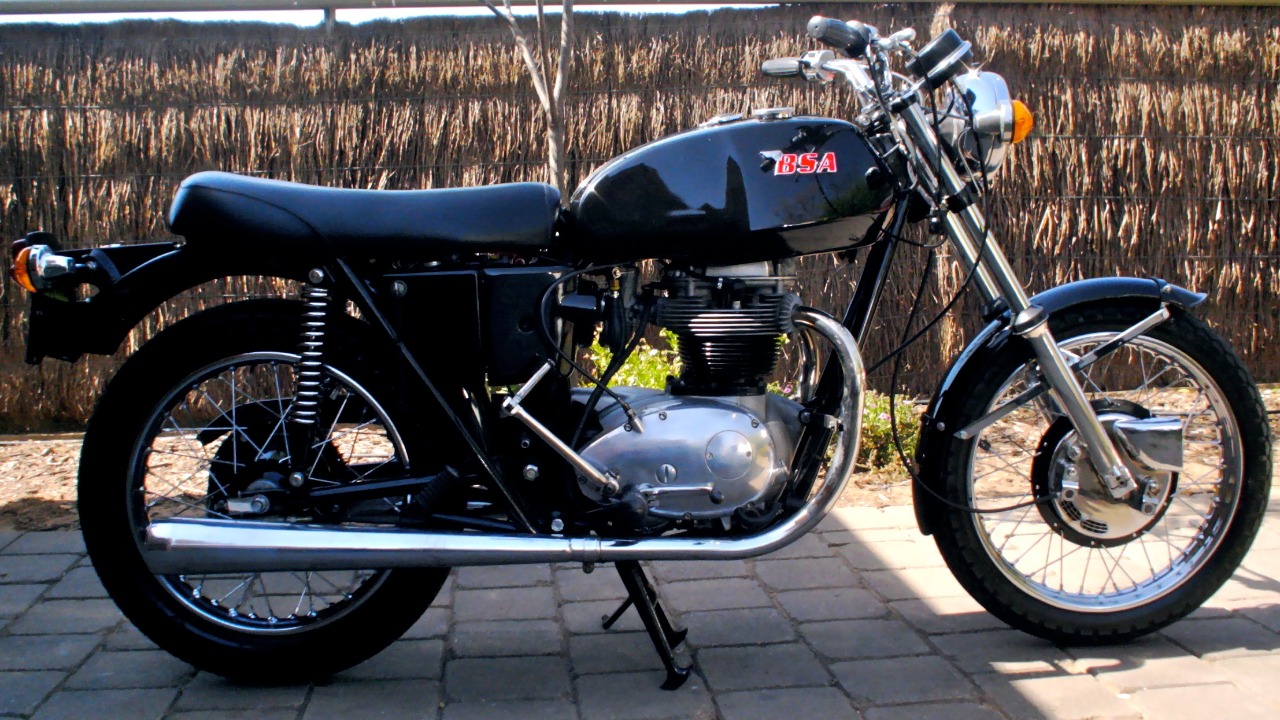
Where the Lightning leaned toward sport, the BSA Thunderbolt was aimed more directly at relaxed road riding. It used the same basic 650cc twin-cylinder family but was configured around a smoother, more practical character. The result was a motorcycle that could cover distance without requiring the rider to constantly chase performance. It represented an important part of the British motorcycle formula: build a capable machine, keep the controls straightforward, and let the rider enjoy the road.
The Thunderbolt makes particular sense on a long weekend ride. Its upright riding position and torquey twin encourage steady progress, while the engine’s mechanical character keeps the experience engaging. It does not need the reputation of a race bike to be enjoyable. In fact, its relatively understated personality is part of what makes it appealing. A well-kept Thunderbolt can deliver exactly what many riders want from an old British motorcycle: an uncomplicated machine that makes the journey more interesting.
Triumph Thunderbird

The Triumph Thunderbird was created with the American market in mind and became an important part of Triumph’s international growth. Its parallel-twin engine gave it a more substantial road-going character than some smaller Triumph models, while its styling appealed to riders who wanted a motorcycle that could cover longer distances. The Thunderbird name would later become associated with several generations of Triumph motorcycles, but the original classic remains particularly significant.
On an open road, the Thunderbird’s strengths become obvious. It has the visual presence of a large motorcycle without abandoning the relatively narrow proportions that made British bikes enjoyable to ride. The engine provides useful torque, and the relaxed layout suits riders who want to spend hours in the saddle. There is also something satisfying about the way the bike connects British engineering with the influence of American motorcycle culture. It feels like a motorcycle designed to travel, not simply to sit in a collection.
Matchless G80
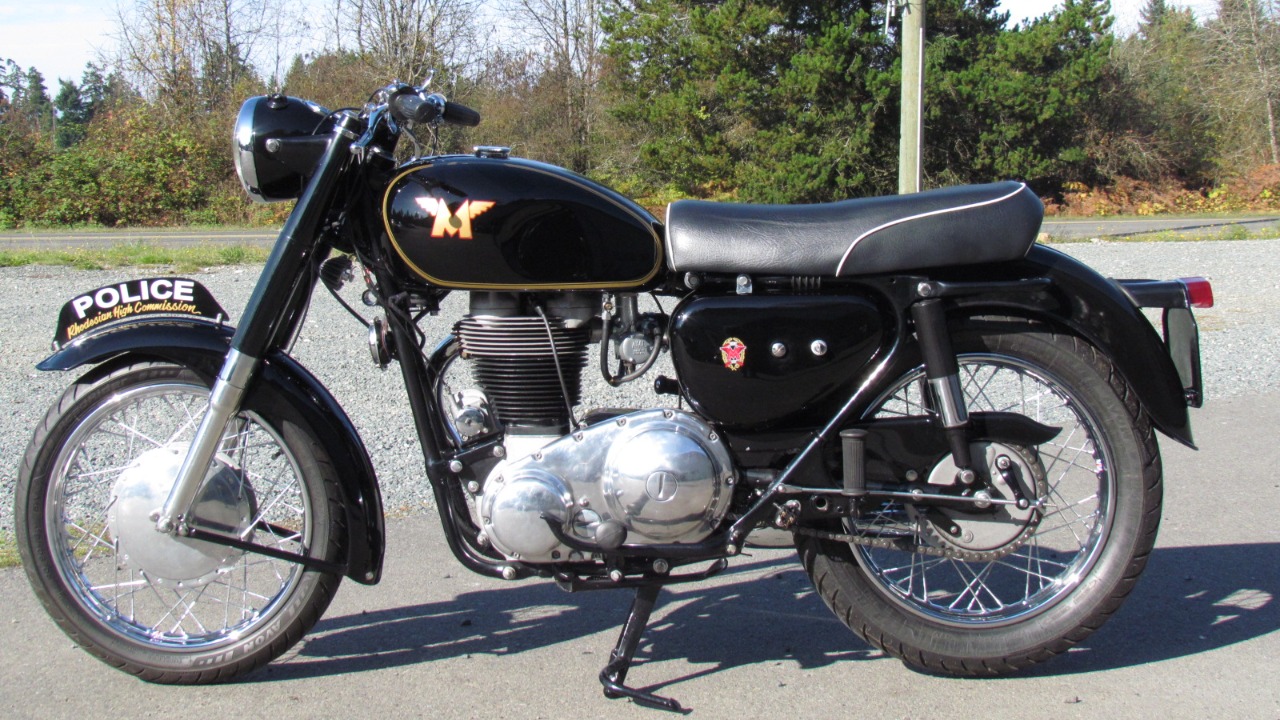
The Matchless G80 represents the classic British single at its most recognizable. Its large single-cylinder engine gave the motorcycle a distinctive pulse and exhaust note, while its relatively simple construction reflected the engineering philosophy of the period. The G80 name covered a long-running family of Matchless motorcycles, with different versions evolving over the years, but the basic appeal remained consistent: a traditional British single with genuine road-going character.
Riding a G80 is a very different experience from riding a modern multi-cylinder motorcycle. The engine has a deliberate rhythm, and the motorcycle encourages the rider to work with its power rather than simply twist the throttle and disappear into the distance. That makes it particularly enjoyable on smaller roads where speed is less important than the rhythm of the ride. Matchless never had the same global visibility as Triumph, but that relative rarity gives the G80 an extra layer of appeal today.
Ariel Red Hunter
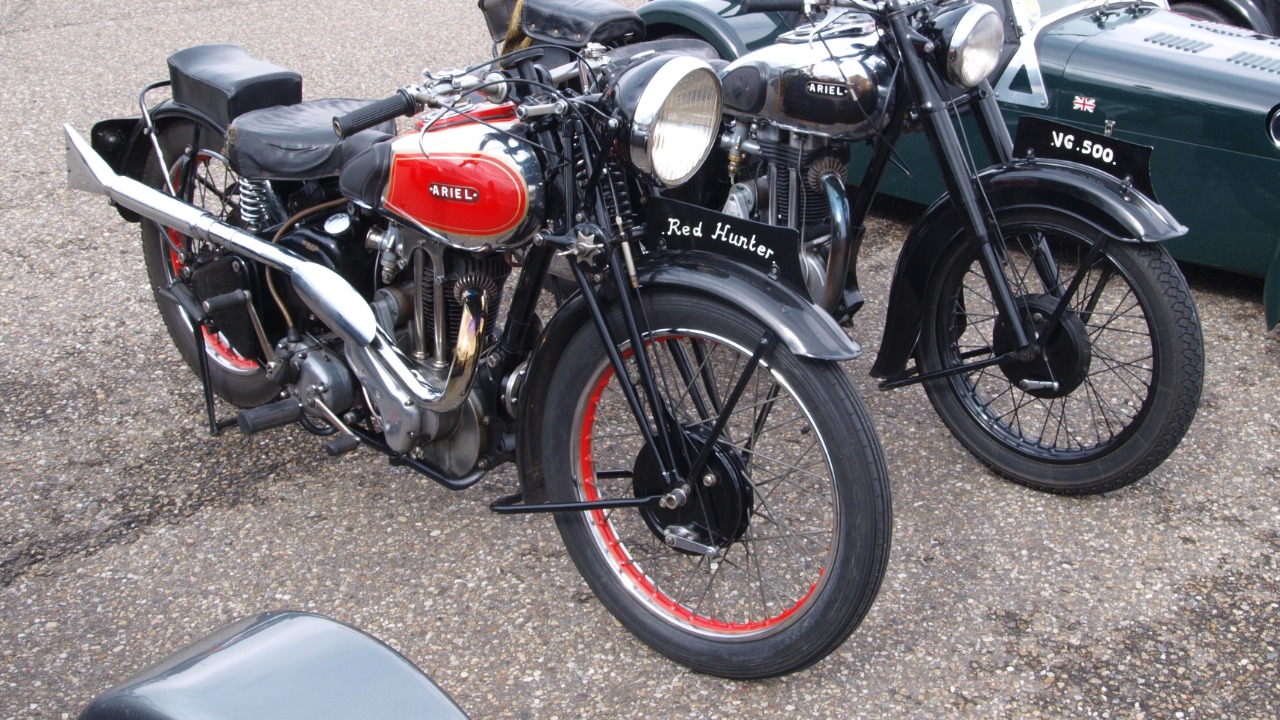
The Ariel Red Hunter was one of the company’s best-known sporting motorcycles and became an important part of British motorcycling before and after World War II. Available with different single-cylinder engines during its long production history, the Red Hunter developed a reputation for combining road-going usability with sporting ability. Its red-painted fuel tank and traditional British proportions also gave it a distinctive appearance that remains easy to recognize.
The Red Hunter feels particularly appropriate for riders who enjoy the idea of traveling without rushing. Its single-cylinder engine provides the mechanical pulse that makes classic British bikes so engaging, while the upright riding position and relatively uncomplicated controls suit relaxed road work. There is also a certain charm in knowing that a motorcycle like this represents an era when riders were expected to understand and participate in the machinery. On a quiet road, that hands-on character can be far more rewarding than outright performance.
Norton Atlas
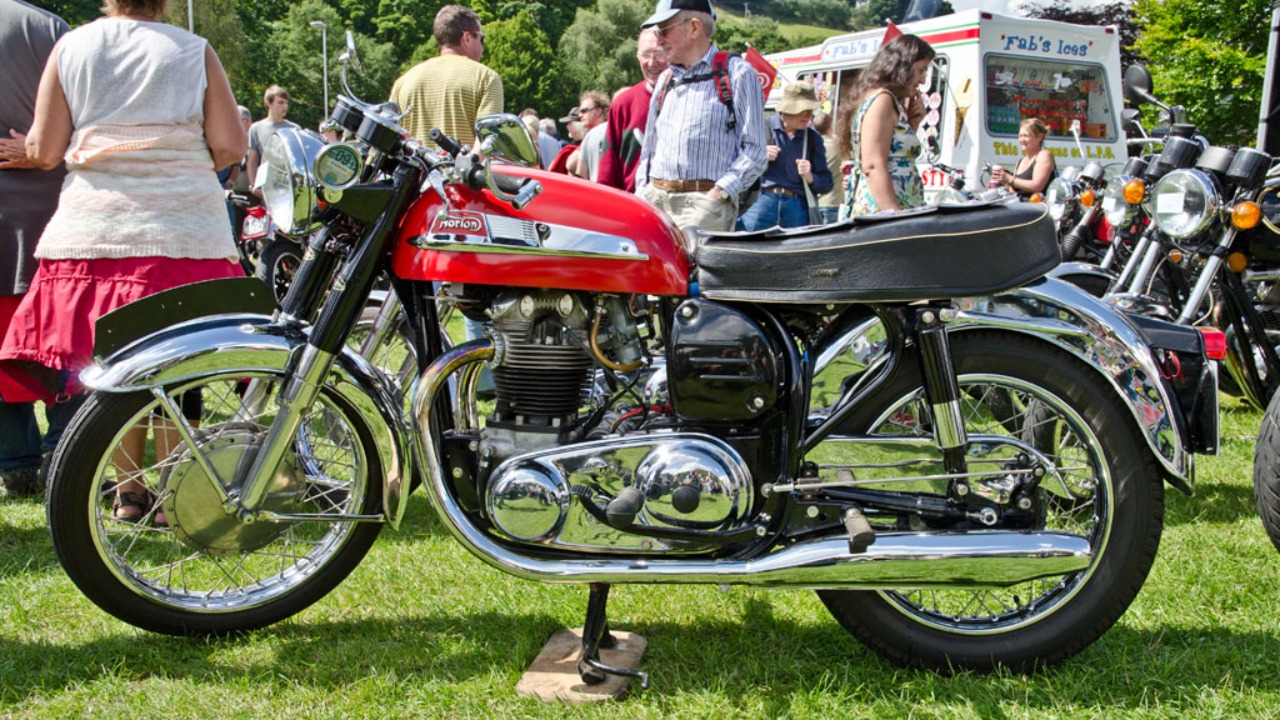
The Norton Atlas represented the company’s move toward a larger and more powerful parallel twin. Its 750cc engine gave it strong road performance, and the motorcycle became an important predecessor to the Commando. Like many large British twins of the period, the Atlas was not particularly shy about transmitting its mechanical personality to the rider, but that very directness is part of its appeal today.
The Atlas works especially well as an open-road classic because its character is built around torque rather than frantic acceleration. It has enough engine to make a long straight interesting and enough personality to make every gear change feel deliberate. The riding position is traditional, the bodywork is minimal, and the engine dominates the experience. For enthusiasts who enjoy the feeling of being connected to an old machine, the Atlas delivers that connection in abundance.
Royal Enfield Continental GT
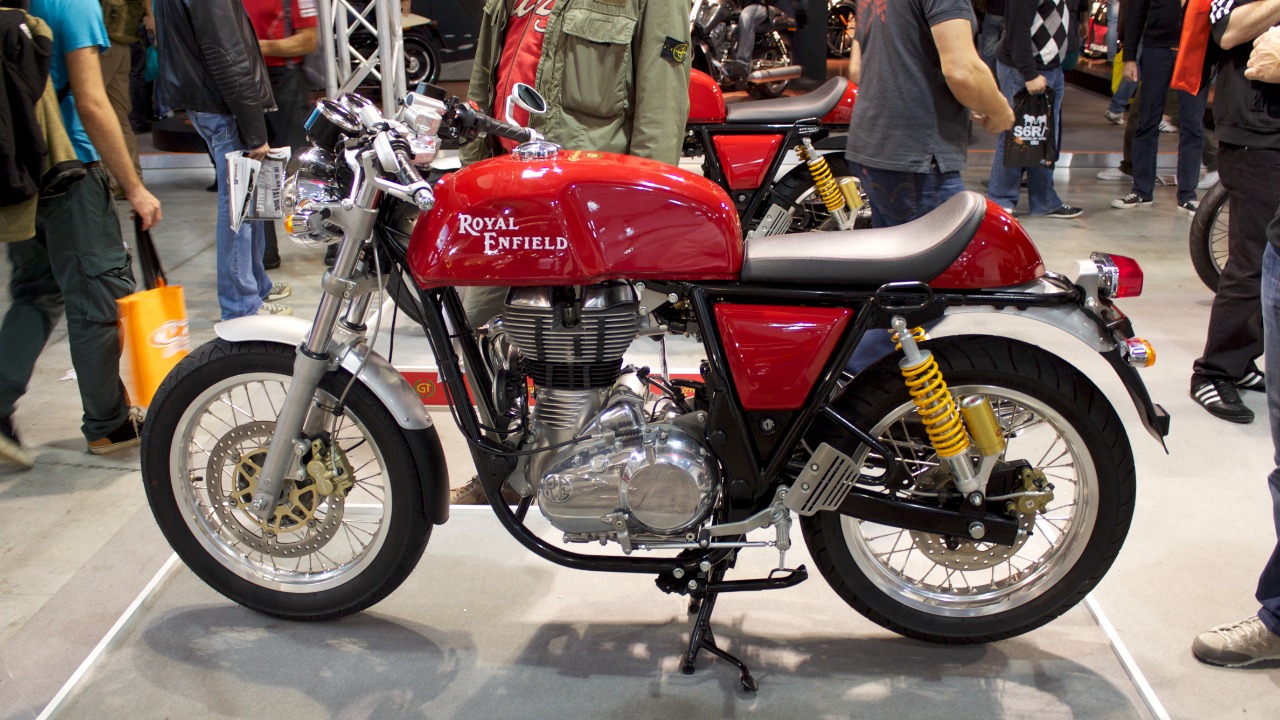
The Royal Enfield Continental GT became one of Britain’s most recognizable small-displacement café racers of the 1960s. The original 250cc model was introduced in 1964 and was deliberately styled around the café-racer culture of the period. Royal Enfield even demonstrated the bike’s capabilities with a remarkable 1,000-mile ride from John O’Groats to Land’s End that included laps at Silverstone.
The Continental GT’s charm comes from its proportions and simplicity. Clip-on handlebars, a small engine, lightweight construction, and a sporty riding position gave it a distinctly purposeful appearance without requiring huge performance. On the right road, that lightweight character becomes the whole point. The rider can concentrate on carrying speed through corners and enjoying the motorcycle’s responsiveness instead of worrying about enormous horsepower figures. It captures the youthful side of British motorcycling particularly well.
Royal Enfield Bullet
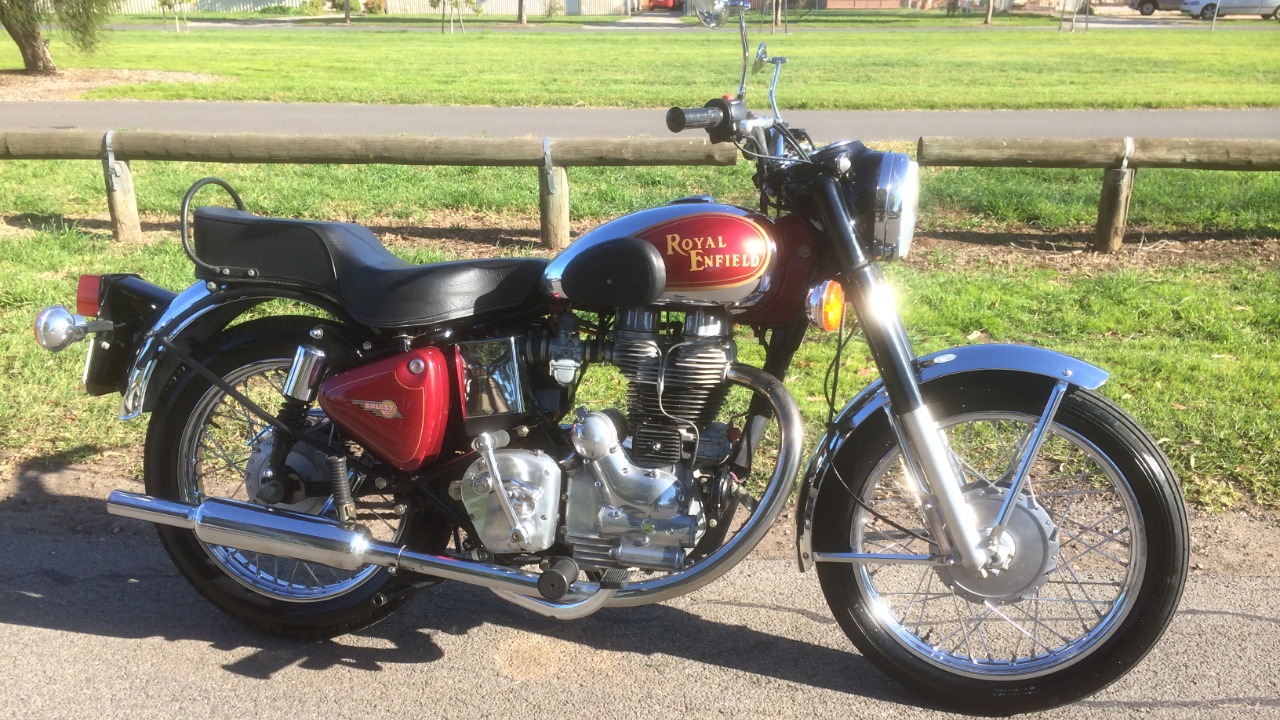
The Royal Enfield Bullet has an unusually complicated place in British motorcycle history because its story began in England before production eventually moved to India. The original Bullet was introduced in 1932, while the postwar design evolved significantly before production began under license in India during the 1950s. Royal Enfield’s own history records the early British development, the 1948 redesign, and the eventual shift of manufacturing to Madras.
That history is precisely why the classic Bullet belongs in a conversation about British motorcycles. It carries a design philosophy that grew out of Britain’s motorcycle industry, even though later production became firmly associated with India. The traditional single-cylinder engine, upright riding position, and unmistakable silhouette make it a natural companion for back roads and long-distance exploring. The Bullet has never needed superbike performance to create an adventure. Its greatest strength is the sense that the motorcycle is perfectly happy to keep moving at its own deliberate pace.
Triumph Thruxton
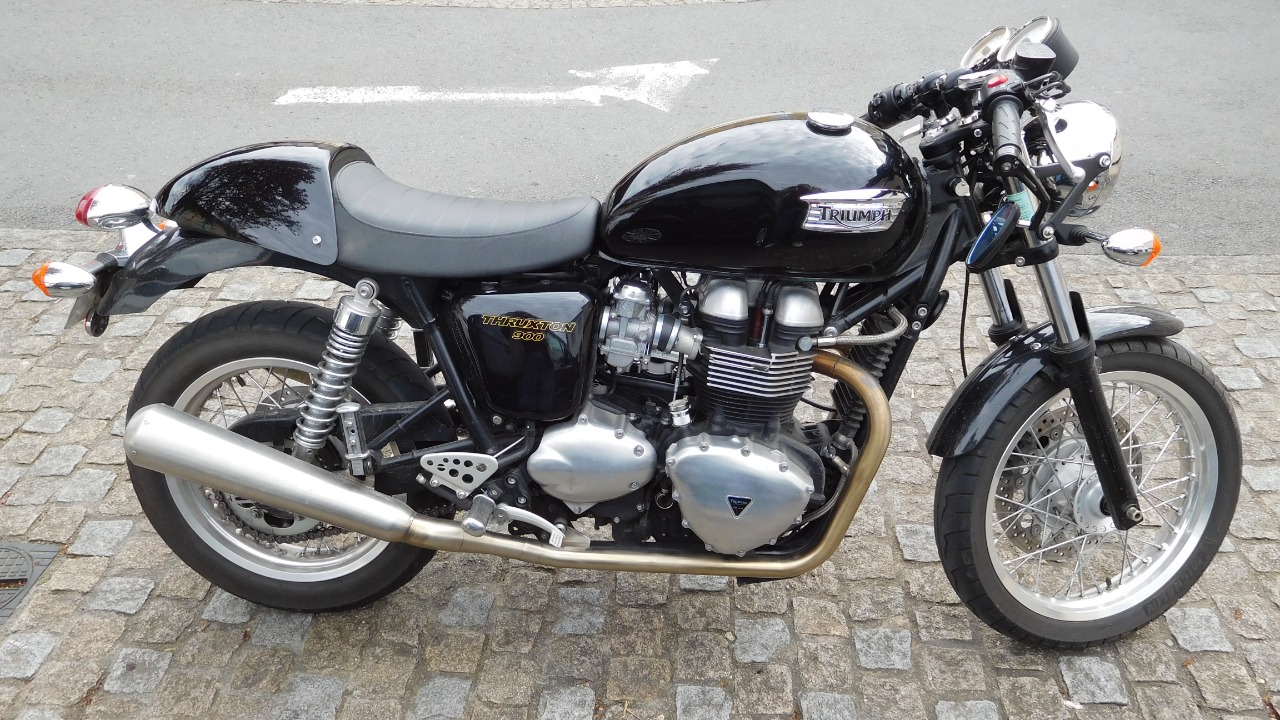
The Triumph Thruxton name has deep roots in British café-racing culture. The original racing machines were developed from the Bonneville T120, and the name became associated with competition success at the Thruxton 500 and later at the Isle of Man TT. Triumph’s history notes that the original Thruxton racer became particularly influential among 1960s café racers, while later production versions carried the same basic spirit into the modern era.
That history gives the Thruxton a natural connection to open-road riding. It looks purposeful even when parked, but the real appeal comes when the road starts bending. The café-racer riding position, strong twin-cylinder engine, and compact proportions encourage a more engaged style of riding. The modern Thruxton RS eventually became the final production version of the name, but the underlying idea remained remarkably consistent: build a British motorcycle that makes a normal road feel like an opportunity.
BSA A10 Golden Flash

The BSA A10 Golden Flash was one of the motorcycles that helped bring larger British twins into the mainstream. Its 650cc parallel-twin engine provided substantially more performance than many earlier singles, while the bike’s upright proportions and traditional equipment made it suitable for everyday road use. The Golden Flash was also important because it demonstrated how a British motorcycle could combine useful touring ability with enough performance to remain entertaining.
That balance is exactly what makes the A10 such an appealing open-road classic. It is not as overtly sporting as a Gold Star or as famous as a Bonneville, but it has the sort of steady, muscular character that suits long rides. The engine feels substantial without demanding constant attention, and the motorcycle’s traditional controls keep the rider involved. On a quiet road, an A10 can deliver the kind of relaxed mechanical experience that modern motorcycles often try to recreate through styling alone.
More from Fast Lane Only
- Unboxing the WWII Jeep in a Crate
- 15 rare Chevys collectors are quietly buying
- 10 underrated V8s still worth hunting down
- Police notice this before you even roll window down
*Research for this article included AI assistance, with all final content reviewed by human editors.