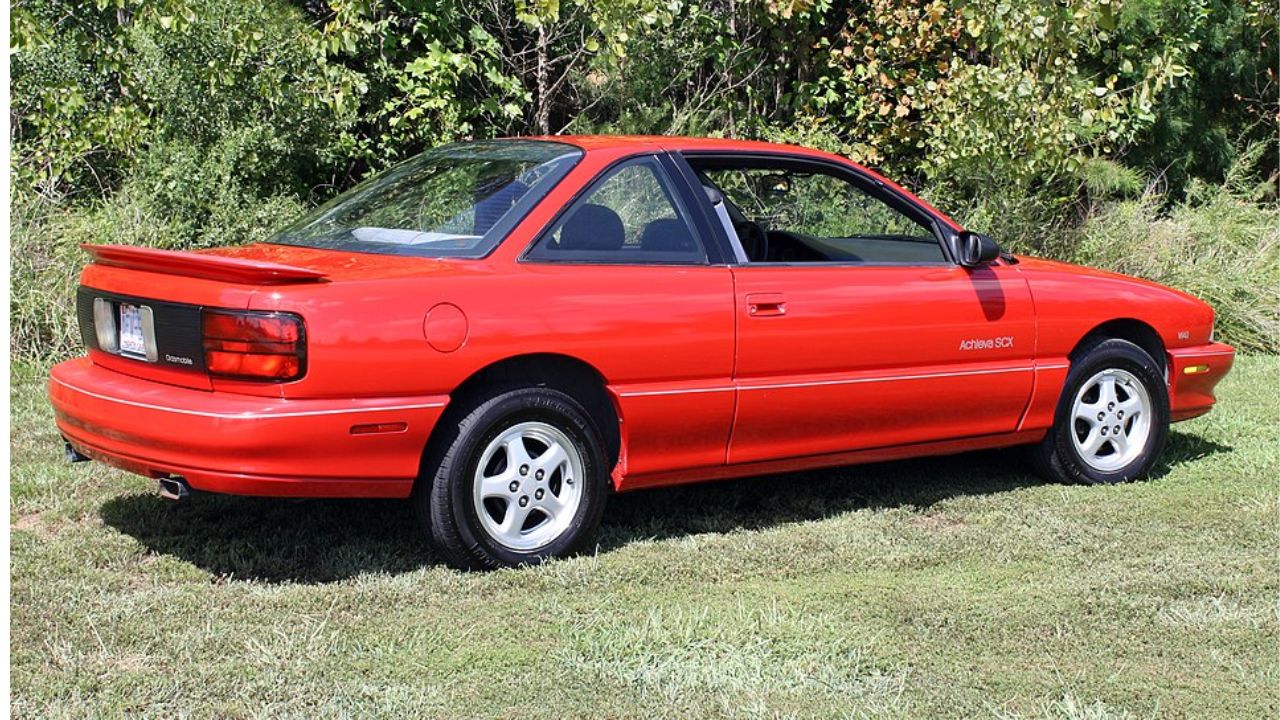
Oldsmobile built plenty of cars that were easy to overlook when they were new, only to become far more interesting with age. Some gained attention for their styling, others for their engines, and a few simply became symbols of a changing automotive era. These Oldsmobiles may not have received instant recognition, but many eventually earned a loyal following among collectors.
Oldsmobile 442 W-30
The Oldsmobile 442 W-30 eventually became one of the most respected muscle cars of its era. Its combination of a strong Rocket V8, performance suspension, distinctive styling, and serious street manners gave it credibility beyond the usual showroom appeal. The W-30 package made the 442 considerably more interesting to enthusiasts who wanted something with genuine performance credentials. Today, clean examples command attention because the car delivers the classic muscle-car experience without feeling like the same old choices.
Oldsmobile Cutlass 350
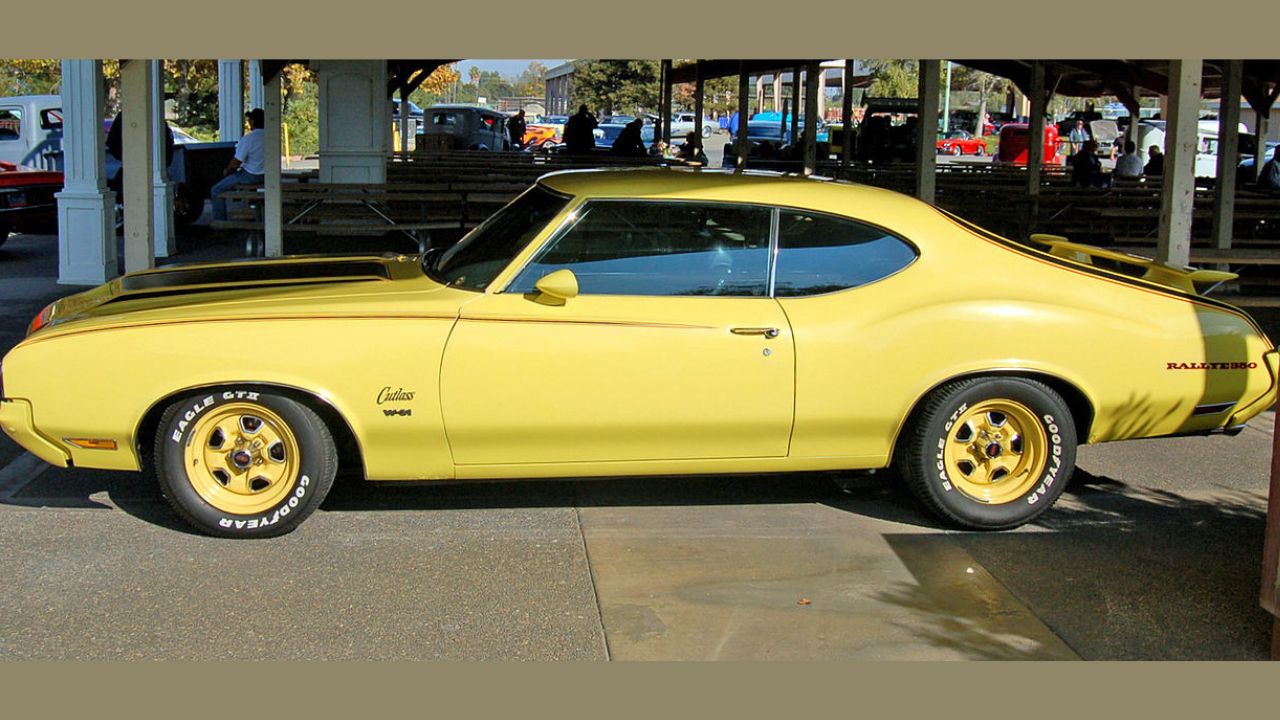
The Cutlass became one of Oldsmobile’s best-known names, but certain V8-powered versions have become increasingly interesting to collectors. The 350 offered useful torque and enough performance to make the midsize coupe enjoyable without demanding the premium associated with the most famous muscle cars. Its clean proportions also aged well. As more surviving examples disappear, ordinary-looking Cutlasses with desirable V8 combinations have started receiving more appreciation from enthusiasts.
Oldsmobile Cutlass Supreme

The Cutlass Supreme blended sporty styling with a more comfortable and upscale personality. That combination helped make it hugely successful when new, but it also gave the model lasting collector appeal. V8 versions could provide plenty of performance while retaining the relaxed character buyers expected from Oldsmobile. Today, well-preserved examples can attract surprising attention, particularly when they retain original interiors, wheels, trim, and engines.
Oldsmobile 98
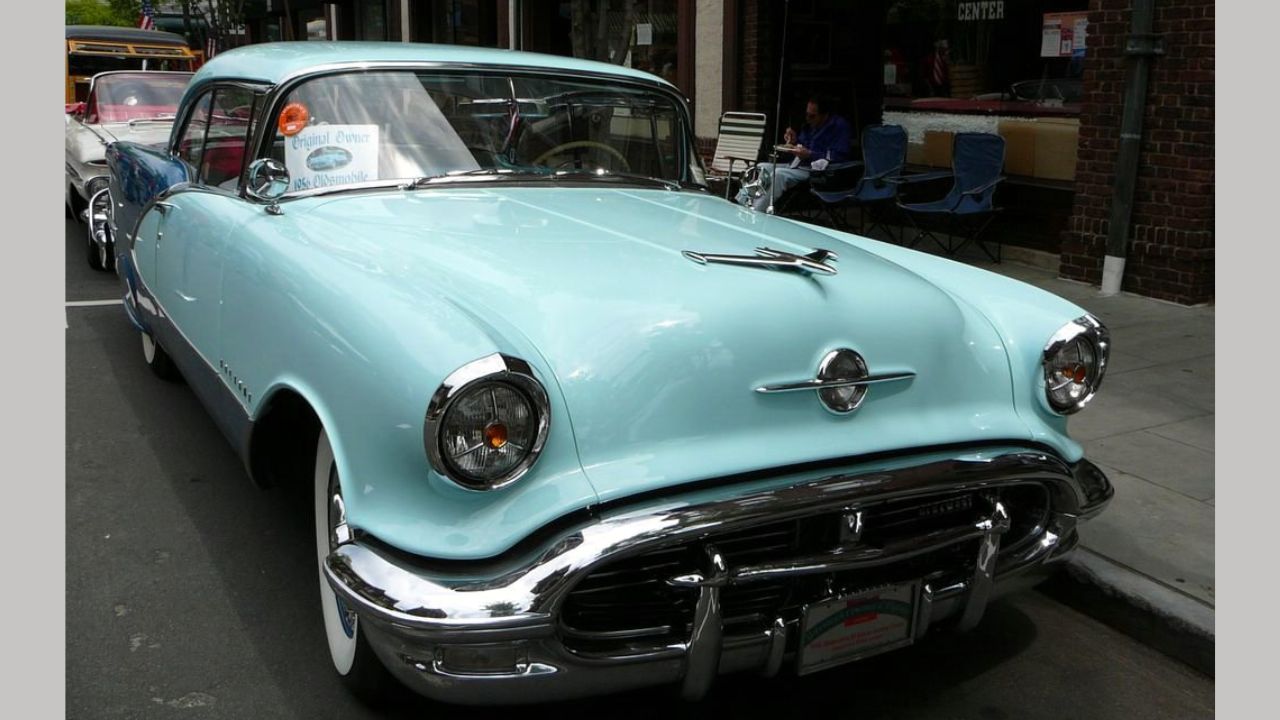
The Oldsmobile 98 represented the brand’s traditional full-size luxury formula, but its importance has become easier to appreciate with time. These large cars combined spacious interiors, smooth V8 power, substantial chrome, and distinctive American styling. The 98 became especially memorable during the peak of the full-size era, when buyers expected their cars to be imposing. Surviving examples now offer a fascinating look at an automotive period when size and comfort were major selling points.
Oldsmobile 88
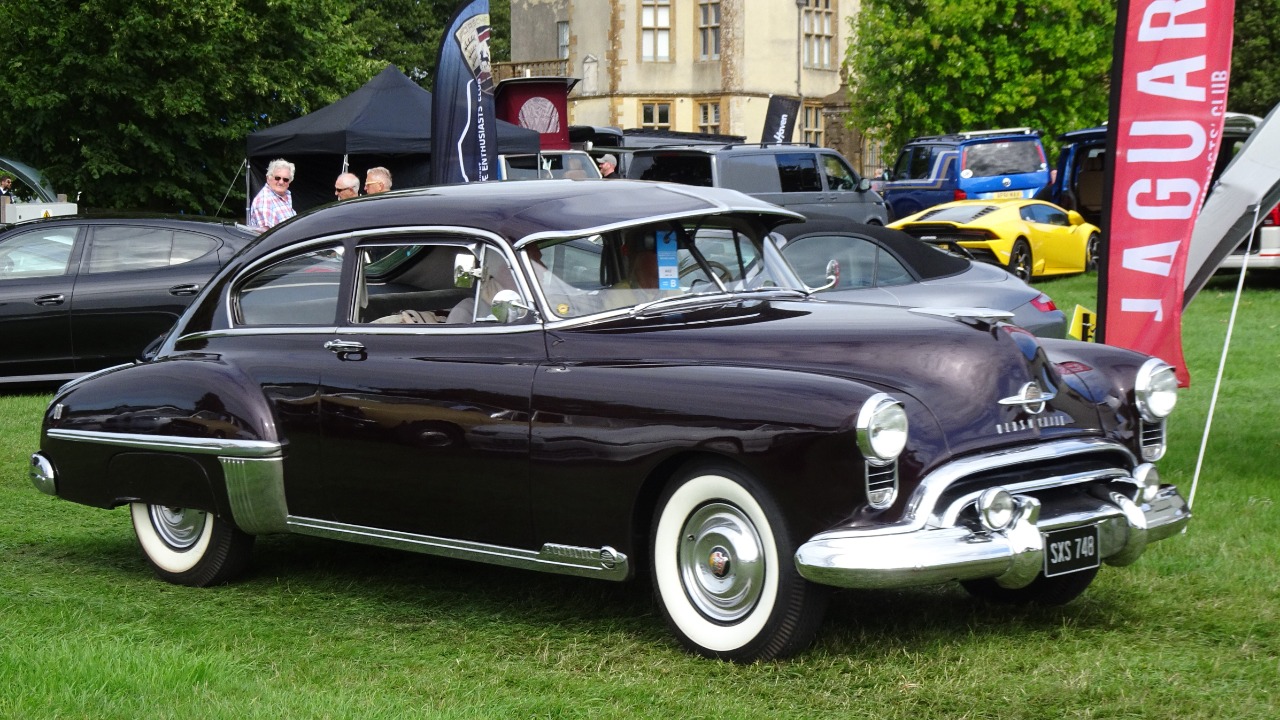
The 88 was one of Oldsmobile’s most important nameplates and became a symbol of dependable American transportation. Over the decades, it appeared in numerous forms, but earlier V8-powered versions are particularly appealing to collectors. The car combined useful performance with a comfortable ride and enough room for family duty. Its success also helped make the 88 one of the most recognizable Oldsmobile names, giving surviving examples a nostalgic appeal that extends well beyond traditional muscle-car enthusiasts.
Oldsmobile Starfire Coupe
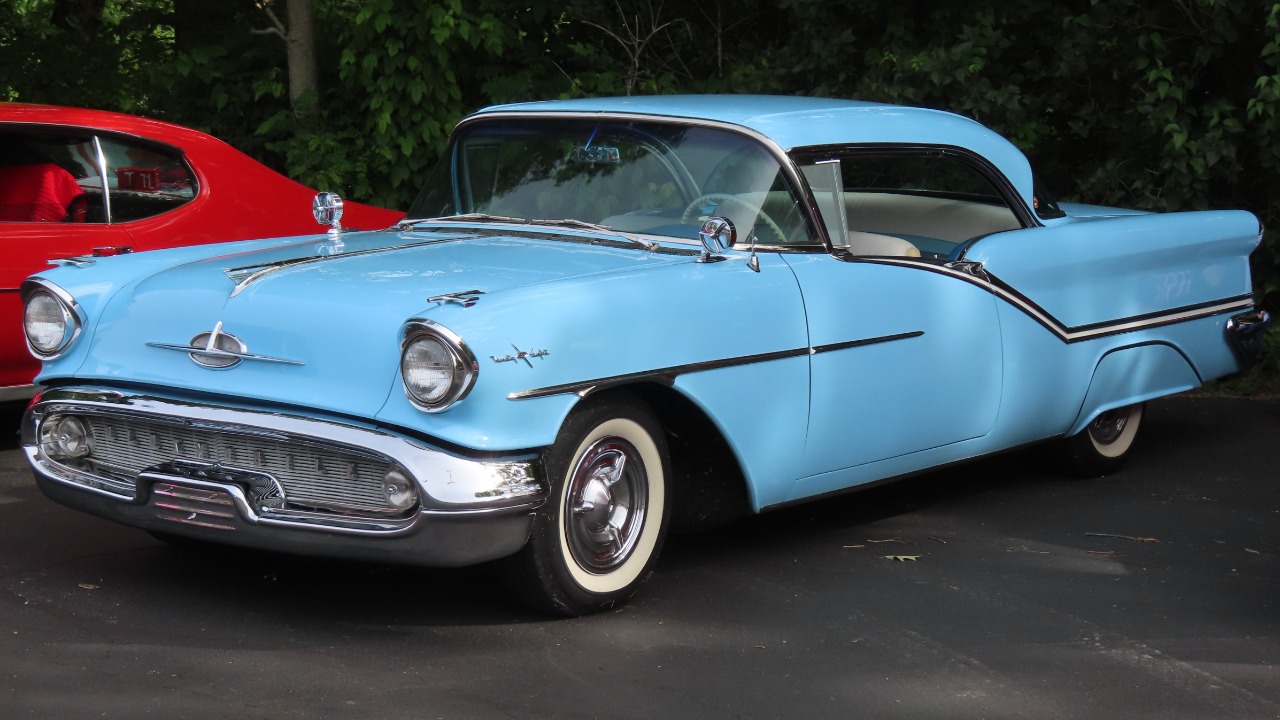
The Starfire Coupe brought a sportier image to Oldsmobile’s lineup and quickly developed a character of its own. Its sleek proportions and powerful V8 made it more interesting than a typical family-oriented Oldsmobile. The model also represented the growing desire for stylish personal cars during the early 1960s. Today, the Starfire stands out because it combines classic Oldsmobile engineering with a body style that feels more youthful and distinctive than many of the company’s larger sedans.
Oldsmobile F-85 Cutlass
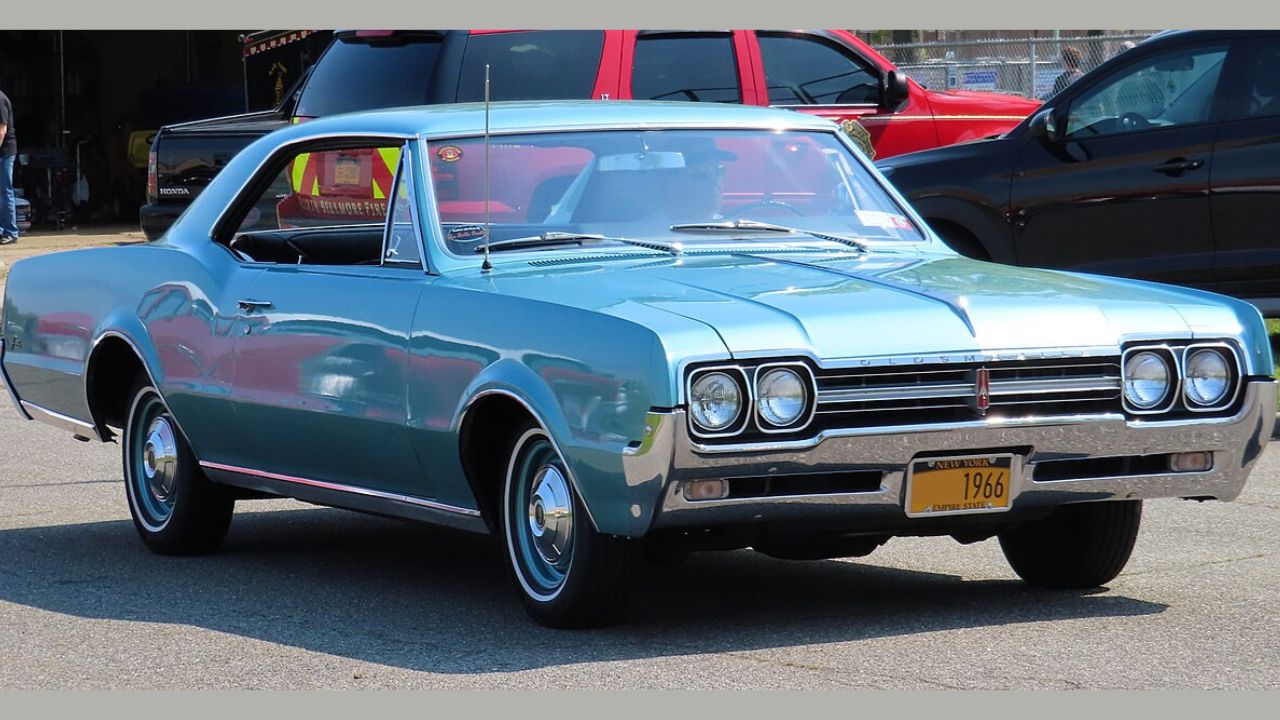
The F-85 Cutlass helped establish the midsize formula that would become central to Oldsmobile’s success. It was smaller and easier to manage than the company’s full-size cars while still offering V8 power. That made it attractive to buyers who wanted something lively without giving up American comfort. Its historical importance has become clearer over the years, especially as collectors look for the cars that helped establish the muscle-car formula before it became mainstream.
Oldsmobile 88 Holiday Coupe
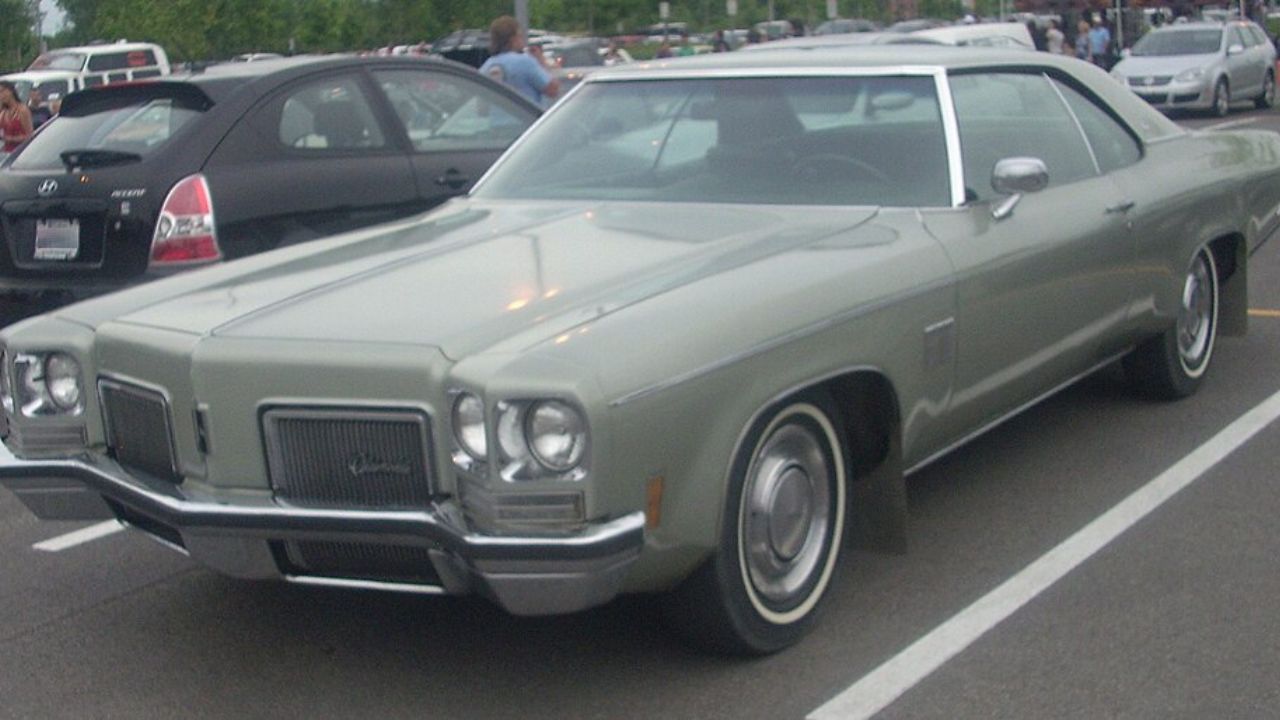
The Holiday Coupe gave the 88 a stylish two-door profile without abandoning the model’s comfortable full-size character. Its combination of sweeping lines, generous proportions, and V8 power captured the essence of postwar American motoring. These cars were once common sights, which meant few people expected them to become collectible. Time changed that perception. Today, an original Holiday Coupe can draw considerable attention simply because so few comparable cars remain in good condition.
Oldsmobile Cutlass Salon
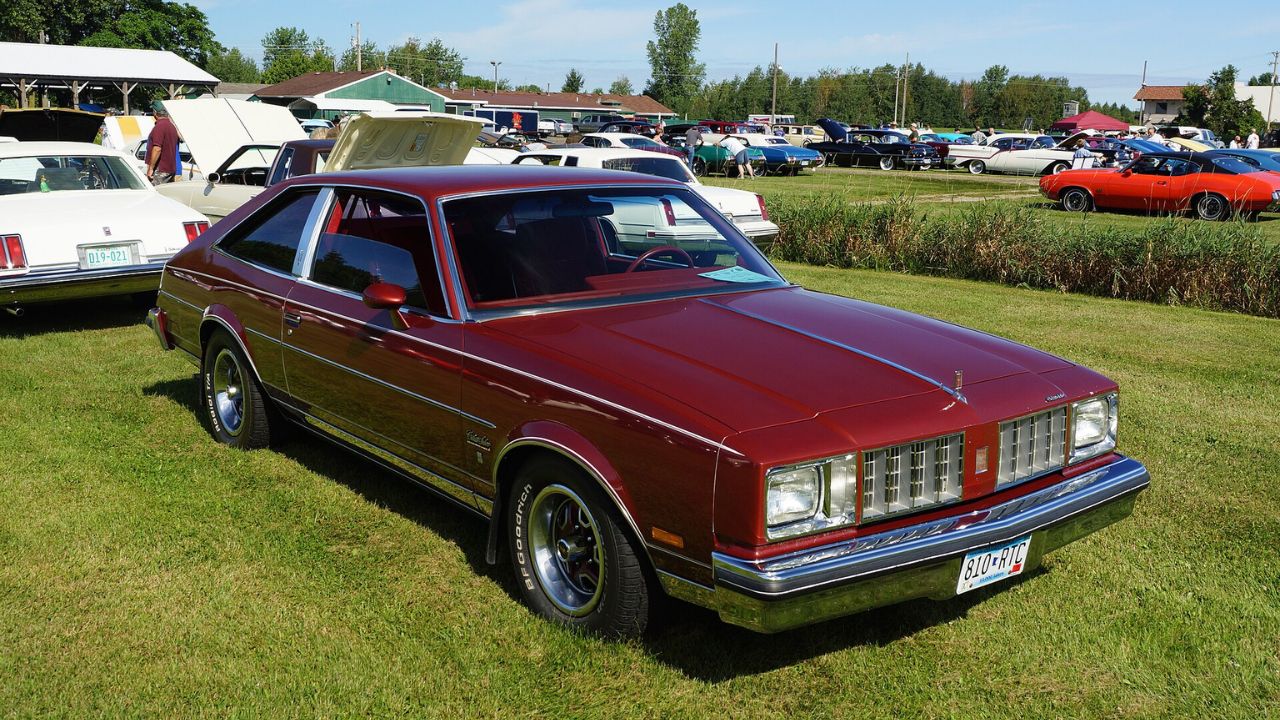
The Cutlass Salon offered a more refined interpretation of the popular Cutlass formula. It combined sporty bodywork with a comfortable interior and available V8 power, giving buyers an alternative to both traditional muscle cars and large luxury coupes. The model was never as celebrated as the most aggressive Oldsmobiles, but that is part of its appeal today. Its relative obscurity gives collectors an opportunity to own a period-correct Oldsmobile that does not appear at every show.
Oldsmobile Cutlass Calais
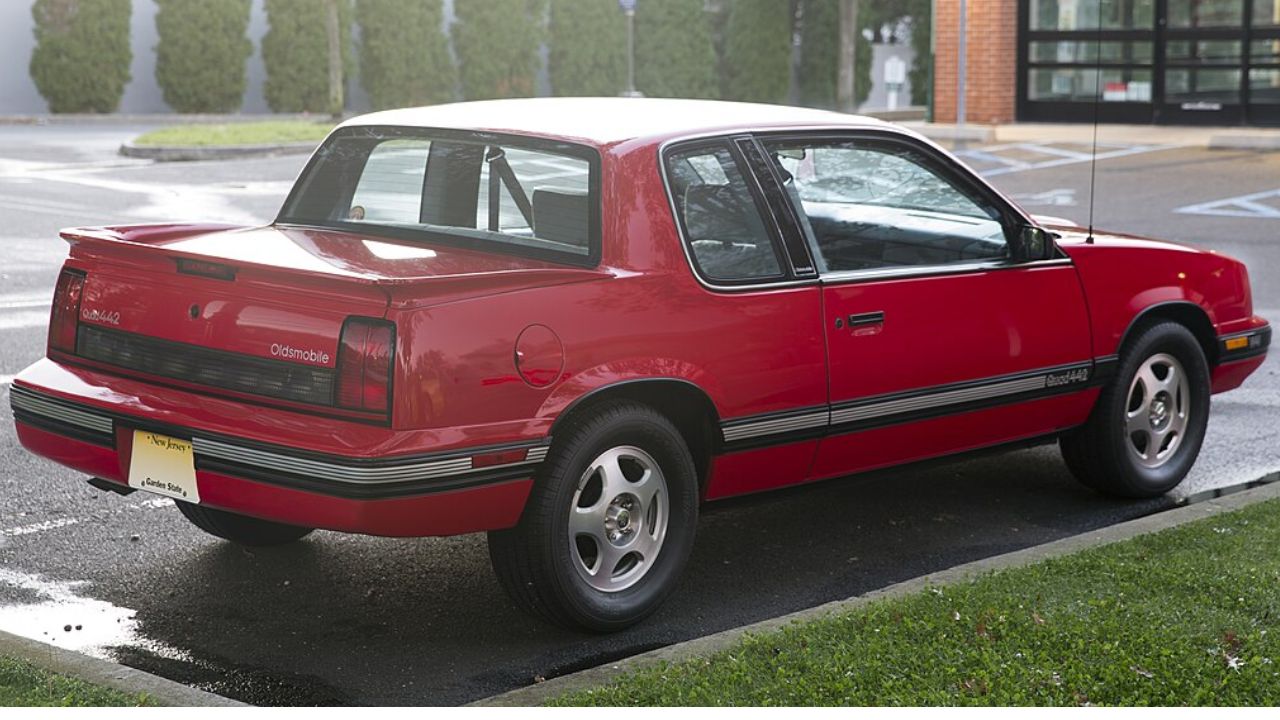
The Cutlass Calais eventually became associated with Oldsmobile’s more affordable sporty offerings. Earlier examples, particularly those with V8 power, provide an interesting snapshot of the brand’s transition into the late 1970s and 1980s. The Calais demonstrated that Oldsmobile was trying to maintain a performance image even as the traditional muscle-car formula faded. Today, surviving cars can feel surprisingly distinctive because so many comparable examples disappeared through ordinary use.
Oldsmobile Cutlass Supreme Brougham
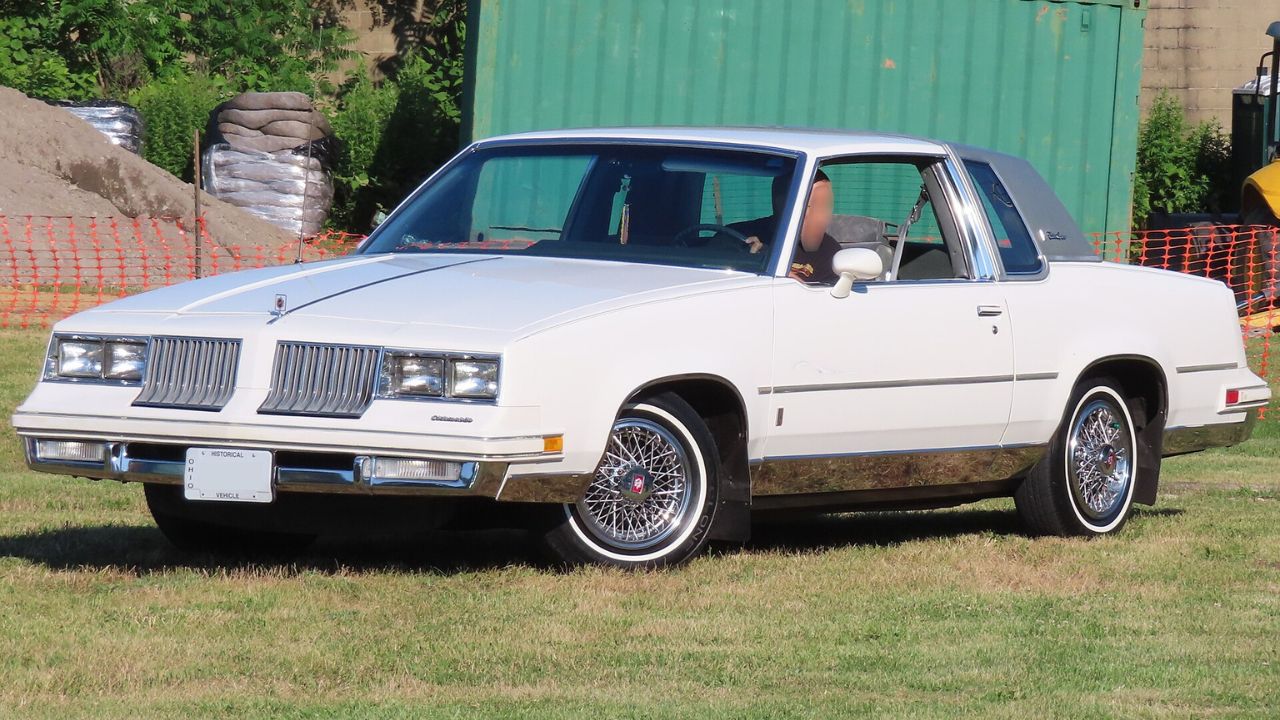
The Cutlass Supreme Brougham added a distinctly upscale personality to Oldsmobile’s most successful midsize family. Plush interiors, formal styling, and available V8 power made it an appealing choice for buyers who wanted comfort without moving into a full-size luxury car. Its understated character has aged surprisingly well. Collectors now appreciate these cars for their period details, comfortable cabins, and ability to capture the look and feel of late-1970s American motoring.
Oldsmobile Omega
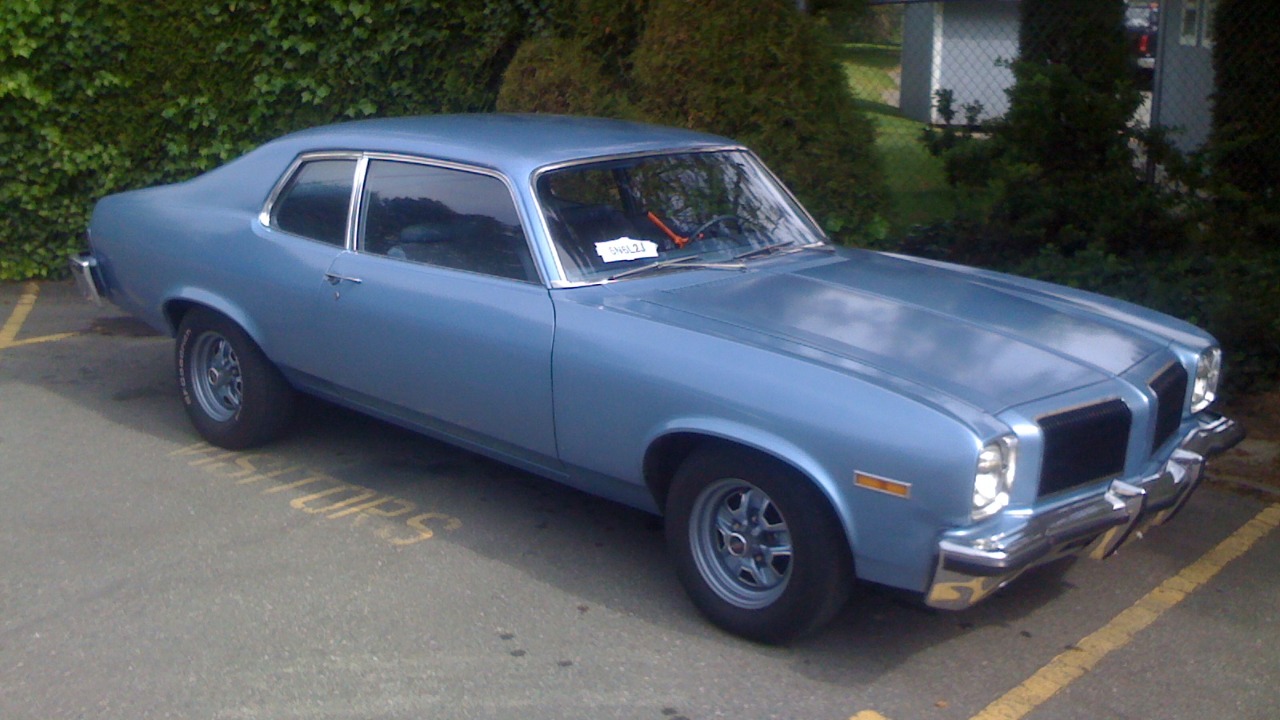
The Omega represented Oldsmobile’s attempt to compete in the compact-car market while maintaining some of the brand’s traditional character. V8-powered versions made the car considerably more interesting than its modest dimensions suggested. The Omega never became a major performance icon, but its unusual place in Oldsmobile history has made it increasingly appealing to enthusiasts. It represents a period when American manufacturers were adapting quickly to smaller cars and changing consumer expectations.
Oldsmobile Toronado
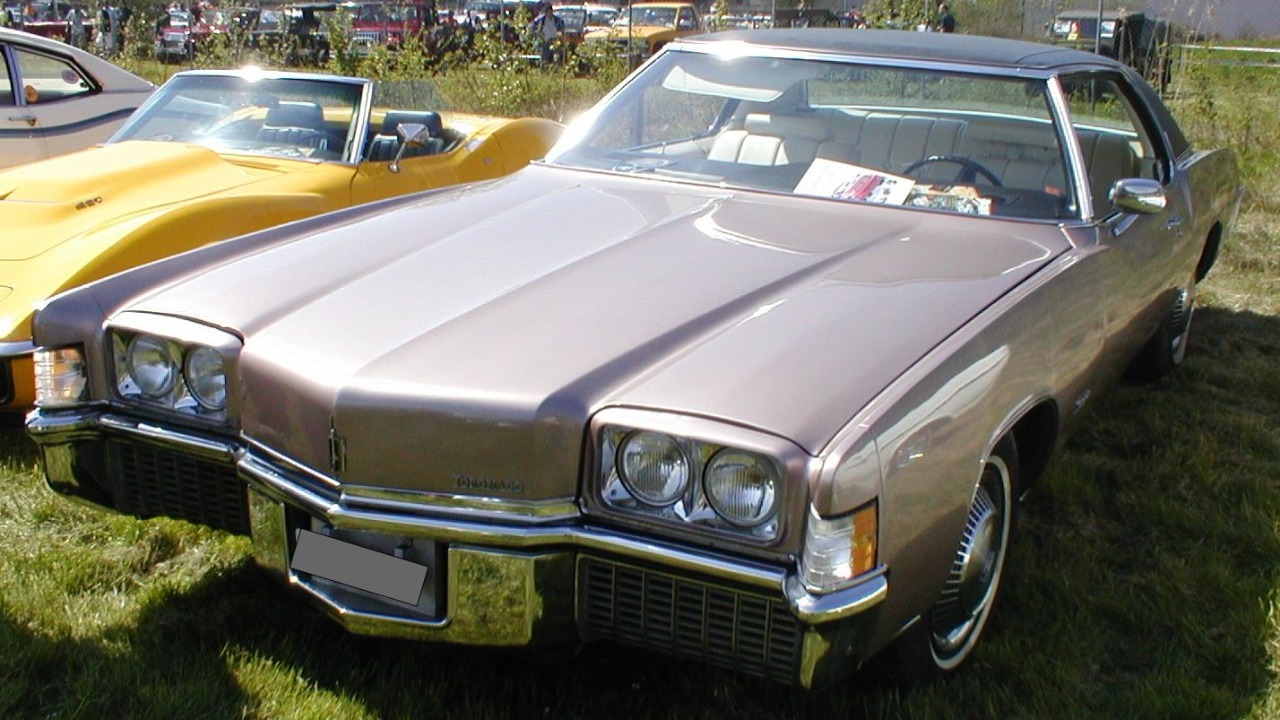
The Toronado changed expectations for what an American luxury coupe could be. Its front-wheel-drive layout was unusual for a large American car, while the dramatic bodywork gave it an unmistakable presence. The model became an important engineering statement for Oldsmobile and helped prove that front-wheel drive could work in a powerful American coupe. Its styling has also aged remarkably well, giving surviving examples a futuristic quality that still separates them from ordinary classics.
Oldsmobile Toronado GT
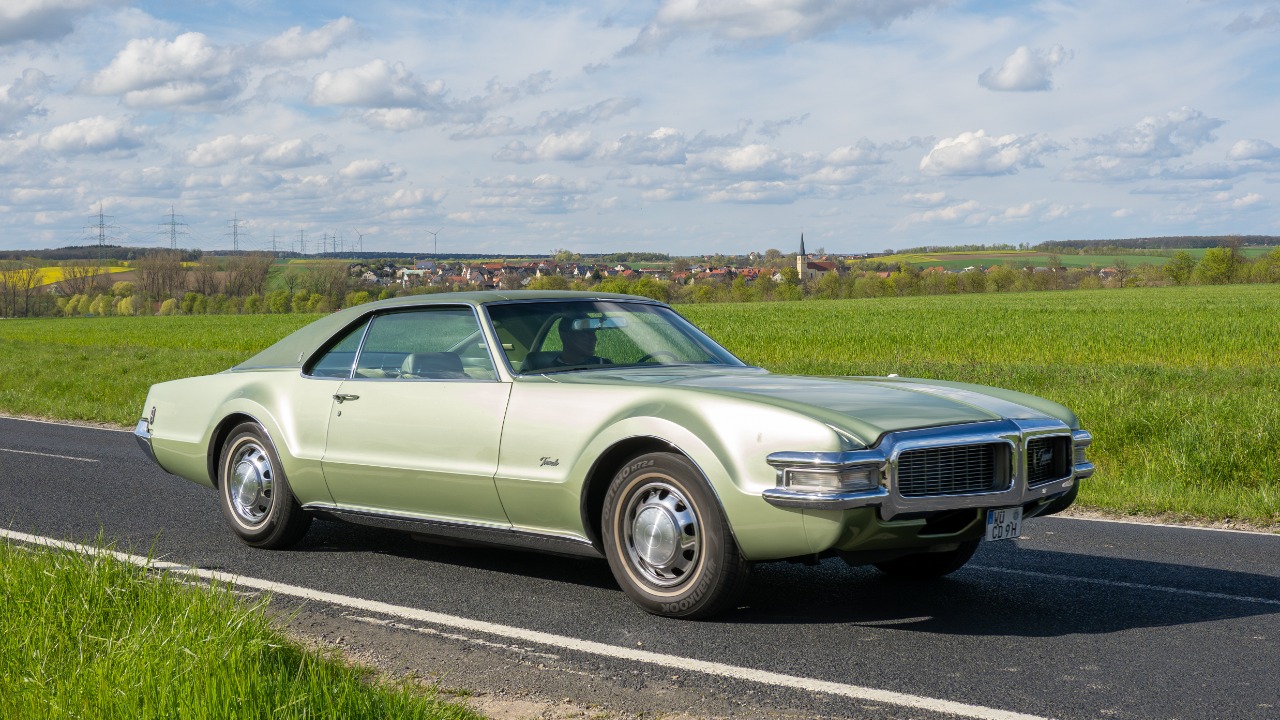
The Toronado GT added a sportier edge to an already distinctive personal-luxury coupe. Its bold proportions and powerful drivetrain made it an unusual combination of comfort and performance. Unlike a traditional muscle car, the Toronado delivered its performance through a completely different engineering approach. That uniqueness has helped the model gain appreciation over time. Collectors increasingly recognize it as one of the cars that showed Oldsmobile was willing to take genuine risks.
Oldsmobile 442 Convertible
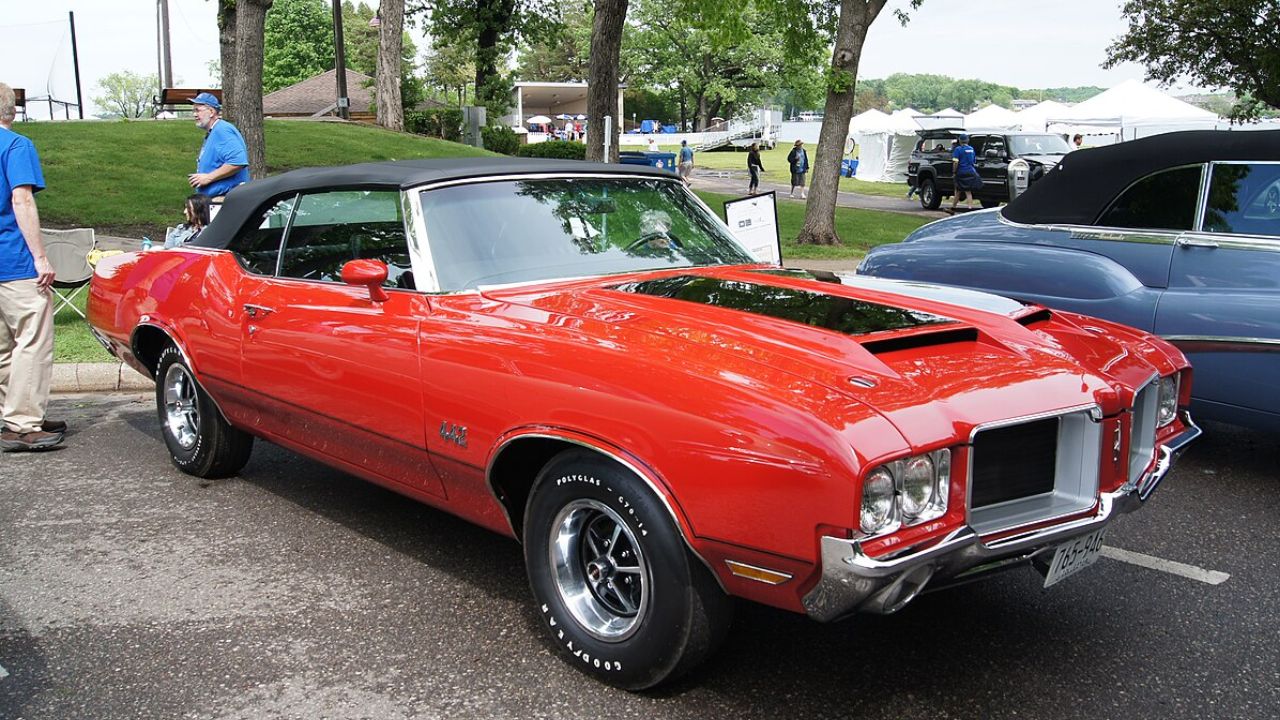
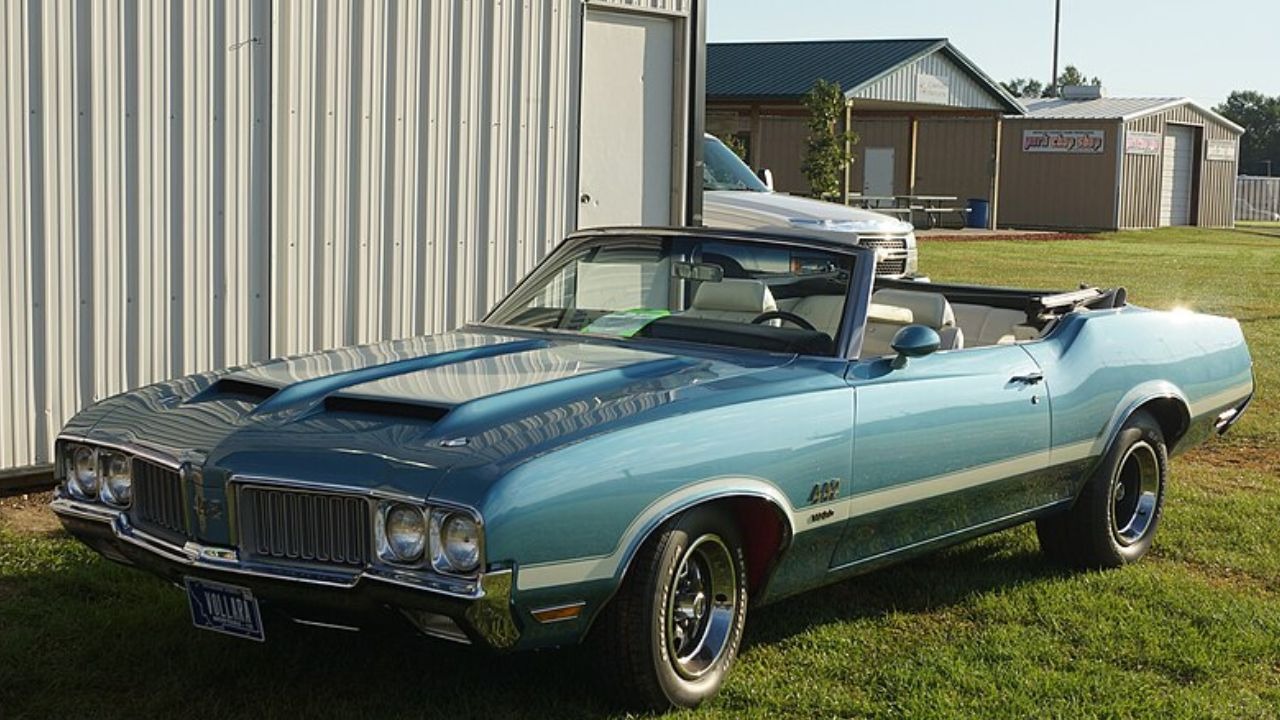
A 442 Convertible combined the appeal of open-air cruising with the performance image that made the 442 famous. Its combination of a muscular V8, rear-wheel drive, and a folding roof gave it plenty of character. Convertibles were also produced in much smaller numbers than ordinary coupes and sedans, making surviving examples especially attractive. Today, a genuine 442 Convertible has the kind of presence that can draw attention even among much more famous muscle cars.
Oldsmobile Custom Cruiser
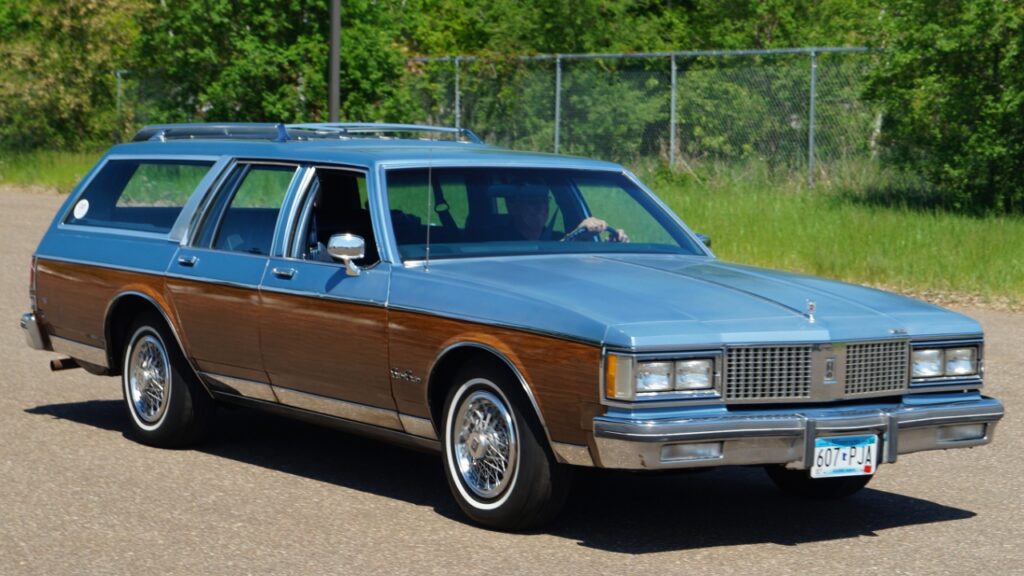
The Custom Cruiser proved that a station wagon could still have plenty of personality. Its large body, rear-wheel-drive layout, and available V8 engines made it an appealing alternative to the increasingly common front-wheel-drive family cars of its later era. The woodgrain styling on many examples added to its period character. Once considered ordinary family transportation, the Custom Cruiser has become a favorite among enthusiasts who appreciate big American wagons and their unmistakable road presence.
Oldsmobile Cutlass Cruiser
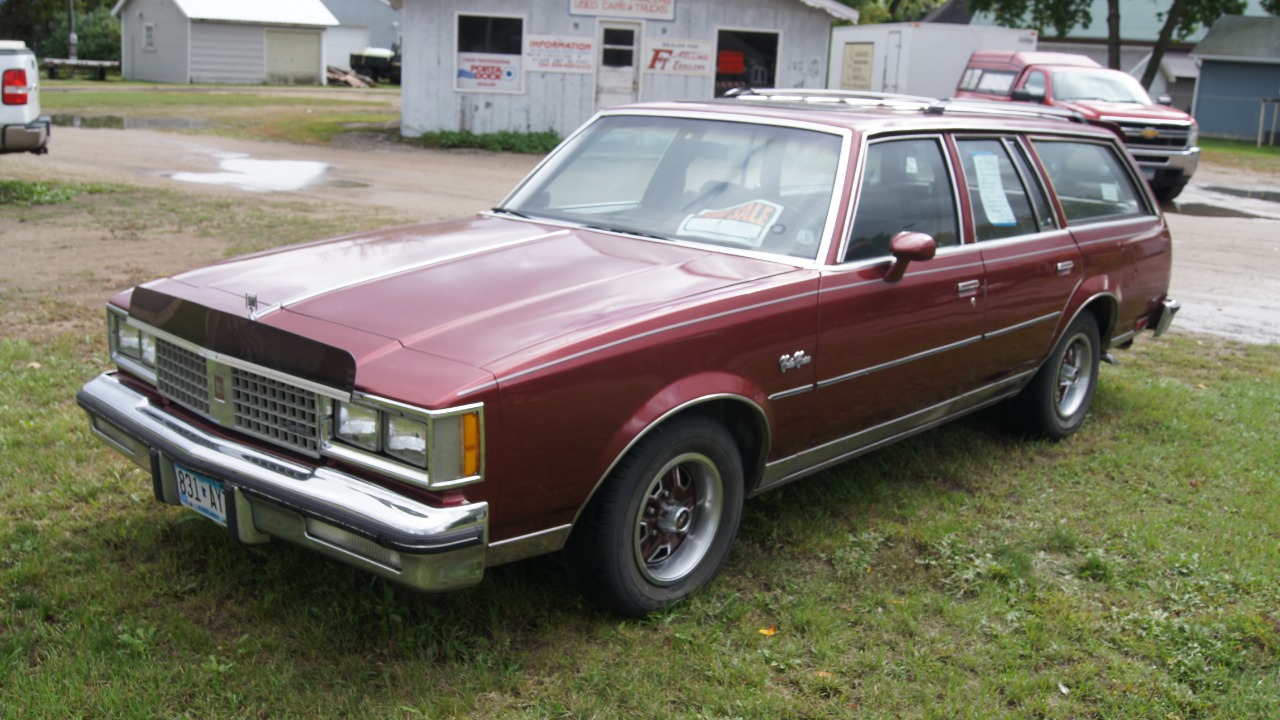
The Cutlass Cruiser carried the familiar Cutlass identity into the station-wagon market, offering practicality without abandoning Oldsmobile’s emphasis on comfort. It was never marketed as a serious performance car, but that has not stopped enthusiasts from appreciating its combination of space, styling, and old-school character. As practical classics become harder to find, surviving Cutlass Cruisers have gained a following among buyers looking for something more unusual than another muscle coupe.
Oldsmobile Achieva SCX
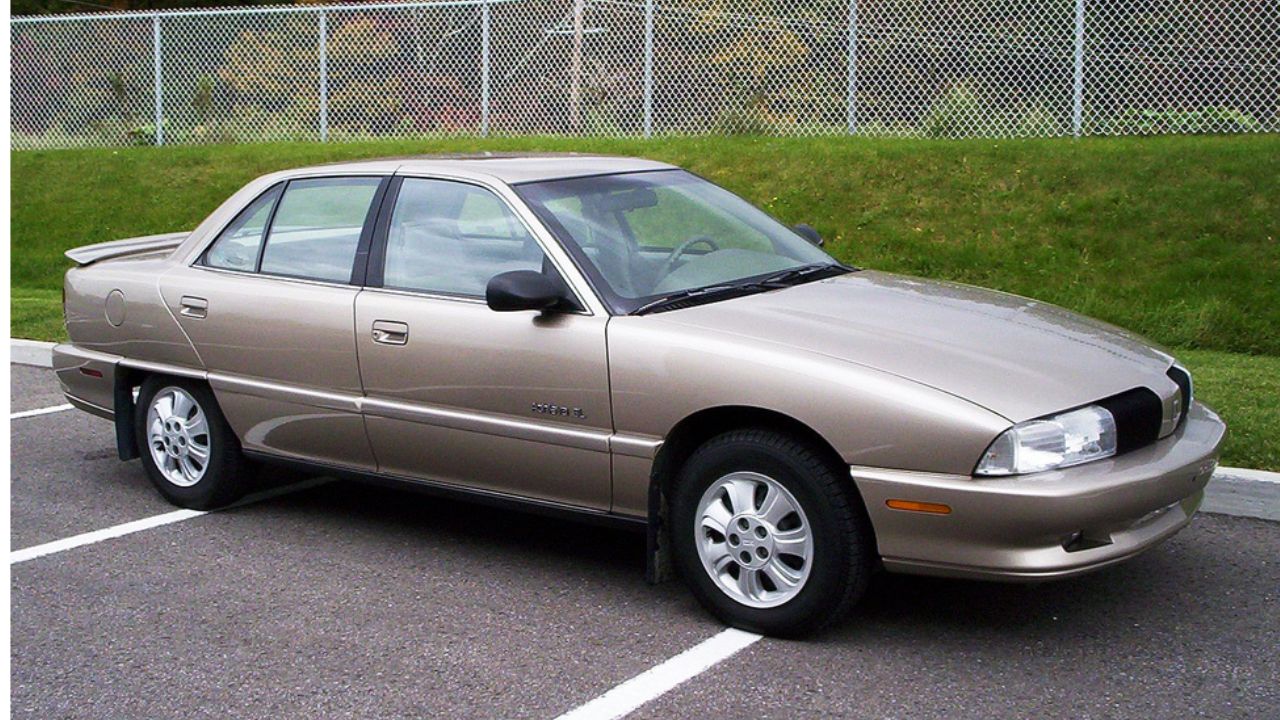
The Achieva SCX showed that Oldsmobile still had a willingness to build an entertaining performance car well after the classic muscle era had ended. Its compact dimensions, sport-oriented suspension, and high-output four-cylinder gave it a very different character from the big V8 Oldsmobiles of the past. The SCX was never a sales sensation, but its rarity and unusual specifications have made it more interesting with age. For enthusiasts, it is an overlooked reminder that Oldsmobile’s performance story continued into the modern era.
More from Fast Lane Only
- Unboxing the WWII Jeep in a Crate
- 15 rare Chevys collectors are quietly buying
- 10 underrated V8s still worth hunting down
- Police notice this before you even roll window down
*Research for this article included AI assistance, with all final content reviewed by human editors.