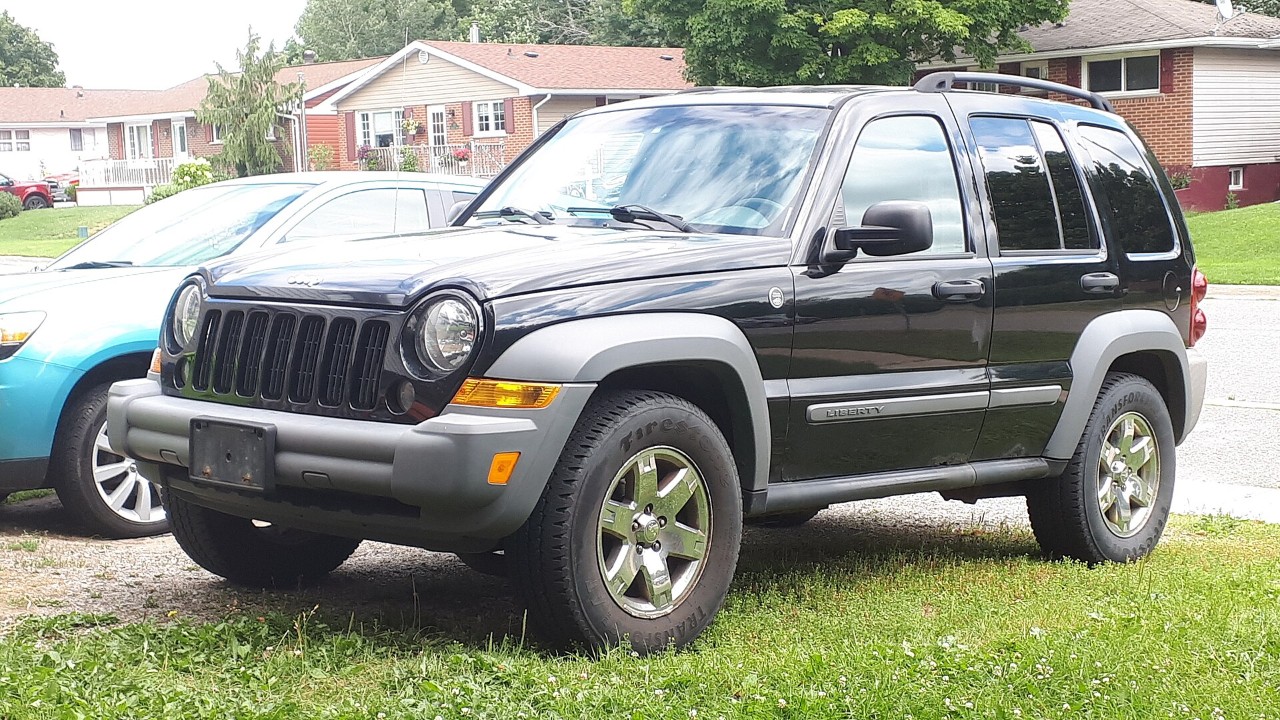
The Jeep Liberty had a tough job in 2002. It replaced the boxy Cherokee XJ, a vehicle many owners still swear by. Jeep sold more than 160,000 Liberty SUVs a year in its early run, so plenty of them are still out there on used lots today.
That is the catch with Jeep. The badge sells itself, and the slotted grille promises toughness. However, some models from the last four decades left owners with gearbox trouble, suspension clunks, fuel-filler headaches and electrical gremlins. Others were simply a step behind the rest of the lineup.
These nine are our picks for the Jeeps we would think twice about before buying. Each verdict is our opinion. The faults and complaint counts come from owner-complaint records and the models’ published histories. We also give each one a fair hearing, plus a line of advice if you still want one.
1. 2002 Jeep Liberty KJ
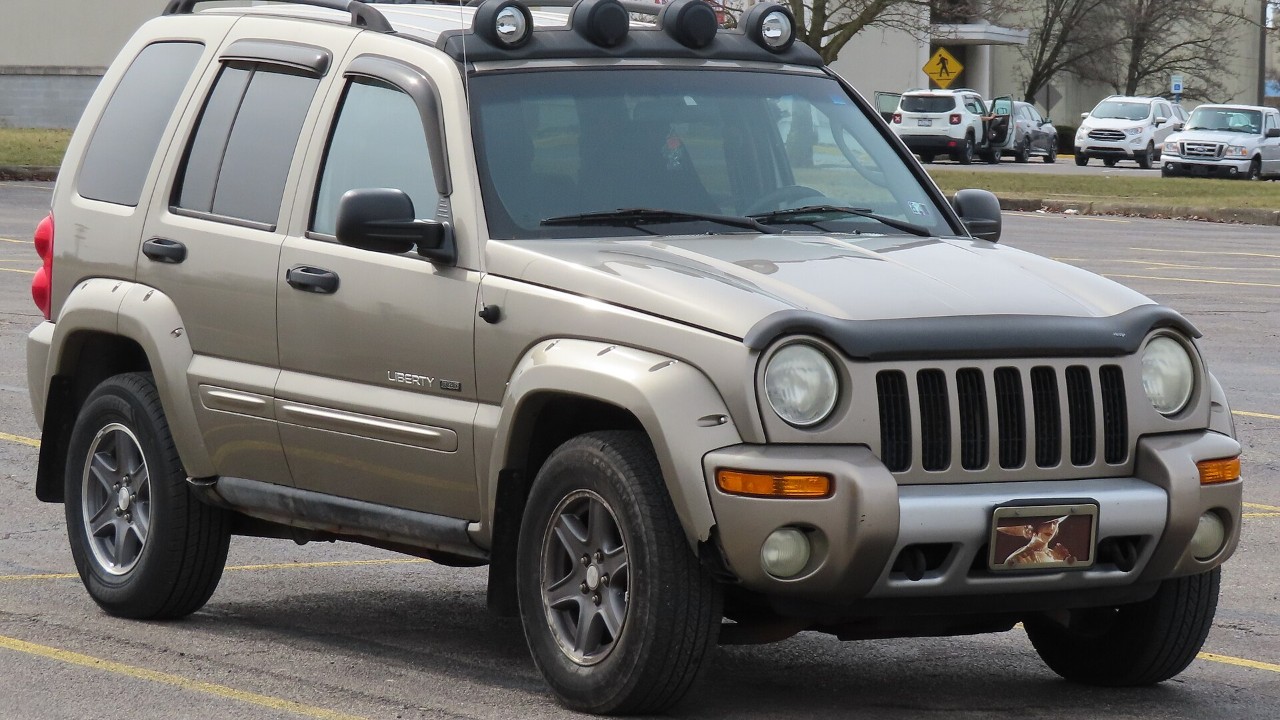
The Liberty KJ ran from 2002 to 2007 and was the first Jeep to use rack-and-pinion steering. Most buyers chose the 3.7-liter PowerTech V6, rated at 210 horsepower. It looked friendly and rounded, and it still had real low-range four-wheel drive. Sales were strong, with 171,212 sold in calendar 2002 alone. Jeep built it at the Toledo North Assembly Plant, and police and rental fleets bought plenty too.
The first model year, though, carries a heavy record. According to CarComplaints’ page for the 2002 Liberty, suspension draws 526 NHTSA complaints. Seat belts and air bags draw 662. The site’s worst-rated problem is engine failure, at an average repair cost of $3,400 around 130,000 miles. It also lists 14 Liberty recalls for that year.
In our view, the first-year Jeep Liberty asks you to gamble on a lot of moving parts at once. A broken window regulator, at about $300, is the cheap end of the list. Buyer advice: run the VIN through NHTSA’s recall lookup, have the front suspension checked on a lift, and lean toward a 2005 or later facelift model.
2. 2008 Jeep Liberty KK
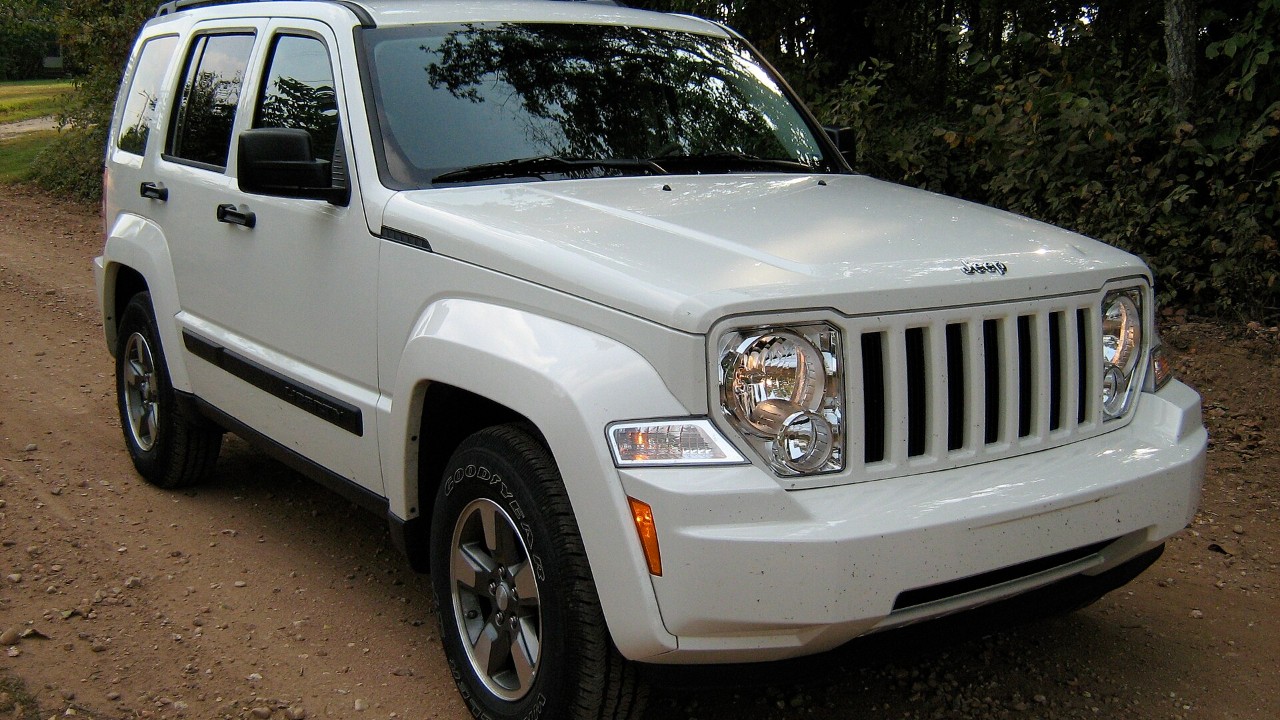
The second-generation Liberty arrived for 2008 with squarer styling and a clever option called the Sky Slider. That power roof was made of reinforced acrylic cloth. It opened to 60 by 30 inches, which was the largest opening in its class. At launch, the 3.7-liter V6 with 210 horsepower was the only engine on offer.
Unfortunately, the biggest pile of complaints is about filling the tank. CarComplaints counts 159 NHTSA complaints in the fuel system category for 2008. The top problem is gas overflowing during refueling, at an average cost of $1,200 near 71,000 miles. A defective Sky Slider follows at about $1,000. A failed TIPM, the fuse-and-relay module, costs about the same.
We would pass on an early KK Jeep Liberty unless the paperwork is solid. That Sky Slider roof is a great idea until it leaks or jams. Buyer advice: fill the tank during your test drive, open and close the roof several times, and ask whether the TIPM has been replaced. Also, check the airbag recall history, since the Liberty was part of the Takata inflator campaign.
3. 2009 Jeep Commander Overland
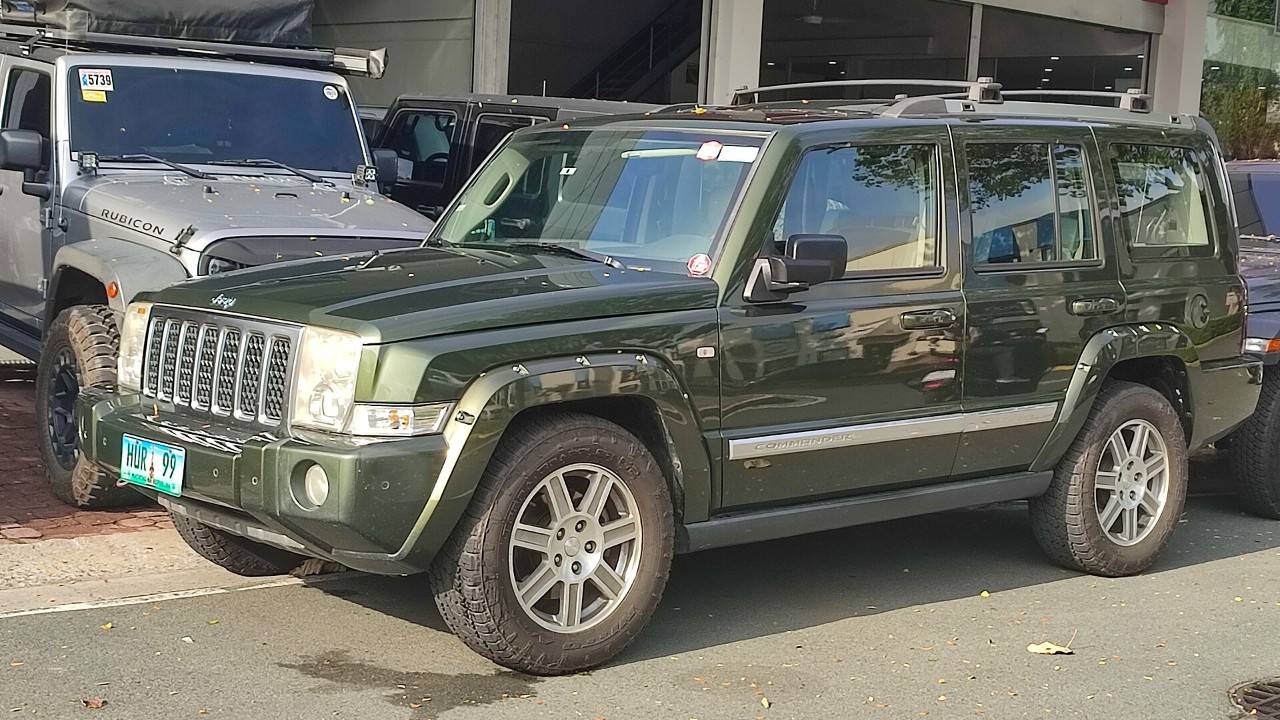
The Commander was Jeep’s boxy three-row SUV, built in Detroit from 2005 for the 2006 to 2010 model years. The Overland trim brought the 5.7-liter Hemi V8, leather-and-suede seats and a dual-panel sunroof. For 2009, that Hemi was rated at 360 horsepower. On paper, it was a plush family Jeep with real muscle. A 4.7-liter V8 and a 3.7-liter V6 were offered as smaller choices.
Buyers, however, drifted away fast. U.S. sales fell from 88,497 in 2006 to 12,655 in 2009. Former Chrysler CEO Sergio Marchionne later said, “That vehicle was unfit for human consumption.” On CarComplaints’ 2009 Commander page, the worst-rated problem is the engine stalling while driving, at an average cost of $1,000 around 81,000 miles. The site also notes a rocker arm that fell out.
Our take: the Commander Overland is more of a thirsty curiosity than a smart buy. Its third row was part of the pitch, yet the market voted with its wallet. Buyer advice: if you love the shape, have a mechanic listen to the Hemi for valvetrain ticking and budget for fuel.
4. 2007 Jeep Compass Limited
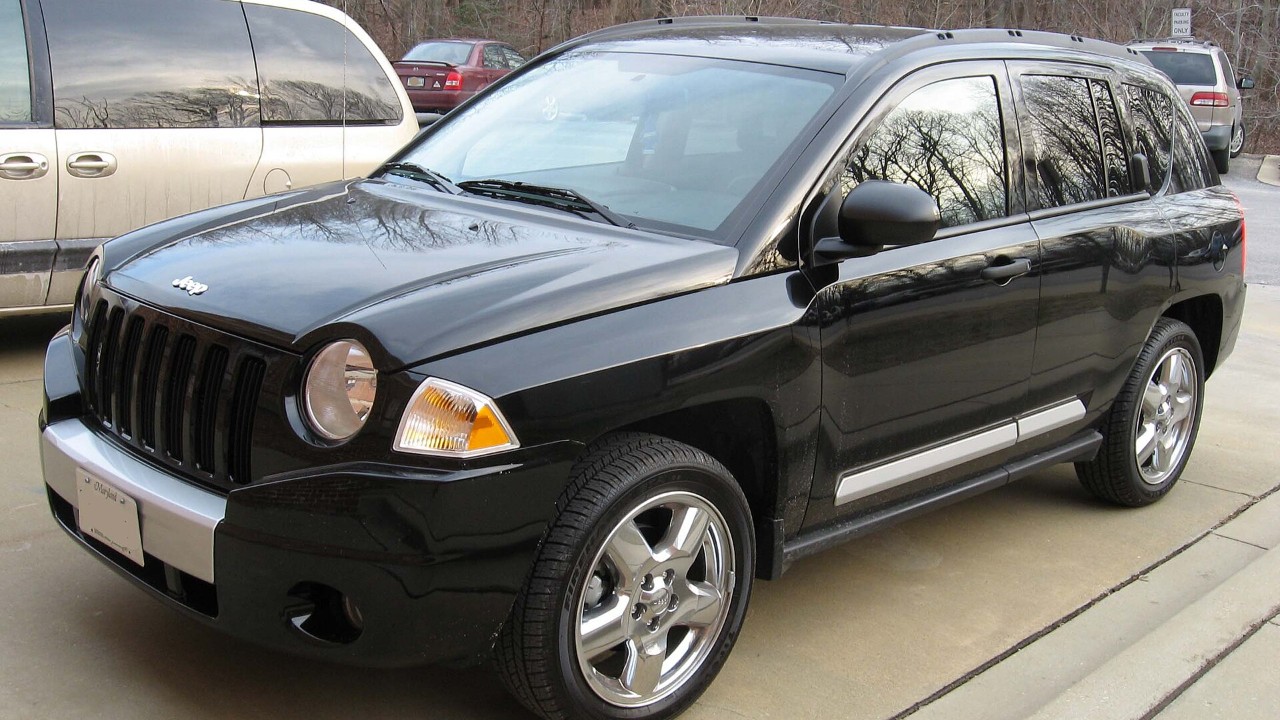
The Compass was Jeep’s small, car-based crossover with a softer hatchback look. Jeep introduced it in 2006 for the 2007 model year. The first one was assembled on May 30, 2006, in Belvidere, Illinois. The Limited sat at the top with leather seats, a remote starter and an available sunroof. Power came from a 2.4-liter four with 172 horsepower. In our view, it was built for buyers who wanted a Jeep badge on a commuter budget.
The suspension is where owners filed the most complaints. CarComplaints counts 84 NHTSA suspension complaints for the 2007 Compass. Its top problem is control arm and bushing failure, at an average cost of $600 near 58,000 miles. A failed TIPM costs about $1,600. Later, a rusted-out subframe and spring runs about $2,200 at around 141,000 miles.
In our opinion, the early Compass wears the badge without much of the Jeep behind it. It shared its platform with the Patriot, and neither felt special inside. Buyer advice: listen for clunks over bumps, look closely at the subframe for rust, and treat a cheap price as a down payment on repairs.
5. 2007 Jeep Patriot CVT
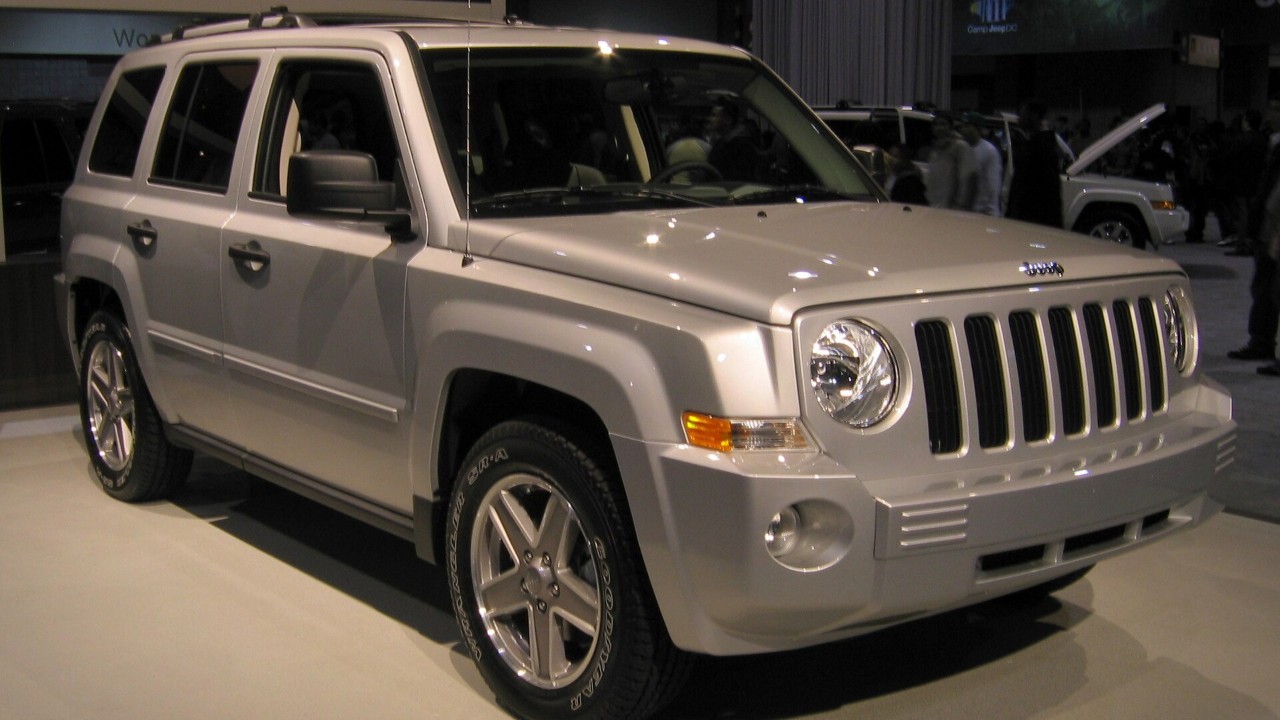
The Patriot was the more traditional-looking sibling of the Compass. Jeep offered it with a continuously variable transmission, or CVT. With the Freedom Drive II package, the CVT gave a 19:1 crawl ratio that mimicked a low range. Patriots with that package even earned Jeep’s Trail Rated badge, which was a clever piece of engineering for a small budget. That part of the story deserves credit, and we give it.
Still, the early CVT cars are the ones we would avoid. CarComplaints lists 59 NHTSA fuel system complaints for 2007. A ball joint, tie rod and upper control arm failure is its worst-rated problem, at about $1,300 near 74,000 miles. Owners also report trouble filling the gas tank. Moreover, the IIHS rated the Patriot “Poor” in its small overlap frontal crash test.
Jeep itself changed course later. Starting in 2014, Freedom Drive I models got a six-speed automatic instead of the CVT. We think that change tells you a lot. Buyer advice: if you want a Patriot, look for a 2014 or later model with the six-speed automatic, or a manual, and have the front suspension inspected.
6. 2014 Jeep Cherokee KL
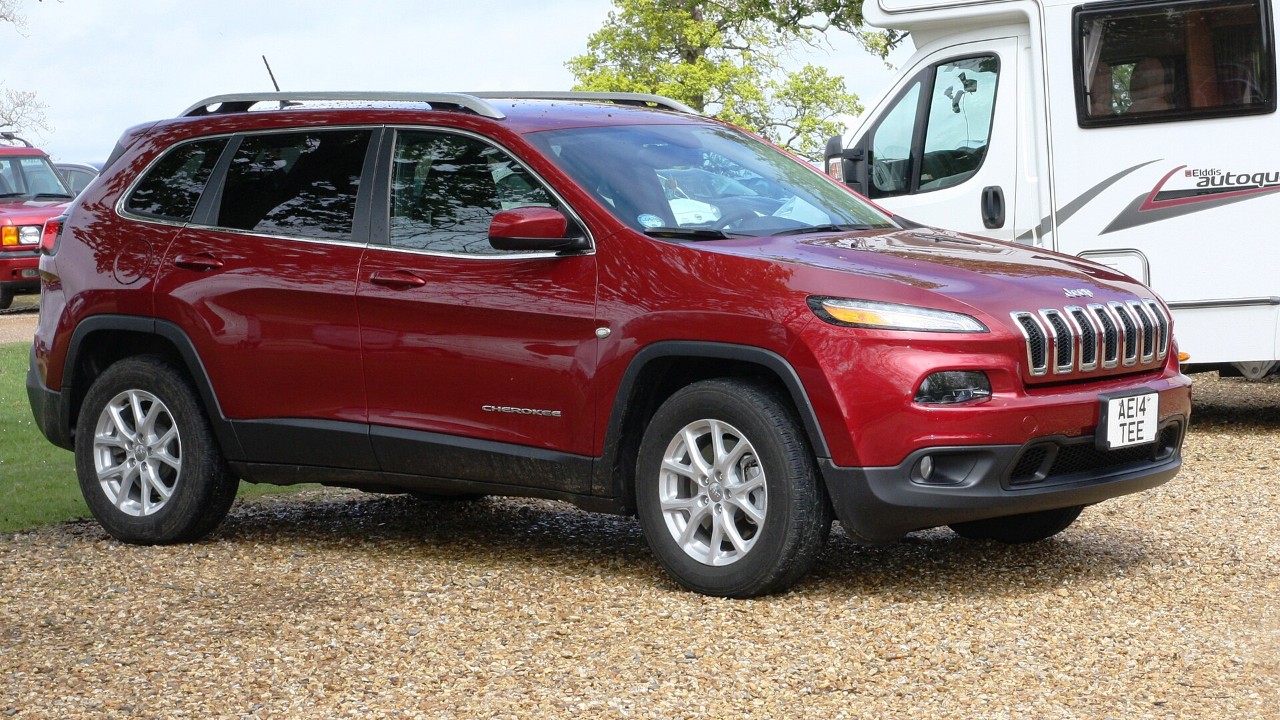
The KL revived the Cherokee name with polarizing styling and a lot of new technology. It was the first vehicle to use ZF’s nine-speed automatic. In fact, Jeep delayed the launch to allow more development time for that gearbox. Production also paused in late summer 2013 over a transmission software issue. Consumer availability then slipped further while Jeep sorted out quality concerns.
Those delays did not solve everything. Chrysler later released three software updates for the 2014 and 2015 transmission. CarComplaints gives the 2014 Cherokee its “Avoid Like The Plague” seal and counts 1,423 NHTSA drivetrain complaints. A transmission that died is the top problem, at an average of $3,500 near just 30,000 miles. In 2015, a recall of 1.4 million vehicles followed a remote-hacking demonstration on a 2014 Cherokee.
We have looked back at the Cherokees that earned their place in history, and this first-year KL is not one of them. Buyer advice: skip the 2014 model, and on any 2015 or later car, ask for proof that every transmission update and recall has been done.
7. 2015 Jeep Renegade Latitude

The Renegade was a Jeep built in Melfi, Italy, alongside the Fiat 500X. It made its public debut at the Geneva Motor Show in March 2014, and production started in late August. In the U.S., the Latitude was the mid-level trim between the Sport and the Limited, with a 4WD-only Trailhawk above them for off-road buyers. Buyers could choose a six-speed manual or a nine-speed automatic. It rode on FCA’s Small Wide 4×4 platform, shared with other Fiat models.
The first U.S. model year struggled. CarComplaints gives the 2015 Renegade its “This Might Hurt” seal. Engine complaints lead the NHTSA count with 178, and drivetrain complaints follow with 161. A check engine light is the worst-rated problem, at an average cost of $1,600 near 21,000 miles. Owners also report nine-speed automatic trouble, at around 14,000 miles on average. Four recalls cover that year.
Our take: the Renegade is charming, but the first batch felt like a beta test. For that reason, we would not pay a premium for its cute styling. Buyer advice: favor a manual car or a later model year, and check that all four recalls on a 2015 have been completed.
8. 1984 Jeep Cherokee XJ
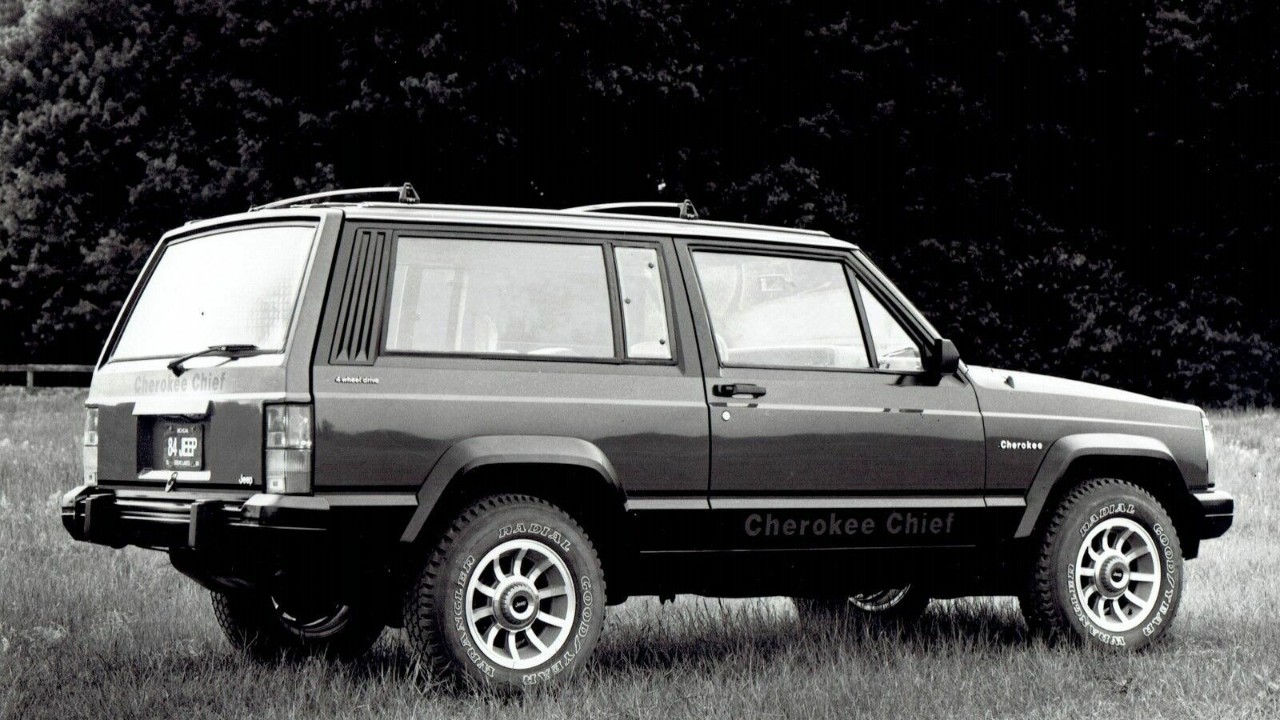
We have written about why the Jeep Cherokee transformed the modern SUV, and the XJ earned that reputation. Even so, the very first model year is a different story. The 1984 XJ weighed about 1,200 pounds less than the SJ it replaced. That was a big step forward, but the early engines held it back. A 2.1-liter Renault turbodiesel, rated at 85 horsepower, was another option in North America from 1985 to 1987.
Buyers had two gas choices at launch. The 2.5-liter AMC four made 105 horsepower. The optional 2.8-liter GM V6 made 110 horsepower in 1984. Critics were skeptical of those early, less powerful GM engines at the time. Then, for 1987, Jeep dropped the V6 for the 4.0-liter AMC inline-six, rated at 173 horsepower. In the end, that engine made the XJ famous.
In our view, a 1984 XJ is an important car but a frustrating one to own. You get the classic shape with much less of the power that later owners love. Buyer advice: unless you collect first-year cars, look for a 1987 or later Cherokee with the 4.0-liter six.
9. 2005 Jeep Grand Cherokee WK
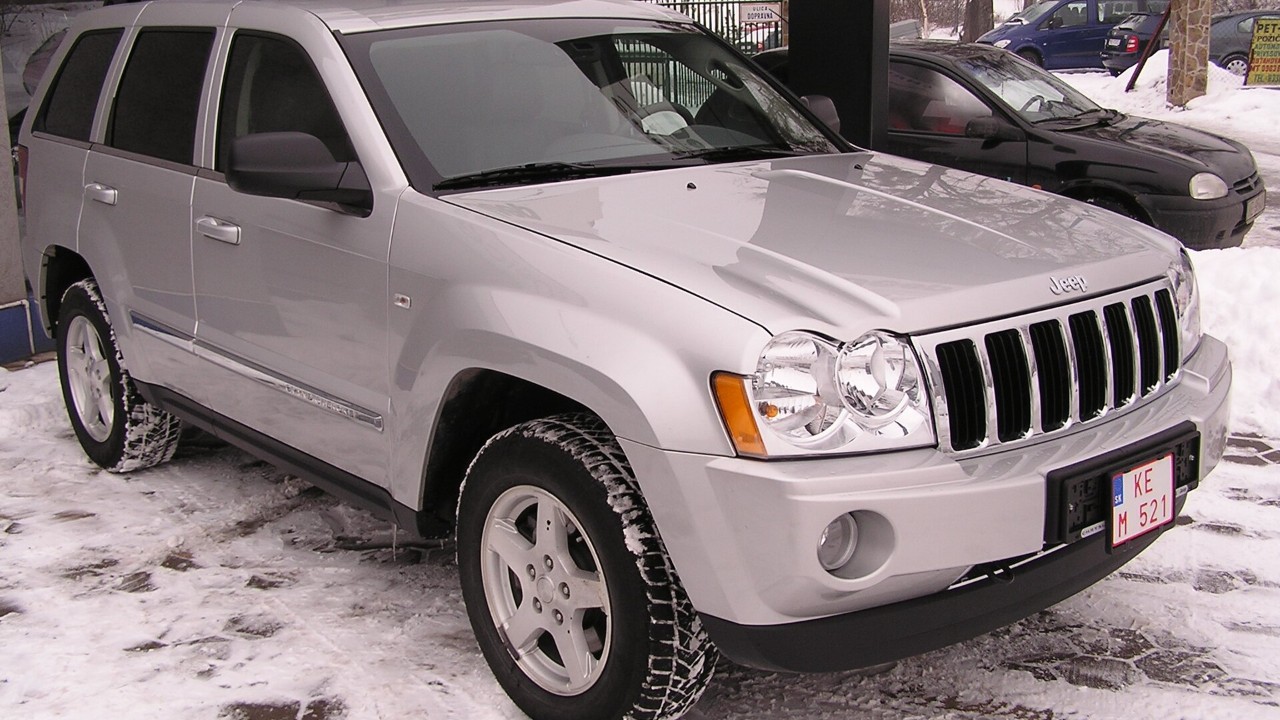
The WK Grand Cherokee was built from July 2004 to March 2010. It used independent front suspension and offered a wide choice of engines. These ranged from a 210-horsepower 3.7-liter V6 to a 330-horsepower 5.7-liter Hemi V8. It also carried Quadra-Drive II four-wheel drive, so it was serious off the pavement.
The electrics are another story. CarComplaints’ record for the 2005 Grand Cherokee lists 935 NHTSA complaints in the electrical category. The worst-rated problem there is reported sudden unintended acceleration, with an average cost of $12,000 near 88,000 miles. Engine stalling runs about $3,500, and an electrical fault in the computer costs around $1,600. Five recalls cover that model year.
Our take: the first-year WK is a capable SUV with too many electrical question marks. That is a shame, since the Hemi models are strong and the chassis is good. If you prefer older, simpler Jeeps, our list of vintage Jeeps to avoid shows the other side of the brand. Buyer advice: get a full diagnostic scan, confirm the recall work, and walk away from any car with warning lights.
More from Fast Lane Only