British roadsters have always taken a different approach to performance. Instead of relying on huge engines and excessive weight, many focused on light bodies, responsive steering, simple mechanicals, and an open-air driving experience. Some were temperamental, but the best examples remain genuinely entertaining decades later. These roadsters prove that driving enjoyment does not require enormous horsepower or modern technology.
MG MGA
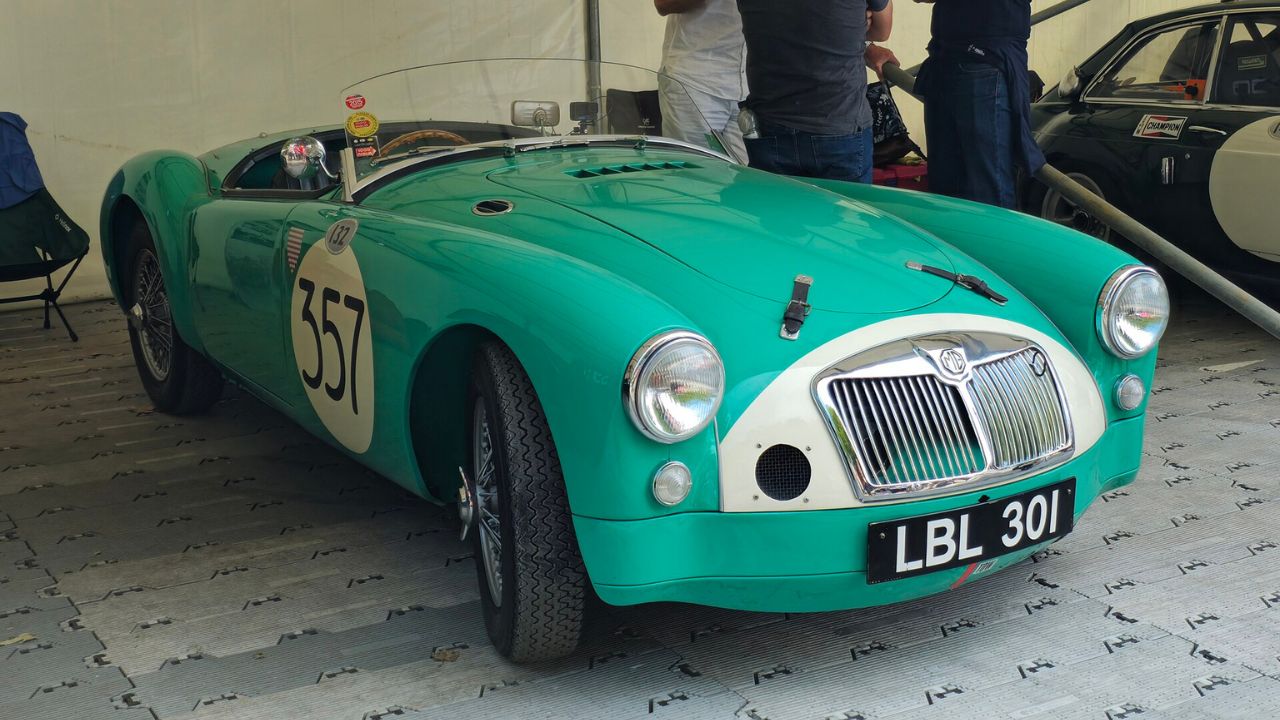
The MG MGA replaced the older T-series sports cars with a much sleeker shape and more modern driving character. Its low body, simple cockpit, and lightweight construction made it enjoyable on winding roads without needing a large engine. The MGA also helped establish the classic British roadster formula that many enthusiasts still love. Today, its clean proportions and uncomplicated mechanical layout make it one of the most recognizable and approachable British sports cars from its era.
Triumph TR3
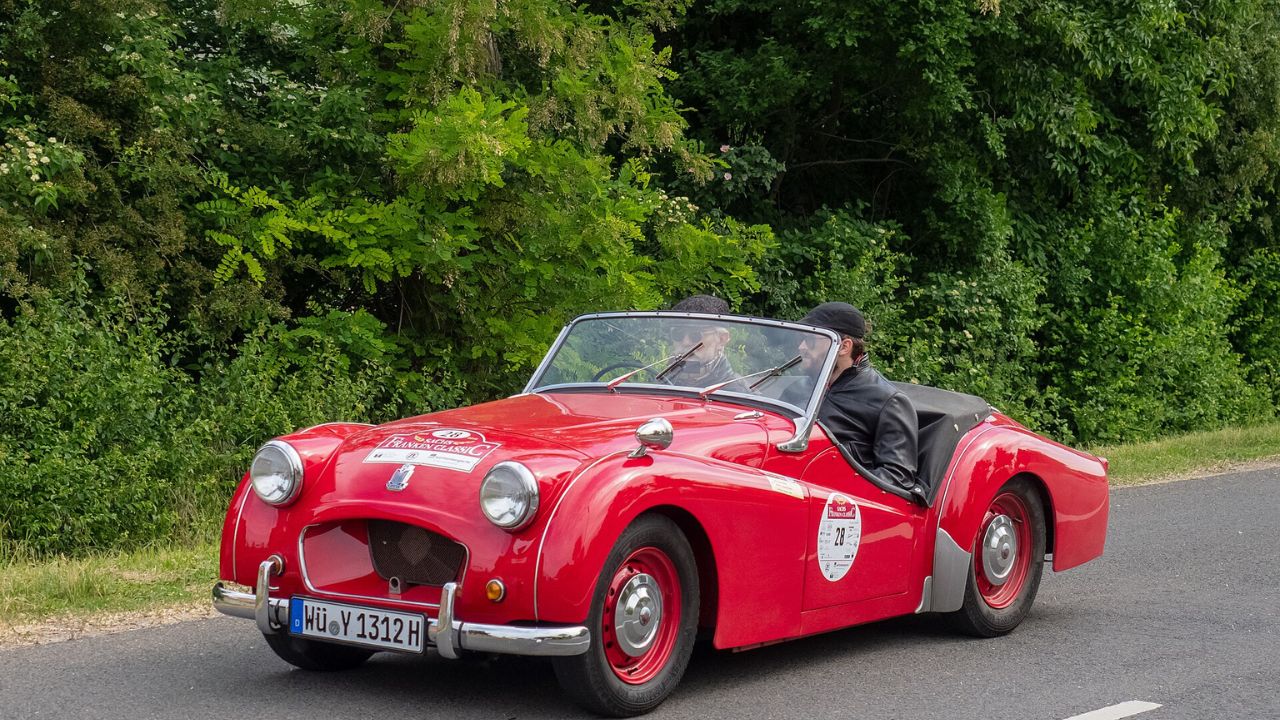
The Triumph TR3 delivered a direct and uncomplicated driving experience that still feels engaging today. Its lightweight body, rear-wheel drive, manual transmission, and responsive steering put the driver at the center of the experience. The open cockpit also made even ordinary roads feel more memorable. The TR3 was never about refinement or isolation, and that is exactly why enthusiasts continue to enjoy it. Every mechanical sound and steering input feels connected to what the car is doing.
Austin-Healey 3000
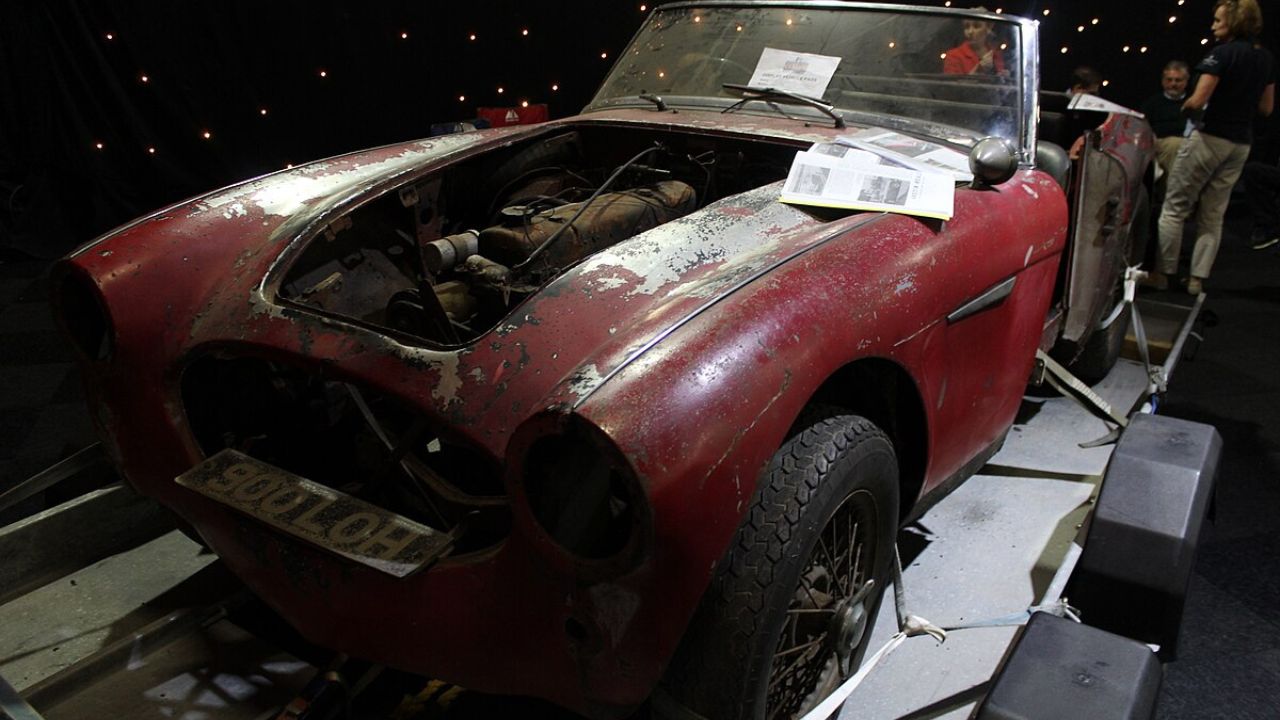
The Austin-Healey 3000 brought more engine muscle to the traditional British roadster formula. Its inline-six provided stronger performance than many smaller sports cars, while the rear-wheel-drive layout kept the experience engaging. The car also offered enough comfort to make longer trips realistic without losing its sporting character. Today, the 3000 remains one of the most recognizable British roadsters, combining classic styling with enough torque to make relaxed driving surprisingly entertaining.
Jaguar XK120
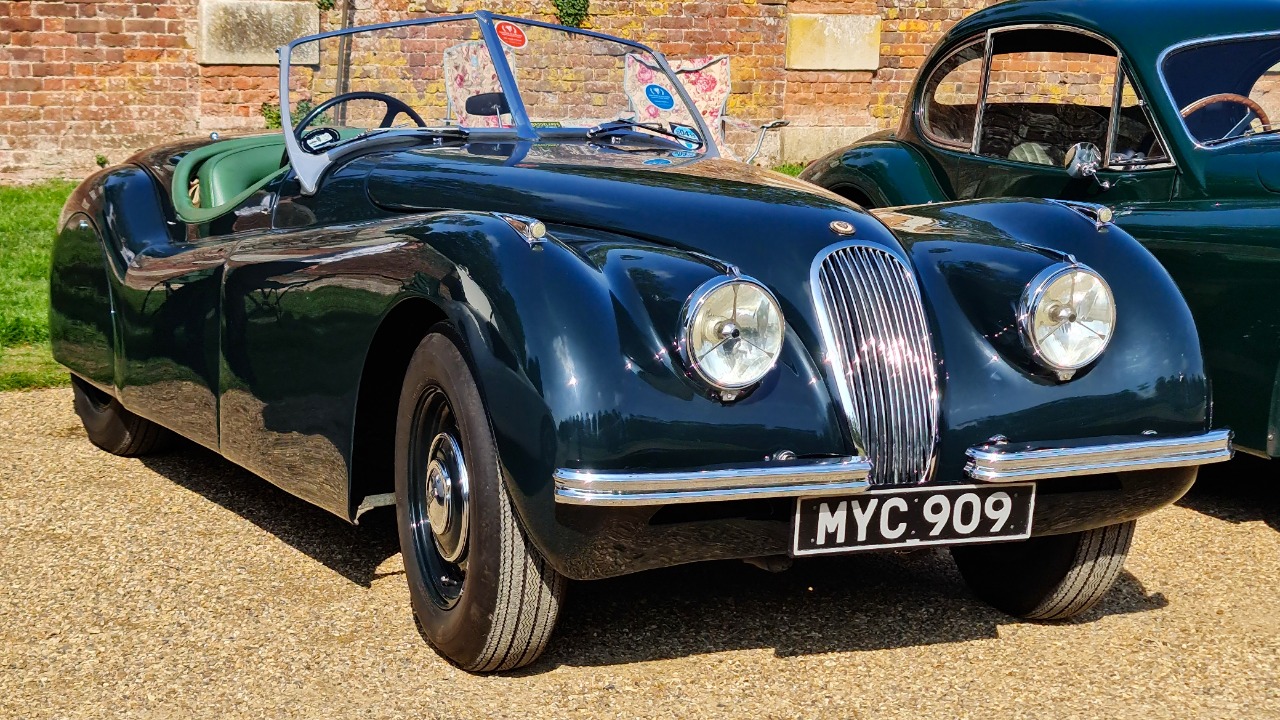
The Jaguar XK120 was a landmark British sports car that immediately established a reputation for speed and style. Its streamlined body looked exotic, while the powerful inline-six gave it performance that could rival much more expensive machinery. Despite its age, the XK120 still has an unmistakable presence on the road. Its combination of elegant proportions, rear-wheel drive, and strong performance helped establish Jaguar as a serious sports-car manufacturer on both sides of the Atlantic.
Triumph TR4
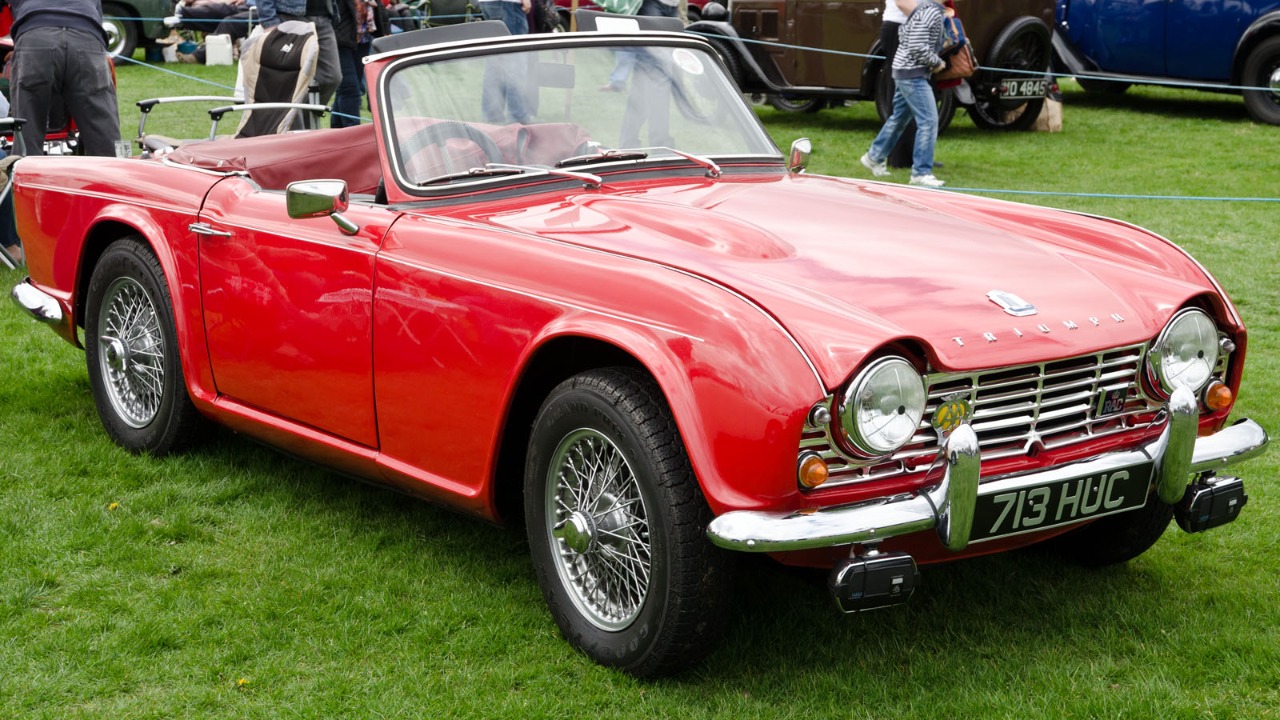
The Triumph TR4 modernized the traditional roadster without abandoning its essential character. It offered sharper styling, a more comfortable cabin, and improved usability compared with earlier Triumph models. Its four-cylinder engine was not enormous, but the lightweight body kept the driving experience lively. The TR4 also retained the simple rear-wheel-drive formula enthusiasts expected. Today, it remains a popular classic because it balances vintage British character with enough refinement to make enjoyable road trips possible.
MG MGB
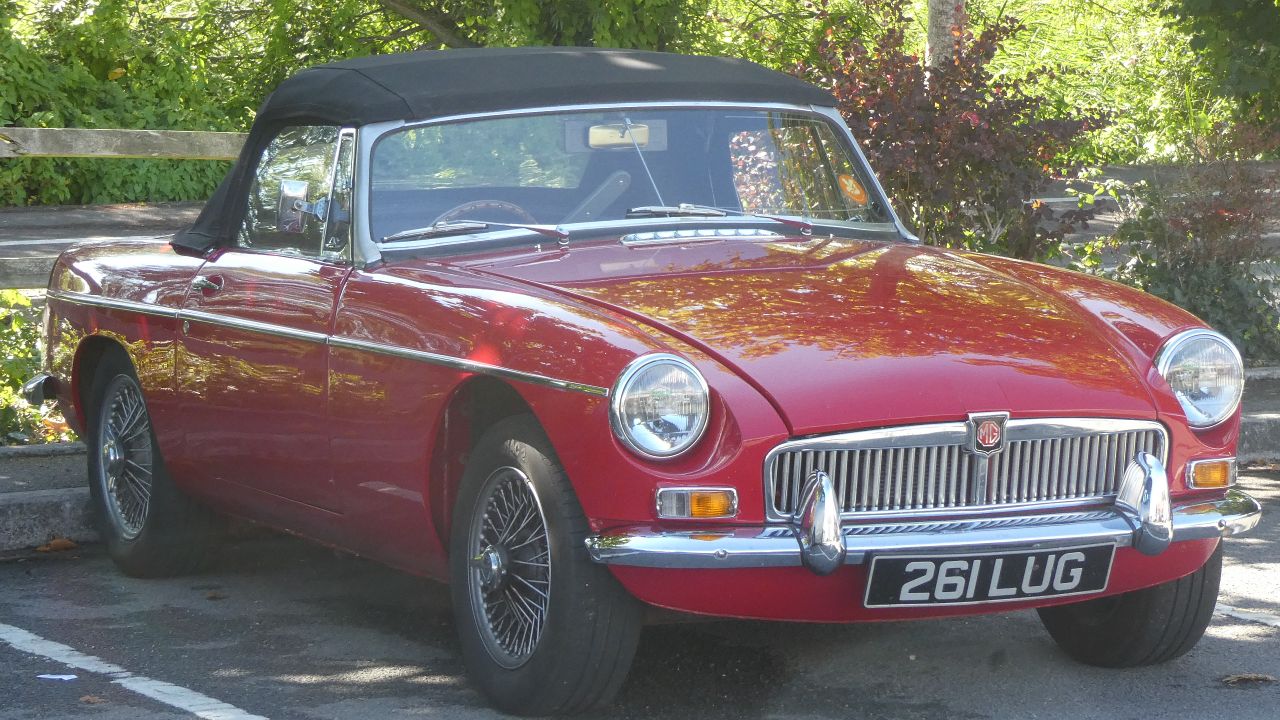
The MGB became one of Britain’s most successful sports cars because it combined accessible pricing with genuine driving enjoyment. Its compact dimensions, rear-wheel drive, and simple mechanical layout made it approachable for enthusiasts who wanted an affordable roadster. The cockpit is basic by modern standards, but that simplicity is part of the appeal. The MGB remains one of the easiest British sports cars to recognize, and its popularity ensures that enthusiasts continue finding ways to keep these roadsters on the road.
Triumph Spitfire
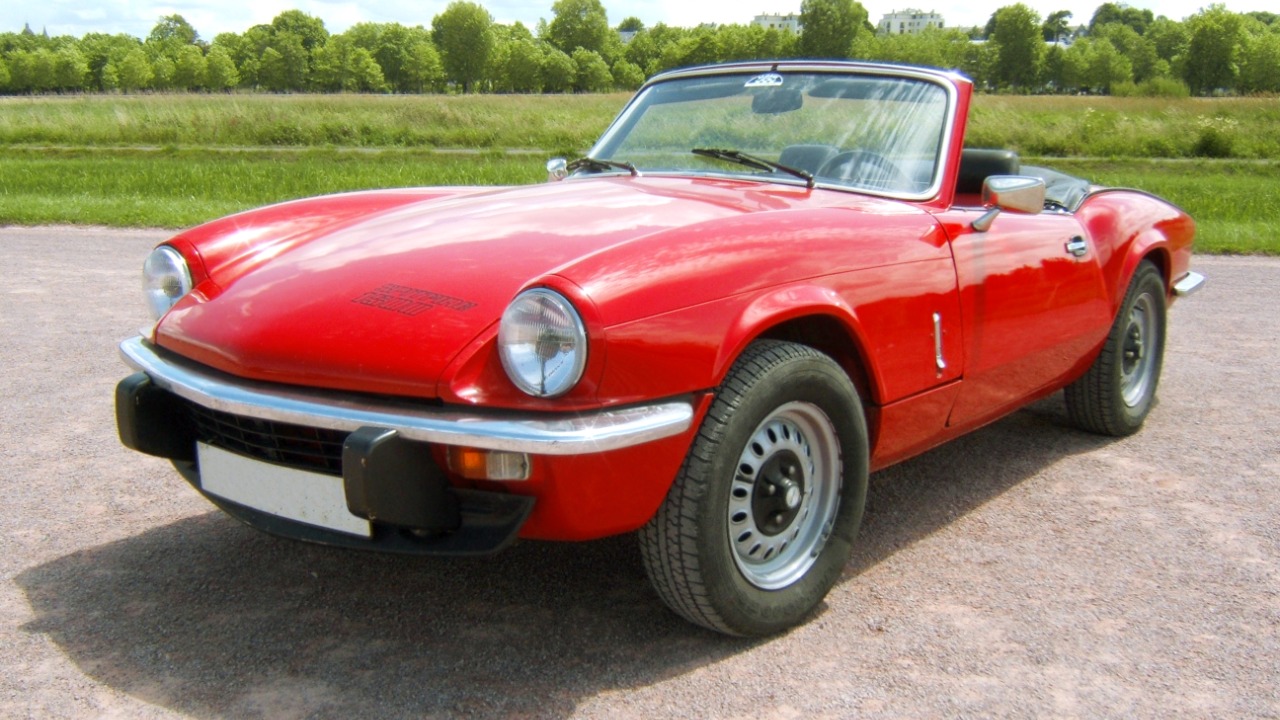
The Triumph Spitfire showed how much fun could come from a small and lightweight package. Its compact body and modest engine kept performance approachable, while the low seating position made the car feel more exciting than its specifications might suggest. The simple mechanical layout also helped make it an accessible classic for enthusiasts. It was never about brute force. The Spitfire’s appeal comes from its direct steering, open cockpit, and ability to make ordinary back roads feel like an event.
Lotus Elan
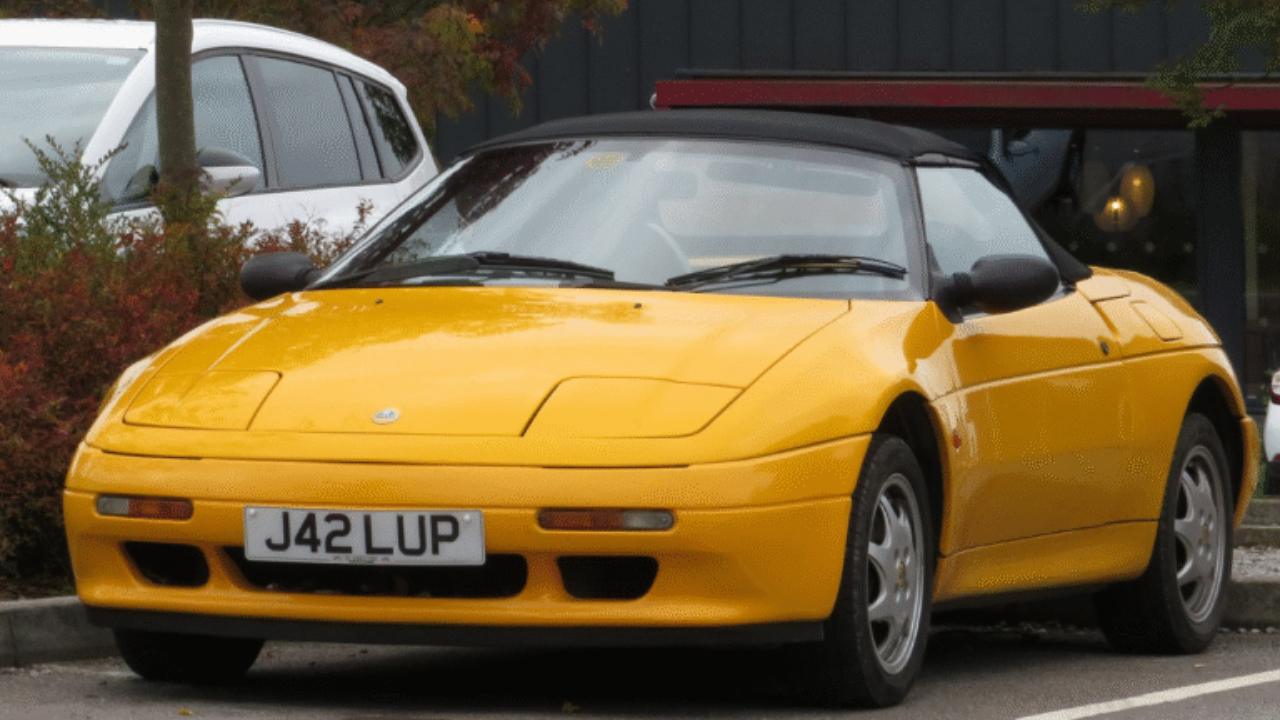
The Lotus Elan became famous for following Colin Chapman’s philosophy of keeping weight down rather than simply adding power. Its lightweight construction, independent suspension, and responsive handling made it exceptionally engaging on winding roads. The Elan did not need a massive engine to deliver speed because its low weight allowed it to change direction quickly. Even today, its basic approach remains influential. For enthusiasts who value steering feel and cornering ability above outright horsepower, the Elan is difficult to ignore.
Sunbeam Alpine
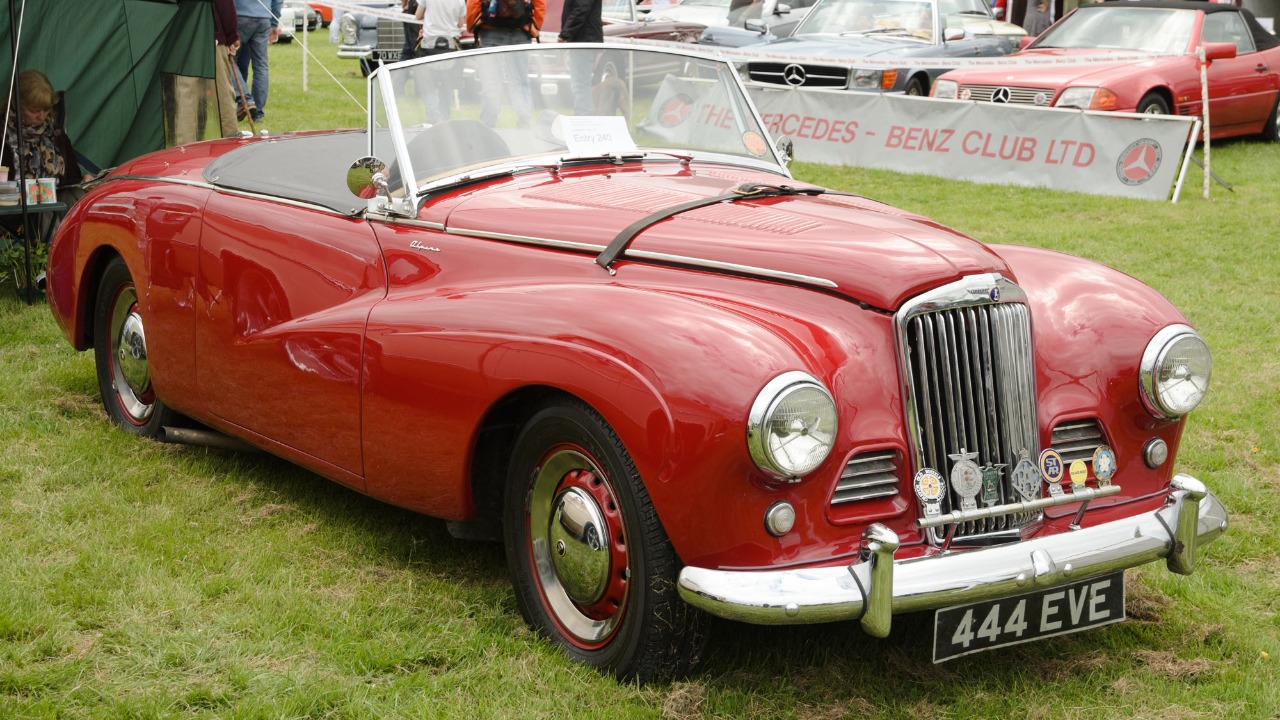
The Sunbeam Alpine offered a more practical interpretation of the British sports-car formula. It combined open-top styling with a relatively comfortable cabin and manageable road manners, making it suitable for relaxed touring as well as spirited driving. Later versions received more powerful engines, giving the car additional performance. The Alpine may not receive as much attention as the MG and Triumph alternatives, but its balance of usability and classic roadster character makes it an appealing choice for enthusiasts.
Sunbeam Tiger
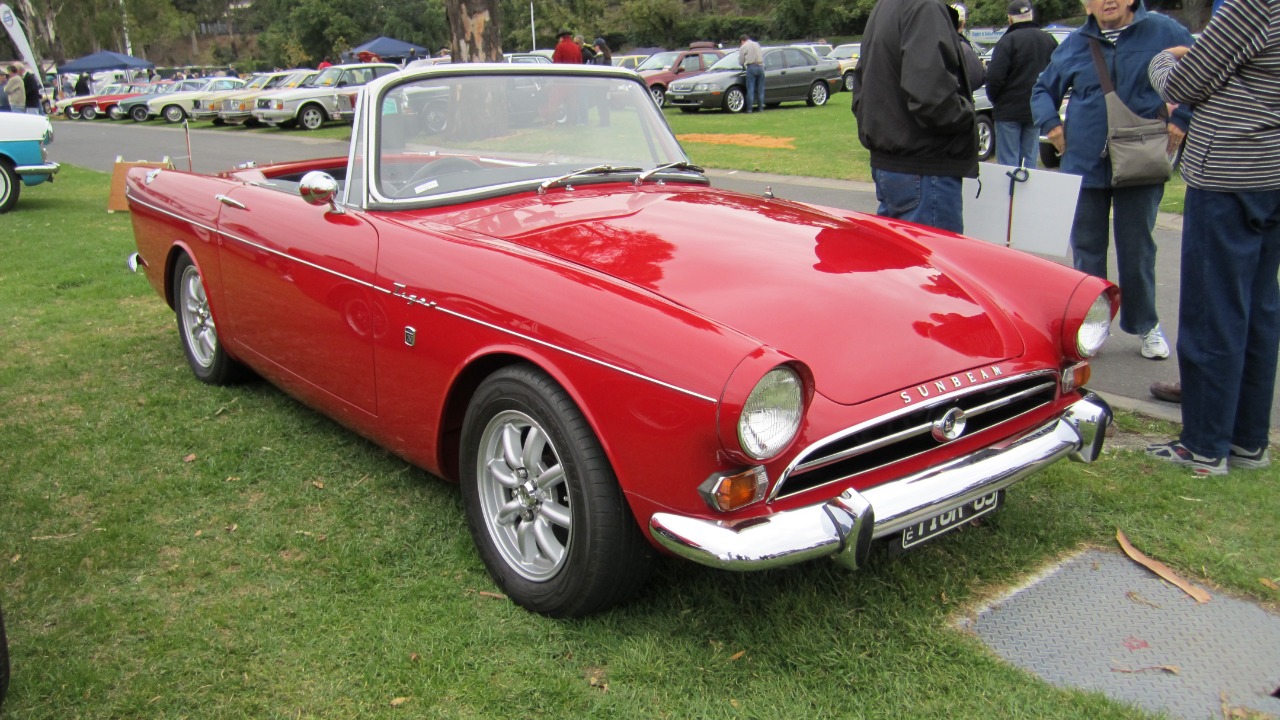
The Sunbeam Tiger took the Alpine formula and added a Ford V8, creating a surprisingly quick roadster in a compact package. The small body and substantial engine gave it a distinctive personality that separated it from most British sports cars of the period. The V8 added straight-line performance without eliminating the lightweight roadster experience. Today, the Tiger is particularly appealing to enthusiasts who enjoy the combination of British styling and American mechanical muscle.
Morgan Plus 4
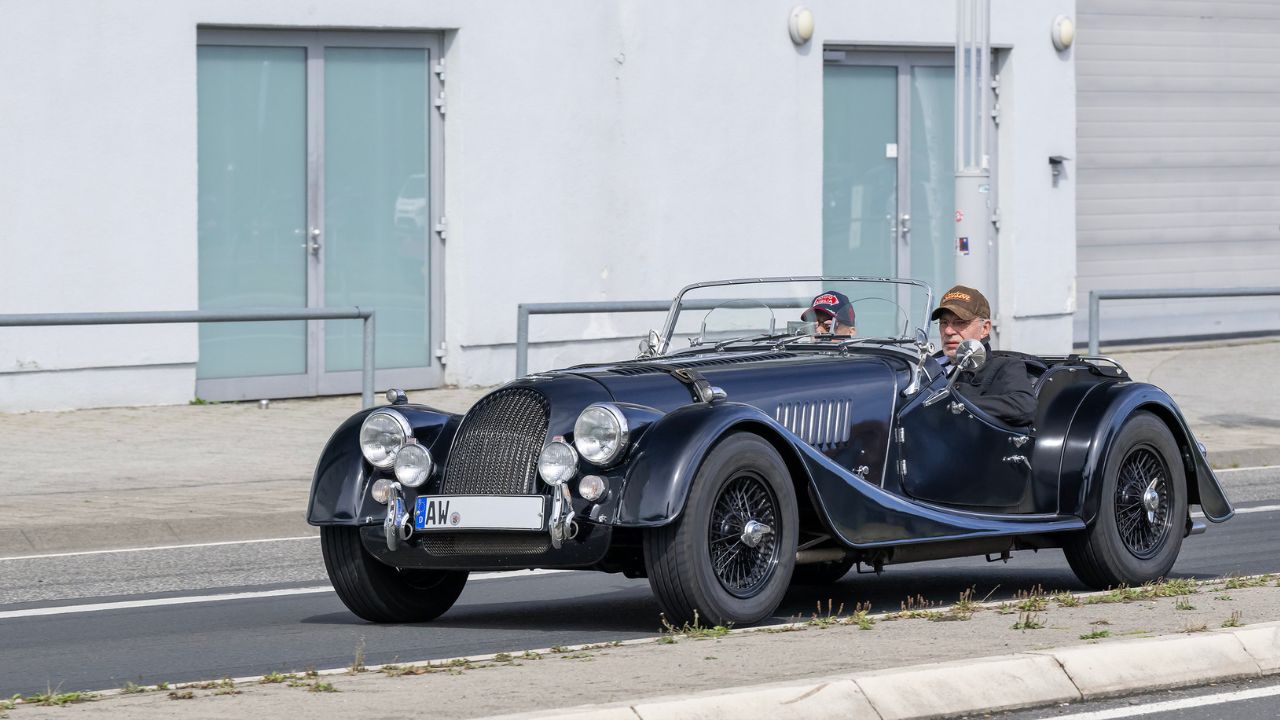
The Morgan Plus 4 retained an unusually traditional approach to sports-car construction long after many rivals had moved toward more modern designs. Its lightweight body, rear-wheel-drive layout, and simple cockpit create an experience that feels completely different from a modern sports car. The car rewards smooth inputs rather than brute force. That old-fashioned character is exactly why enthusiasts continue to value it. Driving a Plus 4 is less about chasing numbers and more about feeling connected to the road.
Morgan Plus 8
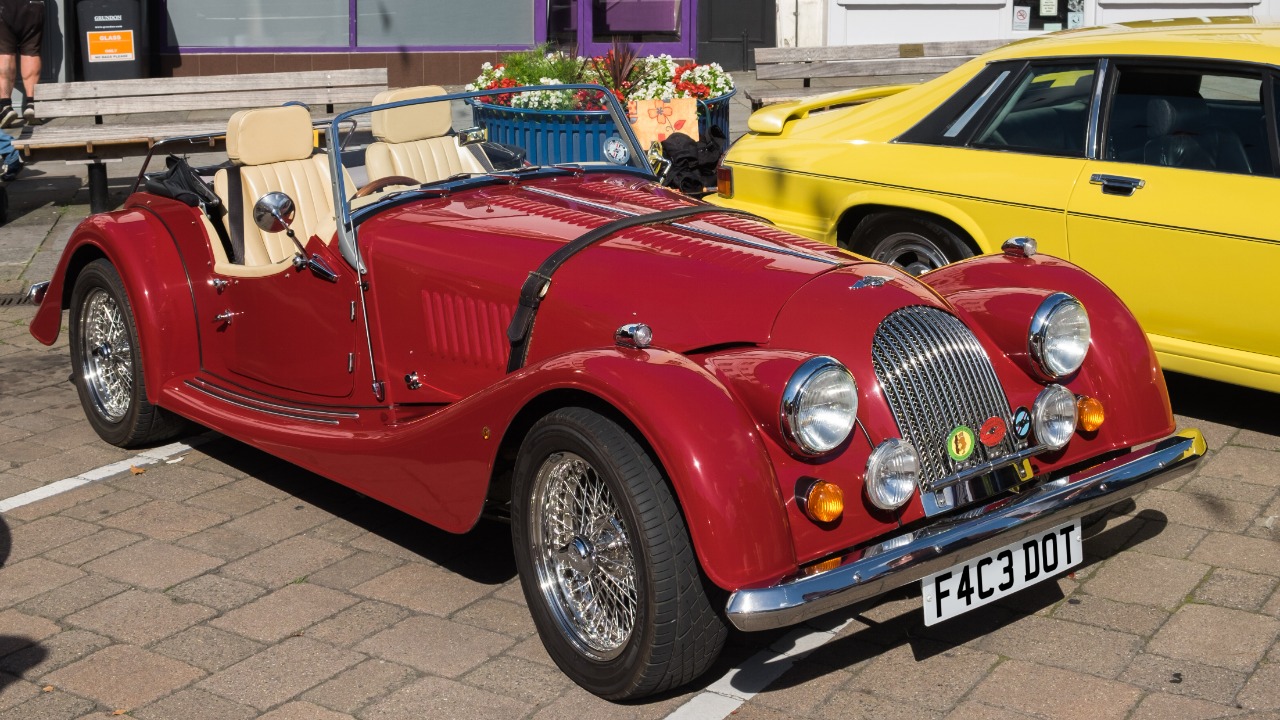
The Morgan Plus 8 added substantial V8 power to the company’s traditional lightweight roadster formula. The result was a car with an old-fashioned appearance but considerably stronger acceleration than its styling suggested. Its relatively low weight allowed the engine to make a noticeable impact without requiring a massive vehicle. The Plus 8 became one of Morgan’s best-known performance models and remains an appealing choice for drivers who want classic British character combined with genuine straight-line pace.
AC Ace
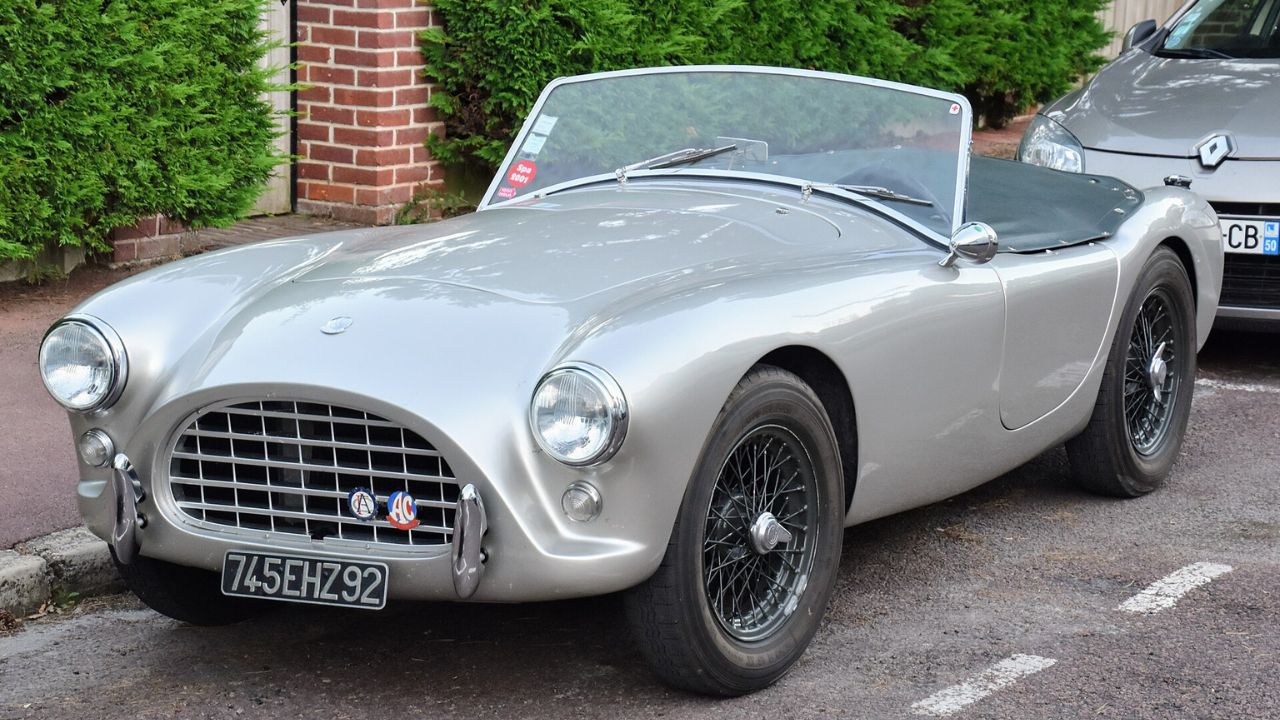
The AC Ace was a lightweight British roadster whose simple design became far more important to automotive history than its modest production numbers suggested. Its graceful body, compact dimensions, and rear-wheel-drive layout provided the basis for an engaging driving experience. The Ace is also closely associated with the development of the Cobra, adding considerable significance to its story. Today, surviving examples are highly regarded because they combine elegant British styling with a genuinely sporting foundation.
Daimler SP250
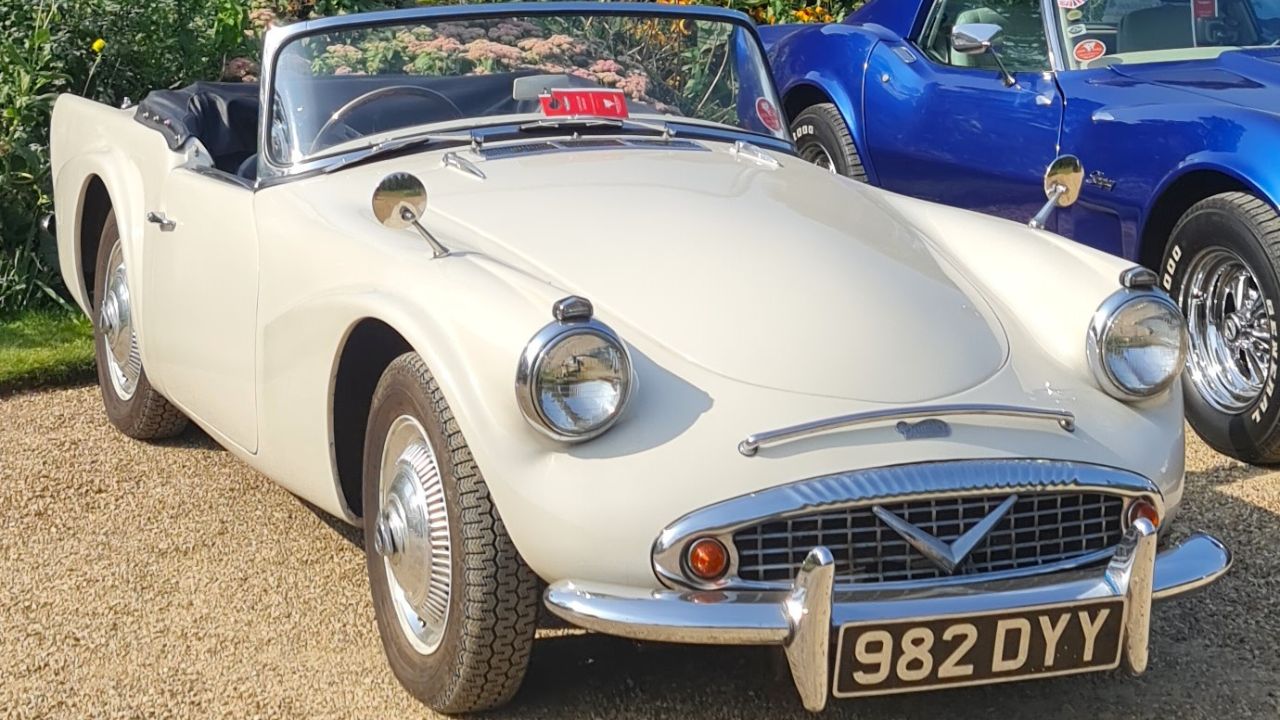
The Daimler SP250 was an unusual British sports car with a distinctive fiberglass body and a compact V8 engine. Its styling was unconventional, but the lightweight construction and rear-wheel-drive layout gave it an entertaining character. The V8 also provided more performance than its small dimensions might suggest. It never became as famous as the MG or Triumph roadsters, which is part of what makes it appealing today. Enthusiasts who know British sports cars often appreciate its unusual engineering.
Jaguar E-Type Roadster
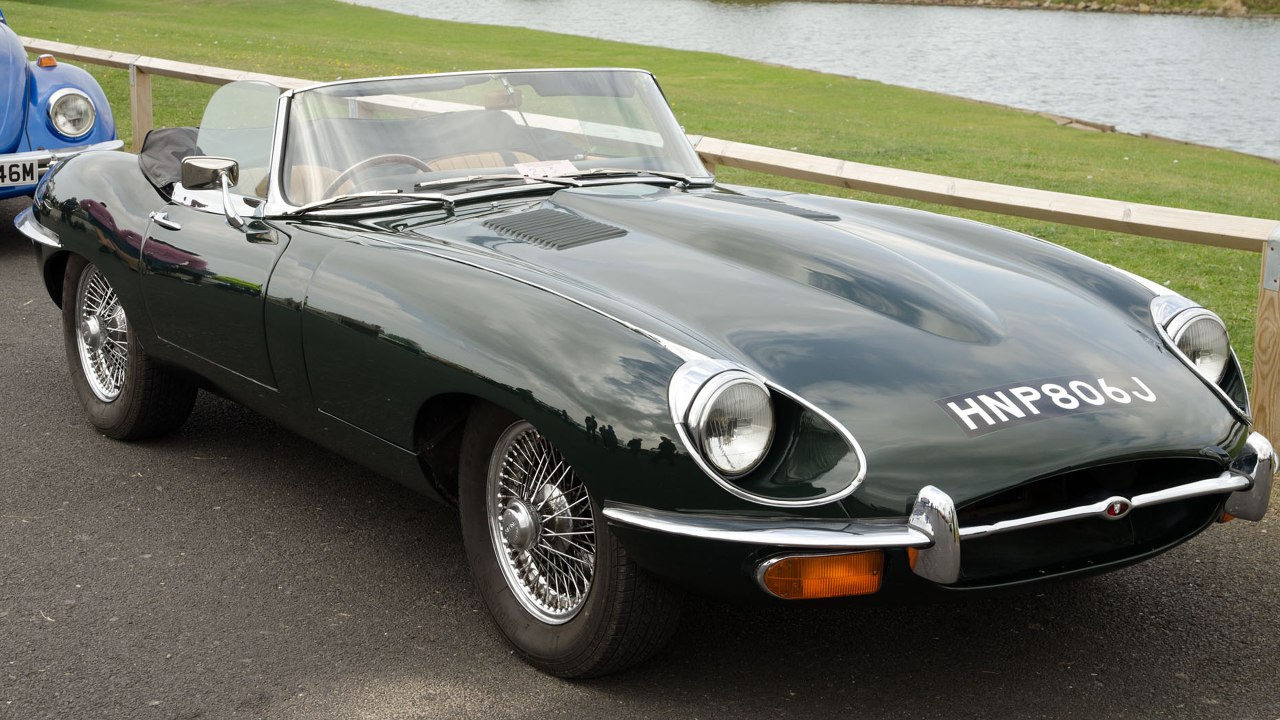
The Jaguar E-Type Roadster remains one of the most celebrated British sports cars ever built. Its long hood, low body, and flowing proportions created a design that still looks dramatic today. The car was more than a styling exercise, however, with strong engines, independent suspension, and a capable chassis. The open-top version adds another layer to the experience, making the E-Type especially appealing on scenic roads. It remains a defining example of British performance and design.
Austin-Healey Sprite
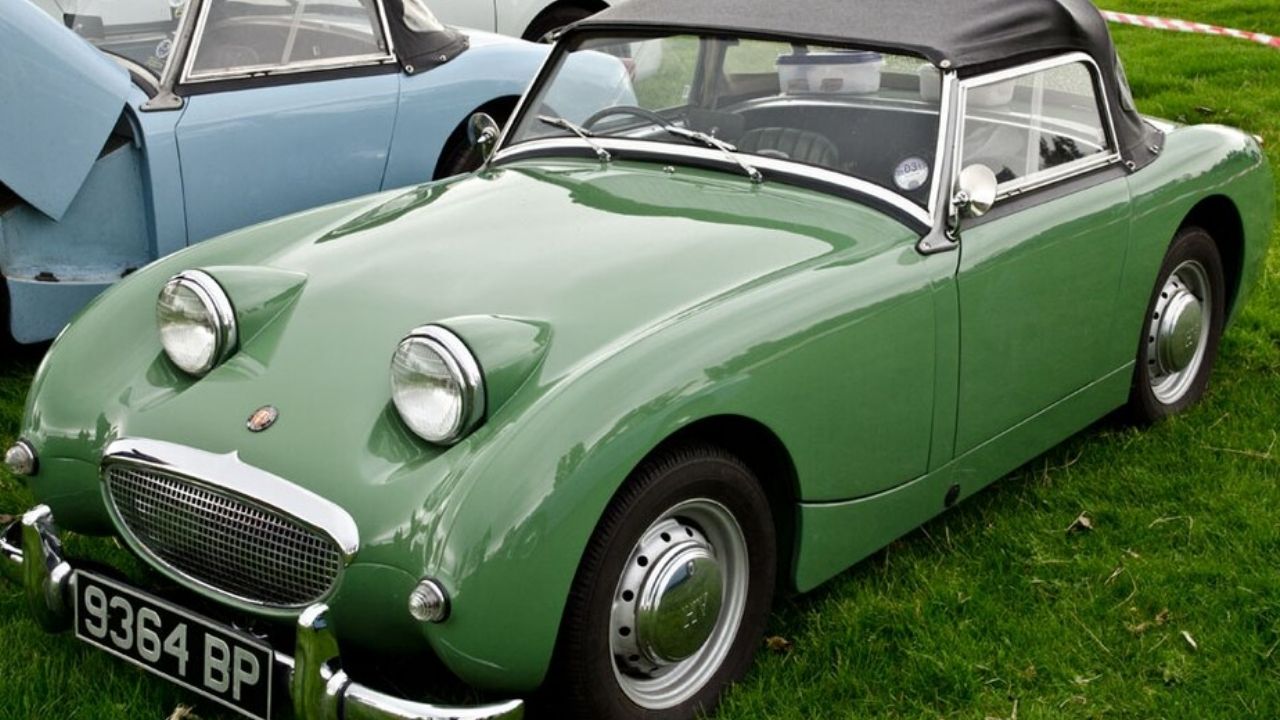
The Austin-Healey Sprite took the lightweight roadster idea to an affordable extreme. Its tiny dimensions, low weight, and simple mechanicals made it more about agility than outright speed. The early cars became especially recognizable because of their distinctive front-end design. Despite its modest performance, the Sprite could deliver genuine fun on narrow roads where larger sports cars could feel cumbersome. Its cheerful character and simple engineering continue to attract enthusiasts who value driving enjoyment over horsepower.
Triumph TR6
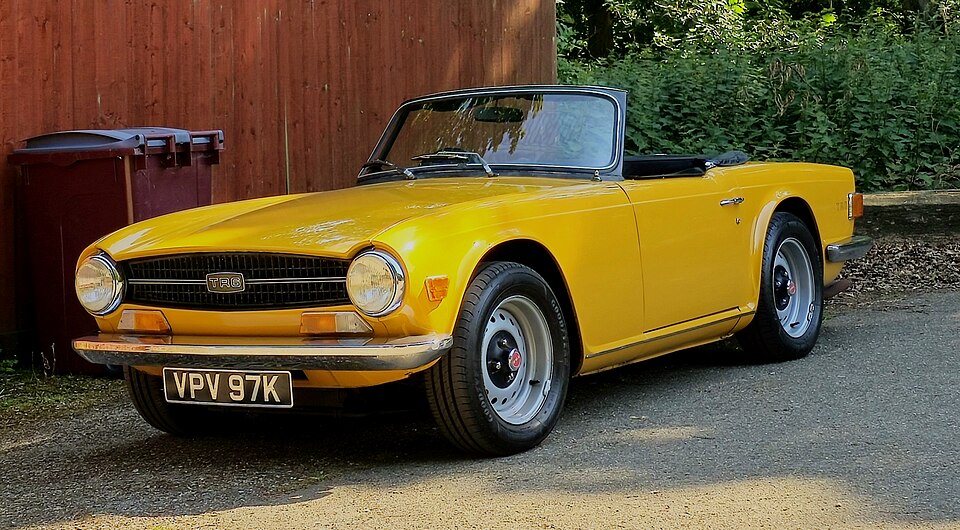
The Triumph TR6 combined traditional British roadster styling with a larger six-cylinder engine and a more substantial road presence. Its rear-wheel-drive layout and manual transmission made it engaging, while the engine provided useful torque for highway driving and quick acceleration. The TR6 also retained the mechanical character enthusiasts expect from a classic Triumph. It can be demanding compared with modern cars, but that involvement is part of the attraction for drivers who want a more hands-on experience.
MG TD

The MG TD helped define the postwar British sports-car experience for generations of enthusiasts. Its separate chassis, narrow body, open cockpit, and simple mechanical design created a driving experience that felt very different from an ordinary sedan. Performance was modest, but the low seating position and lightweight character made even moderate speeds enjoyable. The TD also became influential in the American sports-car scene, where many returning servicemen discovered the appeal of small British roadsters.
Triumph TR2
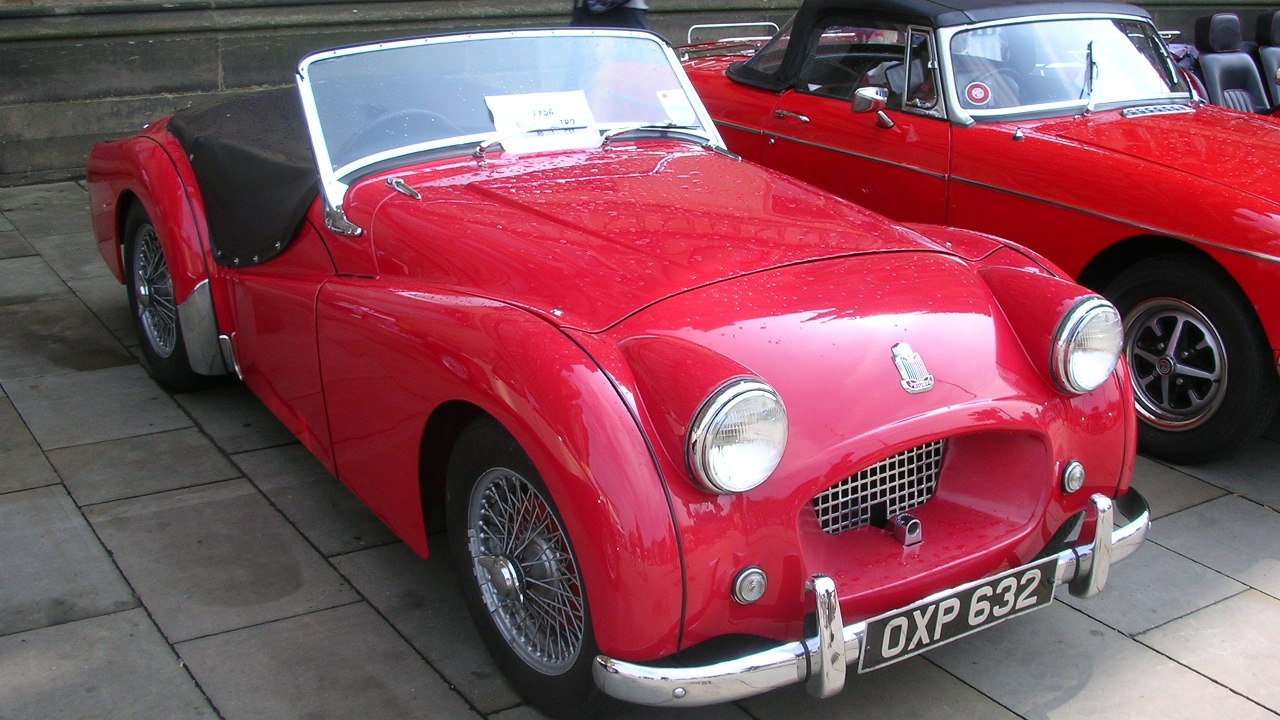
The Triumph TR2 was one of the company’s early postwar sports cars and helped establish the formula that later TR models refined. It combined a lightweight body with rear-wheel drive and a lively four-cylinder engine, creating an affordable performance car with genuine character. Its relatively simple design also makes the TR2 appealing to classic-car enthusiasts who enjoy mechanical involvement. It remains a memorable example of how British manufacturers could create a satisfying sports car without enormous resources or power.
Morgan 4/4
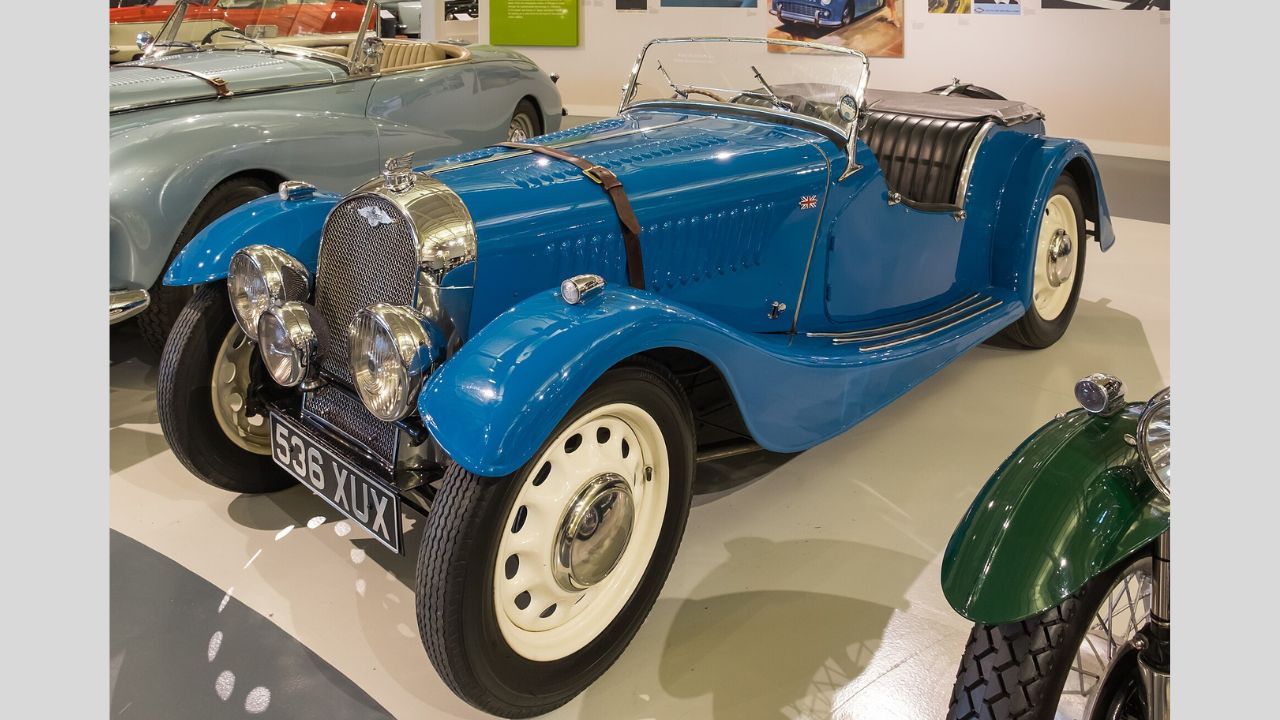
The Morgan 4/4 has one of the longest-running stories in British sports-car history, retaining the company’s lightweight and traditional philosophy across generations. Its compact body and modest weight allow relatively small engines to provide an engaging driving experience. The narrow proportions and open cockpit make it especially enjoyable on winding roads. Unlike many modern sports cars, the 4/4 does not isolate the driver from the mechanical experience. Its charm comes from keeping the roadster formula simple and focused.
More from Fast Lane Only
- Unboxing the WWII Jeep in a Crate
- 15 rare Chevys collectors are quietly buying
- 10 underrated V8s still worth hunting down
- Police notice this before you even roll window down
*Research for this article included AI assistance, with all final content reviewed by human editors.