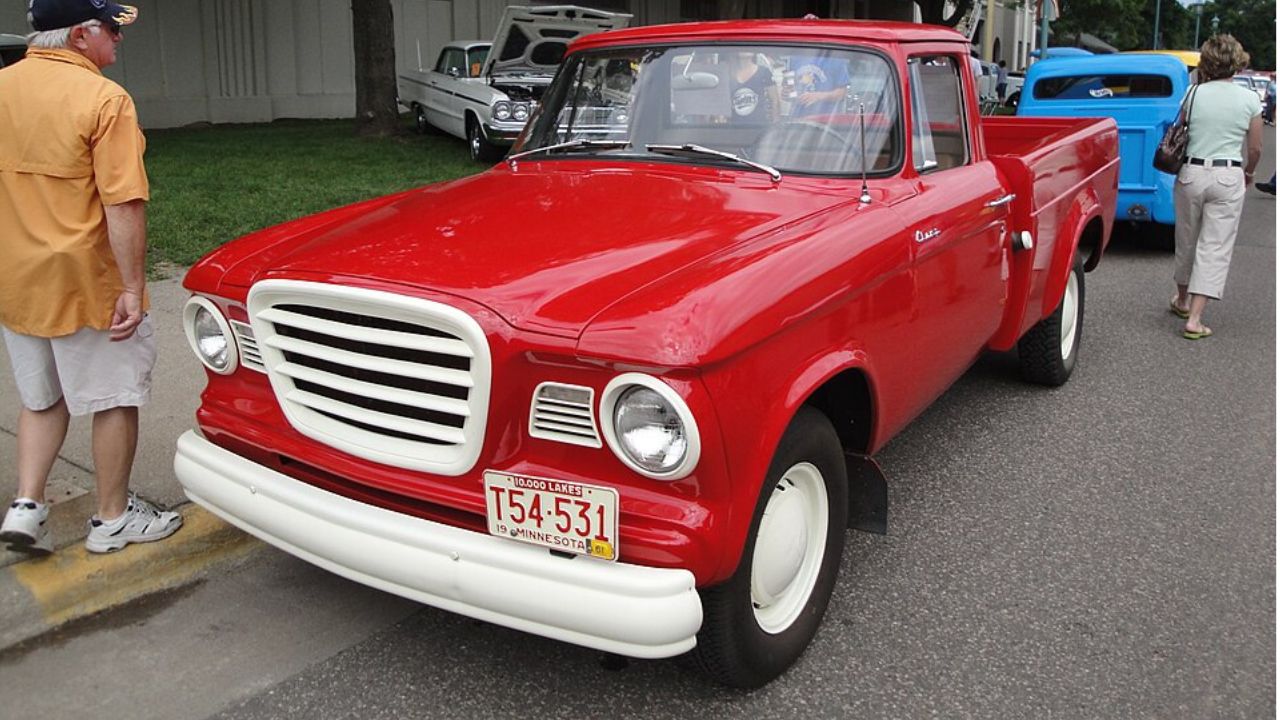
Studebaker may have disappeared from the new-car market decades ago, but many of its vehicles earned reputations for sturdy construction and straightforward mechanical design. From practical family cars to hardworking trucks, the company built machines capable of handling years of demanding use. These ten Studebakers show why the brand still has a loyal following among enthusiasts who appreciate durability.
Studebaker Lark
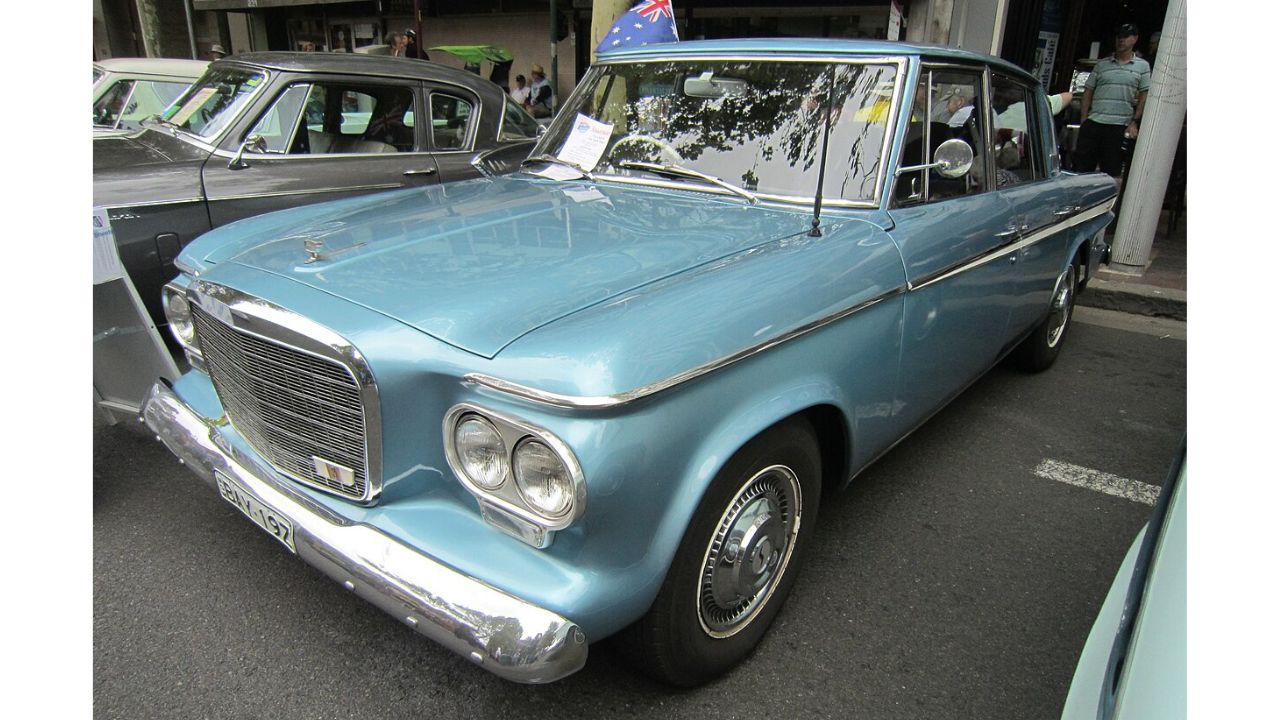
The Studebaker Lark was a compact car that helped the company compete against America’s increasingly popular smaller vehicles. Its relatively simple construction made it practical to maintain, while several durable six-cylinder and V8 engines provided dependable everyday transportation. The Lark’s modest dimensions also reduced the mechanical demands placed on its components. Surviving examples demonstrate how a simple Studebaker could remain useful long after its original production run.
Studebaker Wagonaire

The Studebaker Wagonaire brought an unusual sliding-roof cargo opening to the station-wagon market. Beneath its distinctive design was a conventional Studebaker chassis and drivetrain that could handle family and utility duties. Its practical layout made it useful for hauling large objects, while its mechanical simplicity helped keep maintenance manageable. Today, the Wagonaire’s rarity and unusual construction make surviving examples particularly interesting to collectors.
Studebaker Flight Hawk
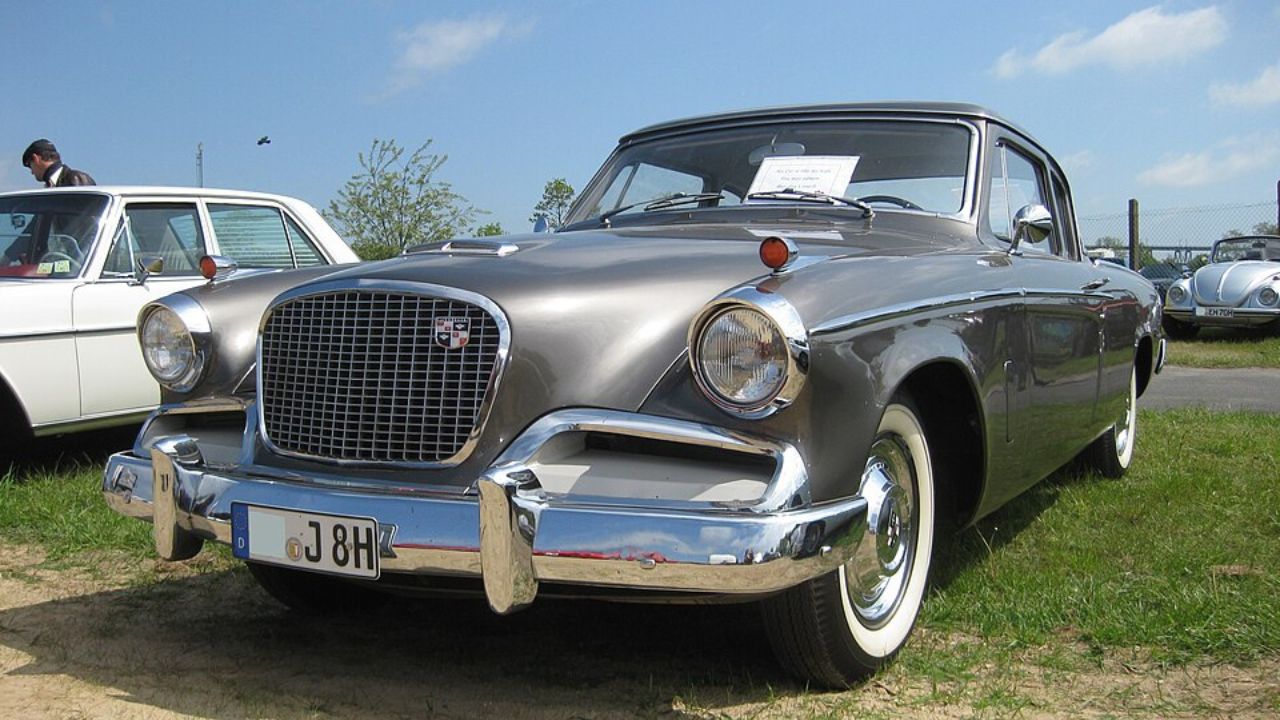
The Studebaker Flight Hawk combined sporty styling with relatively straightforward mechanical engineering. Its compact body and available six-cylinder engine made it lighter and simpler than many larger American performance cars of the period. The design emphasized usable performance without excessive complexity. Although relatively few survive today, well-maintained Flight Hawks demonstrate how Studebaker could create an engaging car without sacrificing everyday practicality.
Studebaker Power Hawk
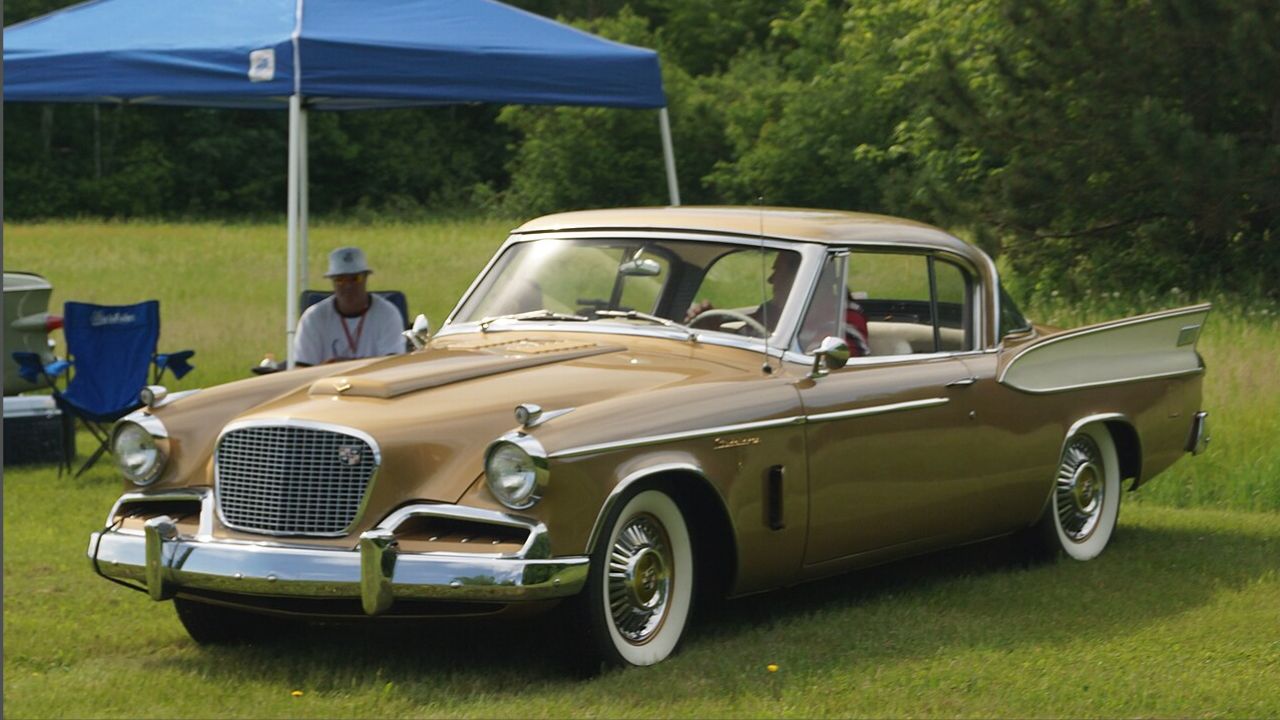
The Studebaker Power Hawk offered buyers a sportier version of the company’s compact Hawk lineup while retaining familiar Studebaker mechanical components. Its V8 provided useful performance, but the car remained relatively uncomplicated compared with later performance machines. That straightforward approach can be an advantage for long-term ownership. Surviving Power Hawks are now uncommon, making their combination of durability and distinctive styling especially appealing.
Studebaker Gran Turismo Hawk

The Studebaker Gran Turismo Hawk represented one of the final evolutions of the company’s long-running Hawk sports-car family. Its styling was updated for the 1960s, but much of its mechanical foundation remained conventional and serviceable. The car’s relatively simple drivetrain makes it easier to understand than many later performance vehicles. Despite Studebaker’s declining fortunes, the Gran Turismo Hawk remained a remarkably capable grand tourer.
Studebaker Cruiser
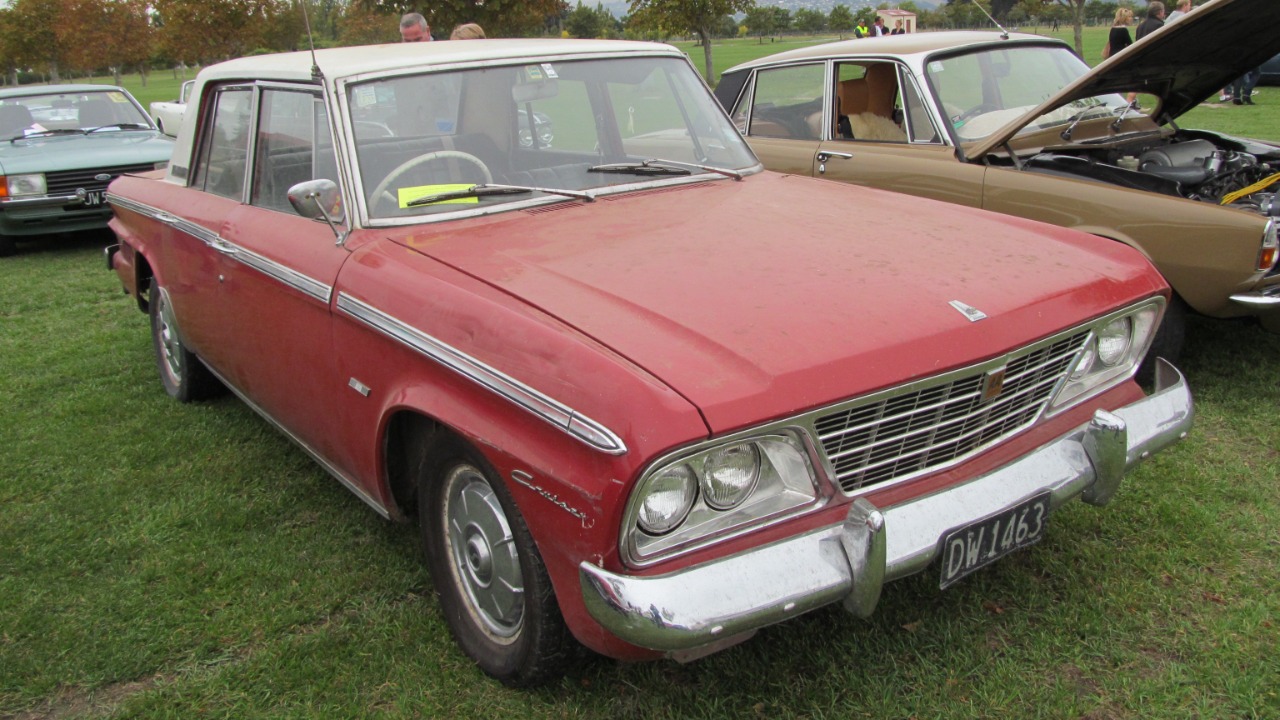
The Studebaker Cruiser was designed as a comfortable full-size sedan while retaining the company’s emphasis on practical engineering. Its spacious cabin and conventional drivetrain made it suitable for long-distance family transportation. Studebaker offered dependable six-cylinder and V8 powerplants throughout the model’s history. Many surviving Cruisers have proven that the company’s understated engineering could withstand years of regular driving.
Studebaker Conestoga
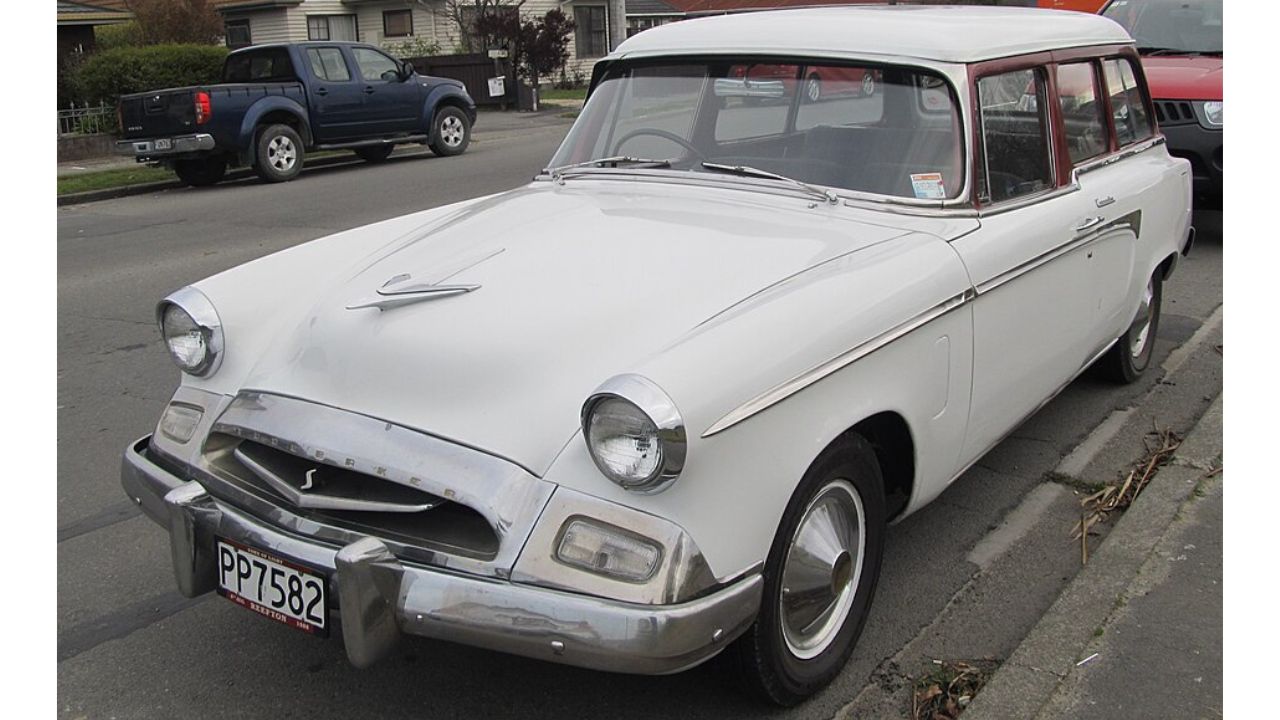
The Studebaker Conestoga was a practical postwar station wagon designed around utility and family transportation. Its wagon body provided useful cargo capacity, while the underlying mechanical design remained relatively straightforward. Studebaker’s emphasis on durable components made the Conestoga well suited to everyday service. Today, surviving examples are scarce, but restored cars reveal a surprisingly rugged side of Studebaker’s postwar lineup.
Studebaker Champ
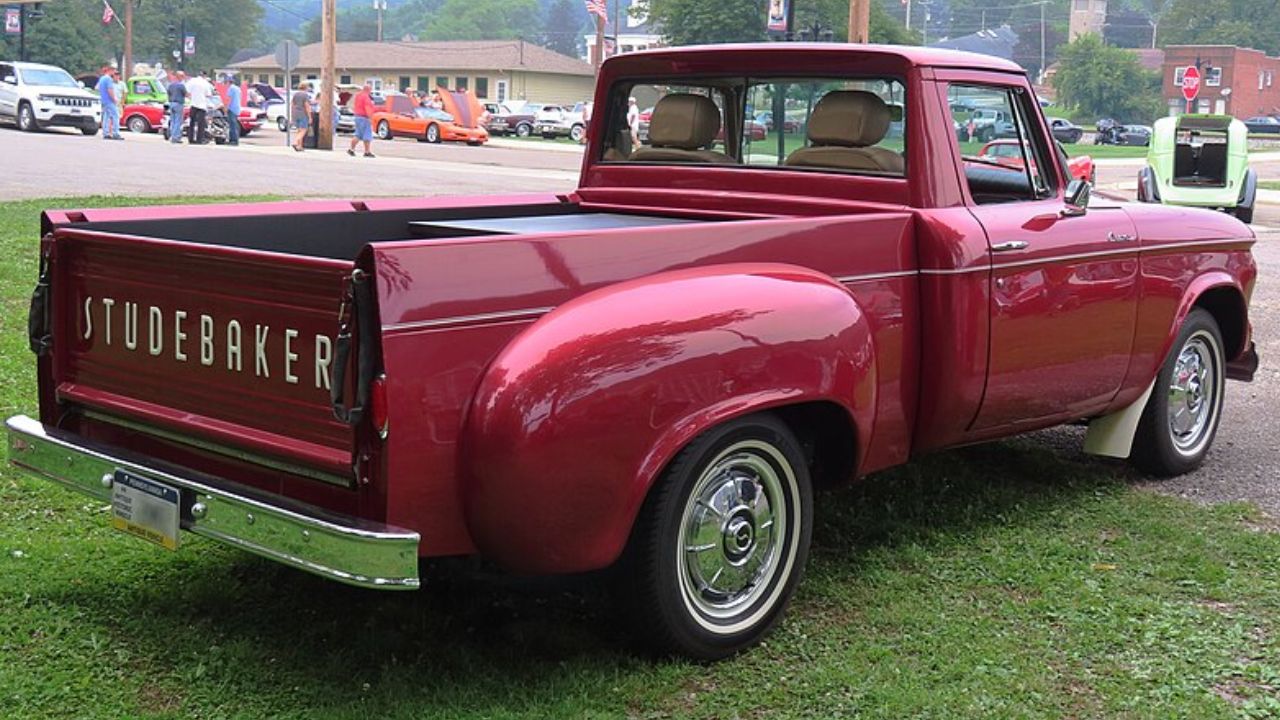
The Studebaker Champ was a pickup truck designed to bring passenger-car comfort into a practical work vehicle. Its conventional chassis and available six-cylinder and V8 engines provided a useful combination of durability and capability. The Champ also benefited from Studebaker’s experience building commercial vehicles. Surviving examples remain attractive to collectors because they combine genuine utility with the distinctive styling of a company that eventually disappeared.
Studebaker Transtar
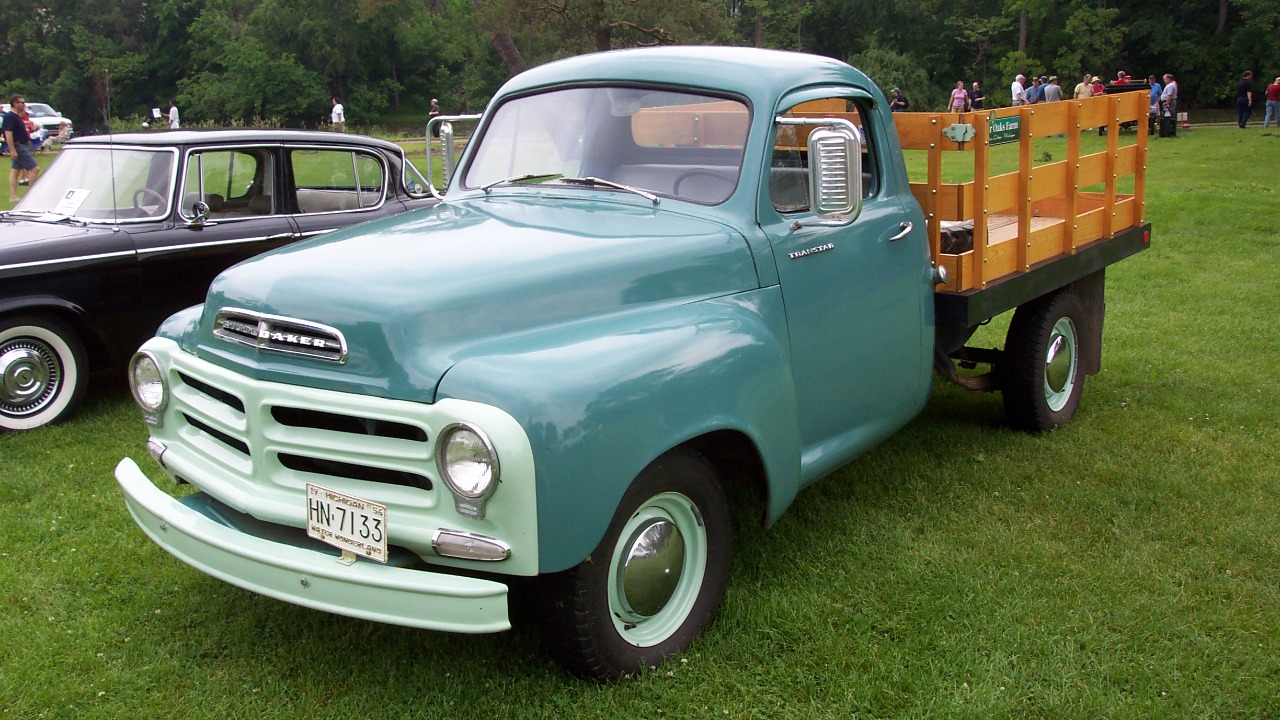
The Studebaker Transtar represented the company’s serious approach to the commercial truck market. Built for demanding hauling duties, it used rugged construction and dependable powertrains intended to withstand regular work. Many were subjected to years of hard service, which makes surviving examples especially impressive today. A well-preserved Transtar provides a clear reminder that Studebaker’s engineering extended well beyond passenger cars.
More from Fast Lane Only
- Unboxing the WWII Jeep in a Crate
- 15 rare Chevys collectors are quietly buying
- 10 underrated V8s still worth hunting down
- Police notice this before you even roll window down
*Research for this article included AI assistance, with all final content reviewed by human editors.