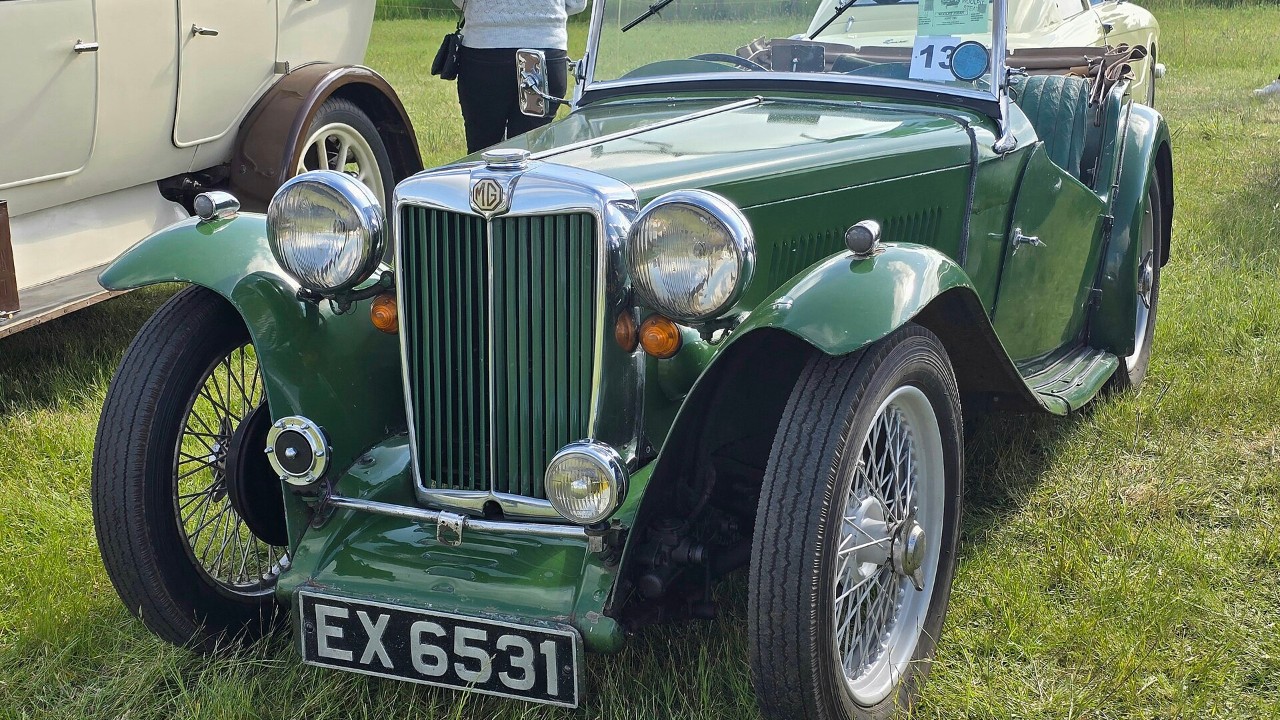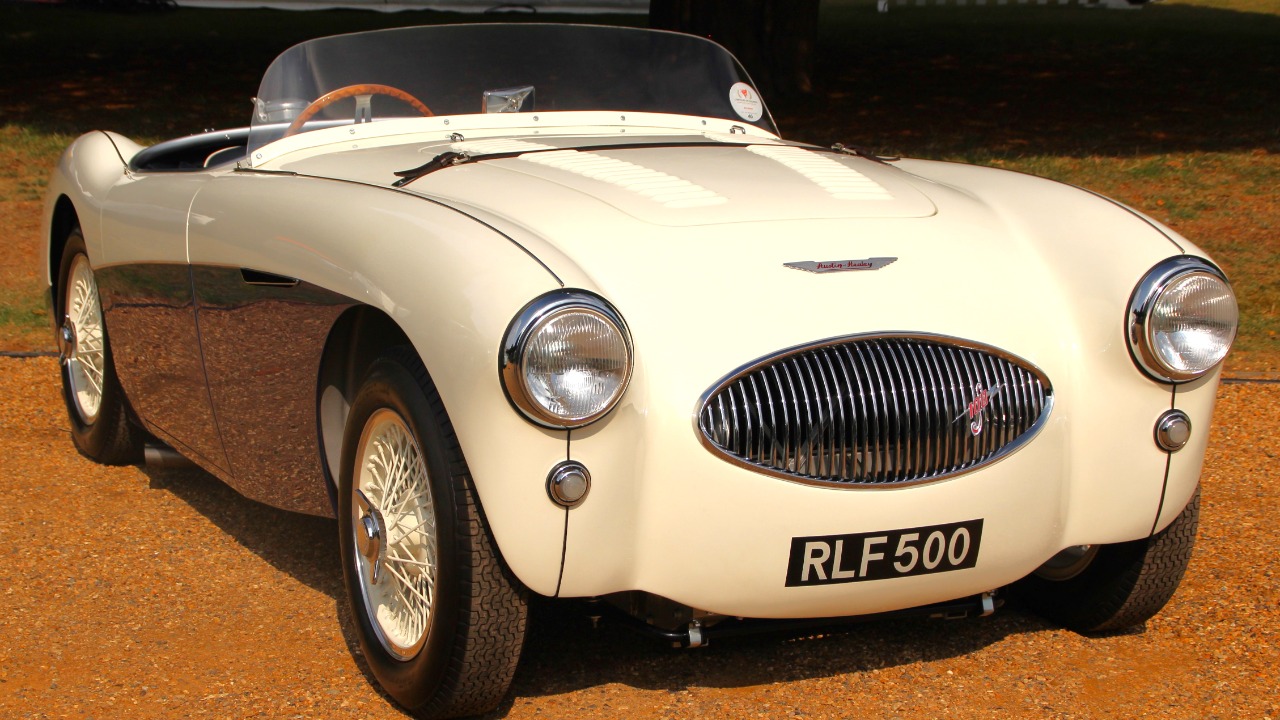
British roadsters are famous for gorgeous styling, lightweight handling, and plenty of character. Unfortunately, character sometimes came with questionable reliability, cramped cabins, fragile electrical systems, or engines that demanded more patience than expected. These roadsters may look fantastic sitting at a car show, but owning one could quickly turn that romance into an expensive lesson.
MG TD

The MG TD has the classic proportions many people picture when they hear “British roadster,” but its old-fashioned design came with plenty of compromises. Performance was modest, the cabin was tight, and weather protection was barely more than an afterthought. Early owners accepted those quirks as part of the experience, but modern drivers may find the TD surprisingly demanding.
MG TF
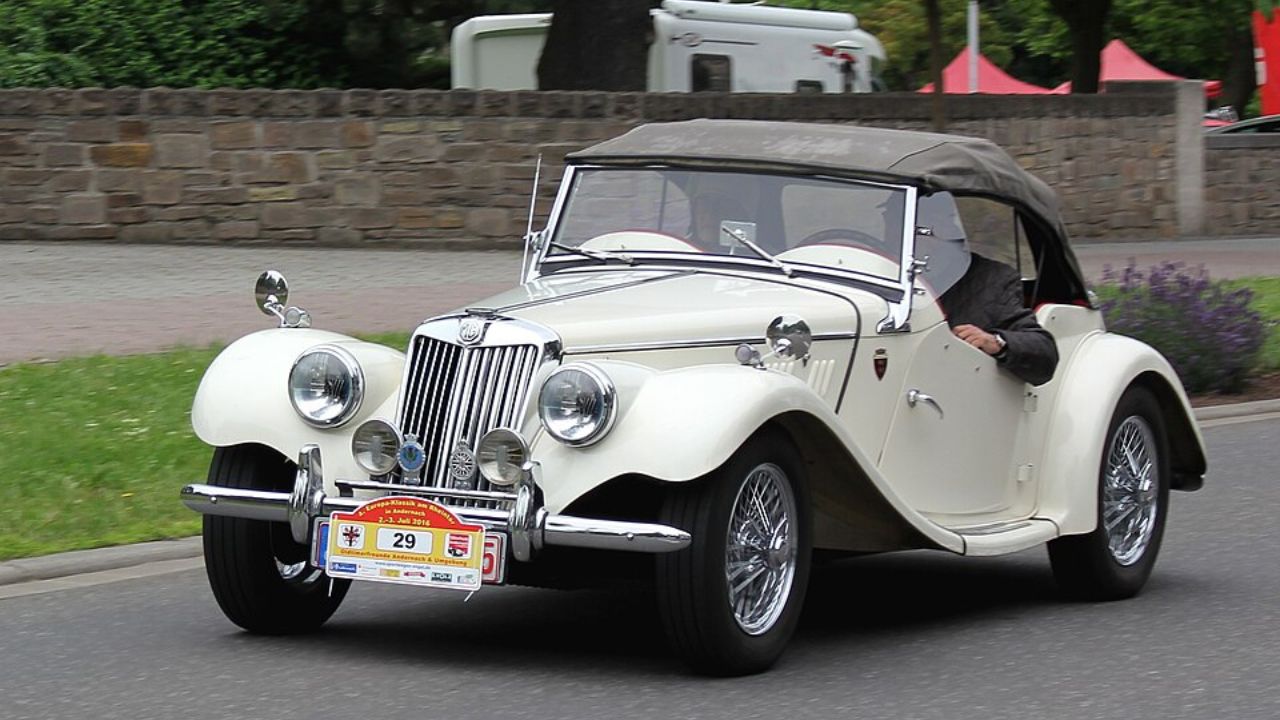
The MG TF improved on the earlier MGF with sharper handling and a more focused chassis, but it still carried some of the mechanical concerns associated with the platform. Cooling problems and head-gasket failures became major talking points, while electrical issues could add to ownership headaches. It was entertaining to drive, but reliability could take some of the fun away.
Triumph TR7
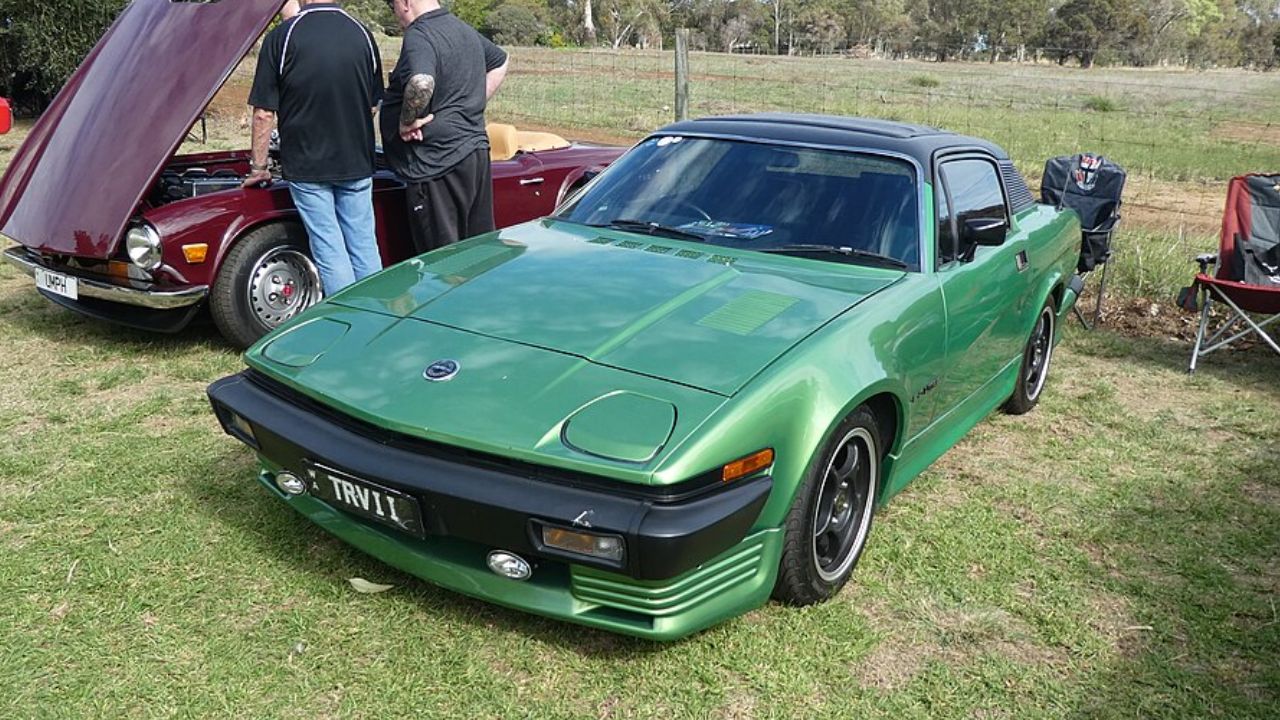
The TR7 was supposed to modernize the traditional Triumph roadster, but its wedge-shaped styling divided buyers immediately. More importantly, mechanical and electrical problems gave the car a reputation that followed it for years. The four-cylinder engine was not particularly exciting, and build quality could be frustrating. Today, the TR7 is interesting history, but not always an easy classic to live with.
Triumph TR8
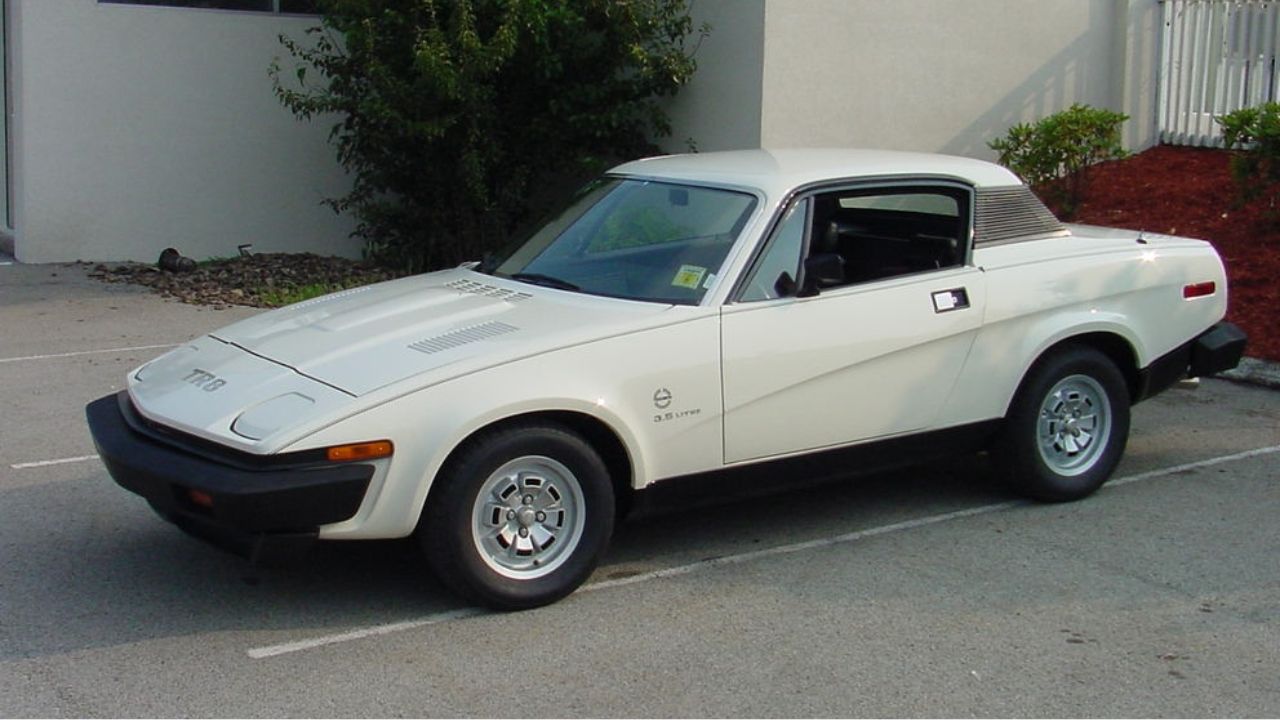
The TR8 looked like the TR7 finally got the engine it deserved, thanks to its Rover V8. That extra power made the car considerably more exciting, but surviving examples can be difficult to maintain properly. Parts availability and age-related problems can turn restoration into a major project. Its rarity is appealing, but that same rarity can make ownership complicated.
Triumph Spitfire
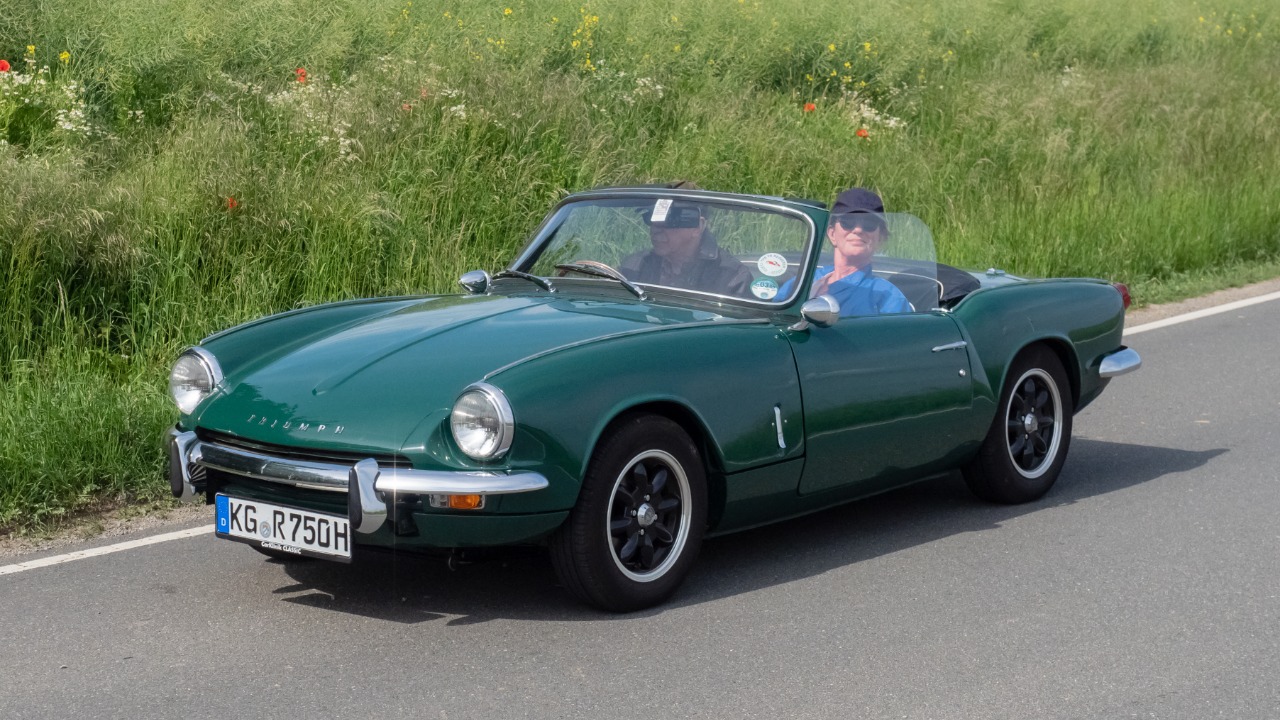
The Spitfire remains one of the most recognizable British roadsters, with charming styling and simple mechanicals. Unfortunately, simplicity did not always mean dependability. Rust, electrical troubles, cooling issues, and questionable weather protection were common complaints. The car can be delightful when sorted out, but neglected examples can require considerably more work than their friendly appearance suggests.
Triumph GT6
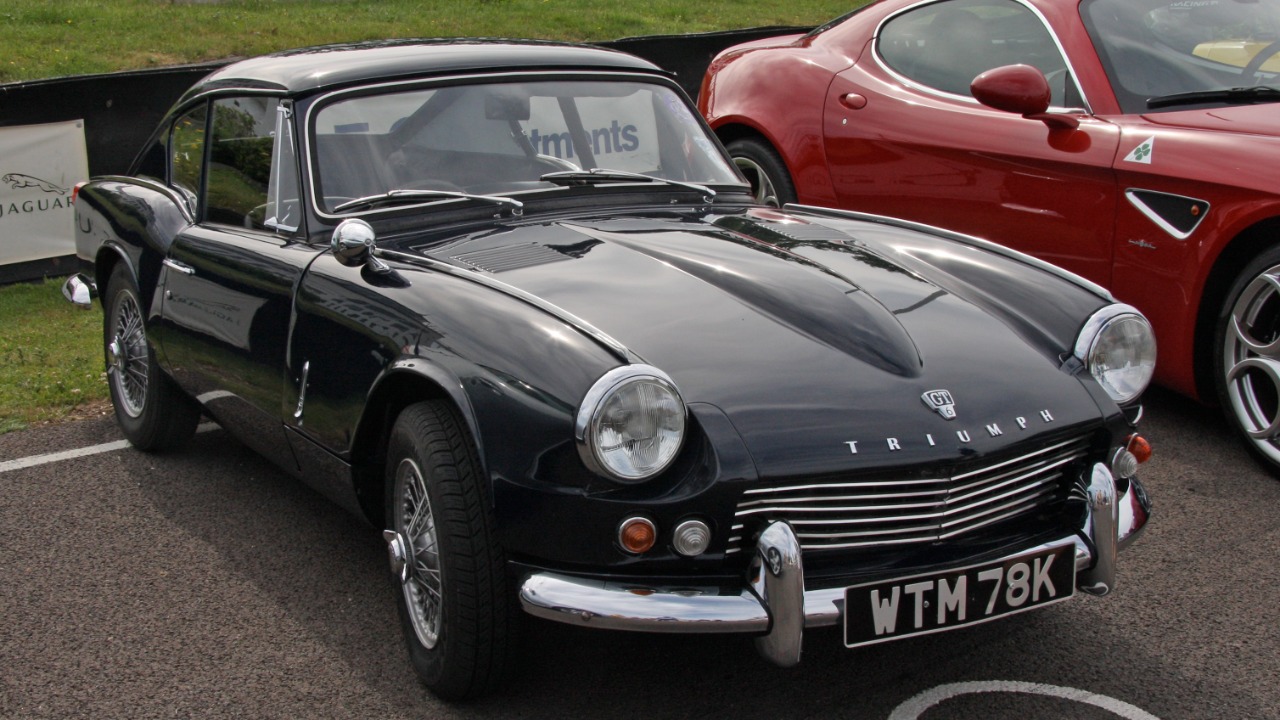
The GT6 shared much with the Spitfire but added a fixed roof and a more powerful six-cylinder engine. That combination made it quicker and more practical, but it also introduced additional mechanical complexity. Cooling problems and suspension concerns could become expensive if maintenance was ignored. A good GT6 is enjoyable, while a bad one can consume a restoration budget quickly.
Triumph Herald Convertible
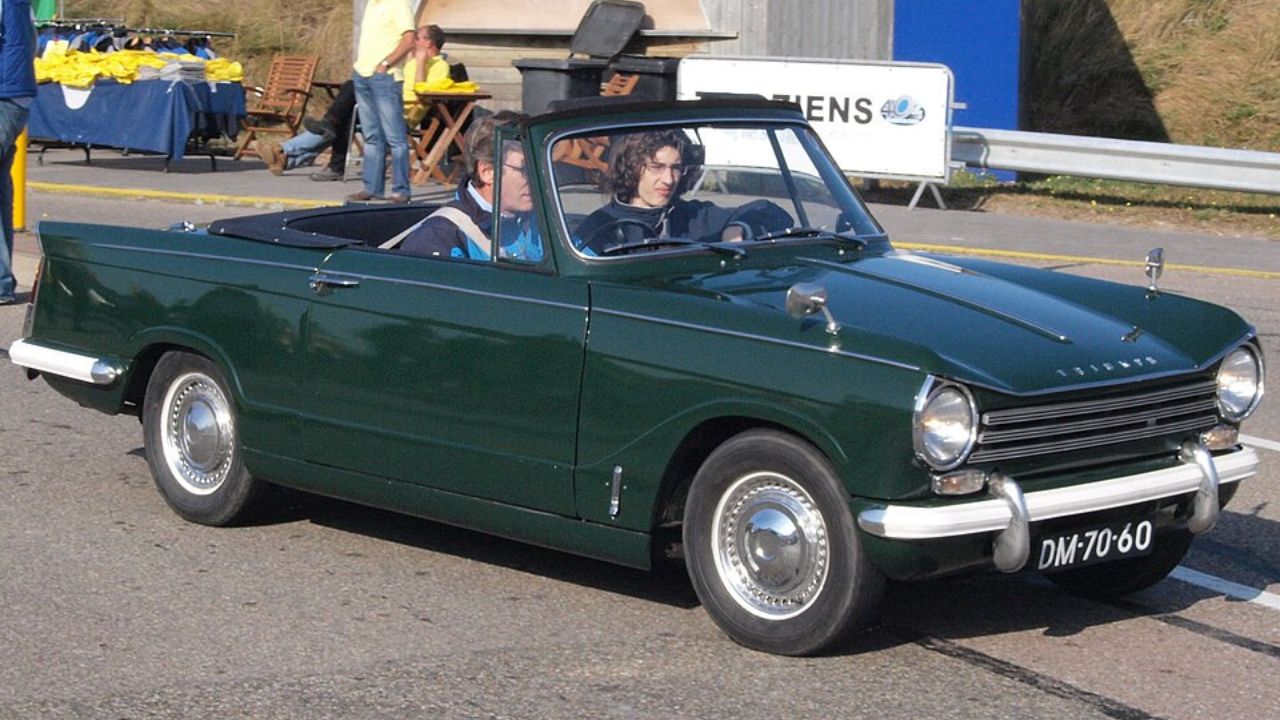
The Herald Convertible offered clever styling, an unusual body design, and the open-air experience buyers wanted. Unfortunately, age has not been kind to many surviving examples. Rust can hide in structural areas, while old electrical systems and worn suspension components can create plenty of work. It is charming, but buying the wrong example can become a long-term project.
Triumph Vitesse Convertible
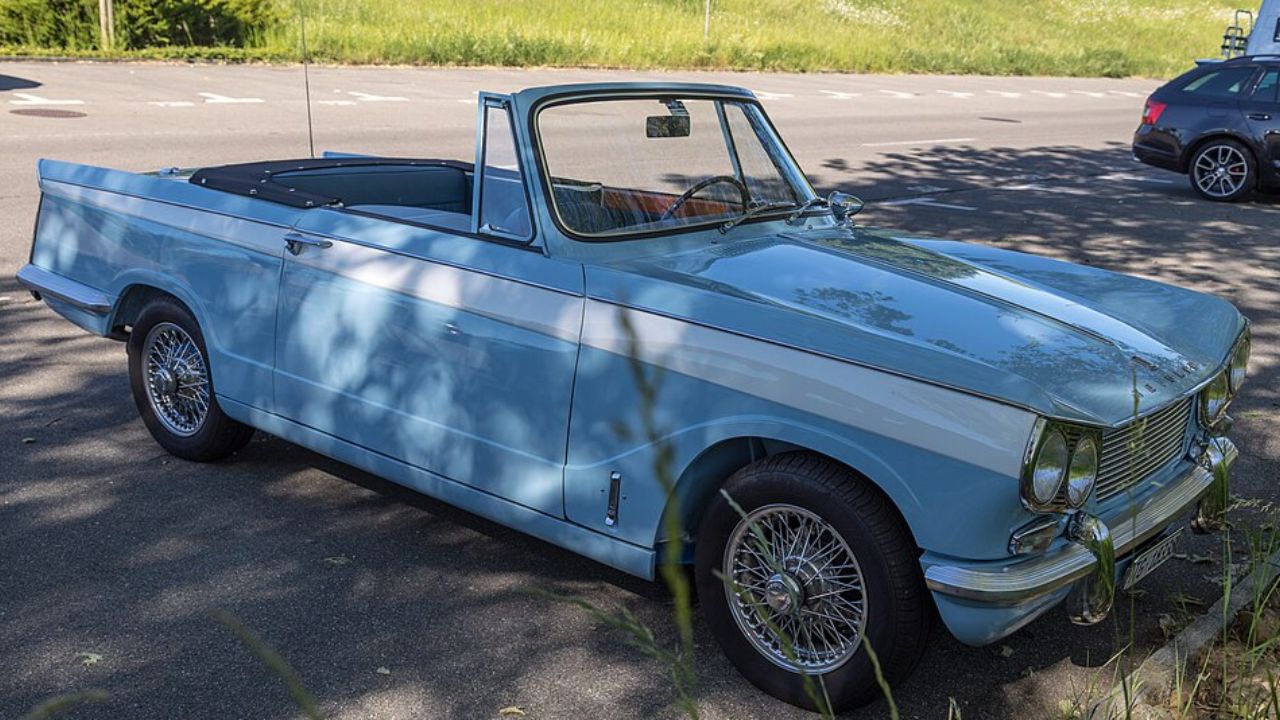
The Vitesse added a six-cylinder engine to the Herald formula, giving it considerably more personality. Unfortunately, age-related mechanical problems can be difficult to ignore today. Rust, worn suspension, cooling problems, and electrical faults are common concerns with neglected cars. The Vitesse has plenty of character, but finding a properly maintained example is crucial.
Austin-Healey Sprite
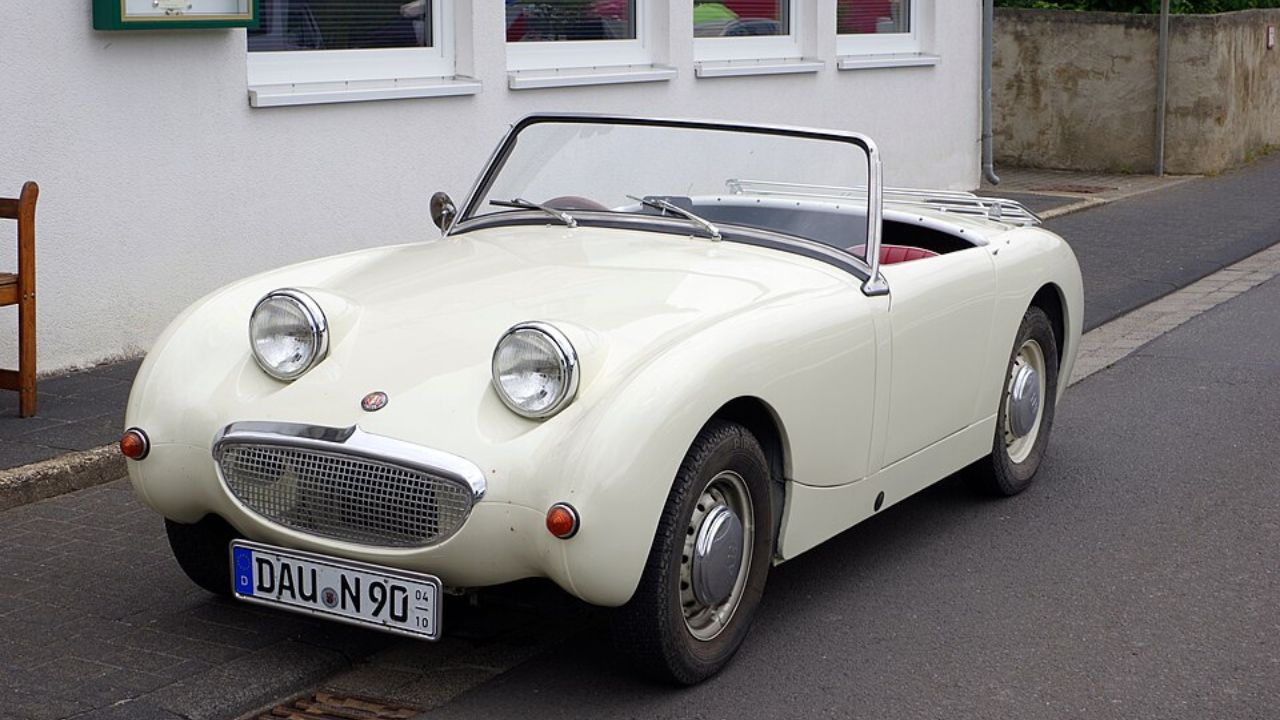
The tiny Sprite became famous for its distinctive looks and lightweight driving experience. Unfortunately, its compact construction leaves little room for comfort, refinement, or modern expectations. Rust and electrical problems can be troublesome on older examples, while the small engine provides modest performance. It remains fun as a weekend toy, but it is not particularly forgiving.
Austin-Healey 100
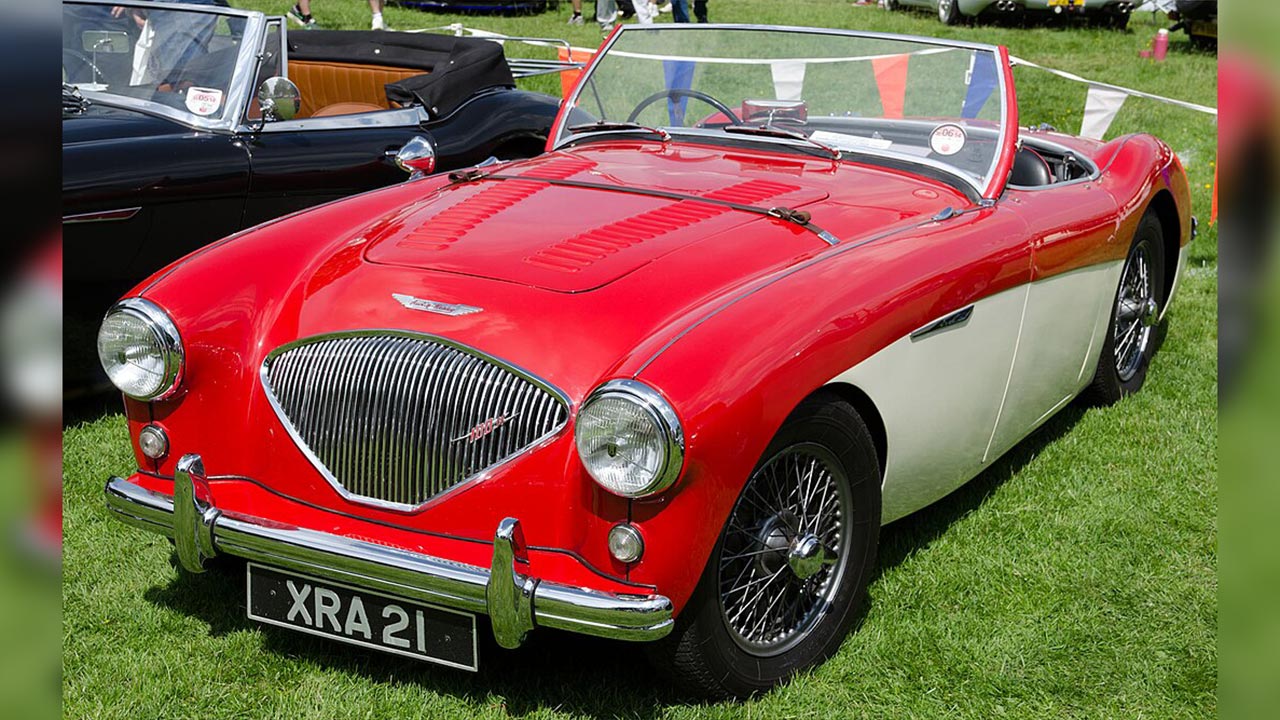
The Austin-Healey 100 delivered more performance than many earlier British roadsters, but its age makes ownership a serious commitment. Cooling systems, electrical components, braking hardware, and body rust can all require attention. Parts support is better than it once was, yet restoration-quality examples can cost considerably more than their simple appearance suggests.
Austin-Healey 3000
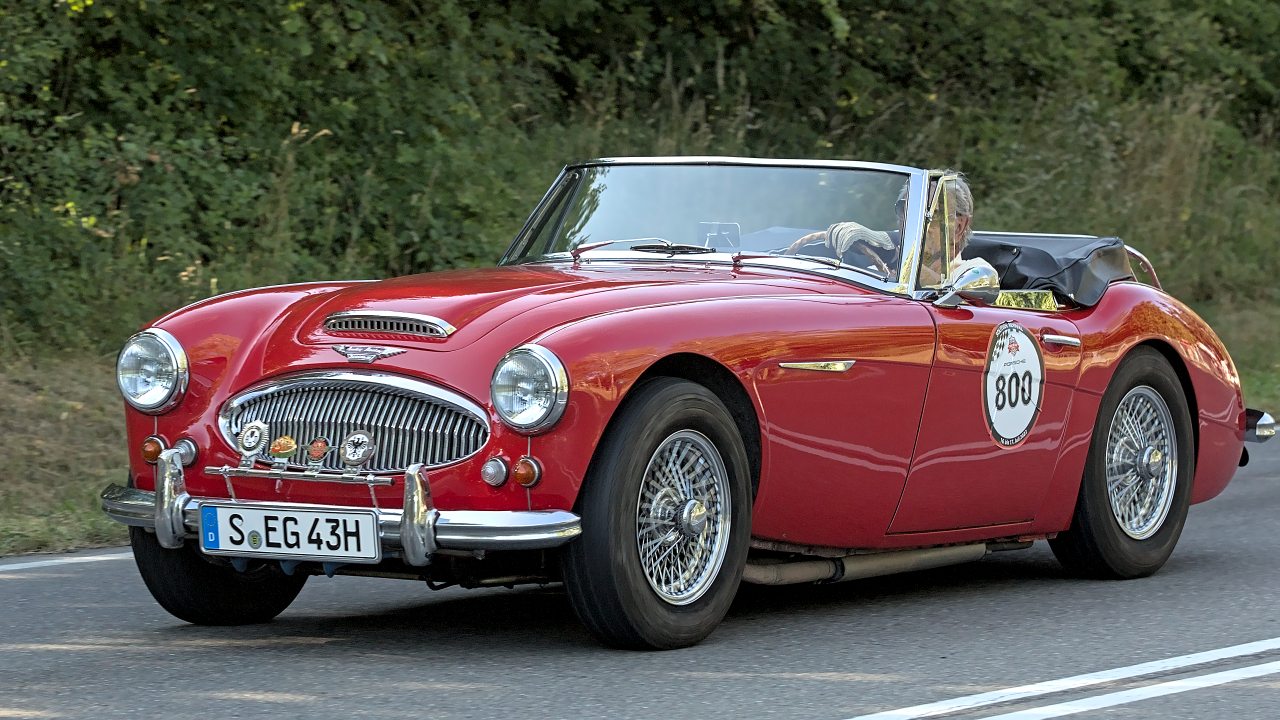
The 3000 is one of the most famous British sports cars ever built, but fame does not guarantee easy ownership. Older examples can suffer from rust, overheating, worn suspension, and troublesome electrical systems. The six-cylinder engine is appealing, but keeping an aging example properly sorted can become expensive. It is a rewarding classic, provided the starting point is good.
Sunbeam Alpine

The Alpine combined elegant styling with a relatively relaxed driving experience, making it an appealing alternative to more aggressive sports cars. Unfortunately, many examples suffered from rust and aging mechanical components. Finding replacement parts can also require patience. The car’s graceful looks make it tempting, but restoration costs can quickly exceed what its market value suggests.
Sunbeam Tiger

The Sunbeam Tiger solved the Alpine’s performance problem by fitting a Ford V8 under the hood. That made it much faster, but the additional power also placed greater demands on the chassis, brakes, and cooling system. Original examples are valuable today, meaning restoration mistakes can be especially costly. It is exciting, but certainly not an inexpensive roadster to own.
Jensen-Healey
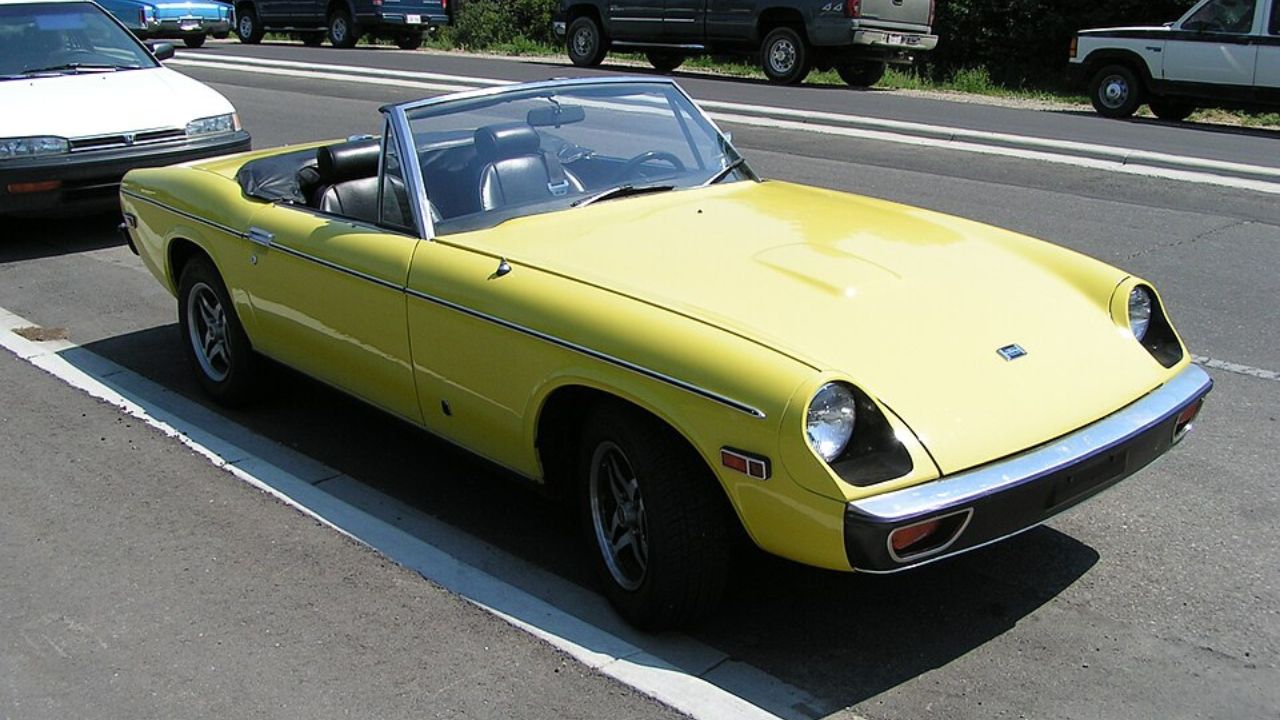
The Jensen-Healey promised modern sports-car performance with a Lotus-designed engine and attractive British styling. Unfortunately, its reputation for mechanical problems hurt sales and followed the car into the collector market. The Lotus 907 engine could be troublesome when poorly maintained, while rust and electrical faults added further concerns. Its ambitious engineering sometimes created more problems than advantages.
Lotus Elan

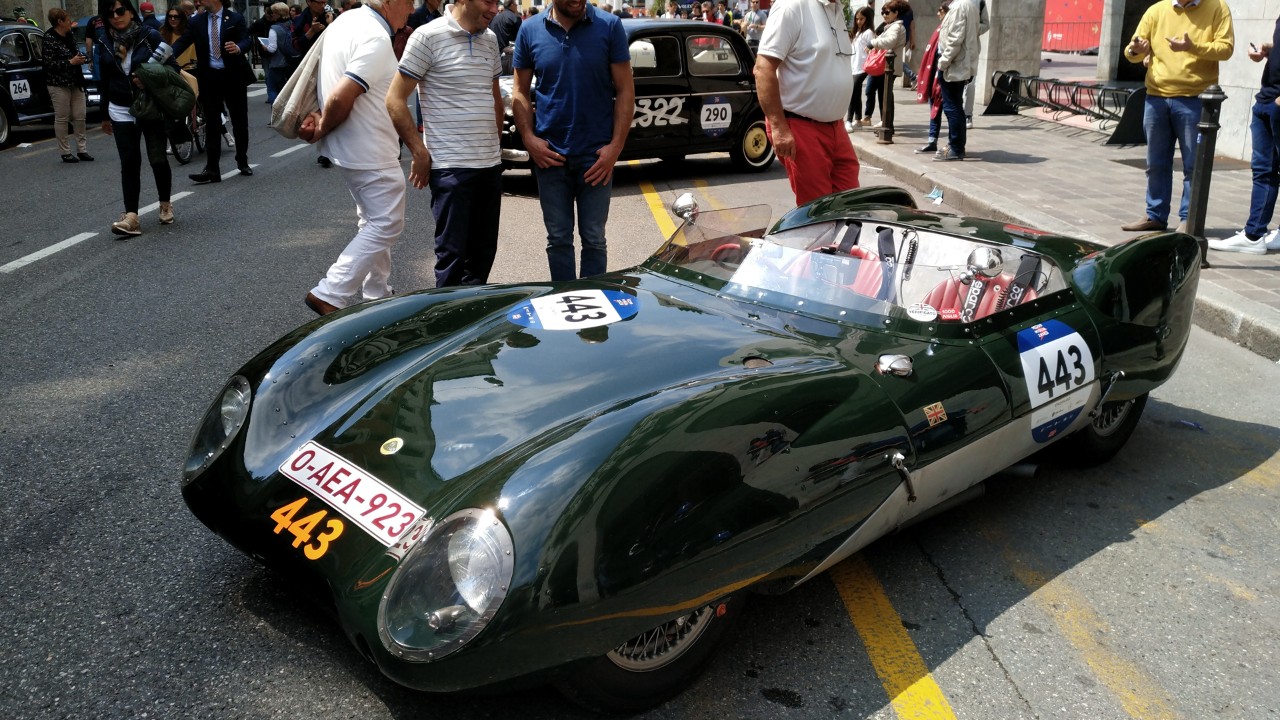
The Lotus Elan is celebrated for its lightweight chassis and exceptional handling, but the ownership experience can be less forgiving. Its fiberglass body avoids conventional rust, yet the steel backbone chassis can suffer serious corrosion. Electrical and suspension issues can also appear with age. A neglected Elan may require extensive work before it delivers the driving experience enthusiasts remember.
Lotus Europa
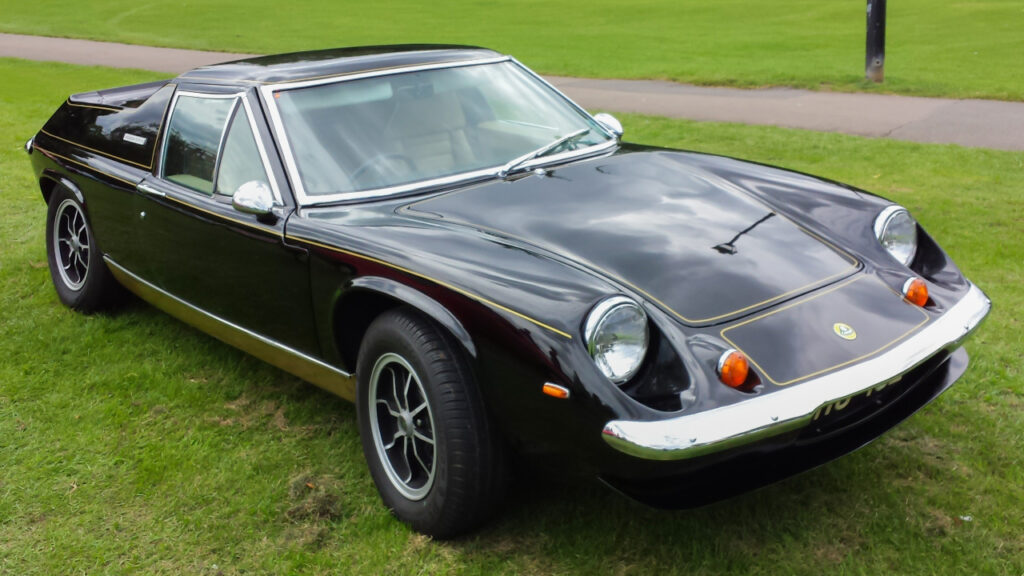
The Europa was brilliantly lightweight and offered remarkable handling, but its unusual construction made ownership more complicated than its tiny size suggested. Access to the mid-mounted engine can be awkward, while aging chassis components and electrical systems require careful inspection. The cramped cabin and unconventional design are part of its appeal, but they can also make restoration frustrating.
TVR M Series
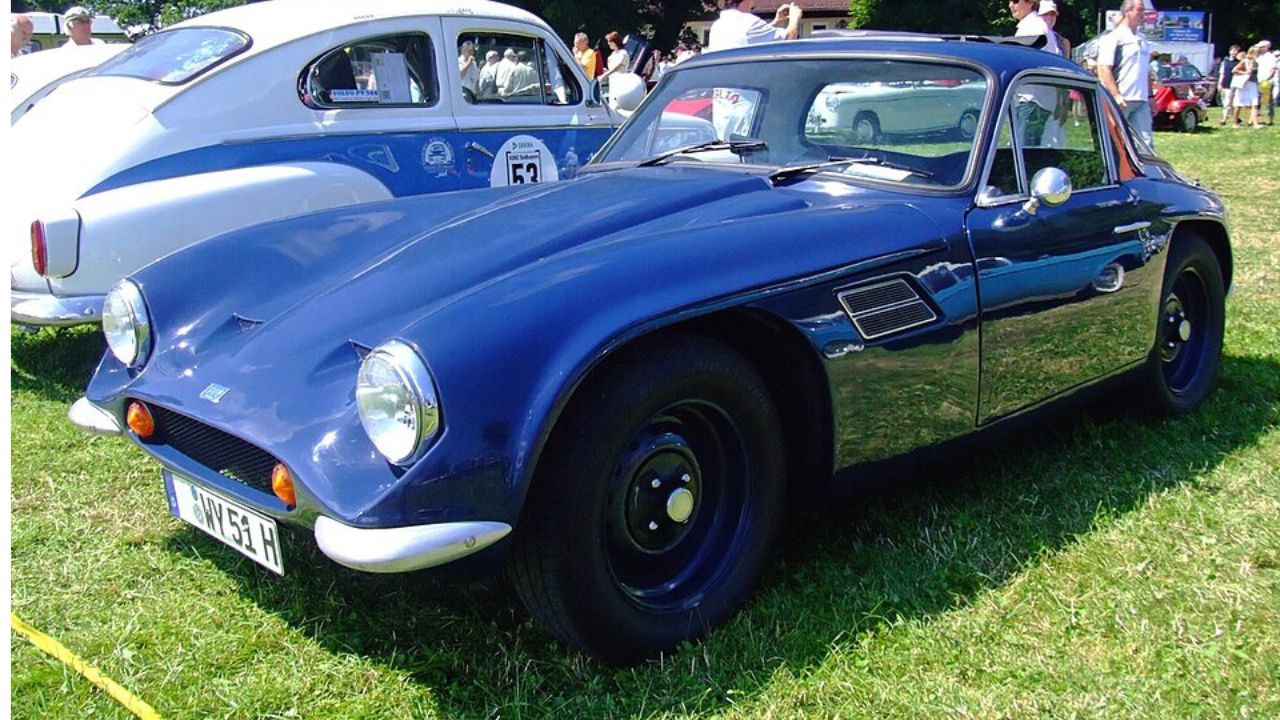
TVR’s M Series roadsters offered dramatic styling and strong performance, but they were never known for being effortless cars. Fiberglass bodywork can hide structural problems underneath, while electrical issues and aging mechanical components can create expensive surprises. Parts and specialist knowledge can also be harder to find than for mainstream British sports cars.
TVR Griffith
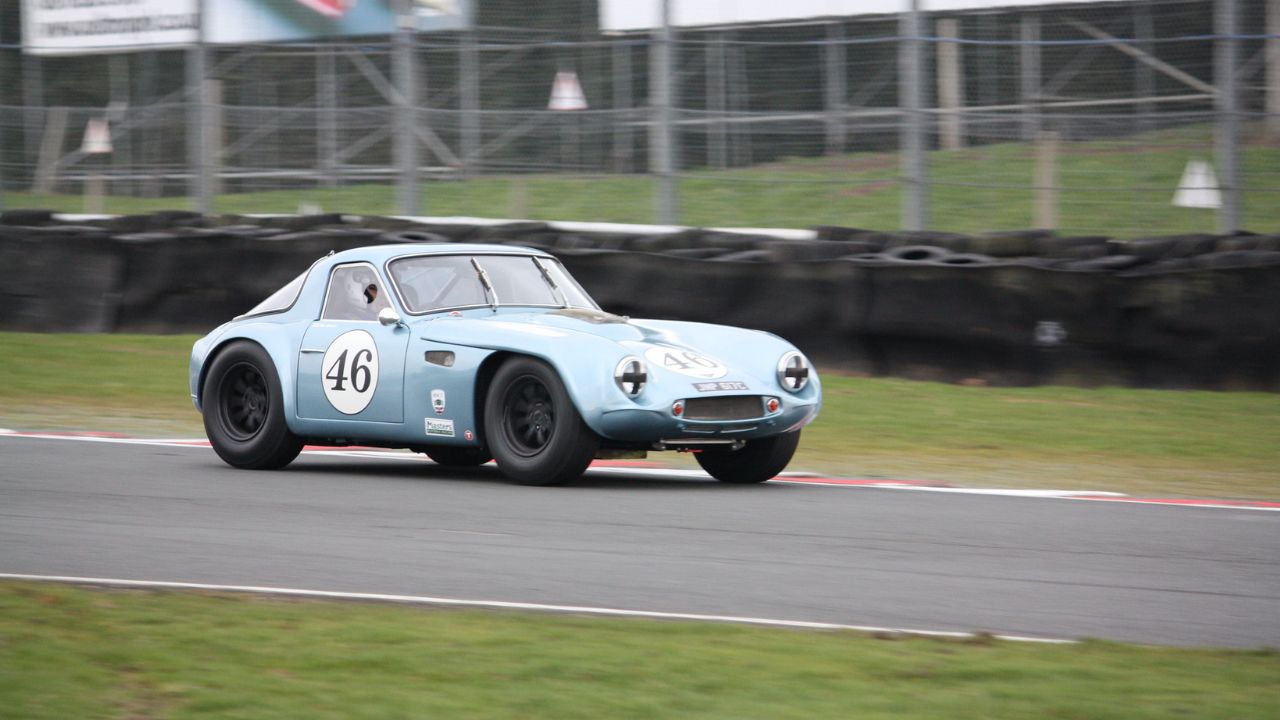
The Griffith delivered enormous performance from a lightweight package, making it one of Britain’s most memorable roadsters. That combination also means neglected examples can be intimidating projects. Electrical faults, cooling problems, chassis concerns, and poorly executed modifications are worth watching for. A sorted Griffith can be spectacular, but a troubled one can become a financial nightmare.
Morgan Plus 8

The Morgan Plus 8 combined traditional Morgan construction with a powerful V8, creating a wonderfully old-school sports car. Unfortunately, its handmade nature means condition can vary dramatically between examples. Chassis corrosion, aging electrical systems, and neglected mechanical components can all become costly. Its charm is undeniable, but buyers need to inspect these cars carefully.
Caterham Seven
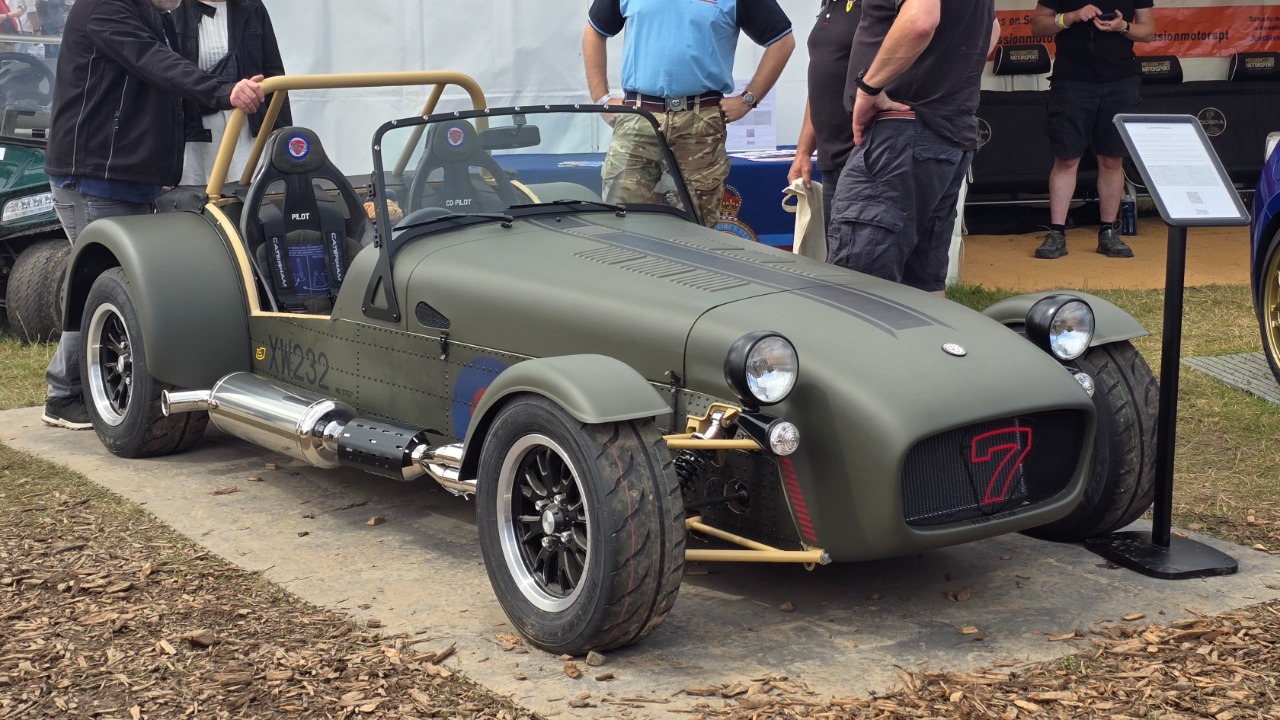
The Caterham Seven is essentially a road-legal expression of lightweight performance, but it is hardly a comfortable or practical roadster. Many examples have been modified extensively, making condition and specification difficult to judge. The exposed cockpit offers little protection from weather, while maintenance can be demanding. It is brilliant for enthusiasts, but frustrating for anyone expecting normal-car convenience.
More from Fast Lane Only
- Unboxing the WWII Jeep in a Crate
- 15 rare Chevys collectors are quietly buying
- 10 underrated V8s still worth hunting down
- Police notice this before you even roll window down
*Research for this article included AI assistance, with all final content reviewed by human editors.