Some motorcycles have a way of making an ordinary ride feel like an occasion. They may not have the newest electronics, the highest horsepower, or the latest chassis technology, but they offer something modern bikes sometimes struggle to recreate. These classic motorcycles combine recognizable styling, characterful engines, and a sense of connection that still makes them rewarding on the open road.
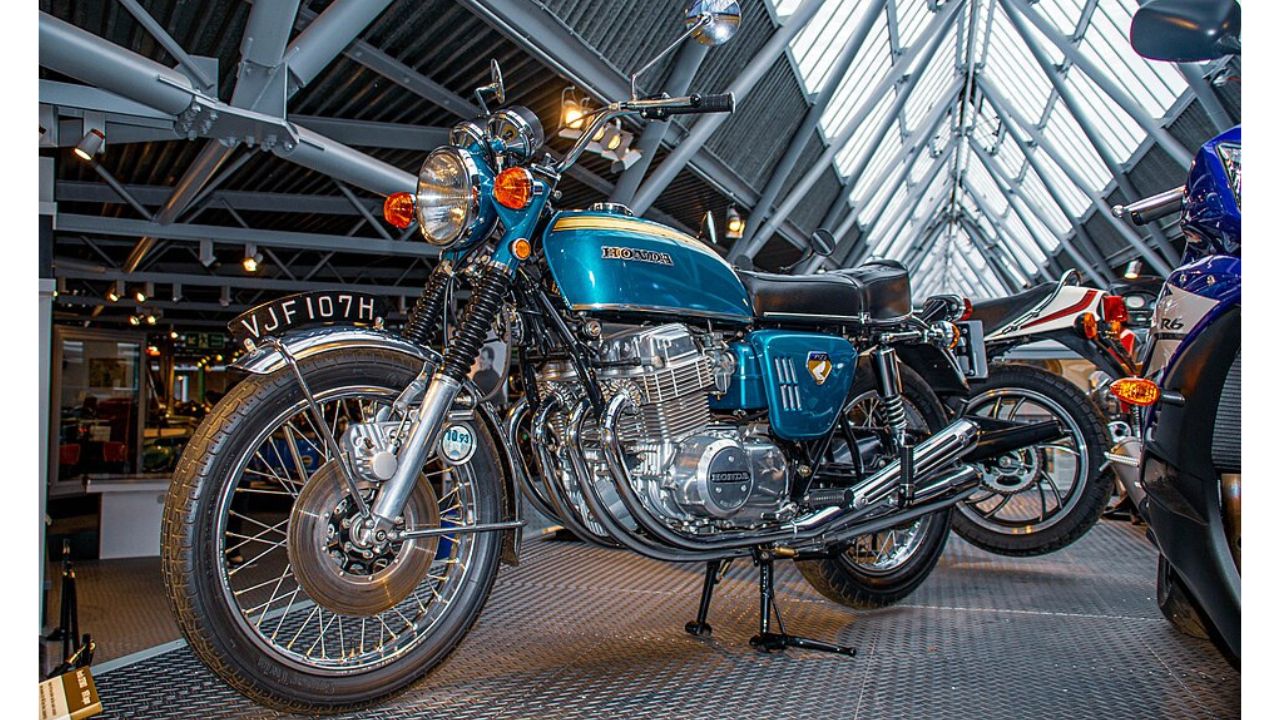
Honda CB750
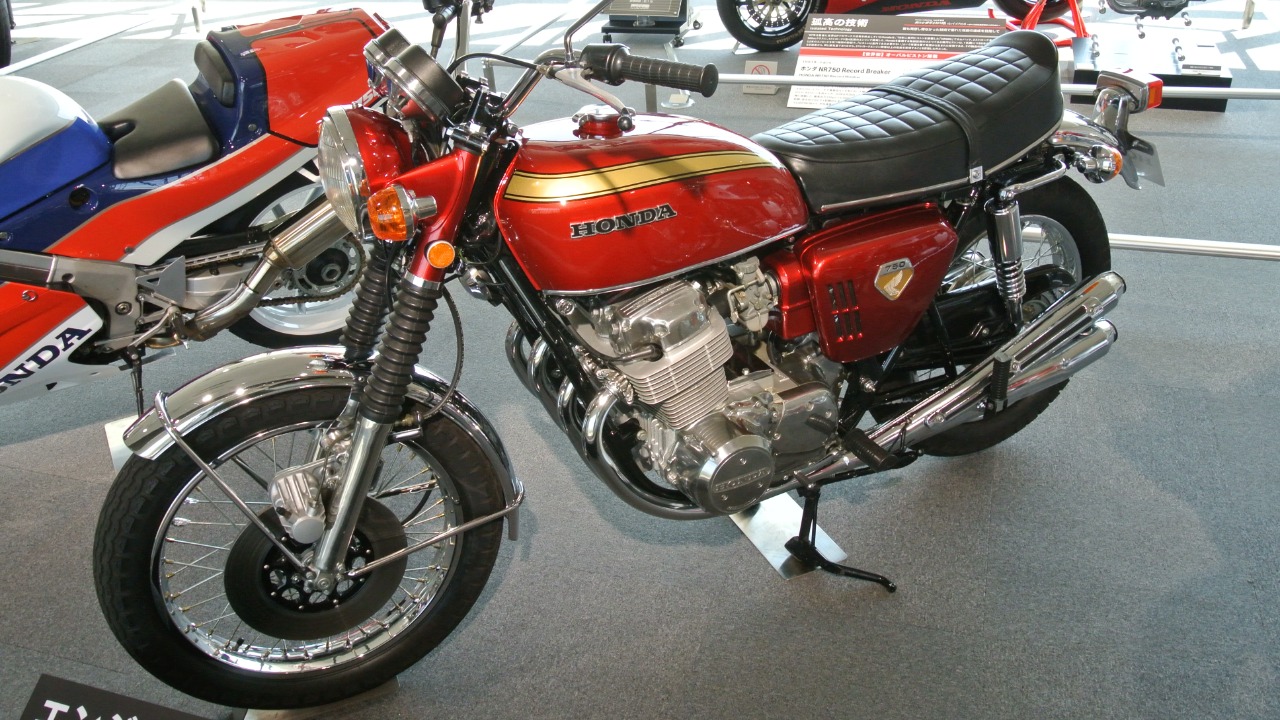
The Honda CB750 remains one of the most influential motorcycles ever built. Its four-cylinder engine, straightforward chassis, and distinctive styling helped establish a formula that would influence Japanese motorcycles for decades. The CB750 was capable enough for longer rides while remaining approachable compared with many larger machines of its era. Its combination of performance and usability is a major reason collectors continue to value good examples. On the road, the bike feels mechanical and direct in a way that reminds riders how much character can come from relatively simple engineering.
Kawasaki Z1
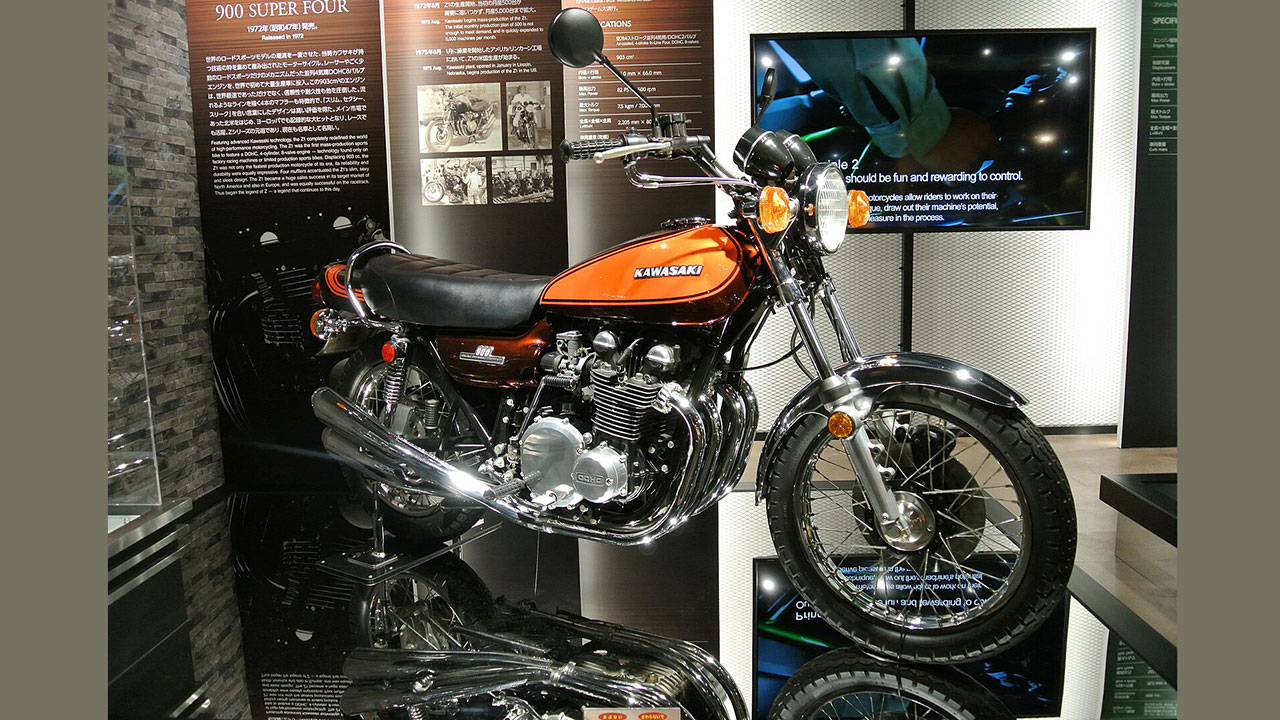
The Kawasaki Z1 arrived with a reputation for serious performance and quickly became one of the defining superbikes of its generation. Its inline-four engine delivered strong power, while the long, low profile gave it an unmistakable presence. The Z1 also helped establish Kawasaki as a major force in high-performance motorcycles. Today, a clean example attracts attention without needing elaborate modifications or modern equipment. Its combination of speed, styling, and historical importance makes the Z1 particularly enjoyable on an open road where its classic character can be appreciated.
Yamaha XS650
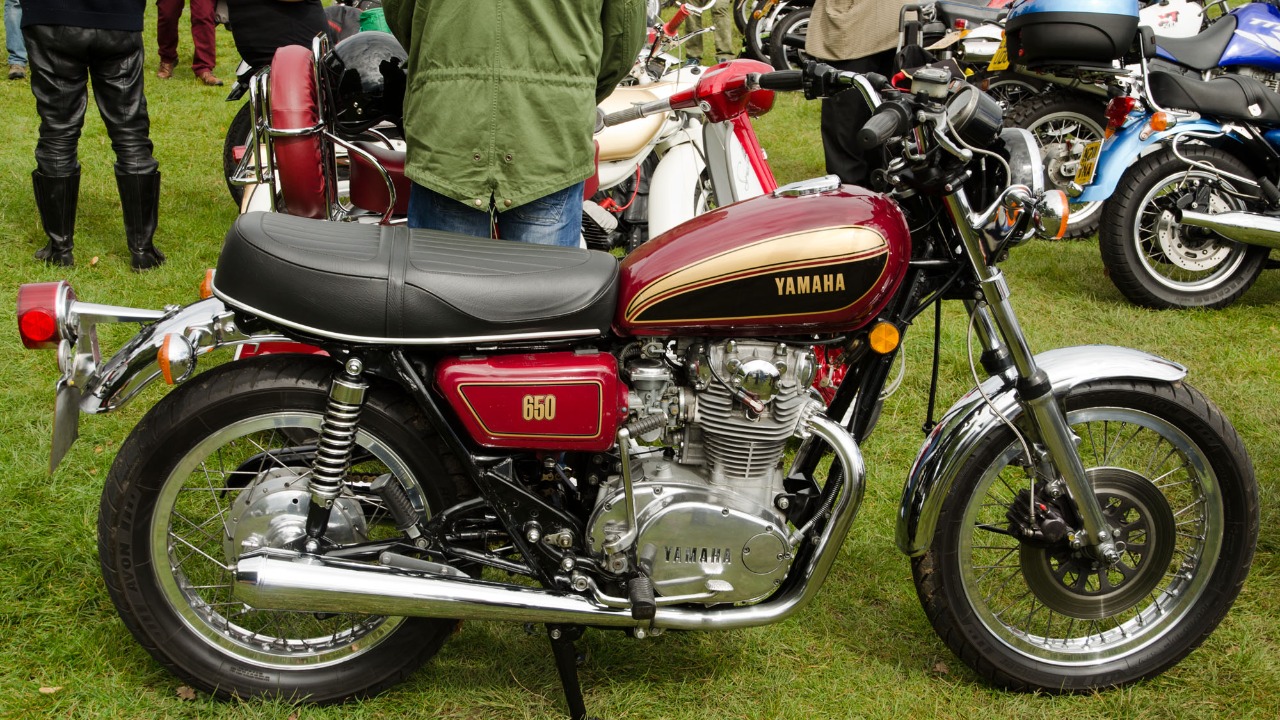
The Yamaha XS650 has a very different personality from the big four-cylinder superbikes. Its parallel-twin engine and relatively simple construction give it a mechanical feel that appeals to riders who enjoy classic motorcycle character. The styling is also remarkably timeless, with a traditional fuel tank, chrome details, and straightforward seating position. The XS650 became popular with custom builders, but an original example has plenty of charm on its own. It is the kind of motorcycle that encourages a relaxed ride rather than making every trip about speed.
BMW R90S
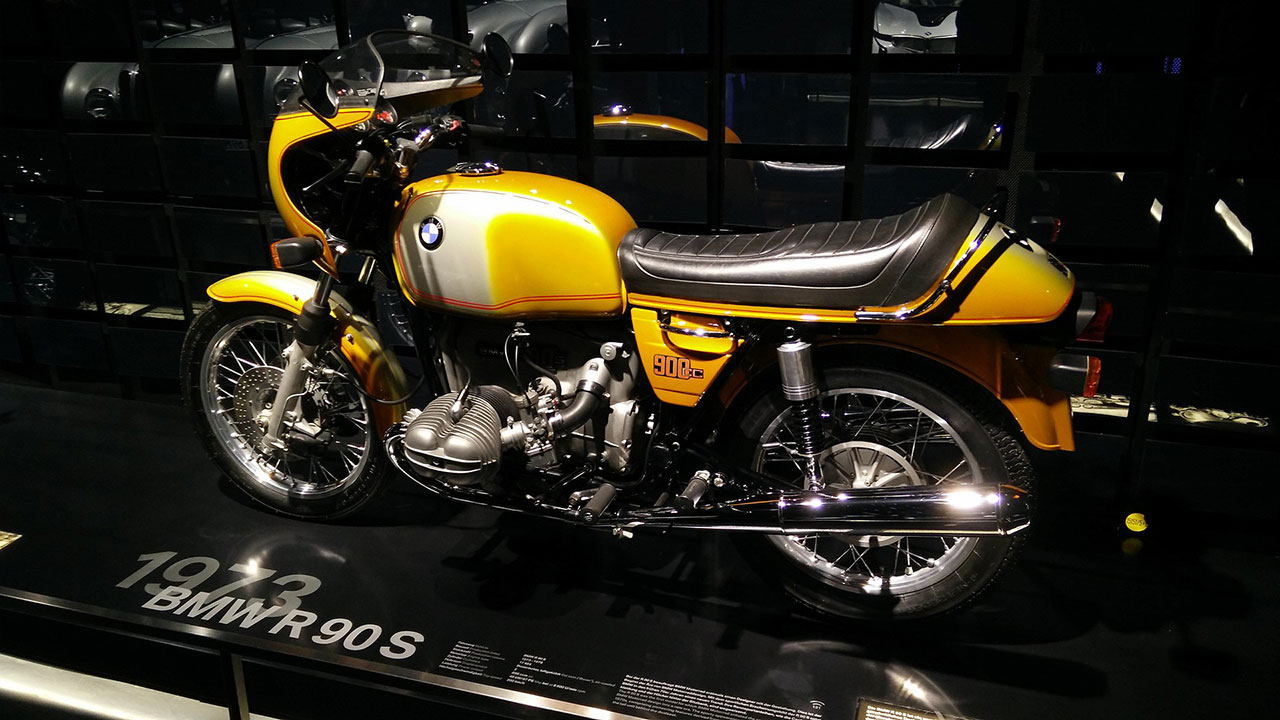
The BMW R90S brought a distinctive European personality to the superbike market. Its horizontally opposed twin-cylinder engine, shaft drive, comfortable riding position, and aerodynamic fairing made it unusually well suited to long-distance riding. The bike also had a sophisticated appearance that separated it from many Japanese competitors. Today, the R90S remains one of BMW’s most recognizable classic motorcycles. On a long road, its combination of stable handling, substantial torque, and touring ability demonstrates why BMW developed such a strong reputation among riders who valued distance as much as performance.
Triumph Bonneville
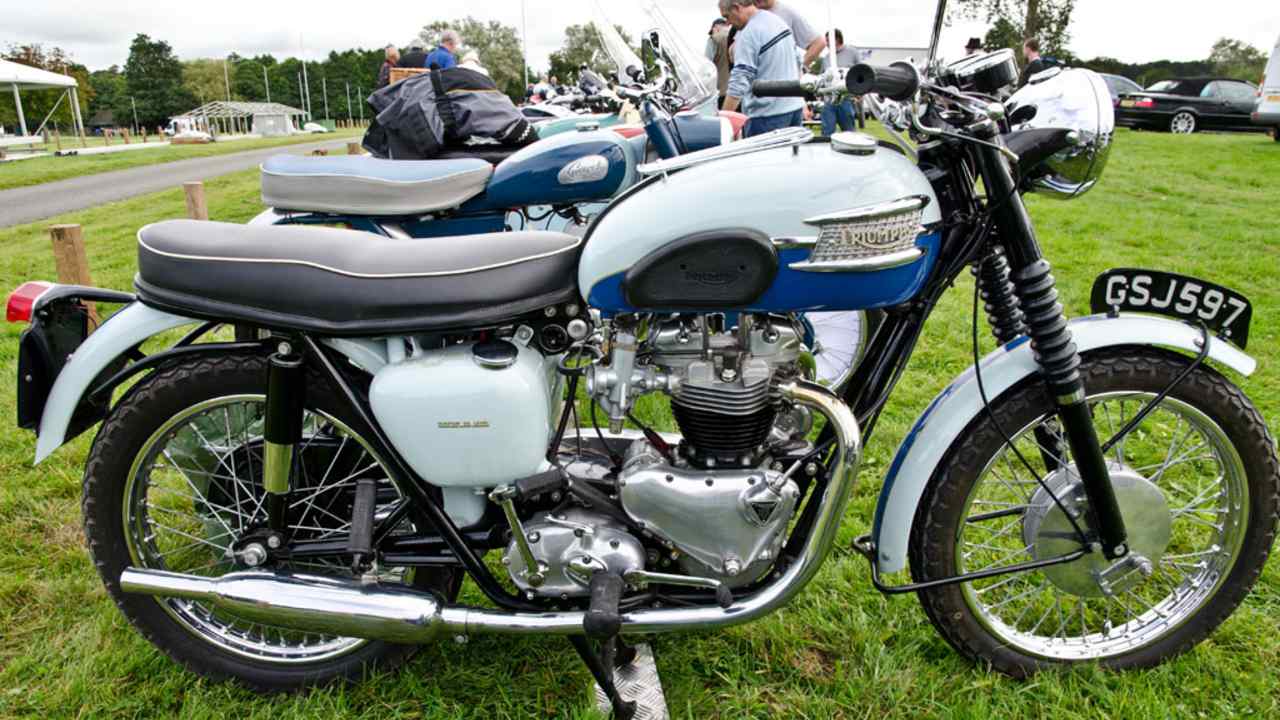
The Triumph Bonneville became one of the most recognizable names in British motorcycling. Its parallel-twin engine, classic tank shape, chrome details, and simple proportions captured the look of a traditional British motorcycle. The Bonneville also became closely associated with the culture surrounding 1960s performance and customization. A well-preserved original still has a presence that newer motorcycles often imitate without quite matching. It is particularly enjoyable on winding roads where the rider can appreciate the bike’s lightness and old-school mechanical character rather than simply chasing top speed.
Norton Commando
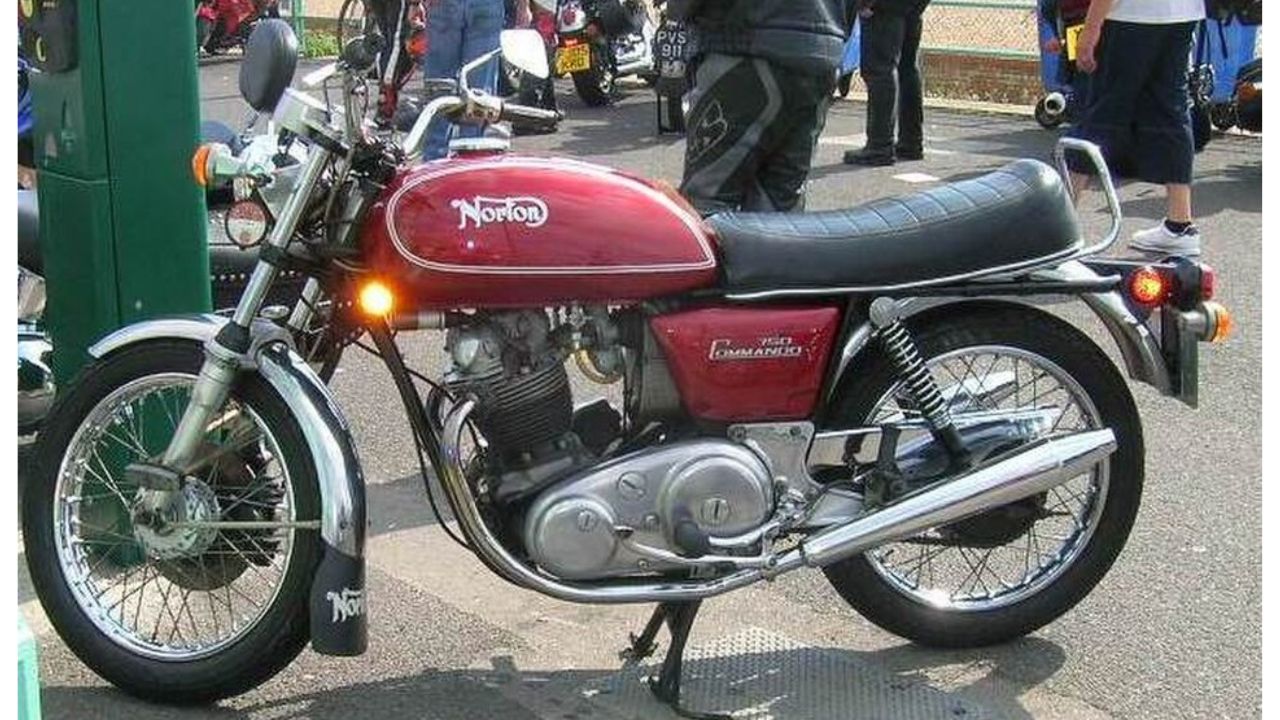
The Norton Commando became famous for combining strong British twin-cylinder performance with distinctive styling and a chassis designed to improve the riding experience. Its vibration-isolating frame system was particularly notable because it addressed one of the biggest complaints associated with large British twins. The Commando also developed a strong reputation among enthusiasts who wanted a motorcycle with genuine personality. Today, it remains an appealing open-road machine because the riding experience feels unmistakably mechanical. Every part of the motorcycle seems connected to a period when engineering solutions were often wonderfully tangible.
Suzuki GS750
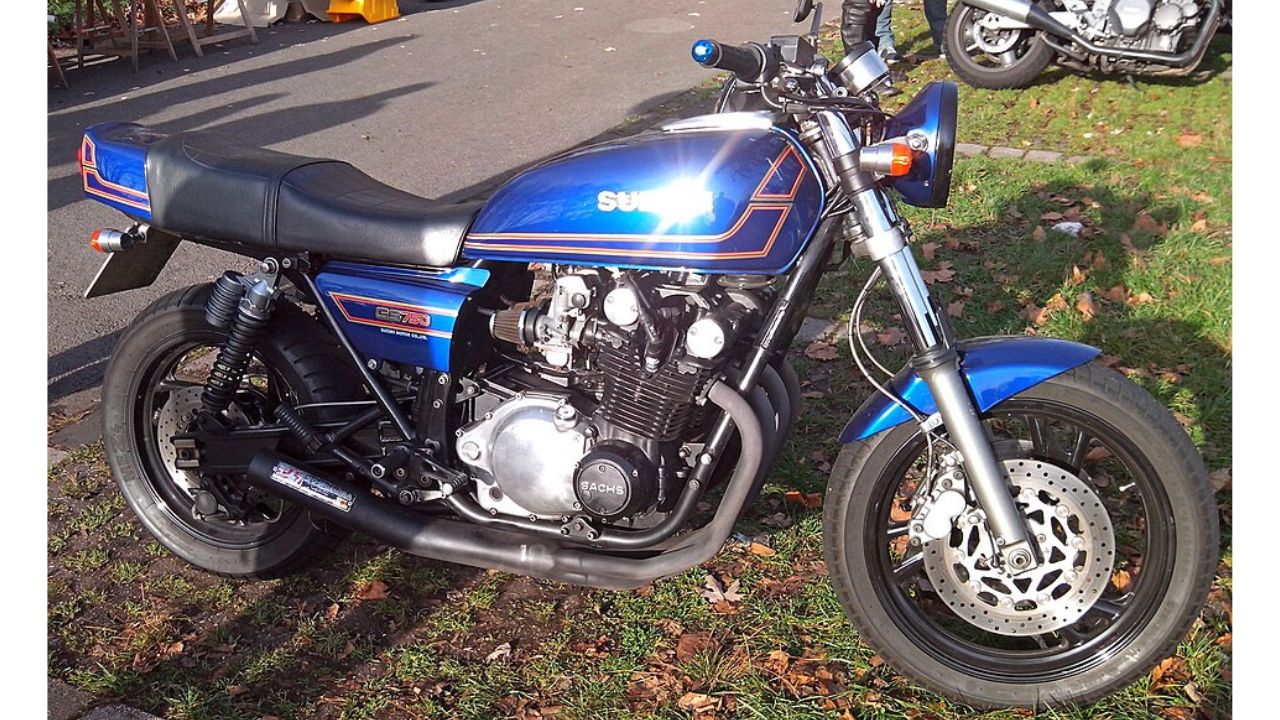
The Suzuki GS750 offered a more refined take on the classic Japanese four-cylinder formula. It was smooth, relatively comfortable, and capable of covering substantial distances while retaining the straightforward personality of a classic standard motorcycle. Its proportions also give it a particularly recognizable late-1970s appearance. The GS750 does not receive the same collector attention as the legendary CB750 or Z1, which can make it an appealing choice for enthusiasts who want something less obvious. On the open road, its balanced character remains one of its greatest strengths.
Honda Gold Wing
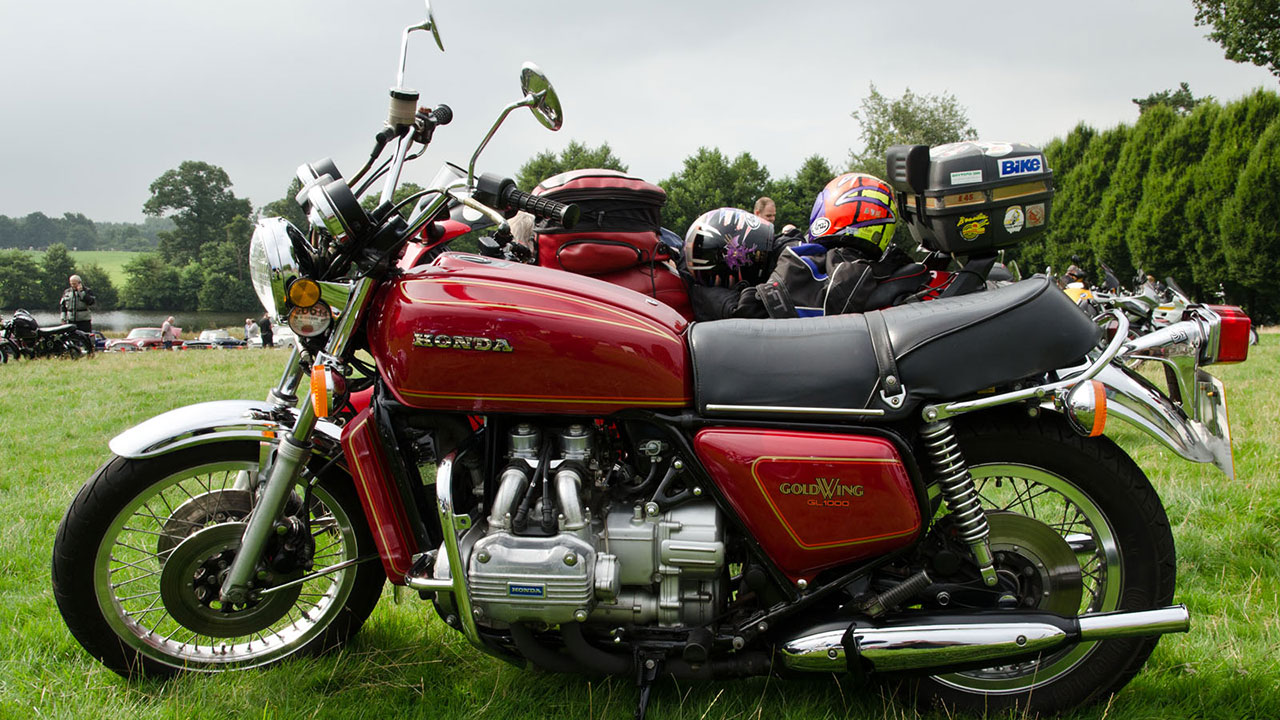
The original Honda Gold Wing was radically different from the massive touring machines the name would eventually become associated with. Early versions were relatively sleek and mechanically straightforward, powered by a smooth flat-four engine. The Gold Wing quickly developed a reputation for reliability and long-distance capability, helping create an entirely new touring category. Today, an early example feels surprisingly light and simple compared with later generations. Its smooth engine and comfortable riding position still make it a fascinating classic for riders who enjoy spending hours on the road.
Harley-Davidson Sportster
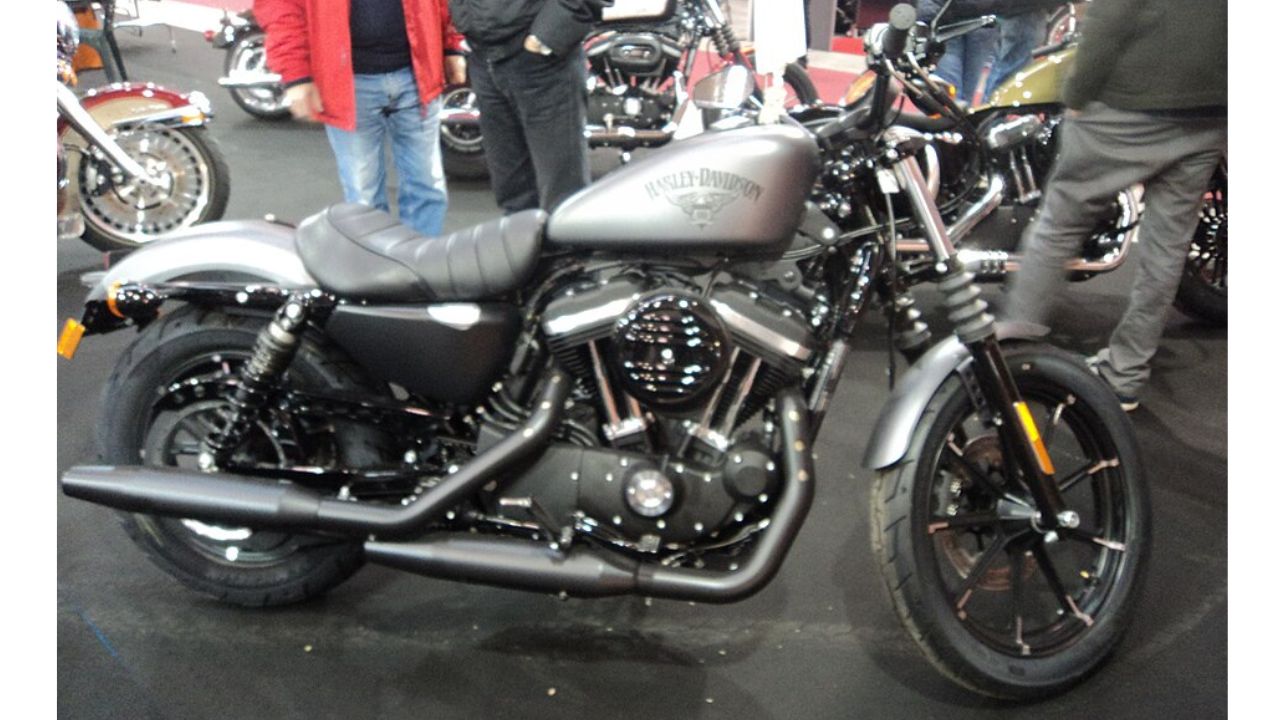
The Harley-Davidson Sportster became one of the longest-running names in American motorcycling and developed a personality that changed surprisingly little at its core. Its compact dimensions, V-twin engine, and traditional styling made it more manageable than Harley-Davidson’s larger touring models. Over the decades, Sportsters appeared in numerous configurations, but the basic formula remained recognizable. A classic Sportster still feels engaging on a winding road because the rider experiences the engine’s character directly. It is less about outright speed and more about the distinctive rhythm of an American V-twin.
Moto Guzzi V7
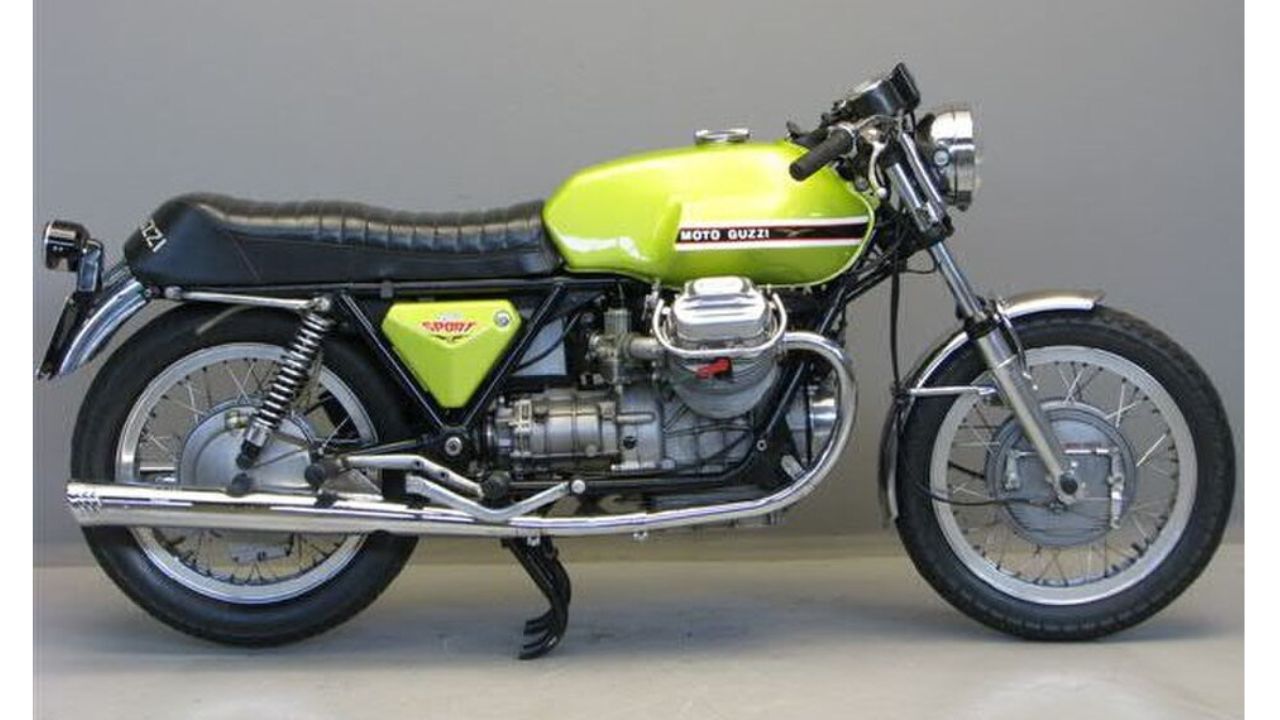
The Moto Guzzi V7 stands out because of its transverse-mounted V-twin engine and unmistakably Italian styling. The exposed mechanical layout makes the motorcycle interesting even when parked, while the shaft drive adds to its distinctive engineering character. Early V7s were designed with practicality and durability in mind, making them suitable for everyday use as well as longer journeys. The motorcycle’s narrow proportions and relaxed riding position also work well on scenic roads. It feels like a machine built during an era when motorcycles were allowed to display their mechanical personality.
Ducati 750 GT
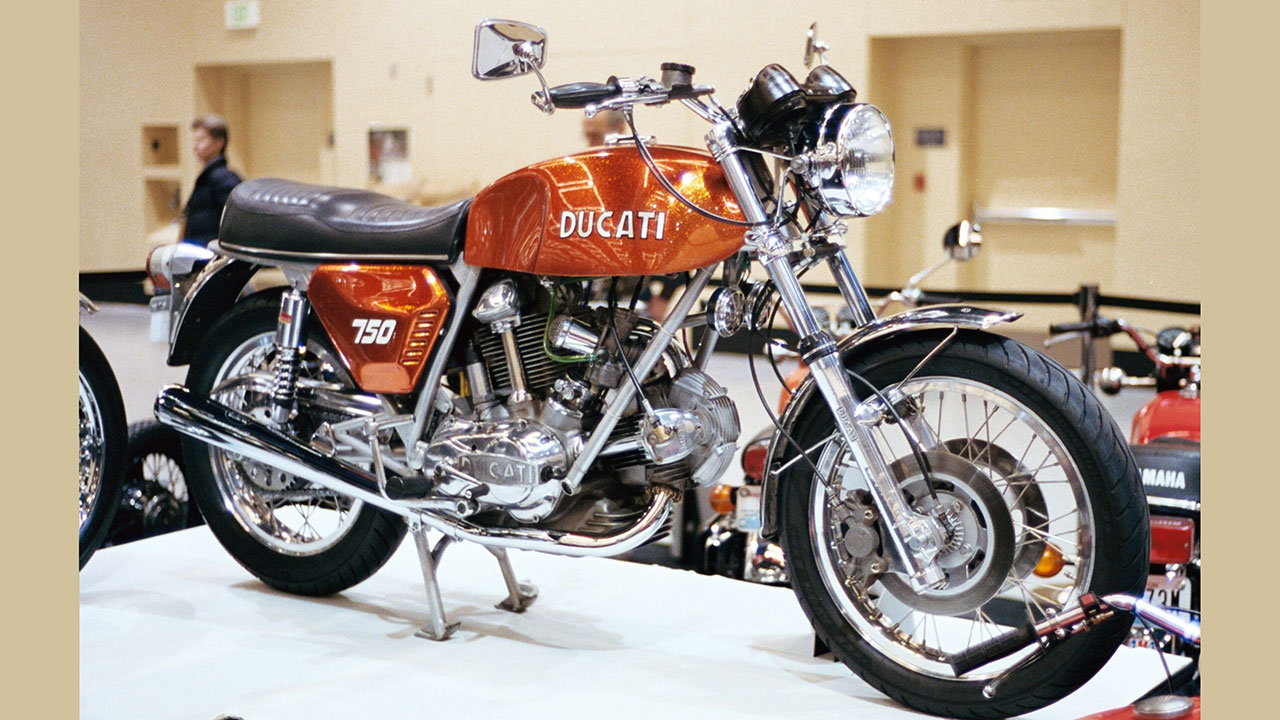
The Ducati 750 GT introduced many riders to the appeal of Ducati’s V-twin performance in a more usable road-going package. Its engine architecture, lightweight construction, and elegant Italian styling made it distinctive among contemporary motorcycles. The bike was not simply about straight-line acceleration; its appeal came from the combination of handling, sound, and mechanical character. Surviving examples are highly desirable today because of their place in Ducati history. On an open road, the 750 GT offers the kind of engaging experience that makes a relatively moderate pace feel special.
Suzuki Katana
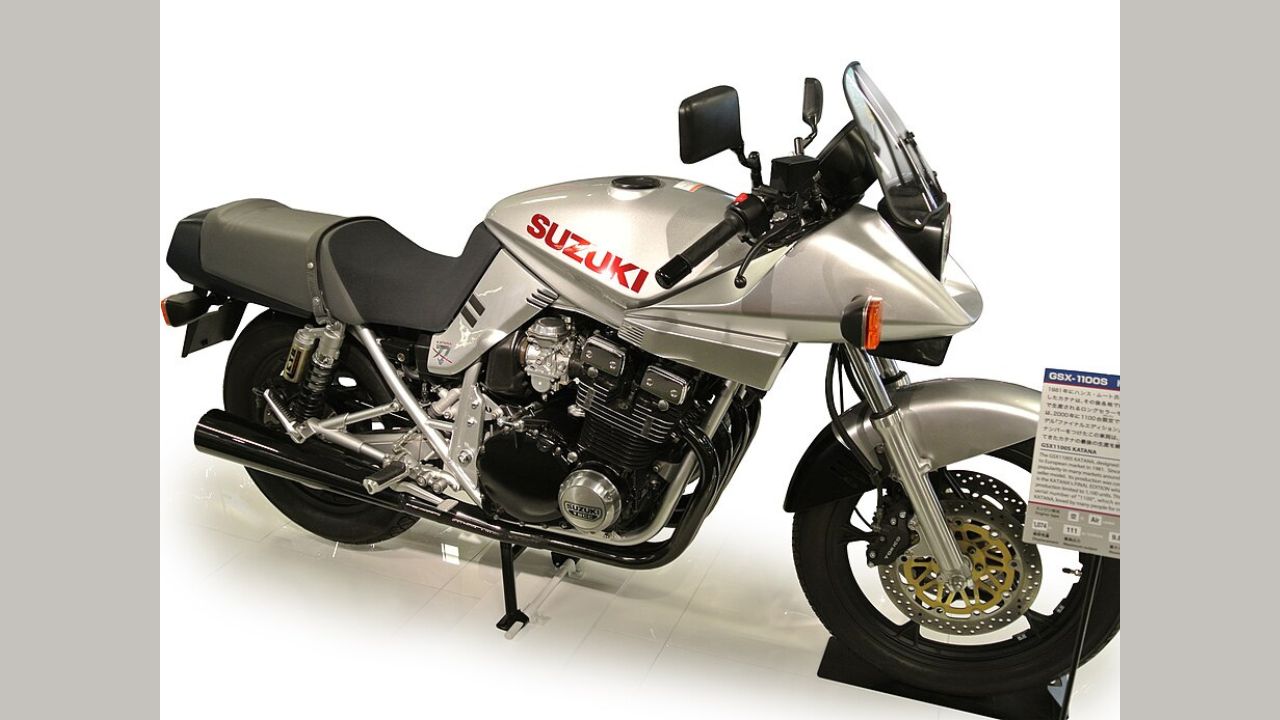
The Suzuki Katana remains one of the boldest motorcycle designs of its generation. Its angular bodywork and integrated fairing looked radically different when it appeared, yet the design has aged remarkably well. Beneath the unusual styling was a capable Japanese four-cylinder motorcycle with the performance expected from Suzuki. The Katana became an icon precisely because it refused to look conventional. Even today, riding one can feel like stepping into the future as imagined by early-1980s designers. It is particularly memorable on open roads because the visual experience is just as distinctive as the mechanical one.
Yamaha RD350

The Yamaha RD350 earned a legendary reputation by putting strong two-stroke performance into a relatively compact and lightweight motorcycle. Its engine delivered a very different experience from the large four-cylinder machines dominating the superbike market. The bike’s small size also made it feel agile and responsive, encouraging riders to enjoy corners rather than simply chase top speed. Today, an original RD350 has enormous character. The combination of lightweight handling, two-stroke power delivery, and unmistakable styling makes it one of the classic motorcycles that can turn a short ride into a memorable one.
Honda CX500
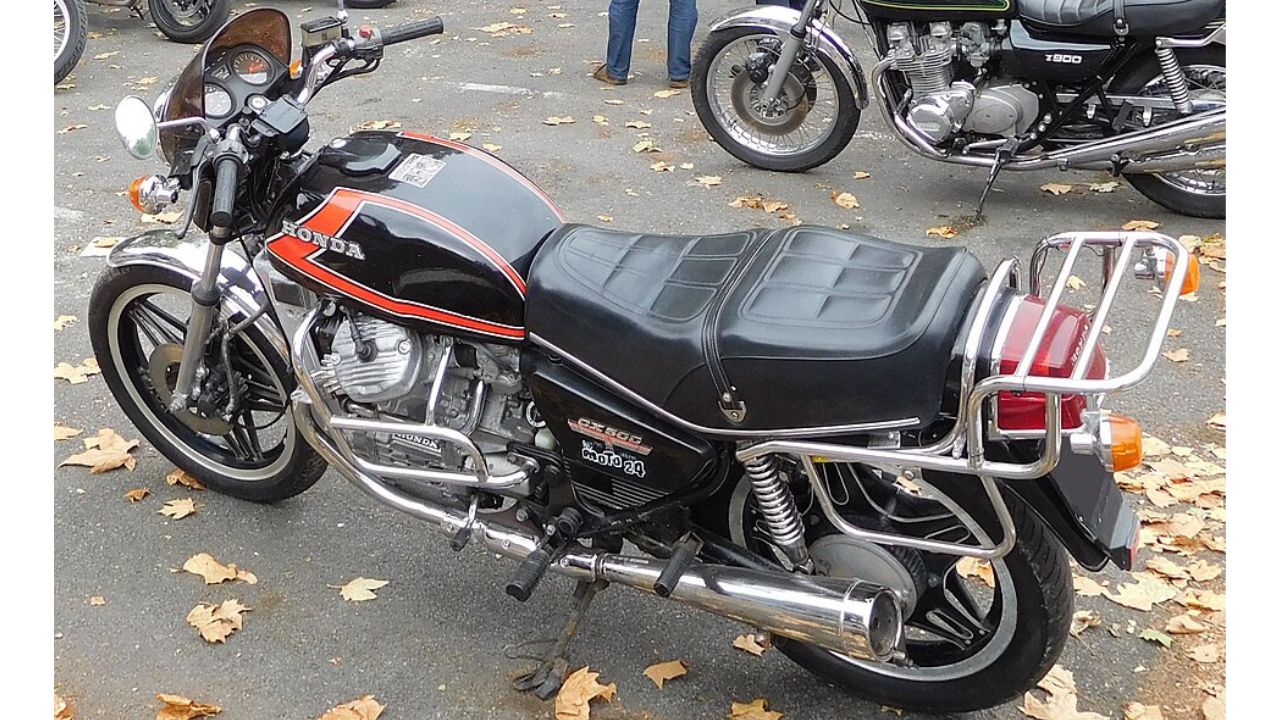
The Honda CX500 was an unusual motorcycle even by Honda’s standards. Its liquid-cooled V-twin was mounted with the cylinders positioned outward, creating a distinctive appearance and a low center of gravity. Shaft drive also made it practical for riders who wanted dependable transportation with minimal chain maintenance. The CX500 was not designed to be an exotic superbike, but that practicality is part of its appeal today. Its comfortable proportions and unusual engineering make it an excellent classic for riders who want something interesting without choosing one of the usual collector favorites.
Kawasaki KZ650
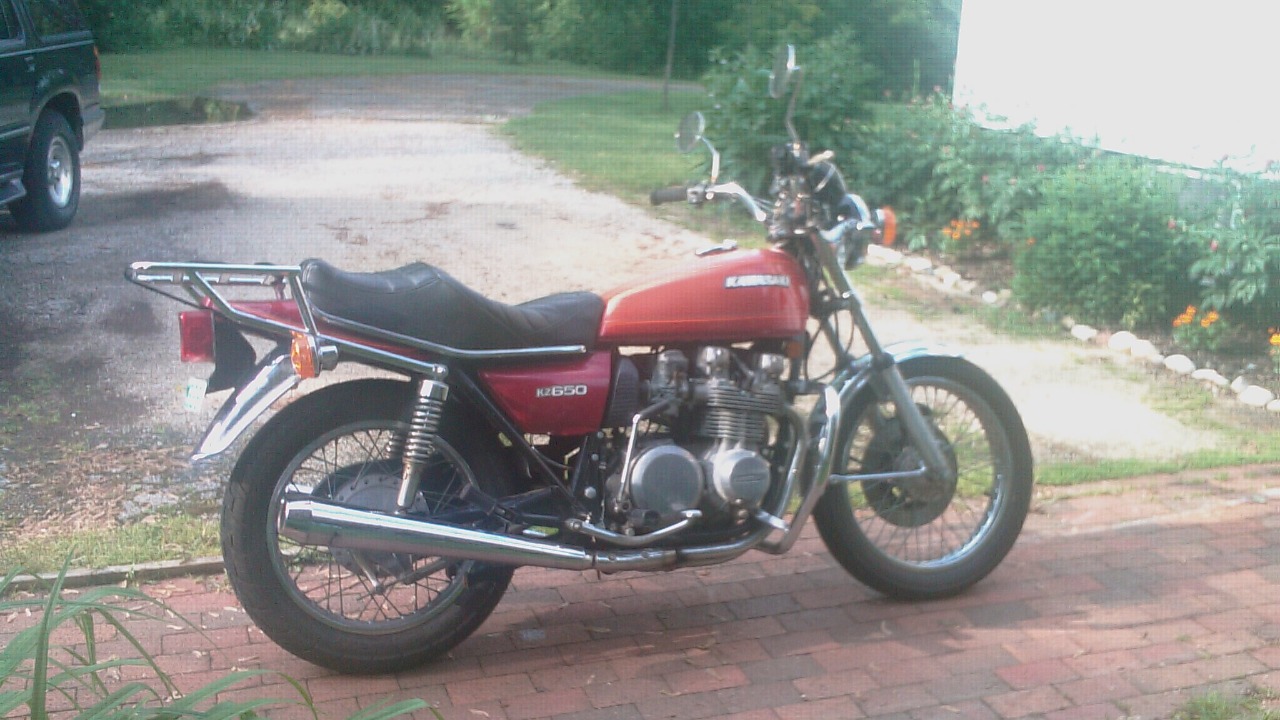
The Kawasaki KZ650 occupied an appealing middle ground between smaller standards and large superbikes. Its four-cylinder engine provided smooth performance without the size and weight of some larger motorcycles. The styling was also unmistakably late-1970s Kawasaki, with a long tank, chrome details, and a clean standard-bike profile. Because it was produced in greater numbers than some more exotic models, enthusiasts can still find examples to restore or ride. A properly sorted KZ650 remains enjoyable on the open road because it combines manageable dimensions with enough performance for spirited riding.
Suzuki GSX-R750

The Suzuki GSX-R750 helped redefine the idea of a production sportbike when it arrived. Its lightweight construction, aggressive riding position, full fairing, and high-performance engine created a motorcycle that brought racing-inspired technology much closer to ordinary enthusiasts. Early examples now have serious collector appeal, but they are still fascinating machines to ride when properly maintained. The GSX-R750 represents the moment when sportbikes began moving toward the modern formula. Even decades later, its focused character is immediately apparent once the road starts twisting.
Kawasaki KZ900
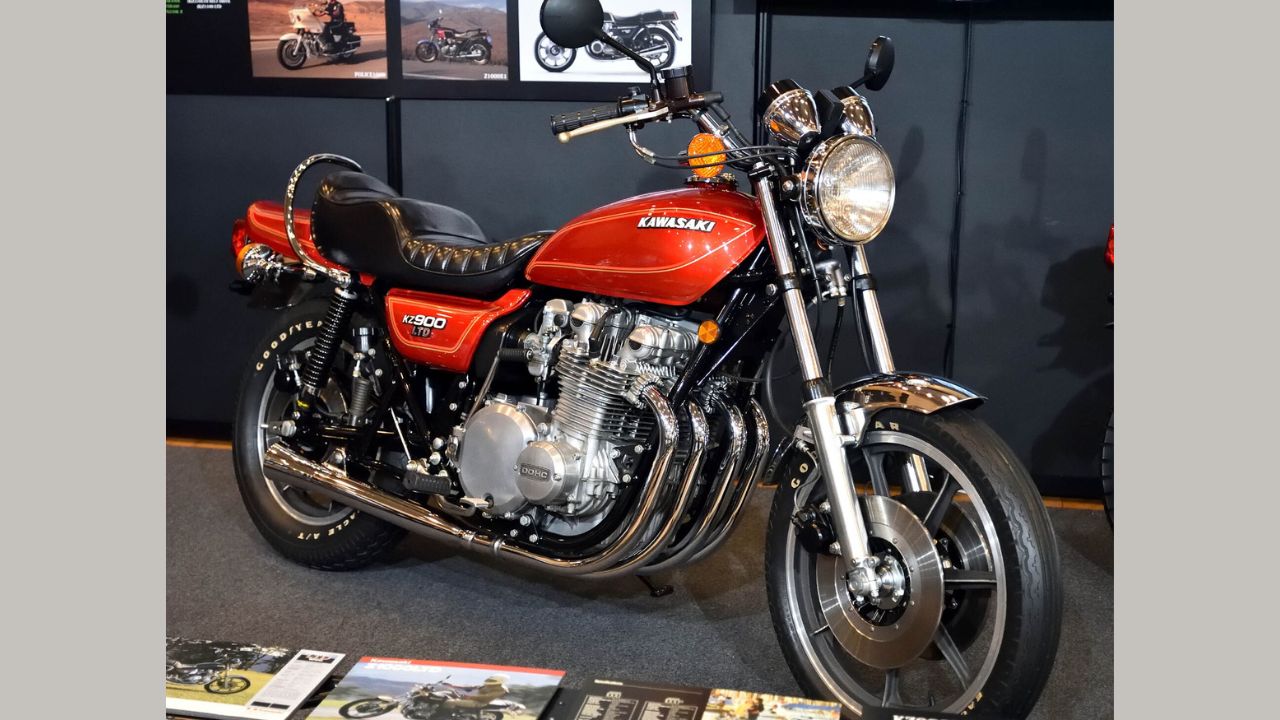
The Kawasaki KZ900 was one of the motorcycles that helped establish the company’s reputation for big-engine performance. Its inline-four engine delivered substantial power for the period, while the traditional standard-bike layout kept the machine relatively straightforward. The KZ900 also has the visual presence that many collectors associate with classic Japanese motorcycles. It feels substantial without being overwhelmed by bodywork or electronics. On an open road, the combination of engine sound, torque, and mechanical simplicity creates an experience that feels very different from riding a contemporary performance motorcycle.
Harley-Davidson Electra Glide
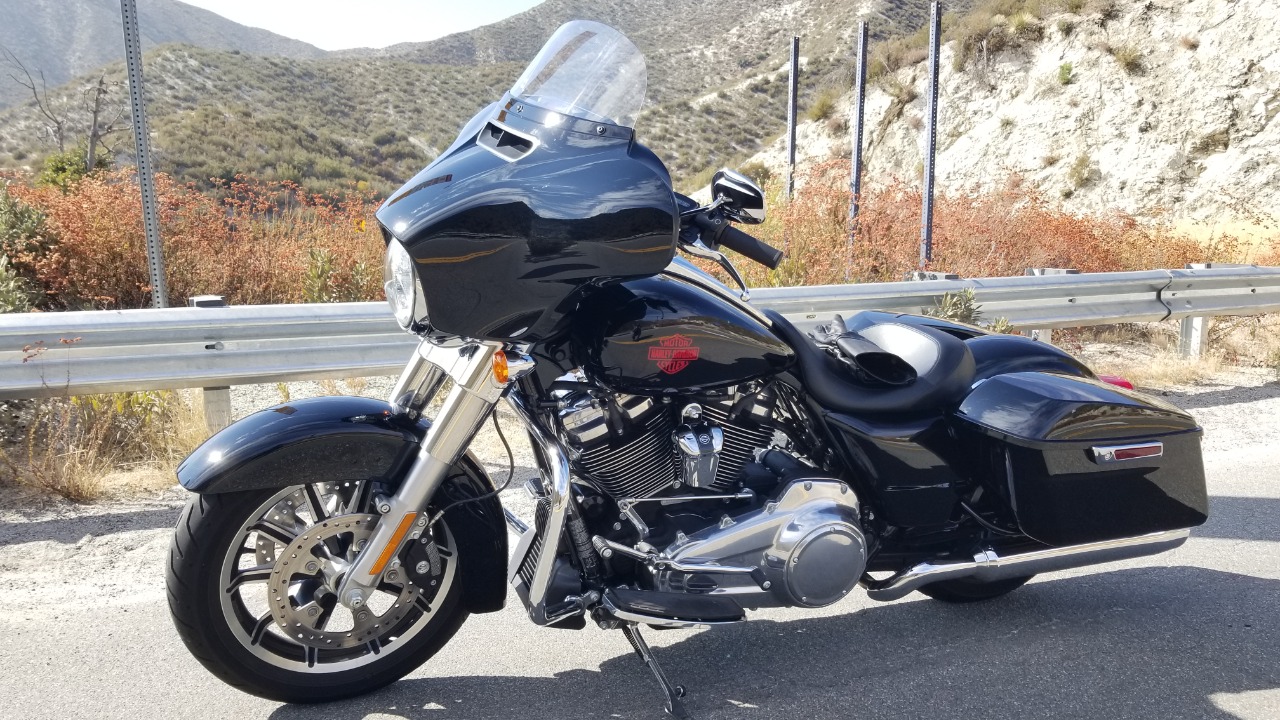
The Harley-Davidson Electra Glide became a defining American touring motorcycle thanks to its large V-twin engine, comfortable riding position, and distinctive fairing. Classic examples have an unmistakable road-going presence, particularly when equipped with period touring accessories. The bike was designed for covering long distances rather than attacking corners, and that mission remains part of its charm. A vintage Electra Glide encourages riders to settle into a steady pace and enjoy the journey. Few motorcycles capture the classic American highway experience quite as clearly.
Triumph TR6
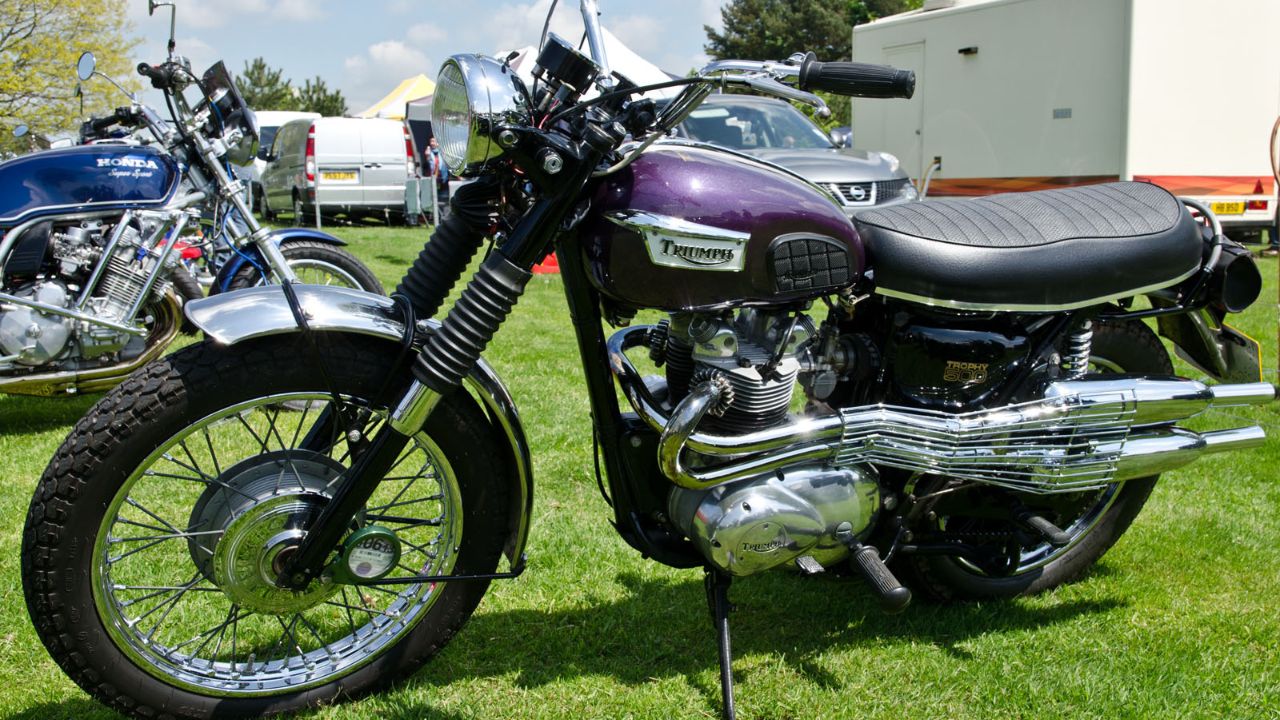
The Triumph TR6 offered the traditional British motorcycle experience in a relatively straightforward package. Its single-carburetor parallel-twin engine and classic styling gave it a more relaxed personality than some of the company’s sportier models. The TR6 also became popular with riders who wanted a motorcycle that could handle everyday use while retaining strong visual character. Today, its simplicity is a major attraction. Riding one on an open road makes it easy to understand why British twins developed such devoted followings before modern Japanese motorcycles transformed the industry.
Honda CB550
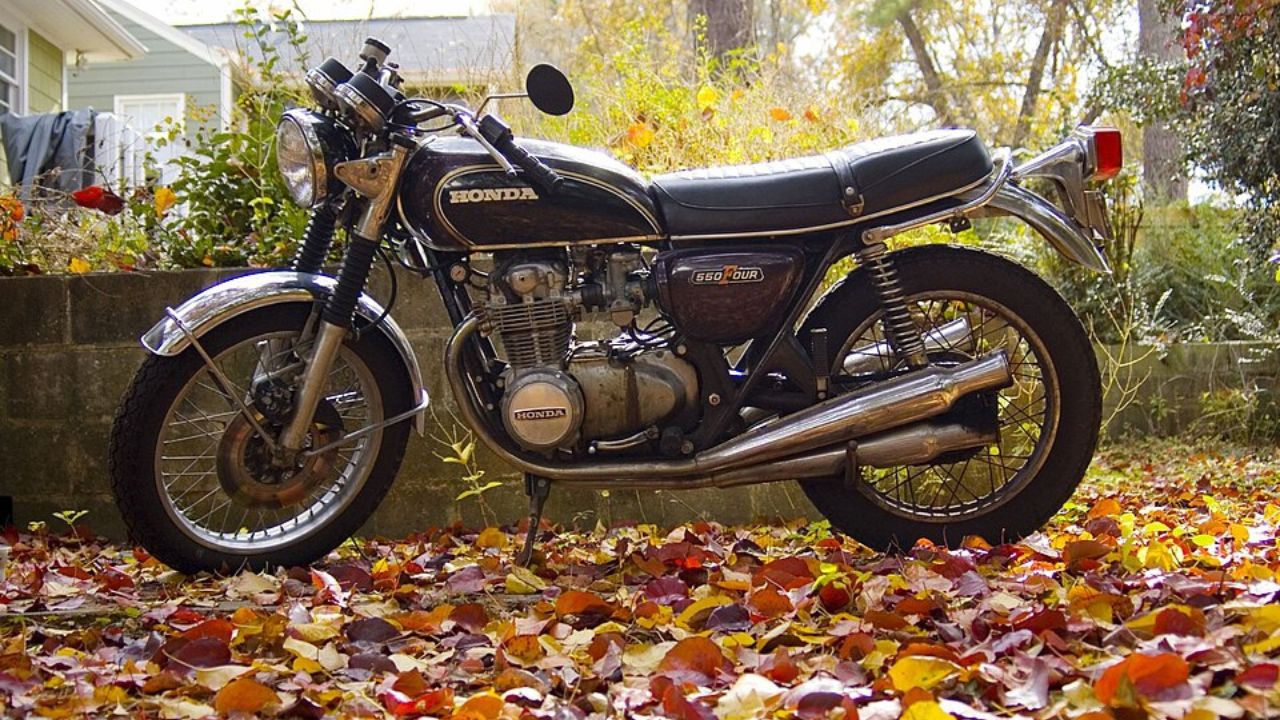
The Honda CB550 may not have the historical fame of the CB750, but it remains one of the most satisfying classic Japanese motorcycles for ordinary road riding. Its inline-four engine offers a smooth and engaging power delivery, while the motorcycle itself is compact enough to feel manageable. The proportions are classic without being overly dramatic, and the straightforward mechanical layout makes the bike approachable for enthusiasts. A CB550 does not need to be the fastest motorcycle on the road. Its appeal comes from making everyday riding feel connected, simple, and genuinely enjoyable.
More from Fast Lane Only
- Unboxing the WWII Jeep in a Crate
- 15 rare Chevys collectors are quietly buying
- 10 underrated V8s still worth hunting down
- Police notice this before you even roll window down
*Research for this article included AI assistance, with all final content reviewed by human editors.