Willys is best remembered for the rugged military Jeep, but the company built far more than tough four-wheel-drive vehicles. Over the decades, Willys produced compact sedans, unusual coupes, station wagons, and experimental designs that have largely disappeared from public view. These nine models reveal a much stranger and more diverse side of Willys that even many automotive enthusiasts rarely encounter.
Willys Americar
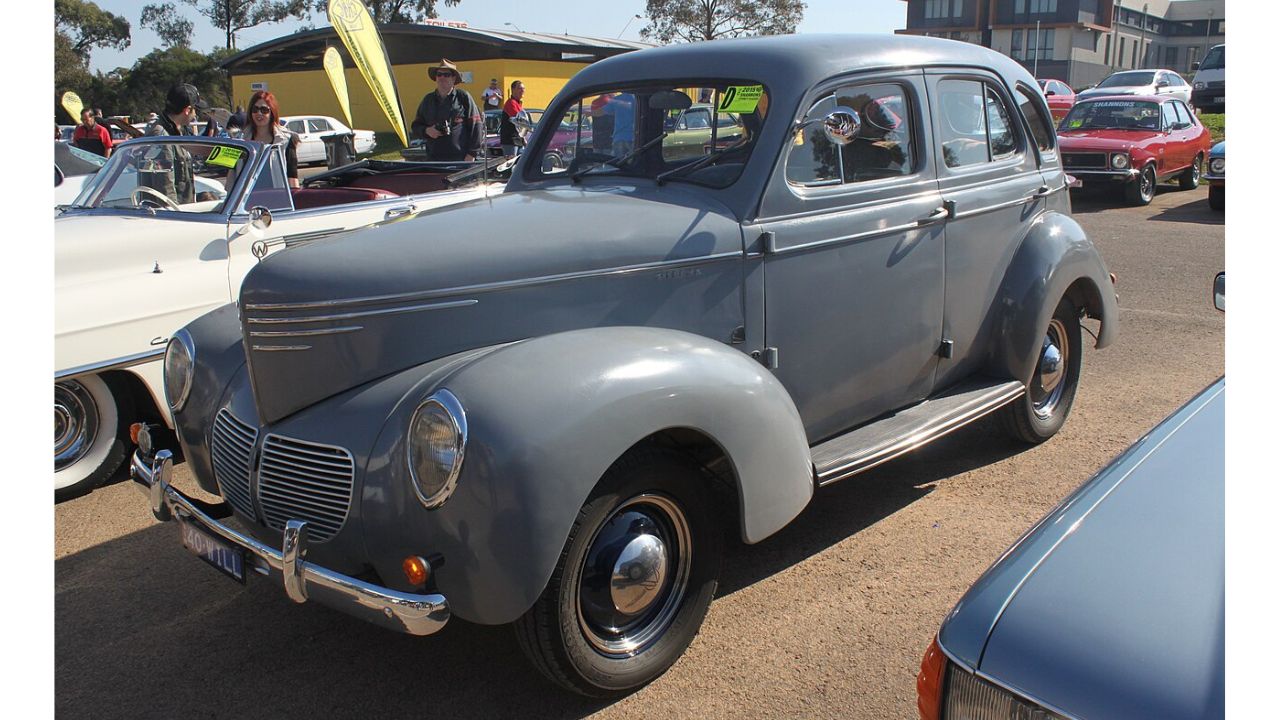
The Willys Americar was introduced in the early 1940s as a compact alternative to America’s larger automobiles. It used relatively simple engineering and lightweight construction, helping it deliver useful economy during a period when fuel and materials were increasingly important. Although production numbers were respectable for the time, surviving examples are scarce today. Its modest appearance also means many people overlook how unusual this small American car actually was.
Willys Aero
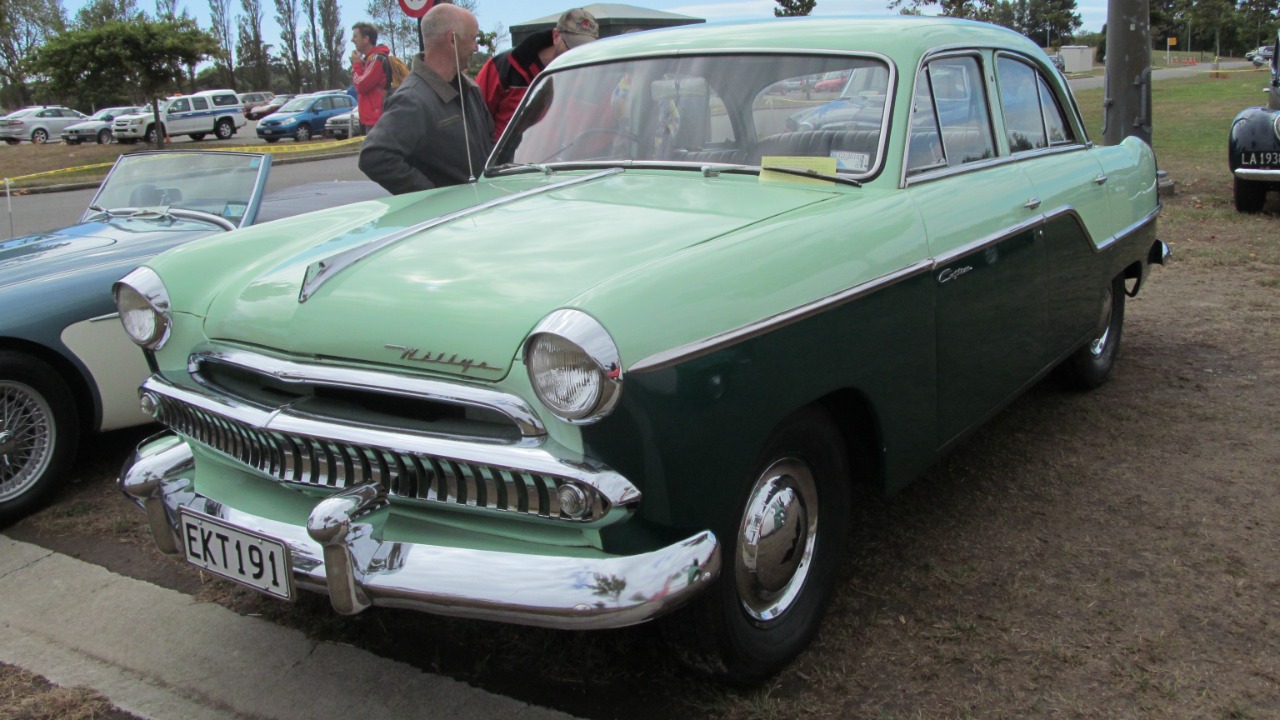
The Willys Aero represented the company’s attempt to compete in the postwar American passenger-car market. Its streamlined body was noticeably more modern than many earlier Willys designs, while several versions were offered with compact six-cylinder engines. The Aero remained relatively uncommon compared with cars from Detroit’s larger manufacturers. Today, its unusual proportions and limited survival rate make it one of the more obscure American cars of the 1950s.
Willys Bermuda
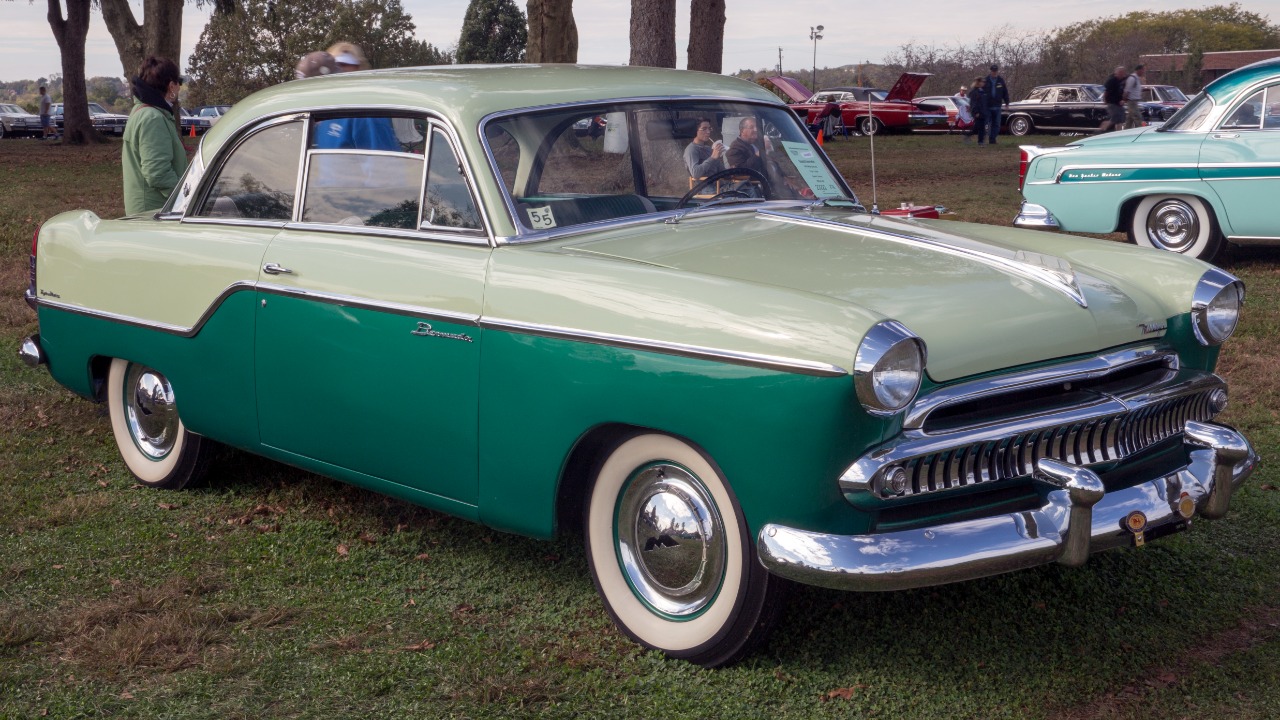
The Willys Bermuda was one of the most distinctive versions of the Aero-based lineup. Designed as a stylish two-door hardtop, it combined compact dimensions with a more upscale appearance than the company’s utilitarian reputation suggested. Its sweeping roofline and unusual trim separated it from ordinary Willys sedans. Because production was limited and the model received little long-term recognition, finding a genuine Bermuda today can be surprisingly difficult.
Willys 77
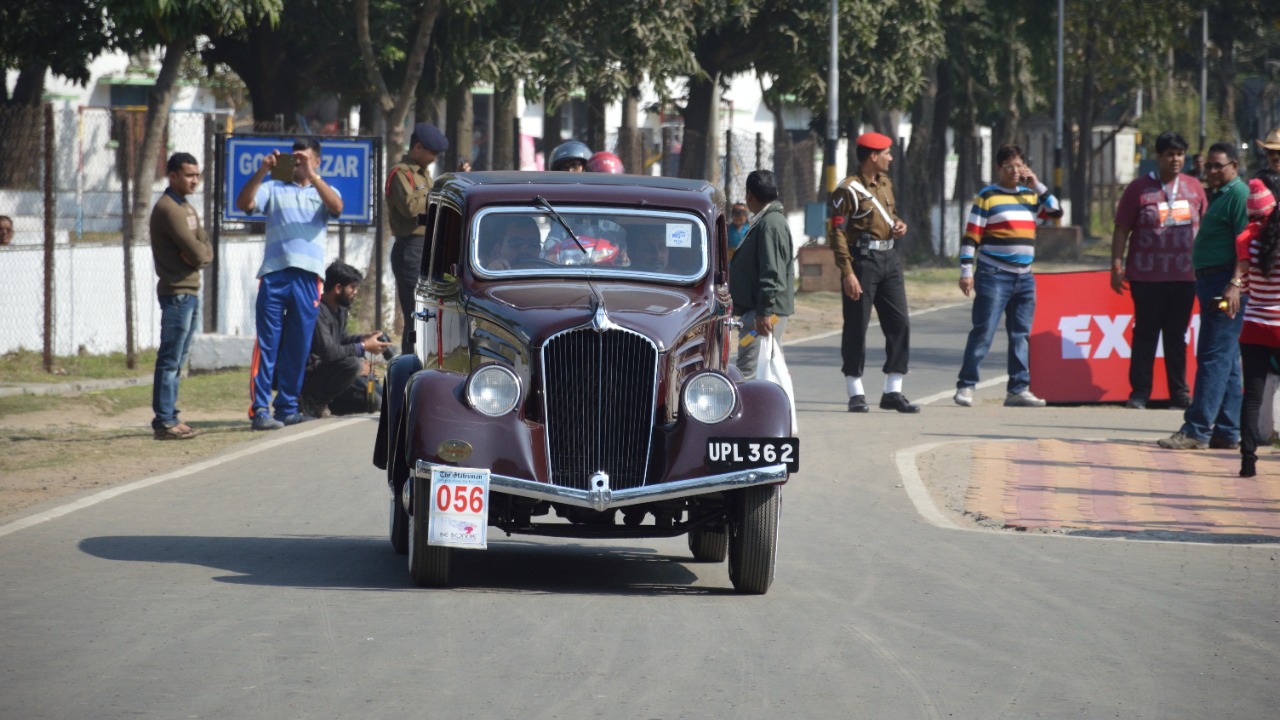
The Willys 77 was introduced during the difficult years of the Great Depression as a compact, affordable automobile designed to keep the company alive. Its streamlined body was designed by Amos Northup, giving it a surprisingly modern appearance for the early 1930s. Powered by a four-cylinder engine, the 77 emphasized economy and simplicity rather than luxury. Its short production run makes surviving examples particularly unusual today.
Willys Ace
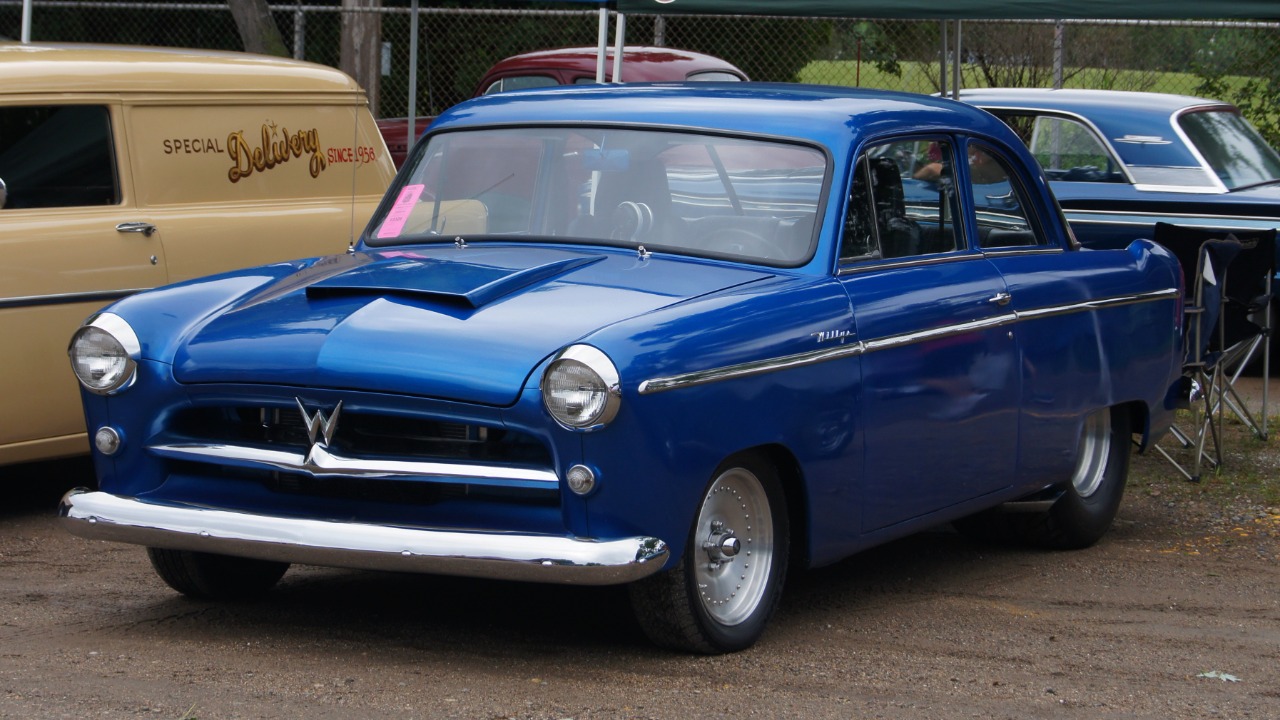
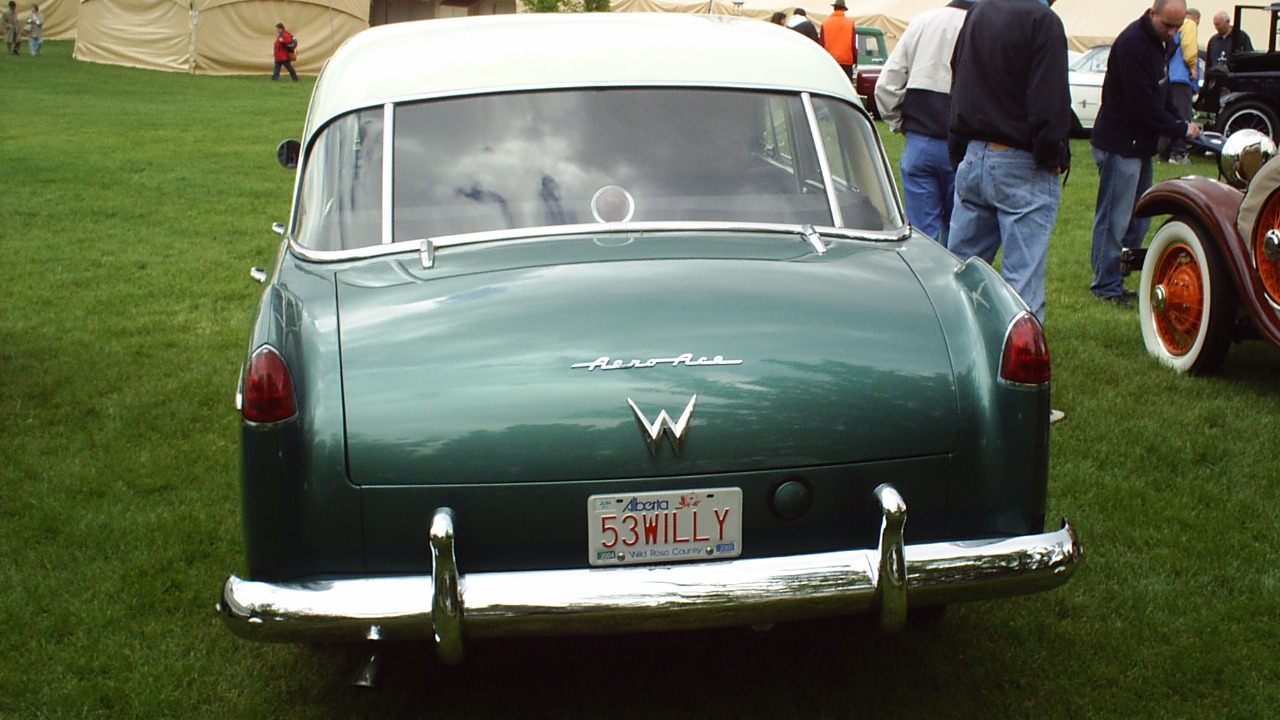
The Willys Ace was a compact postwar sedan developed during the company’s attempt to establish itself more firmly in the civilian automobile market. It featured a relatively simple six-cylinder powertrain and conservative construction intended to keep operating costs manageable. The Ace never achieved the recognition enjoyed by larger American sedans. Today, surviving examples are uncommon enough that many enthusiasts have never encountered one outside photographs.
Willys Jeepster
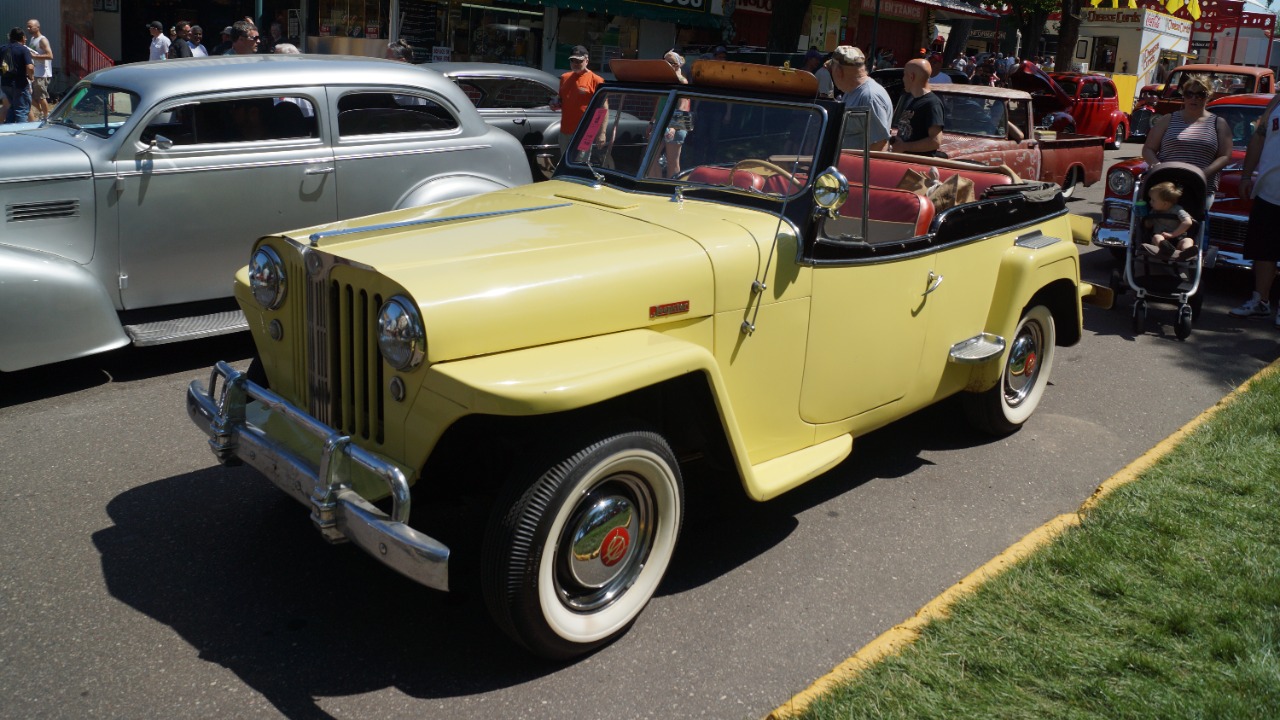
The Willys Jeepster was an unusual civilian vehicle that blended Jeep-inspired utility with convertible styling. Introduced shortly after World War II, it targeted buyers who wanted an open vehicle with more road-going comfort than a military-style Jeep. Its upright body and simple mechanical layout gave it a distinctive character. Despite its historical importance, the Jeepster remains considerably less familiar than the Jeep models that followed it.
Willys Station Wagon
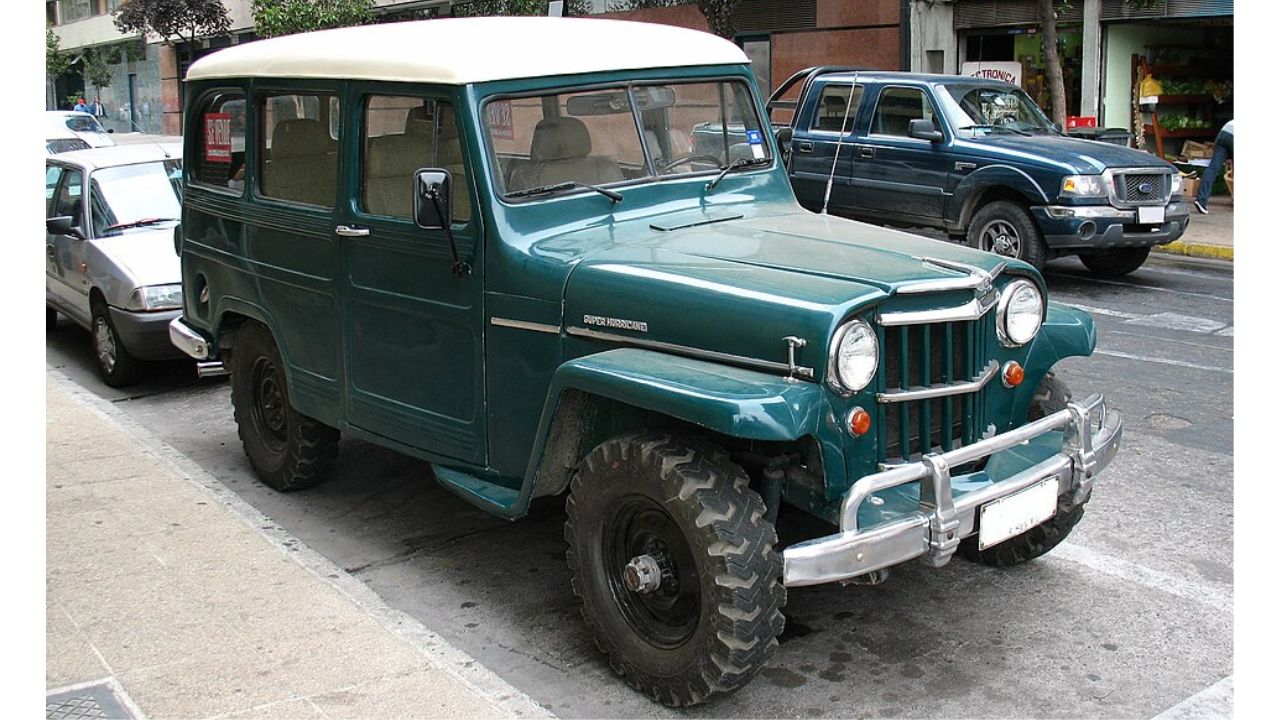
The Willys Station Wagon became one of the company’s most important civilian products, but surviving examples are now far less common than its historical importance might suggest. It offered enclosed passenger space, rear-wheel drive or four-wheel-drive capability, and practical construction that appealed to families and businesses alike. Its steel body was particularly notable for an early station wagon. Today, restored examples are increasingly sought after by collectors.
Willys Overland Whippet
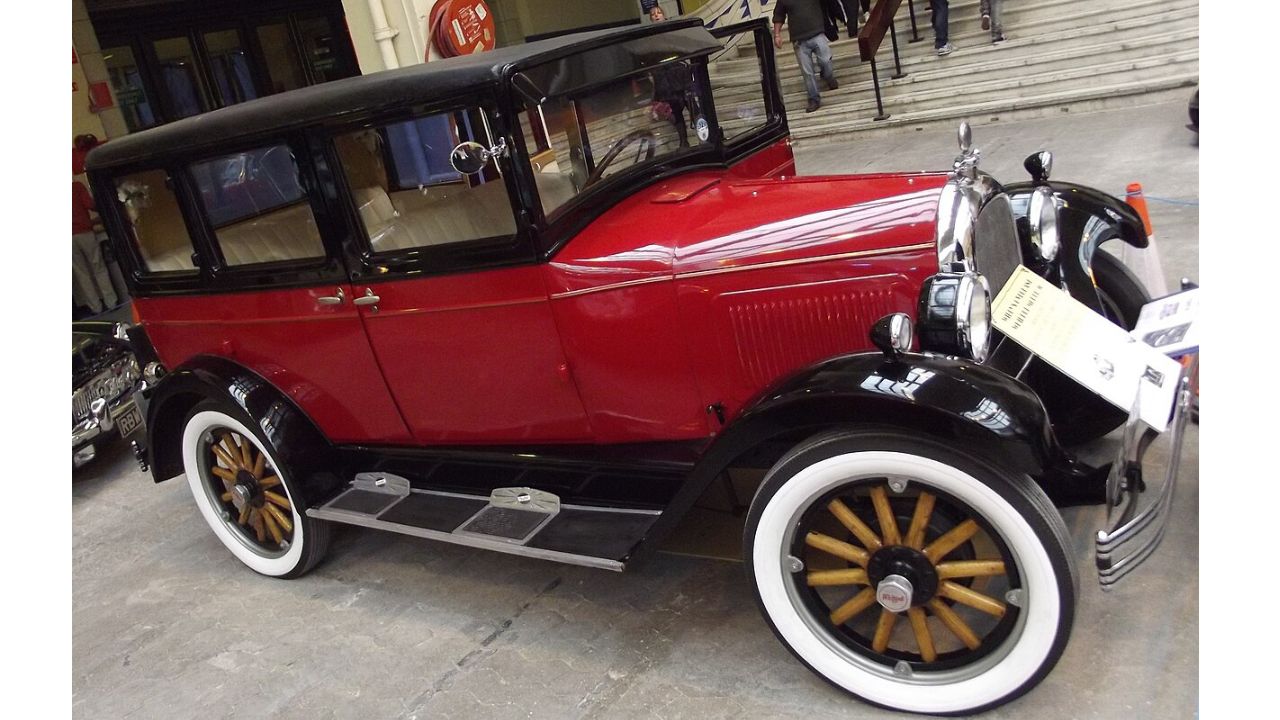
The Willys-Overland Whippet was a compact automobile designed to compete in America’s increasingly crowded low-priced market during the 1920s. Available in several body styles, it emphasized affordability and relatively efficient operation rather than luxury. The Whippet became an important part of Willys-Overland’s expansion, yet few examples survived the decades that followed. Its small size and period styling make it particularly fascinating to prewar-car enthusiasts.
Willys Knight
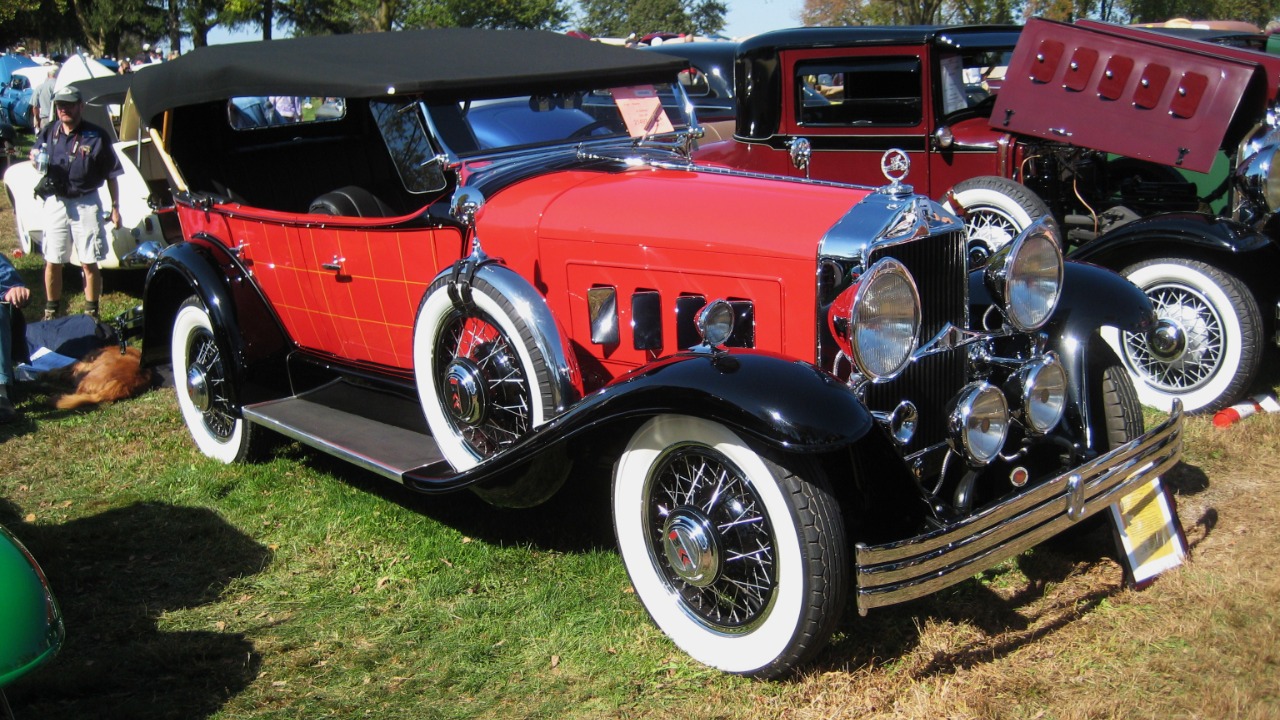
The Willys-Knight was among the company’s most technically distinctive automobiles because it used a Knight sleeve-valve engine rather than the conventional poppet-valve arrangement. The design promised exceptionally smooth and quiet operation, helping Willys compete in the higher-priced automobile market. Maintaining such an unusual engine required specialized knowledge, however. Today, surviving Willys-Knight automobiles are rare reminders of an era when manufacturers experimented with radically different engine designs.
More from Fast Lane Only
- Unboxing the WWII Jeep in a Crate
- 15 rare Chevys collectors are quietly buying
- 10 underrated V8s still worth hunting down
- Police notice this before you even roll window down
*Research for this article included AI assistance, with all final content reviewed by human editors.