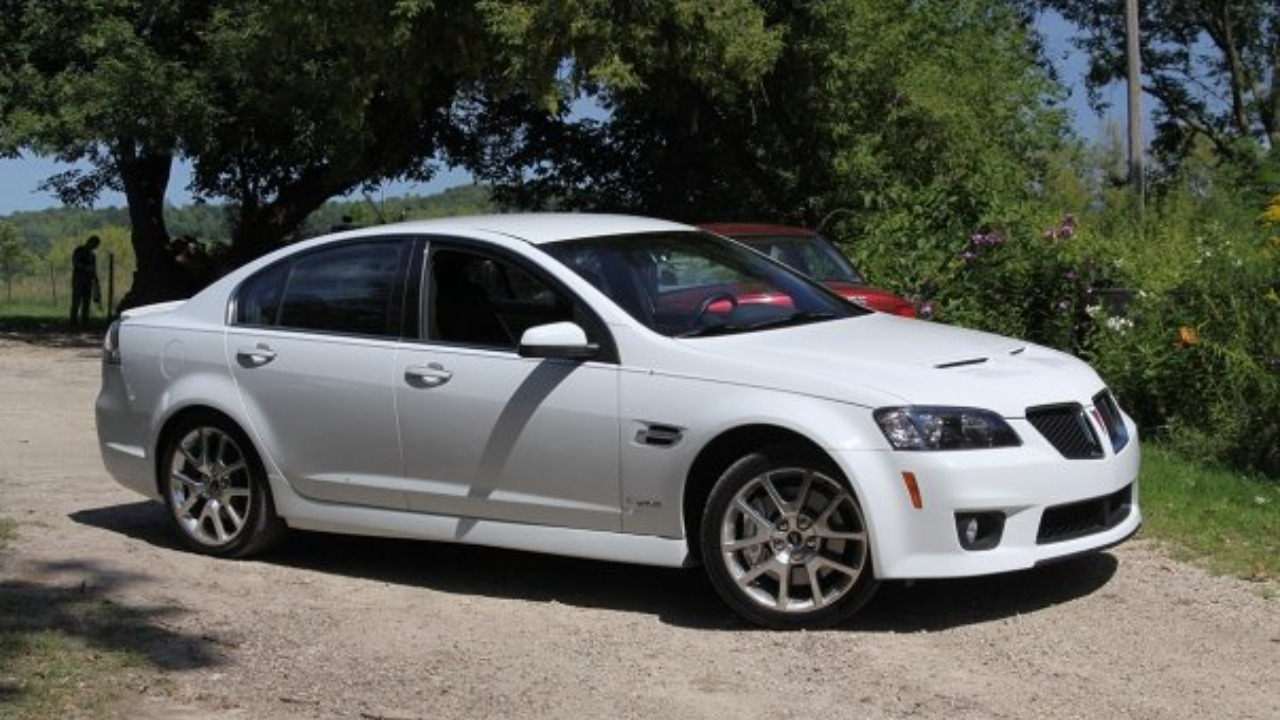
Not every classic car was an instant favorite with collectors. Some spent decades being overlooked before enthusiasts began appreciating their styling, engineering, performance, or everyday character. As tastes change, these once-overlooked models are finding new audiences. They may not always command the attention of the biggest collector names, but their reputations continue to grow among people who know classic cars.
AMC Javelin
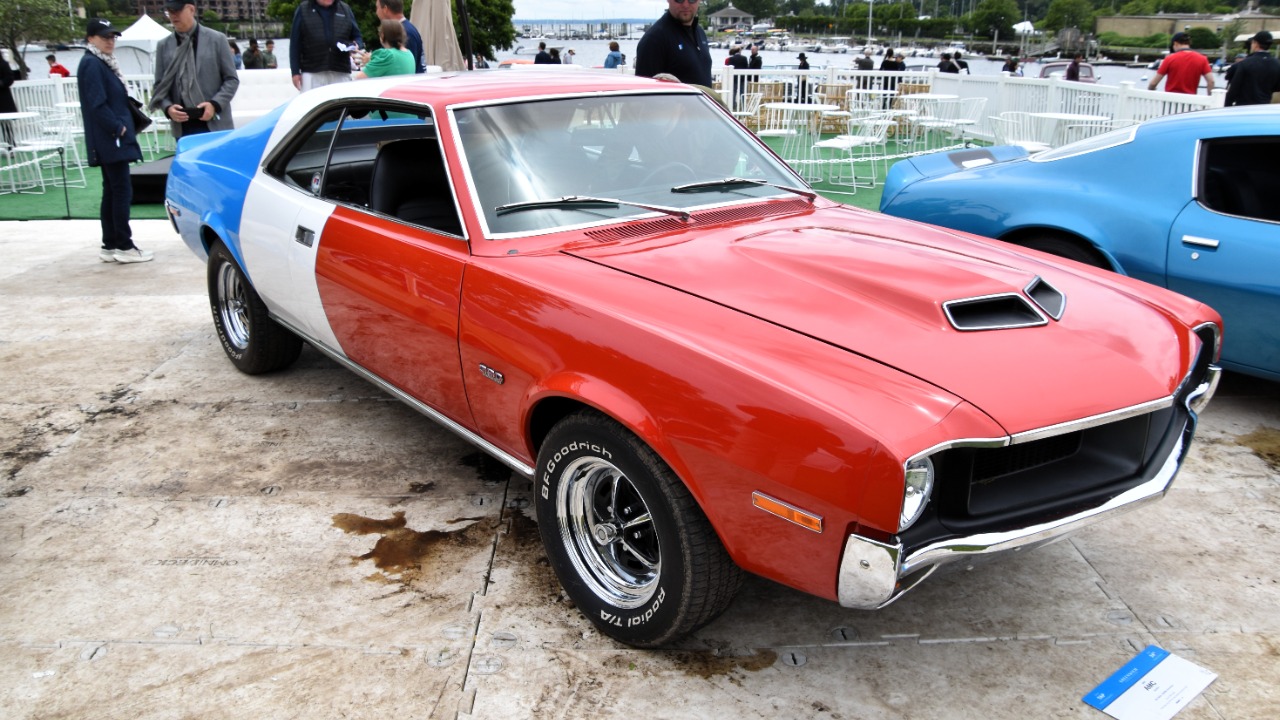
The AMC Javelin has steadily gained recognition as one of the most distinctive American performance cars of its era. Its long hood, fastback roofline, and V8 options gave it genuine muscle-car credentials, while its design stood apart from the usual Ford, Chevrolet, and Chrysler offerings. AMC also produced several performance-focused versions that made the Javelin far more capable than its outsider status suggested. Today, enthusiasts increasingly appreciate its combination of style, rarity, and independent American character.
Mercury Cougar

The Mercury Cougar started as a stylish alternative to the Mustang, but its reputation has grown well beyond that original role. Its longer body, hidden headlights, and more refined interior gave it a distinctive personality, while available V8 engines provided plenty of performance. Early Cougars in particular have become increasingly interesting to collectors who appreciate cars that combine muscle-car hardware with a more upscale presentation. The Cougar’s unique styling also makes it easy to recognize at a gathering.
Buick Riviera
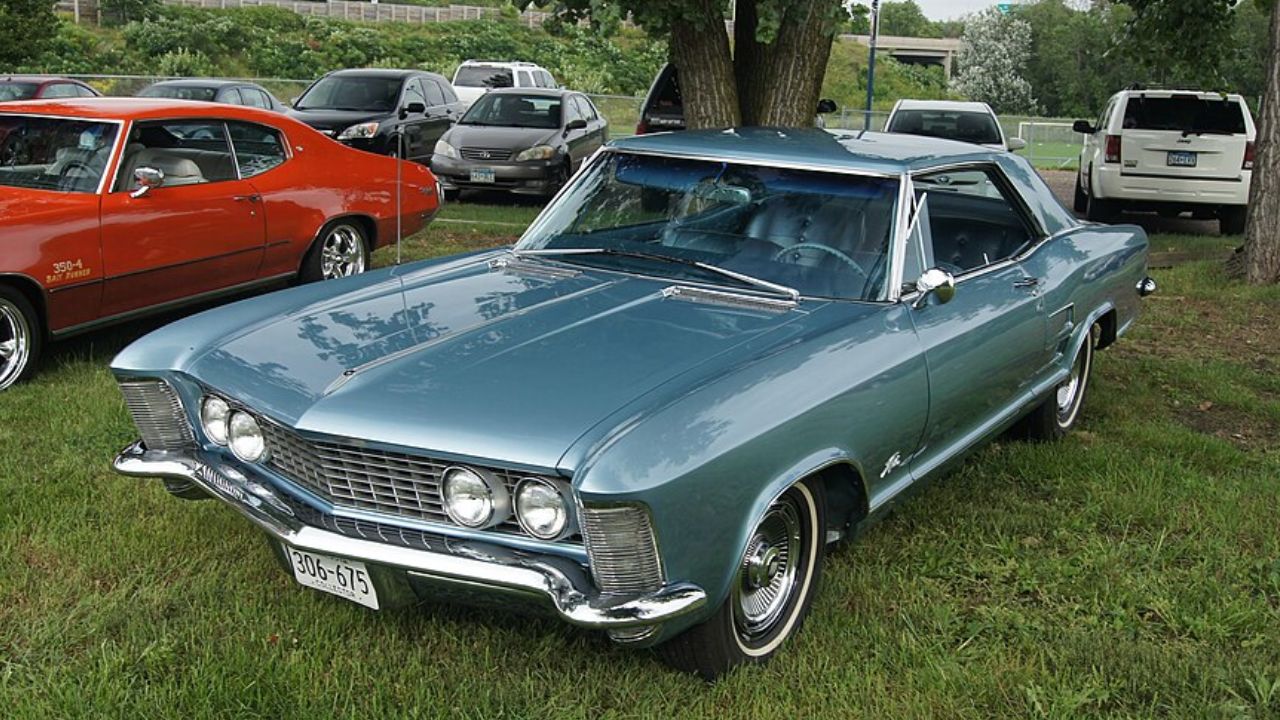
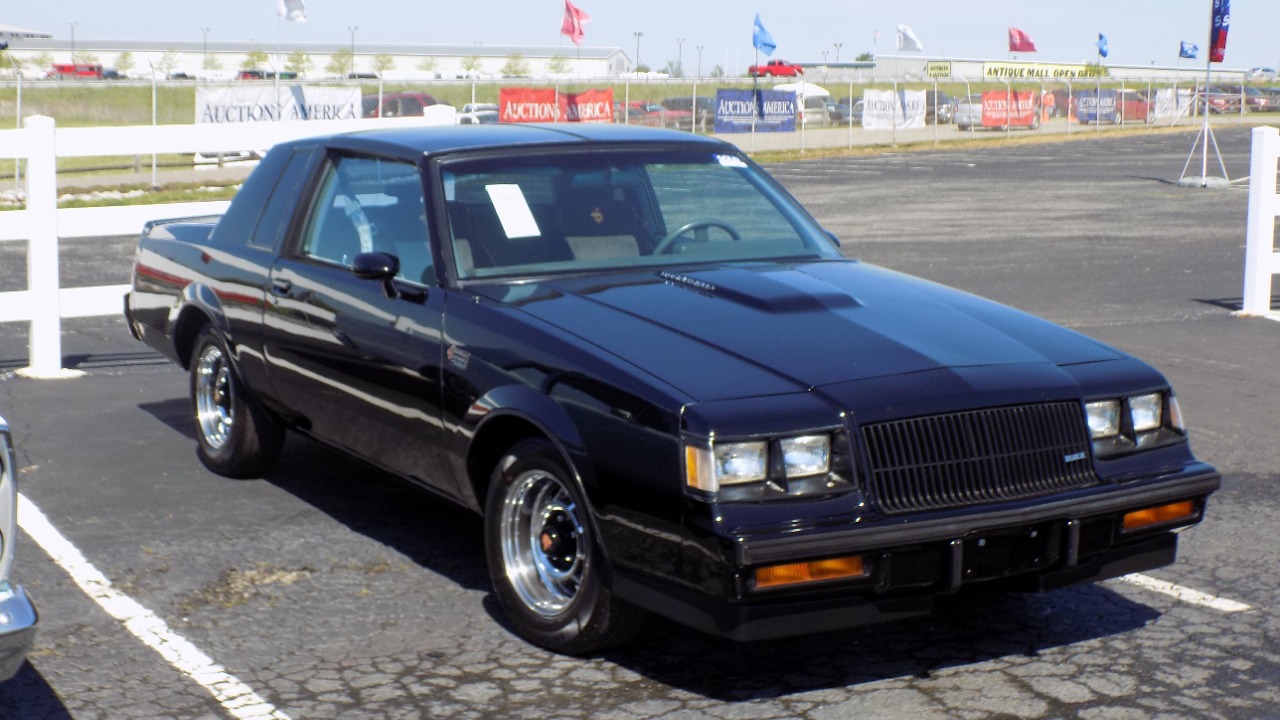
The Buick Riviera remains one of the great examples of American personal luxury, yet it still receives less attention than many contemporary muscle cars. Its dramatic proportions, powerful V8 engines, and carefully designed interiors gave it an upscale character that appealed to buyers who wanted performance without sacrificing comfort. Different generations developed their own distinctive styling, giving collectors plenty of choices. The Riviera continues to earn respect because it represents an era when American manufacturers could build genuinely luxurious cars with enormous personality.
Ford Falcon
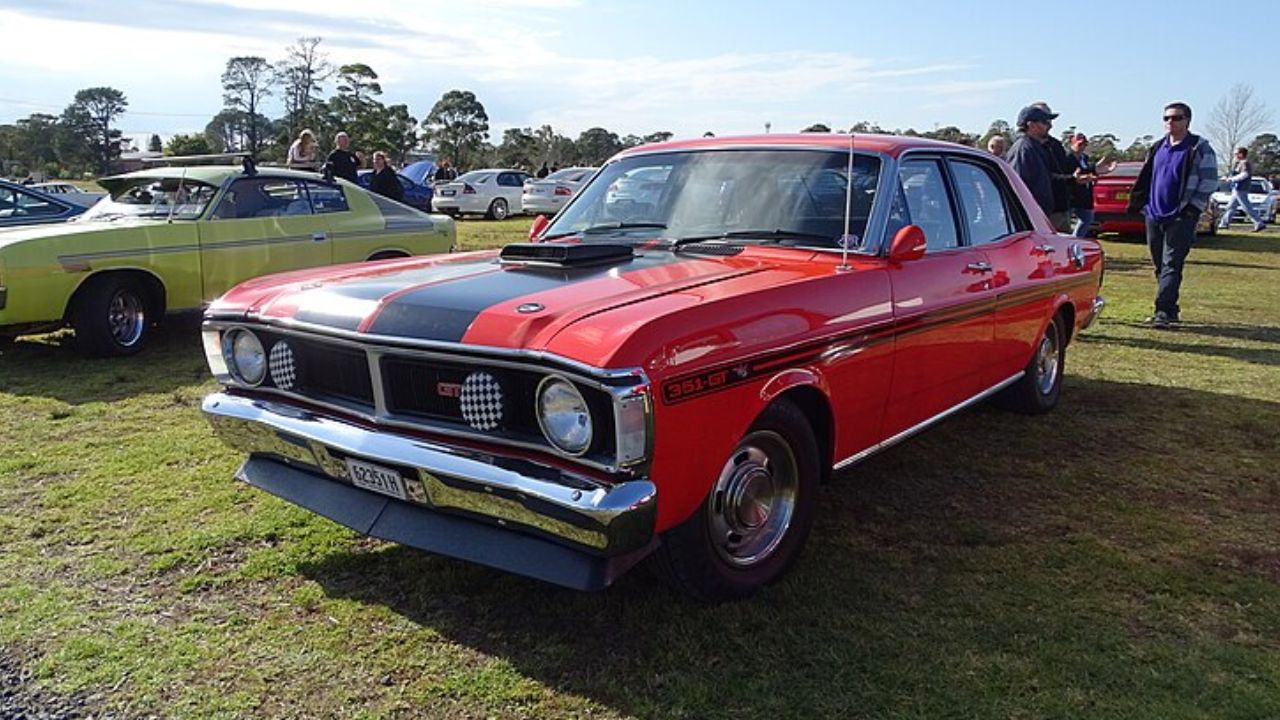
The Ford Falcon was designed primarily as a practical compact, but its simplicity is part of what makes it increasingly interesting today. Its lightweight construction, straightforward mechanical layout, and wide range of body styles made it easy to live with. Performance versions also demonstrated how much potential existed underneath its modest appearance. Enthusiasts appreciate the Falcon because it represents the beginning of an important period in American automotive history, when smaller cars began taking on roles once reserved for much larger vehicles.
Chevrolet Corvair
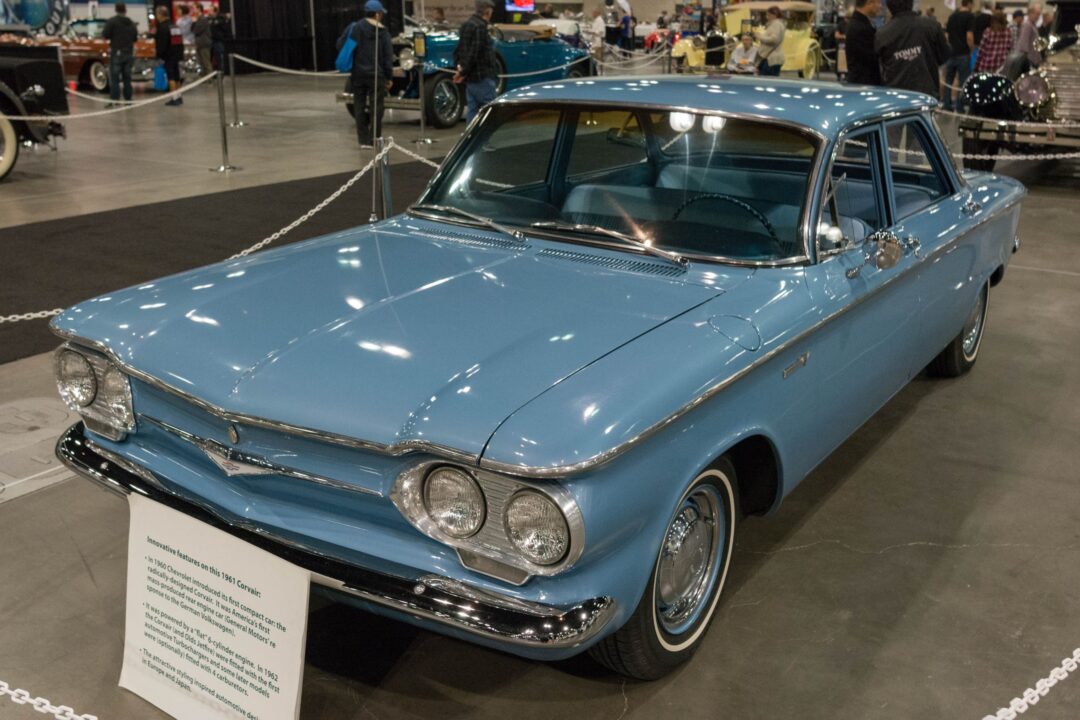
The Chevrolet Corvair has gone through an interesting change in reputation. Once known mainly for its unusual rear-engine layout, it is now increasingly appreciated as one of America’s most unconventional production cars. Its compact dimensions, independent suspension, and flat-six engine gave it a driving character unlike most domestic competitors. The Corvair was also offered in several body styles, including sporty coupes and convertibles. For enthusiasts, its engineering makes it much more than simply another old Chevrolet.
Plymouth Valiant
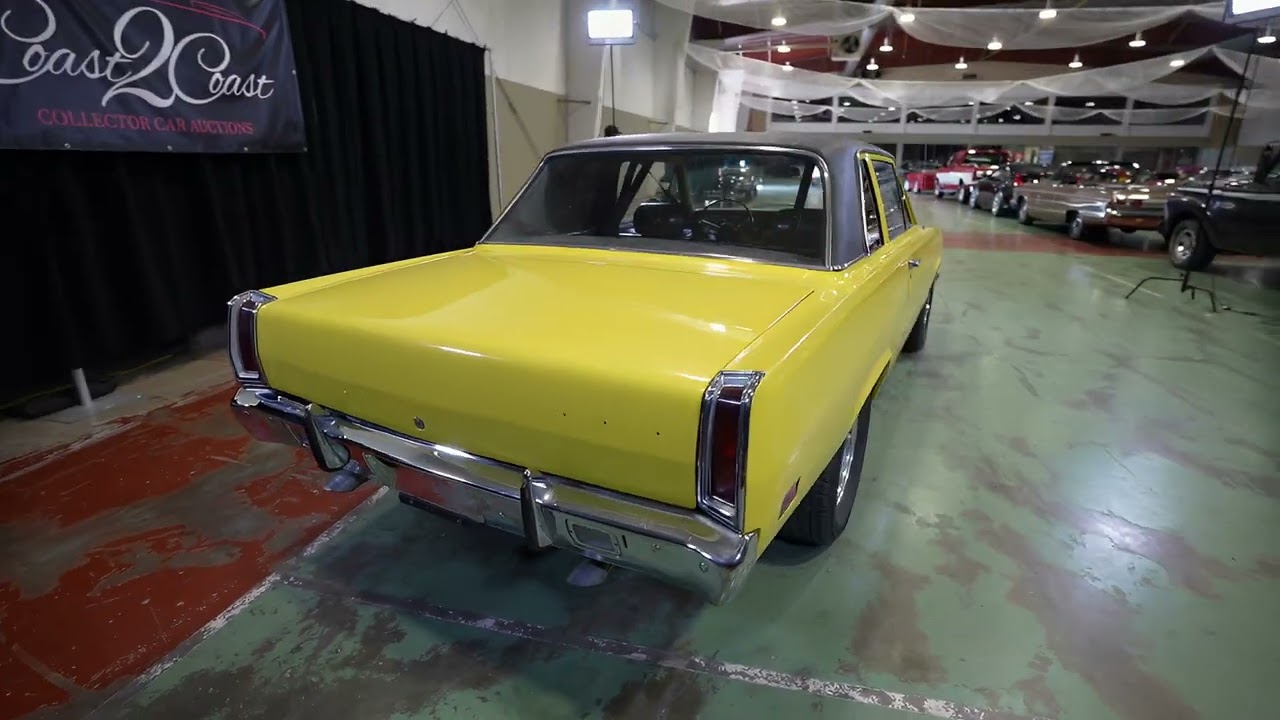
The Plymouth Valiant was built as practical transportation, but its straightforward engineering and distinctive styling have aged surprisingly well. It became one of Chrysler’s important compact models during a period when American buyers were beginning to embrace smaller cars. Available engines gave the Valiant more personality than its economy-car mission suggested. Today, enthusiasts appreciate its simplicity, affordability, and connection to the early years of the American compact-car movement. Clean examples have a charm that increasingly stands out at classic-car events.
Mercury Monterey
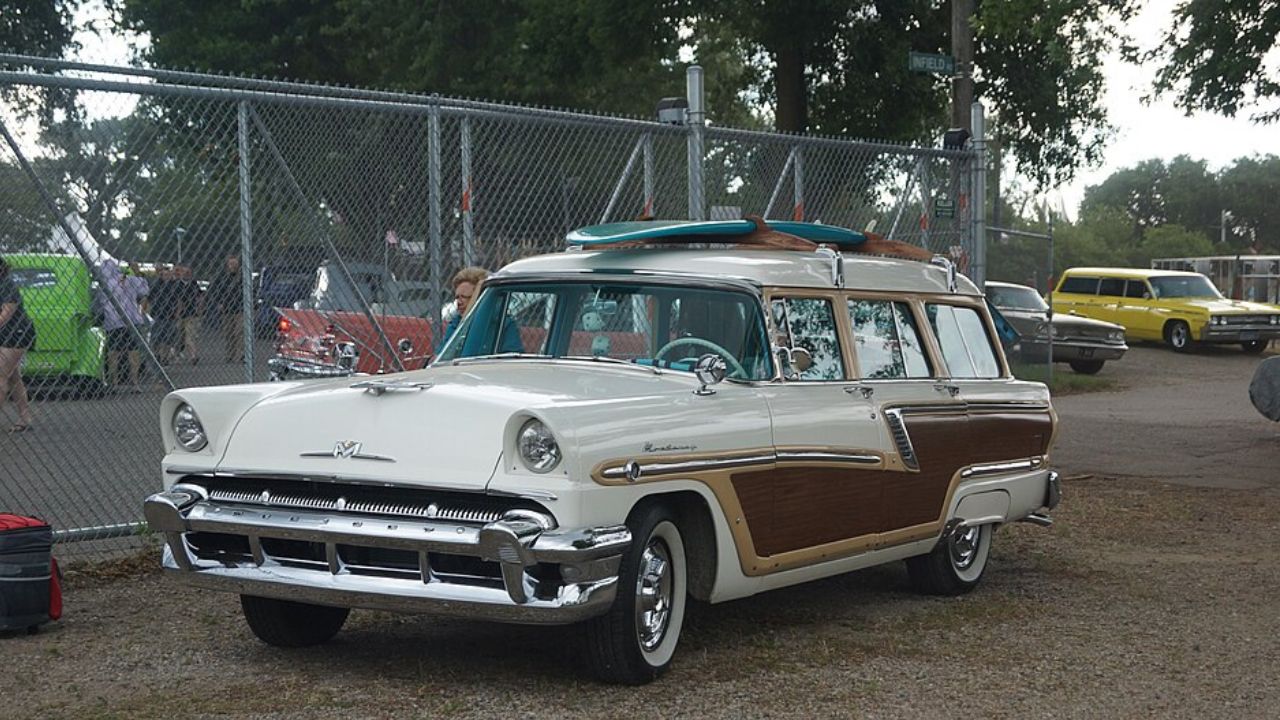
The Mercury Monterey represented a more stylish interpretation of the traditional full-size American car. Its substantial body, smooth V8 power, and comfortable cabin made it an appealing choice for buyers who wanted something more distinctive than a mainstream Ford. Mercury styling became increasingly expressive during the 1950s and 1960s, and the Monterey benefited from that attention. Today, it deserves more respect from collectors who appreciate big American cars for their design, comfort, and period character rather than simply their performance.
Oldsmobile 88
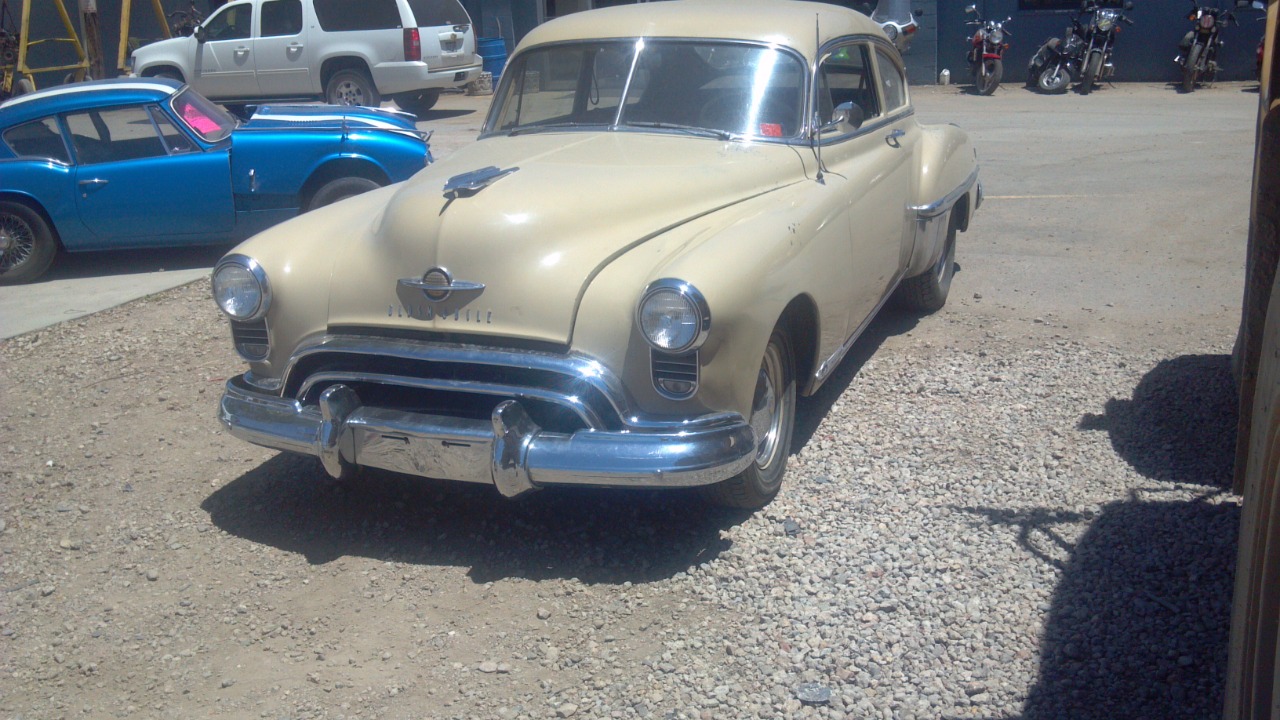
The Oldsmobile 88 helped establish the formula for the affordable performance-oriented full-size American car. Its V8 power, relatively light construction, and comfortable interior gave it an impressive balance when new. The model went through many generations, but earlier examples are particularly interesting to enthusiasts because of their clean styling and strong mechanical character. The 88 may not receive the attention of the more famous Oldsmobile performance models, yet its importance to the brand’s history is difficult to overlook.
Ford Galaxie
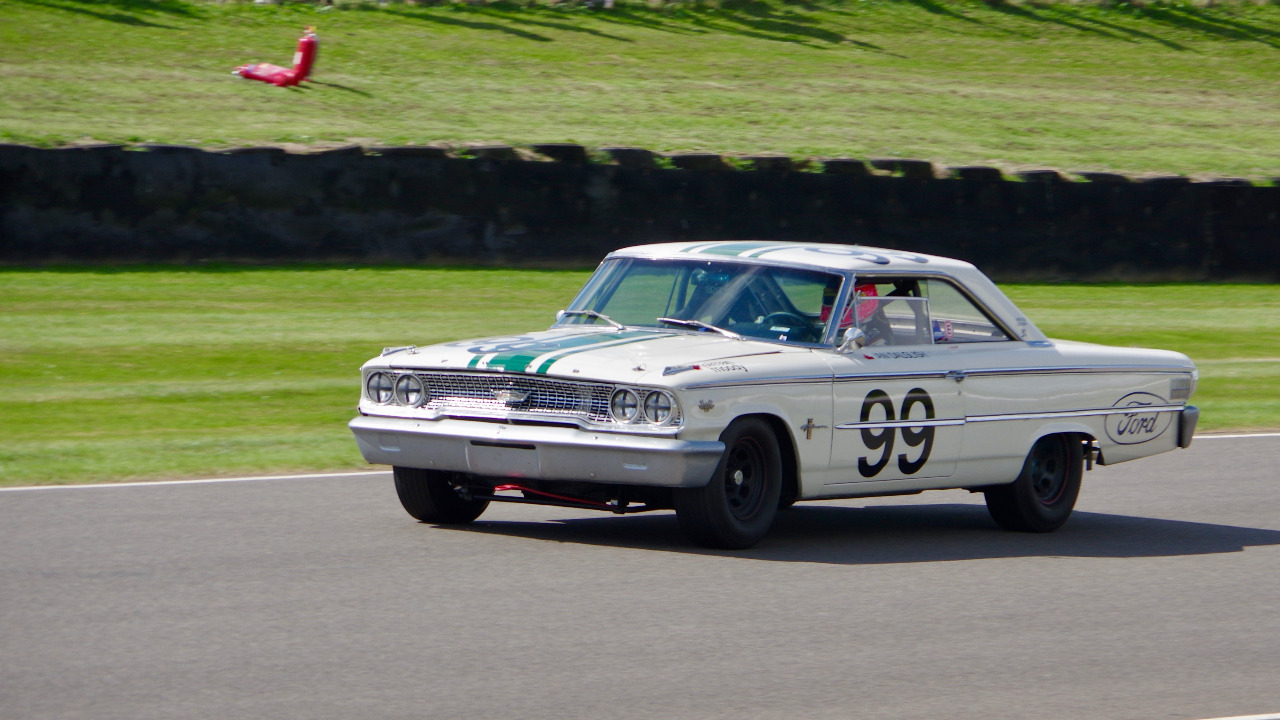
The Ford Galaxie was a major player in the full-size American market, but many examples have become overlooked as collectors focused on muscle cars and sports cars. The Galaxie offered everything from comfortable family transportation to serious performance versions with large V8 engines. Its broad range makes it particularly interesting today. A clean Galaxie can provide the imposing proportions, chrome, and road presence associated with classic American cars without necessarily carrying the same collector premium as more famous models.
Chevrolet Biscayne
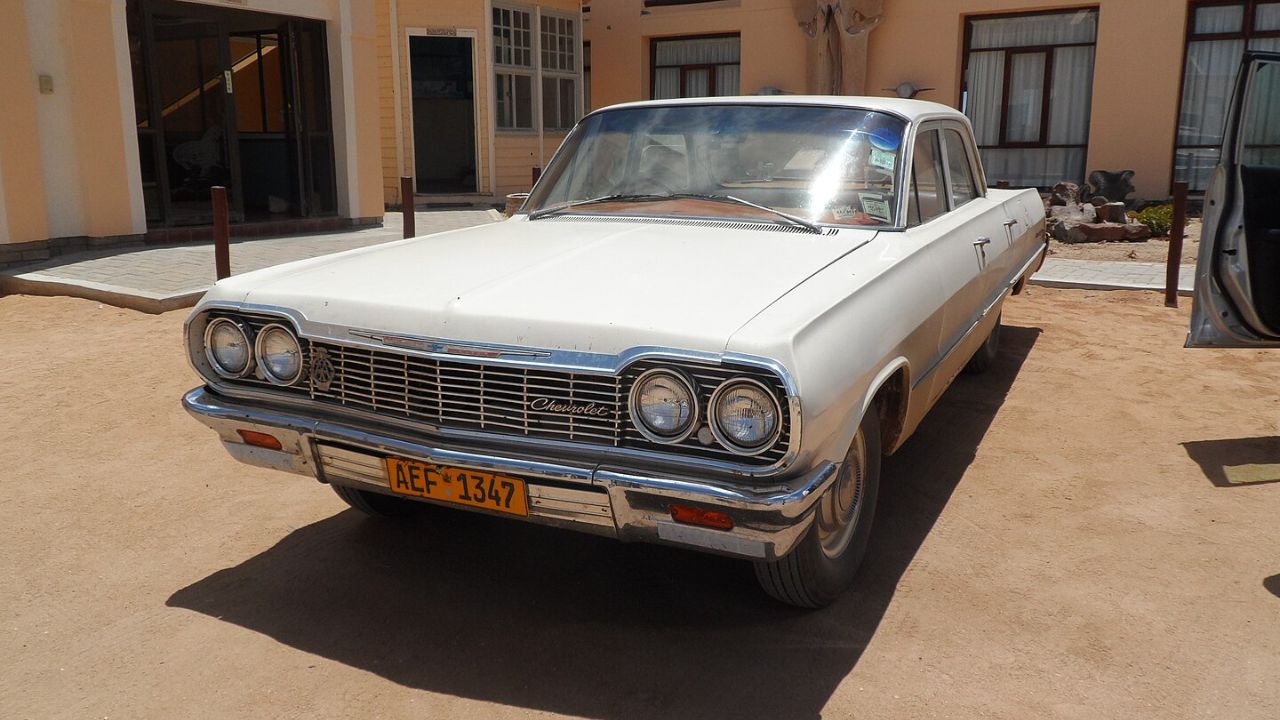
The Chevrolet Biscayne was one of the simpler full-size cars in Chevrolet’s lineup, but that modest positioning made it an interesting foundation for performance. Buyers could equip certain versions with powerful V8 engines while keeping the exterior relatively understated. That combination has become particularly appealing to enthusiasts who enjoy sleeper-style classics. The Biscayne also represents a period when a basic-looking family sedan could hide serious performance underneath. Today, its understated character is a major part of its appeal.
Dodge Dart
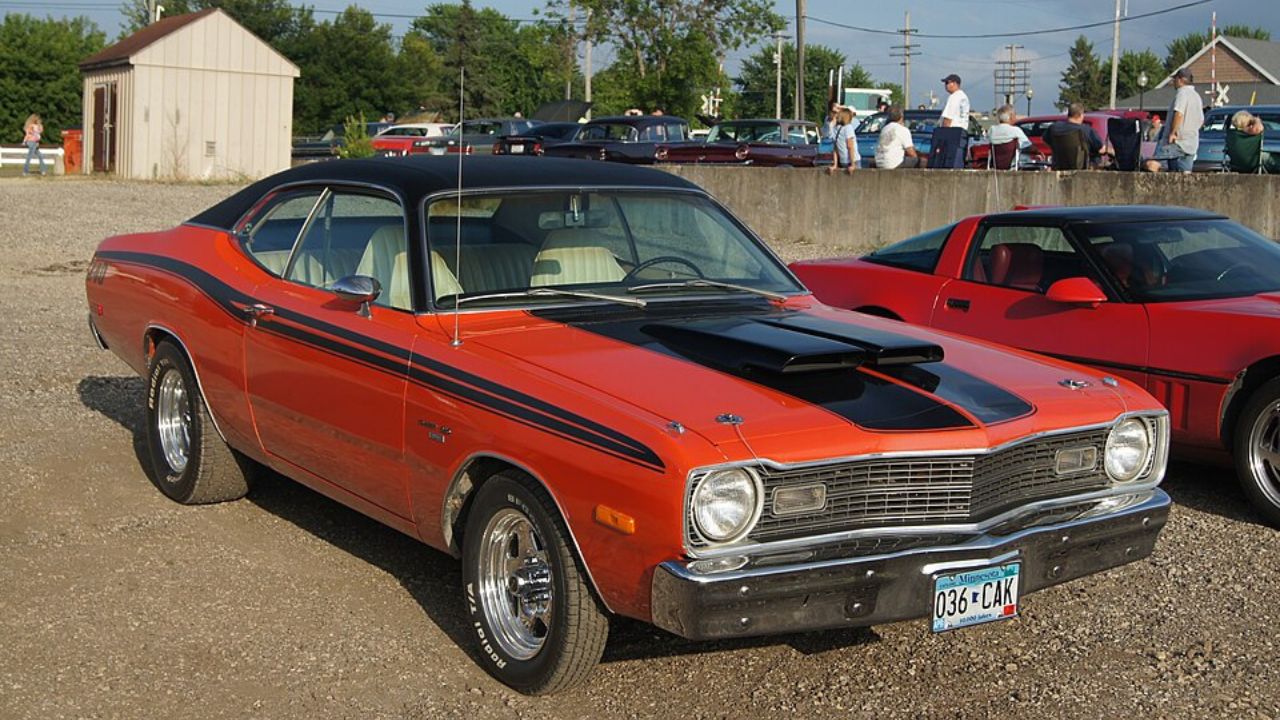
The Dodge Dart evolved through several generations, and many versions have become increasingly interesting to collectors. Compact and intermediate Darts offered practical dimensions, attractive styling, and a broad selection of engines. Performance-oriented versions could deliver serious acceleration without the bulk of larger cars. The Dart also played an important role in Dodge’s move toward smaller performance cars. Its growing reputation comes from the variety it offered, making it possible to find a Dart that suits almost any classic-car enthusiast.
Chrysler Newport
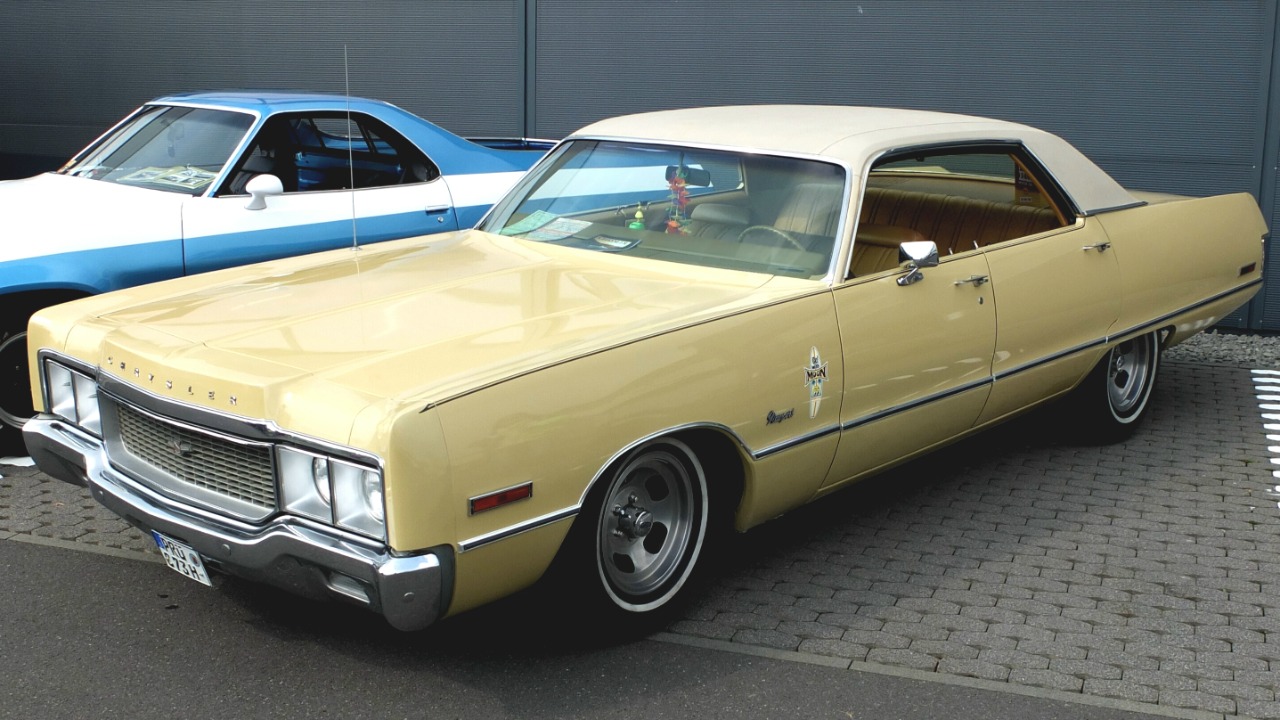
The Chrysler Newport combined full-size comfort with clean styling and a wide range of V8 engines. It was positioned below Chrysler’s most expensive models, which helped make it a practical choice when new. That same positioning has left it relatively overlooked by collectors today. Enthusiasts are beginning to appreciate the Newport for exactly what it was: a well-equipped American cruiser with substantial road presence. A clean example can deliver much of the classic Chrysler experience without needing one of the marque’s headline models.
Pontiac LeMans
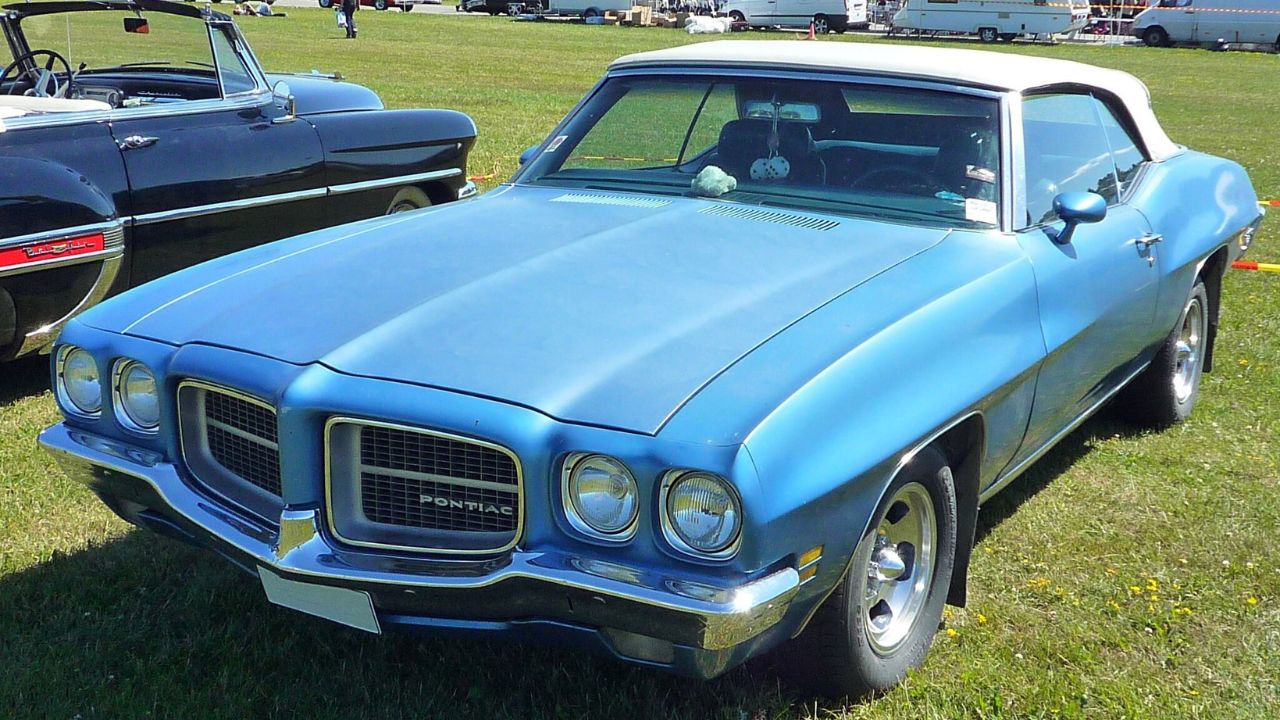
The Pontiac LeMans occupied an important place between ordinary family transportation and Pontiac’s more focused performance models. It could be equipped with V8 power and sporty options, giving buyers a chance to enjoy Pontiac’s performance character without necessarily buying a GTO. Its styling also evolved considerably through the years. Today, the LeMans is gaining appreciation because enthusiasts are looking beyond the obvious Pontiac choices. It offers a fascinating way to experience the brand’s performance heritage without chasing the most famous badges.
Buick Skylark

The Buick Skylark became increasingly versatile as Buick expanded its lineup, with versions ranging from comfortable cruisers to genuine performance cars. Its styling was often more restrained than that of Chevrolet or Pontiac, but available V8 engines gave it plenty of muscle. That combination helped create a car that could appeal to buyers who wanted performance without an overly aggressive appearance. Today, clean Skylarks are attracting attention from collectors who appreciate Buick’s understated approach to American performance.
AMC Hornet
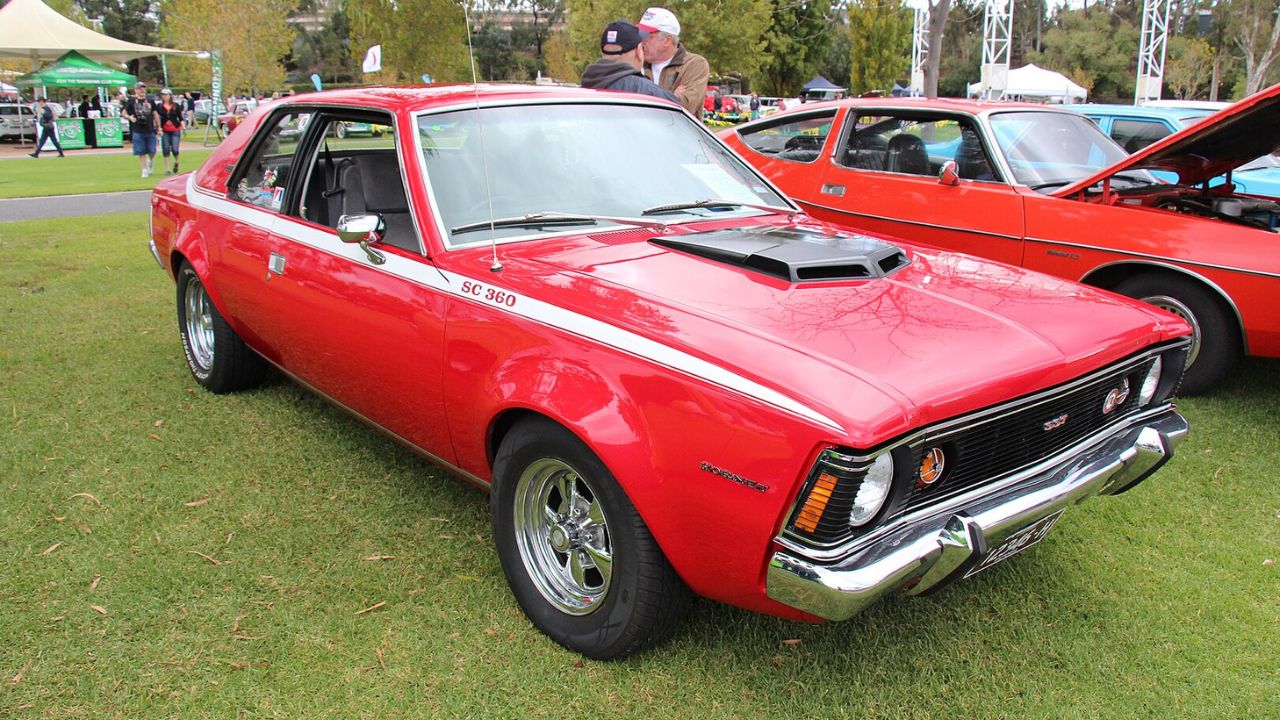
The AMC Hornet was introduced as a practical compact, but its simple platform eventually became the basis for several interesting variations. Its compact dimensions and straightforward construction made it useful as both an everyday car and a performance project. AMC also experimented with sporty versions that gave the Hornet more personality than its basic mission suggested. The model has gained respect as enthusiasts have become more interested in AMC’s role in American automotive history and its willingness to challenge larger manufacturers.
Volkswagen Karmann Ghia
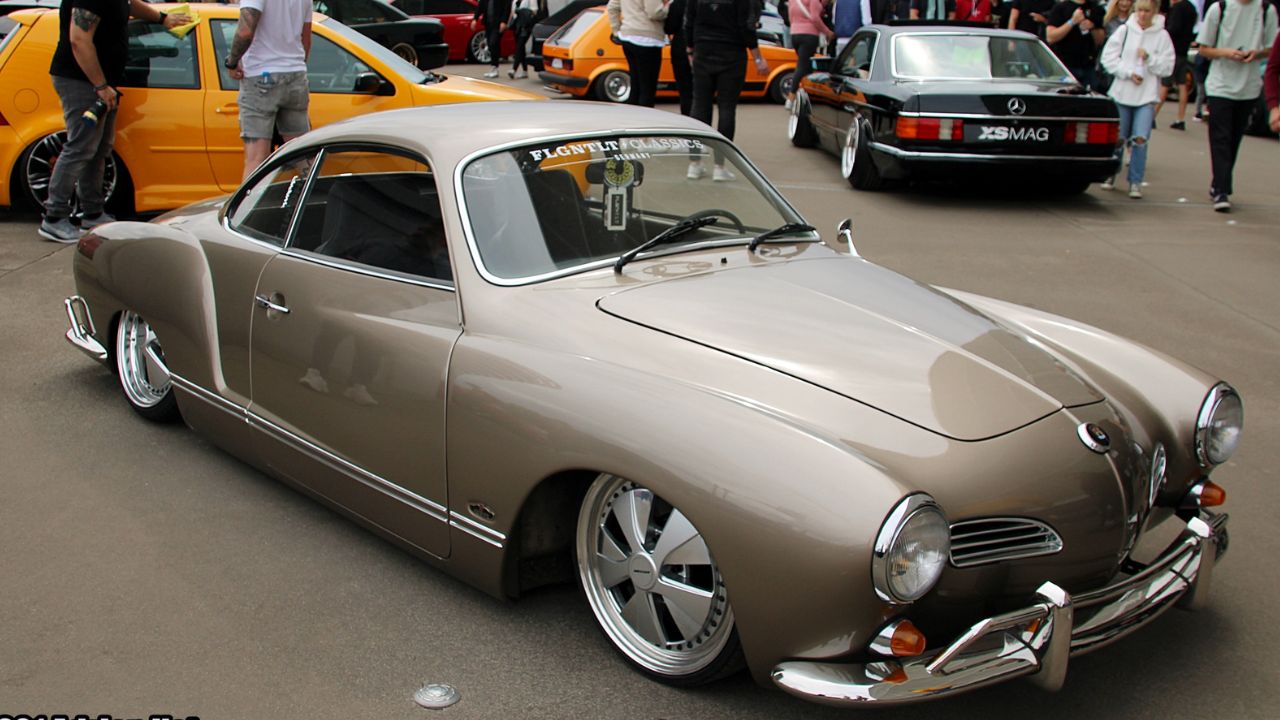
The Volkswagen Karmann Ghia combined Volkswagen’s simple mechanical foundation with elegant Italian-inspired styling. It was never intended to be a high-performance sports car, but its lightweight construction and dependable drivetrain gave it an enjoyable character. The coachbuilt body also made it far more visually distinctive than the ordinary Beetle. Today, the Karmann Ghia is appreciated for its balance of style and simplicity. It offers classic-car character without requiring the mechanical complexity associated with many European sports cars.
Volvo P1800
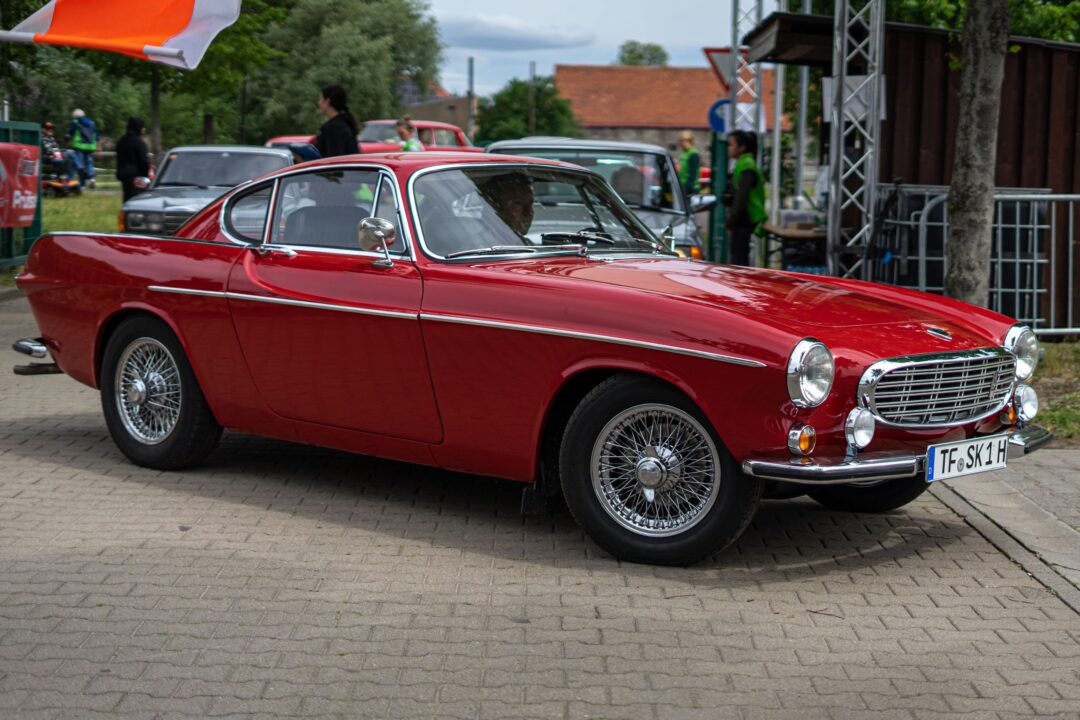
The Volvo P1800 developed a reputation that went far beyond its original role as a stylish Swedish sports coupe. Its elegant bodywork attracted attention, while Volvo’s reputation for durable engineering helped make the car a long-term favorite among owners. The model became particularly memorable through its connection with television, but its appeal goes deeper than pop culture. Enthusiasts appreciate the P1800 because it combines distinctive styling, practical engineering, and an unmistakable Scandinavian character in one compact package.
Saab 96
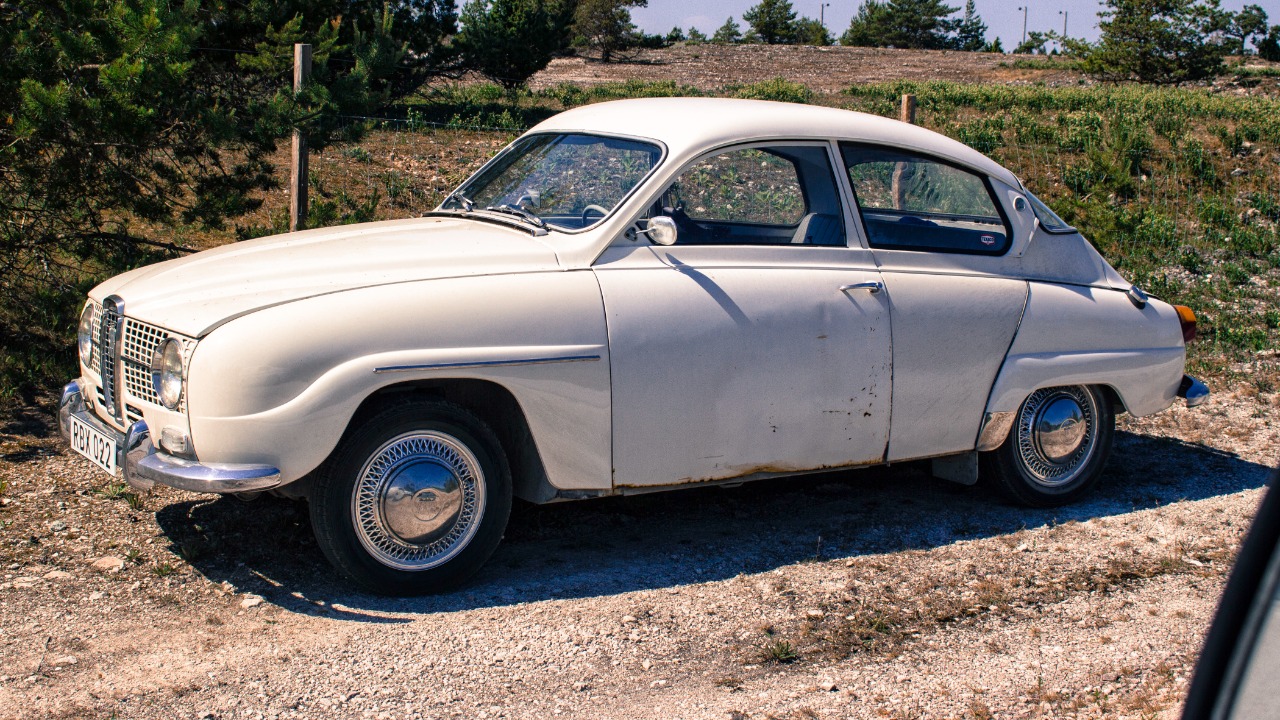
The Saab 96 was unconventional in almost every way. Its front-wheel-drive layout, aerodynamic body, and unusual engine choices made it stand apart from more conventional European cars. Saab also developed a strong competition reputation, particularly in rallying, which helped demonstrate the strength of its engineering. Today, the 96 is increasingly appreciated as an example of a manufacturer willing to take a different path. Its distinctive shape and unusual mechanical layout make it especially appealing to collectors who prefer something outside the ordinary.
Datsun 510
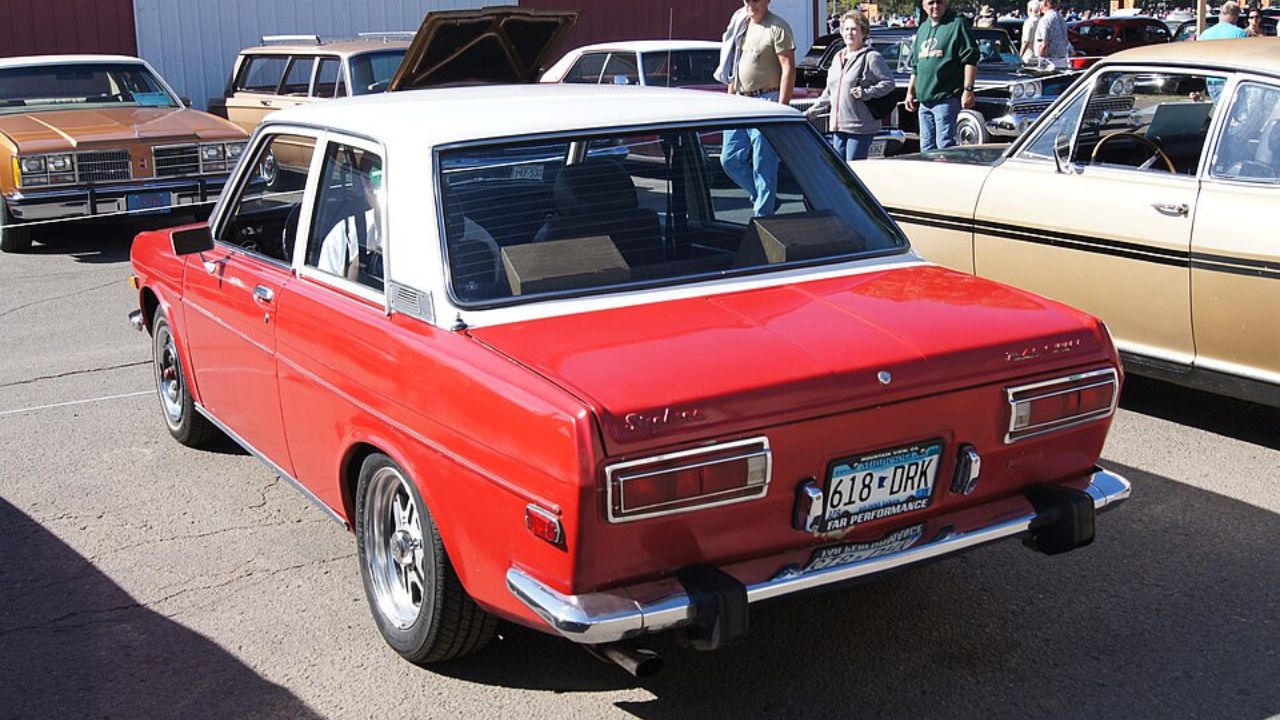
The Datsun 510 has earned lasting respect because it combined practical transportation with surprisingly capable road manners. Its lightweight body, independent suspension, and responsive four-cylinder engine gave it a character that appealed to drivers who valued handling as much as straight-line power. The car also developed a strong motorsport reputation, helping establish Datsun as a serious competitor in markets dominated by established manufacturers. Today, the 510 remains one of the most recognizable Japanese classics and continues to attract enthusiasts.
Toyota Celica
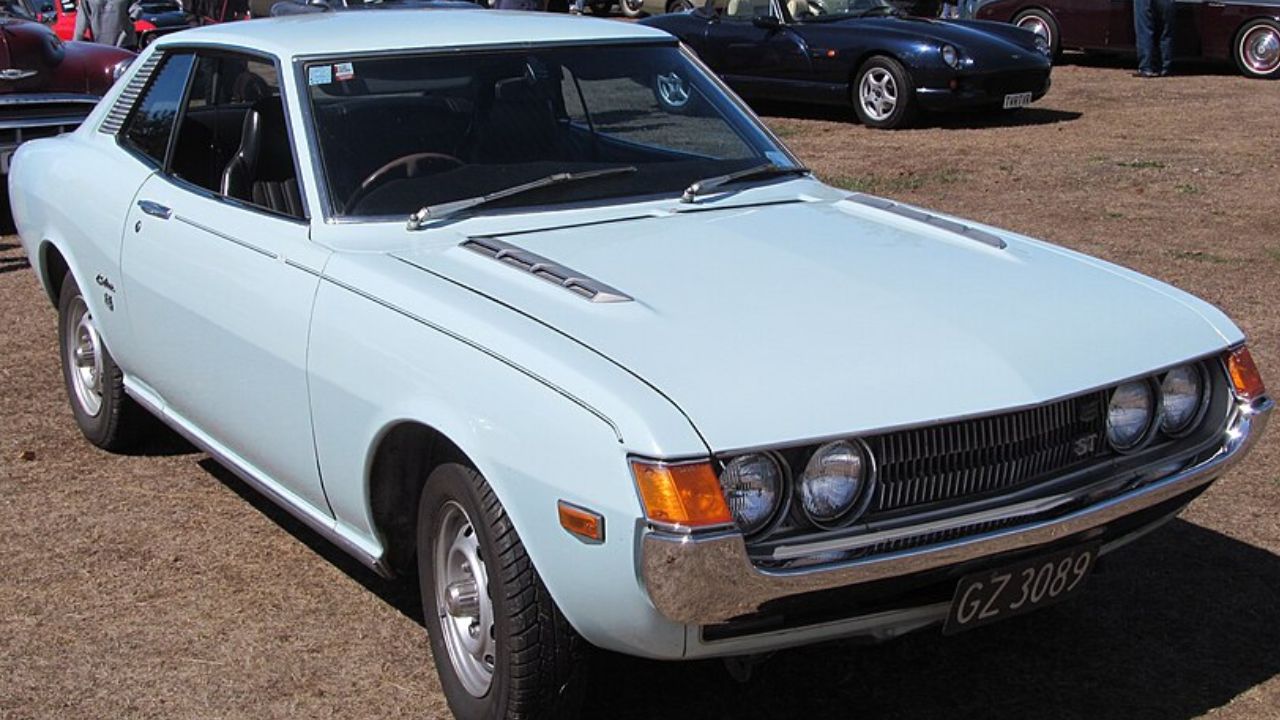
The Toyota Celica helped establish the idea that an affordable Japanese coupe could offer genuine style and driving enjoyment. Its sporty shape, compact dimensions, and reliable mechanical foundation made it an appealing alternative to larger American cars. Over several generations, the Celica evolved into a more capable performance machine while retaining its everyday usability. Early examples in particular have gained renewed appreciation as enthusiasts rediscover the cars of the 1970s. The Celica’s combination of design, practicality, and durability gives it lasting appeal.
More from Fast Lane Only
- Unboxing the WWII Jeep in a Crate
- 15 rare Chevys collectors are quietly buying
- 10 underrated V8s still worth hunting down
- Police notice this before you even roll window down
*Research for this article included AI assistance, with all final content reviewed by human editors.