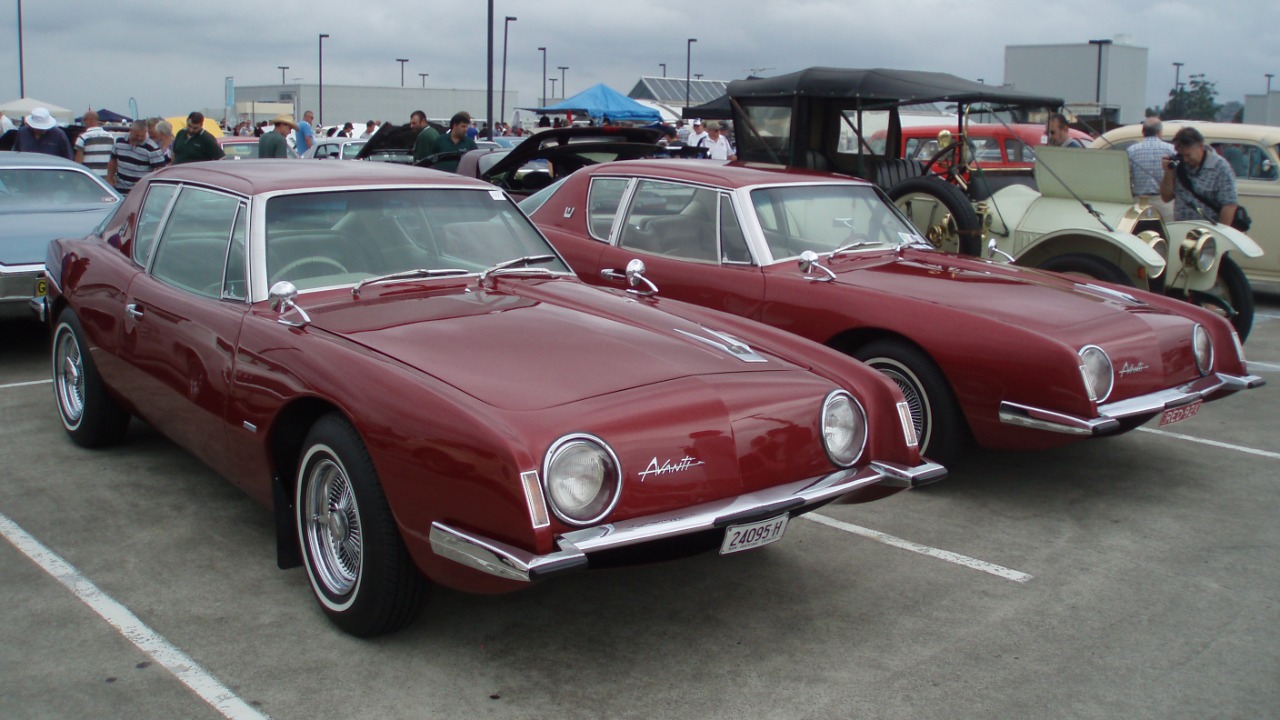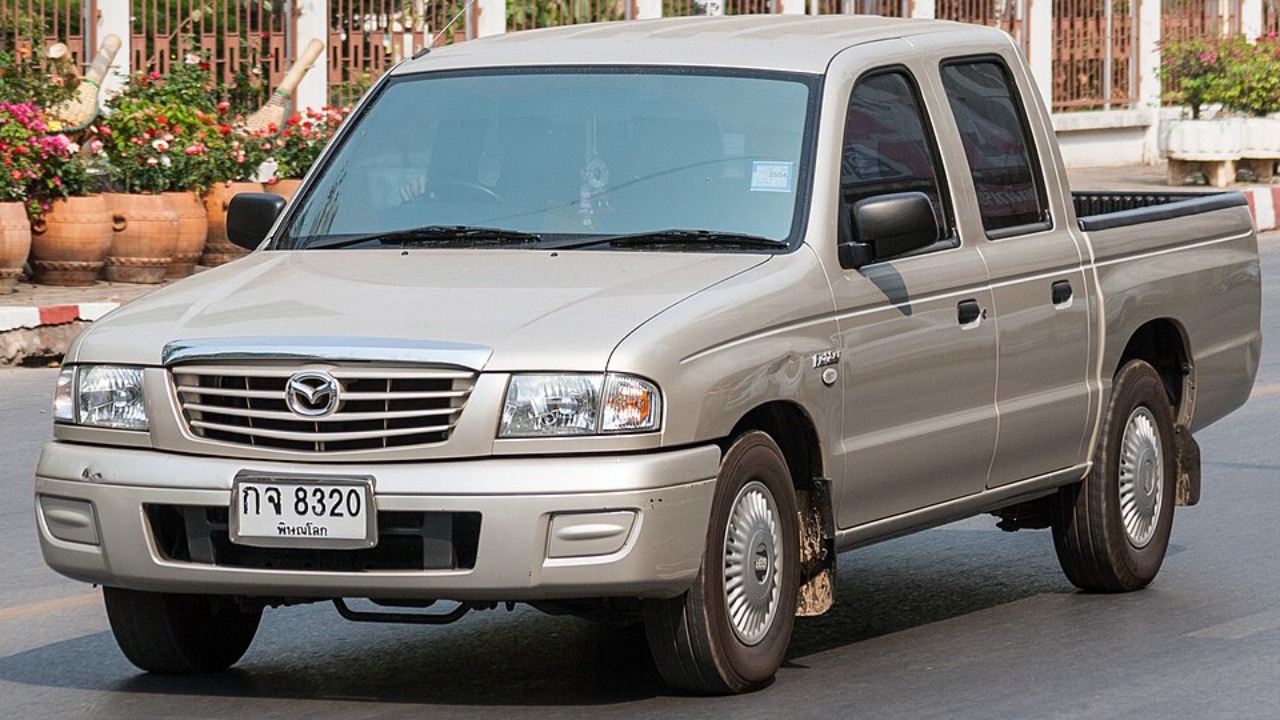
A dependable truck earns its reputation the hard way, through years of hauling, towing, commuting, and work-site abuse. Mechanics tend to appreciate trucks that use proven engines, straightforward drivetrains, durable frames, and parts that are easy to find. The following classics and older pickups built strong reputations for exactly those qualities, making them worth remembering today.
Toyota Hilux
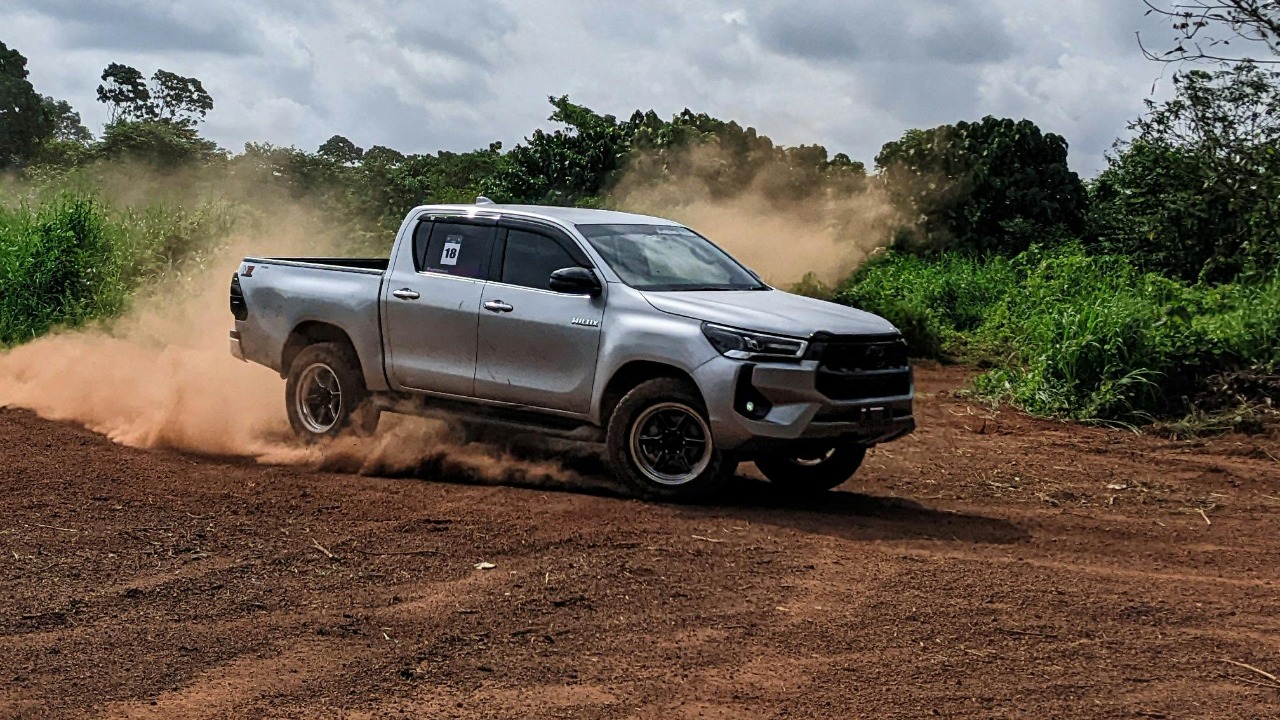
The Toyota Hilux has become almost synonymous with long-term durability. Its straightforward construction, sturdy chassis, and proven four-cylinder engines helped establish a reputation that has lasted for decades. Older Hilux pickups were designed primarily as working vehicles rather than luxury transportation, which kept the mechanical package relatively uncomplicated. Mechanics appreciate that simplicity because there are fewer complicated systems to diagnose and plenty of experience with these trucks. The Hilux remains one of the best-known examples of a pickup built around dependable everyday service.
Ford F-150
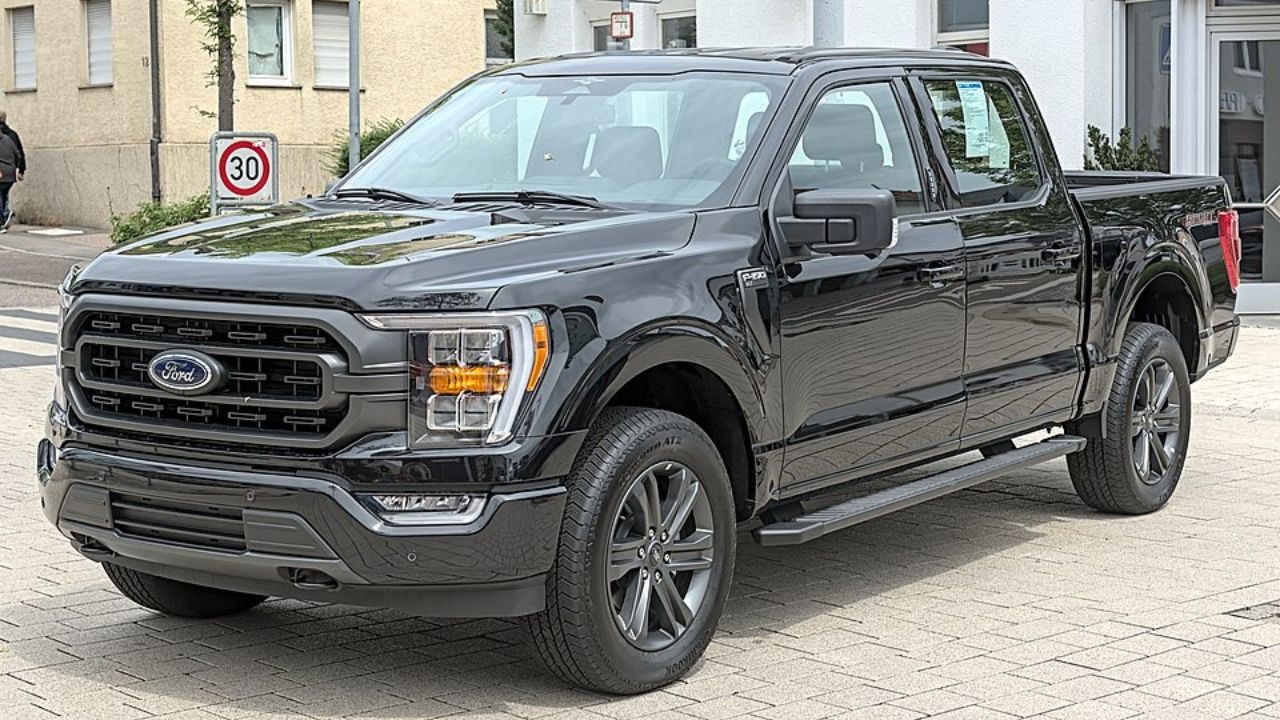
The Ford F-150 has been one of America’s most familiar pickups for generations, and that widespread use has contributed to an enormous knowledge base among mechanics. Older generations were available with durable engines and relatively simple mechanical systems, while parts availability remains a major advantage. Earlier F-Series trucks are particularly appealing to enthusiasts who want something that can still work rather than simply sit in a collection. The F-150’s long production history also means there is extensive experience keeping older examples running.
Chevrolet C/K
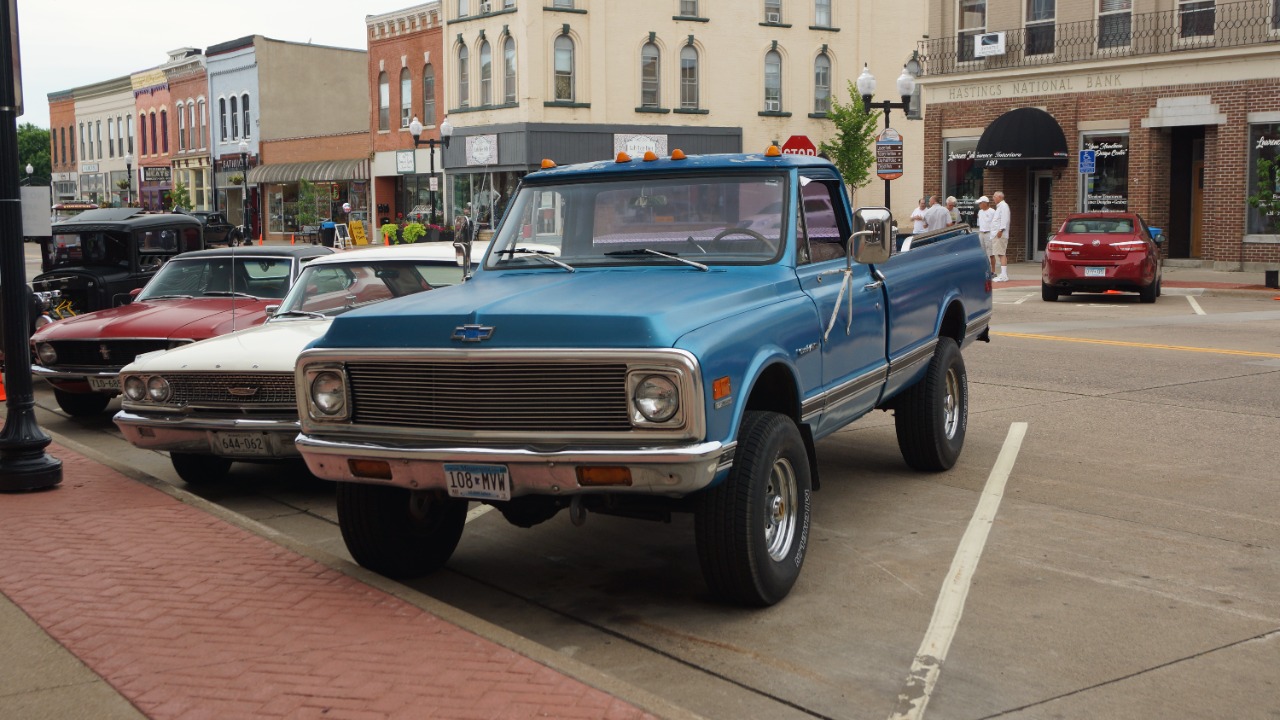
The Chevrolet C/K series earned its reputation through decades of straightforward truck engineering. Strong frames, simple naturally aspirated engines, and widely available mechanical components made these pickups practical workhorses. The small-block V8 family is especially familiar to mechanics, making repairs and parts sourcing relatively straightforward. The C/K’s long production run also means there are countless examples of how to maintain and restore them. It remains one of the classic American truck families that mechanics and restorers immediately recognize.
Toyota Pickup
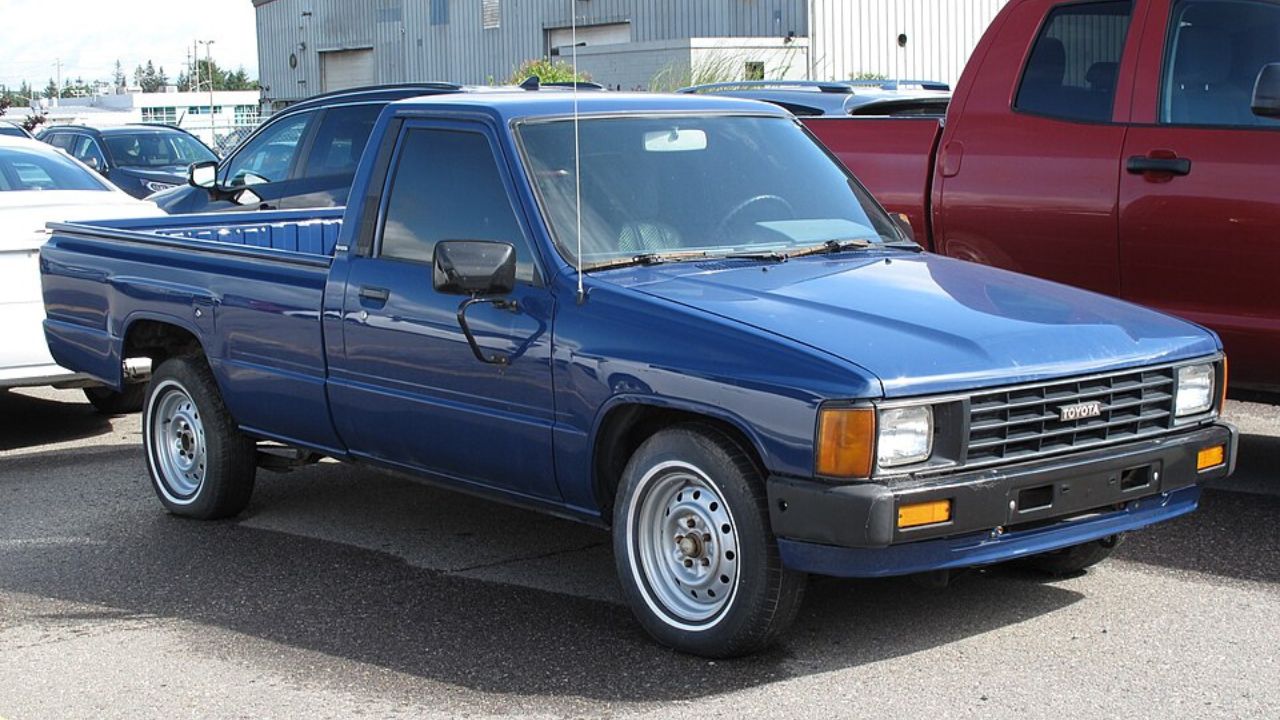
The Toyota Pickup established the foundation for the Tacoma while developing its own reputation for toughness. Compact dimensions made it useful in tight spaces, while the truck’s durable chassis and straightforward engines helped it handle demanding work. The 22R and 22RE four-cylinder engines are particularly well known among enthusiasts for their longevity and relatively simple construction. Clean examples are increasingly desirable because so many were used hard during their working lives. The surviving trucks demonstrate why Toyota became so strongly associated with dependable pickups.
Nissan Hardbody
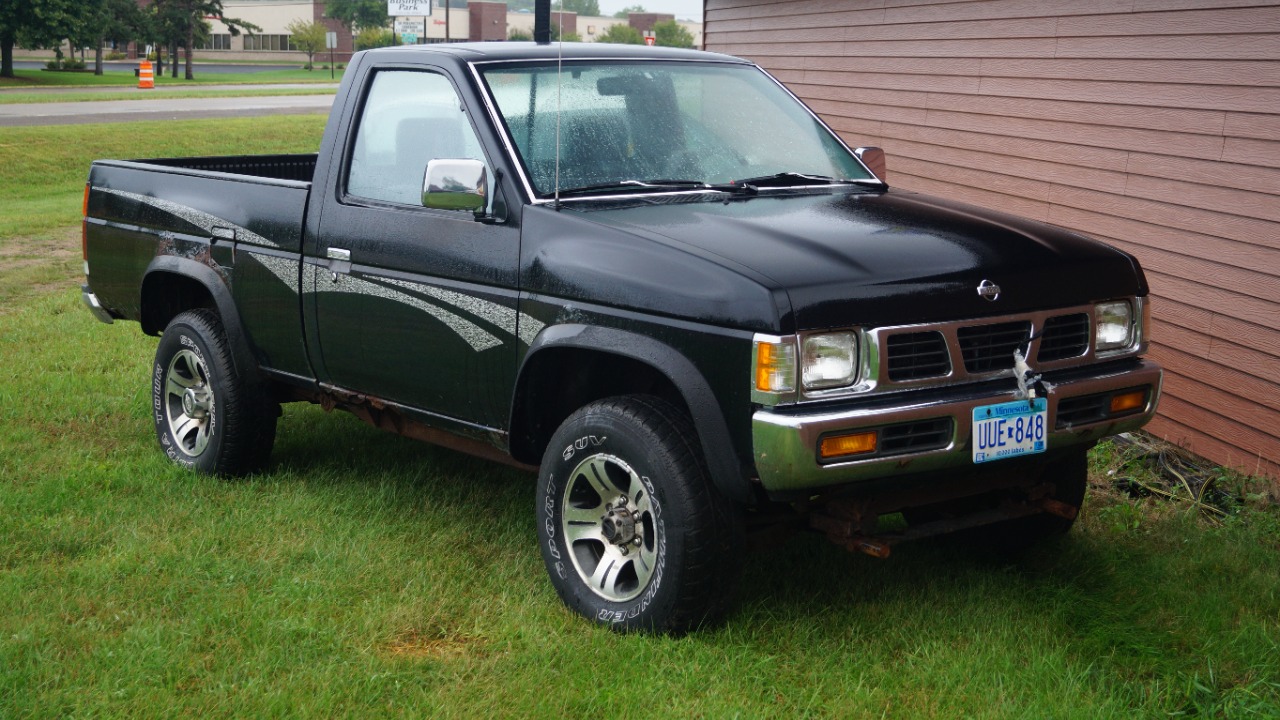
The Nissan Hardbody became popular because it offered a practical combination of durability, compact dimensions, and relatively simple mechanicals. Its rugged construction made it useful for work, while the straightforward drivetrain was familiar territory for independent repair shops. The D21 generation in particular developed a strong reputation among owners who kept their trucks for years. Its long service life and uncomplicated character make it especially appealing today to enthusiasts who want an old pickup that still feels like a useful machine rather than a fragile collector piece.
Ford Ranger
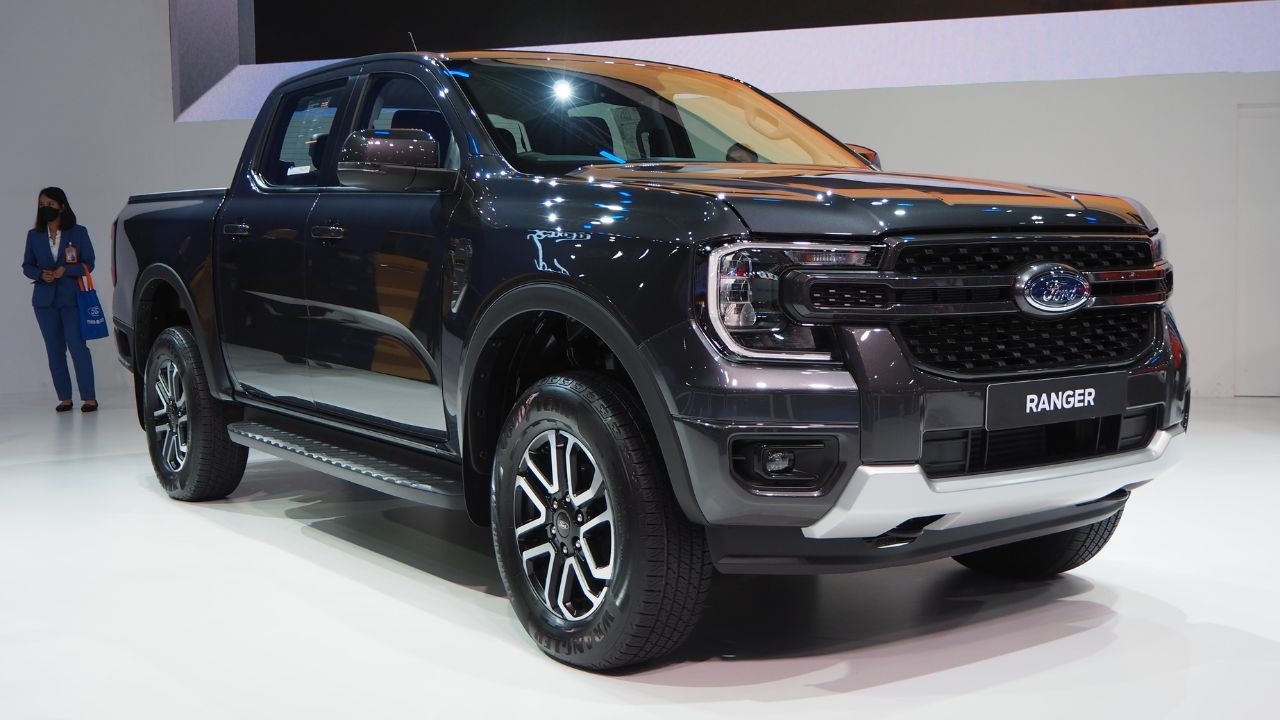
The older Ford Ranger proved that a truck did not need a massive engine to be dependable. Its compact ladder-frame construction and relatively straightforward four- and six-cylinder engines made it easy to maintain. The third-generation Ranger stayed in production for many years with comparatively modest changes, giving Ford plenty of time to refine the platform. That long production run also helped establish a large pool of mechanical knowledge and replacement parts. Mechanics still recognize the older Ranger as a practical, uncomplicated pickup.
Chevrolet S-10
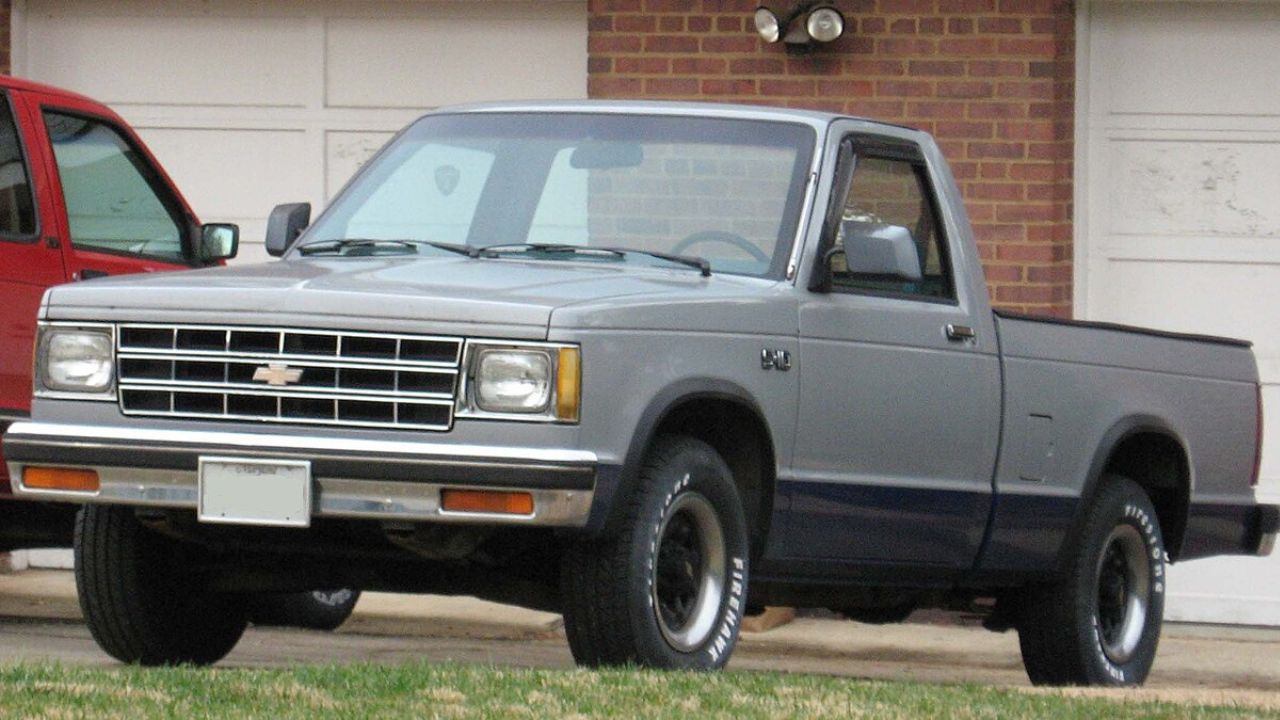
The Chevrolet S-10 became a familiar sight on American roads because it offered full pickup utility in a smaller package. Its engines and drivetrains were generally conventional, making the truck relatively accessible for independent mechanics. The S-10 also shared mechanical ideas and components with other GM products, which helped with parts availability. Its enormous production numbers mean plenty of surviving examples are still supported by an established aftermarket. For anyone who values an easy-to-understand older truck, the S-10 remains an appealing choice.
GMC Sonoma
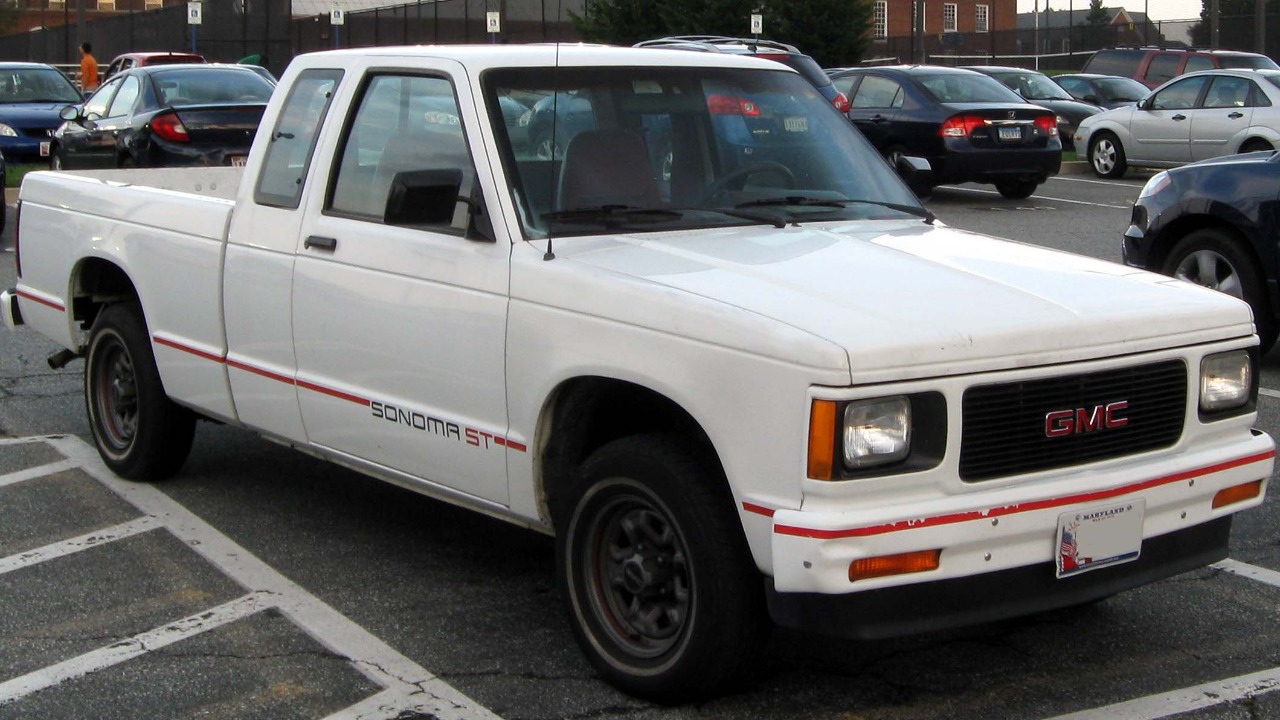
The GMC Sonoma shared much of its basic engineering with the Chevrolet S-10, but it offered slightly different styling and equipment. Its compact dimensions and conventional powertrains made it a practical work truck for buyers who did not need a full-size pickup. Mechanics appreciate the familiarity of the underlying platform and the availability of parts shared across GM’s lineup. The Sonoma may not have the same collector profile as larger GMC trucks, but its simple and useful design has helped many examples remain in service.
Isuzu Pickup
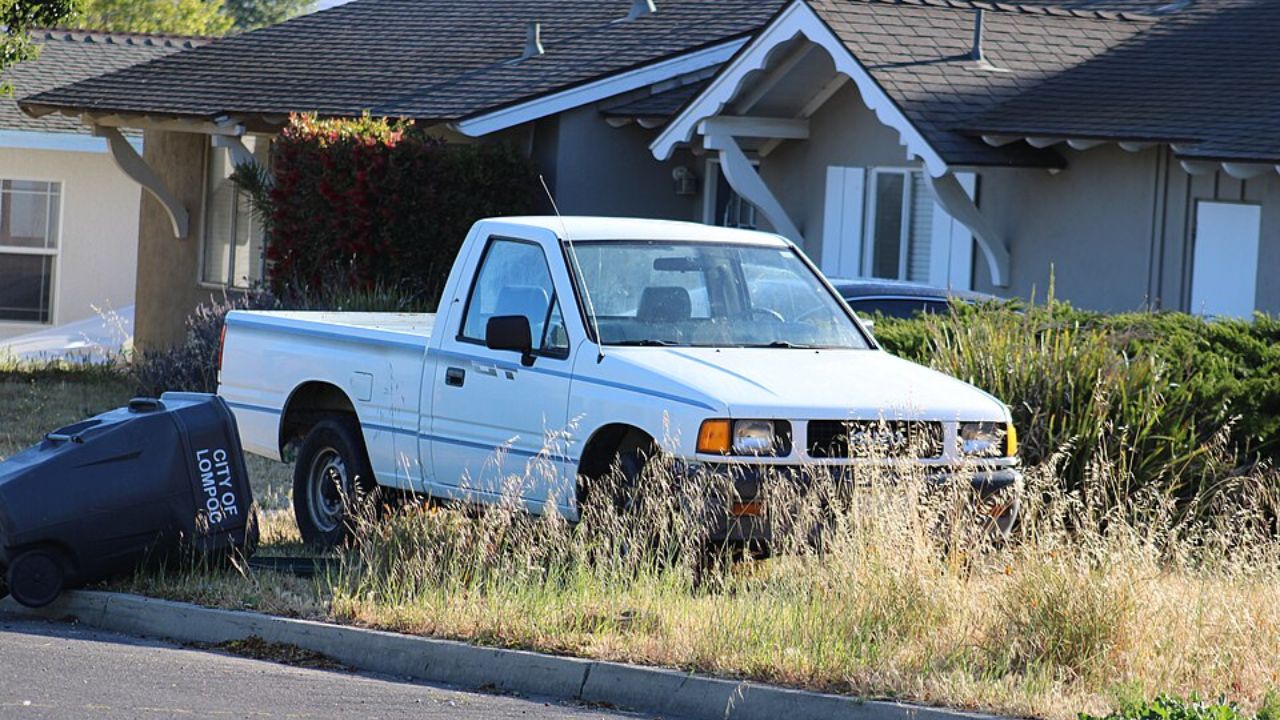
The Isuzu Pickup was designed with practical transportation and work use in mind, and that focus helped create a straightforward little truck. Its compact size made it economical to operate, while its simple mechanical layout was well suited to markets where easy maintenance mattered. Isuzu also developed a reputation for durable diesel engines in many applications. Enthusiasts today appreciate the Pickup because it represents an era when compact trucks emphasized utility and mechanical simplicity rather than elaborate technology.
Mazda B-Series
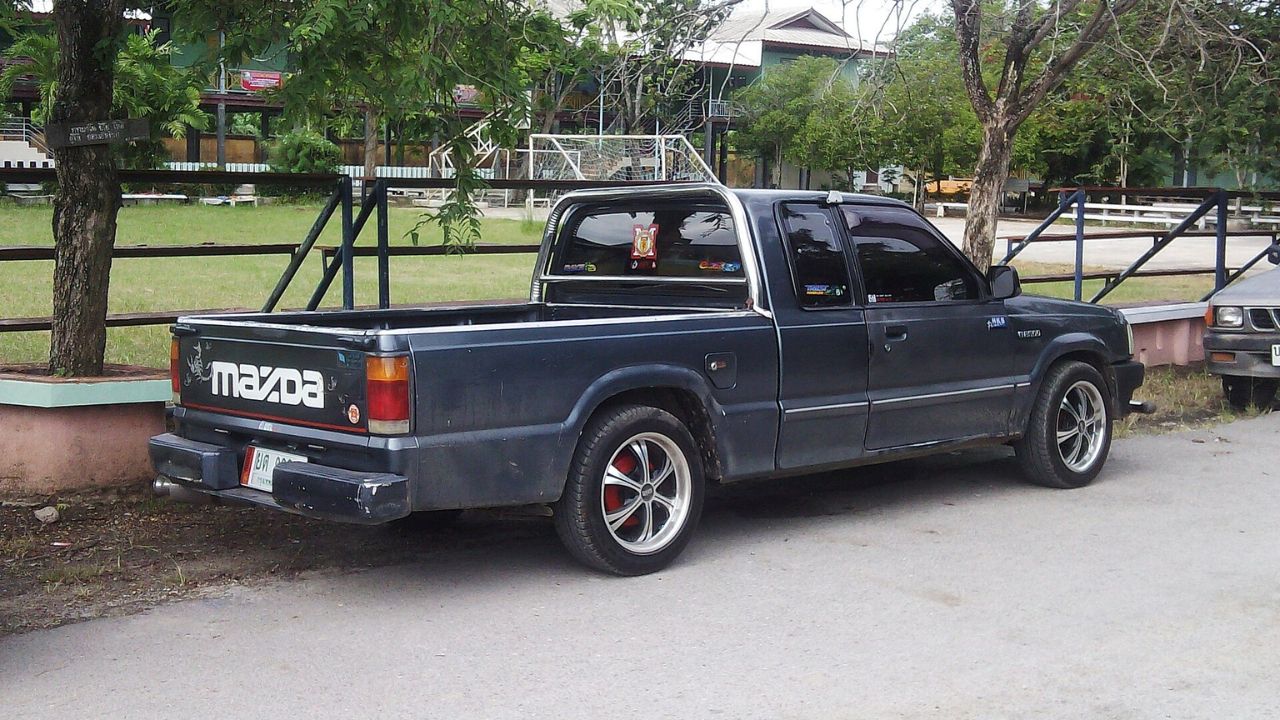
The Mazda B-Series developed a loyal following by offering simple pickup-truck functionality in a compact package. Many versions shared engineering with Ford’s compact trucks, which helped expand parts availability and mechanical familiarity. The B-Series could serve as a commuter, work truck, or basic hauling vehicle without demanding complicated maintenance. Its straightforward construction is exactly what makes older examples interesting today. Mechanics familiar with these trucks can usually approach repairs without dealing with the extensive electronics found in newer pickups.
Dodge D-Series

The Dodge D-Series represented a classic approach to American truck construction, with sturdy frames, rear-wheel drive, and a selection of proven engines. These pickups were designed primarily as working vehicles, so durability and ease of service were important considerations. The availability of Chrysler’s familiar V8 engines also gave owners plenty of power without introducing exotic mechanical systems. Today, surviving D-Series trucks are increasingly appreciated for their honest construction and old-fashioned serviceability.
Ford F-250
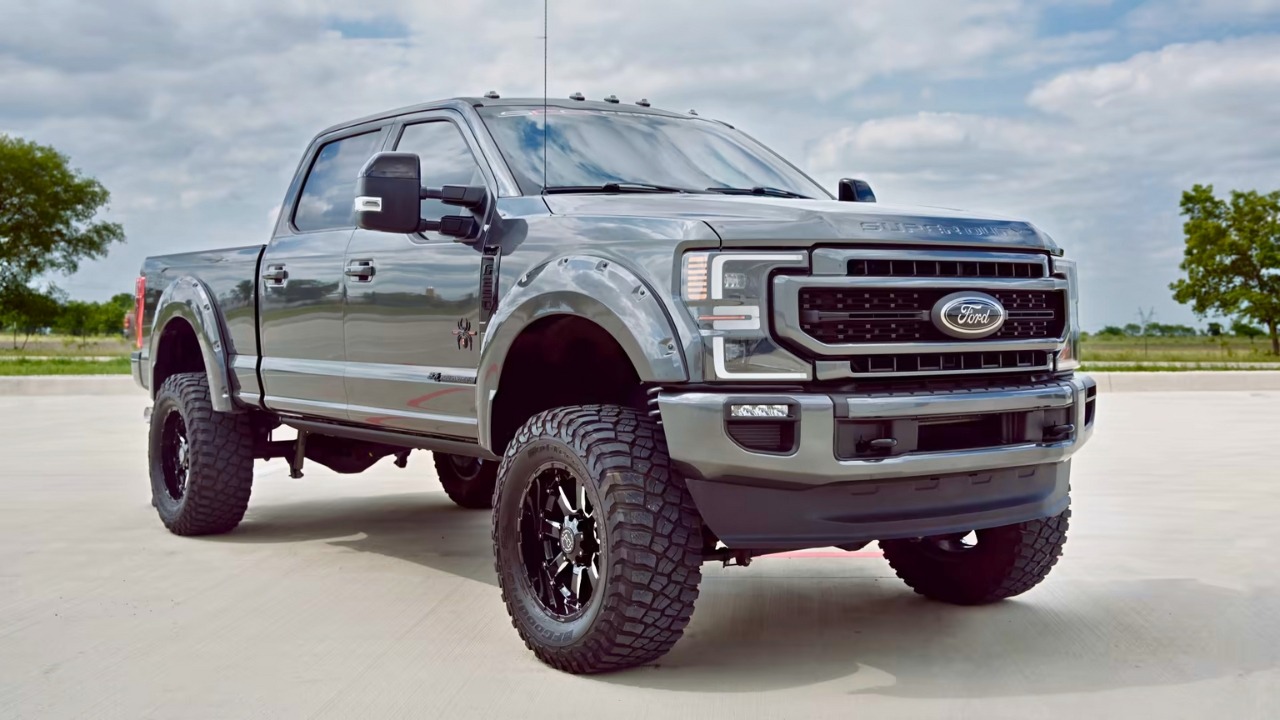
The Ford F-250 was built for buyers who needed more capability than a half-ton pickup could provide. Its heavier-duty suspension, frame, axles, and available engines made it suitable for serious towing and hauling. Older versions were also relatively straightforward compared with today’s highly computerized heavy-duty trucks. Mechanics tend to appreciate trucks where major components can be accessed and repaired without excessive complexity. The F-250’s long-running reputation comes from generations of owners using these trucks for demanding work.
Chevrolet K20
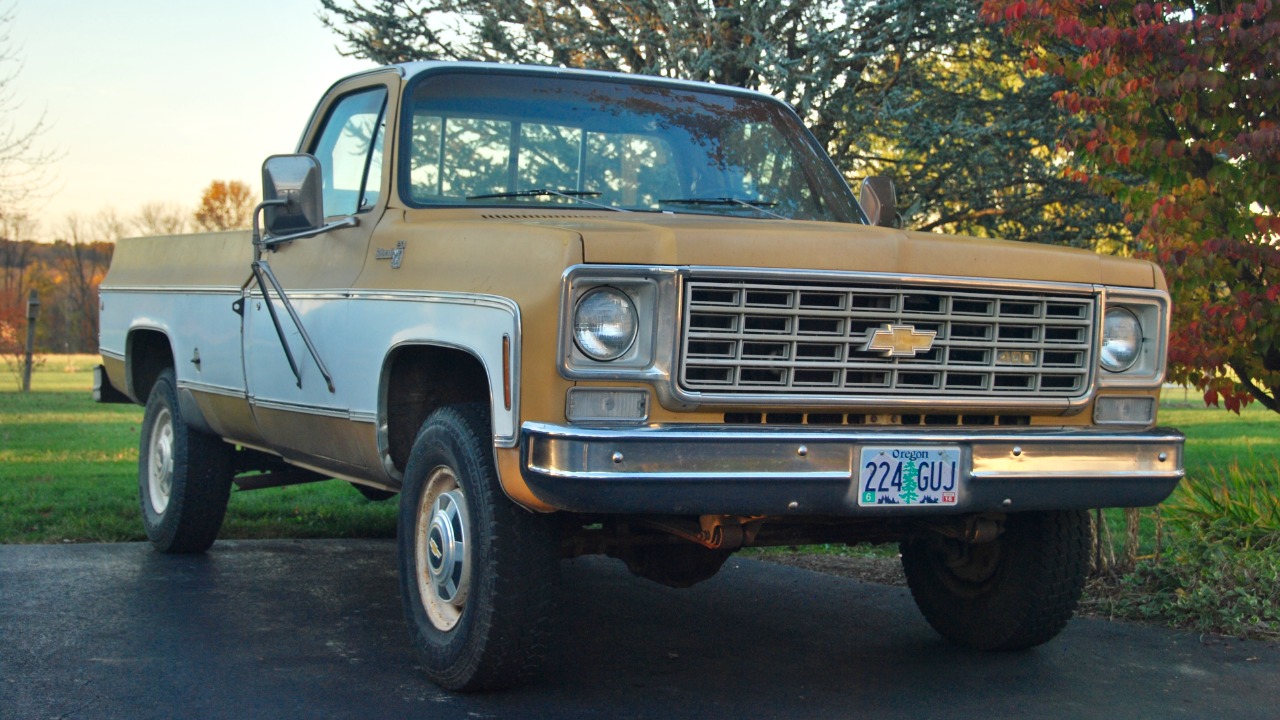
The Chevrolet K20 brought four-wheel-drive capability to a platform already known for its rugged construction. Its body-on-frame design, conventional drivetrain, and available V8 engines made it a dependable choice for farms, job sites, and off-road use. Older K20s were not overloaded with electronic systems, which makes their mechanical layouts relatively approachable today. A well-maintained example can still serve as a useful truck, while its classic styling has made the K20 increasingly popular with collectors and restorers.
GMC Sierra Classic
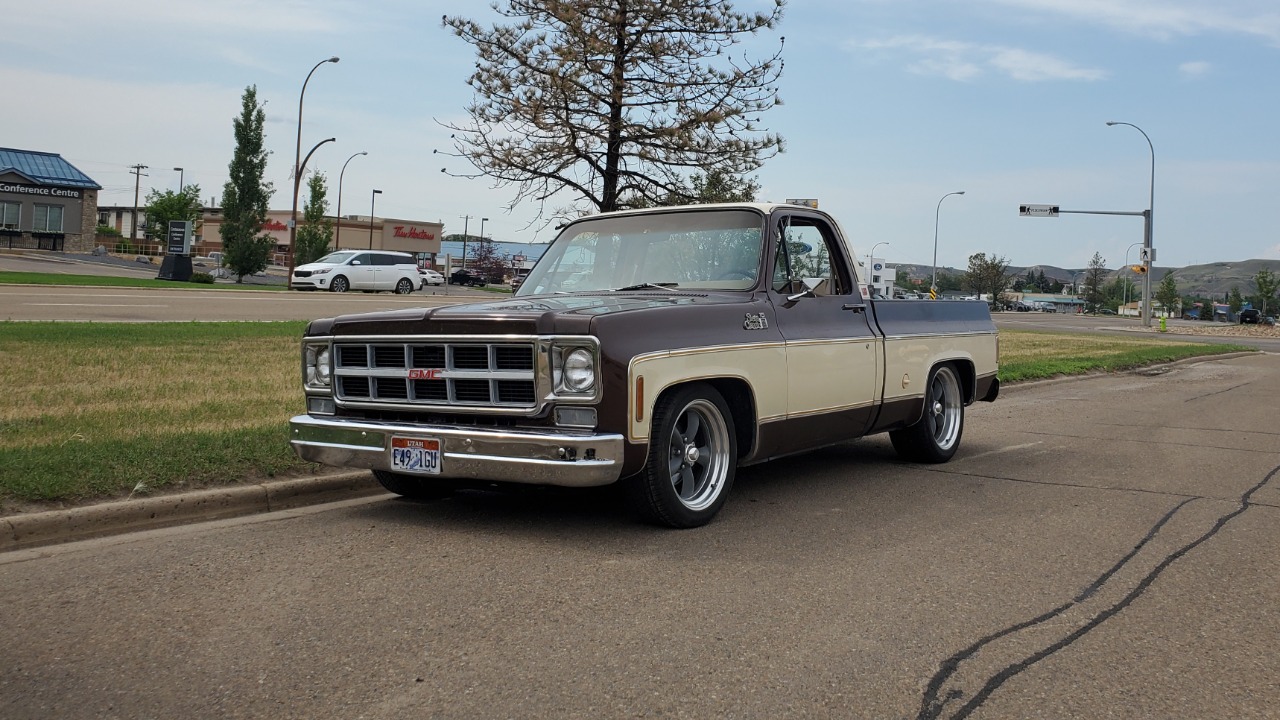
The GMC Sierra Classic represented the traditional full-size pickup formula with a strong emphasis on utility. Its mechanical components were generally familiar to GM technicians, while shared architecture with Chevrolet models helped ensure parts availability. V8 engines and sturdy chassis components made these trucks suitable for serious work. The square-body styling has also become increasingly popular with collectors. For mechanics, however, the appeal goes beyond appearance: these trucks were built around relatively simple systems that can still be understood and repaired decades later.
Toyota Tacoma
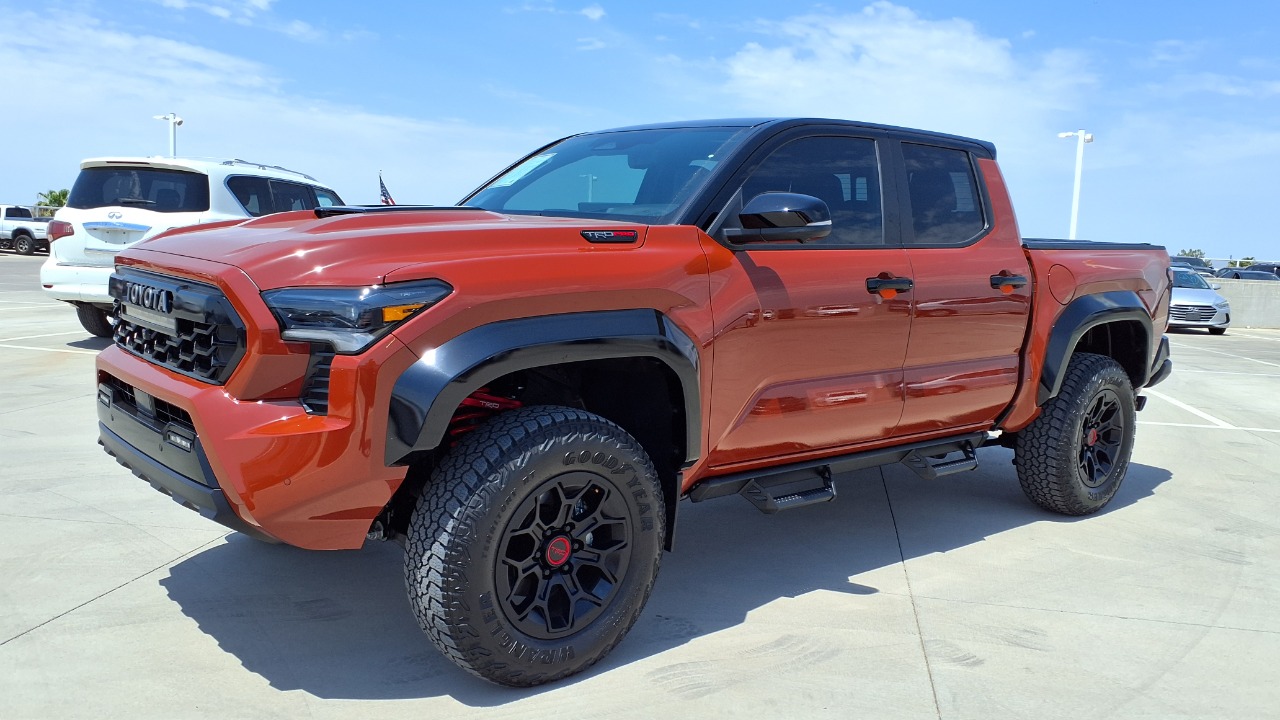
The early Toyota Tacoma continued many of the qualities that had made the Toyota Pickup so respected. Its compact-to-midsize dimensions, sturdy frame, and proven powertrains made it useful for both work and recreation. Older Tacomas have also developed a strong reputation for surviving high mileage when properly maintained. Modern reliability data continues to show strong results for the Tacoma line, although newer trucks naturally include more technology than their predecessors. The early models remain especially attractive to enthusiasts who prefer simpler trucks.
Nissan Frontier
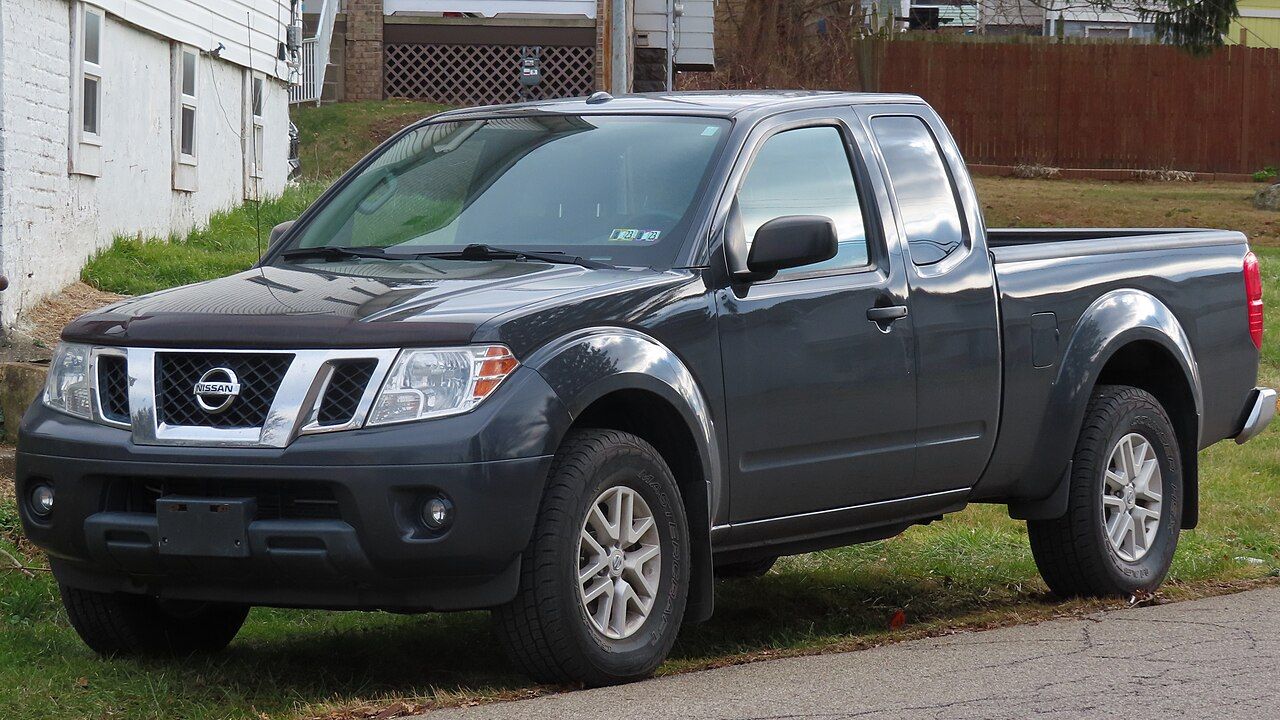
The second-generation Nissan Frontier stayed on the market for an unusually long period, giving Nissan plenty of time to refine a proven platform. Its naturally aspirated V6, conventional transmissions, and sturdy chassis made it well suited to regular work. The truck’s long production run also means mechanics have had years to become familiar with its common maintenance needs. That combination of proven hardware and extensive real-world experience helps explain why the older Frontier continues to attract buyers looking for a straightforward used pickup.
Mitsubishi Mighty Max

The Mitsubishi Mighty Max was a compact pickup that focused on practical utility rather than unnecessary complexity. Its small footprint made it useful for everyday work, while its conventional engines and rear-wheel-drive layout kept the mechanical package relatively straightforward. Four-wheel-drive versions added capability without turning the truck into an overly complicated machine. The Mighty Max is less famous than Toyota and Nissan competitors, but that relative anonymity makes it an interesting choice for enthusiasts who appreciate durable compact trucks that have largely escaped the spotlight.
Isuzu Faster

The Isuzu Faster, also known in various markets under other names, was built around the same practical philosophy that made Isuzu pickups popular worldwide. Compact dimensions, straightforward mechanical components, and useful payload capability made it a sensible working vehicle. Diesel versions were particularly valued in markets where fuel economy and durability mattered. Many surviving examples have spent their lives working rather than being pampered, which says plenty about their original purpose. Today, the Faster remains an overlooked but compelling classic pickup.
Jeep Comanche
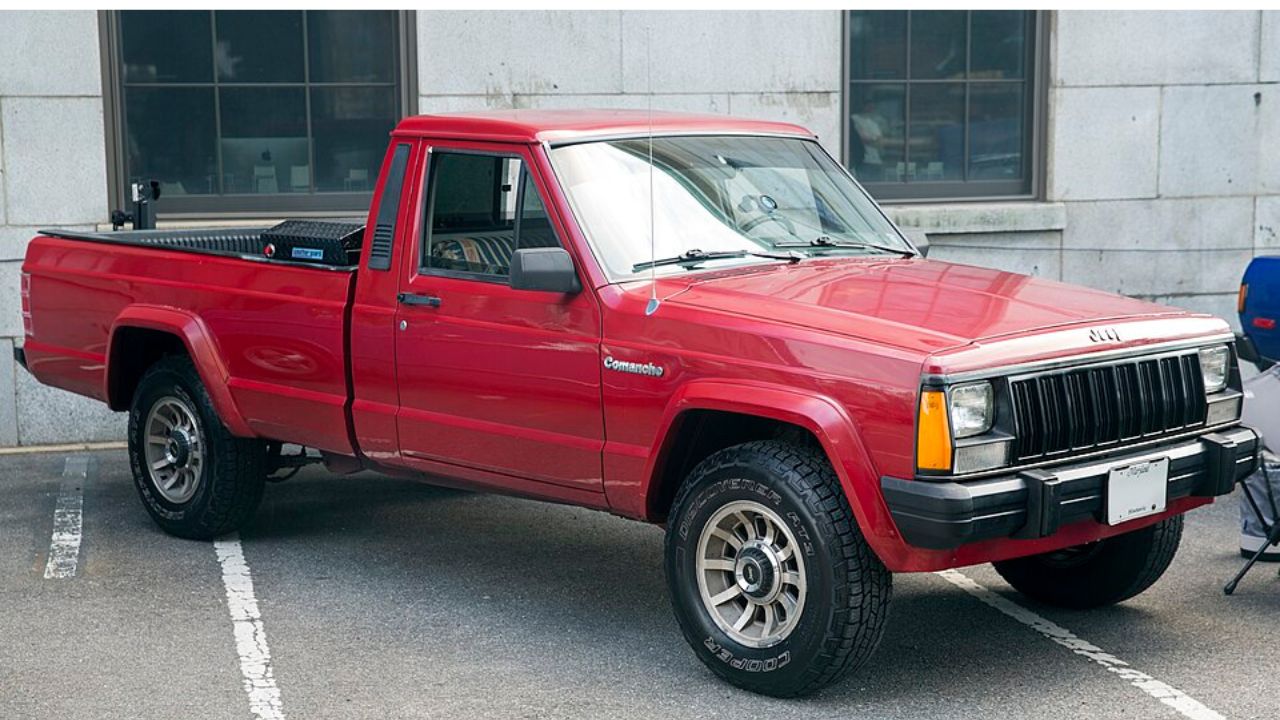
The Jeep Comanche brought pickup utility to the compact Jeep lineup while retaining the brand’s rugged character. Its unibody construction was unusual for a truck of its era, but the underlying chassis and available engines proved capable enough for both work and recreation. The familiar Jeep 4.0-liter inline-six in later versions is particularly well regarded by enthusiasts. Because the Comanche was produced for a relatively limited period, clean examples are becoming harder to find, making this practical Jeep increasingly interesting to collectors.
Dodge Ram 2500
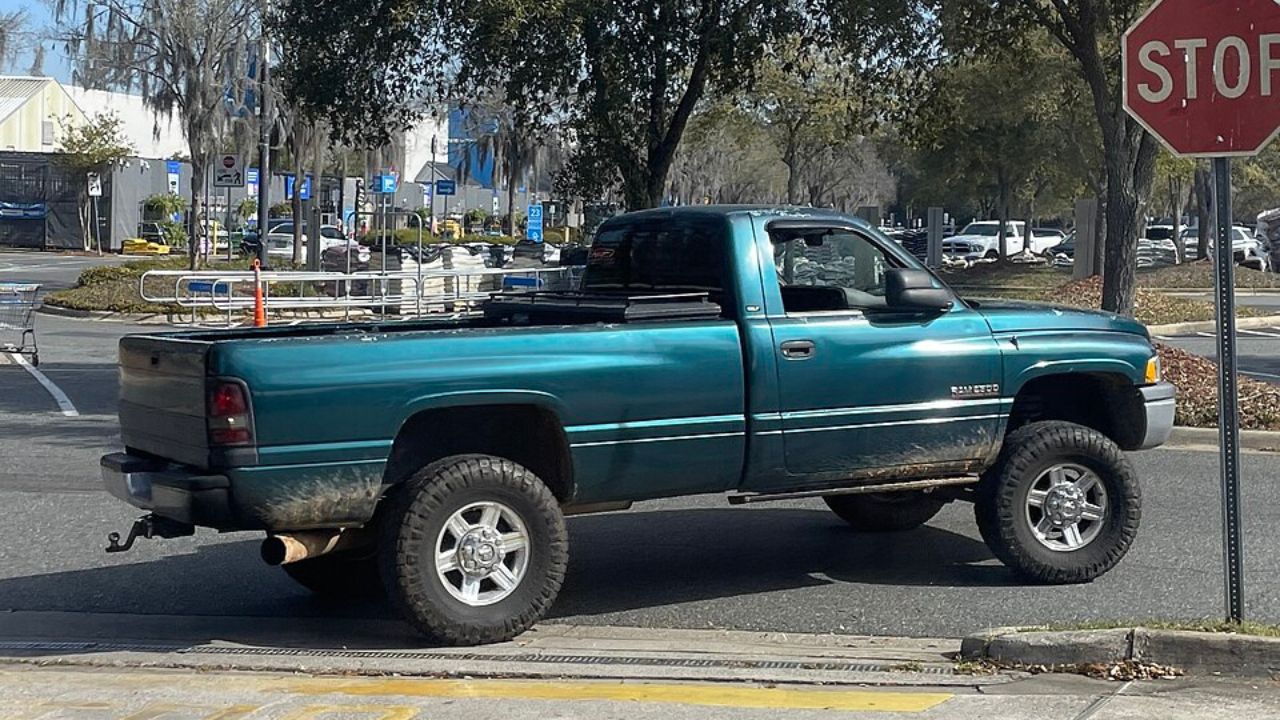
The older Dodge Ram 2500 combined heavy-duty construction with engines designed for serious work. Depending on the configuration, buyers could choose from substantial gasoline V8s or highly regarded Cummins diesel power. The heavy-duty chassis and straightforward mechanical components gave these trucks the ability to handle demanding towing and hauling duties. Their reputation has helped keep them popular long after newer trucks arrived. Mechanics and truck enthusiasts still value the older Ram 2500 because it delivers substantial capability without the complexity of many modern pickups.
More from Fast Lane Only
- Unboxing the WWII Jeep in a Crate
- 15 rare Chevys collectors are quietly buying
- 10 underrated V8s still worth hunting down
- Police notice this before you even roll window down
*Research for this article included AI assistance, with all final content reviewed by human editors.