Cadillac has produced plenty of famous cars, but its history is also filled with models that have gradually slipped from public memory. These overlooked Cadillacs often offered impressive engines, distinctive styling, advanced features, or a level of comfort that made them stand apart when new. For enthusiasts today, they can be fascinating alternatives to the usual collector favorites.
Cadillac Series 61
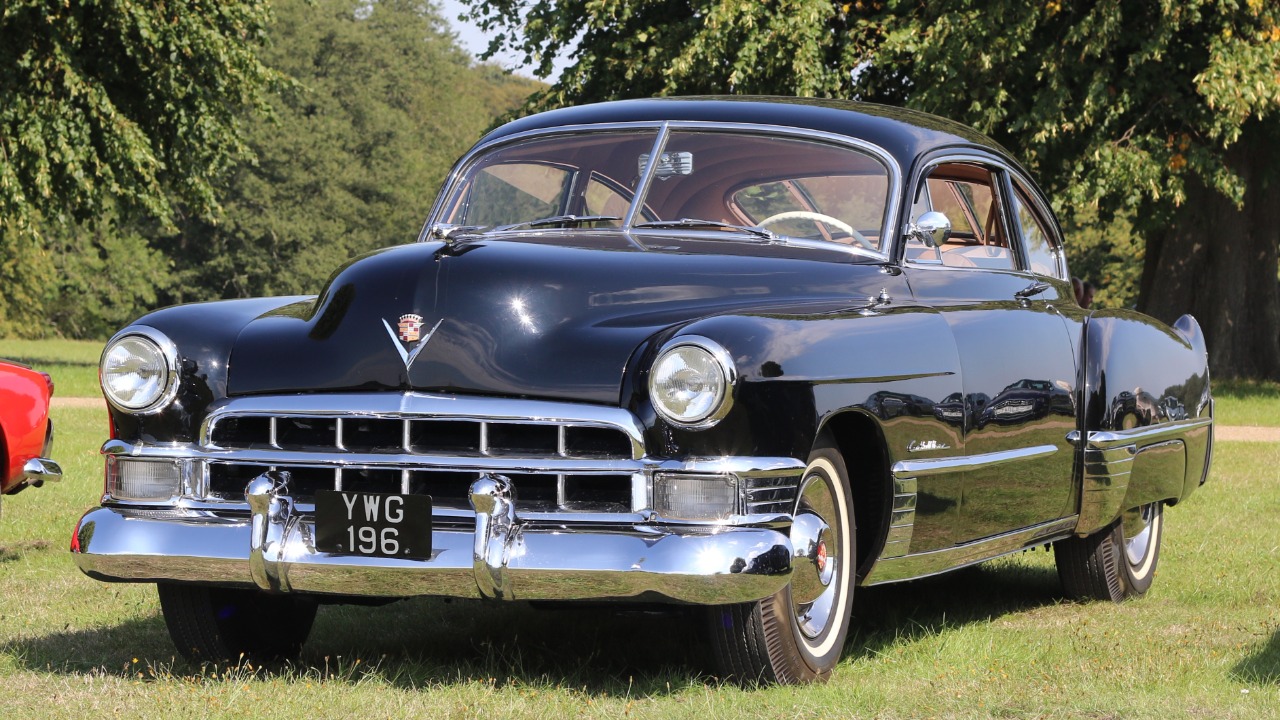
The Cadillac Series 61 offered much of the brand’s prestige in a slightly more accessible package. Its streamlined styling and powerful V8 made it an attractive choice for buyers who wanted genuine Cadillac character without stepping into the company’s most expensive models. Postwar examples became especially distinctive as Cadillac developed its bold new design language. The Series 61 is worth seeking out because it captures an important period when Cadillac was transitioning from traditional prewar luxury into the dramatic styling that would define the 1950s.
Cadillac Series 62
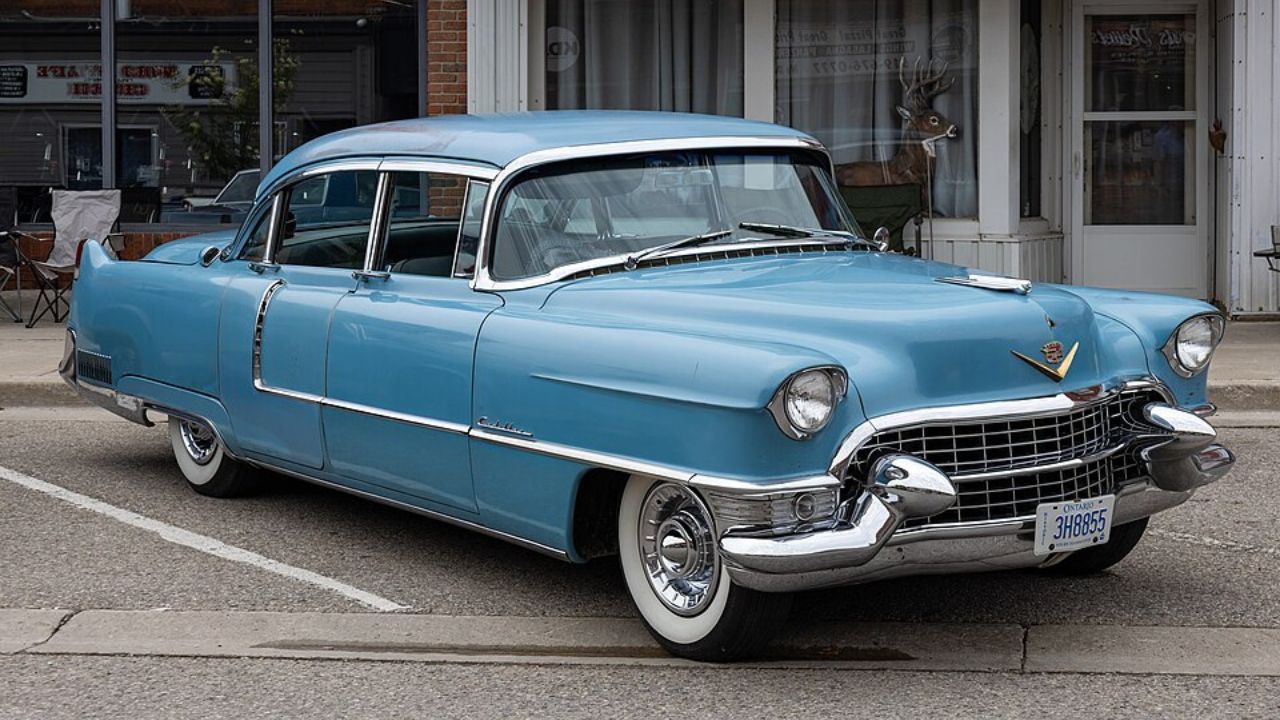
The Series 62 became one of Cadillac’s most recognizable postwar lines, but earlier examples have become surprisingly easy to overlook. The model combined a smooth V8, spacious cabin, and increasingly dramatic exterior styling as Cadillac entered the 1950s. Later versions are more familiar, yet the earlier cars offer a different kind of charm. Collectors who want a classic Cadillac without immediately reaching for an Eldorado often find the Series 62 an appealing combination of history, comfort, and unmistakable American presence.
Cadillac Series 60 Special
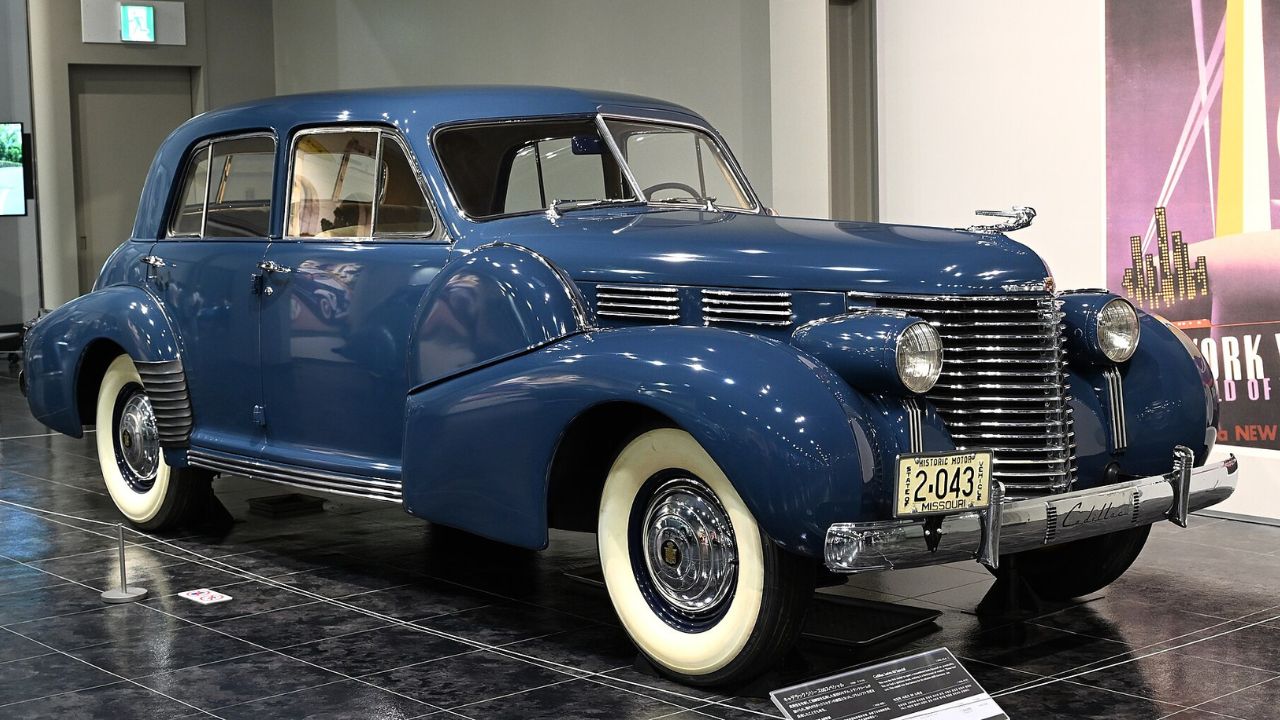
The Series 60 Special was designed as a more stylish and modern interpretation of the traditional Cadillac sedan. Its proportions, interior appointments, and attention to design helped distinguish it from more conventional luxury cars. The model became particularly important because its styling influenced the direction of Cadillac’s broader lineup. Today, the Series 60 Special is less frequently discussed than the Eldorado, but it deserves attention from anyone interested in Cadillac design history. Well-preserved examples can showcase the brand’s elegance without relying on flashy details.
Cadillac Series 75

The Cadillac Series 75 was built for buyers who wanted maximum space and prestige. Available in sedan and limousine configurations, it became a familiar choice for executives, hotels, government officials, and wealthy families. Its large V8 and imposing dimensions made it unmistakably Cadillac. The Series 75 is worth seeking out because it represents an era when luxury meant physical presence as much as technology. A well-preserved example provides a remarkable glimpse into the formal side of classic American motoring.
Cadillac Fleetwood
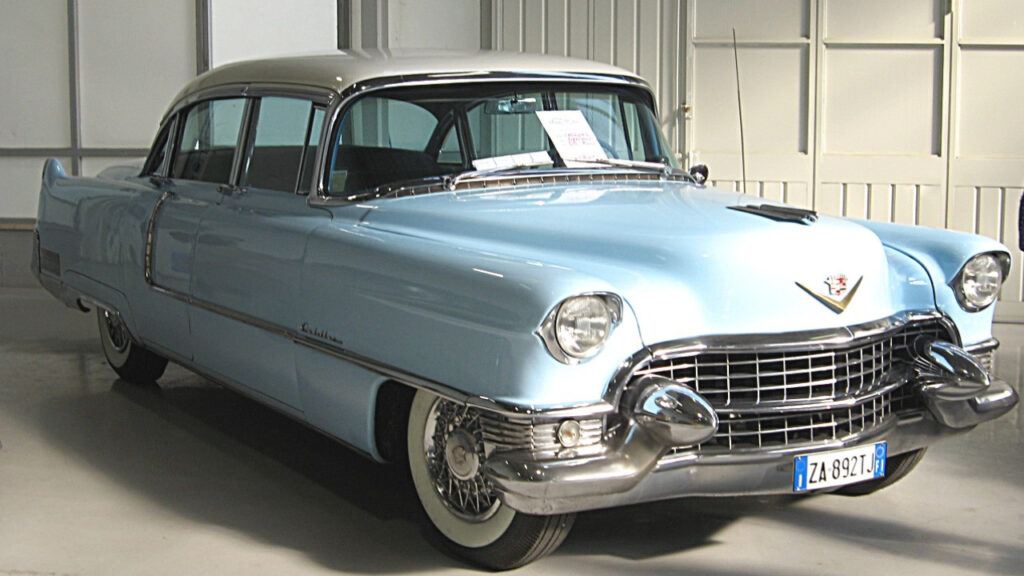
The Fleetwood name carried special significance within Cadillac’s lineup, and the cars wearing it were generally positioned toward the more luxurious end of the range. Fleetwood models often featured richer interiors, distinctive trim, and formal styling that separated them from ordinary Cadillacs. Their large bodies also made them impressive road cars. Many have disappeared because of their size and maintenance demands, making surviving examples increasingly interesting. For collectors, a classic Fleetwood offers the traditional Cadillac experience in an especially substantial form.
Cadillac Eldorado Biarritz

The Eldorado Biarritz represented Cadillac’s vision of the ultimate American convertible. Its long body, extensive chrome, and lavish interior created a car that was impossible to mistake for an ordinary family sedan. While the Eldorado name remains famous, individual Biarritz models can still be overlooked outside serious Cadillac circles. The car is worth seeking out because it captures the optimism and excess of the American 1950s. Its styling alone makes it one of the most recognizable expressions of Cadillac’s design philosophy.
Cadillac Eldorado Seville
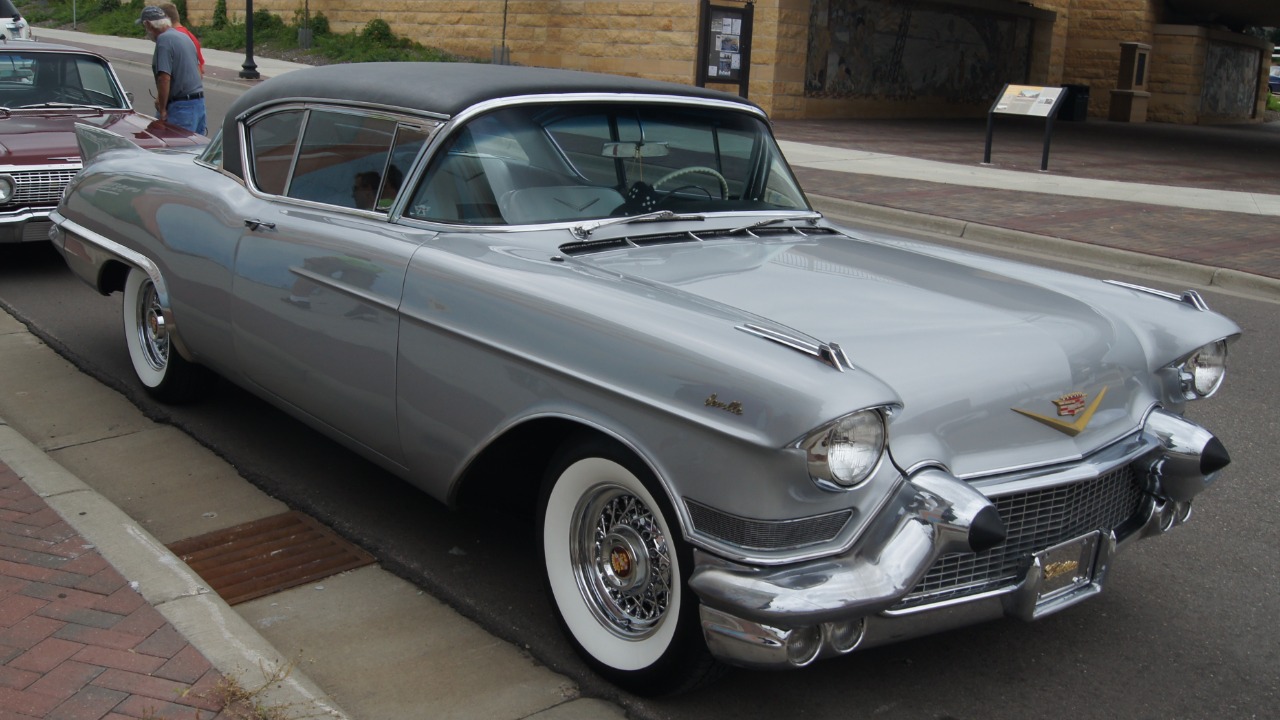
The Eldorado Seville offered a more formal interpretation of Cadillac’s personal luxury concept. Unlike the open-air Biarritz, the Seville emphasized a closed coupe body while retaining the prestige and elaborate styling associated with the Eldorado name. Its proportions and details reflected Cadillac’s desire to create a premium personal car rather than simply another large sedan. Today, surviving examples can be difficult to find in excellent condition, making the Seville an interesting target for collectors who want something different from the more familiar Eldorado convertibles.
Cadillac Coupe de Ville

The Coupe de Ville became one of Cadillac’s signature models, but certain generations have been overshadowed by the most famous cars from the brand’s history. These large two-door Cadillacs combined V8 power, expansive interiors, and formal styling with the convenience of a personal coupe. Their popularity when new means examples still turn up, although truly well-preserved cars are becoming less common. The Coupe de Ville is worth considering for anyone who wants classic Cadillac presence without going directly after the brand’s most expensive collector models.
Cadillac Sedan de Ville
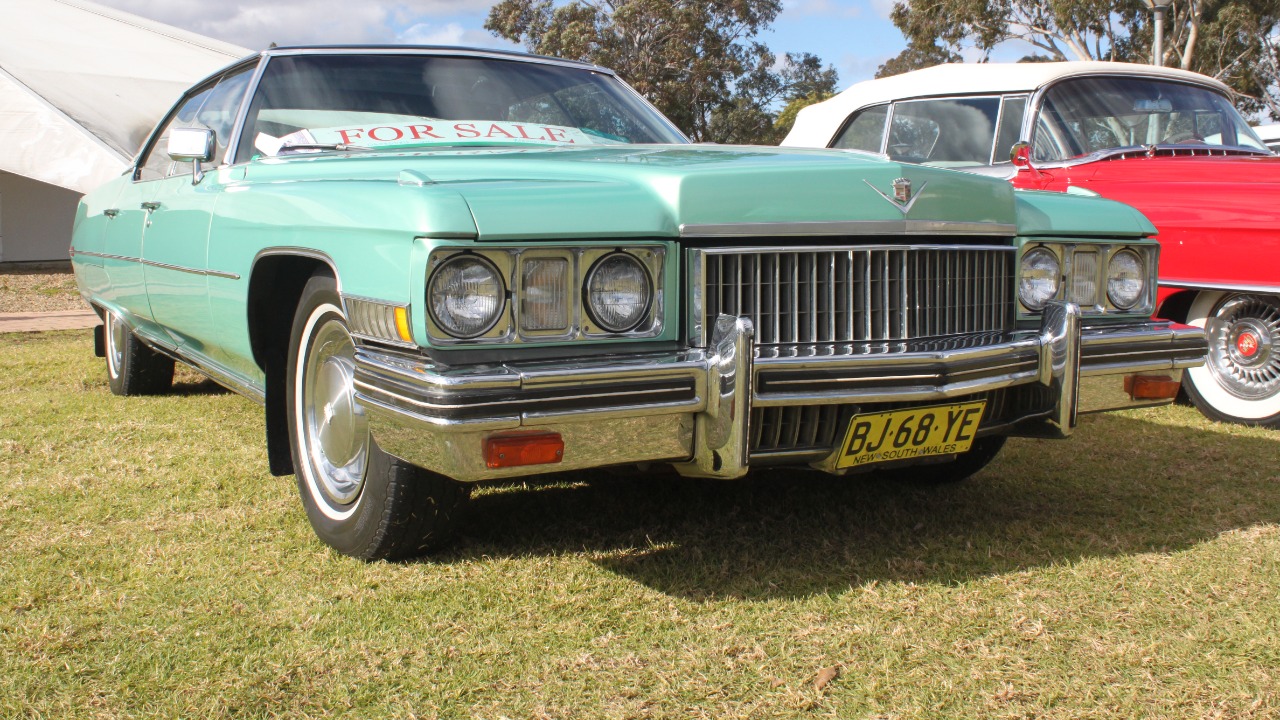
The Sedan de Ville brought Cadillac’s luxury formula to buyers who wanted four doors and generous passenger space. Its broad body, smooth V8, and comfortable cabin made it an ideal American highway cruiser. Different generations developed their own styling personalities, giving collectors plenty of choices. The model’s former popularity also means it is easier to recognize than many obscure Cadillac series. A clean Sedan de Ville can still provide the experience of traditional American luxury without the prices attached to the rarest Cadillac models.
Cadillac Calais

The Calais was positioned below the more luxurious DeVille and Fleetwood models, but it still carried the Cadillac badge and offered a substantial amount of comfort. The simpler trim actually gives the car a distinctive appeal today because it represents the less extravagant side of Cadillac ownership. Large V8 engines and rear-wheel drive kept the traditional Cadillac character intact. Enthusiasts looking for something different may appreciate the Calais precisely because it has not received the same collector attention as its more luxurious siblings.
Cadillac Fleetwood Brougham
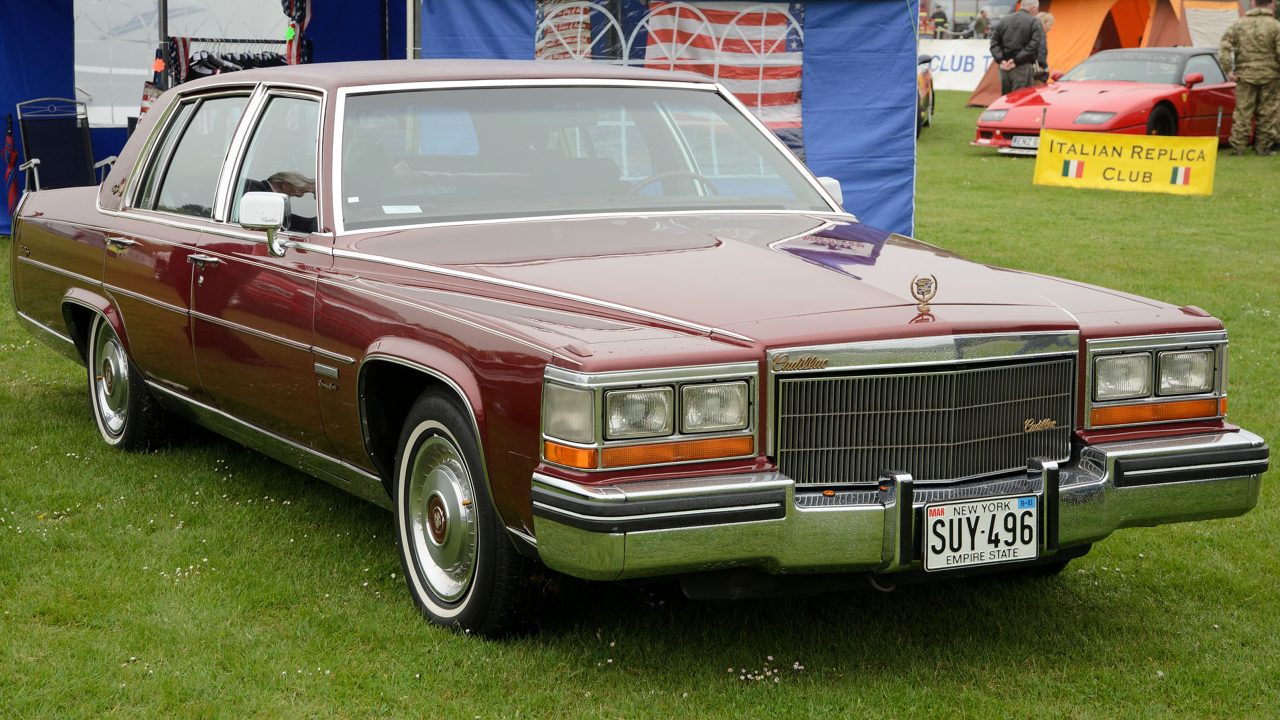
The Fleetwood Brougham became a symbol of traditional American luxury, with its enormous body, plush interior, and smooth V8 power. Although the name remains familiar, many individual examples have faded from the spotlight as collectors focus on earlier finned Cadillacs. The Brougham’s appeal lies in its sheer comfort and formal character. It was designed to make long journeys effortless rather than sporty. A clean example today offers an entertaining way to experience the final decades of the classic full-size Cadillac formula.
Cadillac Seville

The Seville represented one of Cadillac’s biggest departures from its traditional formula. It was noticeably smaller than the company’s huge luxury sedans and was developed to address changing consumer preferences and increased competition from imported luxury cars. Its sharp styling and more compact proportions gave Cadillac a new identity in the 1970s. The Seville is worth seeking out because it captures a major turning point for the brand. It also provides an interesting contrast to the oversized Cadillacs that dominated earlier decades.
Cadillac Eldorado
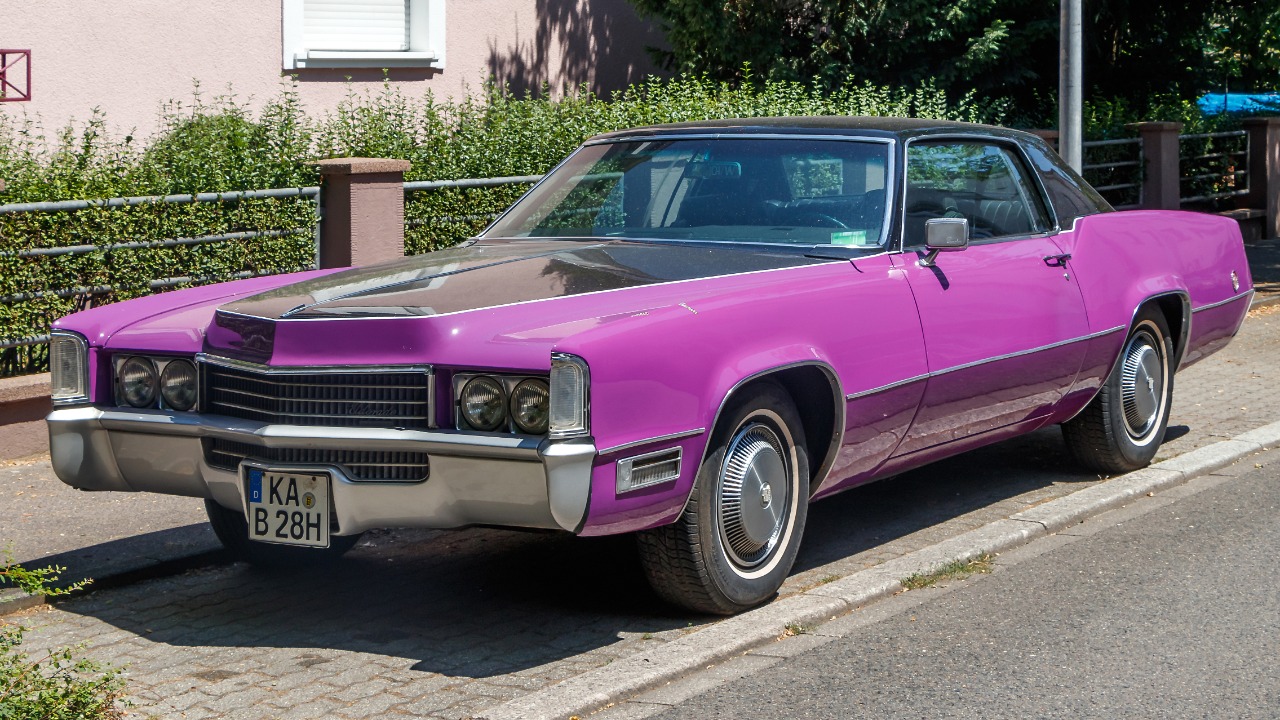
The Eldorado name is famous, but plenty of less celebrated generations are now overlooked. Across its long history, the model moved from extravagant convertible to large front-wheel-drive luxury coupe while maintaining its position near the top of Cadillac’s range. Different generations offer dramatically different styling and driving experiences. That variety makes the Eldorado particularly interesting to collectors. Instead of focusing only on the most valuable examples, enthusiasts can find plenty of character in the overlooked generations that helped carry the name through changing automotive eras.
Cadillac Allanté
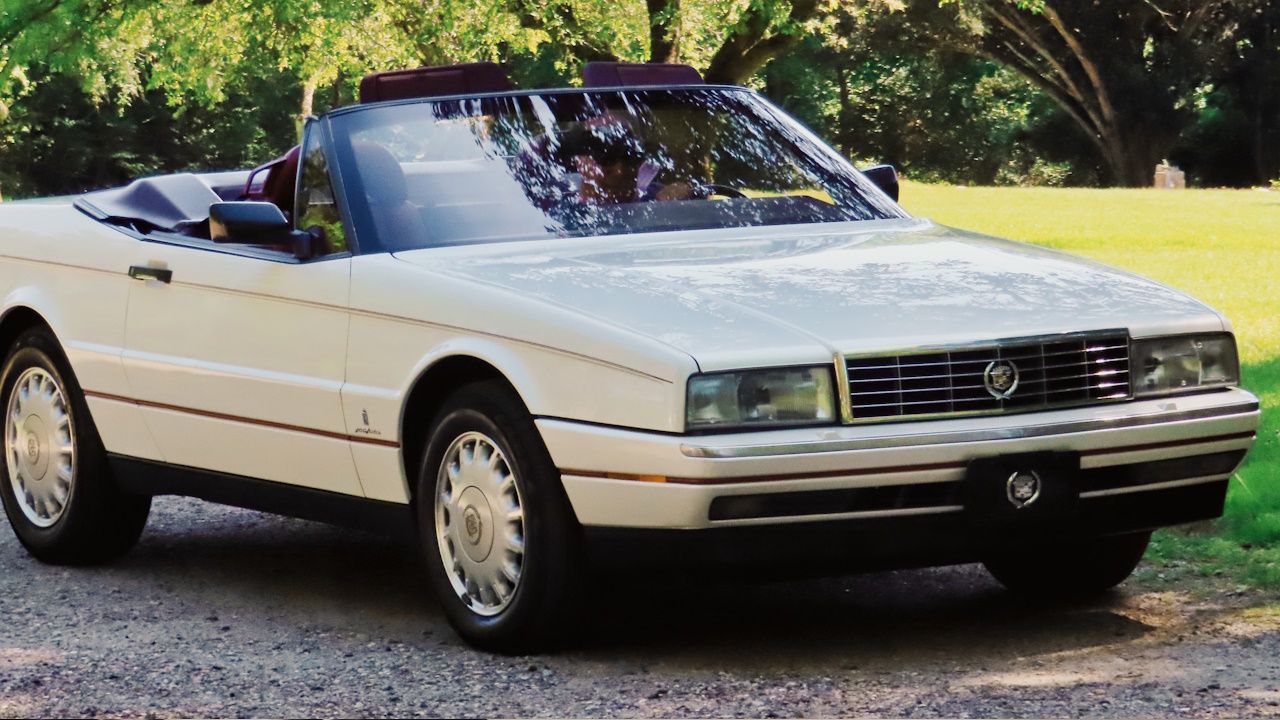
The Allanté was an ambitious attempt to give Cadillac a sophisticated two-seat convertible with a distinctly European flavor. Its body was designed by Pininfarina, while Cadillac supplied the chassis, drivetrain, and luxury appointments. The production process itself was unusual, with bodies traveling between Italy and the United States. Sales never reached the levels Cadillac hoped for, but that limited popularity has made the Allanté more intriguing with age. Today, its unusual design and place in Cadillac history make it a compelling modern classic.
Cadillac Fleetwood Sixty Special
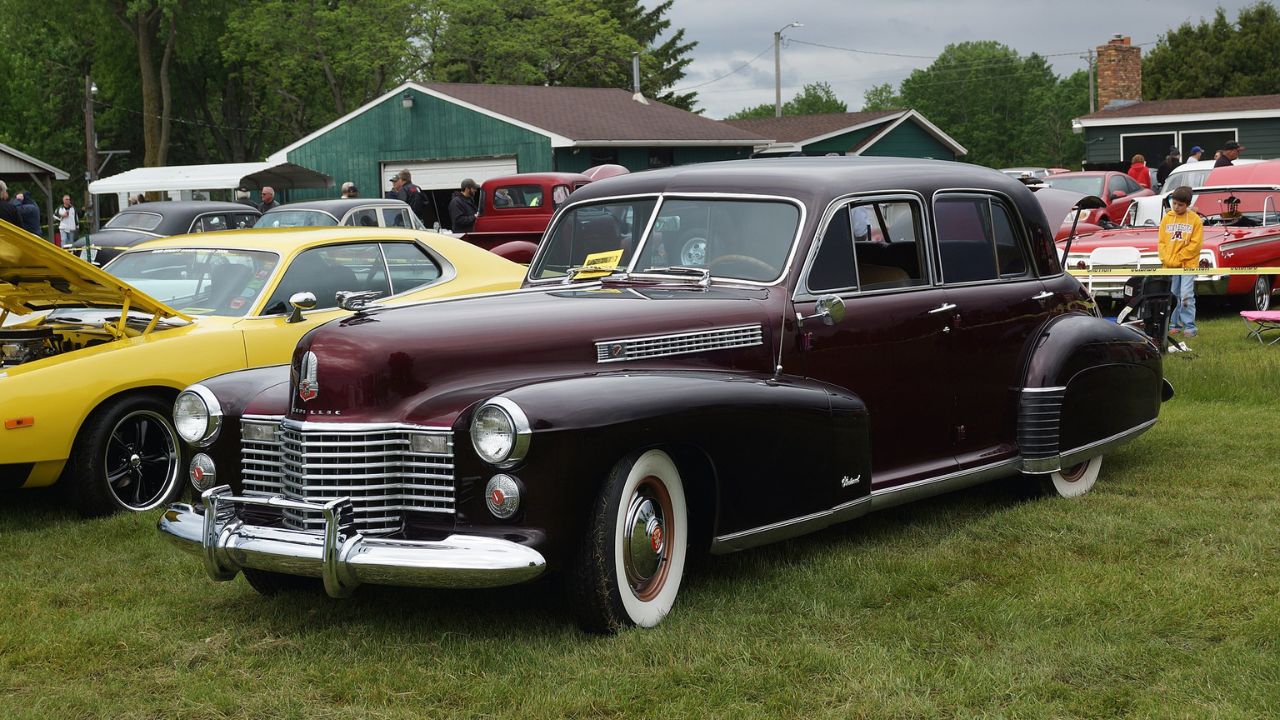
The Fleetwood Sixty Special combined Cadillac’s traditional luxury with a more formal and distinctive presentation. Its spacious interior and substantial body made it ideal for buyers who valued comfort above all else. The model also appeared during several important periods in Cadillac’s design history, giving different generations their own personalities. It deserves more attention today because it represents the classic American luxury sedan at its most recognizable. Enthusiasts seeking a traditional Cadillac experience can find plenty to appreciate in a well-preserved Sixty Special.
Cadillac DeVille Convertible
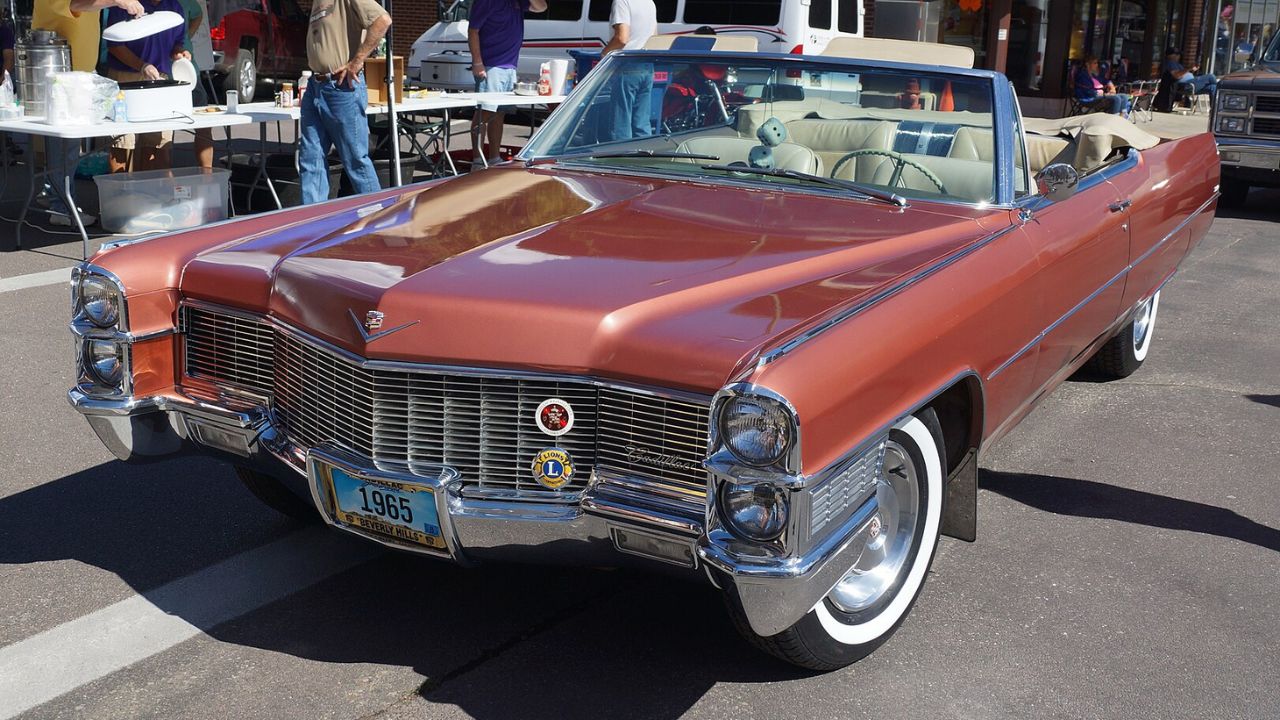
The DeVille Convertible offered Cadillac’s full-size luxury experience with the added appeal of open-air motoring. Its broad body, powerful V8, and spacious cabin made it far more substantial than many European convertibles of the same period. The combination of luxury and convertible styling also made these cars highly desirable when new. Survivors have become increasingly interesting to collectors because they combine two characteristics that rarely appear together in modern cars: enormous dimensions and effortless cruising. A clean example remains an impressive sight.
Cadillac Eldorado Convertible
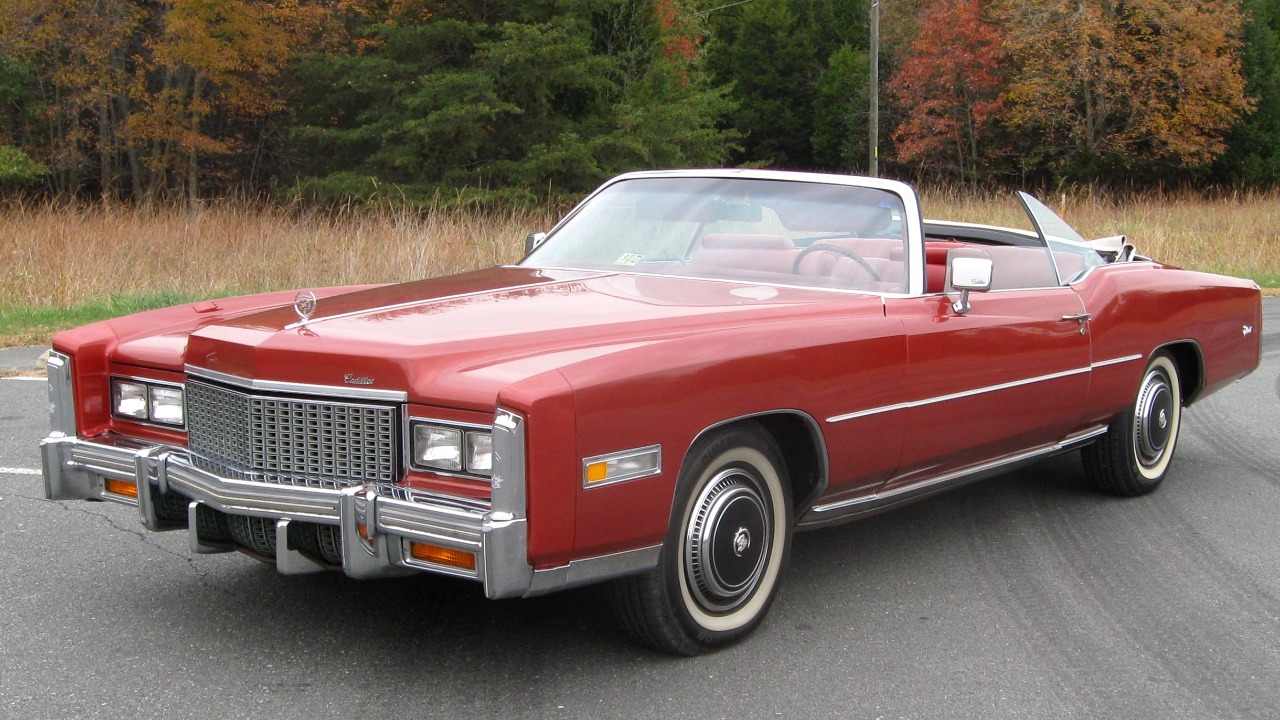
The Eldorado Convertible represented the extravagant side of Cadillac better than almost anything else in the lineup. Its large proportions, powerful engine, and elaborate exterior details created the kind of visual impact expected from Cadillac’s flagship convertible. While famous examples command serious collector attention, less celebrated versions can still be worth exploring. The model provides a direct connection to an era when American luxury cars were designed to make a statement wherever they went, with comfort and style taking priority over compact dimensions.
Cadillac Cimarron

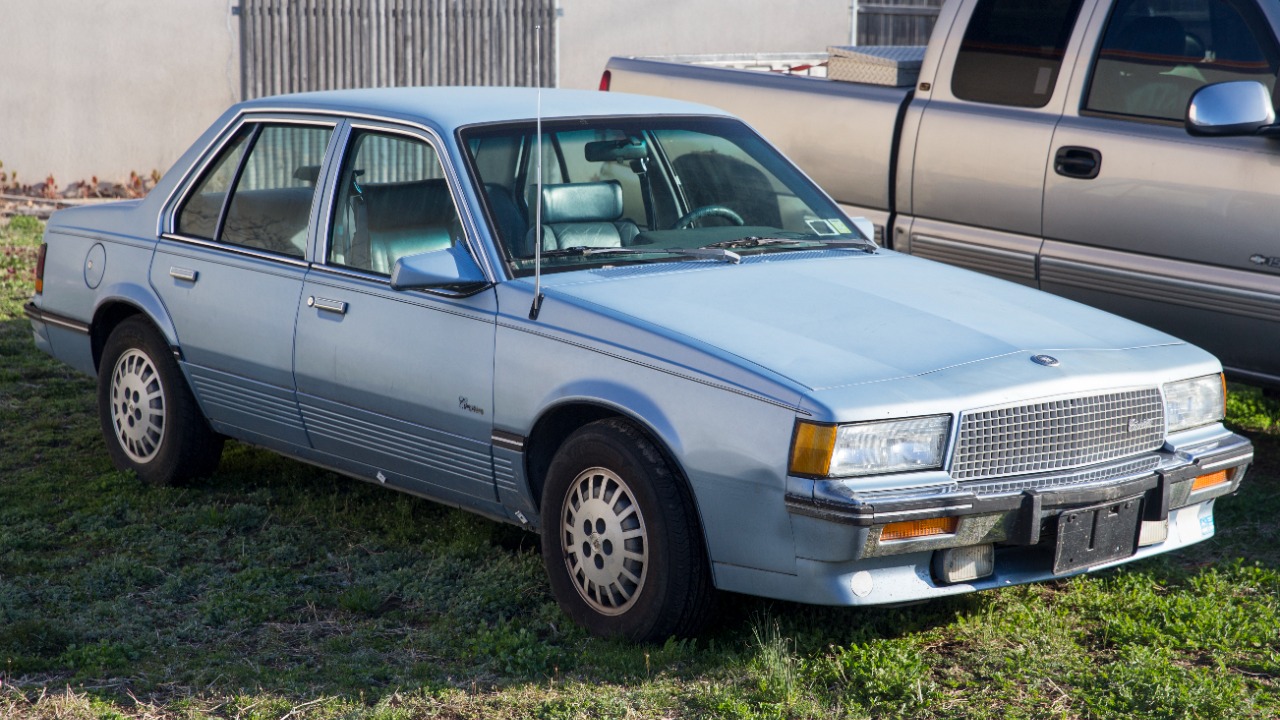
The Cimarron was a very different Cadillac from the enormous luxury cars that had built the company’s reputation. It was smaller, more economical, and aimed at buyers whose expectations were changing during the 1980s. The model’s reception was mixed, but its place in Cadillac history makes it worth understanding. It represented the brand’s attempt to enter the compact luxury market at a difficult time for American manufacturers. Today, surviving examples offer an unusual snapshot of Cadillac adapting to a rapidly changing industry.
Cadillac Catera
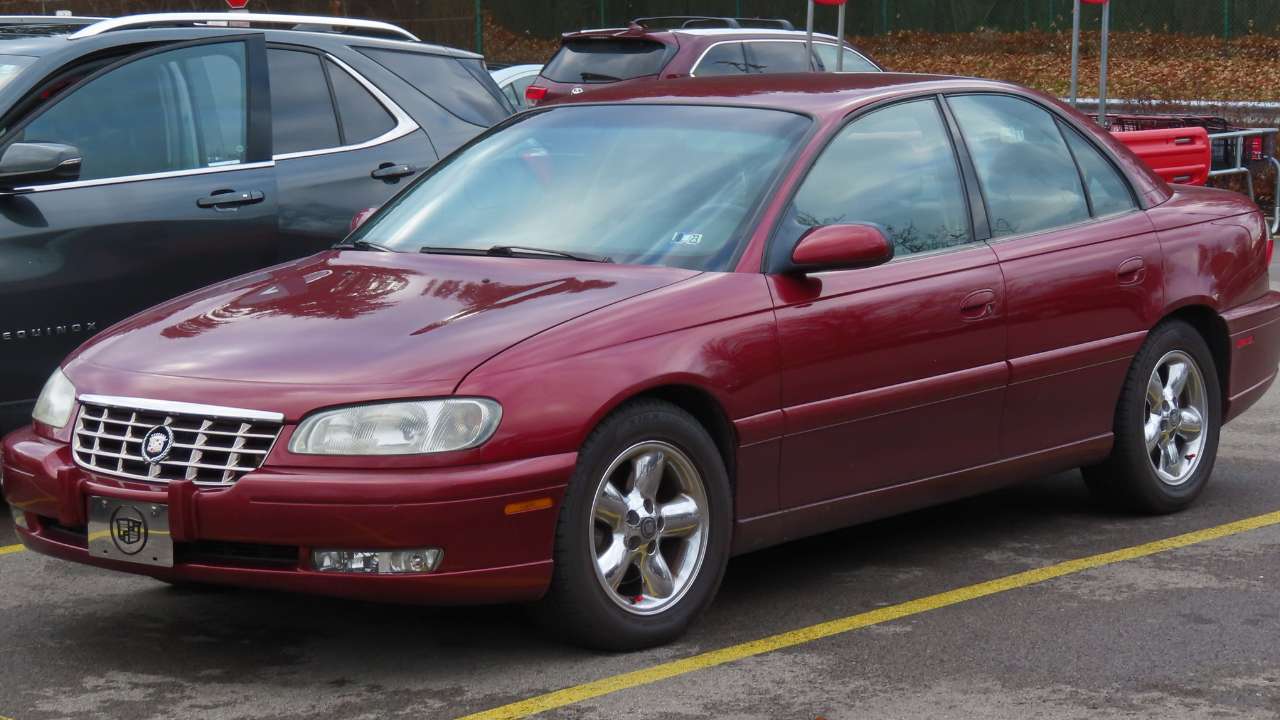
The Catera was another Cadillac that attempted to attract buyers looking for something smaller and more European in character. It used a rear-wheel-drive platform and a V6 engine, giving it a very different personality from Cadillac’s traditional front-wheel-drive luxury sedans. Its styling was restrained compared with other Cadillacs of the period, which may have contributed to its fading from memory. Today, the Catera is interesting because it represents an important transitional period before Cadillac embraced a more performance-focused direction.
Cadillac XLR
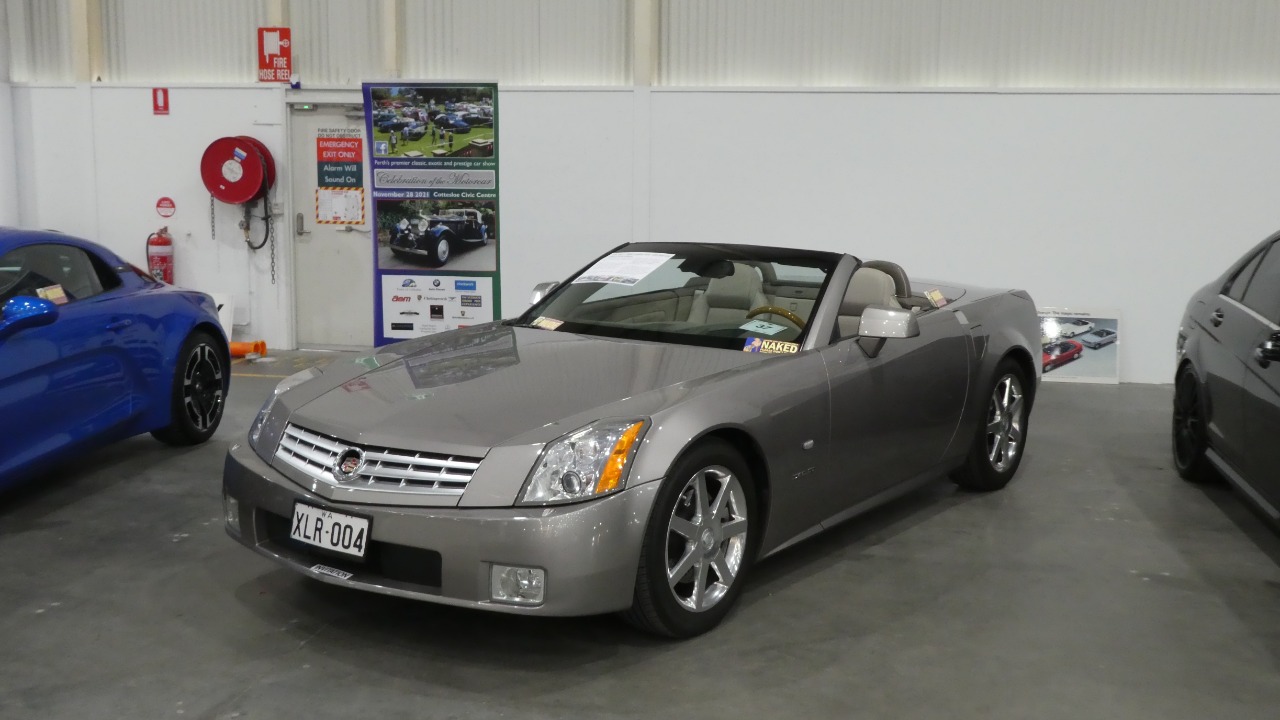
The XLR was Cadillac’s attempt to create a modern luxury roadster with technology and styling that could compete in a very different market. Its retractable hardtop, angular body, and Northstar V8 gave it a distinctive personality, while the interior offered the kind of equipment expected from a premium Cadillac. The XLR never achieved the recognition of the Corvette-based performance cars that shared its era, but that makes it more unusual today. Collectors looking beyond traditional Cadillacs may find it especially appealing.
More from Fast Lane Only
- Unboxing the WWII Jeep in a Crate
- 15 rare Chevys collectors are quietly buying
- 10 underrated V8s still worth hunting down
- Police notice this before you even roll window down
*Research for this article included AI assistance, with all final content reviewed by human editors.