Some classics are “rare” because they’re expensive, but the cars below are rare for more interesting reasons: tiny production runs, quirky regulations, racing roots, and occasional corporate about-faces. Even serious collectors can go years without seeing one cross a major auction stage, and when they do appear, the backstory is often as compelling as the car. Here are 20 that fit the bill.
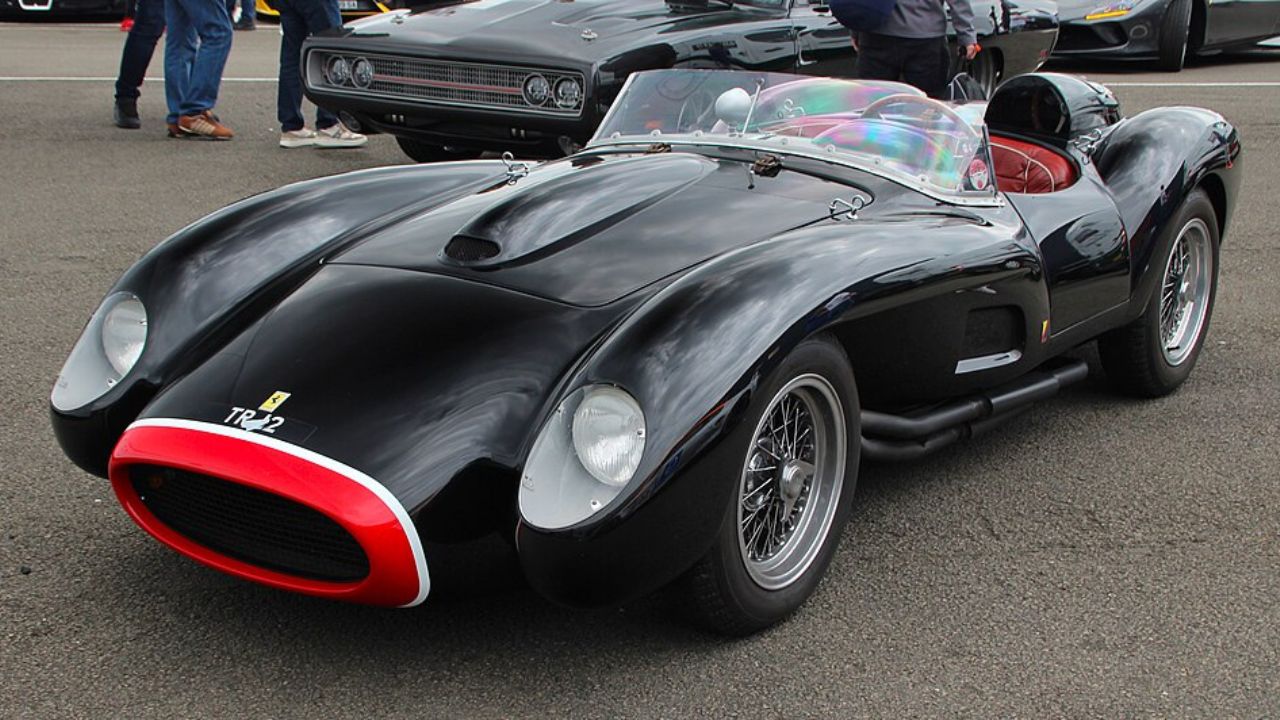
Ferrari 250 Testa Rossa
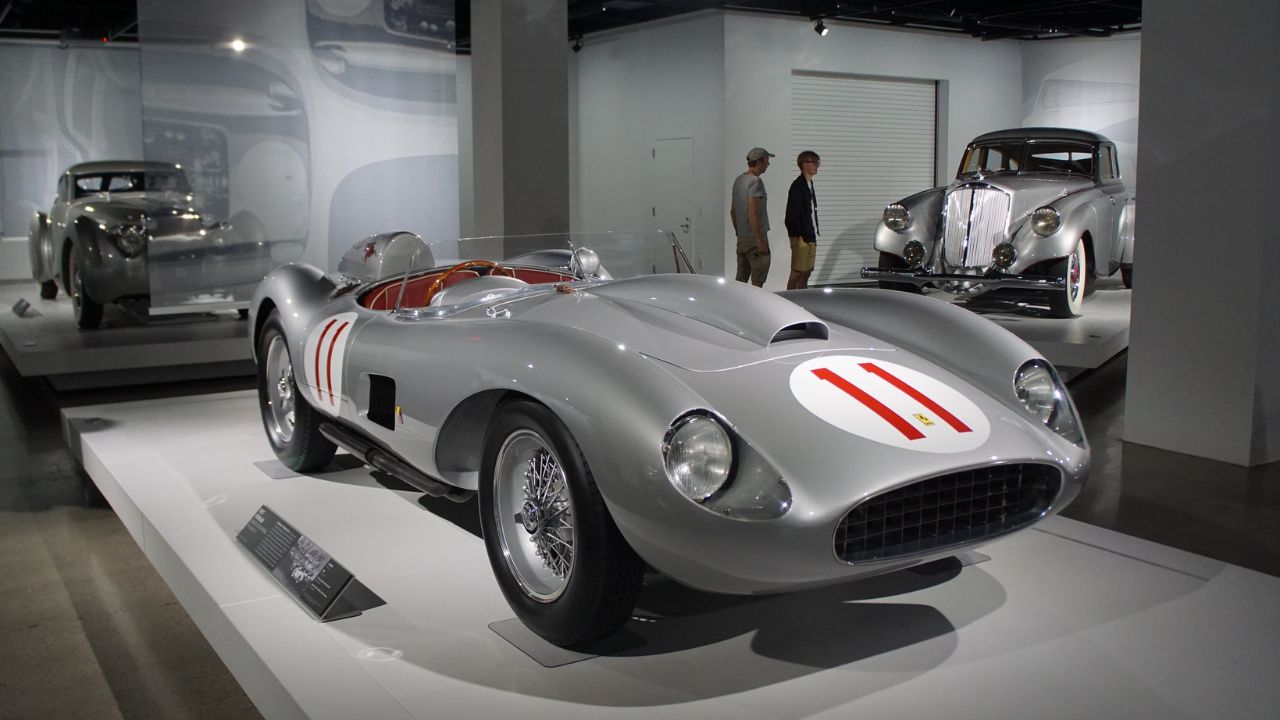
The 250 Testa Rossa was built first and foremost to win endurance races, not to fill showrooms. Ferrari produced only a small number, and survivors are closely tracked because of their competition histories. When one does surface publicly, it’s usually tied to a well-documented period racing record.
Beyond the famous “pontoon fender” look on early examples, the model’s rarity is reinforced by the way works cars were updated over time. That means individual chassis histories matter enormously, and many remain in long-term collections.
Mercedes-Benz 300 SLR
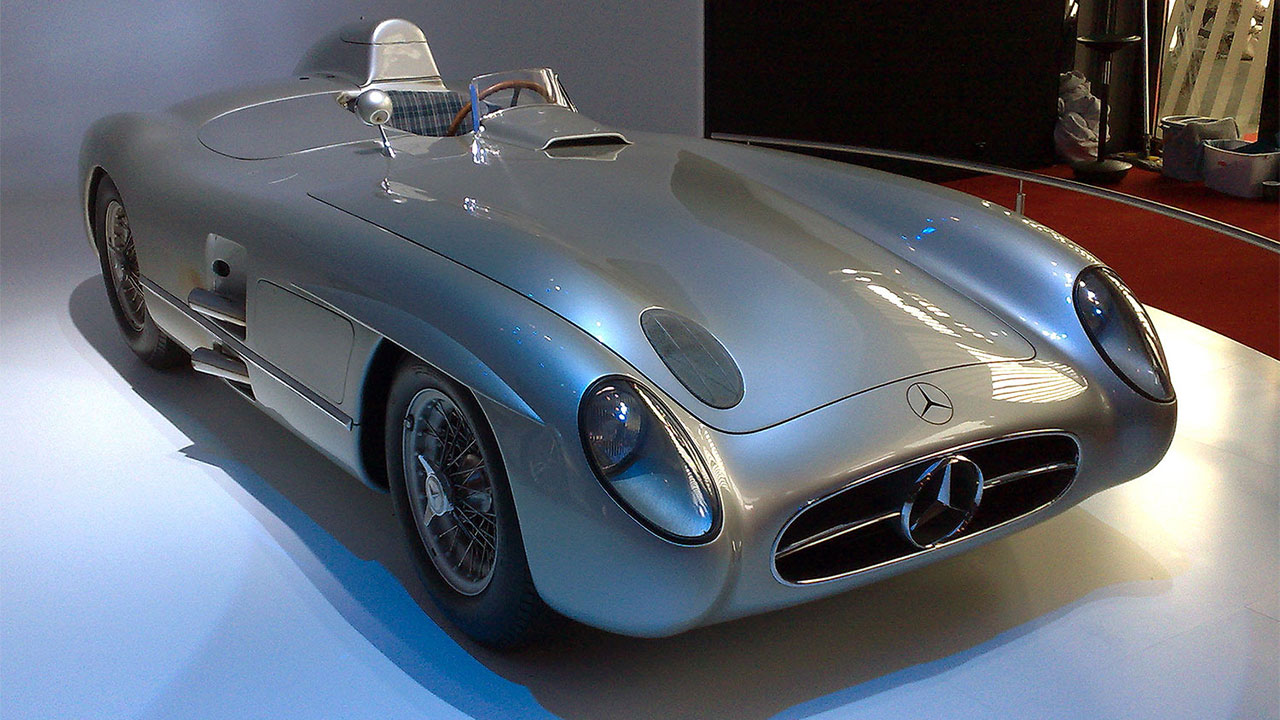
The 300 SLR is one of the most historically significant sports racers ever built, developed from Mercedes’ Grand Prix program. Only a handful were made, and most never left the company’s orbit for decades. Its scarcity at auction is as much about stewardship as it is about numbers.
The model is also inseparable from the 1955 season’s highs and lows, which adds gravity to any public appearance. When these cars change hands, it’s often through private channels rather than open bidding.
Ford GT40 Prototype
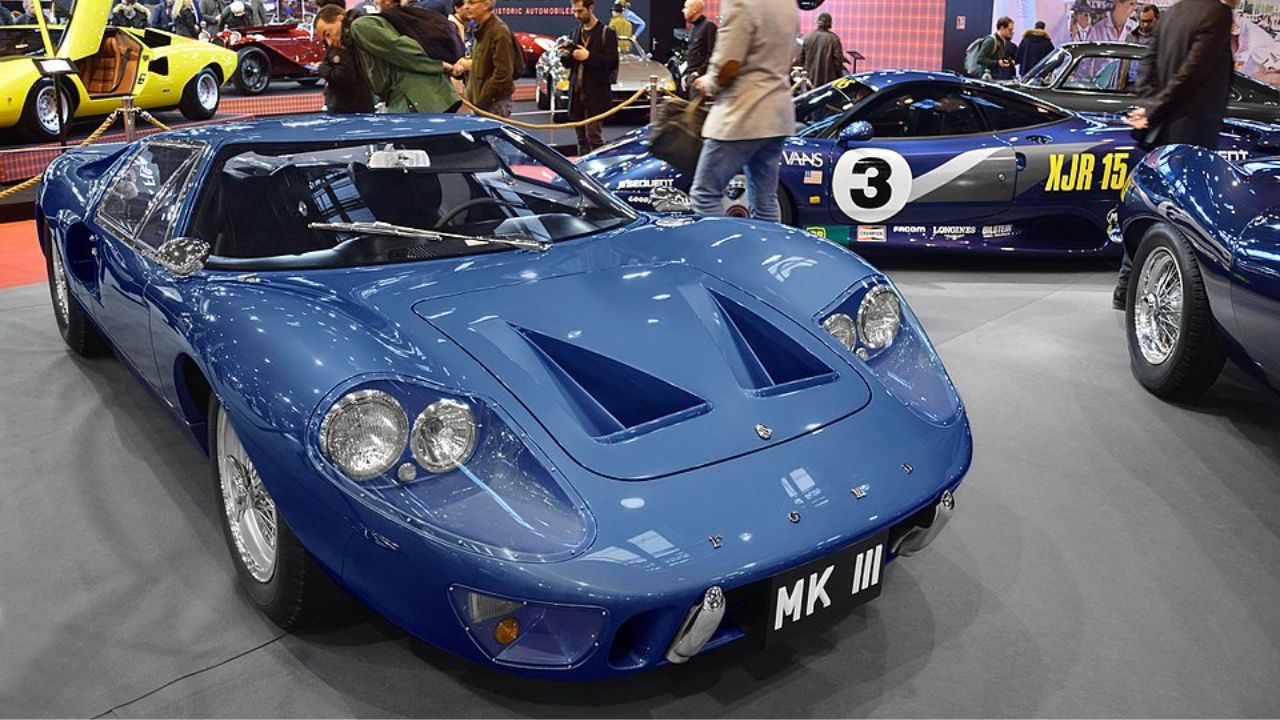
The earliest GT40s were true prototypes, evolving rapidly as Ford pushed toward Le Mans competitiveness. Those early chassis are few, and each carries a distinct development story with period modifications. Their provenance tends to be extensively documented by historians and registries.
Because the “prototype” label actually means something here, values and interest hinge on authenticity and timeline. That makes public auction appearances uncommon and closely watched.
Porsche 910

Porsche’s 910 was a lightweight endurance and hill-climb weapon that bridged the gap between earlier 906s and later prototypes. Production was limited, and many cars lived hard lives in period competition. Surviving examples often have layered histories that owners are reluctant to risk in public sales.
The 910’s appeal is how focused it is: minimal weight, purposeful aerodynamics, and a direct link to Porsche’s late-1960s racing push. That combination keeps demand strong and supply thin.
Nissan R381
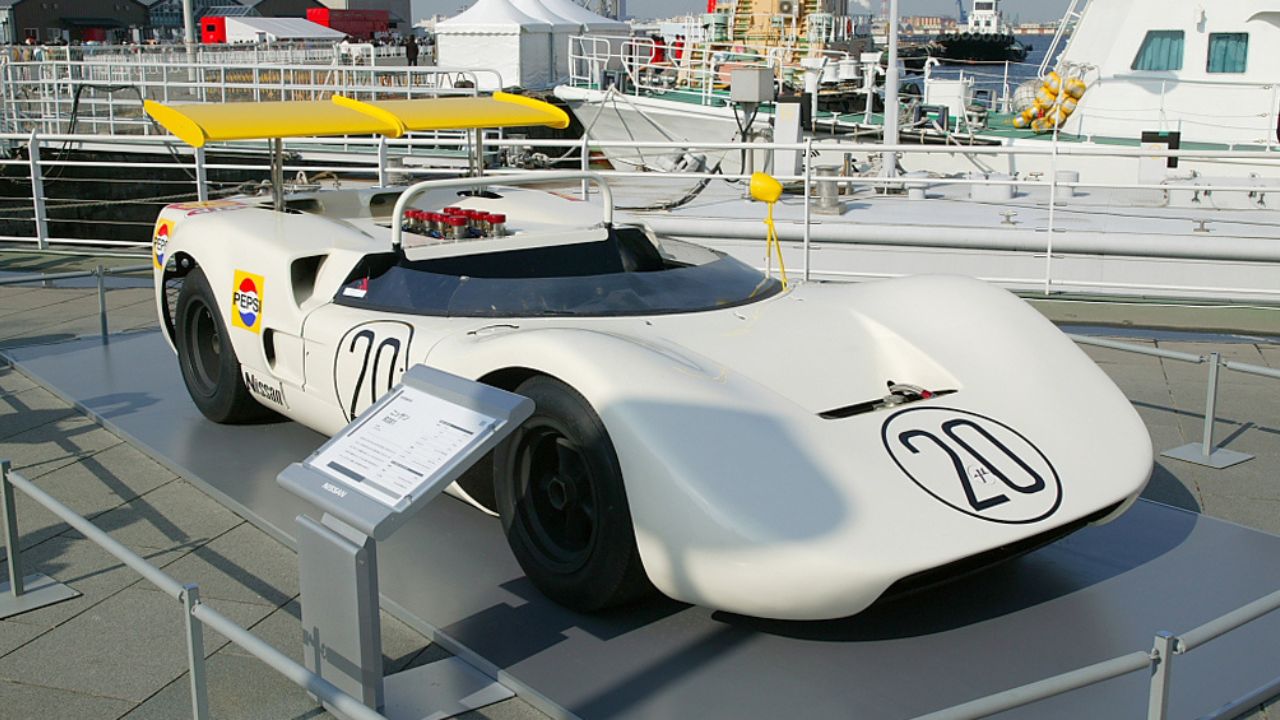
The Nissan R381 is an important Japanese prototype racer associated with the late-1960s Group 7-style era. Very few were built, and they were never mass-market cars to begin with. Most examples are preserved as significant pieces of Nissan’s motorsport history.
Because they’re so specialized and so scarce, they’re more likely to appear at curated events than at mainstream auctions. When one is offered, it tends to be news within the racing community.
Shelby Cobra 427
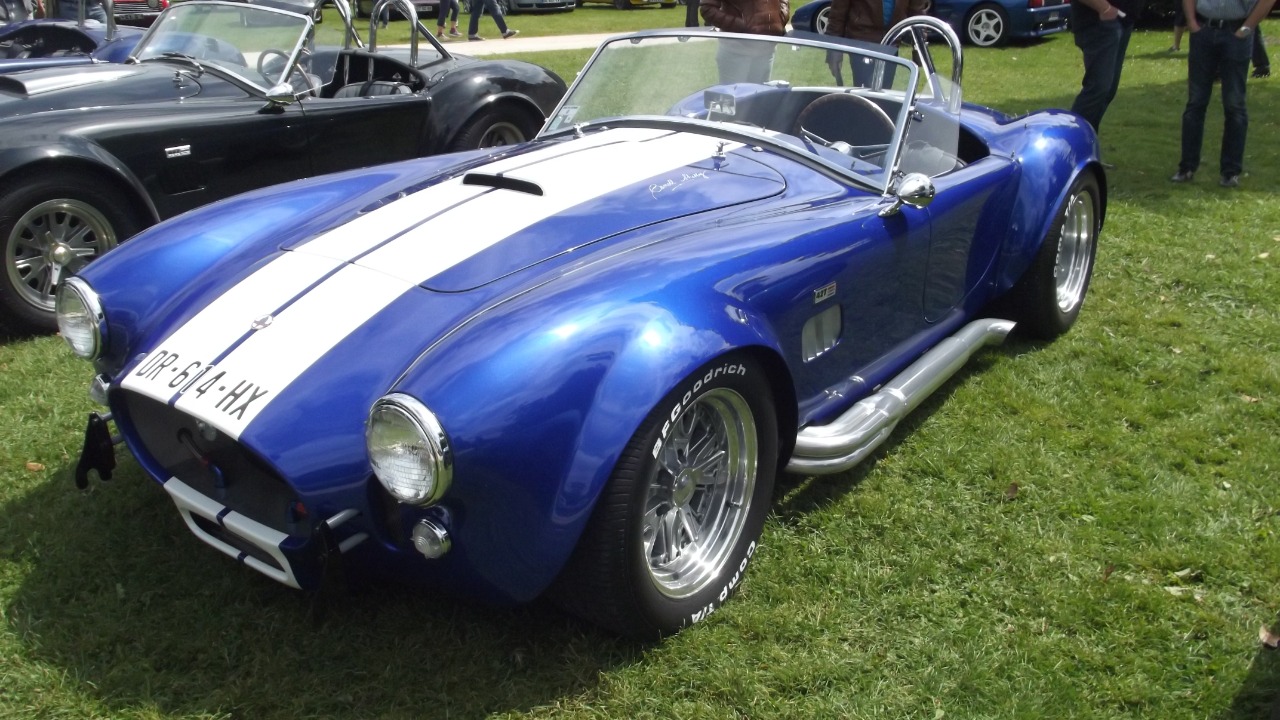
Competition 427 Cobras are a different world from street cars, built to race and produced in very small numbers. They’re tied to specific teams, drivers, and series, which makes the paper trail central to their identity. That kind of provenance often encourages private transactions.
Even among Cobra enthusiasts, genuine competition cars are the ones people might never see in person. The best-known examples are effectively part of motorsport heritage collections.
Chevrolet Corvette (C1)
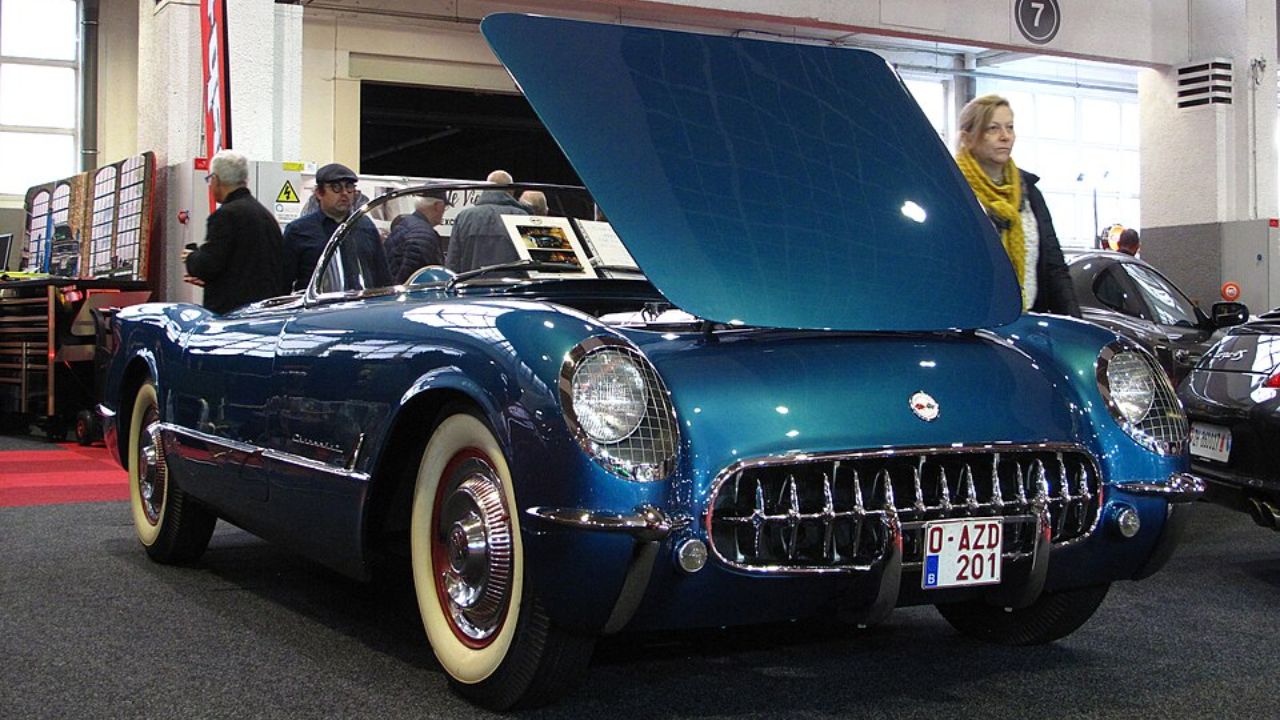
The first-year Corvette is rare in a straightforward way: production was limited, and it was essentially a proof-of-concept for an American sports car. Early cars were hand-built and carry details that differ from later C1s. The result is a model that’s easy to recognize, but surprisingly hard to actually buy.
Well-preserved examples often remain with owners who value the “beginning of the story” aspect. That reduces turnover and keeps auction appearances sporadic.
Toyota 2000GT
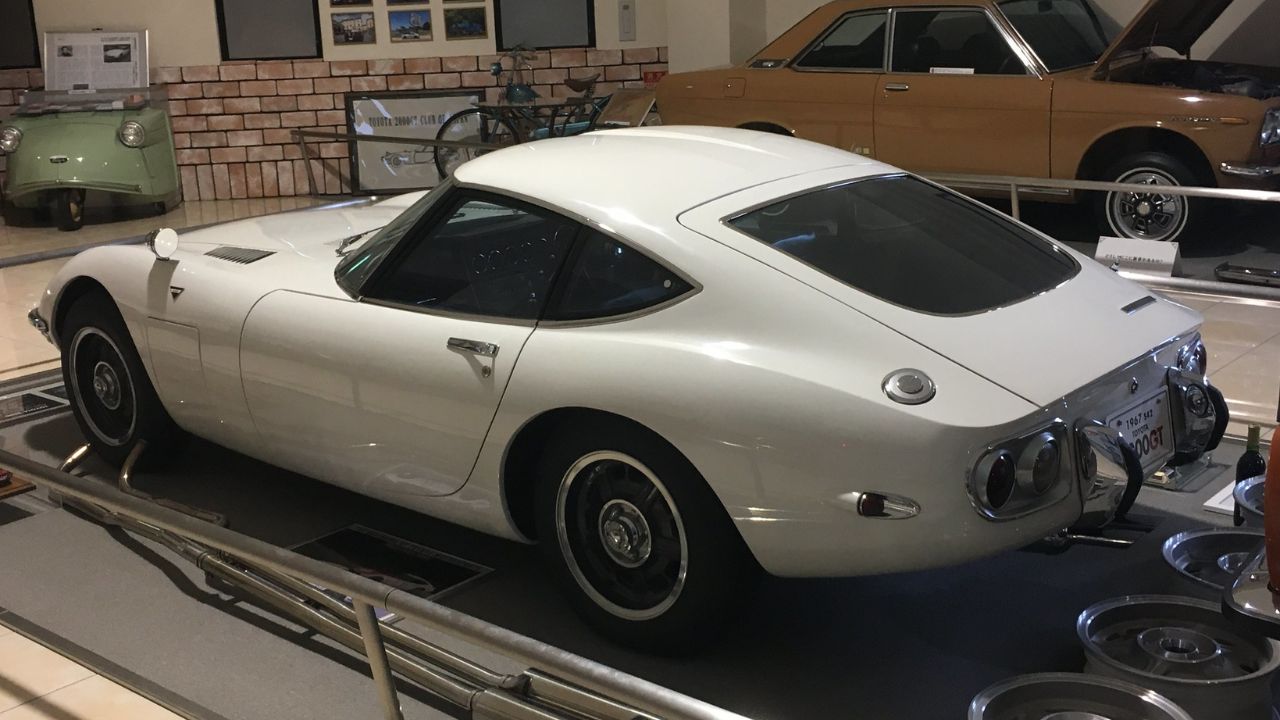
The Toyota 2000GT is already limited-production, and it’s one of the key cars that changed global perceptions of Japanese performance and craftsmanship. Most people associate it with the sleek coupe, but a tiny number of open-top versions were created for specific purposes, making them almost never-seen outliers.
Even standard coupes don’t show up constantly, partly because many are held by long-term collectors. The model’s importance to Toyota’s history keeps it tightly held.
Dodge Charger Daytona
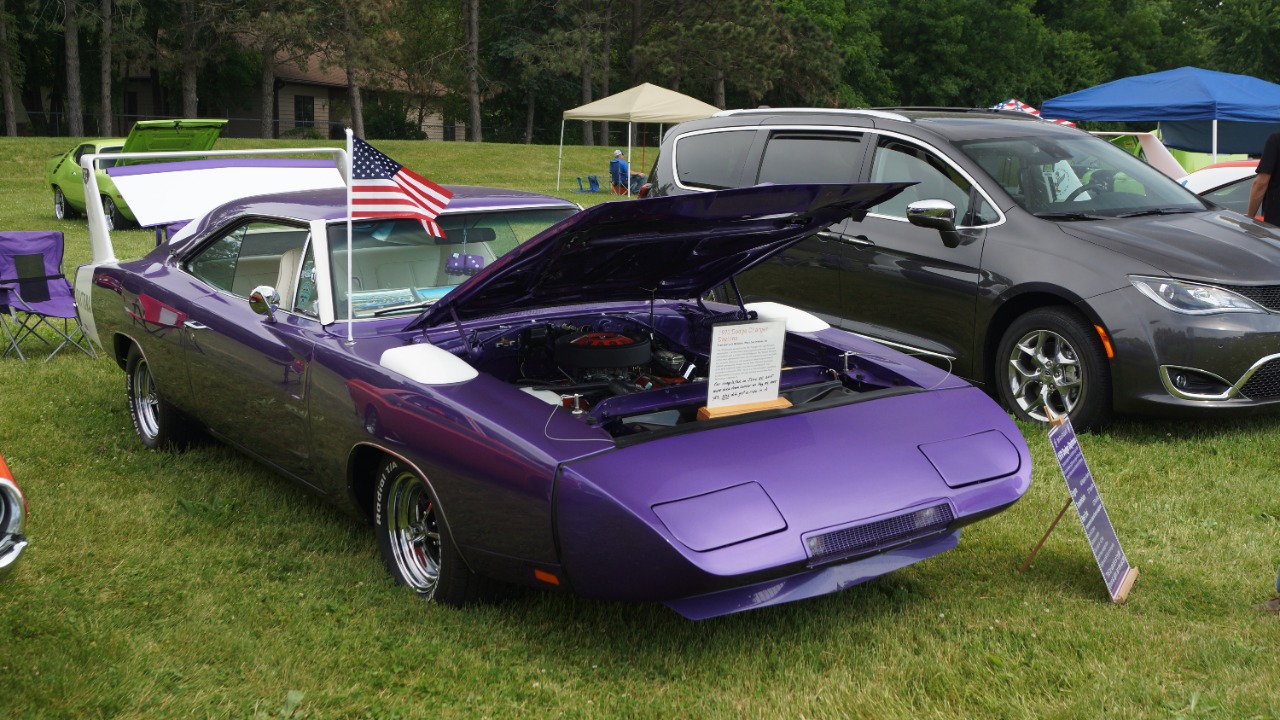
The Charger Daytona was a homologation special built so Dodge could take its radical aero package to NASCAR. Production was limited, and the cars were distinctive enough that they became instant icons. Their connection to a specific rulebook moment makes authentic examples especially desirable.
Many have known histories, and originality matters a lot because aero parts are unique. That keeps the best cars from circulating frequently at auction.
1970 Plymouth Hemi ‘Cuda Convertible
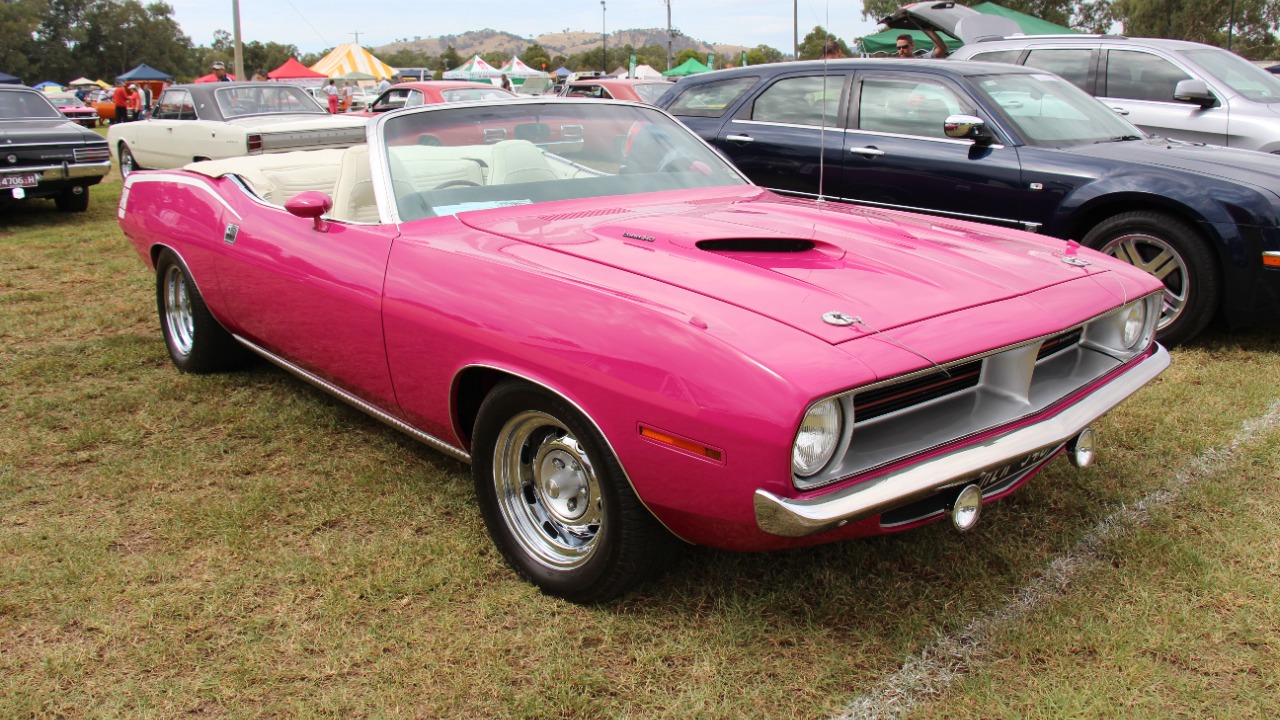
High-performance convertibles were never made in big numbers, and a 1970 Hemi ‘Cuda convertible sits at the extreme end of that scale. These were expensive, specialized cars when new, which limited orders. Survivors are treated as crown-jewel Mopars.
Because the model is both rare and heavily scrutinized, documentation and authenticity are crucial. Owners with correct, well-documented examples often sell privately.
1971 Plymouth Hemi ‘Cuda Convertible

The 1971 model year brought styling updates, but the basic problem for production remained: the Hemi option was costly and the market was changing. Convertibles, in particular, were a small niche. That combination created a tiny population that’s closely followed today.
When one does appear publicly, it draws attention not just for the drivetrain, but for the broader context of muscle cars nearing the end of their peak era.
Chevrolet Camaro ZL1
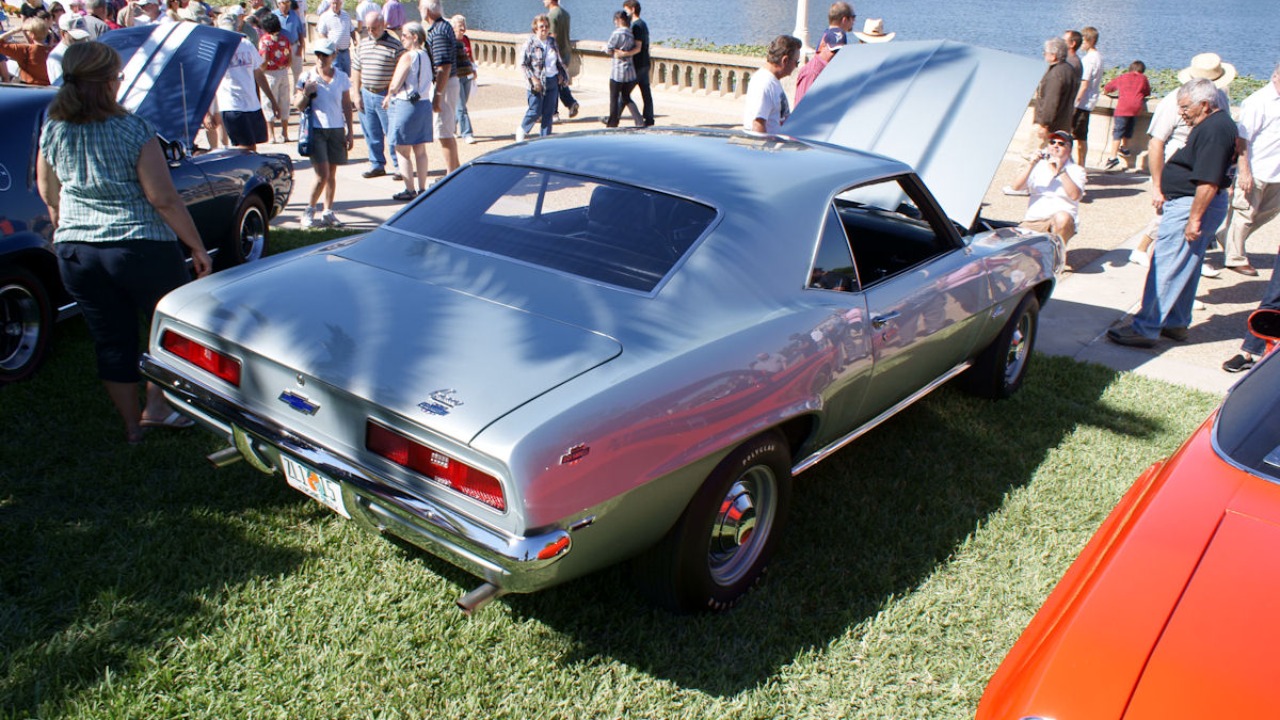
The ZL1 Camaro exists because of a loophole-friendly era of special orders, resulting in an all-aluminum big-block that was far beyond a normal showroom build. Production was extremely limited, and each car’s identity is tied to paperwork and known chains of ownership. That tends to keep them from casually hitting the block.
They’re also a reminder of how creative manufacturers and dealers could get when racing incentives were on the table. That backstory is part of the value.
Hudson Italia
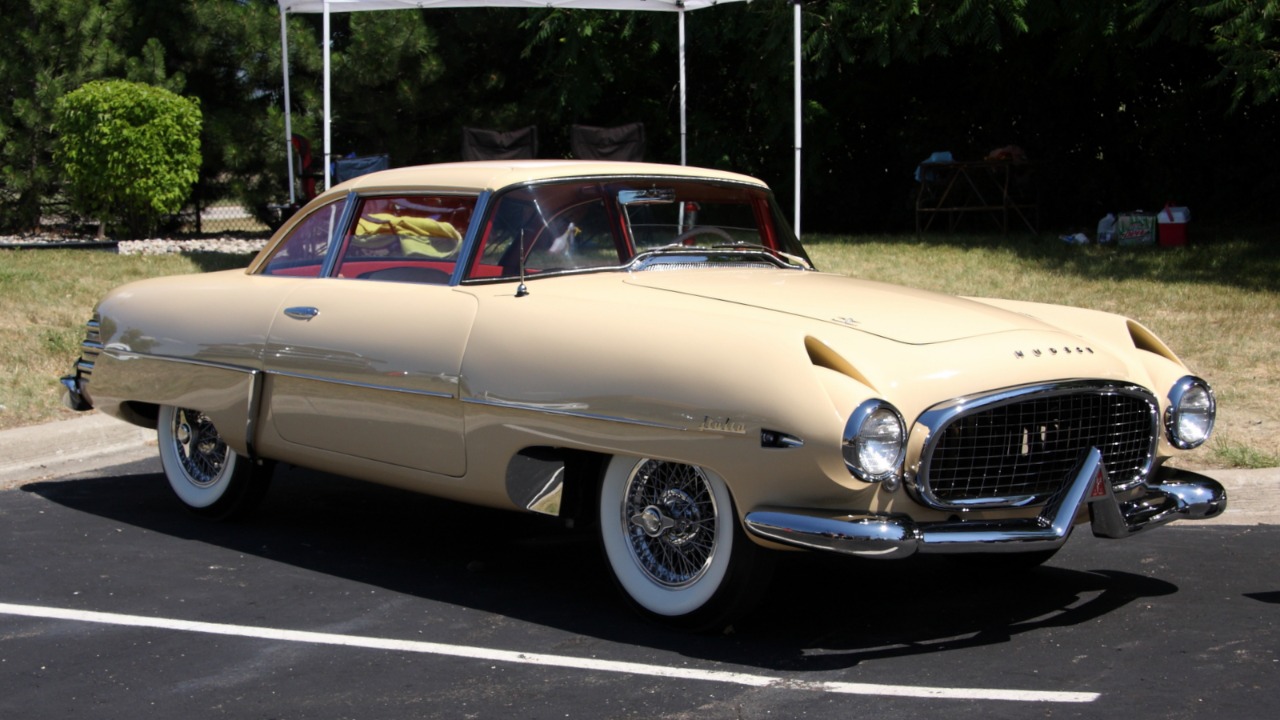
The Hudson Italia was a low-production, Italian-styled concept-turned-limited-run oddity, and that’s exactly why it’s so fascinating. It wasn’t mass-produced, and the cars that were built have distinctive design cues that don’t resemble typical American output of the time. Survivors are uncommon and tend to be recognized individually.
Because it sits outside mainstream collector patterns, sales are infrequent. Owners often treat them as rolling design history rather than a flip candidate.
Cunningham C-3
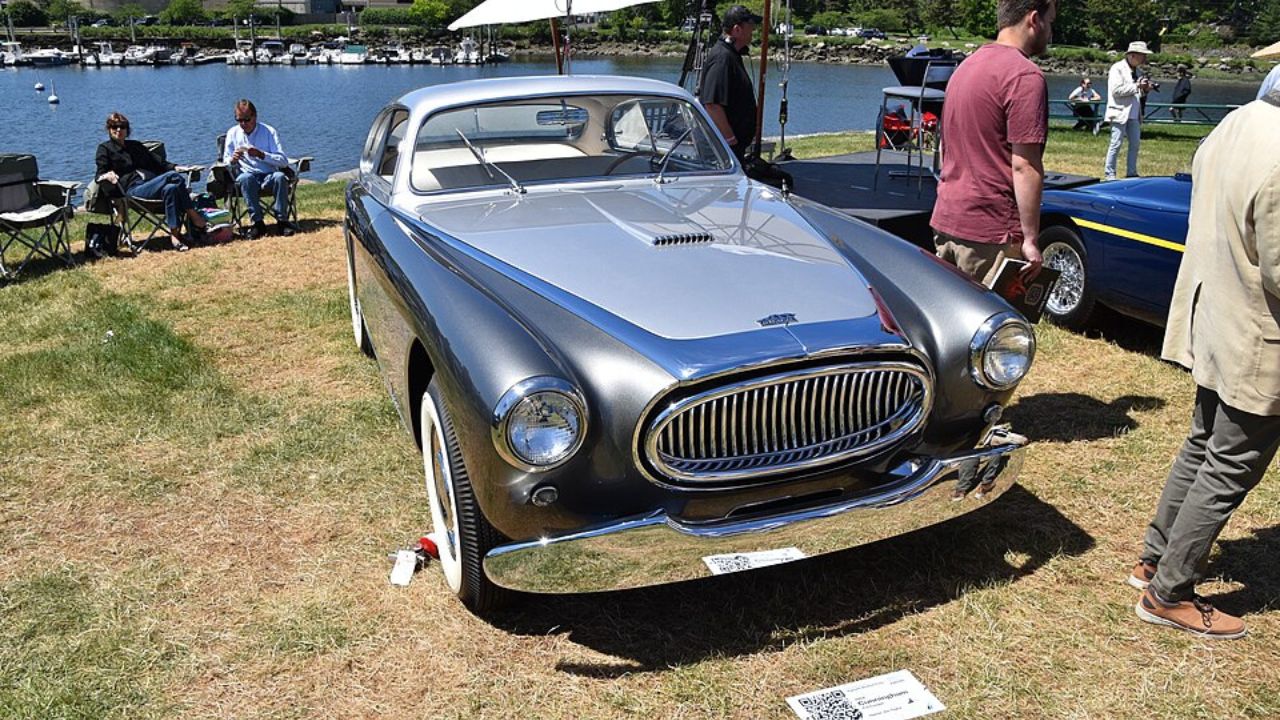
Briggs Cunningham’s road cars were closely tied to his racing ambitions, and the C-3 is among the rarer expressions of that effort. Built in very small numbers, it blends American intent with European coachbuilding influence. The result is a car you might read about more often than you’ll ever see offered.
Cunninghams have a dedicated following, and many examples are preserved with deep respect for their place in American racing culture. That keeps turnover low.
Aston Martin DP215

The DP215 is a one-off Aston Martin prototype built with Le Mans performance in mind. Single-build cars like this almost never come to open market, largely because they’re historically significant and easy to track. Its rarity is absolute by definition: there’s only one.
For enthusiasts, it represents a moment when manufacturers used bespoke engineering to chase endurance-racing speed. That kind of artifact rarely leaves the inner circle.
Jaguar E-Type “External Bonnet Latch”
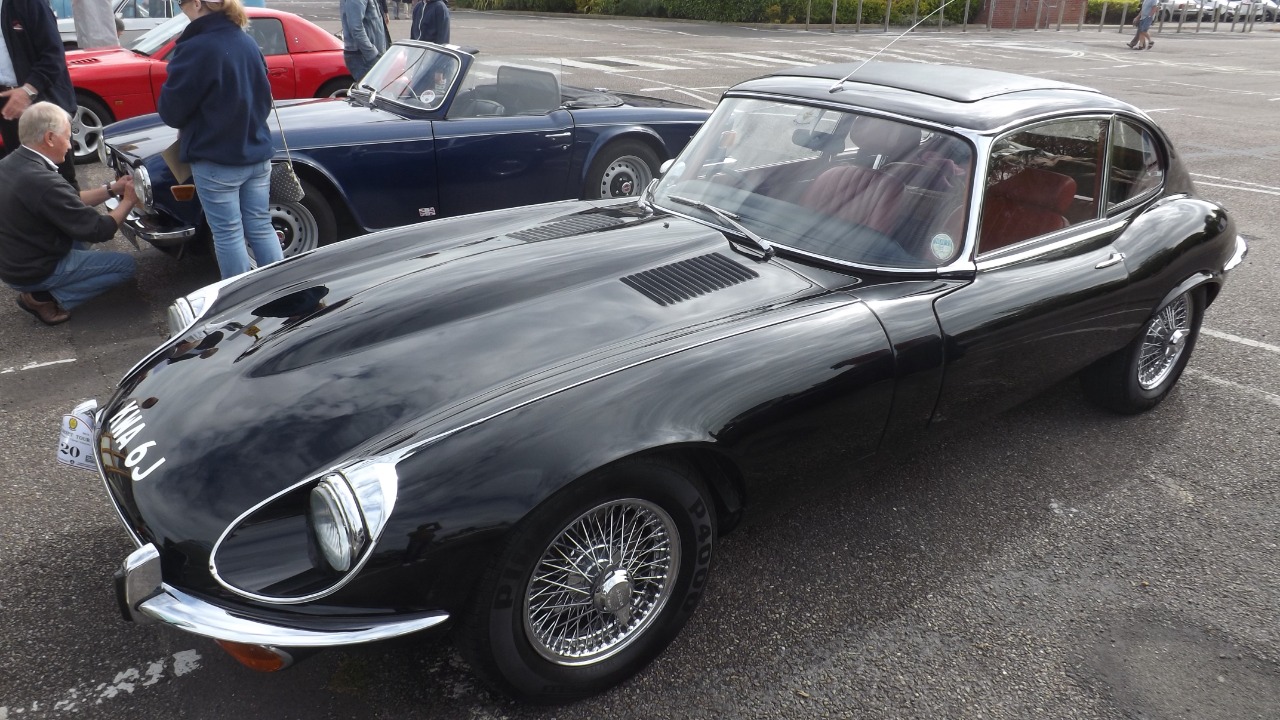
Early E-Types with outside bonnet latches are a well-known subcategory among Jaguar people, built before the design was revised. While E-Types overall aren’t rare, these early-spec cars are much harder to find in correct form. The detail matters because it ties the car closely to the model’s launch period.
Many have been restored over the decades, and correctness can be difficult to verify. The best, most original examples are the ones least likely to appear at auction.
BMW 3.0 CSL “Batmobile”
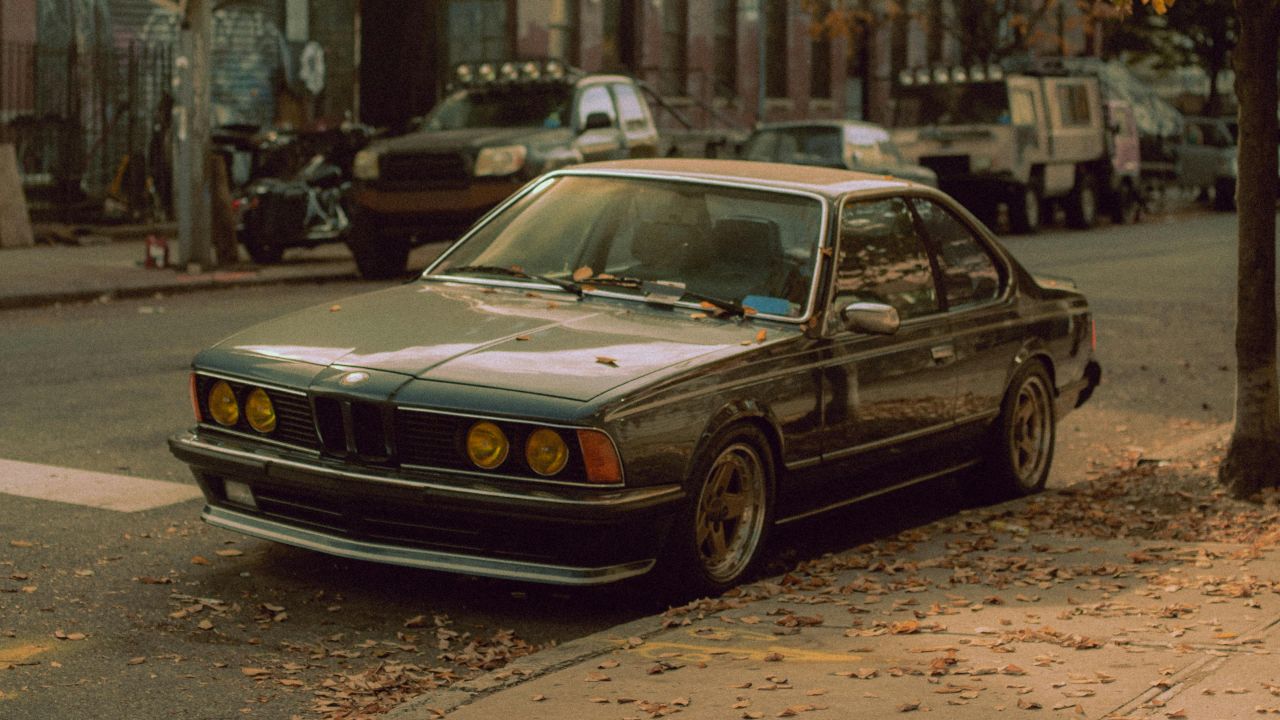
The 3.0 CSL is already special as BMW’s lightweight homologation coupe, but the big-aero “Batmobile” configuration is the version enthusiasts daydream about. Production was limited, and period racing relevance makes originality a big deal. That’s a recipe for cars that stay in serious hands.
CSLs also have complex histories, with market-specific variations and race conversions. That complexity tends to reduce casual auction turnover.
De Tomaso Pantera

The Pantera isn’t always rare in general terms, but early examples with specific features—like the initial interior controls—are less common and more sought after by detail-oriented collectors. Early production cars also capture the model before later running changes. That makes them a niche within a niche.
Because Panteras were used, modified, and updated for decades, unmolested early cars are the ones that “rarely” show up. When they do, condition and correctness drive the conversation.
Facel Vega HK500
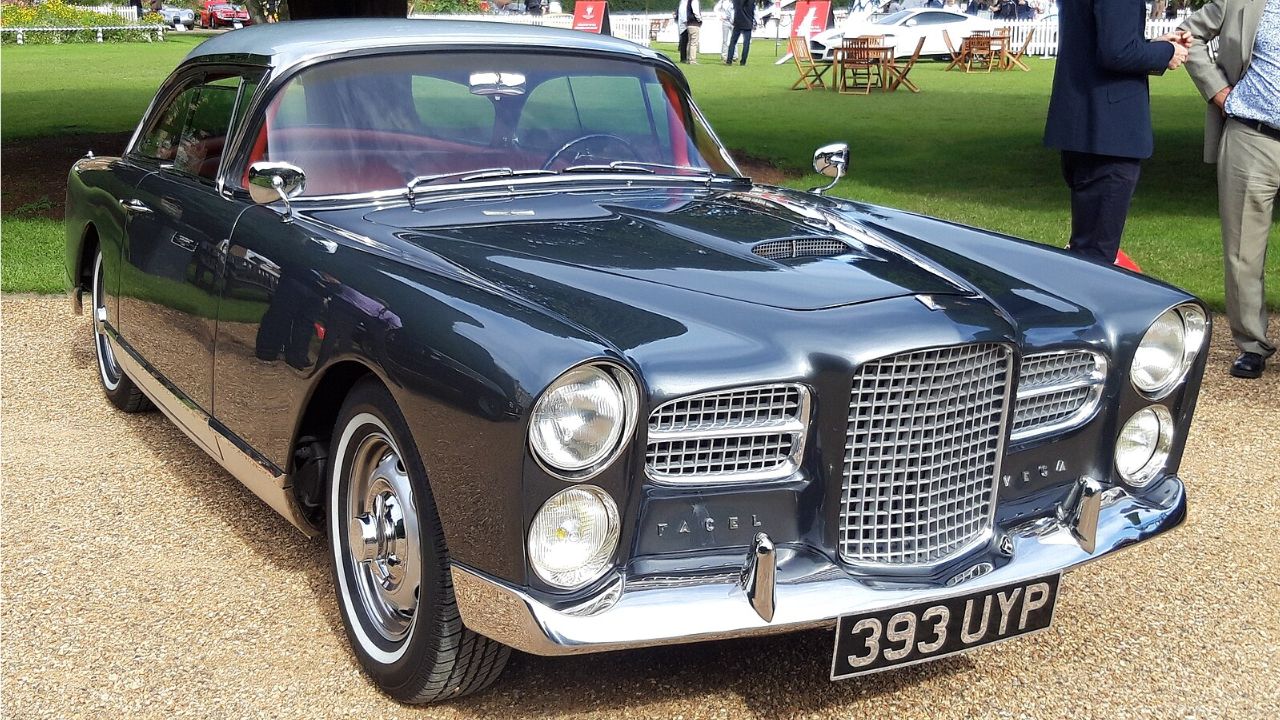
Facel Vega built fast, luxurious grand tourers with a distinctive French sense of style and an international mechanical approach. The HK500 was never produced in large numbers, and survivors often have complex maintenance histories that can keep them off the mainstream auction circuit. Enthusiasts prize the blend of elegance and performance.
These cars are more common at specialist events than at general collector auctions. Ownership tends to be passionate and long-term.
Lamborghini Miura P400
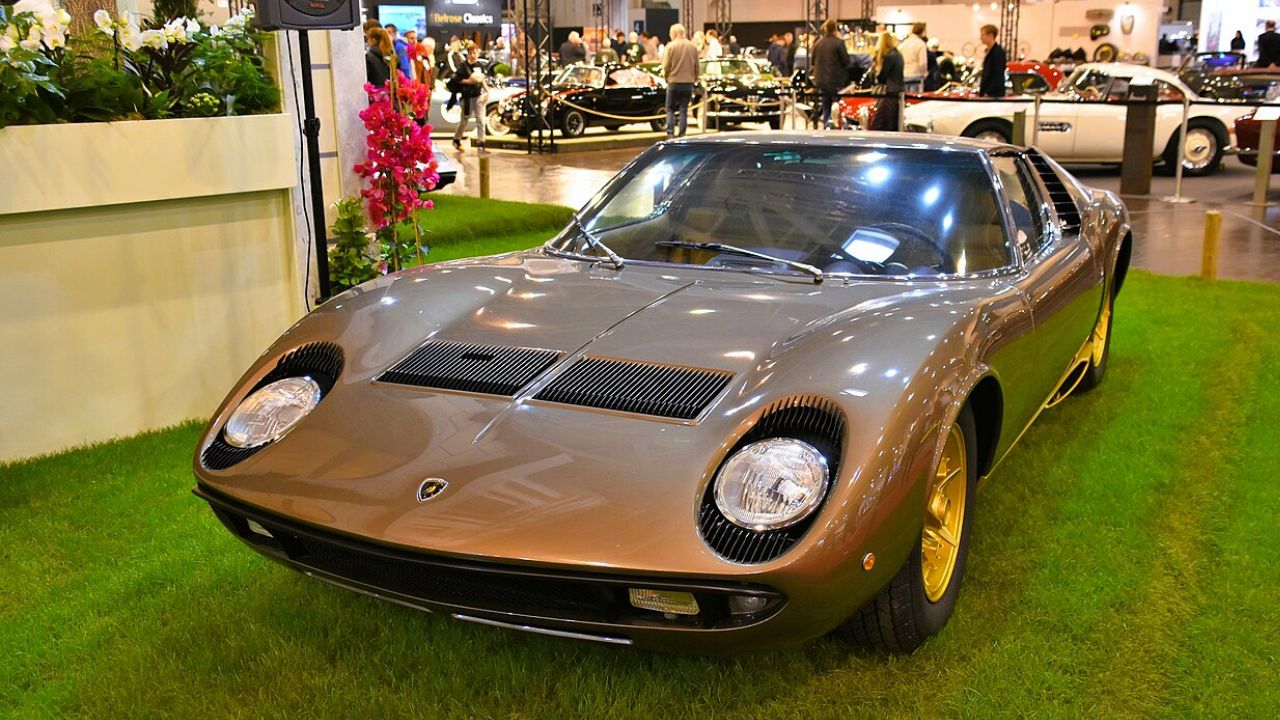
The Miura changed the supercar conversation, but early P400 examples have specific details that collectors watch for. Lamborghini’s production in the 1960s was limited compared with larger manufacturers, and many cars evolved through upgrades or restorations. Finding a correctly presented early P400 can be surprisingly difficult.
Because Miuras are globally recognized, truly correct early cars often trade quietly between marque-focused collectors. That keeps public auction appearances relatively rare despite the model’s fame.
What ties these cars together isn’t just low production; it’s how closely their identities are tied to history, paperwork, and originality. The rarer the car, the more likely it is to live a quiet life in a long-term collection, surfacing only occasionally at a show—or, if you’re lucky, under the bright lights of an auction room.
More from Fast Lane Only
- Unboxing the WWII Jeep in a Crate
- 15 rare Chevys collectors are quietly buying
- 10 underrated V8s still worth hunting down
- Police notice this before you even roll window down
*Research for this article included AI assistance, with all final content reviewed by human editors.