British roadsters have a knack for feeling alive at sane speeds, and that’s a big part of why collectors keep circling back to them. Some became icons immediately, while others were built in small numbers, raced quietly, or simply offered a distinctive blend of engineering and style that’s aging well. Here are 20 open-top British sports cars that stand out as especially worth preserving—and, in many cases, chasing—within their own eras.
Jaguar XK120
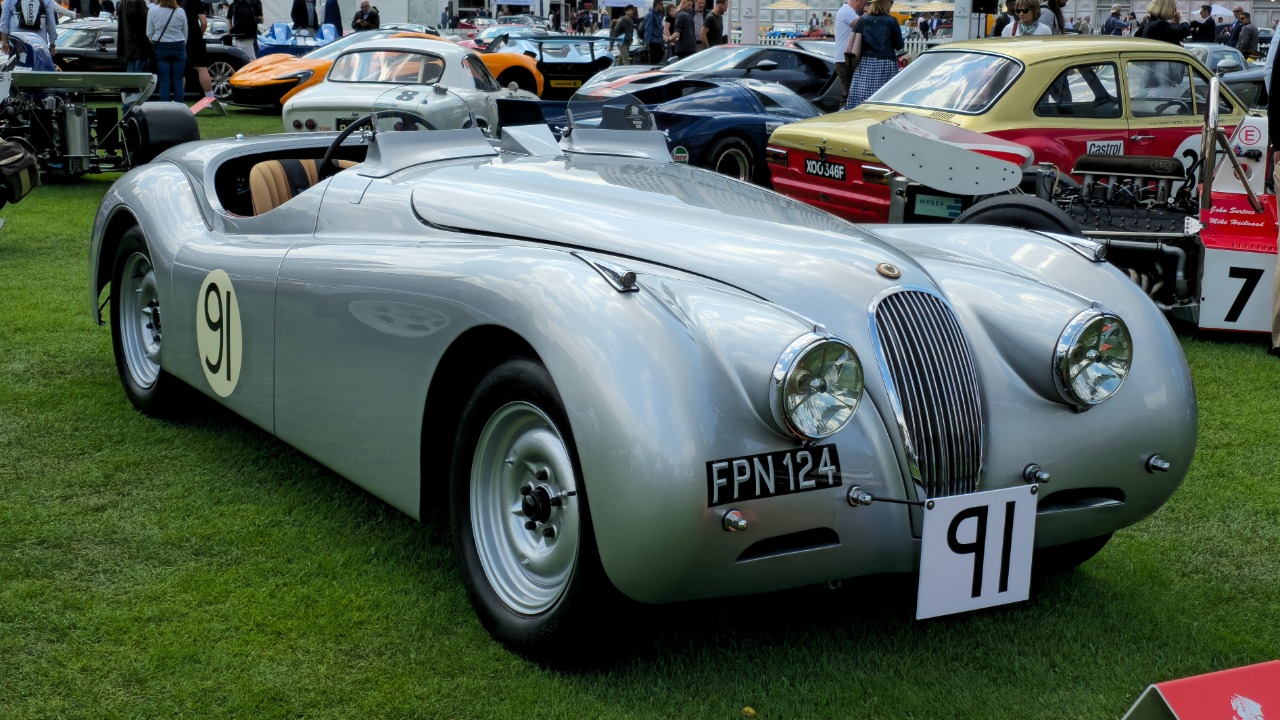
Introduced as a show car and rushed into production, the XK120 helped re-establish Jaguar after the war with a modern DOHC straight-six and genuine high-speed ability. Early alloy-bodied cars are particularly coveted, but even later steel-bodied examples capture the model’s long-bonnet elegance. It’s also a foundational car for Jaguar’s 1950s racing and sports-car identity.
MG TD

The TD looks traditional, but it brought more modern underpinnings than the pre-war-style MGs many buyers expected. It was a huge export success, especially in the U.S., and it’s one of the cars that helped define the postwar “British sports car” experience abroad. Collectors value it for its usability, club support, and unmistakable pre-war silhouette in a post-war package.
Triumph TR2
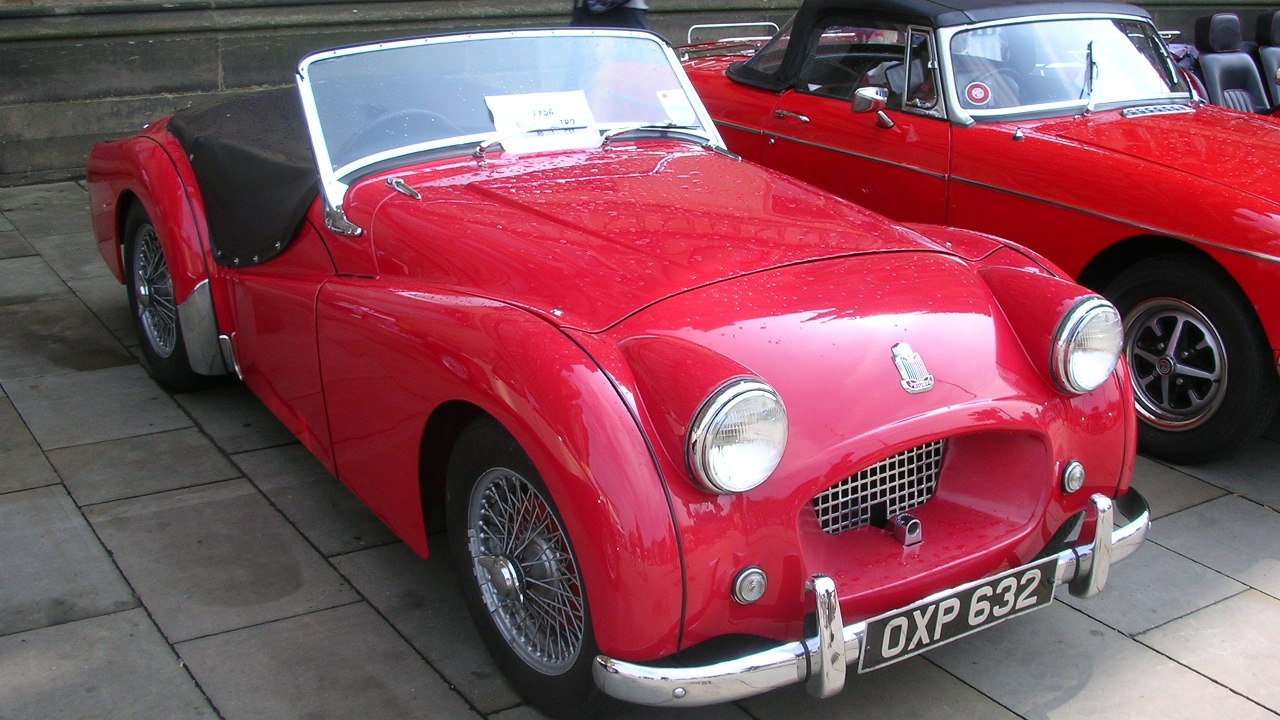
The TR2 kicked off Triumph’s long TR line with a tough, torquey four-cylinder and a chassis that encouraged spirited driving. It earned credibility through high-speed runs and rallying, and it set the template for affordable British performance through the 1950s. Early TR2s are increasingly appreciated because they’re where the whole TR story begins.
Austin-Healey 100
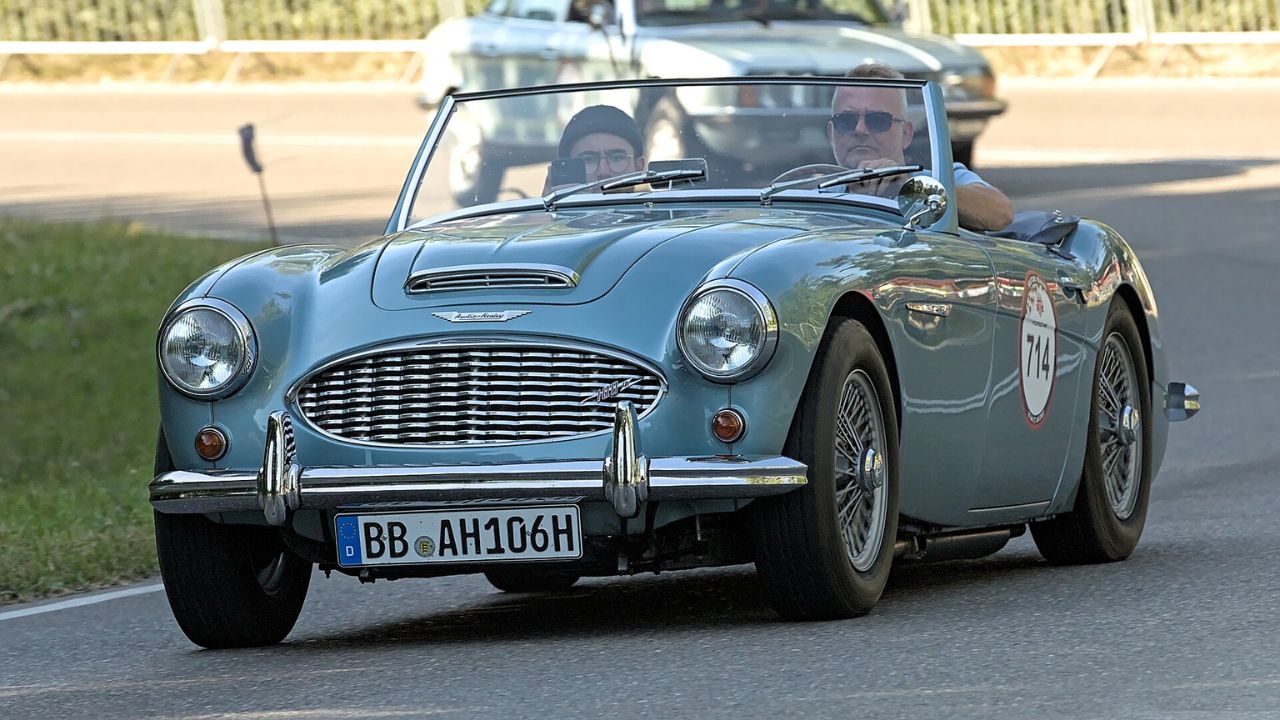
Donald Healey’s big, clean-lined roadster arrived with a straightforward recipe: strong four-cylinder power and a low, purposeful stance. The original 100 has a different character than the later six-cylinder cars—lighter on its feet and very “of its moment.” It’s also historically significant for launching the Austin-Healey brand that became a staple of international sports-car culture.
Lotus Mark VI
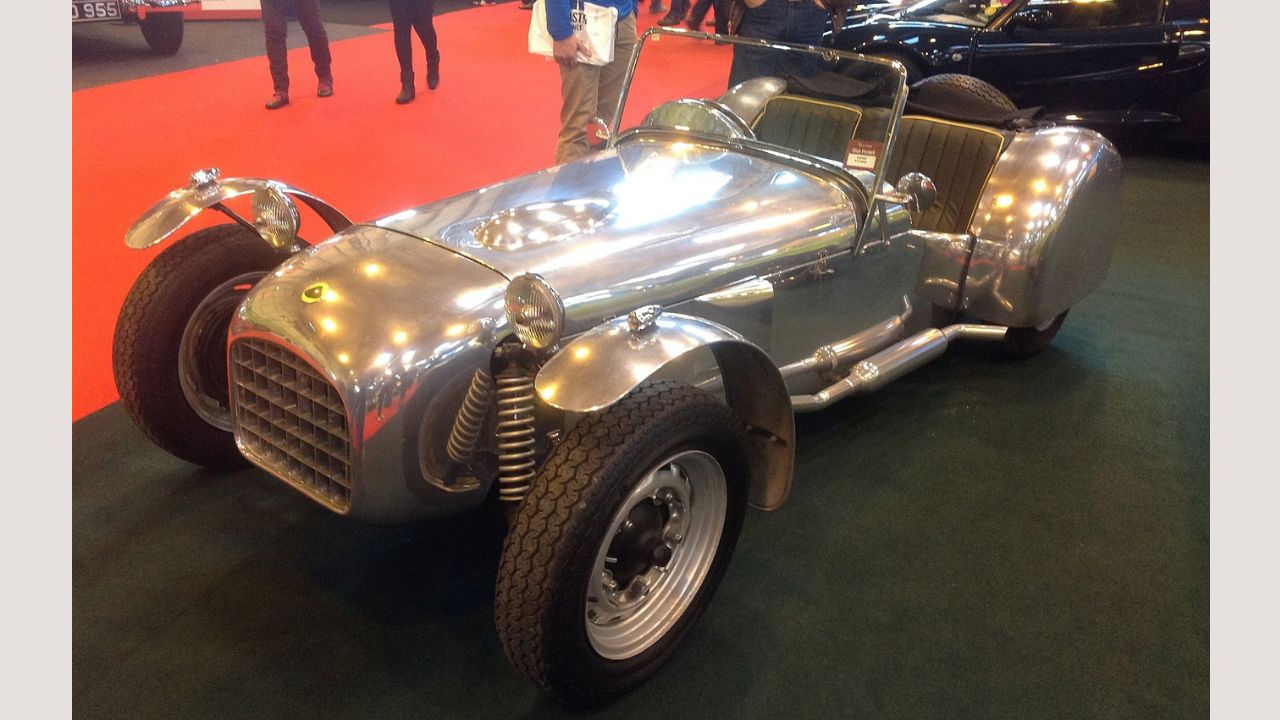
The Mark VI matters because it represents Colin Chapman’s early, customer-built approach to lightness and simplicity. Often sold in kit form, it introduced many privateers to Lotus thinking and became a springboard for the company’s later dominance in lightweight sports cars. Surviving examples vary widely, which only adds to the model’s period authenticity.
AC Ace
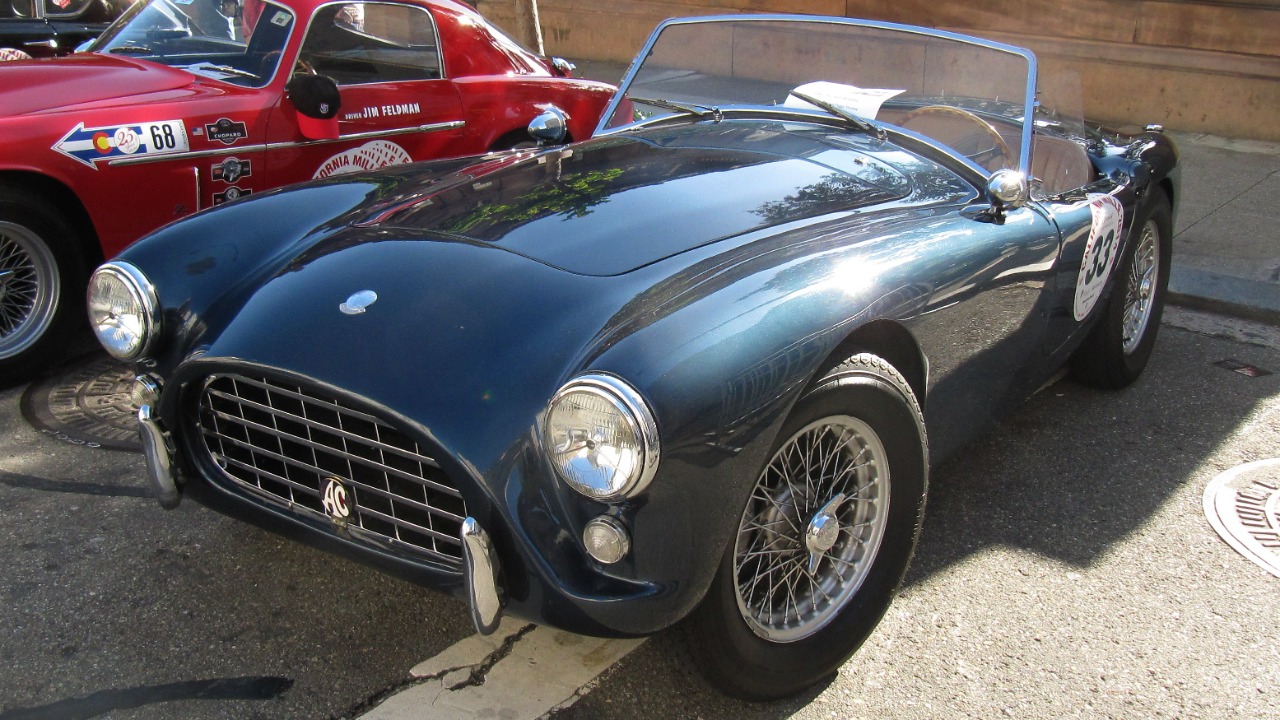
With its elegant aluminum body and capable chassis, the Ace was already a standout before it became famous for what came next. Early cars used AC’s own engine or Bristol power, and the model’s balance and craftsmanship are big reasons it’s collectible today. It’s also a direct ancestor to one of the most famous Anglo-American hybrids in automotive history.
Triumph TR3A
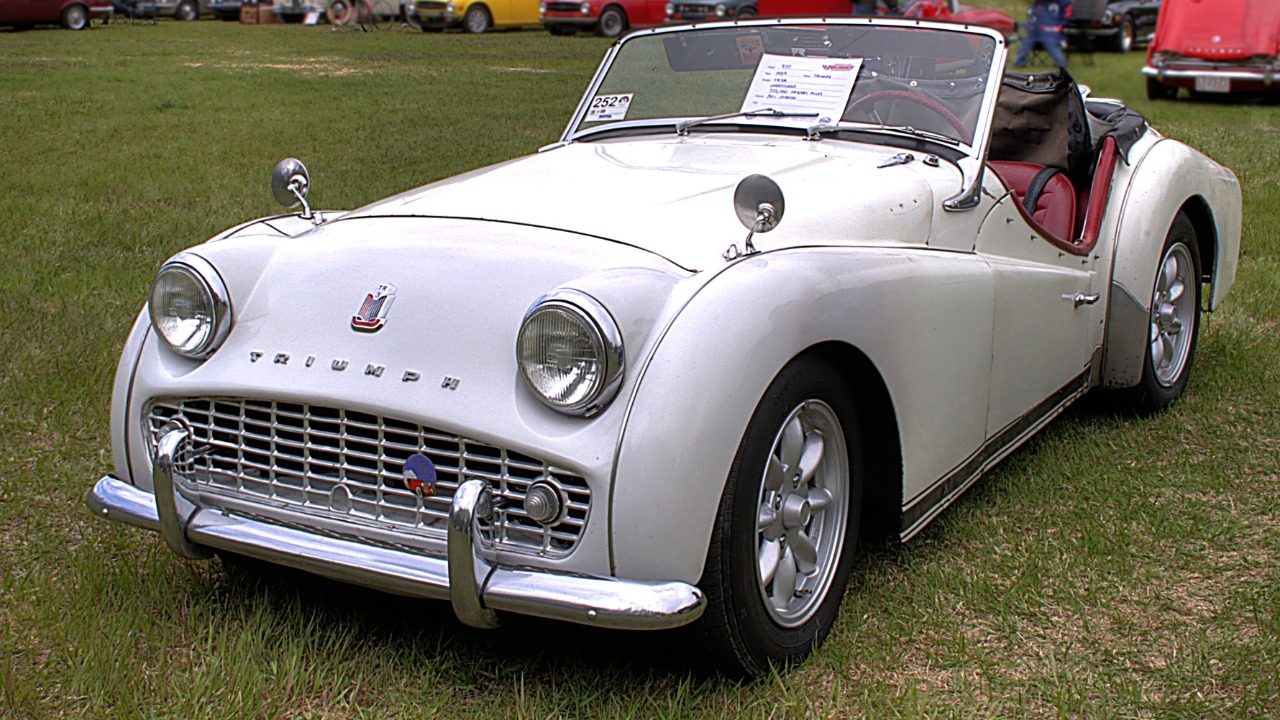
The TR3A refined an already popular formula with a more civilized interior and detail updates while keeping the tough, rally-friendly spirit intact. It’s known for its cut-down doors and straightforward mechanicals that invite DIY ownership. For many enthusiasts, this is the sweet spot of the “sidescreen” TR era.
MGA
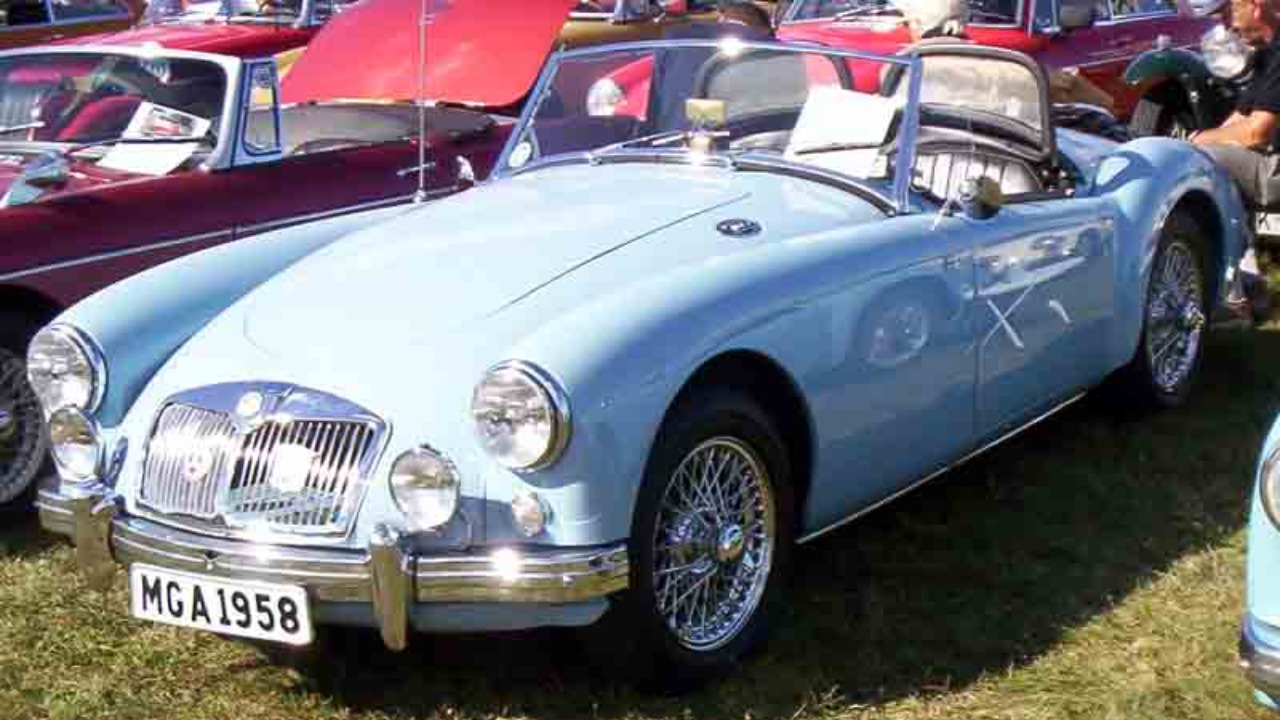
The MGA was a huge stylistic leap for MG, trading upright fenders for a sleek, modern body that looked right at home on late-1950s roads. Underneath, it still leaned on proven components, which helped reliability and parts availability. Collectors like that it bridges classic British charm with a more contemporary design language.
Jaguar E-Type
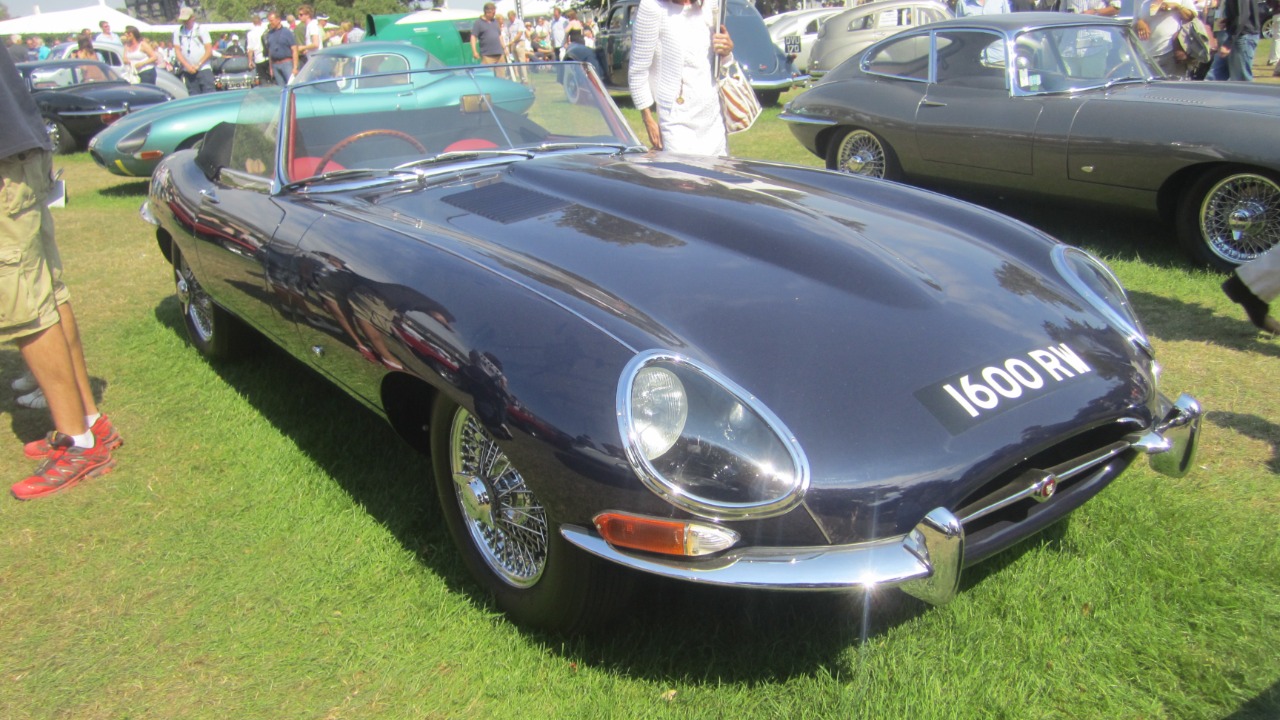
The early 3.8-liter E-Type combines sensational design with sophisticated engineering—independent rear suspension, disc brakes, and a racing-bred straight-six. Series 1 details and the original 3.8 specification are especially prized among enthusiasts. It’s a cornerstone collectible not because it’s rare, but because it’s a defining statement of its era.
Sunbeam Alpine
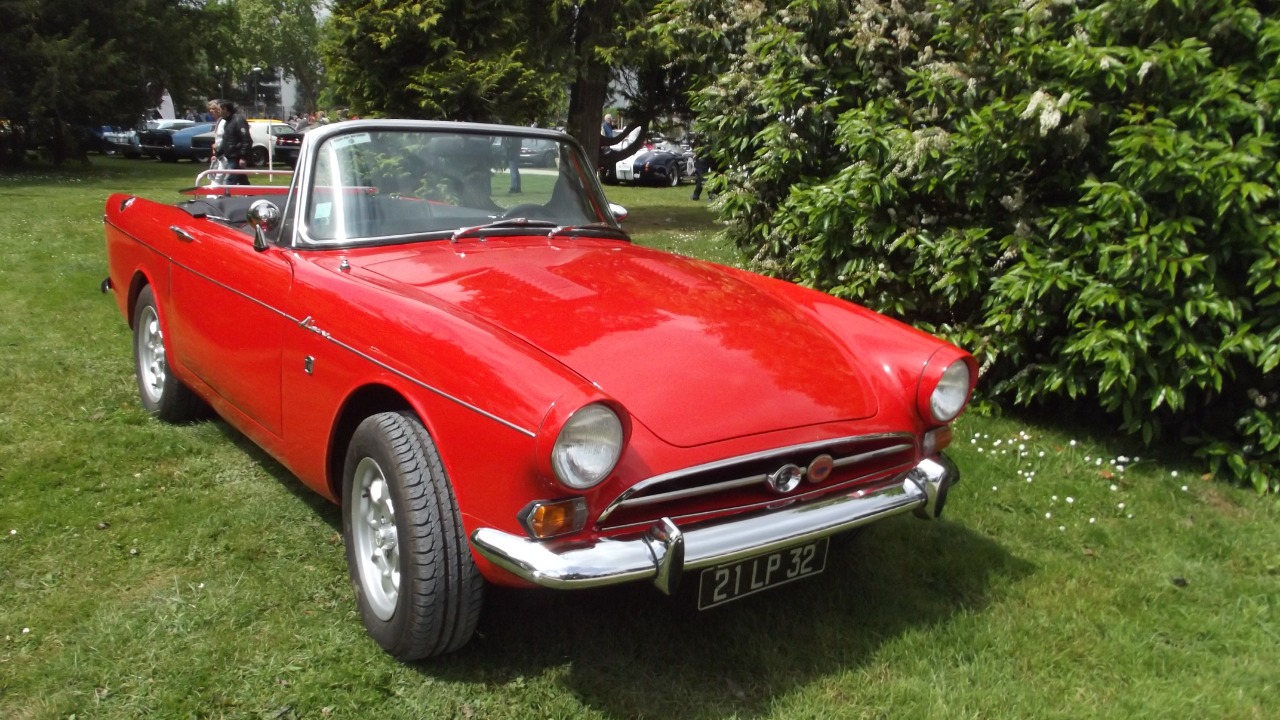
The Alpine is often overshadowed, yet it offers a charming blend of style, sturdy construction, and real-world drivability. These Rootes Group roadsters also have motorsport credibility, including notable long-distance rally appearances in the early 1960s. For collectors, it’s a way into period British touring sports cars with a distinct look.
MGB

The MGB got the fundamentals right: monocoque construction, a willing B-series engine, and an easygoing nature that suits everything from Sunday drives to long tours. Its enormous production run means great parts and knowledge support, but that doesn’t make early cars any less historically important. It’s one of the most approachable classics that still feels authentically “British roadster.”
Lotus Elan
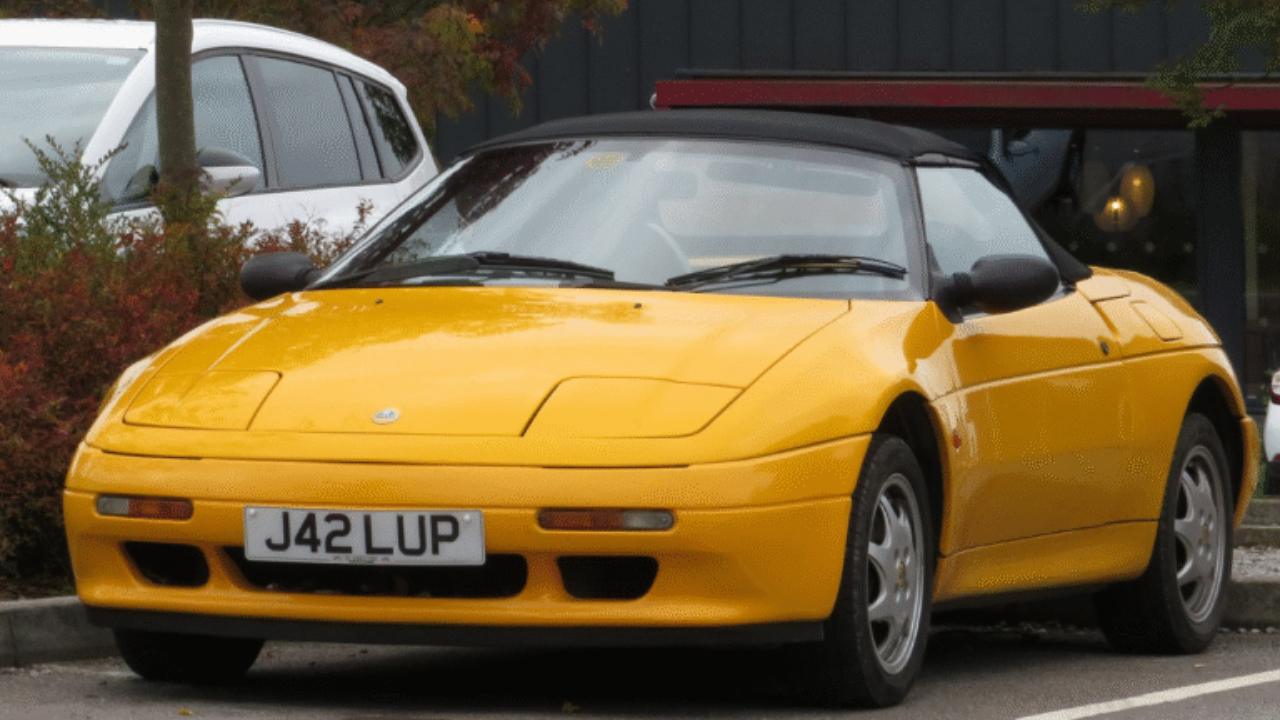
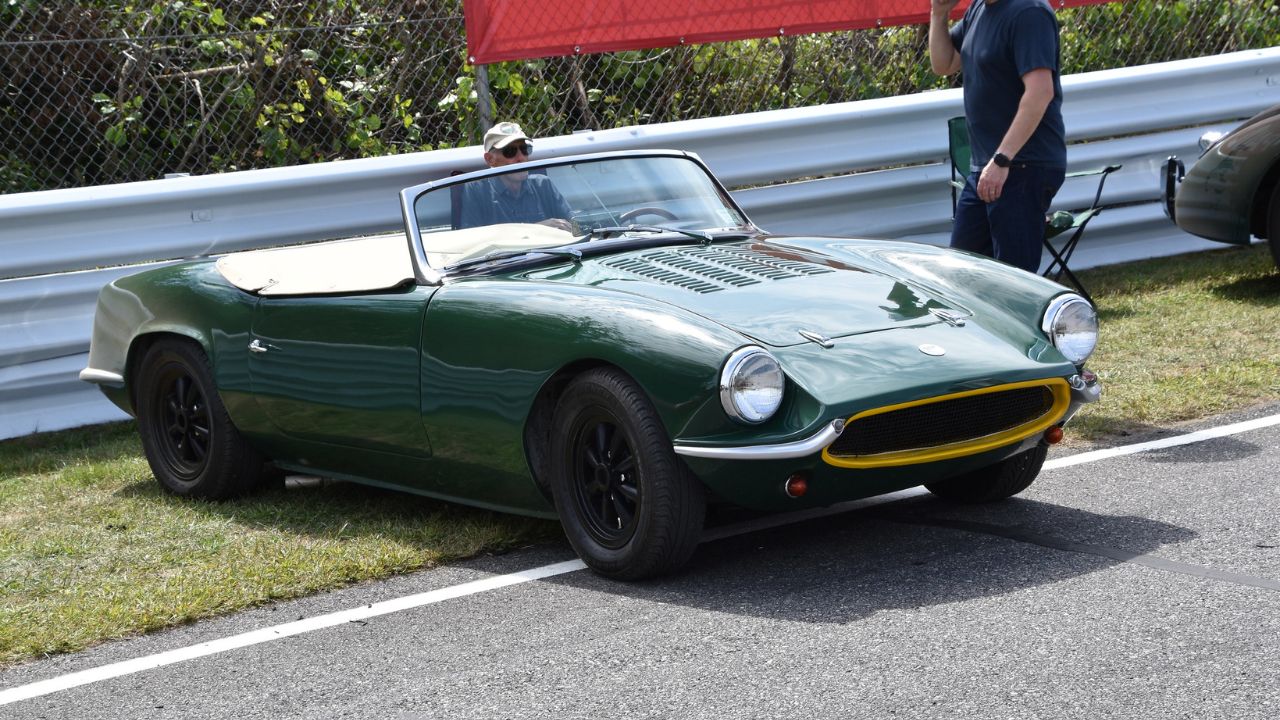
The Elan is a masterclass in light weight and steering feel, pairing a fiberglass body with a stiff backbone chassis. Its twin-cam performance and delicate control responses influenced how later sports cars were engineered and judged. Early Elans are collectible because they deliver a uniquely precise driving experience without needing huge power.
Austin-Healey 3000
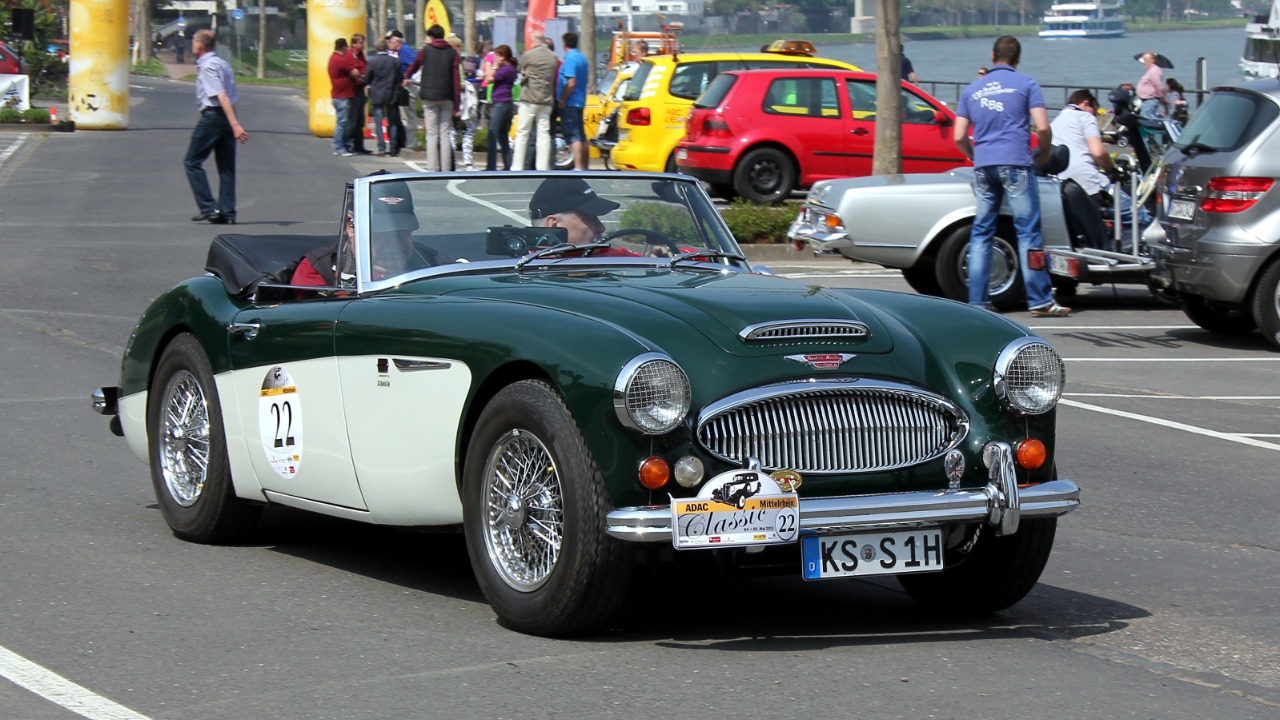
By the time the BJ8 arrived, the “Big Healey” had evolved into a more mature grand-touring roadster with a strong six-cylinder and a confident stance. It’s still raw enough to feel special, but it offers more comfort and refinement than earlier iterations. The BJ8’s place at the end of the line adds to its appeal for collectors.
Rover 2000 TC
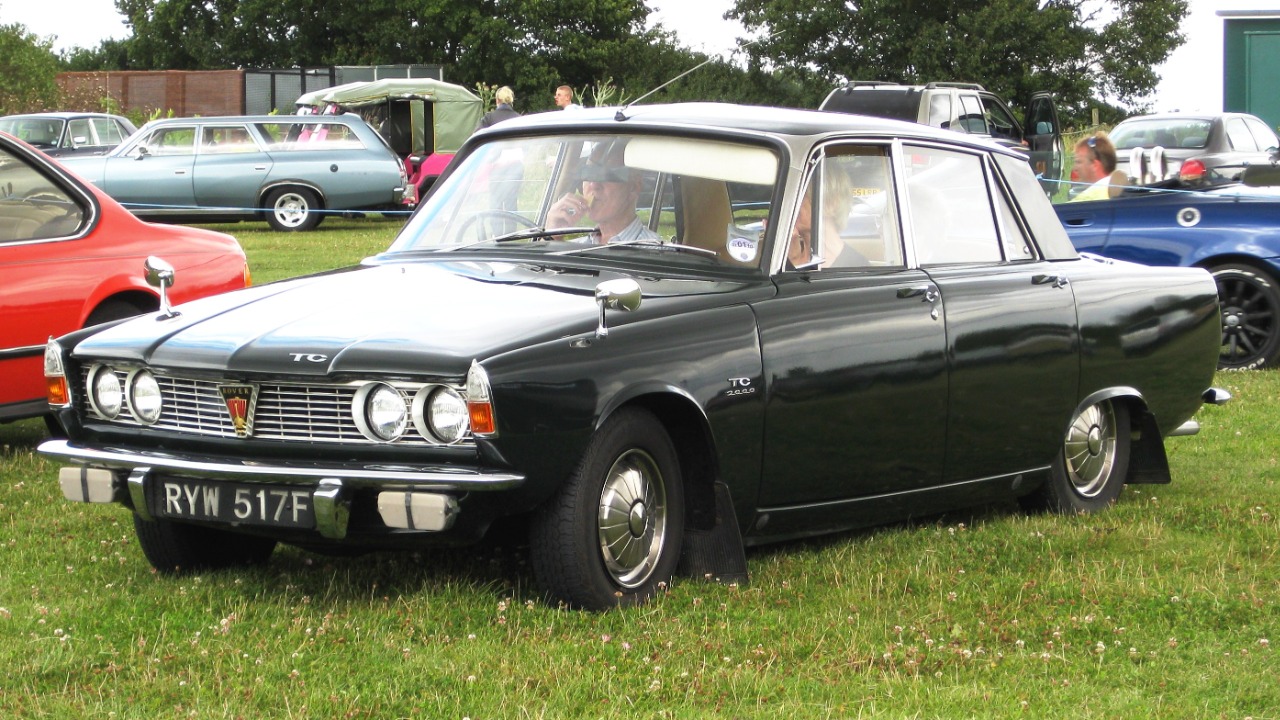
Rover didn’t mass-produce a P6 convertible, but period conversions exist and highlight how desirable the P6 platform was—especially in twin-carb TC form. The P6 itself is well documented for its advanced design and safety thinking for the era. Collectors who like oddball, historically grounded British niches often find these conversions fascinating, provided their provenance is clear.
Morgan Plus 8
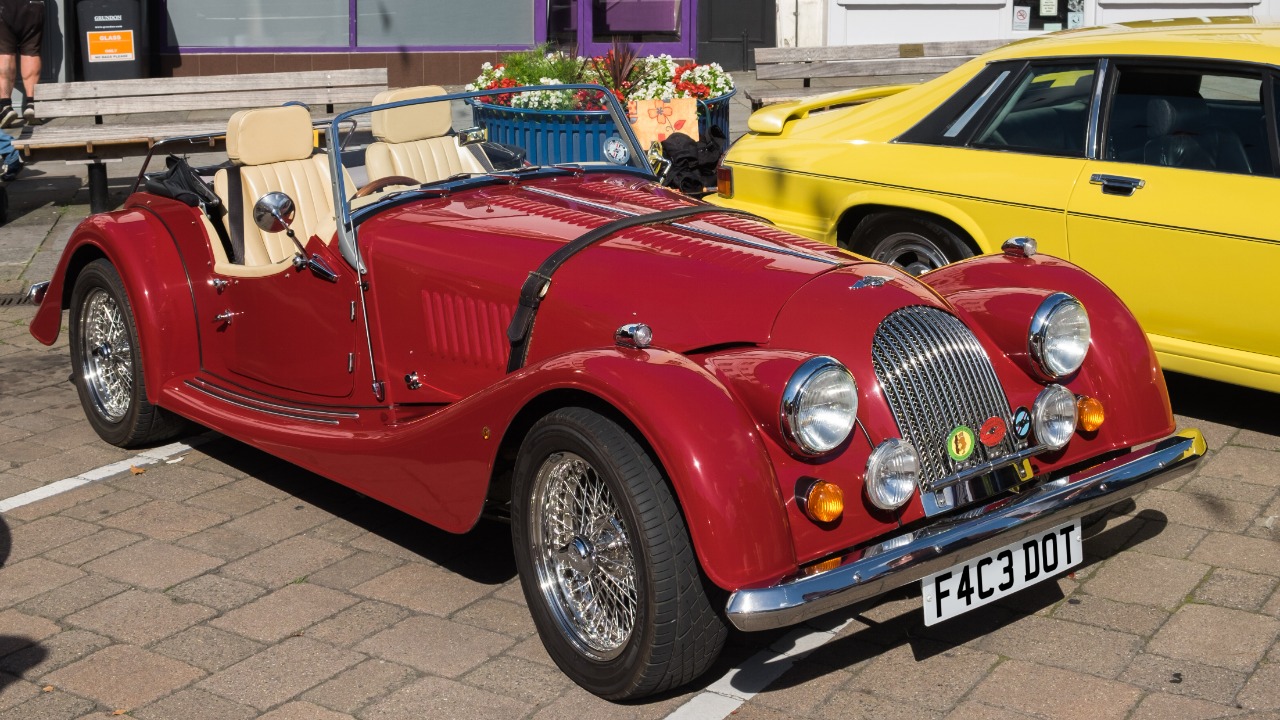
The Plus 8 took Morgan’s traditional shape and stuffed it with V8 muscle, creating an unlikely performance icon with a distinct handmade feel. Its longevity and continuous evolution make early examples especially interesting as the starting point of the model’s long run. It’s collectible because nothing else mixes vintage construction cues with that kind of engine character quite the same way.
Lotus Seven Series 3
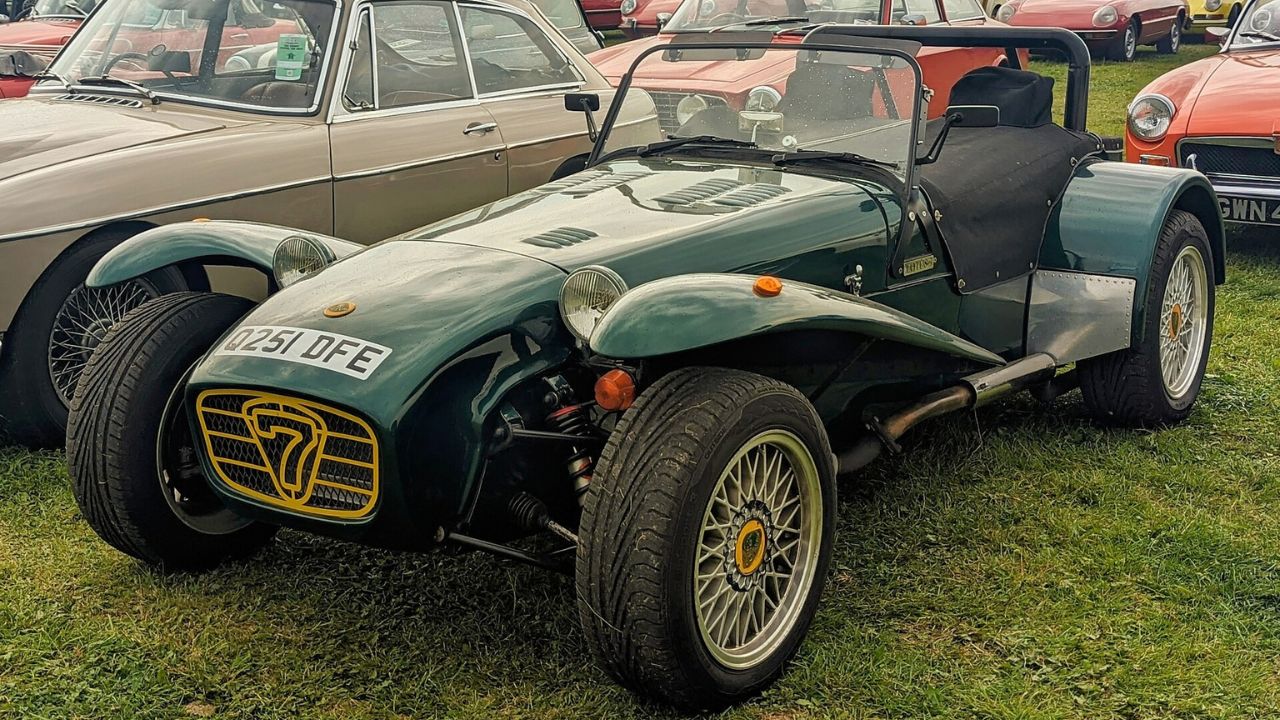
The Seven’s minimalist approach—light weight, simple mechanicals, and maximum driver engagement—made it a legend on road and track. By the late 1960s, the concept was well proven, and Series 3 cars represent a mature version of the original idea. Authenticity and build history matter here, which is part of what makes good examples so sought after.
Jensen-Healey
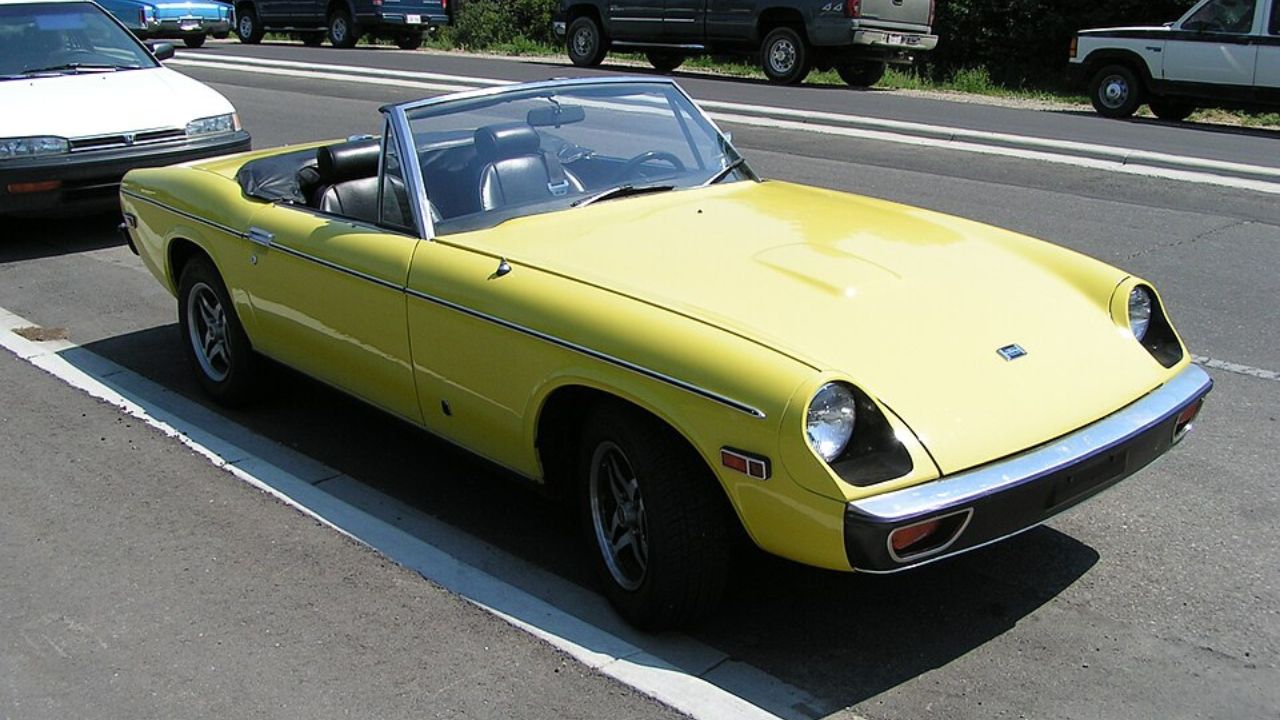
Best known for its Lotus 907 twin-cam engine, the Jensen-Healey is an intriguing product of 1970s British ambition and complexity. It offers strong performance on paper and a distinct character on the road, with the added appeal of being relatively uncommon compared to mainstream rivals. Collectors who enjoy underappreciated classics often gravitate to it—especially well-sorted survivors.
Triumph TR6
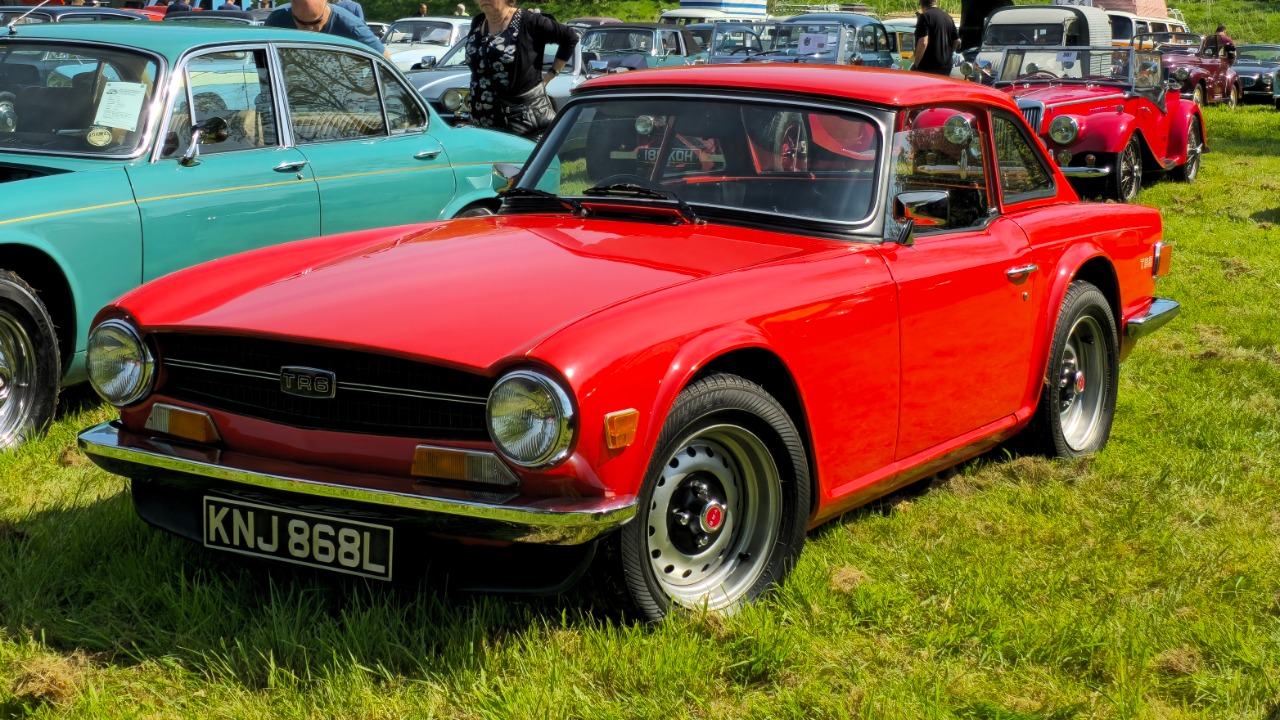
With its sharp Michelotti-influenced styling and muscular six-cylinder, the TR6 became one of the defining British roadsters of the 1970s. Many markets got fuel injection, while others received carburetors, and both have their followings. It’s collectible because it balances classic open-top charm with a more substantial, long-legged feel than earlier TRs.
MG Midget 1500
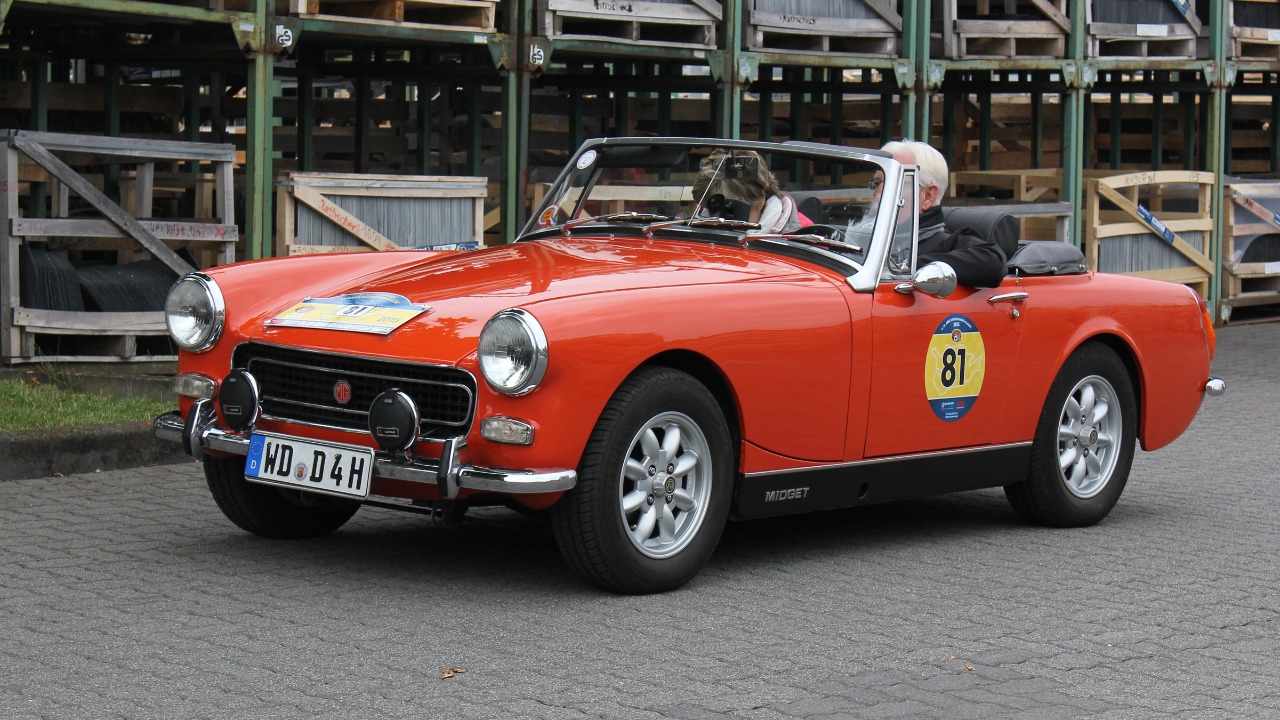
Late Midgets with the 1500 engine represent the final chapter of a long-running, lightweight British sports-car line. They’re not the most powerful, but they’re compact, mechanical, and full of old-school feedback. For collectors, they’re often an accessible entry point into ownership—especially appealing when kept close to original specification.
TVR S2
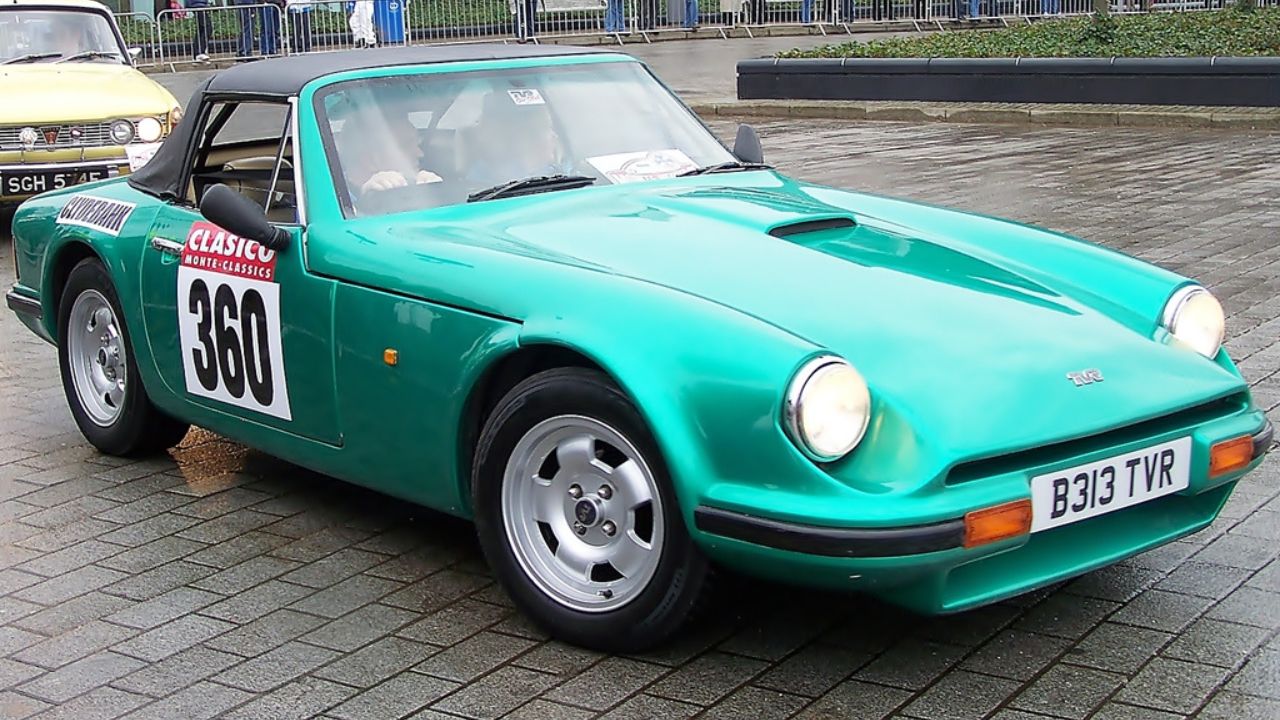
The TVR S-series brought a more modern edge to the British roadster idea, blending a traditional long-hood look with punchy performance and a distinctive TVR personality. These cars helped keep TVR relevant through a transitional era, and they’re increasingly appreciated as usable modern classics. Survivors with solid history stand out, since condition and care make a big difference with low-volume sports cars.
Collectibility isn’t just about price or prestige—it’s also about how clearly a car expresses its era’s design and engineering priorities. These roadsters range from globally famous to quietly influential, but each has a story that’s easy to understand from the driver’s seat. If you’re shopping, the best advice is to buy the most complete, best-documented example you can, because originality and provenance tend to age as well as the designs themselves.
More from Fast Lane Only
- Unboxing the WWII Jeep in a Crate
- 15 rare Chevys collectors are quietly buying
- 10 underrated V8s still worth hunting down
- Police notice this before you even roll window down
*Research for this article included AI assistance, with all final content reviewed by human editors.