Some classic cars arrived with more performance than their manufacturers seemed prepared to keep supporting for long. Whether because of changing emissions rules, insurance costs, fuel prices, corporate decisions, or simply a shifting market, these machines often had short windows at the top of the performance ladder. Their brief production runs only made their reputations stronger.
Pontiac GTO Judge
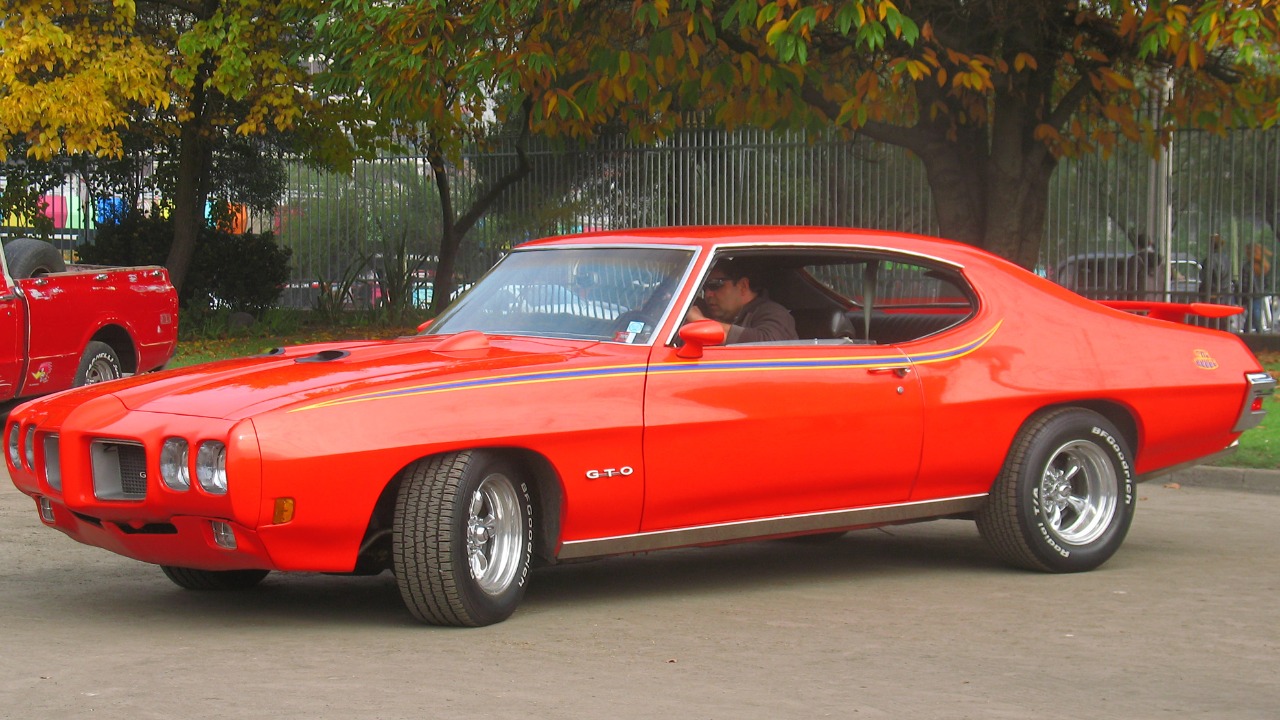
The GTO Judge pushed Pontiac’s muscle-car image into especially aggressive territory. Its bold appearance matched the available V8 power, making it difficult to mistake for an ordinary midsize coupe. Pontiac created the Judge to attract younger performance buyers, but the market was already changing rapidly. Rising insurance costs and new regulations made cars like this harder to sustain. Today, the Judge remains one of the most recognizable examples of Pontiac’s willingness to take the muscle-car formula almost as far as it could go.
Oldsmobile 442 W-30
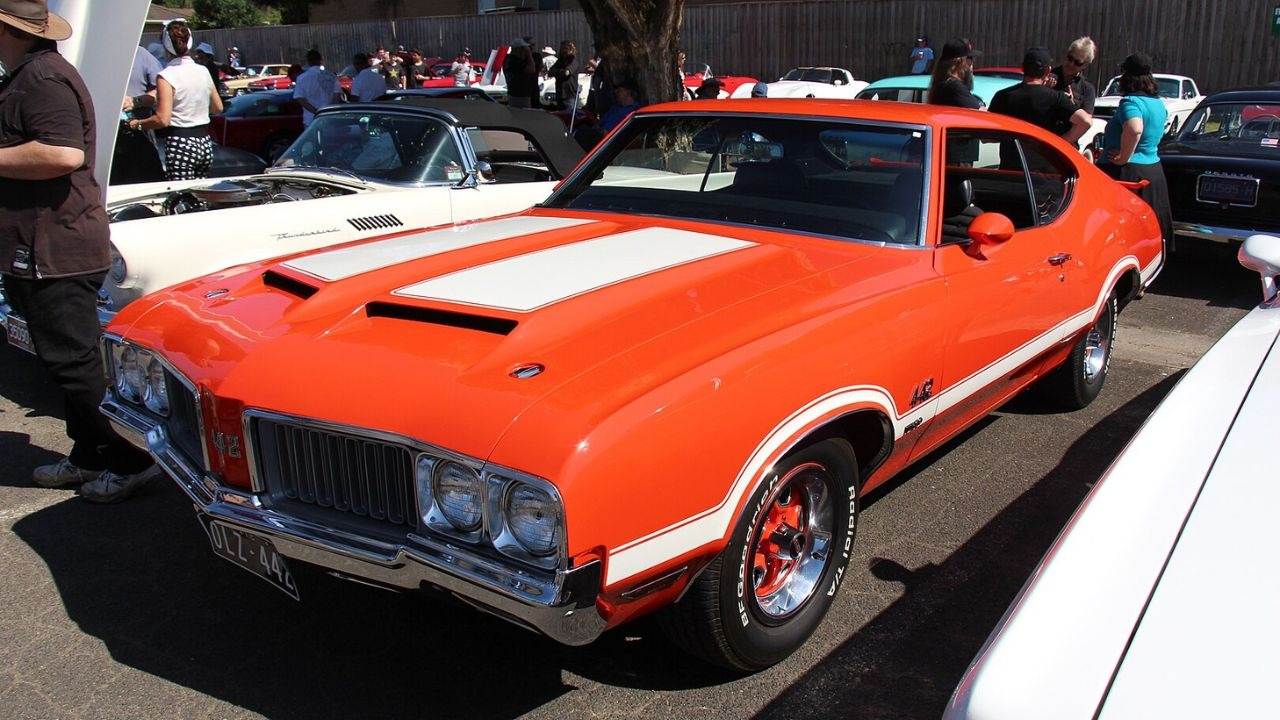
The 442 W-30 combined a big Rocket V8 with a package designed to make the car genuinely effective in straight-line performance. It was not simply a powerful engine placed into a comfortable coupe. The W-30 brought together performance-minded components that gave the Oldsmobile a serious reputation among enthusiasts. As the classic muscle era began disappearing, cars like the 442 W-30 became increasingly difficult for manufacturers to justify. Its reputation grew precisely because the era that created it was coming to an end.
Buick GSX
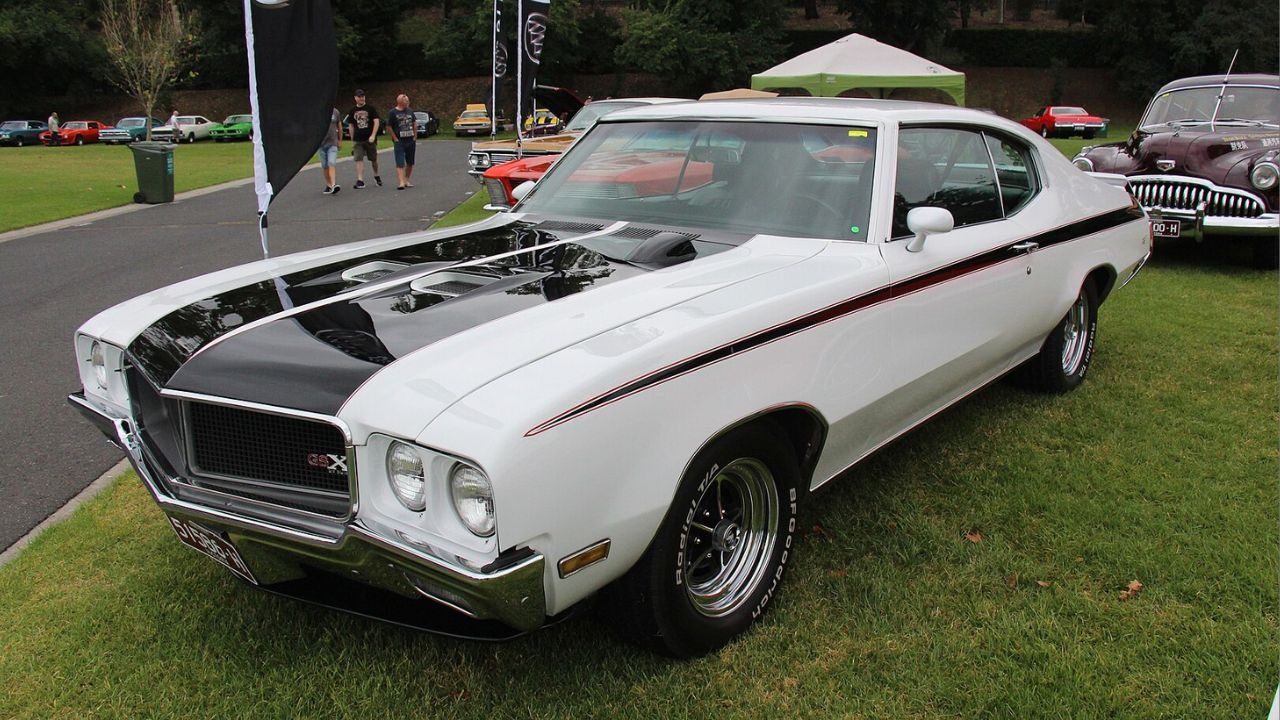
The Buick GSX was a remarkably serious performance machine from a brand better known for comfort and luxury. Its big V8, muscular appearance, and substantial torque gave it the ability to compete with much more famous muscle cars. The GSX arrived just as the traditional muscle-car market was becoming harder to sustain, however. Its limited production helped preserve its reputation. Today, it stands as one of the clearest examples of Buick building a car that seemed almost too extreme for the direction the industry was taking.
Chevrolet Chevelle SS 454

The Chevelle SS 454 represented the muscle-car formula at full strength. Its big-block V8 produced enormous torque, giving the midsize Chevrolet the kind of acceleration that made it a serious threat on the street. Yet the environment around these cars was changing quickly. Insurance costs, emissions requirements, and fuel concerns were making enormous engines increasingly difficult to sell. The Chevelle survived in different forms, but the era of cars this powerful was already approaching its final chapter.
Plymouth Road Runner
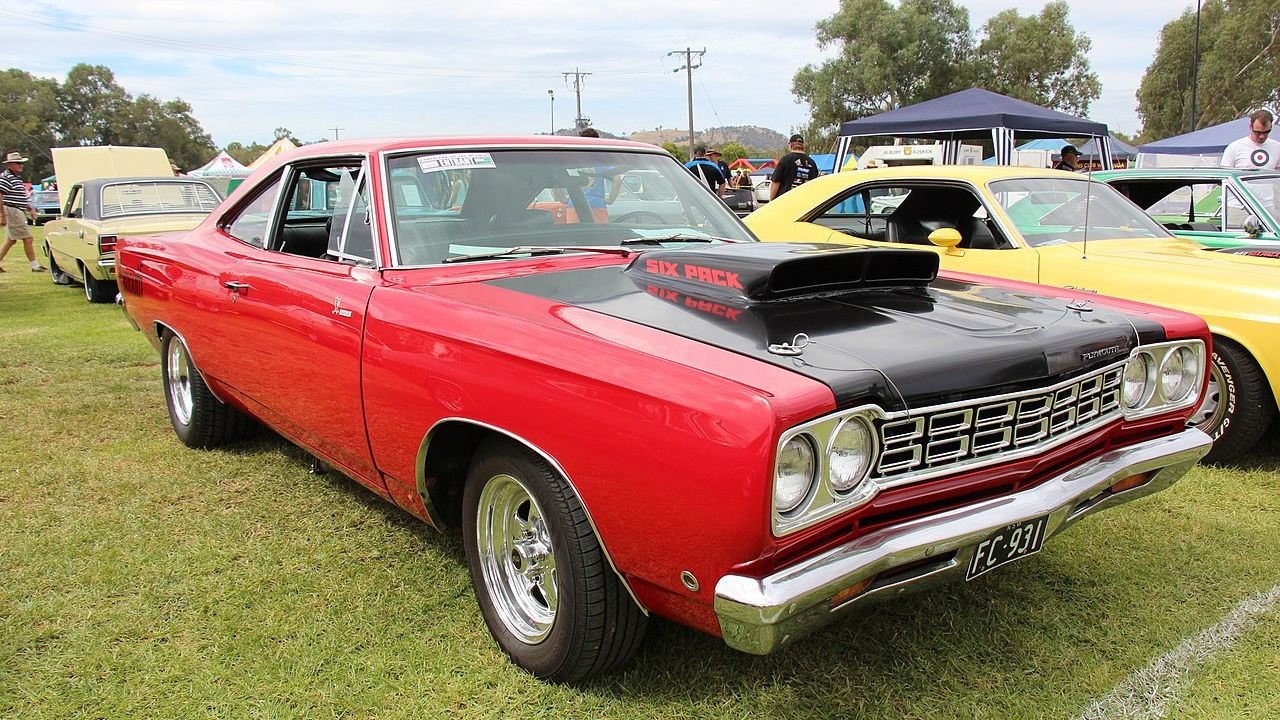
The Road Runner was designed around a simple idea: give buyers serious performance without unnecessary luxury. Its lightweight approach and available V8s made it one of the defining muscle cars of its generation. Plymouth eventually had to contend with the same pressures affecting every American performance division. The original formula could not survive unchanged as regulations and market conditions shifted. The Road Runner’s brief period at the center of the muscle-car boom helped make it an enduring symbol of the era.
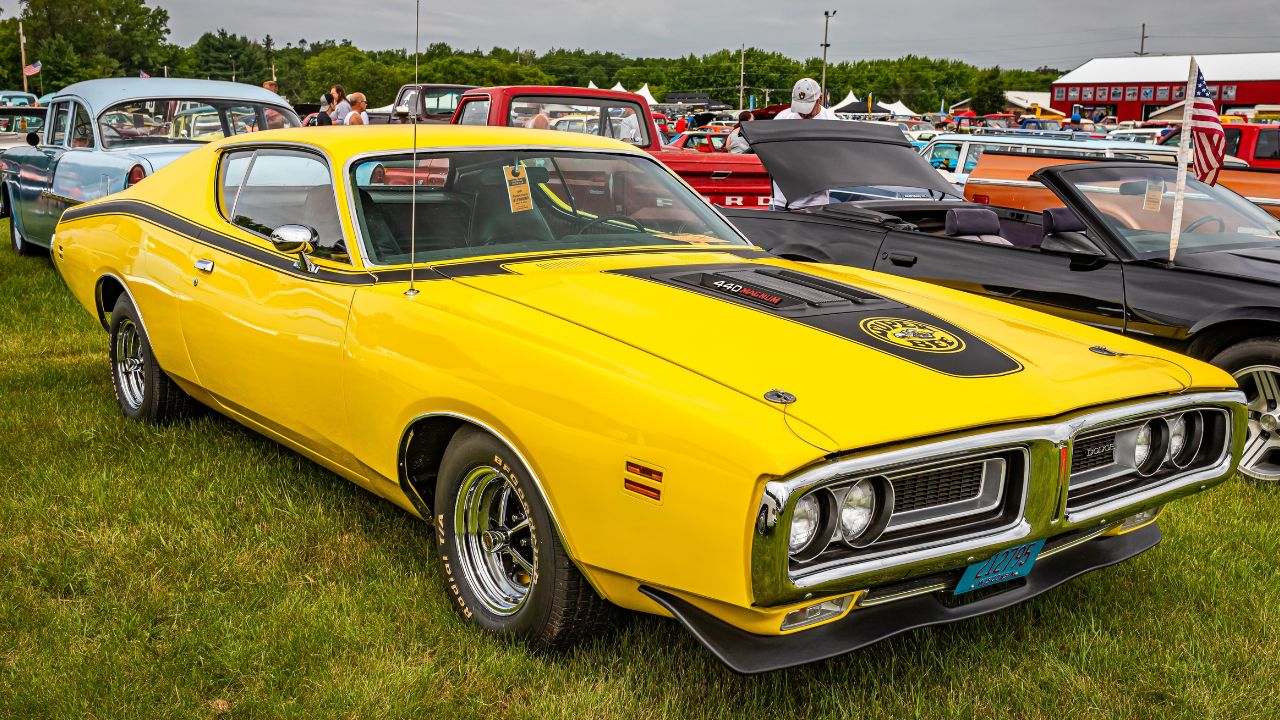
Dodge Super Bee

The Super Bee gave Dodge a relatively straightforward way to deliver serious performance without turning the car into a luxury product. Big V8 options, rear-wheel drive, and a muscular body created a package that was especially appealing to drag-racing enthusiasts. Its life was relatively short, partly because the muscle-car market was changing so quickly. The Super Bee has since become a highly recognizable Dodge performance name, largely because it disappeared before the traditional formula could continue indefinitely.
Ford Torino Cobra
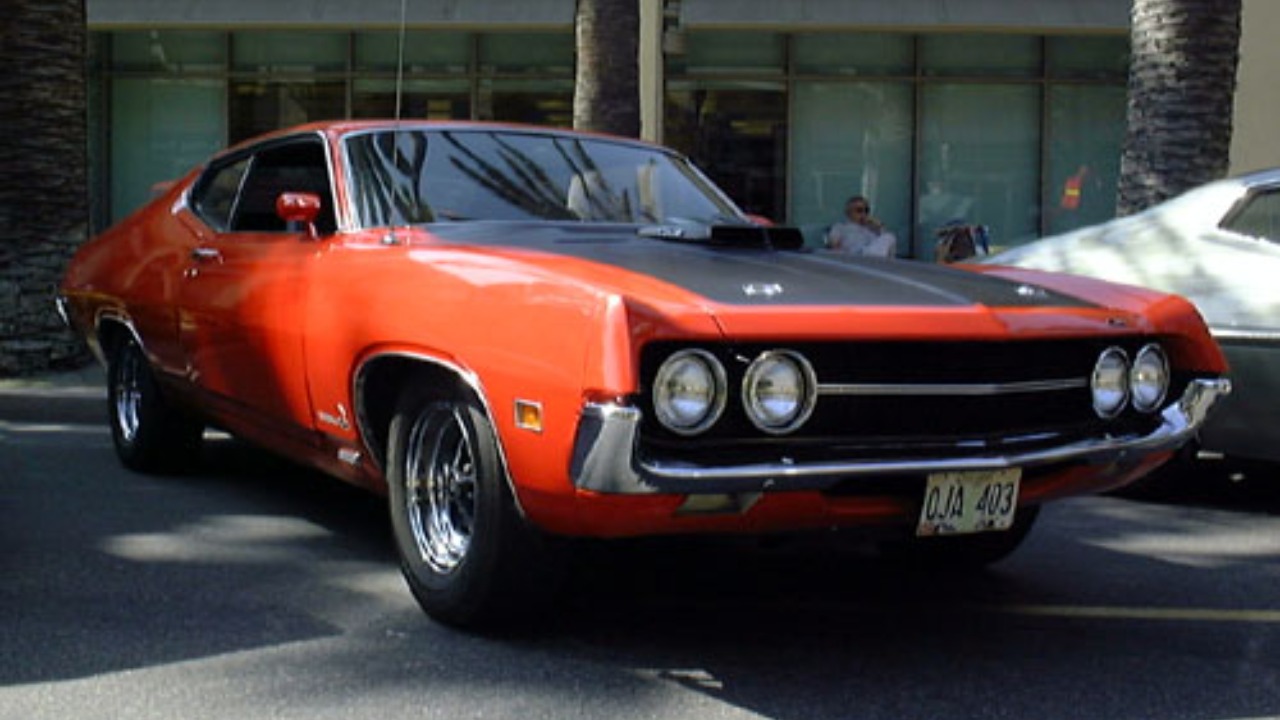
The Torino Cobra represented Ford’s muscle-car ambitions in one of the company’s most aggressive packages. Available big-block engines gave the midsize Ford substantial straight-line power, while its styling made the performance intent obvious. The Cobra arrived during the final stretch of the classic muscle era, leaving Ford with little time to continue developing the formula. Its short-lived nature has helped turn the Torino Cobra into a desirable collector car and a reminder of how quickly the performance landscape changed.
Plymouth GTX
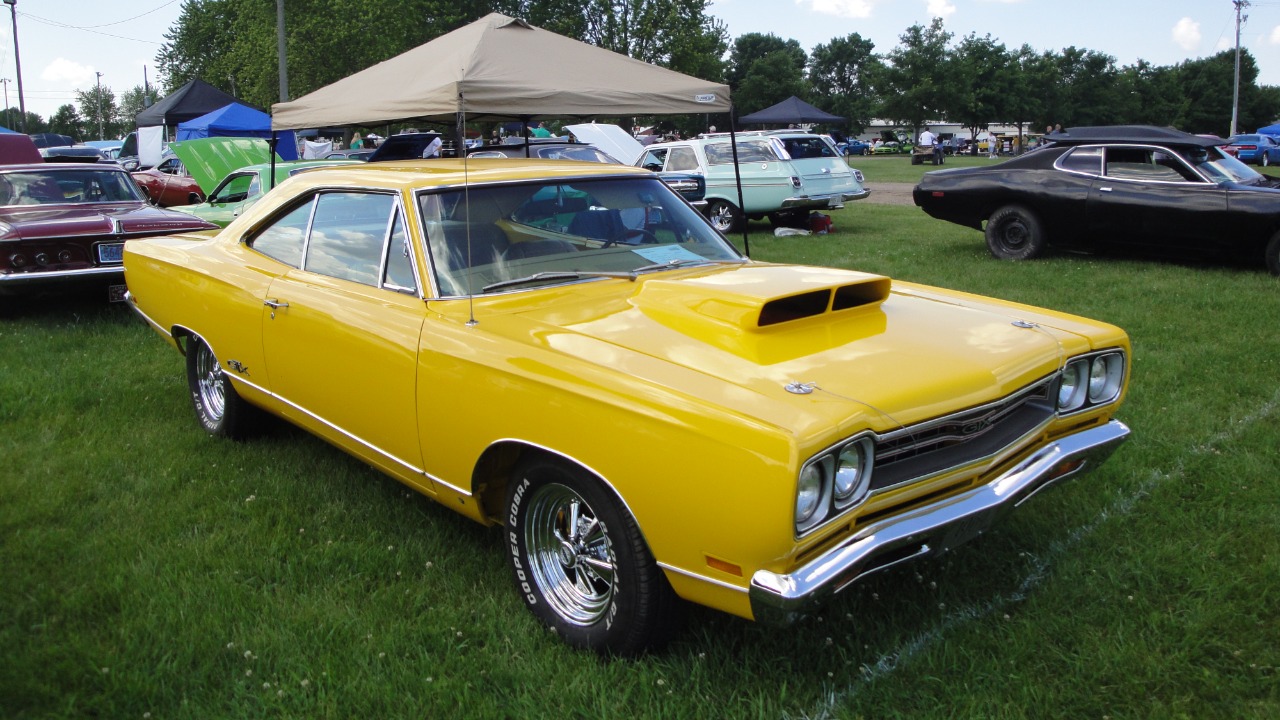
The Plymouth GTX was positioned as a more upscale performance car than the basic Road Runner, but that did not prevent it from carrying serious V8 power. Big-block engines and rear-wheel drive gave it impressive acceleration, while its more comfortable interior made it a compelling grand-touring alternative. The combination became increasingly difficult to maintain as performance-car economics changed. Today, the GTX is remembered as one of the more complete expressions of Plymouth’s muscle-car philosophy.
Dodge Charger R/T
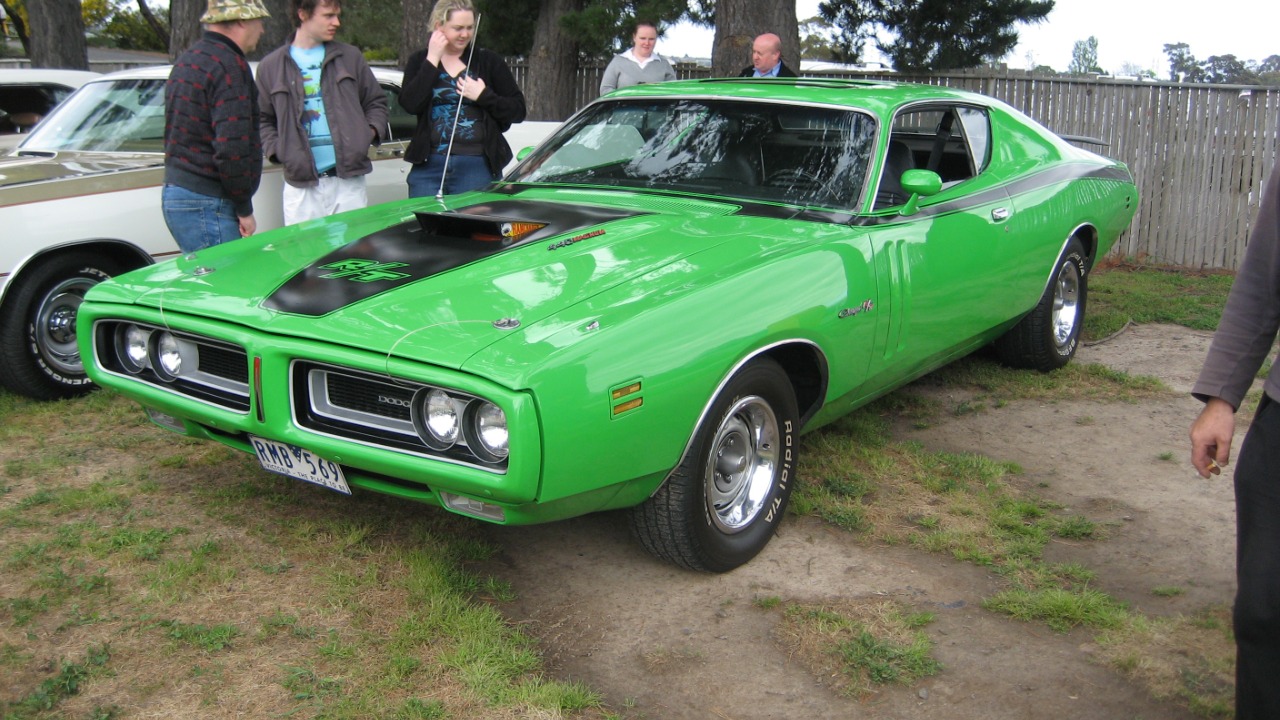
The Charger R/T became one of the defining performance cars of the muscle era. Its fastback-inspired shape, rear-wheel-drive layout, and broad selection of powerful V8s gave it tremendous presence. Dodge eventually had to move away from the formula as fuel concerns and regulations reshaped the industry. The Charger name survived, but the original R/T combination belonged to a very specific period. That is part of what makes classic Charger R/T models so compelling today.
Pontiac Firebird Trans Am
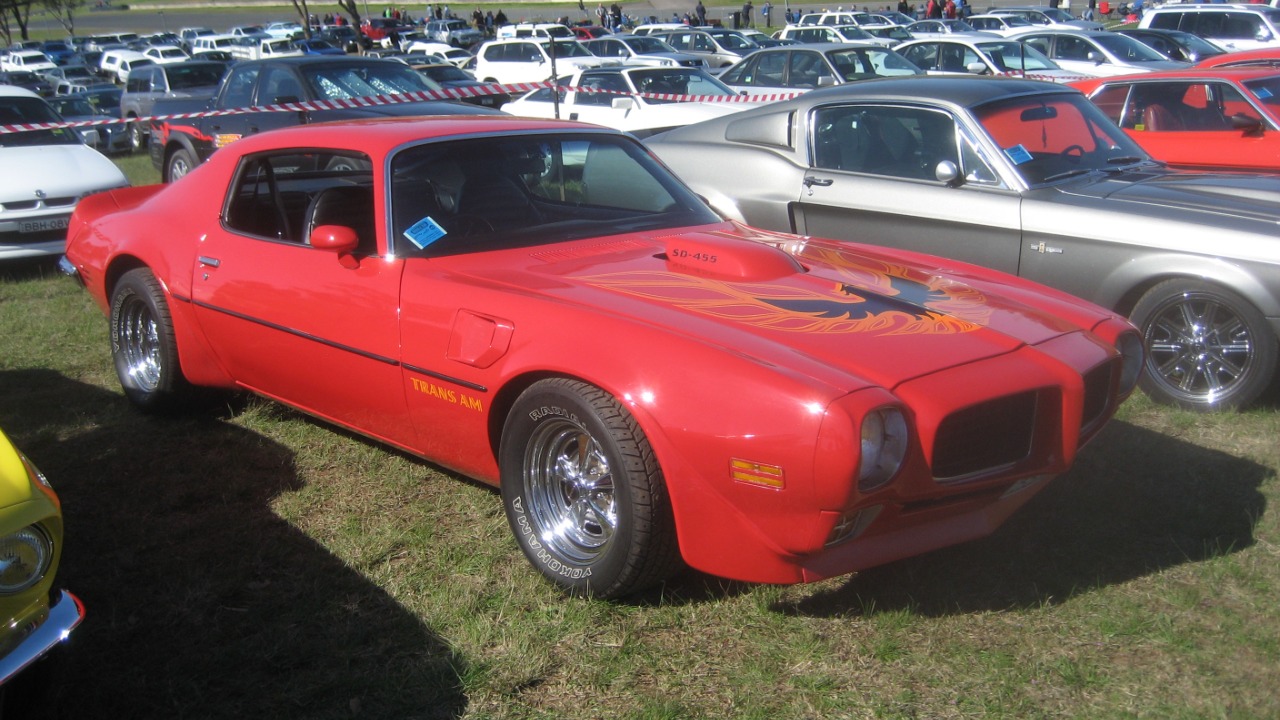
The Trans Am became Pontiac’s flagship performance image, combining dramatic styling with increasingly sophisticated V8 performance. Its popularity allowed Pontiac to keep the name alive even as the classic muscle market contracted. The car had to evolve considerably to survive, though, and the enormous engines of the early muscle era could not remain forever. The Trans Am’s ability to continue through changing regulations makes its story particularly interesting. Its most powerful early versions now represent the peak of Pontiac’s traditional performance philosophy.
Chevrolet Camaro Z/28
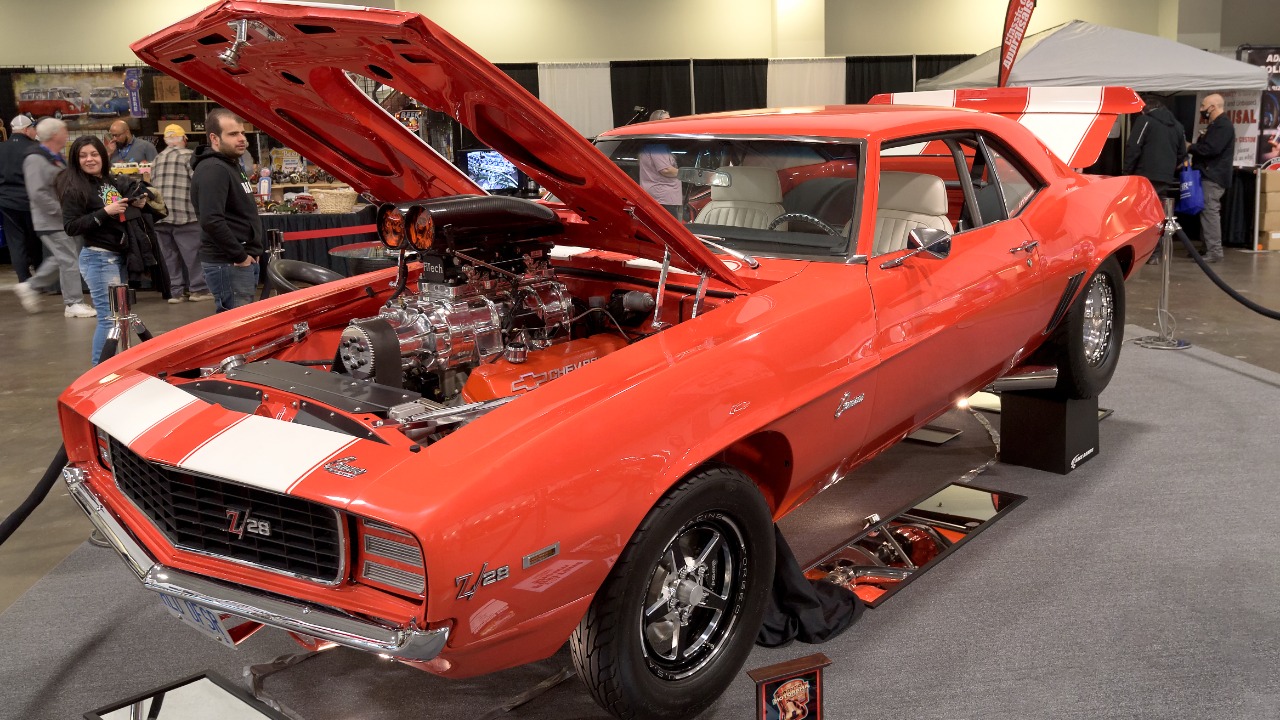
The Camaro Z/28 was developed with performance in mind from the beginning, giving Chevrolet a serious answer to Ford’s Mustang and other emerging performance cars. Its high-revving small-block V8 and handling-focused hardware made it different from the big-block muscle cars that dominated straight-line contests. As regulations and corporate priorities changed, the original formula became harder to maintain. The Z/28 survived as a name, but its earliest versions remain among the most respected Chevrolet performance cars of the era.
Ford Mustang Boss 429

The Boss 429 was built around one of Ford’s most famous high-performance engines. The enormous V8 required substantial engineering changes to fit into the Mustang’s relatively compact engine bay, creating a car with an unusual combination of size and performance. Production was limited, and the model disappeared quickly. That scarcity has only strengthened its reputation. The Boss 429 remains a symbol of the point where factory muscle cars became so specialized and expensive that their future was already becoming uncertain.
Mercury Cyclone Spoiler
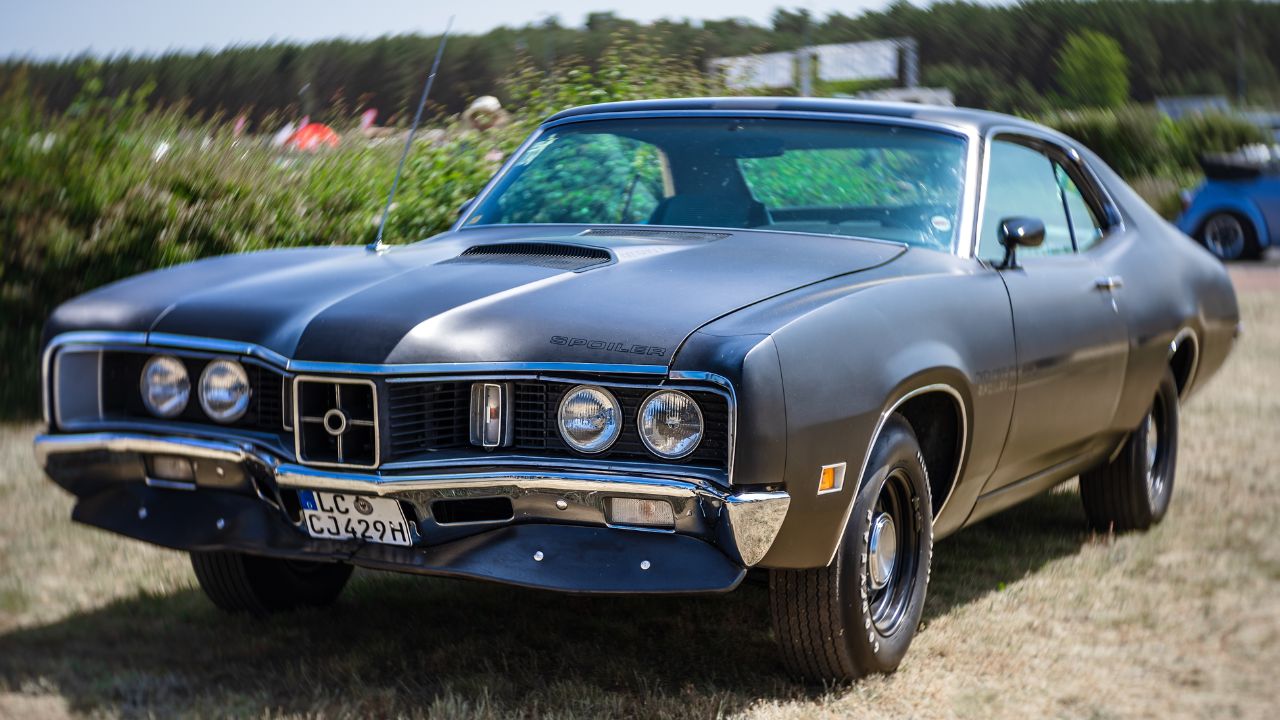
The Cyclone Spoiler gave Mercury a serious performance presence during the final years of the muscle-car boom. Its sleek body could be equipped with strong V8 power, creating a car that combined aerodynamic styling with substantial straight-line capability. The model was never as common as Mustang or Torino variants, and its performance-focused era was relatively short. That makes surviving examples particularly interesting today, especially for collectors looking beyond the most familiar Ford Motor Company muscle cars.
AMC Rebel Machine
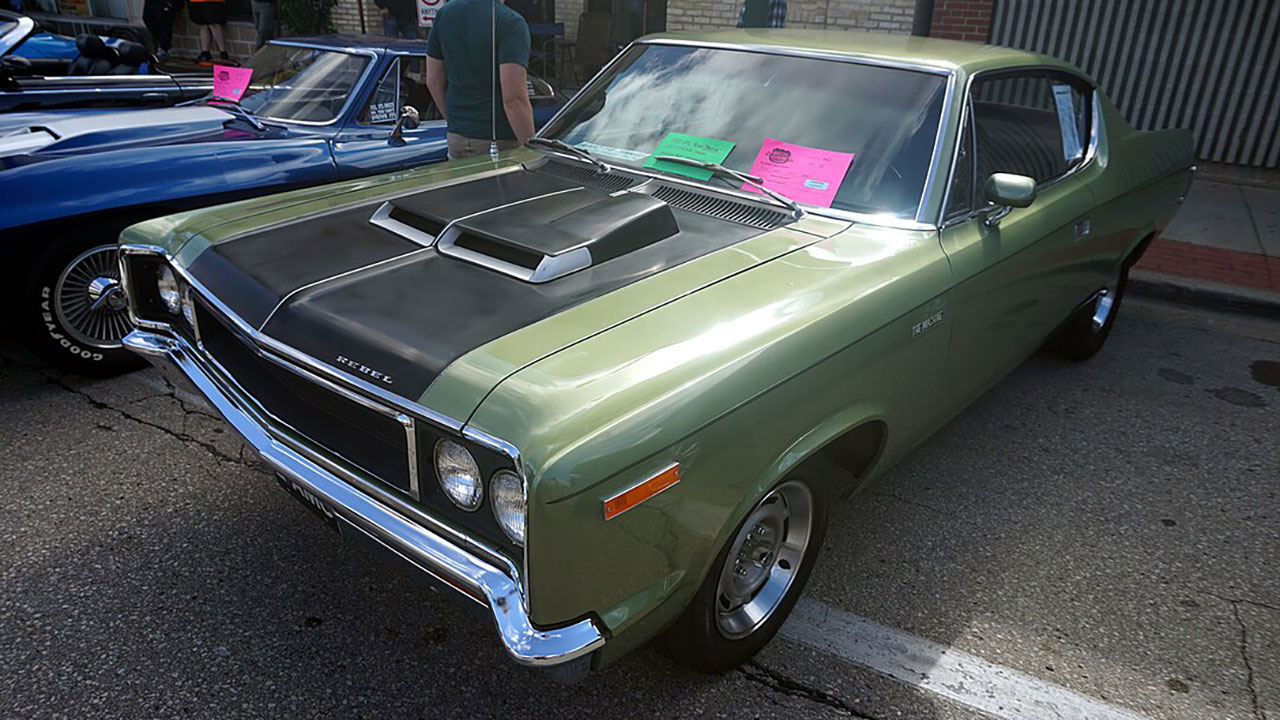
The Rebel Machine proved that AMC could build a genuine muscle car without the enormous resources of Detroit’s largest manufacturers. Its strong V8, bold styling, and relatively straightforward formula made it an entertaining alternative to the mainstream offerings. Its timing was unfortunate, however, because the muscle-car market was already approaching its limits. The Rebel Machine’s limited production has helped turn it into one of AMC’s most recognizable performance models.
Chevrolet Nova SS
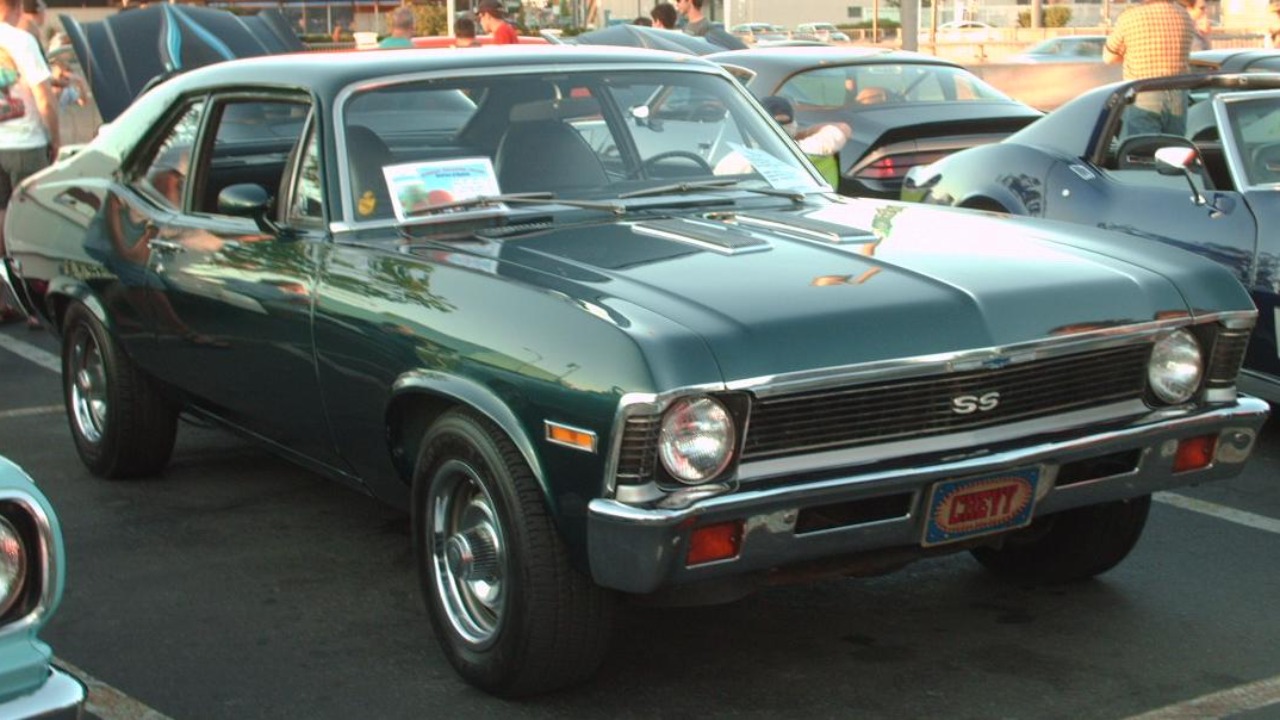
The Nova SS was smaller and less glamorous than many muscle cars, but that was exactly what made it interesting. Its compact dimensions allowed available V8 power to produce strong performance without requiring a huge body. The combination made certain versions surprisingly quick and created a strong sleeper reputation. Chevrolet eventually had to soften the formula as the muscle era faded, leaving the earlier Nova SS models as reminders of a time when a relatively basic compact car could become a serious performance machine.
Pontiac Firebird Formula 400
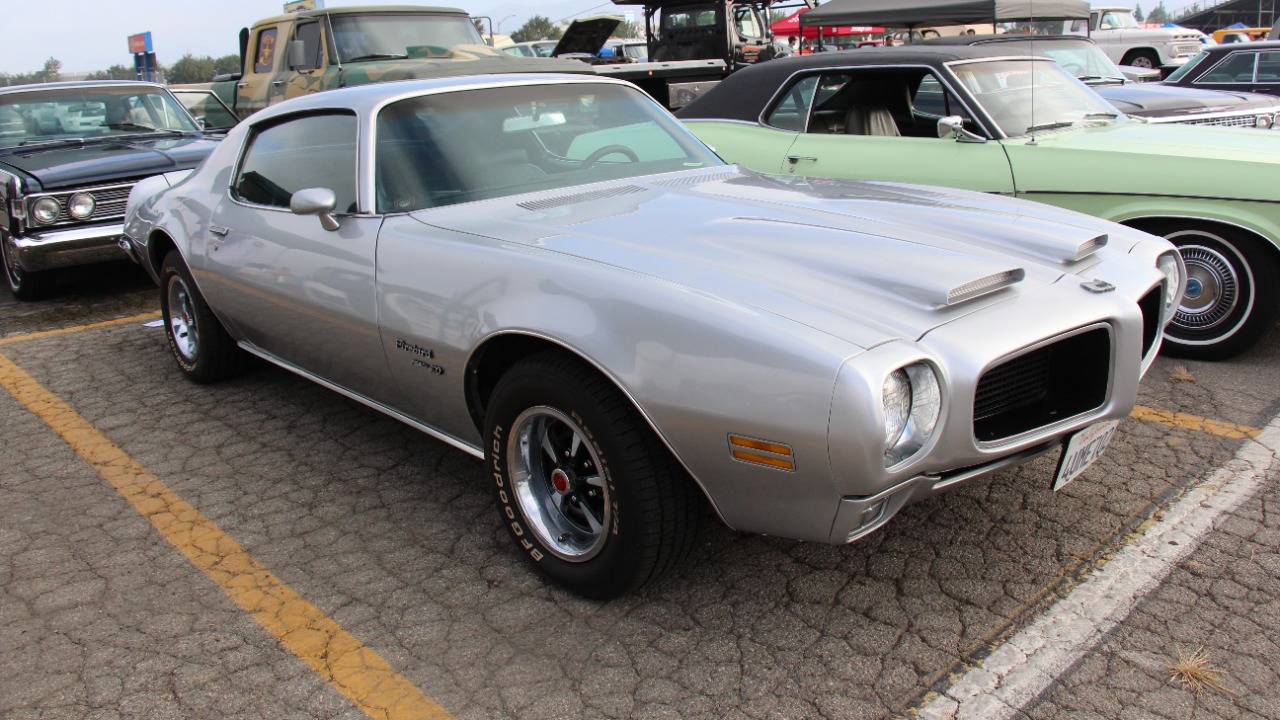
The Firebird Formula 400 delivered much of the performance of the Trans Am while presenting a somewhat more restrained appearance. Its 400-cubic-inch V8 gave it substantial torque, while the lightweight two-door body made good use of the available power. The Formula represented Pontiac’s broader performance strategy rather than simply serving as a top trim. As the industry moved away from large-displacement engines, cars like this became increasingly difficult to justify. Today, the Formula 400 remains a favorite among enthusiasts who appreciate understated muscle.
Buick Regal Turbo
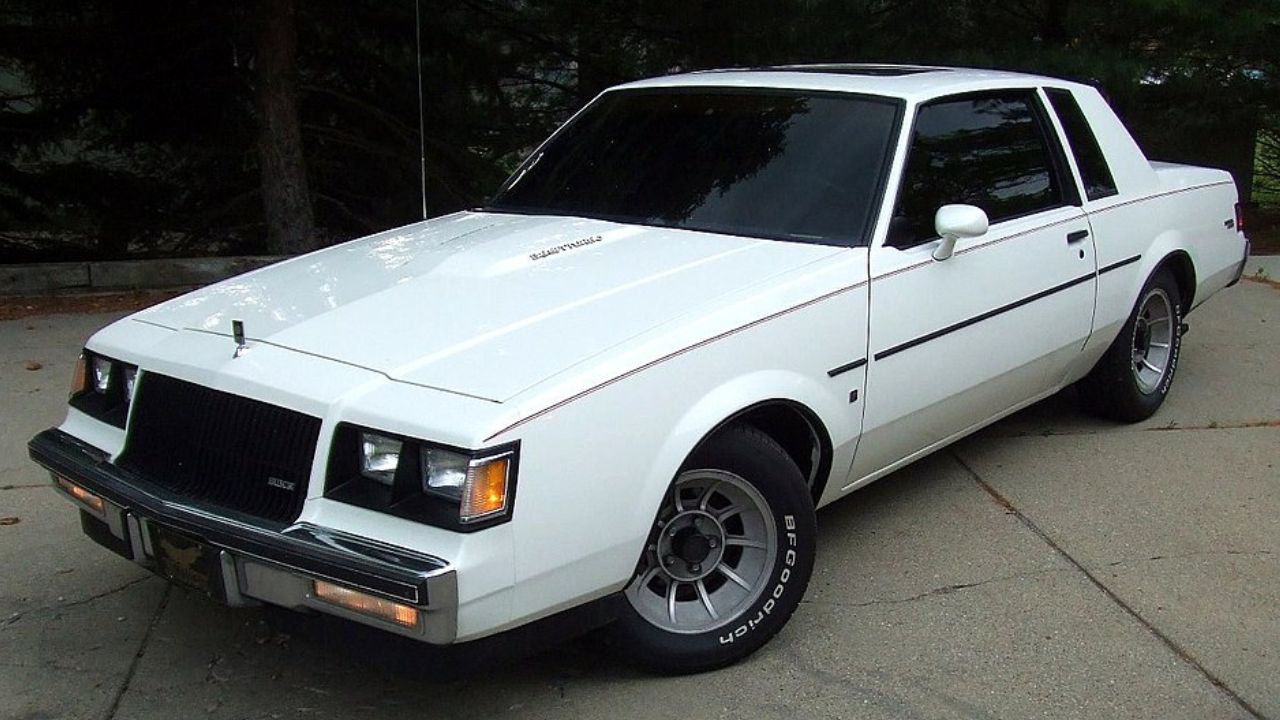
The turbocharged Buick Regal showed that performance did not necessarily require a huge V8. Its turbocharged V6 produced strong acceleration while maintaining the comfortable personality expected from Buick. That combination became particularly important as American manufacturers faced increasingly restrictive emissions and fuel-economy requirements. The Regal Turbo demonstrated a possible way forward, but even this approach had a limited window. Its success helped establish Buick’s later turbocharged reputation and made the car a cult favorite among performance enthusiasts.
Oldsmobile Cutlass Hurst
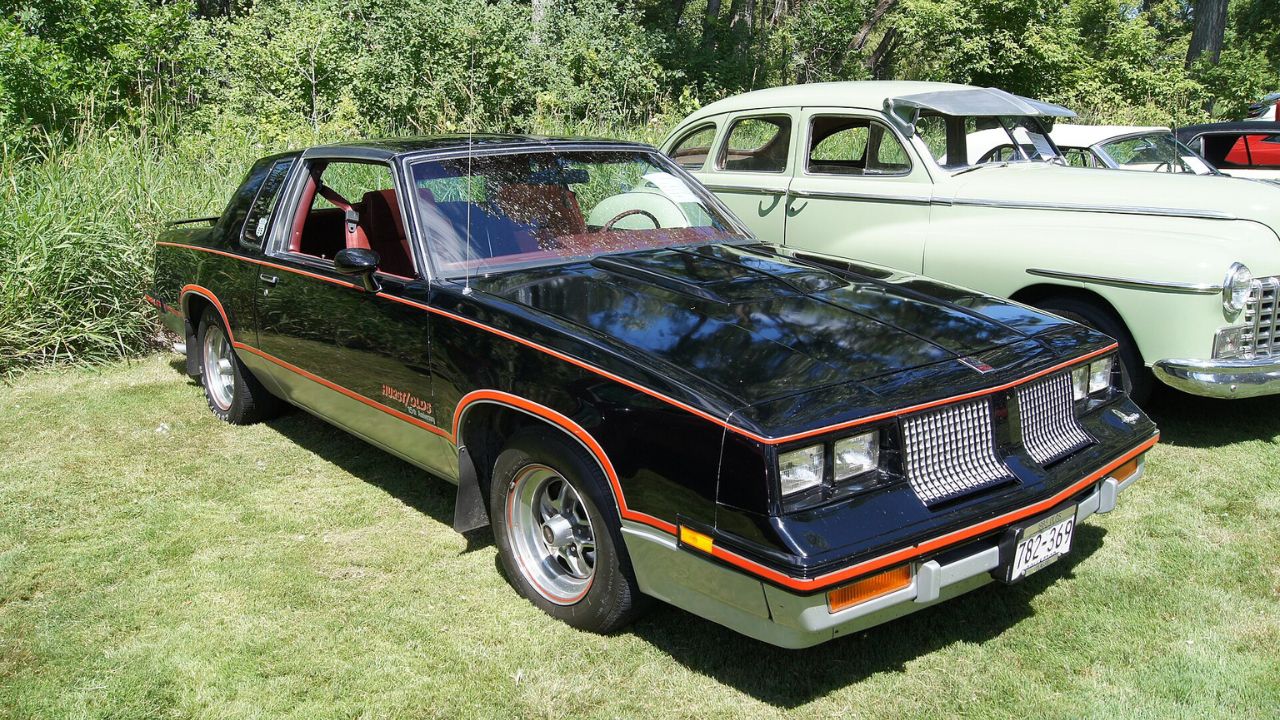
The Cutlass Hurst was an unusual collaboration that combined Oldsmobile performance with distinctive Hurst equipment. Its V8 power, sporty styling, and unusual features made it stand apart from ordinary Cutlass models. Production was limited, and the car arrived during a period when traditional muscle cars were becoming increasingly difficult to build. Its short life helped give the model a special place in Oldsmobile history. Collectors now value it as one of the more unusual performance cars from the era.
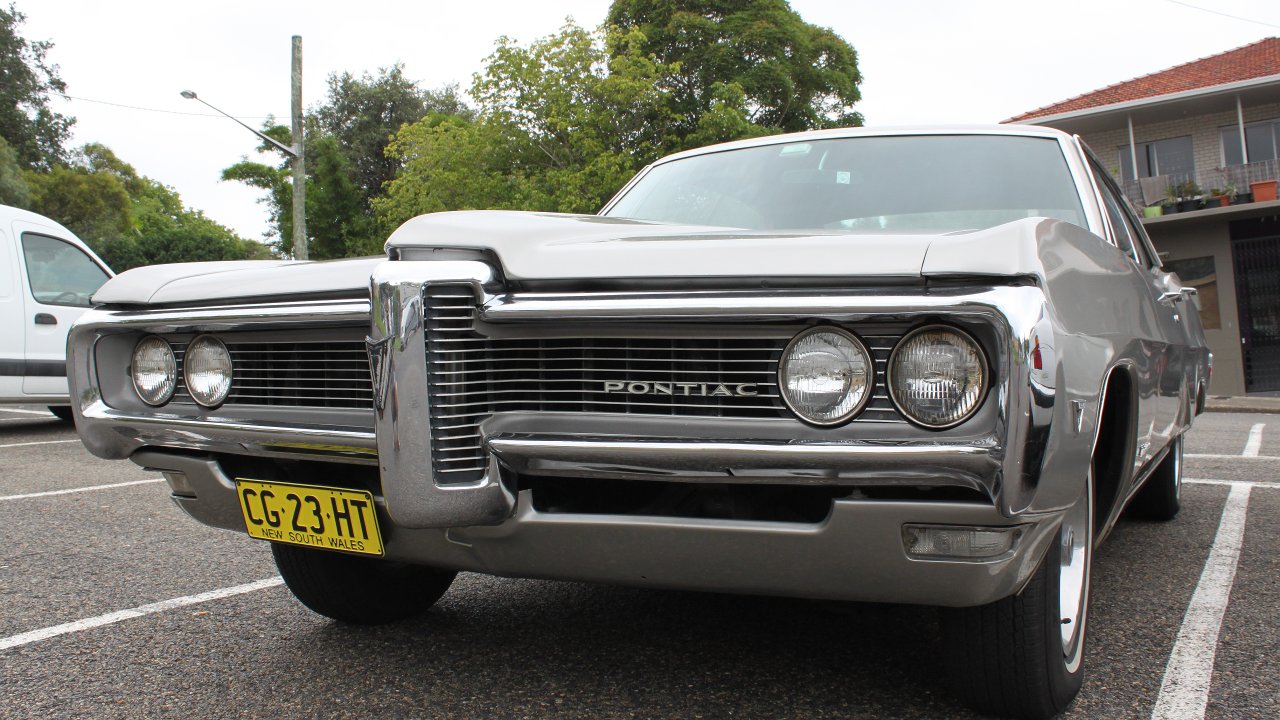
Pontiac Catalina 2+2
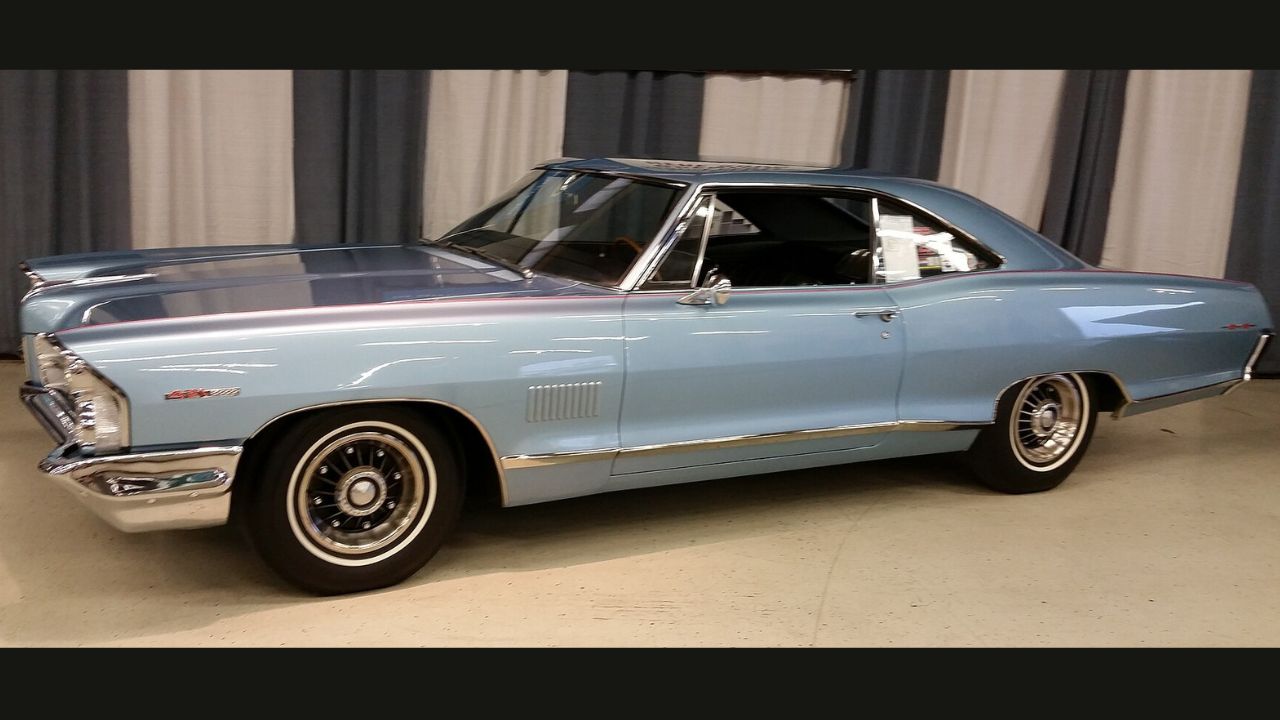
The Catalina 2+2 showed how far Pontiac’s performance ambitions extended beyond traditional midsize muscle cars. The full-size coupe could be equipped with large-displacement V8 power, giving it surprisingly strong acceleration for such a substantial automobile. Its combination of size, comfort, and performance made it unusual even in the muscle-car era. As the industry moved toward smaller engines and more efficient cars, this kind of full-size performance machine quickly disappeared. The 2+2 now represents a particularly bold chapter in Pontiac history.
Chevrolet Monte Carlo SS 454
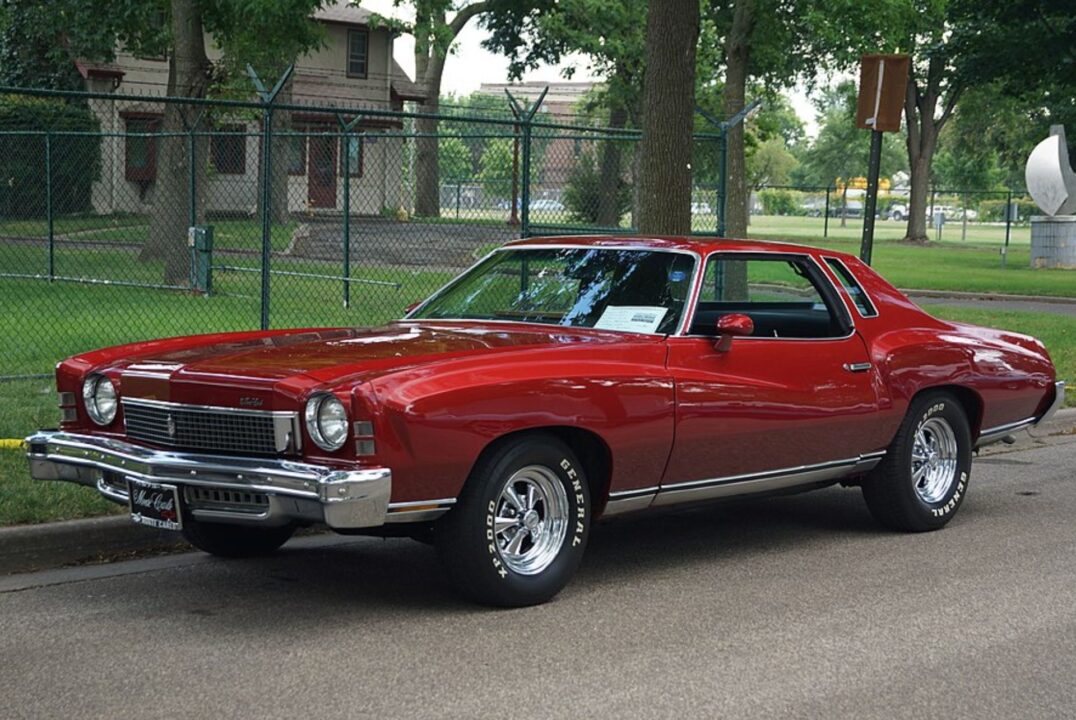
The Monte Carlo SS 454 was an unusual mixture of personal luxury styling and serious big-block performance. Its large coupe body offered a more sophisticated appearance than many traditional muscle cars, but the available 454 V8 gave it plenty of straight-line muscle. Its production came during the closing years of the classic performance era, when large engines were already becoming increasingly difficult to maintain. That short window has helped give the big-block Monte Carlo an enduring collector following.
More from Fast Lane Only
- Unboxing the WWII Jeep in a Crate
- 15 rare Chevys collectors are quietly buying
- 10 underrated V8s still worth hunting down
- Police notice this before you even roll window down
*Research for this article included AI assistance, with all final content reviewed by human editors.