Some classic cars have a way of defying expectations, especially when it comes to performance. Among these, several turbocharged models emerged as true surprises, catching even factory engineers off guard with their impressive speed and capabilities. The following list showcases eight turbocharged classics that not only left a mark on automotive history but also challenged the norms of their time.
Porsche 911 Turbo (930)
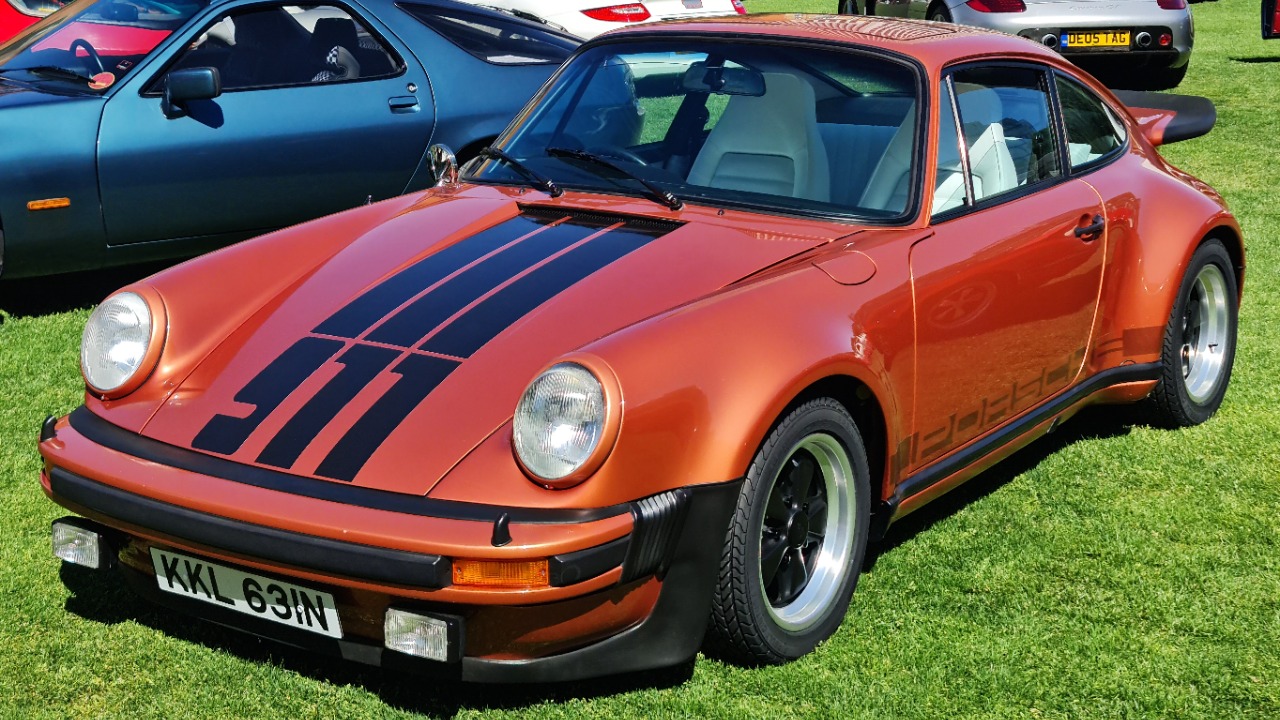
The Porsche 911 Turbo, often referred to as the 930, made its debut in 1975 and quickly established itself as an icon of performance. With a 3.0-liter turbocharged flat-six engine, it produced a staggering 260 horsepower, which was quite remarkable for a car of its era. The engineers at Porsche were astounded by the car’s acceleration, especially considering its rear-engine layout. The 930 could rocket from 0 to 60 mph in just 5.2 seconds, a feat that was nearly unheard of in the mid-70s.
One of the defining features of the 930 was its distinctive whale tail spoiler, designed not just for aesthetics but also for improved aerodynamics. The combination of turbo lag and immense power delivery made driving the 930 a thrilling experience, as the car had a tendency to surge forward once the turbo kicked in. This unique driving characteristic contributed to its legendary status among enthusiasts, and it remains a sought-after model in the collector’s market. For more on its impact, you can check out this resource.
Chevrolet Corvette C4 ZR-1
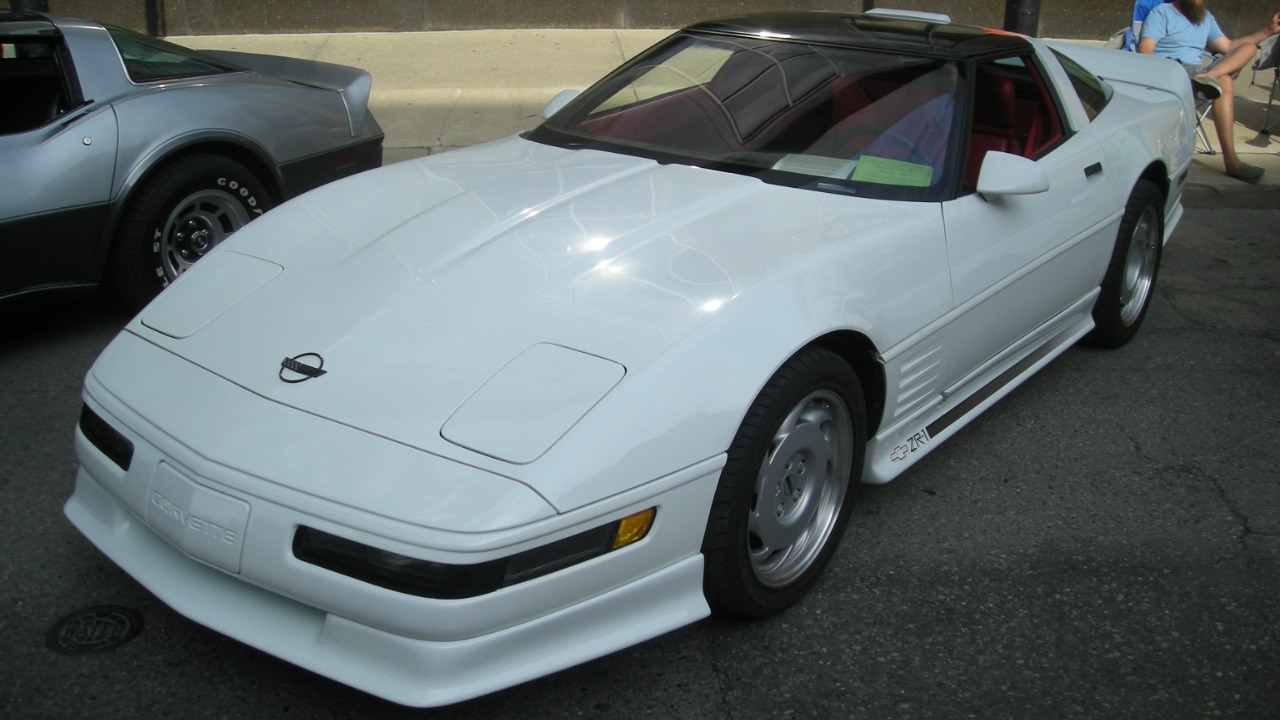
The Chevrolet Corvette C4 ZR-1, produced from 1990 to 1995, was a remarkable step forward for the Corvette lineup. Equipped with a 5.7-liter V8, this version featured a unique quad-cam design and a turbocharged powertrain that delivered an astonishing 375 horsepower. Engineers at General Motors were surprised by its performance capabilities, which allowed it to achieve a top speed of over 175 mph, making it one of the fastest production cars of its time.
What set the ZR-1 apart was not just its speed but also its innovative engineering. The car’s adjustable suspension and lightweight composite body made it agile on the road and track alike. The ZR-1 showcased how American muscle could compete with European sports cars, elevating the Corvette’s status in the performance arena. The engineering marvel of the ZR-1 has been documented extensively, and enthusiasts can delve deeper into its history through various publications.
Ford Mustang SVT Cobra (1993)
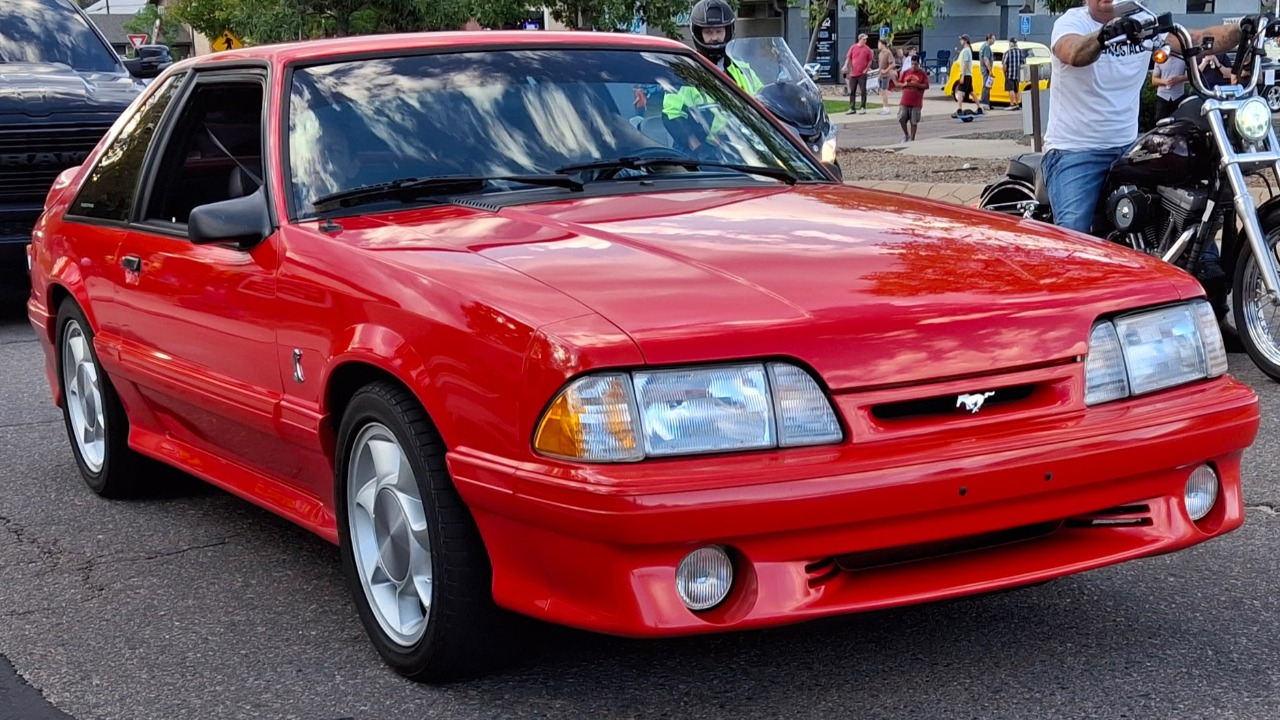
The 1993 Ford Mustang SVT Cobra is often hailed as one of the finest examples of 90s performance engineering. With a supercharged 5.0-liter V8 engine producing 305 horsepower, the Cobra was a significant upgrade over its predecessors. It caught factory engineers by surprise with its quick acceleration and robust handling, making it a favorite among enthusiasts. The Cobra could reach 60 mph in just over six seconds, a remarkable feat for a car in its class.
Not only did the SVT Cobra excel in straight-line performance, but it also featured enhancements like a revised suspension and larger brakes, allowing it to handle curves and corners with surprising agility. The styling was also unmistakably aggressive, embodying the spirit of the Mustang brand. This combination of power and finesse made the Cobra a standout in the muscle car era, and it continues to be celebrated by collectors today. For those wanting to learn more, there are insightful resources available in automotive literature.
Toyota Supra MK4 (A80)
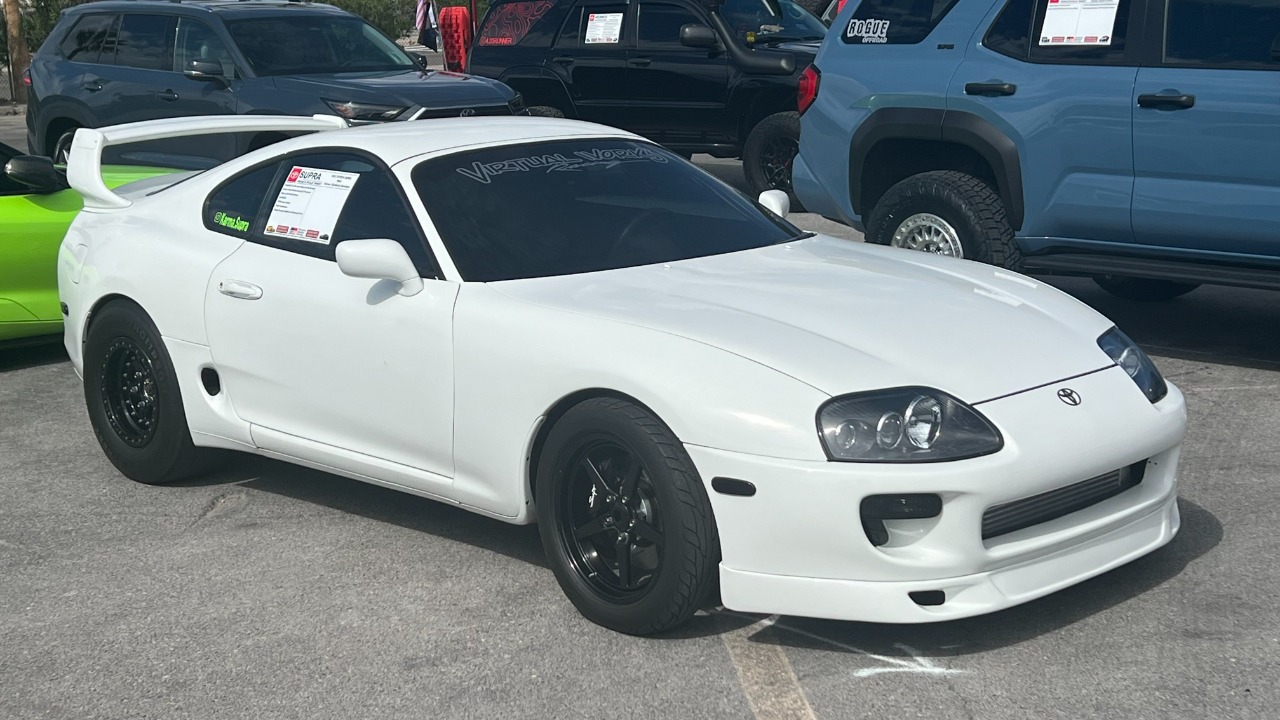
The Toyota Supra MK4, also known as the A80, was produced from 1993 to 2002 and is revered for its impressive performance, particularly in turbocharged form. Featuring a 3.0-liter inline-six engine with a twin-turbo setup, it produced 276 horsepower, but many enthusiasts believe it had even more untapped potential. Factory engineers were astonished by its ability to achieve 0 to 60 mph in just 4.6 seconds, making it a formidable competitor on both the street and the track.
The Supra’s sleek design and advanced aerodynamics contributed to its high-speed stability, while its rear-wheel-drive layout offered an engaging driving experience. Over the years, it has become a favorite among car tuners, with many modifying the engine to extract even greater horsepower. The MK4’s legacy continues in popular culture, solidifying its status as a classic. If you’re interested in a deeper dive into its engineering and performance, I recommend checking out this academic article.
Lancia Delta Integrale Evo II
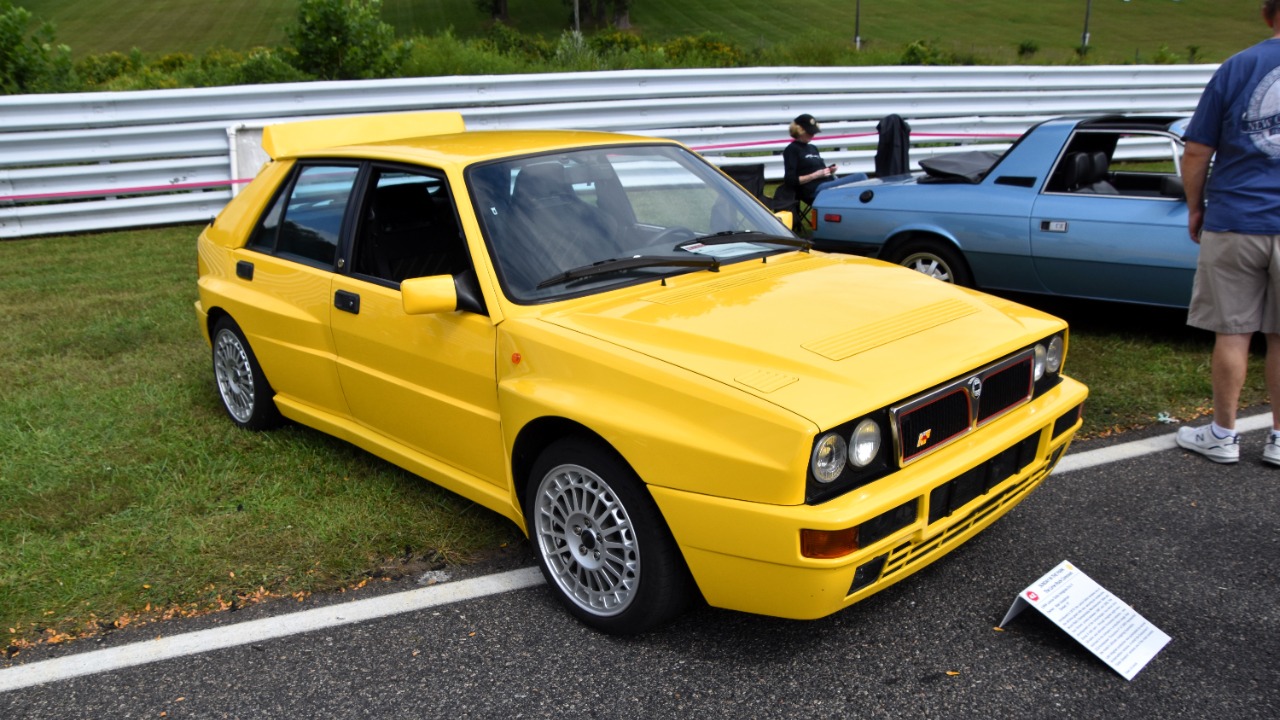
The Lancia Delta Integrale Evo II, produced in the late 1980s and early 1990s, is a rally legend that took the automotive world by storm. With its turbocharged 2.0-liter inline-four engine producing around 215 horsepower, it was a powerhouse in its own right. Factory engineers were amazed by the car’s handling and performance, particularly in off-road conditions, where it excelled due to its all-wheel-drive system.
The Evo II’s compact design and potent turbo setup made it a favorite in the World Rally Championship, where it claimed multiple titles. Its combination of speed, agility, and rally heritage helped it carve out a niche among performance enthusiasts. Today, the Delta Integrale remains a highly sought-after collector’s item, valued for its unique blend of style and capability. For more insights into its rally history, various sources detail its impressive accomplishments in motorsport.
Mazda RX-7 (FD3S)
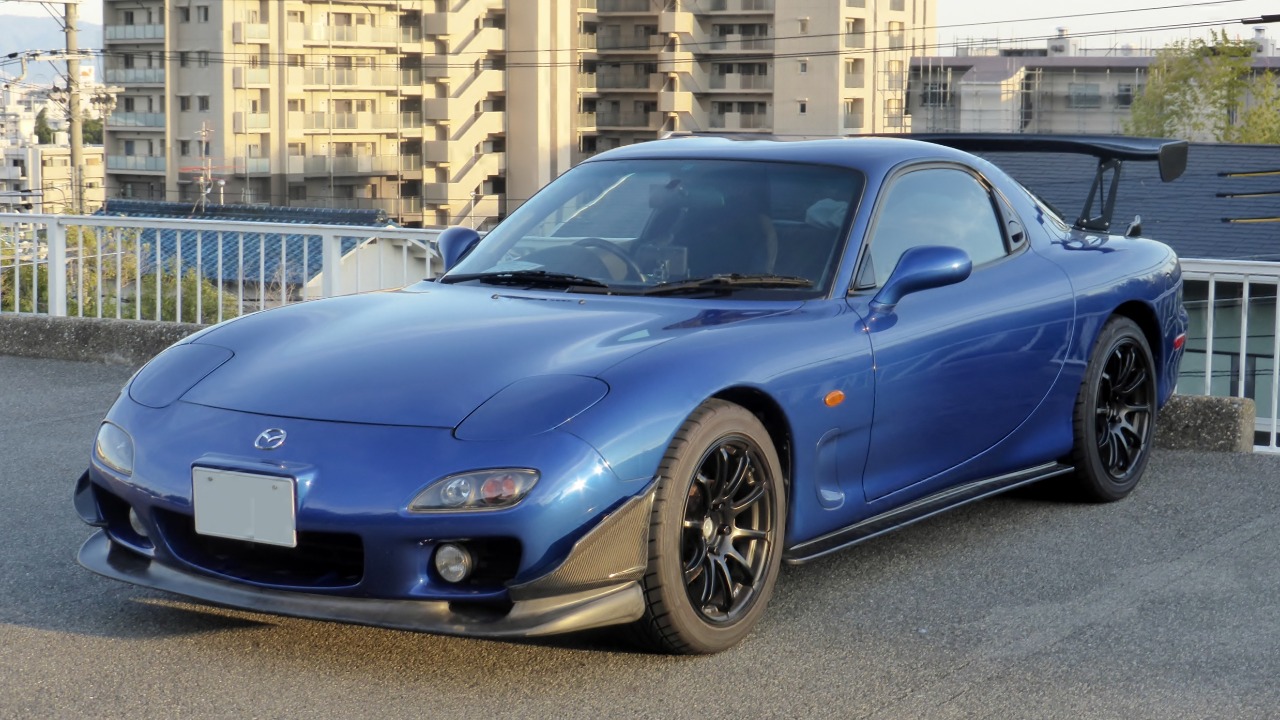
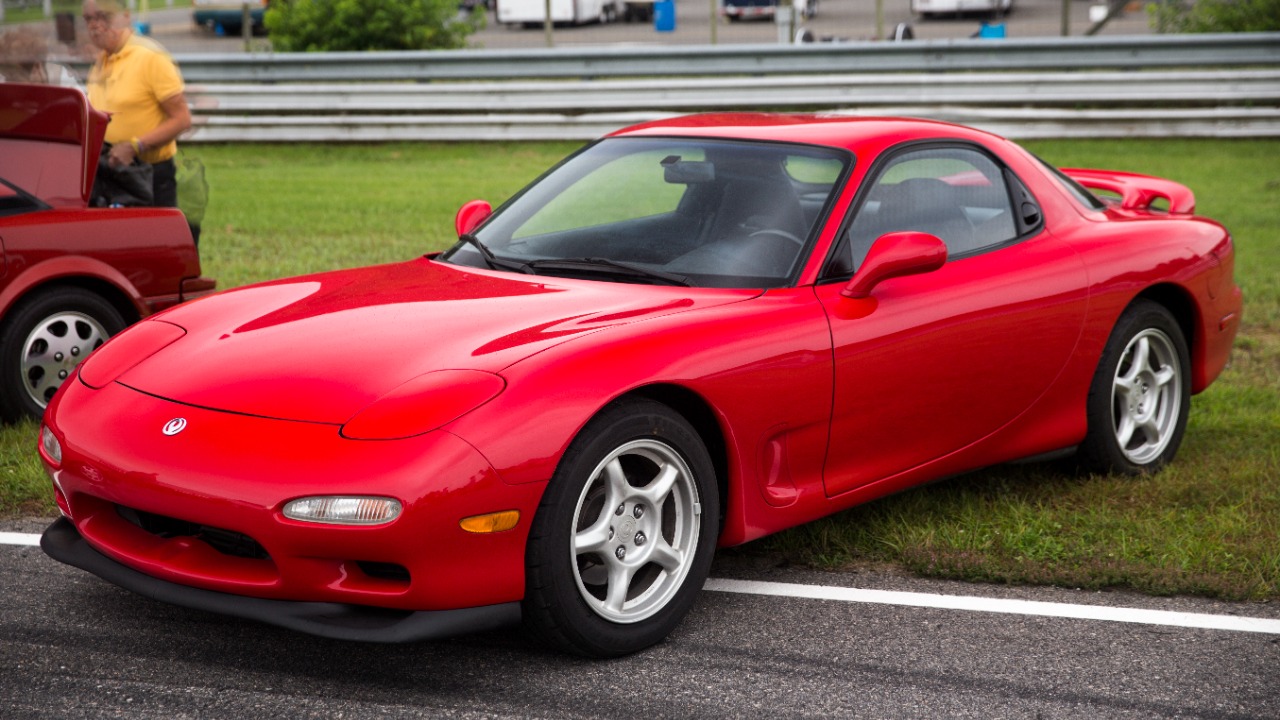
The Mazda RX-7 FD3S, produced from 1992 to 2002, is renowned for its lightweight design and revolutionary rotary engine. Featuring a 1.3-liter twin-rotor engine, it produced around 280 horsepower, which seemed modest on paper but delivered exhilarating performance on the road. Factory engineers were genuinely impressed by its power-to-weight ratio and nimble handling, which allowed it to reach 60 mph in just 5.5 seconds.
The RX-7’s unique rotary engine offered a high-revving experience that few cars could match, making it a favorite among driving purists. Its sleek, aerodynamic design contributed to its agility, while advanced engineering ensured it remained reliable despite its performance capabilities. Today, the RX-7 has become a cult classic, with enthusiasts often praising its distinct driving experience and tuning potential. Resources discussing its engineering can be found in automotive literature, offering a detailed view of its impact on performance cars.
Nissan GT-R R32
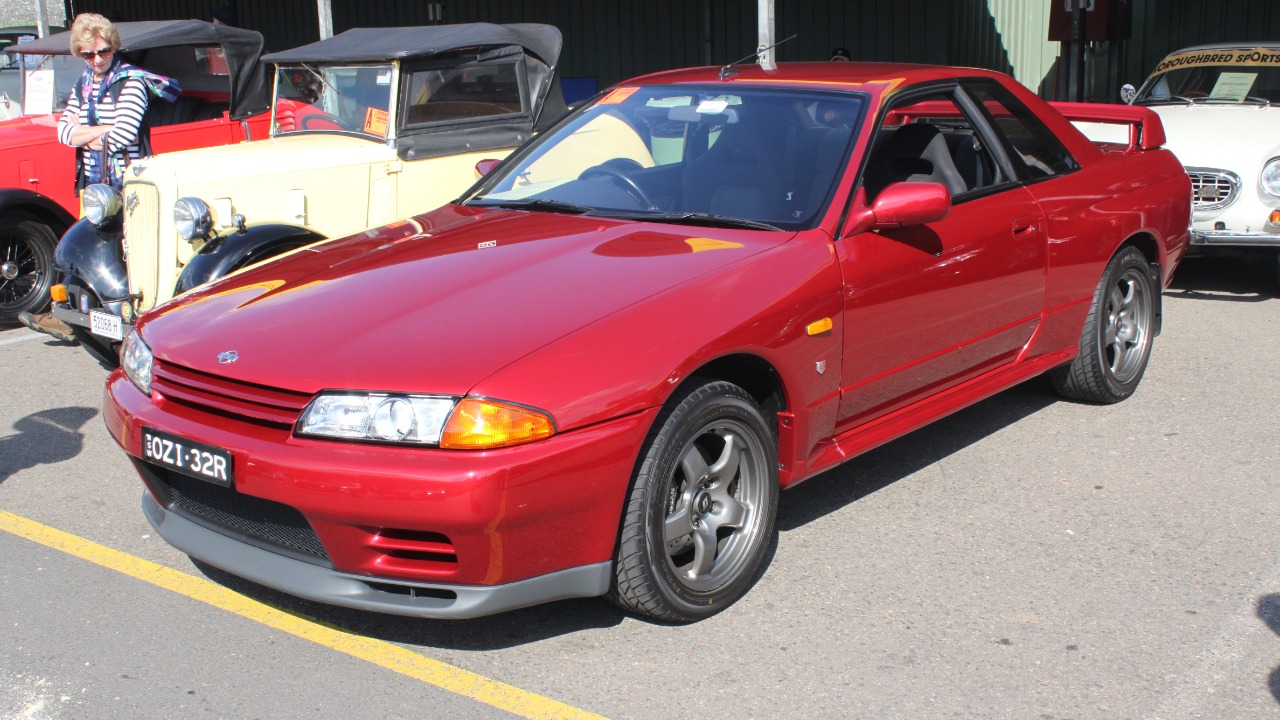
The Nissan GT-R R32, produced from 1989 to 1994, revolutionized the sports car landscape with its advanced technology and turbocharged performance. Featuring a 2.6-liter inline-six engine equipped with twin turbos, the R32 produced 276 horsepower but was capable of much more. Factory engineers were surprised by its performance, particularly its ability to achieve 0 to 60 mph in just 5.6 seconds, which was exceptional for its time.
The R32 was also equipped with Nissan’s ATTESA all-wheel-drive system and Super-HICAS (four-wheel steering), giving it superior handling characteristics. This combination of power and handling made it a dominant force in motorsport, particularly in Japanese touring car racing. Today, the R32 is celebrated as a legendary model in the GT-R lineage, often praised for its blend of technology and performance. For those interested in its engineering innovations, there are numerous resources detailing its impact on automotive history.
Audi Quattro (Ur-Quattro)
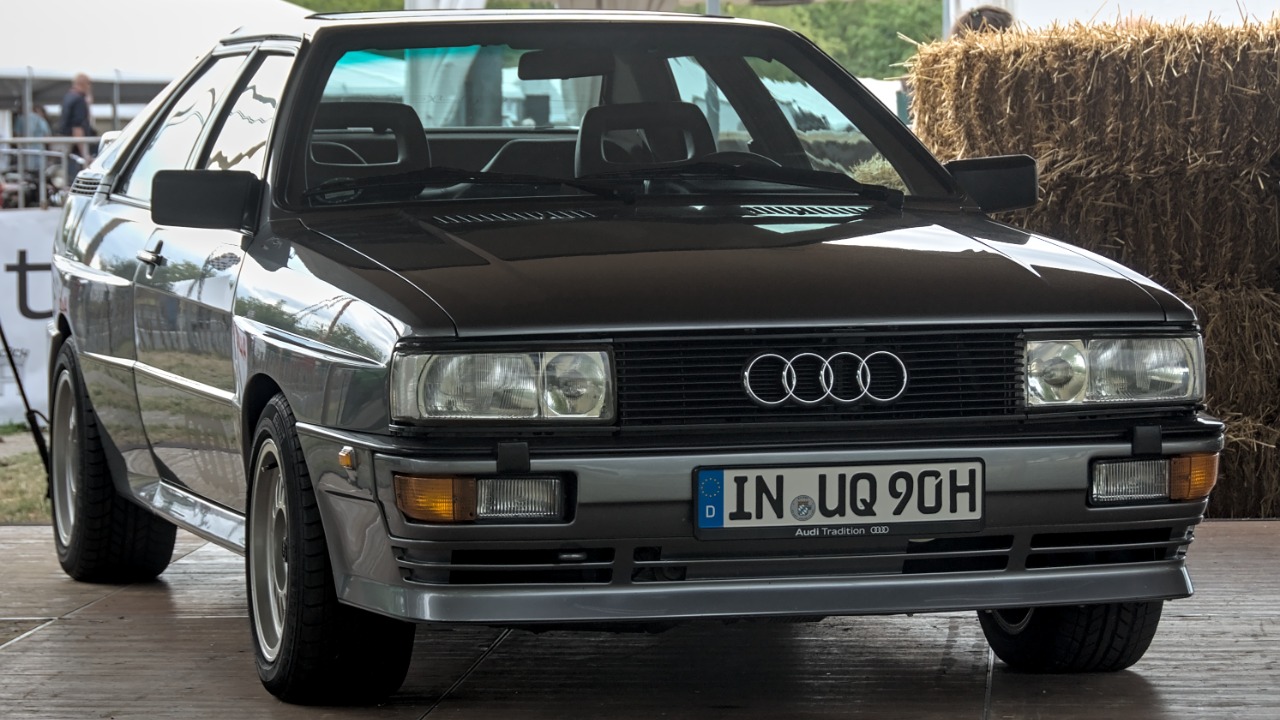
The Audi Quattro, often referred to as the Ur-Quattro, made its debut in 1980 and was a game-changer in the world of rally and sports cars. With its turbocharged 2.1-liter inline-five engine producing around 200 horsepower, it caught factory engineers by surprise with its performance and handling capabilities. The Quattro was one of the first cars to utilize all-wheel drive in a production vehicle, providing exceptional grip and stability on various surfaces.
The Ur-Quattro’s success in rallying helped establish Audi as a formidable player in motorsports, winning numerous championships throughout the 1980s. Its distinctive boxy design and iconic five-cylinder engine sound continue to resonate with enthusiasts today. The Quattro remains a symbol of Audi’s engineering prowess and innovation, and its legacy is explored in various automotive publications, highlighting its importance in the evolution of performance cars.
More from Fast Lane Only
- Unboxing the WWII Jeep in a Crate
- 15 rare Chevys collectors are quietly buying
- 10 underrated V8s still worth hunting down
- Police notice this before you even roll window down
*Research for this article included AI assistance, with all final content reviewed by human editors.