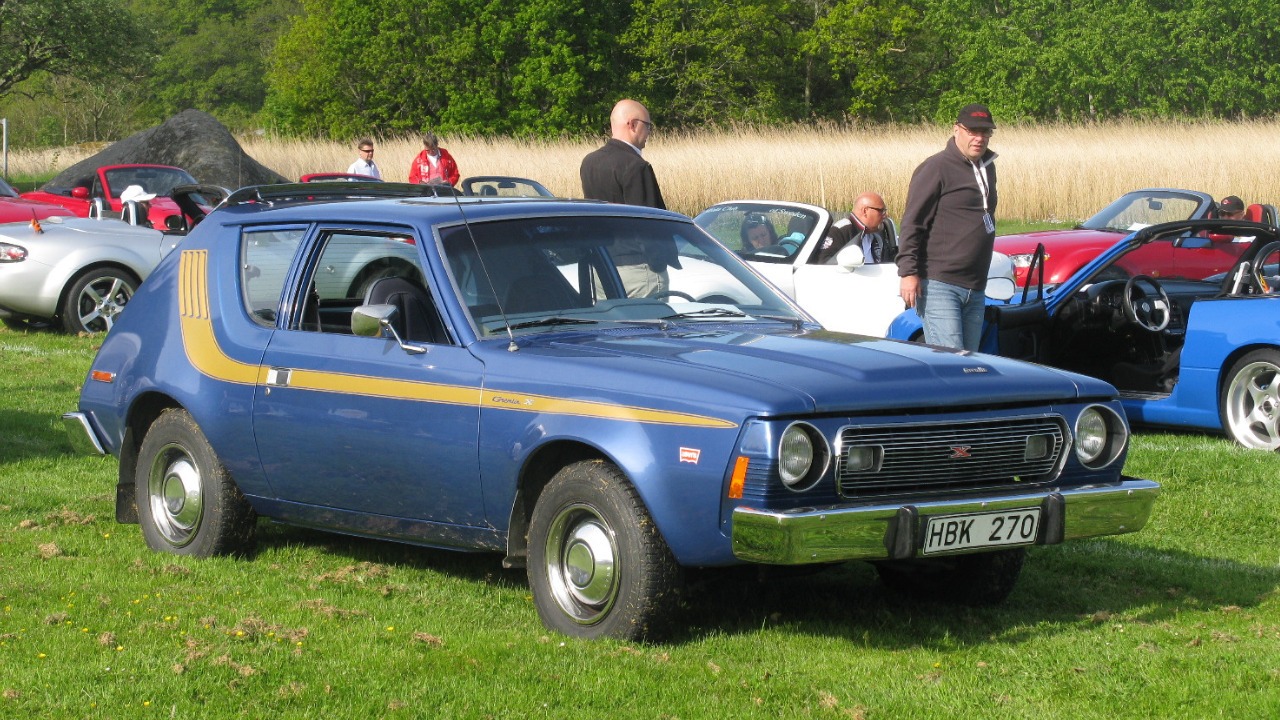
Not every collectible classic started life as a dream car. Some were ordinary commuters, family cars, inexpensive imports, or overlooked performance models that buyers once took for granted. As survivors became harder to find, enthusiasts began appreciating their styling, engineering, or historical importance. These 20 cars show how quickly an everyday vehicle can become a sought-after classic.
Chevrolet Corvair

The Chevrolet Corvair was once a controversial compact that divided American buyers, but time has given it a much more interesting reputation. Its rear-mounted air-cooled flat-six made it unlike almost anything else from Detroit. Coupes, convertibles, and sporty Monza versions now attract enthusiasts who appreciate its unusual engineering. Clean examples have become increasingly difficult to find, turning an once-overlooked Chevrolet into an unexpected collectible.
Ford Falcon
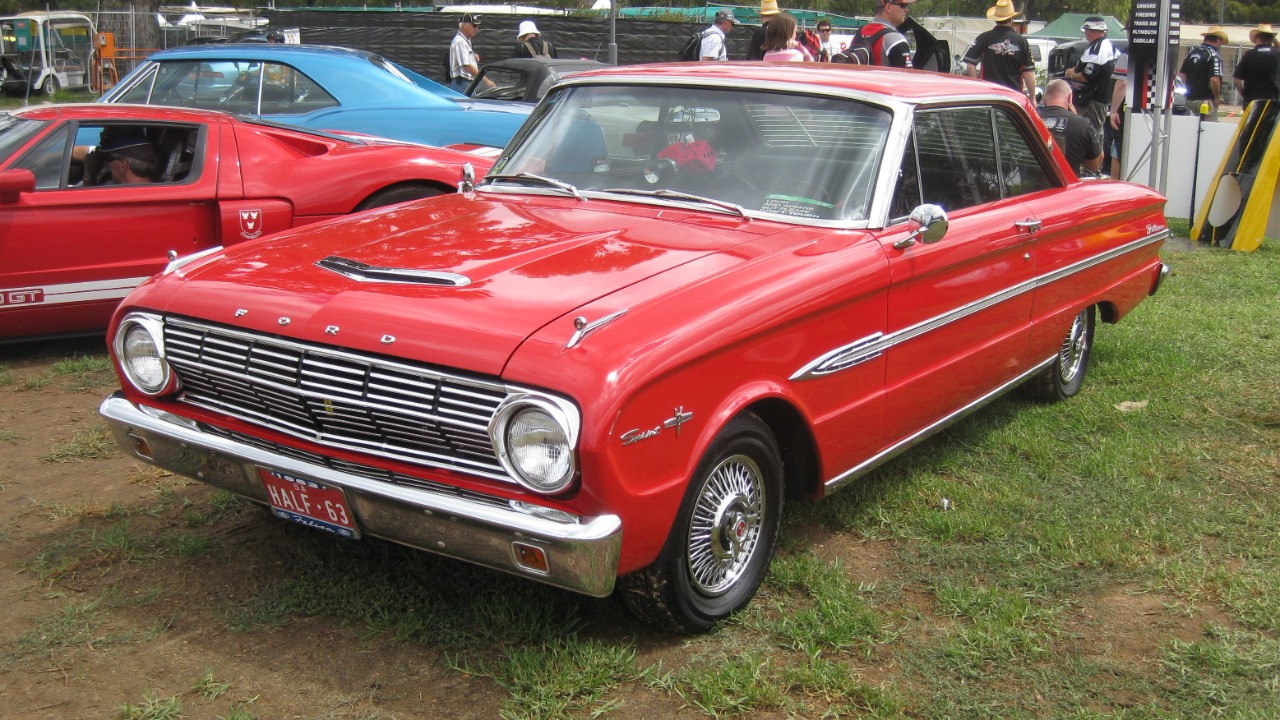
The Ford Falcon was designed as practical transportation rather than a future collector car. Its compact dimensions, simple mechanical layout, and economical engines made it popular with ordinary families. Today, enthusiasts appreciate early Falcons for their clean styling and connection to the beginning of America’s compact-car era. Certain body styles and performance versions have become particularly desirable as original examples disappear.
Plymouth Valiant
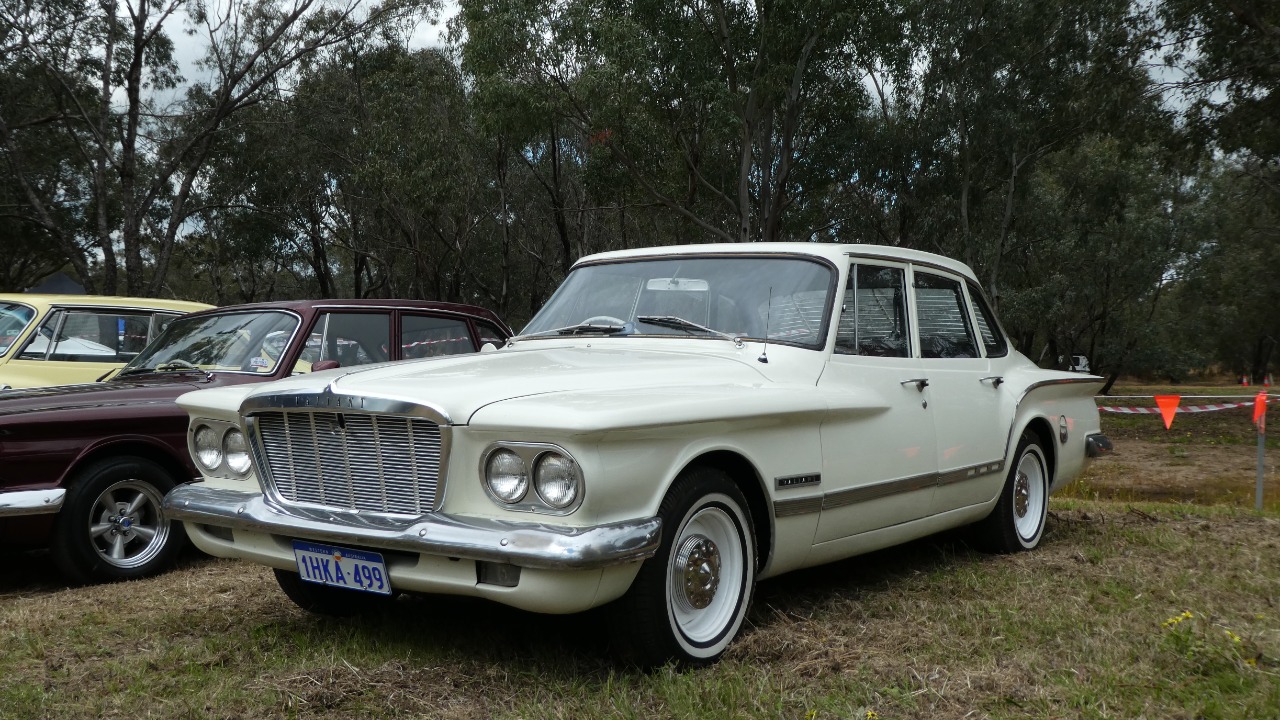
The Valiant was one of Plymouth’s sensible compact cars, but its simple design and sturdy mechanicals have aged surprisingly well. Early models have gained attention for their clean lines and distinctive details, while V8-powered versions offer more performance appeal. Because many were treated as inexpensive transportation, relatively few survived in excellent condition. That scarcity has helped turn certain Valiants into genuine collector cars.
AMC Gremlin
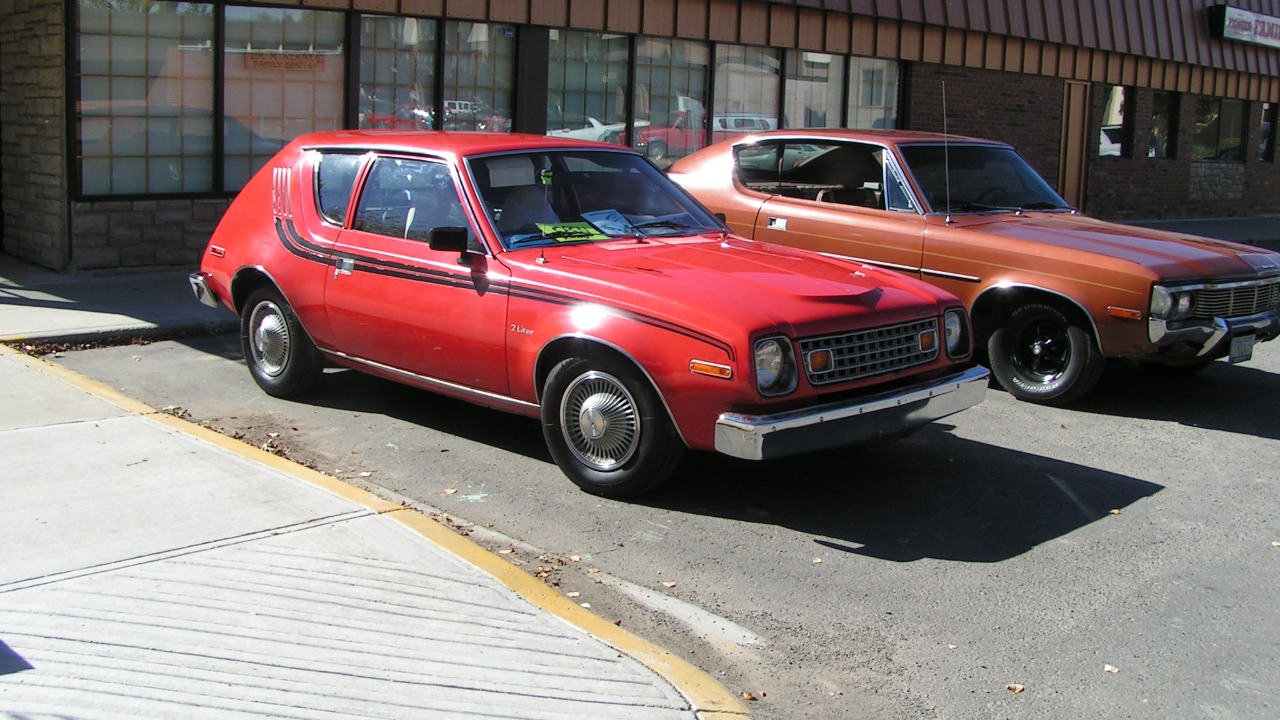
Few cars seemed less likely to become collectibles than the AMC Gremlin. Its unusual proportions made it an easy target for jokes when new, yet that distinctive shape has become part of its appeal. Performance versions and unusual factory options add further interest. Today, clean Gremlins attract attention precisely because they represent an era of American automotive design when manufacturers were willing to try something completely different.
Ford Maverick
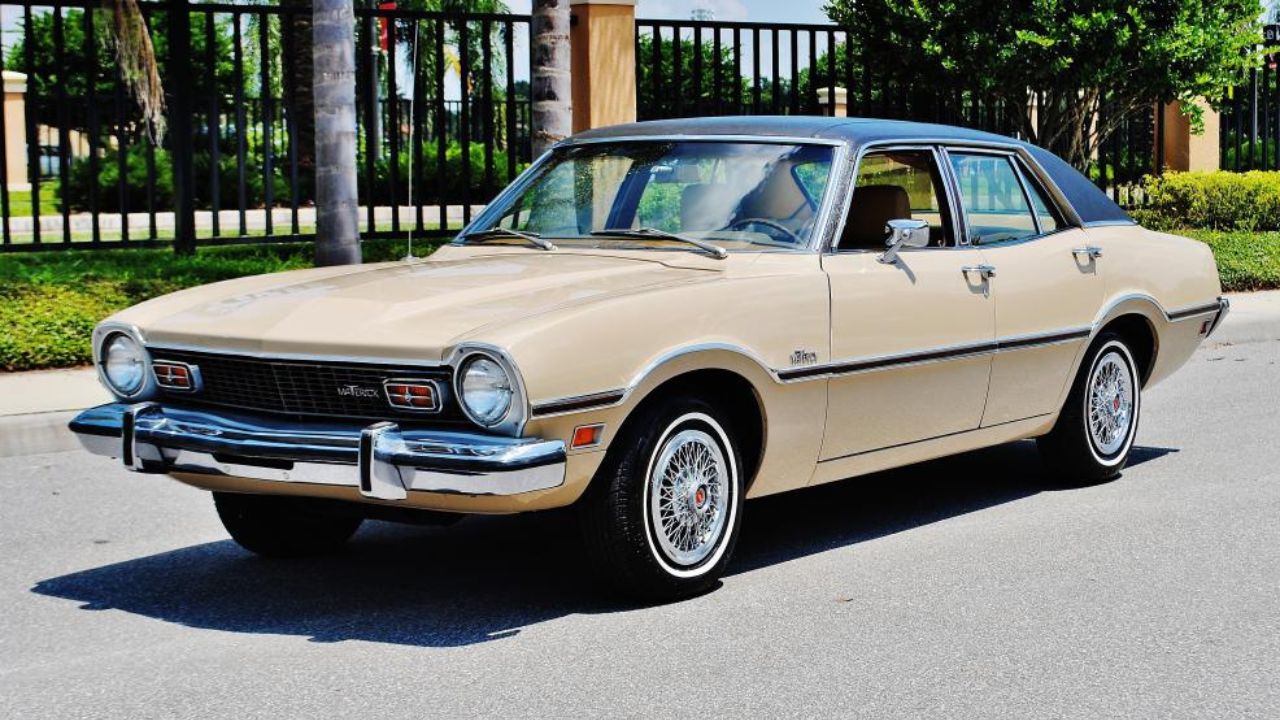
The Ford Maverick was created as an affordable compact for buyers who wanted simple transportation. Its clean styling and available six- and eight-cylinder engines gave it more character than many economy cars. Today, enthusiasts increasingly appreciate the Maverick as an example of early-1970s American compact design. Well-preserved examples are becoming harder to find, especially cars retaining their original details.
Chevrolet Vega
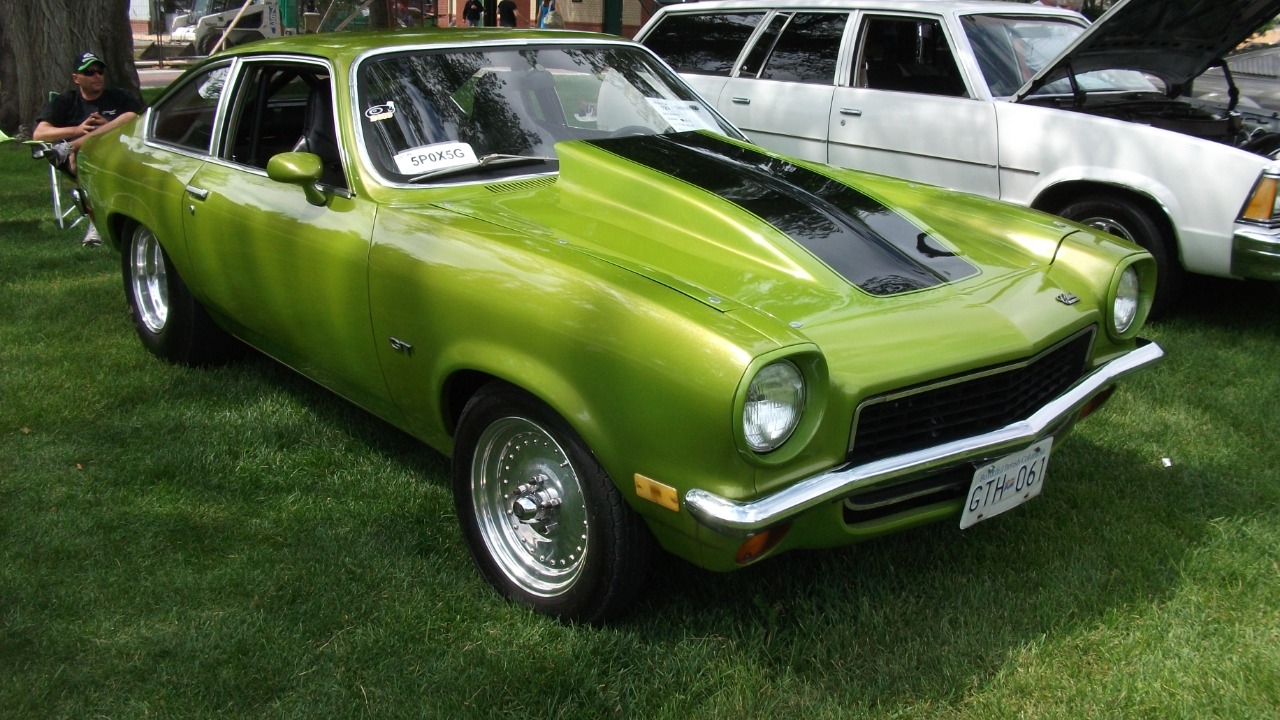
The Chevrolet Vega was marketed as an efficient small car, but its reputation became complicated by durability concerns. Decades later, surviving examples have become interesting precisely because so few remain. The Vega represented Chevrolet’s attempt to compete in the growing compact-car market with a lightweight design and innovative aluminum engine technology. Collectors now value clean examples as snapshots of a changing American automotive industry.
Pontiac Fiero
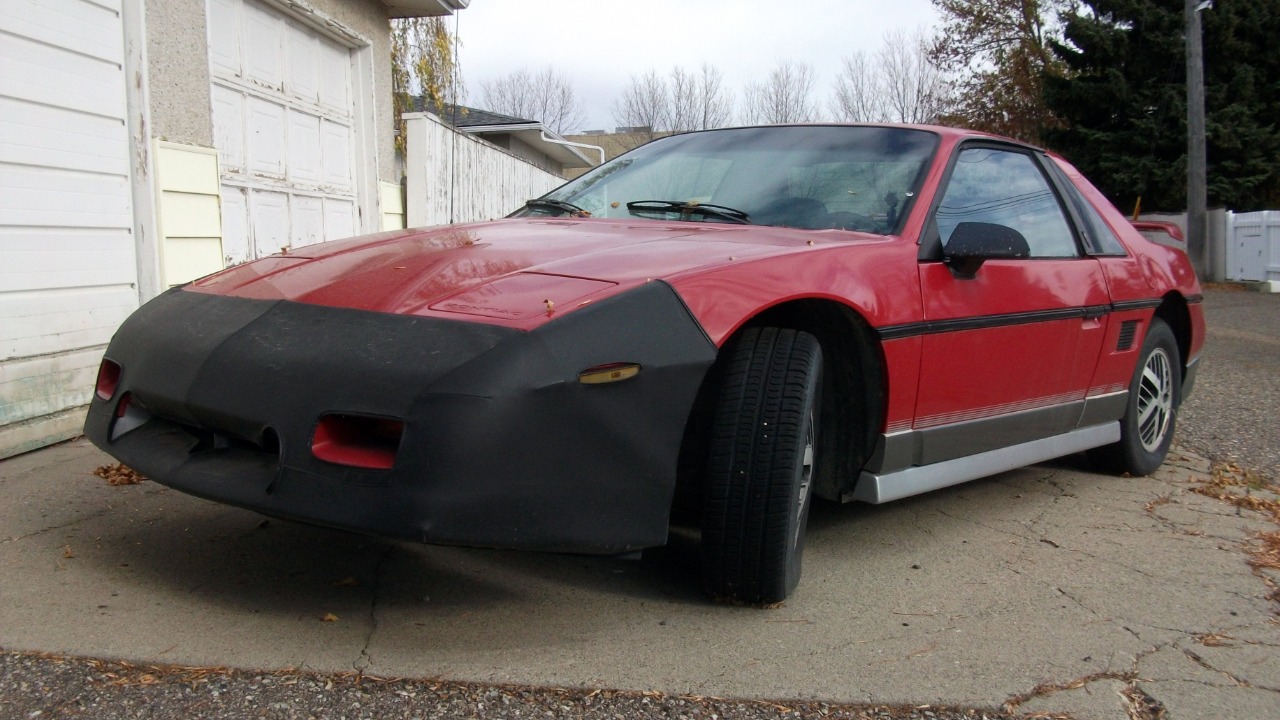
The Pontiac Fiero was originally positioned as an affordable mid-engine sports car, making its basic layout unusual for an American production vehicle. Early criticism overshadowed its potential, but enthusiasts eventually recognized its distinctive design and engineering significance. GT and later performance versions are especially interesting. With relatively few unmodified examples remaining, the Fiero has moved from forgotten commuter car to legitimate collectible.
Ford Probe GT
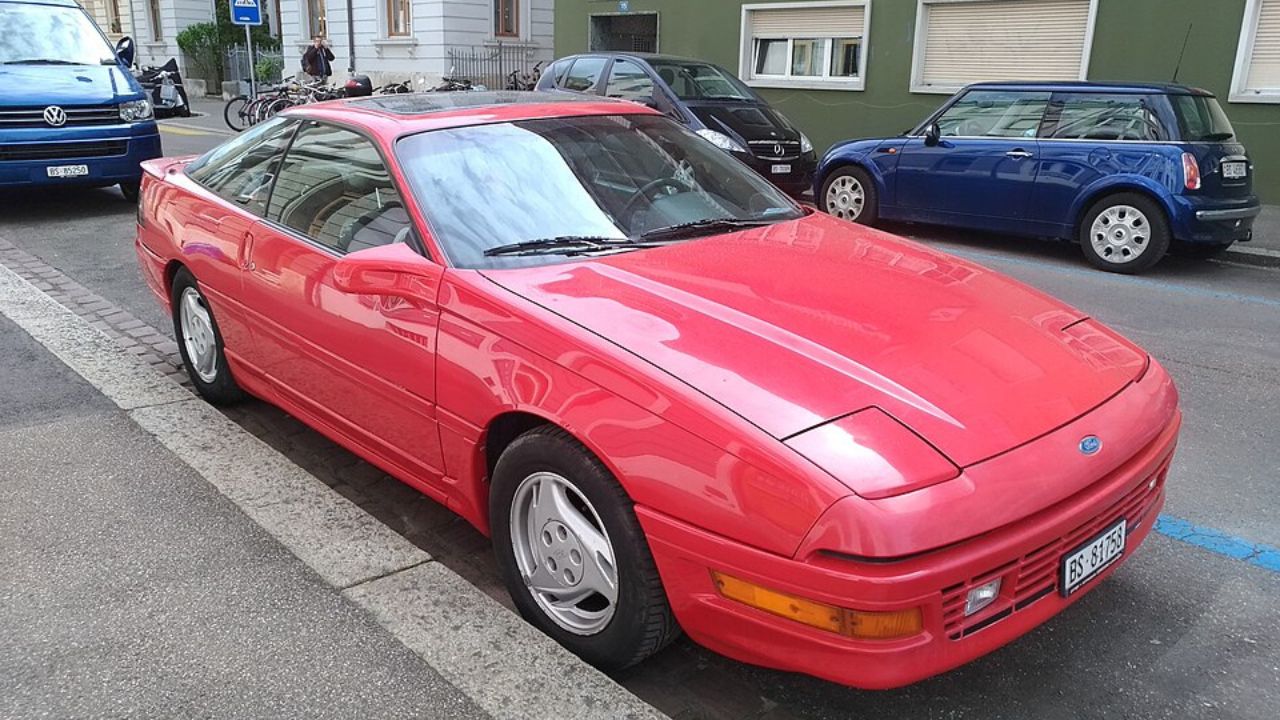
The Ford Probe GT was never considered a traditional American muscle car, but its turbocharged engine, front-wheel drive, and sleek styling made it distinctive. It represented Ford’s attempt to move toward a more modern type of performance coupe. Today, original examples are surprisingly difficult to encounter. Enthusiasts increasingly appreciate the Probe GT as a time capsule from the transition between 1980s and 1990s performance cars.
Mercury Capri
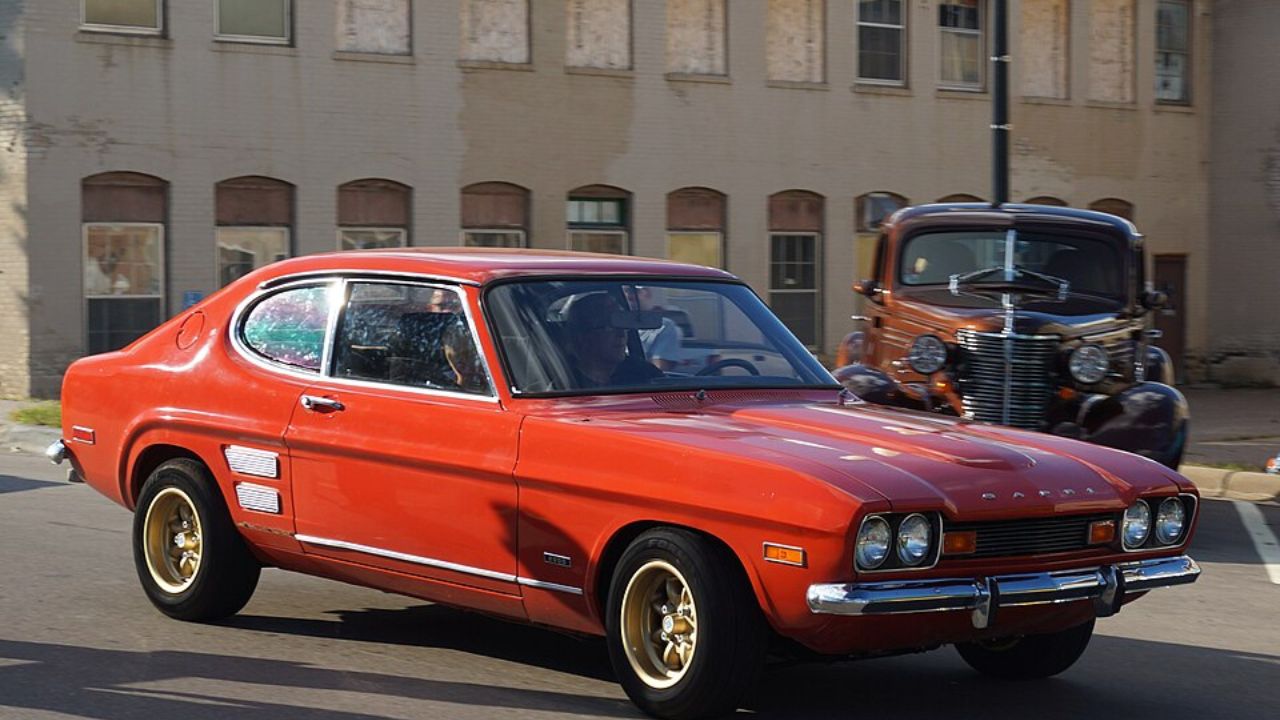
The Mercury Capri occupied an unusual place in Ford’s lineup, offering buyers a sporty coupe with European influences and a range of different powertrains. Some versions were especially interesting because of their performance equipment and distinctive styling. Once common enough to be ordinary transportation, surviving examples have become increasingly scarce. That combination of affordability, history, and rarity has helped the Capri gain collector interest.
Buick Reatta
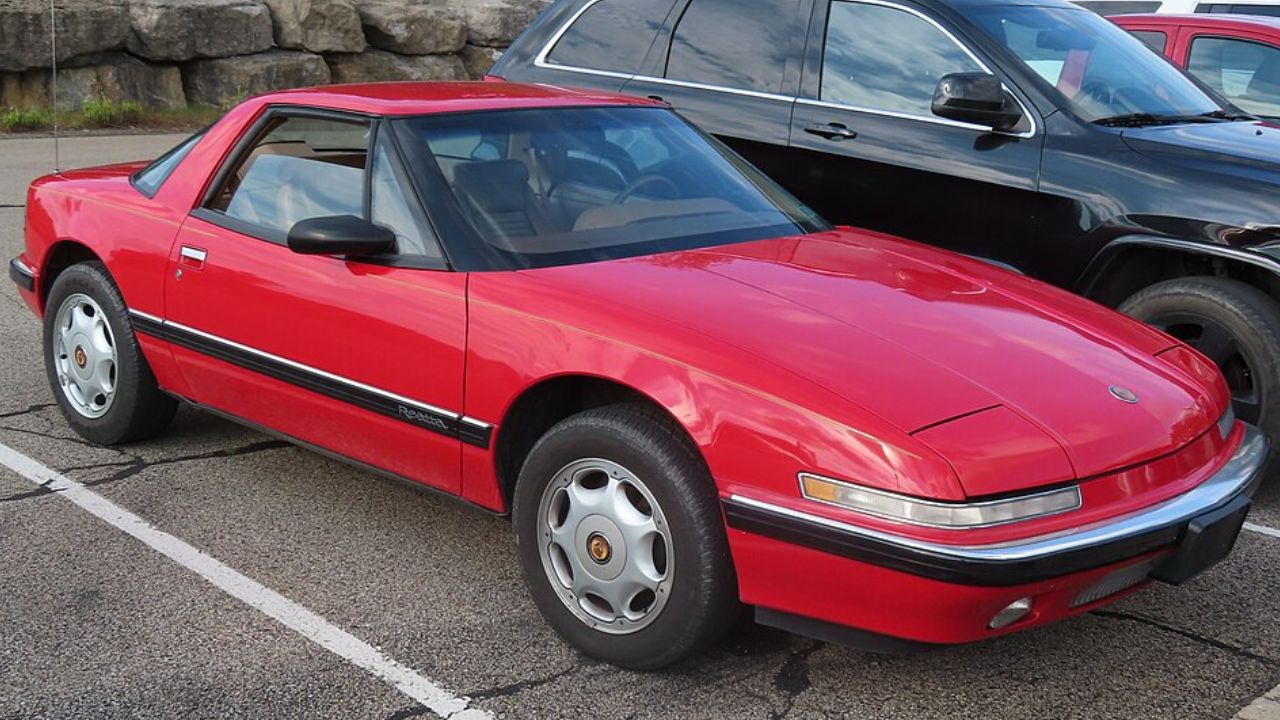
The Buick Reatta was an unusual attempt to combine American luxury with emerging technology. Its distinctive two-seat coupe body, digital instrumentation, and touchscreen interface made it stand apart from conventional Buicks. Production numbers were limited, and the model never became a mainstream success. Today, collectors appreciate the Reatta as a fascinating snapshot of early electronic luxury-car technology.
Oldsmobile Jetfire
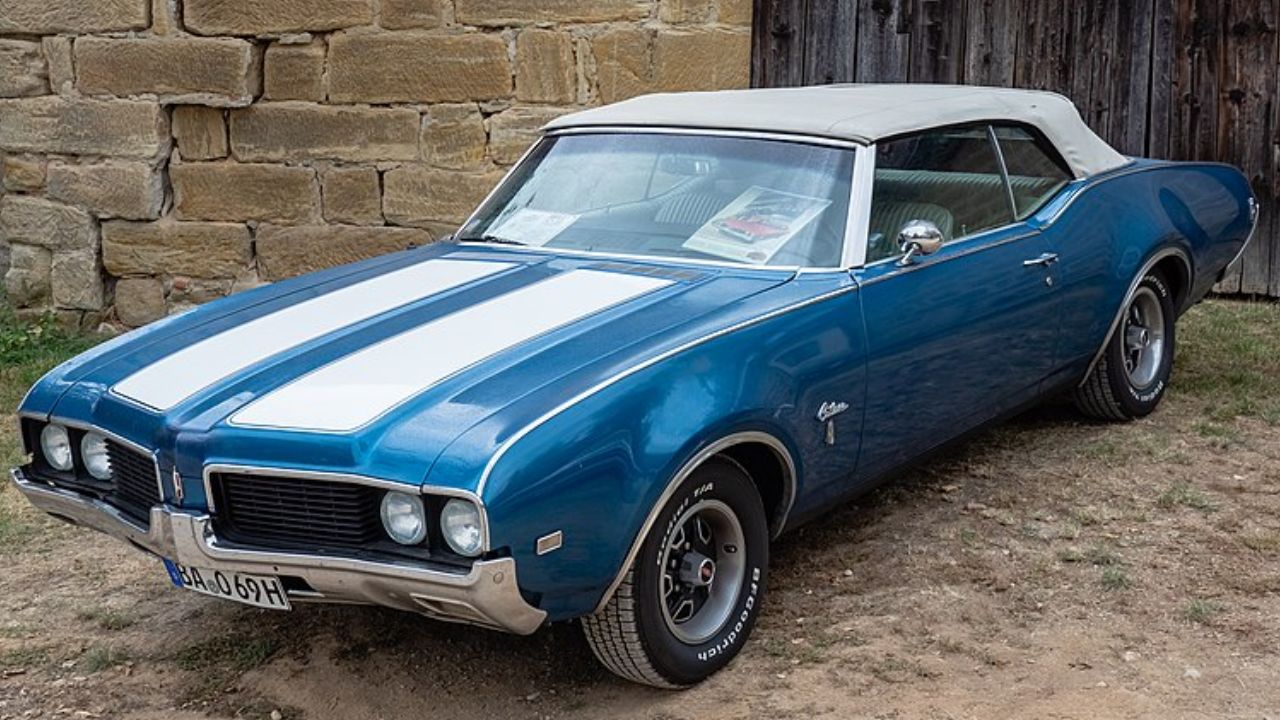
The Oldsmobile Jetfire was one of the earliest production cars to use a turbocharged engine. Its turbocharged V8 allowed Oldsmobile to extract more performance from a relatively compact powerplant. The system was technologically ambitious for its era and required specialized maintenance. Because relatively few survive today, the Jetfire has become an especially interesting collectible for enthusiasts who appreciate unusual engineering.
Chevrolet Monza
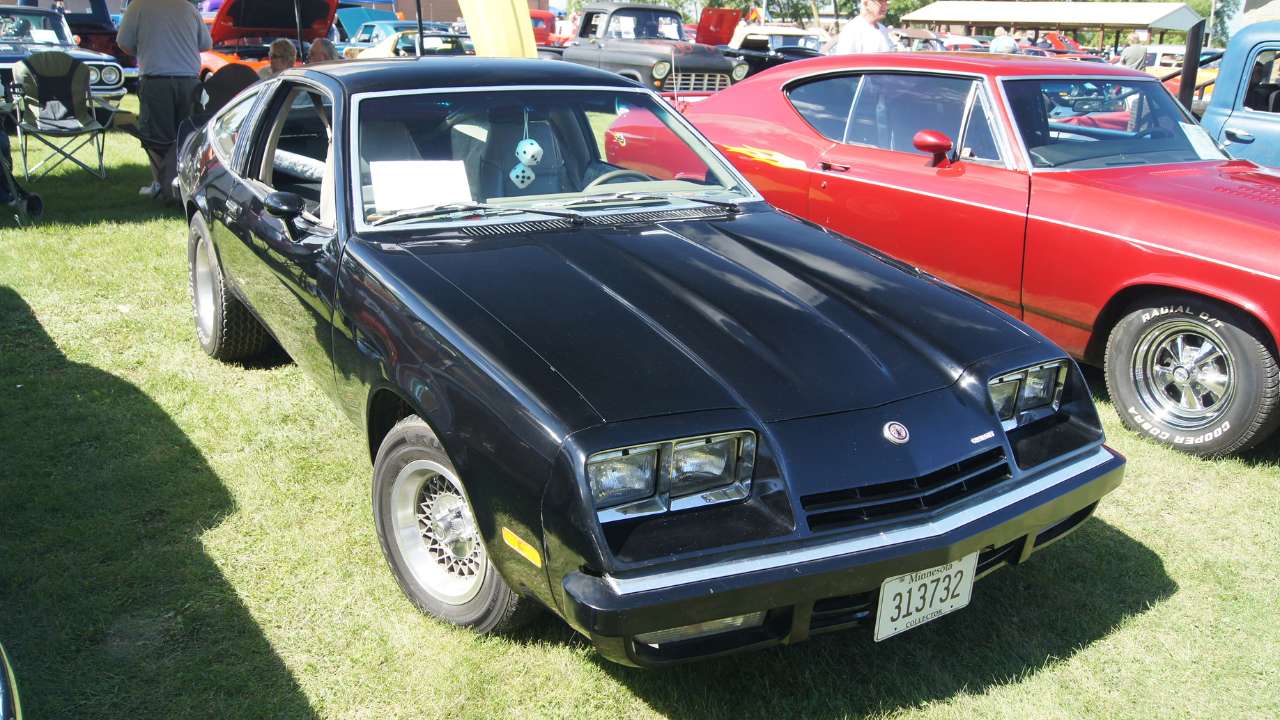
The Chevrolet Monza began as a stylish compact coupe and eventually offered a range of engines that gave it considerably more personality than its size suggested. Its sleek styling and connection to Chevrolet’s performance-oriented compact lineup have made surviving examples more interesting with age. Special versions are particularly sought after. A clean Monza now attracts attention that the car rarely received when it was new.
Buick Skyhawk
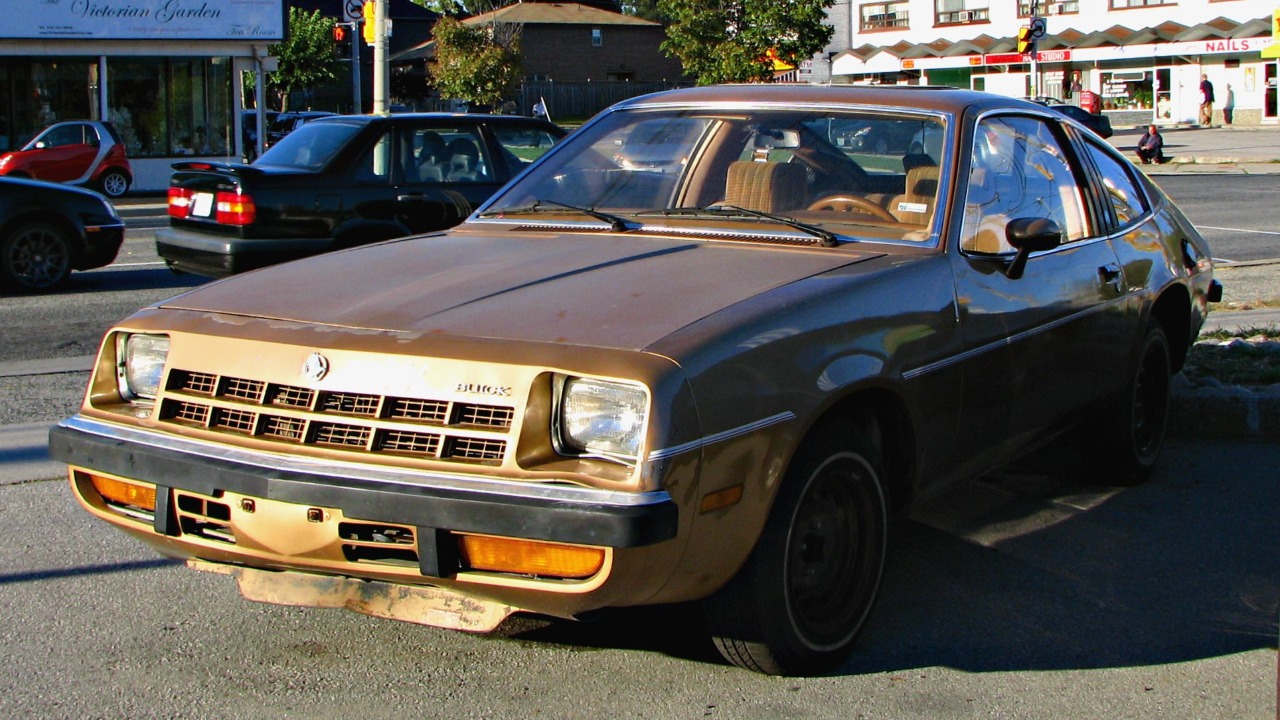
The Buick Skyhawk was an upscale compact that seemed destined to disappear into automotive history. Its small dimensions, sporty coupe body, and connection to GM’s H-body platform now make it an interesting period piece. Well-preserved examples are becoming unusual, particularly cars with original interiors and factory equipment. Its rarity has given the once-overlooked Buick a surprising place among emerging collectibles.
Oldsmobile Starfire

The Starfire name appeared on several generations of Oldsmobiles, but the early-1960s version is especially interesting to collectors. Its compact sporty proportions and distinctive styling gave Oldsmobile a more youthful image. It was never produced in the same numbers as the brand’s mainstream models, and many surviving cars have been modified or lost. Original examples now stand out at classic-car gatherings.
Pontiac Ventura
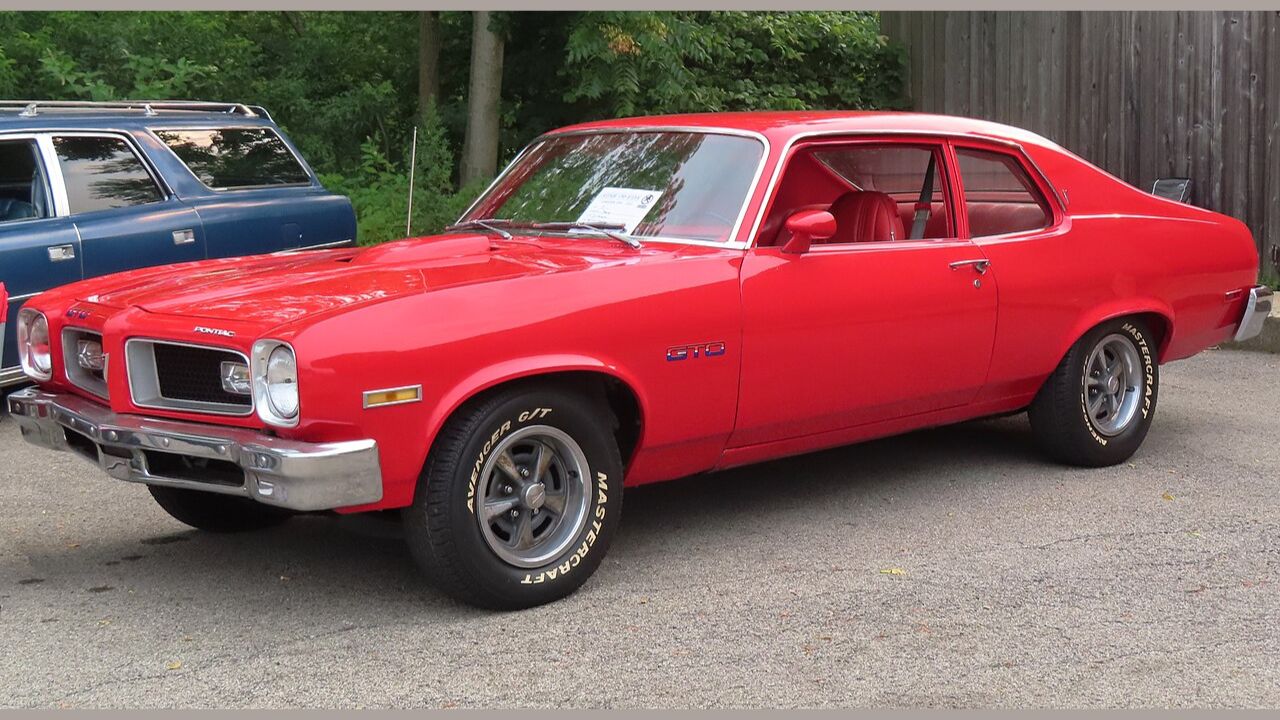
The Pontiac Ventura started as a stylish full-size model before later becoming part of Pontiac’s compact lineup. The smaller Ventura is particularly interesting because it could be equipped with performance-oriented engines while maintaining relatively understated styling. Its connection to Pontiac’s muscle-car era has helped its reputation grow. Clean examples are now much harder to find than the car’s once-common production numbers suggest.
Mercury Comet
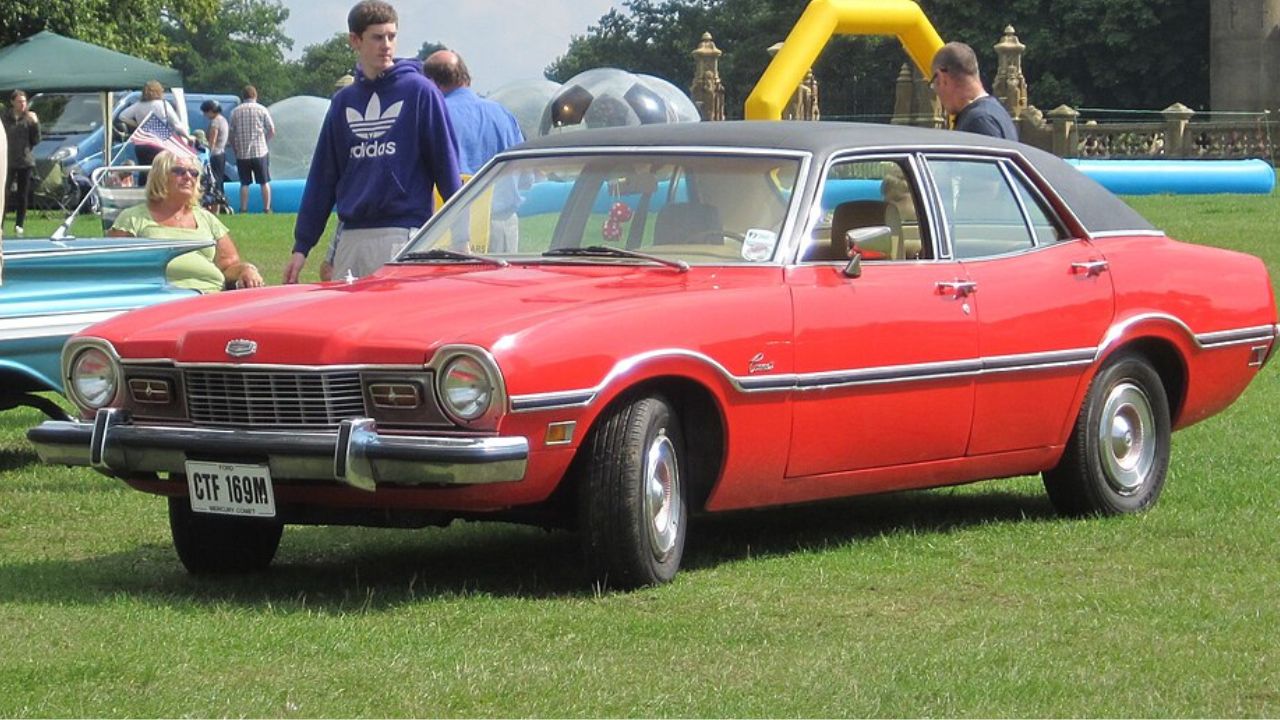
The Mercury Comet was one of Ford’s early compact offerings, positioned above the Falcon with more distinctive styling and equipment. Certain V8-powered versions gave it unexpected performance potential. Today, the Comet has become attractive to collectors looking for something different from the better-known Mustang. Early models in original condition are increasingly rare, especially as more have disappeared through decades of ordinary use.
Dodge Dart
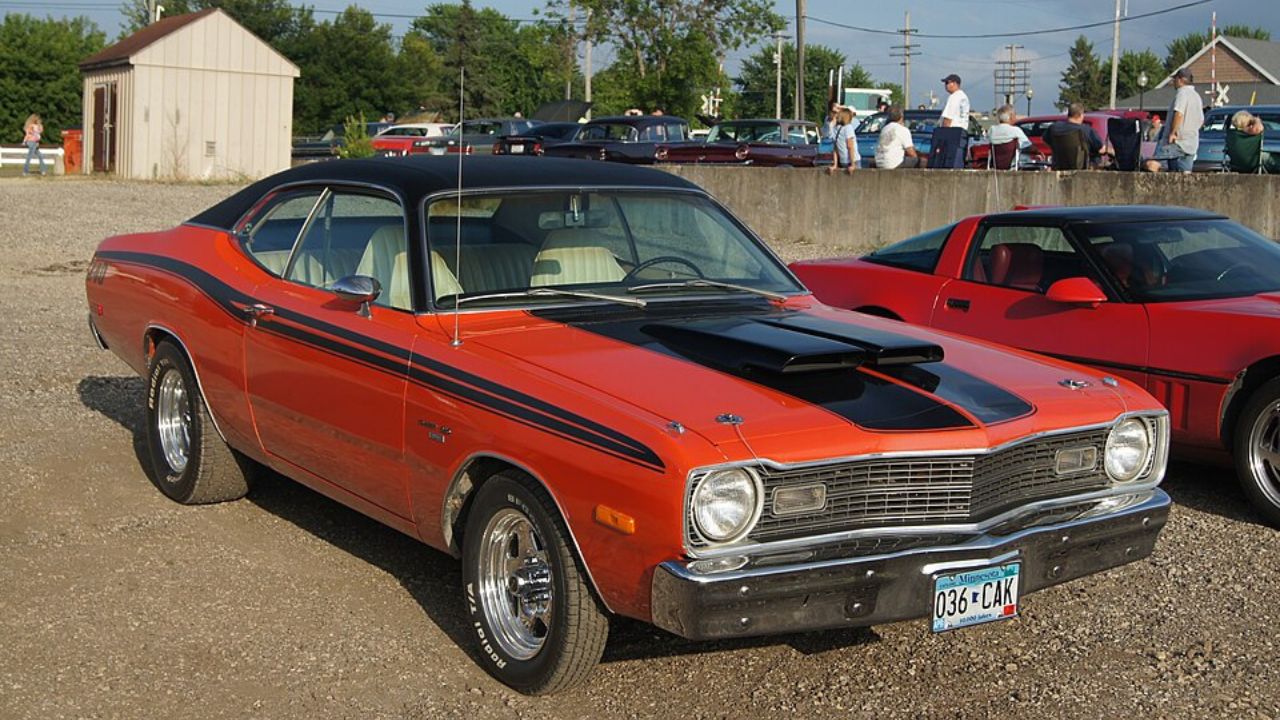
The Dodge Dart spent much of its life as affordable American transportation, but some versions became far more interesting with age. Sporty trims and available V8 engines gave certain Darts genuine performance credentials. Their relatively simple construction also makes them approachable classics. As clean examples become scarcer, the Dart has developed a stronger following among collectors who want a classic Dodge without paying the prices attached to the most famous muscle cars.
Mercury Cougar
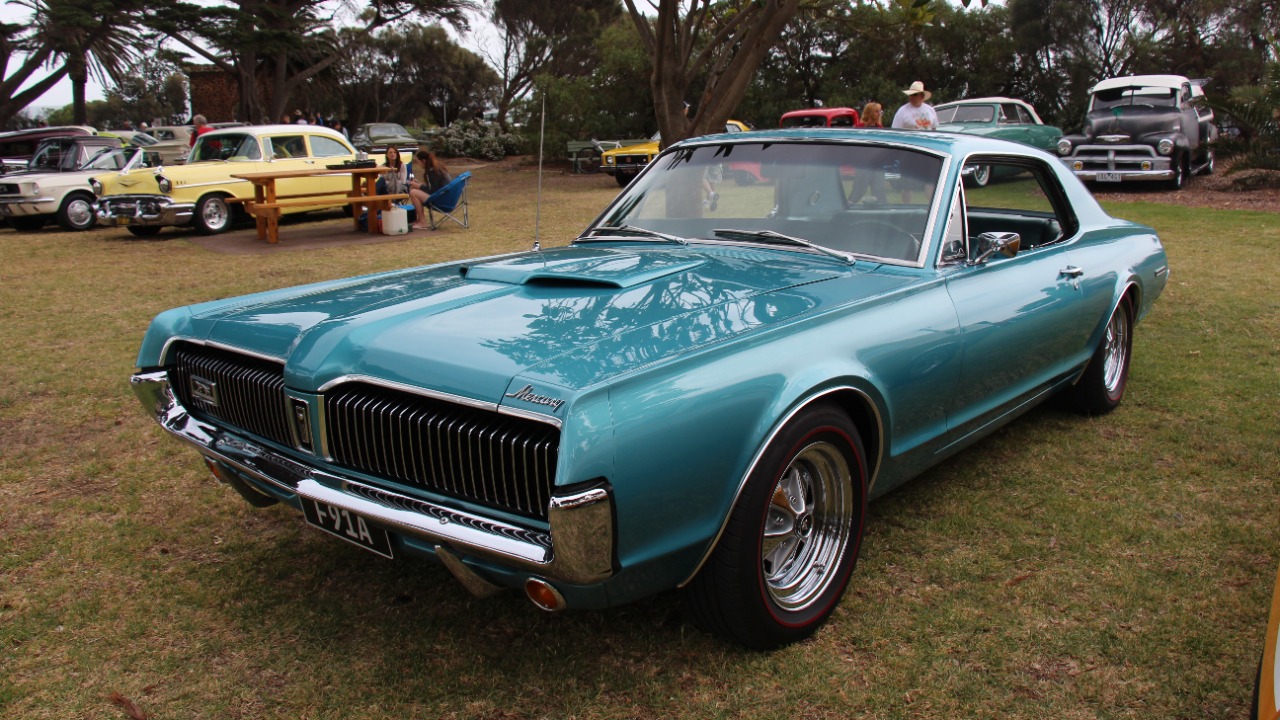
The Mercury Cougar was once viewed largely as a more refined alternative to the Mustang. Its hidden headlights, longer body, and upscale interior gave it a distinct personality. Performance versions added another layer of desirability. Today, early Cougars are increasingly appreciated for their styling and their place in the pony-car era. Well-preserved examples can now attract serious collector interest.
AMC Javelin
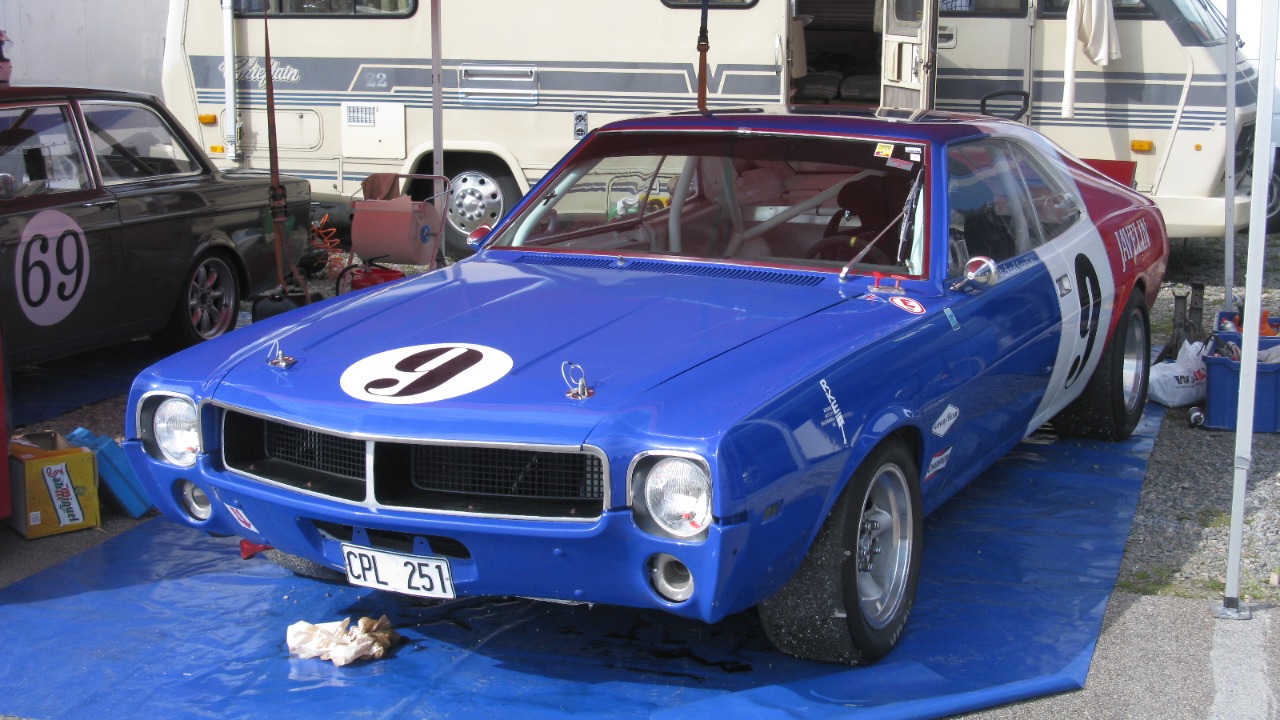
The Javelin was AMC’s answer to America’s growing pony-car market, but it never reached the production numbers of the Mustang or Camaro. That relative rarity has become an advantage for collectors. Its distinctive styling, available V8 engines, and connection to AMC’s racing efforts make it particularly interesting. A clean Javelin can now draw considerable attention precisely because it is not the usual muscle-car choice.
Toyota Celica

The early Toyota Celica helped establish Japanese sports coupes as serious alternatives to American offerings. Its compact dimensions, sharp styling, and reputation for reliability made it popular when new. Many were driven hard or modified, leaving fewer original examples today. Early Celicas have consequently become increasingly collectible, particularly cars that retain their original engines, interiors, wheels, and trim.
More from Fast Lane Only
- Unboxing the WWII Jeep in a Crate
- 15 rare Chevys collectors are quietly buying
- 10 underrated V8s still worth hunting down
- Police notice this before you even roll window down
*Research for this article included AI assistance, with all final content reviewed by human editors.