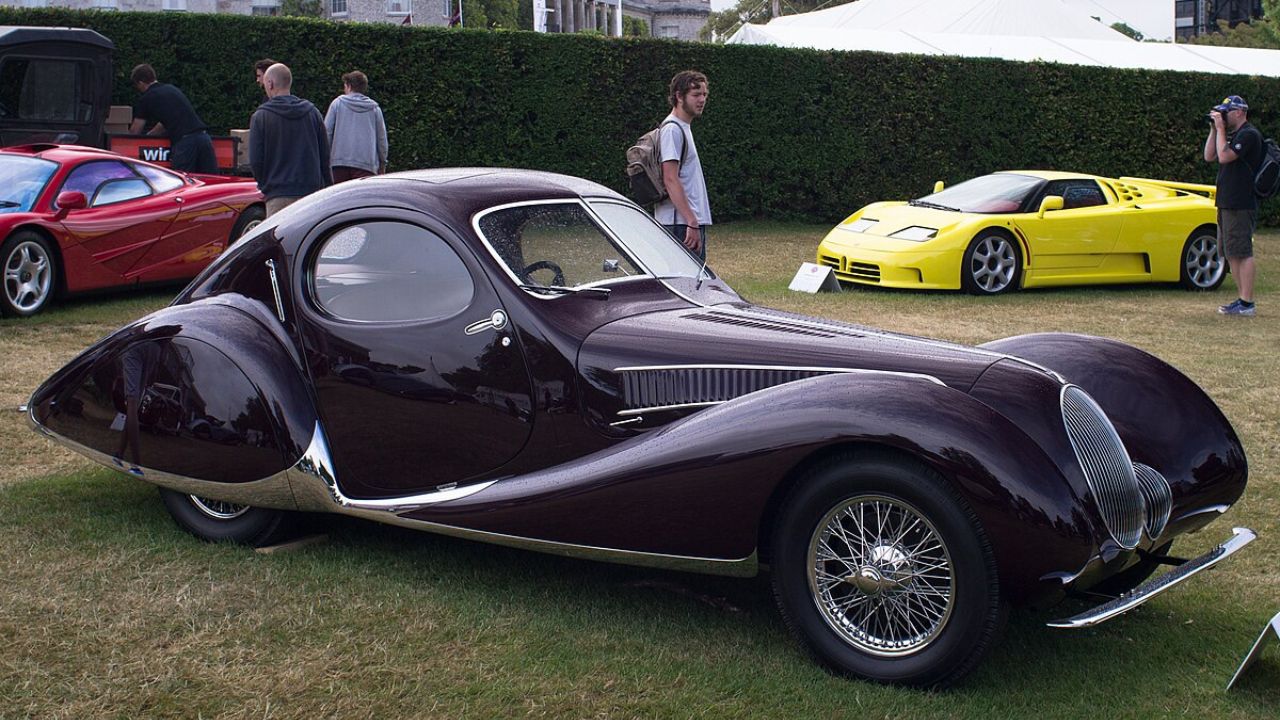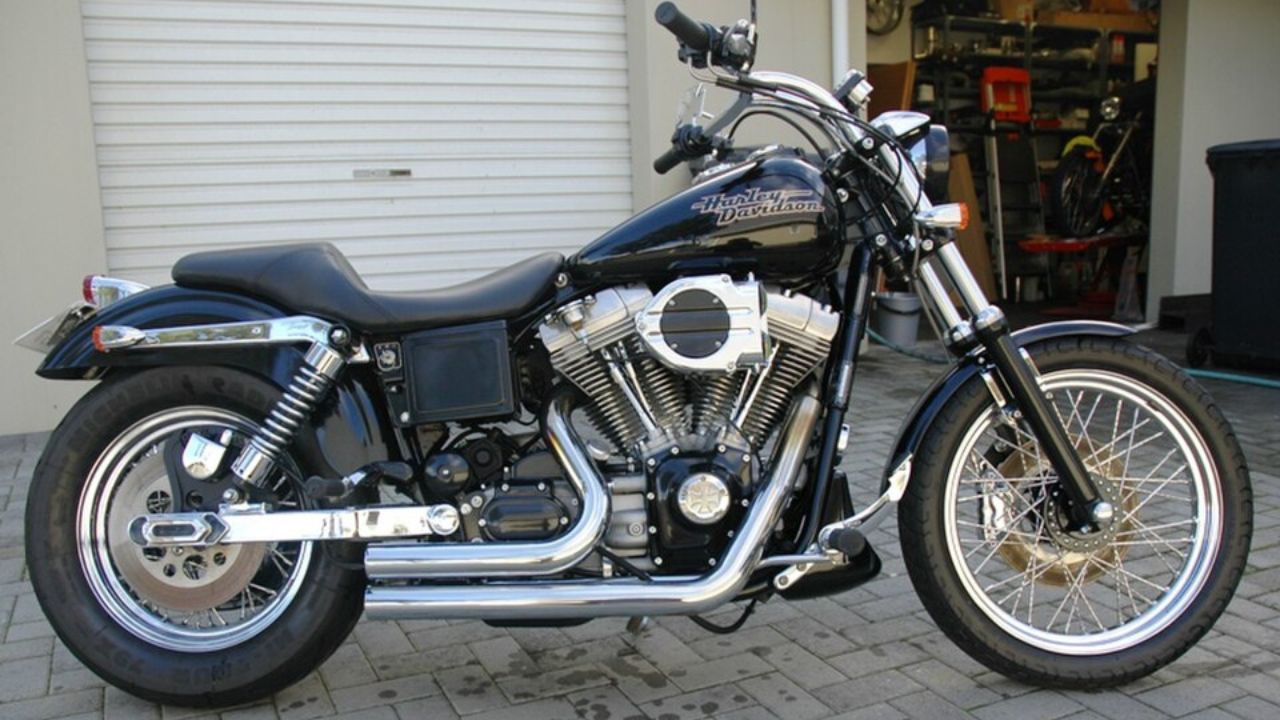
Few vehicles became as closely associated with freedom as the American motorcycle. From postwar cruisers to stripped-down customs and powerful touring machines, these bikes represented independence, open roads, and a distinctly American style of riding. Some became cultural icons, while others quietly built loyal followings. Together, they capture the motorcycles that helped define an unforgettable era.
Harley-Davidson Knucklehead
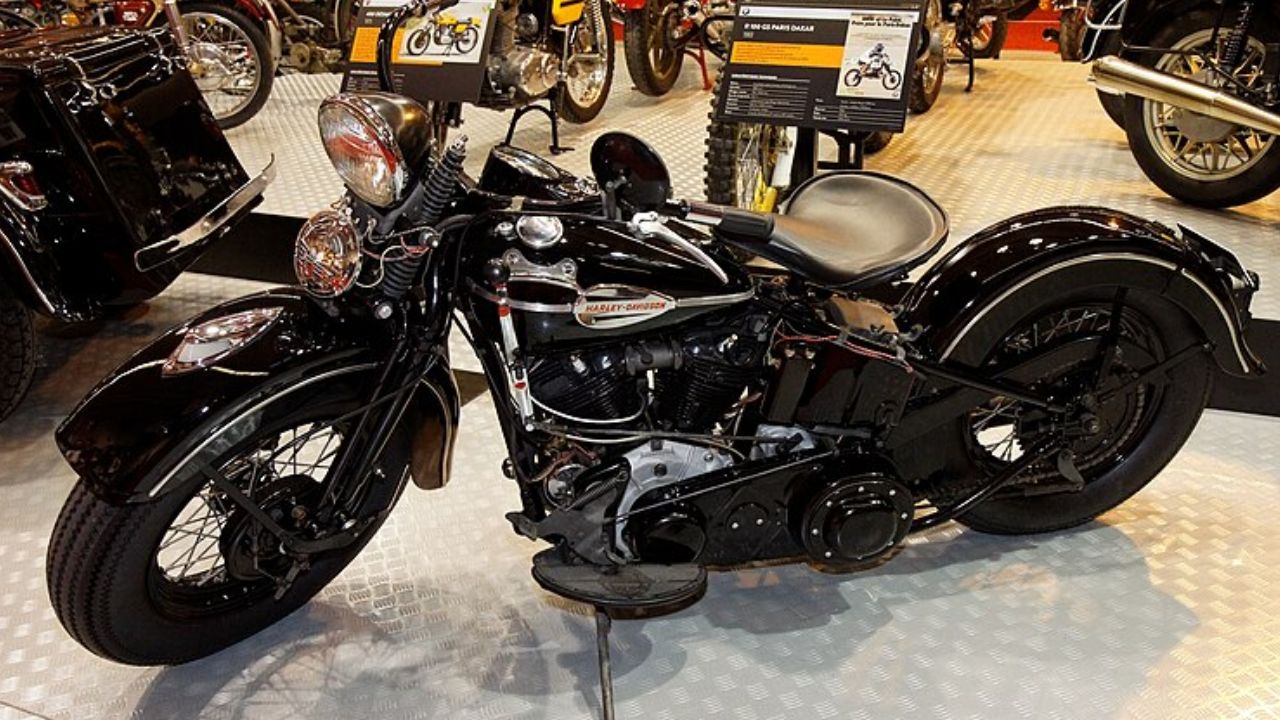
The Knucklehead helped establish Harley-Davidson as a major force in American motorcycling. Its overhead-valve V-twin represented an important step forward from earlier engine designs, while its distinctive rocker-box covers gave it an unforgettable appearance. Riders valued its combination of performance and character. Today, surviving Knuckleheads are highly prized because they represent an important turning point in Harley-Davidson history.
Harley-Davidson Panhead
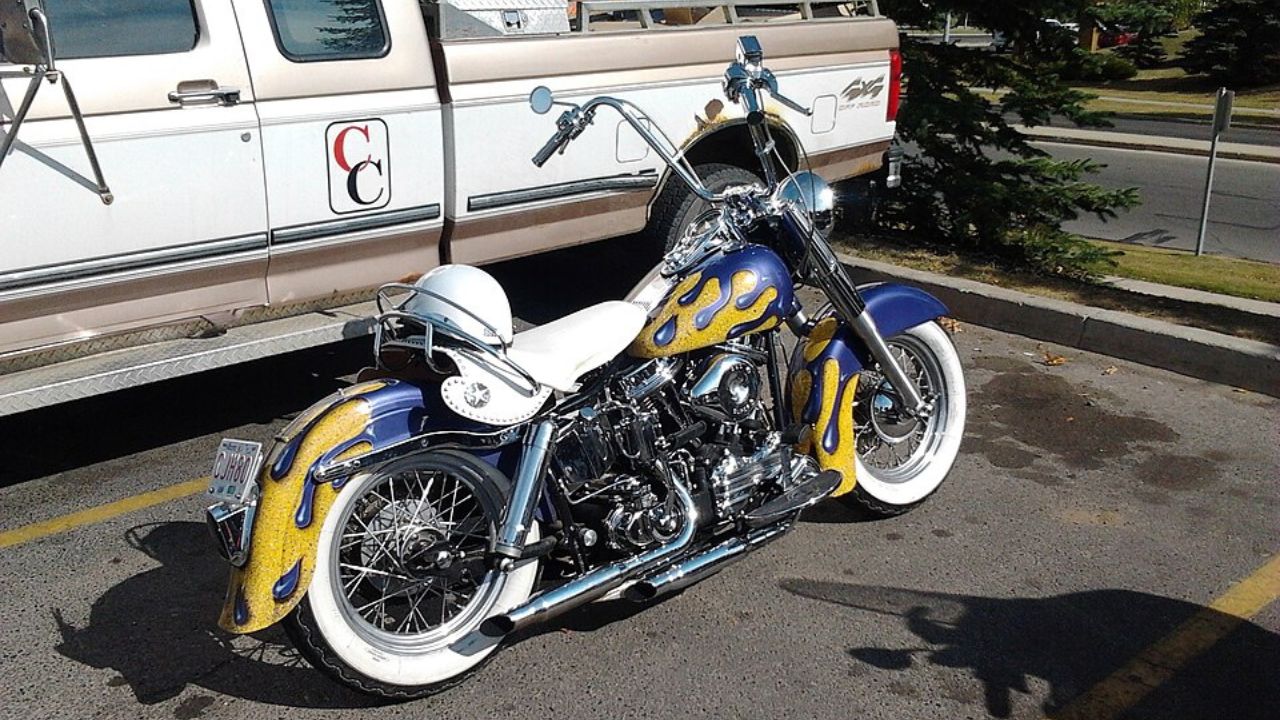
The Panhead became one of Harley-Davidson’s defining postwar motorcycles. Its revised V-twin engine offered improvements in performance and durability while retaining the relaxed character riders expected from the brand. The motorcycle became deeply connected with American cruising culture and remained in production for many years. Well-preserved examples now represent an important piece of the era when motorcycles became symbols of personal freedom.
Harley-Davidson Duo-Glide
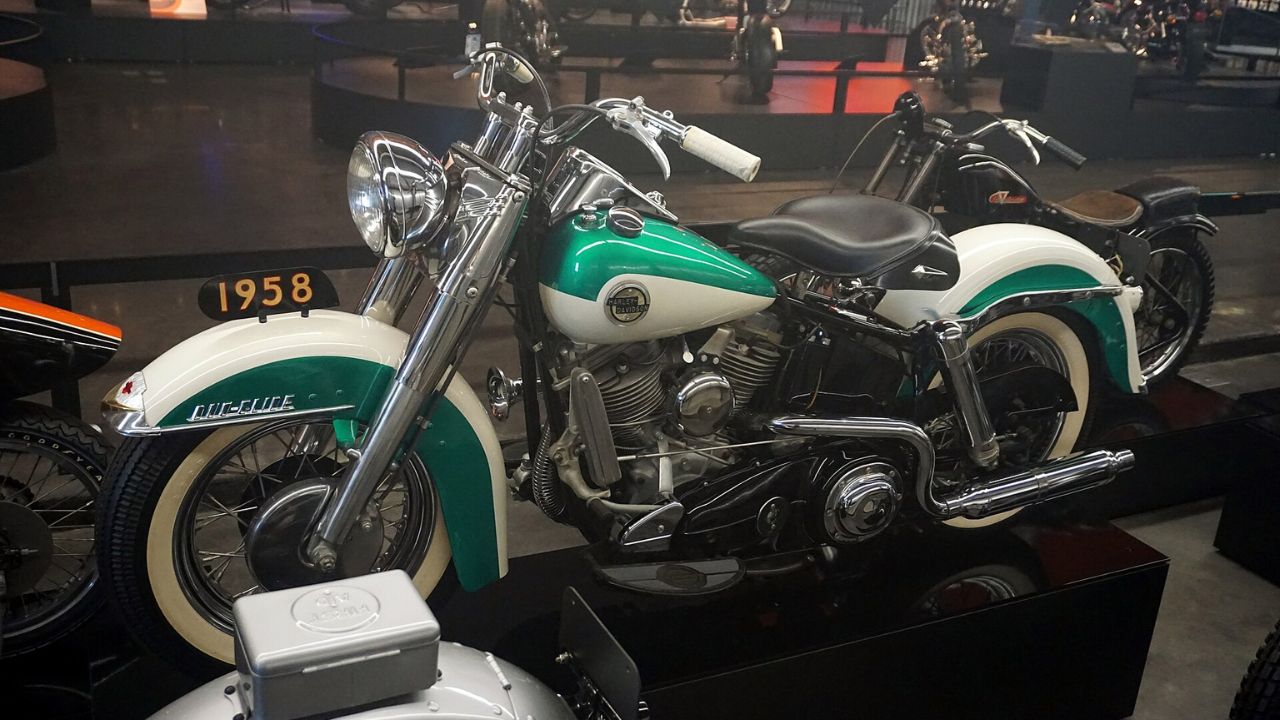
The Duo-Glide brought a more comfortable ride to Harley-Davidson’s traditional cruiser formula. Its rear suspension was a major change for riders accustomed to rigid-frame motorcycles, making long-distance travel considerably more appealing. The combination of V-twin power, classic styling, and improved comfort helped shape the American touring motorcycle. It remains an important link between early postwar Harleys and later touring machines.
Harley-Davidson Electra Glide
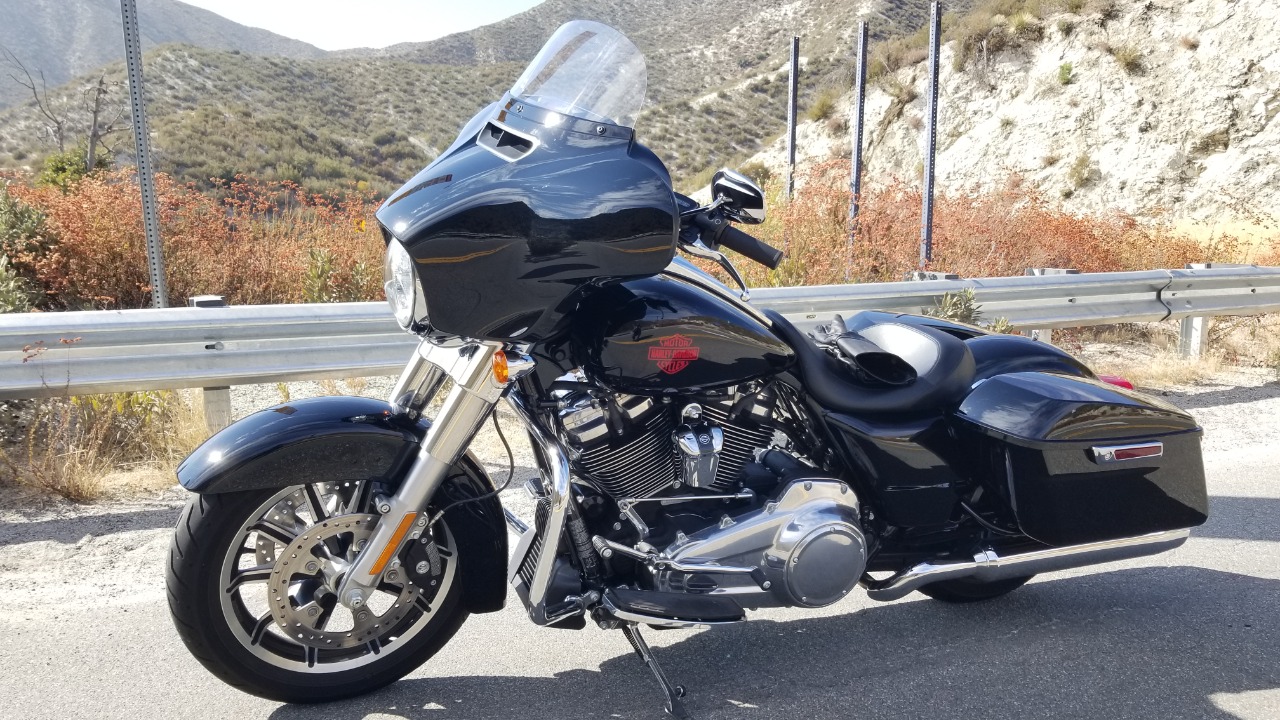
The Electra Glide introduced electric starting to Harley-Davidson’s large touring motorcycles, making the machine easier to use without sacrificing its traditional character. Its substantial size and long-distance capabilities helped establish the template for modern American touring bikes. The Electra Glide eventually became one of Harley-Davidson’s most recognizable names, representing the freedom associated with crossing long stretches of highway.
Harley-Davidson Sportster XLH
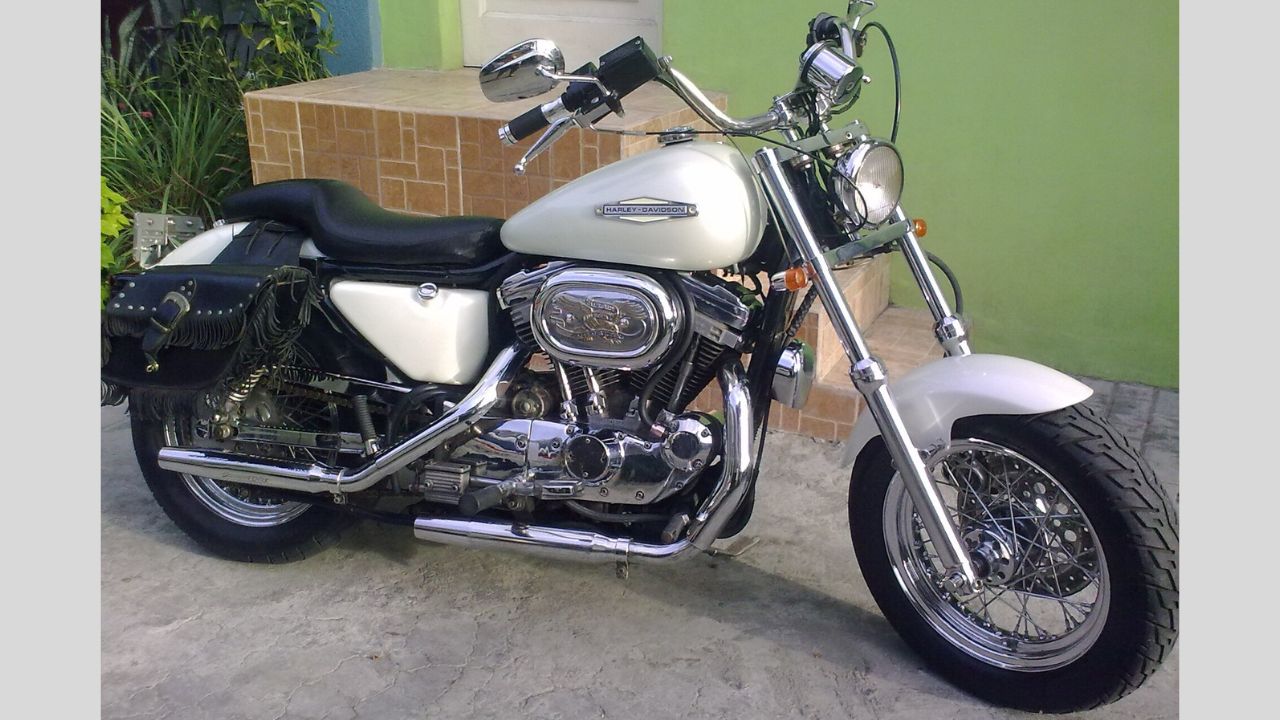
The Sportster brought a more compact and performance-oriented character to Harley-Davidson’s lineup. Its relatively light dimensions and responsive V-twin made it attractive to riders who wanted something more agile than a large touring motorcycle. The Sportster name survived for decades, becoming one of the company’s most enduring models. Its versatility allowed it to serve as both a factory motorcycle and a favorite platform for customization.
Harley-Davidson Super Glide

The Super Glide helped create the factory-custom motorcycle category. It combined elements from different Harley-Davidson models to produce a machine with a more stripped-down, personalized appearance. The approach reflected the growing influence of custom motorcycle culture while giving riders something they could buy directly from a dealer. It became an important step toward the factory customs that would dominate later cruiser culture.
Harley-Davidson FXR
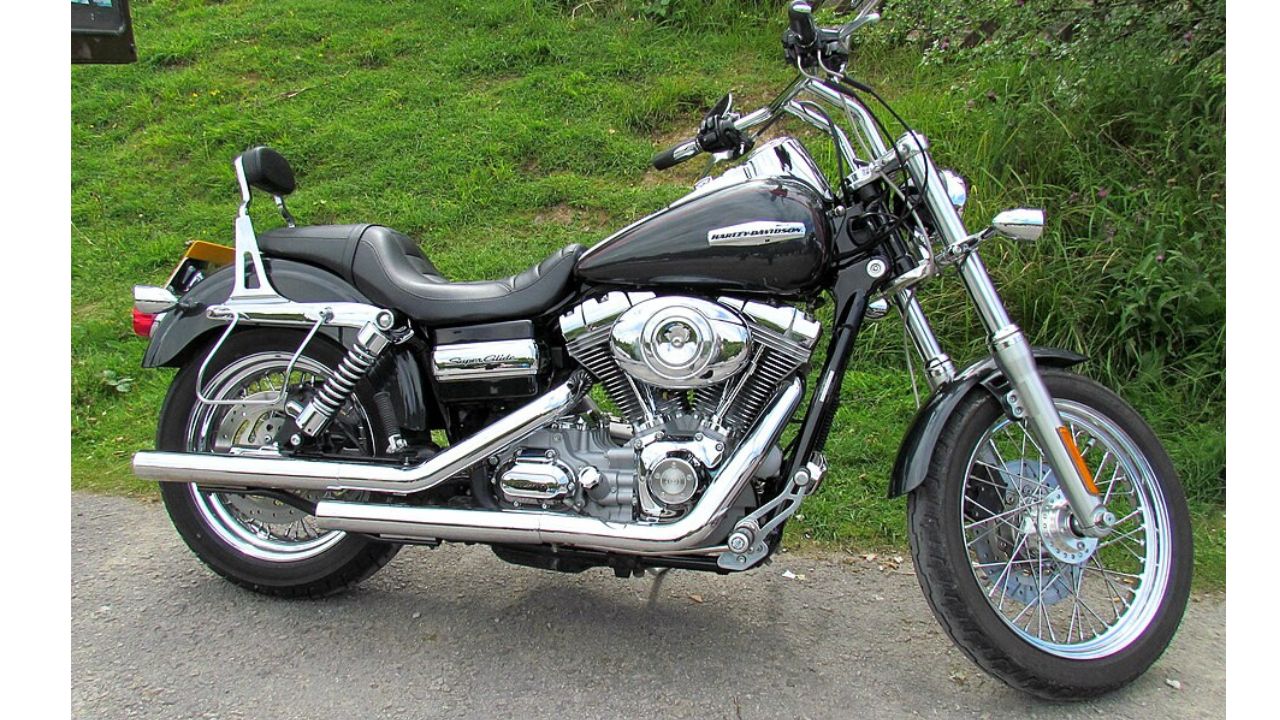
The FXR developed a reputation for combining Harley-Davidson’s traditional V-twin character with unusually capable handling. Its revised chassis design and improved engine mounting made it more stable and comfortable than many earlier large Harleys. Although it was not always appreciated immediately, enthusiasts eventually recognized its engineering strengths. Today, the FXR has a particularly devoted following among riders who value performance as much as style.
Harley-Davidson Low Rider
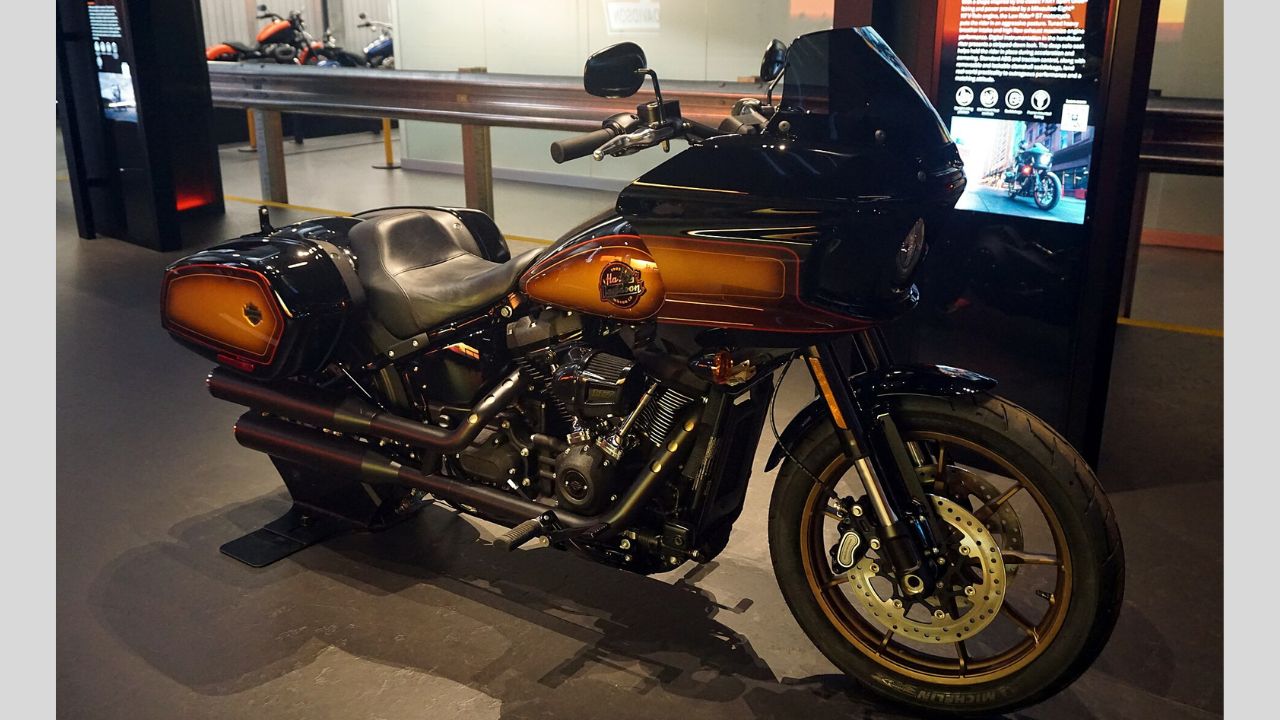
The Low Rider captured the stripped-down custom aesthetic in a factory motorcycle. Its lower stance, distinctive riding position, and muscular appearance gave it an instantly recognizable personality. It appealed to riders who wanted something more individualistic than a traditional touring bike. Over time, the Low Rider became one of Harley-Davidson’s most influential cruiser designs and helped shape the visual language of American motorcycles.
Harley-Davidson Fat Boy
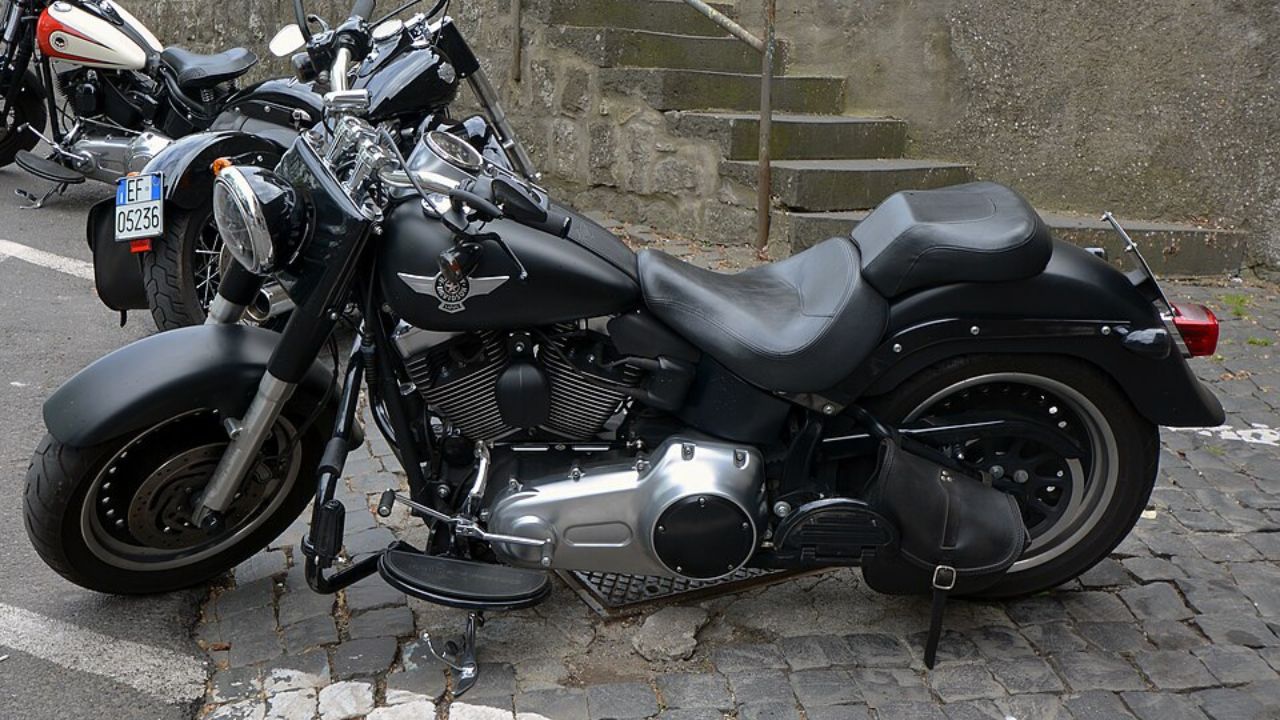
The Fat Boy became one of the most recognizable American motorcycles of the modern era. Its wide tires, solid wheels, substantial proportions, and muscular styling gave it an unmistakable presence. The model also gained enormous cultural exposure through movies and popular media. Its combination of traditional V-twin character and bold design helped define the heavyweight American cruiser for a new generation of riders.
Harley-Davidson Road King
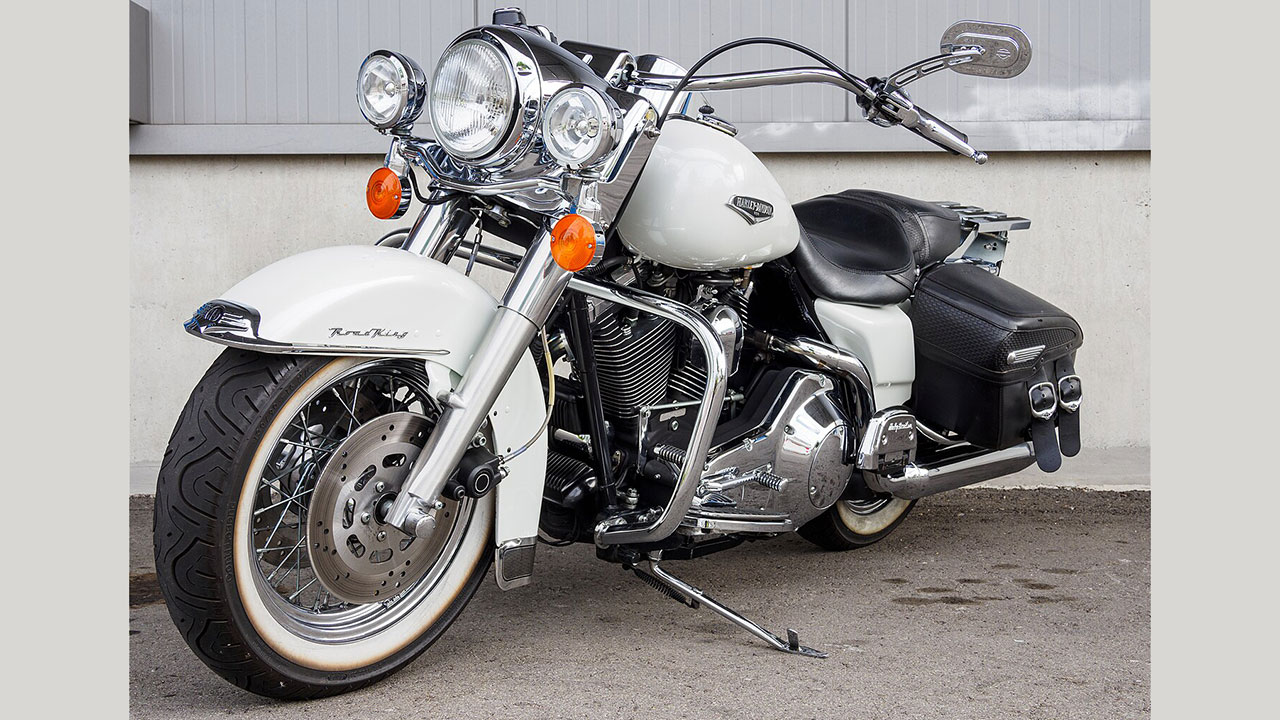
The Road King blended classic Harley-Davidson styling with the comfort and capability expected from a modern touring motorcycle. Its detachable windshield and hard luggage allowed riders to switch between relaxed cruising and long-distance travel. The model became popular because it did not look overly complicated. Its straightforward design captured the enduring appeal of the open road while providing the equipment needed for serious journeys.
Harley-Davidson Heritage Softail
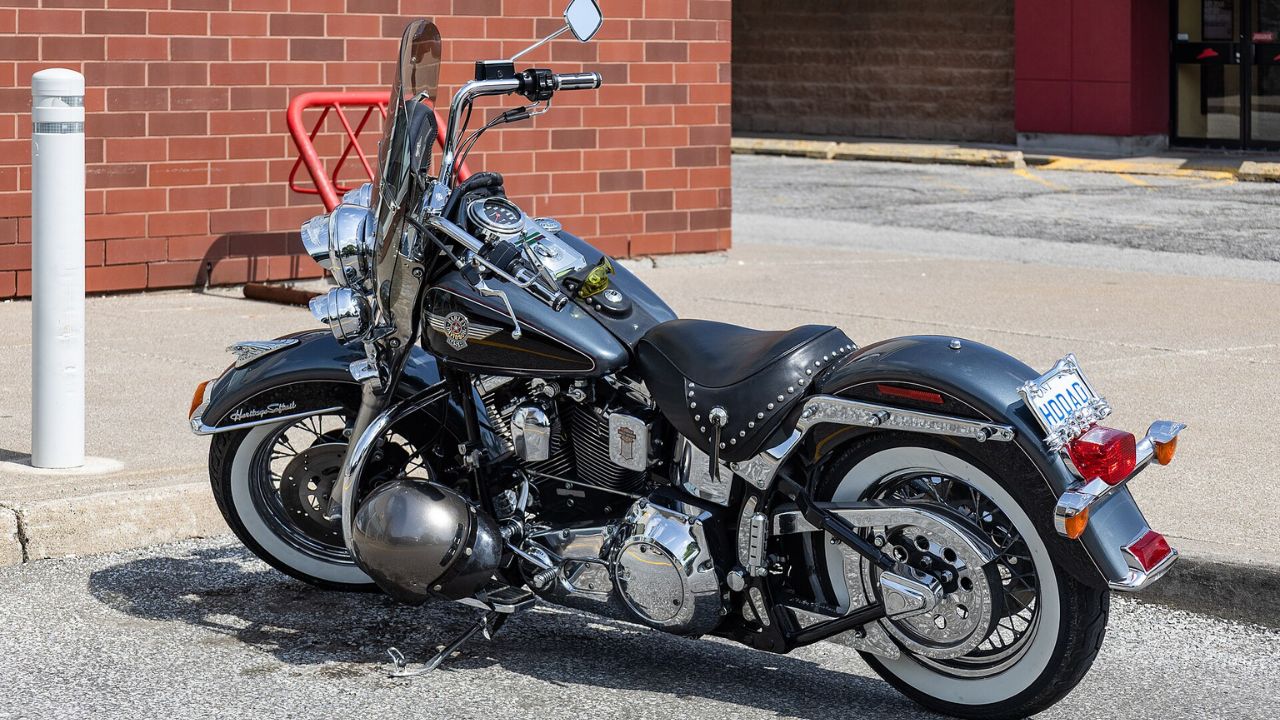
The Heritage Softail combined the appearance of an old-fashioned cruiser with modern mechanical features. Its large windshield, saddlebags, floorboards, and traditional styling gave it a strong connection to classic American touring motorcycles. At the same time, the Softail chassis offered a more contemporary riding experience. The result became a popular choice for riders who wanted nostalgia without giving up everyday usability.
Indian Chief
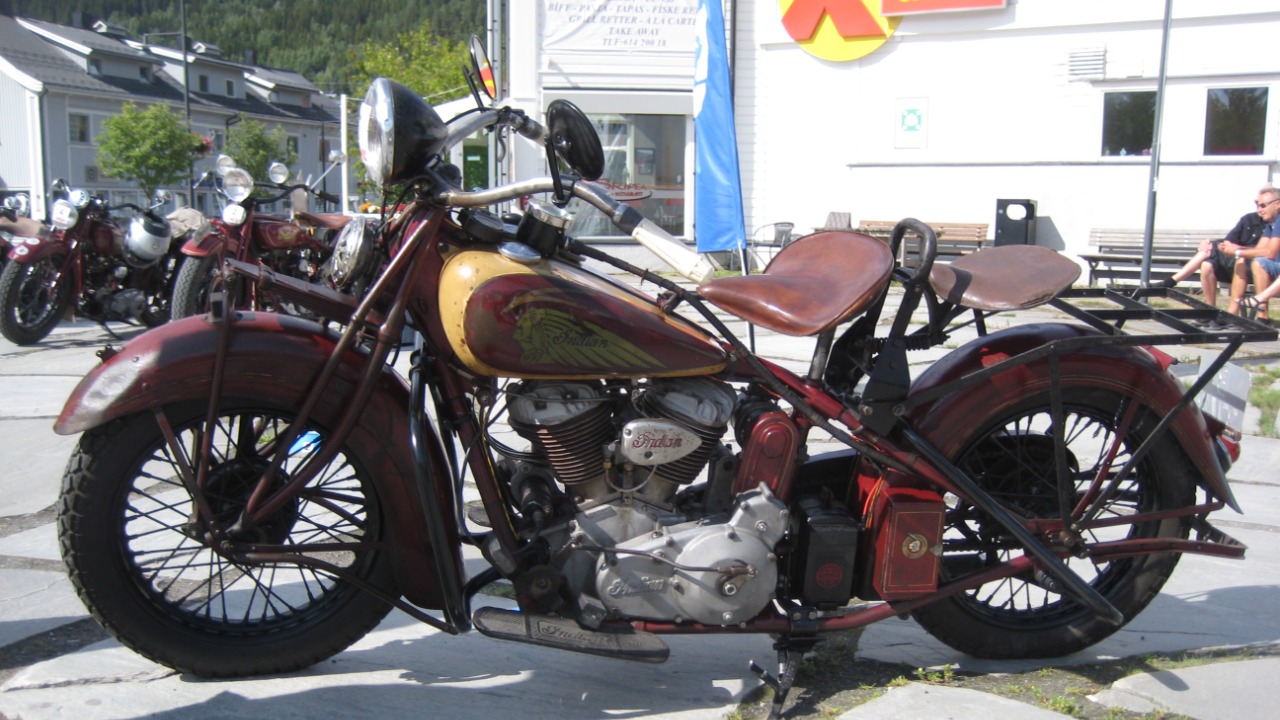
The Indian Chief was one of the great names of early American motorcycling. Its large V-twin, substantial proportions, and distinctive styling made it a serious rival to Harley-Davidson during the industry’s formative years. The Chief became closely associated with American motorcycle culture before the original Indian company disappeared. Surviving examples are now prized because they represent a major part of the country’s motorcycle heritage.
Indian Scout
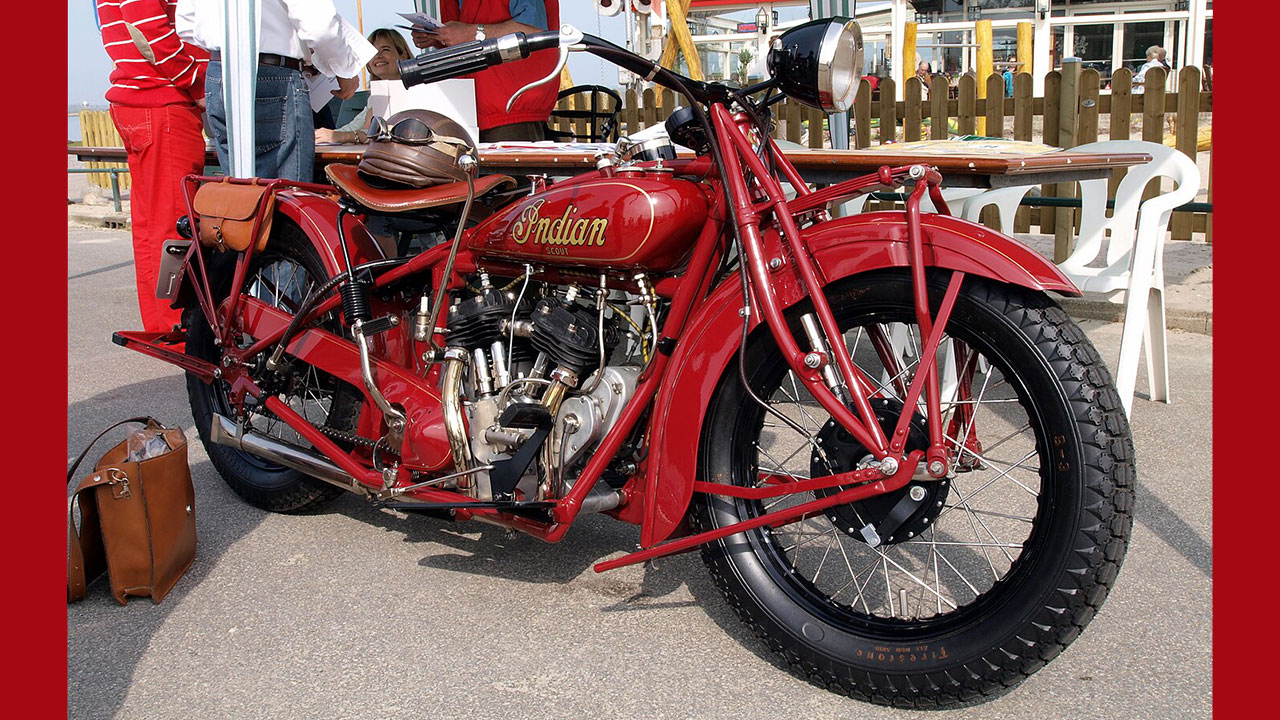
The Scout established a reputation for combining manageable size with strong performance. Its V-twin engine and relatively compact proportions made it appealing to riders who wanted something more versatile than a large touring motorcycle. The Scout also became important in racing and competition. Its combination of speed, practicality, and distinctive American engineering helped make it one of Indian’s most famous motorcycles.
Indian Four
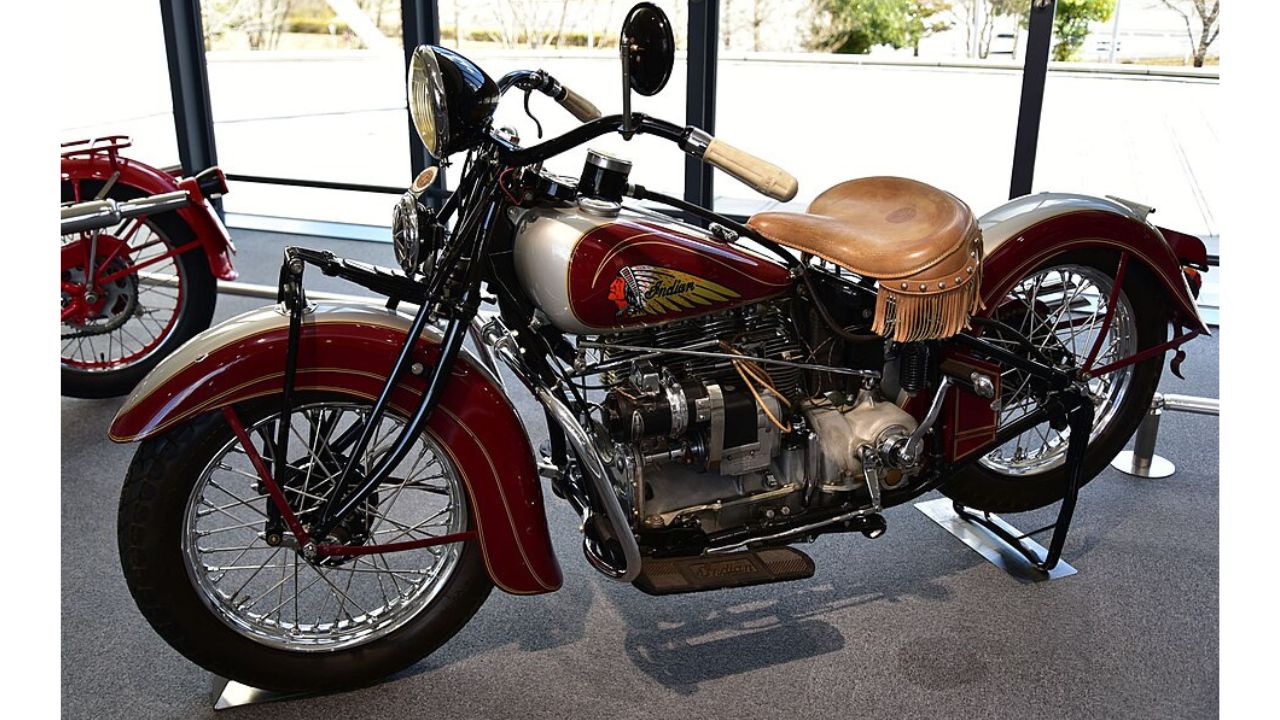
The Indian Four was one of America’s most unusual production motorcycles. Instead of using the V-twin layout that dominated American motorcycle design, it featured an inline-four engine. The smooth power delivery and distinctive configuration made it technically fascinating. Production numbers were never enormous, and surviving examples are extremely valuable today. The Four demonstrates how diverse American motorcycle engineering once was.
Excelsior Super X
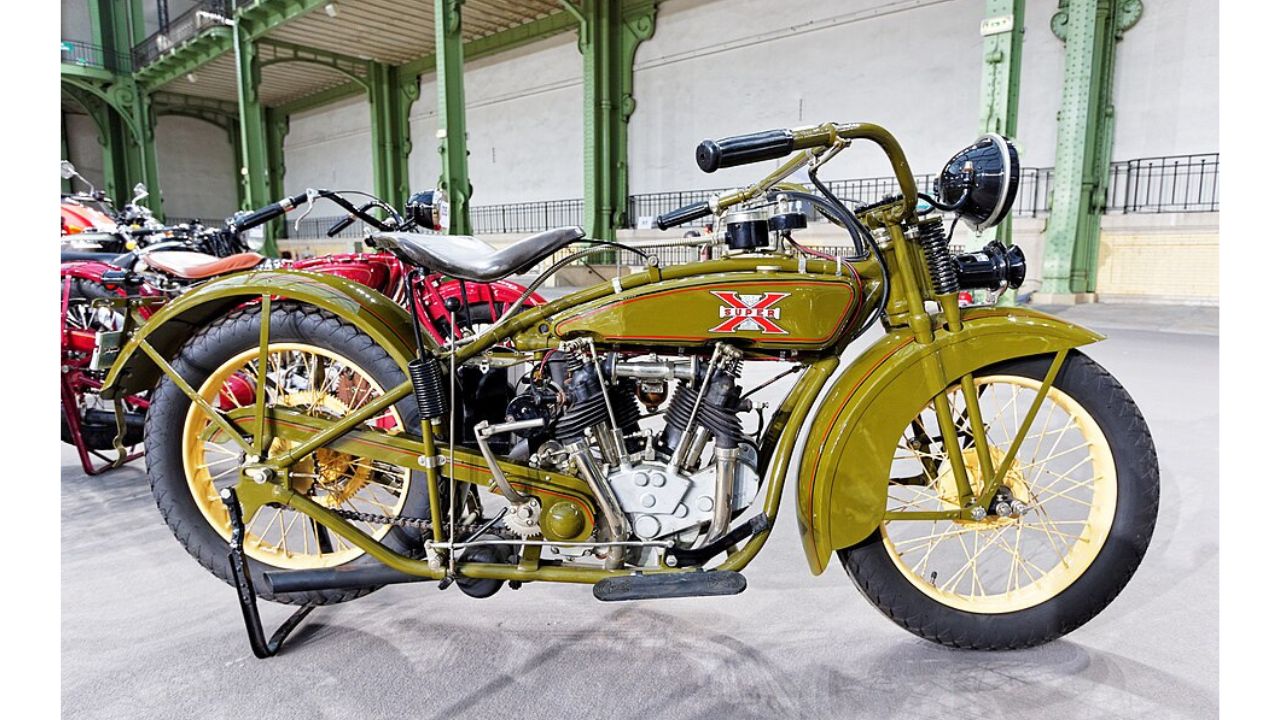
The Excelsior Super X was an important American alternative to Harley-Davidson and Indian. Its V-twin engine was designed to compete in a rapidly developing motorcycle market, while the company experimented with layouts and engineering details that separated its products from competitors. Excelsior’s motorcycle business did not survive the economic challenges of the era, making surviving Super X examples especially significant to collectors.
Henderson KJ
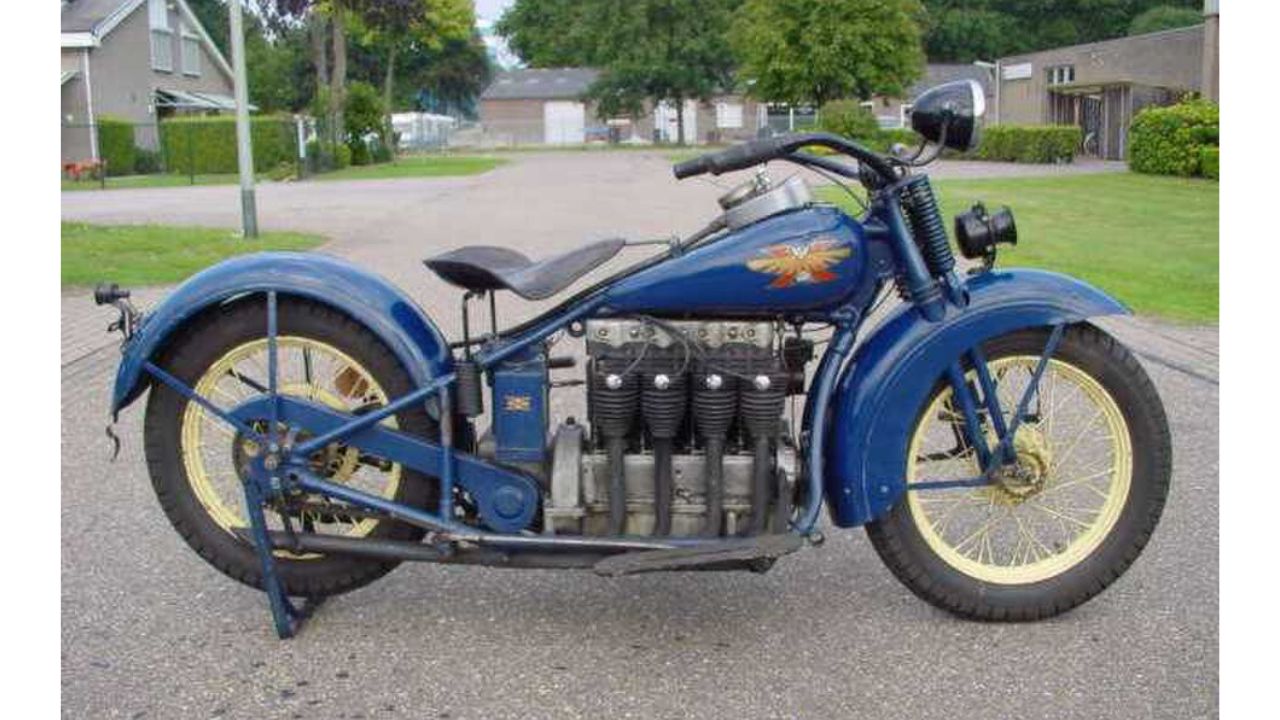
The Henderson KJ represented the sophisticated side of American motorcycle engineering during the 1930s. Its inline-four engine offered smooth power and impressive performance for its time, while the motorcycle’s substantial construction made it suitable for long-distance riding. Henderson eventually disappeared from the market, but its motorcycles remained highly respected. The KJ is now a fascinating reminder of how advanced some American bikes were before World War II.
Harley-Davidson Servi-Car
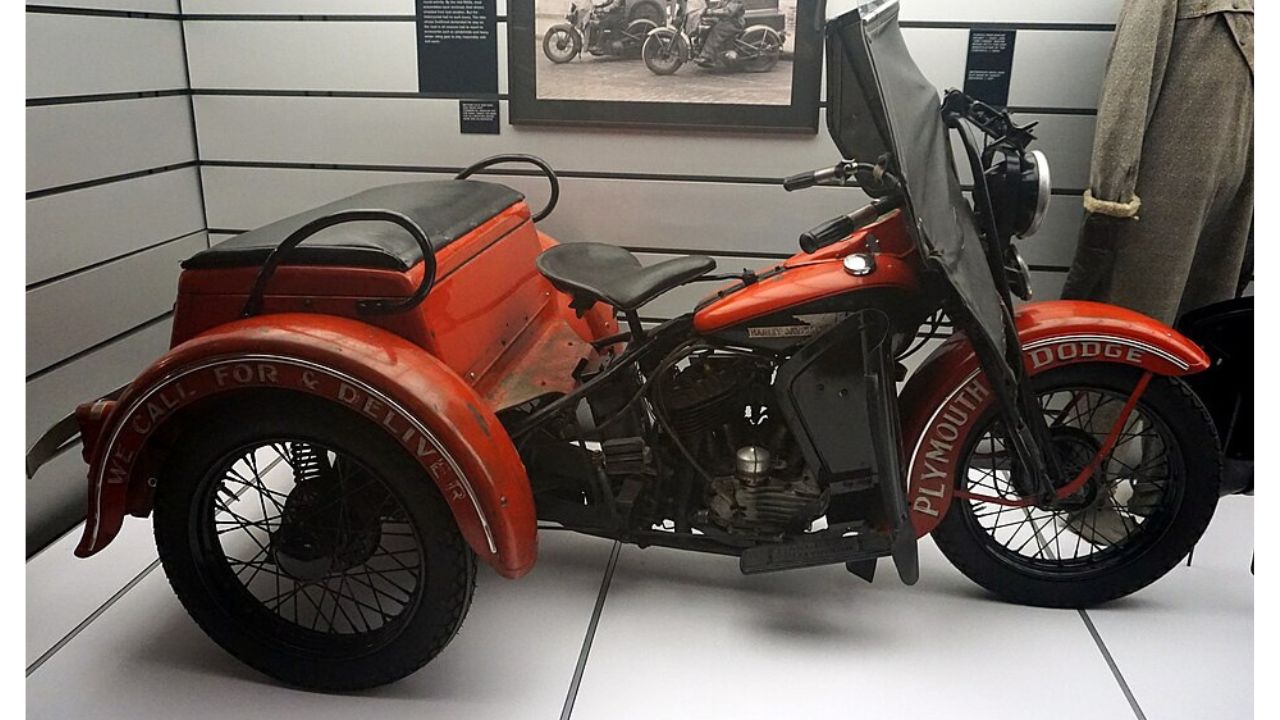
The Servi-Car was very different from Harley-Davidson’s traditional motorcycles. Its three-wheel configuration made it useful for police departments, service businesses, and other commercial applications. Although it was designed primarily as a practical work vehicle, it became an unusual part of American motorcycle history. Its long production run and distinctive appearance have made surviving examples especially interesting to collectors.
Harley-Davidson XR-750
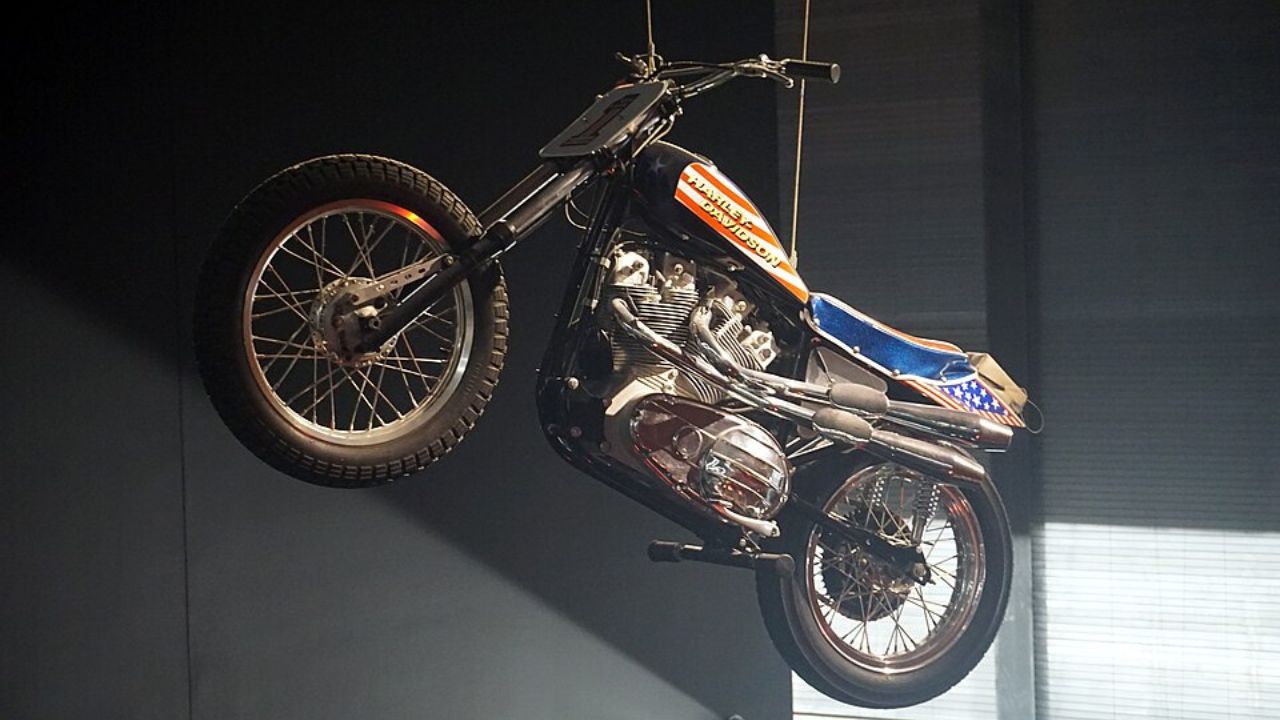
The XR-750 became legendary through American flat-track racing. Its racing-focused design and competitive success turned it into one of the most respected American competition motorcycles ever built. Although it was not a conventional road bike, its influence extended far beyond the racetrack. The XR-750 helped reinforce the connection between American motorcycles, competition, speed, and the independent spirit of racing culture.
Buell Lightning
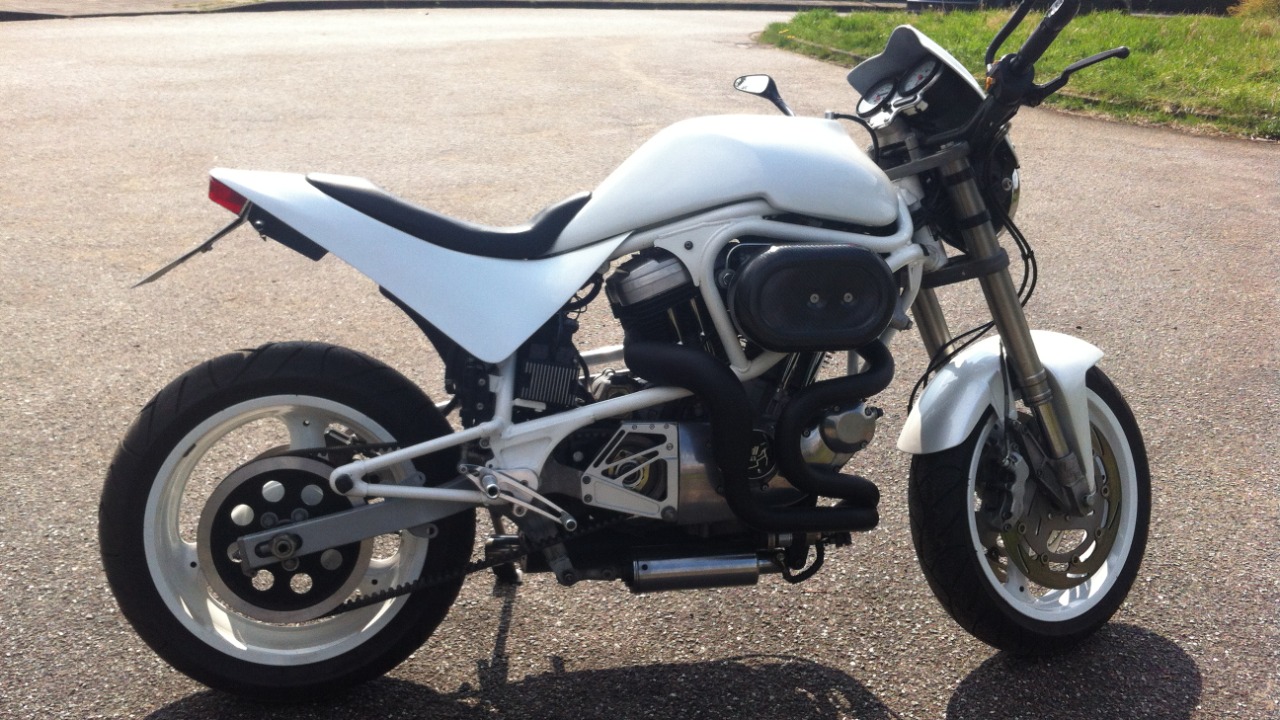
The Buell Lightning represented a very different interpretation of American motorcycling. Rather than following the traditional heavyweight cruiser formula, it focused on compact dimensions, aggressive handling, and sport-bike performance. Its engineering reflected Erik Buell’s emphasis on chassis design and practical performance. The Lightning demonstrated that American motorcycle companies could build machines aimed at riders who valued corners and acceleration as much as cruising.
More from Fast Lane Only
- Unboxing the WWII Jeep in a Crate
- 15 rare Chevys collectors are quietly buying
- 10 underrated V8s still worth hunting down
- Police notice this before you even roll window down
*Research for this article included AI assistance, with all final content reviewed by human editors.