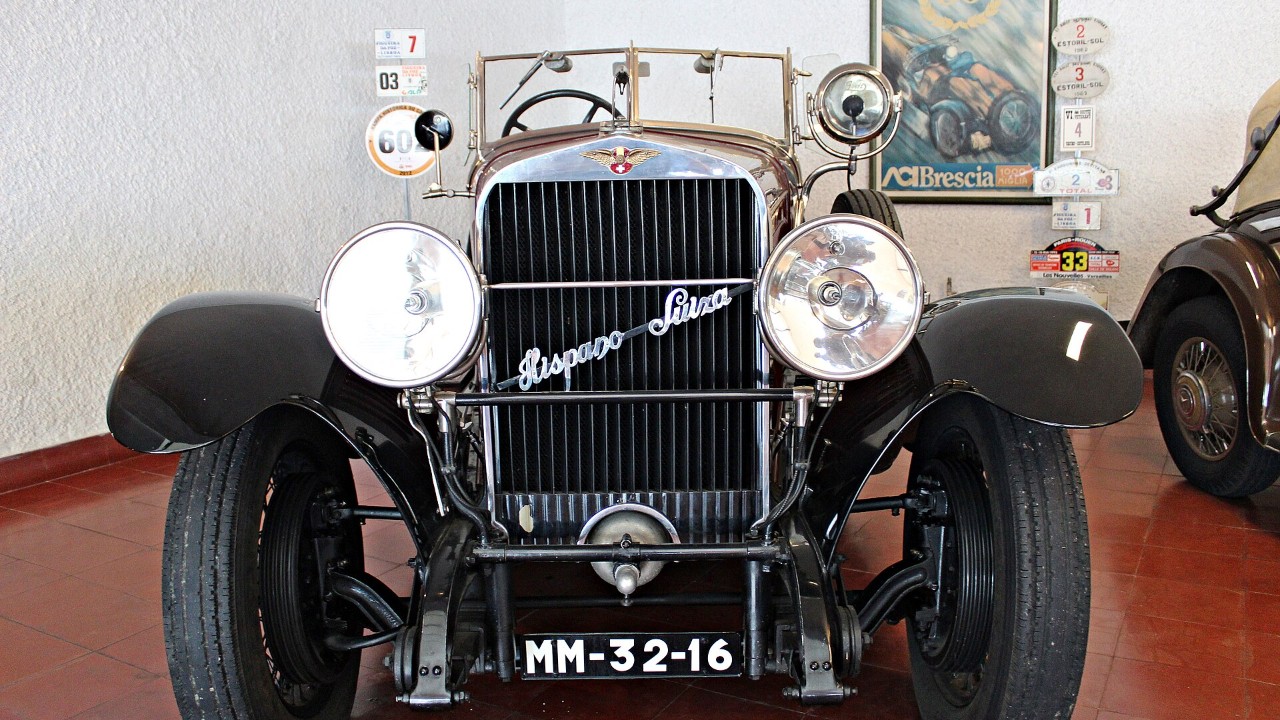
Some classic convertibles become more valuable with age, but money is not always the reason owners hold onto them. These cars offer something modern vehicles rarely can: an open-air driving experience combined with unmistakable styling and plenty of character. From American cruisers to European roadsters, these are the classics that tend to become keepers once they find the right home.
Chevrolet Bel Air Convertible
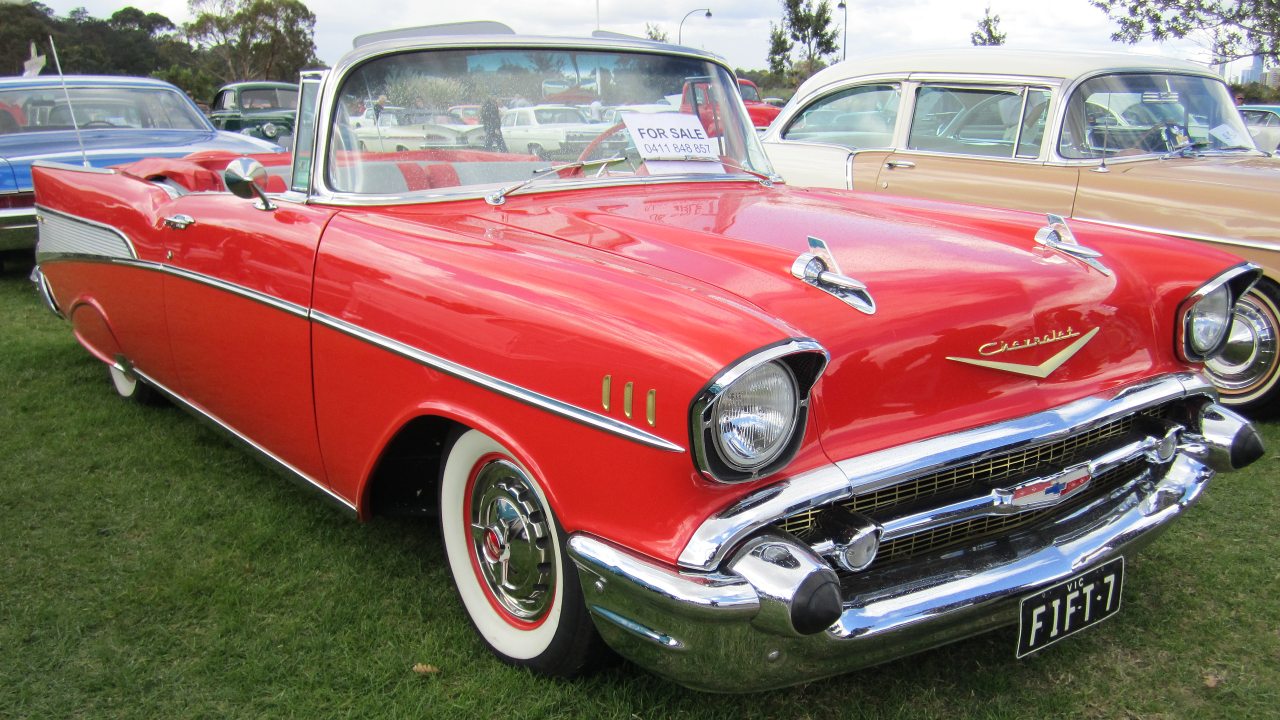
The Chevrolet Bel Air Convertible has nearly everything collectors want from a classic American car. Its generous chrome, sweeping body lines, and unmistakable grille give it a presence that still works decades later. The convertible body makes it even more desirable because it combines the familiar Bel Air shape with an open cabin. Owners who restore one properly often have little reason to let it go. It is recognizable, easy to appreciate, and deeply connected with the golden age of American car design.
Ford Thunderbird

The Ford Thunderbird established itself as a stylish American personal car rather than simply another sports car. Early convertibles are particularly appealing because their compact proportions and clean lines remain attractive without looking overly decorated. Later generations became larger and more luxurious, giving buyers a different kind of open-air experience. A Thunderbird can also be relatively easy for enthusiasts to recognize, maintain, and enjoy. Once an owner becomes attached to its combination of comfort and character, selling can be difficult.
Pontiac GTO Convertible

The Pontiac GTO already carries considerable muscle-car appeal, but the convertible version adds another layer of desirability. Owners get the rumble and attitude of a classic V8 performance car while being able to enjoy the open air. The combination of Pontiac styling, rear-wheel drive, and available big engines makes these cars particularly memorable. Clean examples have become increasingly difficult to replace, so owners who find one often keep it for years rather than risk trying to find another.
Ford Mustang Convertible

The Mustang convertible remains one of the easiest classic American cars to appreciate. Its long hood, short rear deck, and simple proportions established a formula that still looks right today. Convertibles add an especially appealing dimension to the experience, turning an already recognizable classic into a relaxed cruiser. Parts support and widespread mechanical knowledge also make ownership less intimidating than with many rarer cars. For many enthusiasts, a Mustang convertible is simply the kind of car that becomes part of the family.
Chevrolet Corvette Convertible
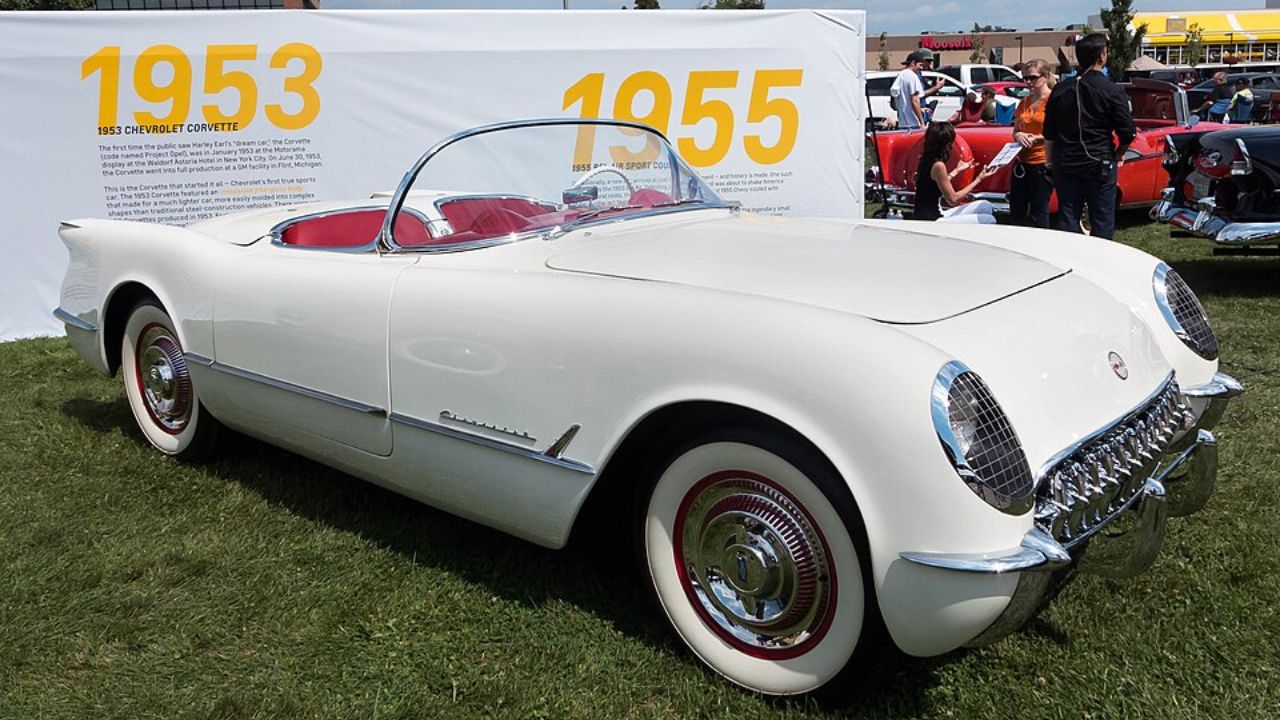
The Chevrolet Corvette has always been about more than straight-line performance, and the convertible body makes its sports-car character even more apparent. Classic generations combine low proportions, distinctive fiberglass bodies, and Chevrolet V8 power. The Corvette also benefits from enormous enthusiast support, making restoration and maintenance more approachable than its exotic appearance might suggest. Owners can enjoy a genuine American sports car without the same parts headaches associated with many European classics. That combination makes a good Corvette convertible especially hard to replace.
Buick Skylark Convertible
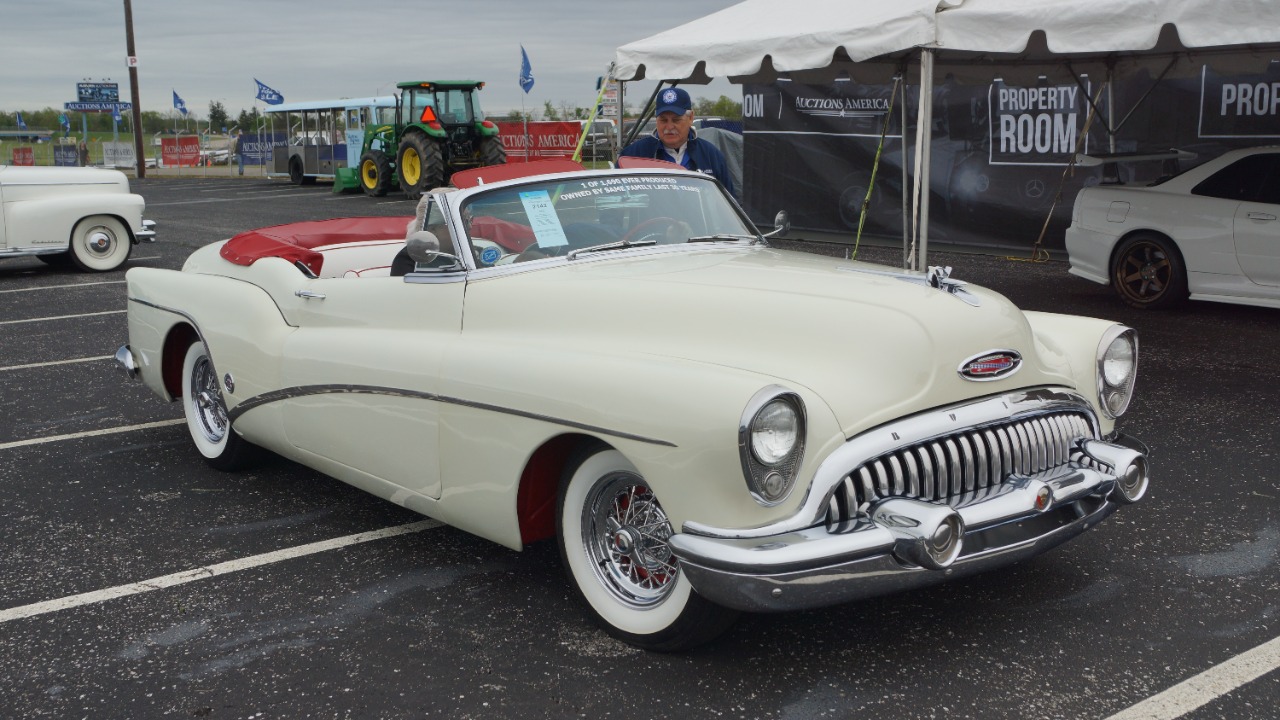
The Buick Skylark Convertible offers a different interpretation of the classic American cruiser. It combines attractive proportions with the smooth character expected from Buick, while certain versions also offered substantial V8 power. The convertible roof gives the car an easygoing personality that suits relaxed weekend driving. Skylarks are also less predictable than the most famous muscle cars, which can make ownership feel more personal. Once someone finds a clean example with the right colors and equipment, letting it go can be surprisingly difficult.
Oldsmobile Cutlass Supreme Convertible

The Oldsmobile Cutlass Supreme Convertible blends traditional American styling with a more manageable midsize footprint. Its long hood, formal grille, and comfortable interior give it plenty of personality, while the open roof changes the entire character of the car. Some versions also offered strong V8 performance, making them enjoyable without being as intimidating as larger muscle cars. Because clean convertibles are harder to find than ordinary hardtops, owners who already have one often have little interest in selling.
Mercury Cougar Convertible
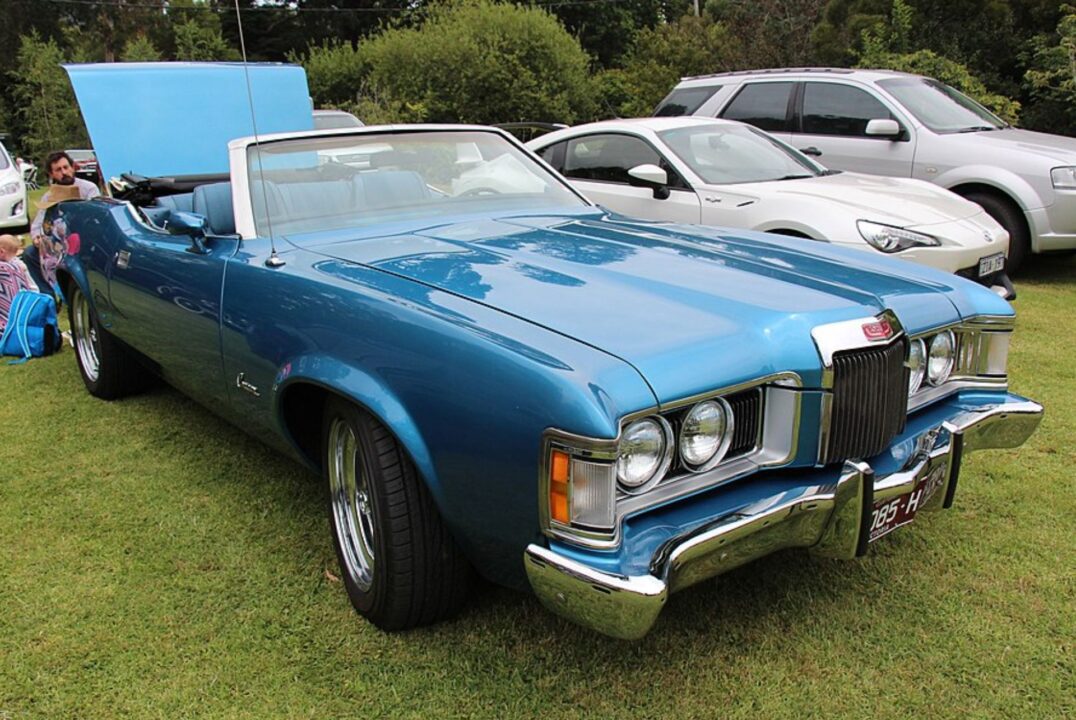
The Mercury Cougar brought a more refined personality to the pony-car formula, and the convertible version makes that distinction even clearer. Its hidden headlights on early models, sculpted bodywork, and upscale details give it a distinctive appearance. It can deliver much of the excitement associated with the Mustang while feeling somewhat less common at local car shows. That rarity is part of the appeal. Owners often enjoy having a classic that people recognize but do not see on every corner.
Chevrolet Camaro Convertible

The Chevrolet Camaro convertible offers classic muscle-car proportions with the added appeal of open-air driving. Long hoods, short rear decks, and aggressive front-end designs have kept several Camaro generations visually relevant. Chevrolet also built the model around familiar rear-wheel-drive mechanicals and V8 power, giving enthusiasts plenty of options for restoration or modification. A good convertible combines performance-car attitude with weekend-cruiser appeal. Once owners experience that combination, selling often means giving up a car that is difficult to replace.
Pontiac Firebird Convertible
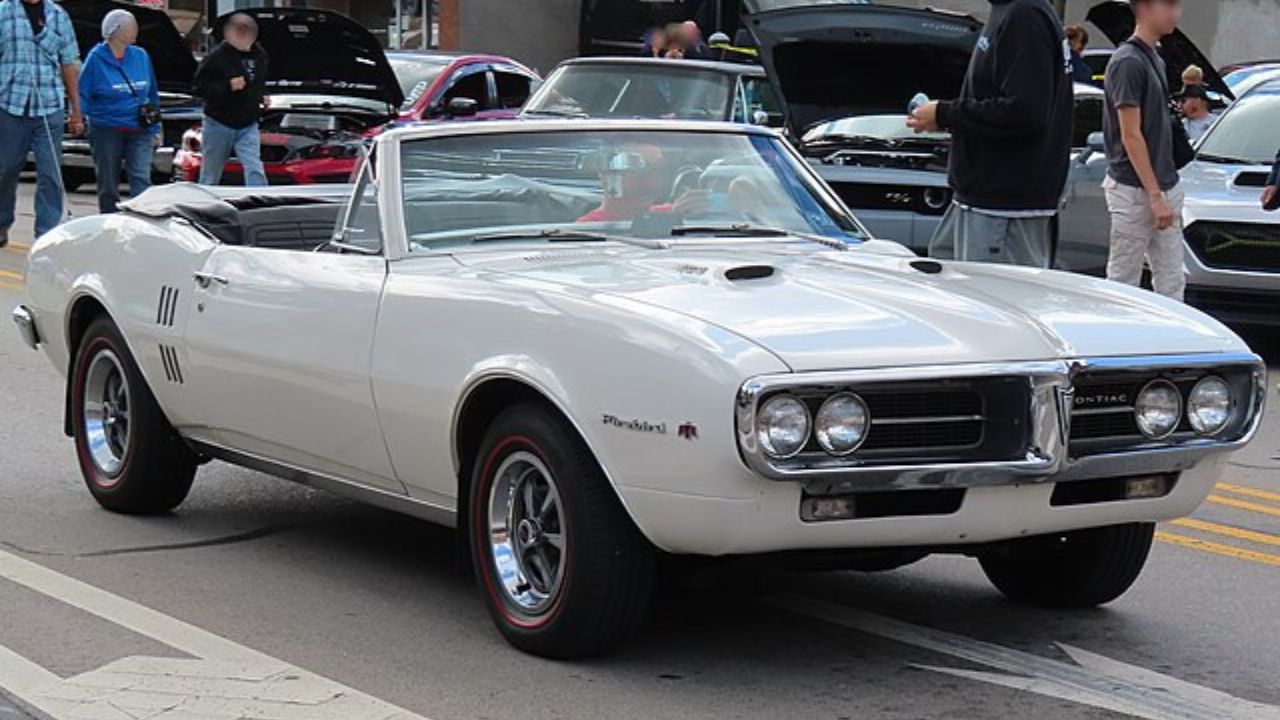
The Pontiac Firebird Convertible has always occupied an interesting position between muscle car and personal cruiser. Its long hood and dramatic styling gave it plenty of road presence, while the convertible body made it more unusual than the familiar hardtop versions. Later cars developed more aerodynamic shapes but retained the model’s unmistakable personality. Firebird convertibles also have strong enthusiast support, which helps with parts and restoration. For owners who appreciate Pontiac’s distinctive approach to performance cars, these can become permanent garage residents.
Chrysler 300 Convertible

The Chrysler 300 Convertible is one of the more unusual ways to experience classic American luxury. It combines the imposing presence of the 300 with an open roof, giving the car a particularly distinctive profile. Powerful V8 engines and substantial interiors add to its appeal, while the limited number of surviving examples makes clean cars increasingly interesting. This is not simply another old convertible. It represents a period when American manufacturers were willing to build large, stylish cars with considerable personality.
Cadillac Eldorado Convertible
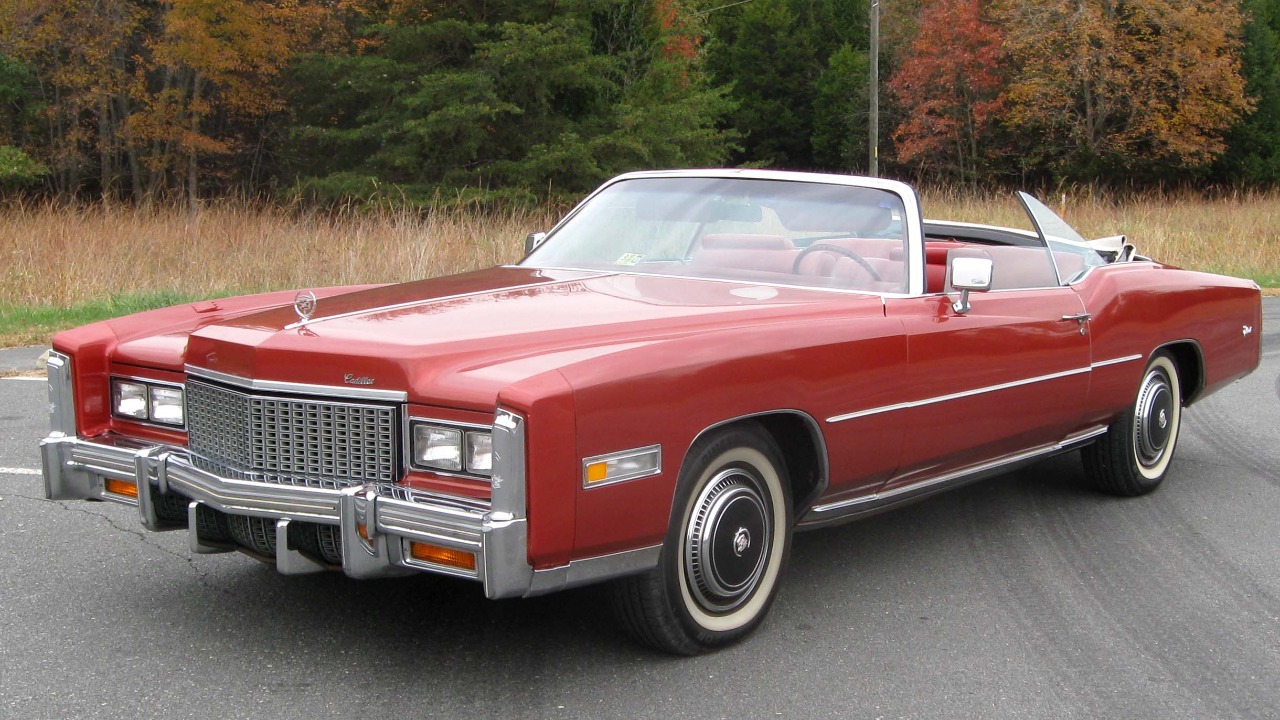
Few American convertibles make a statement quite like the Cadillac Eldorado. Its enormous proportions, extensive chrome, and sweeping bodywork reflect an era when luxury cars were designed to be impossible to ignore. The convertible versions are especially impressive because the open cabin emphasizes the car’s sheer scale. They are not small or inexpensive classics to maintain, but owners who enjoy them understand the appeal. A well-presented Eldorado can dominate a car show without needing to move an inch.
Chevrolet Impala Convertible
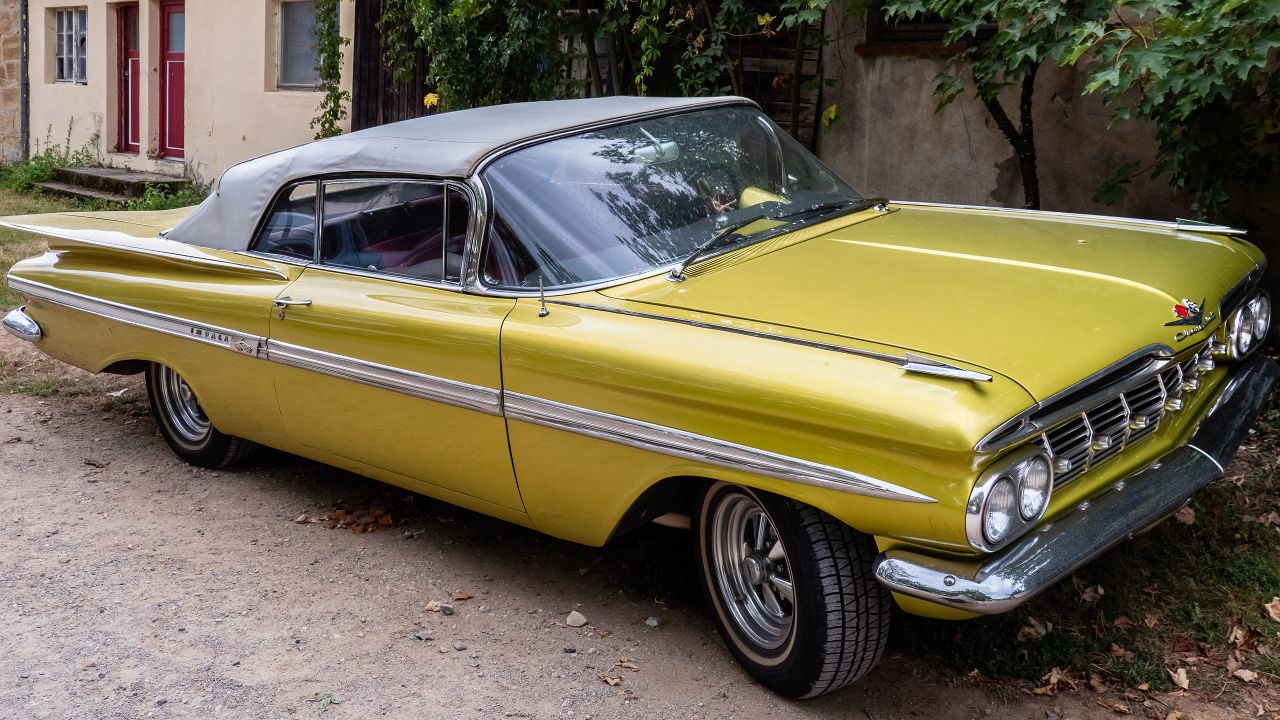
The Chevrolet Impala Convertible combines the practicality of a familiar full-size Chevrolet with the glamour of an open roof. Several generations offered broad bodies, generous interiors, and strong V8 engines, making them excellent choices for relaxed cruising. The Impala’s enormous popularity also means enthusiasts have access to substantial restoration knowledge and parts support. Yet a clean convertible remains special because relatively few were built compared with ordinary sedans. Owners often keep them because they deliver classic American style in a very usable package.
Ford Galaxie Convertible

The Ford Galaxie Convertible represents the full-size American car at its most confident. Its broad body, long profile, substantial grille, and generous chrome make it immediately recognizable. Behind the wheel, there is plenty of space and a relaxed driving character that suits open-road cruising. Depending on the configuration, buyers could also choose from several V8 options. The Galaxie’s combination of size, style, and simplicity gives owners plenty of reasons to keep one as a weekend classic.
Mercury Comet Convertible
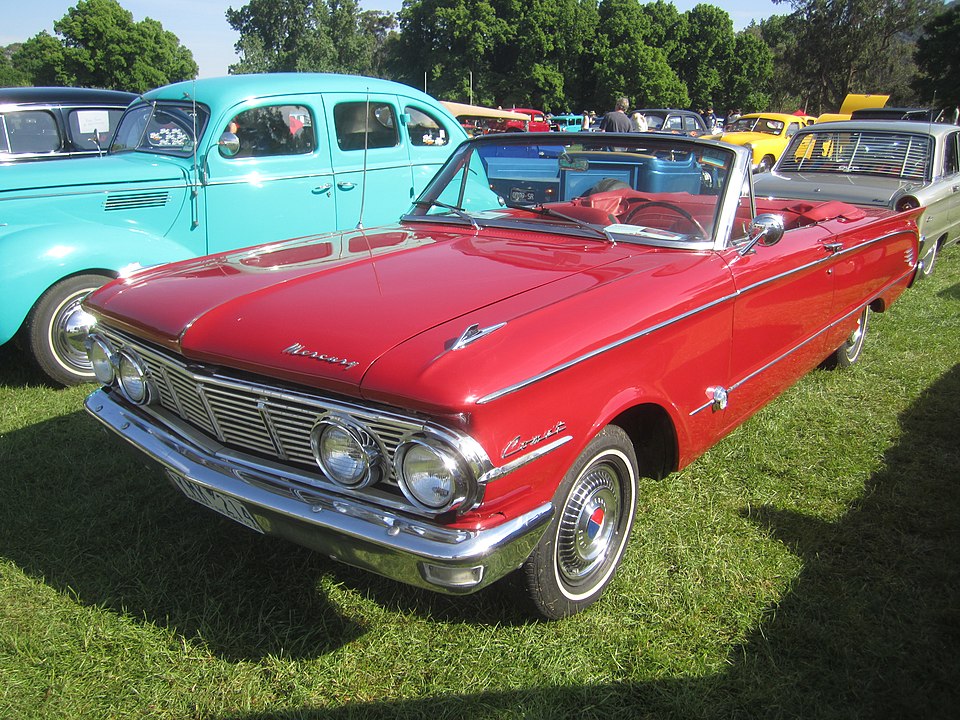
The Mercury Comet Convertible is a smaller and more understated choice, but that is part of its appeal. Its compact dimensions make it easier to maneuver than a giant full-size cruiser, while its simple lines have aged gracefully. Certain versions also offered V8 power, giving the car more performance potential than its modest appearance suggests. Convertibles are much less common than ordinary Comets, making them especially appealing to collectors. Owners can enjoy something unusual without choosing an impossibly obscure classic.
Rambler American Convertible
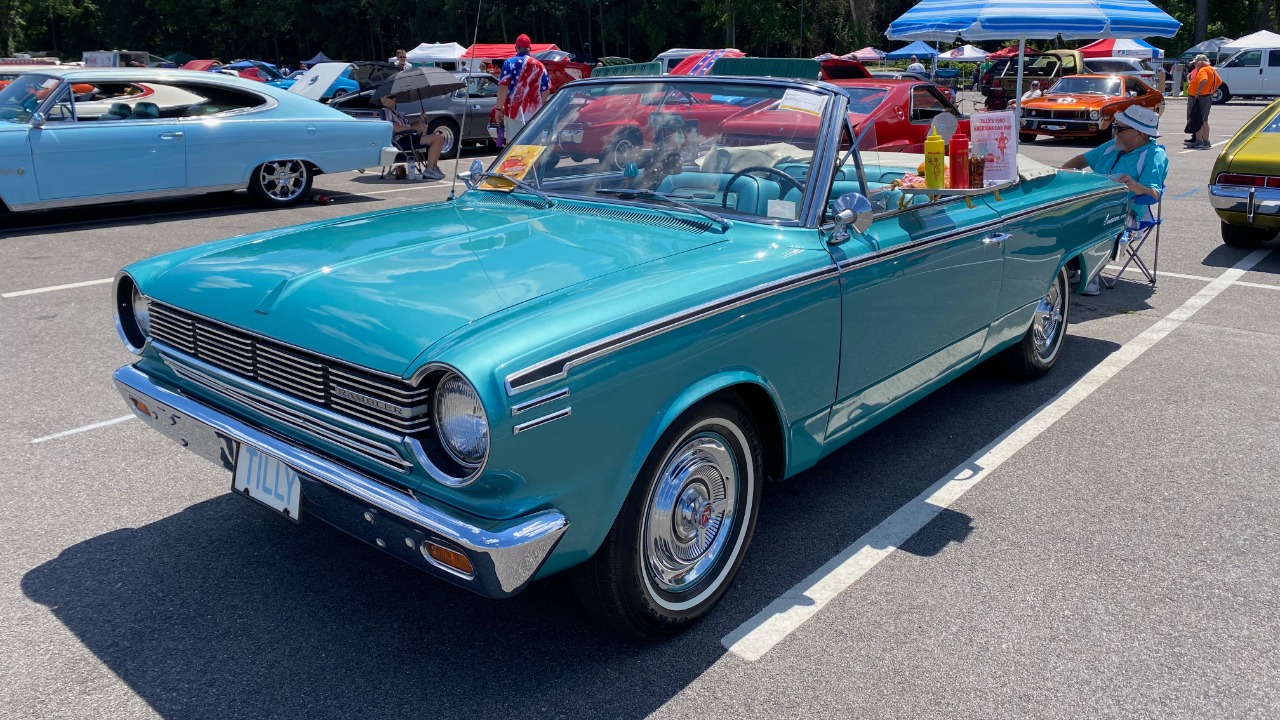
The Rambler American Convertible stands out because it represents a simpler side of classic American motoring. Its compact size and straightforward styling were quite different from the oversized cars dominating American roads during the same period. The convertible body gives the modest Rambler considerably more charm, especially when finished in a period-correct color. It is also an interesting choice for collectors who want something outside the usual Ford, Chevrolet, and Pontiac selections. That individuality can make owners particularly reluctant to sell.
Volkswagen Beetle Convertible

The Volkswagen Beetle Convertible became one of the most recognizable open-top cars in the world. Its rounded body, simple mechanical character, and unmistakable shape give it an appeal that has survived changing automotive trends. The convertible adds a playful quality while retaining the Beetle’s familiar personality. Parts availability and a huge enthusiast community also make ownership approachable compared with many European classics. A good example is easy to enjoy and increasingly difficult to replace, which explains its strong keeper status.
MG MGB
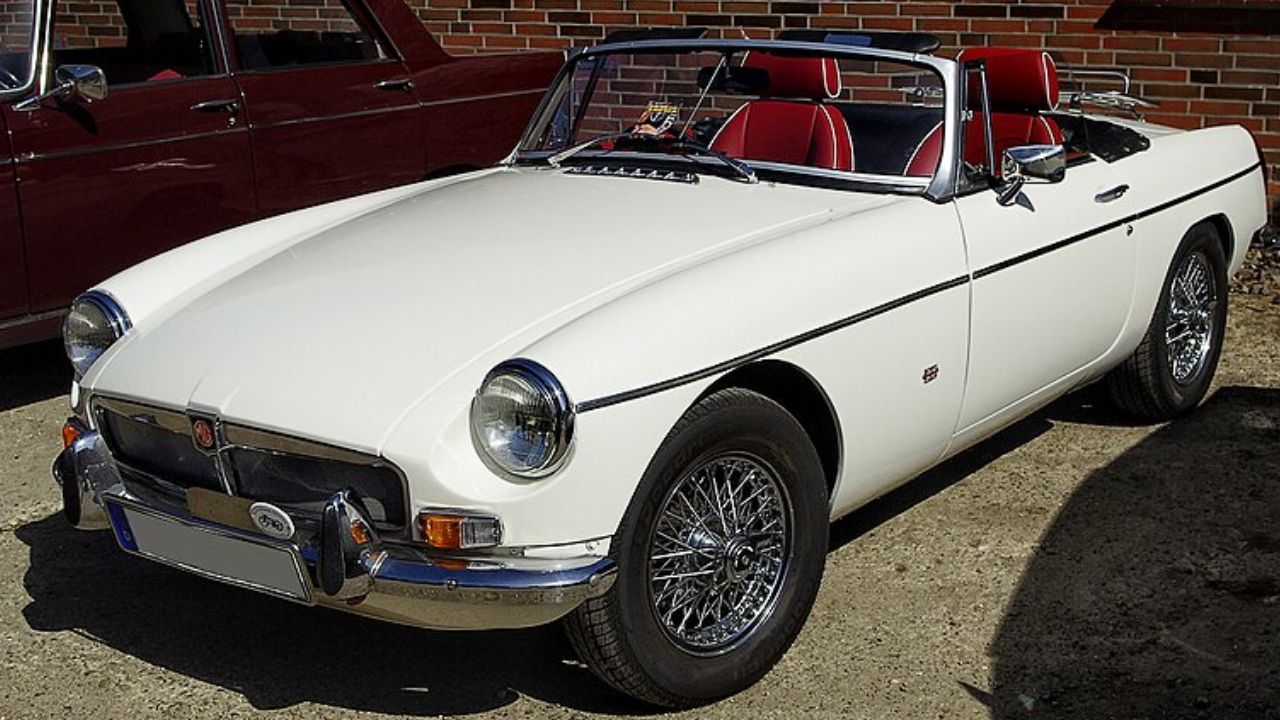
The MG MGB delivers the classic British roadster experience in a relatively simple package. Its compact body, folding roof, rear-wheel drive, and straightforward controls make it feel completely different from a modern convertible. The design has remained appealing because it avoids unnecessary complexity and focuses on the basic pleasure of driving. MGBs also have strong enthusiast support, helping owners maintain and restore them. For someone who enjoys a lightweight roadster on a sunny day, selling one can quickly become an idea they regret.
Triumph Spitfire
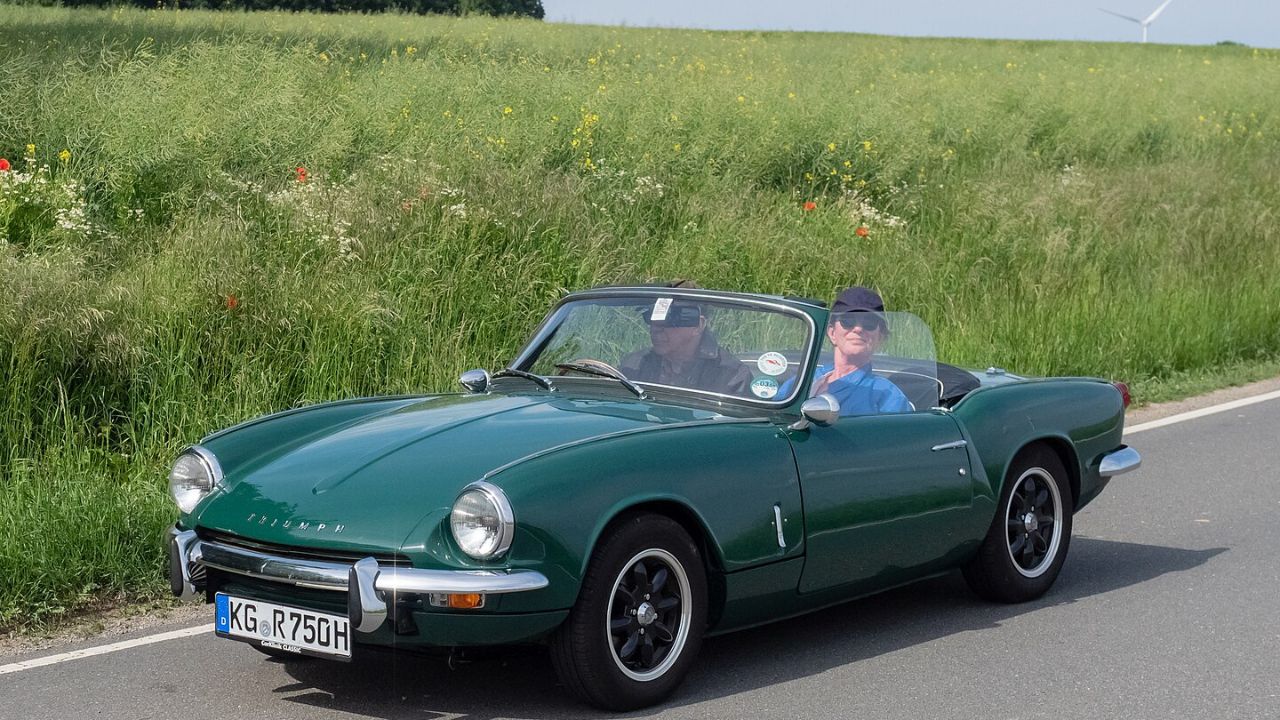
The Triumph Spitfire is small, simple, and instantly recognizable. Its low hood, compact cabin, and tidy proportions give it the kind of character that modern convertibles rarely attempt. The car was designed around lightweight driving rather than overwhelming power, making it particularly enjoyable on winding roads. Owners also benefit from a large community of enthusiasts and extensive knowledge surrounding the model. A Spitfire may not be the fastest classic in the garage, but its personality is exactly why many owners refuse to part with one.
Mercedes-Benz 280 SL
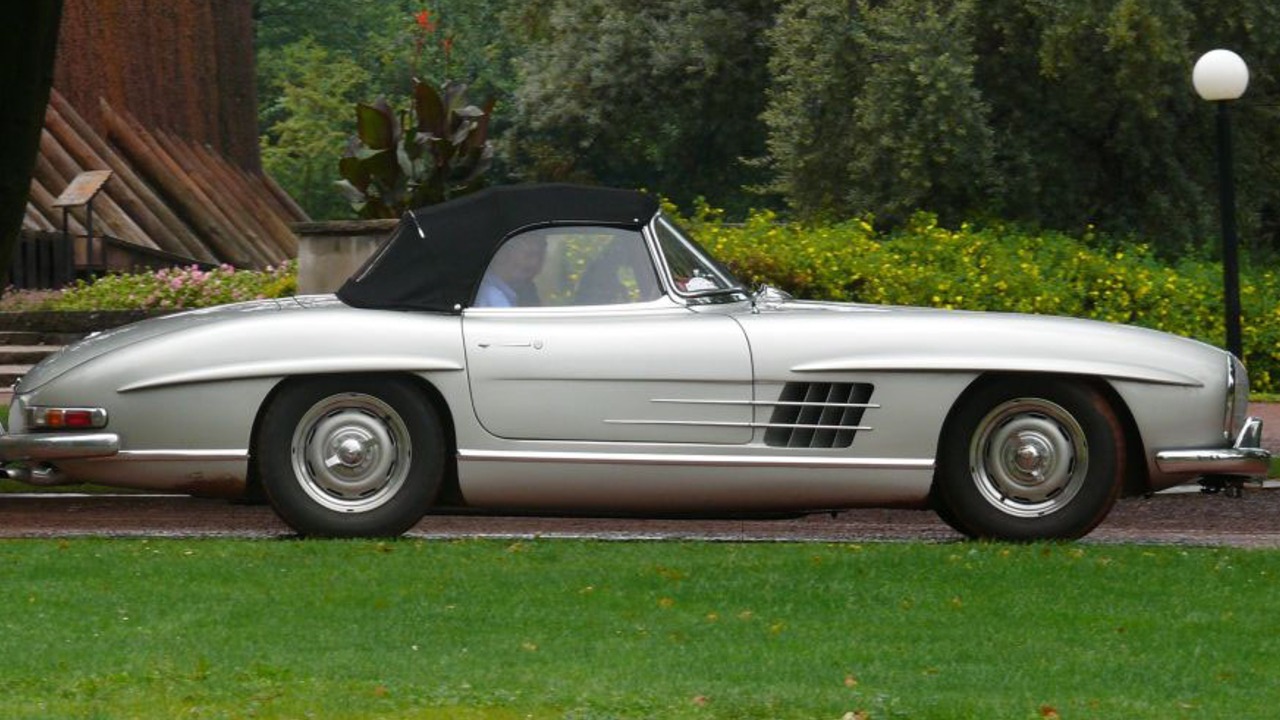
The Mercedes-Benz 280 SL combines elegant styling with the solid engineering expected from the brand. Its distinctive Pagoda roof, balanced proportions, and sophisticated interior make it one of the most recognizable European classics of its era. Unlike many American convertibles, the 280 SL emphasizes restrained design rather than sheer size and chrome. Clean examples have become highly desirable, giving owners another reason to hold onto them. More importantly, the car offers a driving experience that still feels special without needing excessive performance.
More from Fast Lane Only
- Unboxing the WWII Jeep in a Crate
- 15 rare Chevys collectors are quietly buying
- 10 underrated V8s still worth hunting down
- Police notice this before you even roll window down
*Research for this article included AI assistance, with all final content reviewed by human editors.