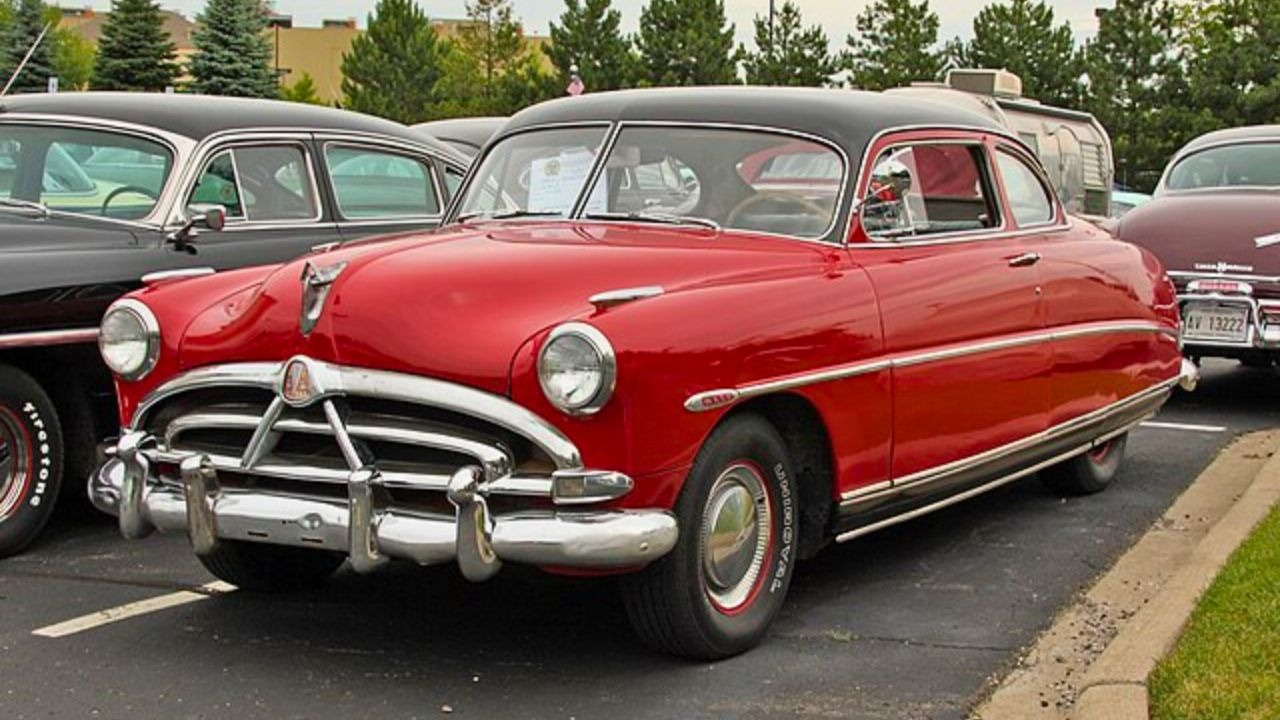
Hudson built some of America’s most distinctive automobiles, yet many of its models remain overshadowed by the better-known Hornet. The company experimented with innovative chassis designs, efficient engines, streamlined styling, and surprisingly capable performance. These eight Hudsons show how much engineering and character the independent automaker packed into cars that often received far less recognition than they deserved.
Hudson Super Six
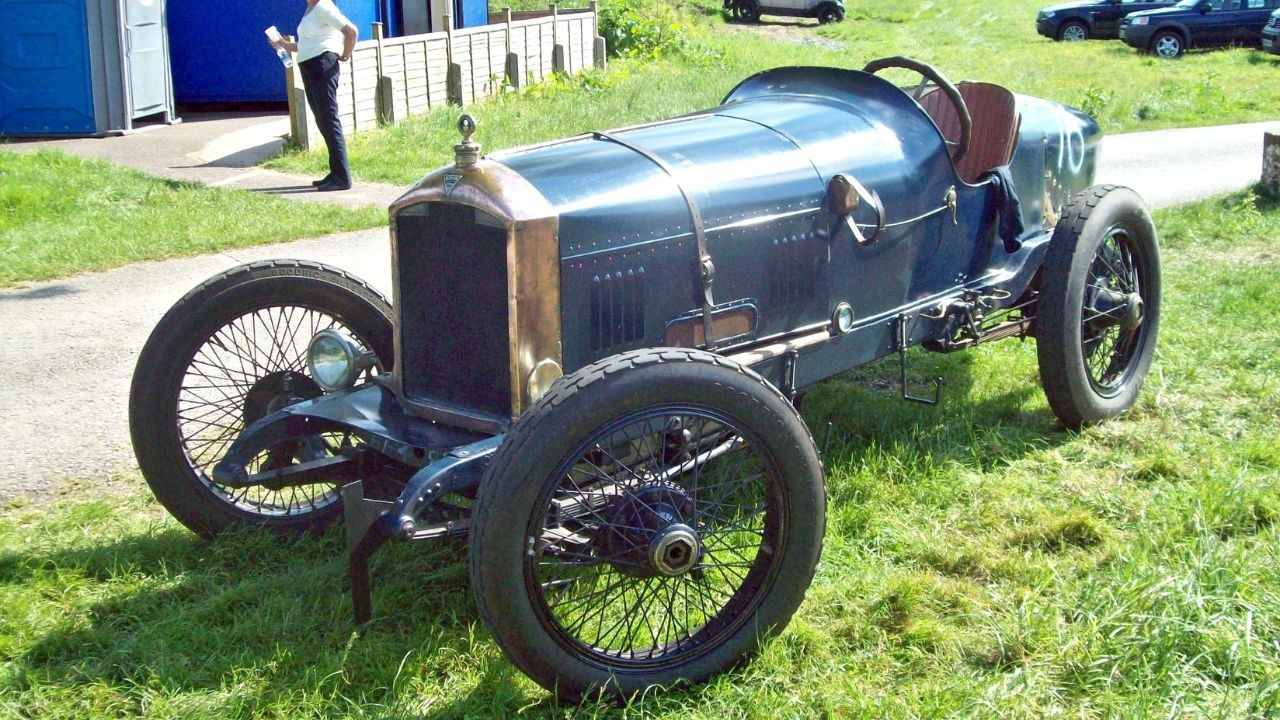
The Hudson Super Six helped establish the company as a serious engineering force during the 1910s and 1920s. Its balanced straight-six engine was praised for smooth power, while the model developed a reputation for strong performance and endurance. Hudson also used the Super Six in competition, where its speed helped demonstrate what the company’s engineering could accomplish. It remains one of the most important early Hudsons, even though later models tend to receive more attention.
Hudson Terraplane
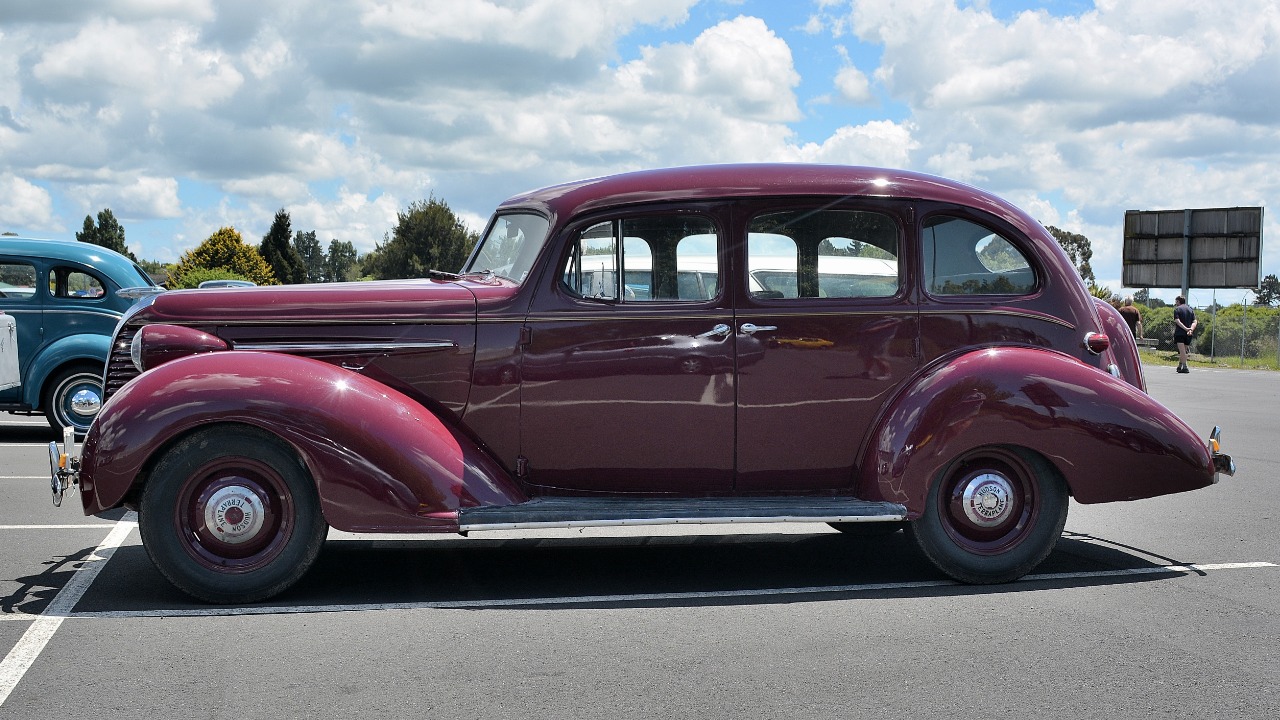
The Hudson Terraplane became one of the company’s most successful attempts to combine lightweight construction with useful performance. Introduced during the Depression, it offered buyers an affordable automobile that was lighter and more responsive than many larger competitors. Its reputation grew further through competition and record-setting publicity. The Terraplane gave Hudson a strong performance image during an era when buyers were increasingly demanding better value from their automobiles.
Hudson Commodore
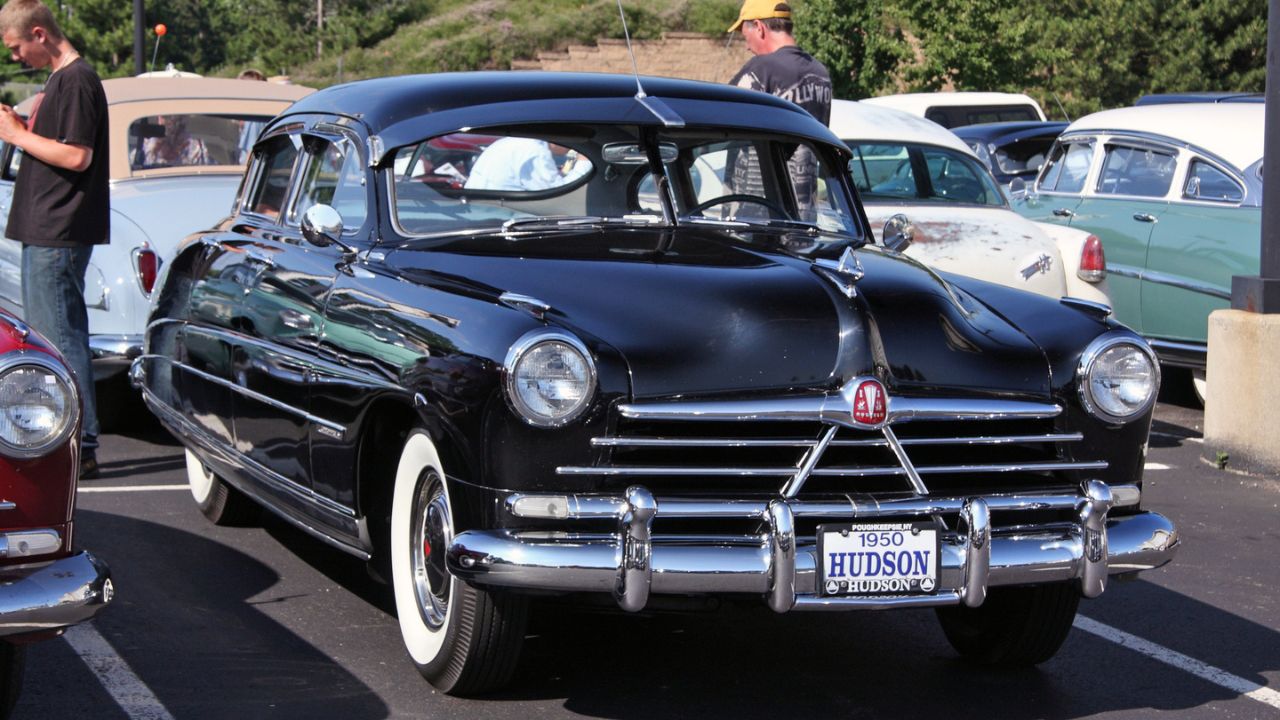
The Hudson Commodore represented the upper end of the company’s lineup and became particularly significant after the introduction of the revolutionary Step-Down design. Its low-slung chassis placed passengers within the frame structure, lowering the car’s center of gravity and improving its road manners. The Commodore was also available with Hudson’s straight-six and straight-eight engines. Despite its luxury positioning, it retained the unusual engineering that made Hudson stand apart from the major manufacturers.
Hudson Pacemaker
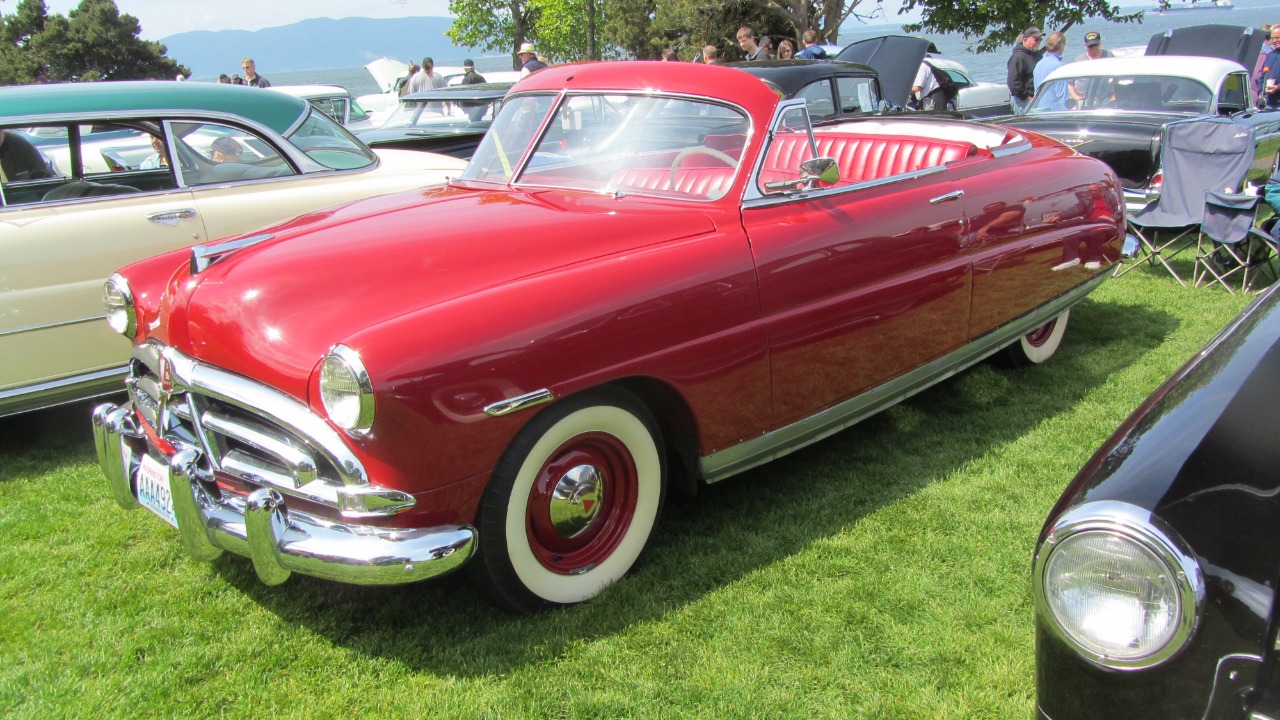
The Hudson Pacemaker offered much of the company’s distinctive Step-Down engineering in a more affordable package. Its shorter wheelbase made it more compact than the larger Hudsons while retaining the low center of gravity that contributed to the brand’s excellent handling. The Pacemaker was eventually replaced by the Wasp, but its role in making Hudson’s advanced chassis available to a broader range of buyers makes it worth remembering.
Hudson Wasp
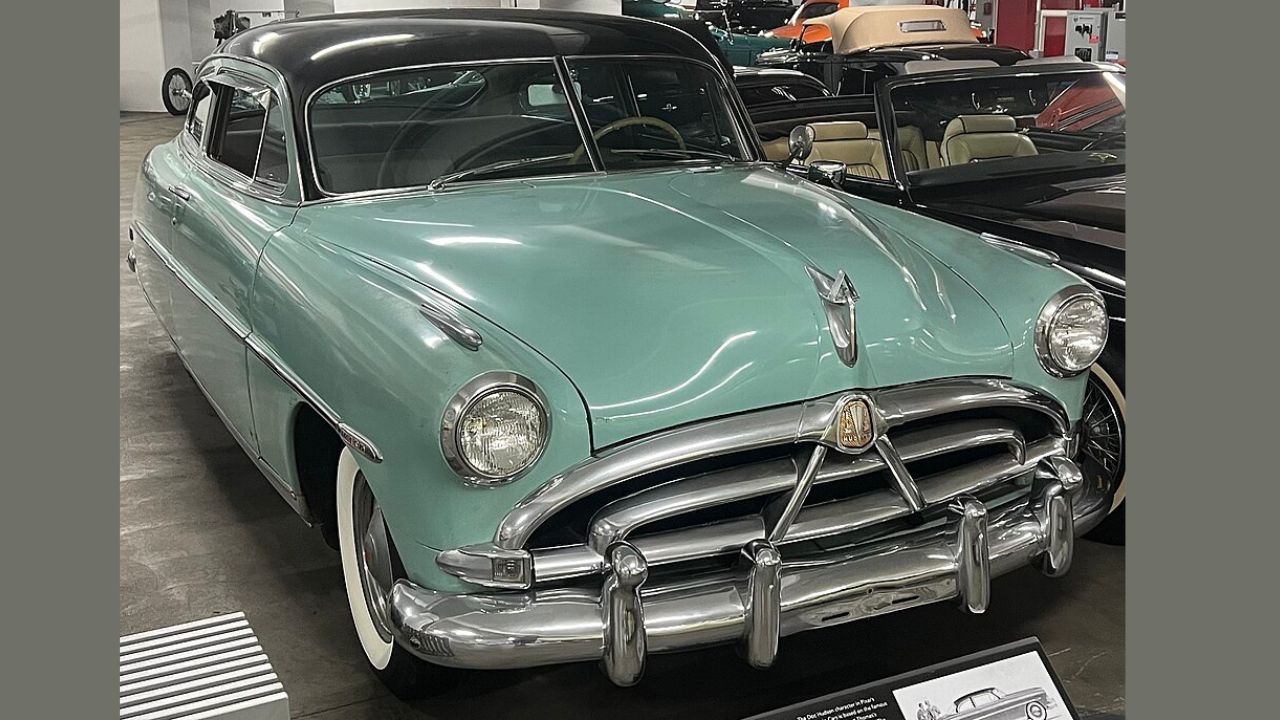
The Hudson Wasp occupied an interesting position between the company’s smaller and larger cars. Its shorter-wheelbase Step-Down chassis retained the handling advantages of Hudson’s revolutionary design, while its inline-six engine provided respectable performance. The Super Wasp could be equipped with Hudson’s Twin-H carburetion system, giving enthusiasts even more reason to take notice. Although the Hornet became the famous name, the Wasp shared much of the same engineering philosophy.
Hudson Jet
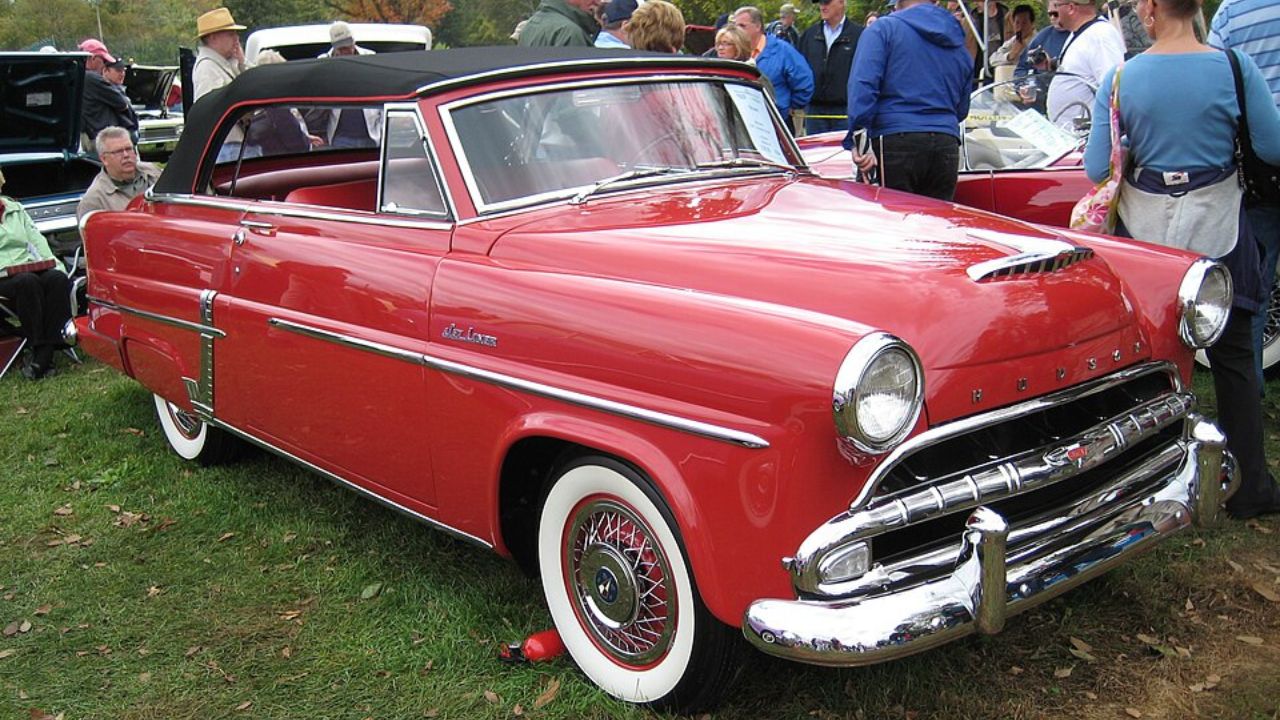
The Hudson Jet was one of the company’s boldest attempts to enter the compact-car market. Its small dimensions contrasted sharply with Hudson’s traditional full-size automobiles, while its inline-six engine delivered surprisingly useful performance for its class. The Jet’s commercial failure had more to do with development costs and intense competition than with a lack of engineering quality. Its engine was particularly notable and continued to serve Hudson in later applications.
Hudson Italia

The Hudson Italia transformed the Jet platform into one of the most unusual sports-oriented cars ever produced by an American independent manufacturer. Designed with help from Carrozzeria Touring, it featured dramatic styling, special bodywork, and distinctive exterior details. Production numbers were extremely limited, making surviving examples rare today. The Italia demonstrated that Hudson was capable of creating an exotic-looking automobile despite operating with far fewer resources than Detroit’s major manufacturers.
Hudson Super Wasp
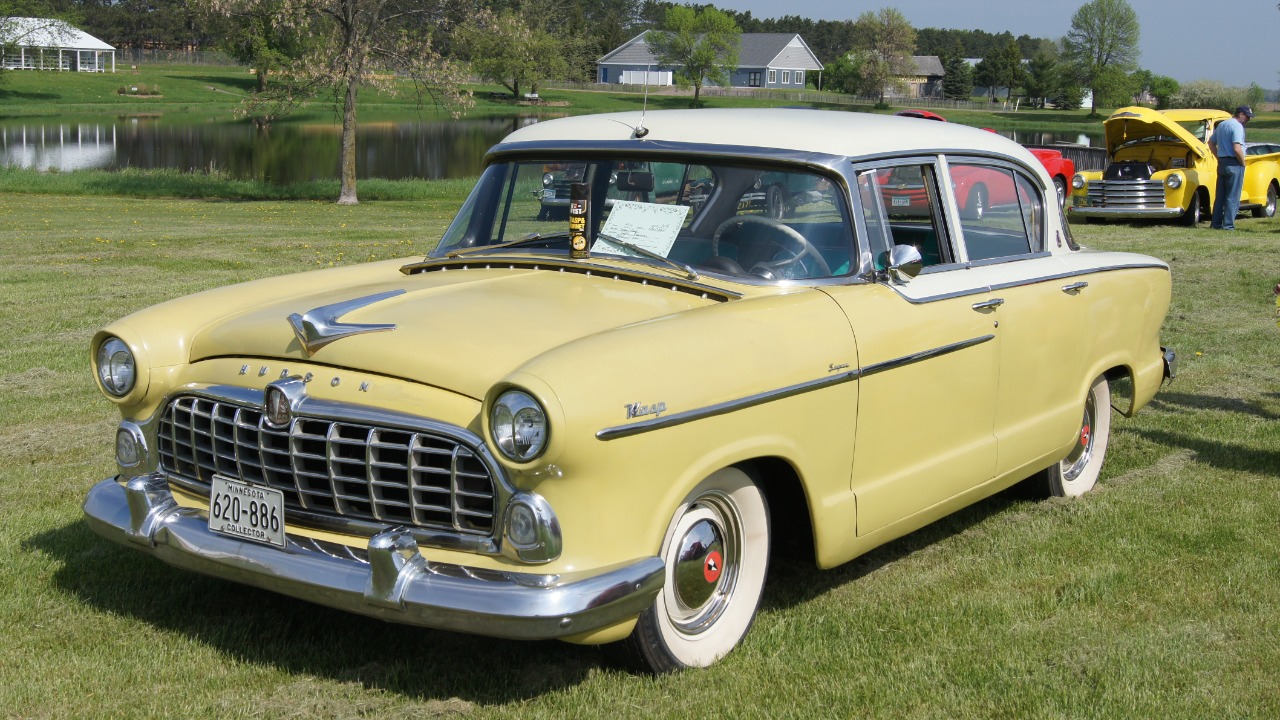
The Hudson Super Wasp gave buyers a more upscale version of the company’s shorter-wheelbase Step-Down platform. Its improved trim was paired with a stronger inline-six, and available Twin-H power helped give the car genuine performance potential. The model also offered attractive body styles, including the pillarless Hollywood hardtop and Brougham convertible. The Super Wasp never achieved the fame of the Hornet, but its combination of handling, comfort, and straight-six performance made it one of Hudson’s more interesting overlooked cars.
More from Fast Lane Only
- Unboxing the WWII Jeep in a Crate
- 15 rare Chevys collectors are quietly buying
- 10 underrated V8s still worth hunting down
- Police notice this before you even roll window down
*Research for this article included AI assistance, with all final content reviewed by human editors.