Classic wagons have a way of becoming permanent members of the family. Their roomy cabins, useful cargo areas, comfortable ride, and practical layouts made them dependable daily transportation for generations. Many have also developed loyal followings because they are easy to live with and full of character. These 20 wagons are the kind owners often keep long after newer replacements become available.
Volvo 740 wagon
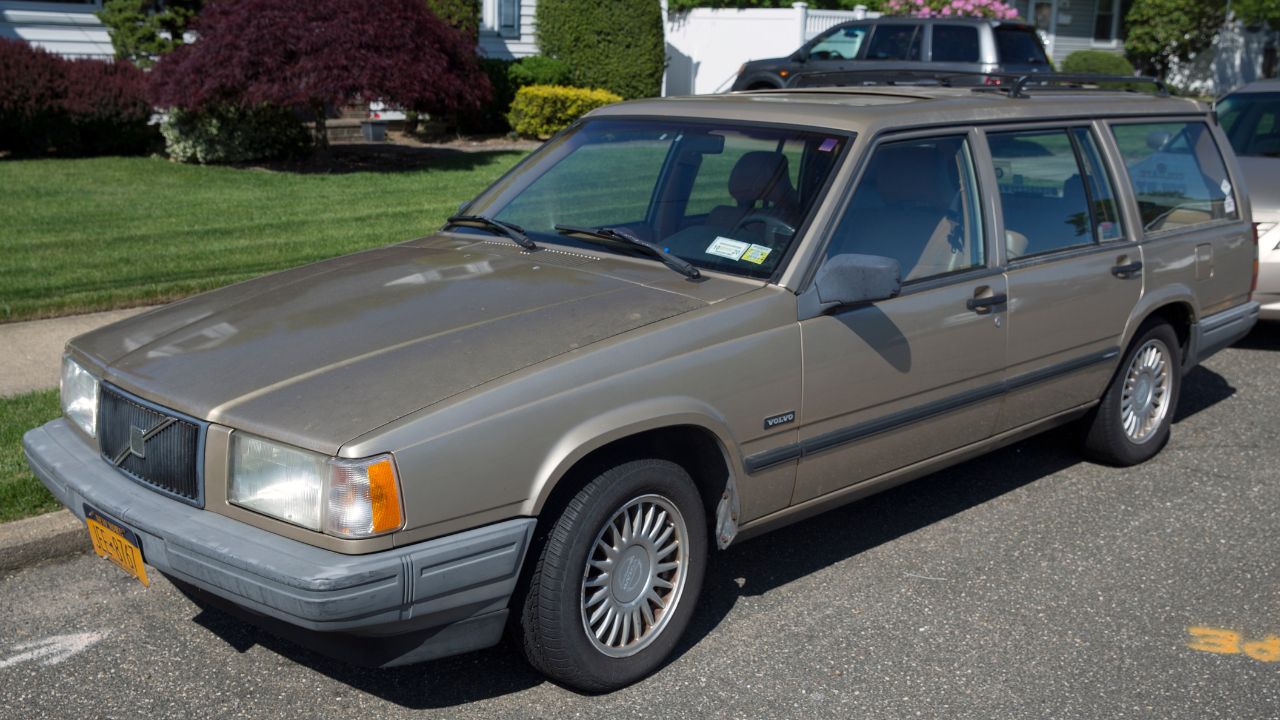
The Volvo 740 wagon earned a loyal following through its combination of practicality, durability, and straightforward design. Its square body created an enormous cargo area, while the rear-wheel-drive layout kept the mechanical package familiar to generations of mechanics. The cabin was designed around function rather than fashion, making it easy to use every day. Owners who become attached to a 740 often find little reason to replace it with a newer wagon that offers less character.
Volvo 850 wagon
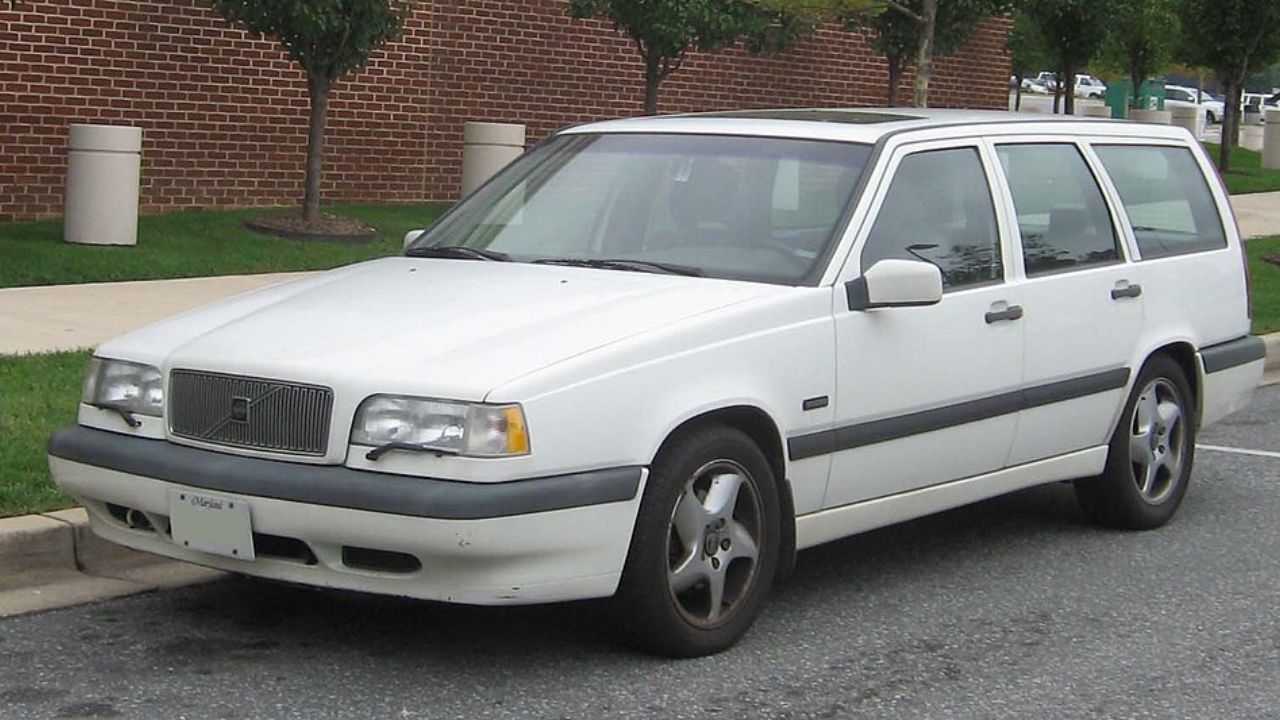
The Volvo 850 brought a more modern shape and front-wheel-drive platform to Volvo’s wagon lineup without abandoning the practicality that buyers expected. Its large cargo area and comfortable seats made it useful for families, while five-cylinder engines gave it a distinctive character. Performance versions added another dimension to the model. A well-kept 850 can still feel like a remarkably sensible classic, which helps explain why enthusiasts continue to hold onto them.
Mercedes-Benz W123 wagon
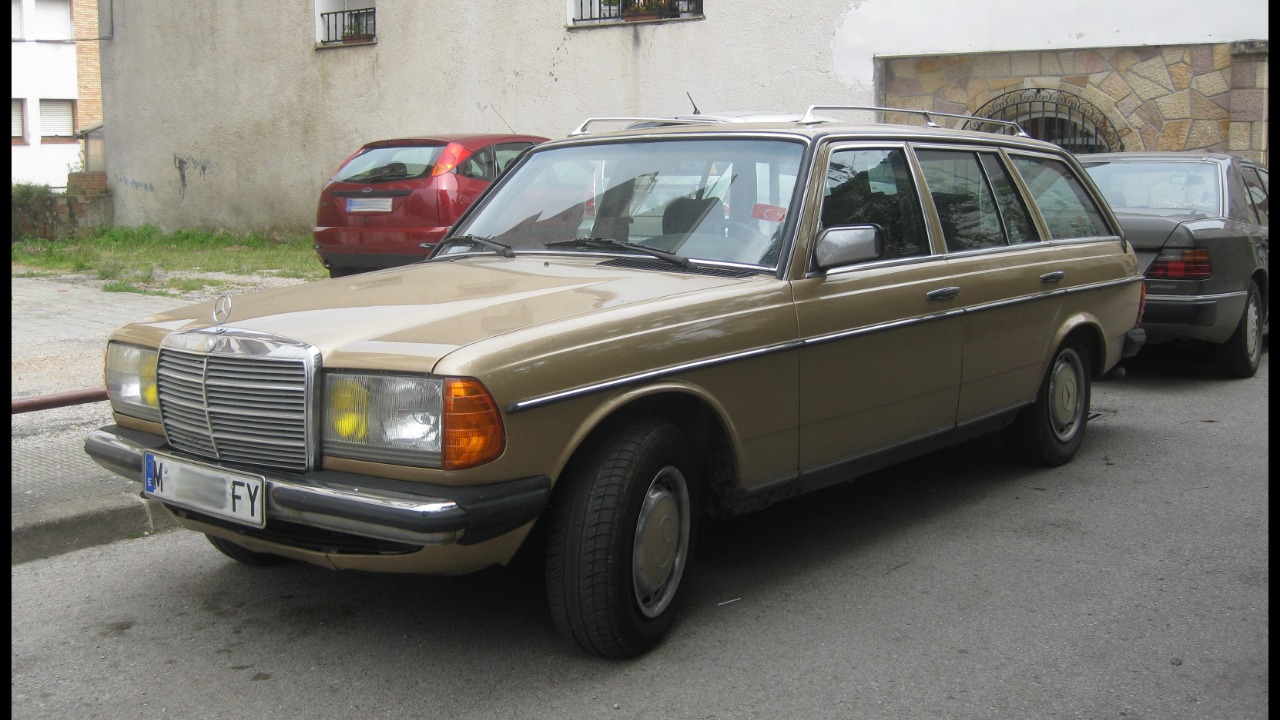
The W123 wagon combined Mercedes-Benz build quality with impressive everyday practicality. Its spacious rear compartment and solid construction made it popular with families, businesses, and owners who wanted a long-distance vehicle. Diesel versions became particularly famous for their longevity, while gasoline models offered smoother performance. The wagon’s understated styling has also aged well. Owners who have spent years maintaining one often appreciate how useful it remains compared with many newer vehicles.
Mercedes-Benz W124 wagon
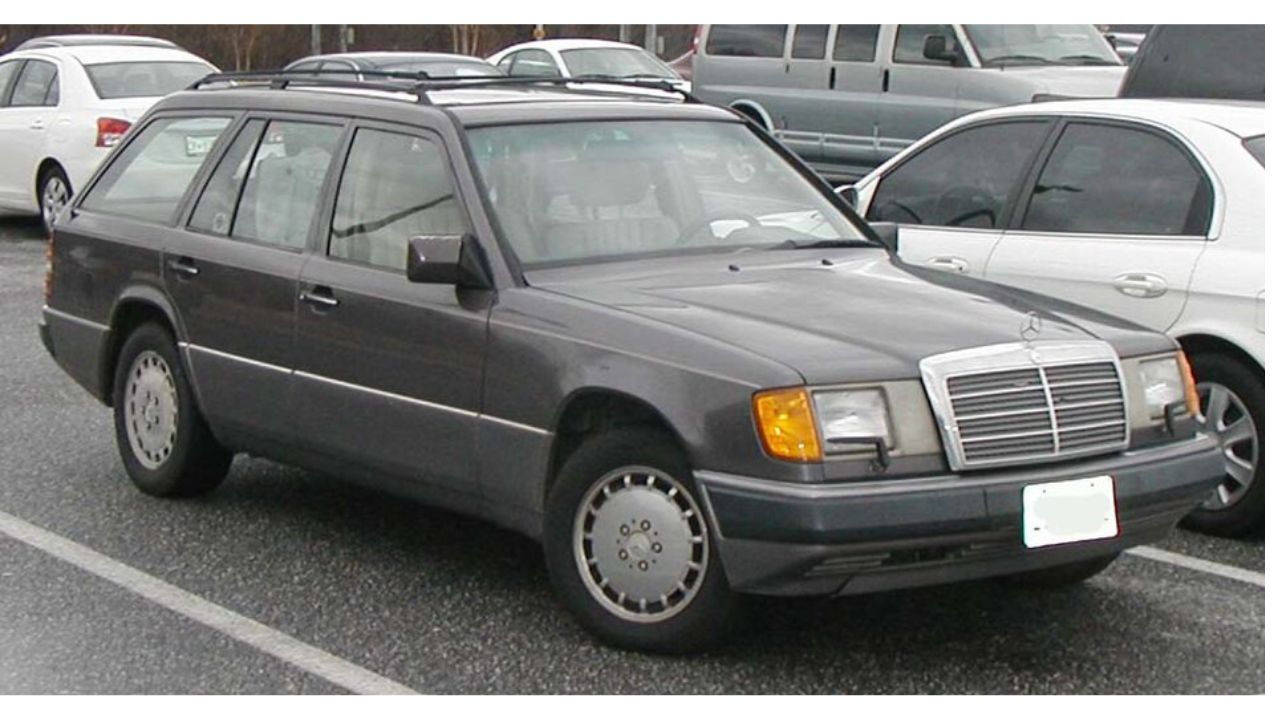
The W124 wagon added a more modern design and refined driving experience while retaining the sturdy engineering associated with Mercedes-Benz. Its excellent seating position, spacious cargo area, and strong body construction made it a capable family vehicle. Many examples accumulated high mileage through ordinary use. Today, enthusiasts appreciate the combination of traditional Mercedes engineering and practical wagon proportions, making a good W124 difficult to replace with something newer that feels quite the same.
Saab 9-5 wagon
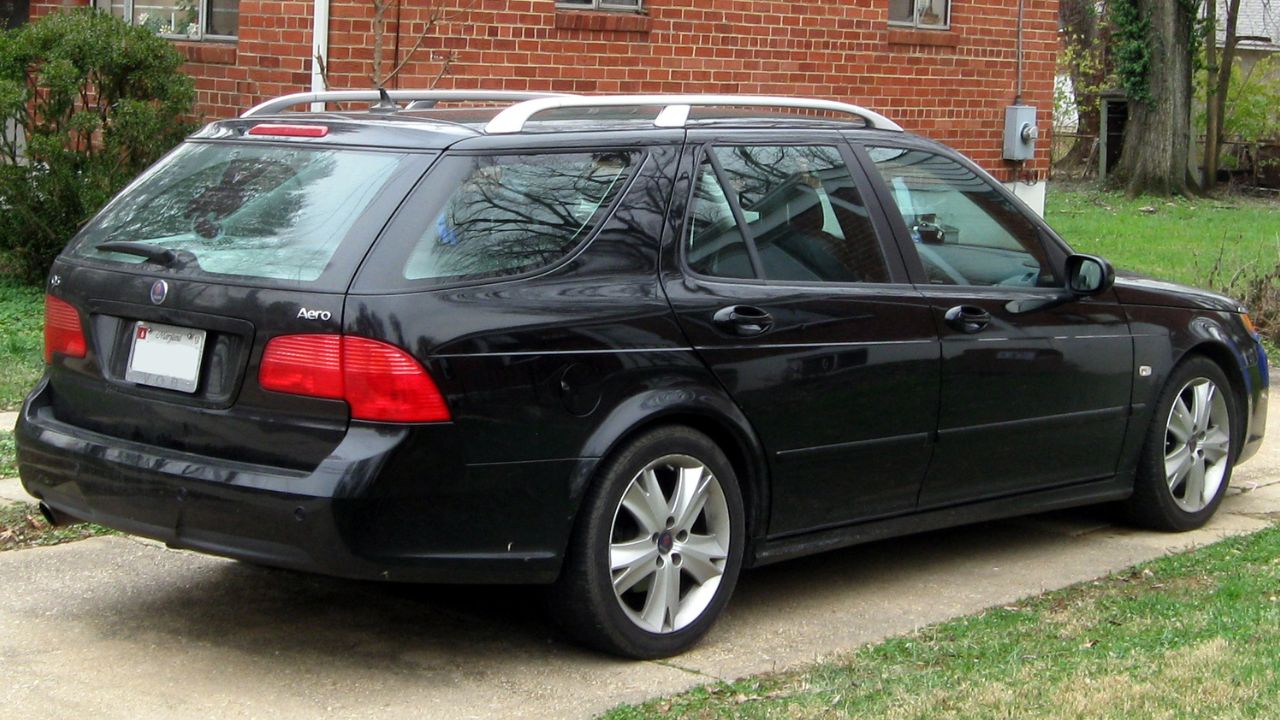
The Saab 9-5 wagon offered a distinctive alternative to the mainstream European family car. Its comfortable seats, unusual dashboard layout, large cargo area, and turbocharged engines gave it a personality that was difficult to duplicate. The wagon was particularly well suited to long-distance driving, with plenty of room for passengers and luggage. Owners often become attached to the combination of practicality and individuality, especially because newer cars rarely offer the same quirky character.
Saab 900 wagon
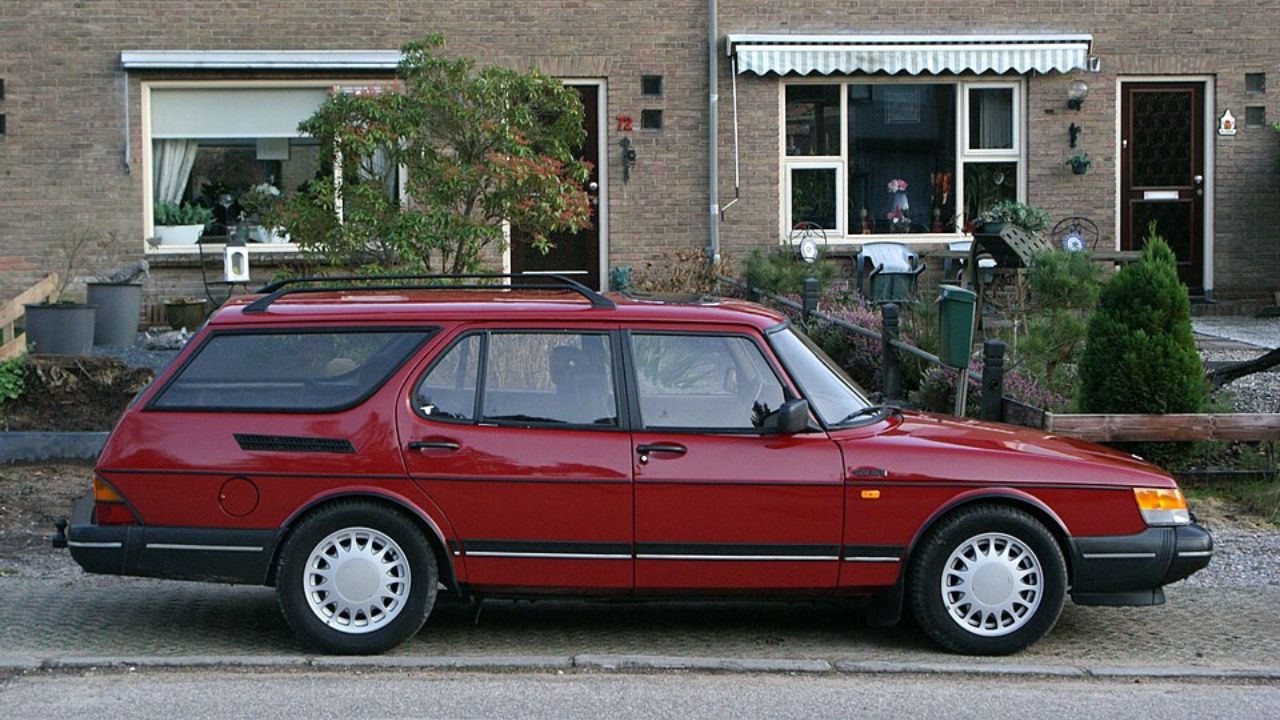
The Saab 900 was better known as a hatchback, but the long-roof 900 was one of the more unusual practical Saab configurations. Its distinctive shape, upright windshield, and unusual cabin design made it instantly recognizable. The model also developed a loyal following because of its comfortable seats and practical interior. A surviving example can be difficult to find today, which makes owners especially reluctant to give up cars that have remained in good condition.
Ford Taurus wagon

The Ford Taurus wagon was a familiar sight on American roads during the era when large family wagons were gradually giving way to minivans and SUVs. Its aerodynamic body looked modern for its time, while the long roof provided useful cargo space. The Taurus was also easy to service because of its enormous production numbers. Owners who remember using one as a family hauler often appreciate its straightforward practicality and comfortable road manners.
Mercury Sable wagon
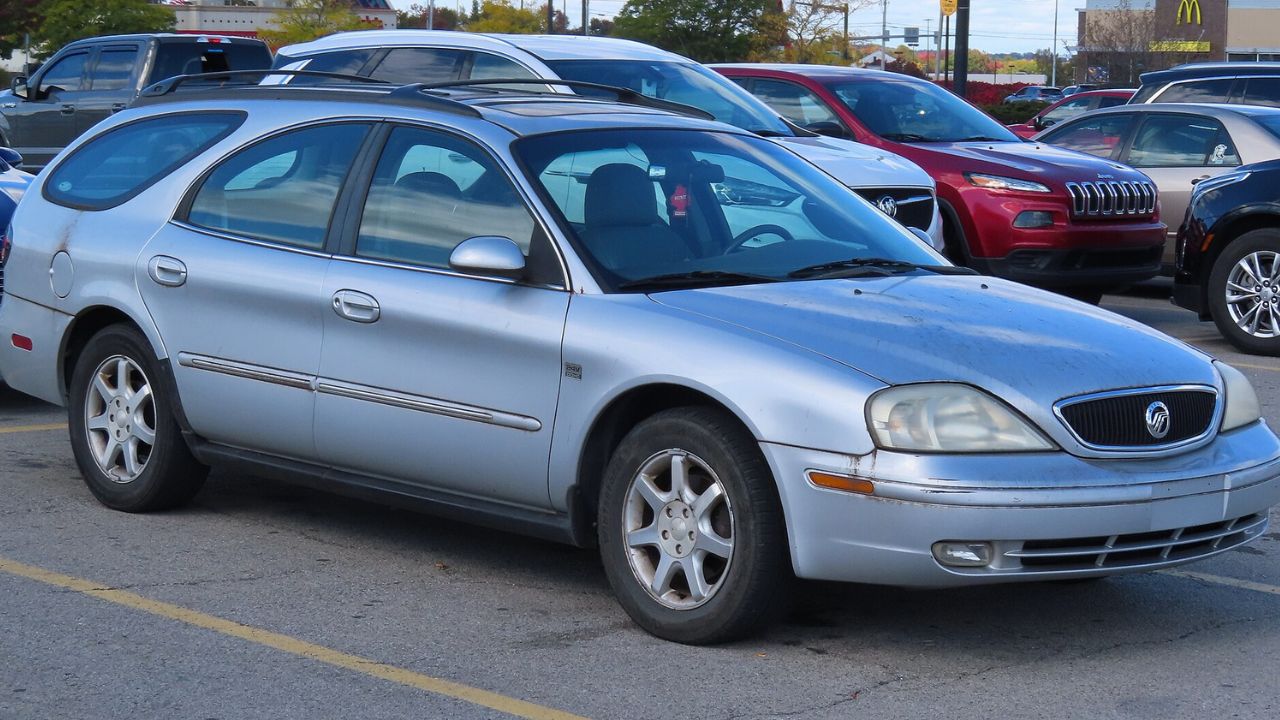
The Mercury Sable wagon shared much of its mechanical foundation with the Taurus but added more upscale styling and equipment. Its rounded bodywork made it distinctive among American wagons, while the long roof provided plenty of useful interior space. The Sable also offered a comfortable ride suited to long family trips. Today, surviving examples are uncommon, and owners who have kept them running often enjoy having something that is increasingly difficult to find.
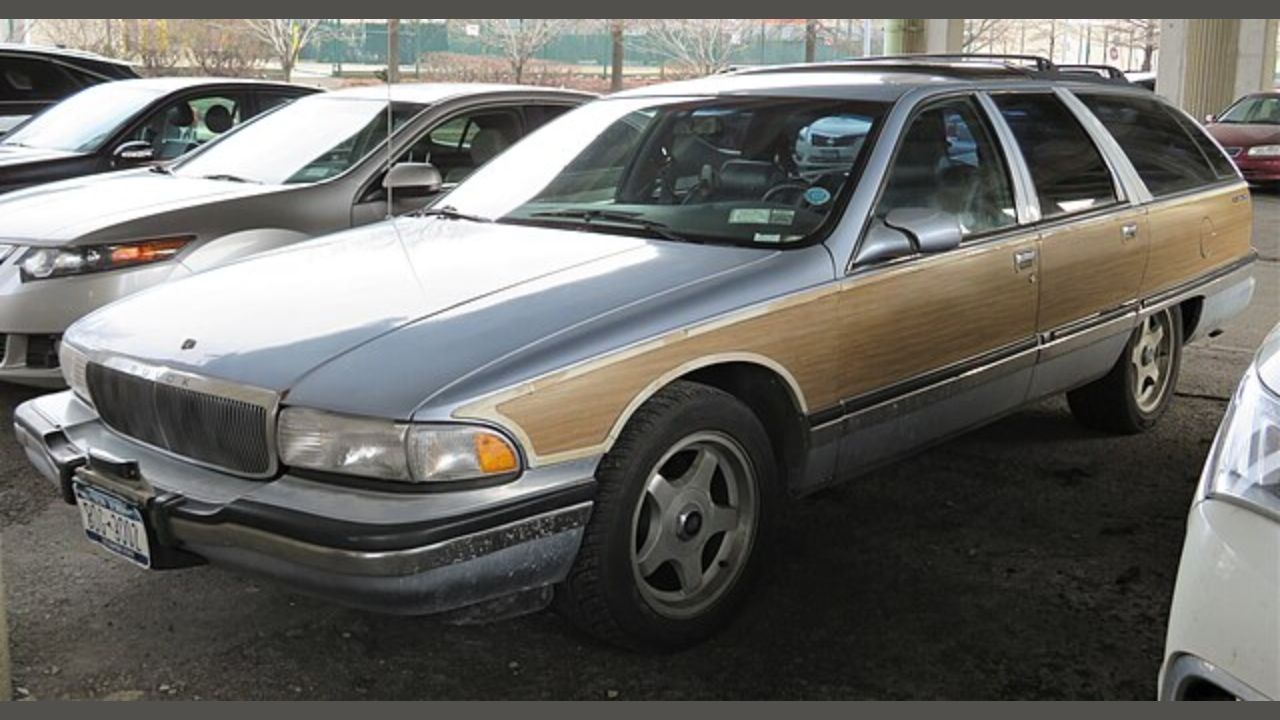
Buick Roadmaster Estate
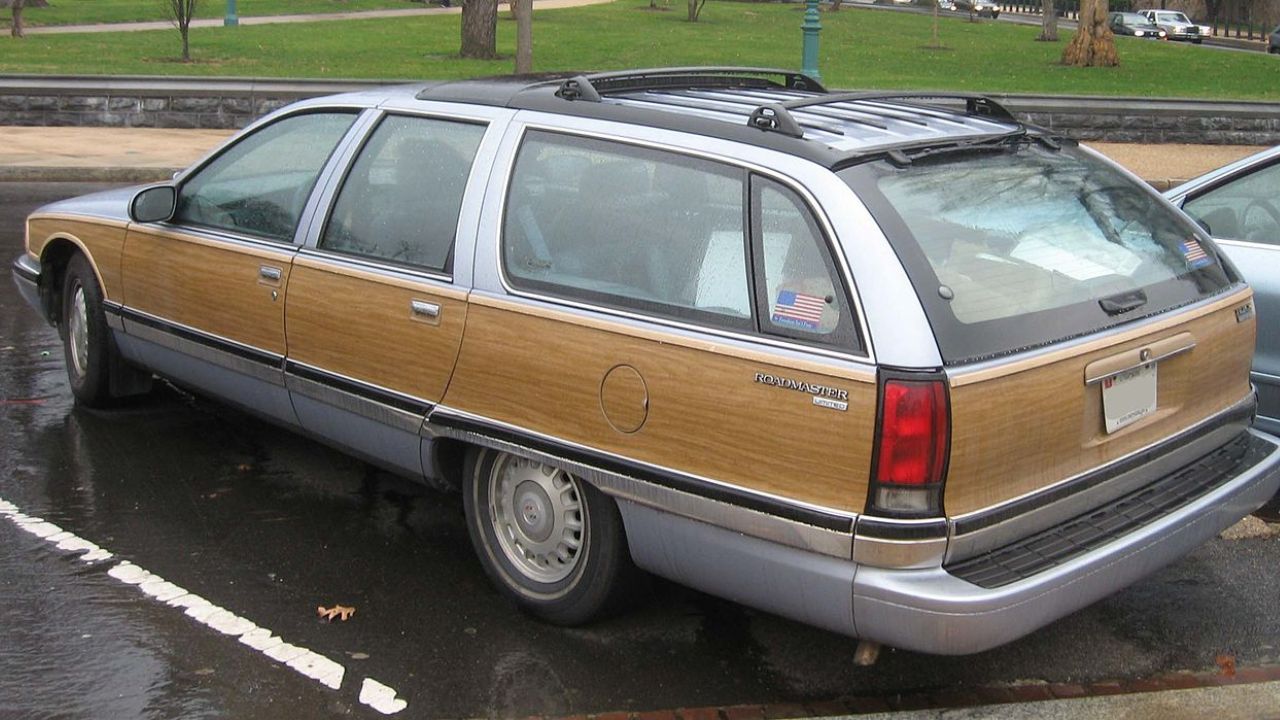
The Buick Roadmaster Estate combined old-fashioned American wagon proportions with the mechanical character of a full-size rear-wheel-drive car. Its large cabin and long cargo area made it an excellent family hauler, while the available V8 gave it enough power for highway driving. The wood-look exterior treatment on many examples added to its nostalgic appeal. For owners who like traditional American wagons, few newer vehicles offer the same combination of space and personality.
Chevrolet Caprice wagon
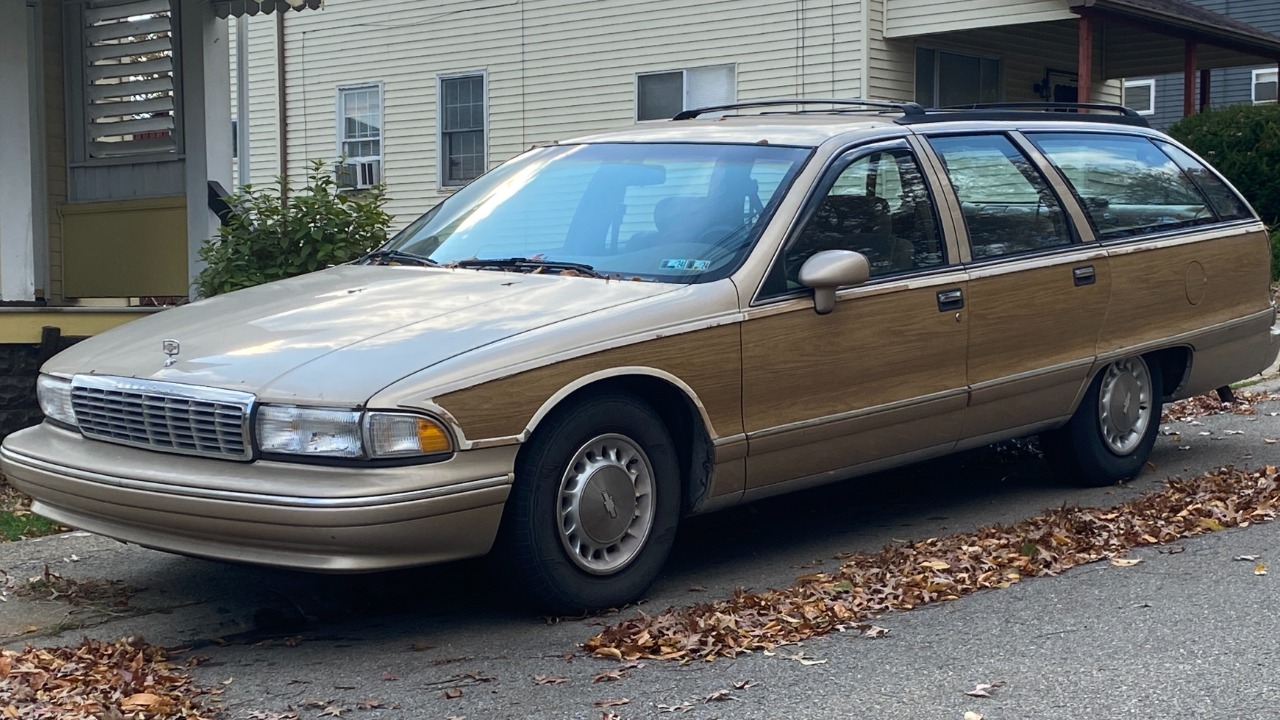
The Chevrolet Caprice wagon represented the classic American full-size family hauler at its peak. Its body-on-frame construction, spacious interior, and rear-wheel-drive layout gave it a sturdy character that is largely absent from modern family vehicles. Large V8 engines were also available, making the Caprice surprisingly capable for its size. Owners who grew up with these wagons often appreciate their enormous cargo capacity and comfortable ride, which makes replacing one surprisingly difficult.
Oldsmobile Custom Cruiser
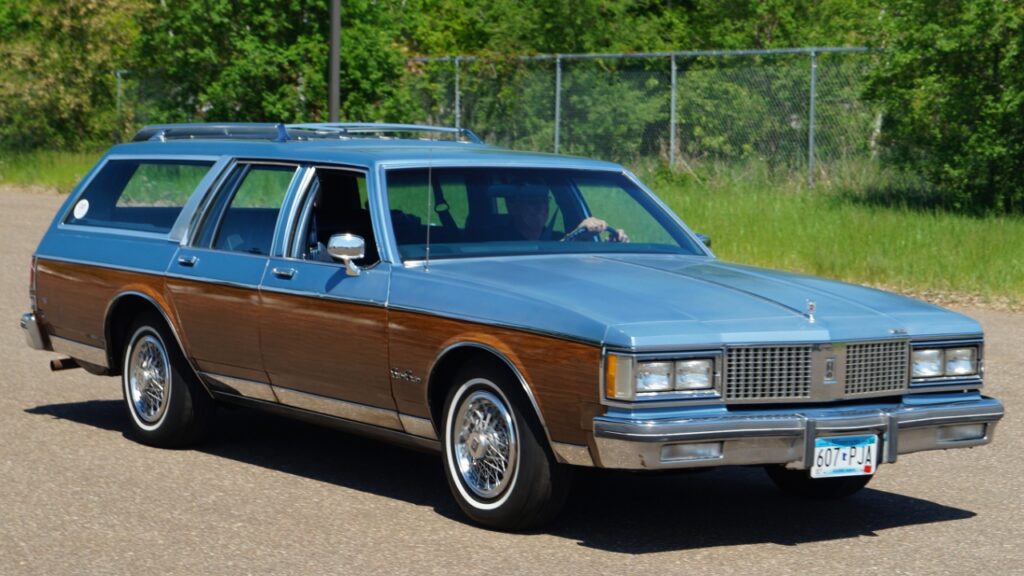
The Oldsmobile Custom Cruiser offered the traditional American wagon formula with a comfortable interior, large cargo area, and V8 power. Its boxy body provided excellent visibility and useful space, while the rear-facing third-row seat found in many examples added another layer of practicality. The Custom Cruiser was never as common as the most popular family cars, and surviving examples are becoming harder to find. That rarity makes devoted owners even more likely to keep theirs.
Pontiac Safari
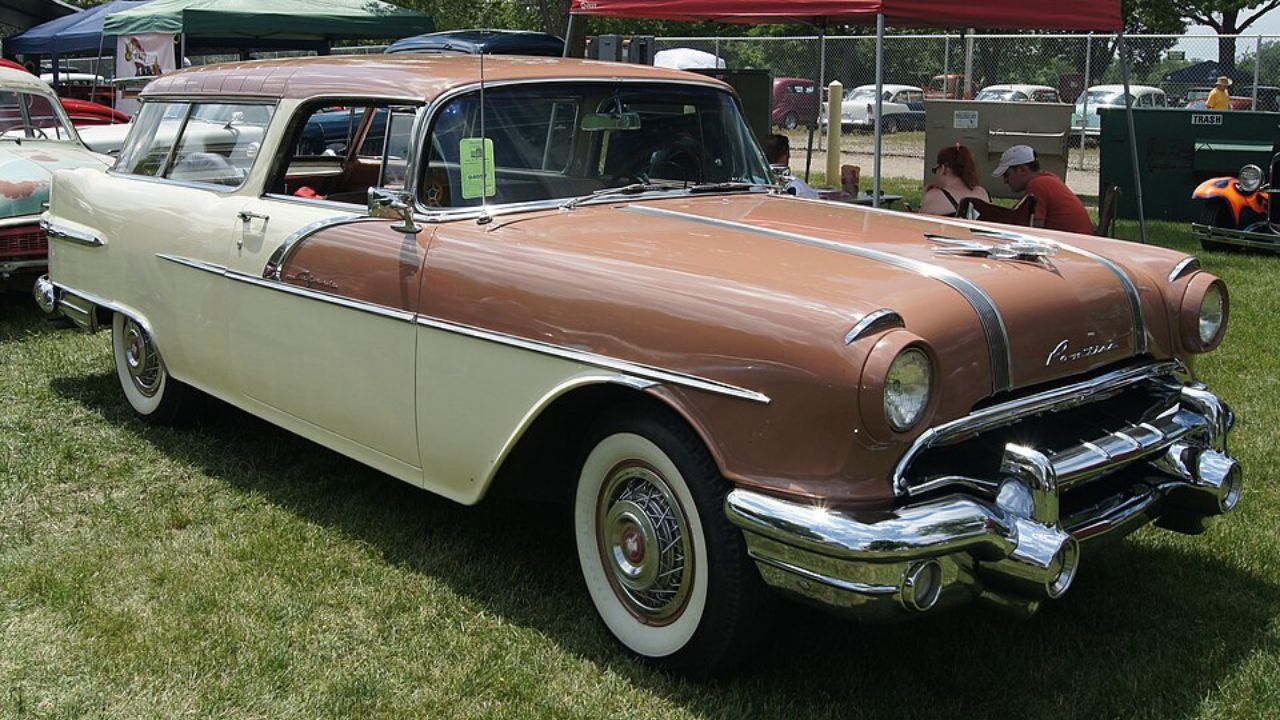
The Pontiac Safari name was used on several generations of Pontiac wagons, many of which combined full-size proportions with distinctive Pontiac styling. Later examples offered substantial passenger and cargo space, while earlier versions became known for dramatic chrome and large bodies. The Safari name carries a strong connection to traditional American family motoring. Owners who maintain one today often value its combination of nostalgia, usefulness, and unmistakable Pontiac character.
Ford Country Squire
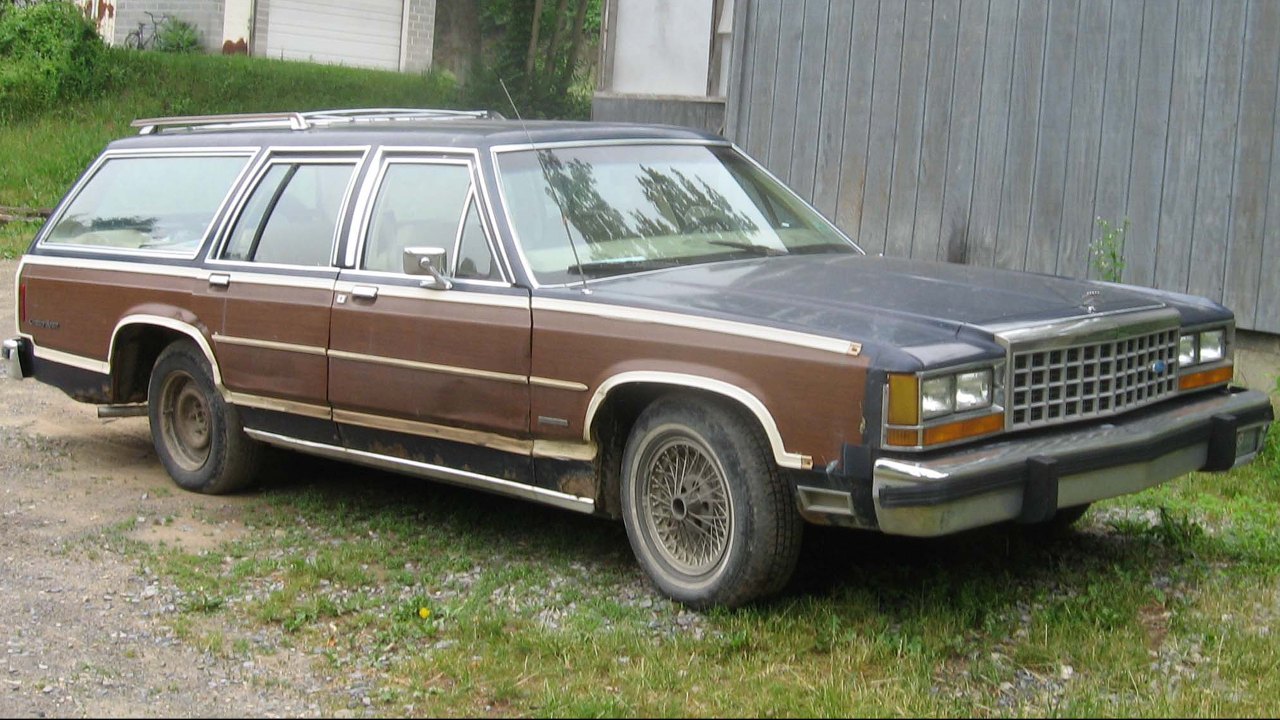
The Ford Country Squire became one of the defining American station wagons of the postwar era. Its woodgrain exterior treatment, large cabin, and substantial cargo area made it instantly recognizable. Families used these cars for everything from school runs to vacations, and the spacious interior gave them enormous practical value. Today, the Country Squire has become a symbol of a particular era of American life, making well-preserved examples difficult for owners to part with.
Mercury Colony Park
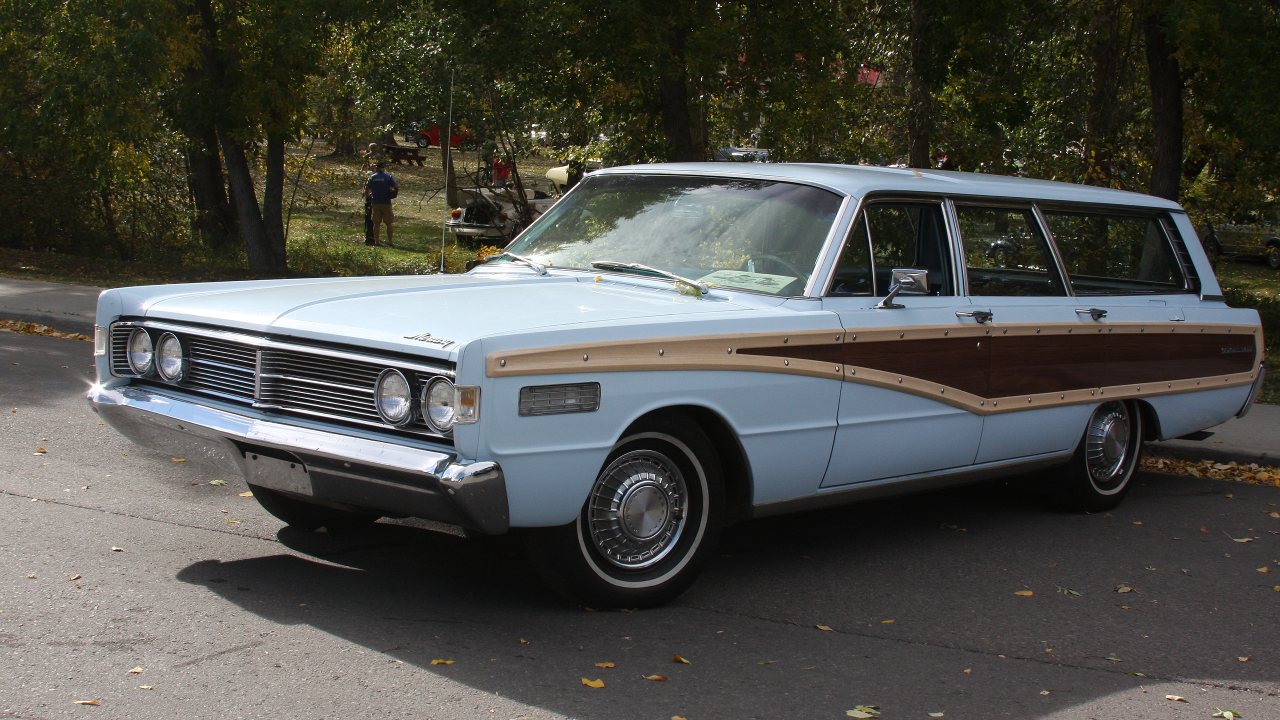
The Mercury Colony Park offered many of the same qualities as the Country Squire while adding Mercury’s more upscale styling and trim. Its long body and woodgrain exterior created an unmistakable appearance, while the large interior could accommodate passengers and luggage with ease. These wagons were built for family life rather than performance, but their size and comfort remain appealing. Owners who enjoy traditional American wagons often see little modern equivalent to the Colony Park.
Plymouth Volaré wagon
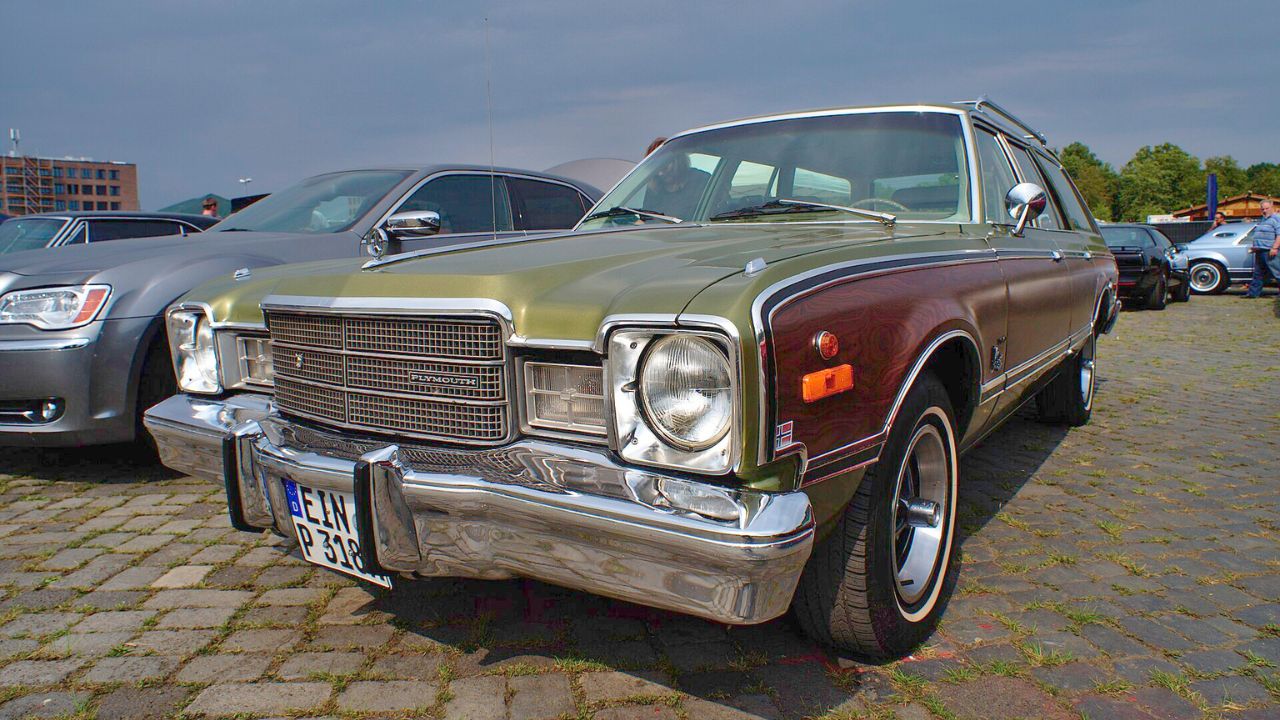
The Plymouth Volaré wagon provided a smaller alternative to the huge full-size wagons that dominated American roads. Its practical body and conventional mechanical layout made it a useful family vehicle, while its compact dimensions were easier to manage in everyday driving. The Volaré was produced in significant numbers, but surviving wagons are much less common today. That scarcity has helped turn ordinary examples into interesting reminders of a changing period in American automotive design.
Dodge Magnum
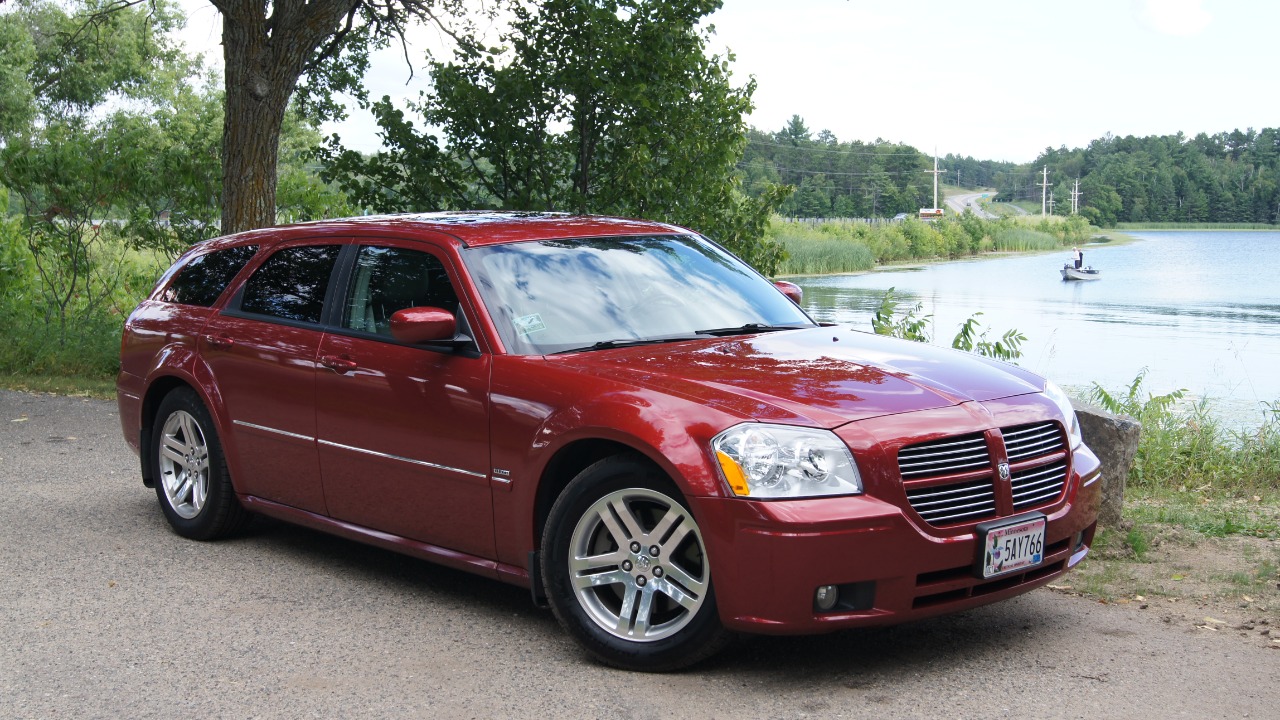
The Dodge Magnum brought a more dramatic interpretation of the modern American wagon. Its long roof, aggressive front end, rear-wheel-drive platform, and available V8 engines gave it a character that separated it from typical family vehicles. The combination of cargo space and muscle-car attitude was unusual, and the model’s short production run helped make it memorable. Owners who appreciate that formula often find newer crossovers too ordinary by comparison.
Subaru Legacy wagon
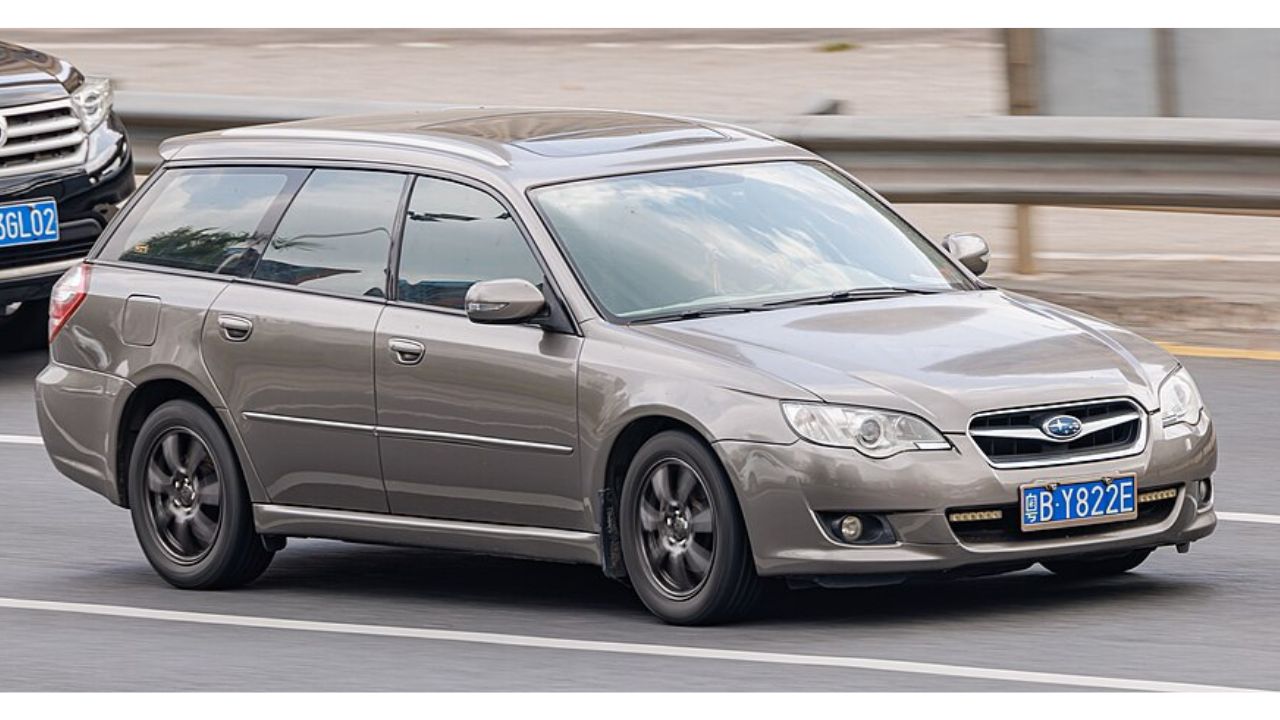
The Subaru Legacy wagon became a favorite among drivers who wanted practical transportation with all-weather capability. Its standard all-wheel-drive system, roomy cargo area, and relatively compact dimensions made it useful in a wide range of conditions. Turbocharged versions added genuine performance without sacrificing the wagon’s practicality. The Legacy’s combination of utility and driving character helped create a loyal following, and many owners remain attached to the older wagons because newer models have moved away from the same formula.
Volkswagen Passat wagon
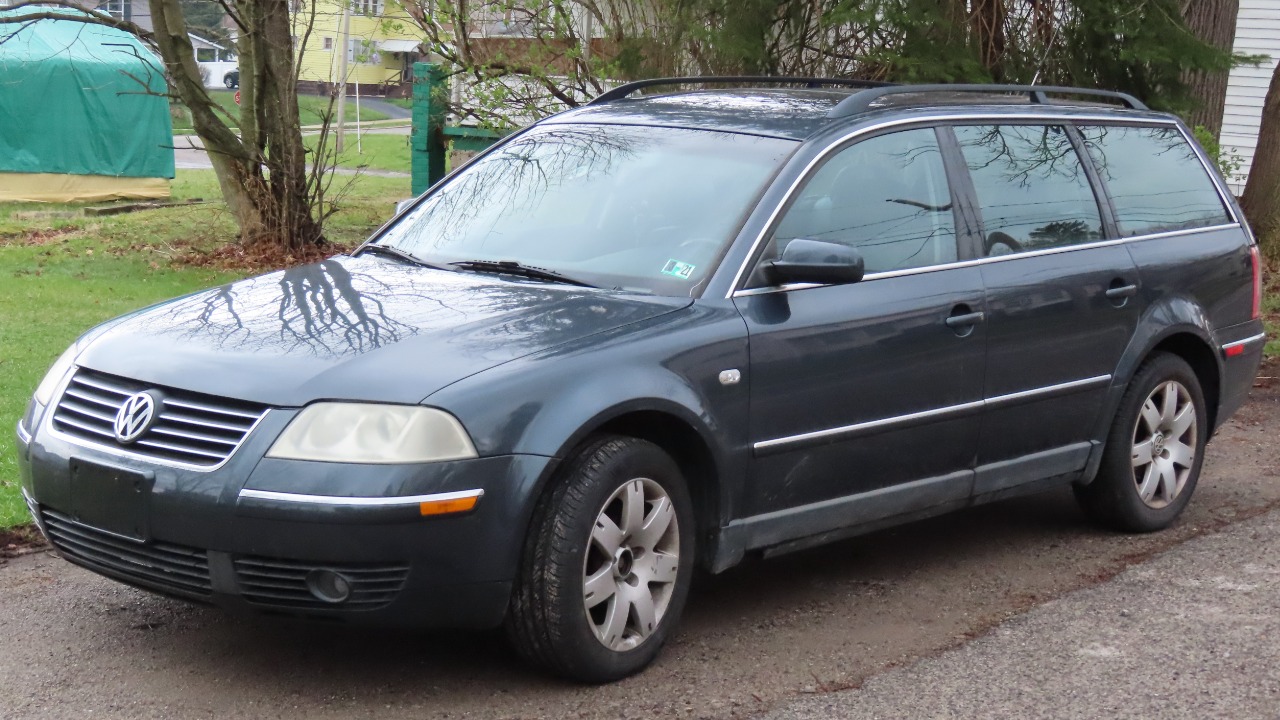
The Volkswagen Passat wagon offered a useful balance of European driving manners, comfortable seating, and practical cargo space. Its clean styling allowed it to blend into everyday traffic, while the interior made it a capable long-distance family car. Depending on the generation and market, buyers could choose from several efficient gasoline and diesel engines. Owners who value understated European wagons often appreciate the Passat because it delivers practicality without the bulky appearance of many modern SUVs.
Audi 200 Avant
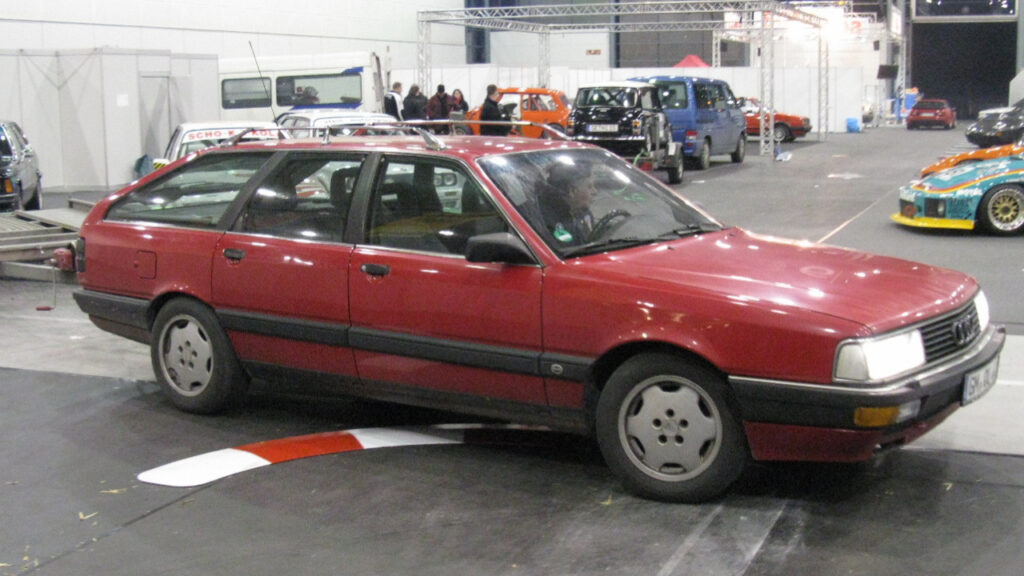
The Audi 200 Avant combined understated luxury with the practicality of a large five-door wagon. Its clean aerodynamic body was paired with Audi’s advanced engineering, while turbocharged versions offered impressive performance for a family vehicle. The wagon’s combination of space, comfort, and restrained styling made it especially appealing to buyers who wanted something different from traditional luxury sedans. Surviving examples are now uncommon, which makes dedicated owners even more likely to preserve them.
Toyota Corolla wagon
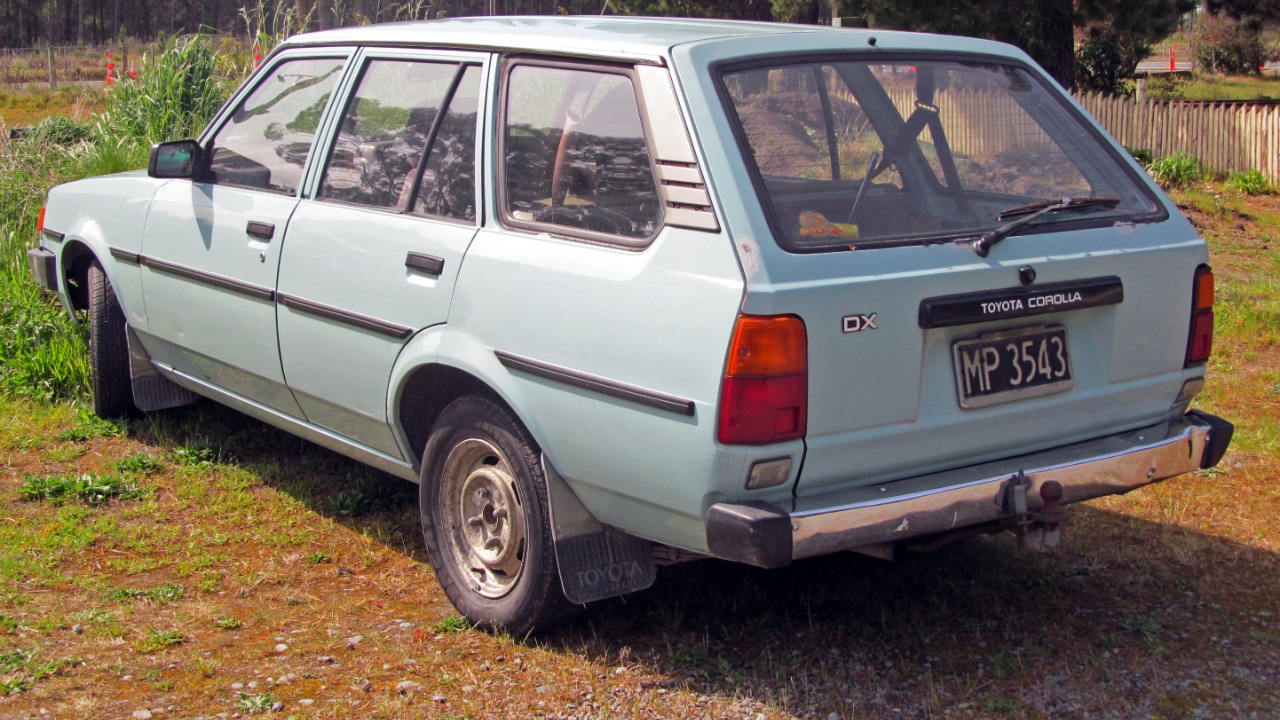
The Toyota Corolla wagon took the familiar Corolla formula and added a highly useful long roof. Its compact size made it easy to drive and park, while the wagon body provided considerably more cargo flexibility than the sedan. Toyota’s reputation for straightforward engineering also helped these cars survive years of ordinary use. Today, a clean Corolla wagon has a simple charm that many newer vehicles lack, especially for owners who value practicality without unnecessary complexity.
More from Fast Lane Only
- Unboxing the WWII Jeep in a Crate
- 15 rare Chevys collectors are quietly buying
- 10 underrated V8s still worth hunting down
- Police notice this before you even roll window down
*Research for this article included AI assistance, with all final content reviewed by human editors.