Classic wagons have a useful advantage over many other vintage vehicles: they were built to carry people and things. Their roomy cabins, large cargo areas, and straightforward designs still make sense for everyday use, even decades later. From American family haulers to dependable European and Japanese models, these wagons prove that practicality never really goes out of style.
Volvo 240 wagon
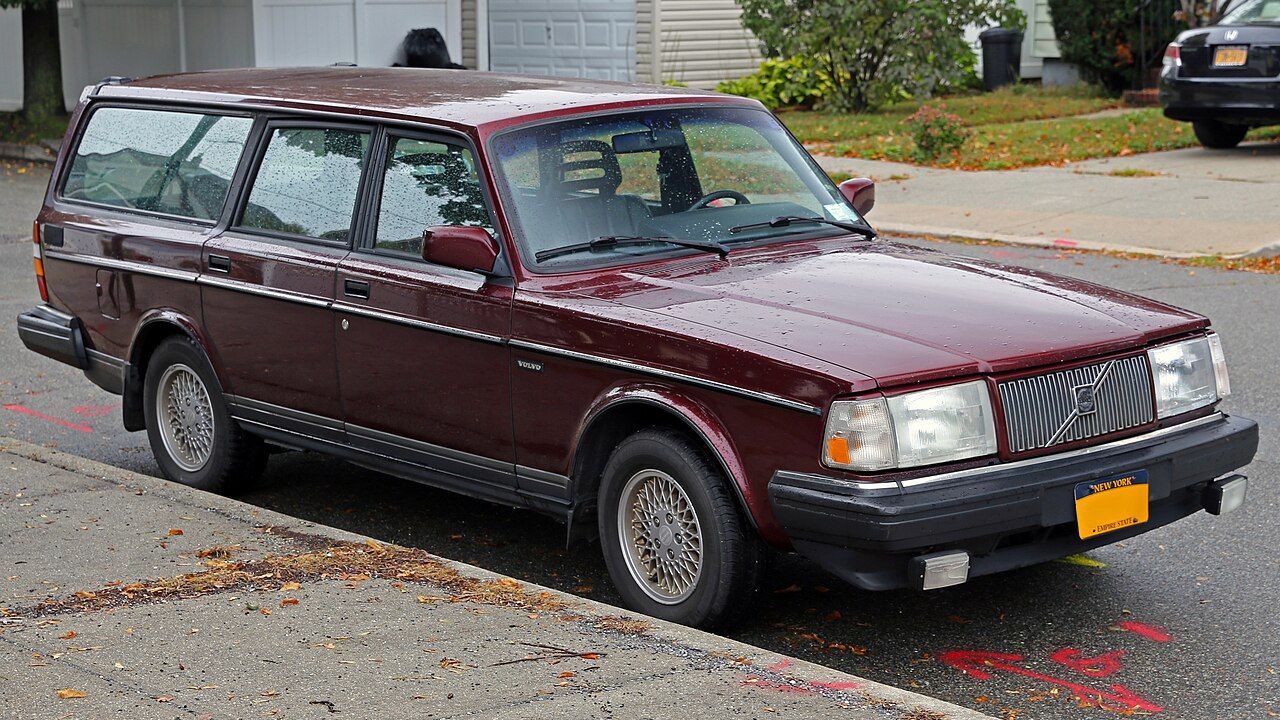
The Volvo 240 wagon remains one of the clearest examples of a classic vehicle that can still make practical sense. Its boxy body provides generous interior and cargo space, while the simple mechanical layout has earned the model a reputation for durability. The upright shape also makes loading bulky items easier than in many modern crossovers. For someone who wants an old-fashioned wagon with a useful cabin and an unmistakable appearance, the 240 is hard to overlook.
Mercedes-Benz W123 wagon
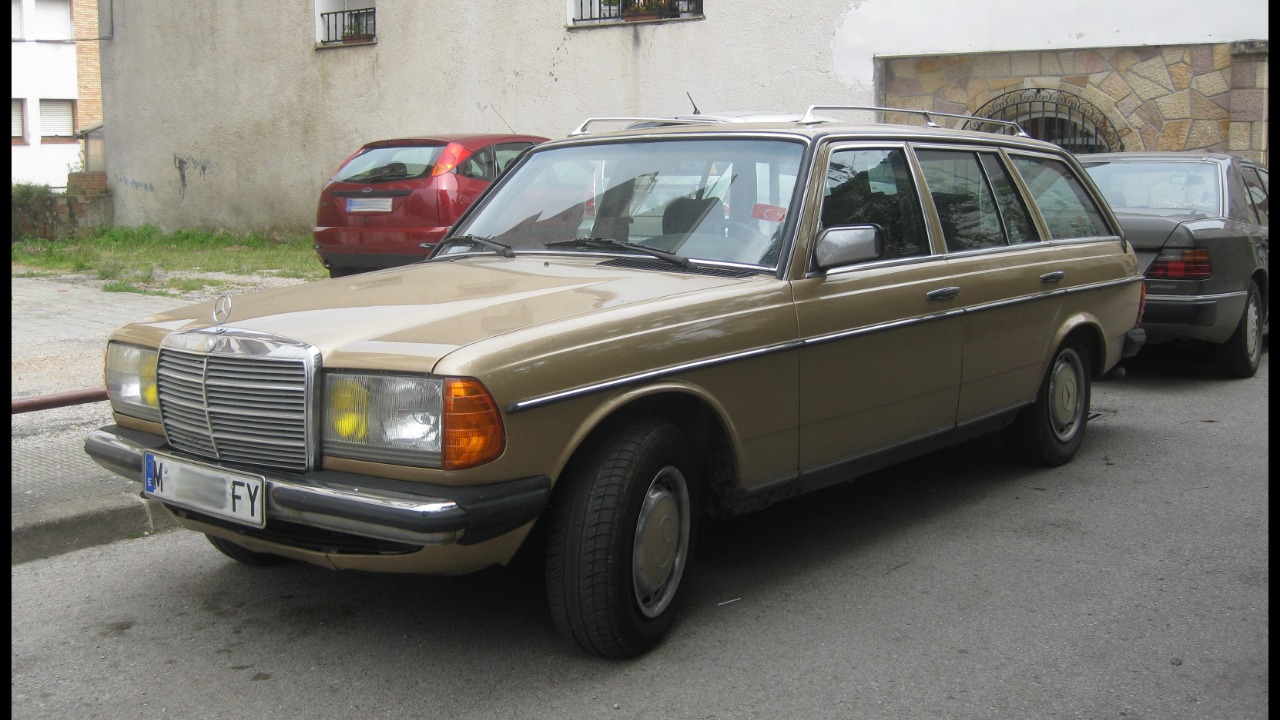
The W123 wagon combined Mercedes-Benz comfort with genuine family-car practicality. Its large cargo area, sturdy construction, and comfortable seating made it useful for everything from road trips to daily errands. The wagon’s squared-off design also maximized usable interior space rather than sacrificing room for dramatic styling. Surviving examples are now classics, but the basic formula still works remarkably well. It is one of those older cars that can feel more useful than its age suggests.
Volkswagen Golf wagon
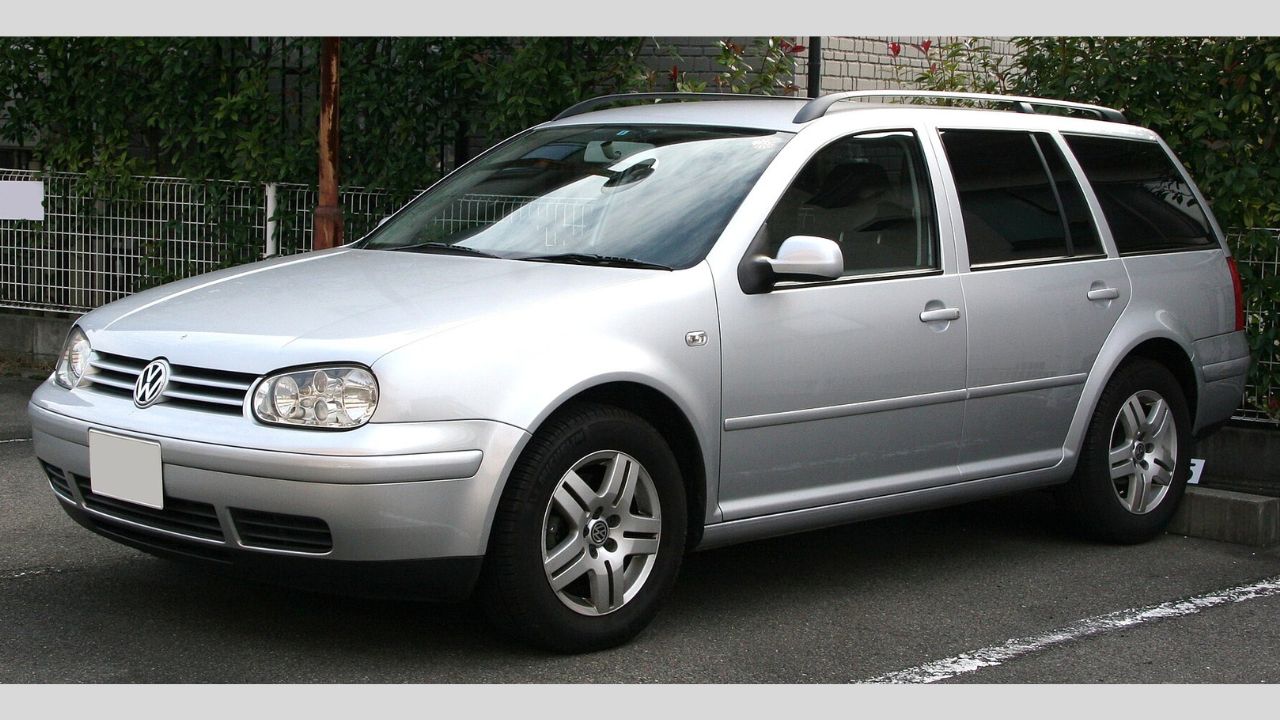
The Volkswagen Golf wagon brought compact dimensions together with a surprisingly useful interior. It was easier to maneuver and park than a full-size American wagon while still offering plenty of room for groceries, luggage, and everyday equipment. The hatchback-style rear opening also made the cargo area easy to access. For drivers who appreciate older European cars but do not need a huge vehicle, a Golf wagon offers a sensible balance of size, practicality, and classic character.
Saab 9-5 wagon
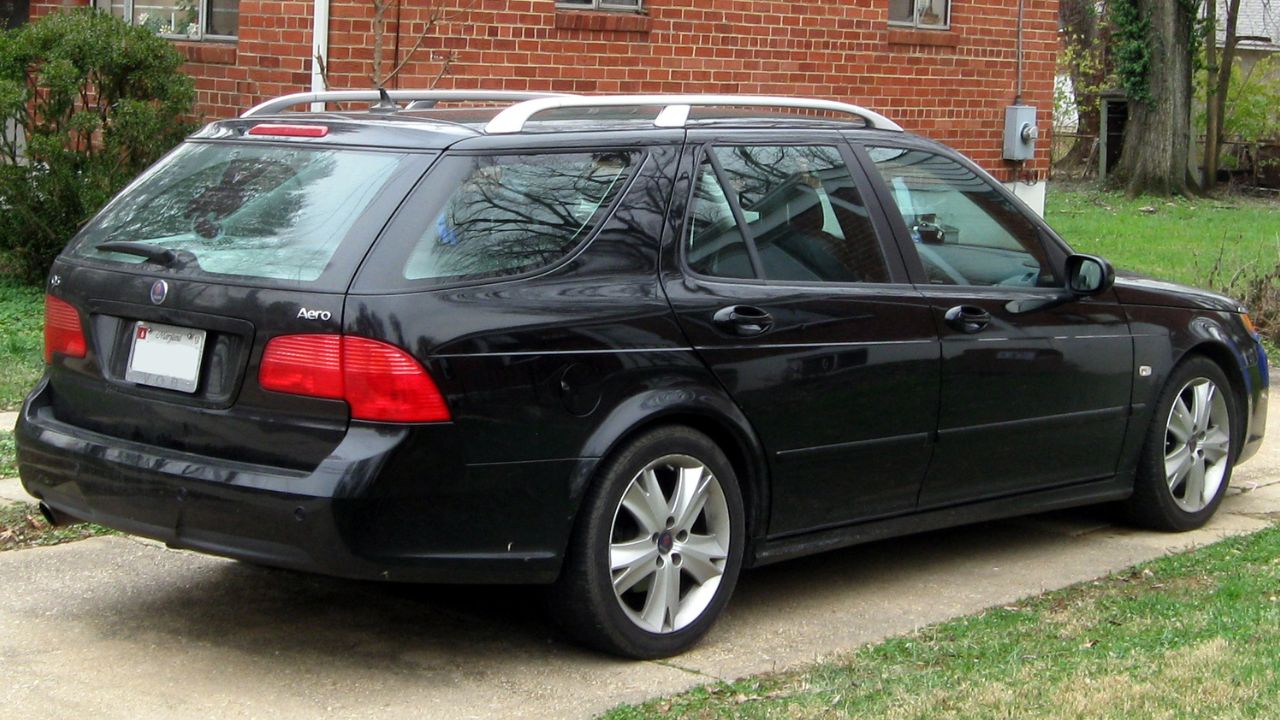
The Saab 9-5 wagon offered a different take on the family hauler, combining a spacious cabin with distinctive Scandinavian design. Its long roof created plenty of room for luggage, while the comfortable seats made it well suited to long-distance driving. Saab also gave the model a strong selection of engines, including turbocharged versions. Today, the 9-5 wagon appeals to buyers who want something less predictable than a Volvo but still need a genuinely useful cargo area.
Subaru Legacy wagon
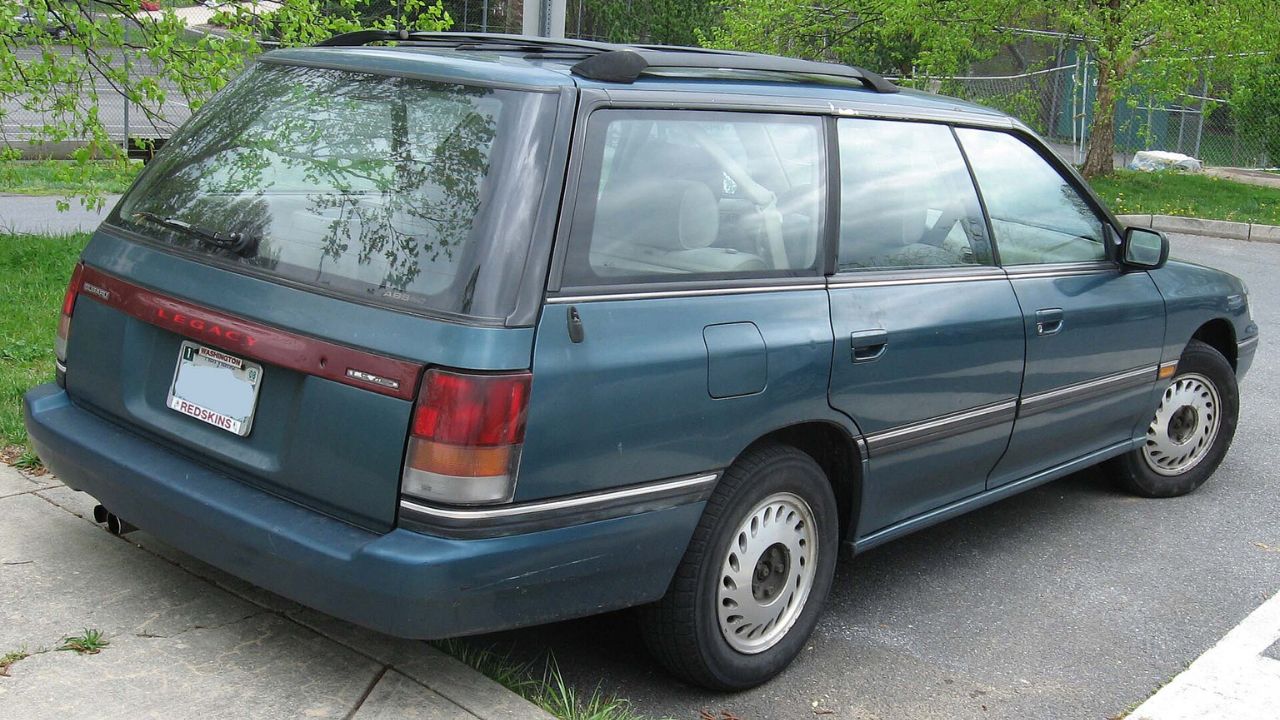
The Subaru Legacy wagon was designed around practicality from the beginning. Its standard all-wheel-drive layout gave it an advantage in poor weather, while the wagon body provided useful cargo capacity without requiring a large vehicle. The relatively compact footprint also made it easier to live with than many traditional American wagons. For drivers who value traction, space, and a straightforward classic shape, the Legacy wagon remains one of the more sensible older choices.
Audi 100 Avant
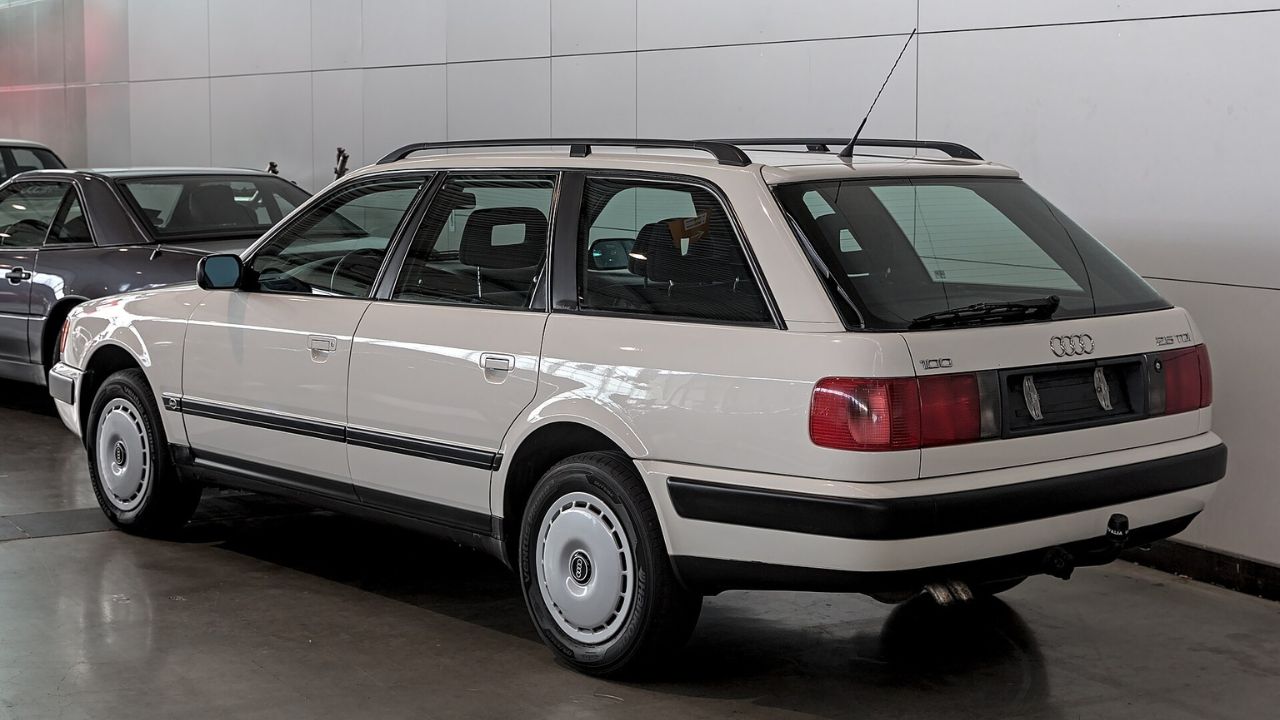
The Audi 100 Avant combined a streamlined European shape with the functionality expected from a wagon. Its rear cargo area was large enough for family use, while the comfortable cabin made it suitable for long highway trips. The styling also gave it a more modern appearance than many boxier wagons of its era. Although it is less common today, the 100 Avant demonstrates how a practical family vehicle could also have a sophisticated design.
Ford Taurus wagon
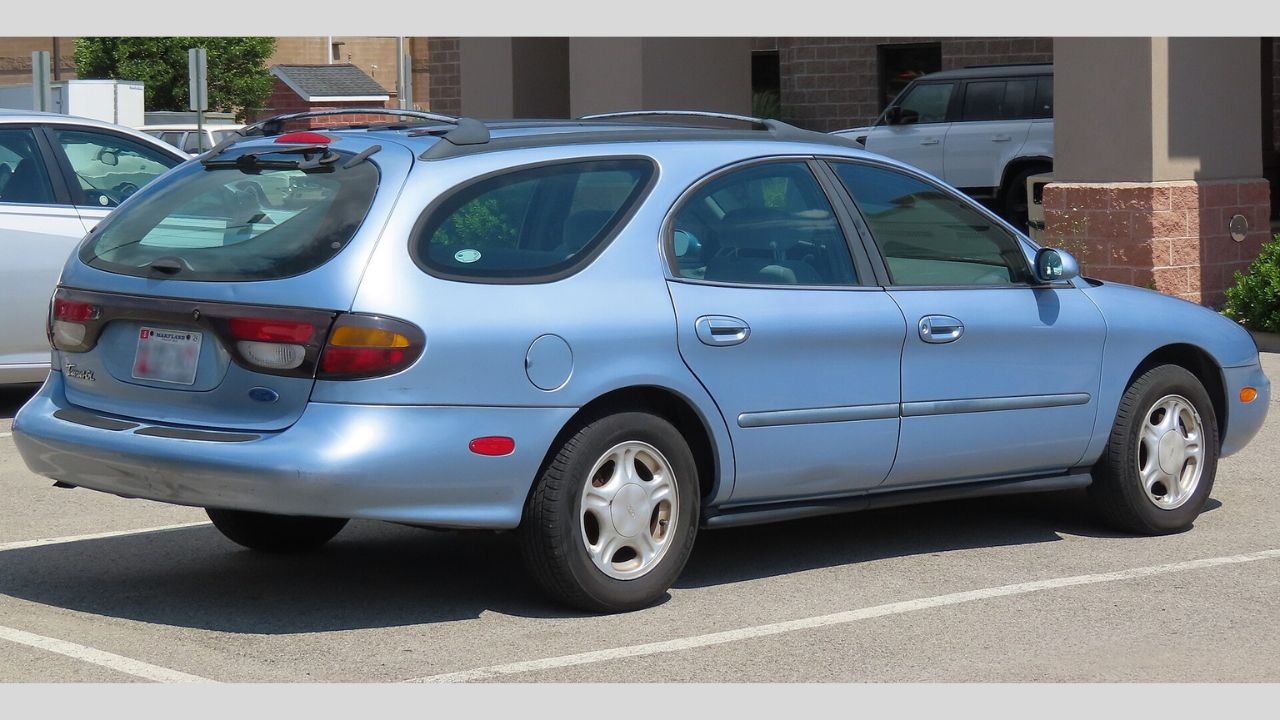
The Ford Taurus wagon brought American practicality into a more aerodynamic package. Its rounded styling was very different from the traditional square wagon, but the large rear compartment remained useful for families. It also offered plenty of passenger space and a comfortable ride, making it well suited to everyday driving. Today, the Taurus wagon has become an unusual sight, but its combination of interior room, familiar mechanicals, and straightforward functionality still gives it plenty of appeal.
Chevrolet Celebrity wagon
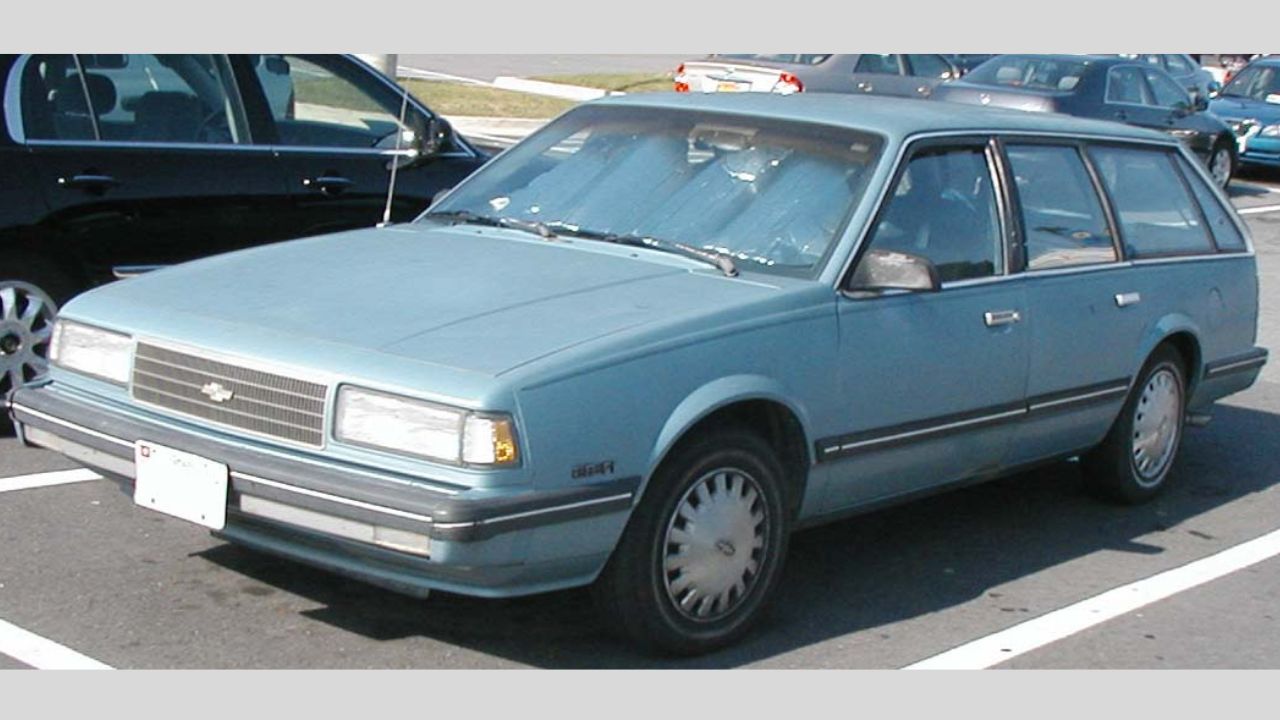
The Chevrolet Celebrity wagon was built as a practical family vehicle rather than a collector’s statement, which is exactly why it makes an interesting classic today. Its spacious cabin and useful rear cargo area suited everyday transportation, while its front-wheel-drive layout made it relatively easy to drive. The Celebrity also represents an era when ordinary family wagons were common on American roads. For enthusiasts who appreciate overlooked classics, it offers plenty of practical nostalgia.
Buick Century wagon
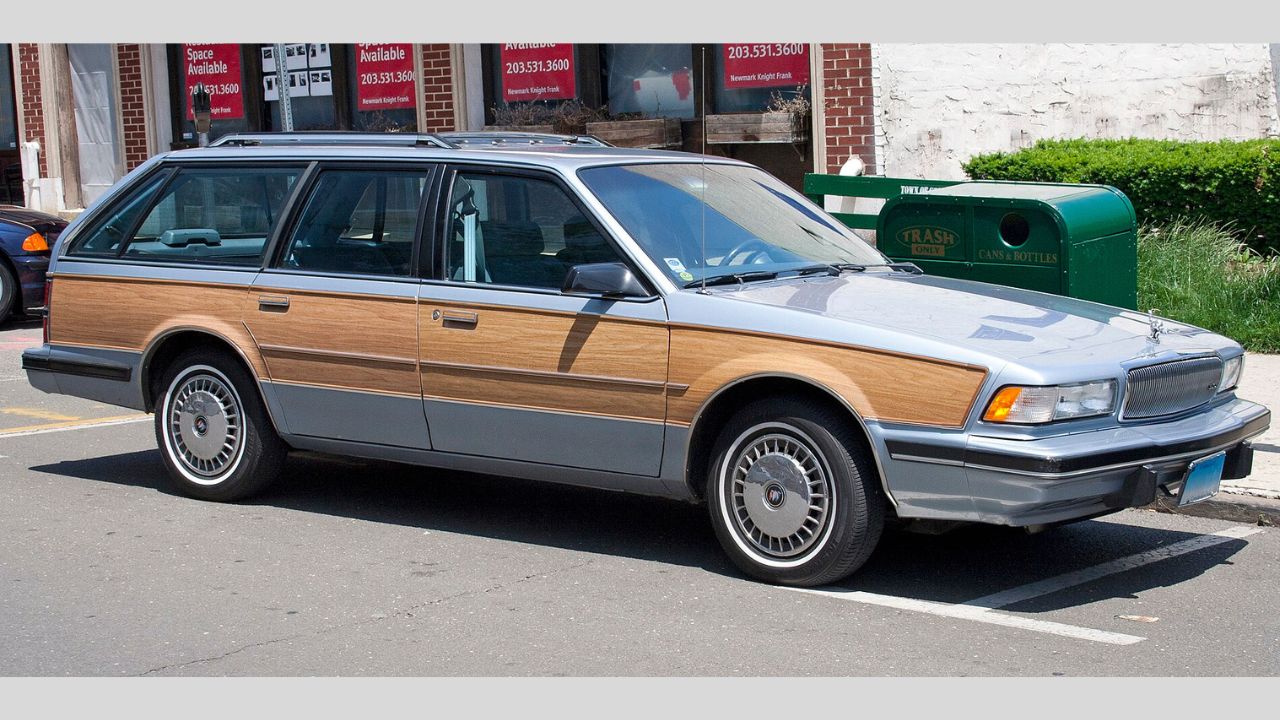
The Buick Century wagon delivered the kind of comfortable, roomy transportation American families expected from a midsize wagon. Its interior could handle passengers and cargo without requiring the footprint of a full-size vehicle. The soft ride also suited relaxed highway travel, while the familiar Buick name gives it plenty of period appeal. It may not have the sporting image of some European wagons, but its usefulness is precisely what makes the Century interesting today.
Pontiac 6000 wagon
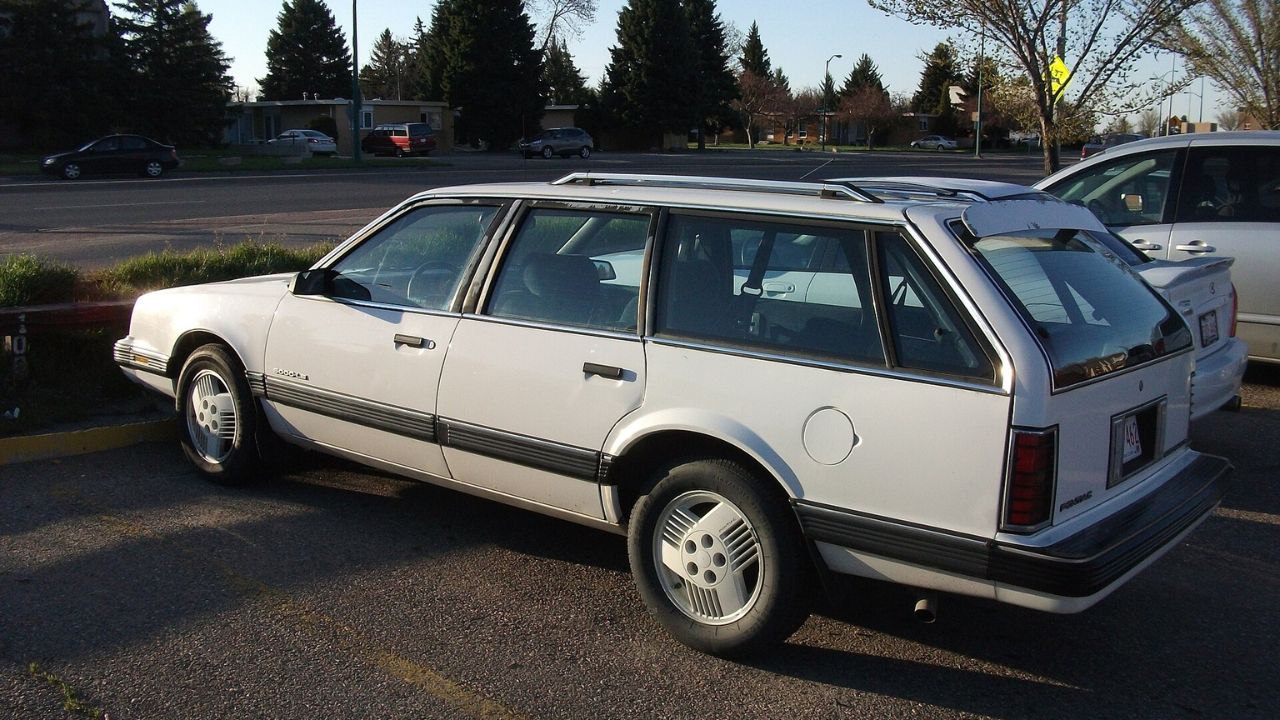
The Pontiac 6000 wagon was another practical family vehicle that has largely disappeared from modern roads. It provided generous passenger room and a useful rear cargo area while maintaining a manageable midsize footprint. Pontiac also gave the 6000 a slightly sportier personality than some of its corporate siblings. Today, finding one is unusual, especially in good condition. For someone interested in an inexpensive-looking classic with genuine family-car practicality, it is an intriguing choice.
Mercury Colony Park
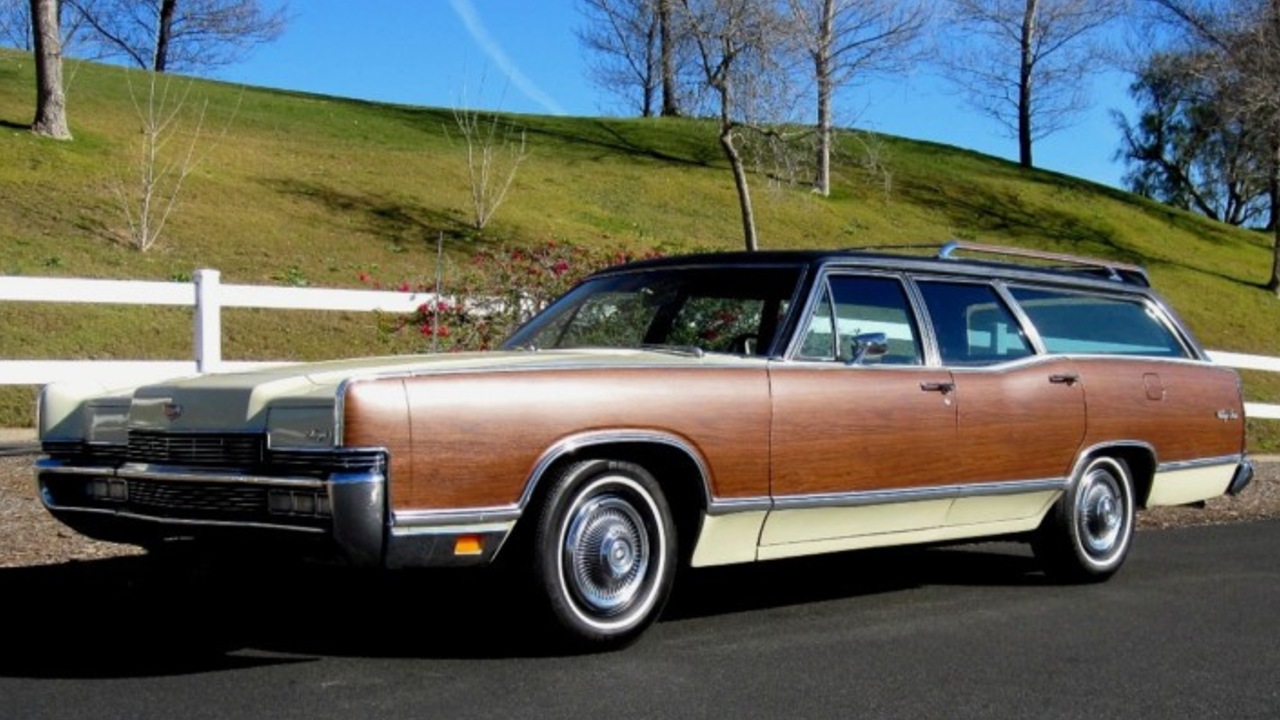
The Mercury Colony Park was built for buyers who wanted maximum space and a comfortable ride. Its large body, spacious cabin, and substantial cargo area made it a natural family vehicle, while the woodgrain exterior became one of its defining features. Unlike a modern crossover, the Colony Park offered a long, low load floor and plenty of room for passengers. Its sheer size can be inconvenient in tight spaces, but for hauling people and gear, it remains remarkably capable.
Ford Country Squire
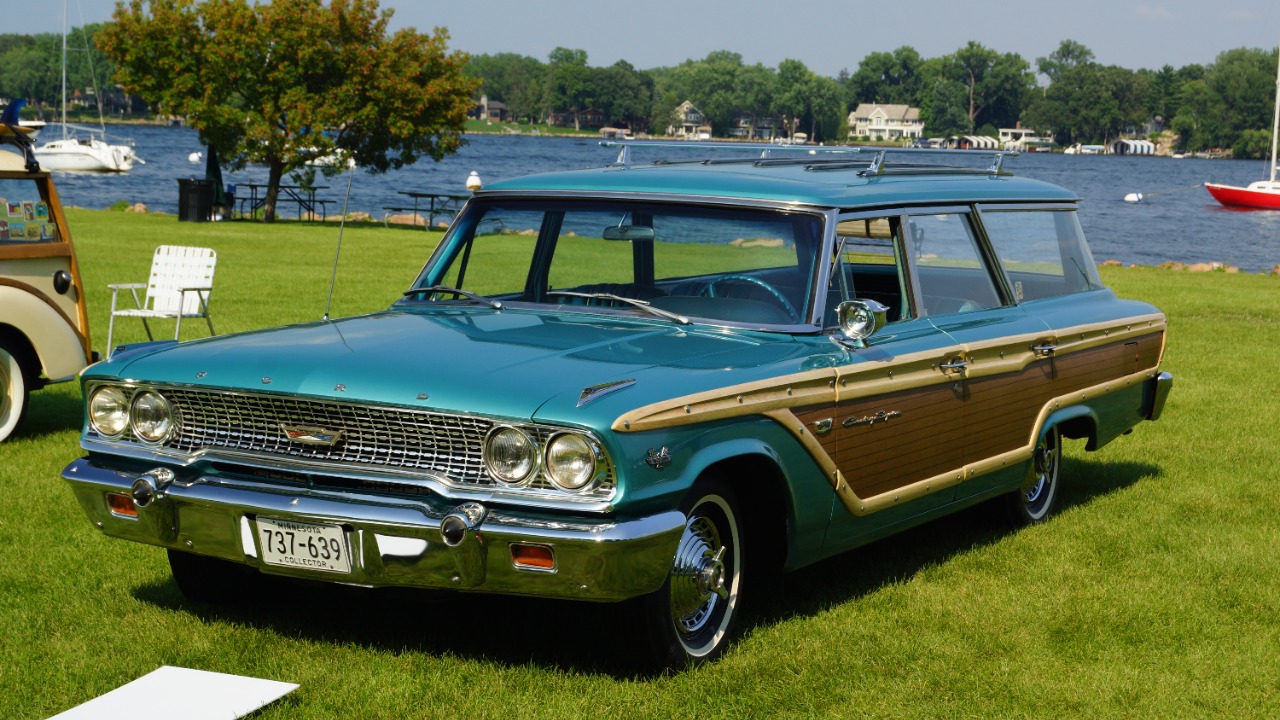
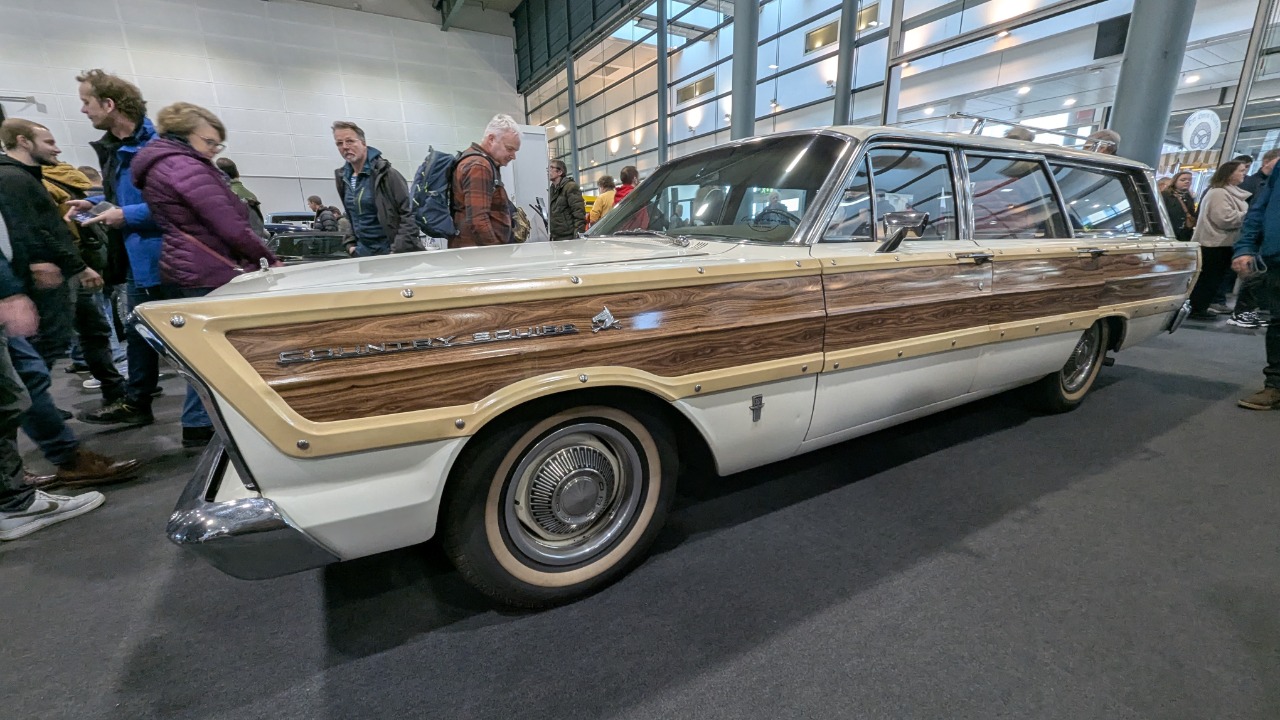
The Ford Country Squire became one of America’s best-known family wagons, and its practical qualities explain why. The long body provided plenty of passenger and cargo room, while the large rear opening made it easy to load bulky items. Later examples also offered comfortable interiors and V8 power. The famous woodgrain appearance gives the Country Squire instant recognition, but underneath the nostalgia is a vehicle that was genuinely designed around carrying a family and everything that came with it.
Plymouth Volaré wagon
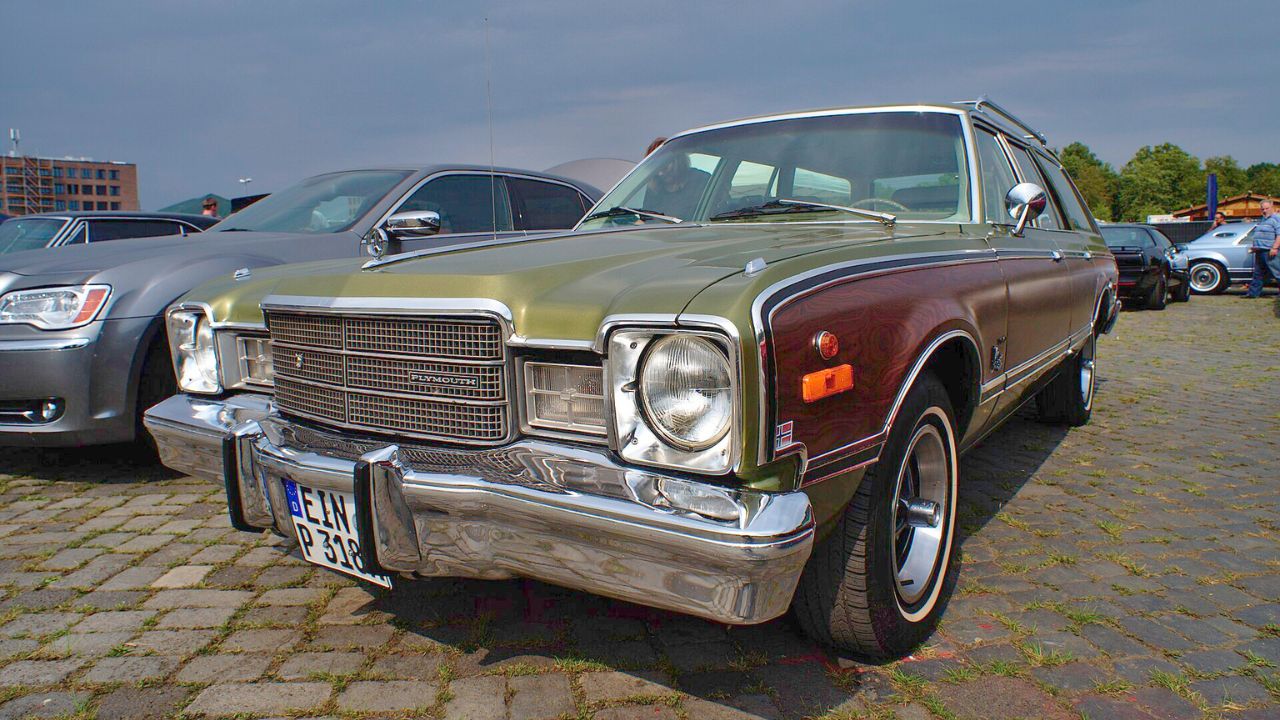
The Plymouth Volaré wagon offered practical transportation at a time when families still depended heavily on station wagons. Its midsize dimensions made it easier to handle than the largest American wagons, while the rear cargo area provided plenty of useful space. The straightforward design also makes it an interesting representative of late-1970s American motoring. It lacks the glamour of a muscle car, but that ordinary character is part of what makes the Volaré appealing as a classic.
Dodge Monaco wagon
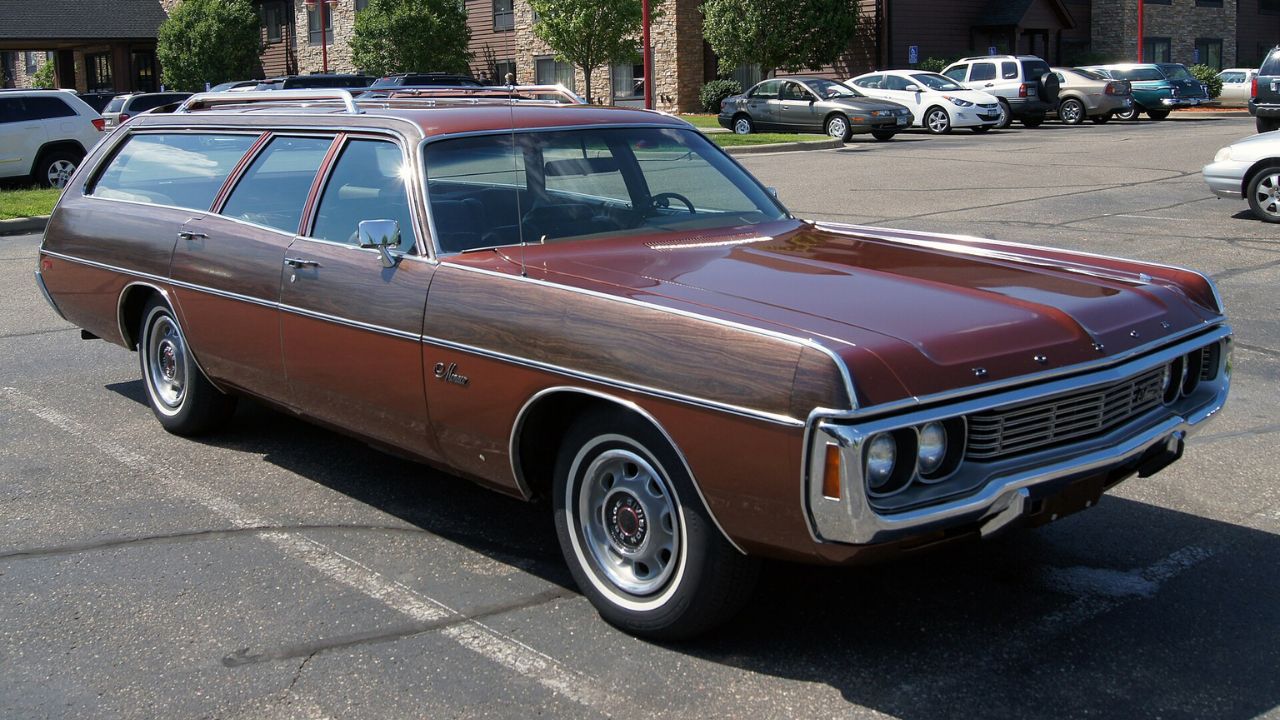
The Dodge Monaco wagon was a substantial family vehicle with plenty of room for passengers, luggage, and whatever else needed to be carried. Its long body gave it an enormous cargo area, while available V8 power made it capable of comfortable highway cruising. The Monaco also has a distinctive period appearance that sets it apart from smaller wagons. For collectors who want a large American classic that can actually haul things, the Monaco remains an entertaining option.
Oldsmobile Vista Cruiser
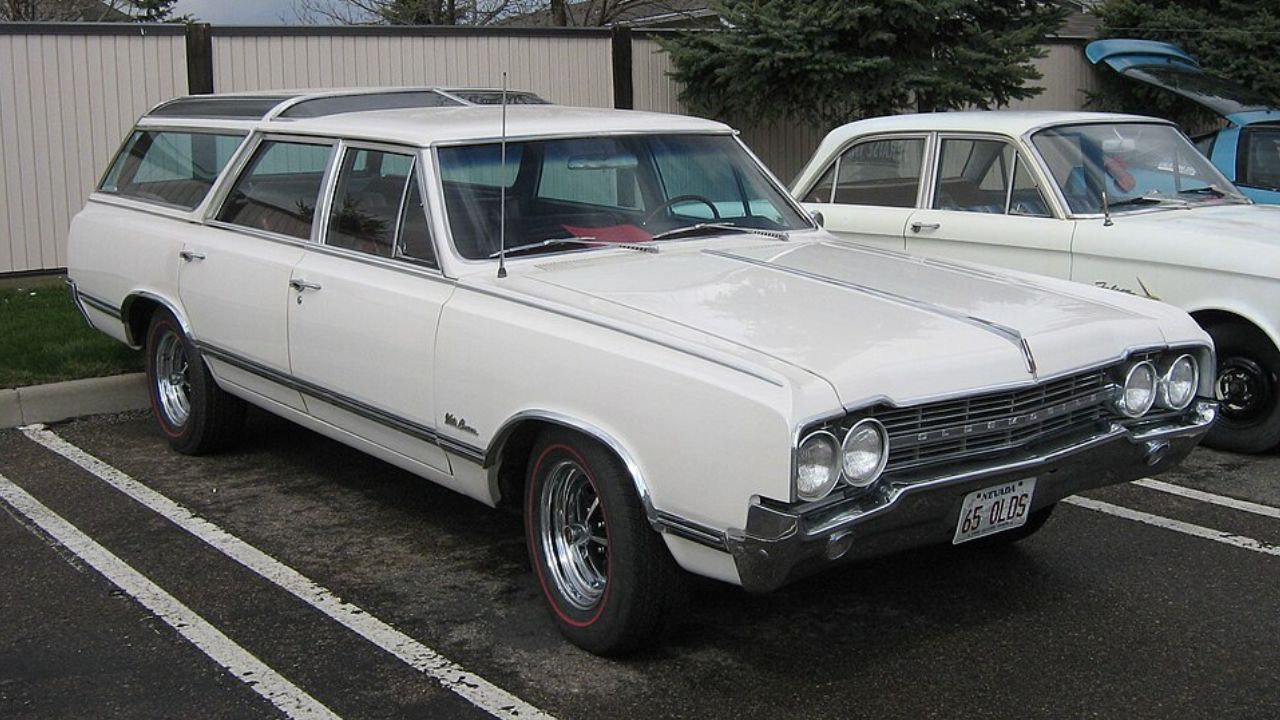
The Vista Cruiser is remembered for its raised glass roof sections, but its usefulness went far beyond its unusual appearance. The wagon provided generous seating and cargo capacity, making it a practical family vehicle for road trips and everyday transportation. Its elevated rear roofline also helped create a more open-feeling cabin. Today, the Vista Cruiser is a recognizable classic, yet it still retains the basic utility that made these wagons so popular when families depended on them.
Pontiac Safari
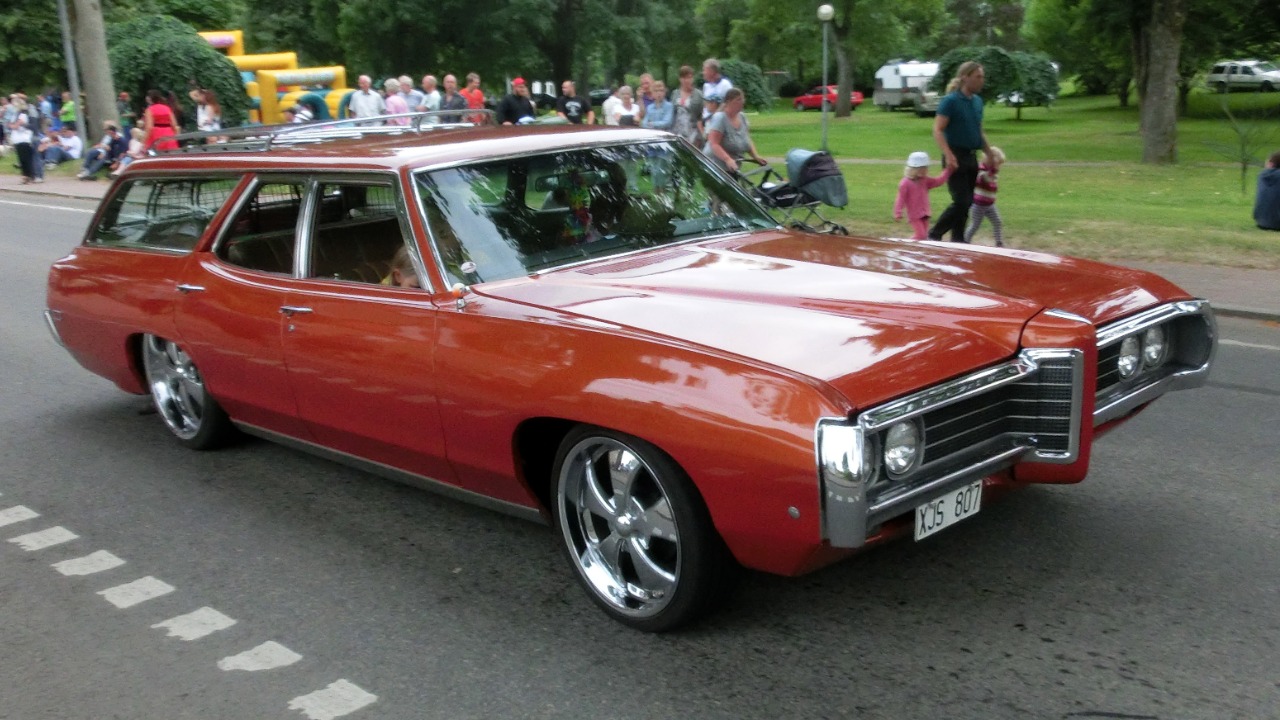
The Pontiac Safari combined traditional American wagon practicality with Pontiac’s distinctive styling. Its long body offered plenty of room for passengers and cargo, while the broad rear area was useful for everything from luggage to household projects. Depending on the generation, Safari models ranged from relatively restrained family wagons to enormous full-size machines. Their rarity today adds collector appeal, but their original purpose remains obvious: carrying people and belongings in comfort.
Toyota Corolla wagon
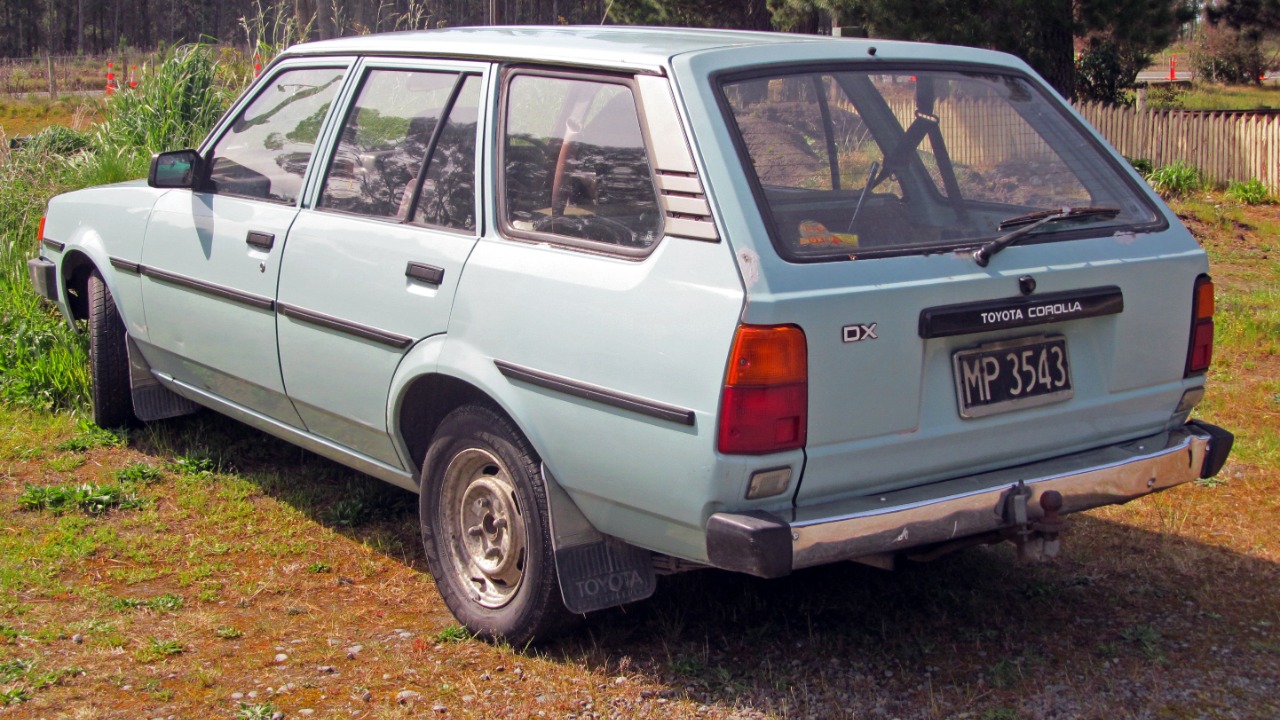
The Toyota Corolla wagon showed that practicality did not require a massive vehicle. Its compact dimensions made it easy to maneuver, while the wagon body created useful additional cargo space. Toyota’s reputation for straightforward engineering also contributes to the model’s appeal among people who want an older vehicle that can be relatively uncomplicated to own. Compared with huge American wagons, the Corolla offers a much easier package for modern streets and parking lots.
Datsun 510 wagon
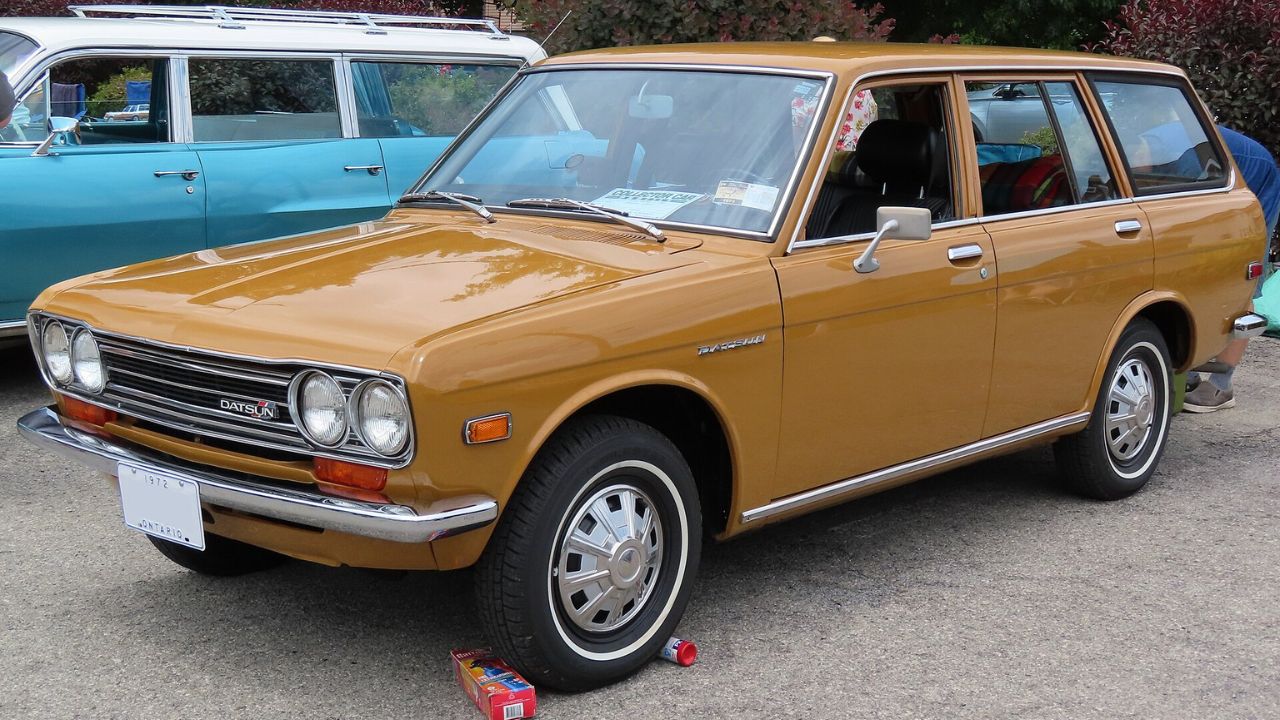
The Datsun 510 wagon combined compact dimensions with a useful cargo area and a reputation for being an enjoyable driver’s car. Its simple styling has aged well, while the lightweight construction gives it a different character from large American wagons. The wagon body also makes it more useful than the better-known 510 sedan or coupe for carrying equipment. For enthusiasts who want classic Japanese character without giving up practicality, the 510 wagon remains an appealing choice.
Honda Civic wagon
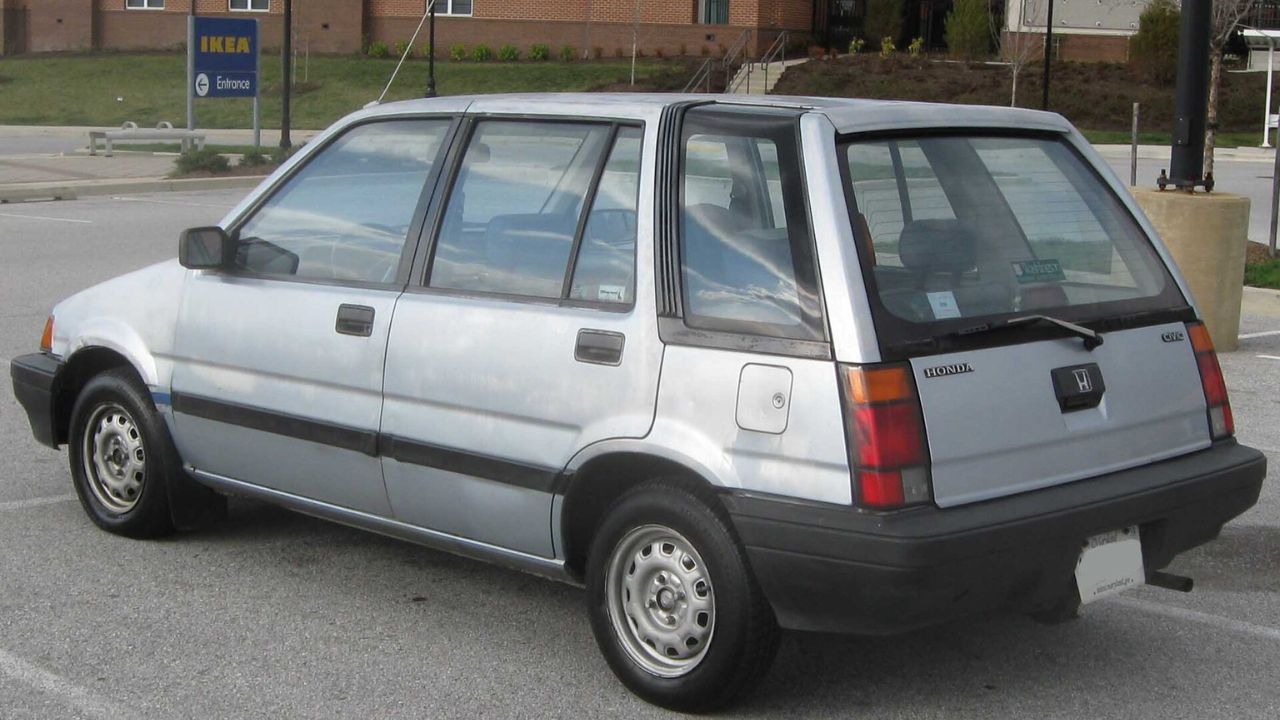
The Honda Civic wagon demonstrated how much usefulness could be packed into a relatively small footprint. Its compact exterior made it easy to maneuver, while the tall roof and extended rear section created practical cargo space. Fuel economy was another advantage over larger American wagons. Today, early Civic wagons have become increasingly collectible, but they still retain the qualities that made them attractive in the first place: efficiency, simplicity, and everyday usability.
Mazda 626 wagon
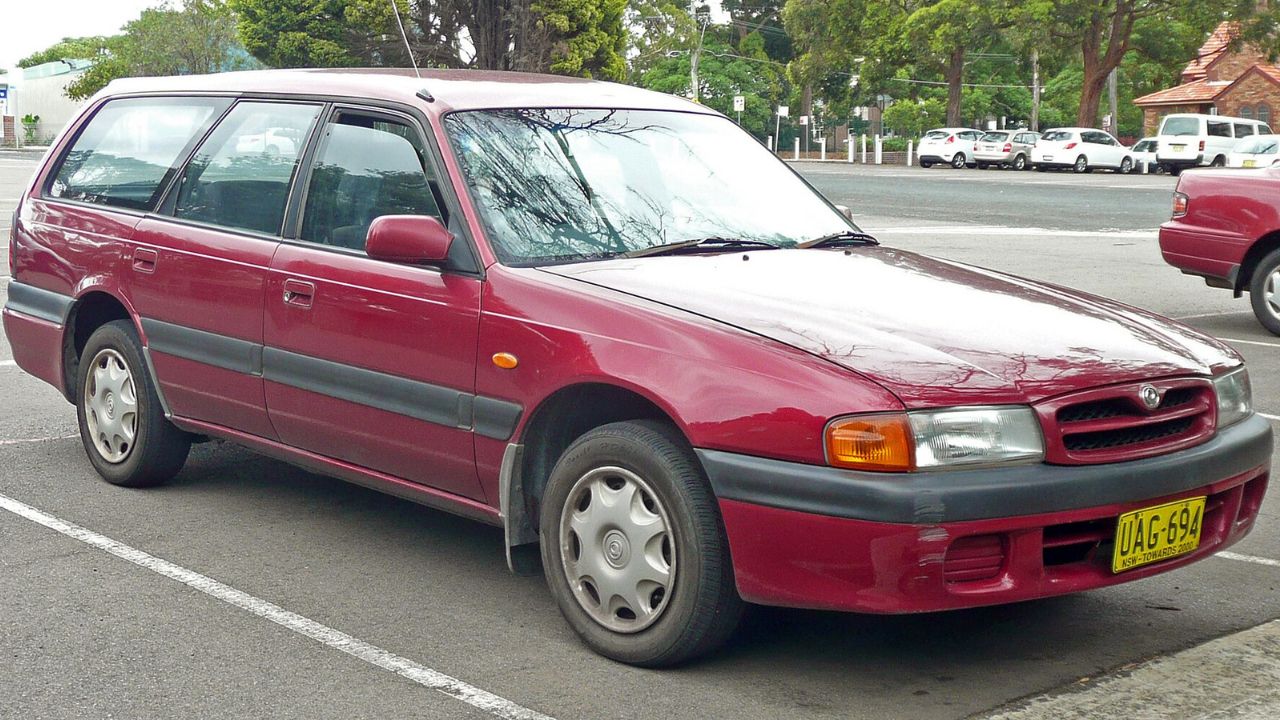
The Mazda 626 wagon offered a sensible alternative to larger family vehicles, combining a practical rear compartment with relatively compact dimensions. Its straightforward styling and comfortable interior made it suitable for daily transportation, while the wagon shape added flexibility that a conventional sedan could not match. It is less famous than some Japanese classics, which can make it more interesting to enthusiasts seeking something different. As a practical vintage vehicle, the 626 wagon still has plenty going for it.
More from Fast Lane Only
- Unboxing the WWII Jeep in a Crate
- 15 rare Chevys collectors are quietly buying
- 10 underrated V8s still worth hunting down
- Police notice this before you even roll window down
*Research for this article included AI assistance, with all final content reviewed by human editors.