Muscle cars are usually associated with a familiar group of legends, but some of the most interesting examples never received the same attention. Limited production, unusual engine combinations, regional availability, and short production runs created plenty of muscle cars that slipped under the radar. These rare machines may not be household names, but serious enthusiasts still know exactly why they matter.
Chevrolet Biscayne 427
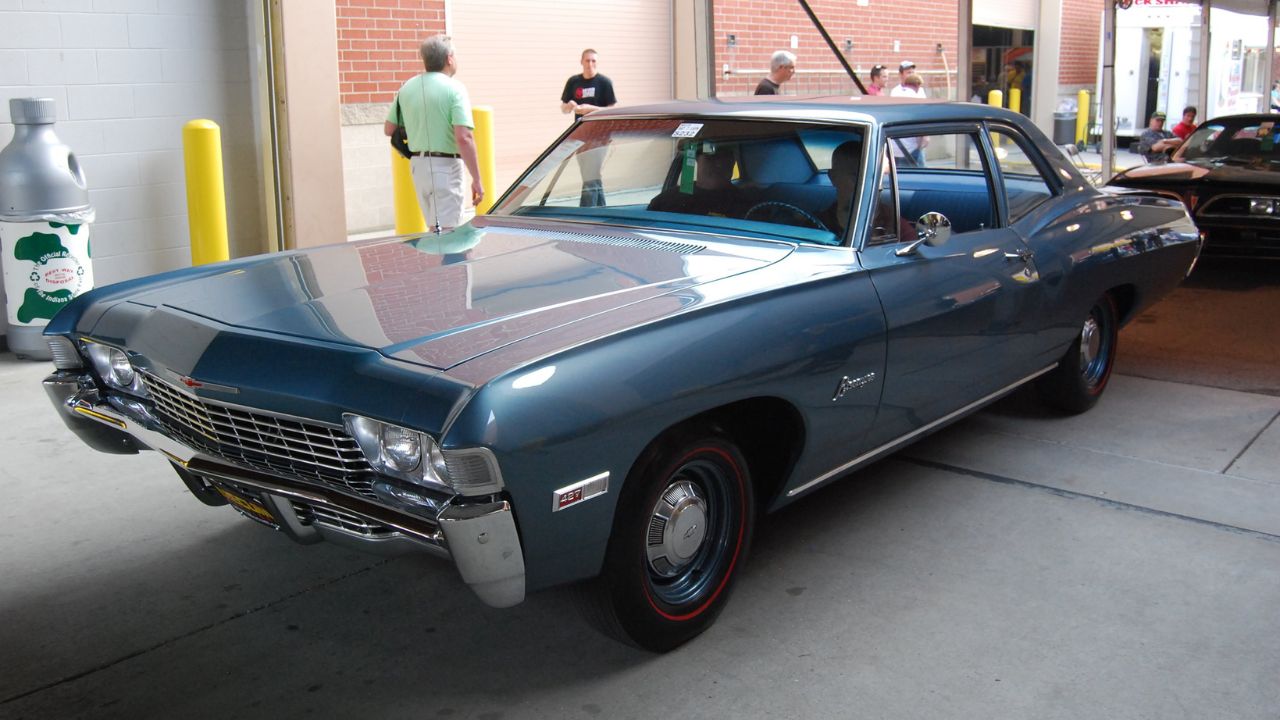
The Chevrolet Biscayne was usually thought of as a basic full-size car, which made its availability with Chevrolet’s big 427 V8 particularly interesting. Without the flashy trim of a Chevelle or Impala, the Biscayne could look almost ordinary while carrying serious performance hardware. That sleeper quality is a major reason enthusiasts still appreciate it. Lightweight equipment and powerful engines gave certain Biscayne versions impressive straight-line ability, making them fascinating examples of Chevrolet performance without the usual muscle-car appearance.
Ford Fairlane GTA

The Fairlane GTA occupied an interesting position in Ford’s 1960s performance lineup. It was smaller and lighter than many full-size Fords, yet buyers could pair it with powerful V8 engines and performance-oriented equipment. The GTA designation made it a legitimate performance model without carrying the enormous recognition of the Mustang. Its clean styling and relatively compact dimensions gave it a different personality from Ford’s larger muscle cars. Enthusiasts who know Ford’s history often regard the Fairlane GTA as one of the brand’s underrated performance machines.
Mercury Cyclone GT
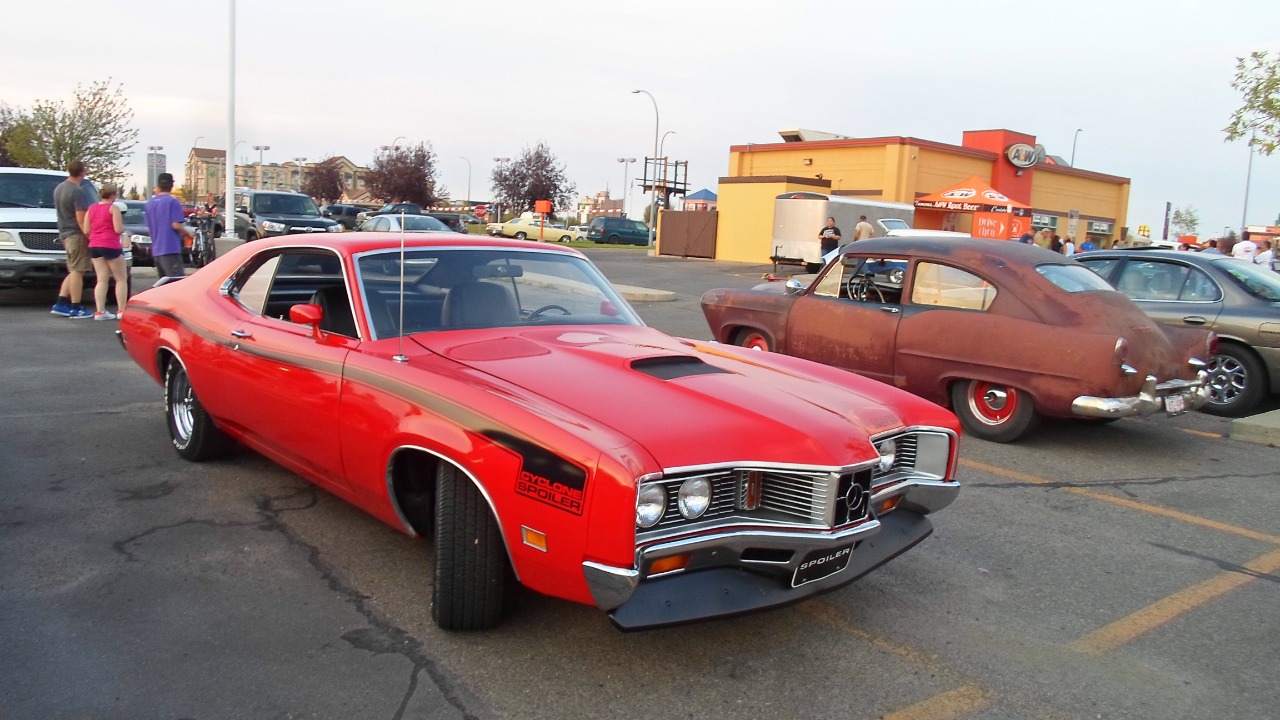
The Cyclone GT gave Mercury a strong entry into the growing muscle-car market while remaining less common than comparable Fords. Its sleek fastback styling and available V8 power made it capable of serious performance, yet the Mercury badge meant it never received the same attention as the Mustang. The Cyclone also evolved through several interesting configurations during the muscle-car era. Today, clean examples attract enthusiasts who appreciate something different from the usual Mustang, Camaro, and Charger crowd.
Mercury Comet
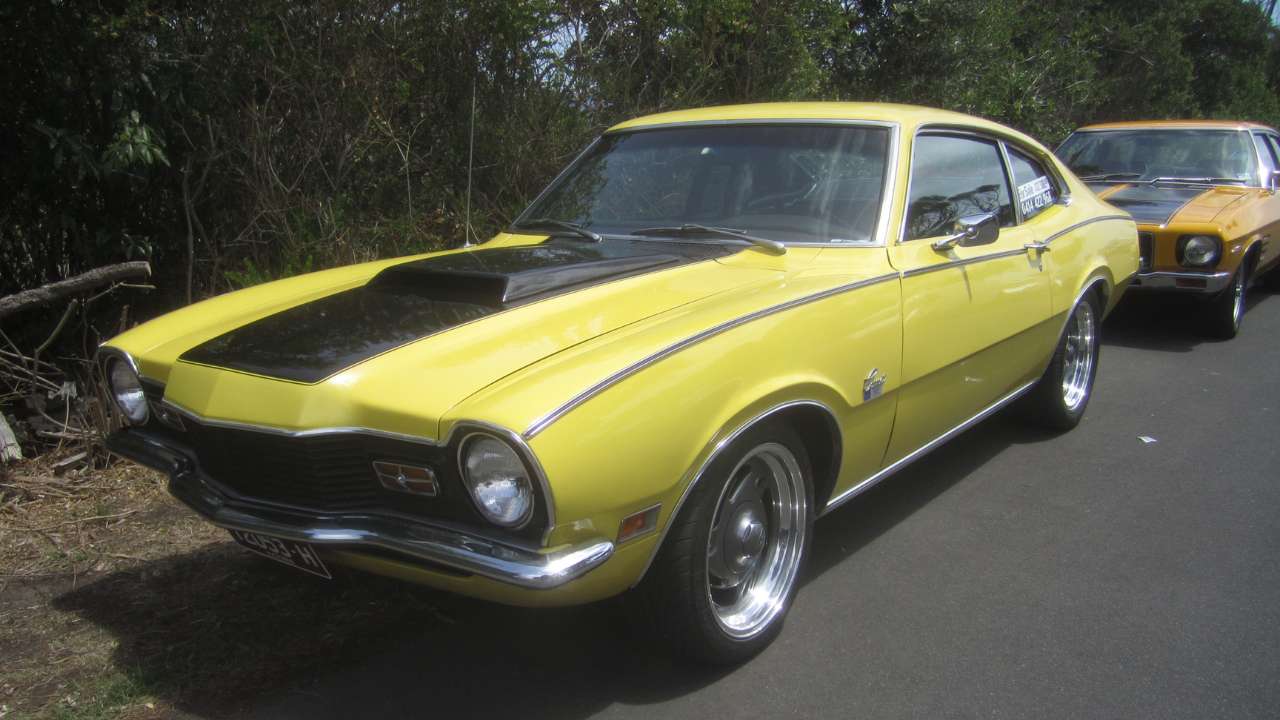
The compact Comet could become a surprisingly serious performer when equipped with one of Ford’s larger engines. Big-block versions were produced in limited numbers, creating a combination of small-car dimensions and substantial V8 power. That made the Comet an appealing choice for buyers who wanted something different from Ford’s more obvious performance models. Because relatively few people associate the Comet with huge-displacement engines, an original high-performance example can still catch even experienced collectors off guard.
Oldsmobile Cutlass W-31
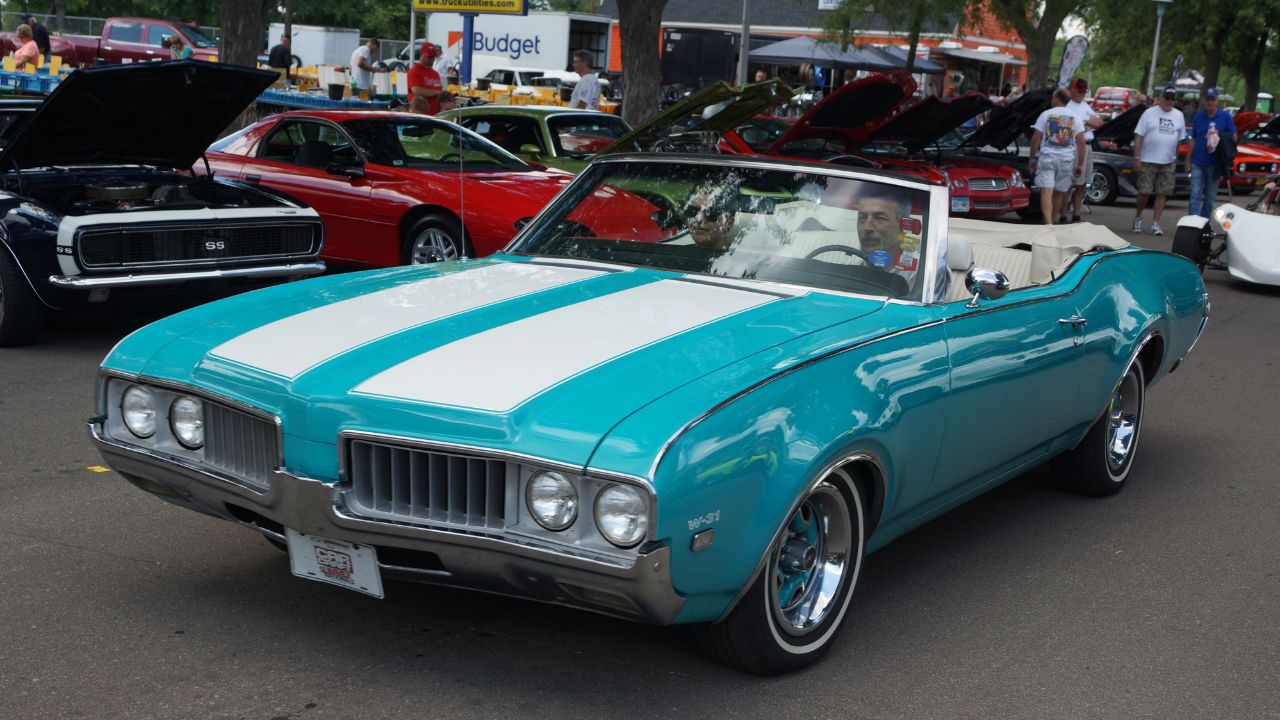
The W-31 package transformed the Cutlass into a more serious performance machine without making it as famous as the 442. It combined a high-output 350 V8 with performance-oriented equipment and distinctive styling details. Production was much lower than that of ordinary Cutlass models, which helps explain why genuine examples are increasingly appreciated by collectors. The W-31 is especially interesting because it demonstrates how Oldsmobile offered serious performance beyond the badges that most people remember today.
Oldsmobile Rallye 350
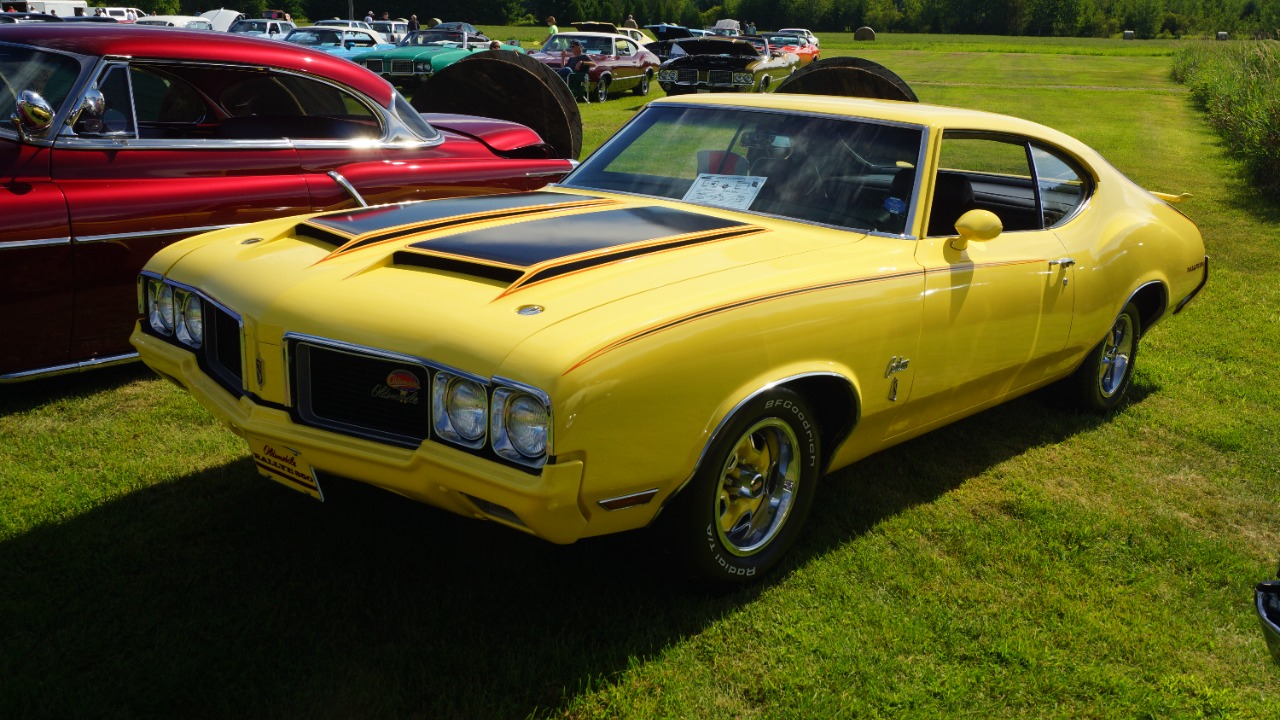
The Rallye 350 was built around a different idea of muscle-car performance. Rather than relying on a massive big-block, Oldsmobile used its 350 V8 and combined it with a distinctive appearance package and performance equipment. Its bright yellow finish and contrasting accents made it easy to identify when new, but relatively few were produced. That limited production has made the Rallye 350 a favorite among Oldsmobile enthusiasts who want something more unusual than a traditional 442.
Buick GS 350
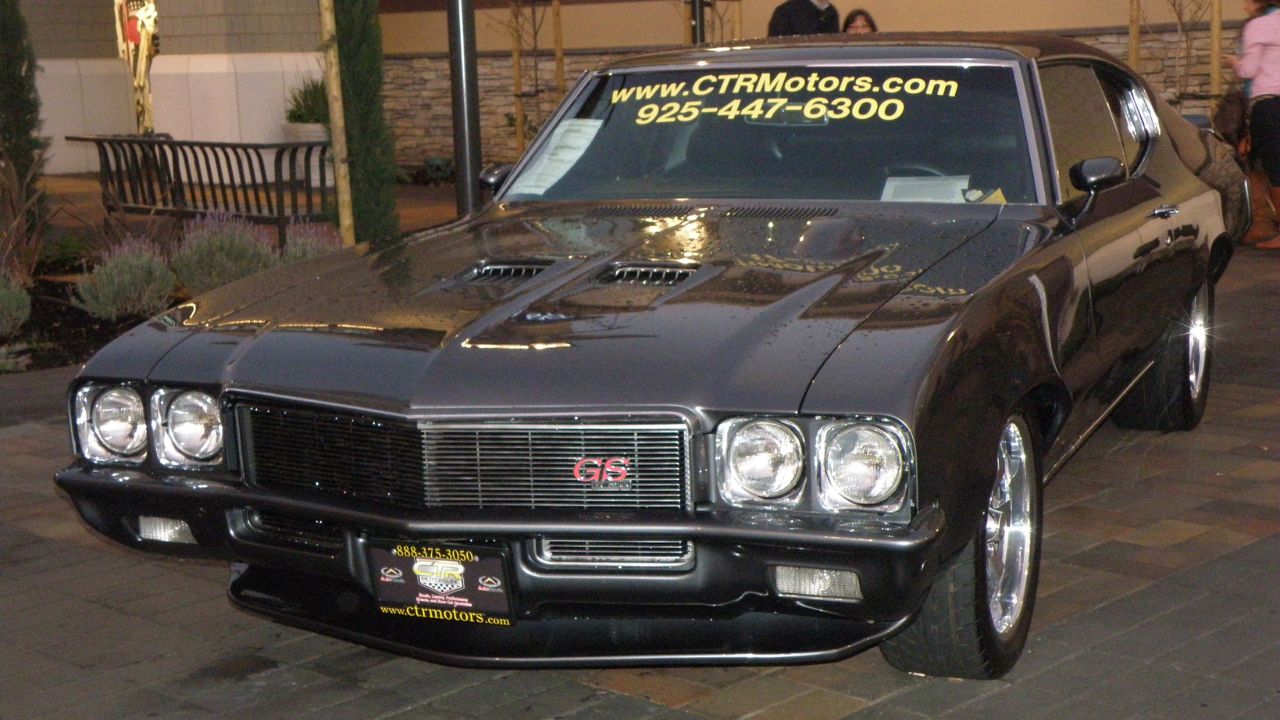
The Buick GS 350 is easy to overlook because the GS name is more closely associated with Buick’s larger engines. Nevertheless, the 350-powered version delivered respectable performance while retaining the comfortable character that made Buick different from its rivals. Its combination of understated styling and V8 power gives it considerable sleeper appeal. Compared with more famous Buick muscle cars, the GS 350 remains a less common sight, making it a particularly interesting choice for collectors who enjoy overlooked factory performance models.
Buick Sport Wagon 400
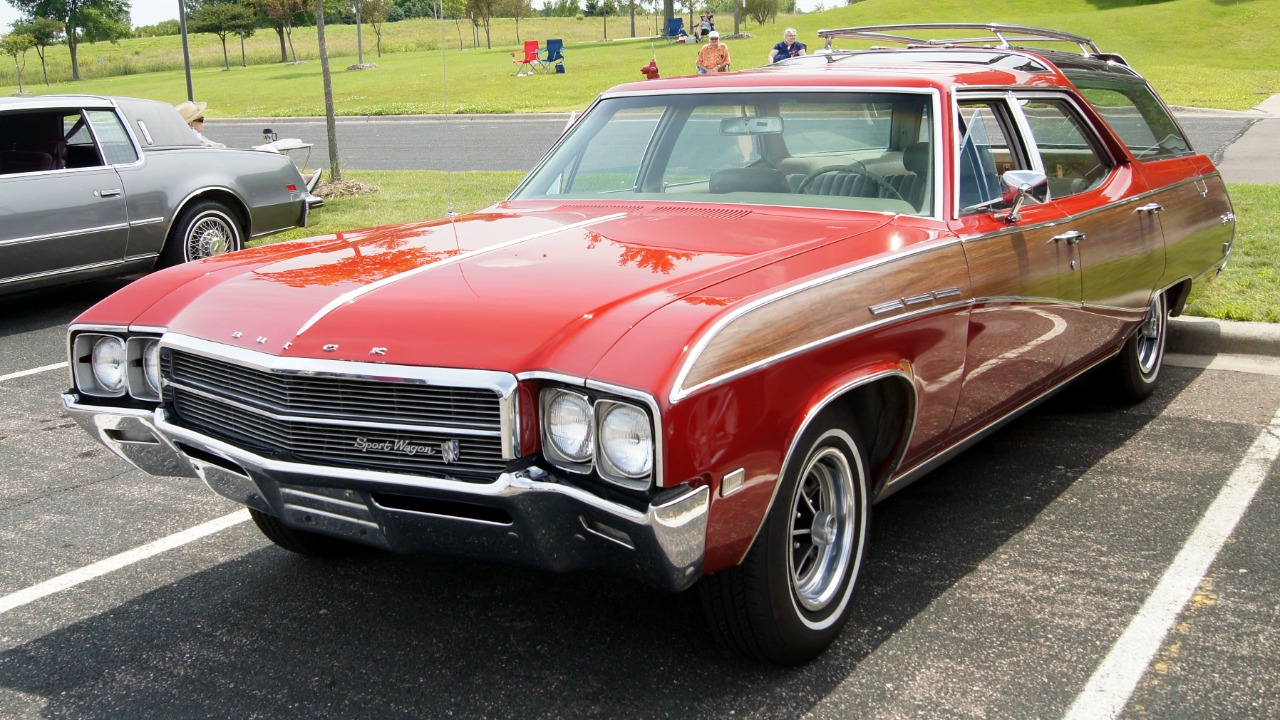
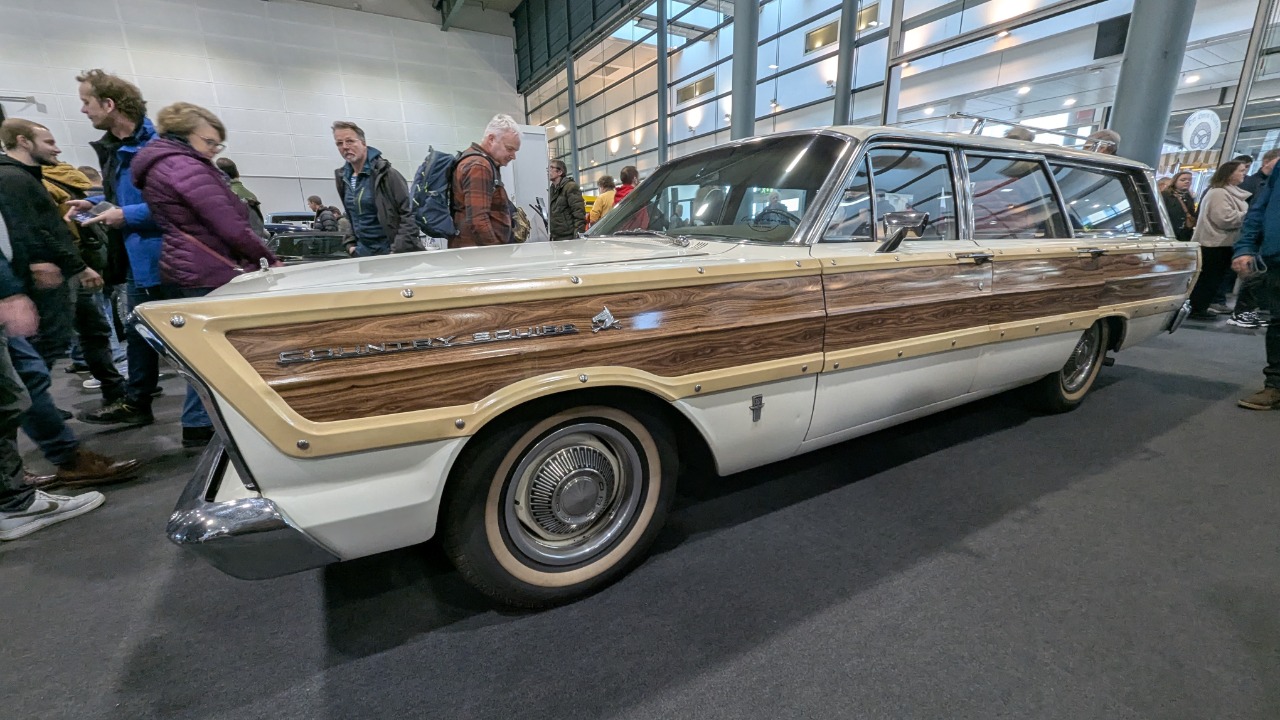
The Sport Wagon was primarily designed as a practical family vehicle, but Buick offered it with substantial V8 power. The 400-powered versions turned the wagon into an unusual combination of passenger space and performance. They were never as common as Buick’s muscle coupes, which makes surviving examples particularly interesting today. A Sport Wagon with its original big V8 can surprise people who expect a traditional family wagon to be slow and utilitarian rather than a genuine period performance machine.
Pontiac Tempest GTO
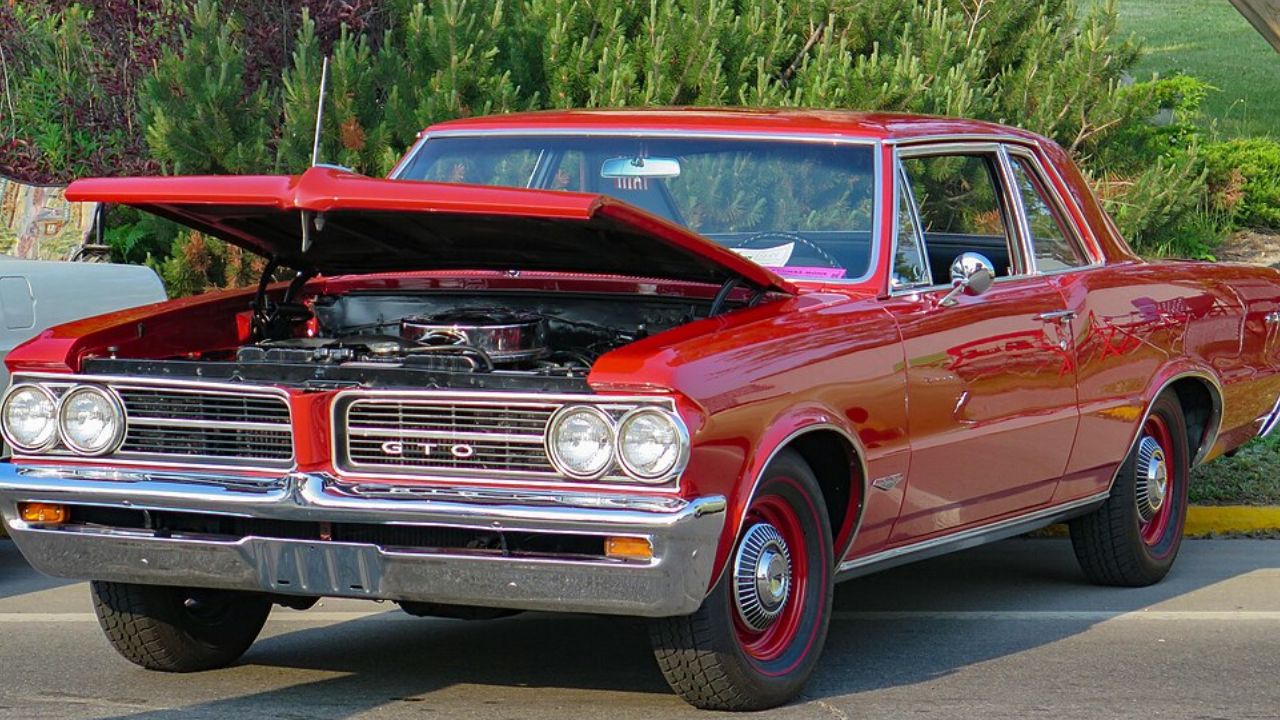
Before the GTO became firmly established as one of Pontiac’s signature muscle cars, the performance formula was connected to the compact Tempest platform. The combination of a relatively small body and a large V8 created exactly the kind of performance recipe that helped define the muscle-car era. Early examples are particularly important because they represent the beginning of Pontiac’s GTO story. Serious fans recognize the Tempest connection as an important chapter in the development of the American muscle car.
Pontiac LeMans Sprint
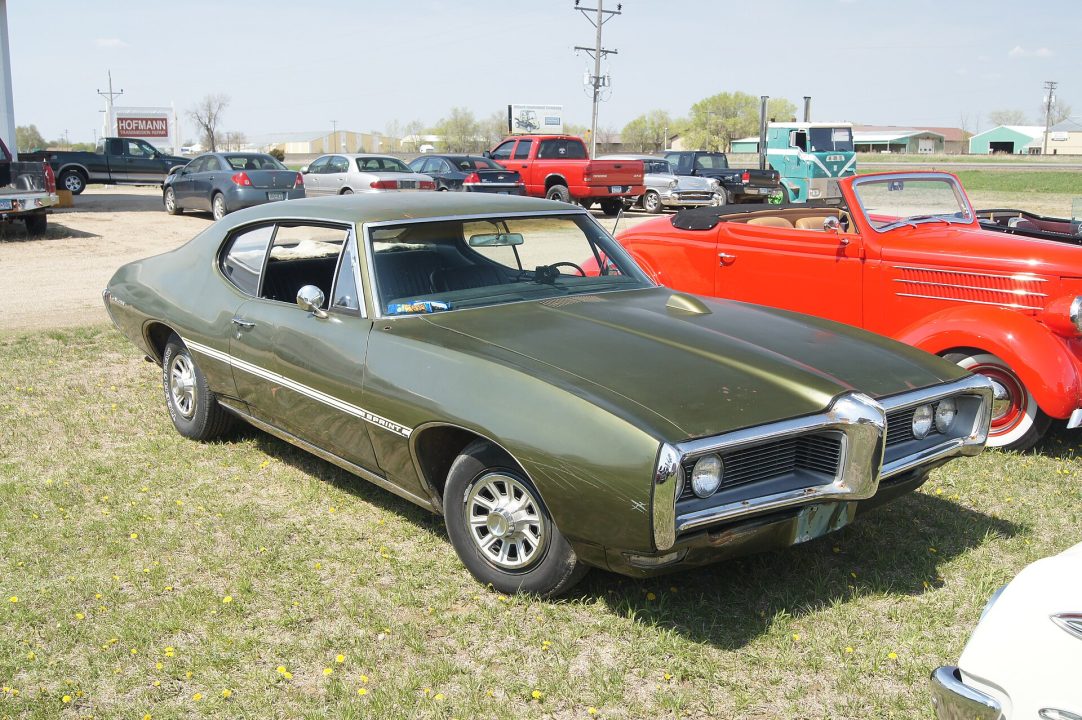
The LeMans Sprint offered a different approach to Pontiac performance by using a high-output six-cylinder rather than a V8. That made it unusual among cars carrying Pontiac’s performance-oriented image. The overhead-cam engine gave the car a distinctive character while keeping weight down compared with a V8-powered version. It never achieved the fame of the GTO, but knowledgeable Pontiac enthusiasts still appreciate it as one of the brand’s more unusual factory performance offerings.
Plymouth Sport Fury GT
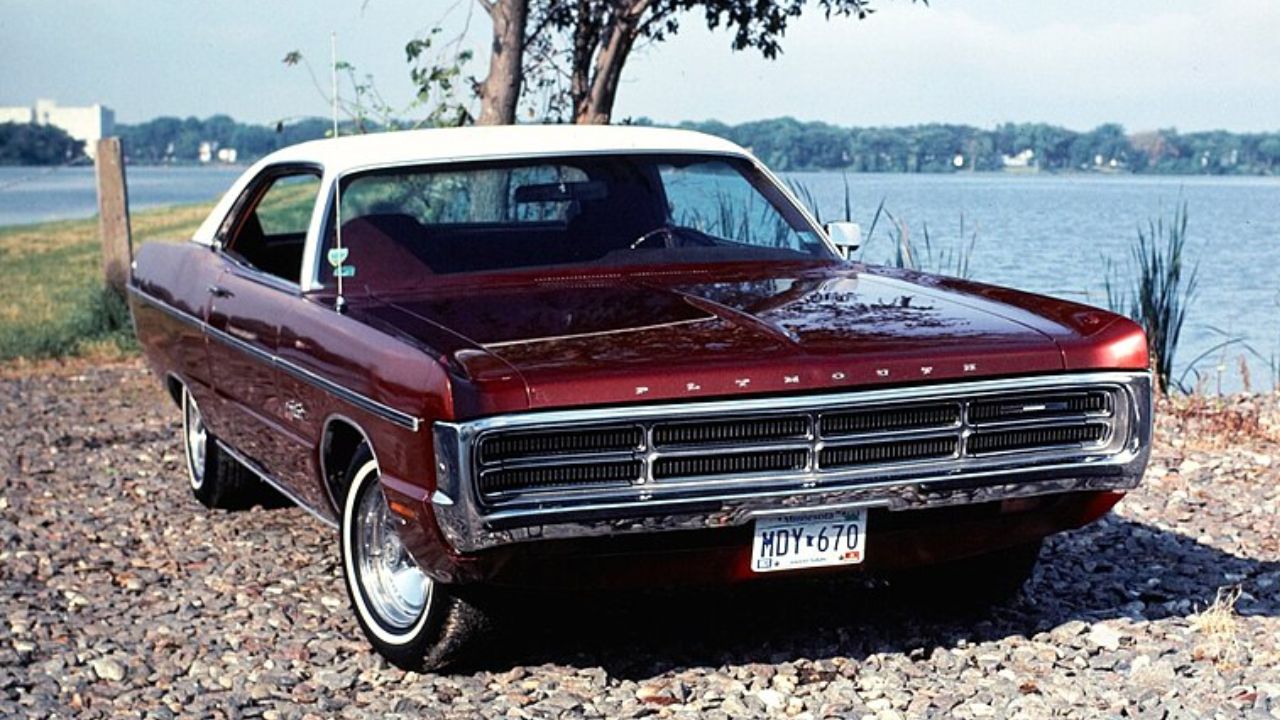
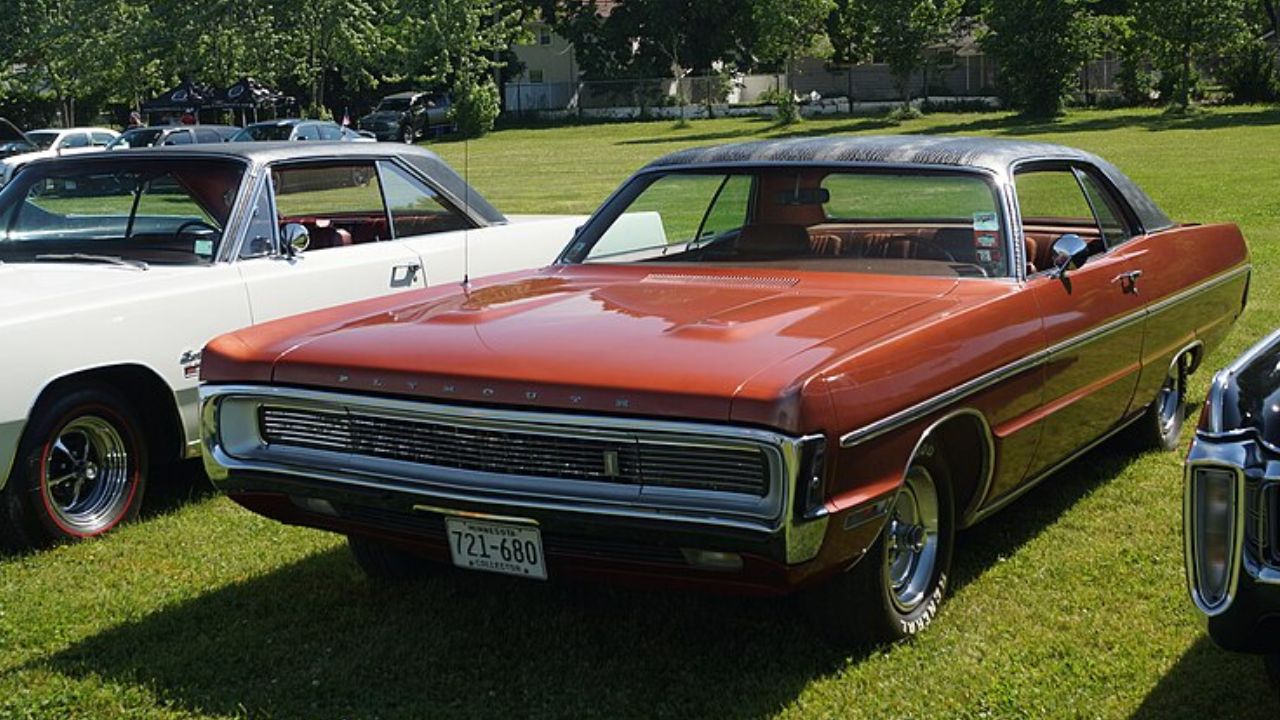
The Sport Fury GT brought performance styling and V8 power to Plymouth’s large-car lineup. Its long body and upscale trim made it look more like a personal luxury car than a traditional compact muscle machine, but available big-engine configurations gave it genuine performance credentials. Production numbers were modest, helping make surviving examples uncommon today. For collectors who enjoy full-size muscle cars, the Sport Fury GT offers something very different from the better-known Road Runner and GTX.
Plymouth GTX Convertible
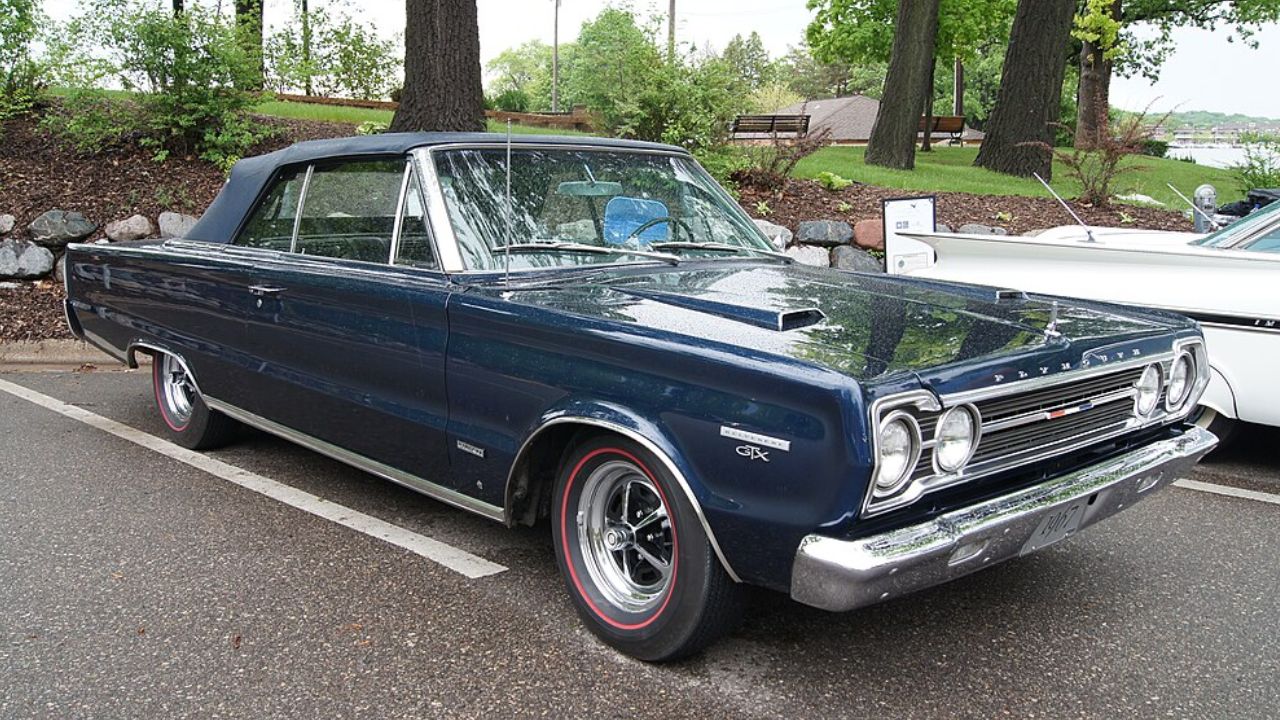
The GTX is already known among muscle-car enthusiasts, but its convertible form is considerably less common and therefore much more interesting to serious collectors. Combining a large-displacement V8 with an open body gave the car plenty of visual drama while retaining the performance image associated with the GTX name. Limited production makes original examples especially desirable. It also represents the kind of factory muscle car that could be both a serious performance machine and a stylish cruiser.
Dodge Coronet R/T Convertible

The Coronet R/T is recognized by muscle-car fans, but the convertible version is a much rarer sight. It combined Dodge’s performance-oriented R/T package with an open body and available big-block power. That created a formidable combination that looked just as dramatic with the top down. Because most surviving Coronets are not high-performance convertibles, an original R/T convertible can draw considerable attention from knowledgeable collectors who understand how unusual the combination really is.
Mercury Marauder X-100
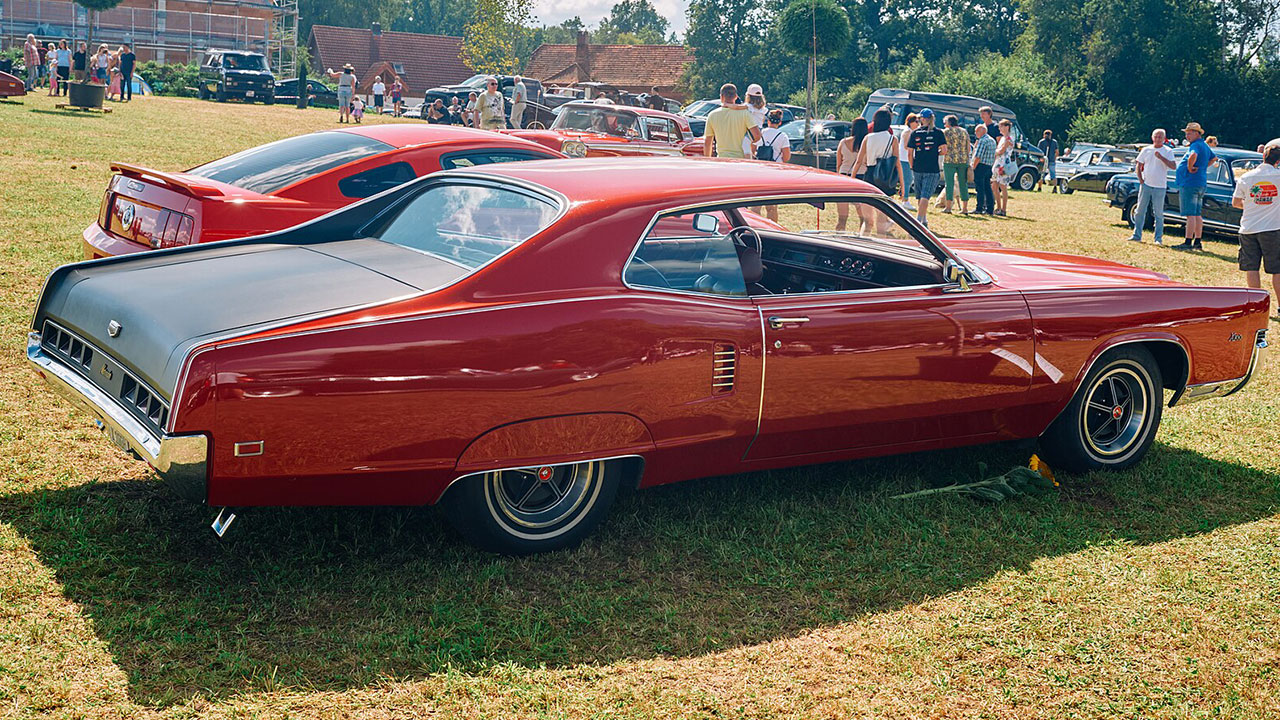
The Marauder X-100 took Mercury’s large-car formula and added a performance-focused personality. Its long body and upscale presentation concealed a more serious V8 setup, making it an interesting alternative to Ford’s better-known muscle cars. The X-100 name is especially familiar to enthusiasts who follow Mercury’s performance history. Today, these cars remain relatively unusual at shows, and their combination of size, comfort, and power gives them a distinctive place in the muscle-car era.
Ford Torino Cobra Jet
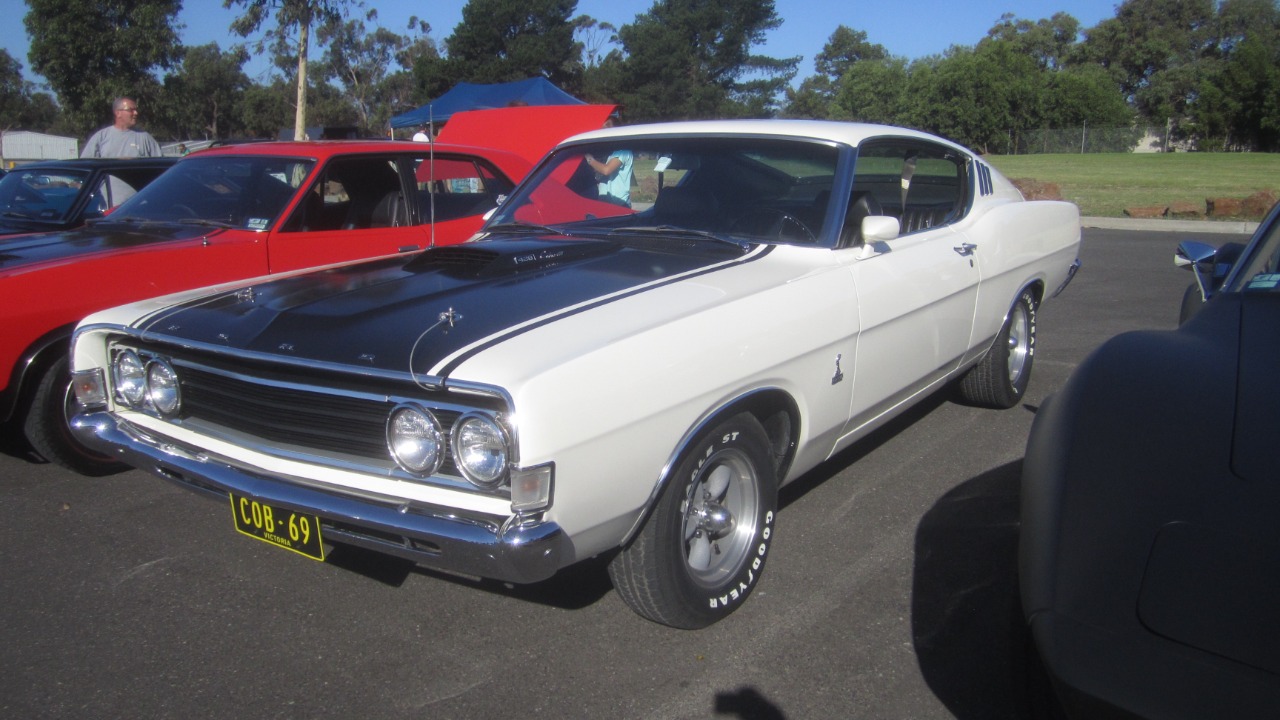
The Torino Cobra Jet was one of Ford’s more serious intermediate performance offerings, combining the Torino’s relatively manageable dimensions with powerful big-block engines. It could be ordered with Ford’s 428 Cobra Jet, creating a car capable of challenging much more famous muscle machines. Although the Torino name is familiar, genuine Cobra Jet examples are much harder to find. Their combination of aggressive styling and serious factory performance makes them particularly appealing to Ford collectors.
AMC Rebel Machine

The Rebel Machine gave AMC a memorable entry into the muscle-car market without relying on the same formula used by Ford, Chevrolet, or Chrysler. Its bold appearance was backed by a 390 V8 and performance-oriented equipment, creating a car that was both distinctive and genuinely quick. Production was limited, which helped preserve its rarity. Today, the Rebel Machine is one of those cars that knowledgeable enthusiasts tend to recognize immediately, even if casual observers mistake it for an ordinary AMC.
AMC Marlin 343
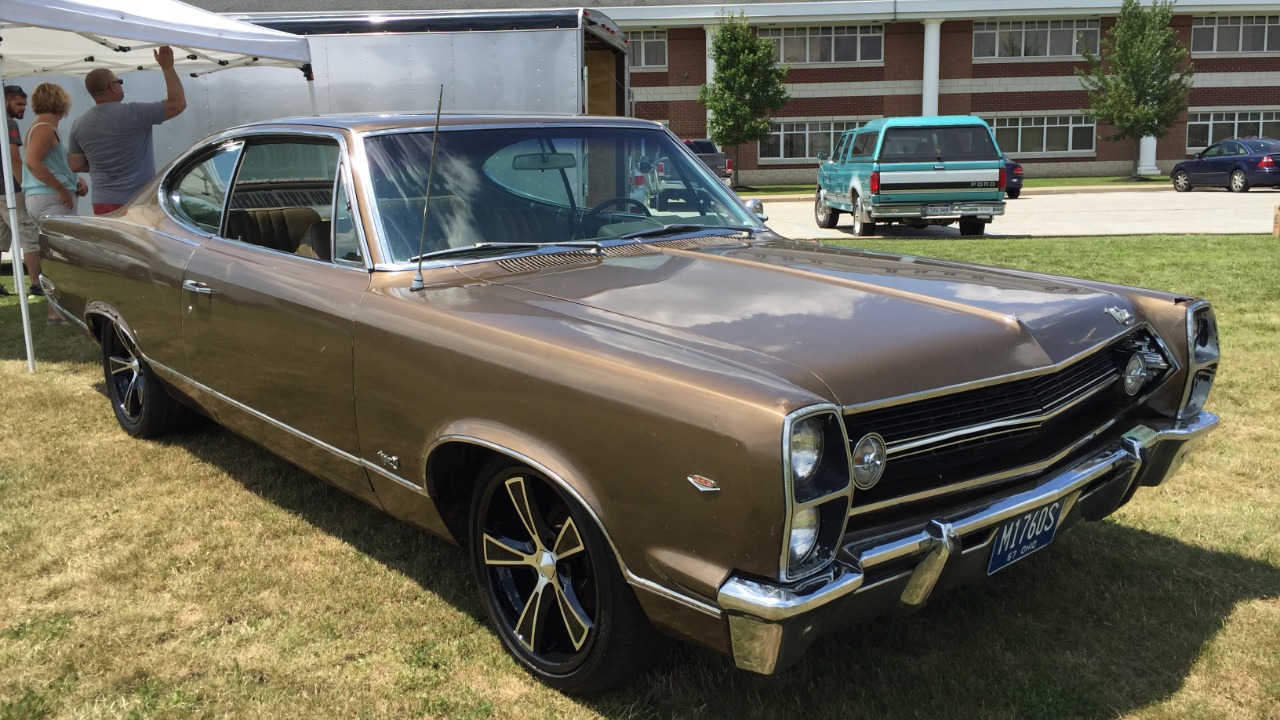
The Marlin was better known for its unusual fastback styling than for outright muscle-car performance, but later versions could be equipped with increasingly serious V8 power. A 343-powered example offered a compelling combination of distinctive looks and respectable performance. The model’s unusual shape already makes it uncommon at shows, while higher-performance configurations are harder to find. It remains an interesting choice for collectors who appreciate AMC’s willingness to build cars that looked unlike almost anything else on the road.
Mercury Cougar Eliminator
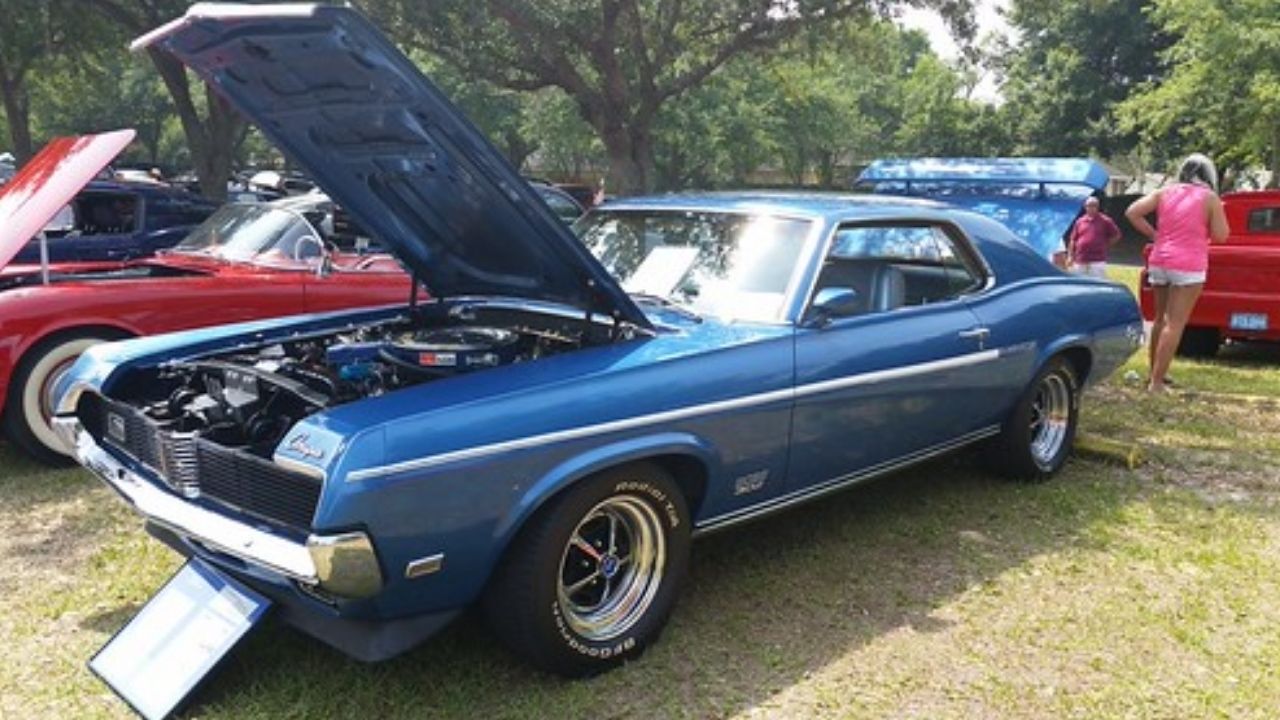
The Cougar Eliminator gave Mercury a performance model that could compete with Ford’s Mustang while offering a more upscale personality. Available with several strong engine choices, including powerful V8s, it could deliver serious performance beneath its more refined appearance. The Eliminator package itself was relatively limited, making original examples desirable today. For muscle-car fans, it is an important reminder that Mercury had its own performance identity rather than simply offering rebadged versions of Ford’s best-known cars.
Chevrolet Chevelle Laguna S-3
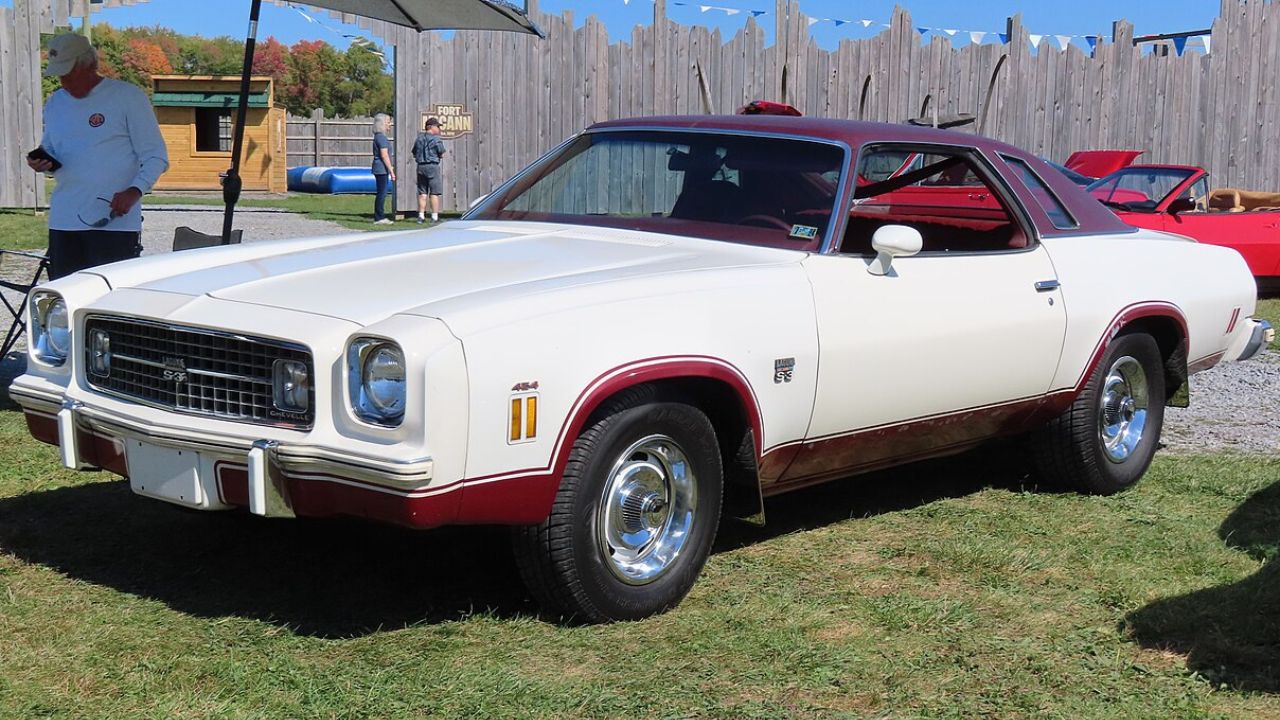
The Laguna S-3 represented a later chapter of the muscle-car era, when manufacturers were adapting performance models to a changing market. Its aerodynamic nose, distinctive bodywork, and available V8 power gave the Chevelle a more sophisticated appearance than earlier versions. While it never became as iconic as the SS models that came before it, the Laguna S-3 has developed a following among enthusiasts who appreciate overlooked performance cars. Its relative rarity today makes it especially appealing to collectors looking beyond the usual names.
More from Fast Lane Only
- Unboxing the WWII Jeep in a Crate
- 15 rare Chevys collectors are quietly buying
- 10 underrated V8s still worth hunting down
- Police notice this before you even roll window down
*Research for this article included AI assistance, with all final content reviewed by human editors.