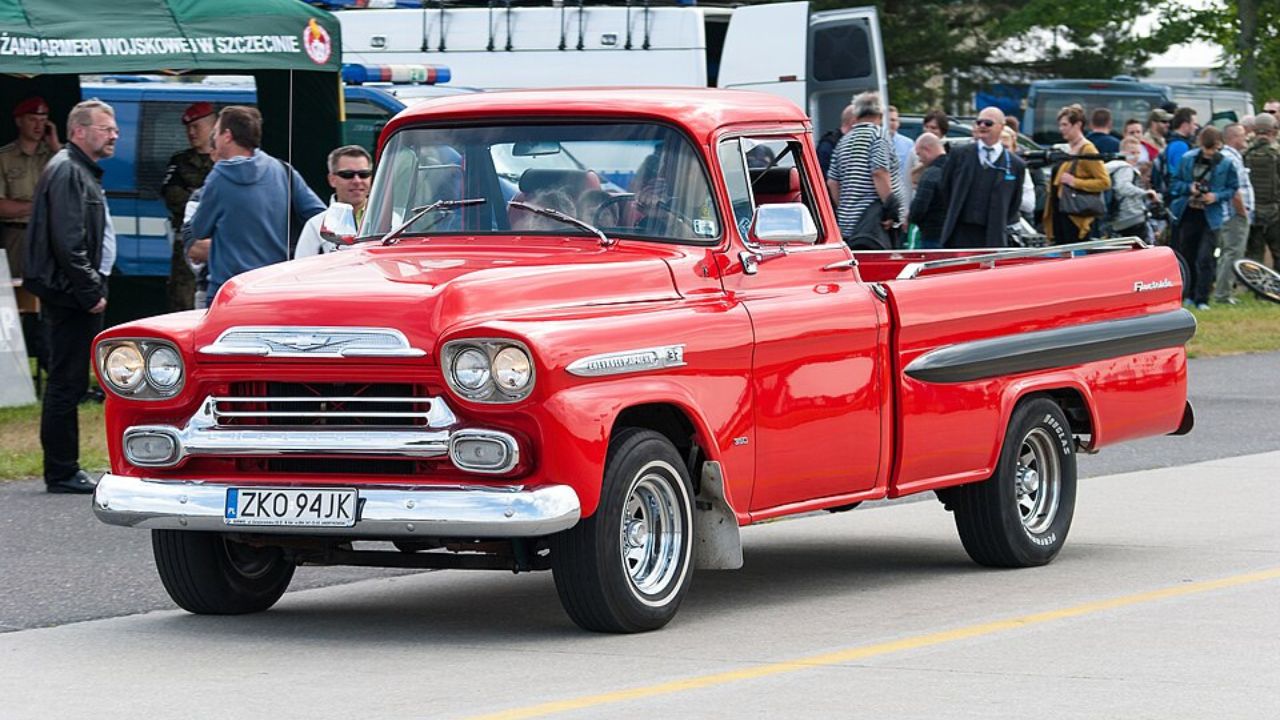
A good farm truck becomes more than just another vehicle. It hauls feed, pulls trailers, carries tools, crosses muddy fields, and keeps working when newer trucks are sitting in the driveway. Some have spent decades doing exactly what they were built for, earning the kind of trust that makes owners reluctant to ever let them go. These 20 pickups have that reputation.
Ford F-100

The F-100 became a fixture on American farms because it was simple, useful, and tough enough for everyday work. Older examples were easy to understand mechanically and could handle everything from hauling supplies to pulling equipment. Many owners formed a connection with their trucks after years of dependable service. That makes a clean F-100 especially difficult to replace.
Chevrolet C10
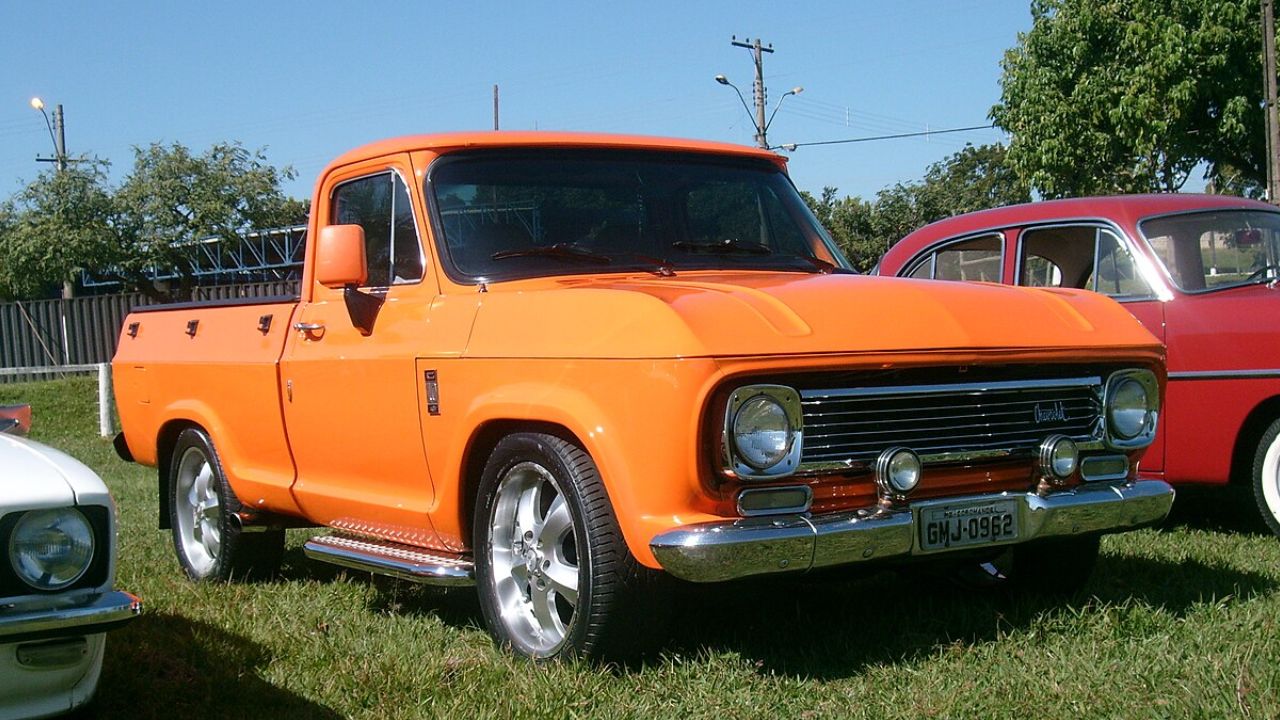
The C10 became one of America’s classic work trucks, serving farmers, tradesmen, and small businesses for decades. Its straightforward construction and wide range of engines made it adaptable to almost any job. Plenty were used until they were completely worn out, making surviving examples more special. Owners who restored one often have no intention of selling it.
Ford F-250
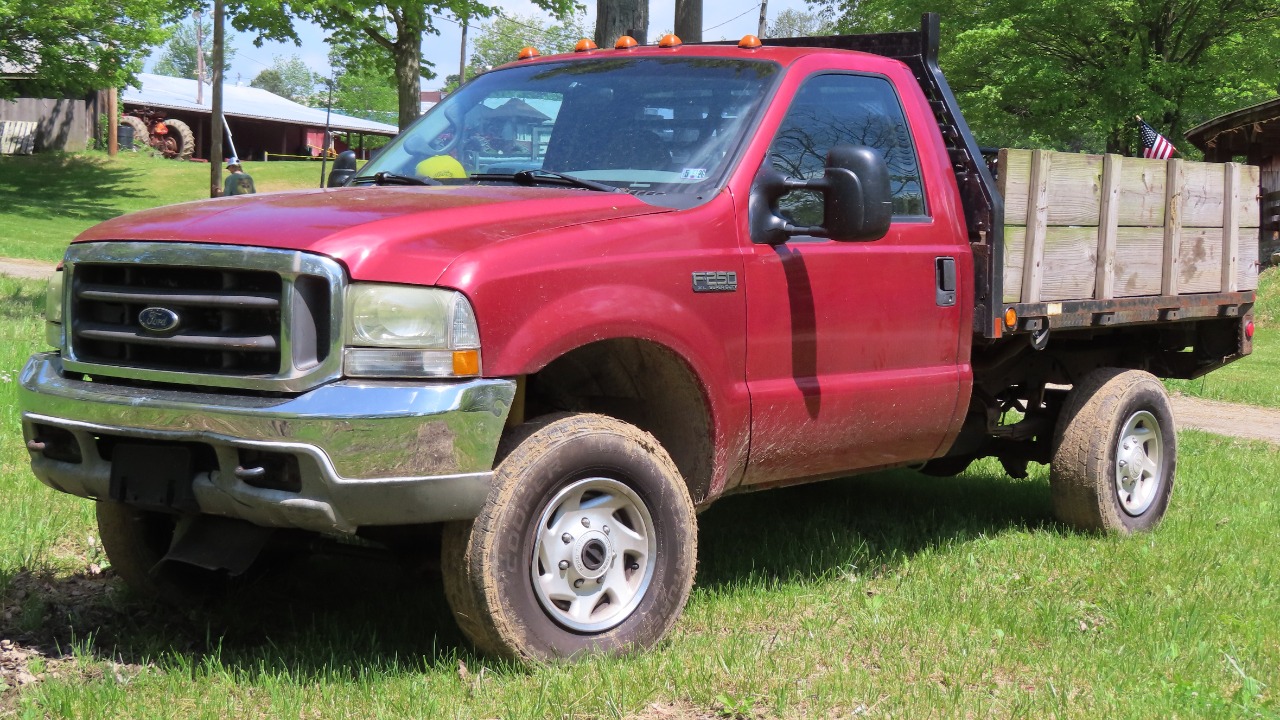
The F-250 offered farmers more muscle without requiring the size of the biggest heavy-duty trucks. It became a dependable choice for hauling equipment, towing trailers, and handling demanding farm chores. Older versions have a particularly loyal following because of their simple construction. Once an owner knows exactly what a truck can handle, there is little reason to give it up.
Chevrolet K20
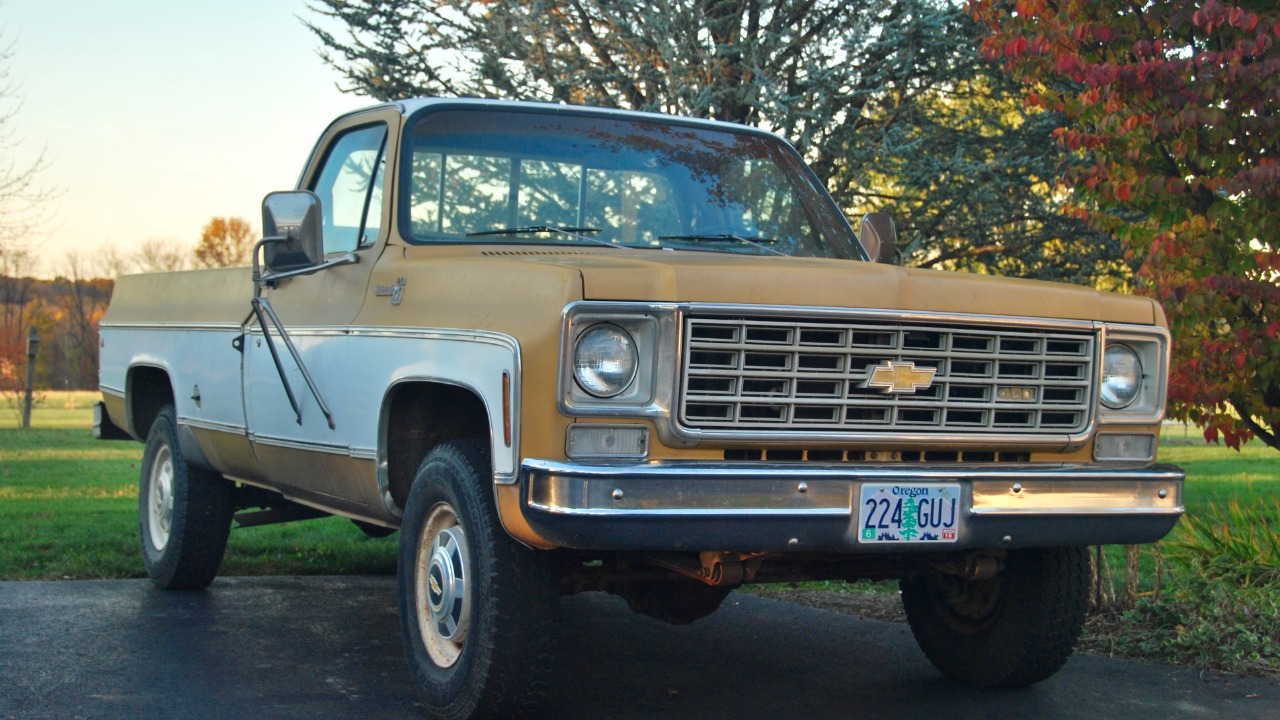
The K20 added four-wheel drive to Chevrolet’s traditional work-truck formula, making it especially useful around farms and rough terrain. Its sturdy construction allowed it to handle muddy fields, dirt roads, and heavy loads. Many were worked hard for decades, so surviving examples are increasingly valued. Owners who have kept one running know exactly how useful it remains.
Ford Bronco
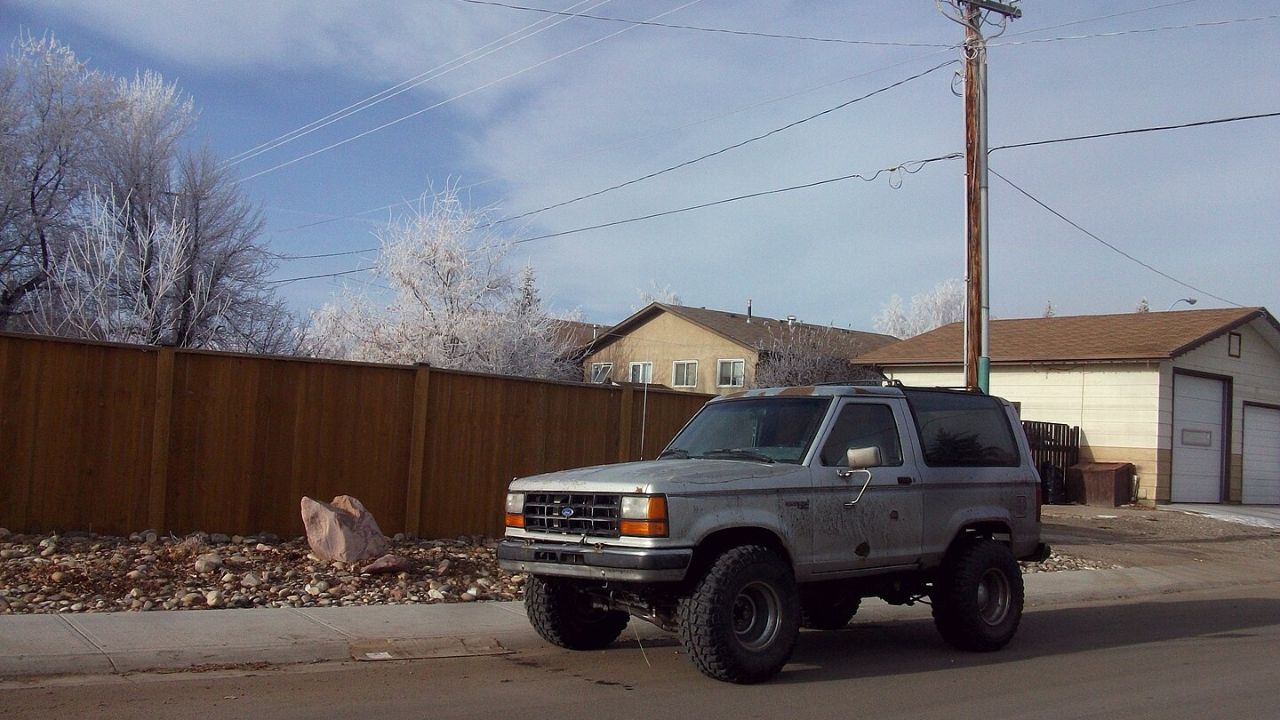
The Bronco wasn’t technically a traditional pickup, but its rugged utility made it a natural farm vehicle. Its compact dimensions made it easier to maneuver around fields and barns, while four-wheel drive provided useful traction. Older Broncos have become highly collectible, but many owners still appreciate them as working vehicles. That combination makes them particularly hard to part with.
Chevrolet Blazer
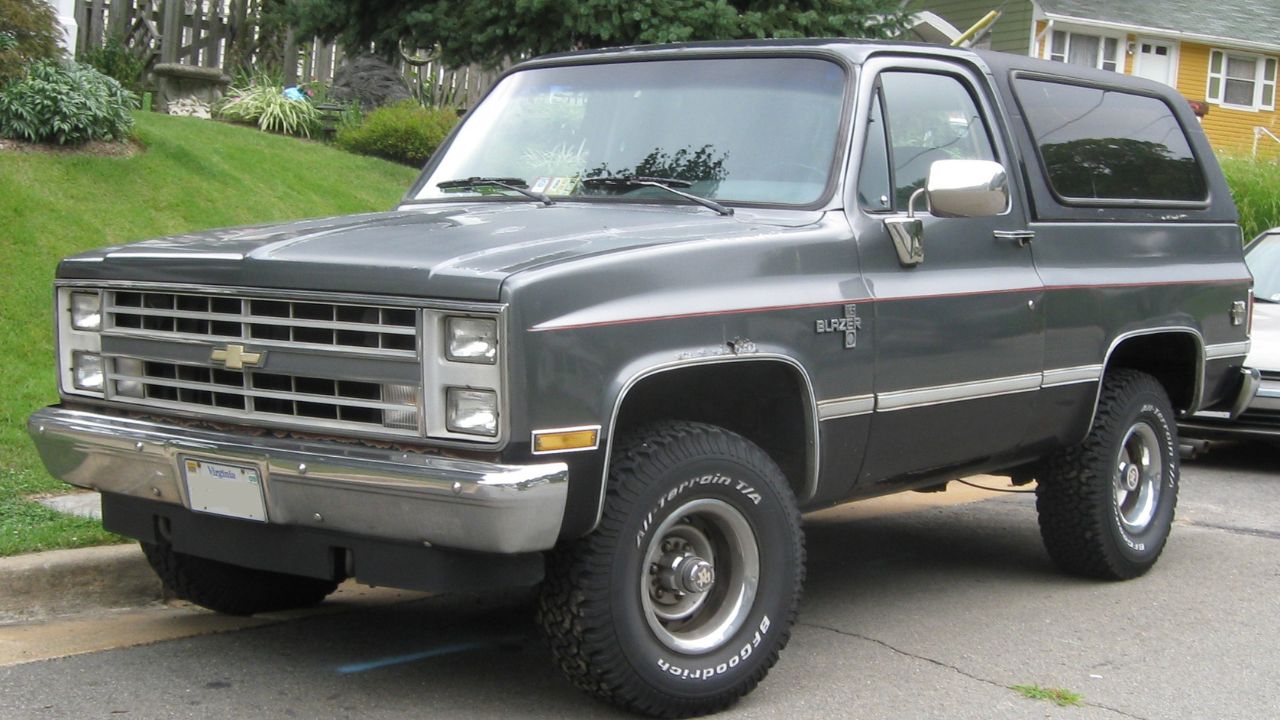
The Blazer gave farmers and rural drivers a useful combination of four-wheel-drive capability and enclosed cargo space. Its shorter wheelbase made it maneuverable, while its truck-based construction gave it genuine toughness. Many were subjected to harsh conditions that would have destroyed less rugged vehicles. A well-kept early Blazer now tends to stay in the family.
Dodge Power Wagon
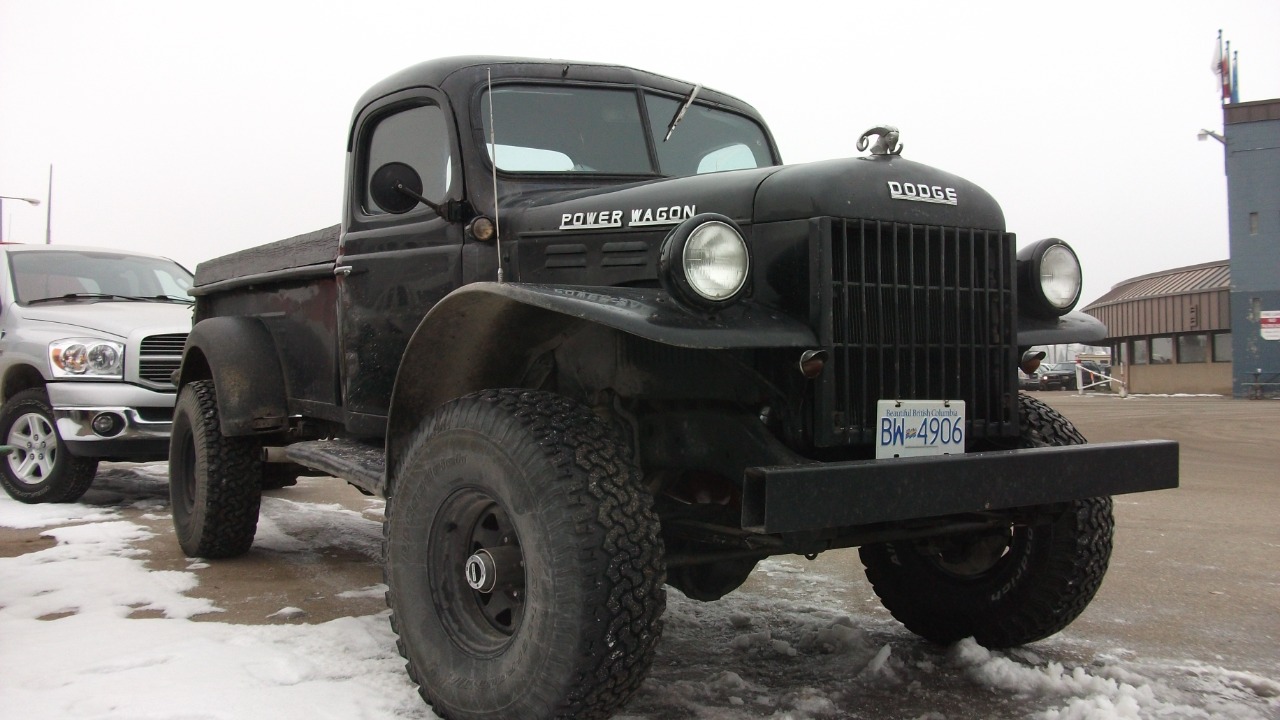
The Power Wagon has one of the strongest working-truck reputations in American history. Its military roots gave it serious off-road capability, while its rugged construction made it useful for agricultural and industrial work. Surviving examples are increasingly prized by collectors, but their original purpose is still obvious. Owners who have one often see it as irreplaceable.
GMC Jimmy
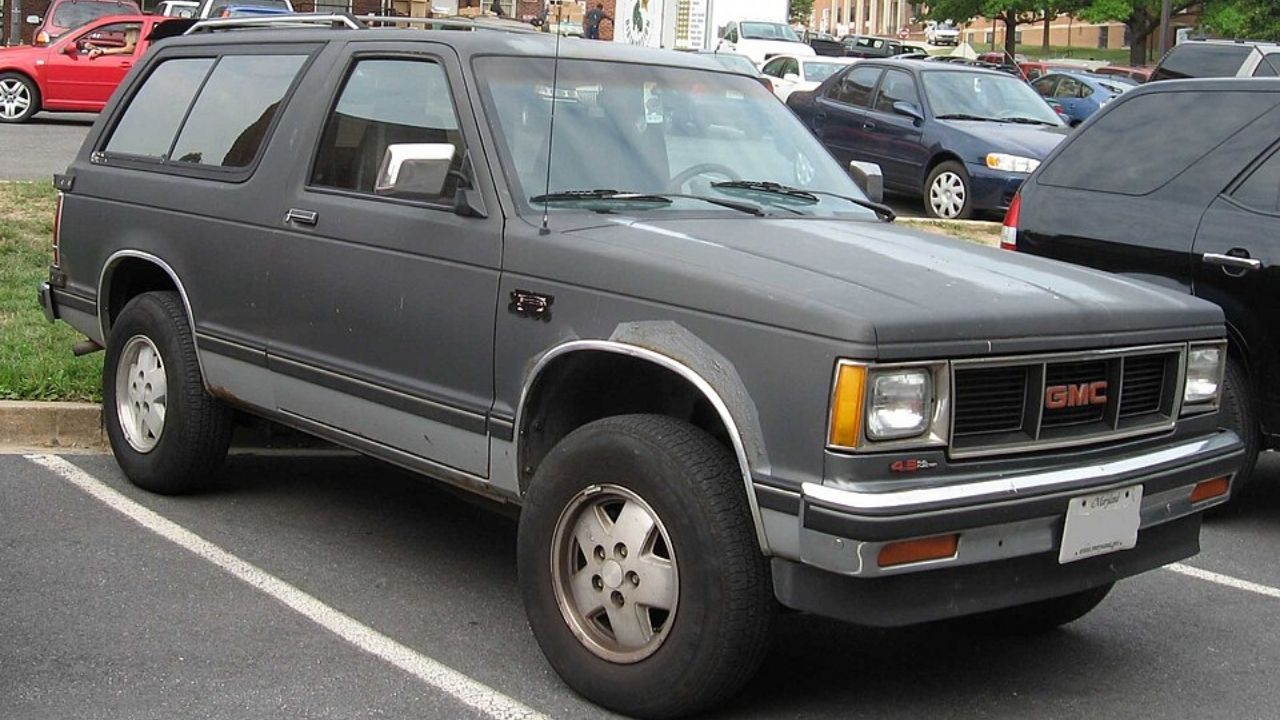
The Jimmy shared much of its mechanical foundation with Chevrolet’s Blazer but carried GMC’s own styling and identity. Its truck-based construction and available four-wheel drive made it useful around farms and rural properties. Most were not treated as collectibles when new. Those that survived hard work and decades of weather are now increasingly appreciated.
International Harvester Scout

The Scout became a favorite among rural owners who needed a compact vehicle capable of handling rough ground. Its simple design and four-wheel-drive capability made it useful for farm chores, hunting, and general transportation. International Harvester disappeared as an automaker, adding to the Scout’s appeal today. Owners who have a good one rarely want to let it go.
Jeep Gladiator
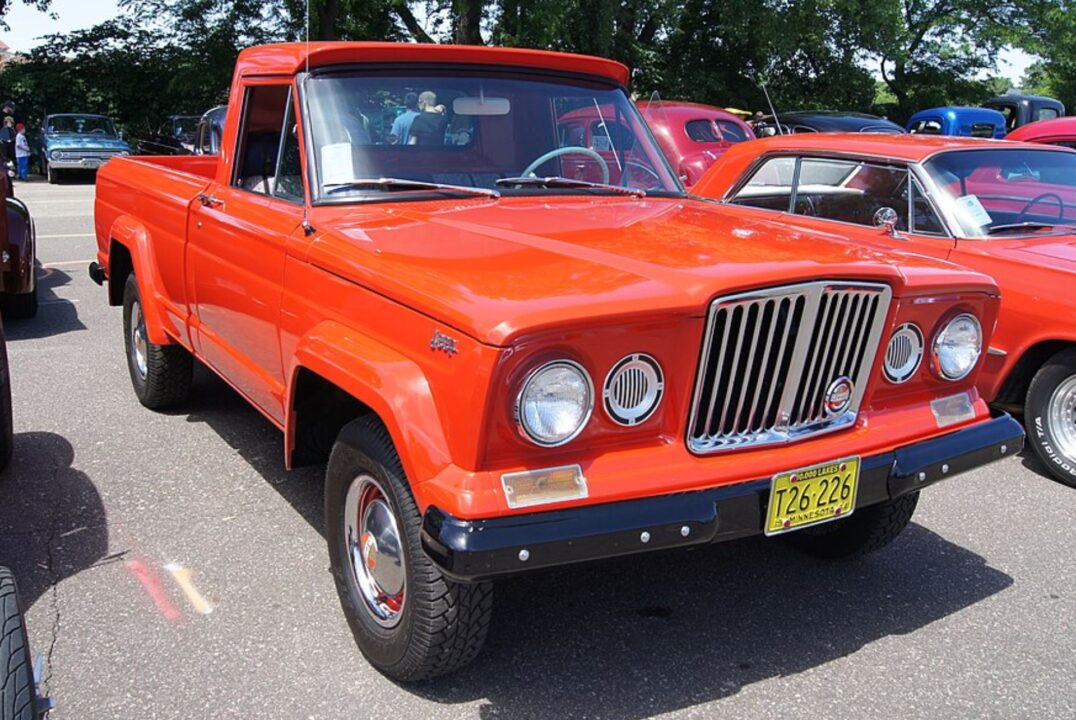
The original Gladiator was Jeep’s answer to the American pickup market, bringing four-wheel-drive capability and rugged construction to a useful truck body. It could work around farms while also handling rough roads and trails. Because Jeep pickups from this era are uncommon today, owners tend to appreciate what they have. A solid example can be surprisingly difficult to replace.
Dodge D100
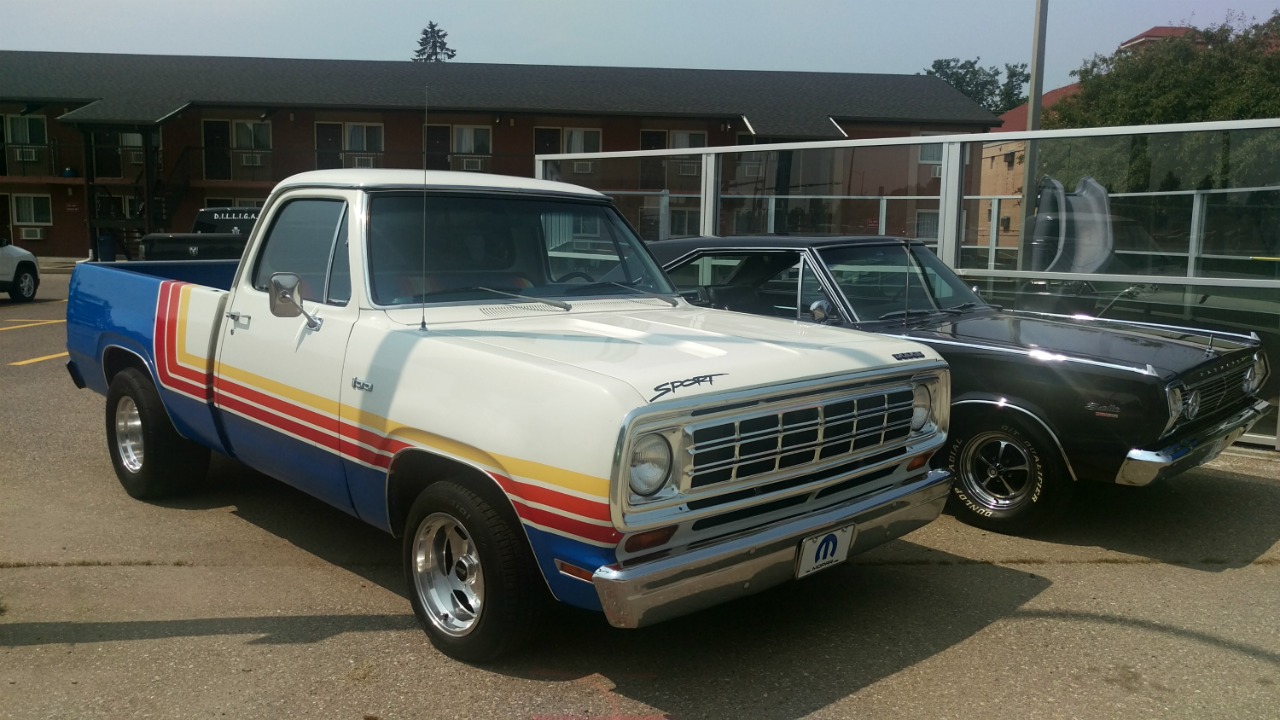
The D100 represented Dodge’s straightforward approach to the half-ton pickup. It offered useful hauling ability, sturdy construction, and a range of engines suited to everyday work. Farmers could use one for everything from transporting supplies to making trips into town. Surviving trucks have developed a strong following because they capture the uncomplicated character of old farm equipment.
GMC C/K
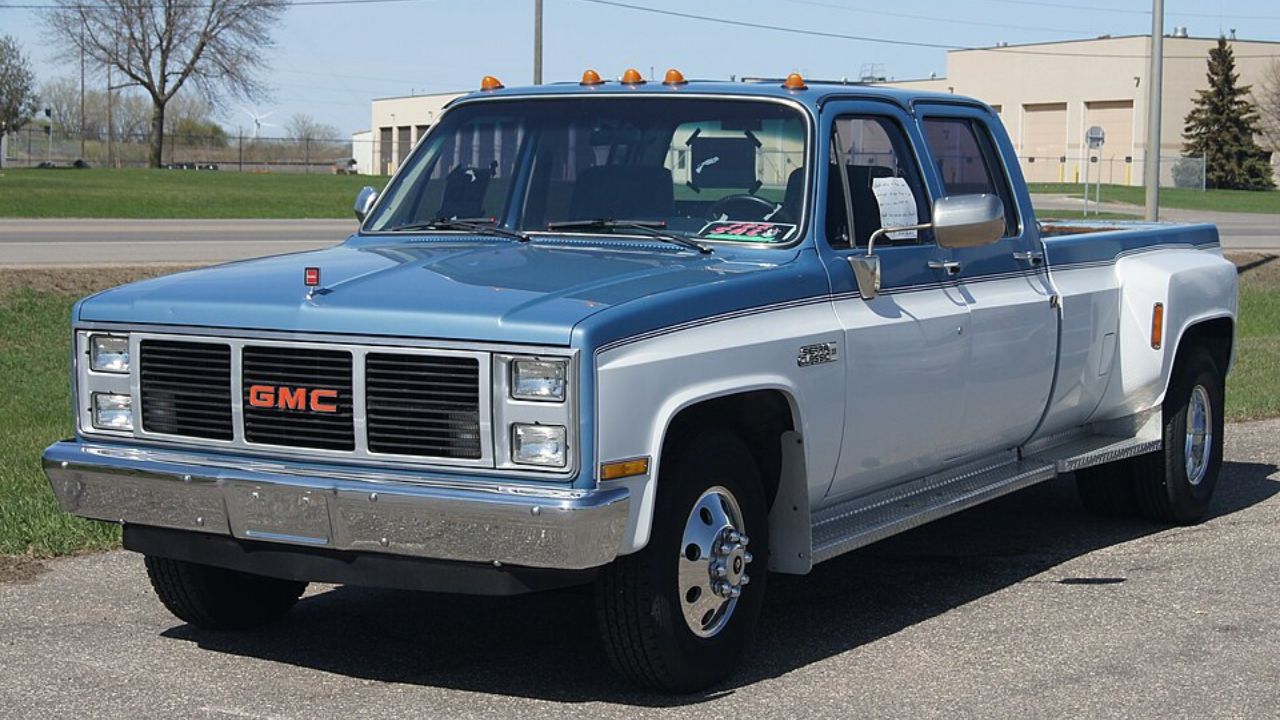
The GMC C/K offered the same basic working philosophy as its Chevrolet counterpart while giving buyers a different badge and styling treatment. These trucks were commonly used for serious work and could be configured in numerous ways. Many were simply worked until they disappeared. The survivors are now valued for their durability, character, and unmistakable old-truck feel.
Ford Ranchero
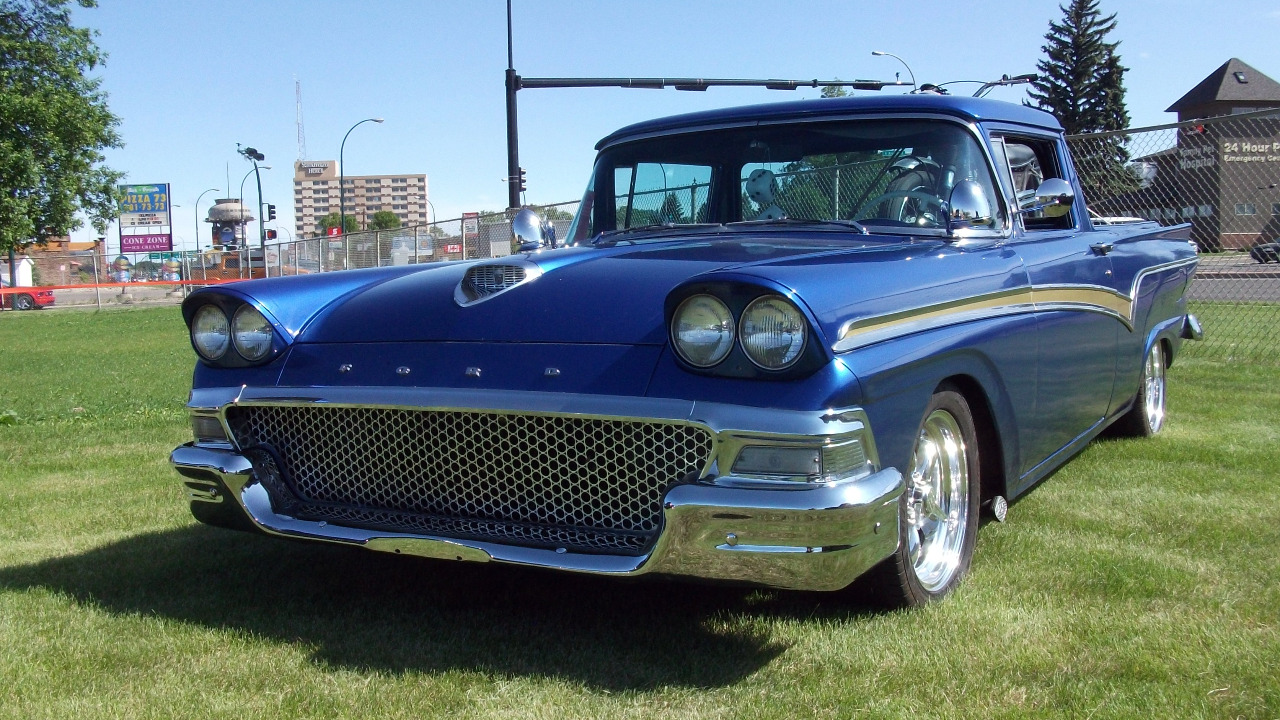
The Ranchero gave rural owners an interesting alternative to a conventional pickup. Its car-based platform made it easier to drive every day, while the open cargo bed handled smaller loads and farm chores. It wasn’t built for the heaviest work, but that versatility made it useful. Today, owners often keep them because there is nothing quite like them.
Chevrolet El Camino
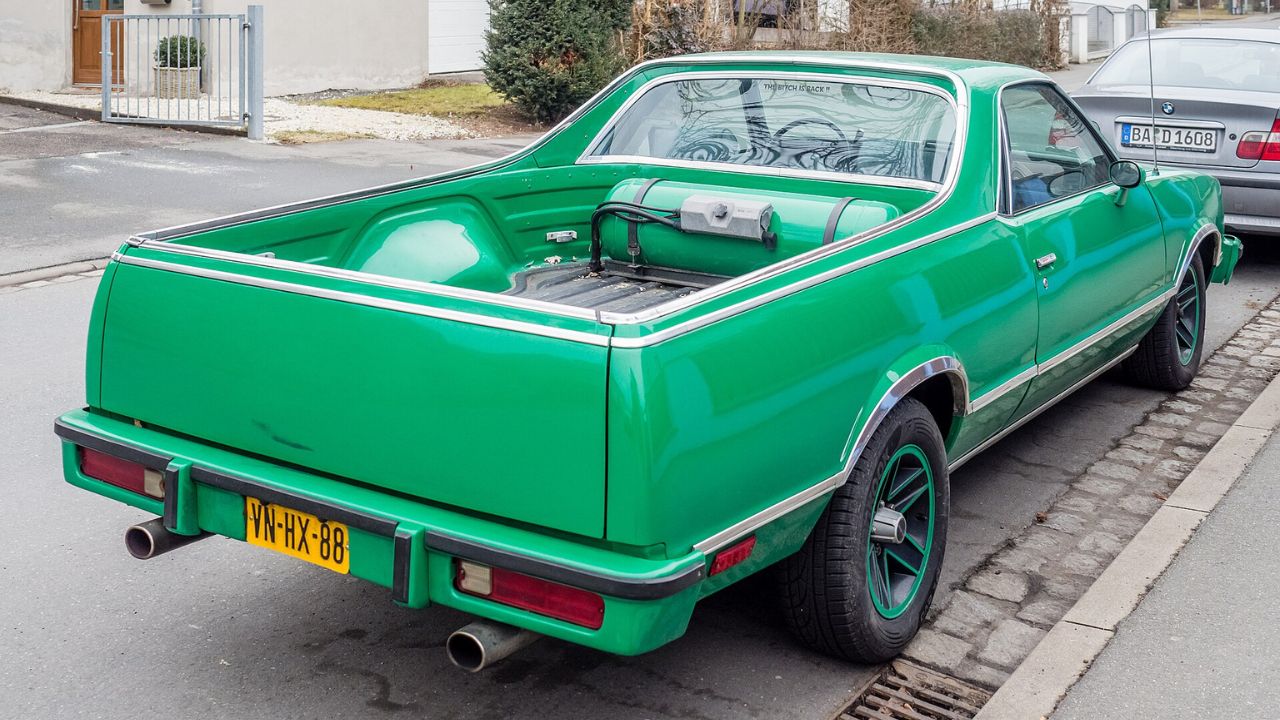
The El Camino combined passenger-car comfort with an open cargo bed, creating a vehicle that worked surprisingly well for lighter farm duties. It could carry tools, supplies, or smaller equipment while remaining comfortable on longer trips. The unusual design has become increasingly collectible. Owners who find a good one often discover that replacing it isn’t easy.
Ford F-350
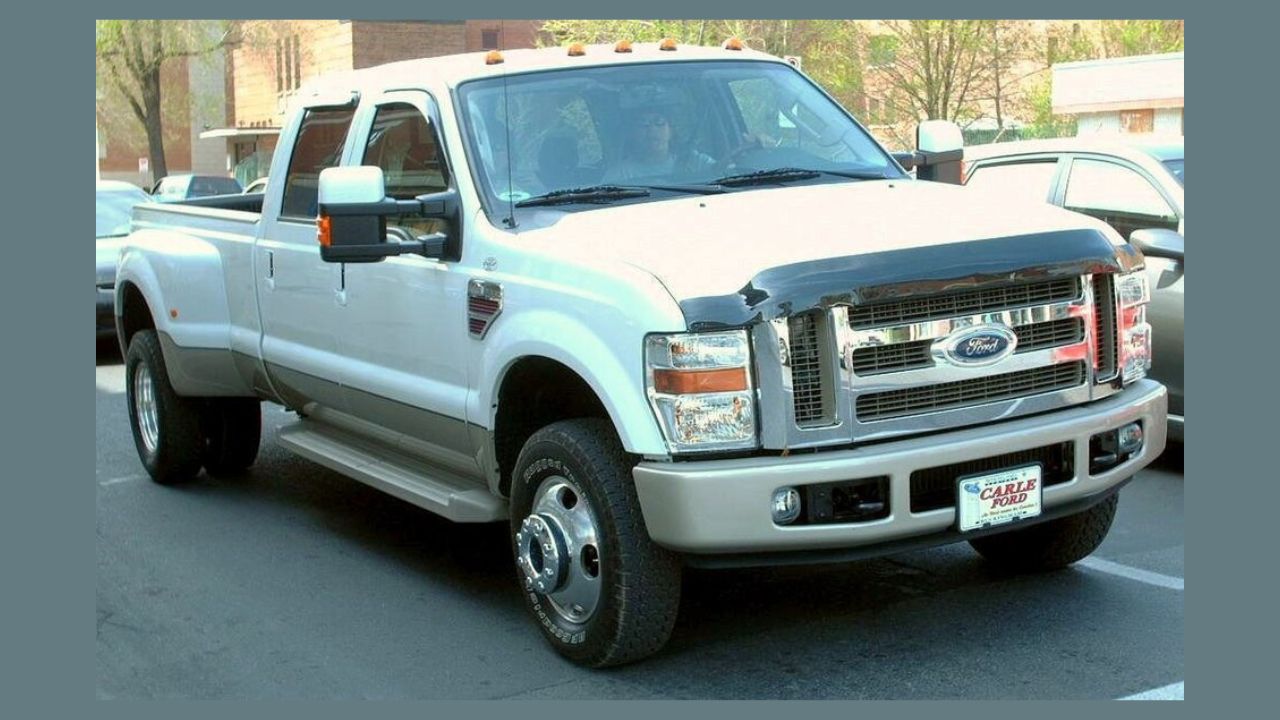
The F-350 was designed for serious hauling and towing, making it a natural choice for farms with heavy equipment. Its stronger chassis and drivetrain allowed it to handle jobs beyond the capabilities of smaller pickups. Older examples often developed a reputation for simply getting the job done. For many owners, that working history becomes part of the truck’s identity.
Chevrolet Apache
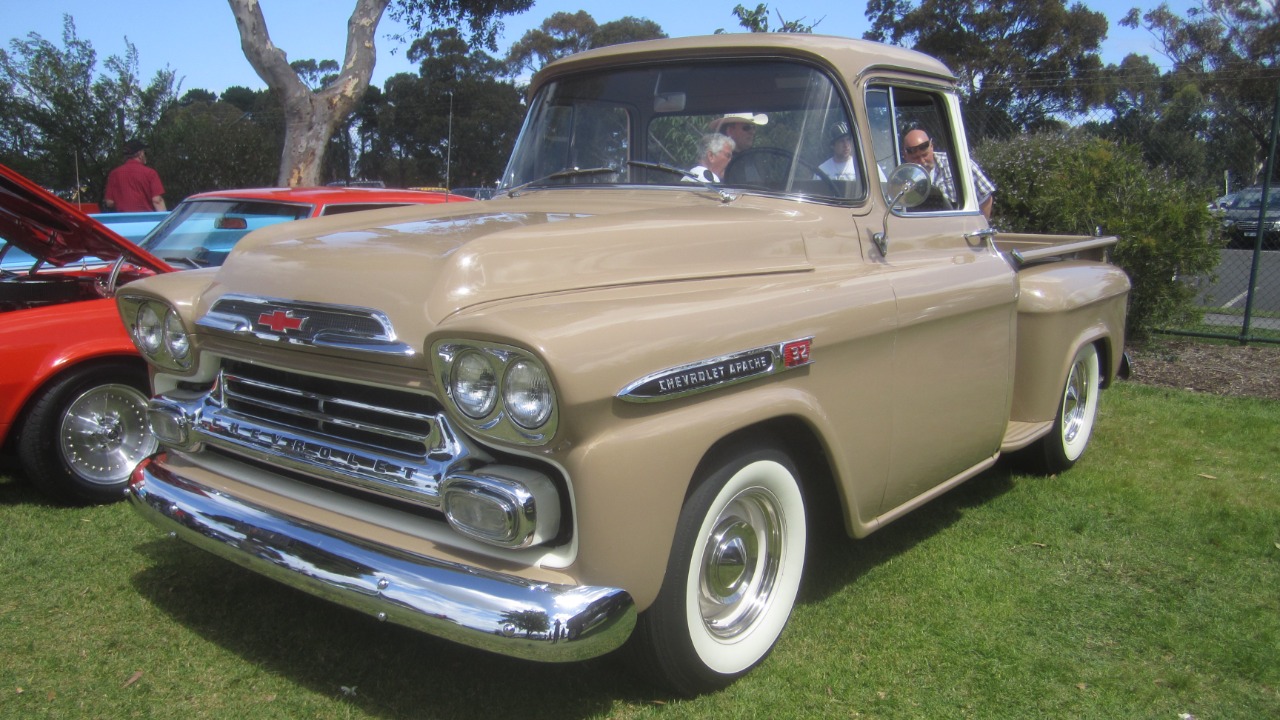
The Apache name is closely associated with Chevrolet’s distinctive late-1950s pickups. Its rounded body, chrome grille, and classic proportions make it highly recognizable today, but these trucks were once everyday farm equipment. Many were used hard and eventually disappeared. Owners who have preserved one often treat it as both a useful reminder of farm life and a valuable classic.
Ford F-1
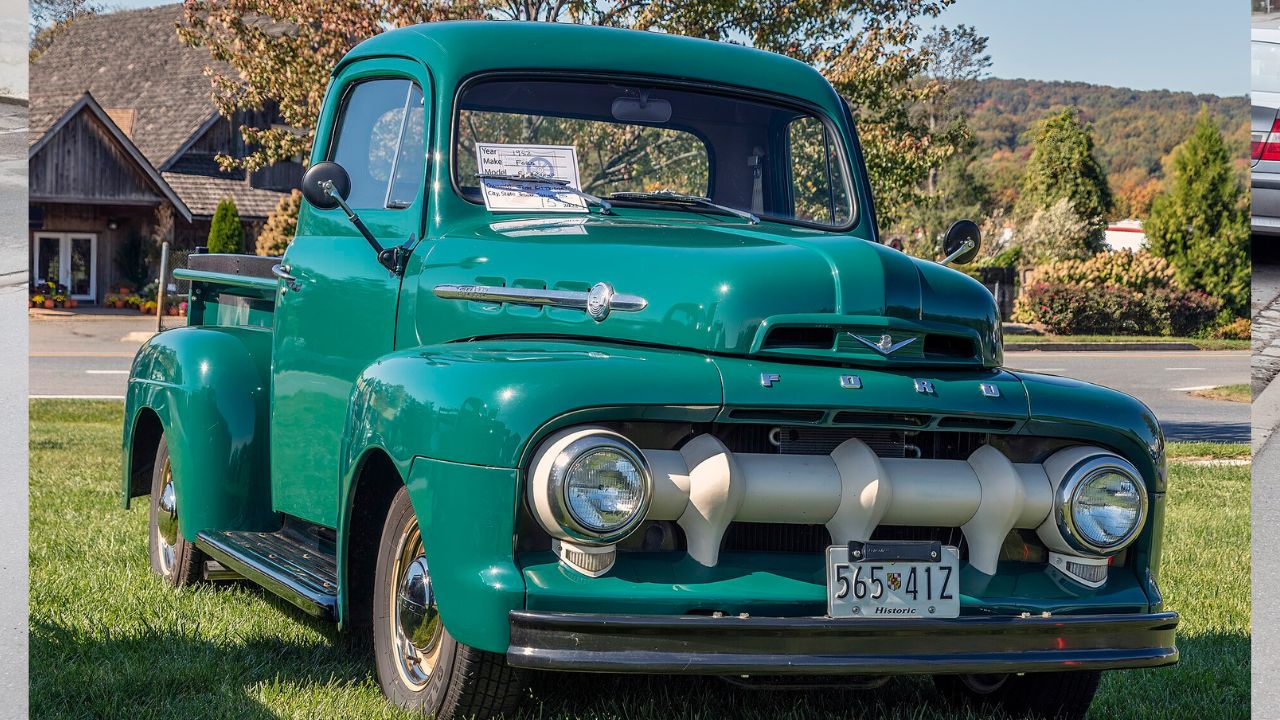
The F-1 was Ford’s first postwar half-ton pickup and became a familiar sight on farms across America. Its simple mechanical layout and sturdy construction suited owners who needed a dependable work vehicle rather than luxury. Surviving examples now have enormous nostalgic appeal. For owners who remember these trucks from childhood, selling one can feel almost impossible.
Chevrolet Advance Design
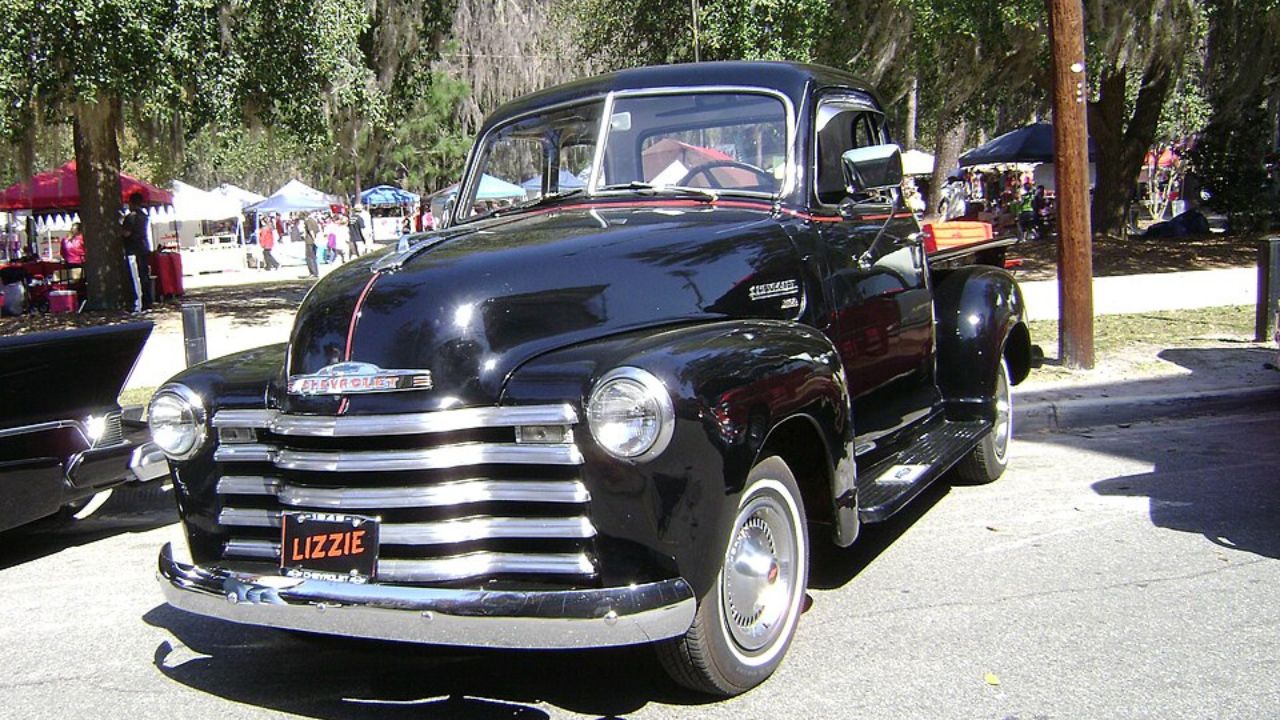
The Advance Design pickups introduced a smoother, more modern appearance after the war while retaining the rugged qualities farmers expected. Their broad stance and simple construction made them practical workhorses. Many were used until they were beyond economical repair. The trucks that survived have become cherished classics, particularly when they retain their original character.
Jeep CJ-5
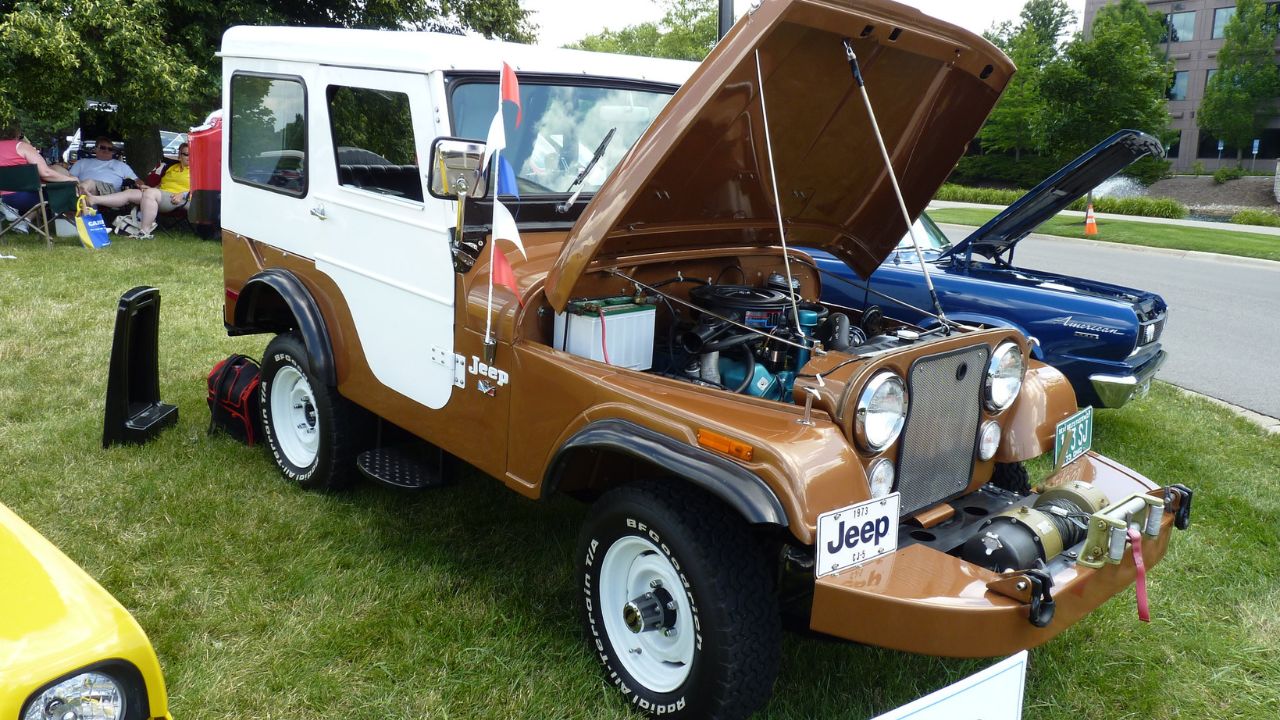
The CJ-5 became a staple of rural America thanks to its compact size, simple construction, and impressive off-road ability. Farmers could use one for checking fields, reaching remote property, or handling jobs where a larger pickup was inconvenient. Their versatility created devoted owners. Even today, a good CJ-5 can be more useful around a farm than its age suggests.
Studebaker Transtar
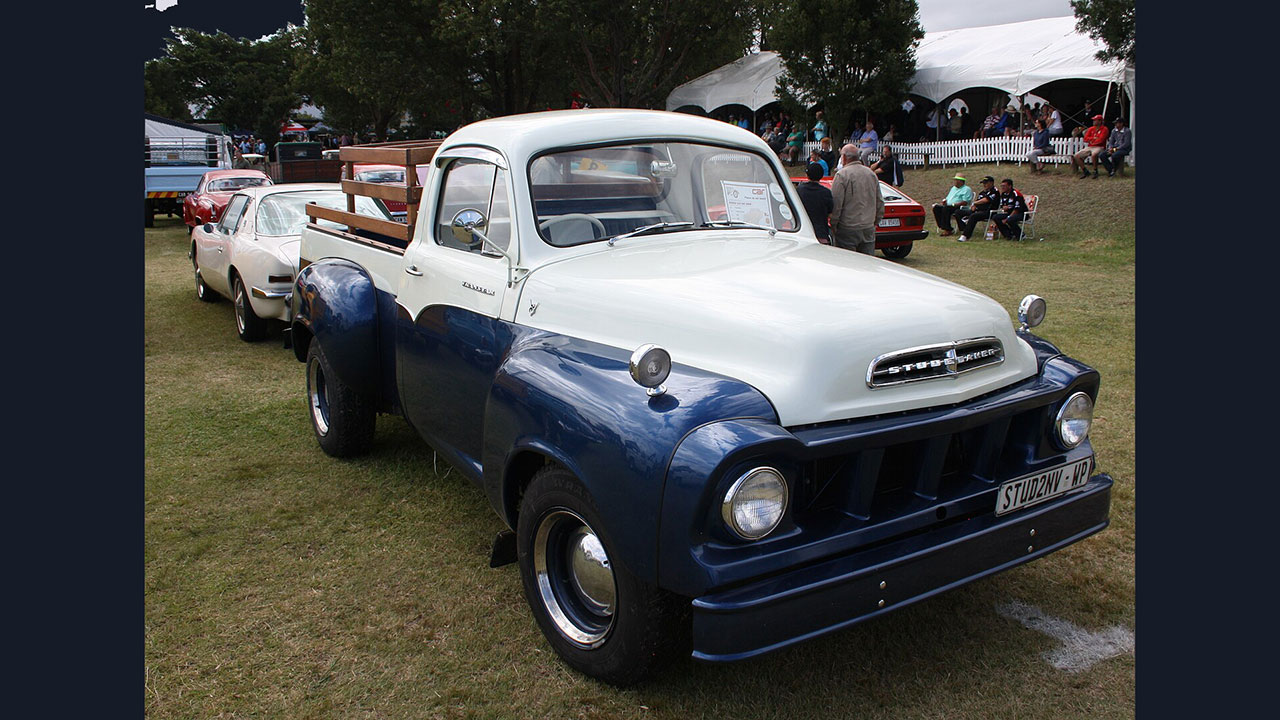
The Transtar represented Studebaker’s final generation of pickups and carried the company’s distinctive styling into a highly competitive market. It was built as a working truck rather than a collector’s item, which explains why relatively few survived. Today, its unusual design and rarity make it particularly appealing. Owners who have one are holding onto a small piece of forgotten American truck history.
More from Fast Lane Only
- Unboxing the WWII Jeep in a Crate
- 15 rare Chevys collectors are quietly buying
- 10 underrated V8s still worth hunting down
- Police notice this before you even roll window down
*Research for this article included AI assistance, with all final content reviewed by human editors.