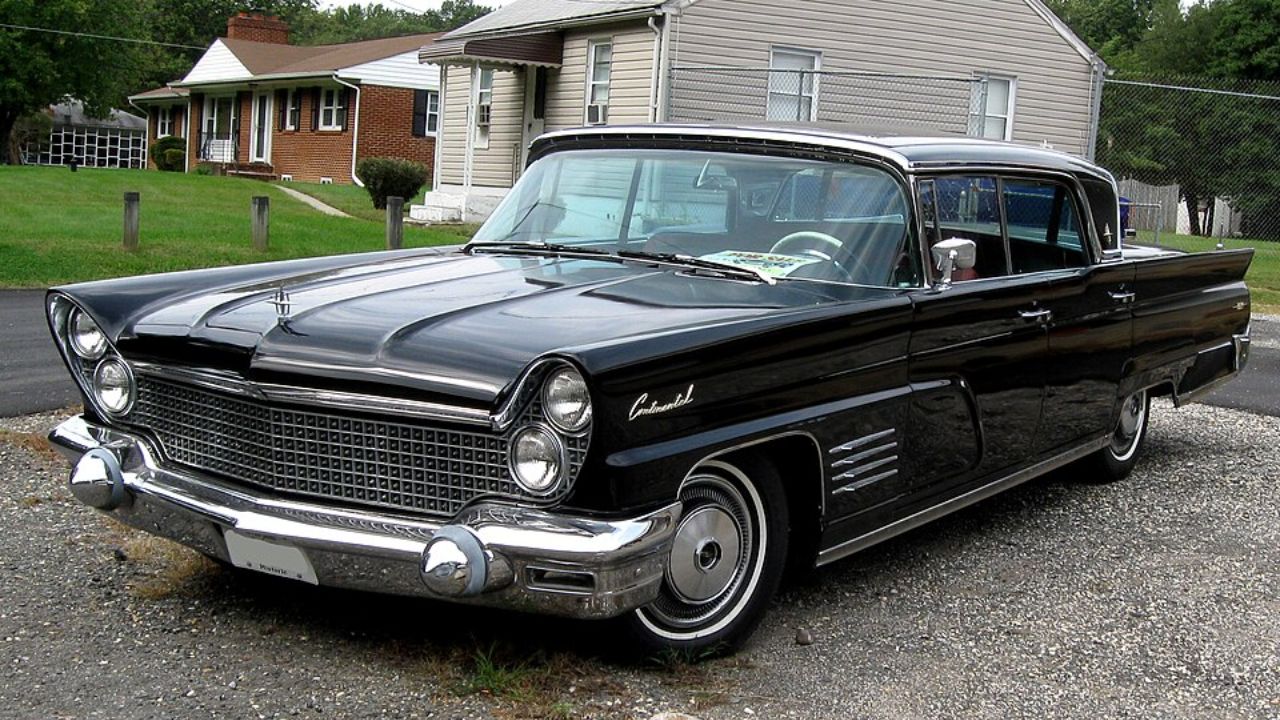
Lincoln has built some of America’s most imposing luxury cars, from enormous prewar sedans to stylish personal coupes and modern performance models. Some became famous immediately, while others took years to earn collector interest. These Lincolns continue to stand out because of their distinctive styling, impressive size, unusual details, or ability to represent a memorable chapter in American automotive history.
Lincoln Continental

The Continental remains one of Lincoln’s most recognizable names. Its clean proportions, restrained grille, and spacious cabin gave it an unmistakable presence without relying entirely on excessive ornamentation. The Continental became closely associated with American presidents, celebrities, and executive transportation, adding to its cultural importance. Even decades later, a well-preserved Continental can dominate attention at a classic-car gathering.
Lincoln Zephyr
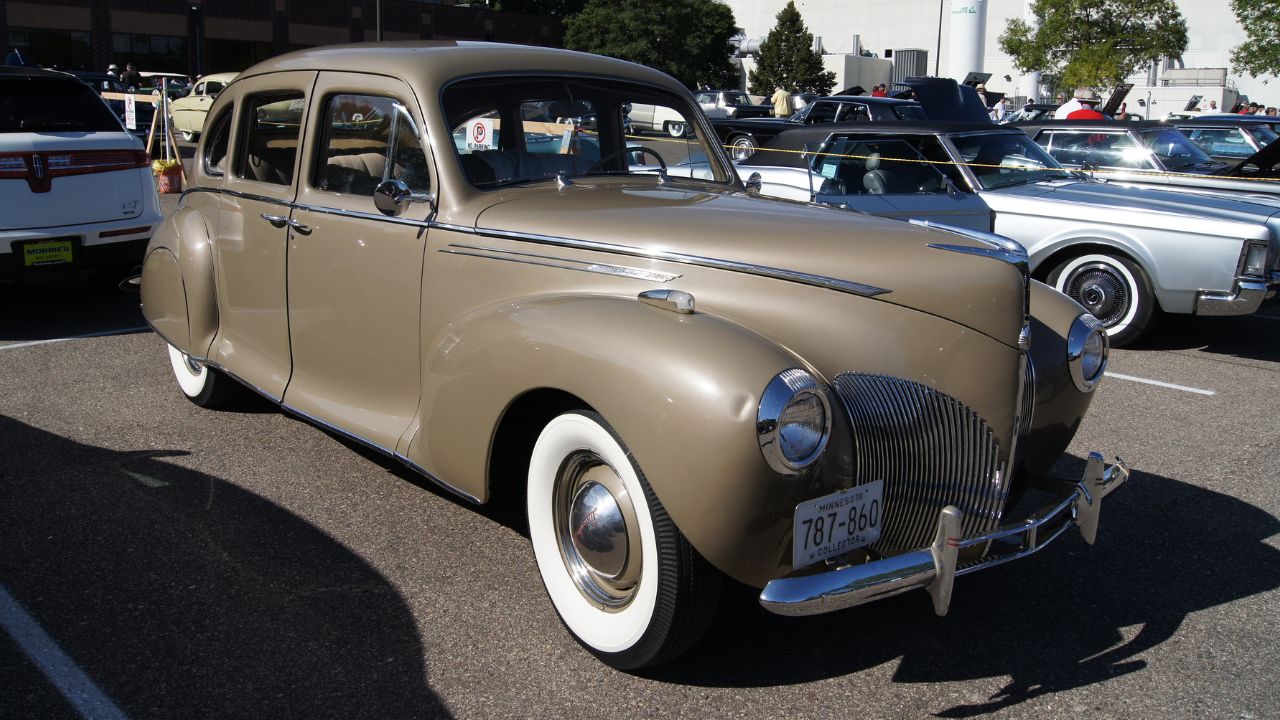
The Zephyr helped Lincoln move toward a more streamlined design during the 1930s. Its flowing bodywork looked considerably more modern than the upright luxury cars that came before it, while its V12 engine provided the performance expected from a premium automobile. The Zephyr’s smooth proportions still make it visually interesting today, particularly among collectors who appreciate the transition into modern American automotive design.
Lincoln Cosmopolitan
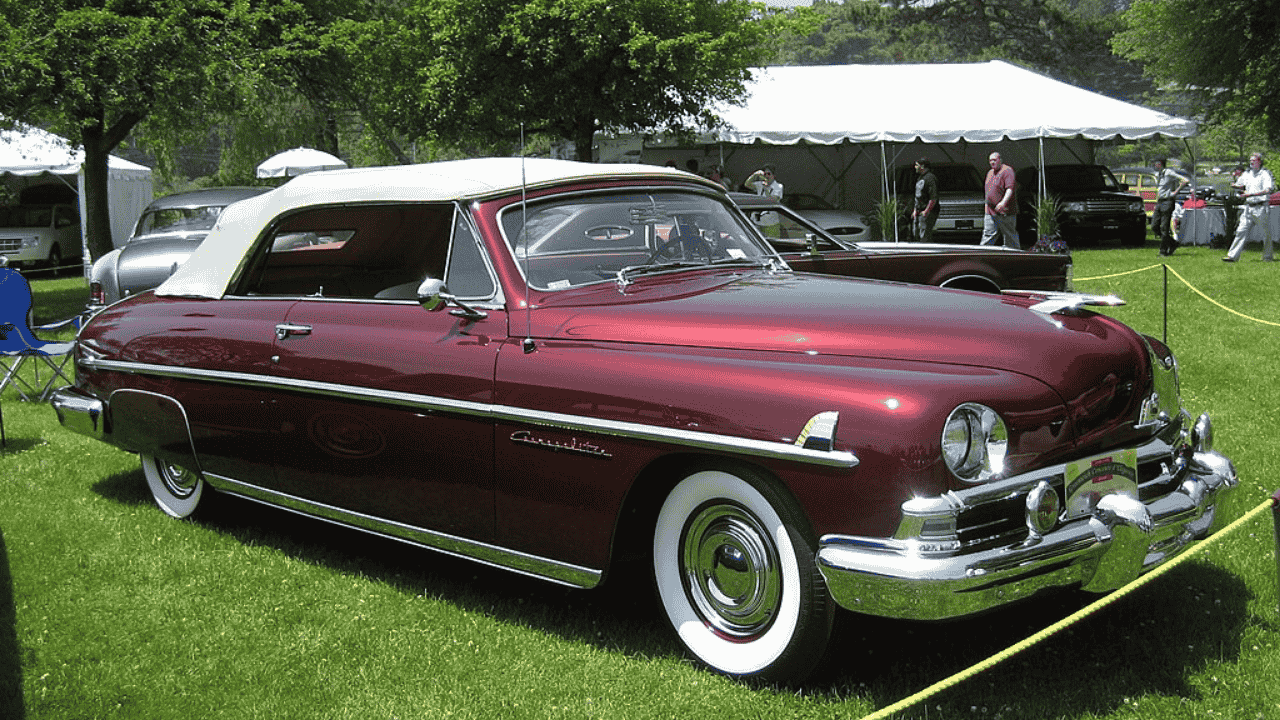
The Cosmopolitan represented Lincoln’s postwar return to a more distinctive luxury-car identity. Its broad body, elegant detailing, and substantial road presence made it an unmistakable American luxury automobile. Lincoln offered the Cosmopolitan in several body styles, giving buyers a choice between practicality and style. Today, surviving examples attract attention because they capture an important period when Detroit manufacturers were redefining luxury after World War II.
Lincoln Capri
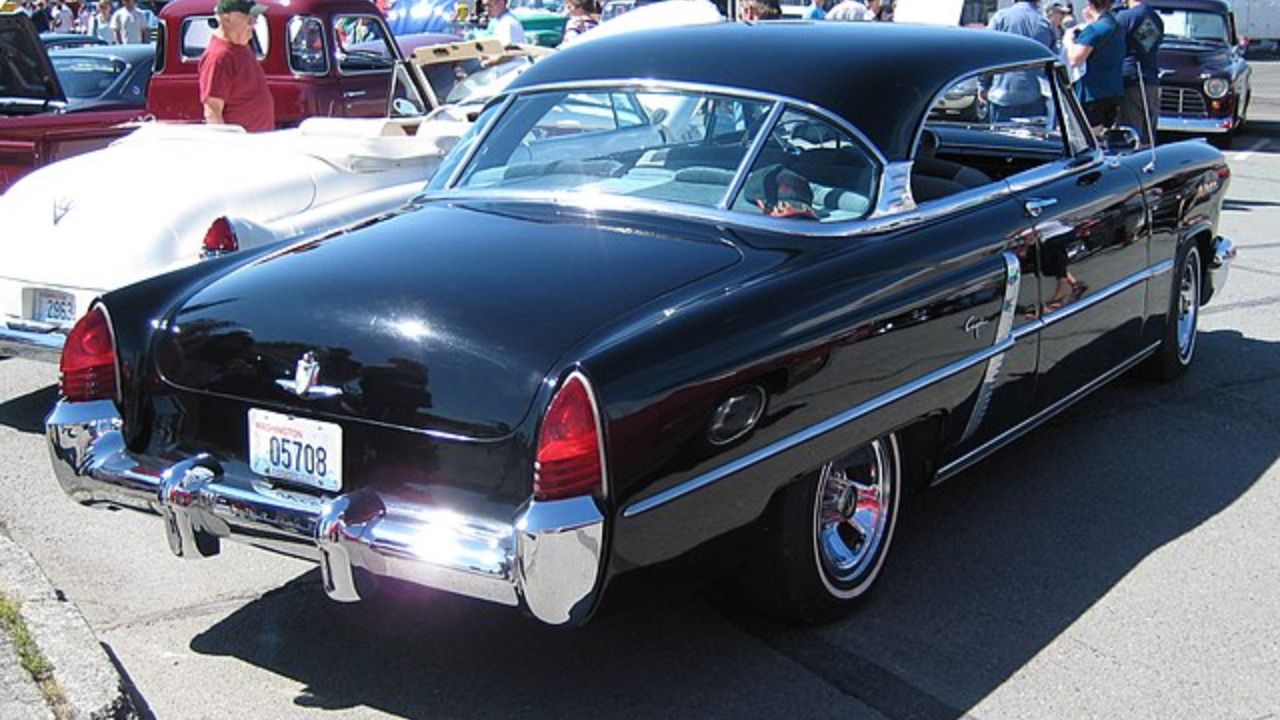
The Capri served as one of Lincoln’s more stylish offerings during the early postwar period. It combined a substantial American body with attractive proportions and increasingly modern styling. Buyers could choose from several configurations, including particularly elegant hardtop versions. The Capri never became as famous as the Continental name, but its clean design and rarity today make it an appealing choice for collectors looking beyond the obvious Lincoln classics.
Lincoln Premiere
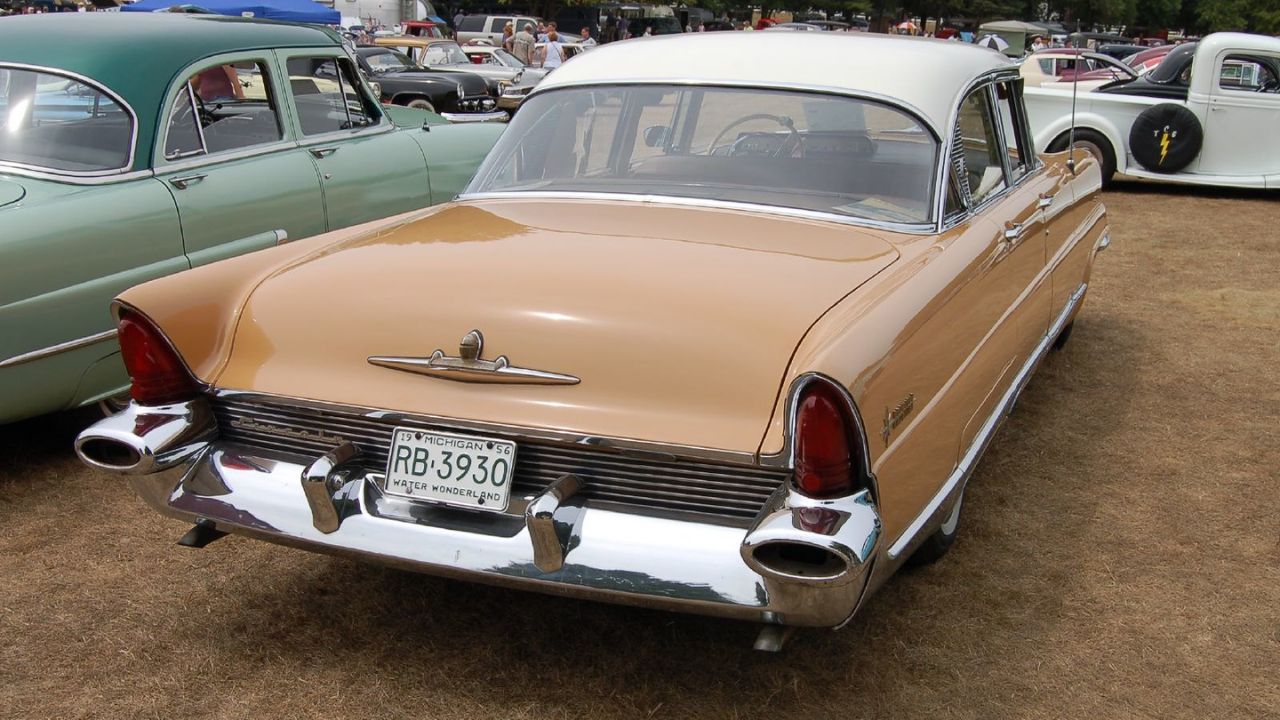
The Premiere brought a more dramatic approach to Lincoln luxury. Its low roofline, sweeping body, and elaborate styling reflected the confidence of late-1950s American design. The car was large even by contemporary standards, giving it an imposing road presence. Its styling makes it especially interesting today because it represents the peak of America’s fascination with chrome, dramatic proportions, and increasingly extravagant luxury automobiles.
Lincoln Continental Mark II
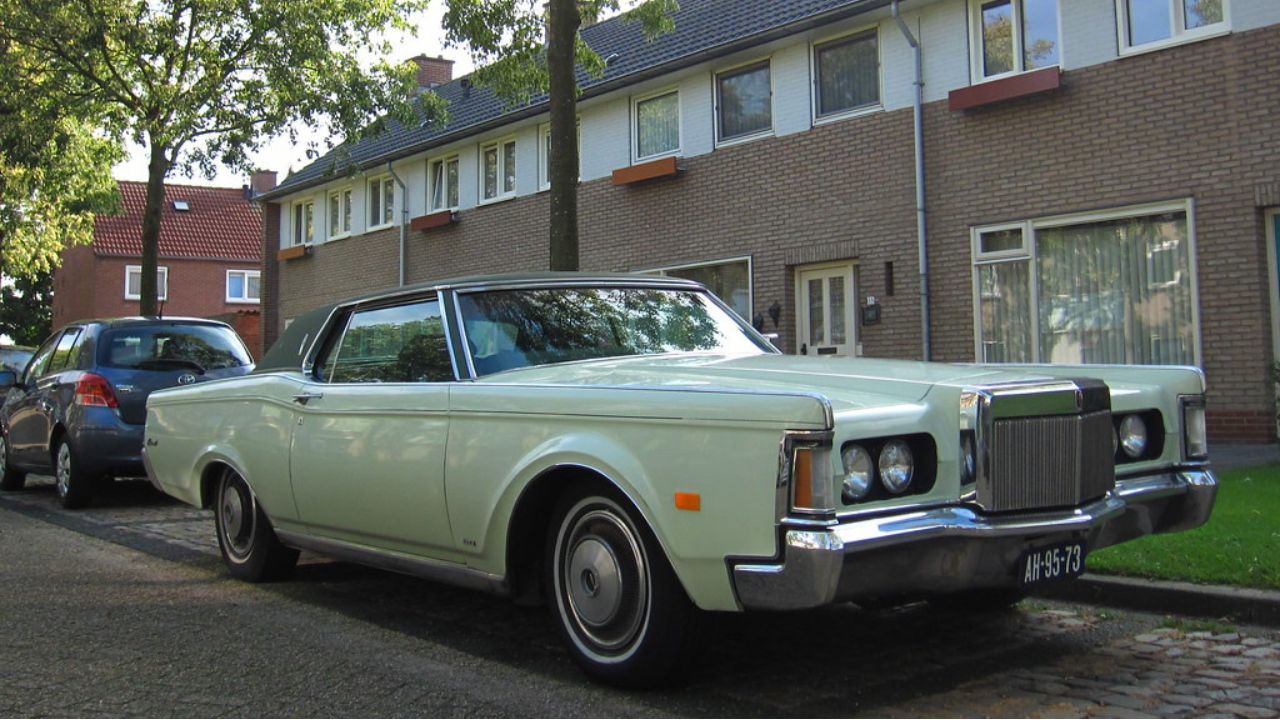
The Mark II was deliberately different from the enormous and heavily ornamented American cars surrounding it. Its restrained design, long hood, and distinctive spare-tire-inspired trunk treatment gave it a sophisticated appearance. Lincoln positioned it as an exclusive luxury coupe, and its limited production reinforced that status. Today, the Mark II remains one of the most respected American luxury cars of its period.
Lincoln Continental Mark III

The Mark III brought Lincoln into the personal-luxury coupe market with a much more imposing personality. Its long hood, hidden headlights, formal roofline, and prominent grille gave it tremendous road presence. The car also offered the comfort and equipment expected from a top-tier Lincoln. Its styling became closely associated with American luxury in the late 1960s and remains instantly recognizable.
Lincoln Continental Mark IV
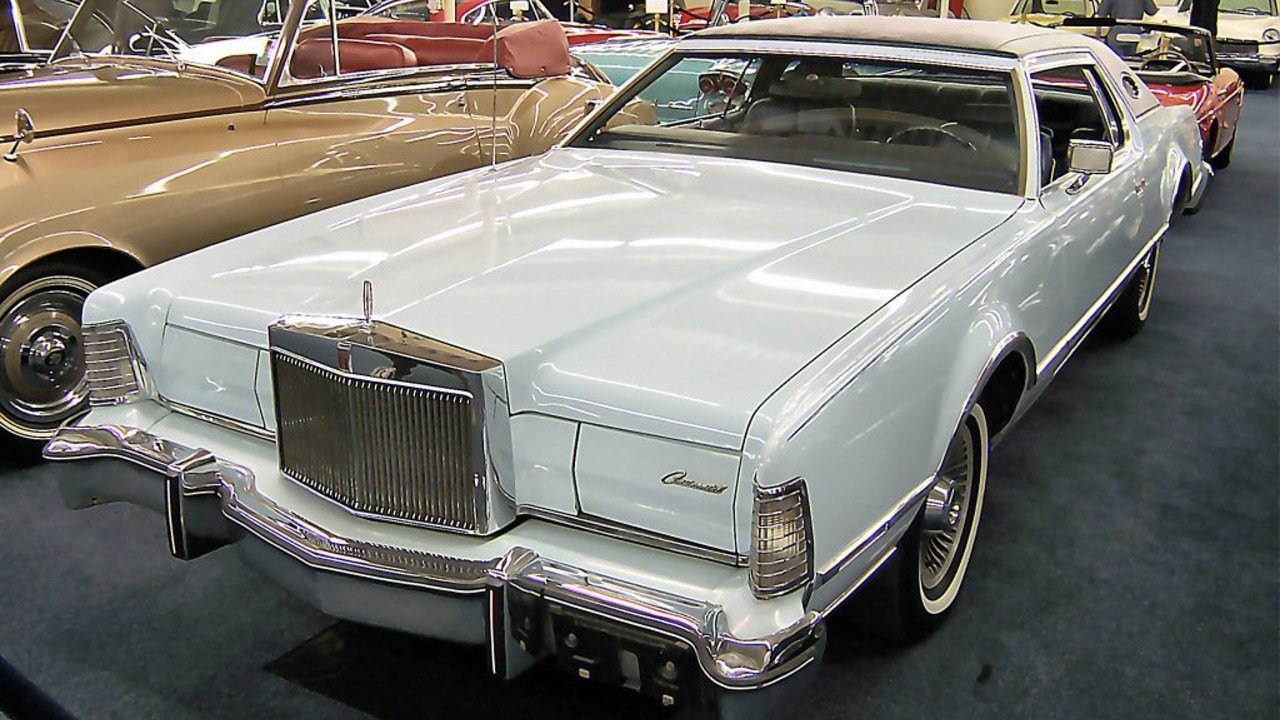
The Mark IV expanded the personal-luxury formula with even more imposing proportions and extensive customization. Its long body, formal roofline, and large interior made it a quintessential American luxury coupe. Special designer editions added another layer of exclusivity. Despite its enormous dimensions, the Mark IV remains appealing because it captures the confidence and excess that defined a particular era of American automotive design.
Lincoln Continental Mark V

The Mark V became one of the defining personal-luxury cars of its generation. Its sharply creased bodywork and enormous proportions created an unmistakable silhouette, while special editions from designers such as Cartier and Givenchy added prestige. The Mark V could be found in many configurations, but even standard versions had considerable presence. Today, its distinctive styling makes it an obvious conversation starter.
Lincoln Town Car

The Town Car became synonymous with traditional American luxury. Its large cabin, soft ride, formal styling, and spacious rear seat made it a favorite for both private owners and professional transportation services. Later versions became increasingly common, but well-preserved examples still represent the classic full-size American luxury formula. Its long production history also makes it one of Lincoln’s most recognizable nameplates.
Lincoln Continental Town Car
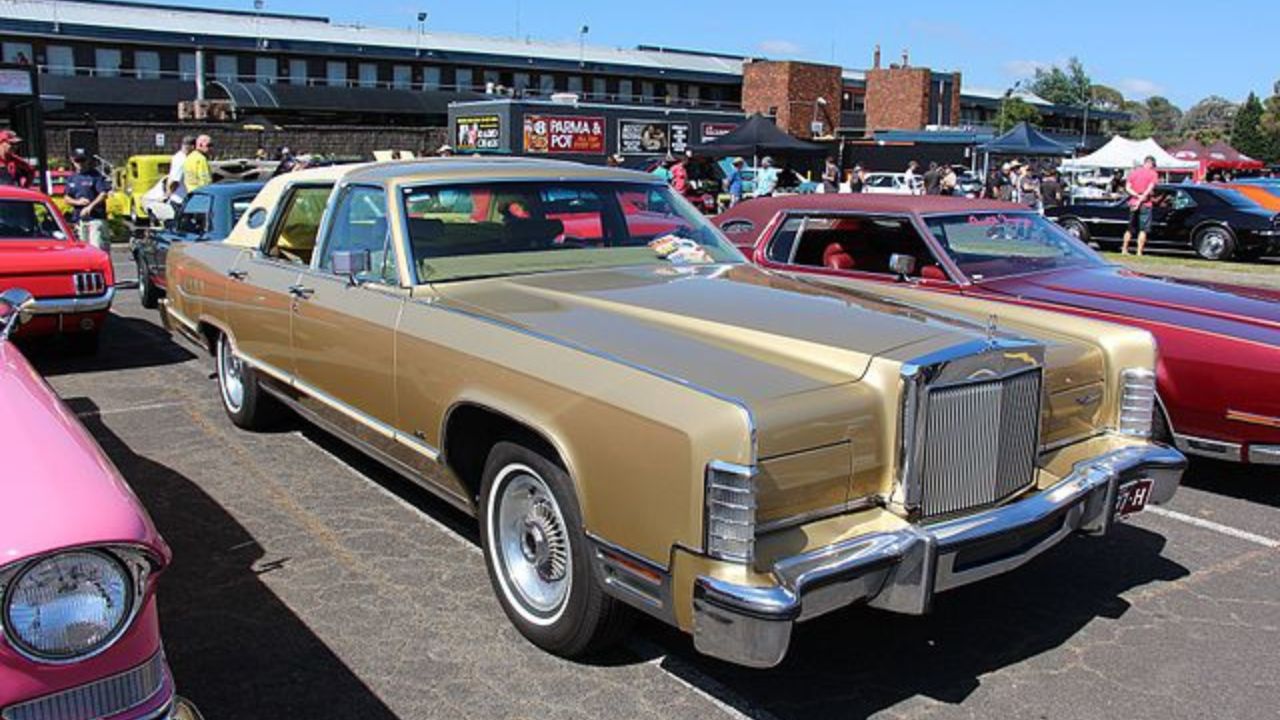
The Continental Town Car combined the prestige of the Continental name with the comfort-focused character that would later define Lincoln’s full-size lineup. Its formal styling and spacious cabin appealed to buyers who preferred traditional luxury rather than sporty handling. The model became especially associated with executive transportation. Clean examples can still attract attention because of their unmistakably American proportions.
Lincoln Versailles
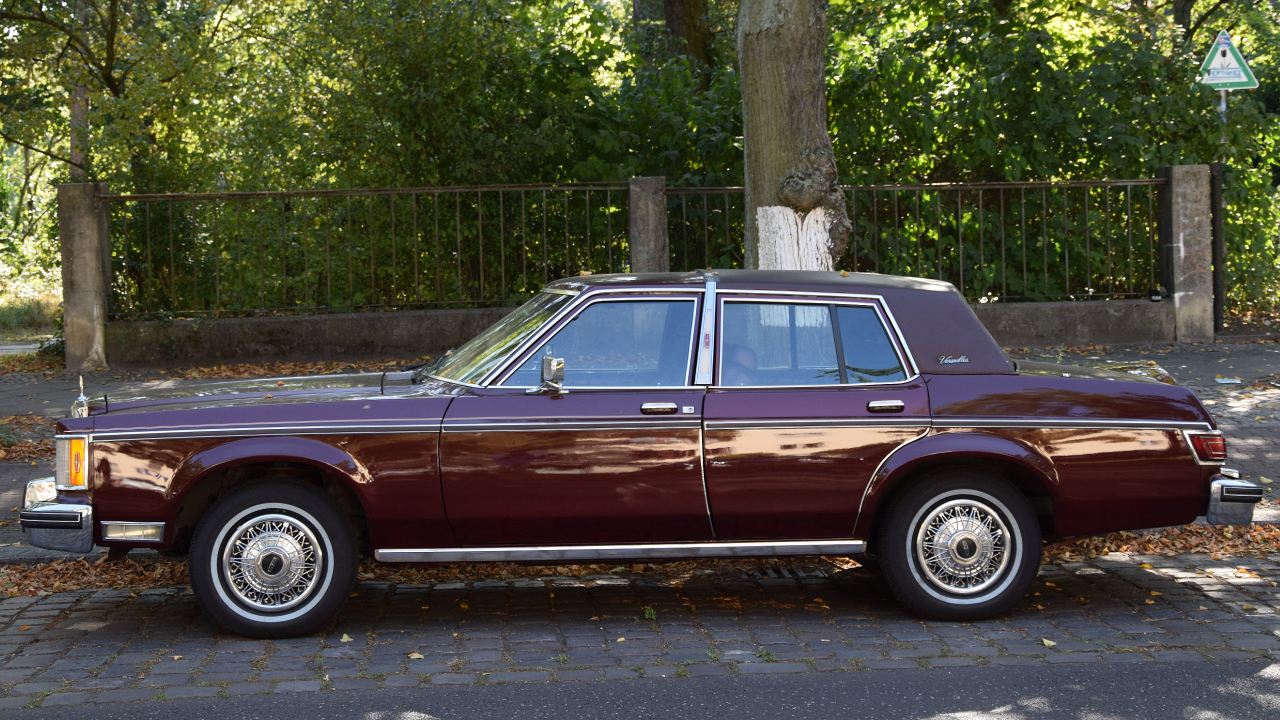
The Versailles gave Lincoln a smaller luxury car during an era when buyers were beginning to move away from enormous vehicles. Its compact dimensions made it easier to manage than Lincoln’s traditional full-size offerings, while the formal styling maintained the brand’s luxury identity. The model has gained interest among collectors because it represents Lincoln’s attempt to adapt to changing market conditions without abandoning its established design language.
Lincoln Continental Mark VI
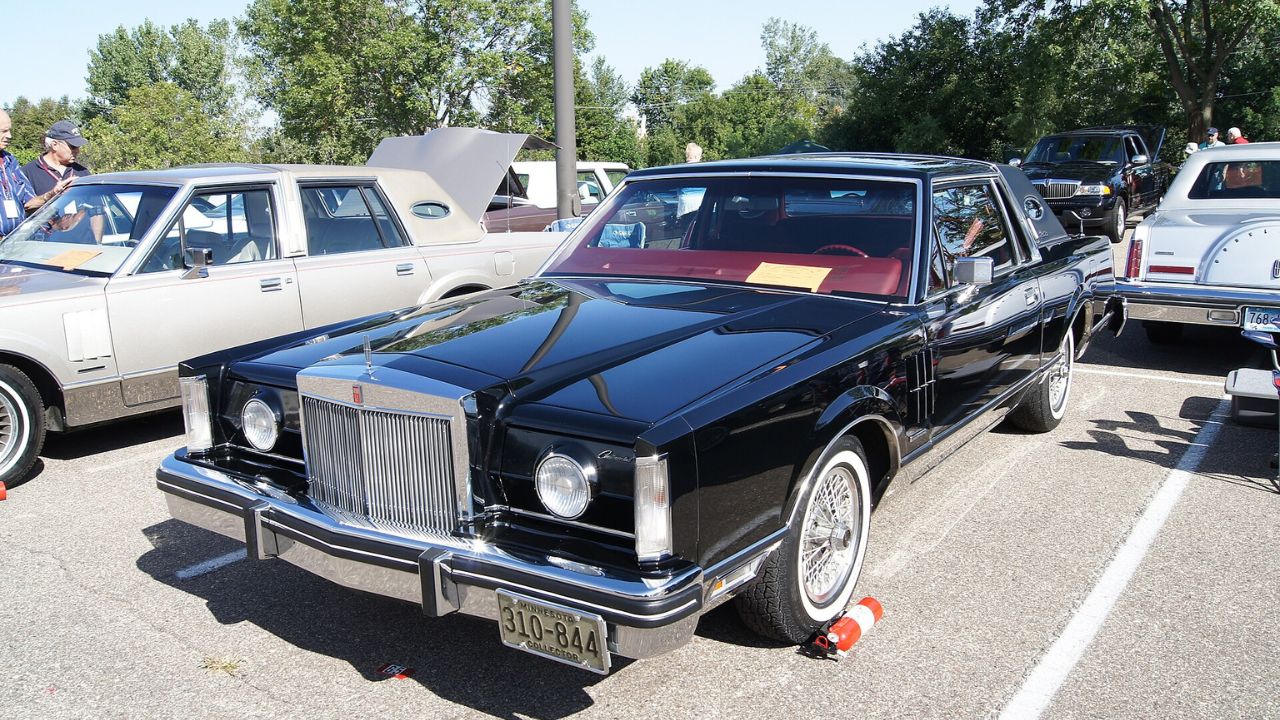
The Mark VI continued the Mark-series tradition while responding to changing demands for improved efficiency and slightly smaller dimensions. Its styling retained the long-hood, formal-coupe character associated with the name, but the overall package was more restrained than earlier Marks. Today, it offers collectors a fascinating look at how American personal luxury evolved as the industry moved away from the excesses of the 1970s.
Lincoln Continental Mark VII
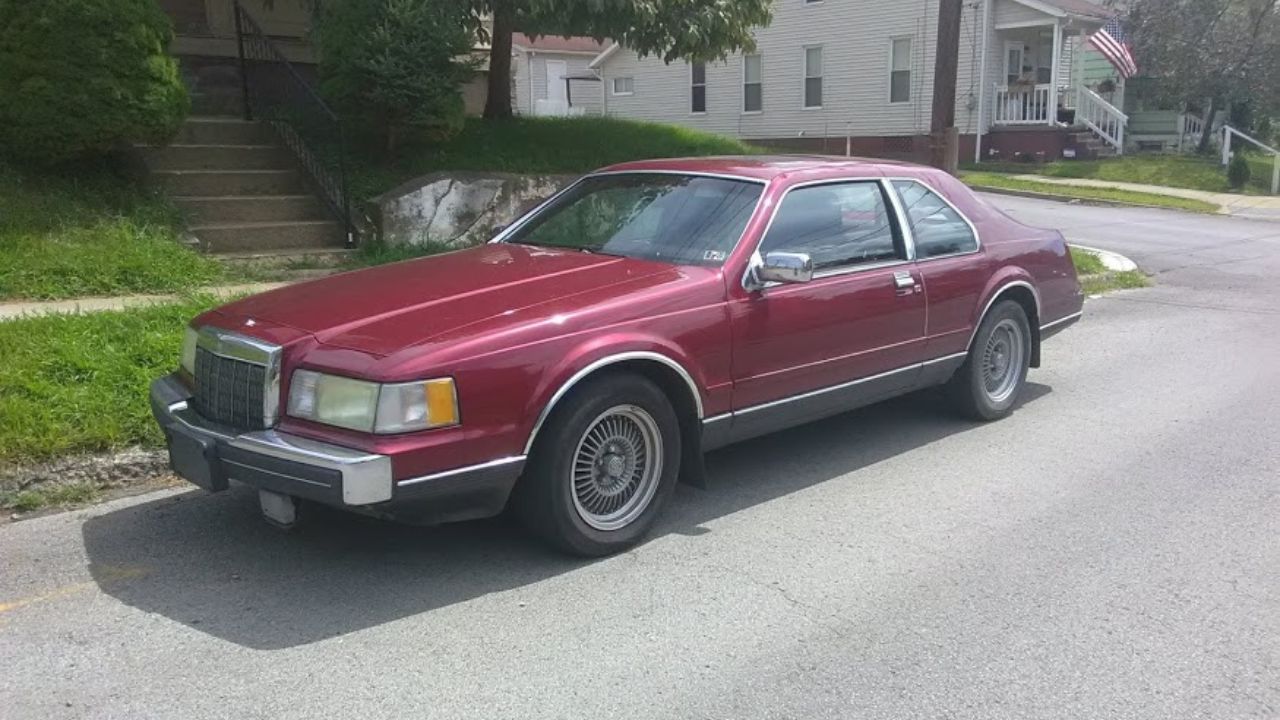
The Mark VII represented a major change for the Mark series. Its more aerodynamic body, improved handling, and available performance-oriented variants gave it a distinctly modern character. The Mark VII also helped introduce Lincoln’s personal-luxury coupe to a new generation of buyers. Performance versions are particularly interesting today because they combine understated luxury with genuine enthusiast appeal.
Lincoln Continental Mark VIII
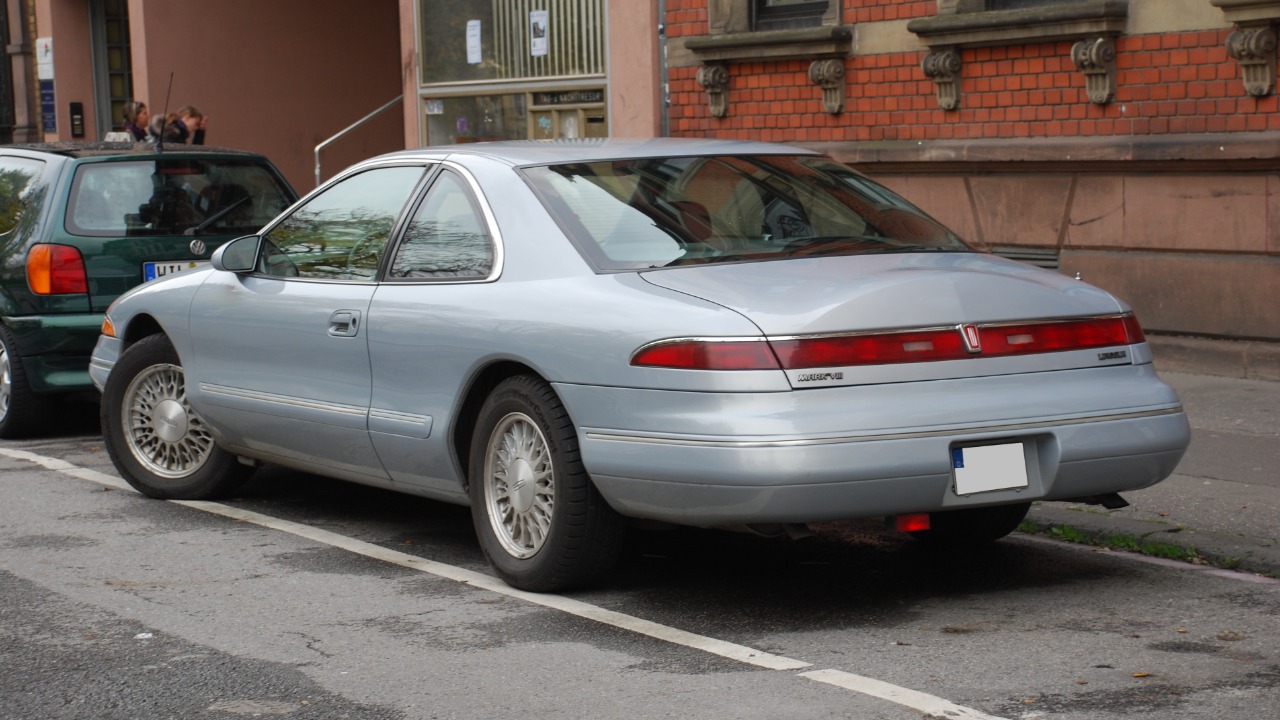
The Mark VIII brought a sleek, aerodynamic appearance to Lincoln’s flagship coupe lineup. Its long body and low roofline retained the personal-luxury character of earlier Marks while incorporating more modern technology and styling. The car’s proportions remain surprisingly elegant, and clean examples are increasingly appreciated by enthusiasts who recognize how distinctive large American coupes became during this period.
Lincoln LS

The LS represented one of Lincoln’s most serious attempts to compete with European sport sedans. Rear-wheel drive, independent suspension, and available V8 power gave it a much more driver-focused character than traditional Lincoln sedans. Its styling was also considerably more contemporary. Although it never became a sales sensation, the LS has developed a following among enthusiasts who appreciate its unusual combination of American luxury and European-inspired dynamics.
Lincoln Aviator

The Aviator helped Lincoln establish a stronger presence in the growing luxury SUV market. Its substantial proportions, upscale interior, and available V8 power made it a more distinctive alternative to ordinary family SUVs. Earlier Aviators are becoming interesting to collectors because they represent the period when Lincoln began shifting toward the SUV-heavy lineup that would eventually dominate its brand strategy.
Lincoln Blackwood
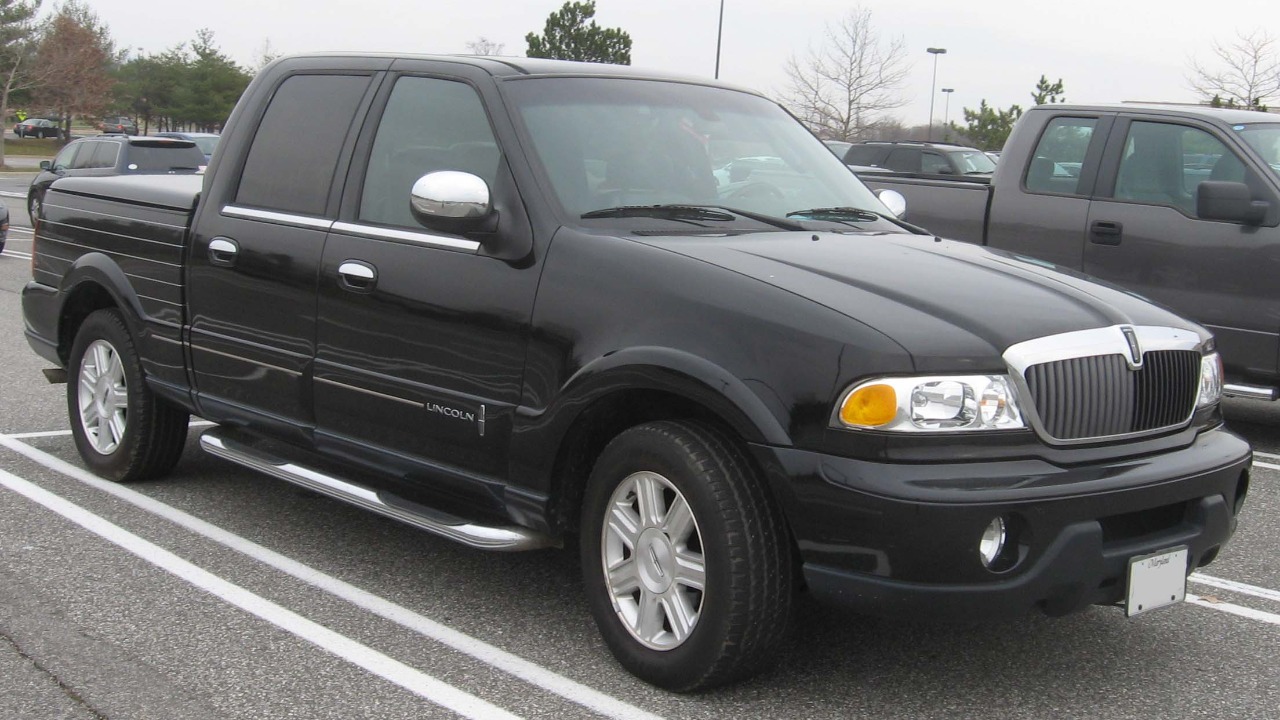
The Blackwood was one of Lincoln’s most unusual experiments. It combined the formal styling and luxury appointments of a Lincoln with a pickup-bed concept, creating a vehicle unlike anything else in the company’s history. Its short production run made it uncommon almost immediately. Today, the Blackwood attracts attention precisely because it was such an unusual attempt to merge luxury-car character with truck utility.
Lincoln Mark LT
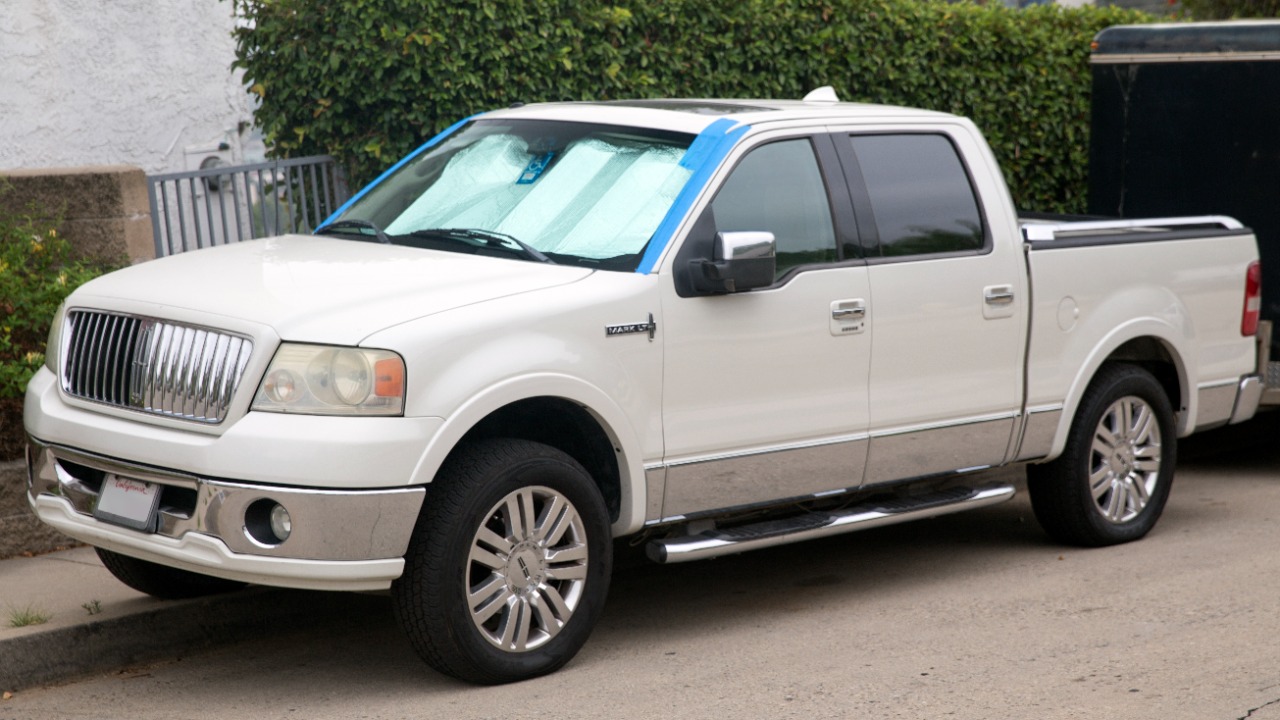
The Mark LT represented another attempt to combine Lincoln luxury with pickup practicality. Based on Ford’s full-size pickup architecture, it offered a more upscale interior and distinctive exterior treatment while retaining genuine truck capability. It was never as common as mainstream Ford pickups, which gives surviving examples an interesting place in Lincoln history. Its unusual formula makes it increasingly recognizable among collectors.
Lincoln MKS
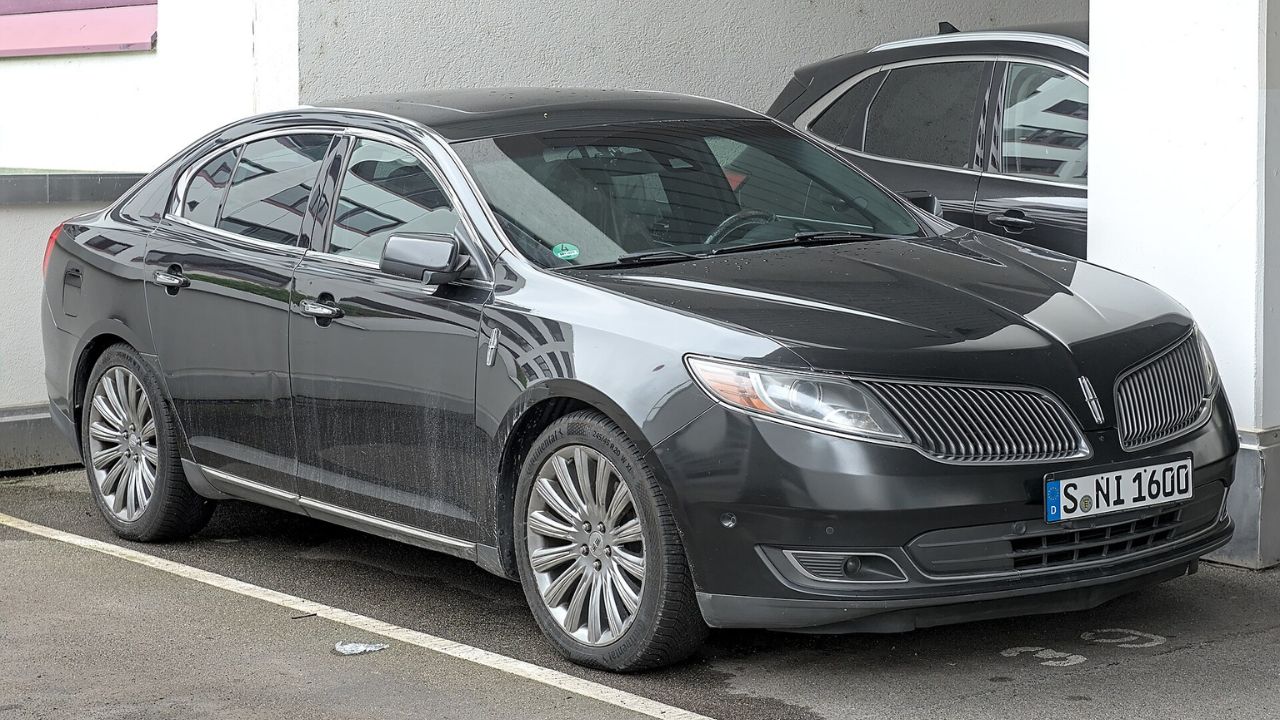
The MKS brought Lincoln into the full-size luxury sedan market with a more contemporary design and a wide range of technology. Turbocharged versions added considerably more performance than the car’s understated appearance suggested. Although it never became a major collector car, its styling and technology represent an important transition in Lincoln’s history. Well-preserved examples can still command attention for their combination of comfort and capability.
More from Fast Lane Only
- Unboxing the WWII Jeep in a Crate
- 15 rare Chevys collectors are quietly buying
- 10 underrated V8s still worth hunting down
- Police notice this before you even roll window down
*Research for this article included AI assistance, with all final content reviewed by human editors.