The 1960s was a transformative decade for the automotive industry, marked by innovation and cultural shifts that led to the rise of iconic vehicles. These cars not only defined the era but also influenced generations to come, each leaving a lasting legacy in design, performance, and social significance.
Ford Mustang: The Birth of the Pony Car
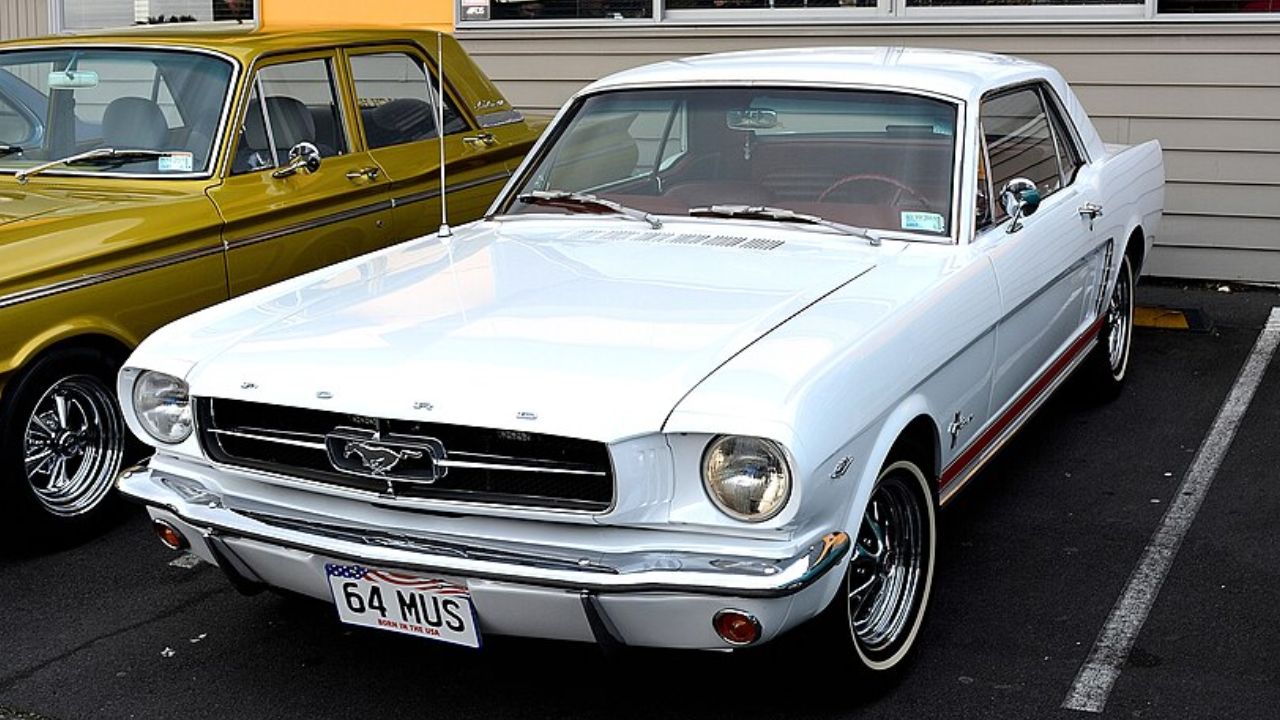
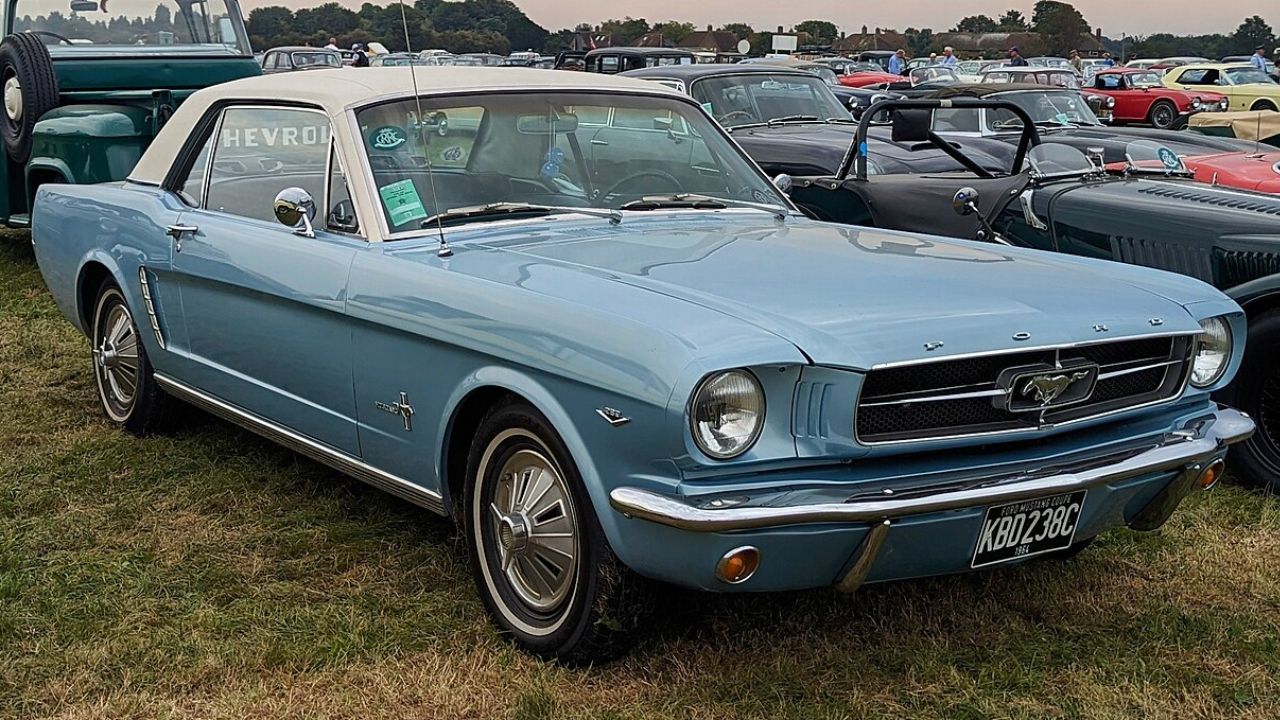
The Ford Mustang was introduced in 1964 and quickly became a symbol of American automotive culture. With its sporty design and affordable price, it appealed to a younger demographic eager to embrace the freedom of the open road. The Mustang’s launch marked the beginning of the “pony car” segment, characterized by compact size, performance, and style. The 1965 model, featuring a 289 cubic inch V8 engine, showcased a perfect blend of power and agility, making it an instant classic.
Its cultural impact was profound, as the Mustang became a favorite in films and music, representing the rebellious spirit of youth. With options for customizations, it allowed owners to express their individuality. As a result, the Ford Mustang remains a cherished model, continually evolving while retaining its original charm. For a deeper dive into the beauty of 1960s cars, check out this article.
Chevrolet Camaro: The Rivalry That Defined Muscle
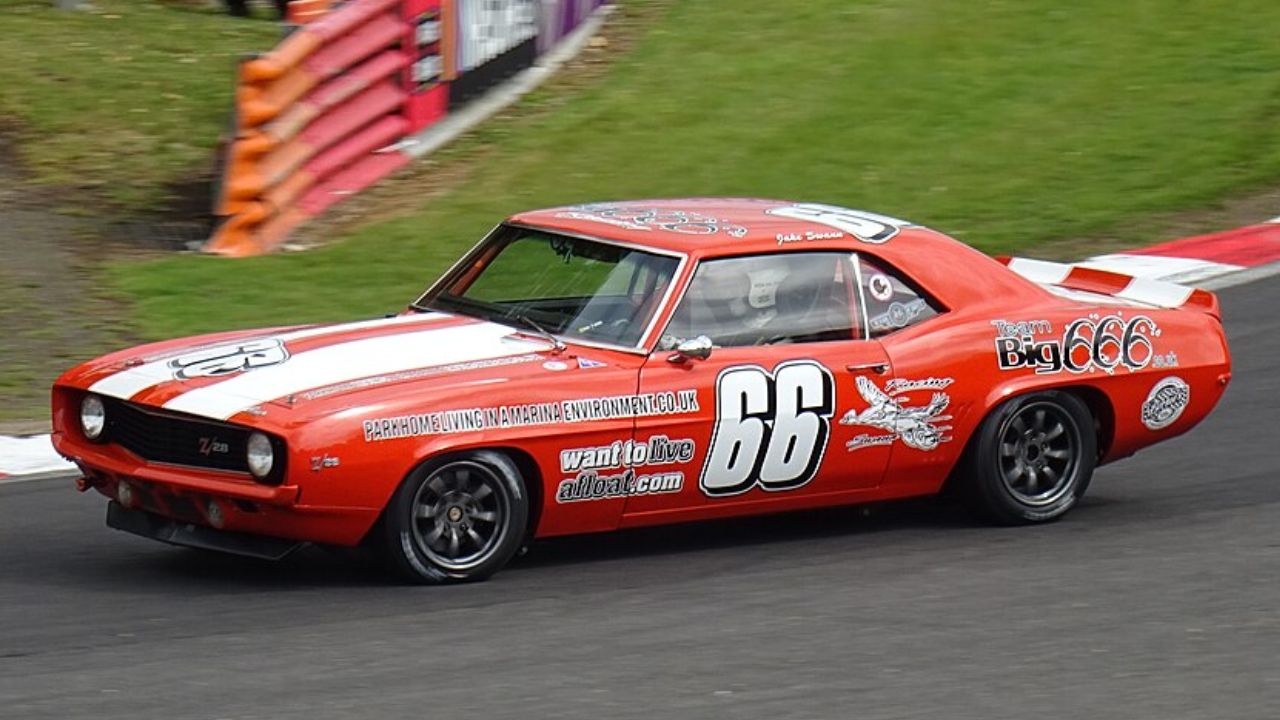
Launched in 1966, the Chevrolet Camaro was General Motors’ answer to the Ford Mustang. It quickly established itself as a formidable contender in the muscle car arena, capturing the attention of performance enthusiasts. The first-generation Camaro offered a range of powerful engines, including the iconic 396 cubic inch V8, which provided exhilarating speed and handling. Its aggressive styling and customizable options made it a favorite among car lovers.
The rivalry between the Mustang and Camaro fueled a passionate culture of performance cars in the late 1960s. The Camaro’s success not only solidified its place in automotive history but also inspired a generation of car enthusiasts. Today, it remains a symbol of American muscle, with collectors and fans alike celebrating its legacy. For a look at other iconic cars of this era, visit this resource.
Volkswagen Beetle: The Icon of Counterculture
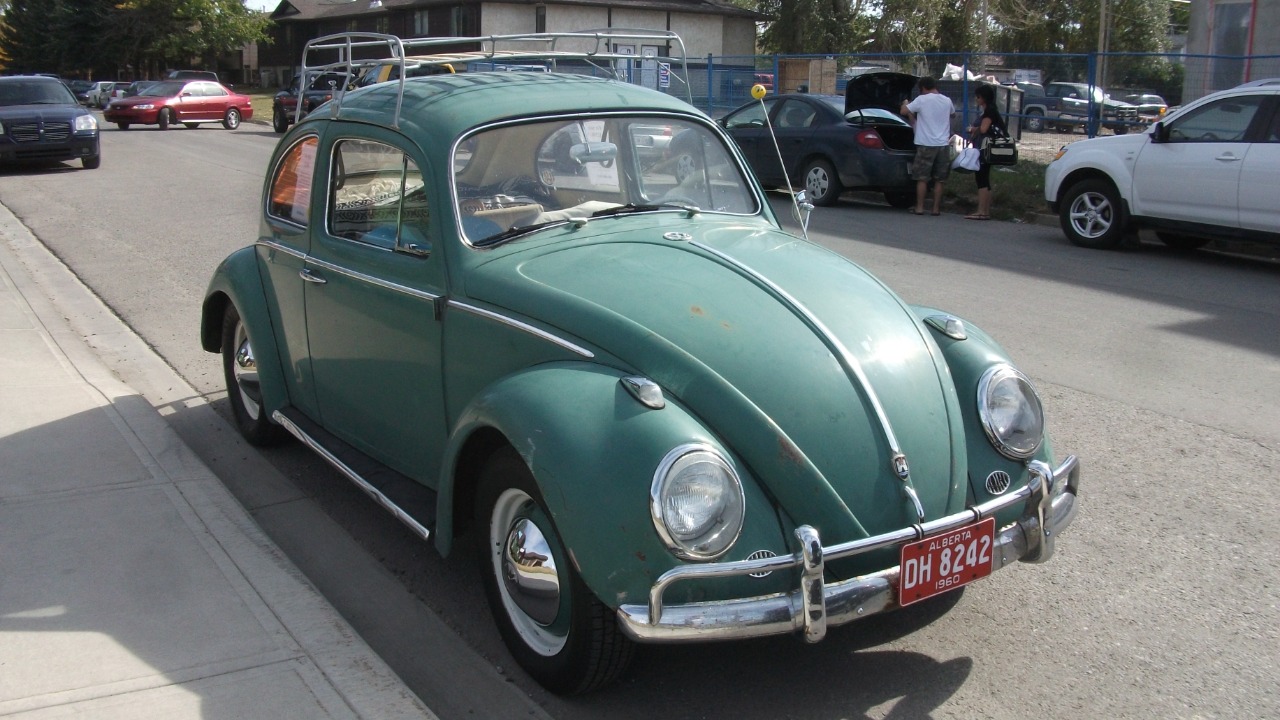
The Volkswagen Beetle, originally produced in the late 1930s, gained immense popularity in the 1960s, becoming a symbol of the counterculture movement. Its unique, rounded design and reliable performance appealed to a generation seeking simplicity and freedom. The Beetle was not just a car; it represented a lifestyle, encouraging adventure and exploration. By the end of the 1960s, it had become the best-selling car in the world.
The Beetle’s affordability and fuel efficiency made it accessible to many, further solidifying its status as a cultural icon. It played a significant role in the rise of the hippie movement, with many customized versions featuring vibrant paint jobs and artistic designs. The enduring legacy of the Volkswagen Beetle continues to resonate, making it a beloved classic. For more information about classic cars of the 1960s, check out this article.
Pontiac GTO: The Original Muscle Car
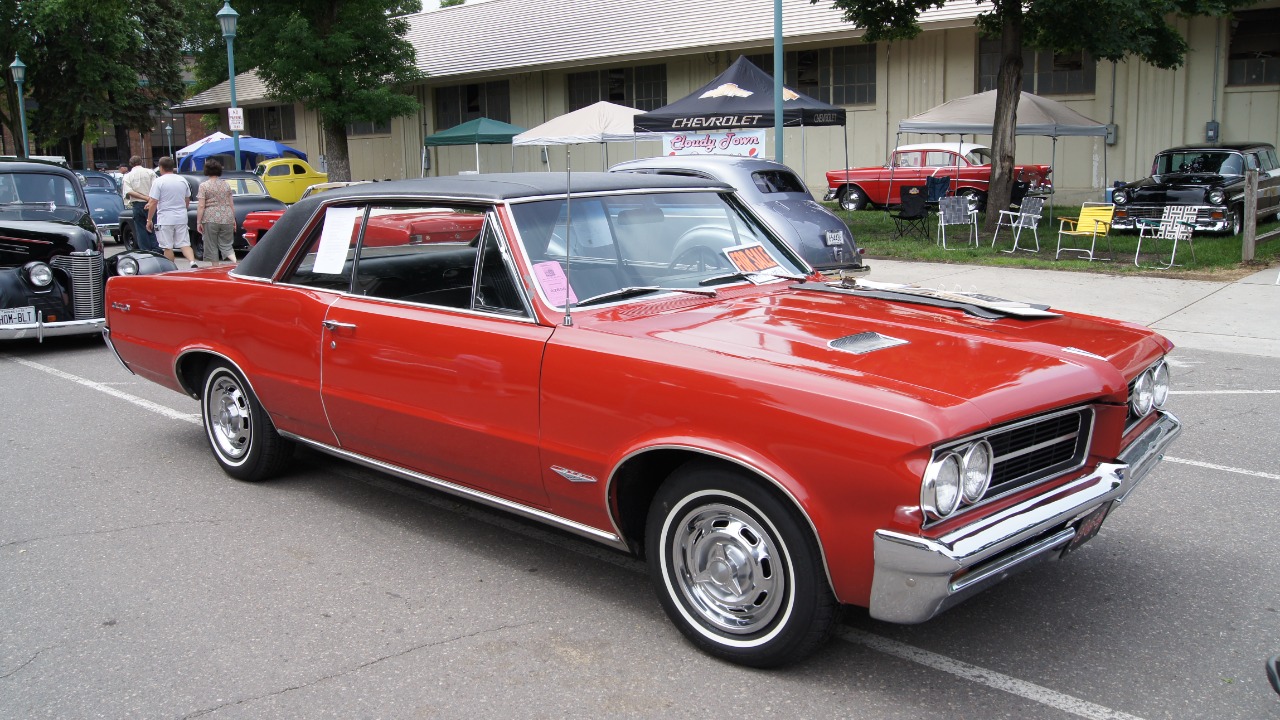
Introduced in 1964, the Pontiac GTO is often credited as the first true muscle car, setting the standard for high-performance vehicles. With its powerful 389 cubic inch V8 engine and aggressive styling, the GTO was designed for speed and excitement. It quickly became a favorite among car enthusiasts, establishing a new category of automobiles that prioritized raw power and performance.
The GTO’s success revolutionized the automotive market, leading to the creation of numerous competitors. It embodied the spirit of the 1960s, appealing to those seeking thrills on the road. The GTO’s legacy continues to influence modern muscle cars, making it a cornerstone of American automotive history. Enthusiasts often reminisce about its powerful performance and distinct design, solidifying its place in automotive lore.
Dodge Charger: A Symbol of American Power
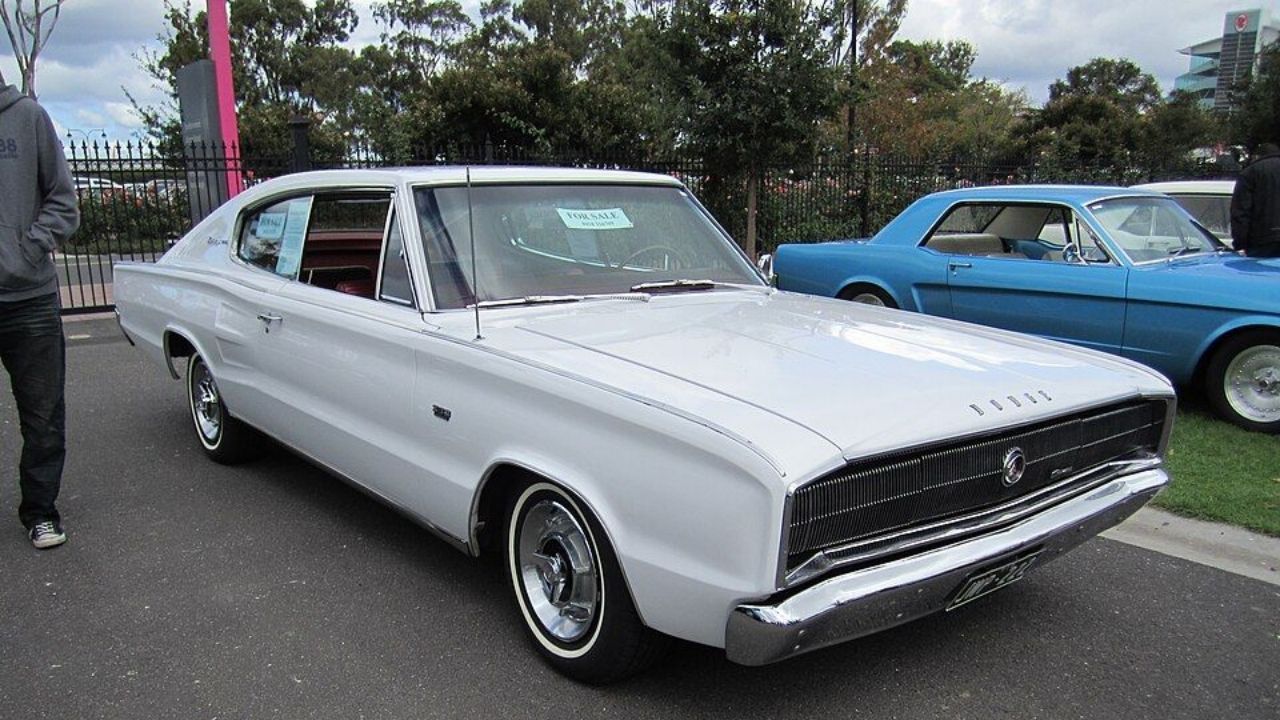
Launched in 1966, the Dodge Charger quickly became synonymous with American power and performance. With its bold styling and powerful engine options, including the legendary HEMI V8, the Charger was designed to dominate both on the street and the racetrack. Its muscular stance and aggressive design captured the essence of the muscle car era, making it an icon among car enthusiasts.
The Charger gained fame through its appearances in films and television, particularly in the 1971 movie “Bullitt.” Its popularity soared, cementing its status as a symbol of American automotive culture. The Charger continues to evolve, maintaining its legacy while appealing to new generations of drivers. Its blend of performance and style ensures that it remains a beloved choice among muscle car aficionados.
Mercedes-Benz 600: Luxury and Influence
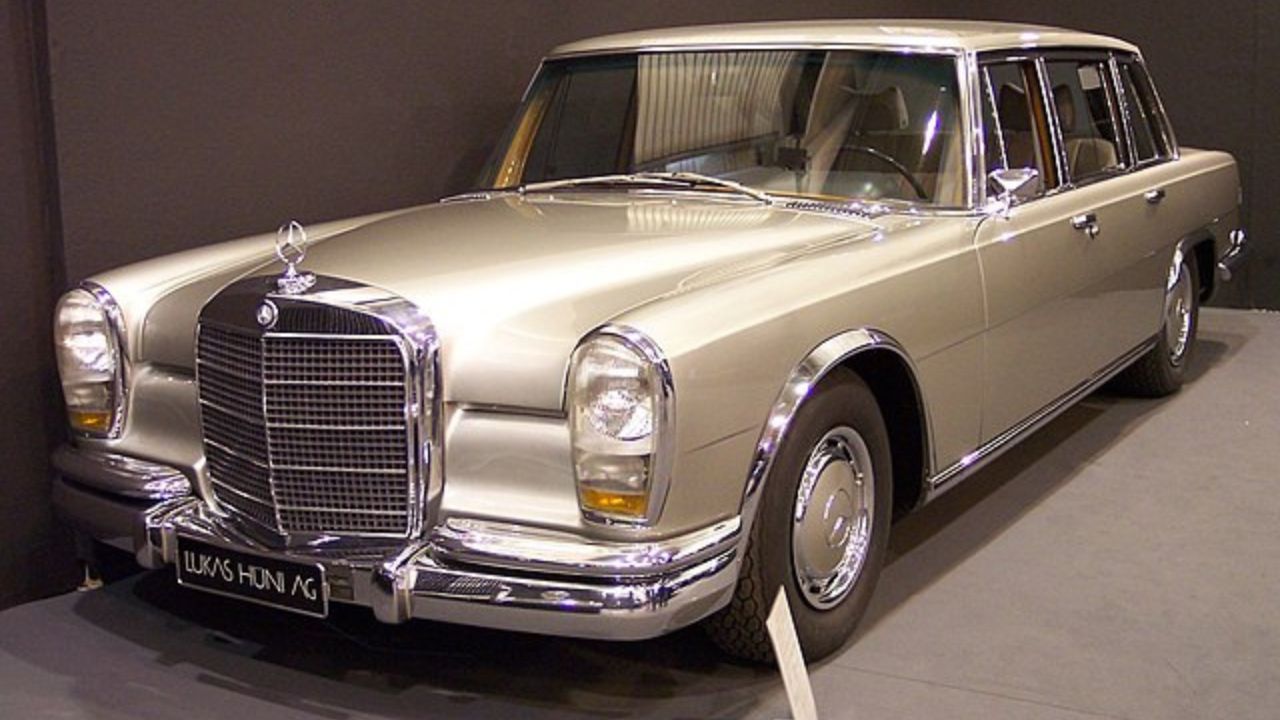
The Mercedes-Benz 600, produced from 1963 to 1981, was the epitome of luxury during the 1960s. Designed for the elite, it featured advanced technology and unmatched comfort, appealing to celebrities and world leaders alike. With its powerful V8 engine and distinctive design, the 600 became a status symbol, representing the height of automotive engineering.
Its luxurious interior boasted amenities such as automatic climate control and power windows, setting new standards for comfort and sophistication. The 600’s influence extended beyond the automotive world, as it became a staple in high-profile events and gatherings. Today, it is celebrated as a classic, showcasing the pinnacle of luxury car design. Its legacy continues to inspire luxury automakers worldwide.
Mini Cooper: Compact Revolution in Europe
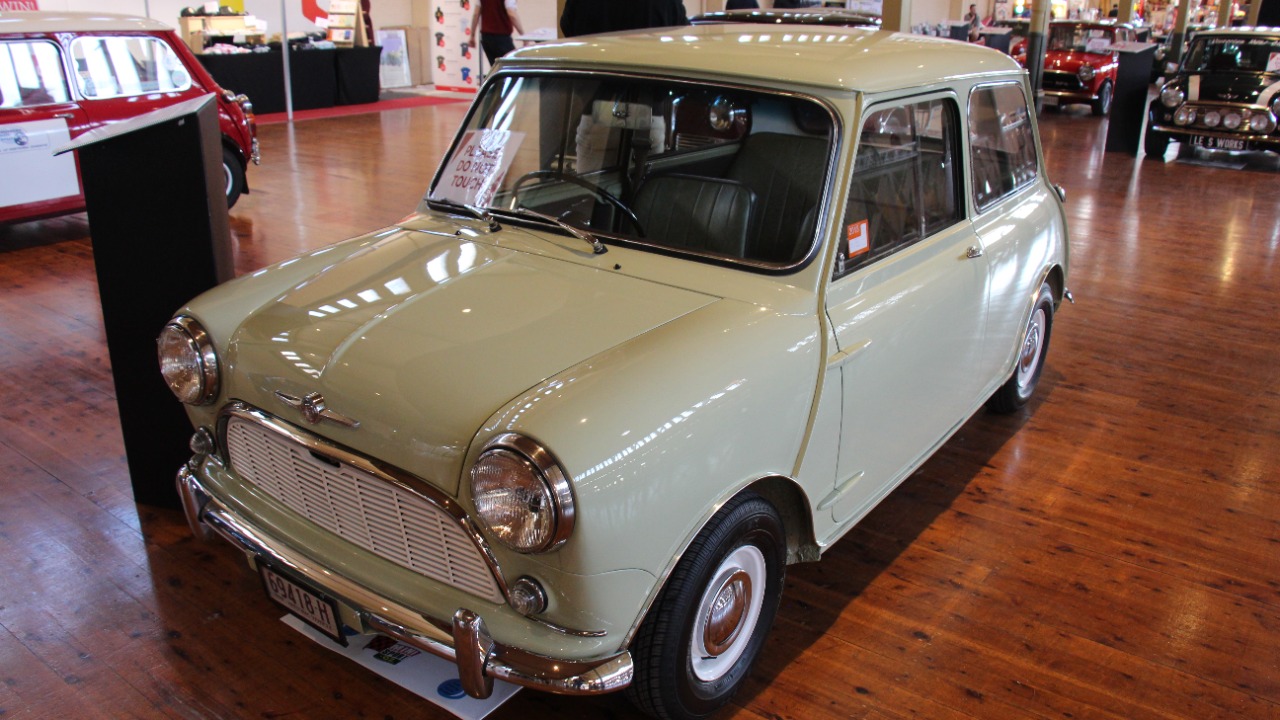
The Mini Cooper made its debut in 1961, reshaping the landscape of compact cars in Europe. Its innovative design and impressive handling quickly gained popularity, especially in urban environments where space was limited. The car’s small size did not compromise performance, thanks to its nimble engine and agile handling, making it a favorite among car enthusiasts.
The Mini became a cultural icon, symbolizing the 1960s British invasion and youth culture. Its unique style and customizable options allowed owners to express their individuality. The Mini’s success in motorsport, particularly in rally racing, further solidified its legendary status. Today, it continues to be celebrated as a classic, embodying the spirit of innovation and fun.
Ford Thunderbird: The Personal Luxury Car
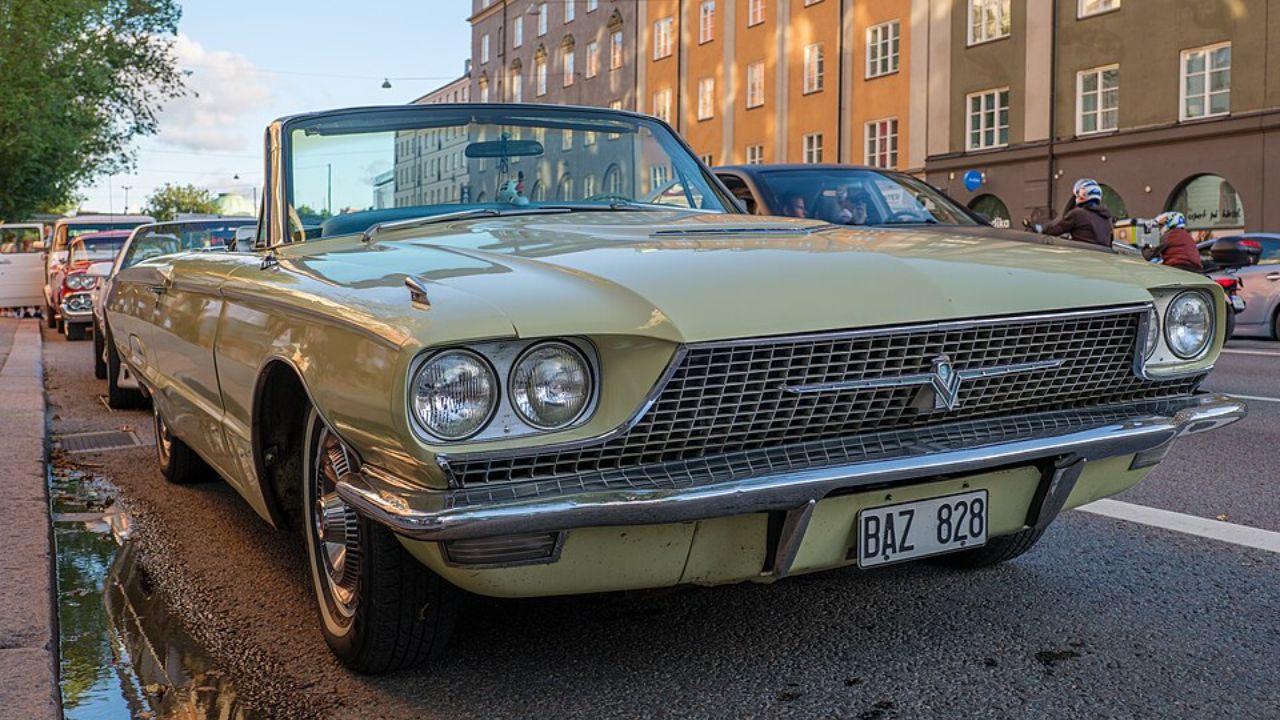
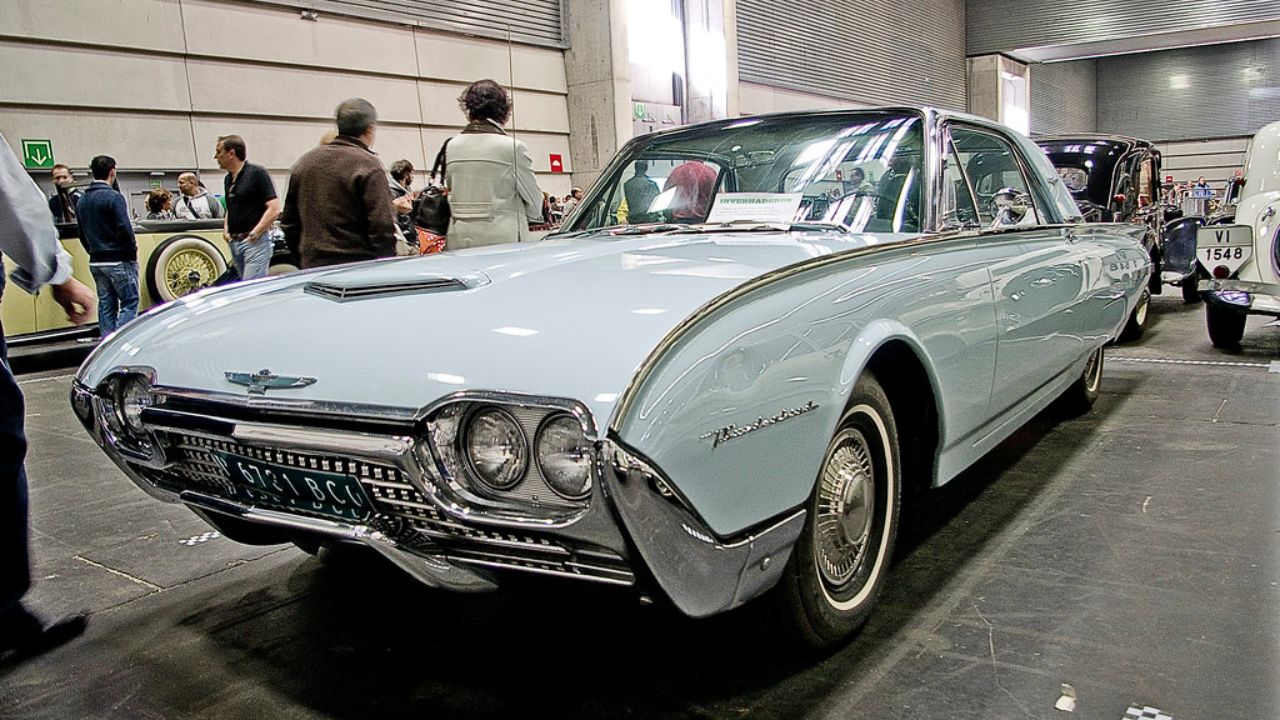
Introduced in 1955, the Ford Thunderbird evolved throughout the 1960s into a symbol of personal luxury. By the late 1960s, it had transitioned from a two-seater sports car to a larger model designed for comfort and style. The 1966 Thunderbird featured a sleek design, spacious interior, and advanced technology, appealing to those seeking a blend of performance and luxury.
The Thunderbird’s reputation was bolstered by its appearance in popular culture, becoming a favored choice among celebrities. Its unique combination of elegance and power made it a standout in the luxury car market. Today, the Thunderbird remains an important part of automotive history, representing the ideals of luxury and performance during its era.
Jeep Wagoneer: The Birth of the SUV
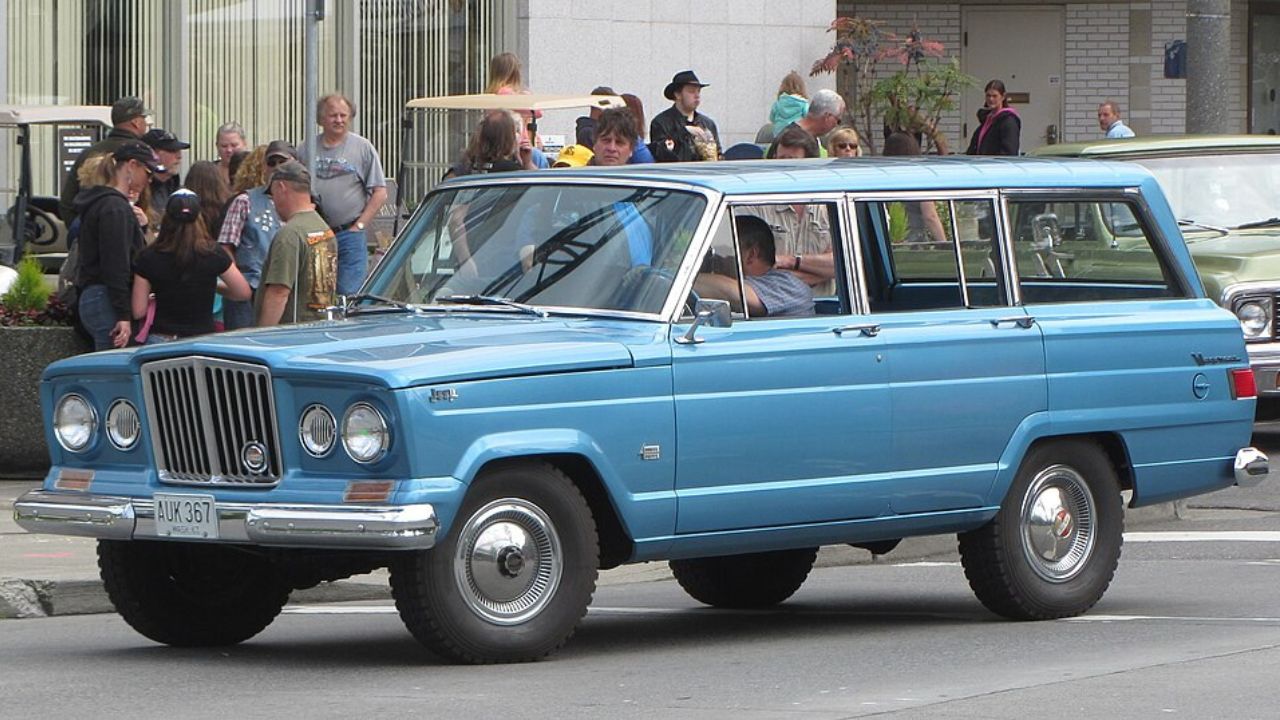
The Jeep Wagoneer, introduced in 1963, is often regarded as one of the first true SUVs, blending off-road capability with family-oriented features. Its spacious interior and rugged design made it ideal for both urban and rural settings, catering to a diverse range of consumers. The Wagoneer’s four-wheel drive system allowed it to conquer challenging terrains, setting the standard for future SUVs.
As families sought vehicles that could accommodate their active lifestyles, the Wagoneer gained popularity for its versatility and utility. Its luxurious features, including wood paneling and comfortable seating, appealed to buyers looking for a combination of functionality and style. The Jeep Wagoneer paved the way for the modern SUV market, leaving a lasting legacy that continues to influence the automotive industry.
Plymouth Barracuda: The First True Pony Car Rival
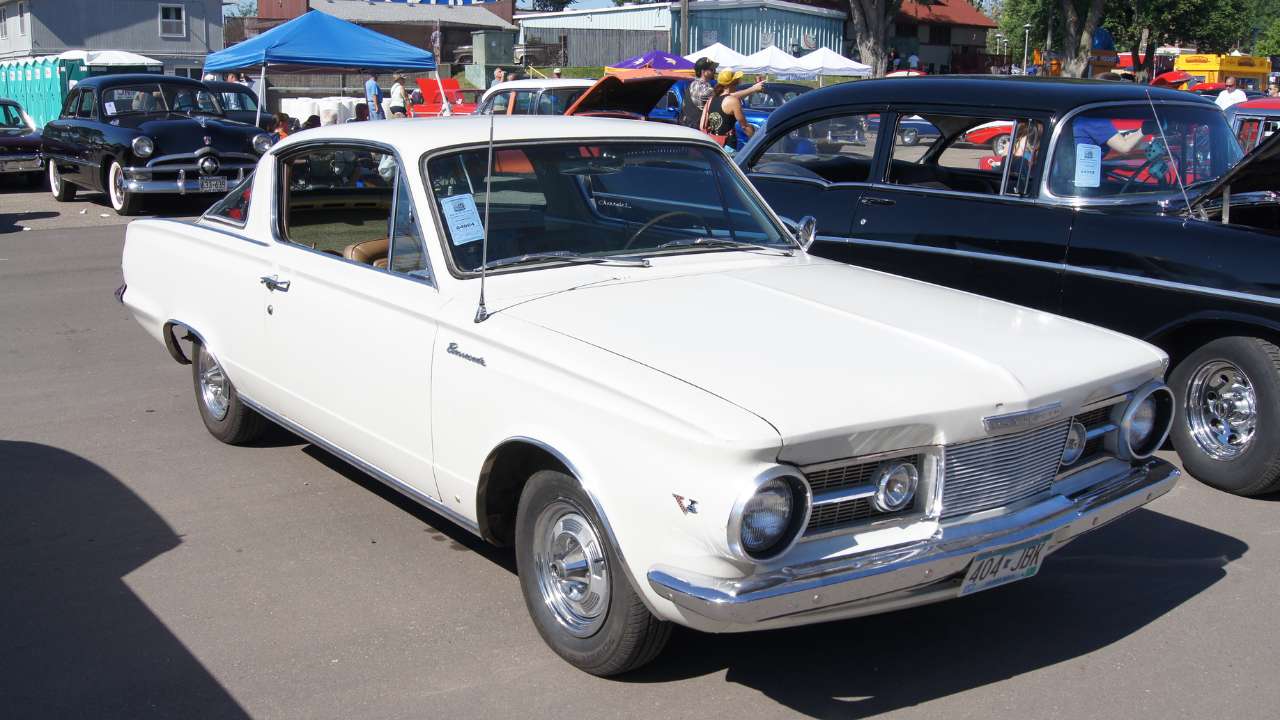
Released in 1964, the Plymouth Barracuda was one of the first challengers to the Ford Mustang, entering the pony car market with its sporty design and performance options. The Barracuda was available with a range of engines, including the powerful 273 cubic inch V8, appealing to those seeking both style and speed. Its distinctive fastback design set it apart from competitors, making it an eye-catching choice for enthusiasts.
The Barracuda quickly gained a loyal following, solidifying its place in automotive history. It represented a shift in consumer preferences, as buyers sought vehicles that combined performance with innovative design. The Barracuda’s legacy continues to resonate among car collectors, representing an era of exciting competition in the pony car segment. With its unique flair and performance pedigree, it remains a significant part of automotive culture.
More from Fast Lane Only