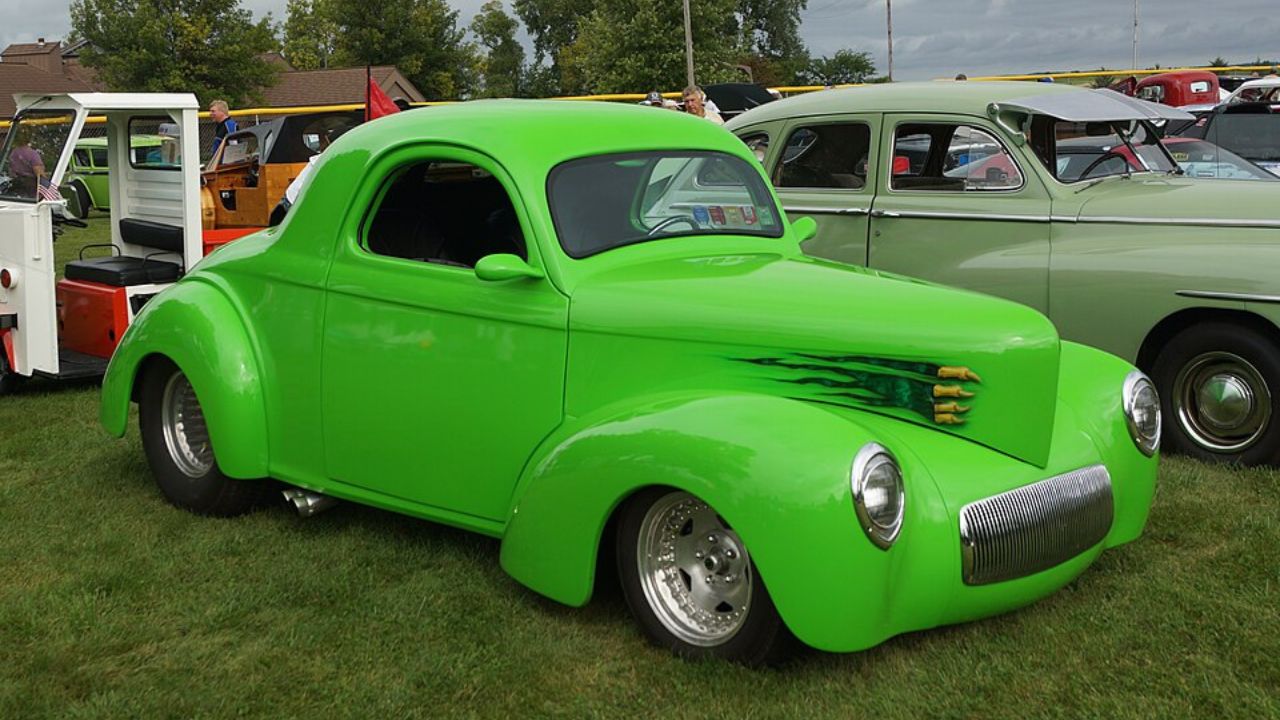
Factory-built performance cars have always invited enthusiasts to ask how much power and speed manufacturers could safely deliver. Some hot rods answered that question with larger engines, aggressive tuning, lighter bodies, and limited production. These twenty machines pushed factory performance toward the edge, often becoming legends because of their unusual combinations of power and speed.
1932 Ford V8 Roadster
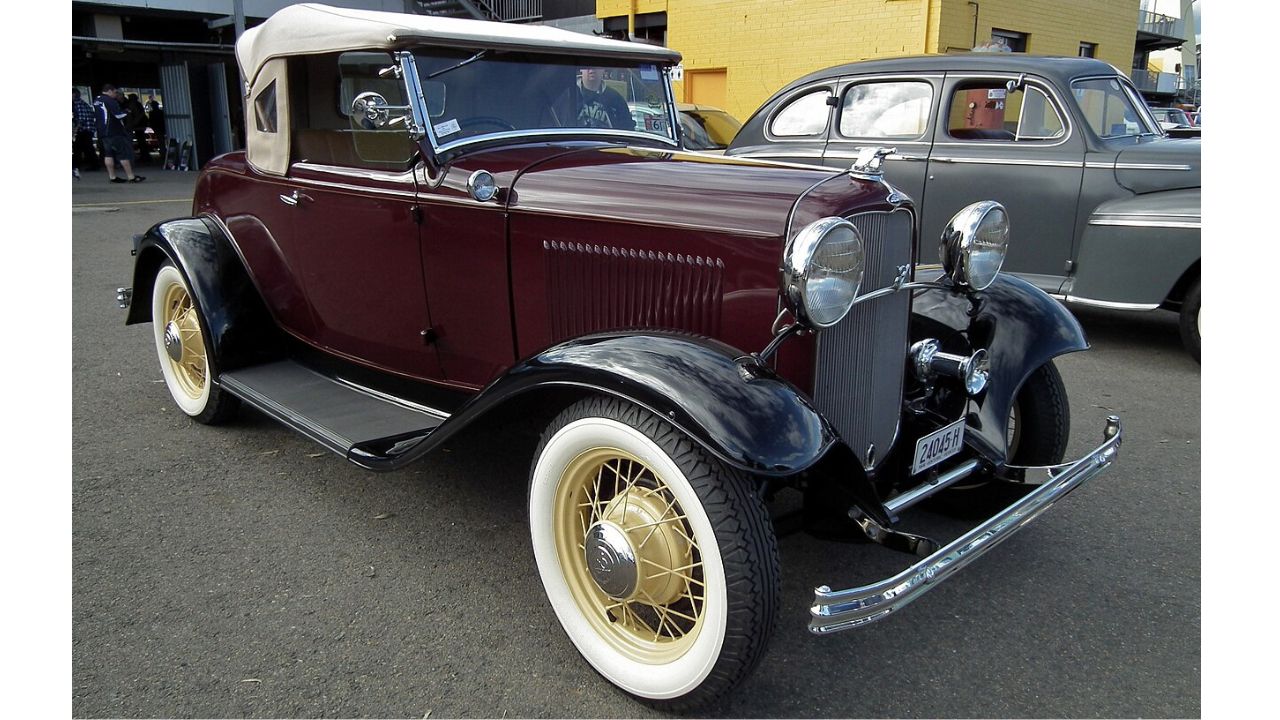
The 1932 Ford V8 Roadster became one of the most important hot rods because it combined lightweight construction with Ford’s new flathead V8. The engine gave ordinary drivers access to performance that had previously required expensive modifications. Hot rodders quickly discovered that the simple chassis could accept significant mechanical upgrades, turning the roadster into a favorite foundation for speed builds. Its combination of classic proportions, V8 power, and enormous aftermarket potential made it one of the defining American hot rods.
1934 Ford Coupe
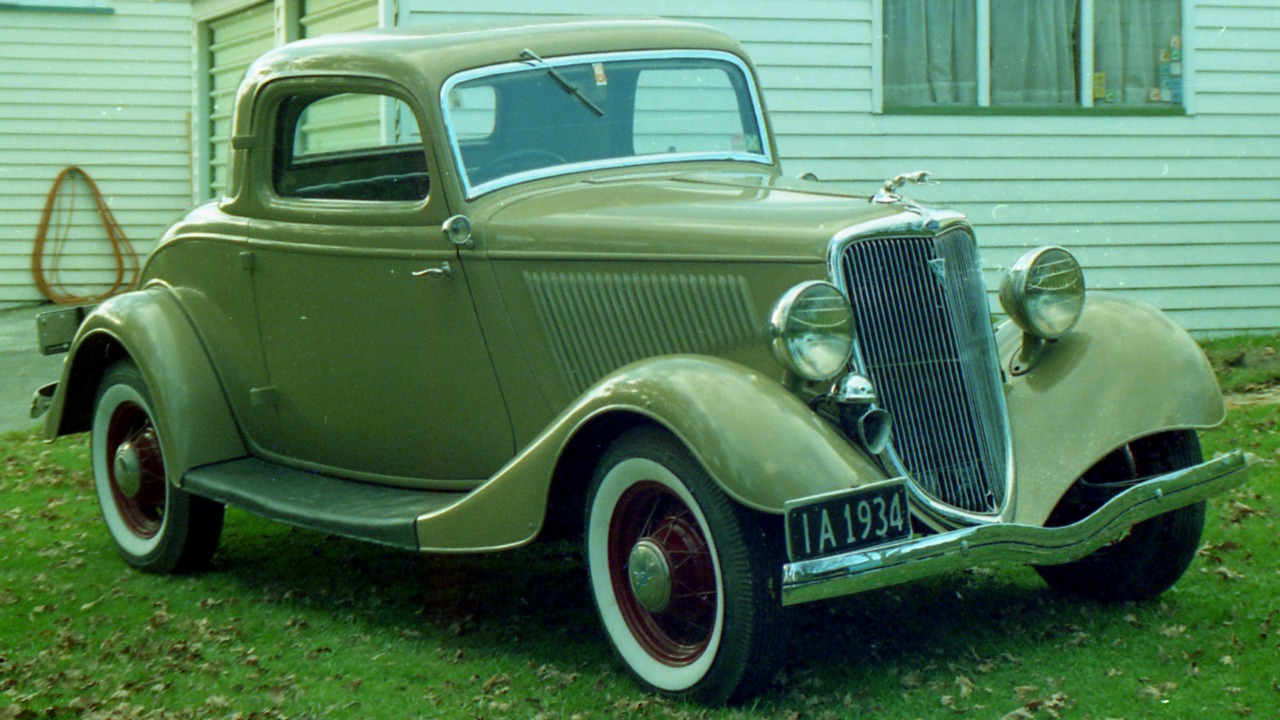
The 1934 Ford Coupe became another favorite among early hot rodders because its steel body offered a strong foundation for engine and chassis modifications. Builders commonly paired the compact coupe with Ford flathead V8 power, upgraded intake systems, improved exhaust, and stronger driveline components. The car’s relatively light weight made every horsepower more useful. Over time, the 1934 Ford Coupe became closely associated with American hot-rodding culture, proving that a relatively ordinary factory car could become a serious performance machine.
1940 Willys Coupe
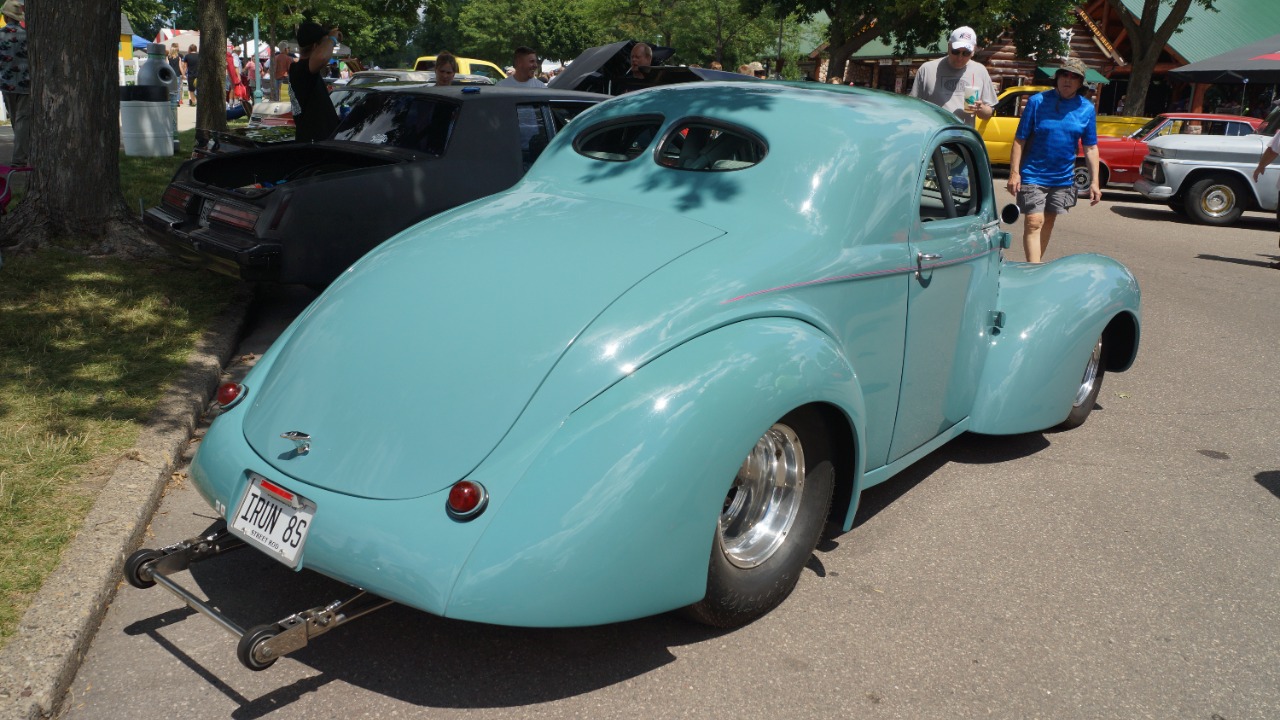
The 1940 Willys Coupe developed a reputation far beyond its original factory purpose. Its lightweight body and compact dimensions made it an excellent platform for serious engine swaps and drag-racing modifications. As hot rodders searched for ways to improve acceleration, Willys coupes became popular candidates for increasingly powerful V8 installations. The combination of low weight and enormous engine output could produce startling straight-line performance. Its distinctive shape also made the car instantly recognizable, helping establish the Willys coupe as a legendary hot-rod platform.
1941 Willys Coupe
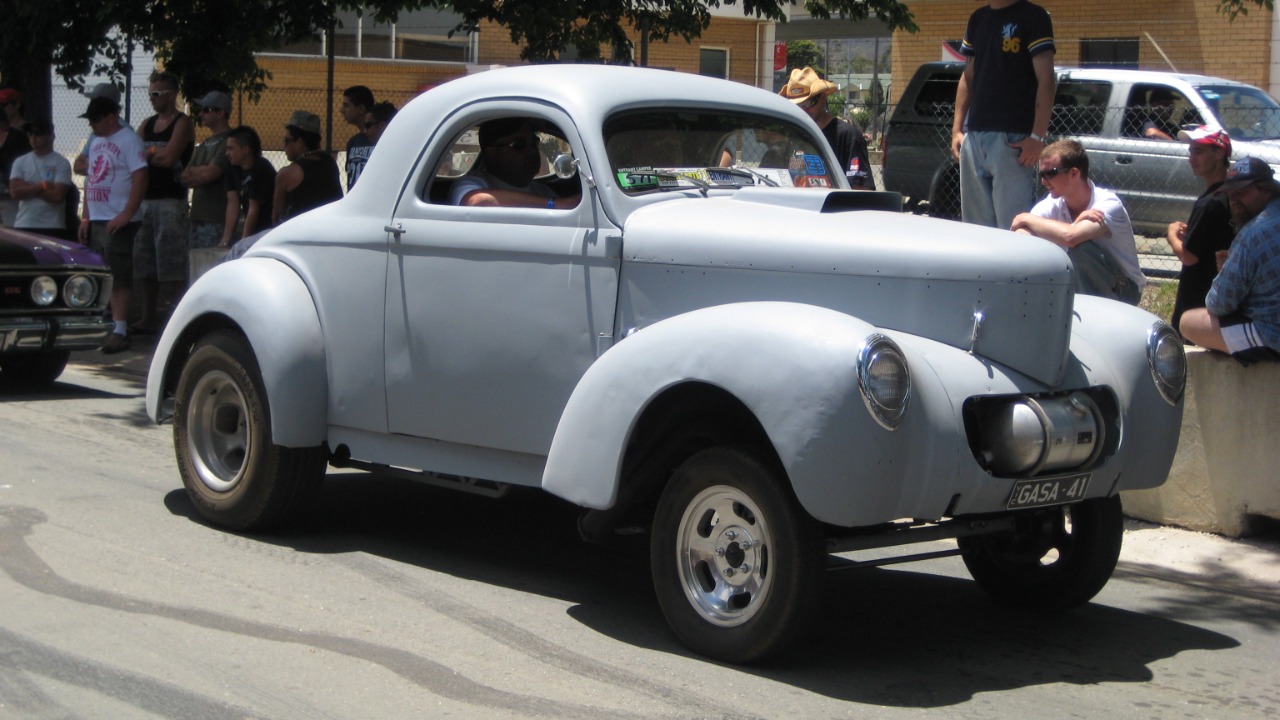
The 1941 Willys Coupe pushed the lightweight hot-rod formula even further. Its compact body could accommodate powerful V8 engines while carrying considerably less weight than many full-size American cars. Builders often transformed these coupes into dedicated drag machines, combining aggressive engine tuning with modified suspension and drivetrain components. The result was a vehicle capable of spectacular acceleration. Although the original Willys was never designed to compete with America’s fastest cars, hot rodders turned its lightweight construction into a major advantage.
1949 Mercury Coupe
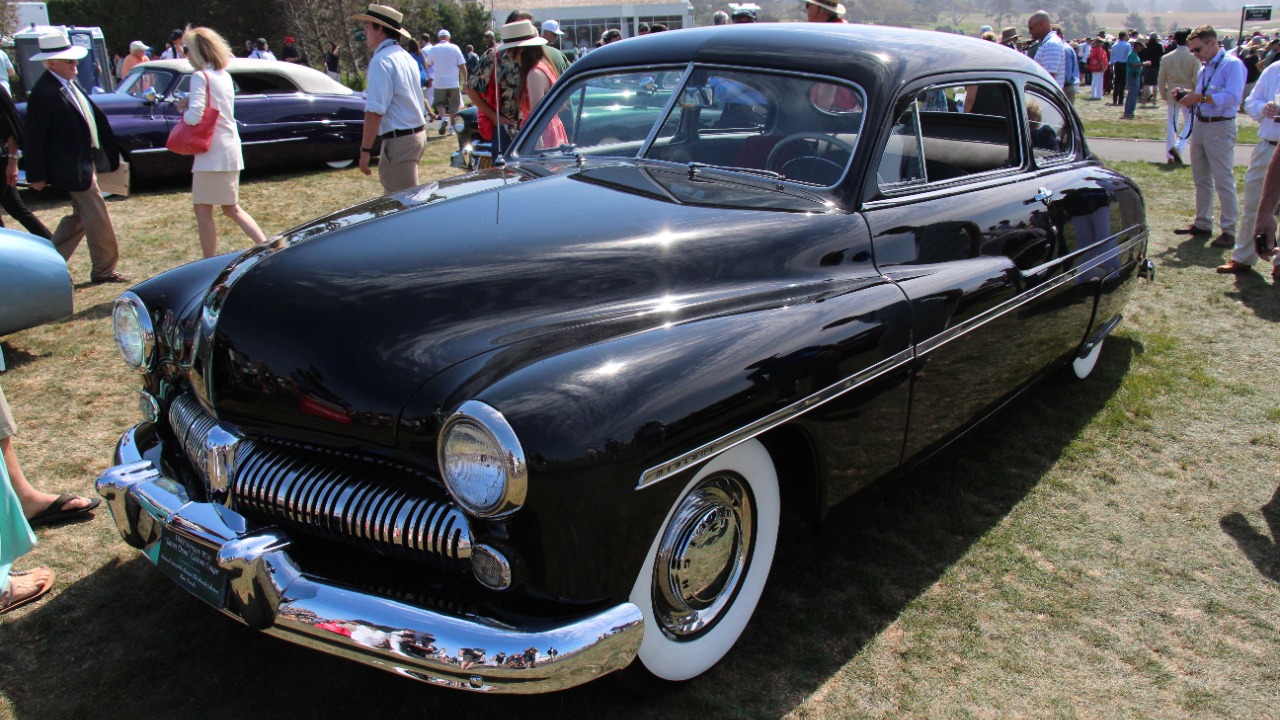
The 1949 Mercury Coupe became a landmark hot rod because its low, rounded body offered an ideal foundation for custom construction. Builders frequently modified the suspension, chopped the roof, reshaped body panels, and upgraded the flathead V8. These changes could dramatically alter both the appearance and performance of the car. The Mercury became particularly important because it demonstrated that hot rodding was not only about engine power. Careful changes to weight, aerodynamics, gearing, and body design could create an entirely different driving machine.
1955 Chevrolet Bel Air
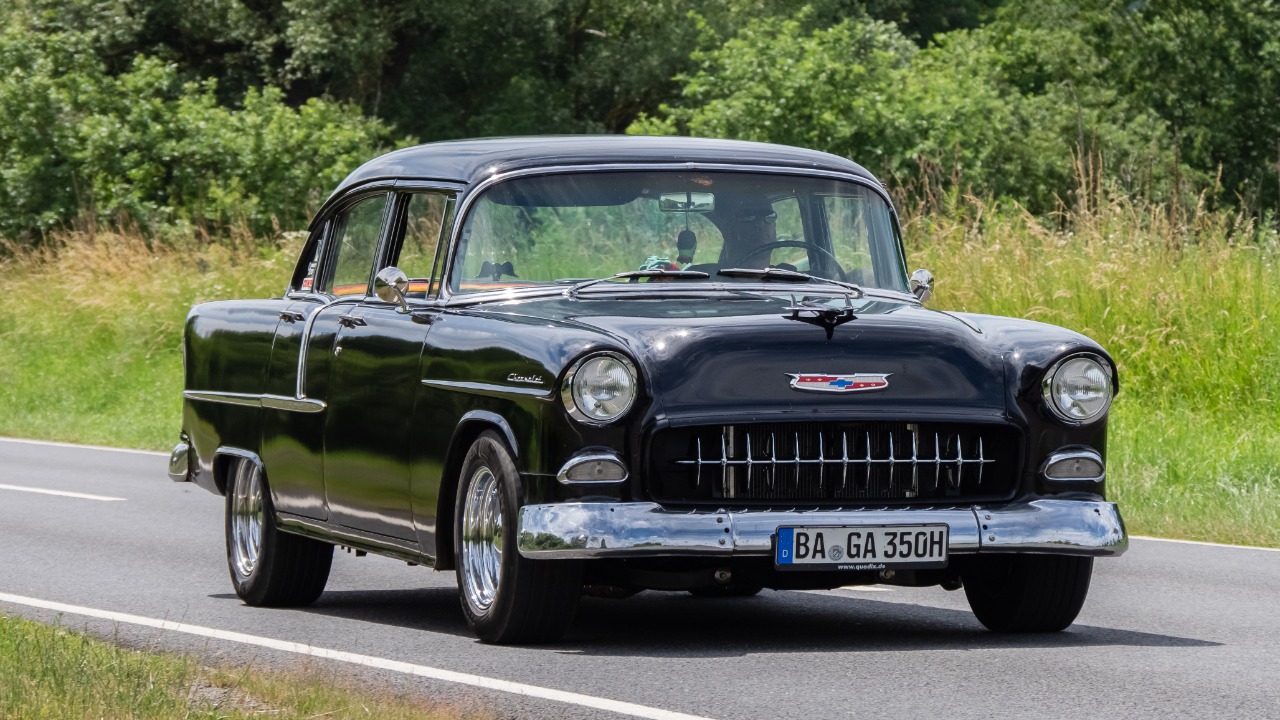
The 1955 Chevrolet Bel Air became a major performance platform when Chevrolet introduced its small-block V8. The compact engine provided strong power potential without adding excessive weight to the front of the car. Hot rodders quickly experimented with improved carburetion, camshafts, exhaust systems, and gearing. The combination transformed the Bel Air from a stylish family car into a serious street performer. Its lightweight small-block architecture also became one of the most influential foundations for American performance cars over the following decades.
1957 Chevrolet 210
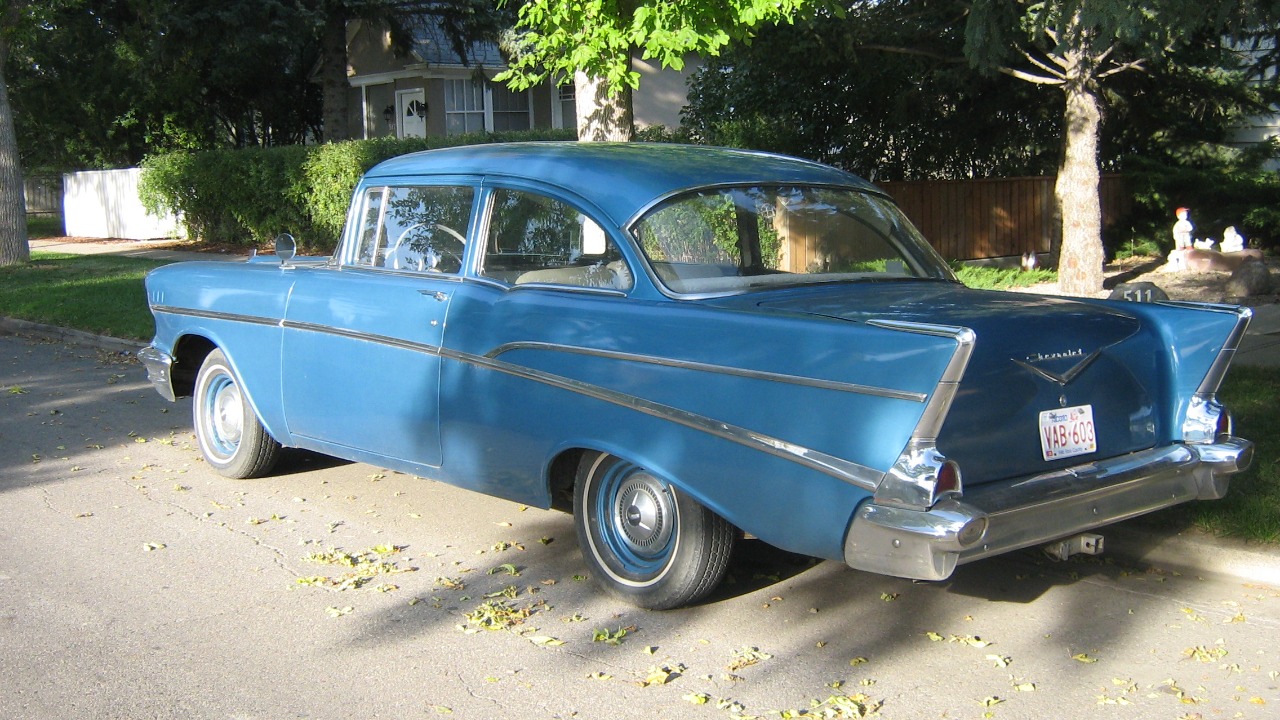
The 1957 Chevrolet 210 offered hot rodders an interesting alternative to the more heavily equipped Bel Air. Its simpler trim and relatively modest weight provided a useful starting point for performance builds. Chevrolet’s small-block V8 could be upgraded with better induction, exhaust, ignition, and internal components. The result was a car that could deliver serious acceleration without requiring the heavier luxury equipment found on some full-size models. Today, modified 210s remain closely connected with traditional American street and drag-racing culture.
1957 Chevrolet Corvette Fuel Injection
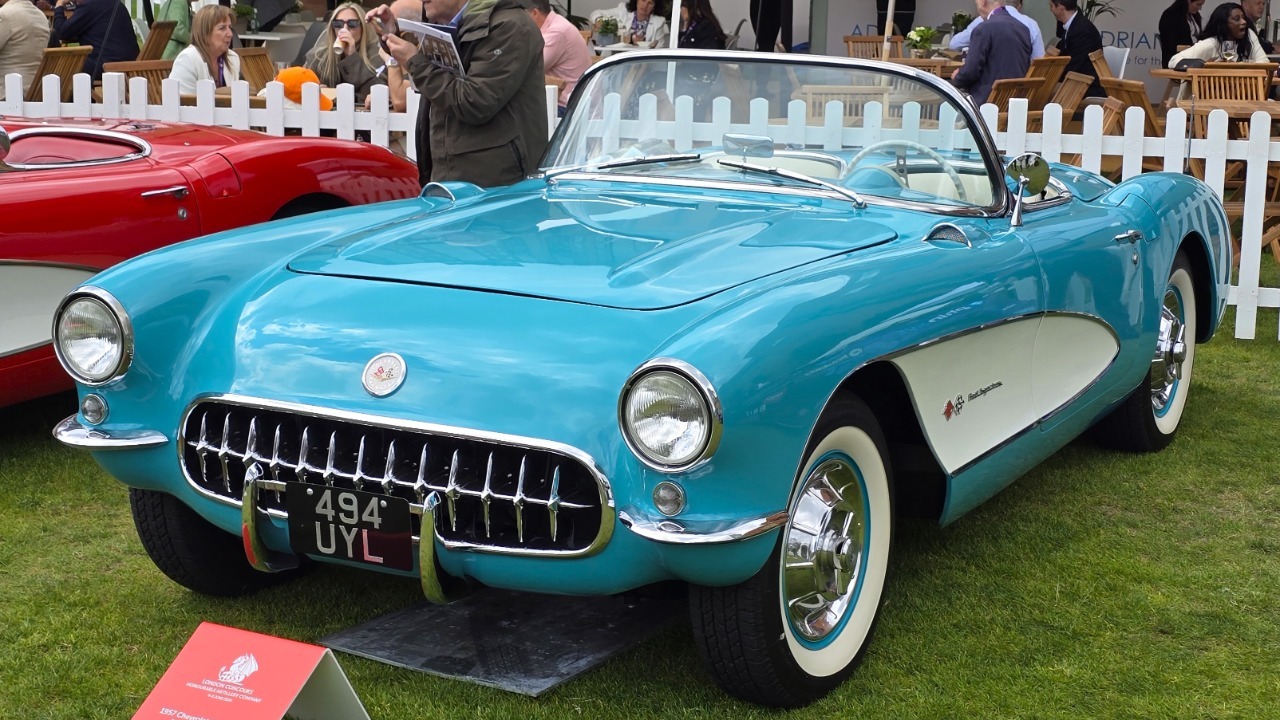
The 1957 Chevrolet Corvette Fuel Injection represented a major step forward for factory performance. Chevrolet’s small-block V8 received mechanical fuel injection, allowing the engine to produce substantially more power than many ordinary passenger-car engines. The Corvette’s lightweight fiberglass body further improved its performance potential. For the late 1950s, the combination was remarkably advanced. It demonstrated that Chevrolet was willing to bring race-inspired technology into a production sports car, giving hot rodders a factory platform already built around speed.
1960 Chevrolet Corvair
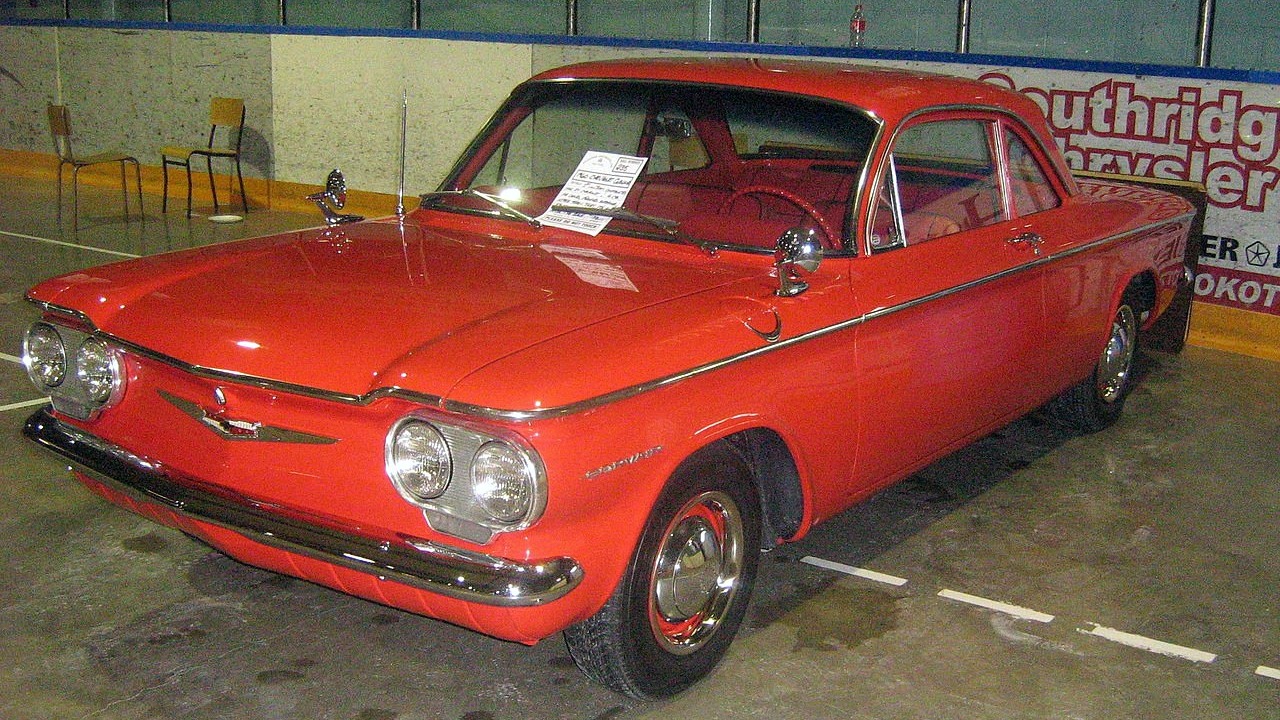
The 1960 Chevrolet Corvair took a completely different approach to performance. Its rear-mounted, air-cooled flat-six engine and lightweight construction separated it from conventional American cars with front-mounted V8s. Although not originally created as a traditional hot rod, enthusiasts discovered that the compact chassis provided interesting possibilities for performance modifications. Turbocharged versions later added another dimension to the platform. The Corvair demonstrated that pushing factory limits did not always require a large V8 or traditional rear-wheel-drive muscle-car formula.
1962 Chevrolet Impala SS 409
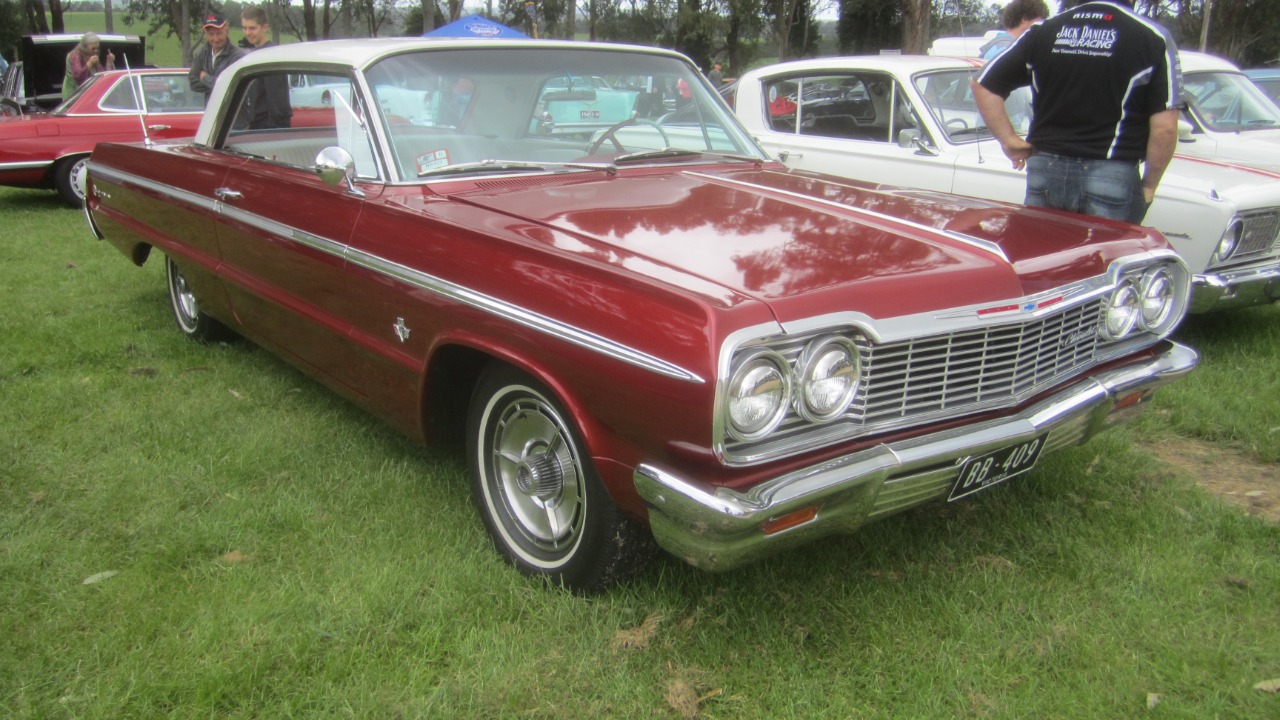
The 1962 Chevrolet Impala SS 409 combined full-size comfort with one of Chevrolet’s most famous performance engines. The 409-cubic-inch V8 produced strong torque and gave the large Impala impressive acceleration. High-performance versions received multiple carburetors, stronger internal components, and other performance equipment. The car’s substantial size made its performance particularly impressive because it could move a large body with authority. The Impala SS 409 helped establish Chevrolet’s reputation for combining everyday usability with serious factory-built performance.
1963 Ford Galaxie 500 XL 427
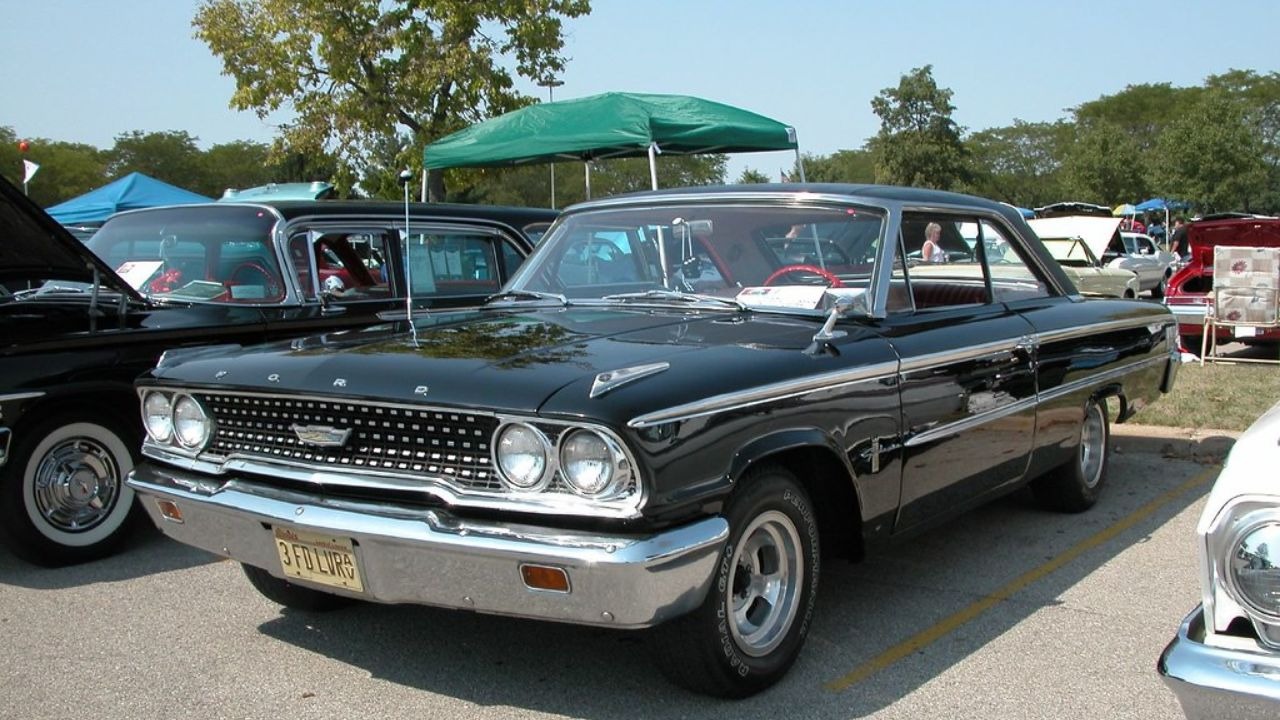
The 1963 Ford Galaxie 500 XL 427 brought big-block performance into a large full-size Ford. Its 427-cubic-inch V8 was developed with serious competition in mind and offered far more performance potential than ordinary Galaxie engines. Ford paired the engine with heavy-duty components designed to handle substantial power. The result was a full-size car capable of strong acceleration despite its considerable weight. The Galaxie demonstrated how manufacturers could turn ordinary family-sized platforms into surprisingly serious performance machines.
1964 Ford Fairlane Thunderbolt
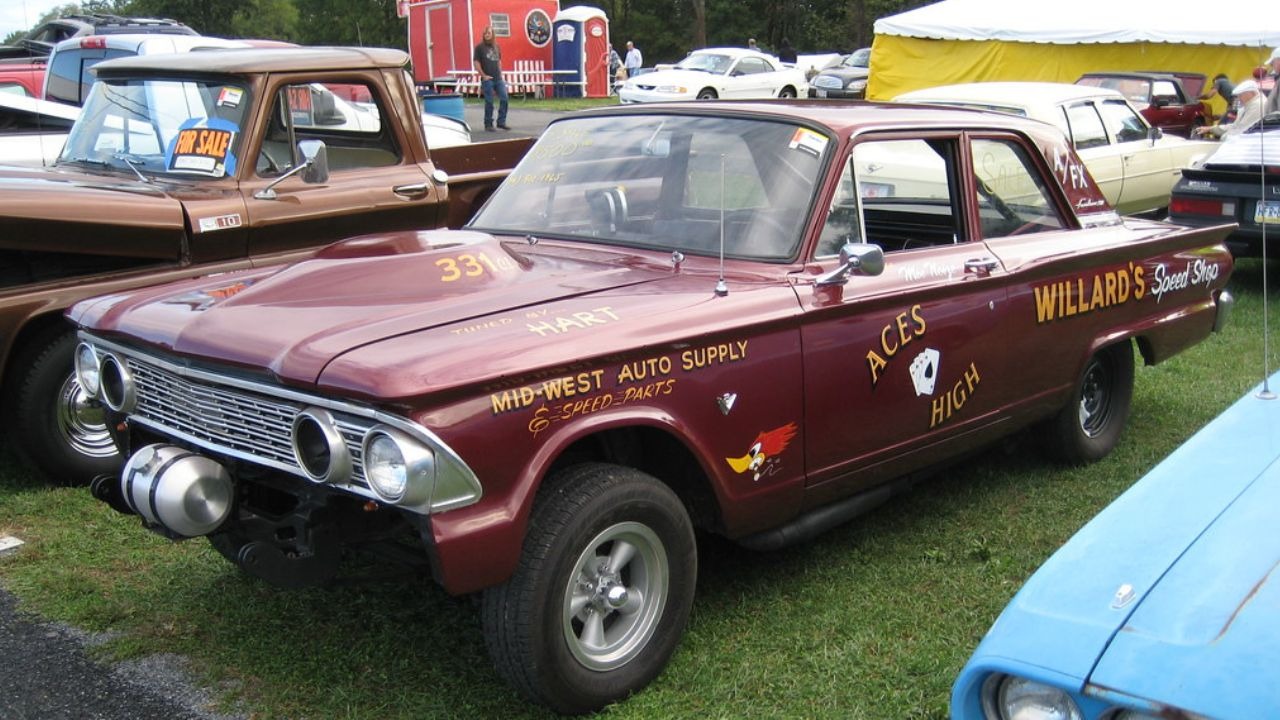
The Ford Fairlane Thunderbolt pushed factory performance to an extraordinary level by combining a relatively compact body with Ford’s massive 427-cubic-inch V8. Lightweight construction, special body modifications, and competition-oriented equipment helped reduce the disadvantages of installing such a large engine. Built primarily for drag racing, the Thunderbolt was never an ordinary Fairlane. Its extreme factory specification showed what manufacturers could accomplish when production cars were developed specifically to compete at the track.
1965 Chevrolet Nova SS
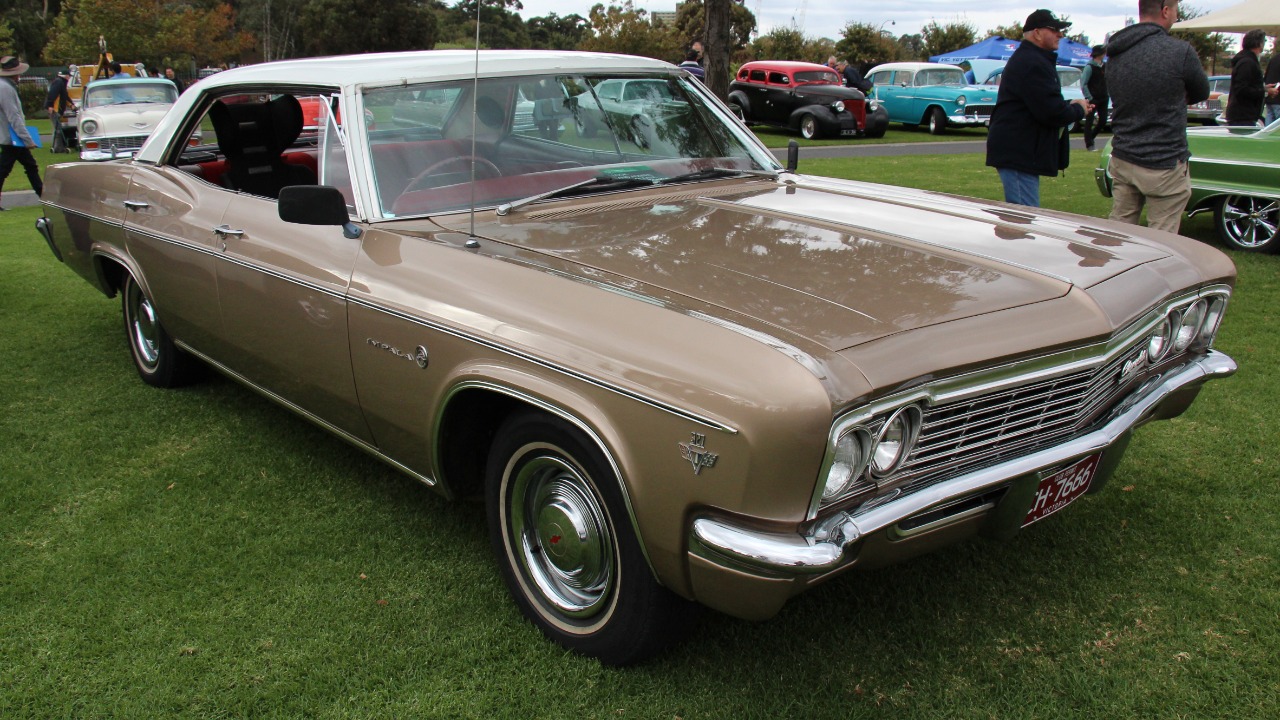
The Chevrolet Nova SS became a popular hot-rod platform because its compact body could handle increasingly powerful engines. Early performance versions offered small-block V8 power, while later builders discovered how effectively larger engines could transform the lightweight chassis. The Nova’s relatively simple construction also made modifications straightforward. With upgraded suspension, gearing, brakes, and engine components, the compact Chevrolet could deliver acceleration that challenged much larger muscle cars. Its popularity demonstrated the performance advantage of combining modest weight with substantial horsepower.
1966 Chevrolet Chevelle SS 396
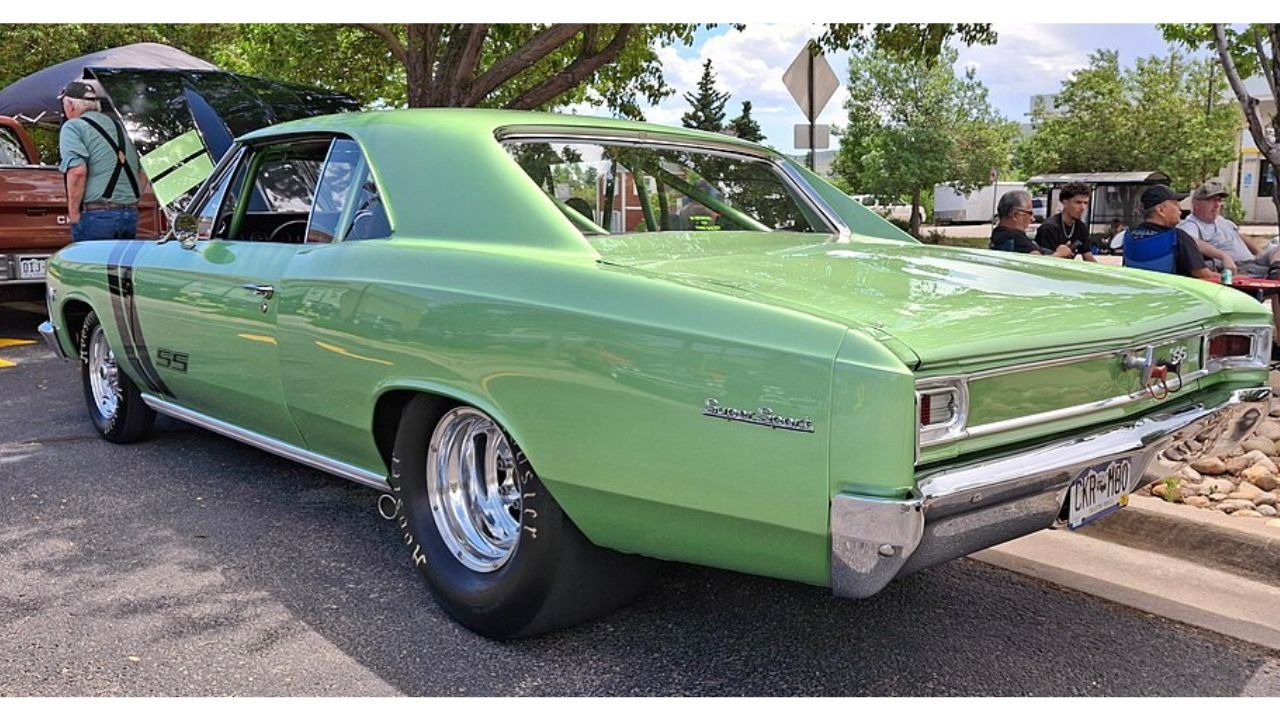
The 1966 Chevrolet Chevelle SS 396 brought big-block power into one of Chevrolet’s most successful intermediate platforms. Its 396-cubic-inch V8 delivered substantial torque, while the Chevelle’s relatively manageable size allowed the engine to produce impressive acceleration. Factory performance equipment included stronger suspension and drivetrain components designed to handle the increased output. The SS 396 became a favorite among enthusiasts because it offered a practical combination of street usability and serious performance, helping establish the Chevelle as a major muscle-car name.
1967 Chevrolet Camaro Z/28
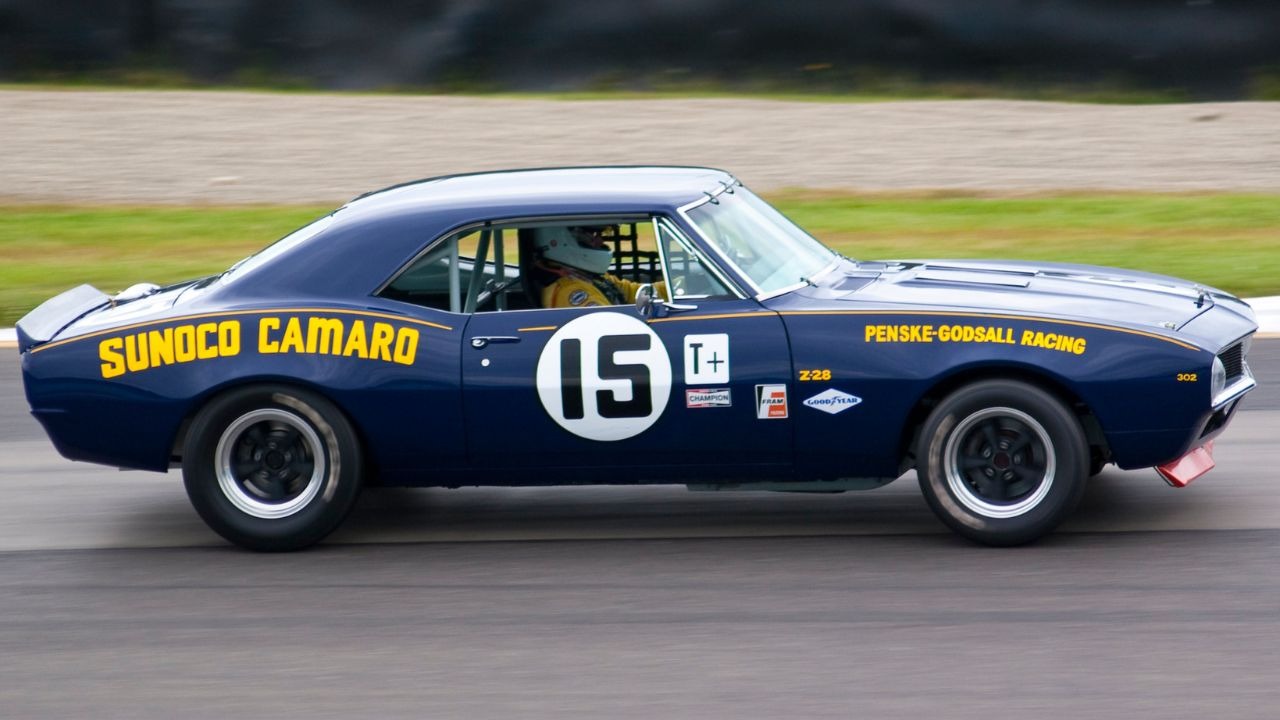
The 1967 Chevrolet Camaro Z/28 was created with road racing in mind rather than simply chasing maximum engine size. Its high-revving 302-cubic-inch V8, close-ratio transmission, upgraded suspension, and performance-focused equipment gave the compact Camaro a very different personality from ordinary models. The smaller engine allowed Chevrolet to balance power with handling and durability. The Z/28 showed that factory limits could be pushed through careful engineering rather than horsepower alone, making it one of the most influential performance Camaros.
1968 Dodge Dart GTS 383
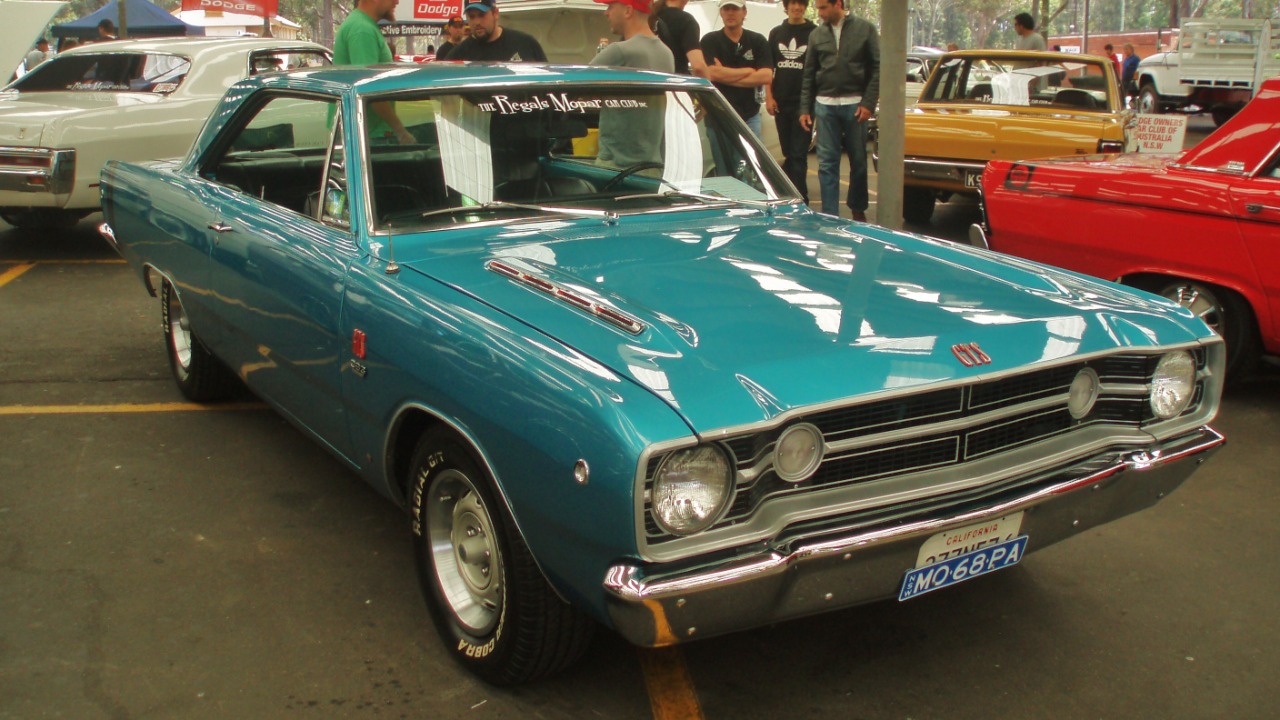
The 1968 Dodge Dart GTS 383 combined a relatively compact body with a large-displacement V8. The 383-cubic-inch engine provided strong torque, allowing the lightweight Dart to accelerate much harder than its modest dimensions suggested. Performance suspension and drivetrain components helped make the package more capable of handling its power. The formula was simple but effective: put a large engine into a smaller body and reinforce the important components. The Dart GTS became an excellent example of how weight could amplify factory horsepower.
1969 Chevrolet Camaro ZL1
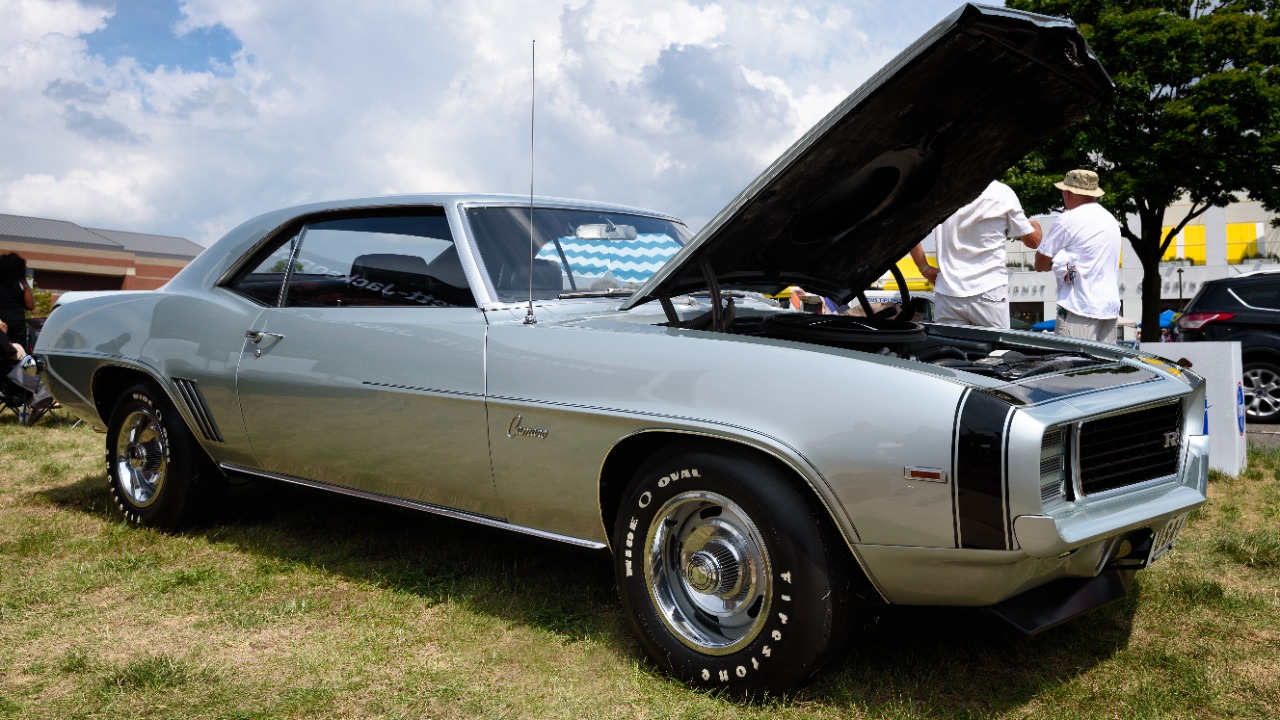
The 1969 Chevrolet Camaro ZL1 represented one of the most extreme factory muscle cars of its era. Its aluminum 427-cubic-inch V8 was closely related to Chevrolet’s racing technology and delivered extraordinary performance potential. The engine’s reduced weight also helped improve the Camaro’s balance compared with a conventional big-block installation. Production was extremely limited, making the ZL1 rare from the beginning. It demonstrated just how far a manufacturer could push a street-based performance car when cost and practicality became secondary concerns.
1969 Dodge Charger Daytona
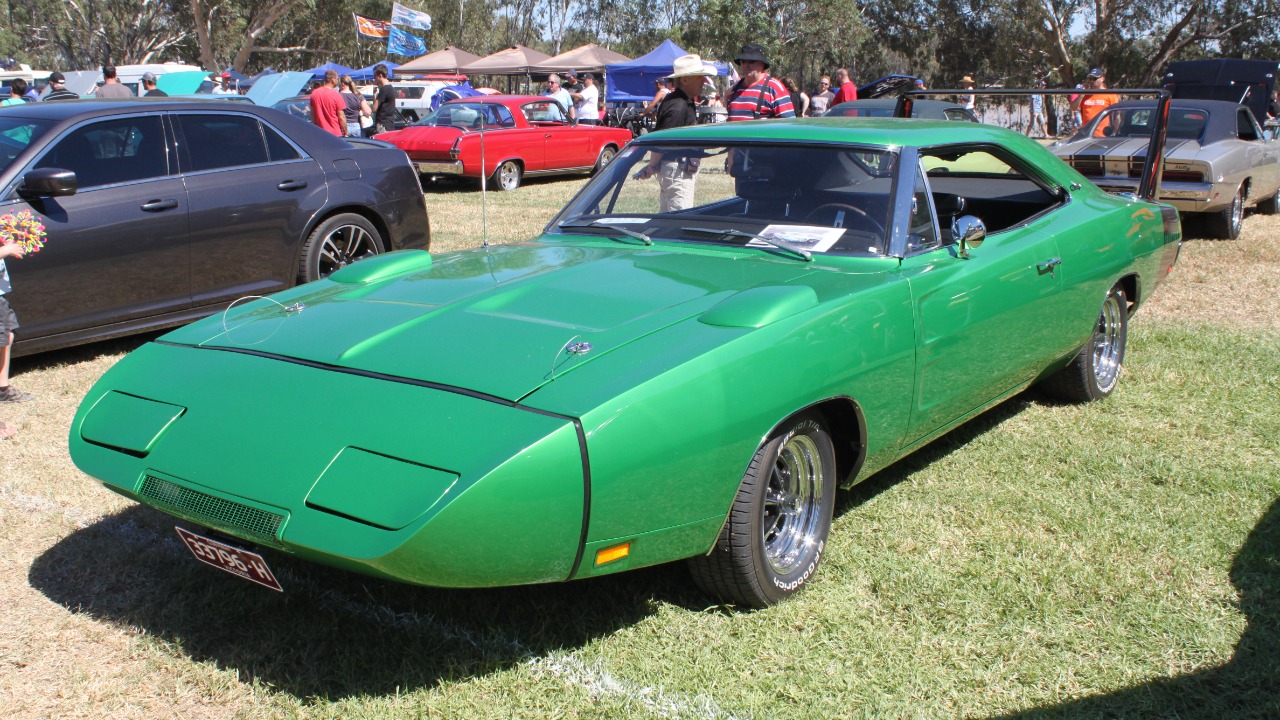
The 1969 Dodge Charger Daytona pushed factory performance beyond engine power by focusing heavily on aerodynamics. Its enormous rear wing, extended nose, and specialized bodywork were developed to improve high-speed stability and reduce aerodynamic limitations on NASCAR tracks. Underneath, it remained a powerful Charger with Chrysler V8 options. The Daytona showed that manufacturers could take a production-based car and make dramatic aerodynamic changes to reach new levels of speed. Its unusual appearance became one of the defining symbols of extreme factory performance.
1970 Plymouth Superbird
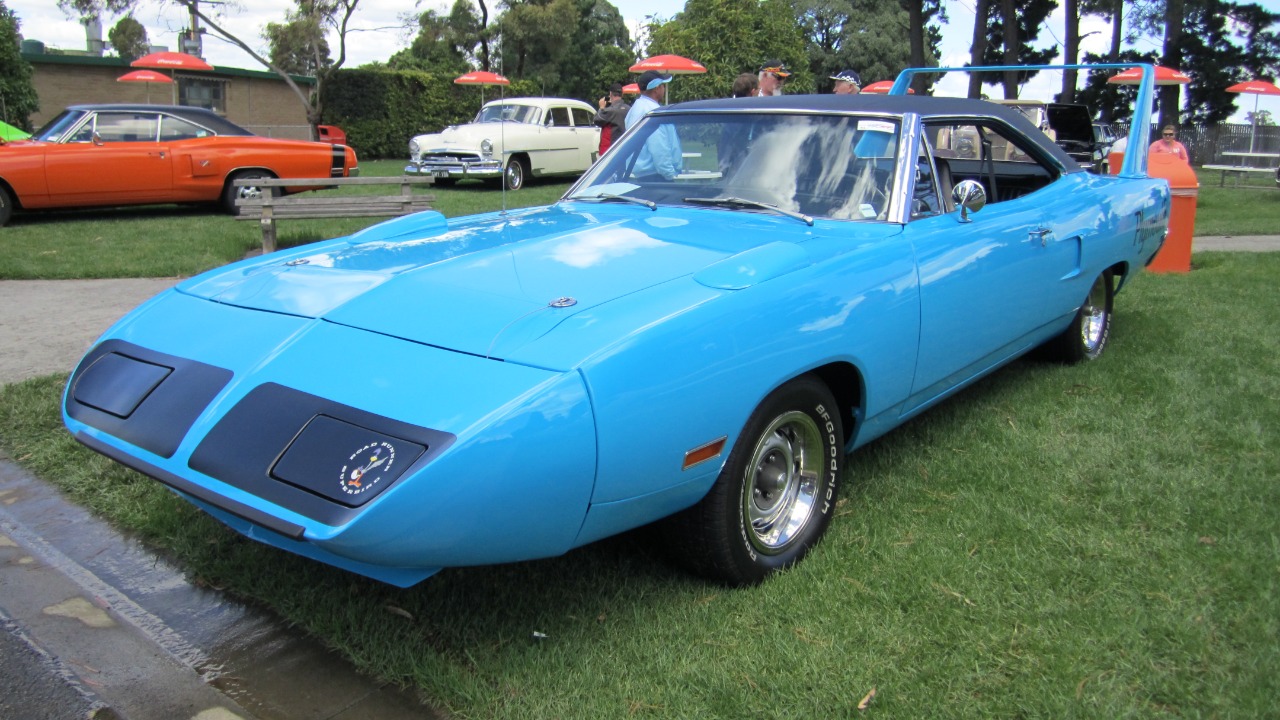
The 1970 Plymouth Superbird represented one of the boldest attempts to bring race-developed technology into a production car. Its aerodynamic nose cone, tall rear wing, and powerful V8 options were designed to improve high-speed performance. The unusual body modifications made the Superbird dramatically different from an ordinary Road Runner. Although its main purpose was competition homologation, production examples reached the public. The Superbird demonstrated how far manufacturers were willing to modify street cars when aerodynamic performance became as important as engine output.
1970 Chevrolet Chevelle SS 454
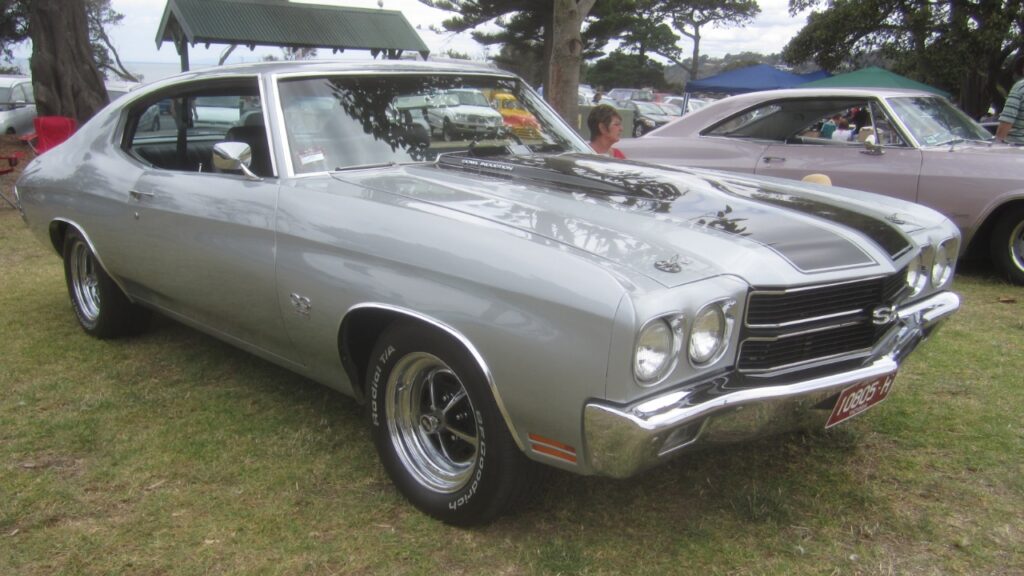
The 1970 Chevrolet Chevelle SS 454 pushed the traditional muscle-car formula close to its practical limits. Its massive 454-cubic-inch V8 produced enormous torque, while the intermediate-size Chevelle provided a relatively compact platform for that power. Available with serious performance equipment, the SS 454 could deliver startling acceleration while remaining usable on the street. It represented the point where Chevrolet combined a large-displacement engine, aggressive chassis tuning, and everyday practicality into one of its most formidable factory muscle cars.
More from Fast Lane Only
- Unboxing the WWII Jeep in a Crate
- 15 rare Chevys collectors are quietly buying
- 10 underrated V8s still worth hunting down
- Police notice this before you even roll window down
*Research for this article included AI assistance, with all final content reviewed by human editors.