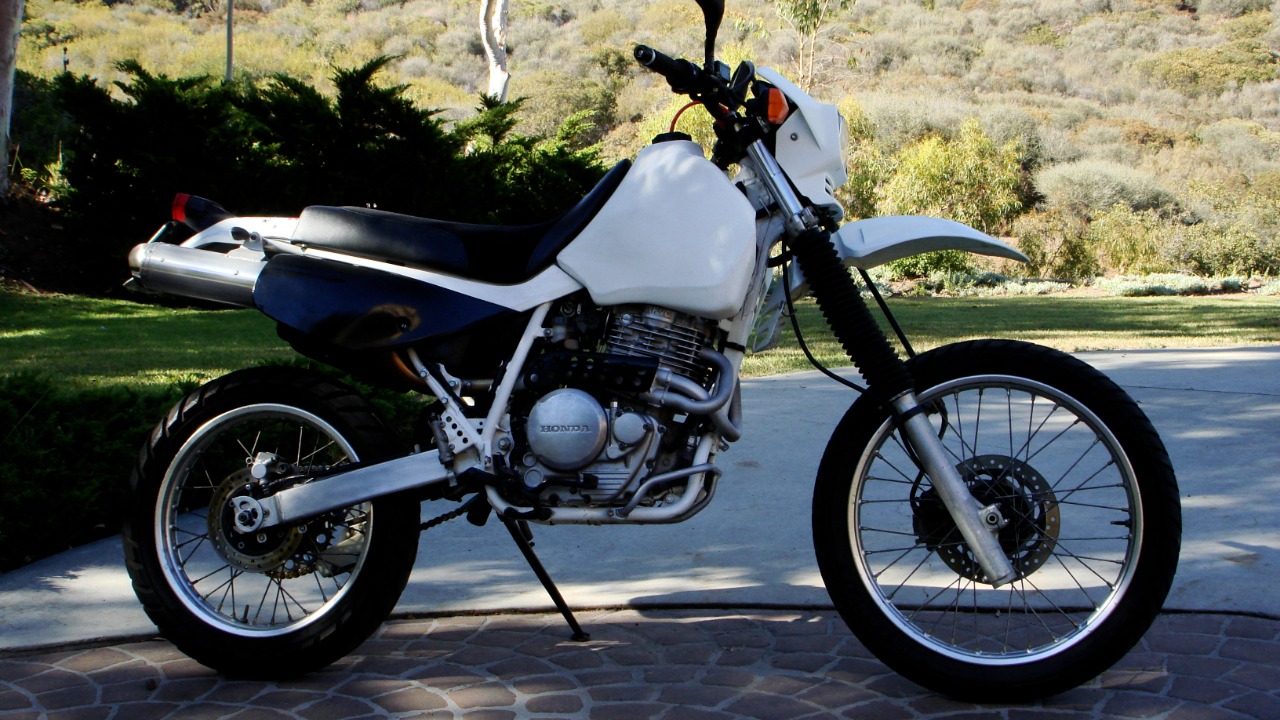
Some motorcycles earn long-term respect not because they are the fastest or most expensive, but because they are dependable, simple to maintain, and proven over years of real-world use. Mechanics often appreciate machines with durable engines, accessible parts, straightforward designs, and predictable servicing. These 19 motorcycles have built reputations around those qualities.
Honda CB750
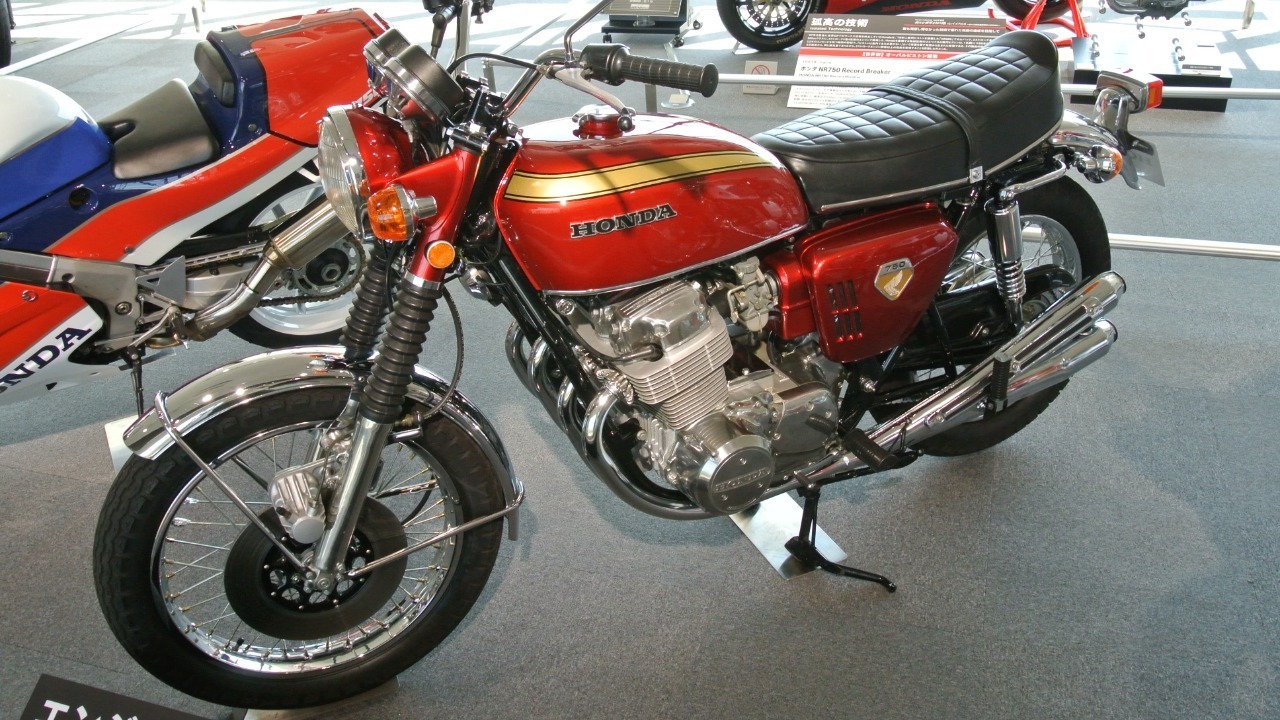
The Honda CB750 became famous for combining strong performance with an engine design that could handle years of use. Its inline-four engine was smooth, durable, and relatively straightforward for experienced mechanics to service. Parts availability and the model’s enormous popularity also helped keep examples running decades after production. Although early versions are now classics, the CB750 remains respected because its basic mechanical design is well understood. A properly maintained example can still provide dependable performance while demonstrating why Honda earned such a strong reputation for engineering.
Honda CBR600F
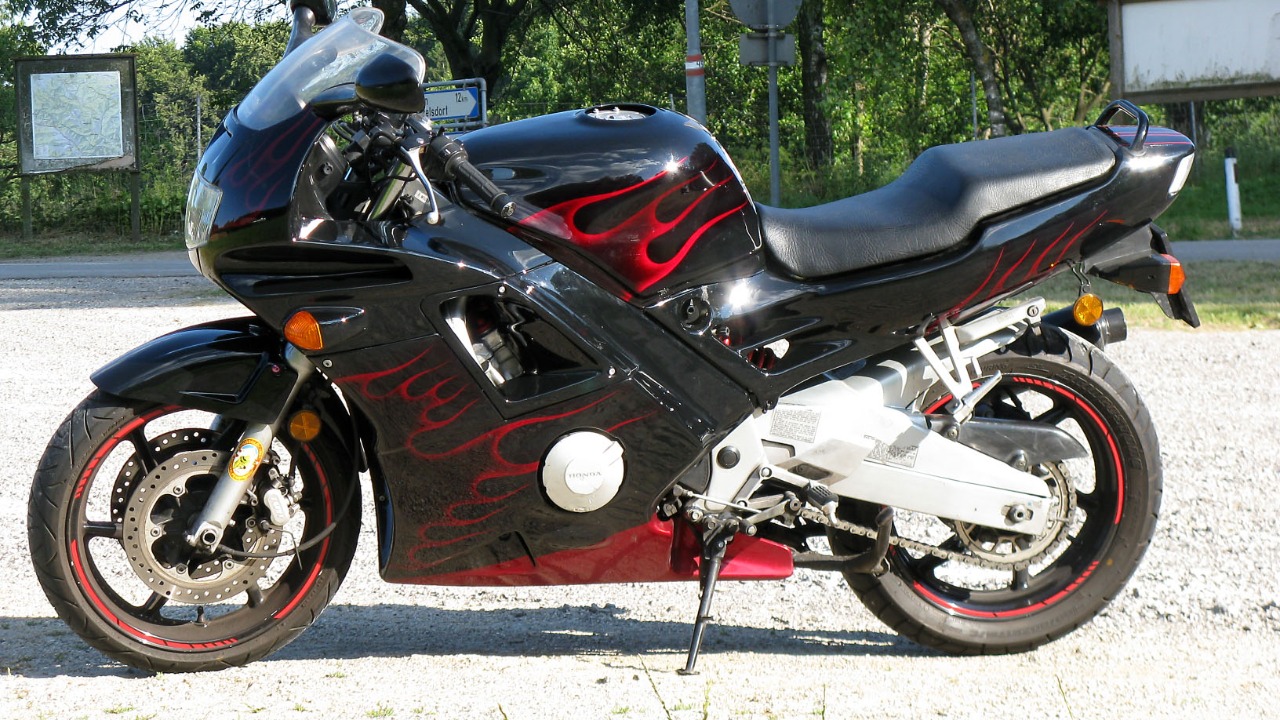
The Honda CBR600F became a favorite among riders looking for a motorcycle that could combine everyday usability with genuine sport-bike performance. Its inline-four engine delivers strong power without requiring exotic mechanical solutions, while Honda’s engineering makes routine maintenance relatively straightforward. Mechanics appreciate motorcycles that have extensive service information and widely available replacement parts, and the CBR600F benefits from both. Earlier examples can still be found on the road because their engines and chassis have proven capable of handling substantial mileage when owners follow regular maintenance schedules.
Honda CRF250L
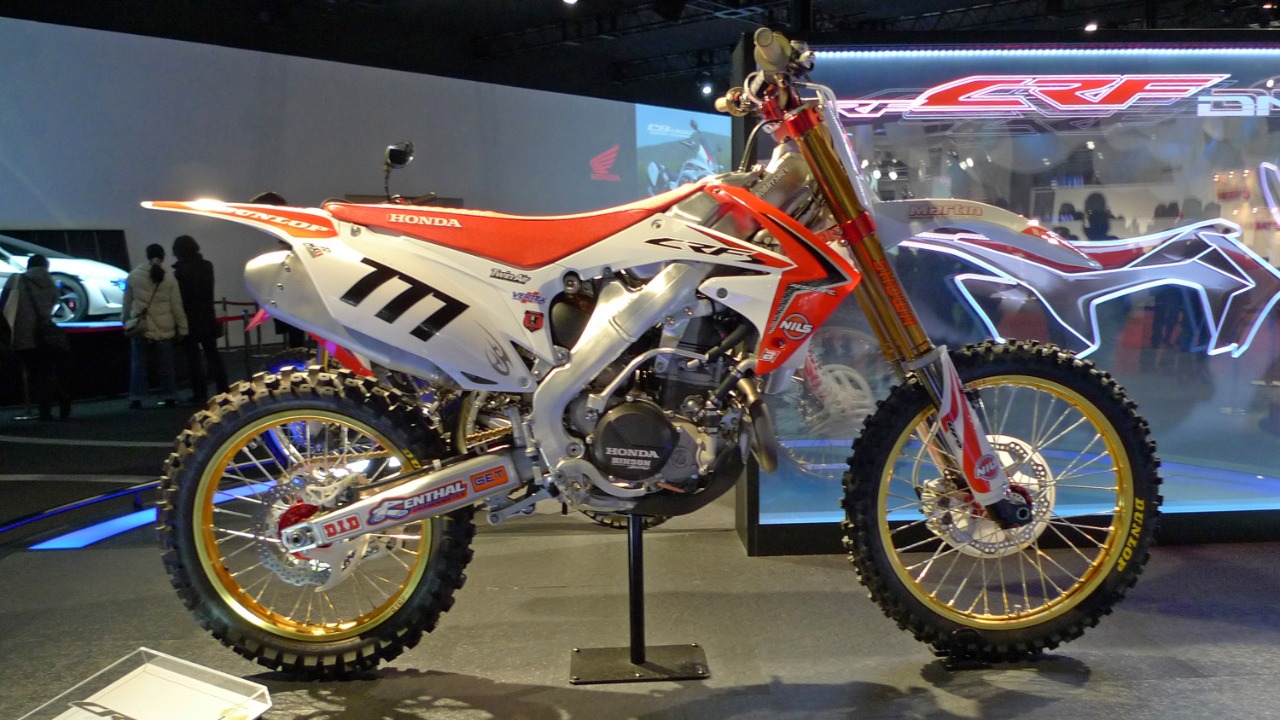
The Honda CRF250L is valued for its simple single-cylinder engine, manageable weight, and dual-sport versatility. Its relatively uncomplicated mechanical design makes routine maintenance accessible compared with more sophisticated adventure motorcycles. The liquid-cooled engine provides useful performance without being excessively stressed for normal street and trail use. Mechanics also benefit from Honda’s broad parts support and the model’s popularity. For riders who want one motorcycle capable of commuting, light off-road riding, and basic touring, the CRF250L offers a practical design that is easy to understand and maintain.
Honda XR650L
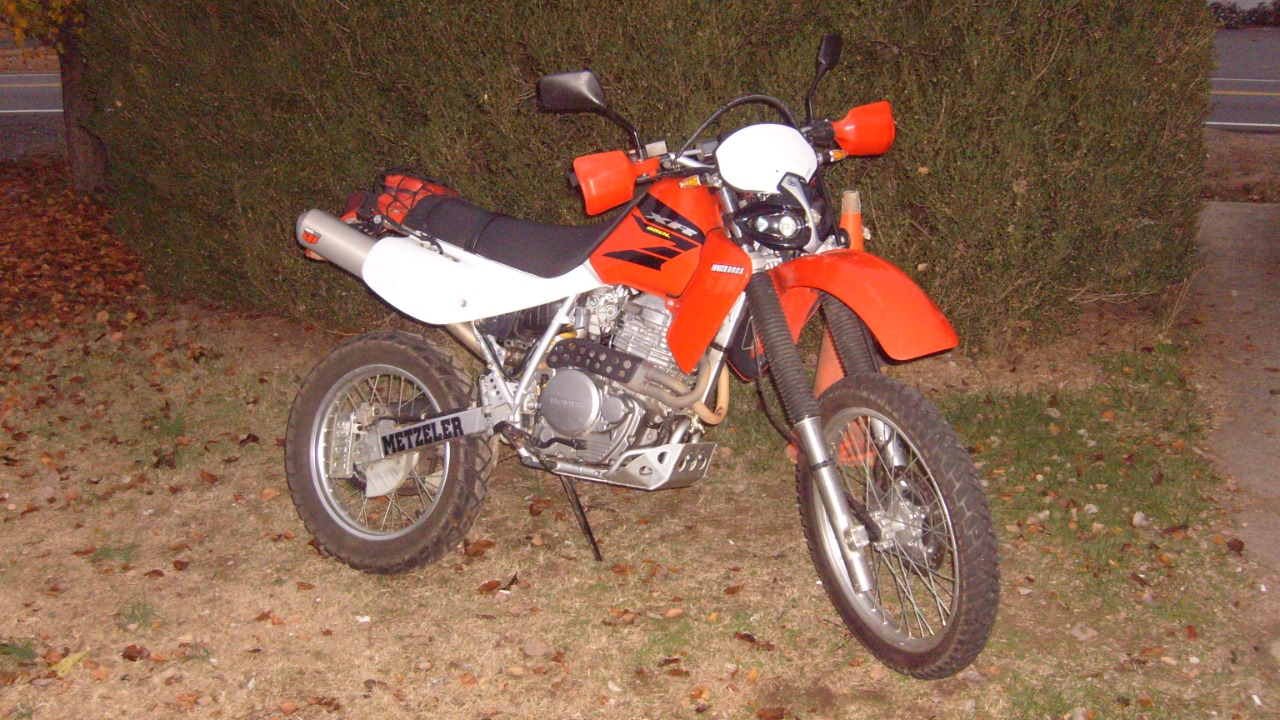
The Honda XR650L has remained popular because it follows a straightforward formula: a large single-cylinder engine, durable chassis, and relatively simple mechanical construction. Its air-cooled engine avoids some of the complexity found on modern liquid-cooled motorcycles, while the long-travel suspension gives it genuine off-road capability. Mechanics familiar with Honda singles generally understand the platform well, and replacement parts remain widely available. The XR650L is not the most refined motorcycle, but its rugged design and straightforward maintenance make it a machine many owners continue to trust.
Yamaha MT-07
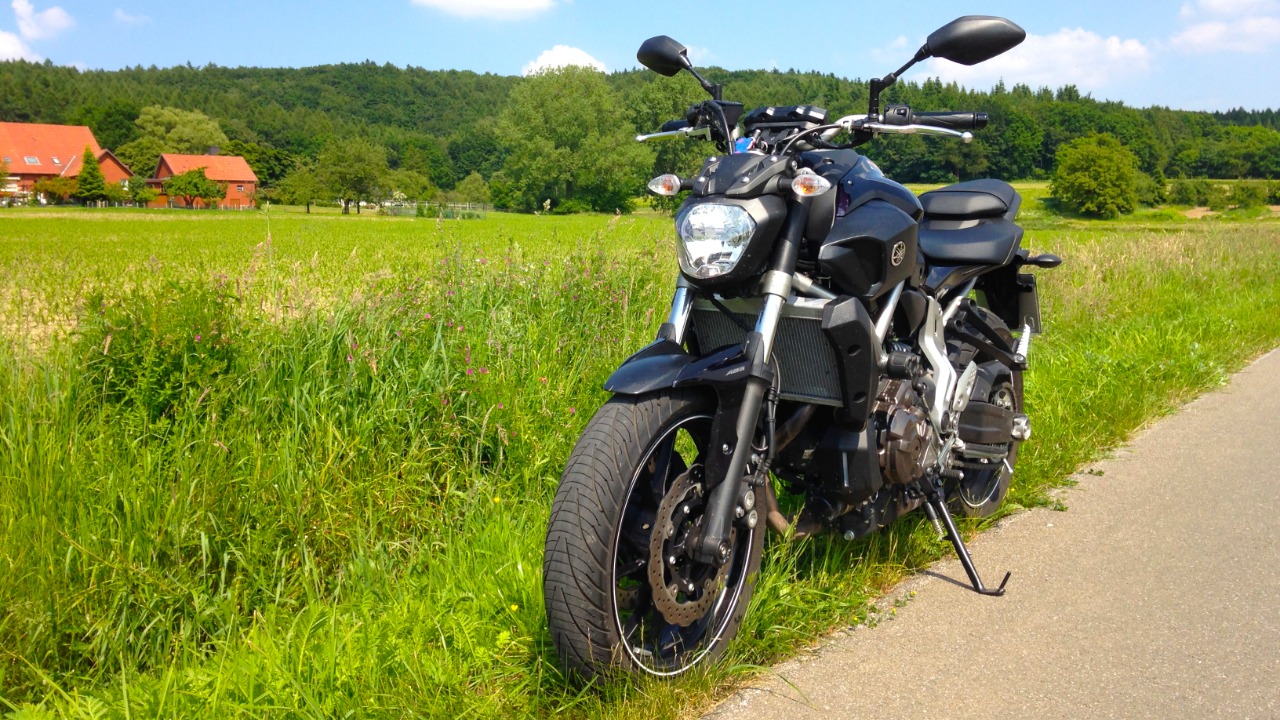
The Yamaha MT-07 earned a strong reputation through its compact parallel-twin engine and relatively uncomplicated mechanical layout. The 689cc engine provides useful torque without requiring extreme tuning, making it suitable for commuting, everyday riding, and longer trips. Its popularity also means mechanics have extensive experience working on the platform. Routine services are relatively conventional, and Yamaha parts support is well established. The MT-07 demonstrates why a motorcycle does not need complicated technology or enormous horsepower to become a dependable long-term machine.
Yamaha FZ-09
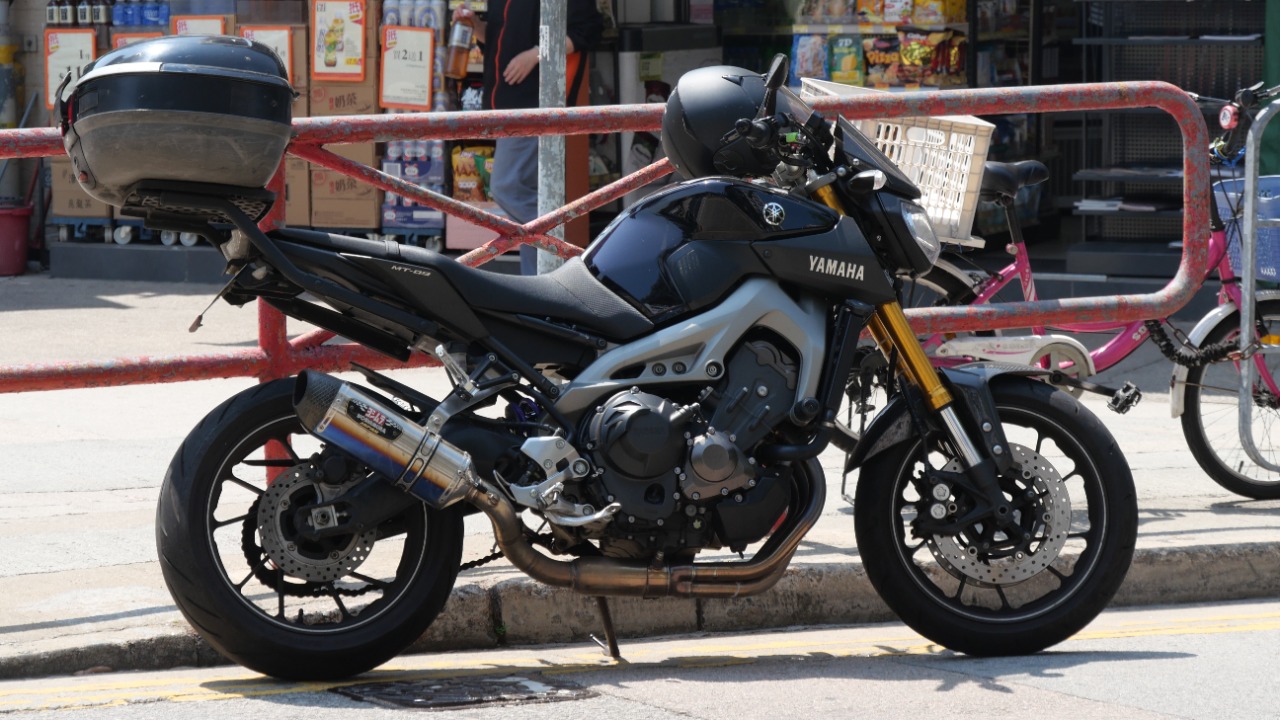
The Yamaha FZ-09, known in later markets as the MT-09, uses a three-cylinder engine that provides strong performance while maintaining a relatively compact package. Its CP3 engine has become one of Yamaha’s most recognizable modern powerplants. Mechanics appreciate the platform’s established service knowledge and broad availability of parts. Regular oil changes, valve inspections, cooling-system maintenance, and other scheduled services remain important, but the basic engine architecture has proven durable. The motorcycle offers considerably more performance than a basic commuter without becoming excessively complicated mechanically.
Yamaha XT250
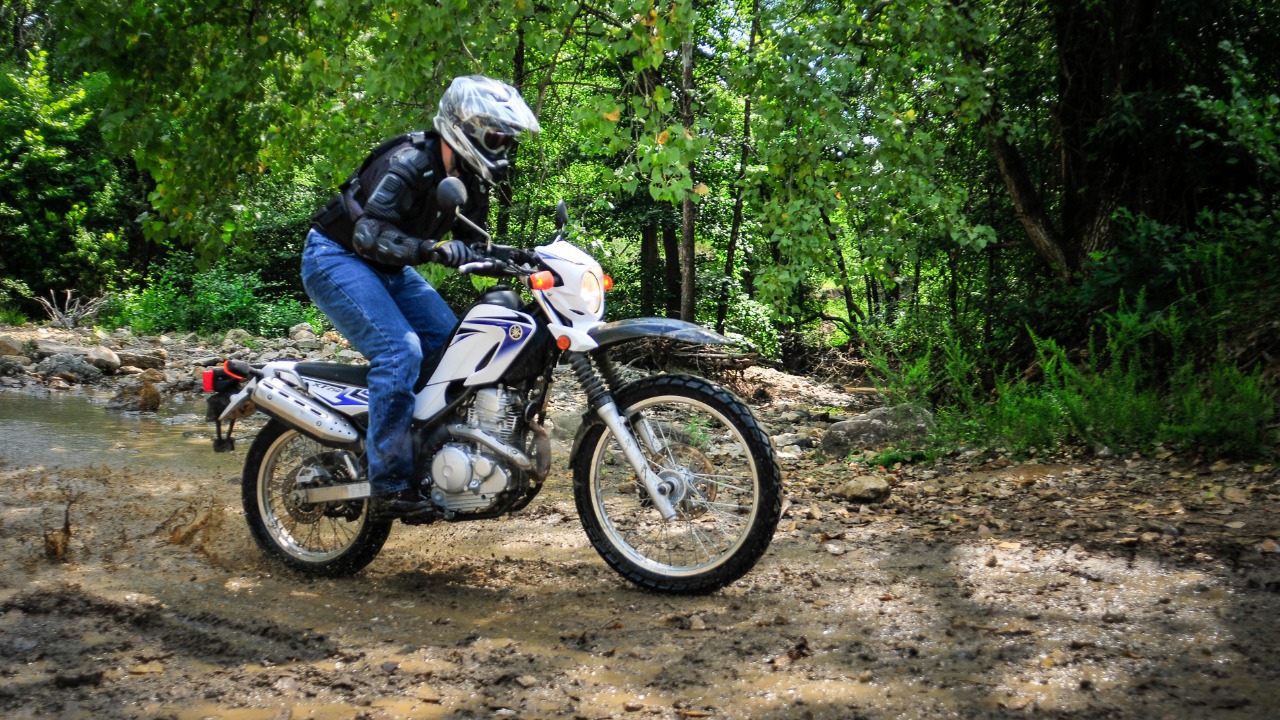
The Yamaha XT250 is a straightforward dual-sport motorcycle designed around simplicity and versatility. Its air-cooled single-cylinder engine produces modest power, but that is part of its appeal. The engine is not pushed toward extreme output, while the motorcycle’s relatively simple construction makes routine maintenance manageable. Its manageable weight and durable chassis also make it useful for riders who travel on both pavement and dirt. Mechanics often value machines like the XT250 because fewer complicated systems can mean easier diagnosis and servicing when problems eventually occur.
Yamaha V Star 650
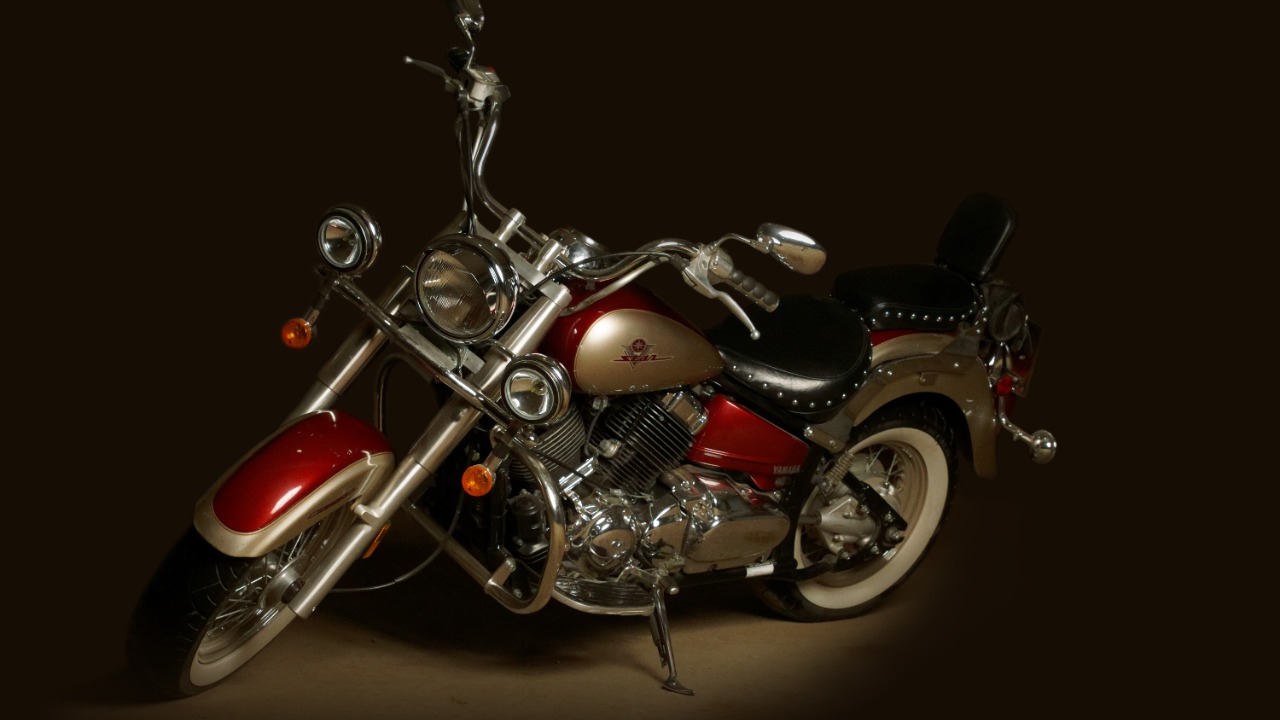
The Yamaha V Star 650 became a popular cruiser partly because its air-cooled V-twin uses a relatively straightforward mechanical layout. Its moderate engine output avoids the extreme stresses associated with highly tuned performance motorcycles, while the long-running model provided mechanics with extensive familiarity. The motorcycle is also known for being approachable for routine maintenance and modifications. Although it is heavier and less sporty than a standard motorcycle, its simple character makes it appealing to riders who prioritize relaxed cruising and predictable ownership over maximum performance.
Suzuki SV650
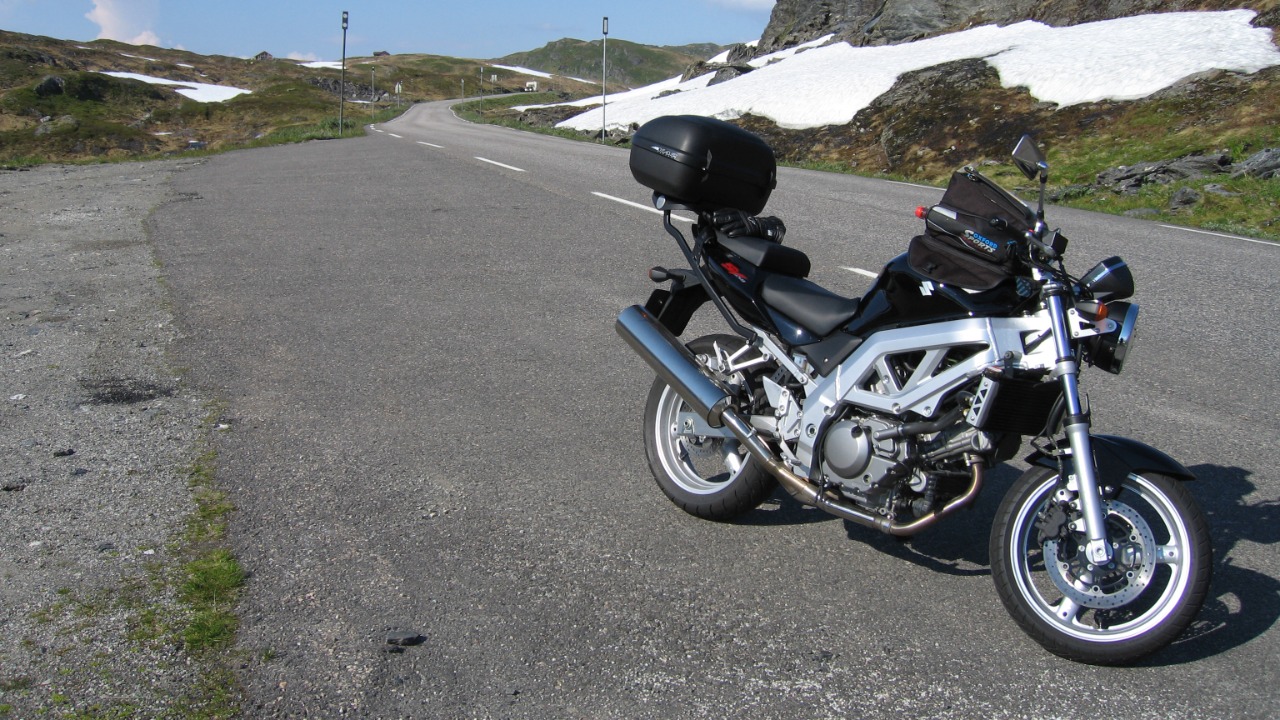
The Suzuki SV650 has earned a reputation as one of the most versatile motorcycles in its class. Its 645cc V-twin provides useful torque, while the engine architecture has remained relatively simple compared with more sophisticated modern powerplants. The motorcycle’s popularity means mechanics have extensive experience diagnosing and servicing it, and replacement parts are widely supported. Its combination of manageable weight, strong reliability record, and uncomplicated mechanical character makes the SV650 useful for commuting, learning, weekend riding, and longer ownership.
Suzuki DR-Z400S
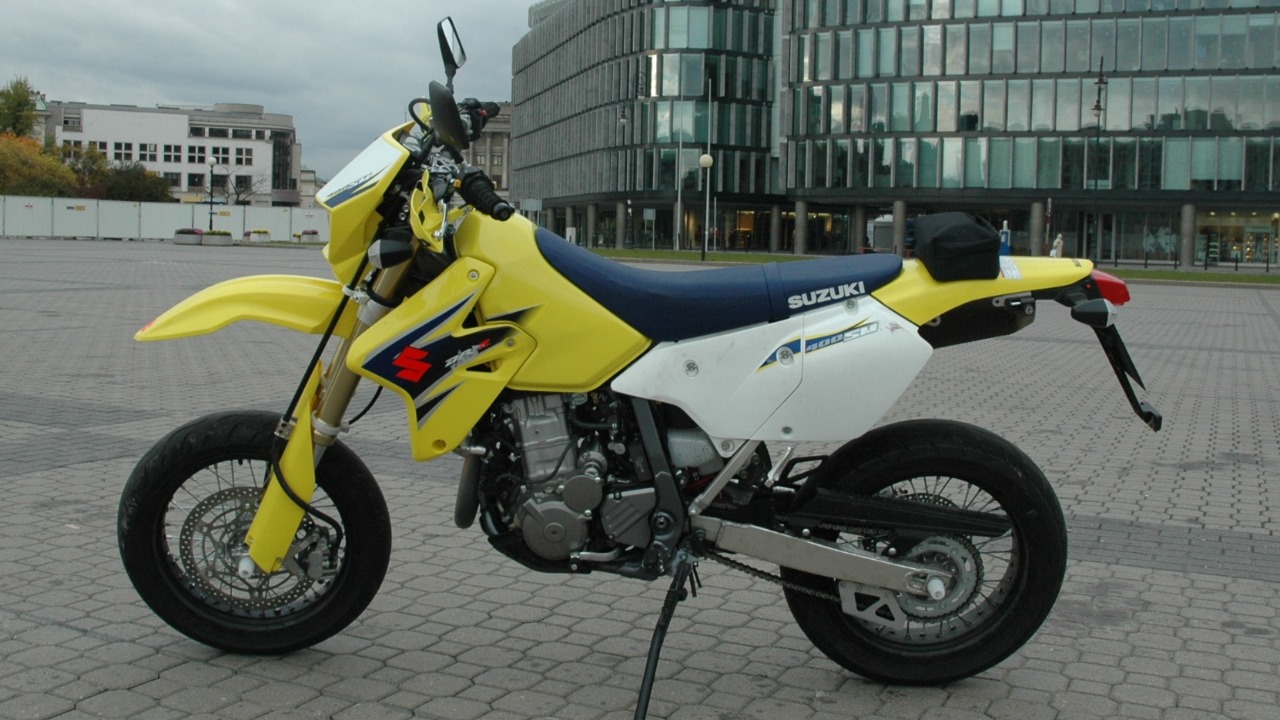
The Suzuki DR-Z400S has remained popular with riders who want a durable dual-sport motorcycle without excessive complexity. Its single-cylinder engine and relatively traditional design make it familiar territory for many mechanics. The motorcycle can handle pavement and off-road riding while remaining light enough for difficult terrain. Its long production history also means there is substantial knowledge surrounding common maintenance procedures and repairs. The DR-Z400S may lack some of the electronic sophistication of newer motorcycles, but its straightforward design remains one of its greatest strengths.
Suzuki V-Strom 650
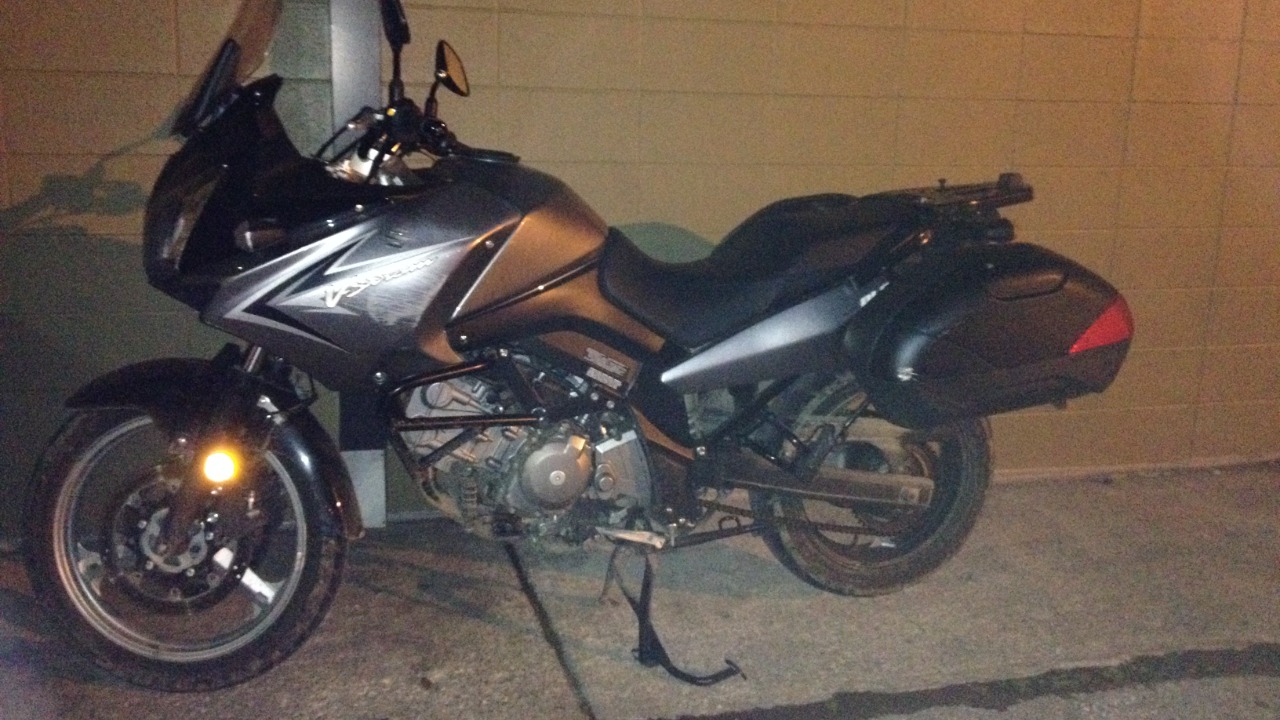
The Suzuki V-Strom 650 combines a proven 645cc V-twin with a practical adventure-touring chassis. The engine’s moderate state of tune helps make it suitable for high-mileage use, while the motorcycle provides comfortable ergonomics and useful luggage capacity. Mechanics generally appreciate the platform’s long production history because common maintenance procedures are well understood. Owners who keep up with fluids, valve checks, chain maintenance, and other scheduled work can accumulate substantial mileage. The V-Strom 650 demonstrates how conservative engineering can create a highly useful long-distance motorcycle.
Kawasaki Ninja 400
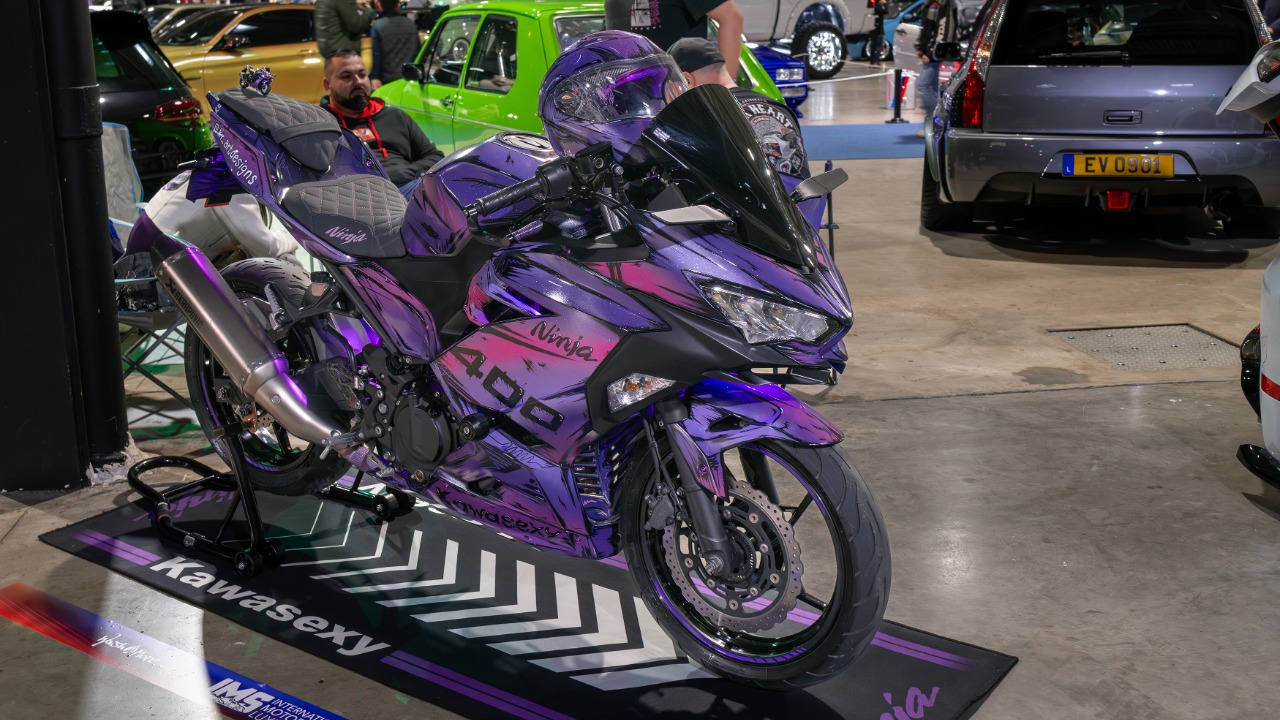
The Kawasaki Ninja 400 became popular because it provides modern sport-bike performance without relying on an overly complicated engine. Its parallel-twin engine is compact, responsive, and relatively easy to service compared with larger high-performance motorcycles. The motorcycle’s widespread popularity also gives mechanics extensive familiarity with its systems. Its moderate weight makes it useful for newer riders while still providing enough performance for experienced motorcyclists. Regular maintenance remains essential, but the Ninja 400’s straightforward mechanical foundation makes it a practical modern sport bike.
Kawasaki KLR650
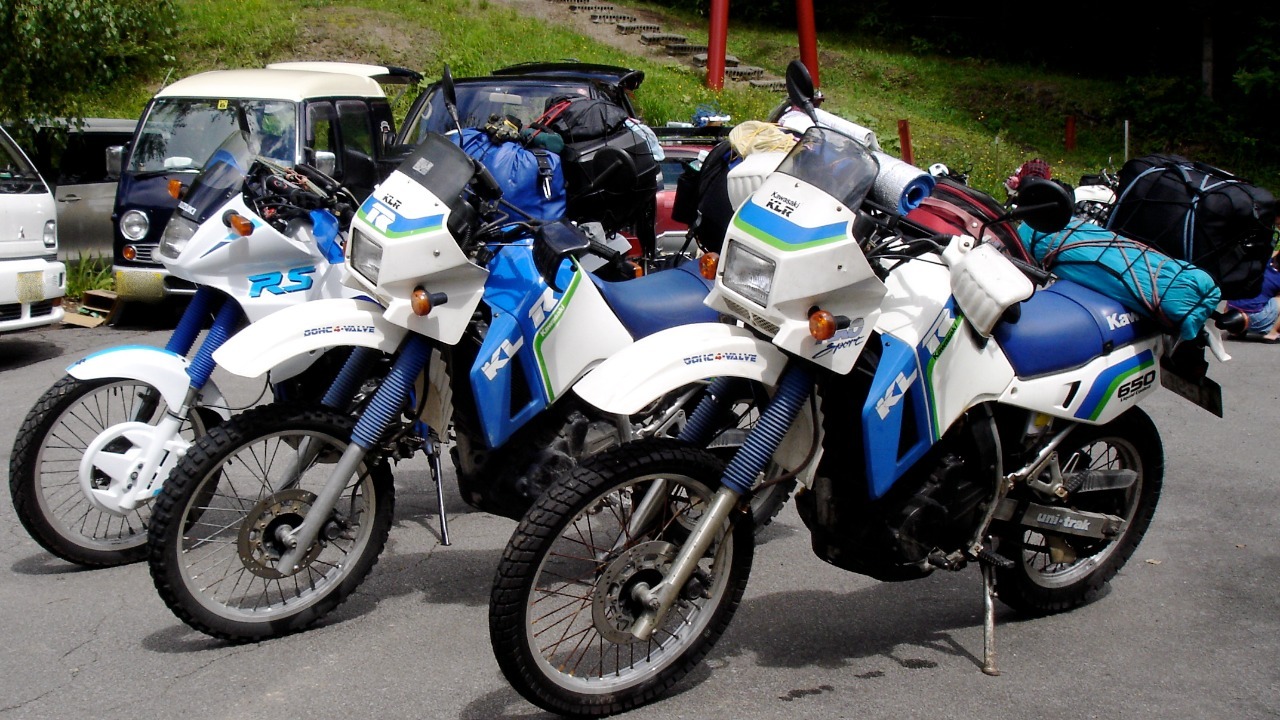
The Kawasaki KLR650 has become almost synonymous with simple adventure travel. Its single-cylinder engine, large fuel tank, durable chassis, and straightforward mechanical design have made it popular with riders covering long distances on mixed surfaces. Mechanics appreciate the model because its basic architecture is familiar and many maintenance tasks can be performed without specialized equipment. The KLR650 is not designed around extreme horsepower or sophisticated electronics. Instead, its appeal comes from being a practical machine that can be repaired, maintained, and ridden far from major service centers.
Kawasaki Z900
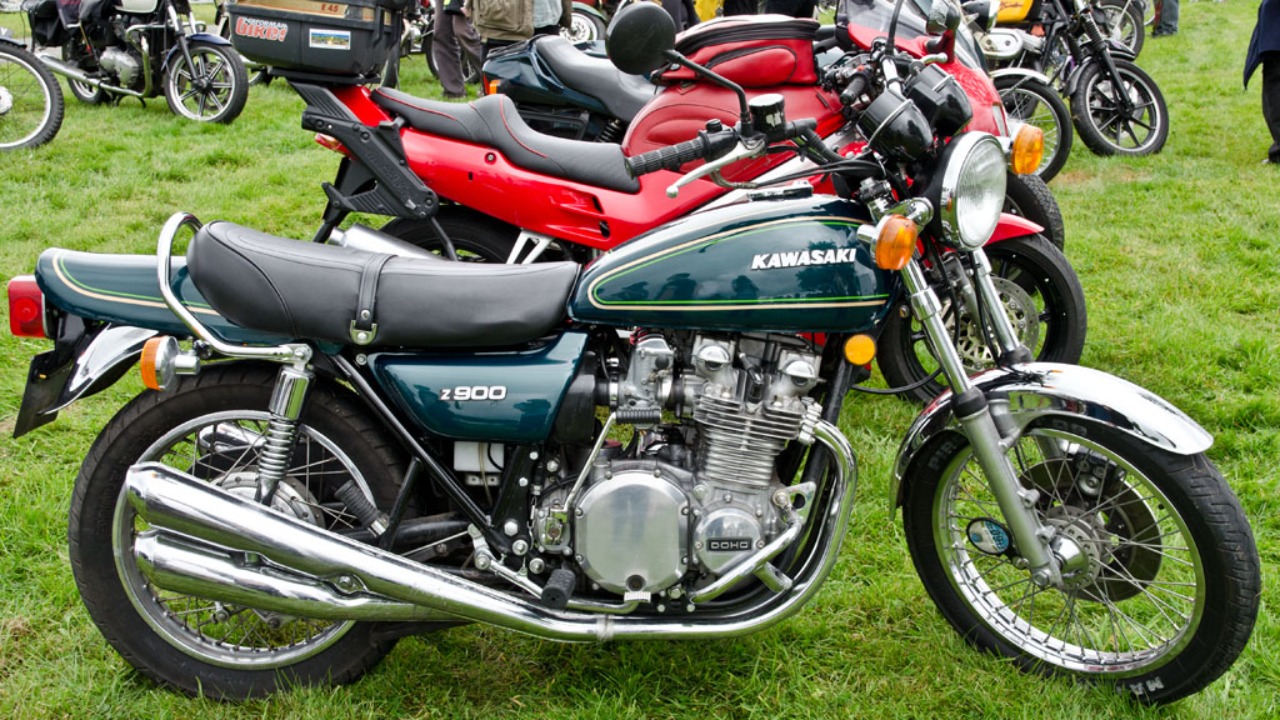
The Kawasaki Z900 uses a four-cylinder engine that provides strong performance while retaining a relatively conventional layout. Unlike some modern motorcycles that rely heavily on complicated systems, the Z900’s core mechanical package is familiar to technicians experienced with Japanese inline-four motorcycles. Its popularity also supports a large supply of service knowledge and replacement components. The engine offers substantial performance without being an extreme race-derived design. For riders wanting a powerful naked motorcycle that can still serve as practical transportation, the Z900 offers a balanced mechanical formula.
Kawasaki Vulcan 900
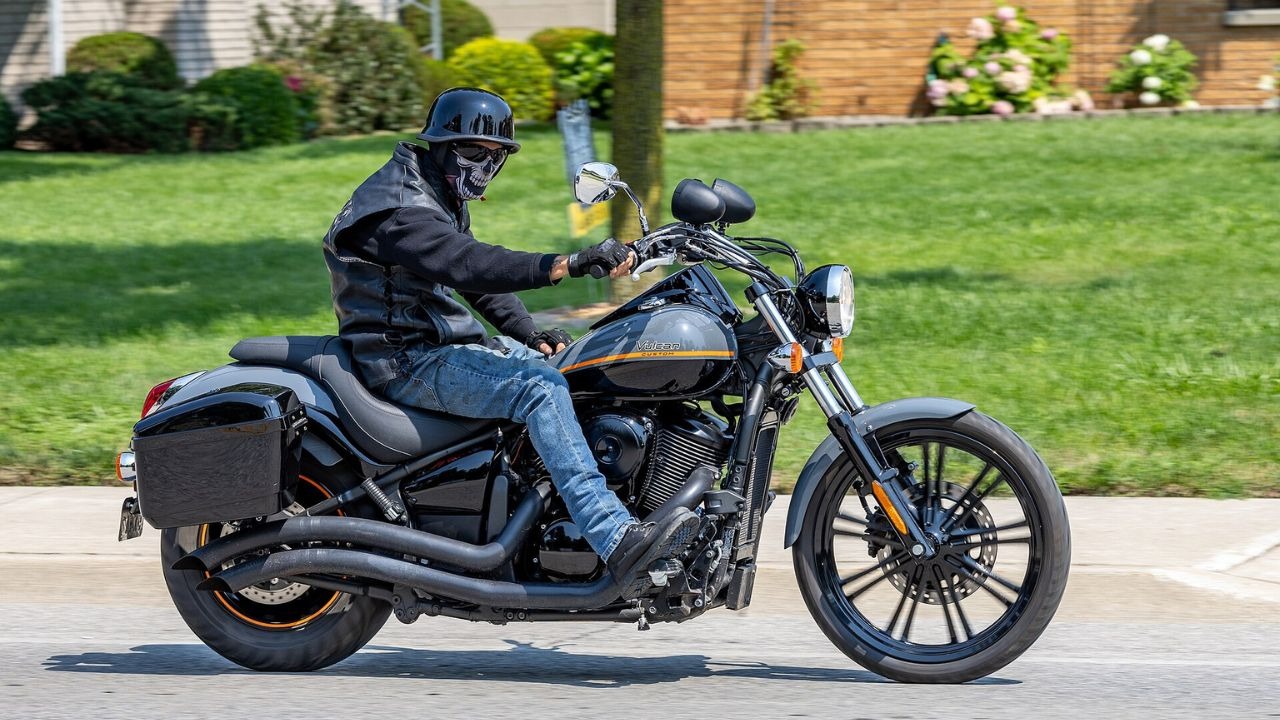
The Kawasaki Vulcan 900 is a cruiser built around a liquid-cooled V-twin engine with a moderate level of performance tuning. Its relaxed power delivery makes it suitable for everyday cruising and touring, while the established mechanical layout is familiar to many motorcycle technicians. The model’s popularity has also created extensive aftermarket and replacement-part support. Mechanics still value predictable motorcycles that do not require unusual procedures for ordinary servicing. The Vulcan 900 fits that category by combining traditional cruiser characteristics with relatively modern reliability and usability.
BMW R 1200 GS
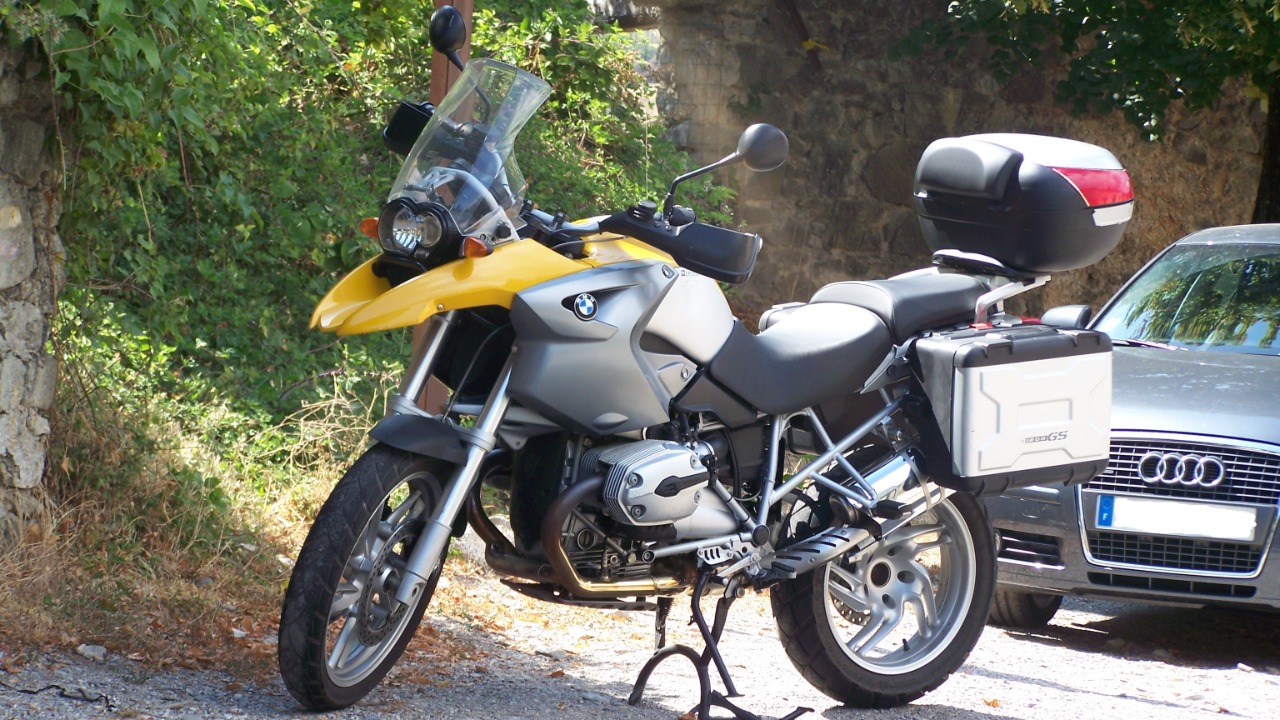
The BMW R 1200 GS became one of the world’s best-known adventure motorcycles because of its combination of long-distance capability, shaft drive, and boxer-twin engine. Its engineering is more sophisticated than a basic Japanese single-cylinder motorcycle, but the platform has been produced in large numbers and is well understood by experienced BMW technicians. Regular servicing is especially important because of its electronic systems, suspension components, and specialized drivetrain. When properly maintained, the R 1200 GS can accumulate very high mileage and remain a capable touring machine.
Triumph Bonneville T100
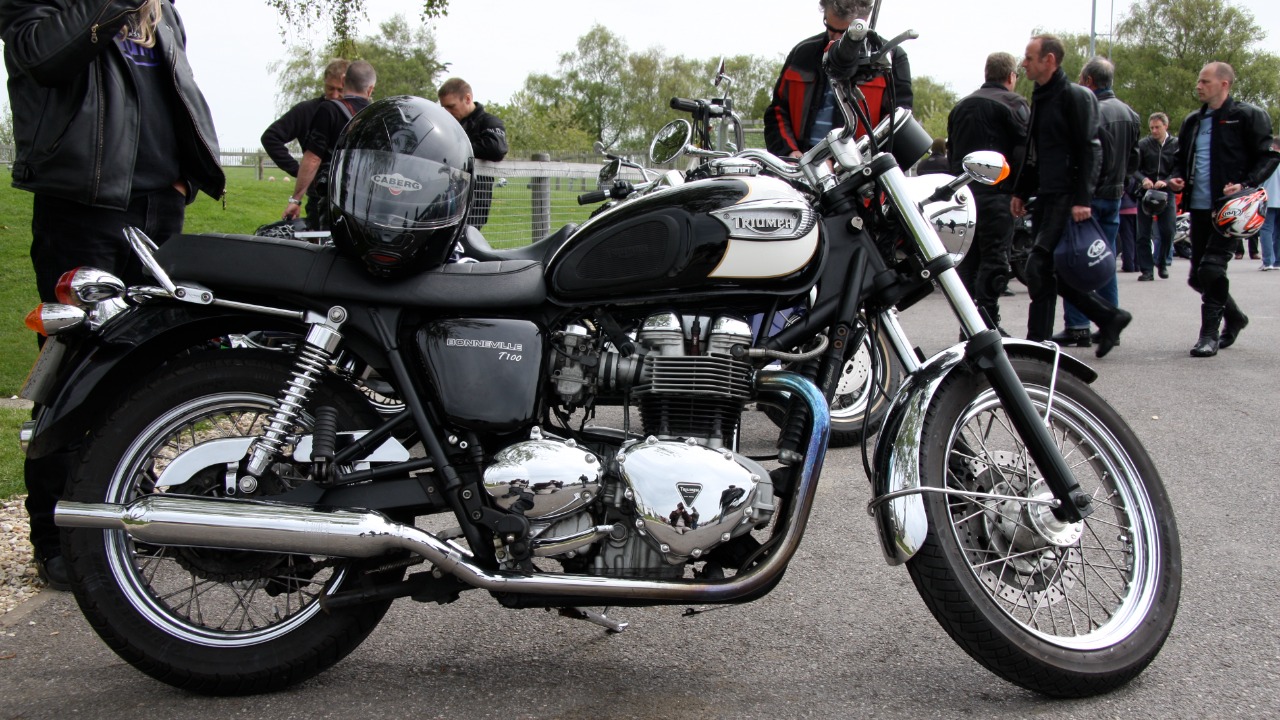
The Triumph Bonneville T100 combines classic styling with a modern parallel-twin engine and contemporary chassis technology. Its engine produces usable torque without being tuned to an extreme level, while the motorcycle’s relatively straightforward layout makes routine maintenance manageable. Triumph’s long-running Bonneville family also gives mechanics substantial familiarity with the platform. The T100 is particularly appealing to riders who want traditional motorcycle character without committing to the maintenance demands of an older vintage machine. Proper servicing remains important, but the modern Bonneville is designed for regular road use.
Harley-Davidson Sportster 883
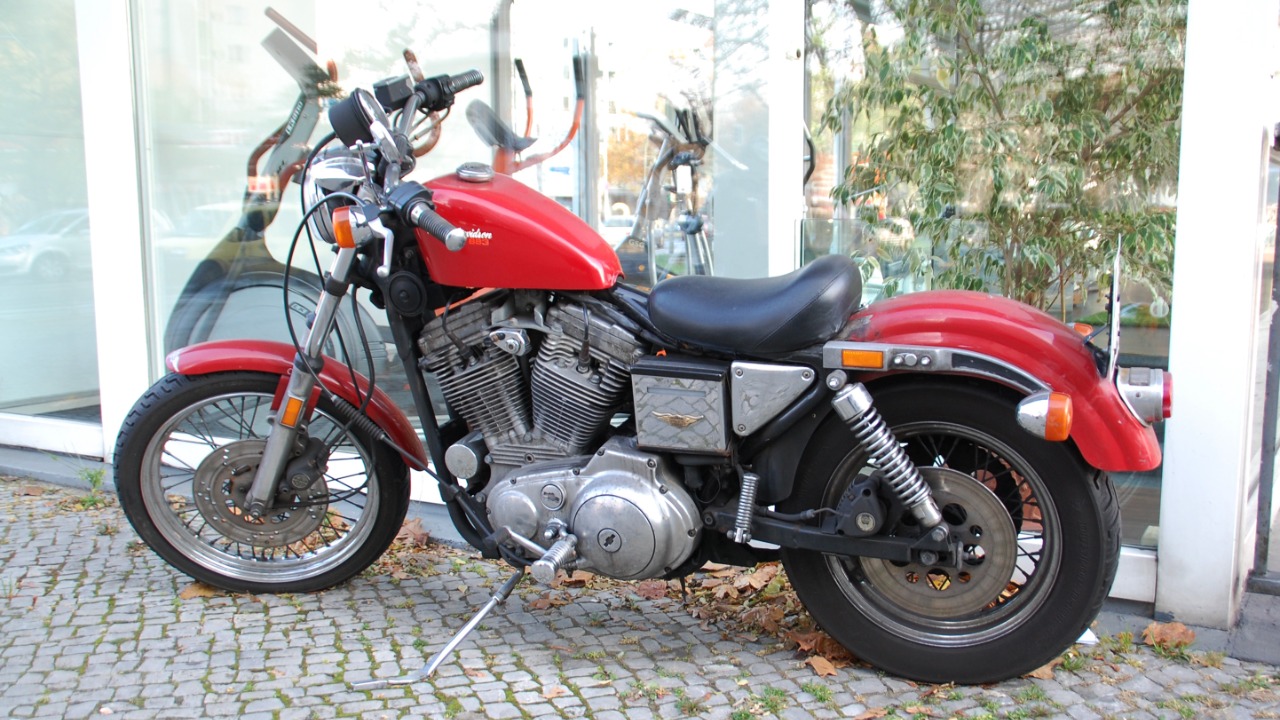
The Harley-Davidson Sportster 883 has long been valued for its relatively simple air-cooled V-twin design and enormous parts availability. Its moderate engine output makes it less highly stressed than larger high-performance motorcycles, while the basic architecture has remained familiar to generations of mechanics. The Sportster’s huge popularity also means owners can find extensive service information and aftermarket support. It is heavier and less sophisticated than many Japanese motorcycles, but its mechanical simplicity and long production history make the 883 a recognizable example of a motorcycle designed for straightforward ownership.
Royal Enfield Bullet 350
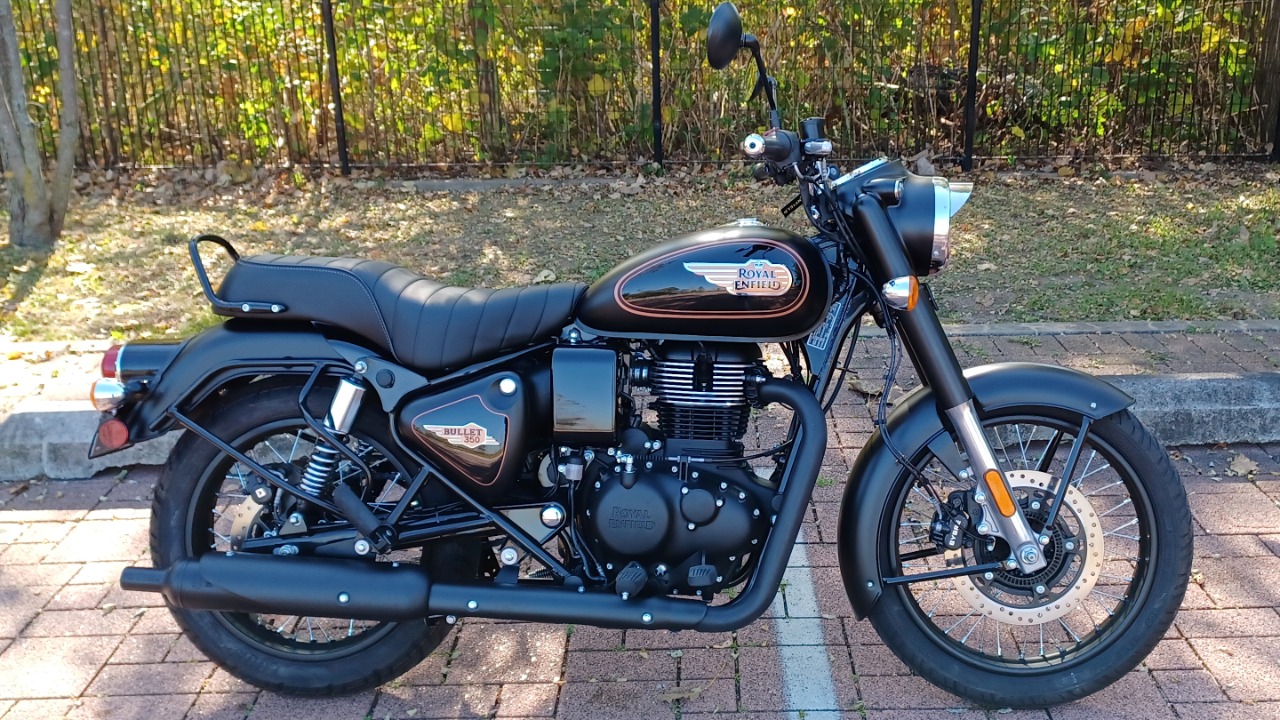
The Royal Enfield Bullet 350 has one of the longest-running production histories in motorcycle history and has remained popular because of its simple mechanical character. Modern versions use updated engineering compared with earlier Bullets, but the motorcycle retains a relatively straightforward single-cylinder layout and relaxed performance. Mechanics familiar with Royal Enfield motorcycles can work on the platform without dealing with the complexity of a high-performance multi-cylinder machine. Its modest power output and classic design make it particularly suited to riders who value simplicity, accessibility, and relaxed everyday riding.
More from Fast Lane Only
- Unboxing the WWII Jeep in a Crate
- 15 rare Chevys collectors are quietly buying
- 10 underrated V8s still worth hunting down
- Police notice this before you even roll window down
*Research for this article included AI assistance, with all final content reviewed by human editors.